Leg Workout Machines
Looking to strengthen and tone your legs? Look no further than our collection of leg workout machines. Whether you're a fitness enthusiast or just starting your fitness journey, these machines are designed to help you achieve your leg goals. From leg press machines to squat racks, we have a wide range of options to suit every fitness level and preference. Say goodbye to boring leg workouts and hello to a more effective and enjoyable way to target those lower body muscles. Get ready to take your leg training to the next level with our selection of top-notch leg workout machines.
Sort




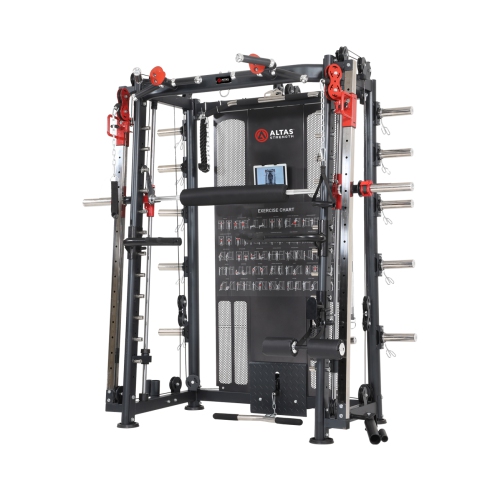
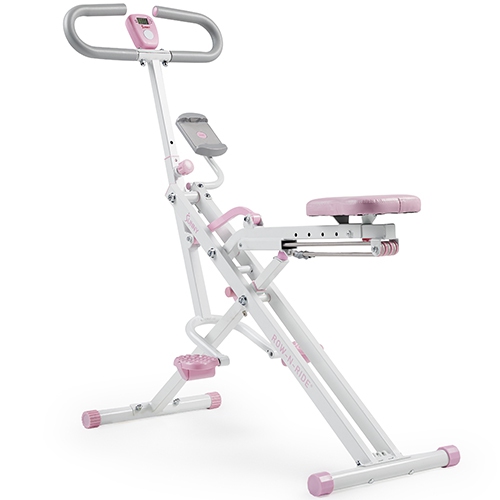
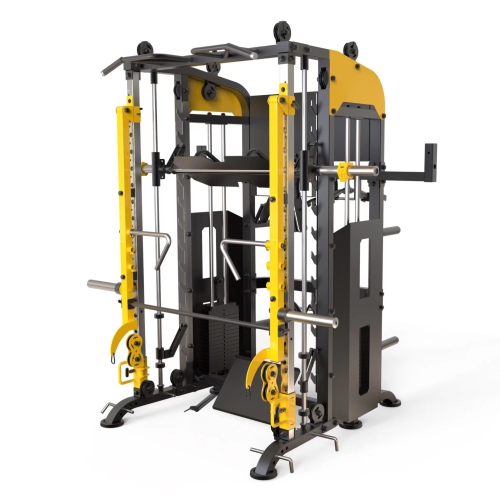
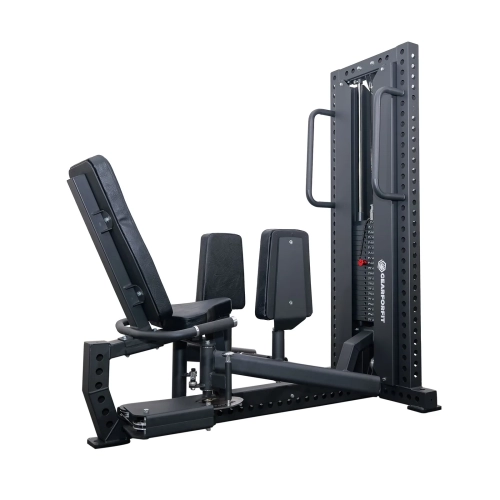

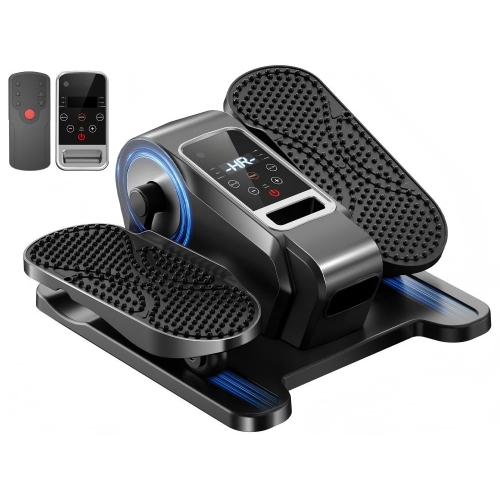
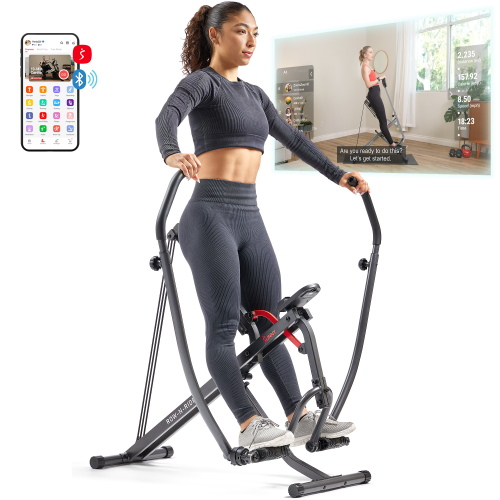
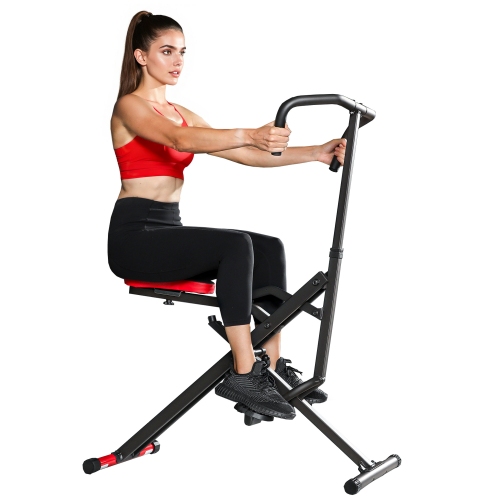
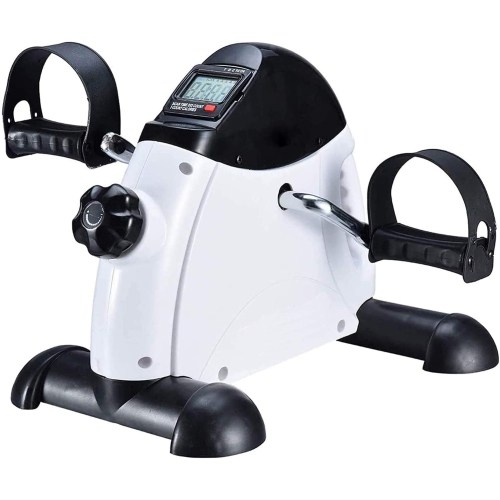






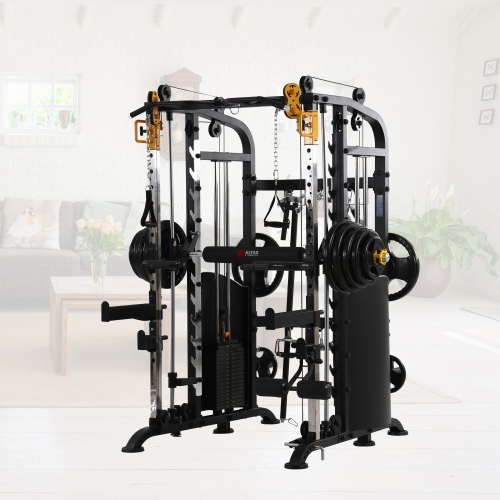
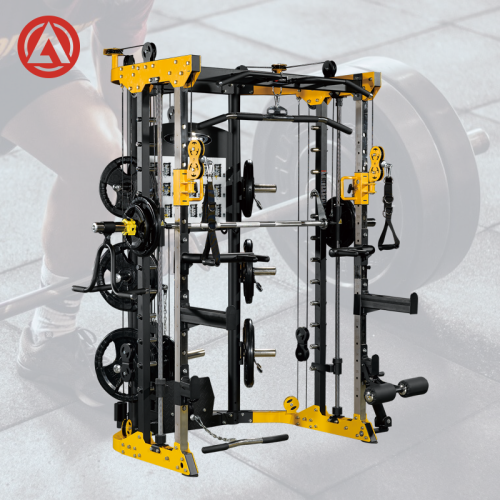
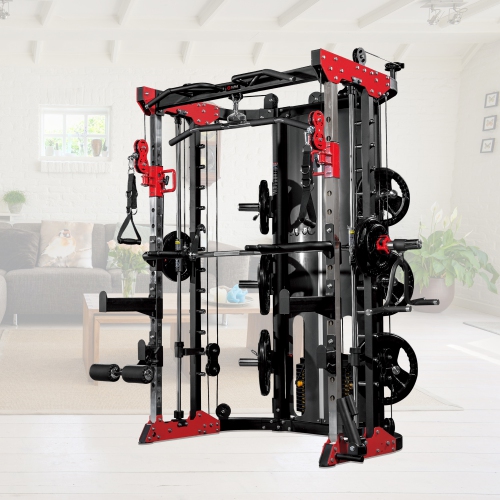
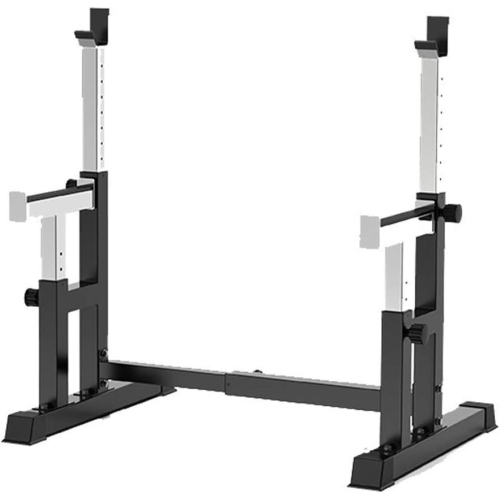


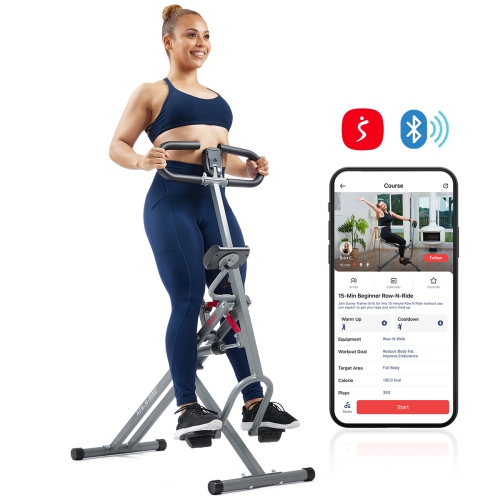
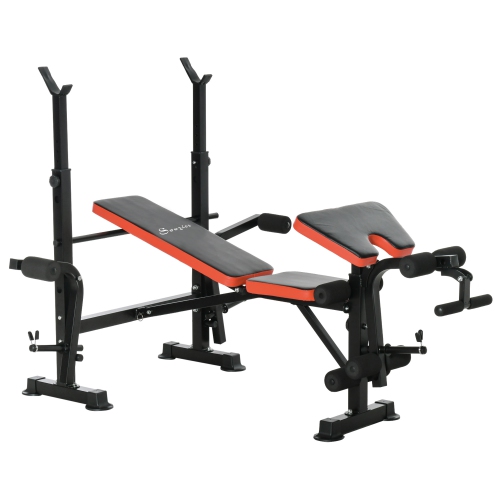
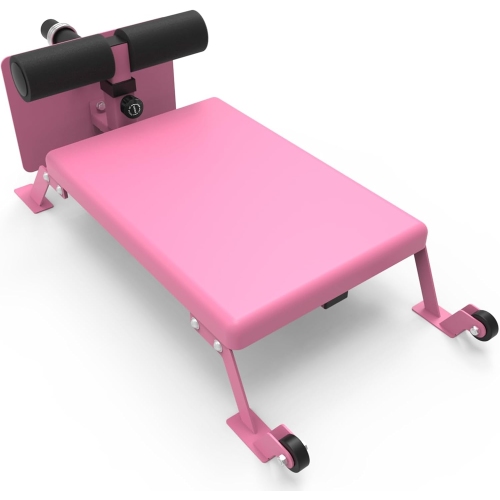
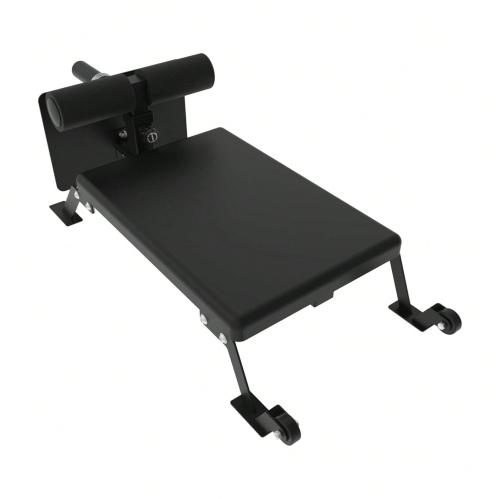

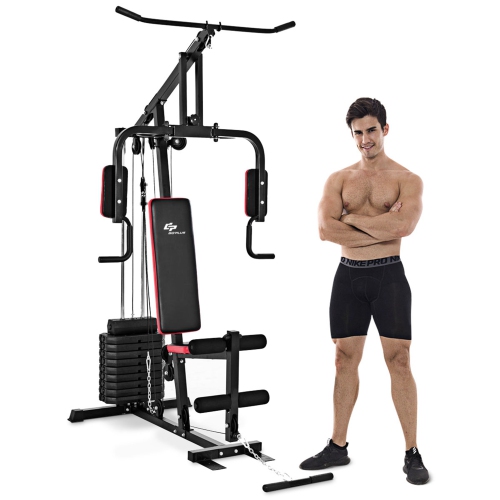

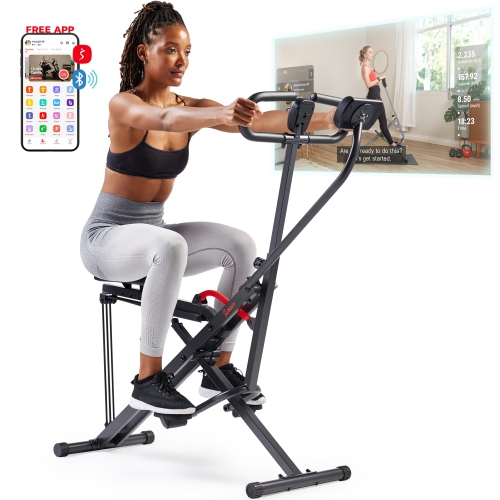


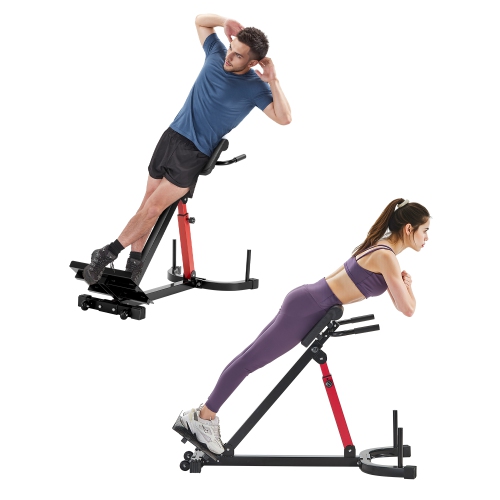
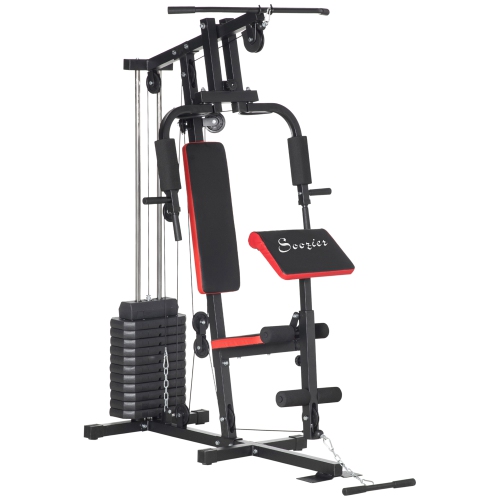
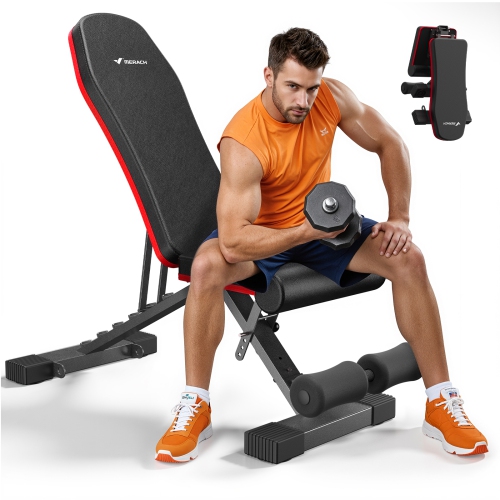
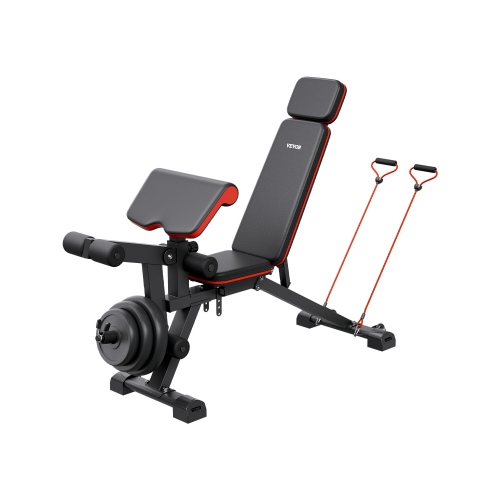

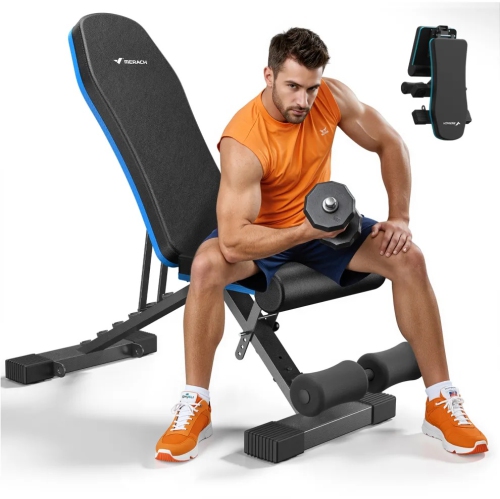
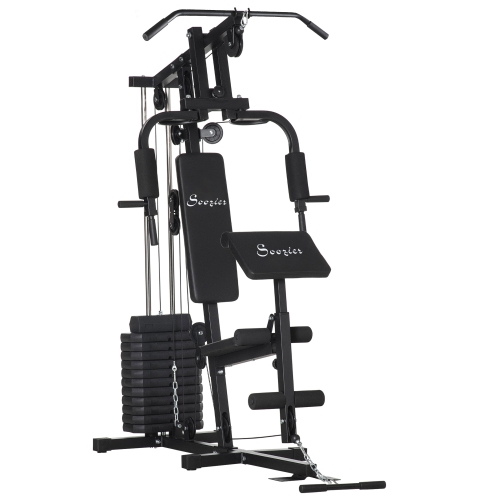




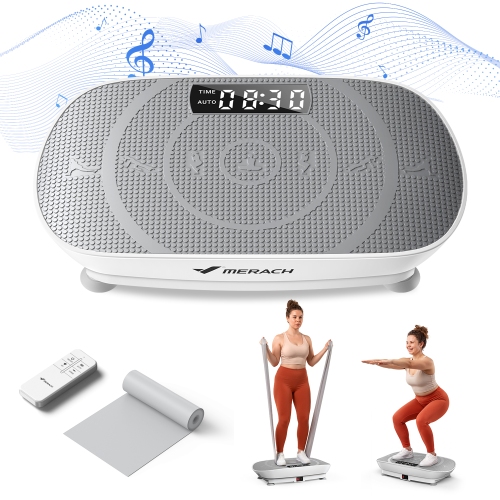


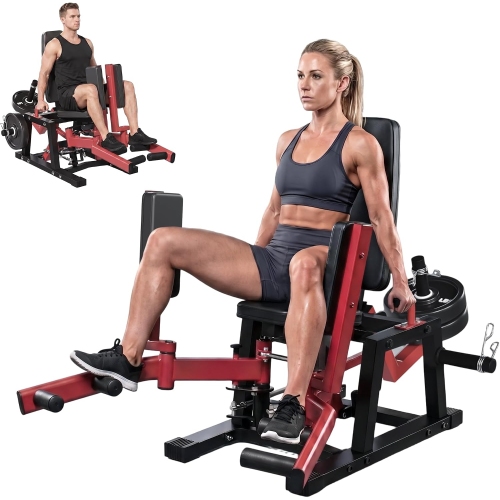
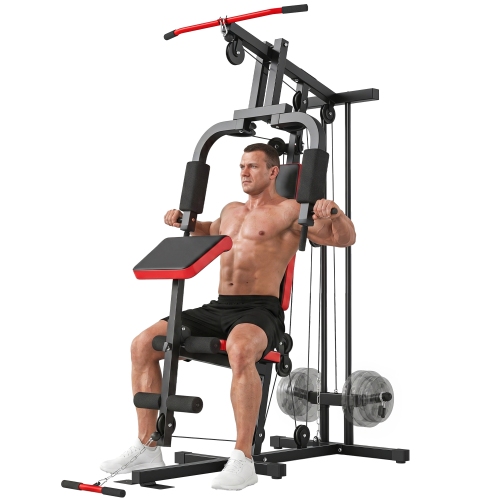

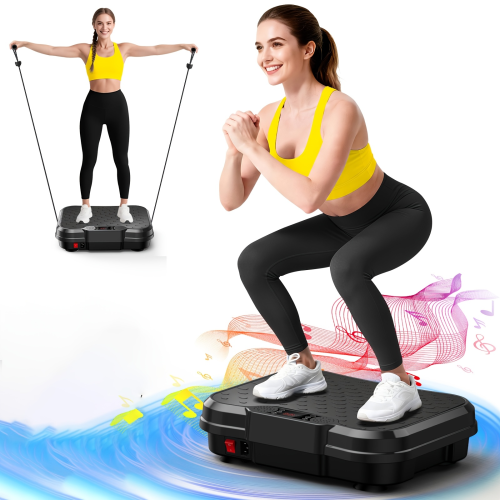

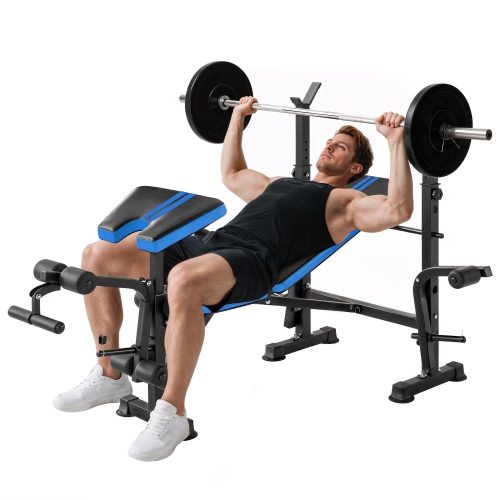

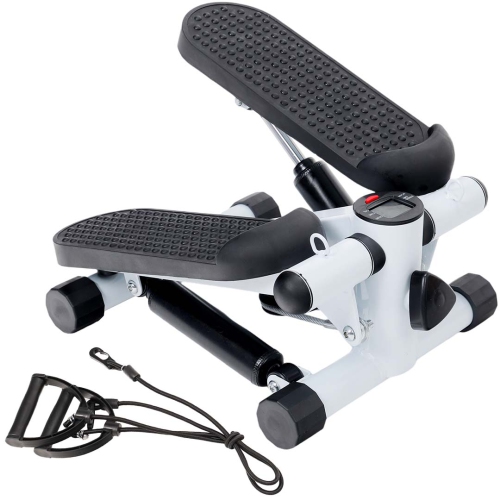


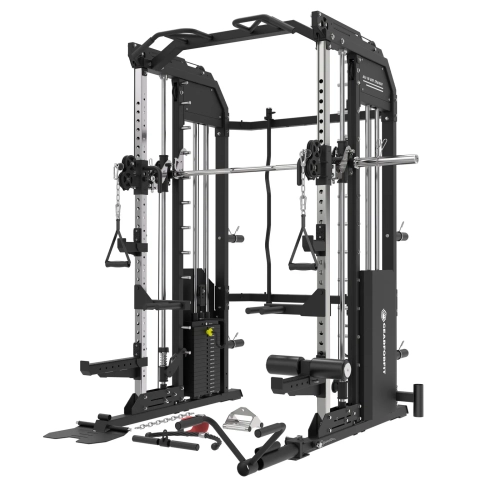


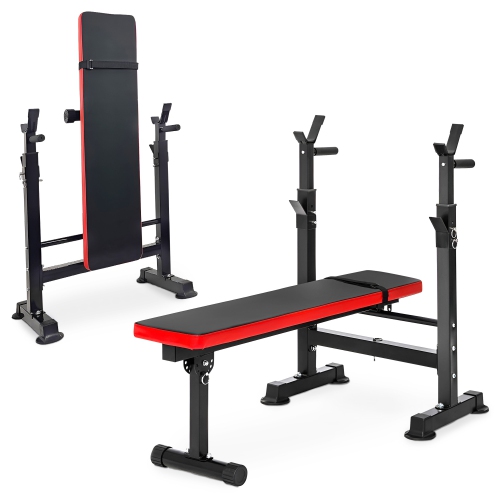



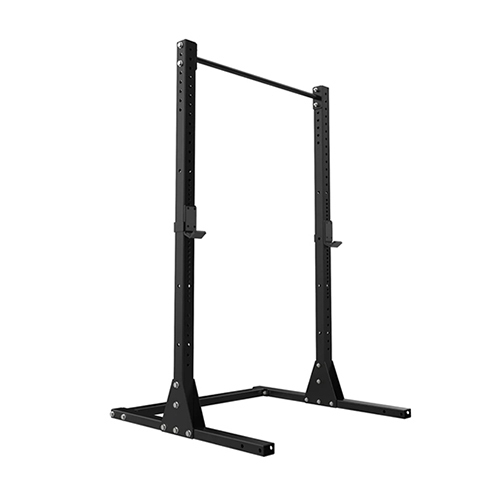
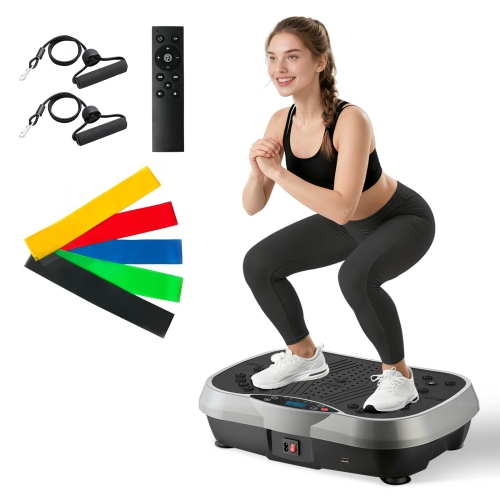

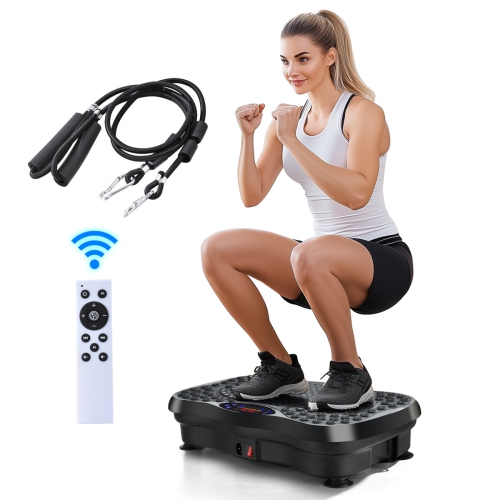
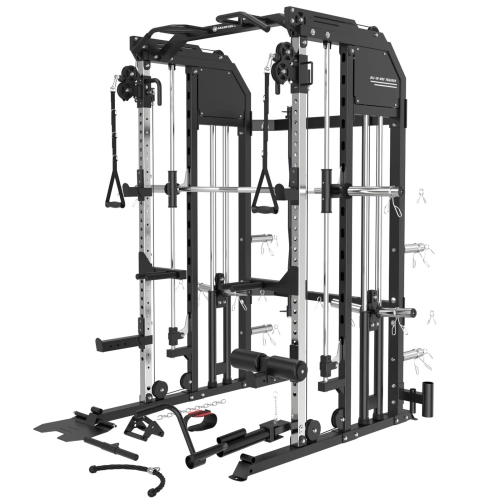

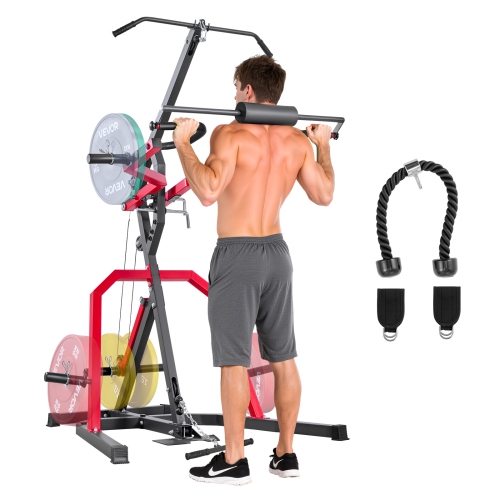
How machine design shapes your lower-body training
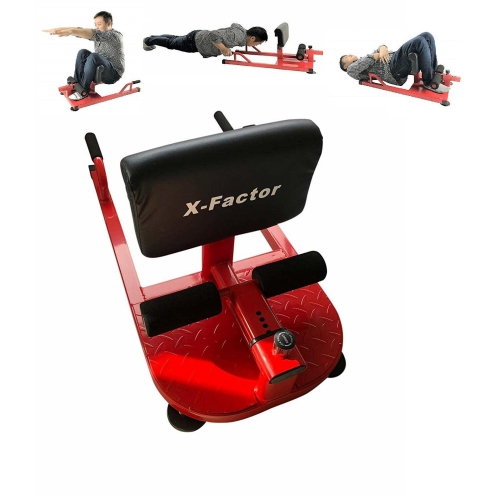
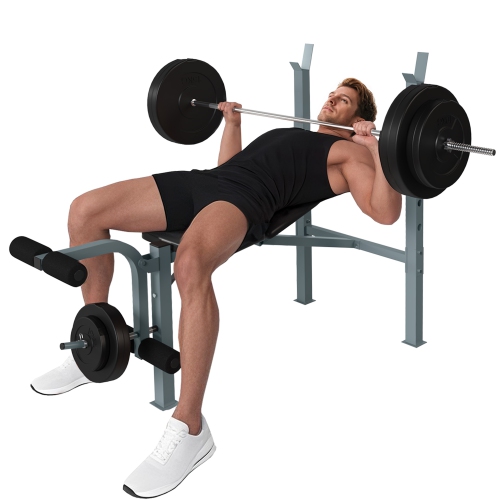
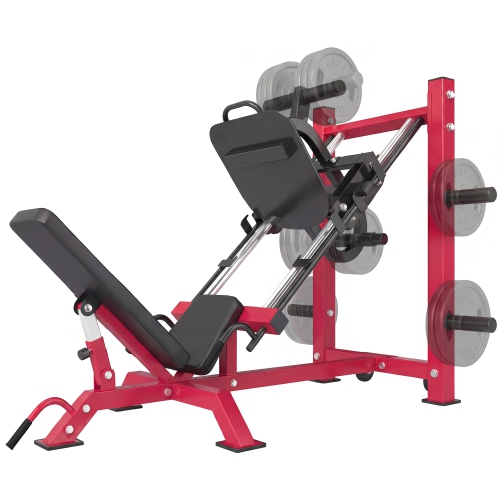
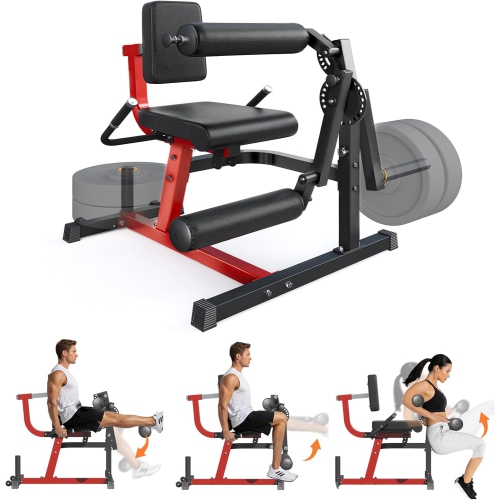
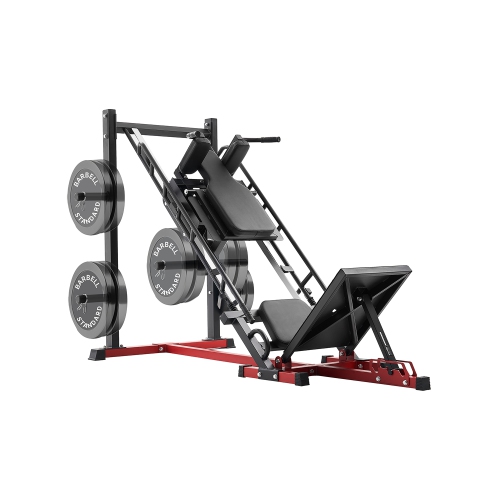
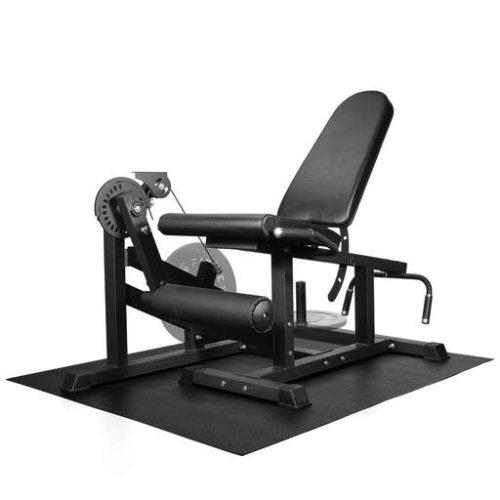
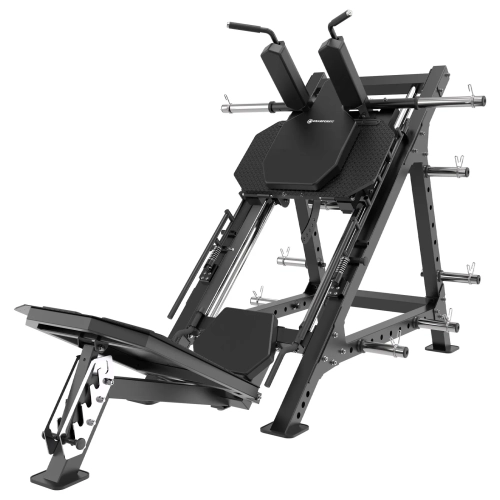
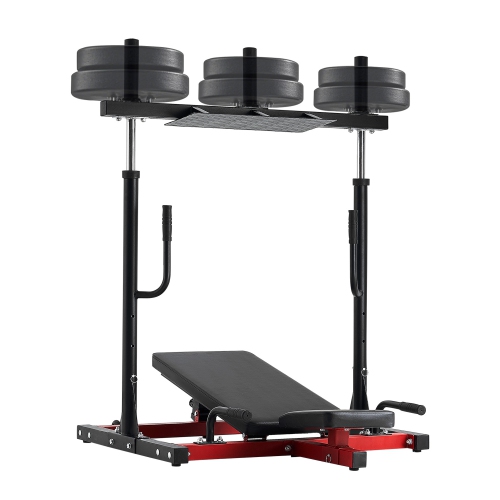
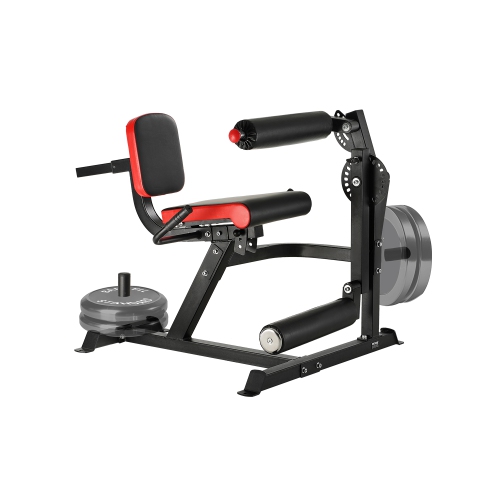
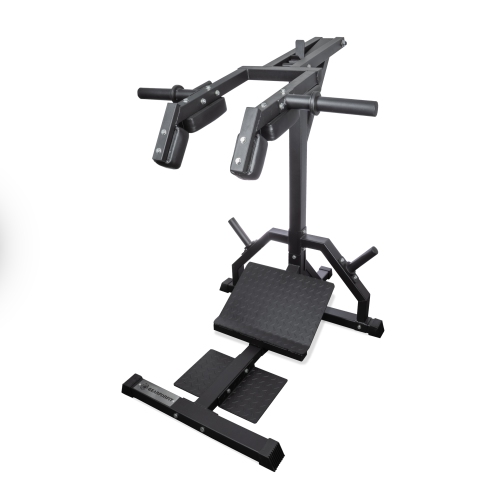
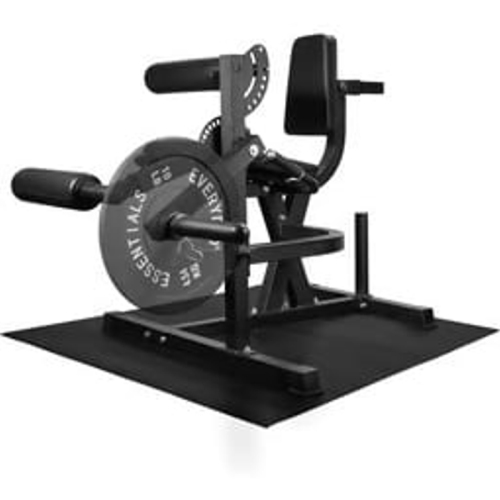
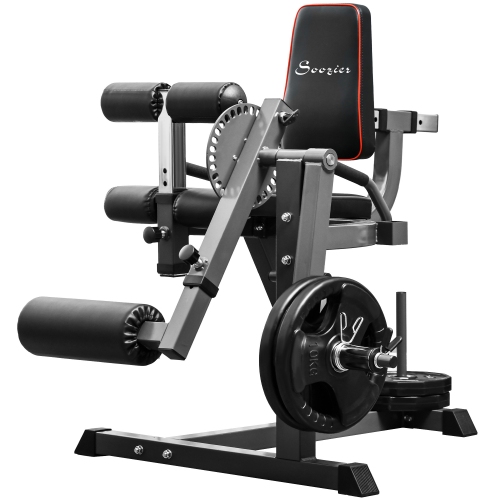
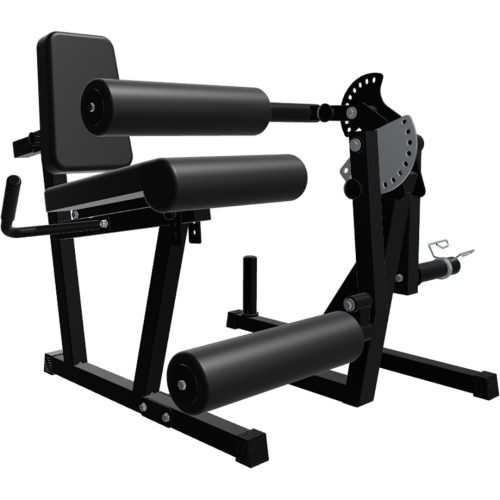
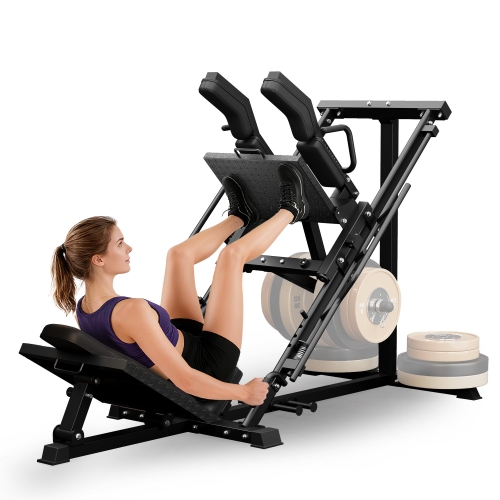
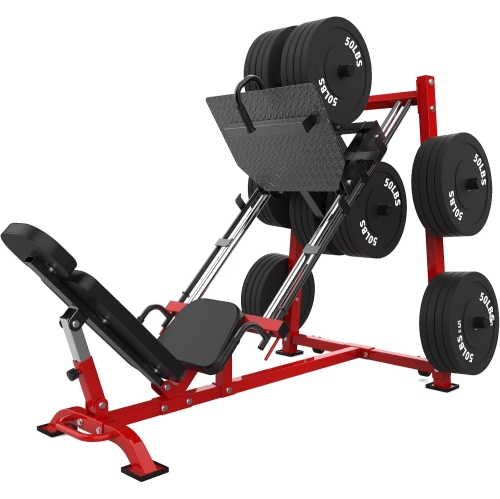
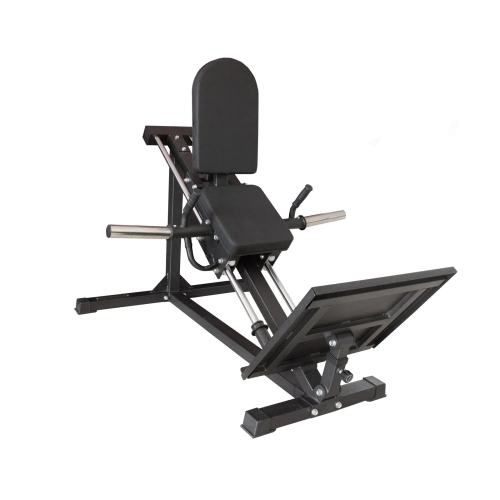
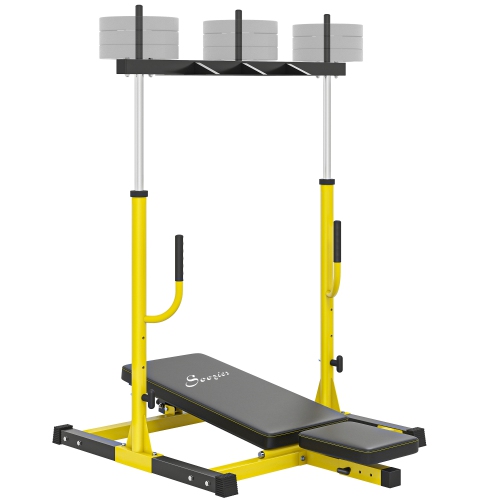
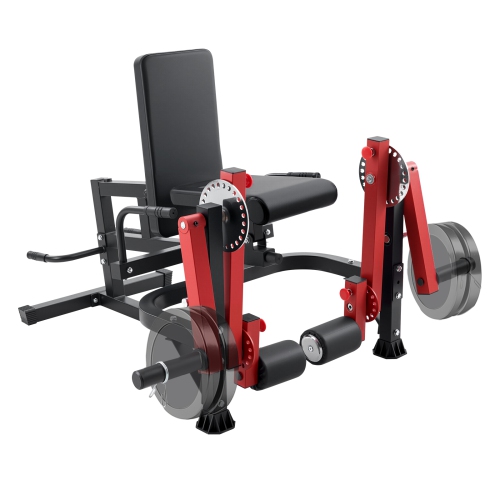
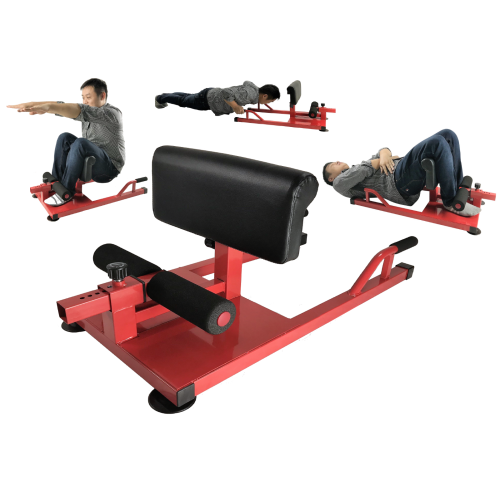
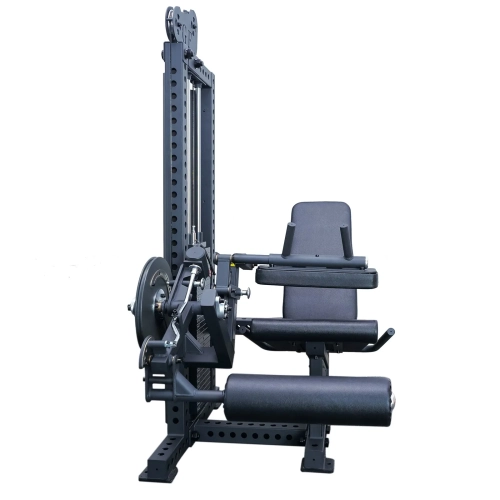
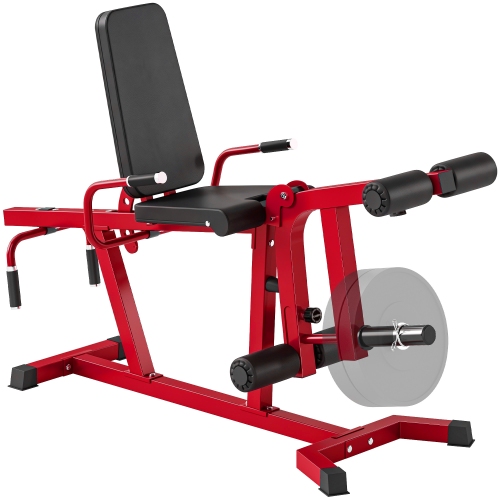
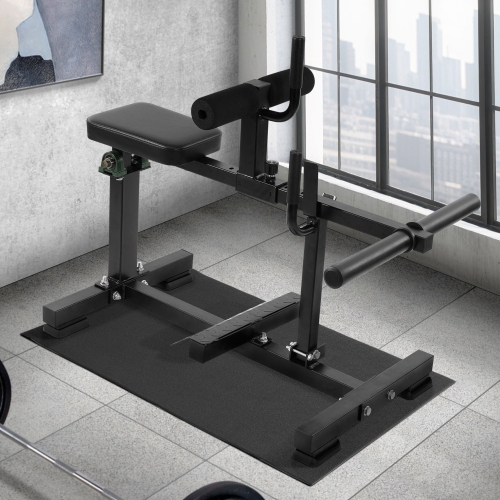
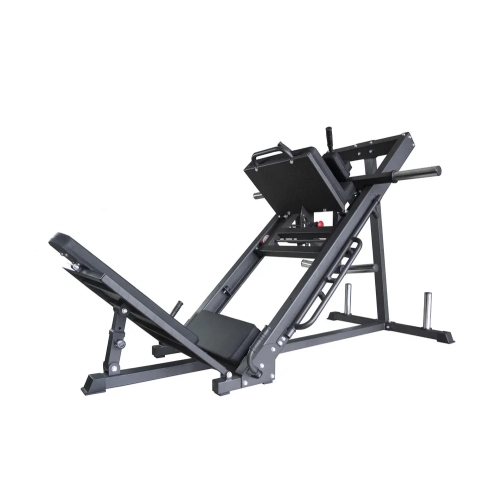
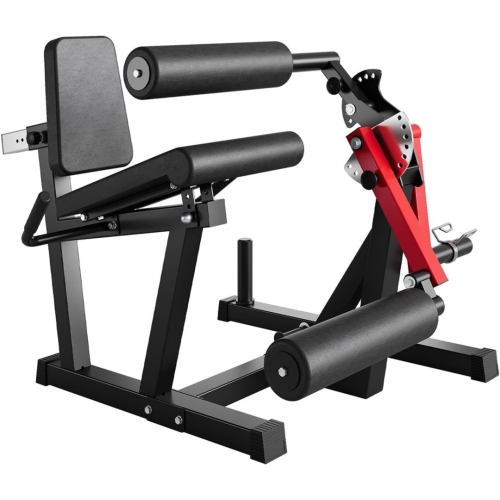
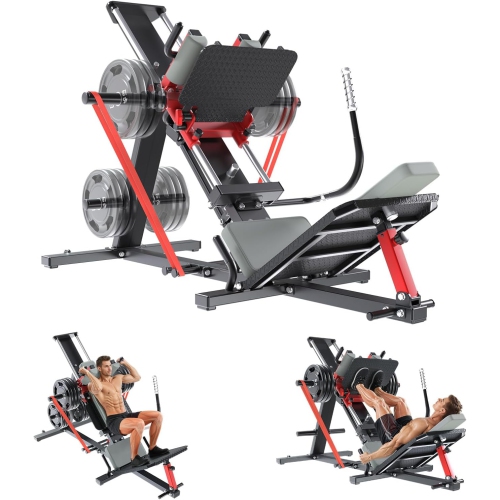
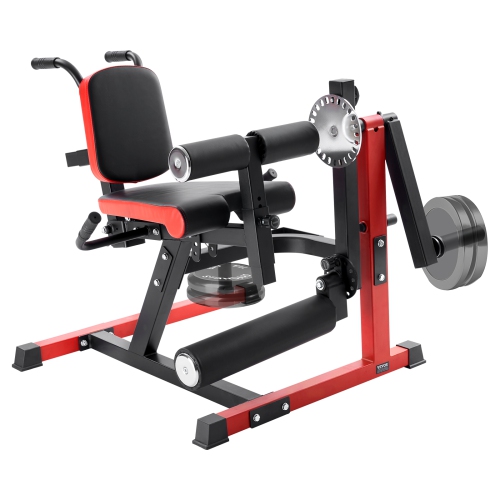
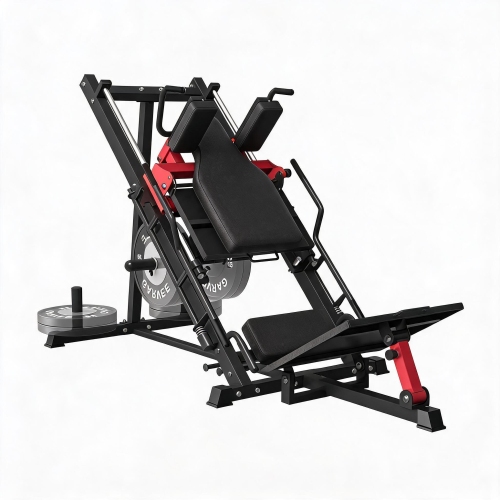
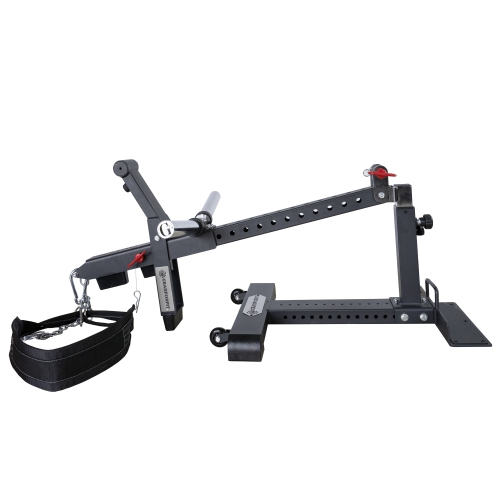
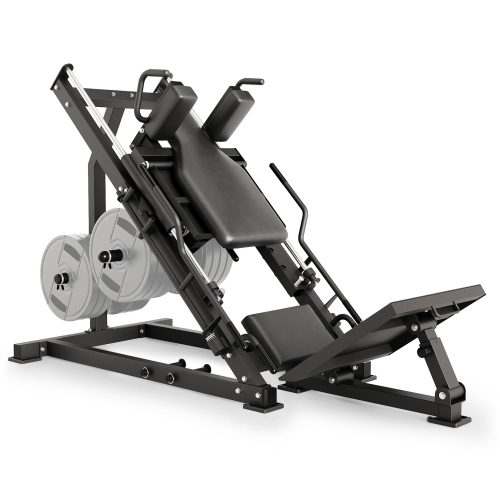
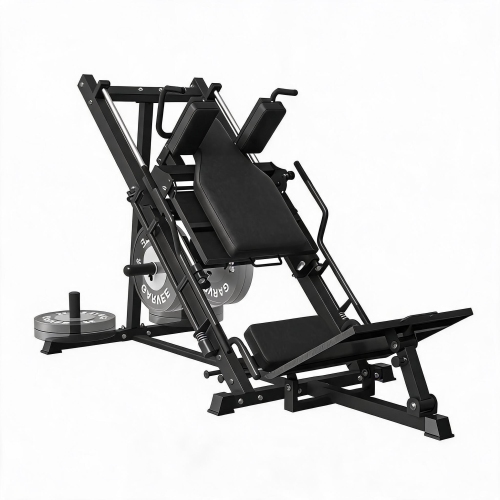
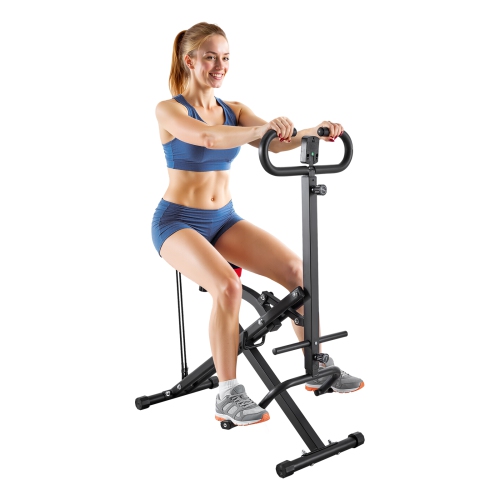
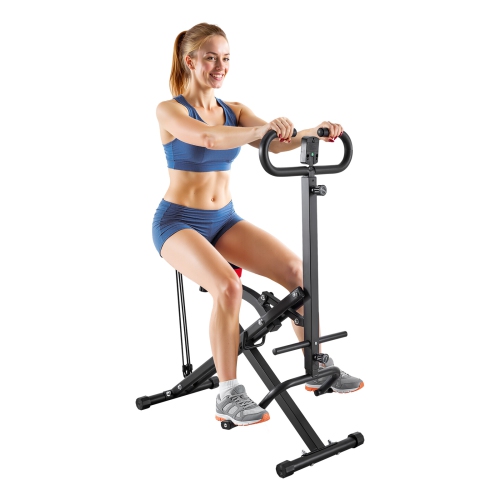
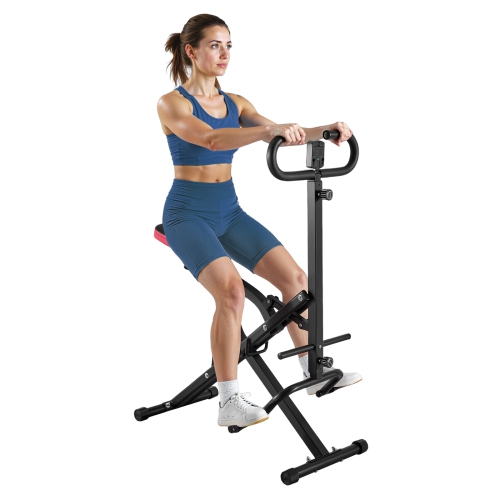
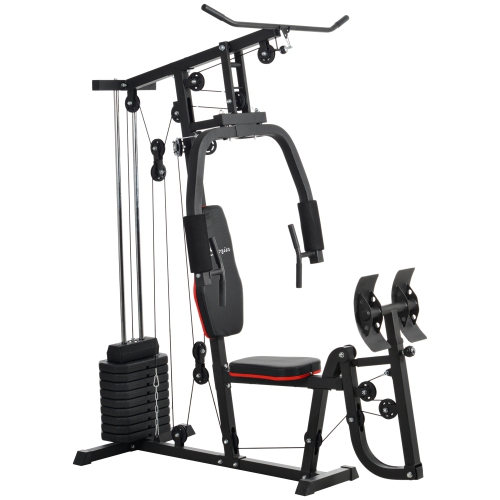
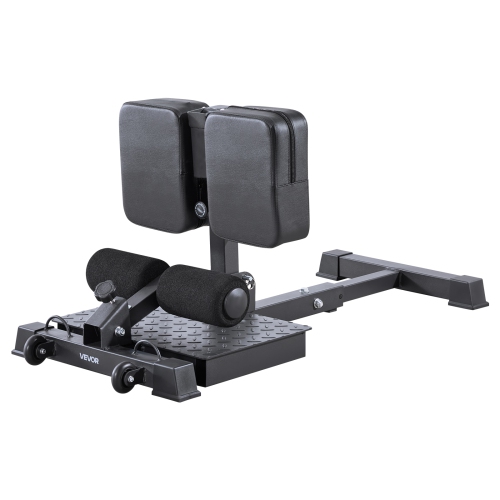
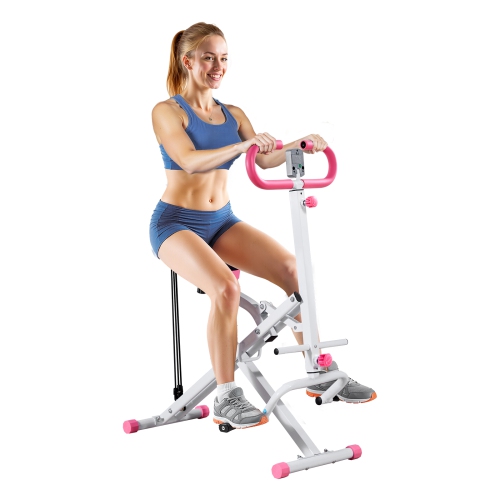
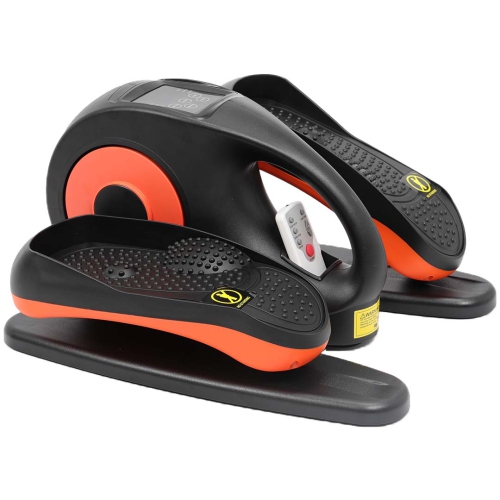
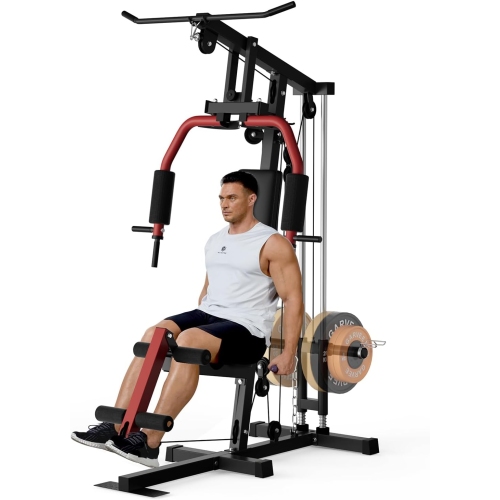
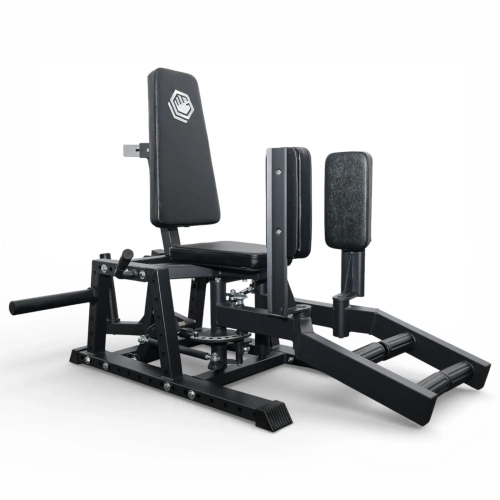
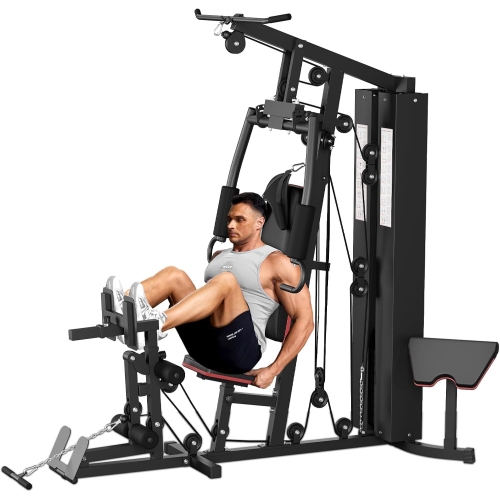
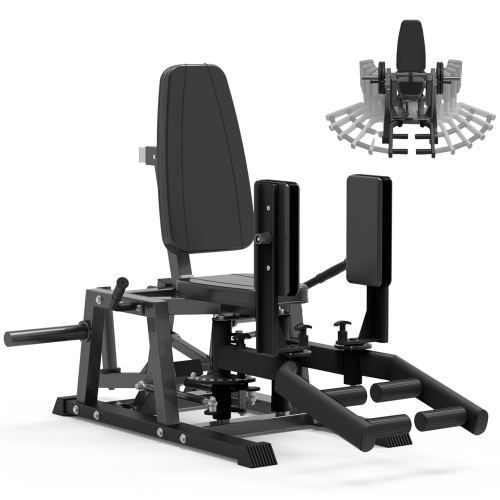
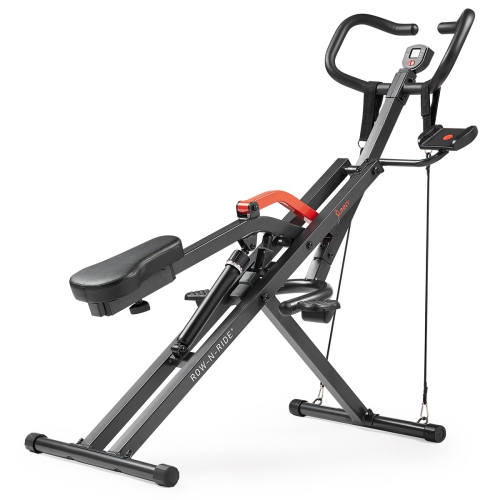
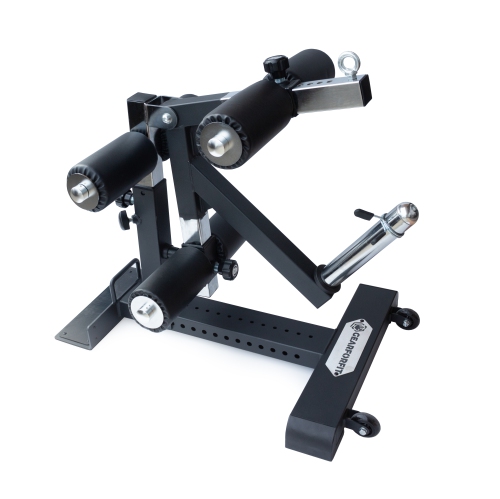
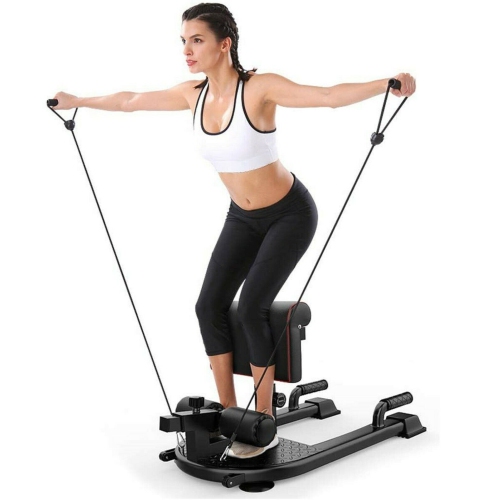
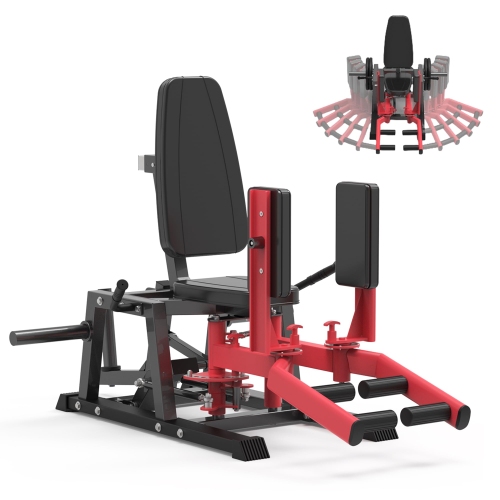
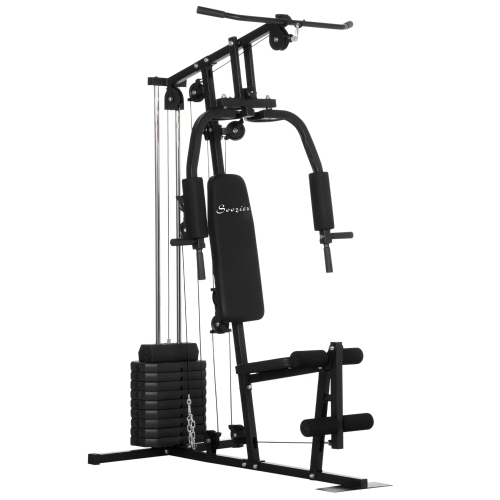
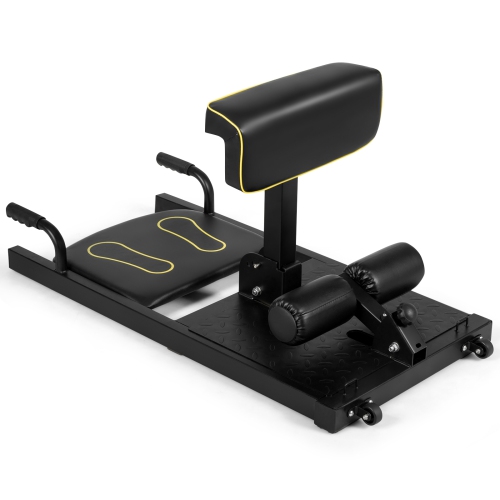
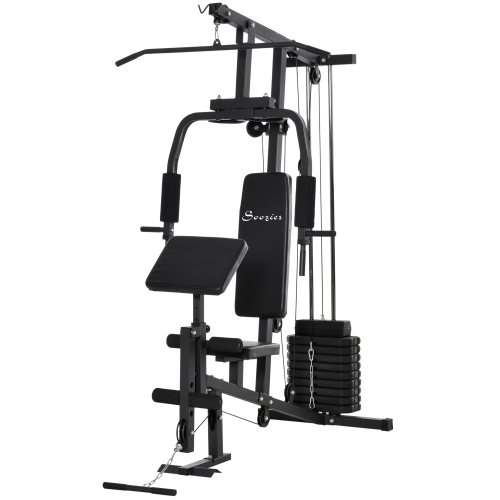
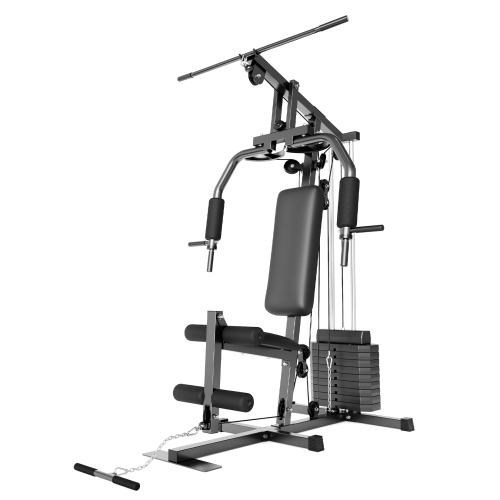
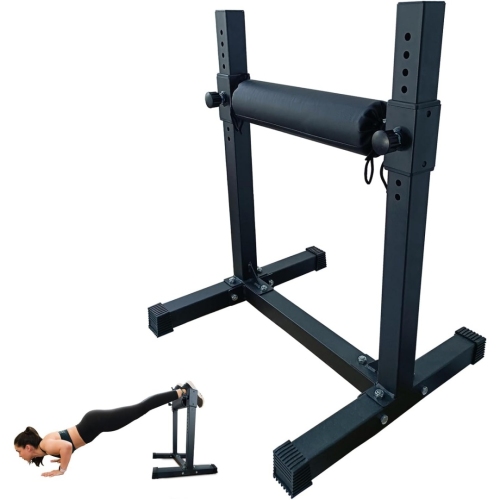
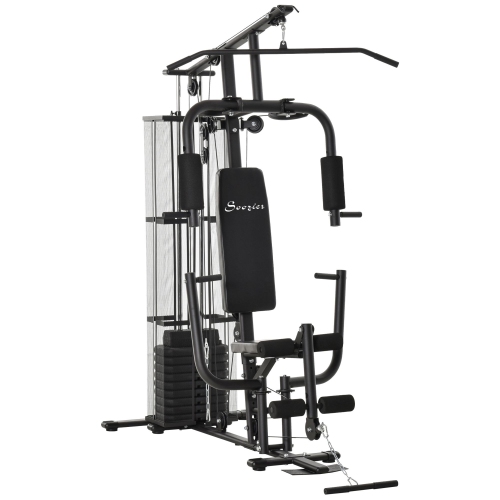
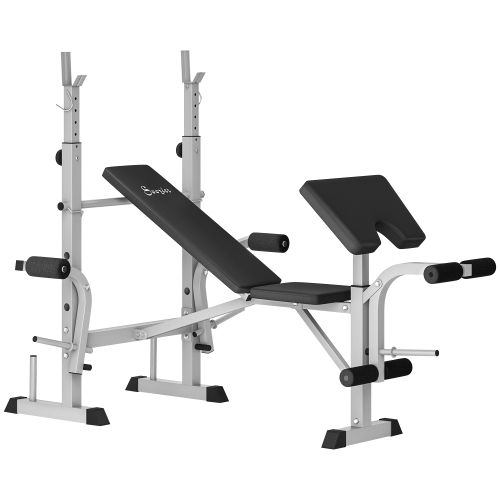
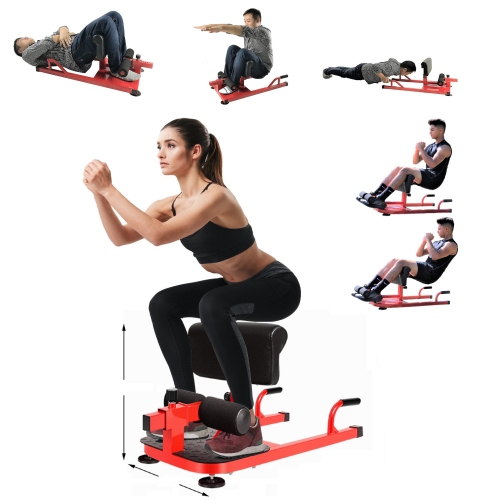
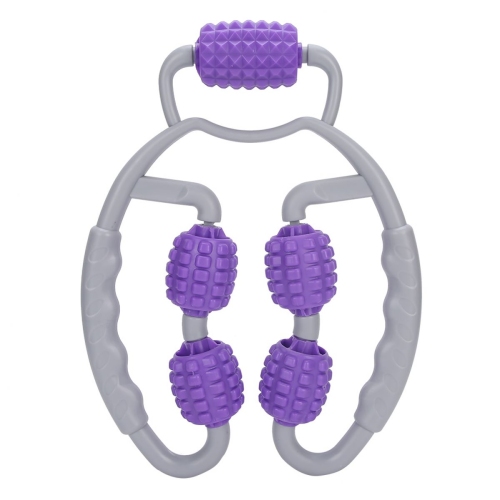
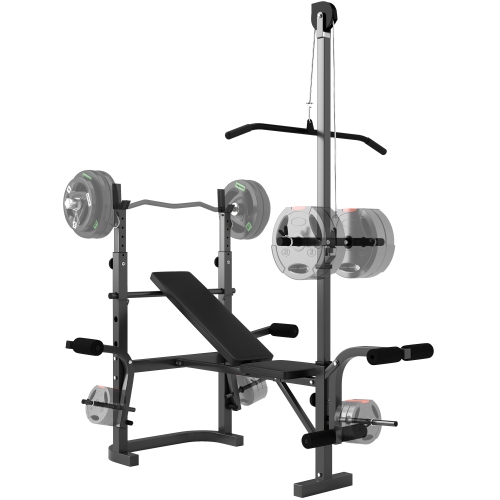
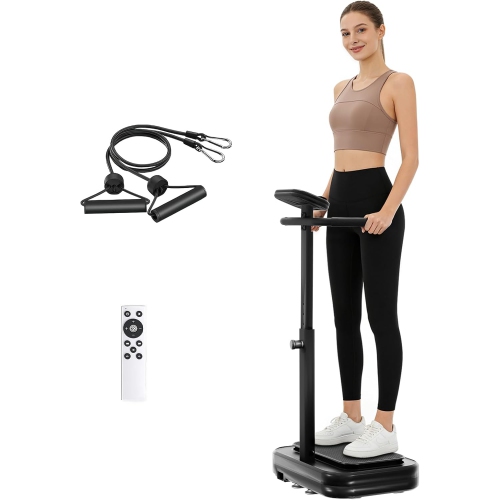
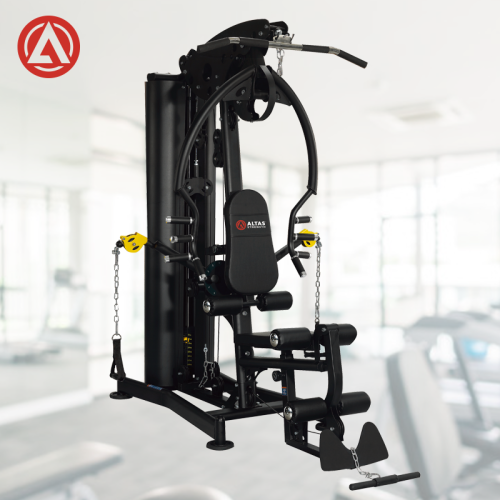
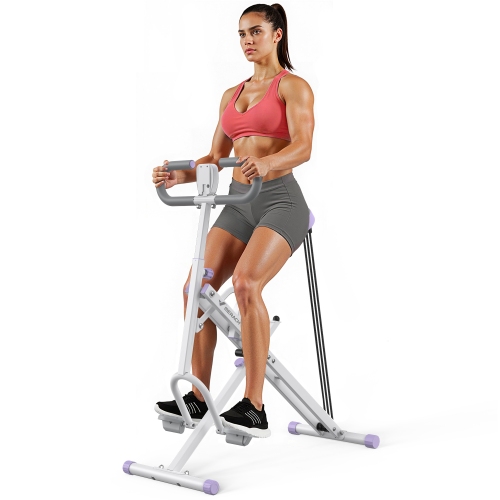
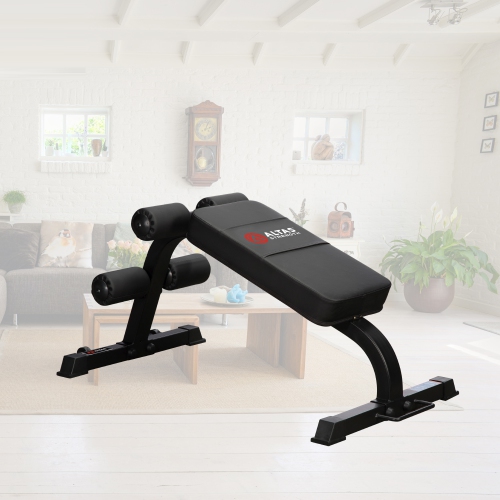
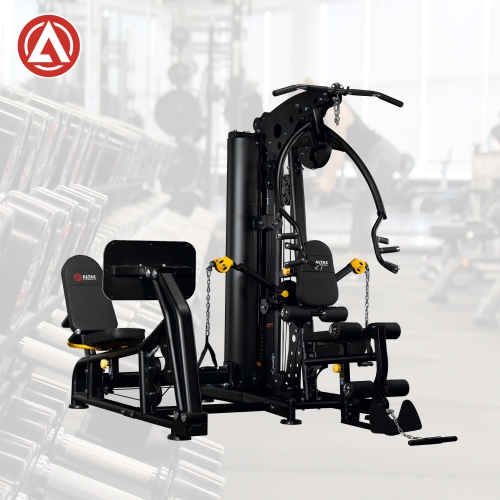
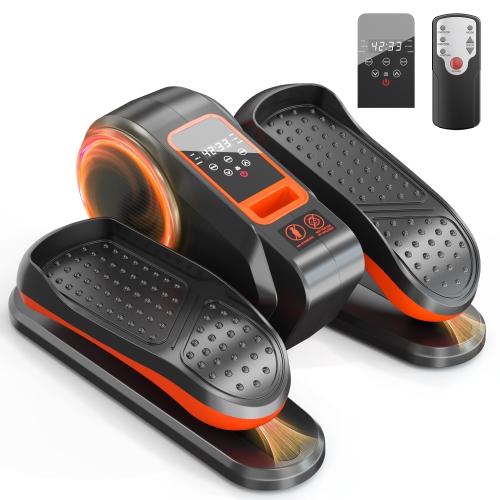
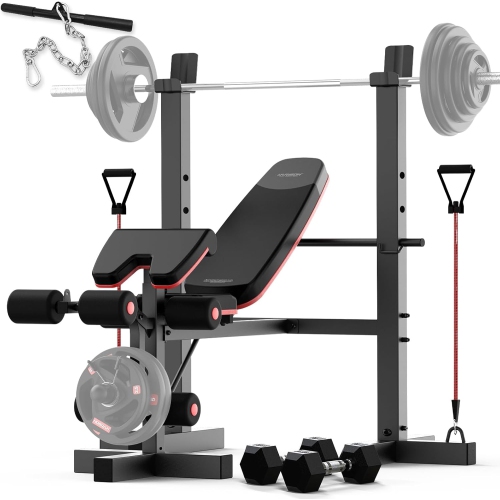
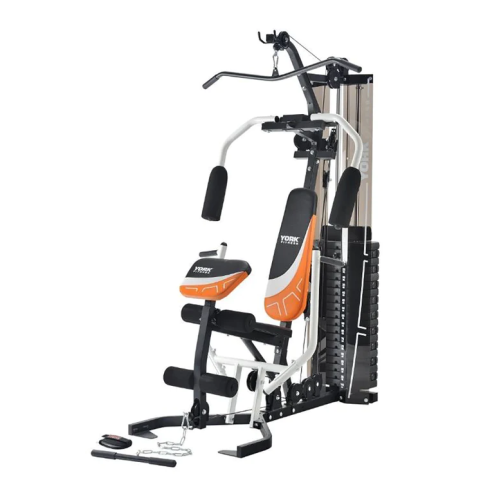
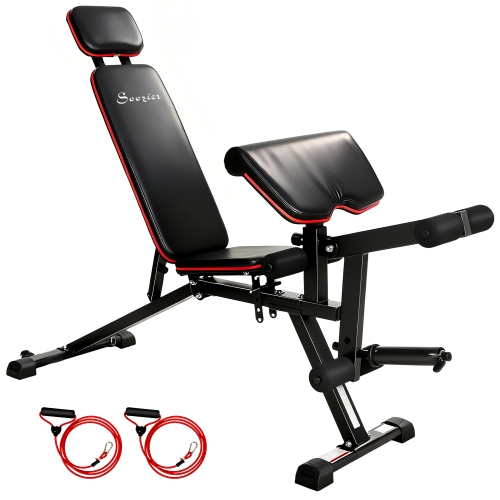
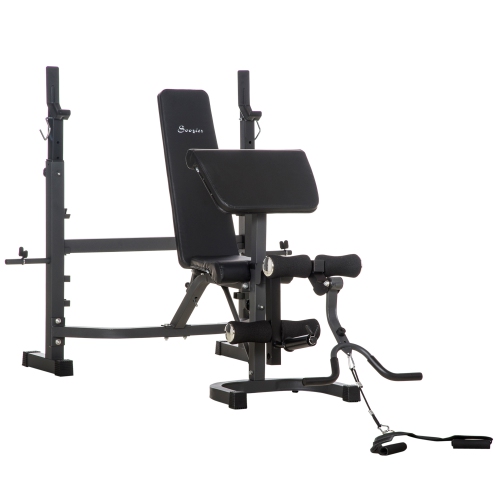
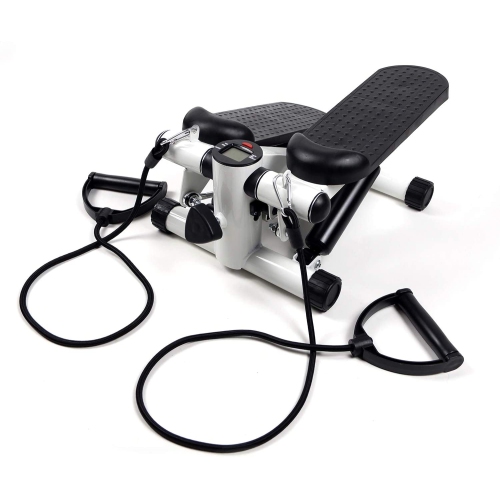
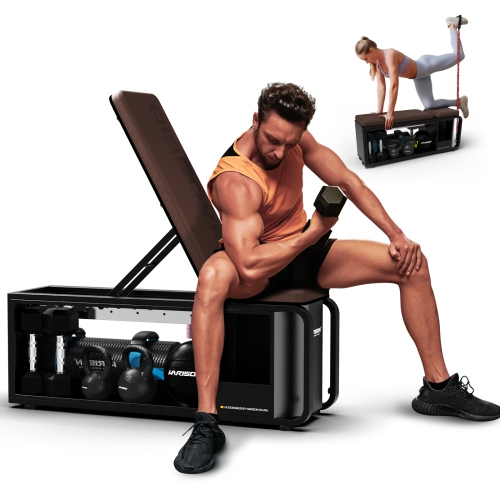
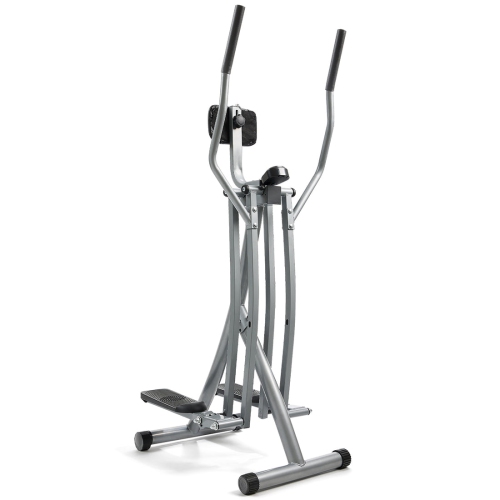
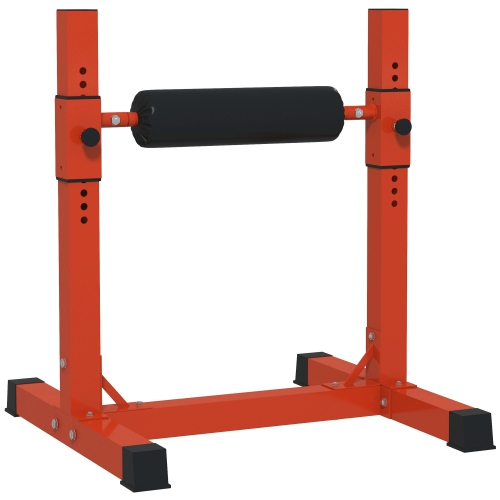
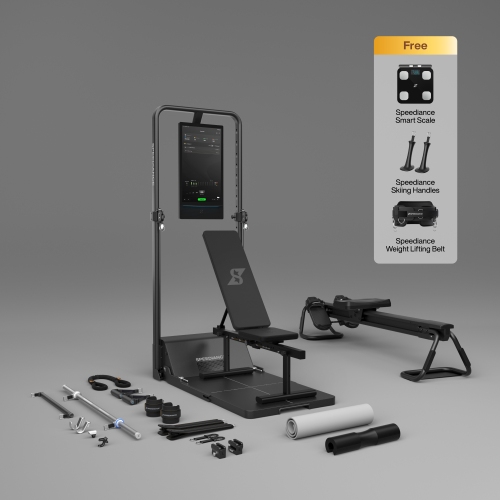
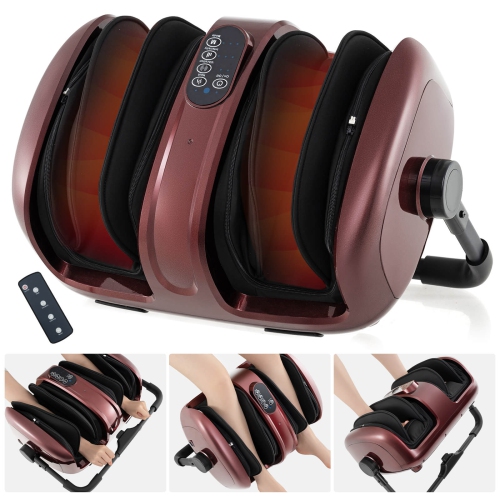
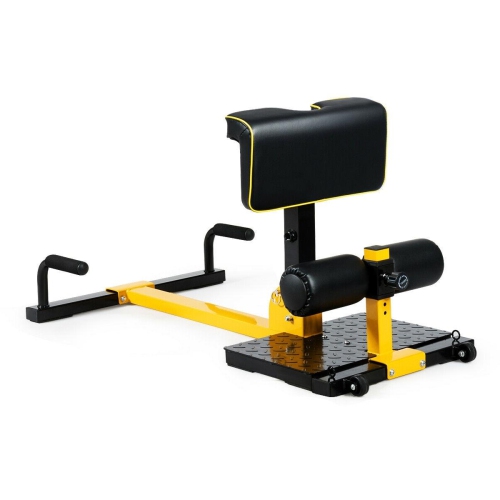
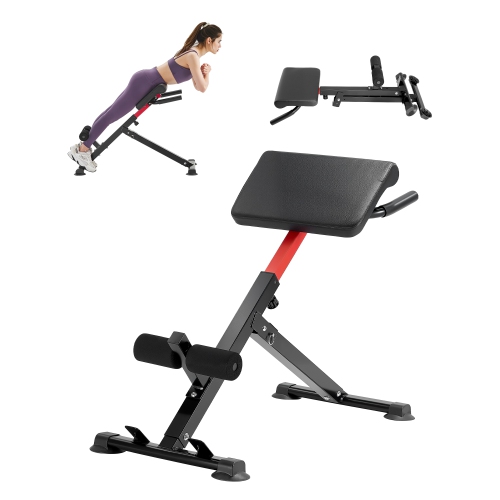
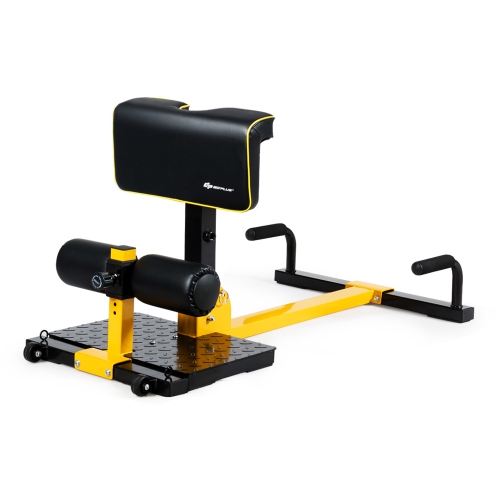
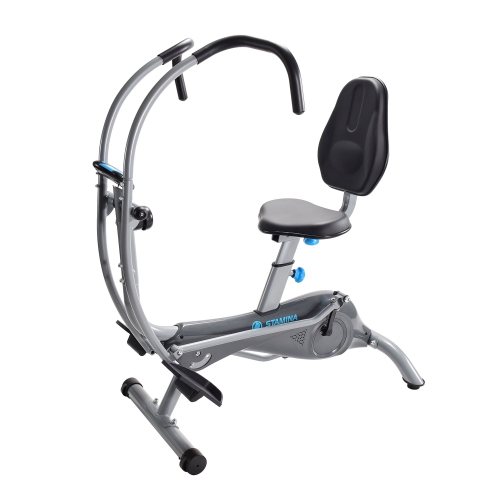
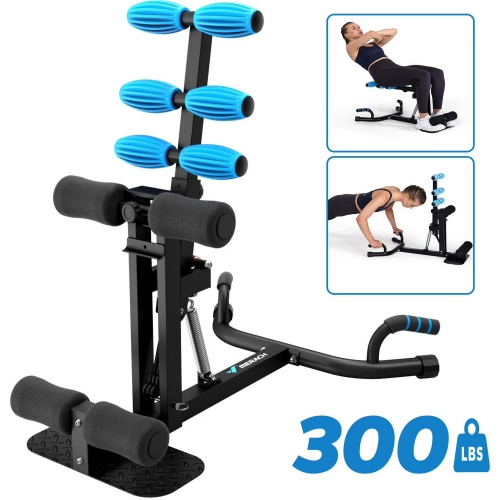
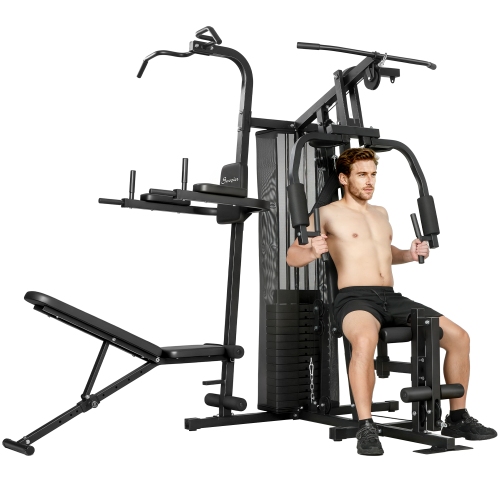
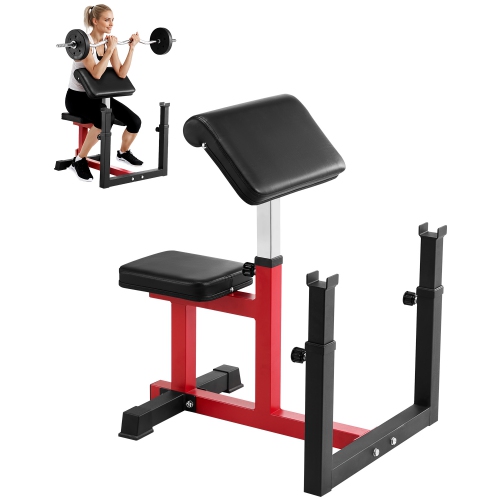
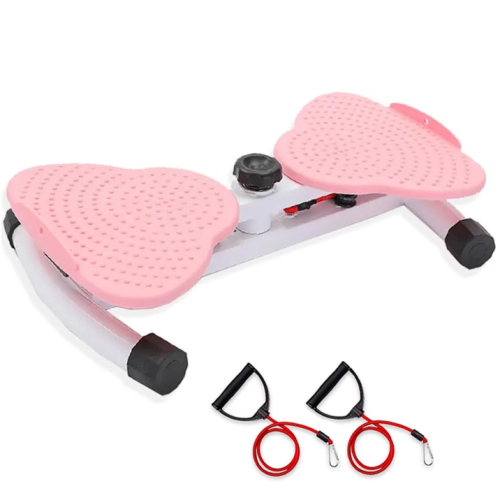
Leg workout machines are strength-training equipment designed to work the quadriceps, hamstrings, glutes, calves, and muscles around the hips through controlled resistance. Common types include leg presses, leg extension machines, seated or lying leg curl machines, calf raise machines, and hip abduction and adduction machines. Each supports a different movement, so the most suitable equipment depends on the muscles being trained and the way a person prefers to exercise. A leg press combines knee and hip extension, working several large lower-body muscles together, while a leg extension focuses more directly on the quadriceps at the front of the thighs. Leg curls train the hamstrings at the back of the thighs, and calf machines provide resistance for lifting the heels. Hip abduction and adduction machines resist outward and inward thigh movement, respectively. Many designs provide a seat, backrest, or guided movement path, which can make it easier to concentrate on a particular exercise without also balancing a free weight. That support does not make every machine suitable for every person, but it can be useful for beginners learning controlled repetitions and experienced lifters adding targeted work to a routine. For a home gym, a combination leg extension and curl machine can offer two distinct exercises within one footprint, while a dedicated leg press generally requires more room for its frame, carriage, and loading area. Cable stations with suitable attachments offer another approach to lower-body training, although their movements may require more balance and setup. Equipment names can also describe different training goals: Leg Raise Machines typically support exercises involving the abdominal muscles and hip flexors, rather than serving the same purpose as a leg press or curl machine. Understanding those distinctions helps keep a lower-body training space focused on its intended use, whether that means building general strength, supplementing a broader fitness routine, or adding specific movements that are difficult to perform with existing equipment.
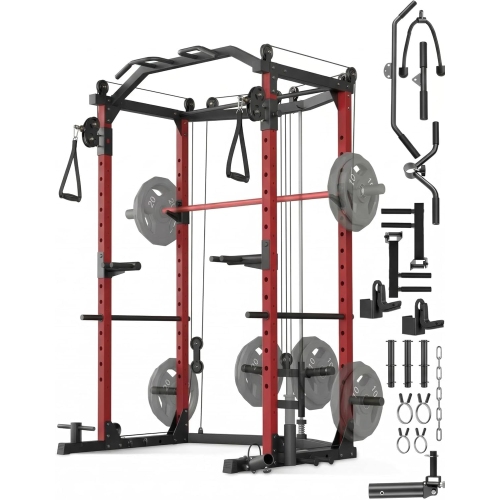
Fit is one of the most important considerations because a machine’s fixed path needs to work with the person using it. Adjustable seats, backrests, thigh restraints, and roller pads help accommodate differences in height and leg length. On a leg extension or curl machine, the relationship between the knee and the machine’s pivot point matters, as does the position of the padded roller against the lower leg. A roller that presses into the ankle joint or a seat that leaves the knees poorly positioned can make an otherwise straightforward exercise uncomfortable. On a leg press, backrest angle, footplate size, and available travel influence how comfortably a user can bend and straighten the legs while maintaining supported contact with the seat. A broad footplate may provide room for different stances, but those positions still need to suit the machine’s design and the user’s comfortable range of motion. Resistance systems affect the experience, too. Selectorized machines use a pin to adjust a weight stack, making load changes relatively quick between sets or users. Plate-loaded machines require compatible weight plates and enough clearance to add or remove them; plate opening diameter, loading sleeve dimensions, and stated load limits all matter. The maximum training load and the maximum user weight are separate specifications, not interchangeable measures. Construction commonly includes steel frames, padded supports, and textured contact surfaces, with cables, pulleys, bearings, or guide rods directing movement depending on the design. Welds, frame stability, upholstery seams, and secure adjustment mechanisms contribute to how solid the equipment feels over repeated use. Space requirements extend beyond the frame’s listed dimensions. A seated machine needs room to approach and adjust it, while a moving sled or lever arm needs clearance throughout its full travel. In a shared workout room, loading plates without blocking a doorway or another station can be just as important as fitting the frame itself. Floor protection, ceiling clearance where relevant, and the route through doorways or stairs also deserve attention before a large machine becomes part of the room.
Intended use helps distinguish a practical addition from equipment that takes up space without earning a place in a routine. Someone who already trains with squats and lunges may value a leg curl machine for direct hamstring work, while a household sharing one training area may benefit more from straightforward adjustments and a clearly marked resistance system. A person who enjoys heavier lower-body sessions may place greater importance on frame stability, accessible safety stops, and convenient plate storage. Equipment intended for residential use is not automatically suitable for a busy shared facility, where frequent adjustments and repeated loading place different demands on its components. Manufacturer use ratings, maintenance requirements, and warranty terms help clarify that distinction. Comfortable padding should provide support without allowing the body to shift excessively, and accessible handles can help users maintain their position during a set. Smooth movement matters more than the appearance of a large weight stack: resistance should travel consistently, without unexpected catching or excessive looseness. Controlled repetitions and a manageable load allow users to become familiar with the machine before progressing, while qualified fitness guidance can help with setup and exercise selection. Anyone training around an injury or a medical condition may need advice from an appropriate health professional rather than assuming that seated support makes an exercise suitable. Routine care also affects long-term usability. Wiping contact surfaces with a manufacturer-approved cleaner, drying upholstery after cleaning, and keeping sweat away from exposed hardware help maintain the equipment’s condition. Cables, fasteners, adjustment pins, and moving parts need inspection at the intervals specified in the manual, and lubrication should follow the manufacturer’s directions rather than a general household maintenance routine. Weight plates belong on designated storage supports within their rated limits, not loose beside the footplate or beneath a moving carriage. With suitable fit, adequate clearance, and consistent care, leg workout machines can provide a dedicated place for repeatable lower-body exercise without requiring the room to be rearranged before every session.
Top selling and popular products
-
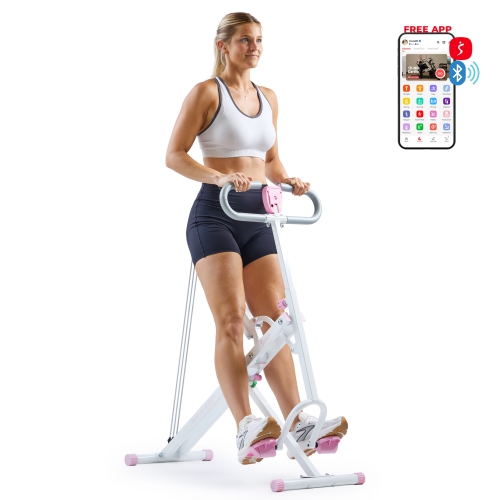 Your price for this item is $179.95
-
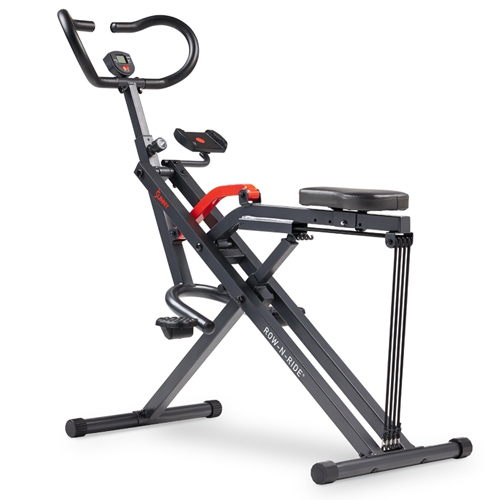 Your price for this item is $249.95
-
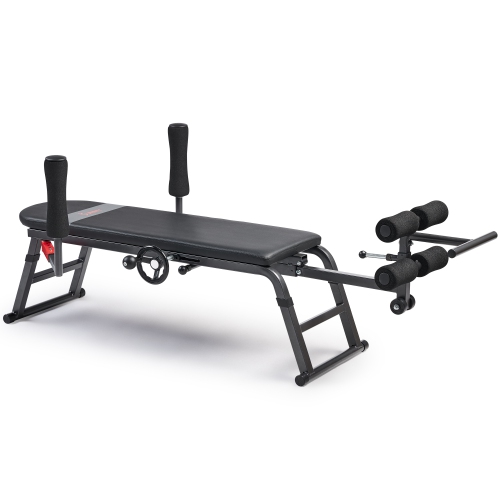 Your price for this item is $419.99
-
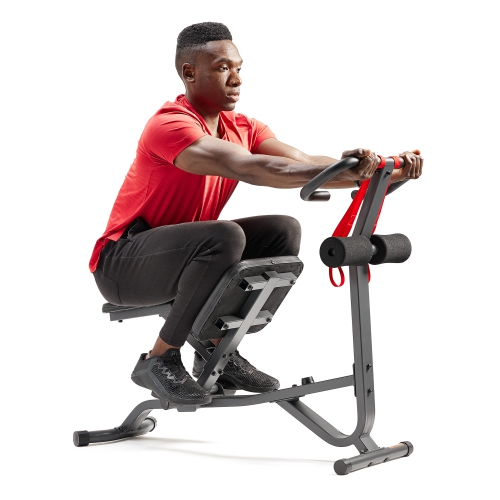 Your price for this item is $419.99
-
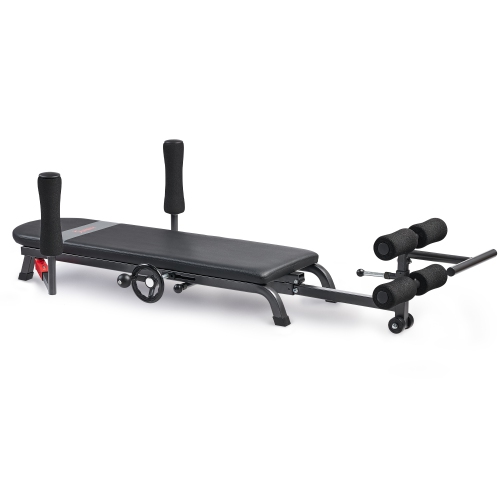 Your price for this item is $369.99
-
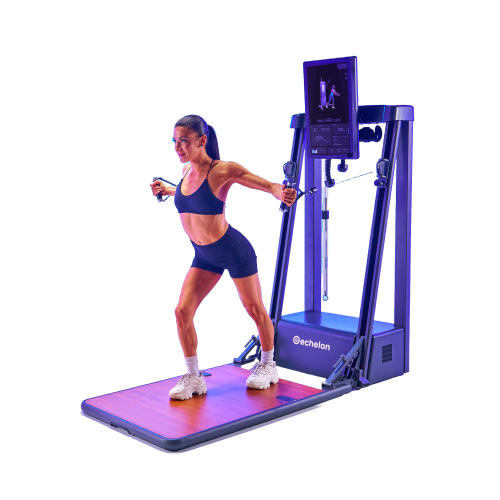 Your price for this item is $4109.99
-
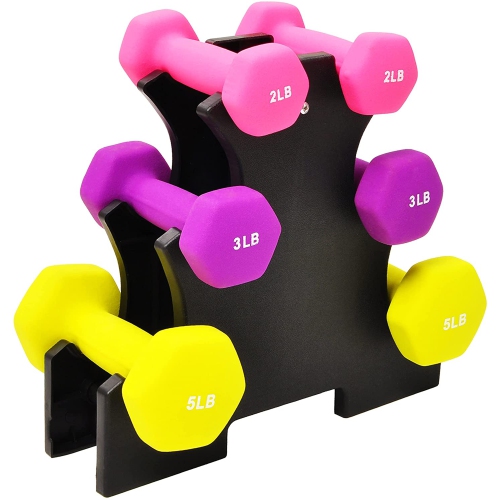 Your price for this item is $90.99
-
 Your price for this item is $481.99
Discover more categories related to Leg Workout Machines
Top Collections:
Pokemon Centers, Best Cameras for Sports Photography, Kindle Devices, Samsung Galaxy Phones, Canon G7X Cameras, Pokémon 30th Celebration Cards, Refurbished Apple Laptops, iPhone 15 Apple, Laptops for Students, Budget Smartphones
Some products may be subject to Environmental Handling Fees
(EHF) depending on your province.
Learn more about EHFs.