Hearing Aids for Mild to Moderate Hearing Loss
Hearing Aids for Mild to Moderate Hearing Loss offer a convenient solution for those looking to enhance their listening experience in everyday situations. With a range of options designed to provide clear and comfortable sound, these devices can help make conversations, television, and social gatherings more enjoyable. Explore a variety of styles and technologies to find the perfect fit for your needs and preferences. Discover how Hearing Aids for Mild to Moderate Hearing Loss can support your lifestyle and help you stay connected with the world around you.
Sort
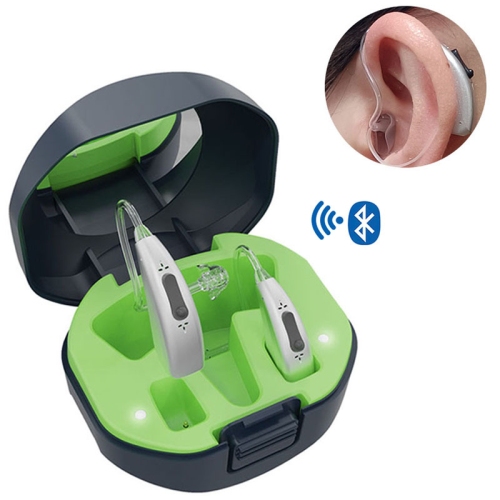
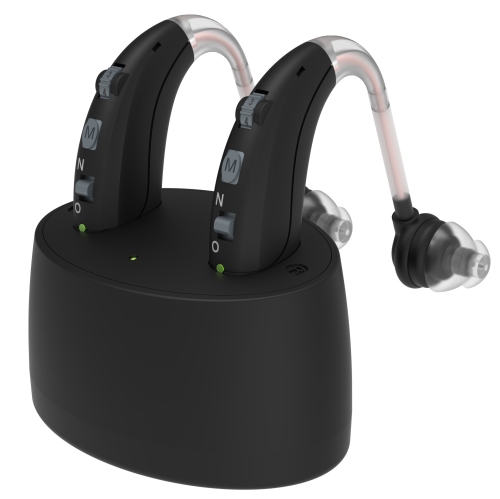
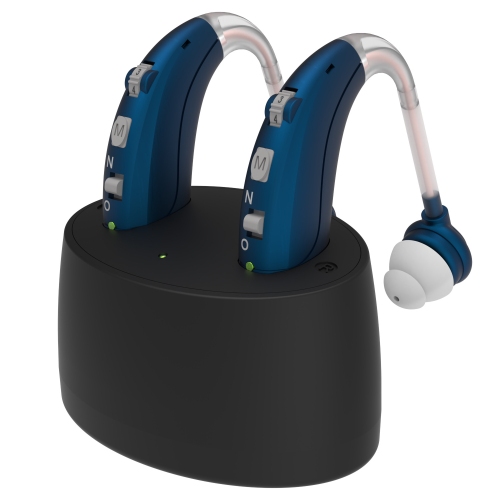
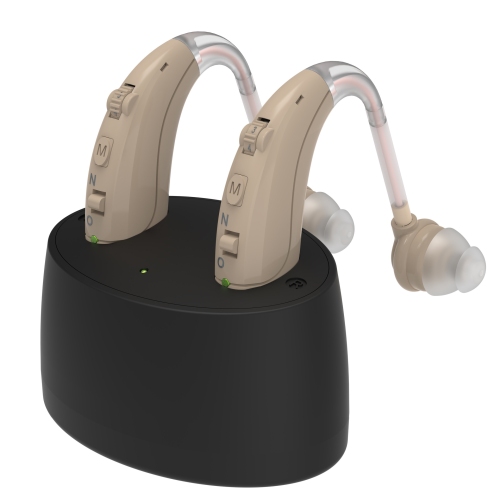
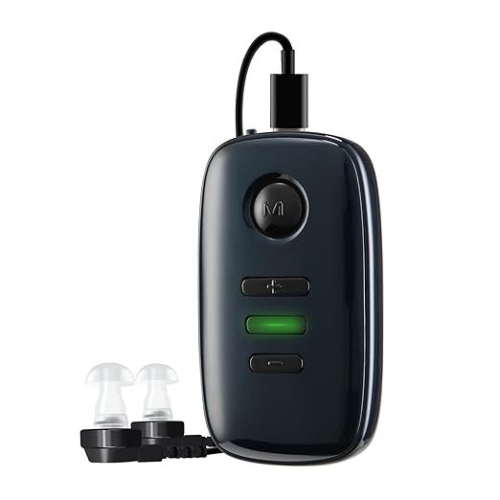
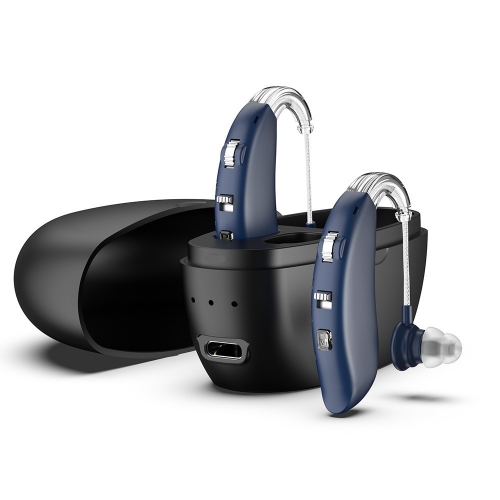
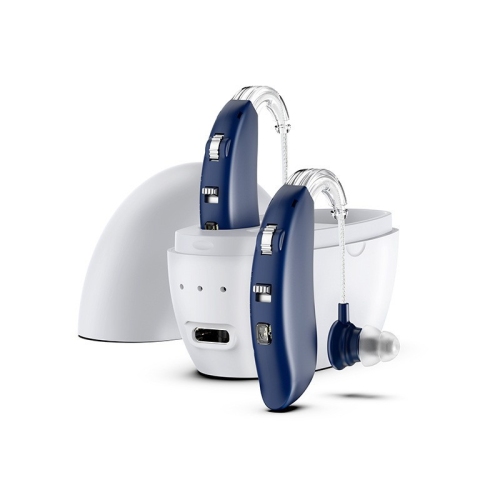
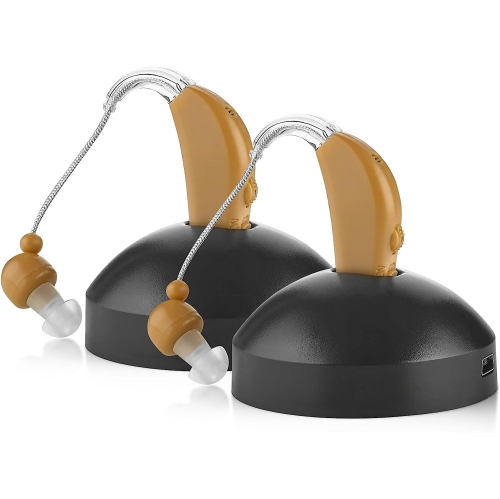
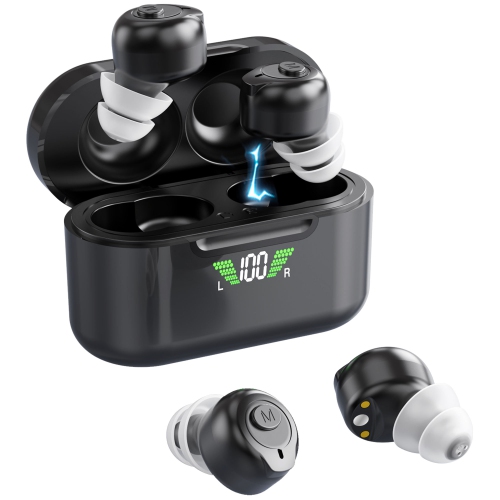
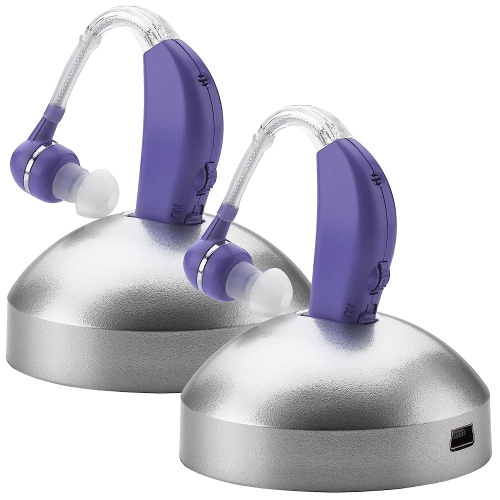
How hearing aid fit and features support everyday listening
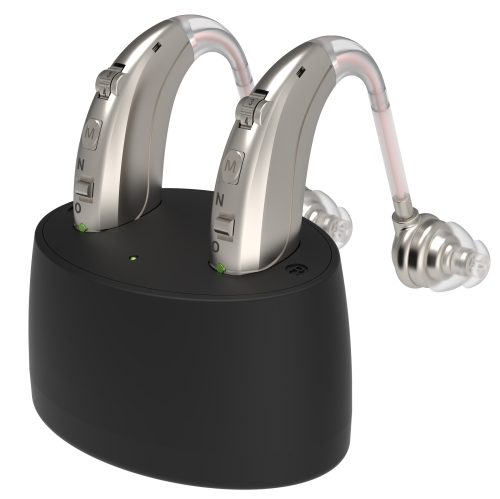
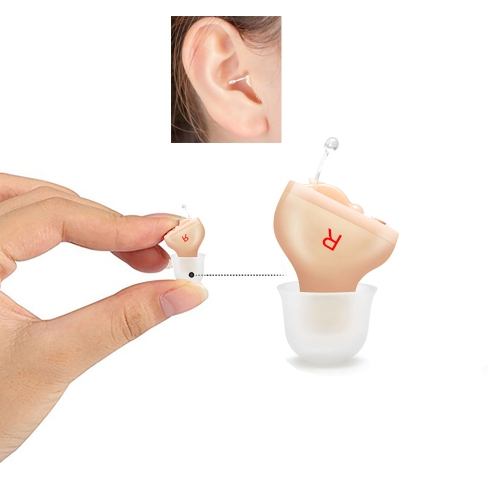
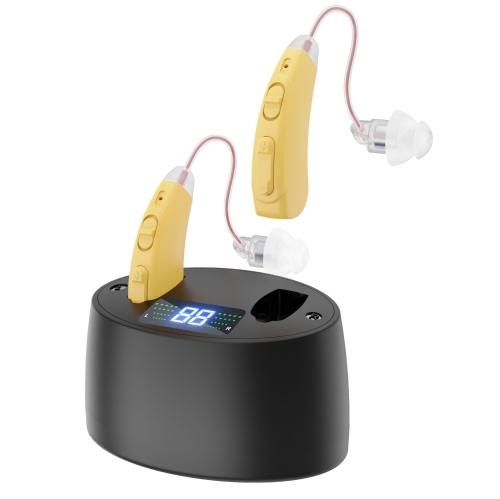
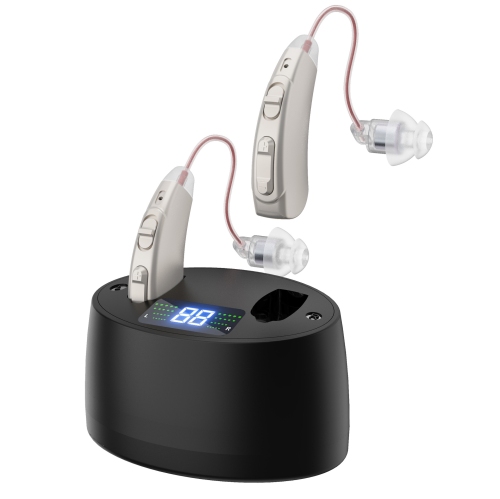
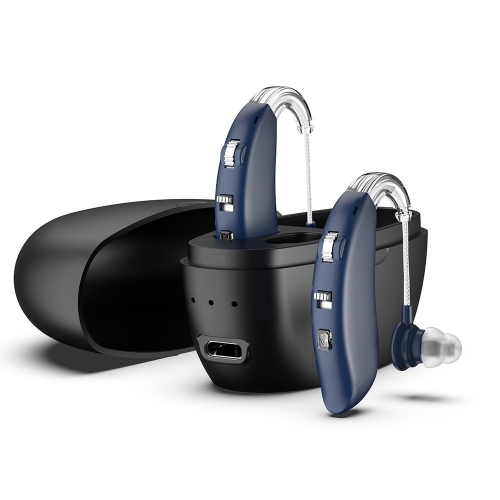
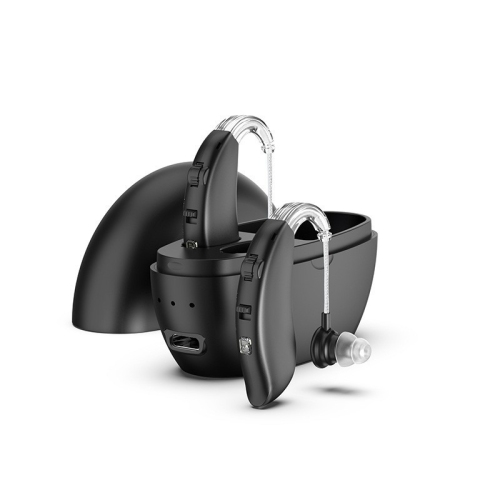
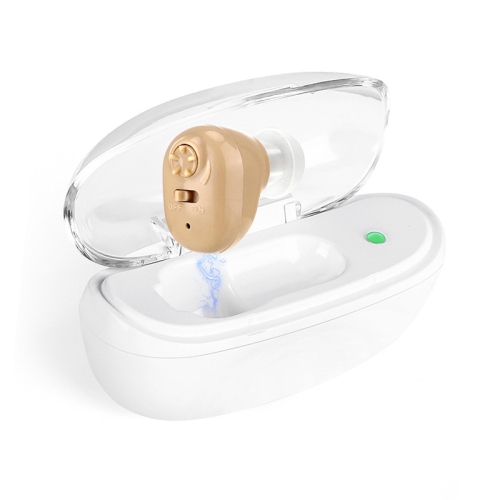
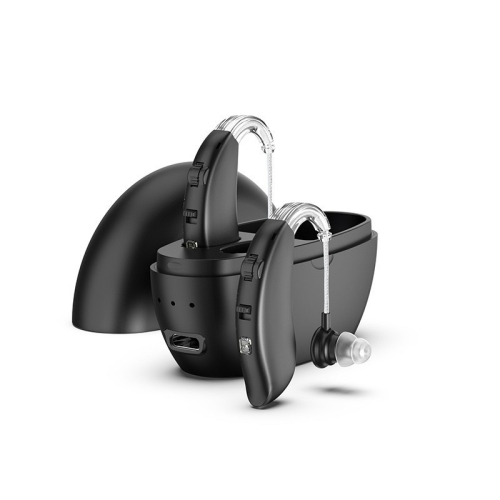
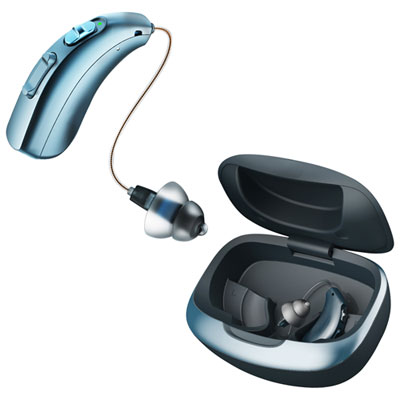
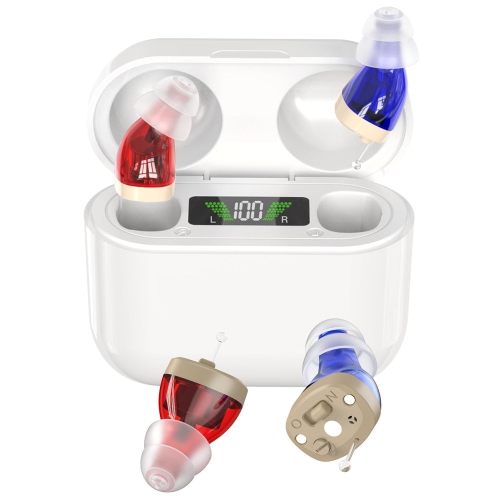
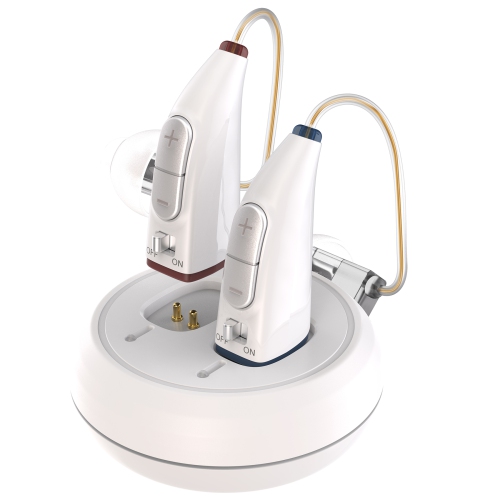
Hearing aids for mild to moderate hearing loss are electronic devices that process and amplify sound to make speech and everyday sounds easier to hear. This degree of hearing loss can make quiet voices, conversation across a room, or words spoken against background noise harder to follow. Someone may hear that another person is speaking yet miss parts of a sentence, particularly when several people are talking at once. Hearing aids use microphones, digital sound processing and a small speaker to deliver adjusted sound to the ear. They do not restore normal hearing, but appropriately selected and fitted devices can support communication during family meals, workplace conversations, phone calls and other daily activities. The right choice depends on the pattern of hearing loss, the shape of the ear, listening needs and comfort with handling small controls. Behind-the-ear hearing aids have a housing that rests behind the ear and delivers sound through tubing to an earpiece. Receiver-in-canal styles also sit behind the ear, with a thin wire connecting the housing to a speaker positioned in the ear canal. In-the-ear, in-the-canal and completely-in-the-canal designs place more or all of the device within the ear, with some styles using a custom-made shell. Smaller designs can be discreet, while larger housings may offer controls that are easier to locate and more room for batteries or additional features. No single style is best for everyone with mild to moderate hearing loss. A hearing assessment helps establish whether amplification is appropriate and which frequencies need support, rather than relying on perceived volume alone. Hearing aids also differ from general-purpose personal sound amplifiers, which should not be assumed to provide the same hearing-loss support. For an adult who regularly asks others to repeat themselves or finds conversation tiring, suitability matters more than choosing the smallest device or the longest list of features. Sudden hearing loss, ear pain or a rapid change in hearing calls for prompt medical assessment rather than simply selecting a hearing aid.
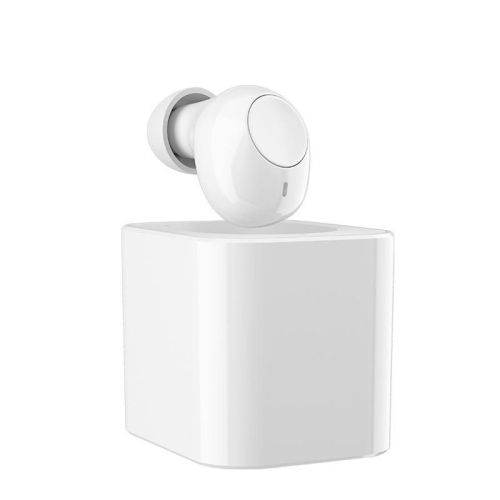
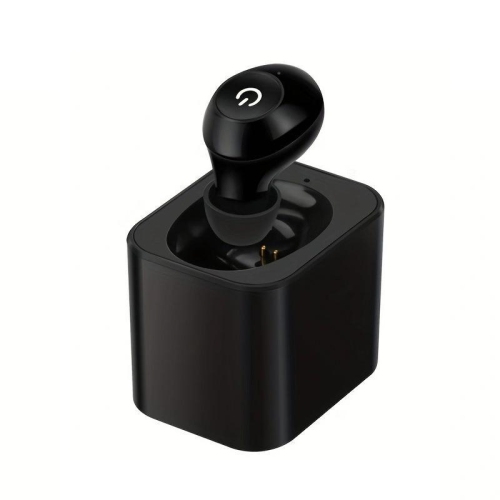
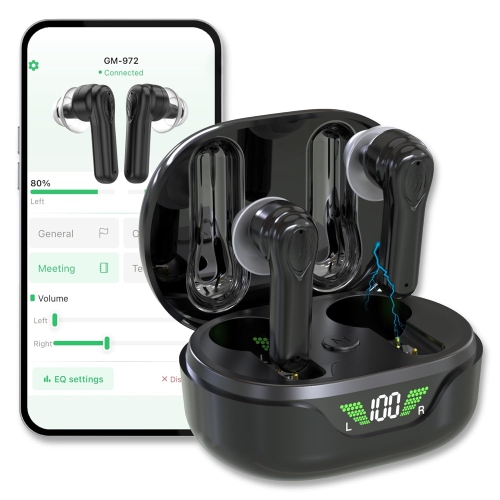
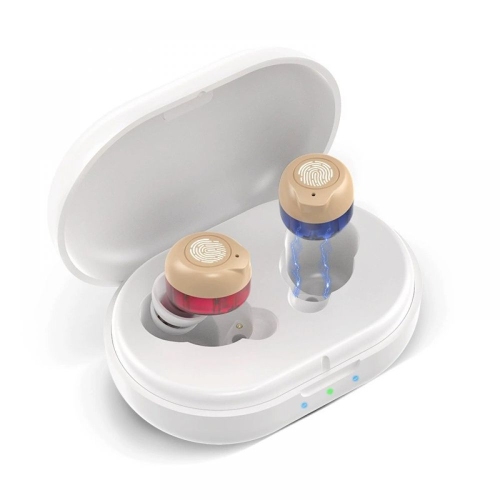
Fit has a direct effect on both comfort and sound quality, especially when hearing aids are worn for much of the day. Earpieces may use soft silicone domes or custom-moulded components, while the device housing is commonly made from lightweight plastic. The part that touches the ear should sit securely without persistent pressure, rubbing or soreness. A dome or earmould that fits poorly can allow sound to leak and contribute to whistling, while an overly closed fit may make the wearer’s own voice sound unusually loud or hollow. Open-fit designs allow some sound to enter the ear naturally and may suit certain hearing-loss patterns, although they are not appropriate for every listener. Glasses, face coverings and the way hair sits around the ears can also affect how a behind-the-ear housing feels and how easily it stays in place. For someone with limited finger movement or reduced vision, a slightly larger device with a clear left-and-right marking may be more practical than a tiny canal model. Rechargeable hearing aids reduce the need to handle disposable batteries, but their usefulness depends on a manageable charging routine and enough operating time for the wearer’s day. Disposable-battery designs offer a different routine, with battery size, compartment access and replacement frequency worth considering. Listening features should match the situations that matter most: directional microphones can help focus on speech from a particular direction, and noise reduction may make competing sound less intrusive, though neither removes every distraction. Feedback control helps manage whistling, while adjustable listening programmes can provide different settings for quiet conversation and busier places. Bluetooth connectivity, app controls and direct audio streaming are included with some designs, but phone compatibility and the functions supported can differ. A smartphone should not be assumed necessary for every hearing aid, nor should wireless streaming be assumed to work with every phone. Straightforward controls may be preferable for a wearer who wants to make a quick adjustment without opening an app.
Everyday care helps hearing aids remain comfortable and dependable. Earwax, skin oils and moisture can collect around the sound outlet, microphone openings and earpiece, affecting performance even when the device itself is working. Care requirements vary by design: some hearing aids use replaceable wax guards, some have domes that need periodic replacement, and custom earpieces may have small vents that require attention. Cleaning should follow the device instructions, using the specified tools and avoiding household cleaners, sharp objects or immersion in water unless explicitly permitted. A water-resistance rating does not automatically make a hearing aid suitable for showering or swimming. A dry storage case or compatible drying system may be useful where recommended, and a protective case helps prevent damage when devices are removed. Rechargeable models also need clean charging contacts and correct placement in their charger. Small devices and loose batteries should be stored securely away from children and pets; swallowed button batteries require immediate emergency attention. Beyond maintenance, ease of daily use often determines how well a hearing aid fits into someone’s routine. Insertion, removal, charging and cleaning should feel manageable, whether the wearer handles these tasks independently or receives help from a family member or caregiver. Adults of different ages can have mild to moderate hearing loss, so the choice should reflect individual needs rather than age alone. The Hearing Aids for Seniors collection offers a related category for shoppers considering options for an older adult. When helping someone choose, their comfort, preferences and ability to operate the device are more useful starting points than appearance alone. New wearers may need time to become accustomed to sounds that have been less noticeable, such as footsteps, running water or the rustle of clothing. Follow-up support and adjustments can help address uncomfortable loudness, persistent whistling or difficulty understanding speech. A well-matched hearing aid combines suitable amplification with a secure fit, practical controls and a care routine the wearer can maintain.
Top selling and popular products
-
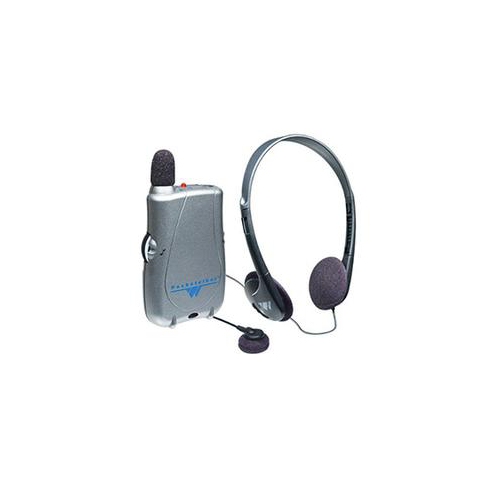 Your price for this item is $331.22
-
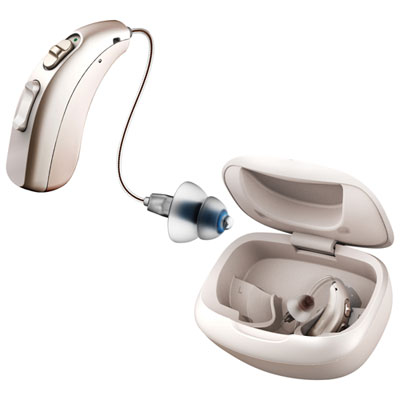 Your price for this item is $499.99
-
 Your price for this item is $349.99
-
 Your price for this item is $289.99
-
 Your price for this item is $259.99
-
 Your price for this item is $36.24
-
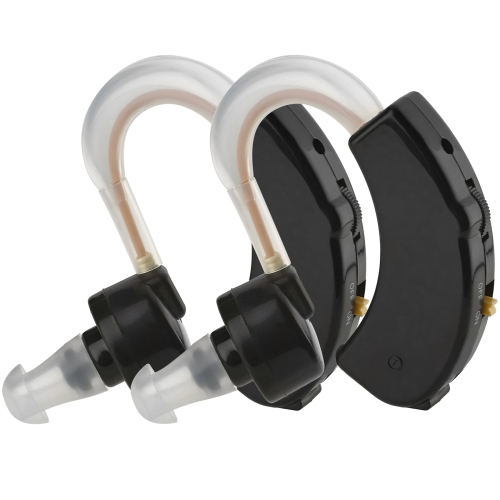 Your price for this item is $49.99
-
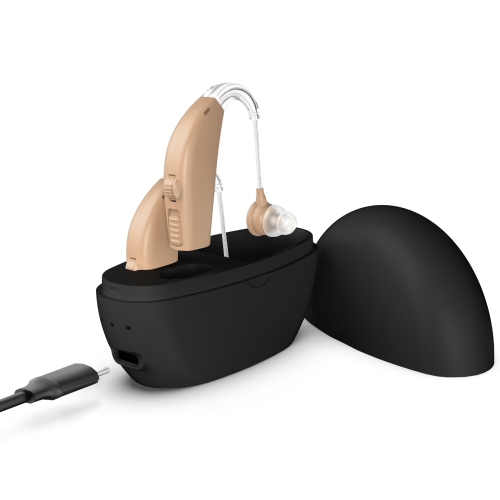 Your price for this item is $82.99
Discover more categories related to Hearing Aids for Mild to Moderate Hearing Loss
Top Collections:
Pokemon Centers, Best Cameras for Sports Photography, Kindle Devices, Samsung Galaxy Phones, Canon G7X Cameras, Pokémon 30th Celebration Cards, Refurbished Apple Laptops, iPhone 15 Apple, Laptops for Students, Budget Smartphones
Some products may be subject to Environmental Handling Fees
(EHF) depending on your province.
Learn more about EHFs.