Heart Rate Monitors for Cycling
Whether you're a seasoned cyclist or just starting out, monitoring your heart rate during your rides can provide valuable insights into your fitness level and help you optimize your training. Heart rate monitors for cycling are essential tools that allow you to track your heart rate in real time, helping you stay within your target zones to maximize your workouts. With a wide range of options available, finding the right heart rate monitor for your cycling needs has never been easier. From basic models to advanced features like GPS tracking and wireless connectivity, we have a selection of heart rate monitors that cater to every cyclist's preferences and budget.
Sort
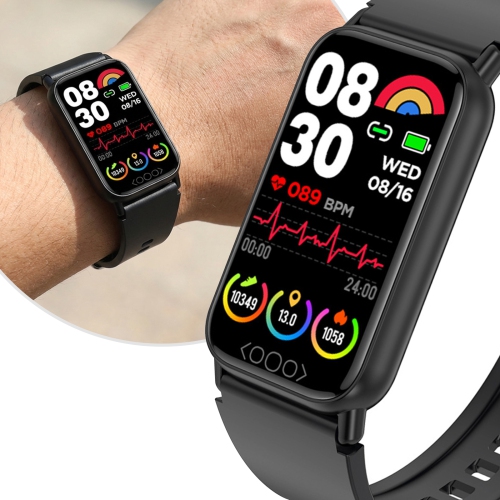
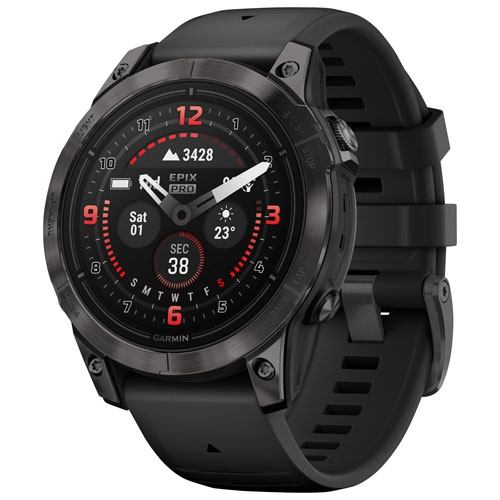
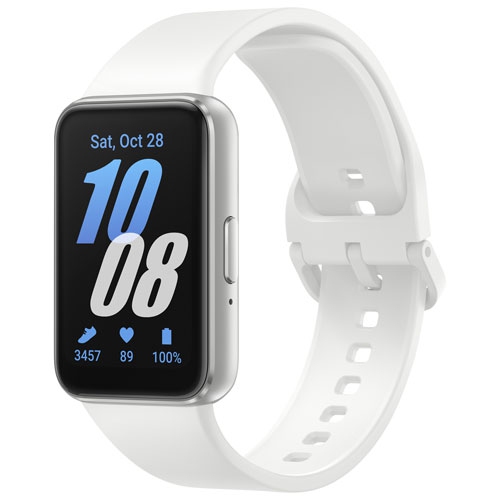
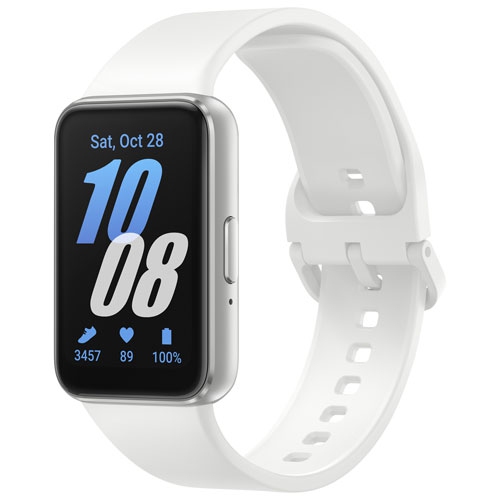
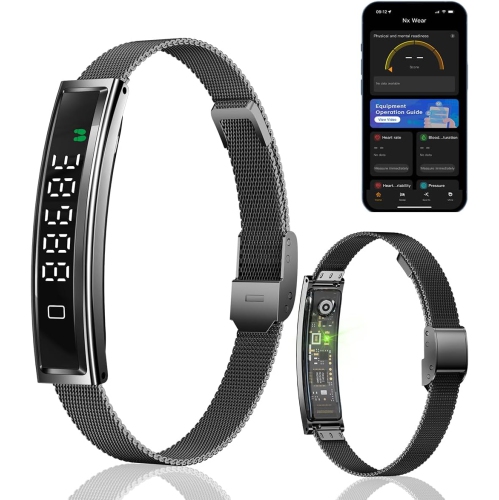
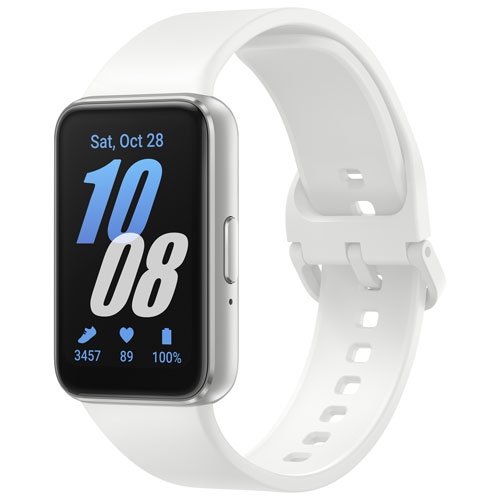

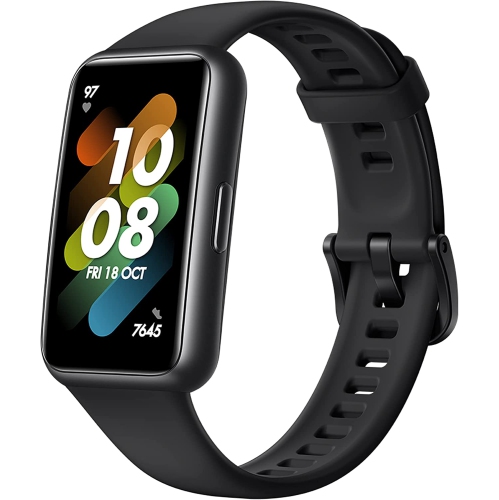
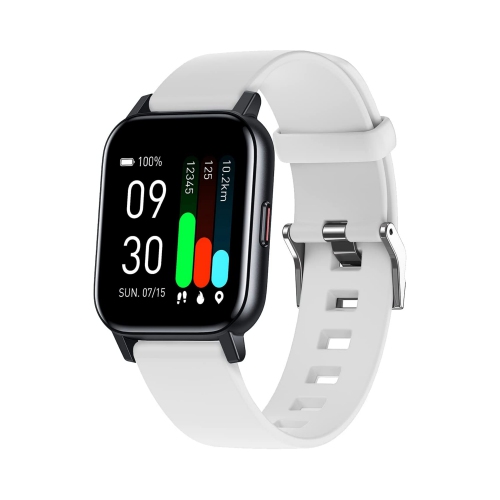
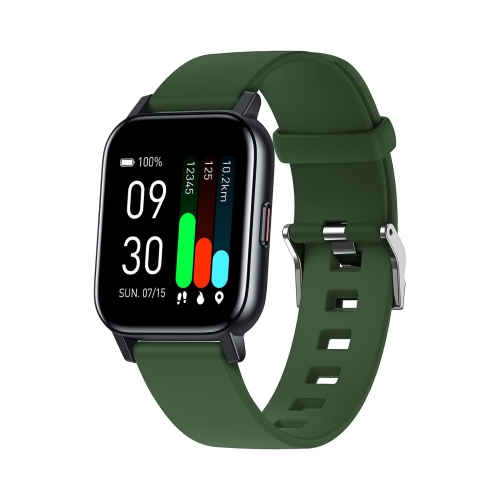
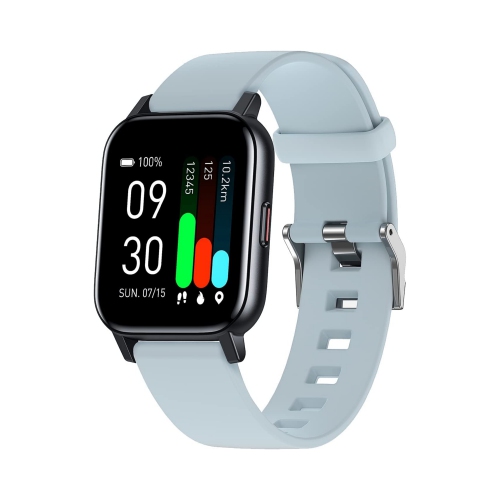
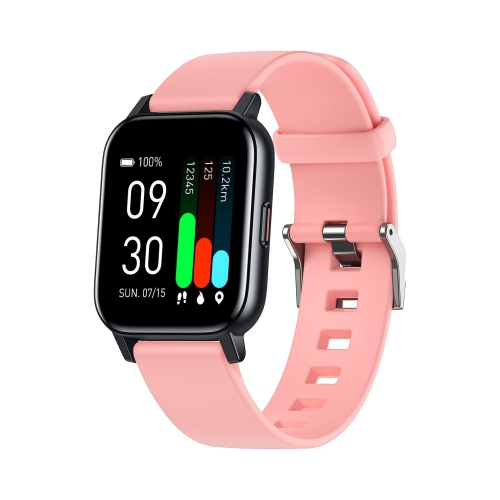
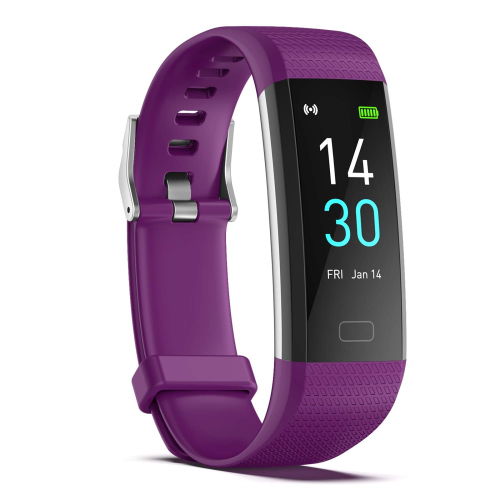
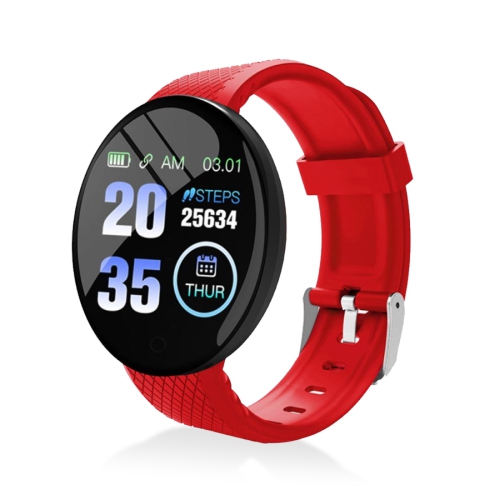
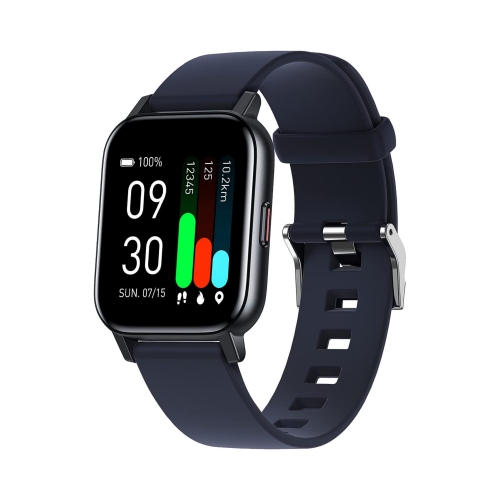
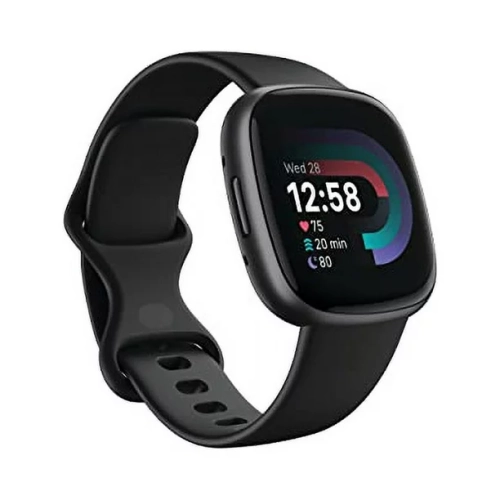
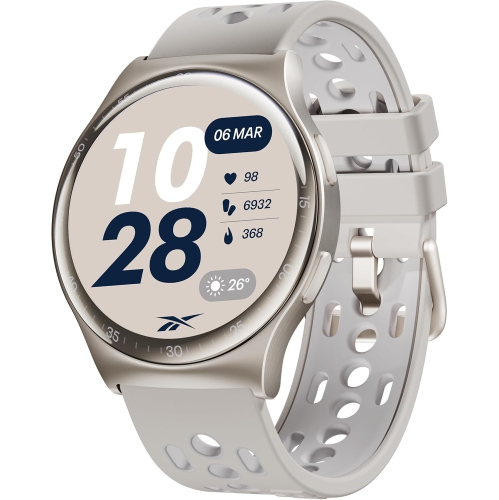
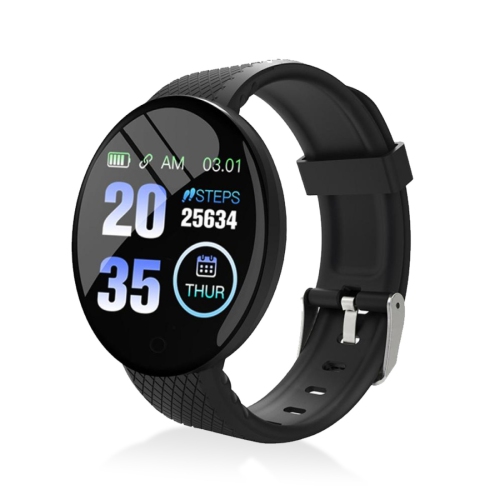
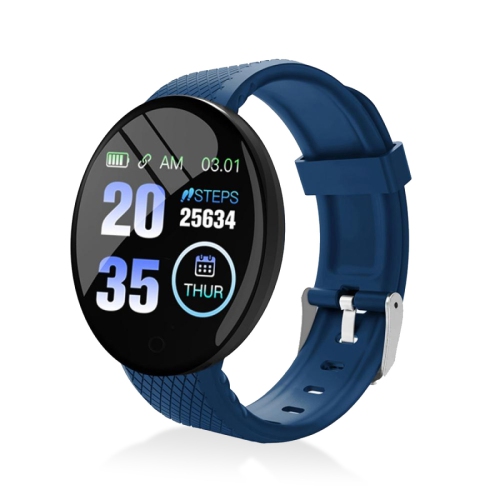
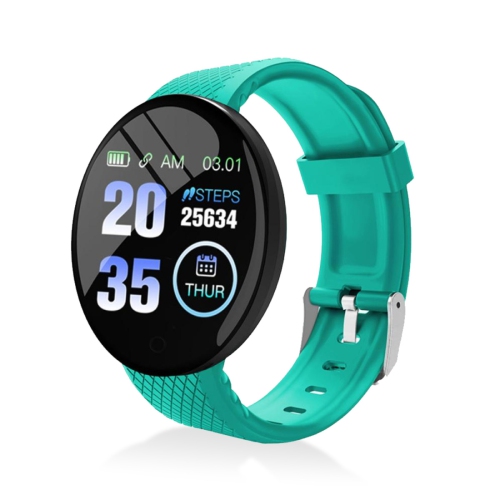
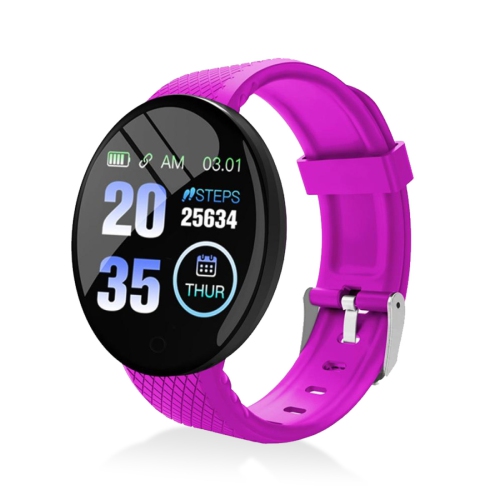
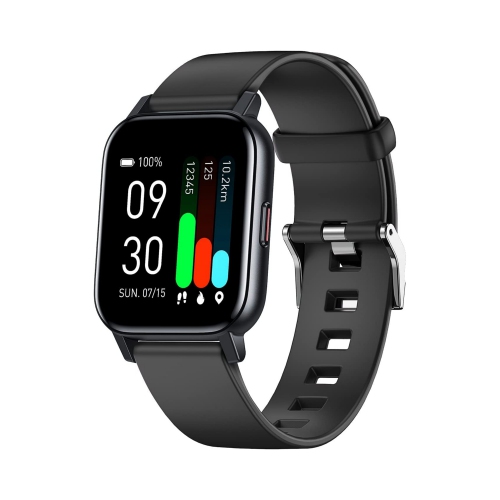
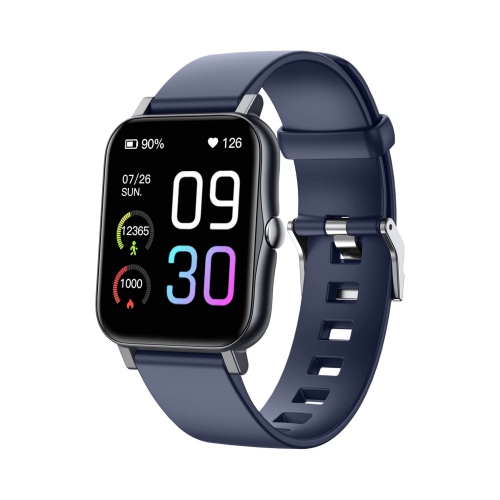
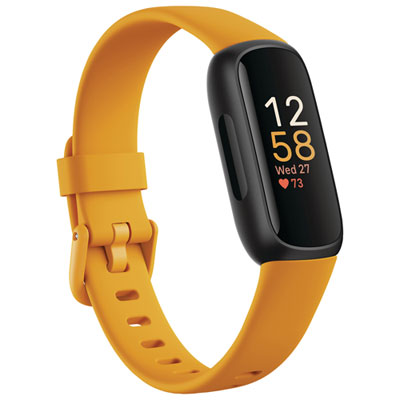
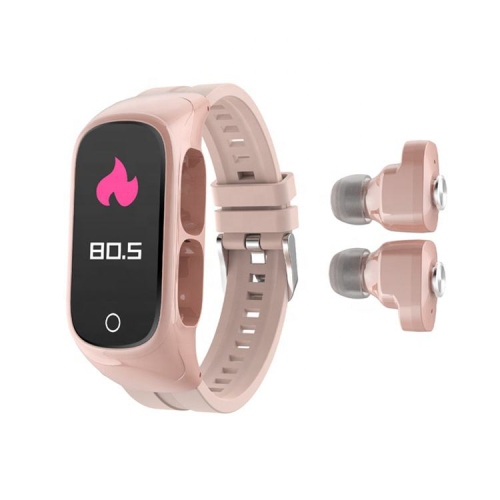
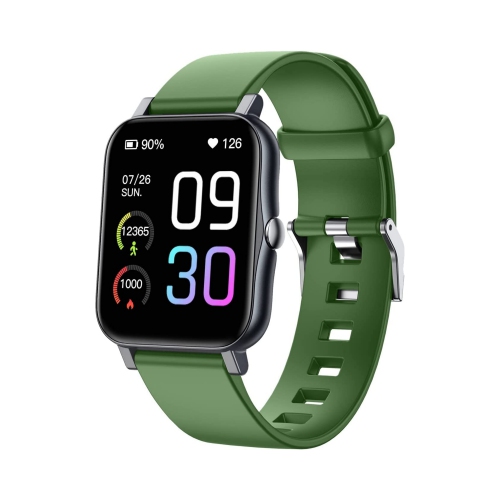
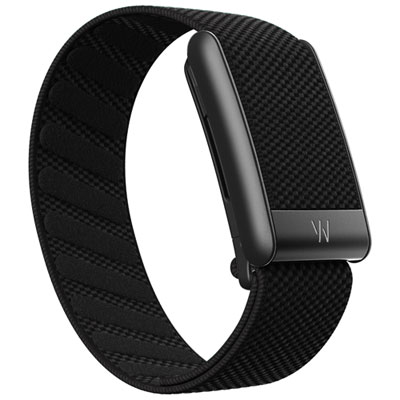
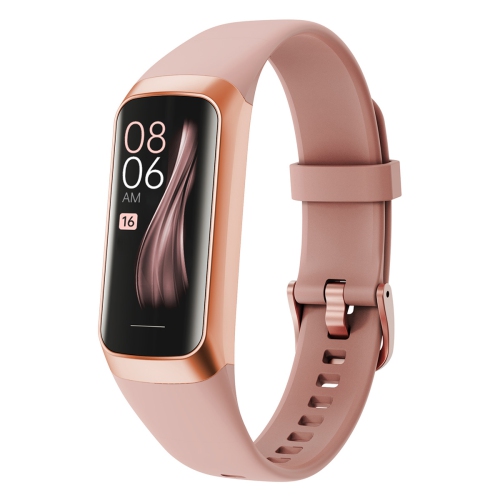
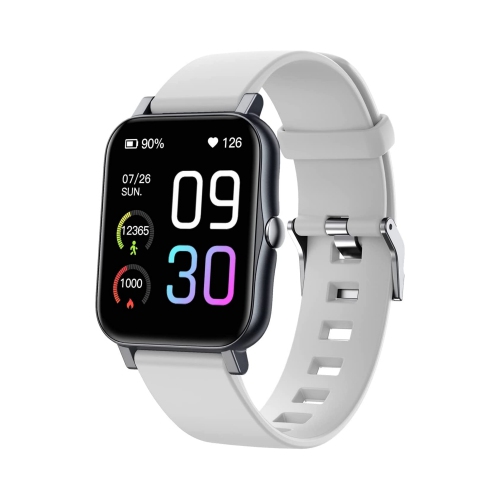
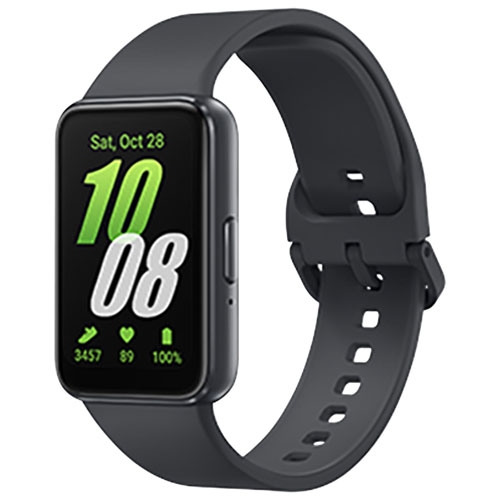
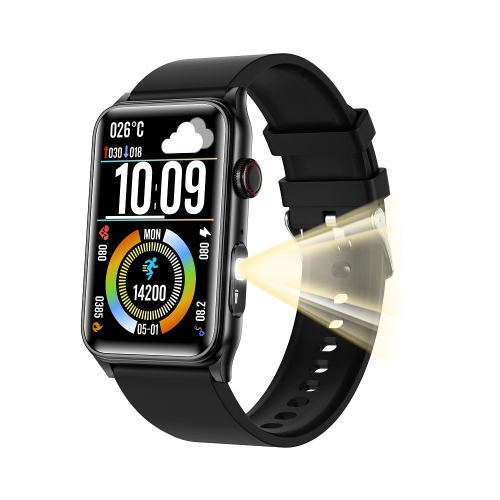
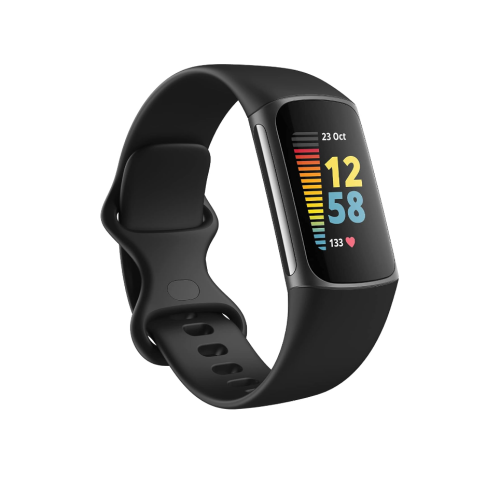
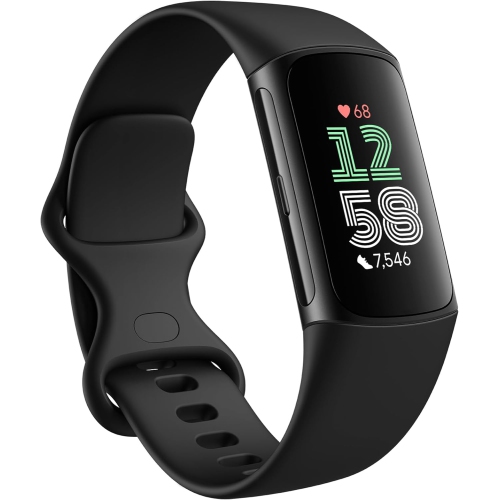
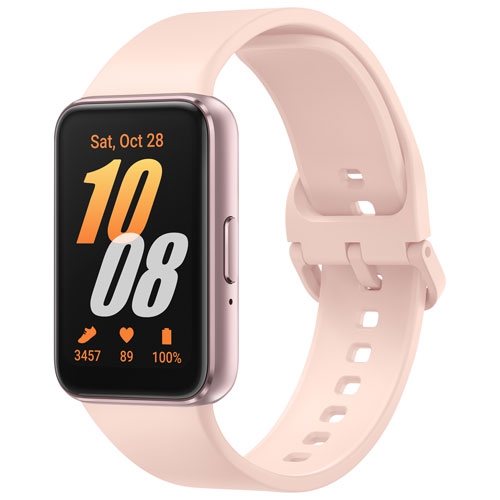
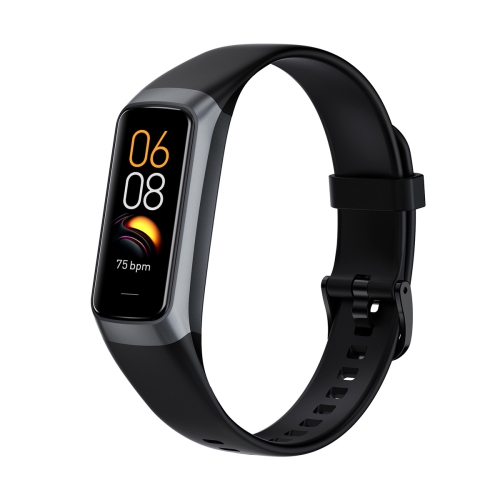
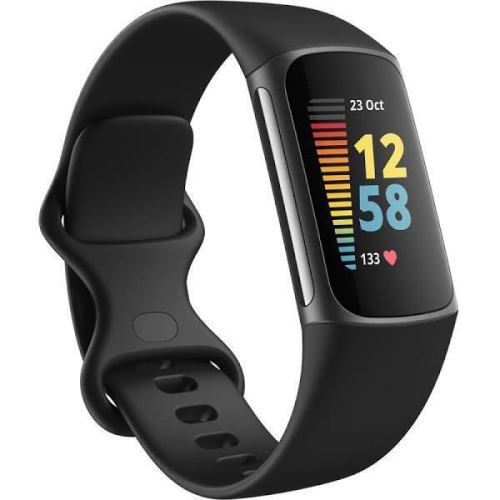
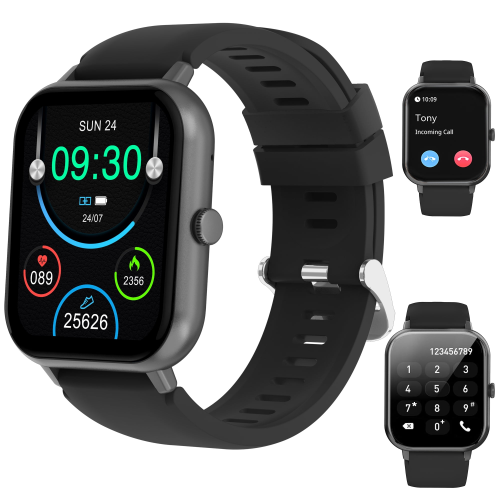
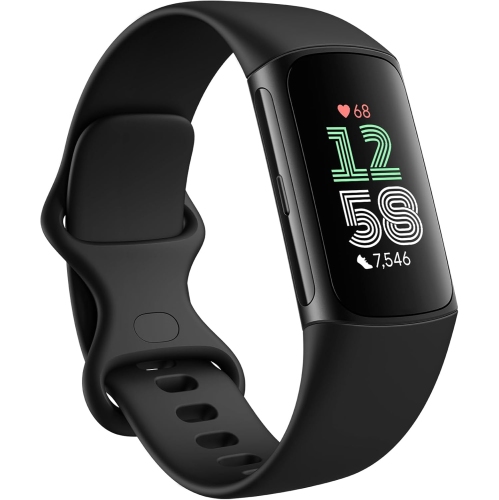
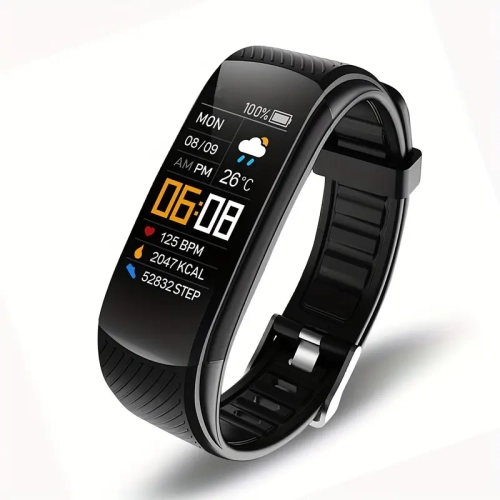
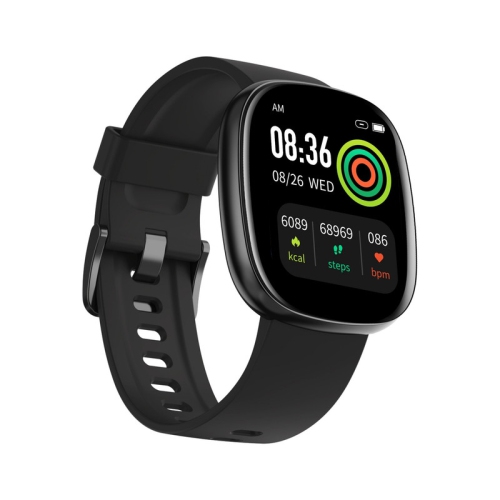
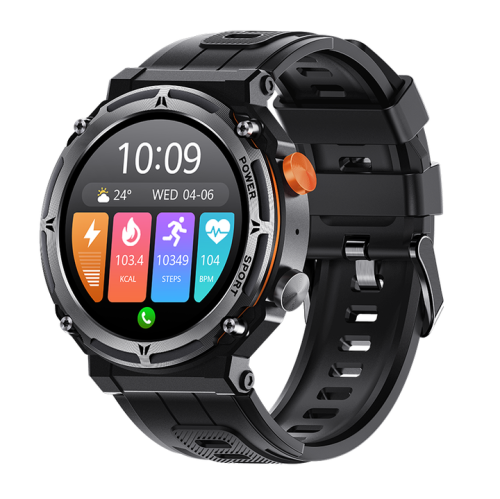
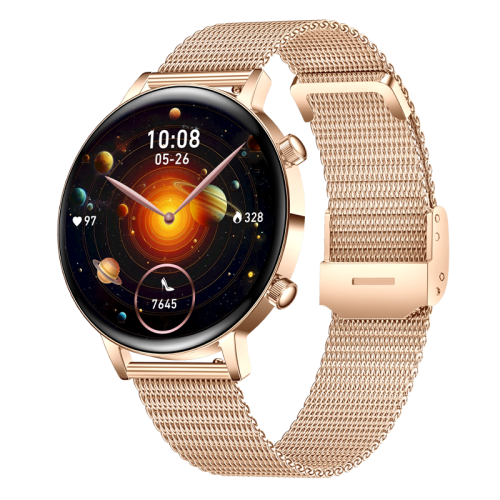
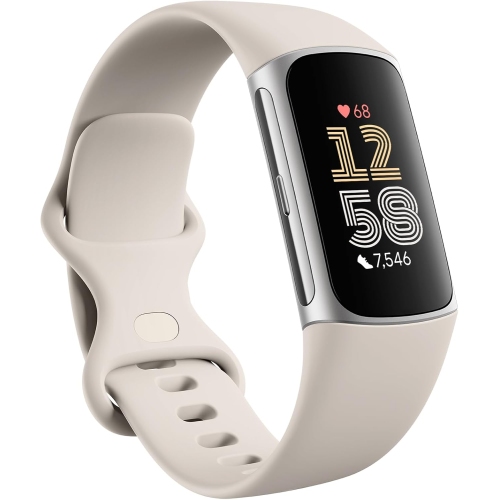
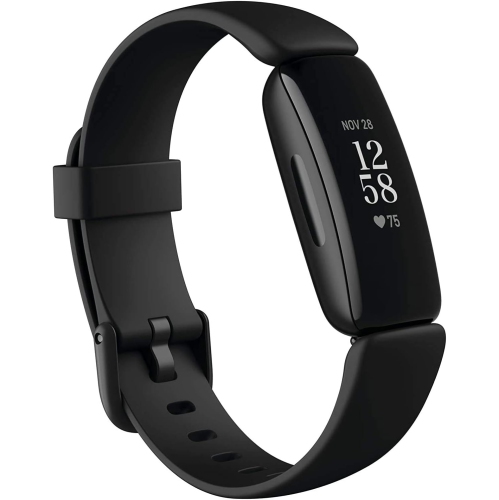

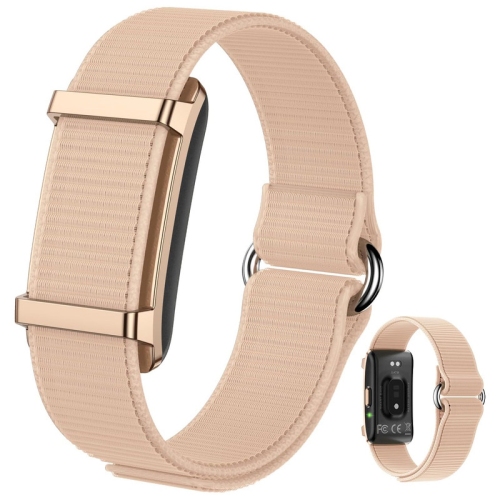
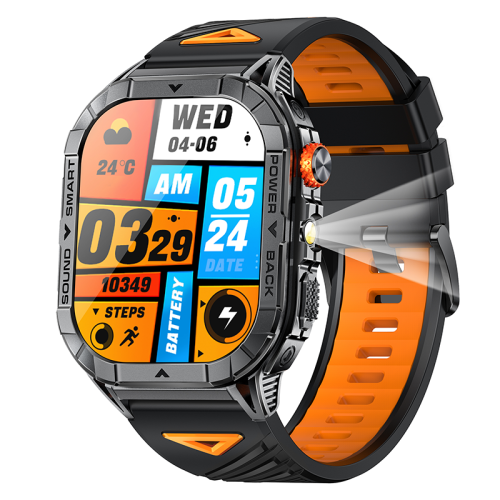
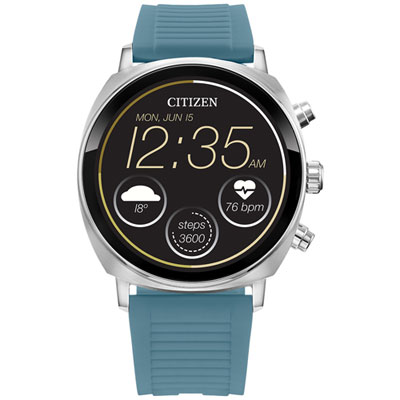
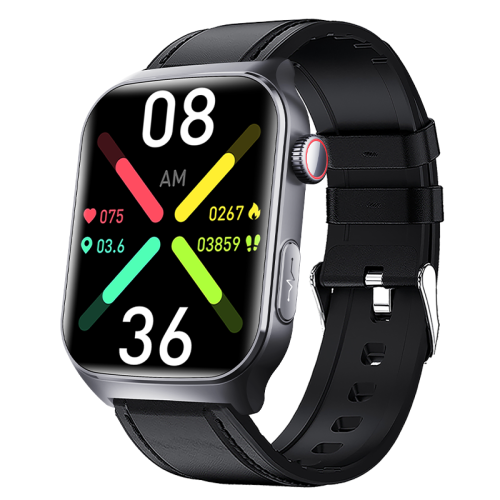
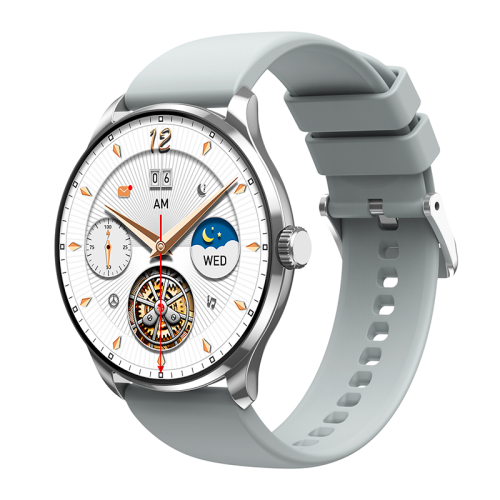
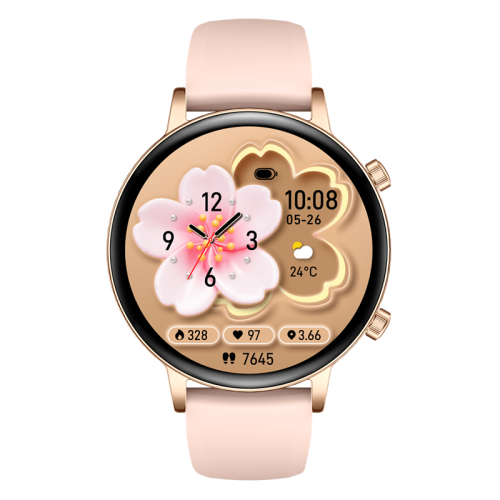
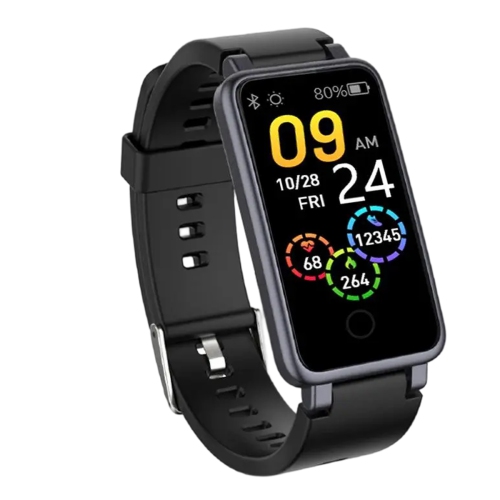
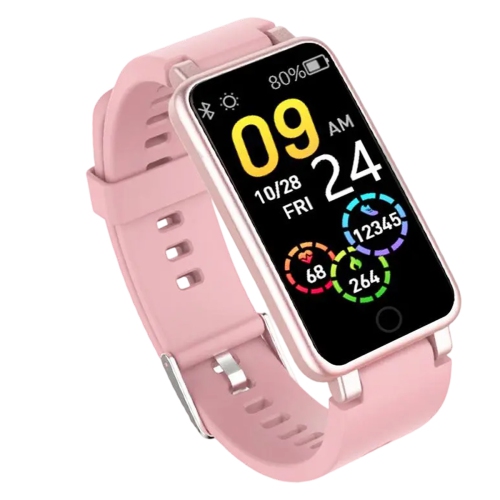
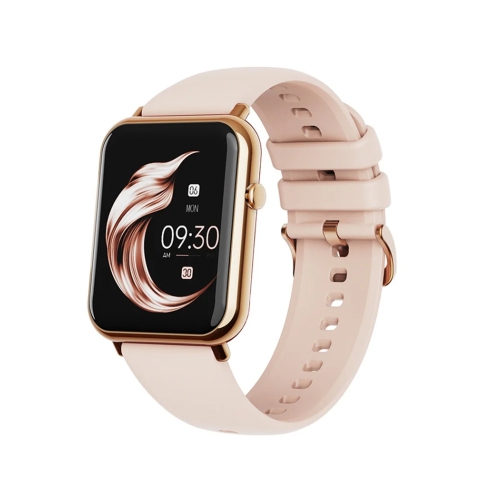
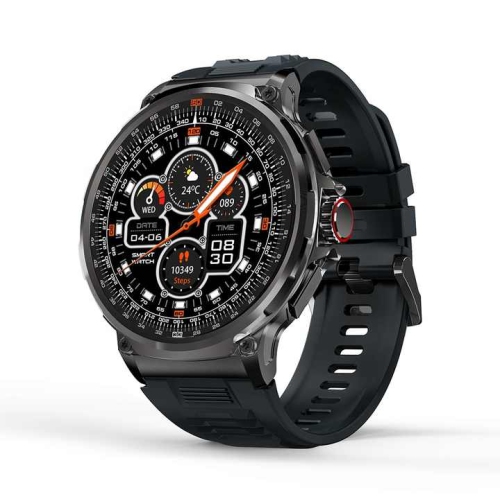
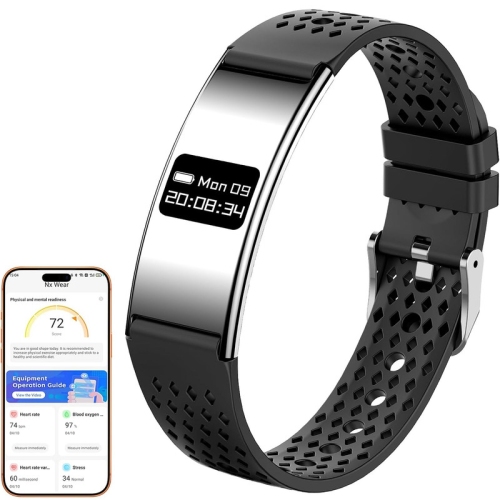
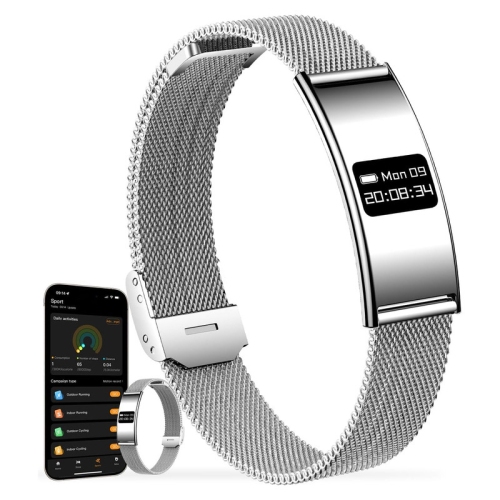
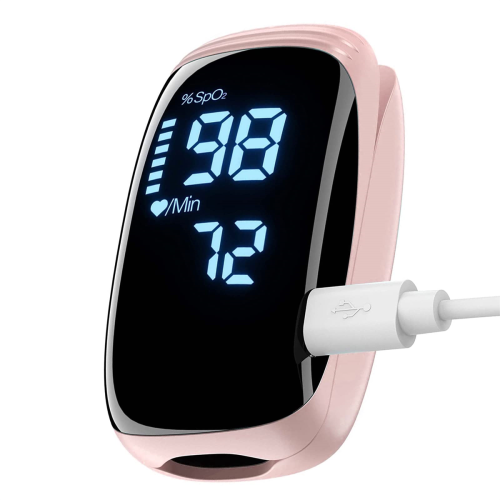
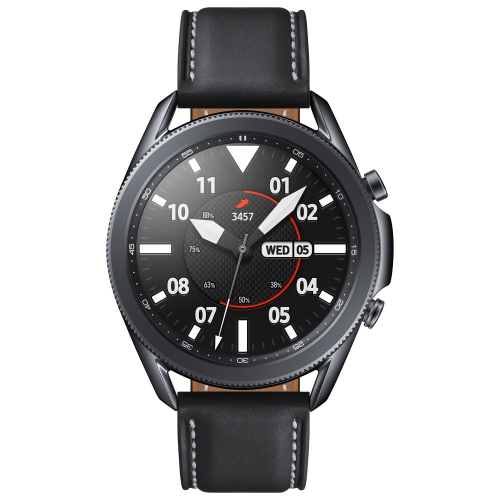
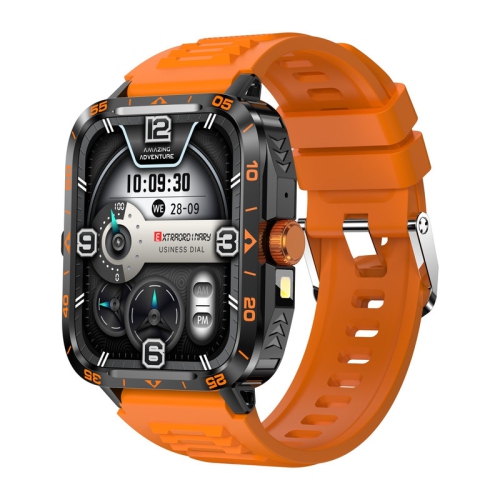
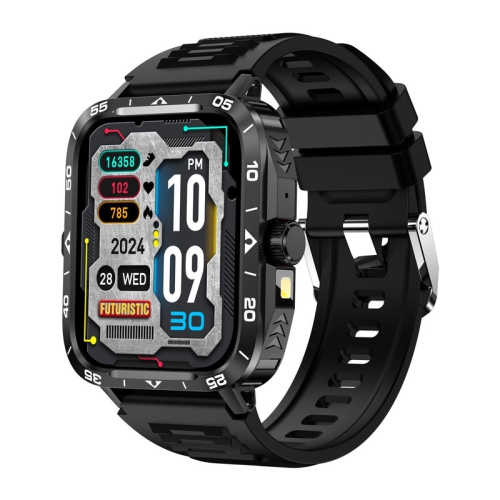
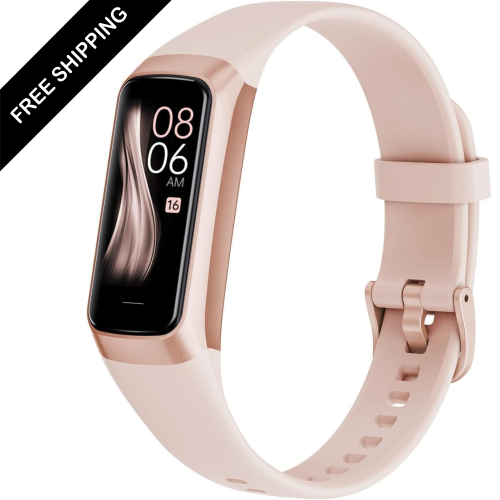
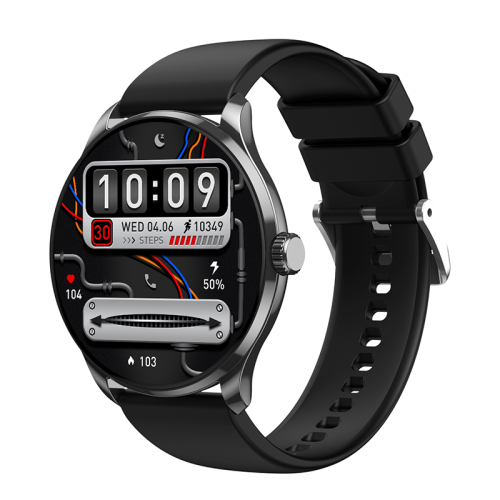
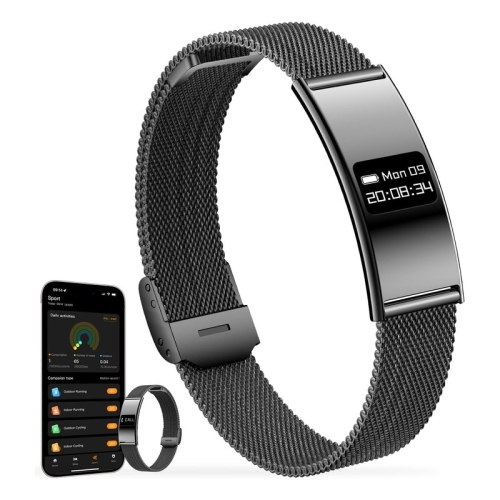
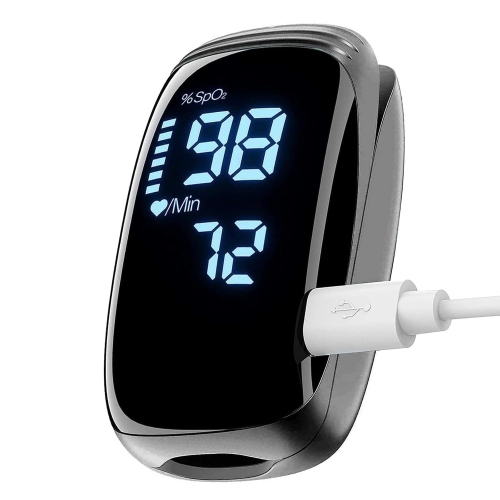
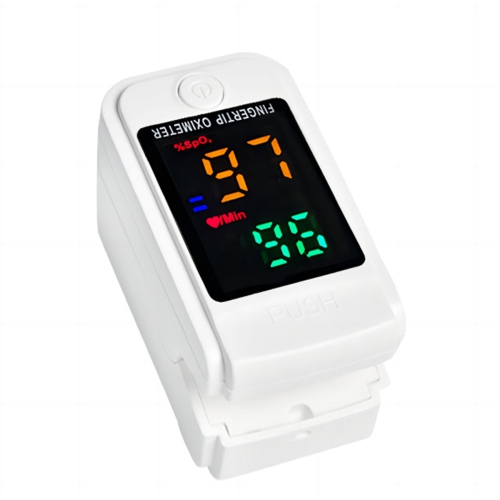
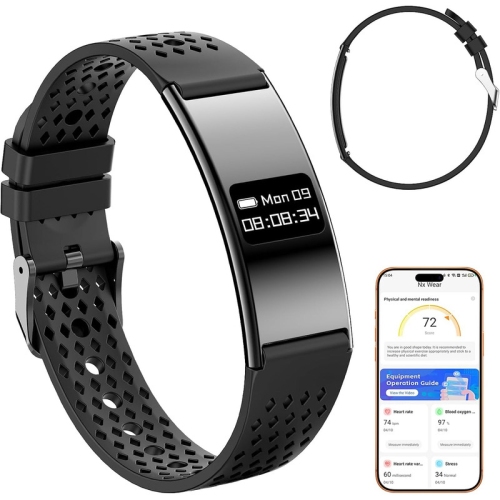
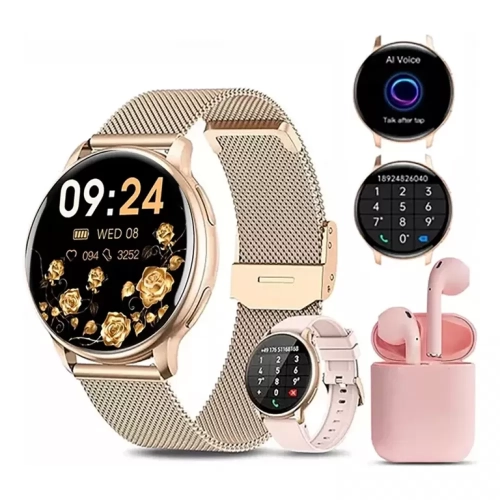
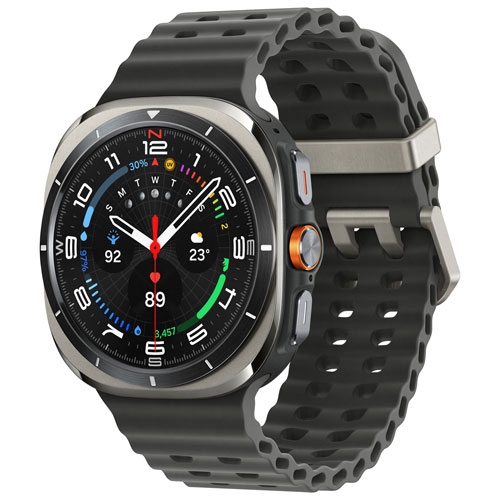
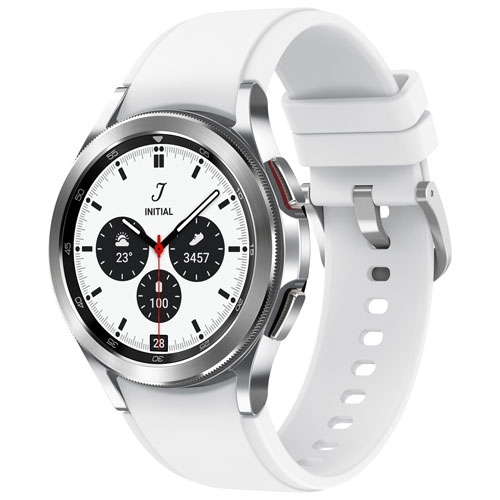
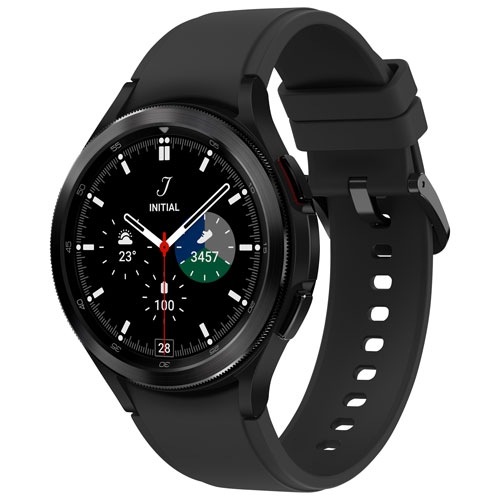
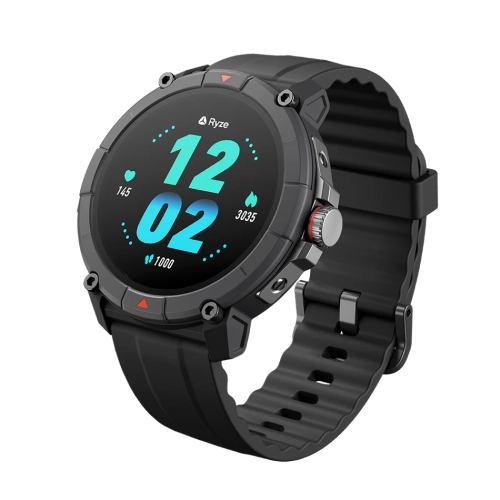
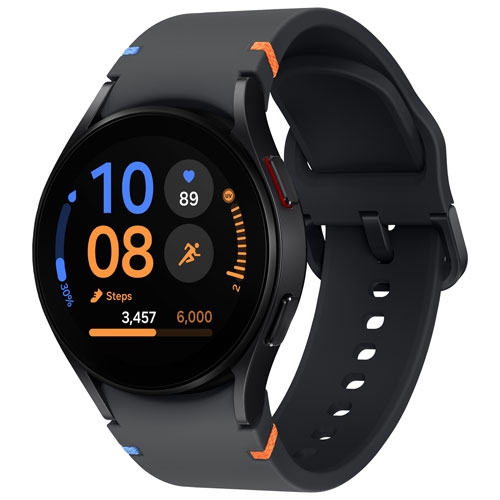
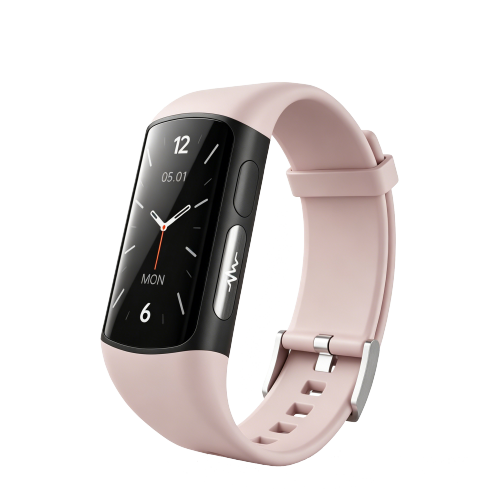
Heart rate zones reveal effort across changing rides
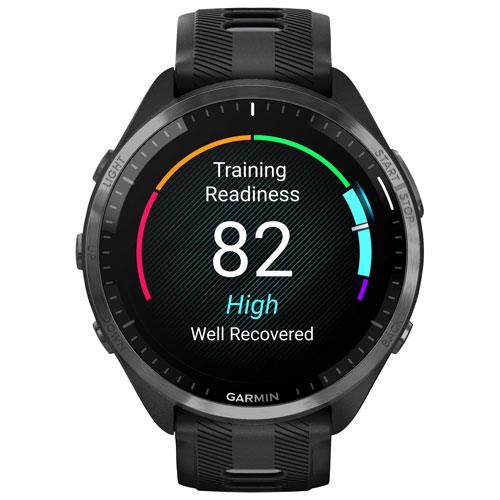
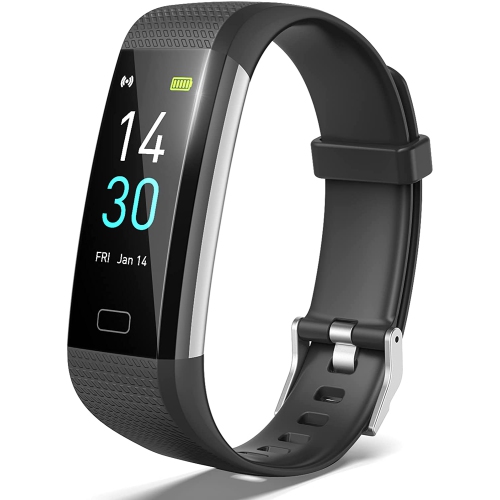
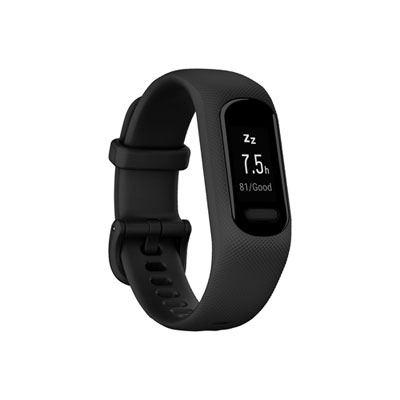
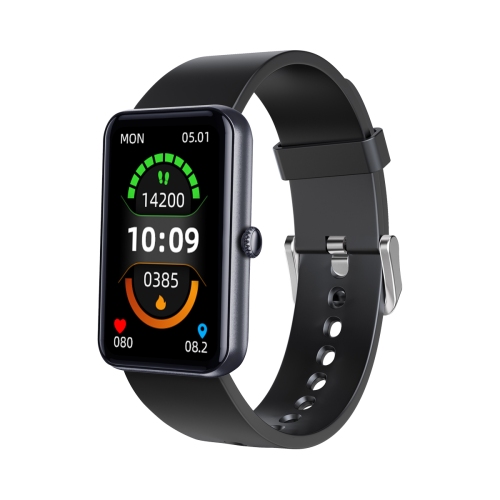
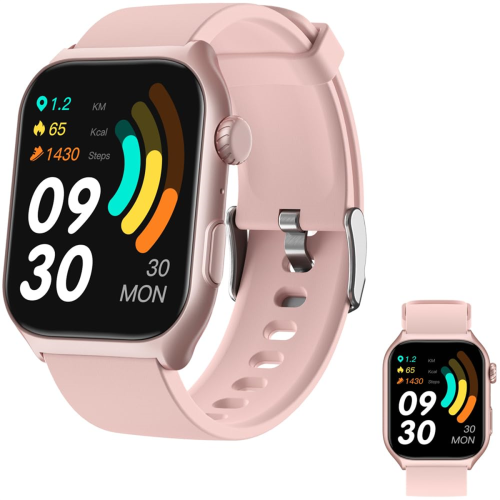
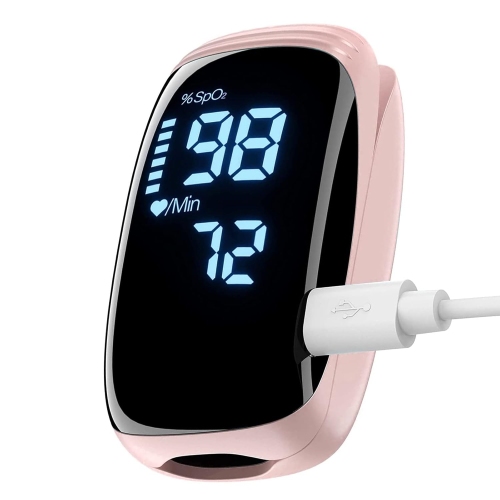
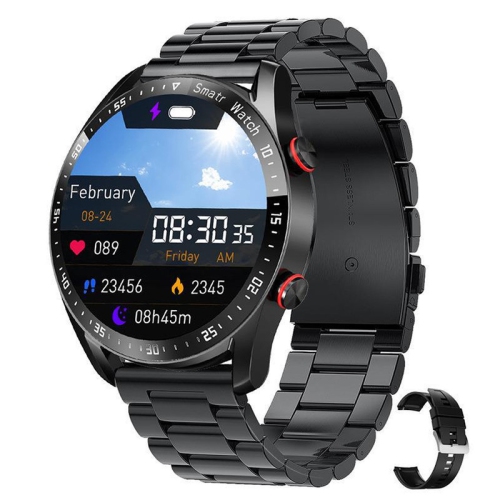
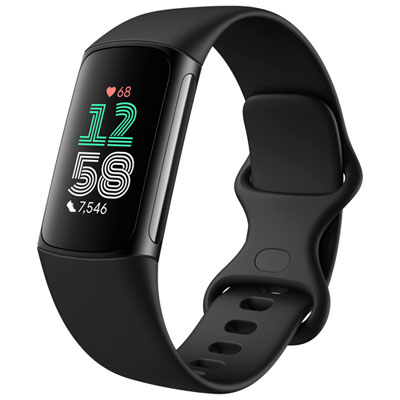
Heart rate monitors for cycling help riders understand how hard their body is working, whether they are rolling along a quiet road, climbing a long hill, or holding a steady pace indoors. Unlike speed or distance, heart rate reflects your internal effort, making it useful when terrain, wind, temperature, sleep, and fatigue change how a ride feels. A rider may be travelling at the same speed on two different days yet see a noticeably different heart rate, and that extra context can make training and everyday riding more purposeful. By pairing a monitor with a compatible bike computer, smartwatch, phone, or training app, cyclists can view live readings, record workout data, and review patterns after a ride. Many riders use heart rate zones to guide their effort: an easier zone can support warmups, recovery rides, and longer endurance sessions, while higher zones may be used for intervals, hills, or short bursts of speed. Heart rate data can also help prevent an easy ride from becoming unintentionally strenuous, especially during the cooler months when layers, indoor trainers, and changing routines can make exertion harder to judge. For someone returning to cycling, a monitor offers a straightforward way to learn how different efforts feel. For an experienced rider, it can add valuable information alongside cadence, speed, elevation, and power data. It is not a substitute for professional medical advice, but it can be a practical training and awareness tool for cyclists who want a clearer picture of their effort.
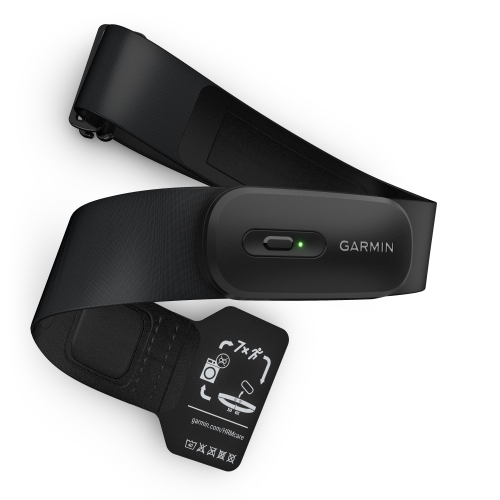
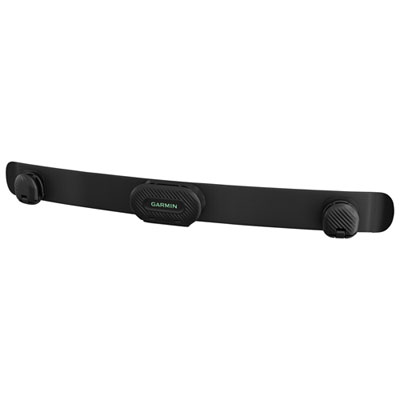
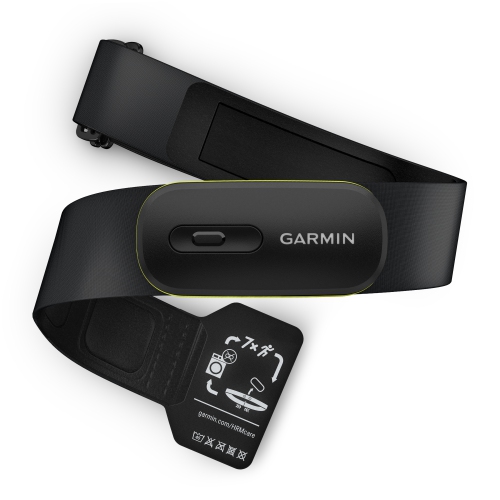
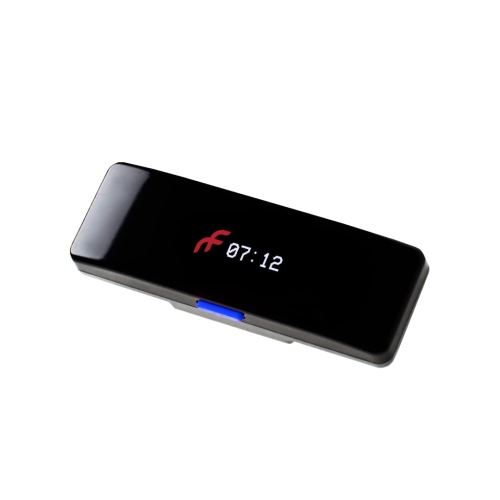
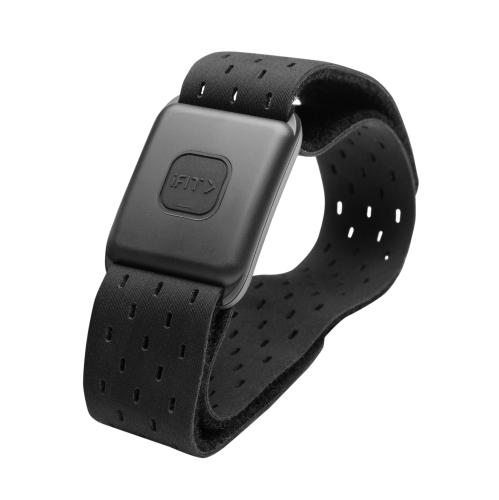
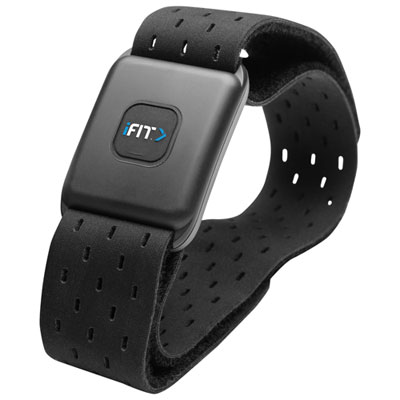
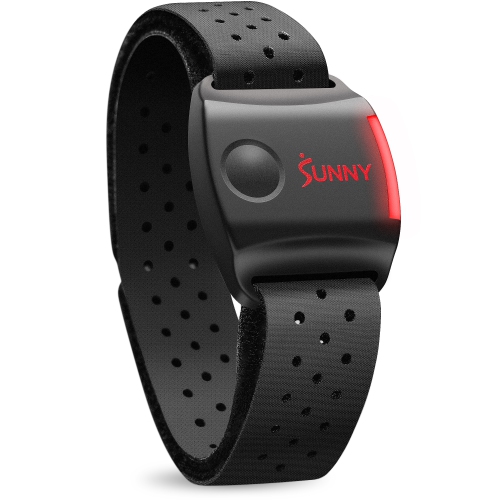
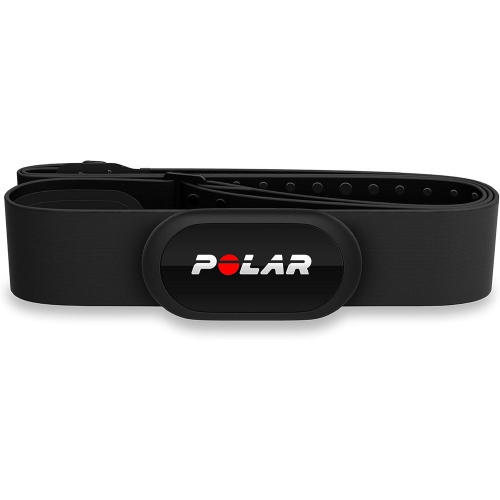
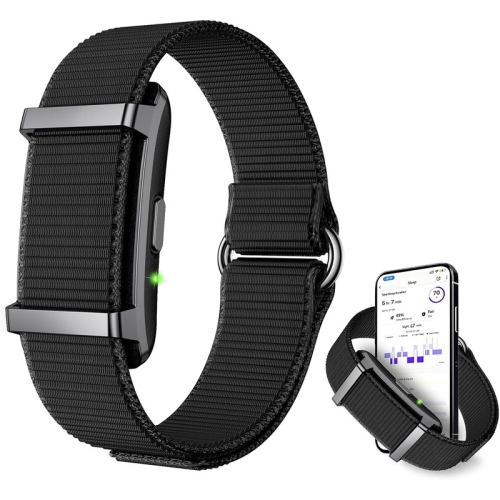
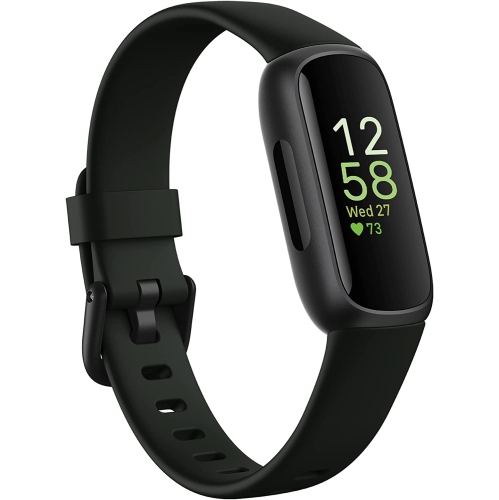
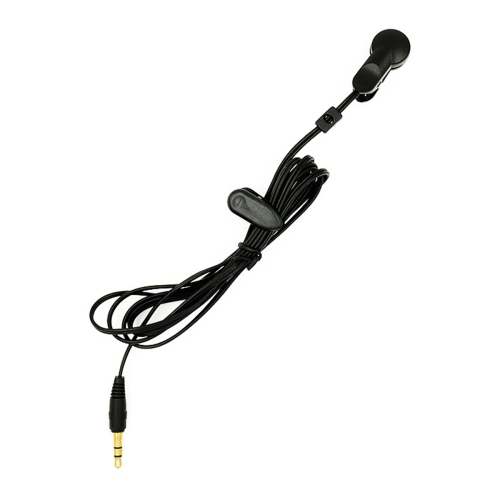
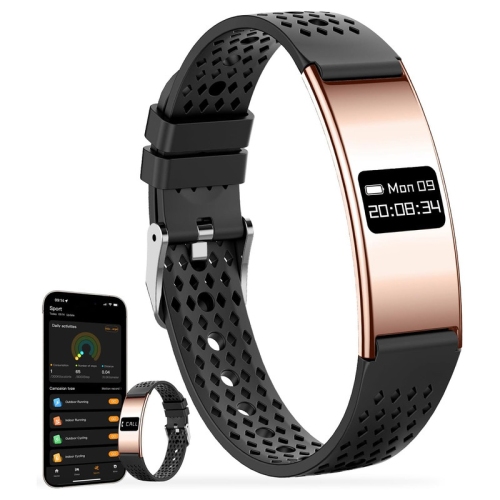
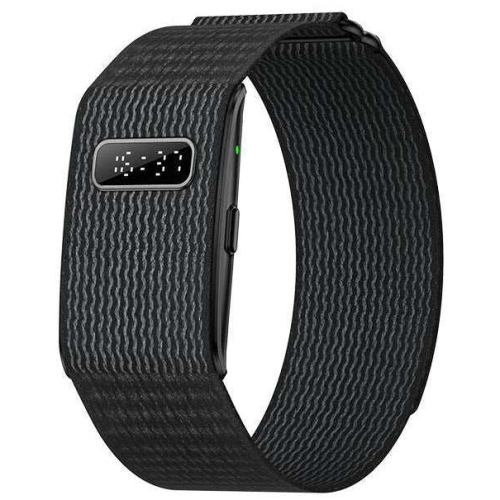
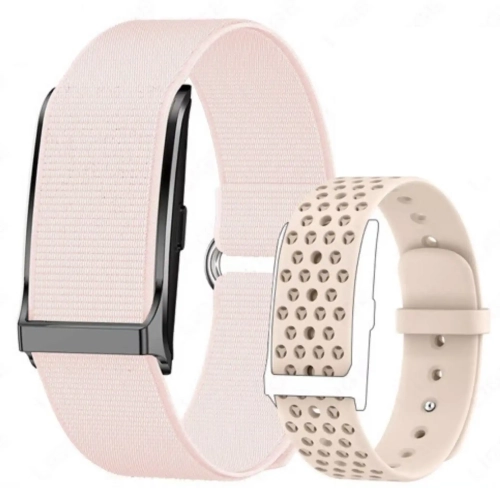
The main choices in this category are chest straps and armbands, and each style suits a different riding preference. Chest-strap monitors use electrical signals from the heart, often called ECG-style measurement, and are widely valued for their quick response and consistent accuracy during changes in intensity. That responsiveness can be especially helpful during interval sessions, hill repeats, or fast group rides, when effort rises and falls quickly. A chest strap should fit securely without restricting breathing, with the sensor sitting in the appropriate position and the contact areas making good contact with the skin. Slightly moistening the contacts before a ride can help some monitors begin reading more reliably, particularly in cool, dry conditions before perspiration starts. Armband monitors use optical sensors and LEDs to measure changes in blood flow beneath the skin. Worn on the upper arm or forearm, they can feel less restrictive than a chest strap and may be a comfortable choice for riders who dislike a band around the torso. Fit is important: the armband should stay comfortably in place without sliding, and loose placement, heavy sweat, or vigorous movement can sometimes affect how quickly readings respond. When choosing among heart rate monitors for cycling, consider how the sensor is worn, how often it will be used, and which devices it needs to connect with. Bluetooth and ANT+ compatibility can make it easier to send readings to a bike computer, smartwatch, phone, or indoor cycling setup, while dual connectivity may be useful for riders who move between several devices. Built-in memory can also be convenient when cycling without a phone or head unit, allowing a session to be recorded and synchronized later, depending on the monitor and its companion app.
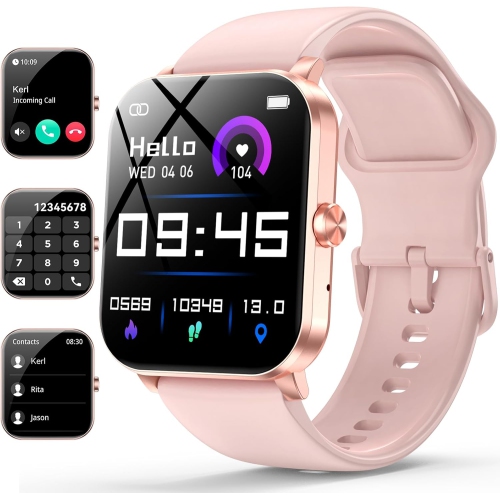
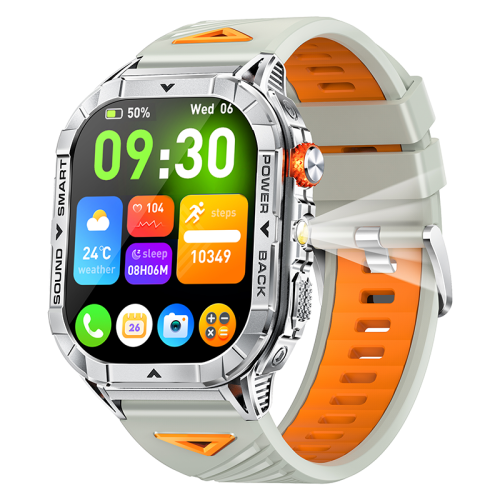
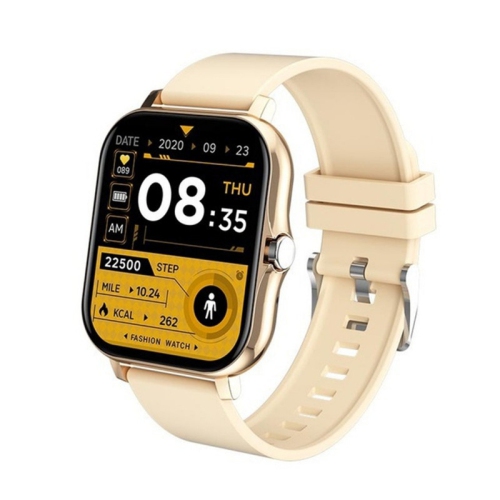
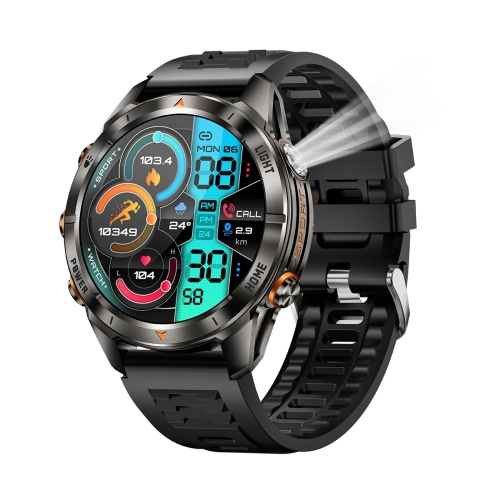
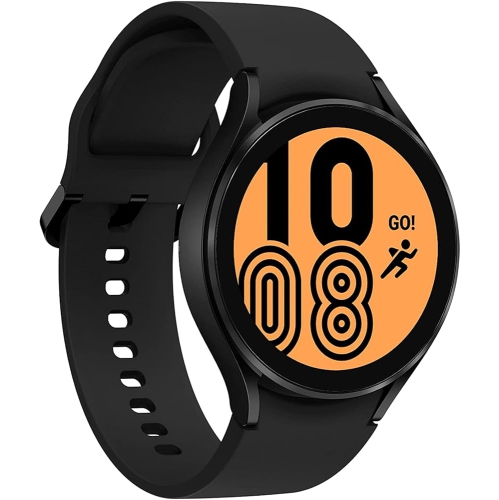
Connectivity and comfort matter just as much as the sensor itself because a monitor is most useful when it becomes an easy part of a riding routine. Before buying, check whether the monitor supports the connection standard used by your cycling computer or watch, and review compatibility with the apps you rely on for workout records. Battery type and charging method are worth considering as well: some riders prefer a rechargeable design they can top up before a weekend ride, while others appreciate a replaceable battery that can be changed when needed. Look for a secure fit, straightforward controls, and an easy-to-clean band or strap, particularly if the monitor will be used for frequent training, indoor sessions, or long-distance rides. A cyclist who spends early rides warming up on a quiet path may prefer the quick response of a chest strap, while someone commuting, completing casual loops, or riding through mixed activities may favour the freedom of an armband. These monitors can also make thoughtful gifts for a cyclist who already owns a bike computer or smartwatch but does not yet track heart rate. They suit new riders building confidence, fitness enthusiasts following a structured plan, and data-minded cyclists who enjoy comparing a familiar route across different conditions. Pairing a monitor with Fitness Watches for Cycling can create another way to view heart rate, distance, and workout information while riding. Whether a ride takes place outdoors as the weather warms or indoors during the cooler months, selecting the right wearing style, connection options, and fit can make heart rate tracking feel natural rather than distracting. A dependable reading lets cyclists focus on the road, settle into a sustainable rhythm, and return home with useful information about how the ride actually felt.
The main choices in this category are chest straps and armbands, and each style suits a different riding preference. Chest-strap monitors use electrical signals from the heart, often called ECG-style measurement, and are widely valued for their quick response and consistent accuracy during changes in intensity. That responsiveness can be especially helpful during interval sessions, hill repeats, or fast group rides, when effort rises and falls quickly. A chest strap should fit securely without restricting breathing, with the sensor sitting in the appropriate position and the contact areas making good contact with the skin. Slightly moistening the contacts before a ride can help some monitors begin reading more reliably, particularly in cool, dry conditions before perspiration starts. Armband monitors use optical sensors and LEDs to measure changes in blood flow beneath the skin. Worn on the upper arm or forearm, they can feel less restrictive than a chest strap and may be a comfortable choice for riders who dislike a band around the torso. Fit is important: the armband should stay comfortably in place without sliding, and loose placement, heavy sweat, or vigorous movement can sometimes affect how quickly readings respond. When choosing among heart rate monitors for cycling, consider how the sensor is worn, how often it will be used, and which devices it needs to connect with. Bluetooth and ANT+ compatibility can make it easier to send readings to a bike computer, smartwatch, phone, or indoor cycling setup, while dual connectivity may be useful for riders who move between several devices. Built-in memory can also be convenient when cycling without a phone or head unit, allowing a session to be recorded and synchronized later, depending on the monitor and its companion app.
Connectivity and comfort matter just as much as the sensor itself because a monitor is most useful when it becomes an easy part of a riding routine. Before buying, check whether the monitor supports the connection standard used by your cycling computer or watch, and review compatibility with the apps you rely on for workout records. Battery type and charging method are worth considering as well: some riders prefer a rechargeable design they can top up before a weekend ride, while others appreciate a replaceable battery that can be changed when needed. Look for a secure fit, straightforward controls, and an easy-to-clean band or strap, particularly if the monitor will be used for frequent training, indoor sessions, or long-distance rides. A cyclist who spends early rides warming up on a quiet path may prefer the quick response of a chest strap, while someone commuting, completing casual loops, or riding through mixed activities may favour the freedom of an armband. These monitors can also make thoughtful gifts for a cyclist who already owns a bike computer or smartwatch but does not yet track heart rate. They suit new riders building confidence, fitness enthusiasts following a structured plan, and data-minded cyclists who enjoy comparing a familiar route across different conditions. Pairing a monitor with Fitness Watches for Cycling can create another way to view heart rate, distance, and workout information while riding. Whether a ride takes place outdoors as the weather warms or indoors during the cooler months, selecting the right wearing style, connection options, and fit can make heart rate tracking feel natural rather than distracting. A dependable reading lets cyclists focus on the road, settle into a sustainable rhythm, and return home with useful information about how the ride actually felt.
Top selling and popular products
-
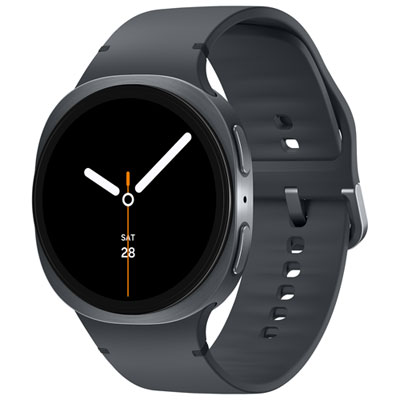 Your price for this item is $399.99
 -
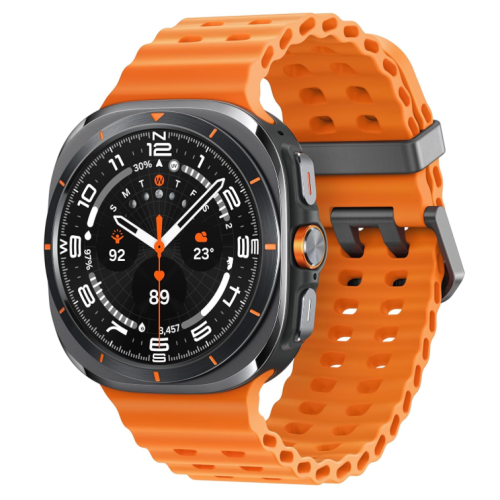 Your price for this item is $579.99
 -
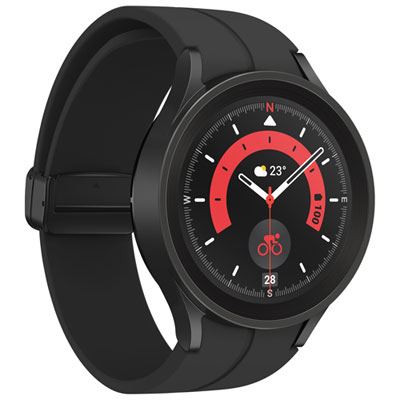 Your price for this item is $629.97
 -
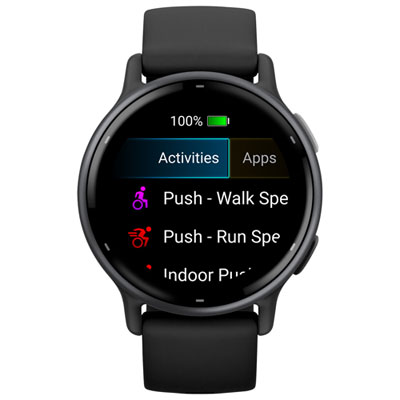 Your price for this item is $349.99
 -
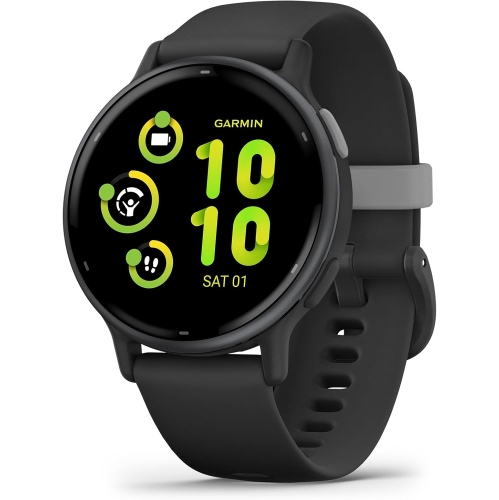 Your price for this item is $371.79
 -
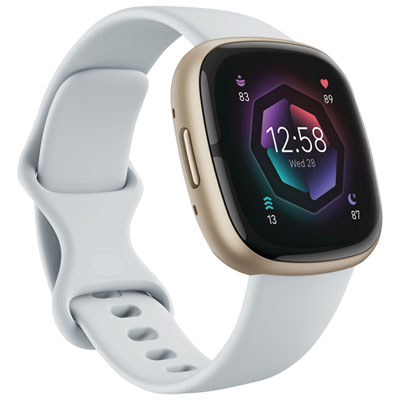 Your price for this item is $329.99
 -
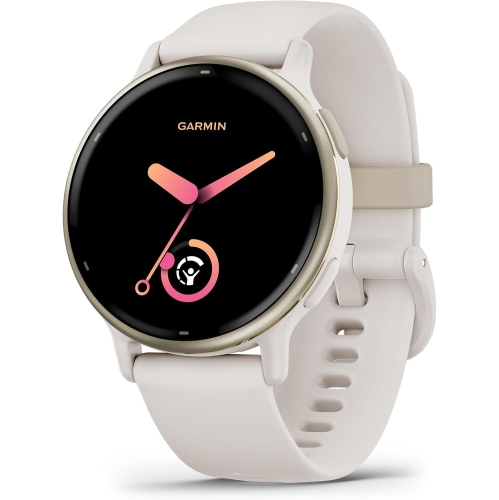 Your price for this item is $323
 -
 Your price for this item is $659.99
Discover more categories related to Heart Rate Monitors for Cycling

Top Collections:
Pokemon Centers, Best Cameras for Sports Photography, Kindle Devices, Samsung Galaxy Phones, Canon G7X Cameras, Pokémon 30th Celebration Cards, Refurbished Apple Laptops, iPhone 15 Apple, Laptops for Students, Budget Smartphones
Some products may be subject to Environmental Handling Fees
(EHF) depending on your province.
Learn more about EHFs.