Heating Pad Moist Heat
Heating Pad Moist Heat options offer an effective way to soothe everyday discomfort and promote relaxation at home. Designed for convenience and ease of use, these products are ideal for targeting specific areas and providing gentle warmth. Whether you’re looking to unwind after a long day or seeking extra comfort during colder months, Heating Pad Moist Heat solutions can help you feel more at ease. Explore a variety of choices to find the perfect fit for your needs.
Sort


Why moist warmth feels different from dry heat
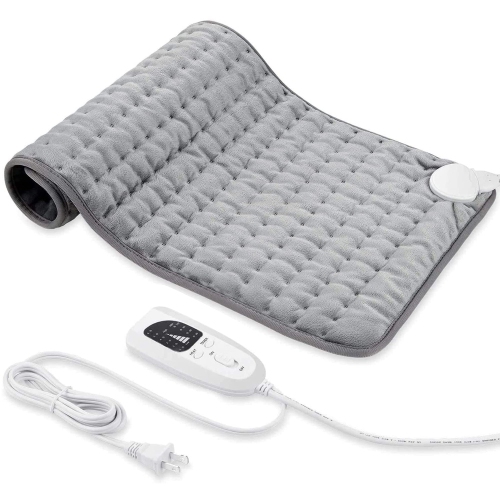
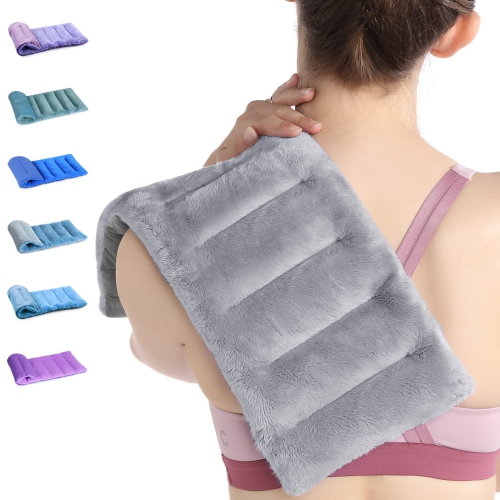
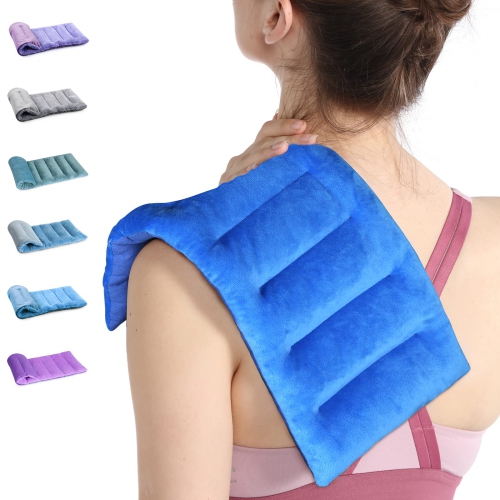
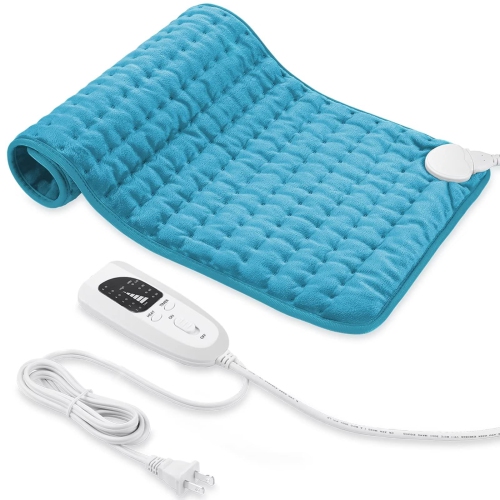
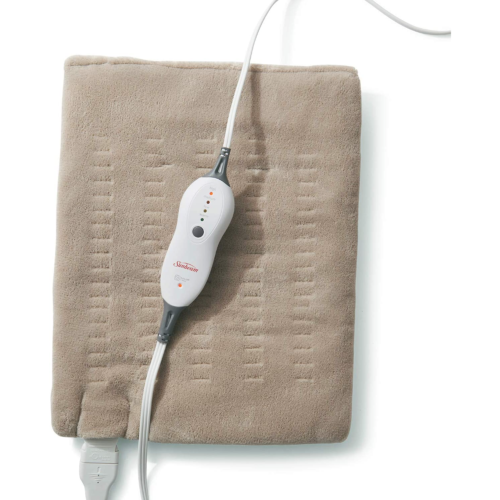
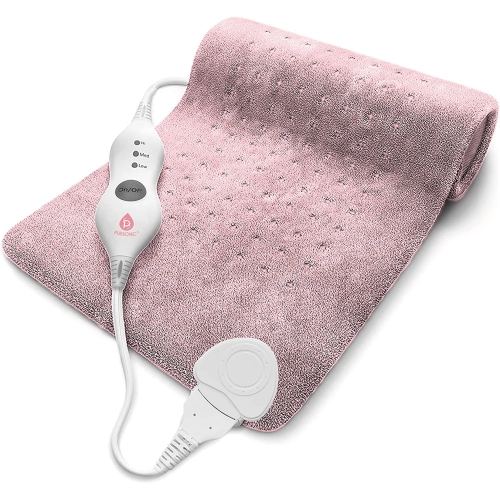
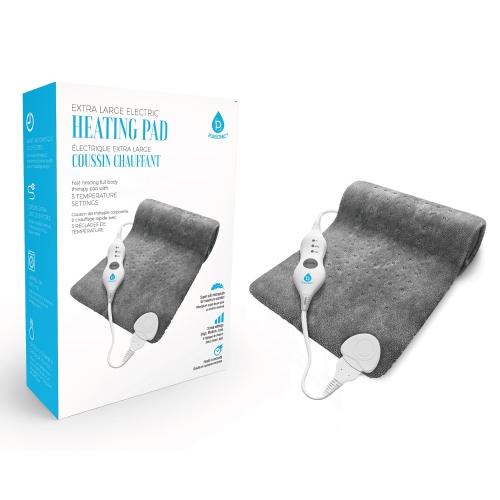
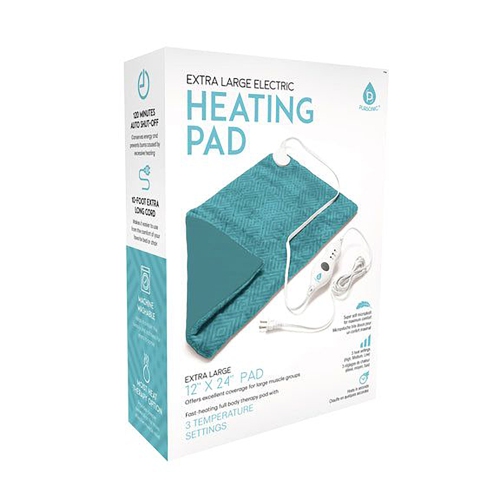
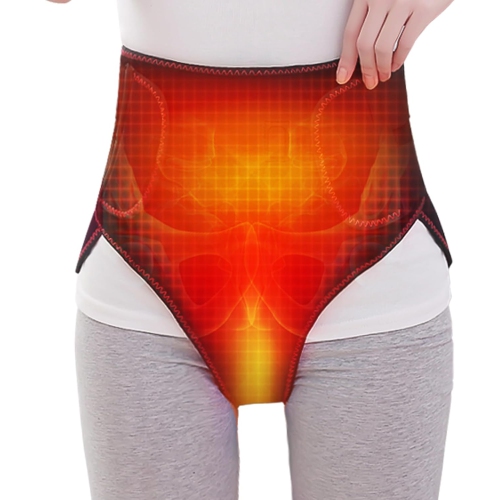
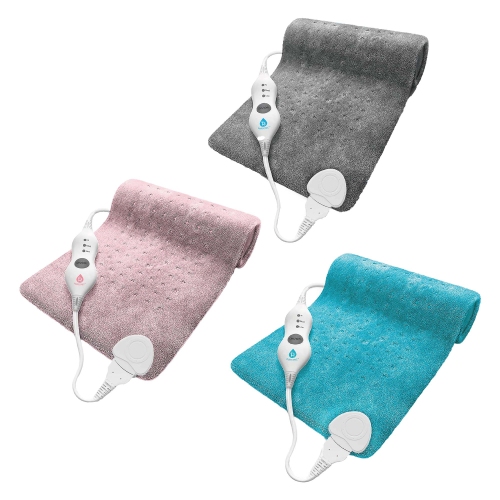
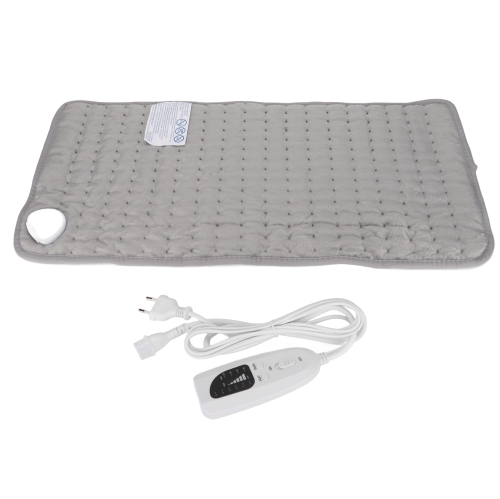
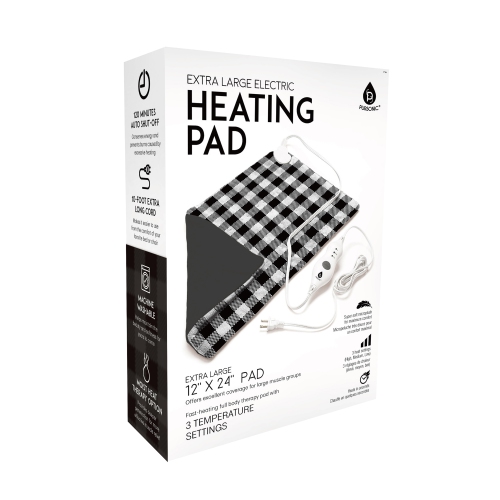
Heating pads with moist heat provide targeted warmth through a surface designed to deliver moisture alongside heat, helping soothe everyday muscle aches and ease stiffness temporarily. The moisture source depends on the design: some electric pads use a specialized cover that draws moisture from the surrounding air, while others require a lightly dampened insert or cloth prepared according to the manufacturer’s directions. A pad described as offering both moist and dry heat may need a different setup for each mode, so those terms do not necessarily mean the same heating experience. Moist heat transfers warmth efficiently at the skin’s surface, which can make it feel different from the warmth of a dry pad. It should feel comfortably warm rather than intensely hot; stronger heat is not a measure of better relief. For someone whose shoulders feel tight after hours at a desk, or whose lower back feels stiff after a long drive, a suitably shaped pad can make a short, seated rest more comfortable. People may also use gentle warmth to help relax tense muscles before light movement, when appropriate for their needs. The appeal is localized comfort without having to warm the whole body. Results vary with the person, the pad’s construction, its settings, and how it is used, and moist heat should not be treated as a cure for an underlying injury or ongoing pain. Electric designs generally maintain warmth while connected to power, whereas pads designed for microwave heating gradually cool after preparation. Only a pad specifically labelled for moist heat should be used that way. Adding water to an ordinary electric heating pad, or soaking a cover that is intended to stay dry, can damage its components and create a safety risk. Clear preparation directions are therefore an important part of understanding what a moist heating pad offers, particularly when comparing designs that look similar but manage moisture differently.
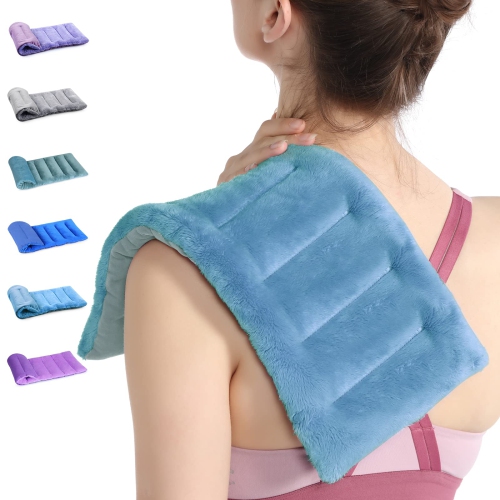
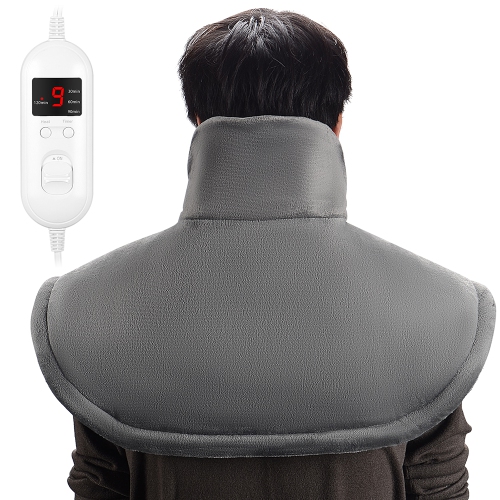
Shape, coverage, and the feel of the cover all influence how comfortably a moist heating pad fits into an everyday routine. A broad rectangular pad can cover a larger section of the back or rest across the thighs, while a contoured wrap may sit more naturally around the neck and shoulders. A smaller pad can be easier to position over a limited area without warming nearby skin unnecessarily. Useful coverage is about contact rather than simply choosing the largest size: a pad that drapes comfortably over the intended area is often more practical than one that bunches up or extends awkwardly beyond it. Flexible construction helps it follow the body’s contours without sharp folds, and any fastening straps should hold it gently rather than restrict movement or circulation. Cotton and flannel covers can offer a familiar fabric feel, while plush covers provide a softer surface; the actual fabric composition and suitability for moist use should be confirmed in the product details. Breathability, seams, and edging matter when the pad rests against a sensitive area, as does whether the cover stays securely in place during use. Removable, washable covers can simplify routine care, particularly for a pad used regularly by one person. Adjustable heat settings allow warmth to be matched to comfort within the manufacturer’s directions, while clearly marked controls make adjustments easier to follow. A readable display, controls that are comfortable to grip, and an accessible power switch can be particularly useful for someone with limited hand mobility. Timer settings and automatic shut-off can help manage a session, but they do not make a pad suitable for sleeping or unattended use. Cord length and the position of the connector also affect placement: the pad should reach a suitable outlet without pulling across the body or creating a trip hazard. For electric designs, electrical safety certification recognized in Canada is another relevant detail to check.
Care requirements are especially important for a product that combines fabric, moisture, and, in many cases, electrical components. A removable cover may be machine washable even when the heating unit itself is not, and some inserts require separate cleaning or drying. Following the care label helps preserve the fabric’s feel, the pad’s shape, and the parts that control heat. Any permitted dampening should use only the amount and method specified; a moist heat pad is not necessarily meant to feel wet. Electrical controls, plugs, and connections must be kept dry unless the manufacturer explicitly states otherwise. After cleaning, components should be fully dry before reassembly or use, as directed. Durability also depends on handling: tightly folding a pad, pulling it by its cord, or trapping it beneath heavy objects can strain internal components. Neat stitching, secure cover closures, and a well-supported cord connection are useful construction details, although regular inspection still matters. Frayed wiring, damaged fabric, unusual odours, or uneven heating are reasons to stop using a pad. During a session, the recommended fabric barrier and placement instructions help limit direct heat exposure, and skin should be checked regularly for redness or discomfort. A pad should not be used while sleeping or placed beneath the body unless its instructions specifically permit that position. People with reduced skin sensation, diabetes, or circulation concerns should seek advice from a healthcare professional before using heat, as should anyone unsure whether warmth is appropriate for a new injury, swelling, or persistent pain. For gifting, a moist heating pad can be a thoughtful comfort-focused choice when the recipient’s preferences, ability to operate the controls, and suitability for heat are already understood. The Body Heating Pads selection provides a broader view of shapes and heating formats, while moisture delivery, comfortable coverage, and straightforward care remain central considerations for anyone specifically seeking moist heat.
Top selling and popular products
-
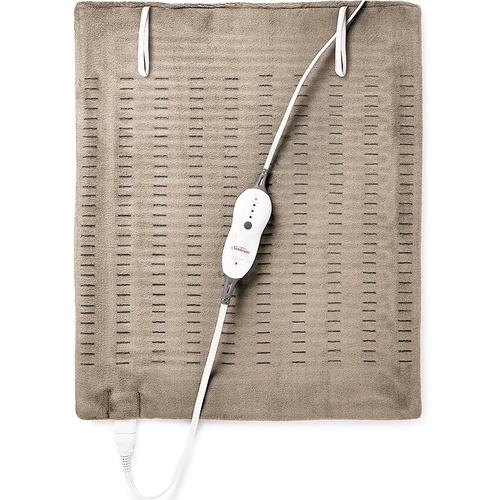 Your price for this item is $24.99
-
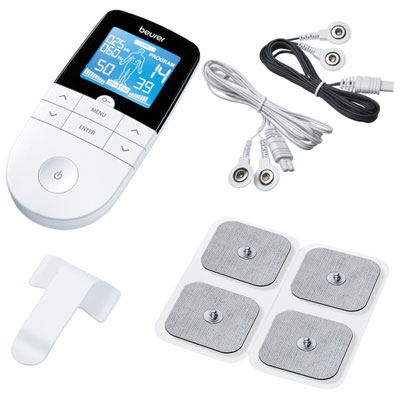 Your price for this item is $84.99
-
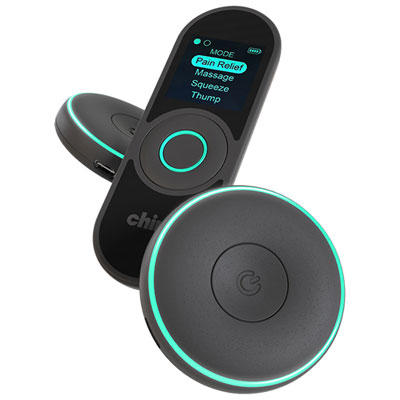 Your price for this item is $259.99
-
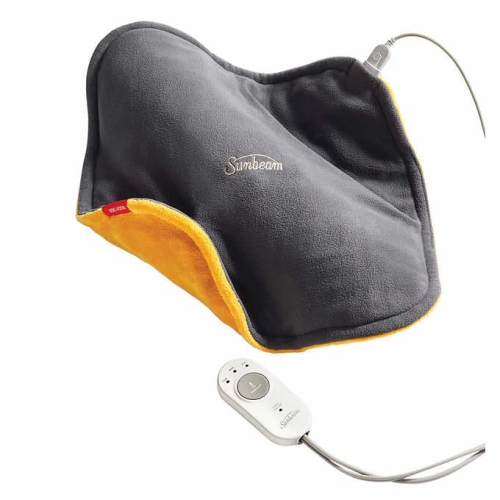 Your price for this item is $83.95
-
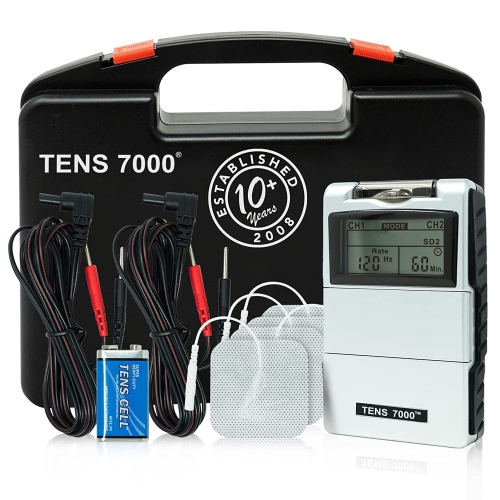 Your price for this item is $56.99
-
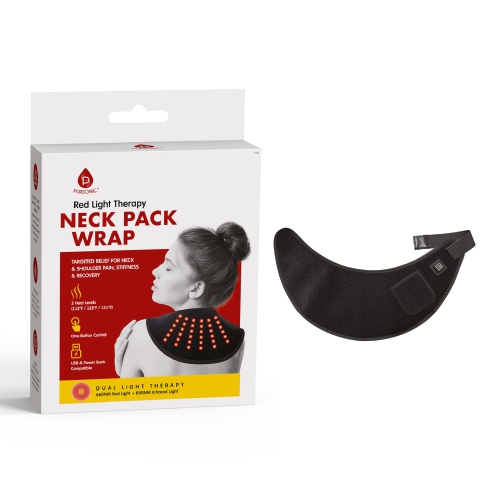 Your price for this item is $54.99
-
 Your price for this item is $99.99
-
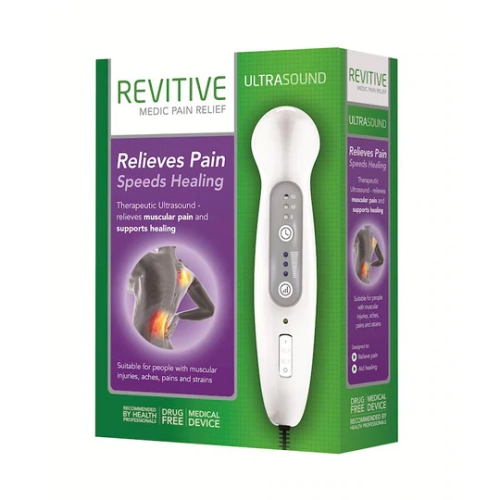 Your price for this item is $199
Discover more categories related to Heating Pad Moist Heat

Top Collections:
Pokemon Centers, Best Cameras for Sports Photography, Kindle Devices, Samsung Galaxy Phones, Canon G7X Cameras, Pokémon 30th Celebration Cards, Refurbished Apple Laptops, iPhone 15 Apple, Laptops for Students, Budget Smartphones
Some products may be subject to Environmental Handling Fees
(EHF) depending on your province.
Learn more about EHFs.