Heavy Duty Electric Wheelchairs
Looking for a reliable and powerful mode of transportation that can provide enhanced mobility and independence? Look no further than our collection of heavy-duty electric wheelchairs. Designed to accommodate individuals with varying needs, these electric wheelchairs offer a sturdy and robust solution for navigating both indoor and outdoor environments. With their durable construction and advanced features, these wheelchairs are built to withstand the demands of daily use while ensuring utmost comfort and safety. Whether you're seeking a wheelchair for personal use or for a loved one, our selection of heavy-duty electric wheelchairs is sure to meet your requirements and help you regain the freedom to move with ease.
Sort



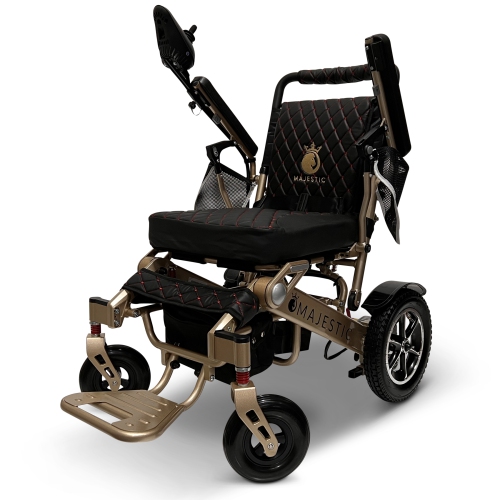
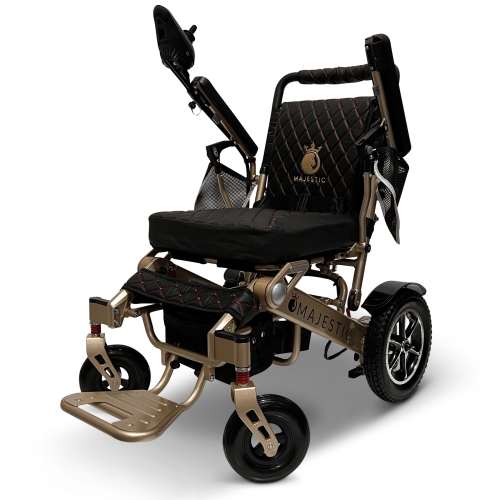
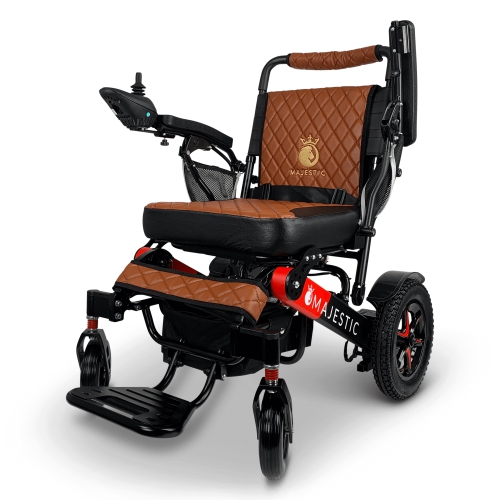
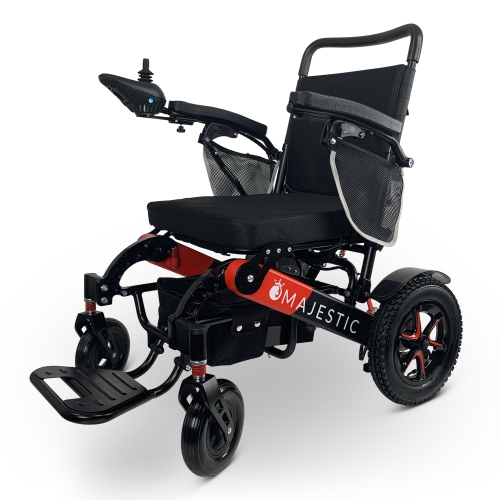





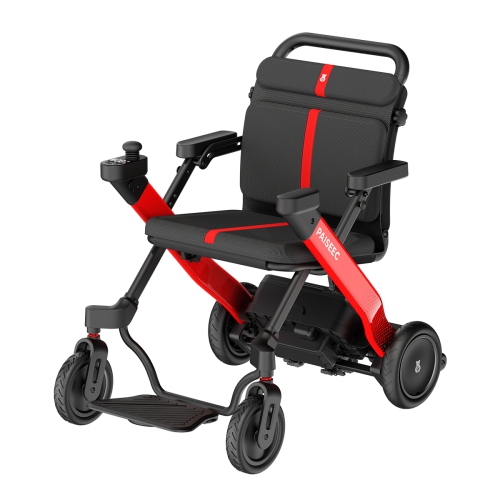
What to consider for comfortable, capable powered mobility
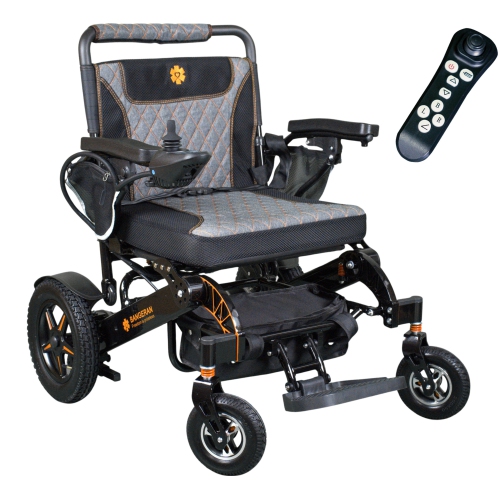
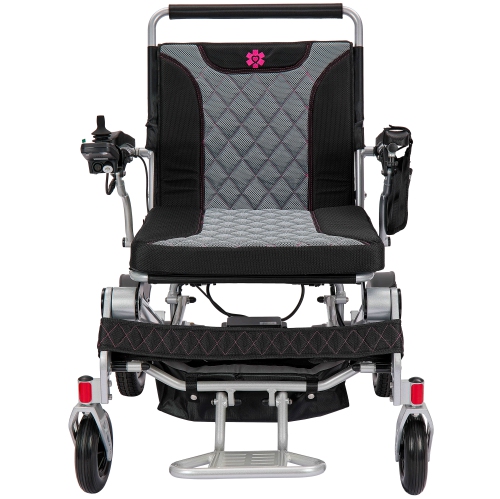
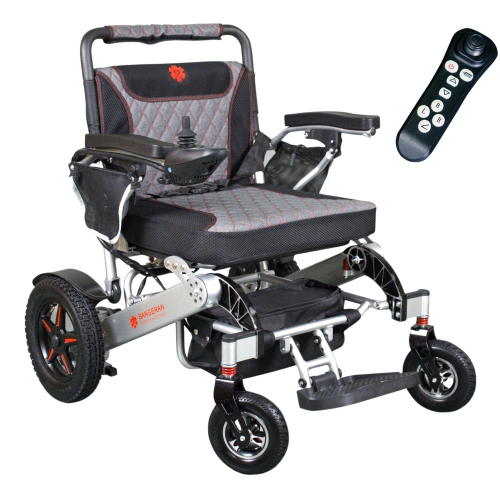
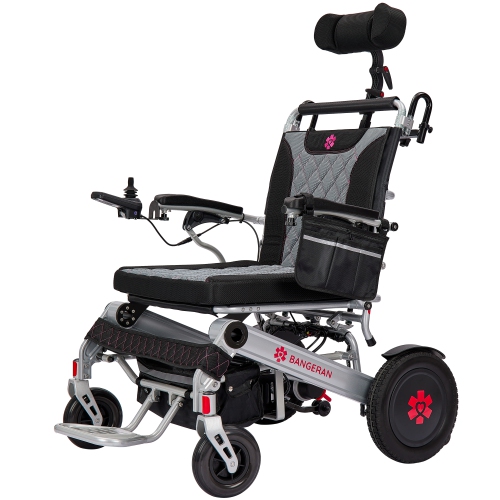
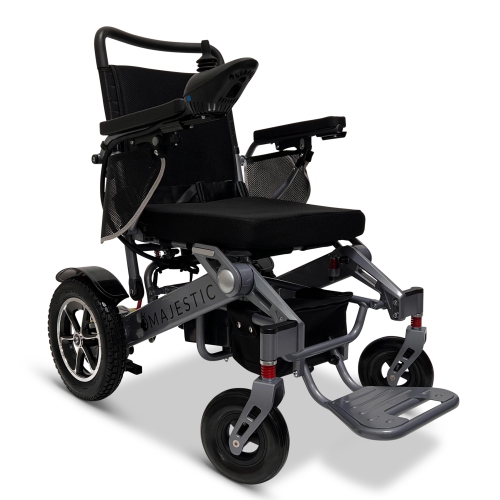
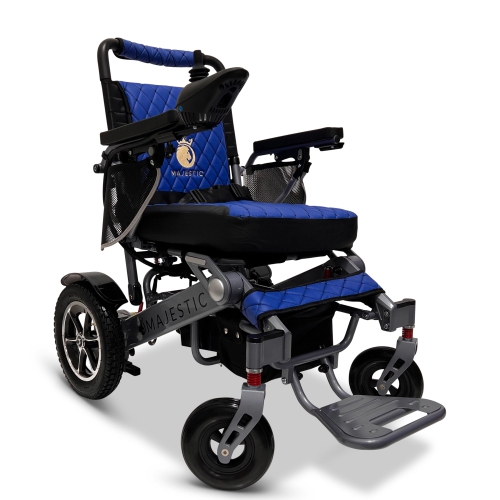
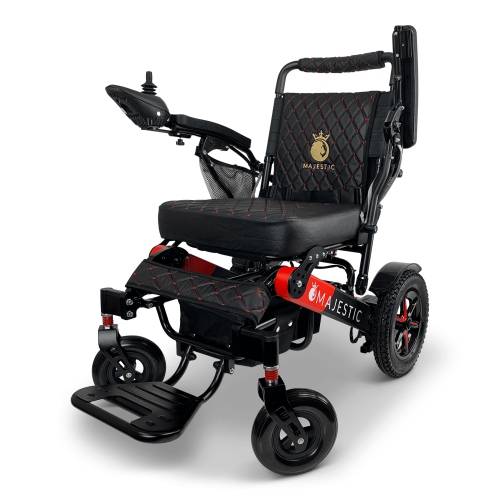
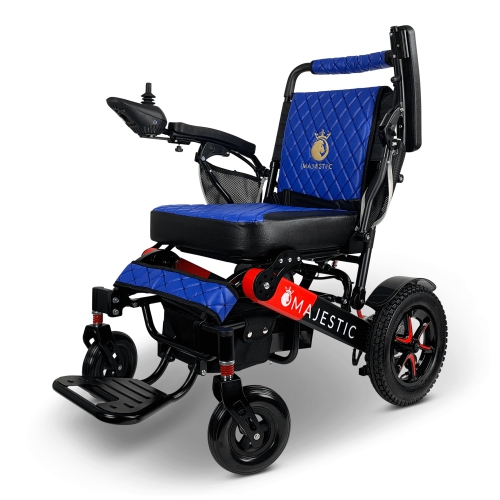
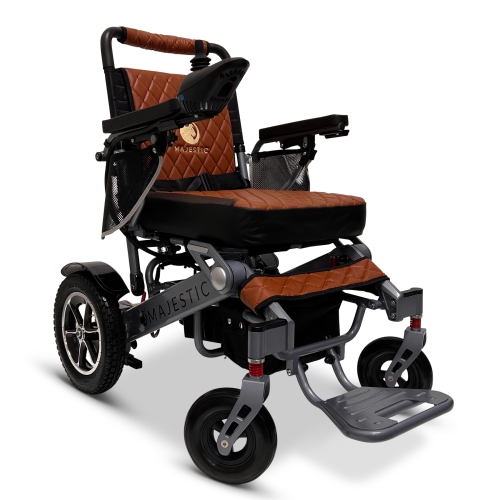
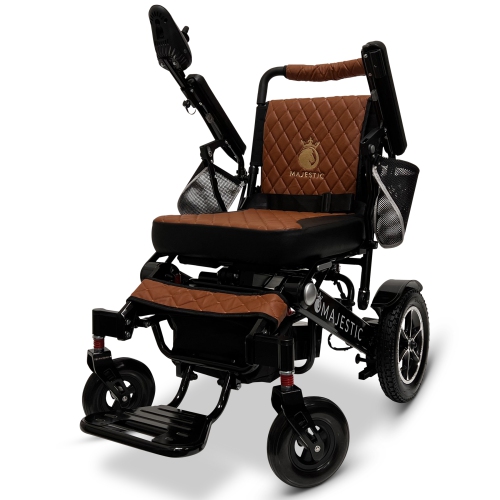
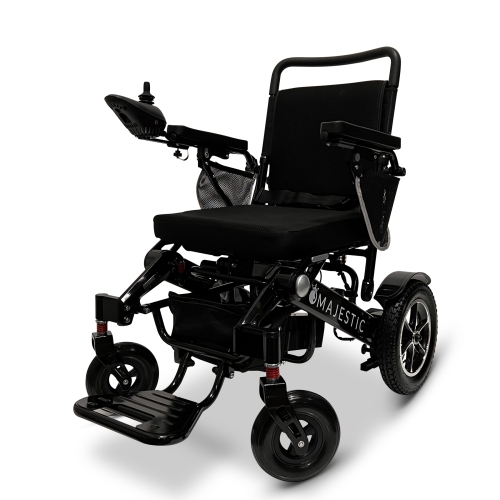
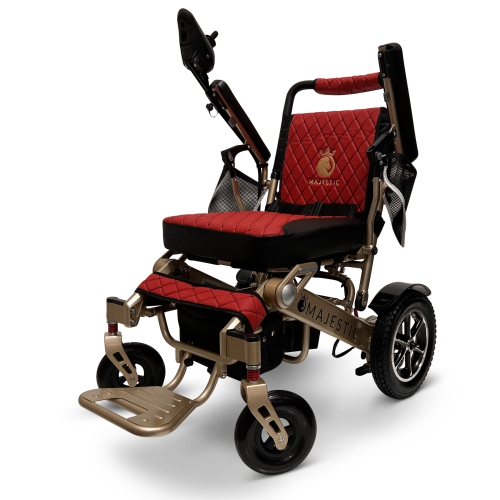
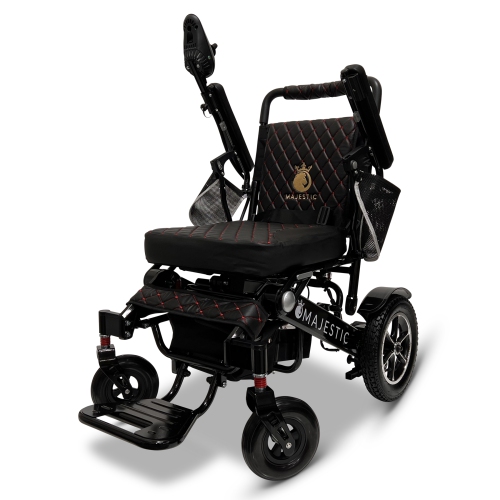
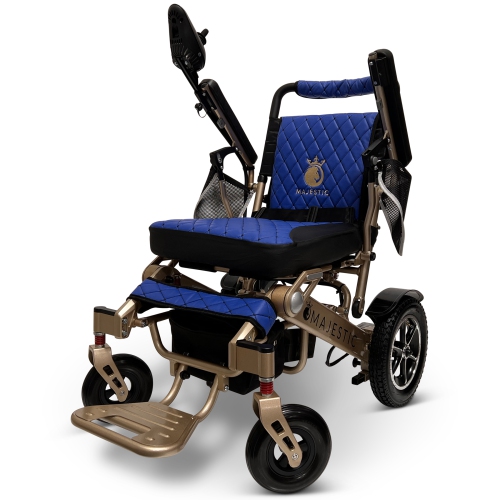
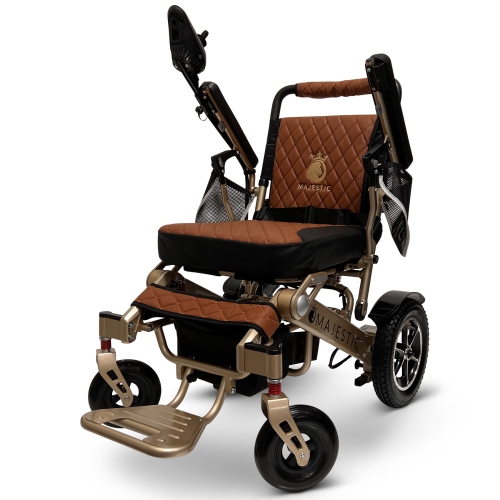
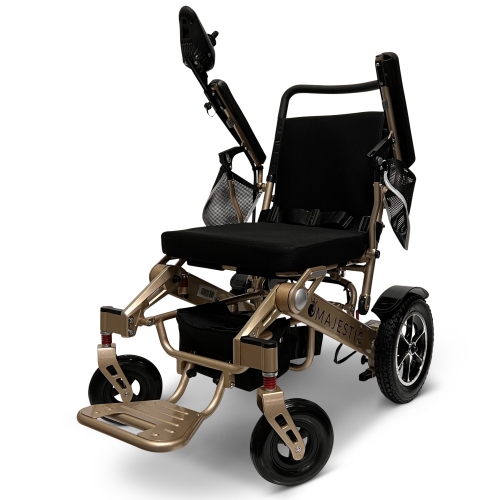
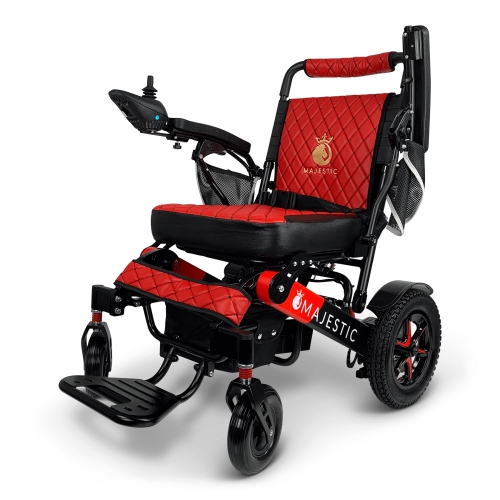
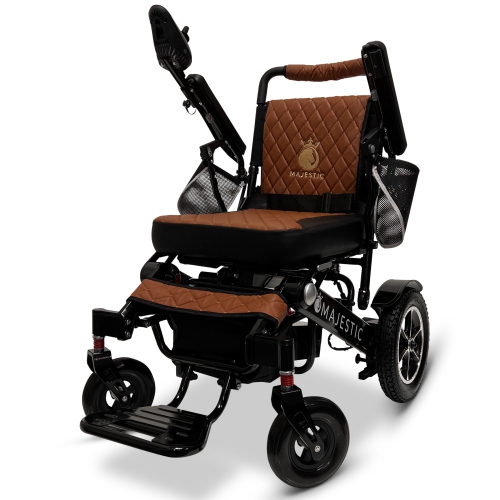
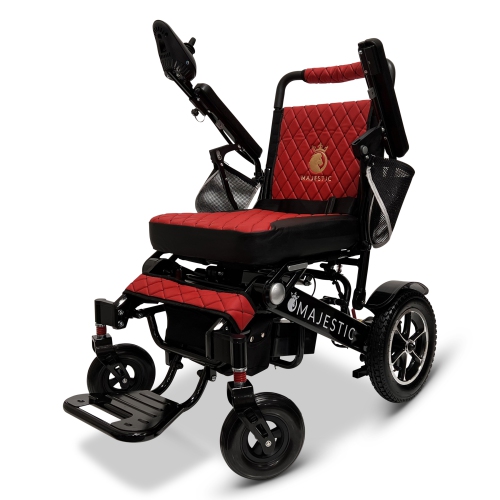
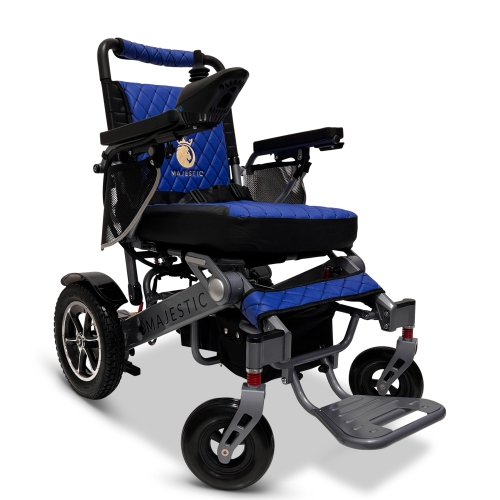
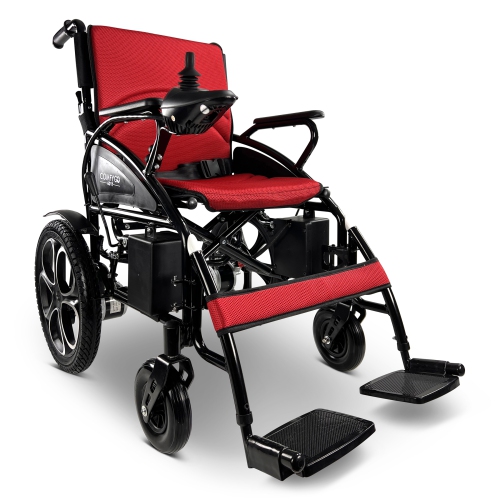
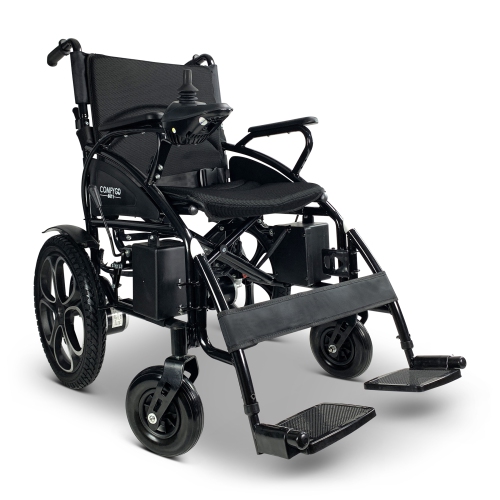
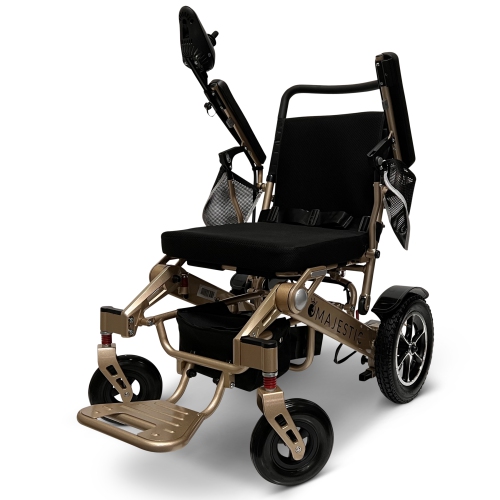
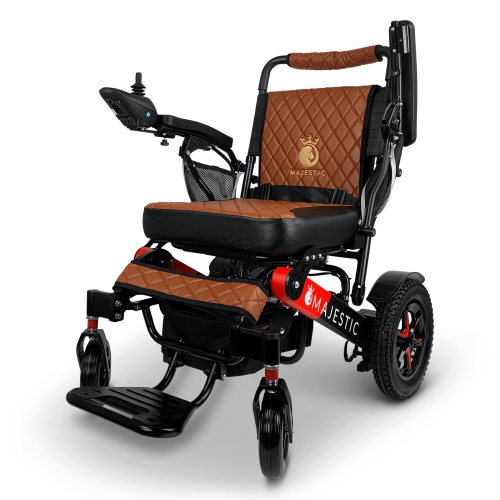
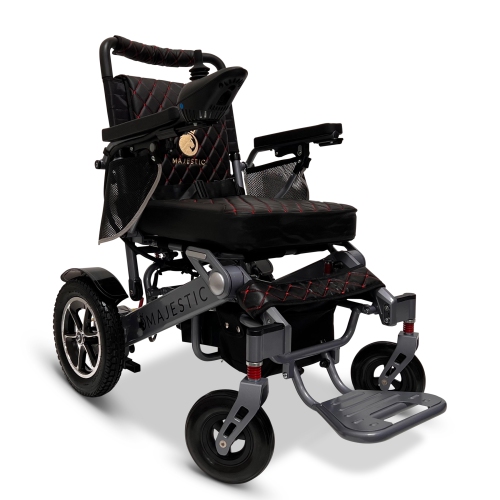
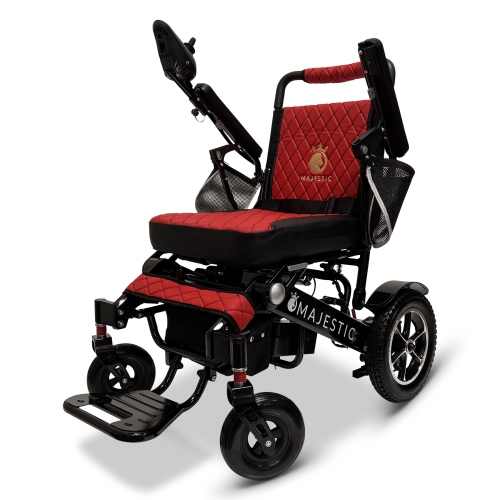
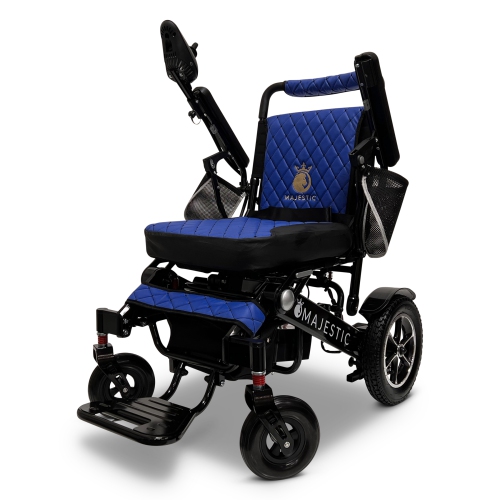
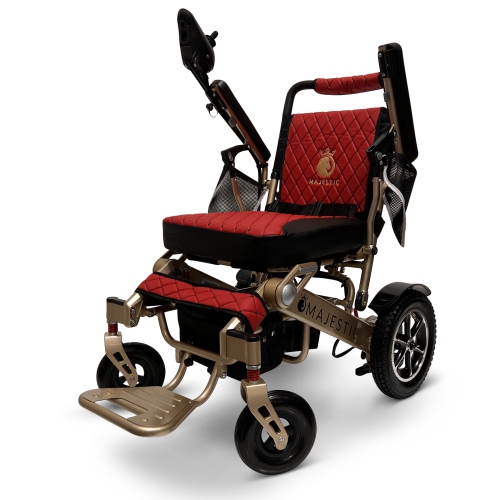
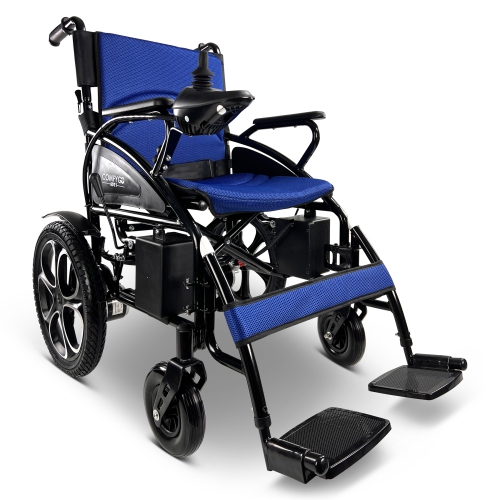
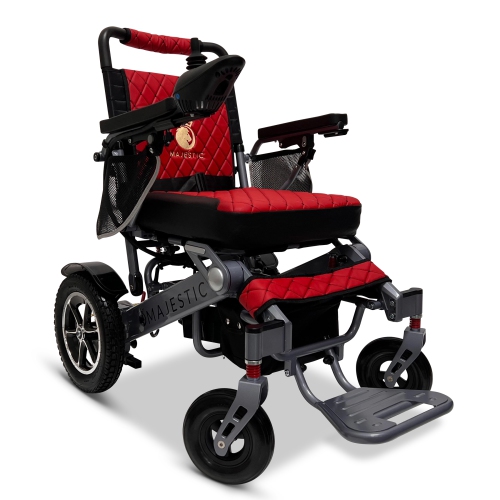
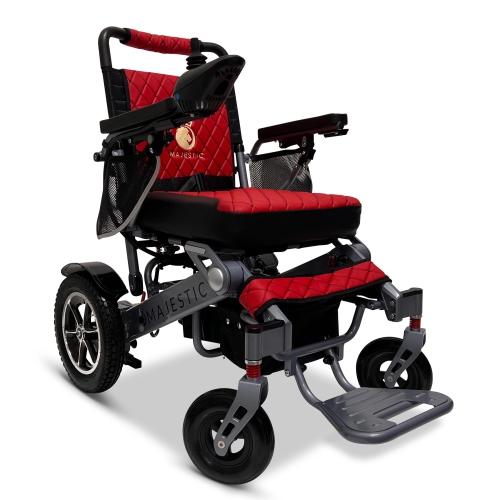
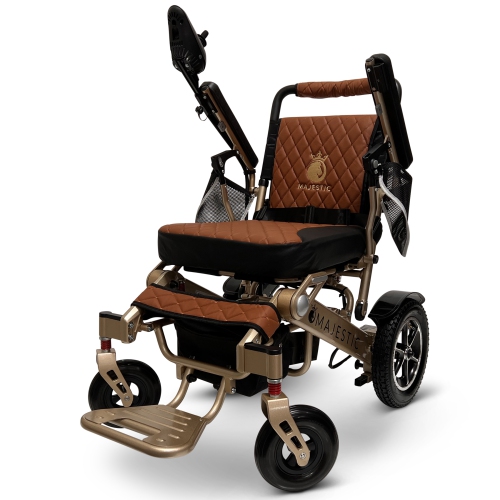
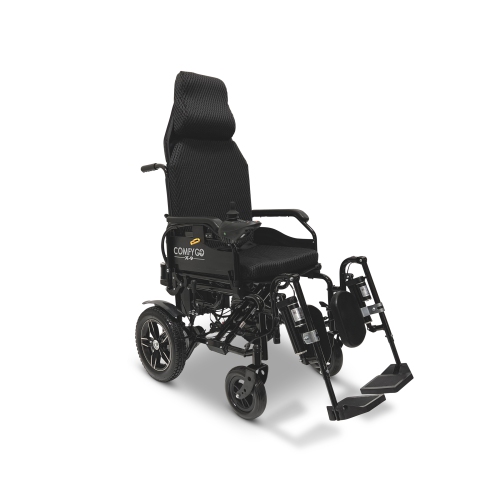
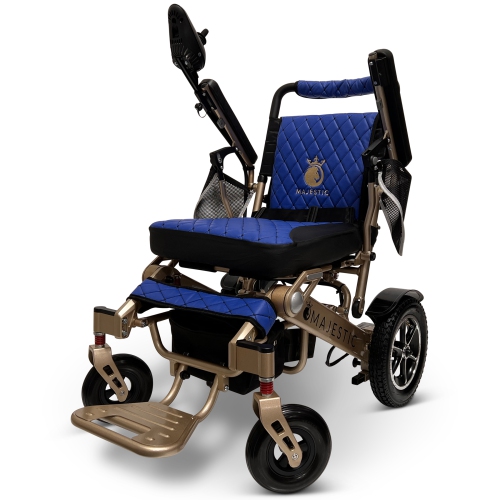
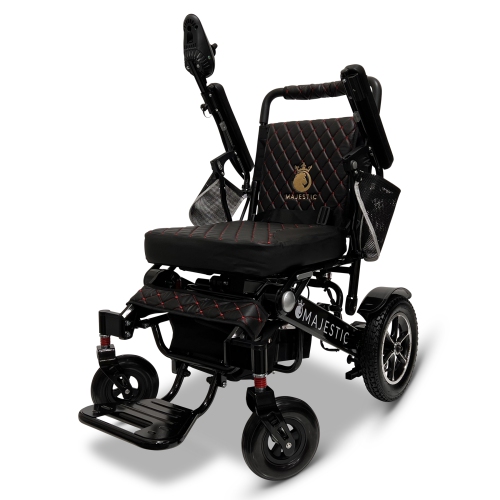
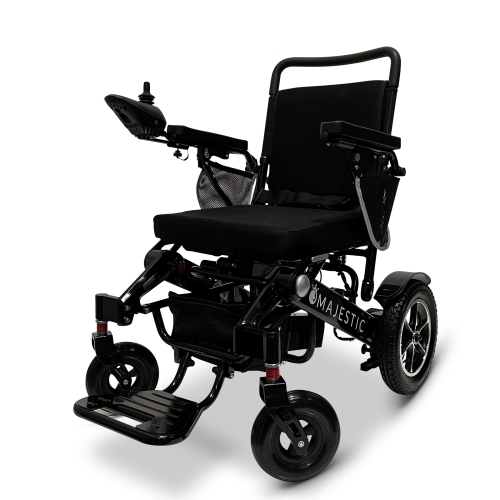
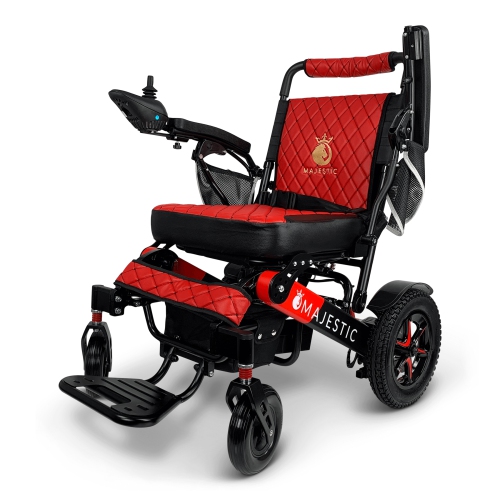
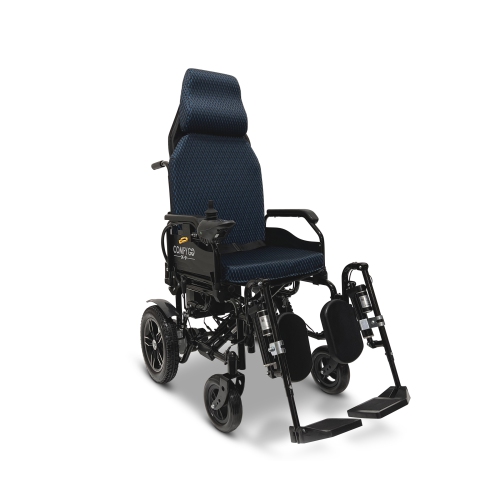
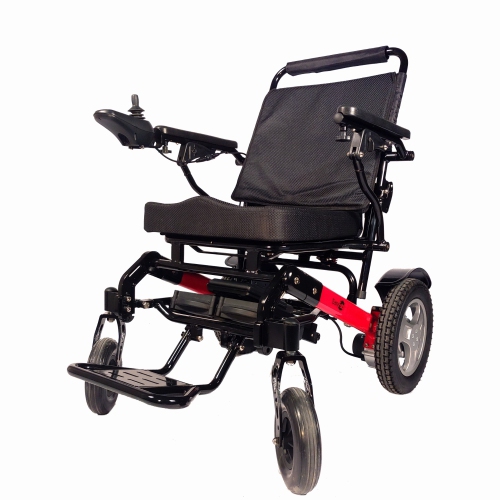
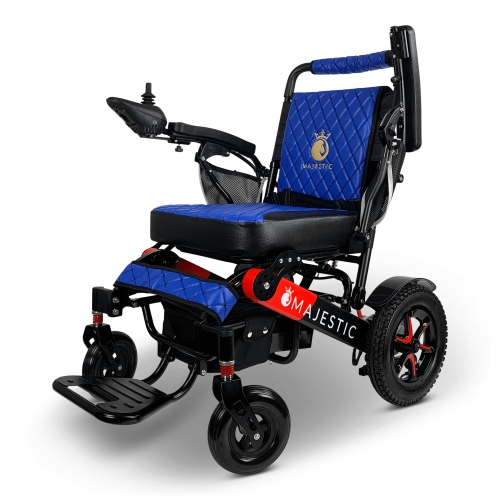
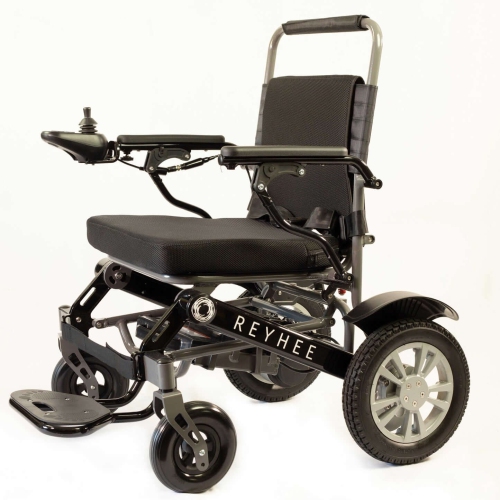
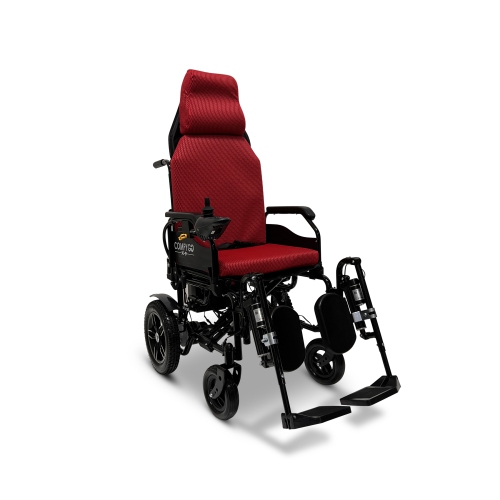
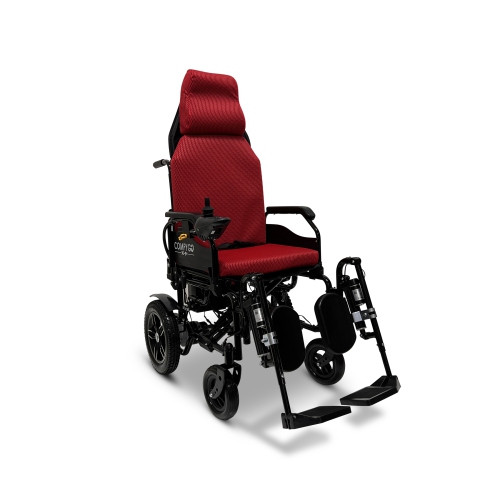
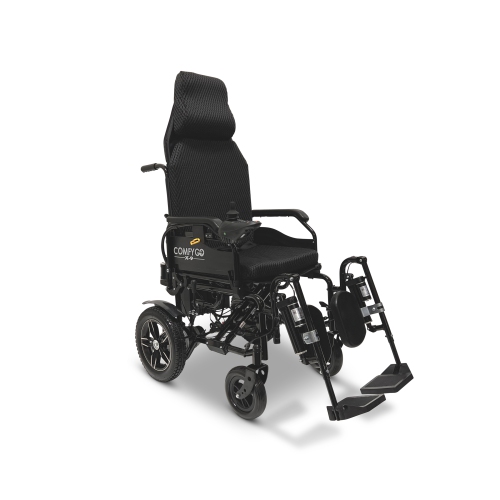
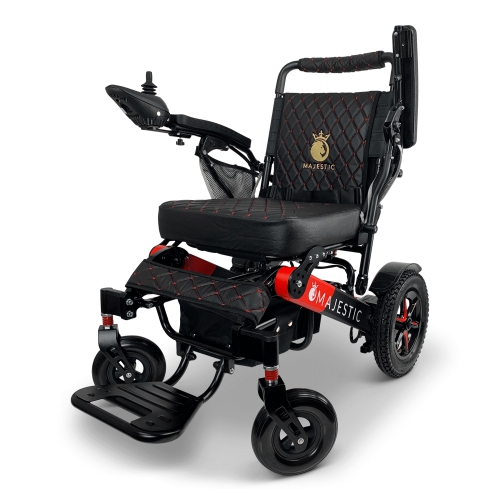
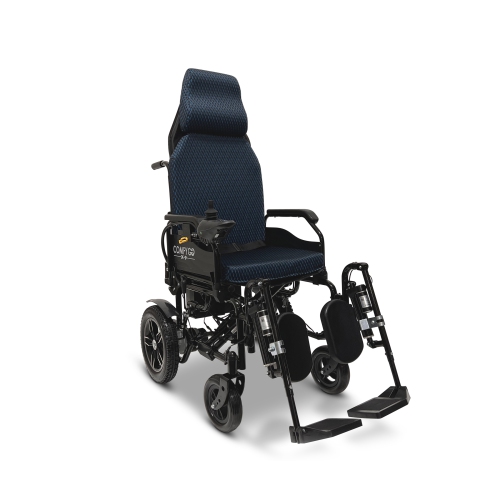
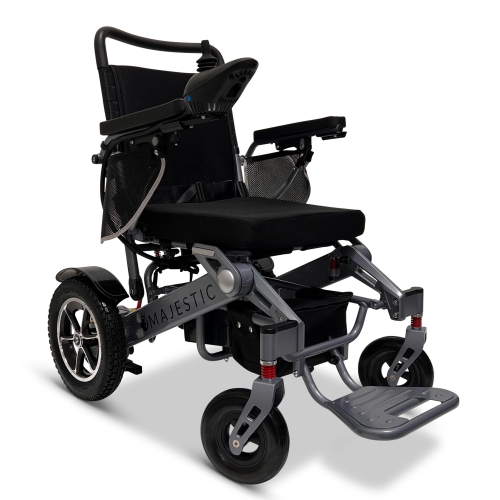
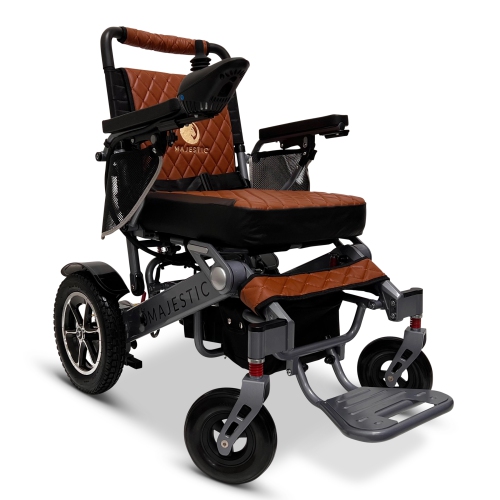
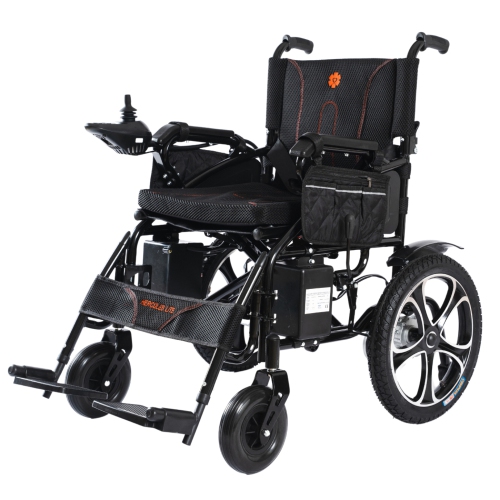
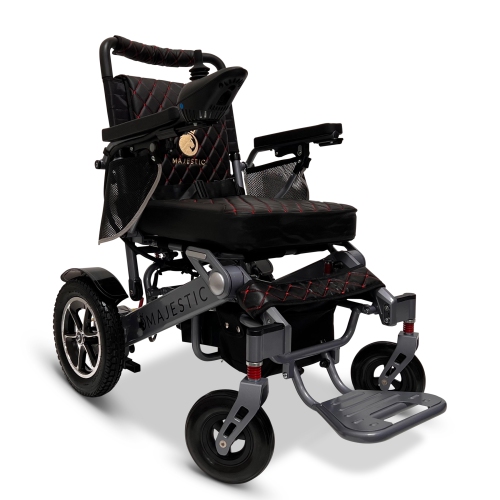
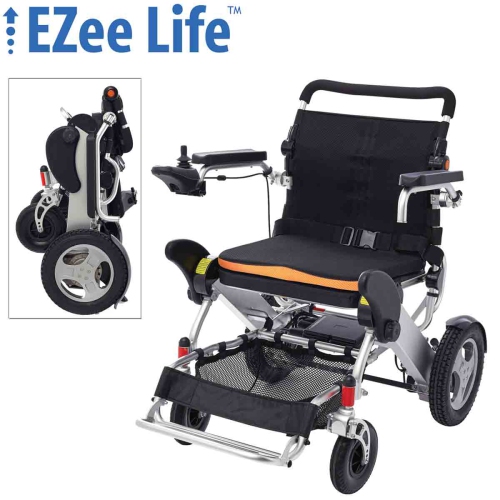
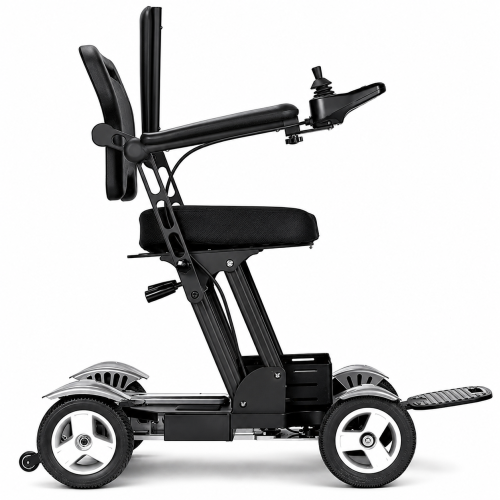
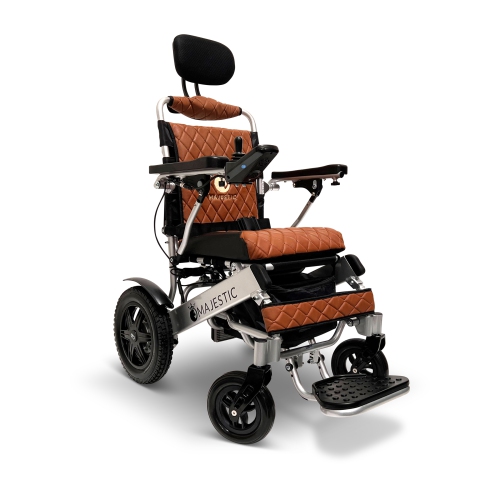
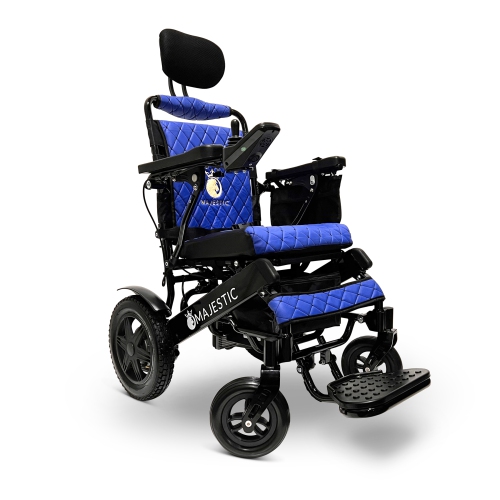
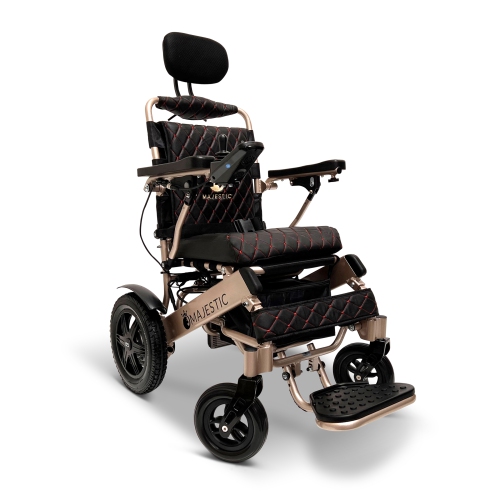
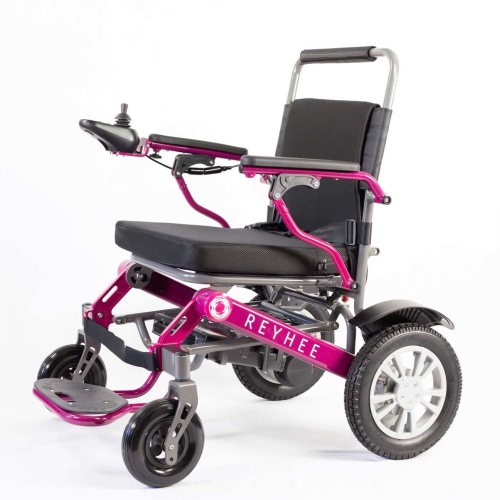
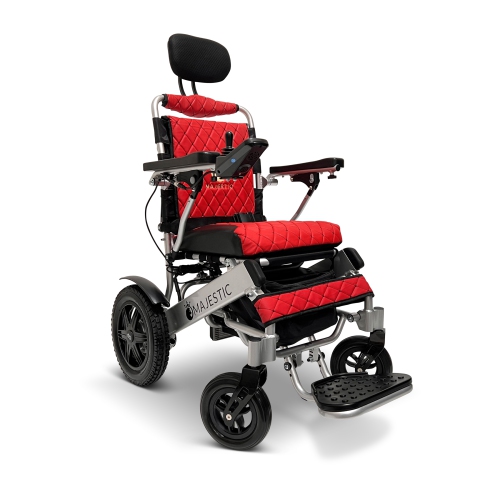
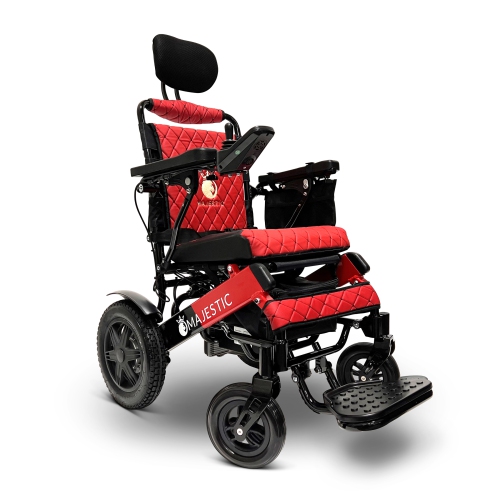
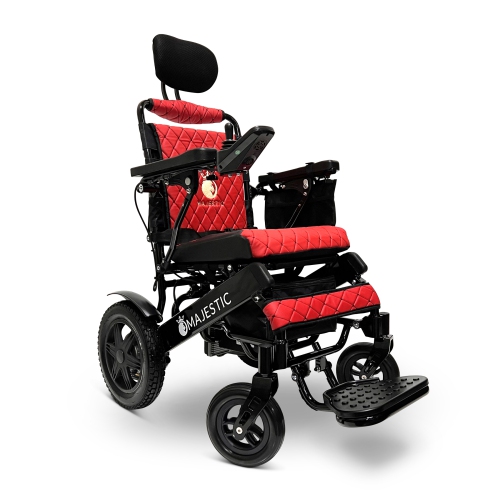
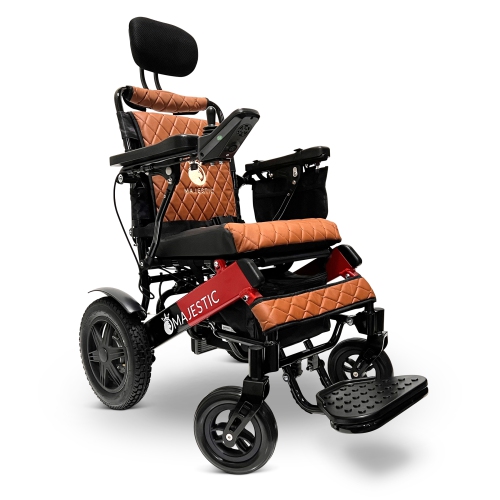
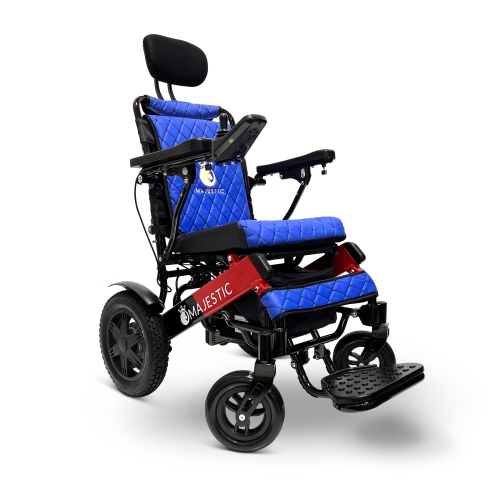
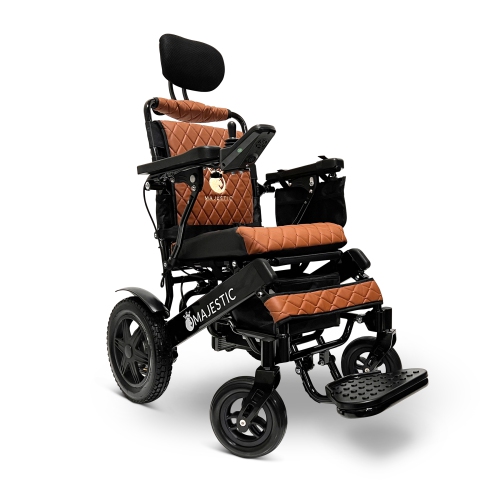
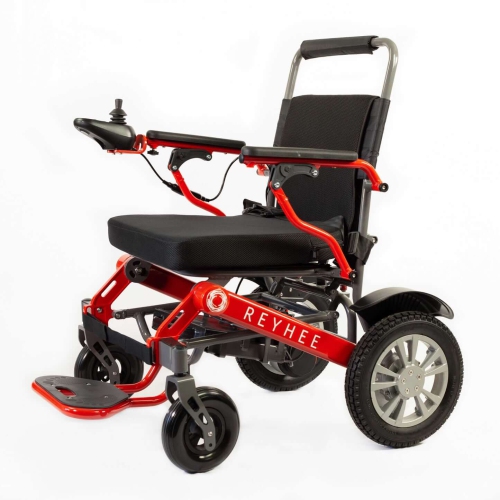
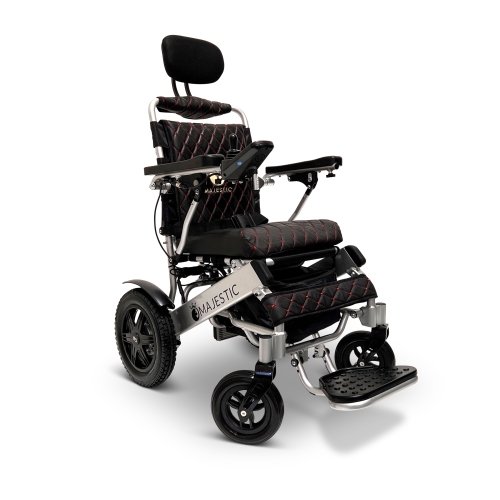
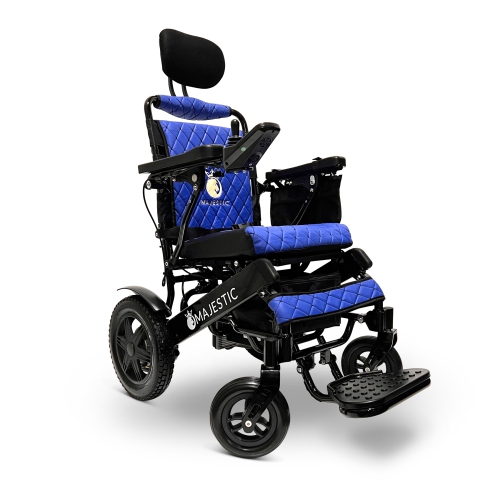
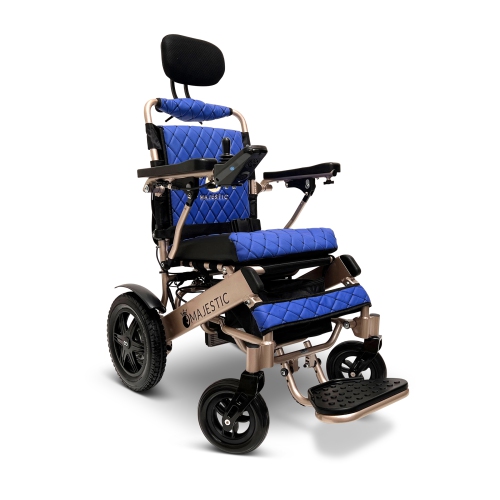
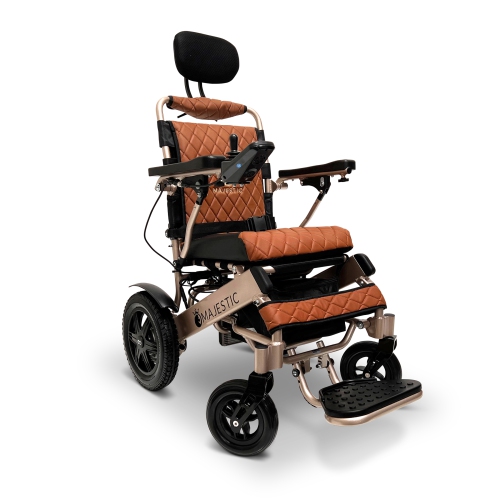
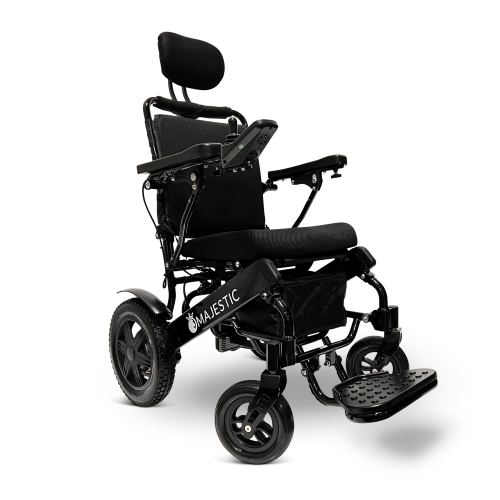
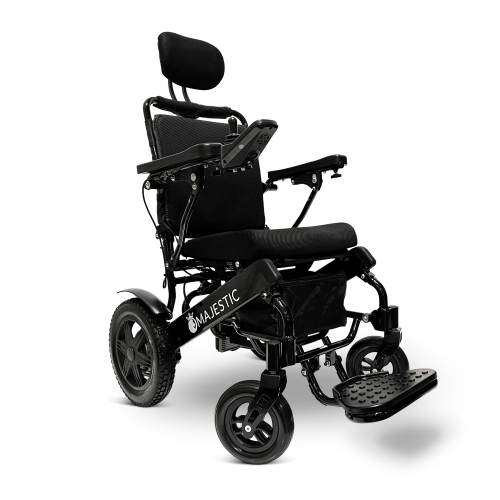
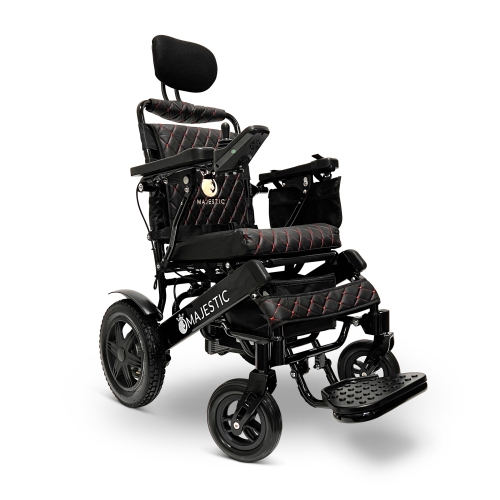
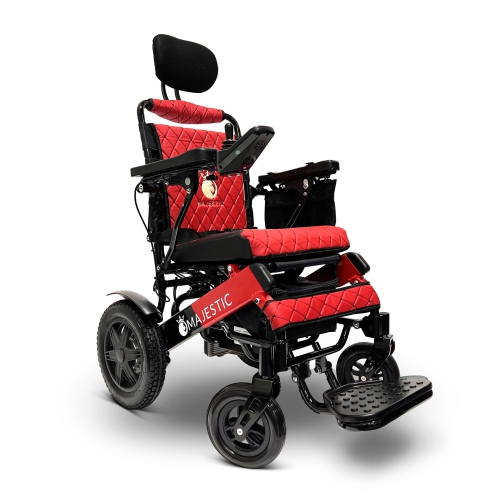
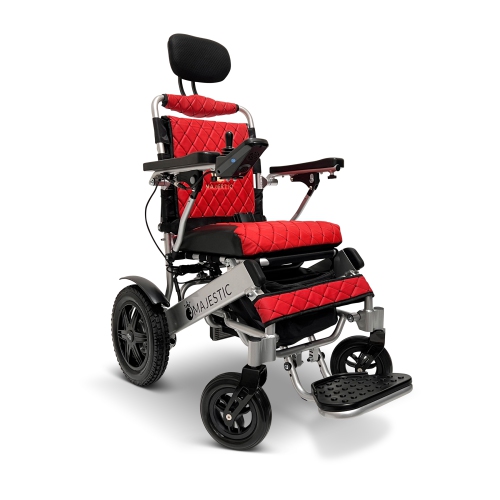
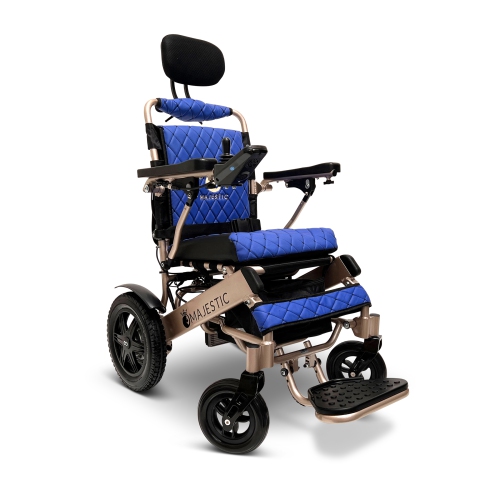
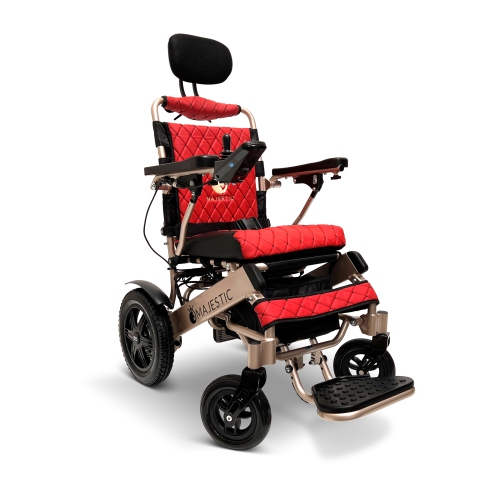
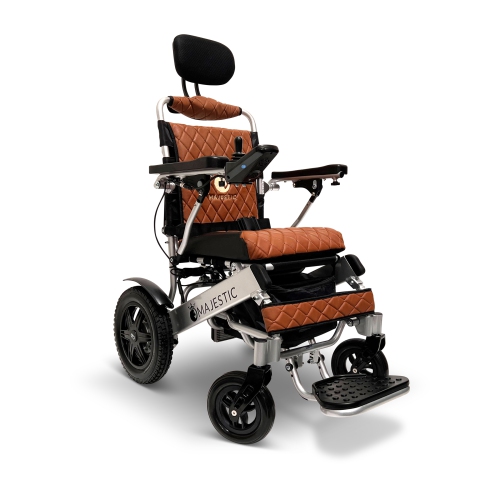
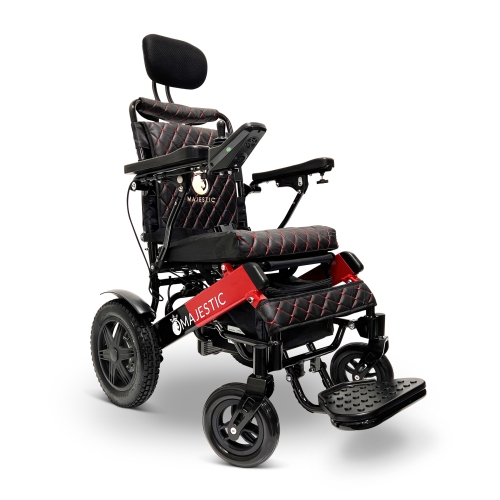
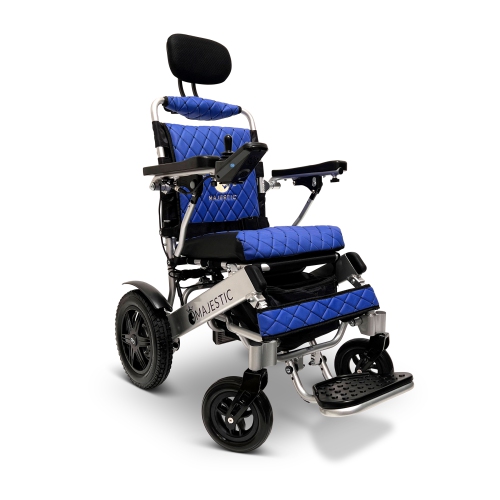
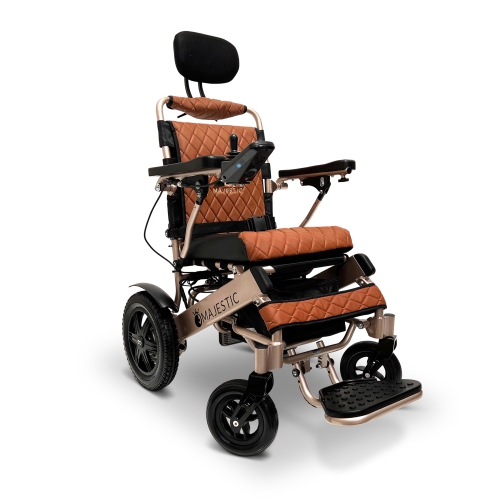
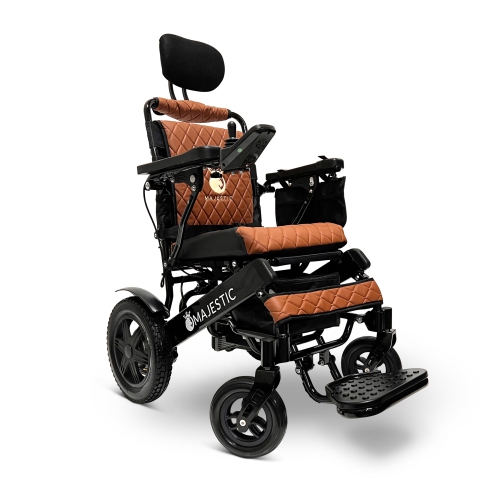
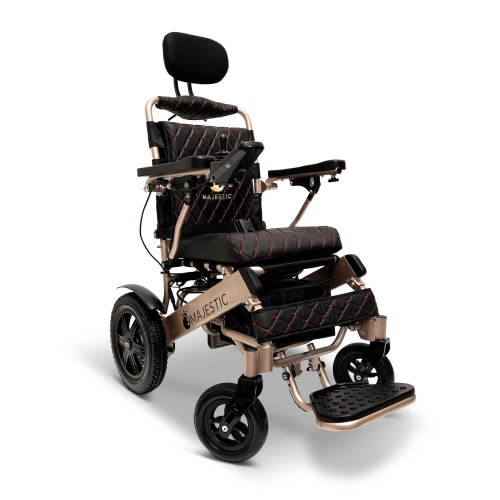
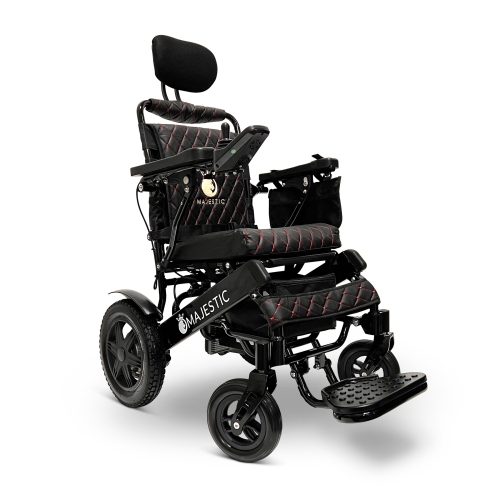
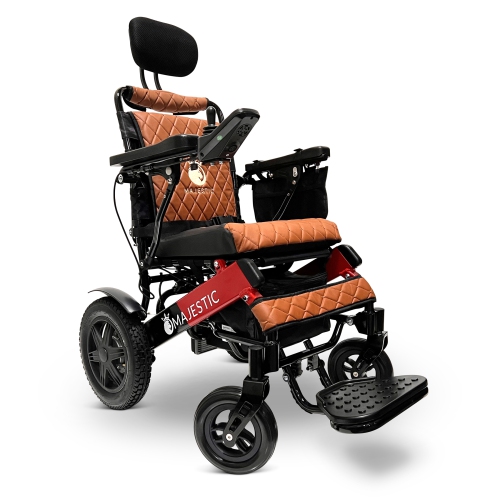
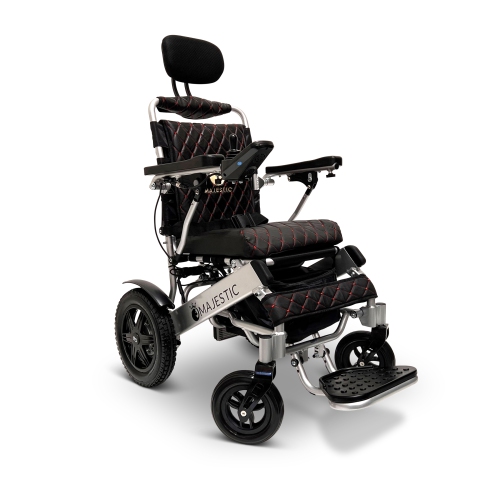
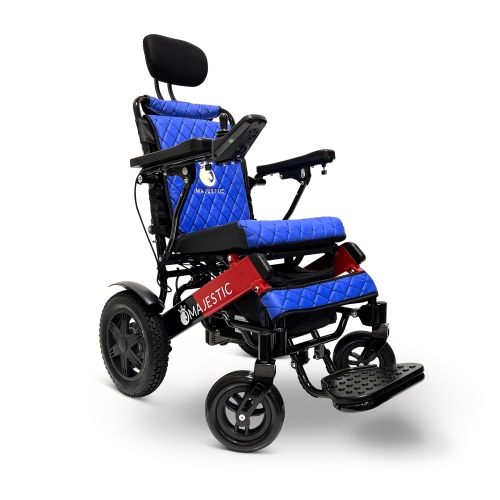
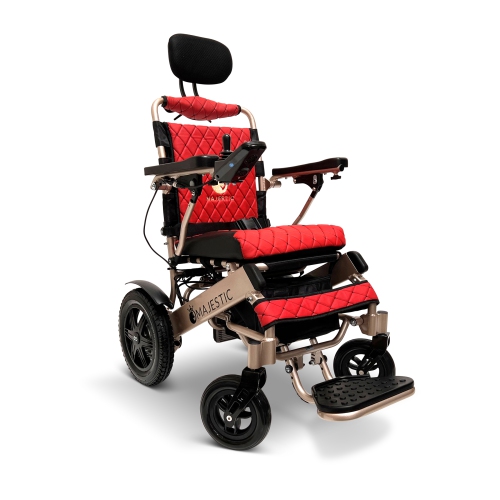
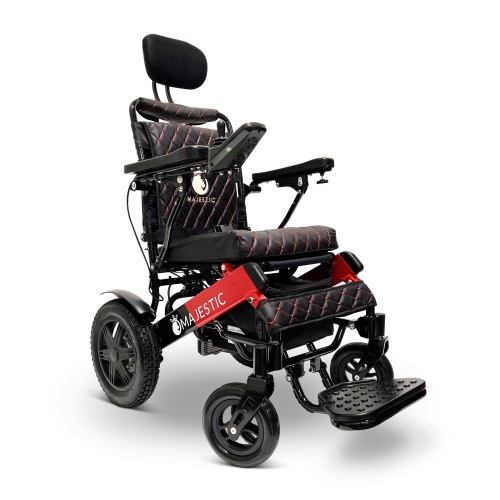
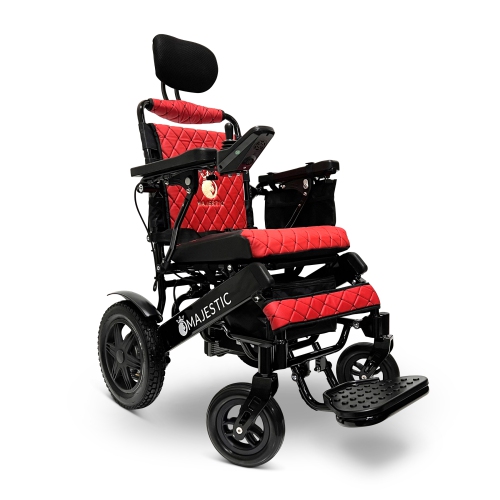
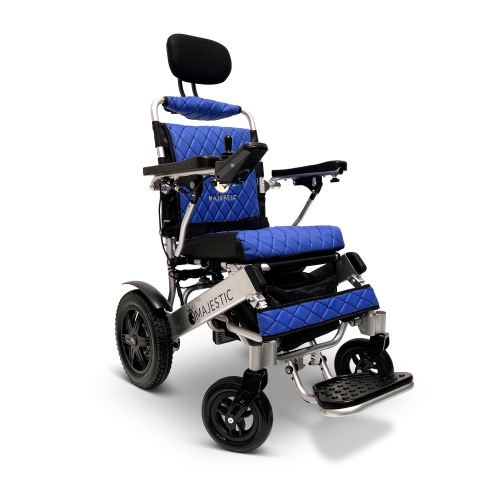
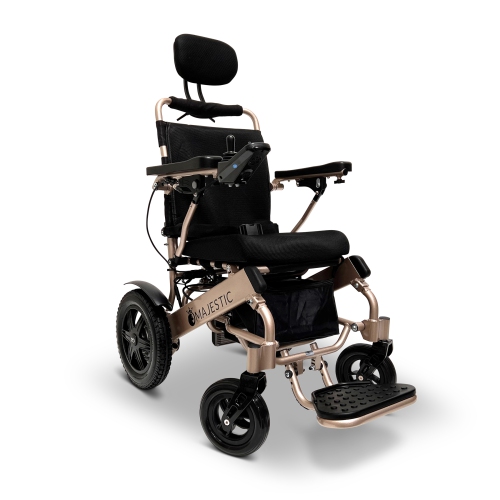
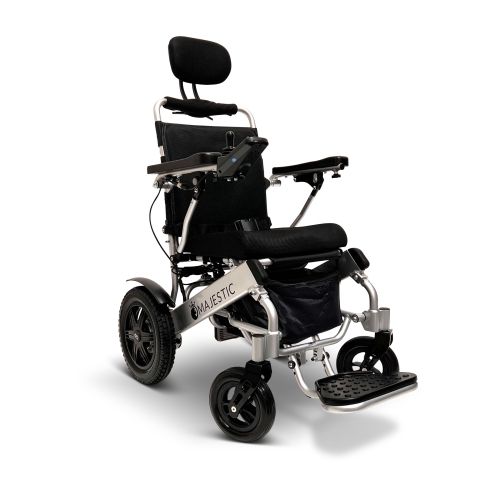
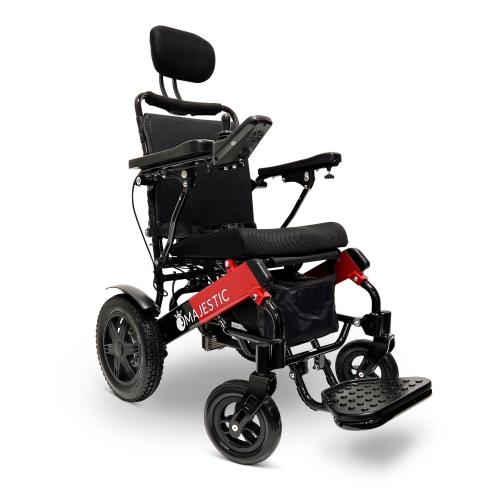
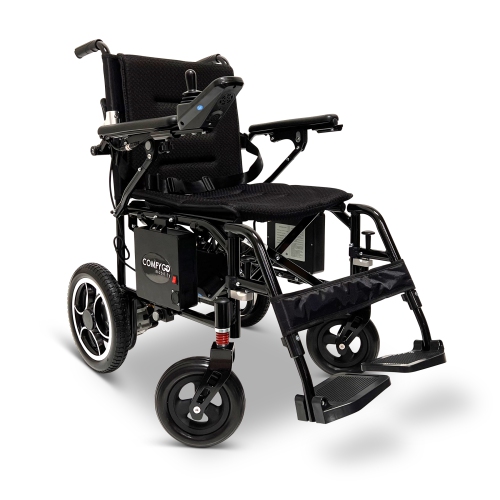
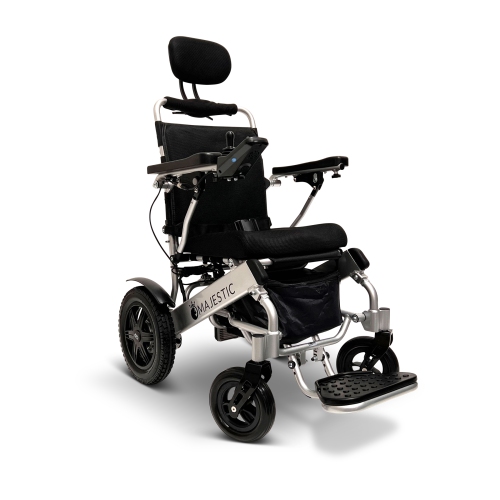
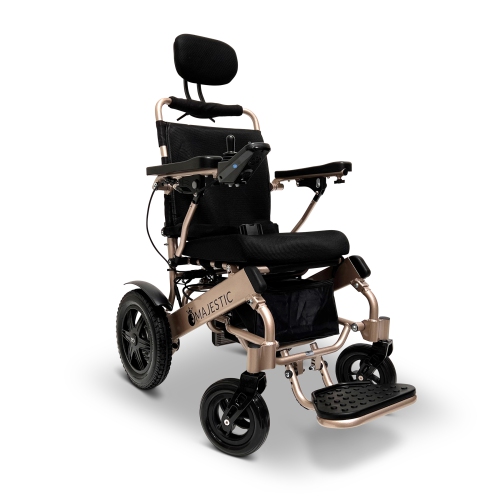
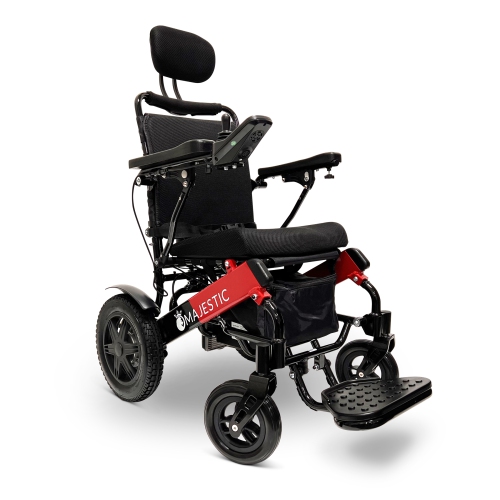
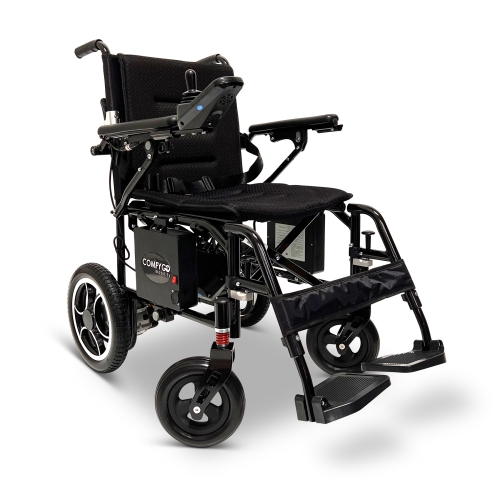
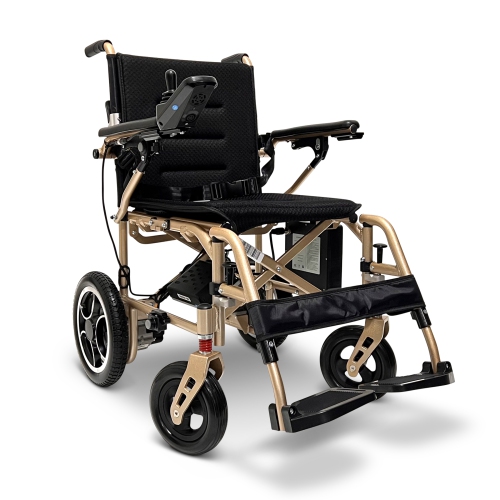
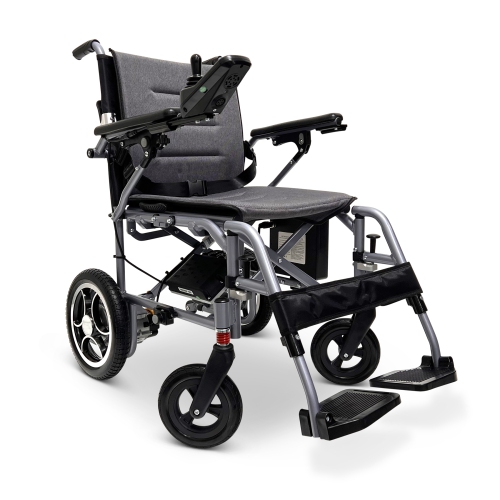
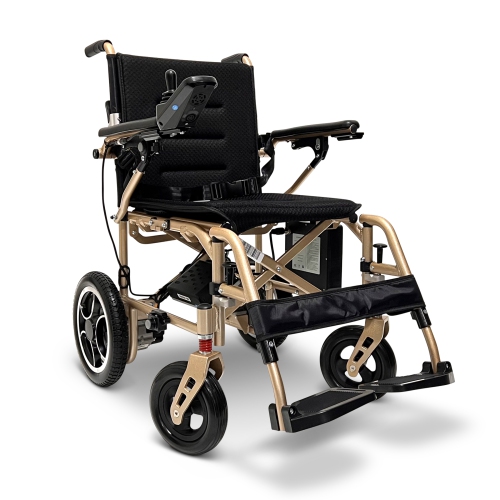
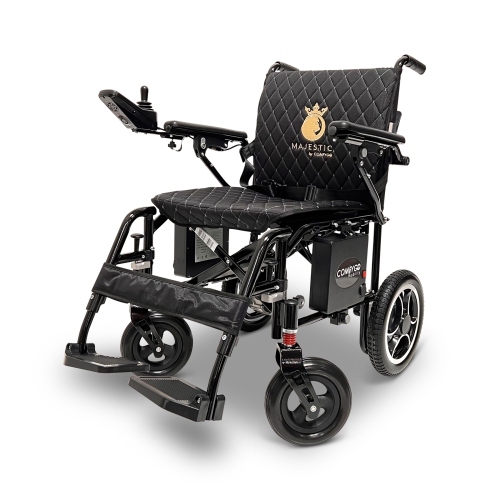
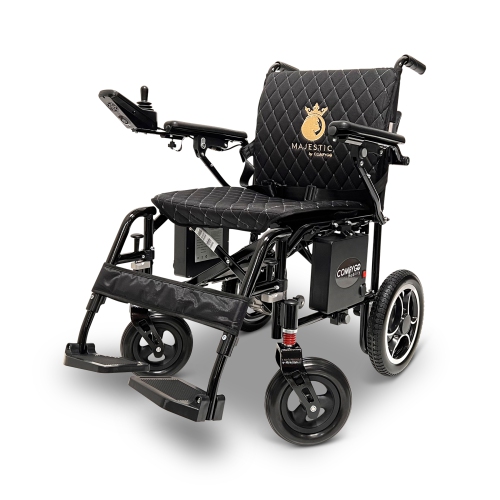
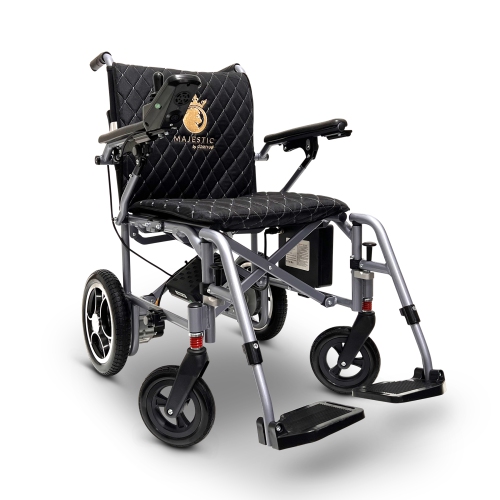
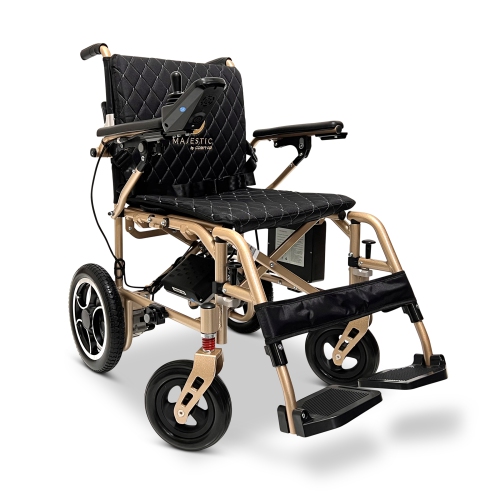
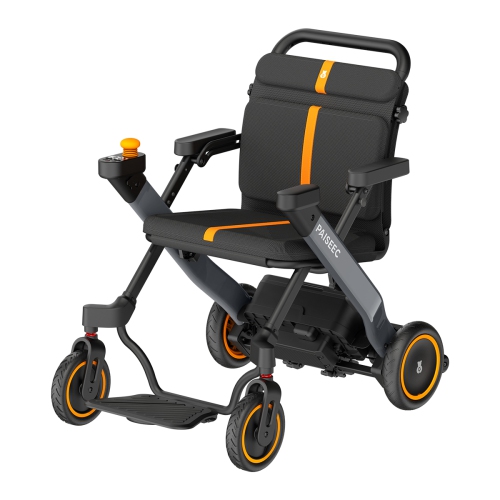
Heavy-duty electric wheelchairs are designed for people who need a sturdy, motorized mobility solution with a higher weight capacity and a stable feel during everyday travel. Compared with standard electric wheelchairs, these models typically feature reinforced frames, wider seating, stronger dual motors, and components built to support higher user weights—often from approximately 350 lb to more than 600 lb, depending on the model. The additional strength can make a noticeable difference when moving across a doorway threshold, travelling along a sloped driveway, or spending several hours in the chair. A broad seat base and deeper cushioning may provide more room to shift comfortably, while an adjustable captain’s seat can help accommodate different body types and preferred riding positions. Depending on the design, controls may be mounted on either armrest or adjusted for easier reach, and some chairs offer reclining backrests, elevating leg rests, or headrest adjustments for a more personalised fit. Heavy-duty electric wheelchairs can be used at home, in shopping centres, on paved paths, and in other accessible settings, although each model has its own limits for terrain, weather, and incline. For people comparing options across different mobility needs, the wider selection of Electric Wheelchairs can provide useful context before focusing on higher-capacity designs. When selecting a chair, begin with the user’s weight and allow for clothing, bags, and any items carried on the chair. The published capacity should never be treated as a rough suggestion; staying within it supports proper operation and helps the chair perform as intended.
Motor strength, drive configuration, battery range, and ground clearance are especially important when choosing a heavy-duty electric wheelchair. Dual heavy-duty motors can provide the torque needed for gentle inclines and outdoor paths, but a powerful motor does not make every surface suitable. Mid-wheel drive chairs can offer a tight turning radius, which is helpful in kitchens, hallways, lifts, and shops, while rear-wheel drive designs may provide a steadier feel when travelling over longer outdoor routes. Front-wheel drive models can be useful for navigating some thresholds and uneven approaches, depending on the chair’s geometry. Larger drive wheels, flat-free tyres, and suspension components can help smooth the ride over cracks, packed paths, and light bumps. Advanced suspension may reduce jolting, but it cannot replace attention to the manufacturer’s terrain guidance. Battery capacity affects how far a chair can travel between charges, and actual range may change with the user’s weight, speed, temperature, inclines, tyre condition, and how frequently the chair stops and starts. During the cooler months, batteries may need extra attention, particularly when a chair is stored in an unheated garage or used for longer outdoor trips. Look for charging instructions, battery type, charge time, and whether the battery can be removed for indoor charging. It is also worth checking the chair’s overall width, length, turning radius, and weight before purchase. A model that feels spacious in a showroom or product photograph may still be difficult to guide through a narrow bathroom door, around a dining table, or into a vehicle. Measure the tightest passage at home, including door frames and lift entrances, and compare those dimensions with the chair’s specifications. If transport is part of the plan, confirm whether the chair can be disassembled, folded, or loaded with a suitable lift; high-capacity frames and larger batteries can make heavy-duty chairs substantially heavier than everyday portable mobility devices.
Comfort and daily practicality matter just as much as capacity. Someone using a chair for a few minutes at a time may prioritise compact dimensions, while a person spending much of the day seated may place greater value on pressure-relieving cushioning, adjustable armrests, a supportive back, and a seating position that makes transfers easier. Seat width and depth should provide room without leaving the user unable to reach the controls or maintain a comfortable posture. A foot platform should support the feet securely, and armrests should not interfere with transfers from a bed, sofa, or vehicle seat. Joystick sensitivity, speed settings, braking behaviour, and the placement of the charging port are small details that become important after repeated use. Before purchasing for a parent, partner, relative, or friend, involve the intended user wherever possible; a chair chosen with their reach, routine, and comfort in mind is more likely to fit naturally into daily life. It may be helpful to list the routes they take most often, such as the path from the front door to the driveway, the aisles in a favourite shop, or the distance between rooms at home. Consider storage as well: the chair should have a dry, accessible place away from extreme temperatures, and there should be enough room to charge it without creating a trip hazard. Features such as lights, reflectors, a horn, storage baskets, and removable cushions can add convenience, while safety belts, anti-tip wheels, and electromagnetic braking may provide extra reassurance when used according to the instructions. Prices for heavy-duty electric wheelchairs commonly range from about $1,500 to more than $6,000, with differences reflecting weight capacity, battery range, seating adjustments, suspension, drive system, portability, and specialised configurations. Review the included warranty, assembly requirements, replacement battery availability, and service support before committing to a purchase. With careful attention to fit, indoor access, outdoor conditions, charging habits, and the user’s regular routine, a heavy-duty electric wheelchair can offer dependable powered mobility and a more comfortable way to move through the places that matter every day.
Motor strength, drive configuration, battery range, and ground clearance are especially important when choosing a heavy-duty electric wheelchair. Dual heavy-duty motors can provide the torque needed for gentle inclines and outdoor paths, but a powerful motor does not make every surface suitable. Mid-wheel drive chairs can offer a tight turning radius, which is helpful in kitchens, hallways, lifts, and shops, while rear-wheel drive designs may provide a steadier feel when travelling over longer outdoor routes. Front-wheel drive models can be useful for navigating some thresholds and uneven approaches, depending on the chair’s geometry. Larger drive wheels, flat-free tyres, and suspension components can help smooth the ride over cracks, packed paths, and light bumps. Advanced suspension may reduce jolting, but it cannot replace attention to the manufacturer’s terrain guidance. Battery capacity affects how far a chair can travel between charges, and actual range may change with the user’s weight, speed, temperature, inclines, tyre condition, and how frequently the chair stops and starts. During the cooler months, batteries may need extra attention, particularly when a chair is stored in an unheated garage or used for longer outdoor trips. Look for charging instructions, battery type, charge time, and whether the battery can be removed for indoor charging. It is also worth checking the chair’s overall width, length, turning radius, and weight before purchase. A model that feels spacious in a showroom or product photograph may still be difficult to guide through a narrow bathroom door, around a dining table, or into a vehicle. Measure the tightest passage at home, including door frames and lift entrances, and compare those dimensions with the chair’s specifications. If transport is part of the plan, confirm whether the chair can be disassembled, folded, or loaded with a suitable lift; high-capacity frames and larger batteries can make heavy-duty chairs substantially heavier than everyday portable mobility devices.
Comfort and daily practicality matter just as much as capacity. Someone using a chair for a few minutes at a time may prioritise compact dimensions, while a person spending much of the day seated may place greater value on pressure-relieving cushioning, adjustable armrests, a supportive back, and a seating position that makes transfers easier. Seat width and depth should provide room without leaving the user unable to reach the controls or maintain a comfortable posture. A foot platform should support the feet securely, and armrests should not interfere with transfers from a bed, sofa, or vehicle seat. Joystick sensitivity, speed settings, braking behaviour, and the placement of the charging port are small details that become important after repeated use. Before purchasing for a parent, partner, relative, or friend, involve the intended user wherever possible; a chair chosen with their reach, routine, and comfort in mind is more likely to fit naturally into daily life. It may be helpful to list the routes they take most often, such as the path from the front door to the driveway, the aisles in a favourite shop, or the distance between rooms at home. Consider storage as well: the chair should have a dry, accessible place away from extreme temperatures, and there should be enough room to charge it without creating a trip hazard. Features such as lights, reflectors, a horn, storage baskets, and removable cushions can add convenience, while safety belts, anti-tip wheels, and electromagnetic braking may provide extra reassurance when used according to the instructions. Prices for heavy-duty electric wheelchairs commonly range from about $1,500 to more than $6,000, with differences reflecting weight capacity, battery range, seating adjustments, suspension, drive system, portability, and specialised configurations. Review the included warranty, assembly requirements, replacement battery availability, and service support before committing to a purchase. With careful attention to fit, indoor access, outdoor conditions, charging habits, and the user’s regular routine, a heavy-duty electric wheelchair can offer dependable powered mobility and a more comfortable way to move through the places that matter every day.
Top selling and popular products
-
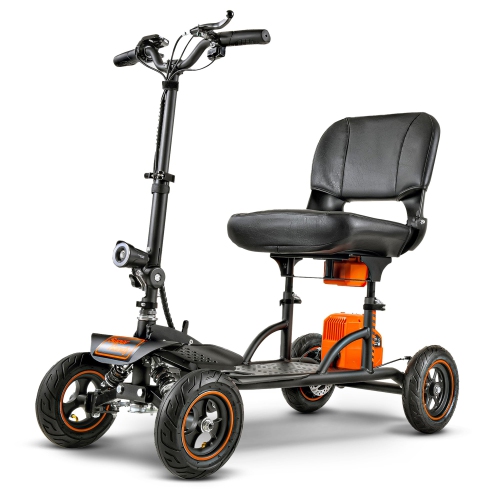 Your price for this item is $1100.99
 -
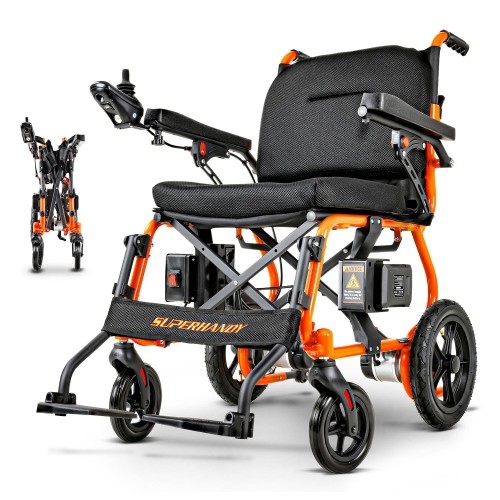 Your price for this item is $950.99
 -
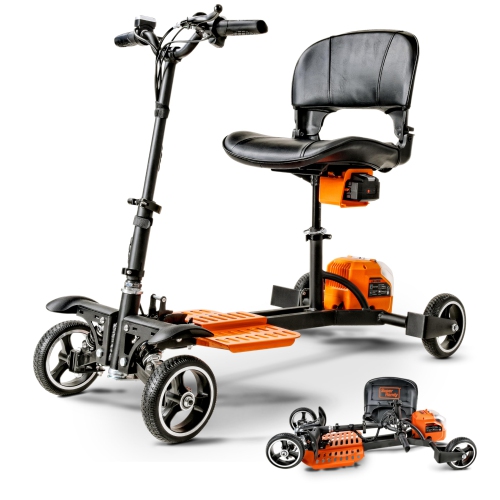 Your price for this item is $999.99
 -
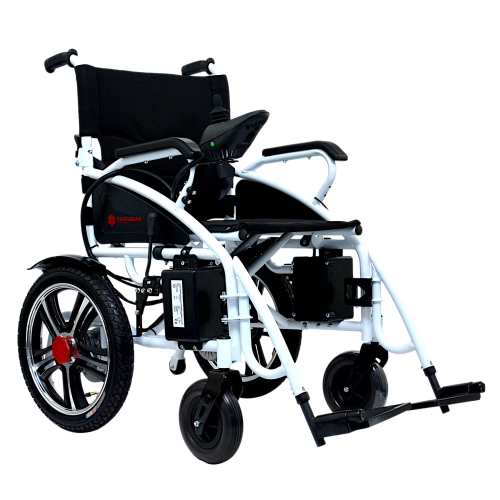 Your price for this item is $1999
 -
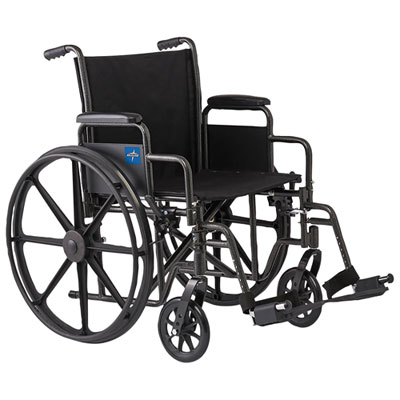 Your price for this item is $314.98
 -
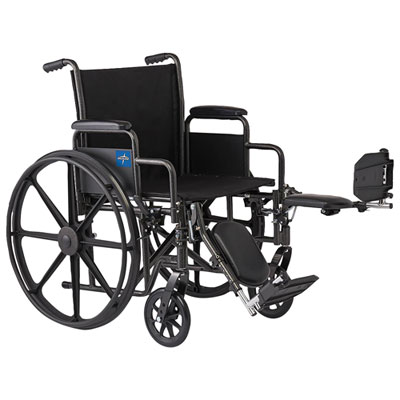 Your price for this item is $458.98
 -
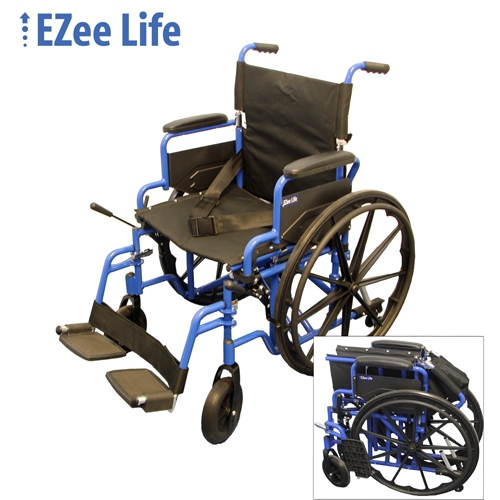 Your price for this item is $600
 -
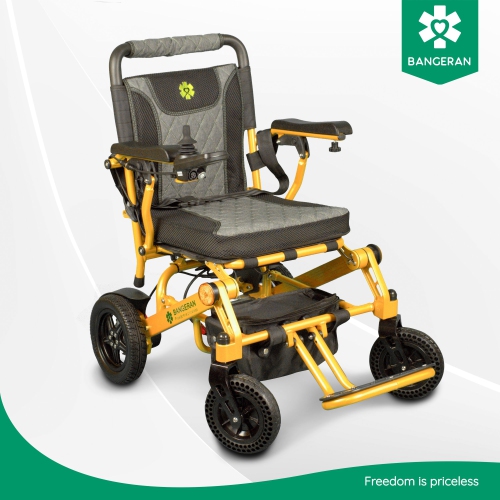 Your price for this item is $1849
Discover more categories related to Heavy Duty Electric Wheelchairs
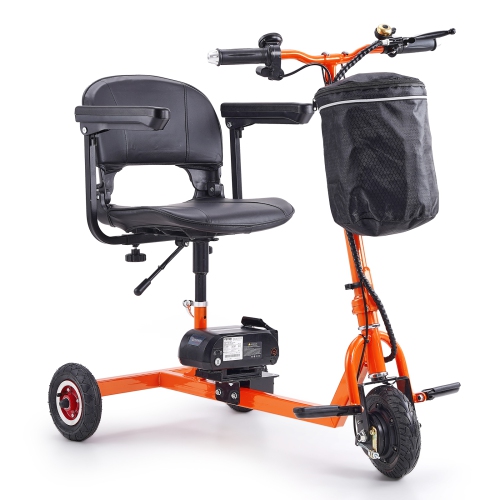
Top Collections:
Pokemon Centers, Best Cameras for Sports Photography, Kindle Devices, Samsung Galaxy Phones, Canon G7X Cameras, Pokémon 30th Celebration Cards, Refurbished Apple Laptops, iPhone 15 Apple, Laptops for Students, Budget Smartphones
Some products may be subject to Environmental Handling Fees
(EHF) depending on your province.
Learn more about EHFs.