Heavy Duty Mobility Scooters
Looking to regain your independence and explore the world around you? Look no further than our collection of heavy-duty mobility scooters. These robust and reliable vehicles are designed to provide stability, comfort, and power for individuals with limited mobility. Whether you're navigating through uneven terrain or tackling long distances, these mobility scooters are built to withstand the tough challenges. With their impressive weight capacity and advanced features, you can confidently enjoy outdoor adventures and everyday activities with ease.
Sort








Why scooter fit matters beyond weight capacity
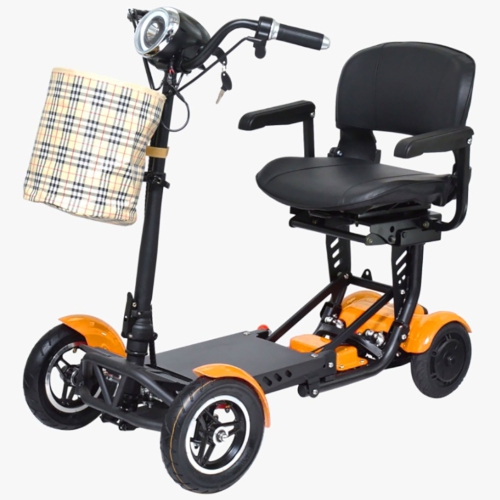
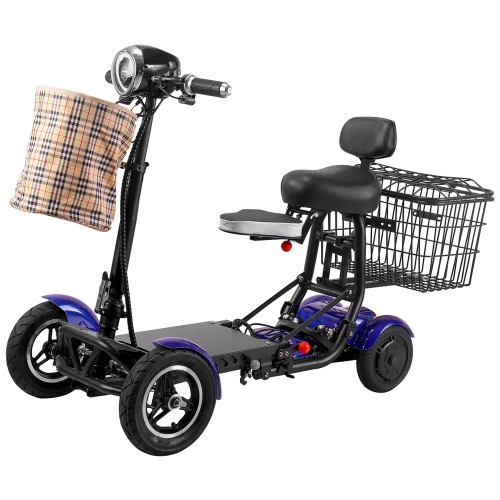
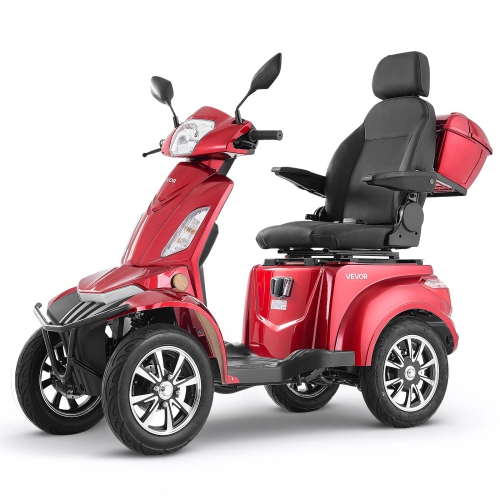
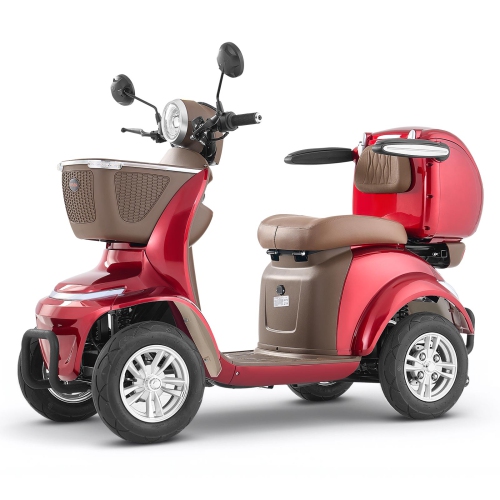
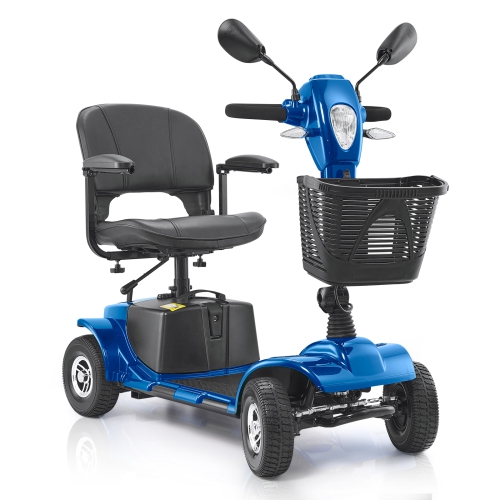
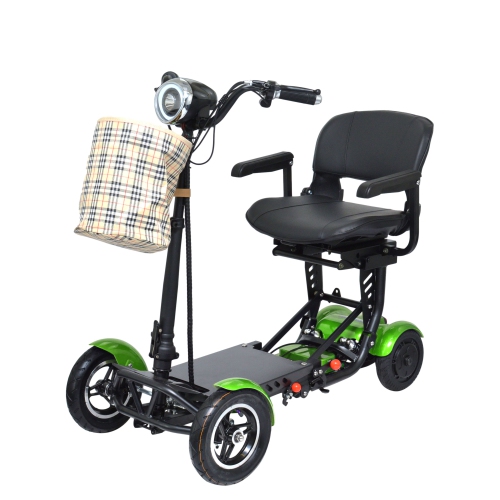
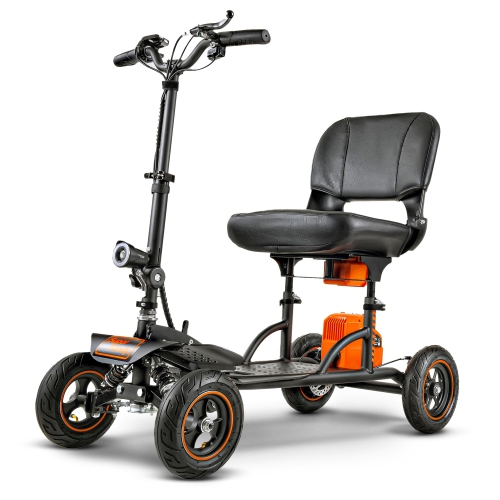
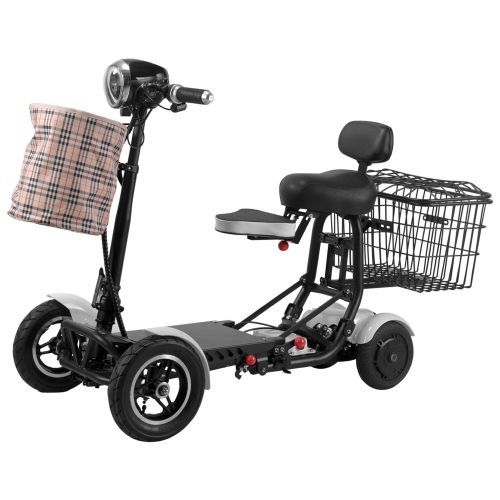
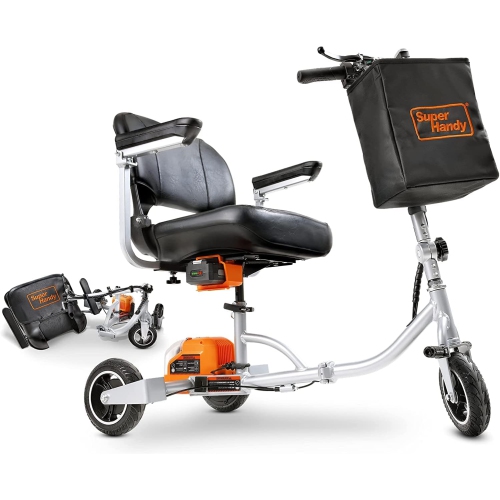
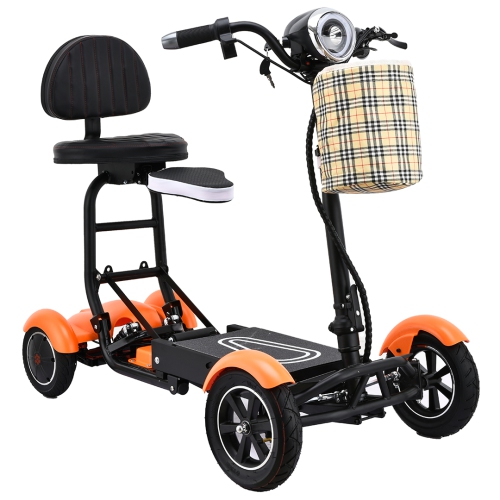
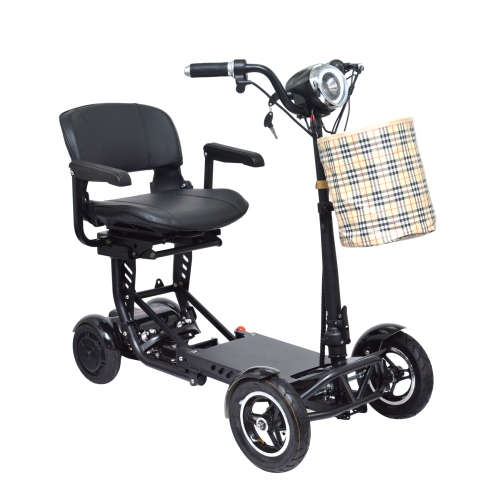
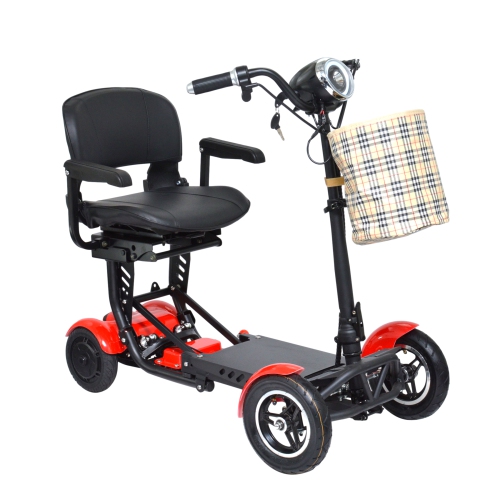
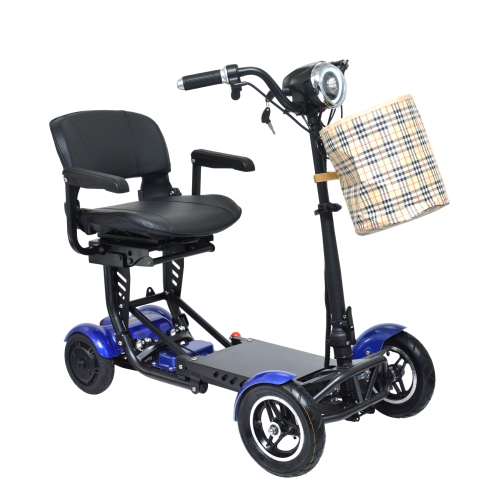
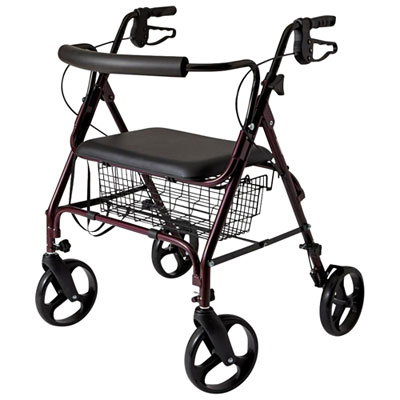
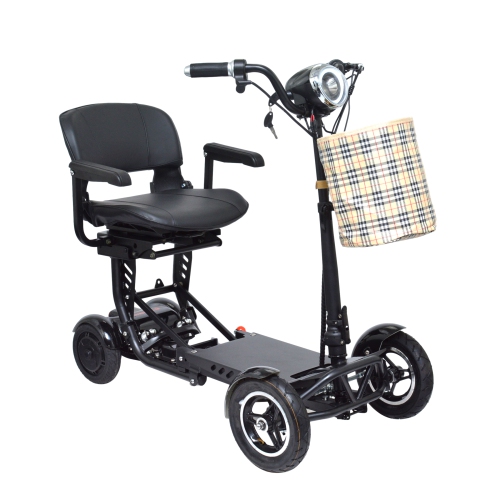
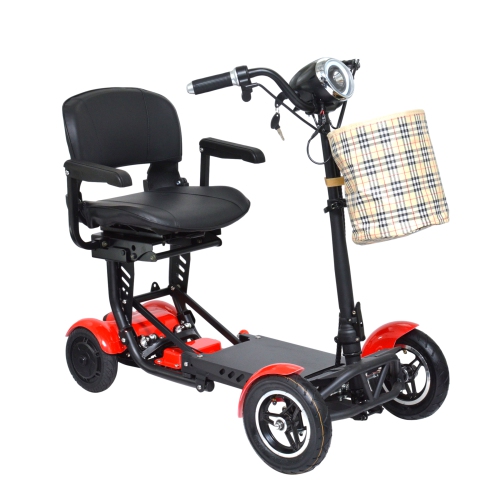
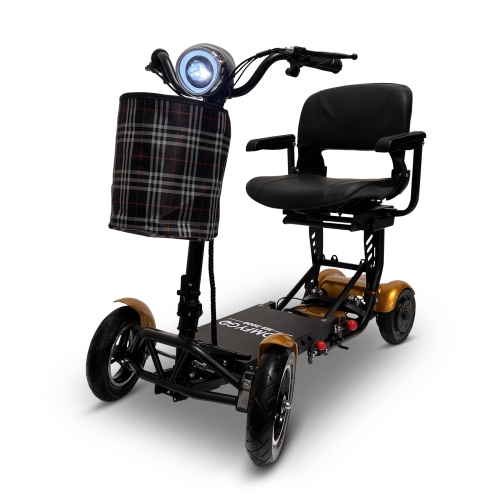
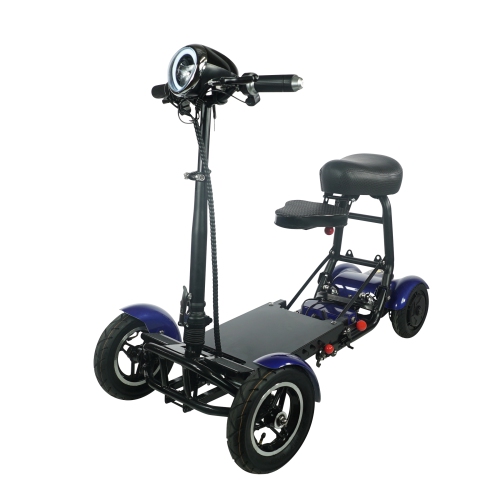
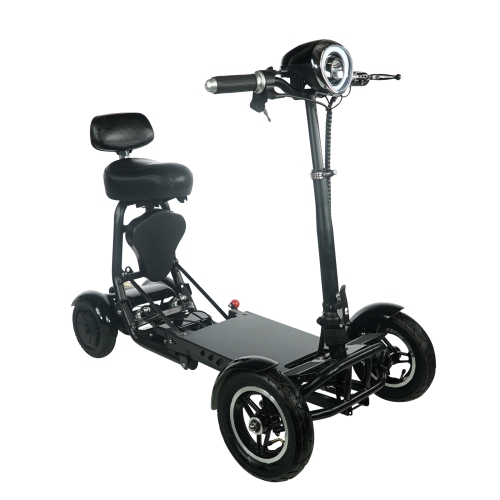
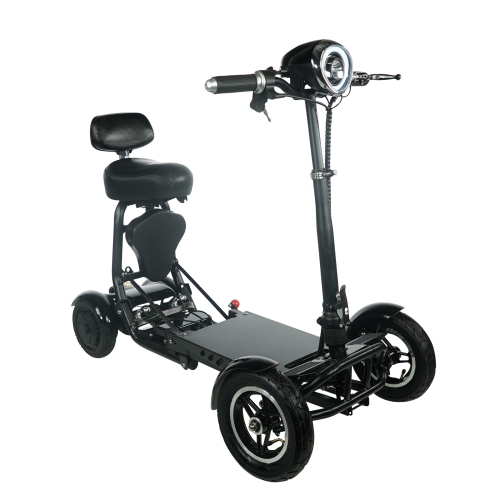
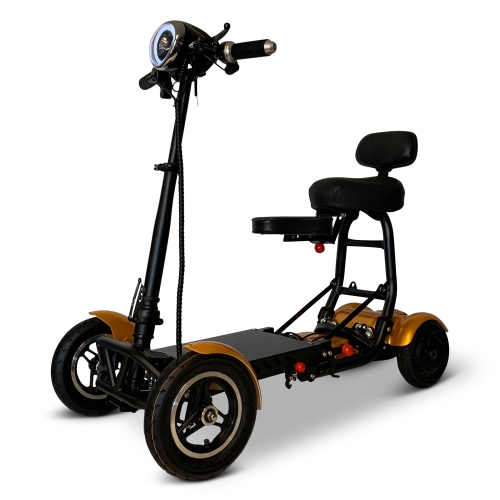
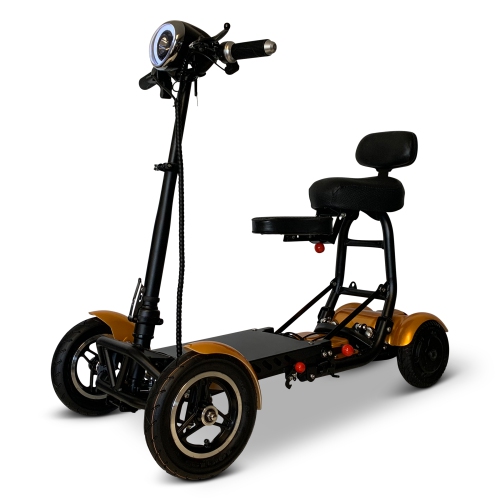
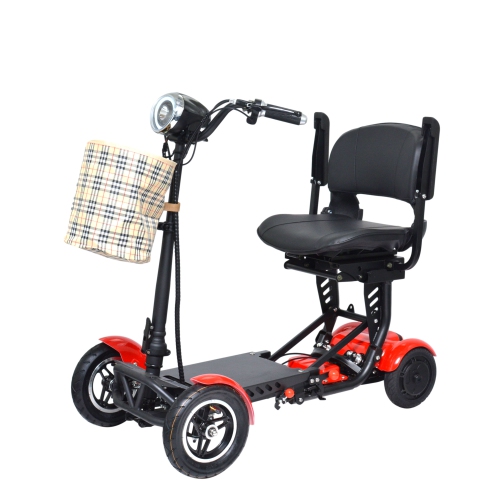
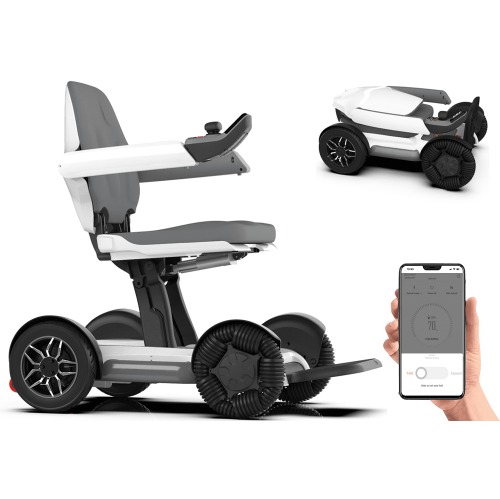
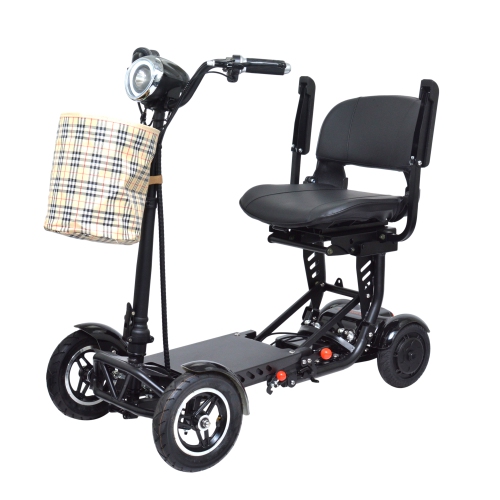
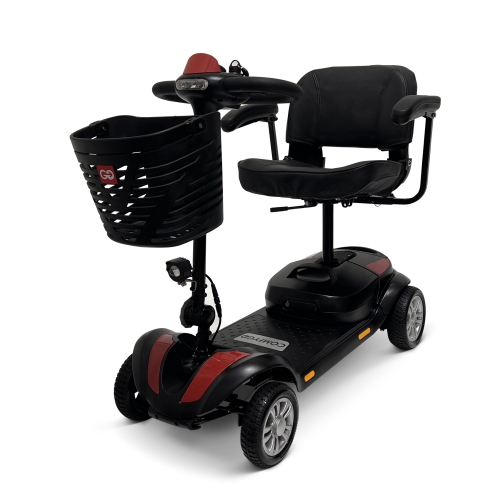
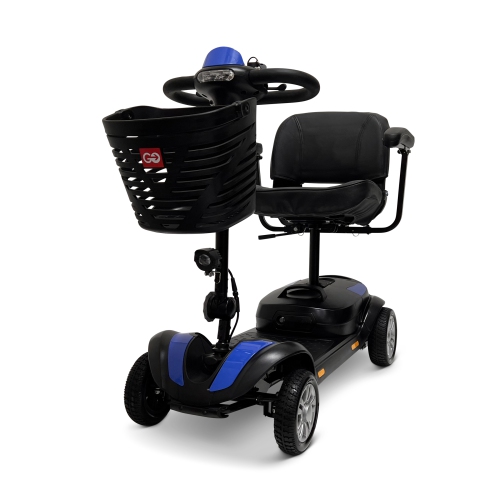
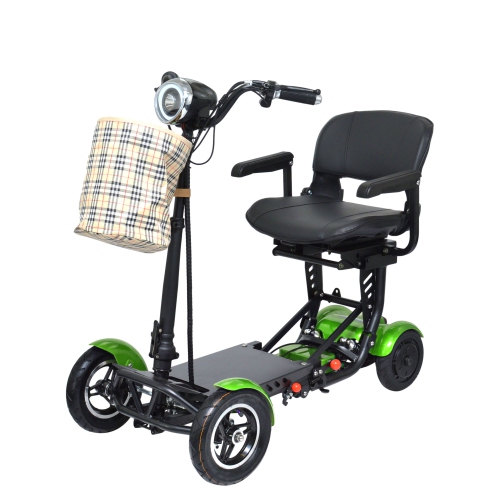
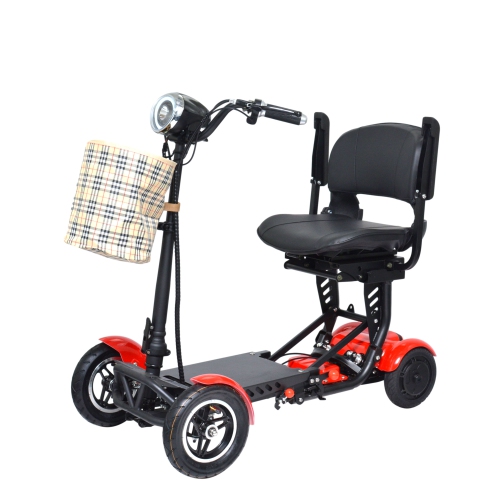
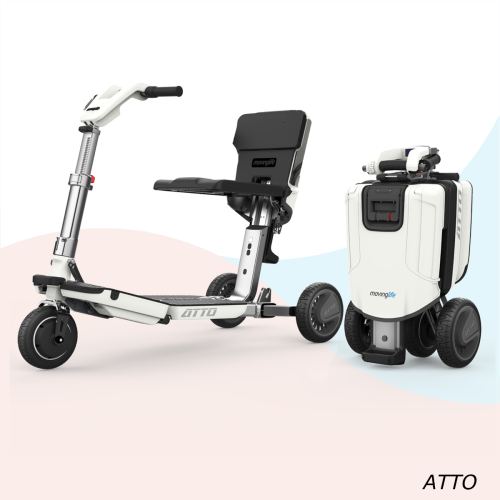
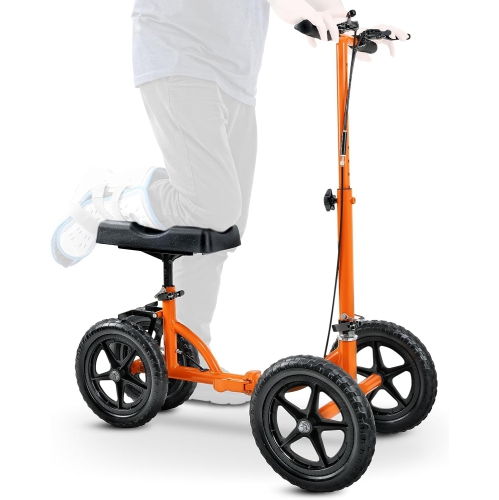
Heavy-duty mobility scooters are powered mobility aids designed for adults who need a higher weight capacity, more seating room, or a sturdier platform than a compact travel scooter typically provides. Reinforced frames, supportive seats, and drivetrains suited to heavier loads are common features, although construction and capabilities vary by model. Many scooters in this category have stated weight capacities between 350 and 600 pounds; the manufacturer’s rating is the deciding specification for any individual scooter. That limit includes the rider and any carried belongings, so a shopping bag or an attached accessory contributes to the total load. These scooters can suit larger adults, people with limited walking endurance, and riders who want support for everyday outings, such as visiting a shopping centre or travelling along a paved neighbourhood path. Their substantial size often brings a more spacious seat and foot platform, but a higher capacity alone does not establish a comfortable fit. Seat width and depth, backrest support, armrest spacing, and the distance to the steering tiller all affect how the rider sits and reaches the controls. A well-matched seating position leaves room for the feet while allowing relaxed shoulders and comfortable access to the throttle and brake controls. Adjustable armrests and a swivel seat may make getting on and off easier, provided the seat locks securely into its operating position before travel. Padding and wipeable upholstery contribute to everyday comfort and care, while the frame, seat mount, and steering assembly provide the underlying support. Scooter suitability also depends on the rider’s ability to maintain a stable seated position and operate a tiller safely. For someone with more complex positioning or control needs, input from an occupational therapist or another qualified mobility professional can help establish whether a scooter is appropriate. Personal fit matters just as much as the headline capacity, particularly when a scooter will be used frequently.
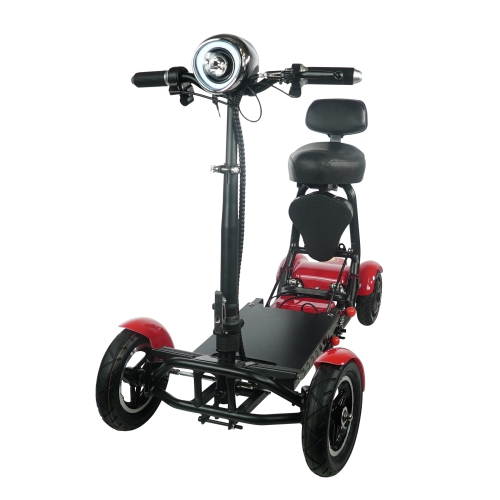
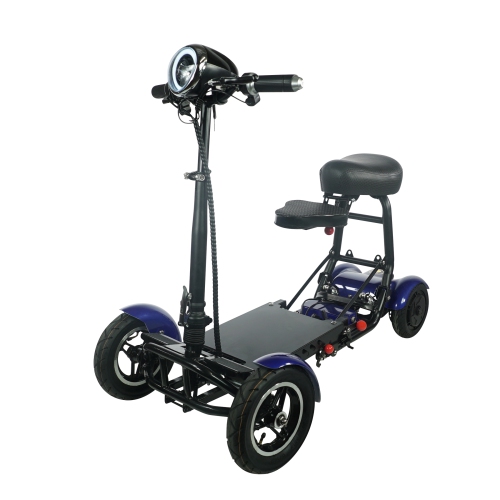
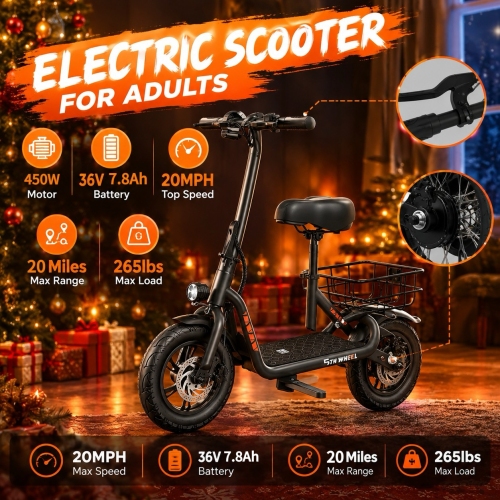
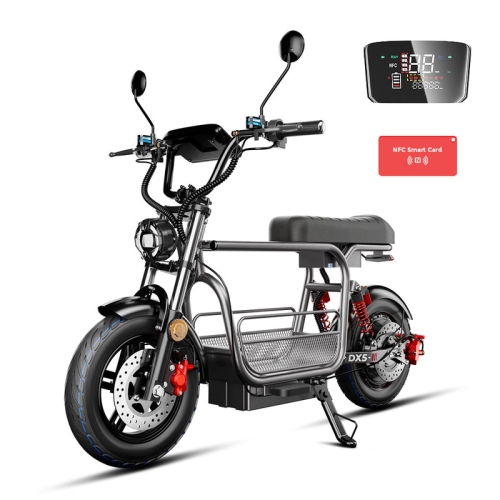
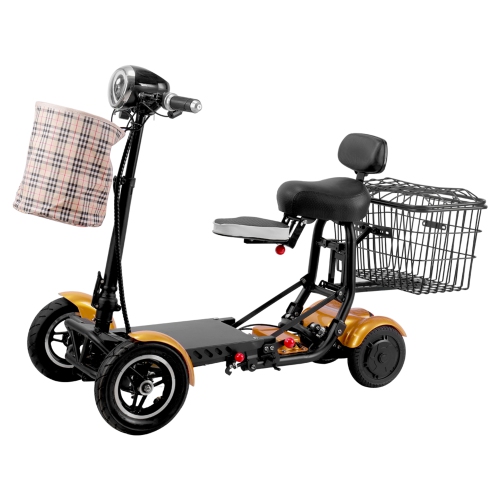
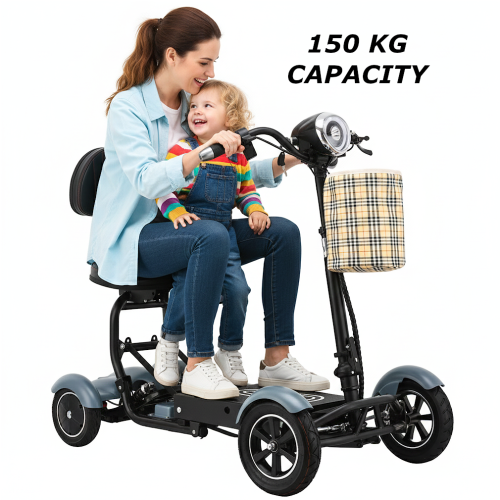
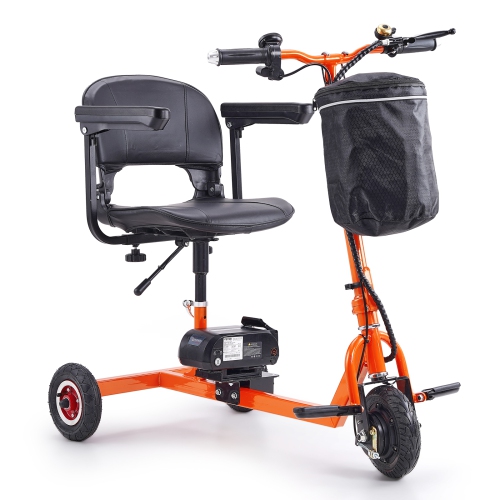
The practical appeal of a heavy-duty mobility scooter comes from how its dimensions, motor, tires, and battery work together on the routes it will actually travel. Four-wheel layouts are common and provide a broad support base, while some three-wheel designs offer a tighter turning circle; neither layout removes the need to follow the stated slope limits and operating instructions. A wide stance can feel reassuring on suitable surfaces, but it also requires enough clearance through doorways, around display fixtures, and beside dining tables. Overall width, length, and turning radius help show whether a scooter will fit into a building entrance, lift, or storage space. Larger wheels and increased ground clearance may help with modest surface irregularities, and suspension, where fitted, can soften some vibration. These features do not make every heavy-duty scooter suitable for rough trails, loose gravel, steep hills, or kerbs. Surface suitability and maximum gradient are model-specific, and a powerful motor should not be treated as permission to exceed those limits. Pneumatic tires can provide cushioning but require pressure checks and may puncture; solid tires avoid punctures but can transmit more vibration to the rider. Battery range is another specification best understood in context. Published distance figures are generally based on defined test conditions, while rider weight, gradients, surface resistance, speed, and repeated stops can change the distance achieved in everyday use. A trip through a large shopping centre, with frequent starts and turns, places different demands on a scooter than steady travel along a level path. Comfortable range planning leaves a margin for detours rather than relying on the maximum stated distance. Charging arrangements matter, too: some batteries can be removed for charging, while others remain on the scooter and require a suitable nearby outlet. Clear battery indicators, accessible speed settings, mirrors, lights, and a horn can add convenience, though their presence and design vary. A basket or storage compartment keeps small belongings close at hand when used within its load limit and without obstructing steering or the rider’s feet.
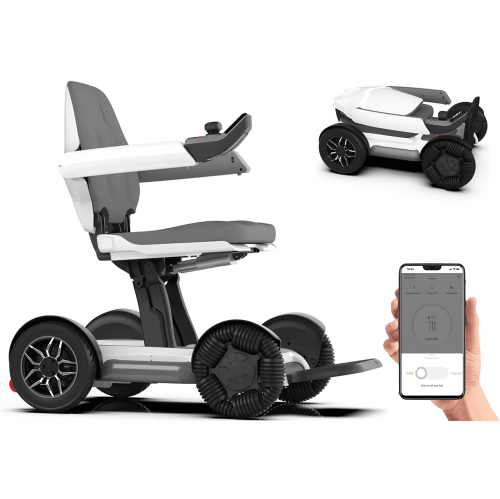
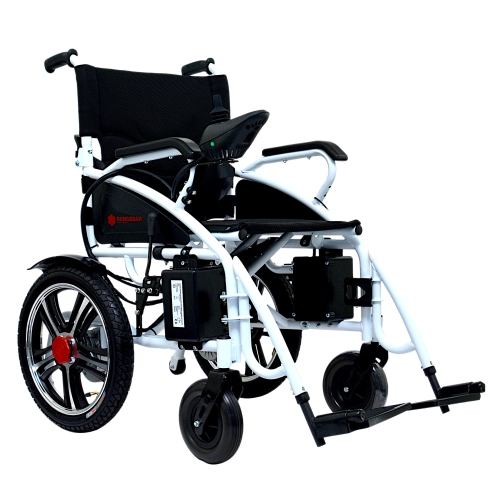
Durability also depends on everyday handling, maintenance, and whether the scooter fits naturally into the rider’s routine. Heavy-duty construction generally adds weight and bulk, so these scooters are not necessarily easy to lift into a vehicle or dismantle for transport. Even a design with removable components may have a main section that requires lifting equipment. For visits to family, appointments, or longer outings, useful transport details include the scooter’s total weight, its dimensions in transport configuration, and the weight of its heaviest removable part. A vehicle lift or ramp must be rated for the load and compatible with the vehicle, and the scooter needs securement according to the relevant equipment instructions. Travelling while seated on a scooter requires specific approval and suitable restraint systems; ordinary scooter transport capability does not establish that it is safe to use as a vehicle seat. At home, an accessible storage location with room to park and charge can be more useful than a space that requires repeated tight turns. Routine care includes cleaning upholstery and body panels with manufacturer-approved methods, checking tires and fasteners, and arranging servicing when steering, braking, or battery performance changes. Charging with the specified charger and following the battery care instructions helps support reliable operation. Storage accessories should remain within their rated limits and should not be hung from the tiller unless expressly permitted. For riders comparing control styles, Heavy Duty Electric Wheelchairs offer a related mobility category that typically uses joystick steering rather than a tiller, with different seating and manoeuvring characteristics. The better match depends on physical abilities, positioning needs, access requirements, and intended use rather than capacity alone. When a scooter is being purchased for a family member, involving that person in the fit and control assessment helps ensure it suits their preferences as well as their practical needs. A thoughtfully matched heavy-duty scooter brings seating, carrying capacity, manageable controls, and route suitability together for everyday mobility.
Top selling and popular products
-
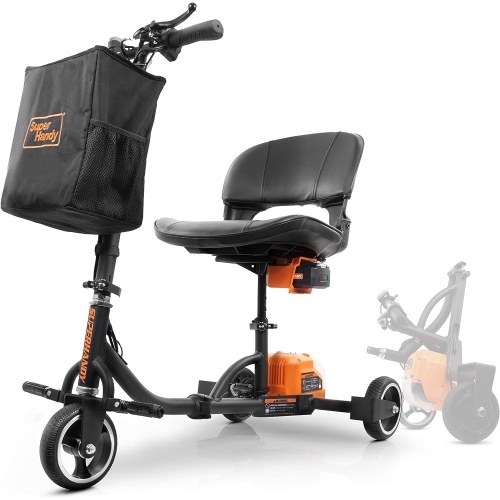 Your price for this item is $999.99
-
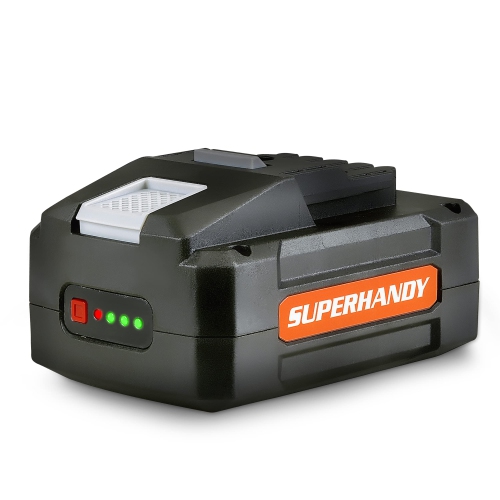 Your price for this item is $129.99
-
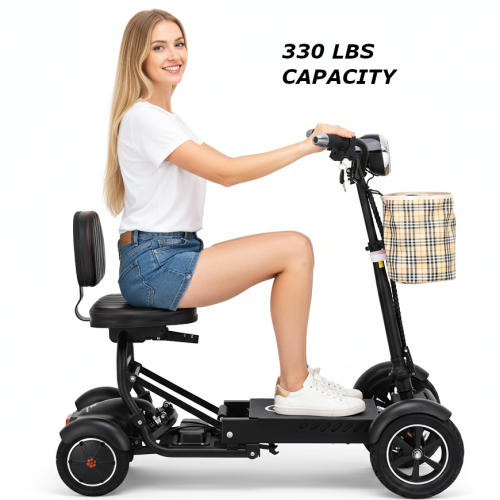 Your price for this item is $1219
-
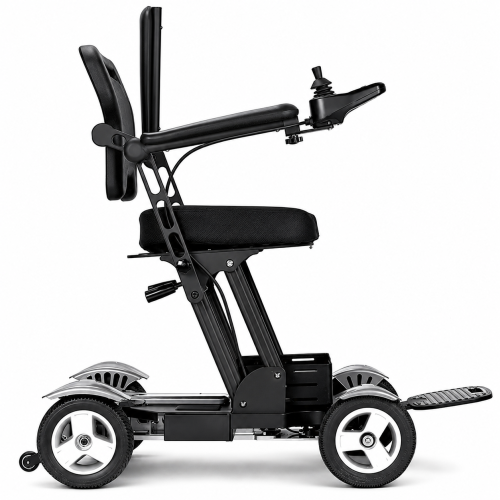 Your price for this item is $1329
-
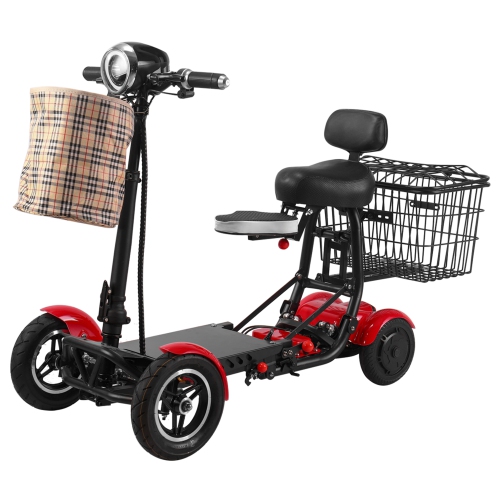 Your price for this item is $1219
-
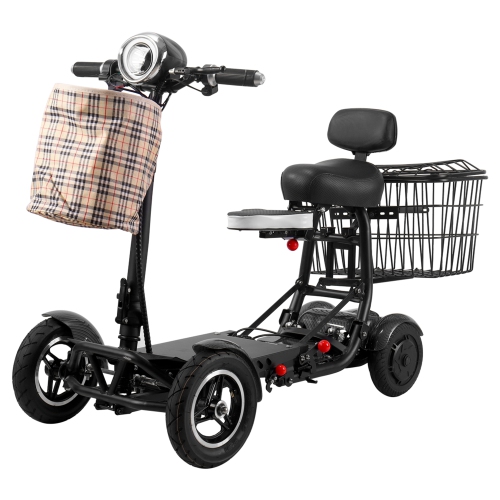 Your price for this item is $1219
-
 Your price for this item is $2149
-
 Your price for this item is $1219
Discover more categories related to Heavy Duty Mobility Scooters
Top Collections:
Pokemon Centers, Best Cameras for Sports Photography, Kindle Devices, Samsung Galaxy Phones, Canon G7X Cameras, Pokémon 30th Celebration Cards, Refurbished Apple Laptops, iPhone 15 Apple, Laptops for Students, Budget Smartphones
Some products may be subject to Environmental Handling Fees
(EHF) depending on your province.
Learn more about EHFs.