Home Health Thermometers
Home Health Thermometers make it easy to monitor temperature and support the well-being of your household. Whether you're checking for a fever or tracking changes in body temperature, these devices are essential for families and individuals alike. Explore a wide range of Home Health Thermometers designed for convenience and accuracy, helping you stay prepared and informed at home.
Sort







Why age and technique matter for temperature readings
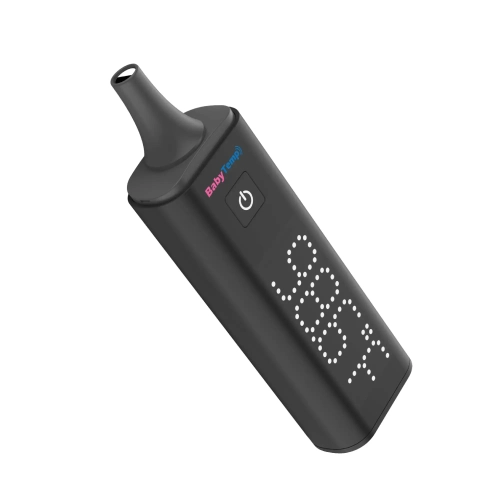
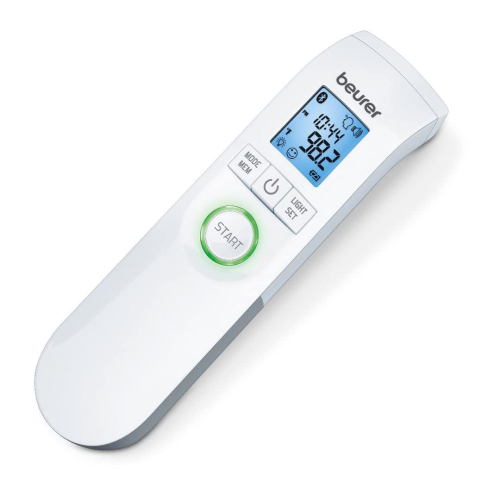
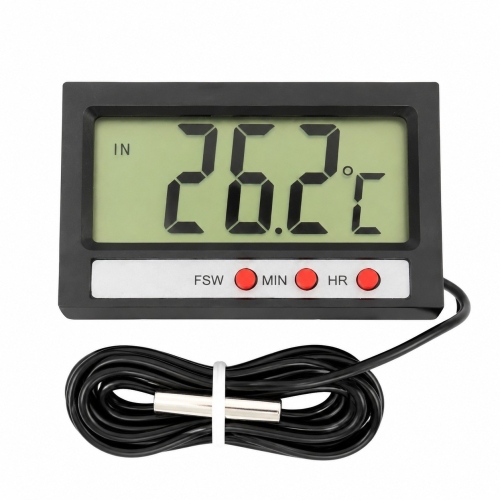
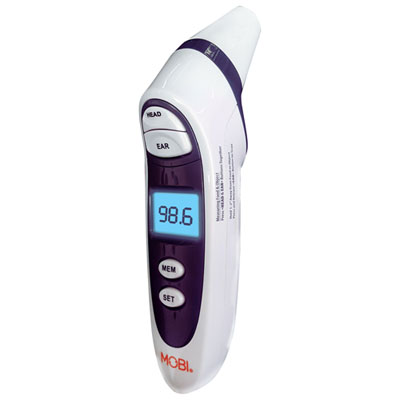
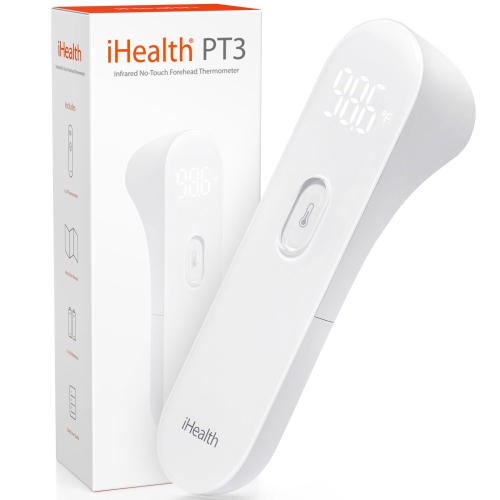
Home health thermometers make it easier to check body temperature when someone feels unwell and to share a clear reading with a healthcare professional. The main types used at home are digital stick thermometers, infrared forehead thermometers, and infrared ear thermometers. Each measures temperature differently, so the right choice depends on the person’s age, the intended measurement site, and how comfortably they can cooperate with a reading. Digital stick thermometers use a small sensor at the tip and may be designed for oral, underarm, or rectal use, as specified by the manufacturer. Their compact shape suits a household health kit, while flexible-tip designs can make contact more comfortable. Infrared forehead thermometers detect heat from the forehead; some require contact with the skin, while others take a reading from a specified distance. Ear thermometers detect infrared heat within the ear and need correct positioning to produce a dependable result. A short measurement time can be helpful with a restless child, but speed alone does not determine accuracy. Proper technique, an appropriate measurement site, and following the device’s instructions matter just as much. Temperature readings also vary by measurement site, so an oral reading and a forehead reading are not directly interchangeable. Keeping track of the method alongside the result gives readings useful context. For adults who can hold a thermometer comfortably under the tongue, an oral model may be a practical option. A forehead model can reduce the need for close contact, while an easy-to-hold ear thermometer may suit households with children old enough for that method. For caregivers supporting an older adult, a large display and straightforward controls can be more useful than a long list of settings. Whether kept in a bathroom cabinet or packed for travel, a home thermometer is a tool for observing changes, not a diagnosis on its own. The number is most useful when considered alongside symptoms, behaviour, and the person’s usual health.
Age suitability deserves particular attention when choosing a thermometer for babies and children. A device intended for an adult is not automatically appropriate for a newborn, and the age range printed in the instructions is an important consideration for ear and forehead models. Rectal measurement is often recommended for the most reliable temperature assessment in young infants, but caregivers should receive guidance from a healthcare professional on the appropriate method and safe technique. Families comparing options for the youngest household members can explore Newborn Thermometers with infant suitability in mind. A baby younger than three months with a temperature of 38°C or higher needs prompt medical assessment; a reassuring reading should not delay care if the baby appears unwell. Underarm measurements are less accurate than some other methods and may not reliably rule out fever. Ear thermometers are generally unsuitable for babies younger than six months because their ear canals are small, and suitability beyond that age still depends on the device’s instructions. Oral measurement is better suited to children who can keep the tip correctly positioned under the tongue with their mouth closed throughout the reading. For a toddler who turns away or wriggles, a quick forehead reading may be easier to obtain, although sweat, head coverings, and incorrect positioning can affect the result. A no-contact design still needs to be held at the specified distance; moving it farther away does not make it more convenient without potentially affecting accuracy. A clear completion signal helps a caregiver know when the measurement has finished, and a quiet mode may be useful when checking a resting child. Colour-coded displays and fever alerts can make results easier to notice, but they do not replace an age-appropriate interpretation of the reading. A child’s breathing, alertness, fluid intake, and overall condition remain important, even when the displayed temperature does not seem unusually high.
The everyday usefulness of a home health thermometer often comes down to details that are easy to overlook until it is needed. A backlit screen can make a number readable in a dim bedroom, while large digits help someone who has difficulty seeing a small display. A textured grip, accessible button, and lightweight body can make handling easier for people with limited dexterity. Smooth plastic housings and well-finished tips are practical considerations for comfort and cleaning, and a protective case helps keep the sensor or lens from being scratched between uses. Water resistance varies: a washable tip does not necessarily mean the entire thermometer can be submerged. Cleaning should follow the manufacturer’s directions, including any specified cleaning agent and drying time. Infrared lenses need particular care because residue or scratches can interfere with measurements. Models that require disposable probe covers should be used with the compatible covers specified for that device. A thermometer used rectally should be clearly labelled and kept separate from one used orally, rather than switched between those uses. For oral readings, recent hot or cold drinks can alter the result; the instructions should state how long to wait before measuring. Exercise and bathing can also affect a reading, making consistent conditions helpful when tracking changes. Memory functions can make it easier to recall the previous result, and connected models may offer a way to record readings in an app, depending on their features. Recording the time, measurement site, and symptoms alongside the temperature gives a caregiver more useful information than a number alone. Celsius display settings are convenient for sharing readings with Canadian healthcare providers. Battery type, replacement access, and a low-battery indicator also affect long-term practicality, especially for a device used only occasionally. Stored in a clean, dry place within its specified limits, with its instructions close by, a well-chosen thermometer can remain a dependable part of a household health kit. The most useful design is one that suits its users and makes correct, repeatable measurements straightforward.
Top selling and popular products
-
 Your price for this item is $34.99
-
 Your price for this item is $44
-
 Your price for this item is $29.97
-
 Your price for this item is $69.99
-
 Your price for this item is $45.99
-
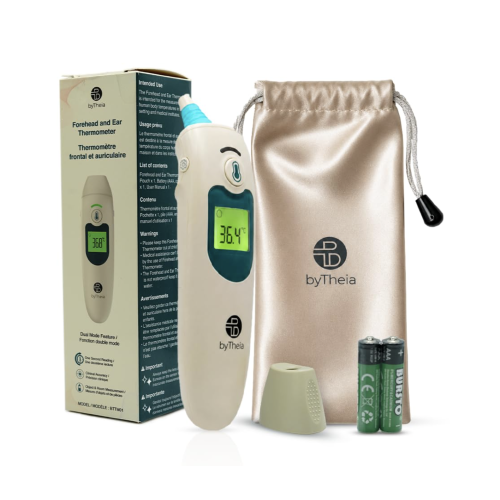 Your price for this item is $39.99
-
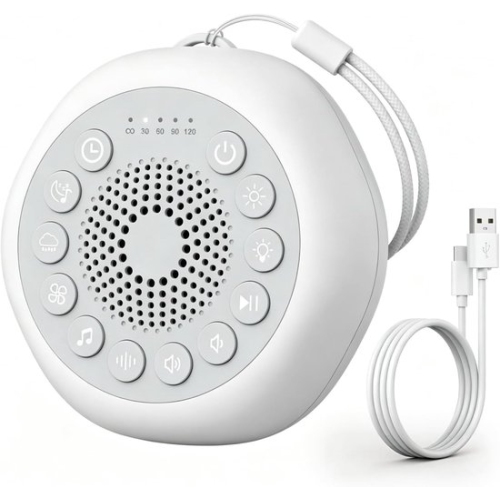 Your price for this item is $49.99
-
 Your price for this item is $59.99
Discover more categories related to Home Health Thermometers
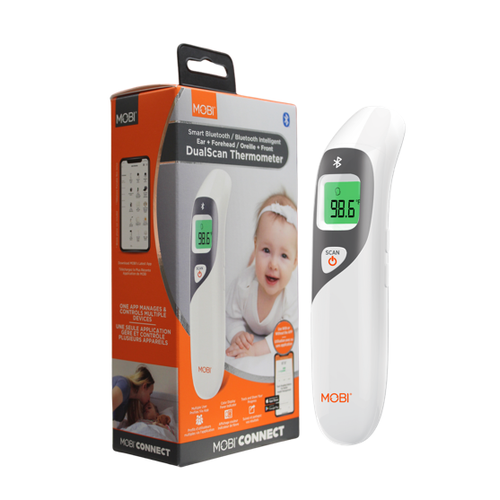
Top Collections:
Pokemon Centers, Kindle Devices, Best Cameras for Sports Photography, Pokémon 30th Celebration Cards, Apple iPhones 16, Canon G7X Cameras, iPhone 15 Apple, Flip Phones, Samsung Galaxy Phones, Alarm Clock
Some products may be subject to Environmental Handling Fees
(EHF) depending on your province.
Learn more about EHFs.