Digital Thermometers
Digital Thermometers offer a convenient and reliable way to monitor temperature at home, in the workplace, or on the go. With easy-to-read displays and user-friendly designs, these devices are ideal for a variety of needs, from checking body temperature to monitoring room or appliance conditions. Explore a wide selection of Digital Thermometers to find the perfect fit for your health, home, or professional requirements.
Sort

Different temperature checks call for different tools and techniques
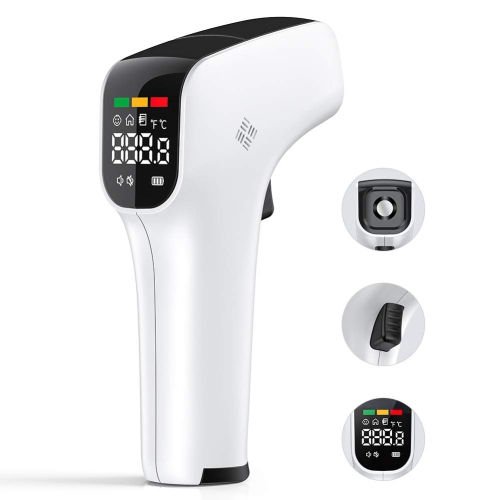
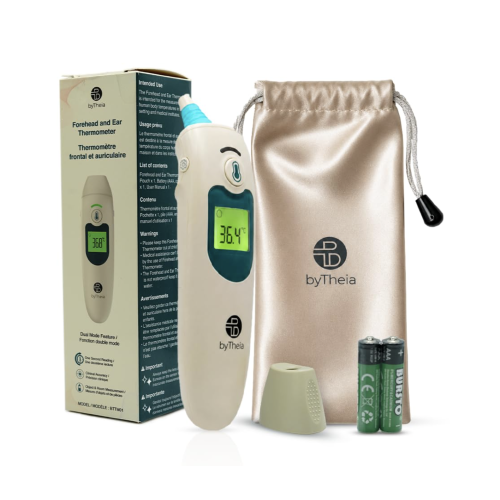
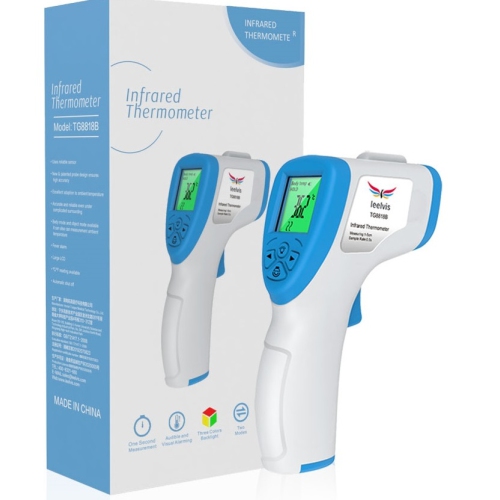
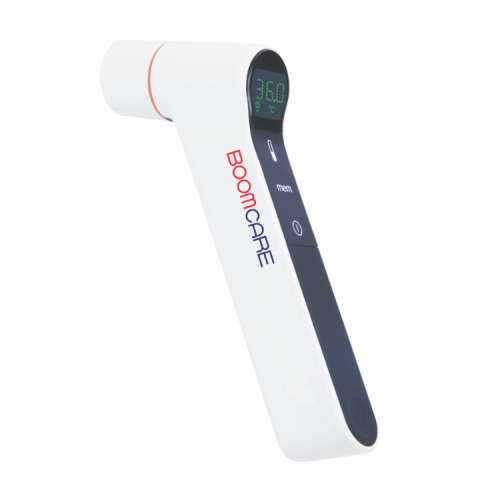
Digital thermometers provide an easy-to-read temperature measurement for a specific purpose, whether that is checking for a fever, testing food as it cooks, or keeping track of room conditions. Medical digital thermometers are designed for body temperature measurement and should not be confused with kitchen probes or room sensors, which have different measuring ranges and intended uses. For household health care, common formats include contact thermometers for oral, underarm, or rectal use, along with infrared ear and forehead thermometers. A contact model typically has a narrow probe and a small digital screen, while an infrared model senses heat from the ear canal or forehead using a method specified by its manufacturer. Some forehead thermometers work without touching the skin, which can make repeated checks more convenient, but they still require careful positioning. The most suitable format depends on the person’s age, comfort, and ability to remain still, as well as the measurement method recommended by a health care professional. A flexible tip can feel more comfortable than a rigid one during appropriate contact use, while a broad handle may be easier for a caregiver to hold securely. Large digits, a backlit screen, and a clear completion signal can help when checking a child in a dim bedroom or reading a result without reaching for glasses. Some models offer a quiet setting, previous-reading recall, or a colour-coded fever indicator. These features can make everyday use simpler, but a colour or alert should always be interpreted alongside the actual reading, the measurement location, and the person’s symptoms. Age-adjustable indicators are available on some medical thermometers; their settings need to match the person being measured. Readings in degrees Celsius are particularly convenient for communicating with Canadian health care providers, while switchable Celsius and Fahrenheit displays can accommodate different household preferences. A clear unit indicator helps prevent confusion when a thermometer is shared among caregivers.
Consistent technique matters as much as a clear display. Body temperature readings can differ by measurement site, so an oral result is not directly interchangeable with an underarm, ear, forehead, or rectal result. Keeping track of the method alongside the number makes a series of readings more useful, especially when several people are caring for the same child or older adult. Memory recall can help confirm the previous result, although it does not replace a record when a clinician has asked for readings at particular times. Recent eating or drinking can affect oral measurements, while perspiration, head coverings, positioning, and movement may affect forehead measurements. Ear thermometers also depend on correct placement and an appropriate fit. The instructions for each thermometer explain the required technique, waiting periods, and age restrictions; a faster advertised reading time does not remove the need to follow them. Non-contact models have a specified measuring distance, and devices with separate body and surface modes must be set to the correct mode. For babies and young children, suitability is especially important because not every method is appropriate at every age. A baby younger than three months with a temperature of 38°C or higher needs prompt medical assessment. A thermometer reading alone cannot determine the cause of an illness, and concerning symptoms warrant medical advice even without a high reading. For shared household use, smooth housings and accessible probe surfaces make routine cleaning more straightforward. Cleaning and disinfecting should follow the manufacturer’s directions, including any limits on cleaning agents or water exposure. A water-resistant probe does not necessarily mean the entire thermometer can be immersed. Compatible disposable probe covers may be required for some designs, but they do not remove every cleaning requirement. A thermometer used rectally should be clearly labelled and kept separate from one used orally. Protective cases also help keep probes clean and prevent damage between uses, whether the thermometer stays in a bathroom cupboard, a bedside drawer, or a travel health kit.
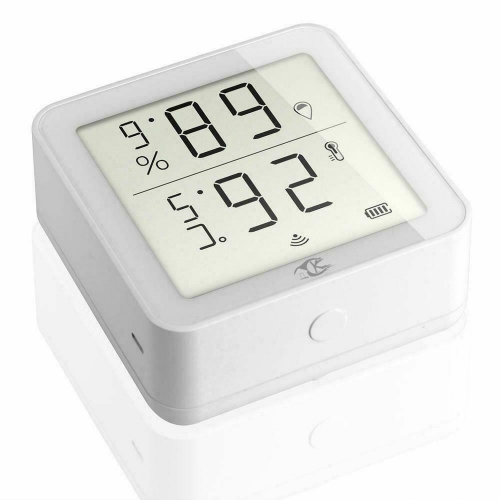
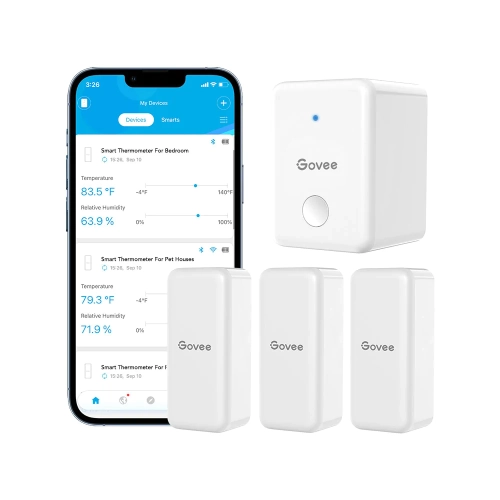
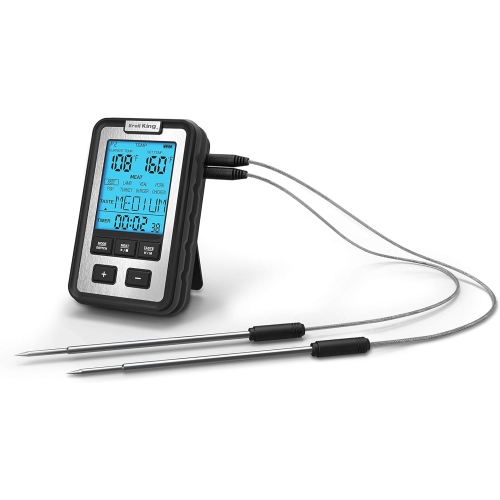
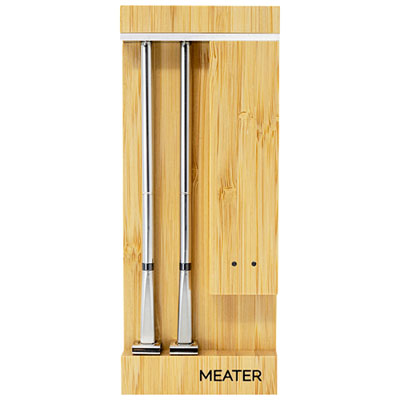
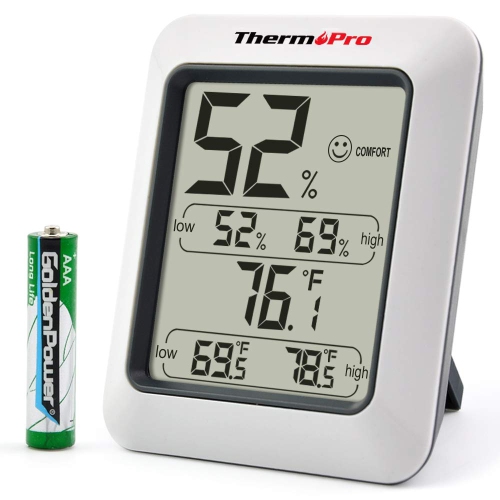
Digital food thermometers serve a different role, helping home cooks check internal food temperatures rather than relying on browning, cooking time, or the appearance of juices. Instant-read styles are intended for spot checks, while suitable leave-in probes can monitor food throughout cooking. Stainless steel probes offer a smooth, cleanable surface, and probe length affects how easily the sensing area can reach the centre of a thick cut without bringing a hand too close to a hot pan. A thin probe can be useful for smaller portions, while a folding design protects the tip during storage. Oven-safe probes, cables, and wireless components have specific heat limits; a digital display unit should not go into an oven unless it is expressly designed for that use. For accurate food readings, the sensing area needs to be positioned as directed, away from bone and without touching the pan. Cleaning between raw and cooked foods helps prevent cross-contamination, and safe internal temperature recommendations should come from Canadian food safety authorities. For measuring the air in a bedroom, nursery, home office, or other living space, Digital Room Thermometers provide readings suited to room monitoring rather than medical assessment. Some room models also display relative humidity or record minimum and maximum readings, giving household members a clearer picture of conditions over time. Placement away from direct sunlight, heating vents, and other local heat sources helps make those readings more representative of the surrounding room. Across these thermometer categories, durability depends on both construction and care: a secure battery compartment, readable screen, protected sensor, and storage case can all contribute to practical everyday use. Replaceable batteries can be convenient, while a low-battery indicator helps signal when maintenance is needed. Battery type and access are worth considering in homes with young children, particularly where button batteries are used. Keeping the instructions with the device makes it easier for another caregiver or household member to use the correct settings, clean it properly, and understand exactly what its reading represents.
Top selling and popular products
-
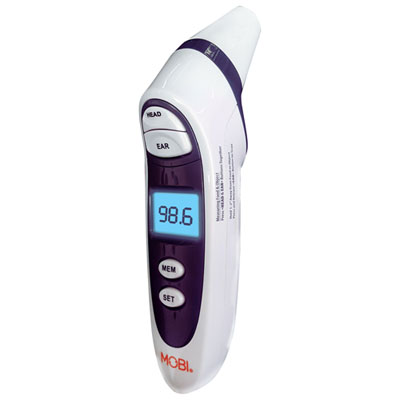 Your price for this item is $34.99
-
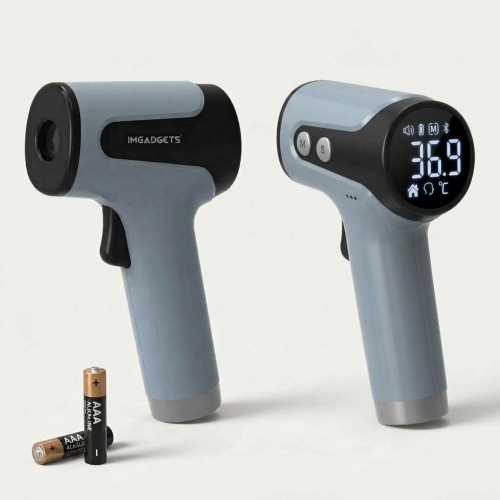 Your price for this item is $29.97
-
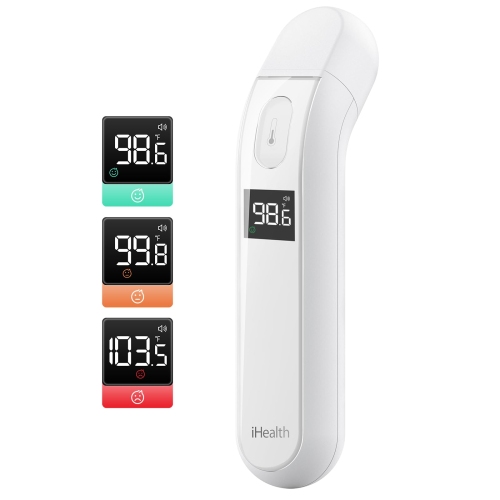 Your price for this item is $69.99
-
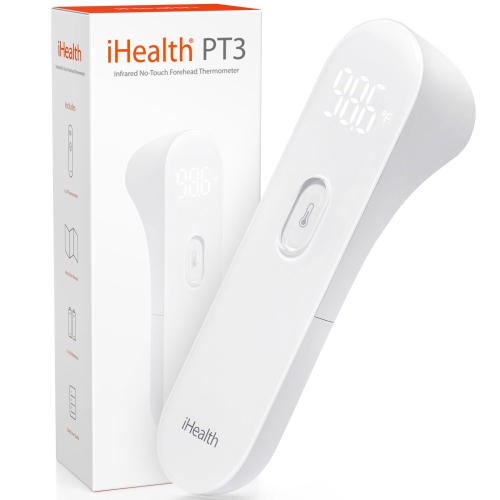 Your price for this item is $45.99
-
 Your price for this item is $37.99
-
 Your price for this item is $29.97
-
 Your price for this item is $49.99
-
 Your price for this item is $59.99
Discover more categories related to Digital Thermometers
Top Collections:
Best Black Friday Deals This Year, Best Black Friday Deals On Electronics, Kindle Devices, Pokemon Centers, Best Black Friday Deals On Apple Products, Best Cameras for Sports Photography, Dyson Airwrap, Pokémon 30th Celebration Cards, Apple iPhone 17 Pro, Canon G7X Cameras
Some products may be subject to Environmental Handling Fees
(EHF) depending on your province.
Learn more about EHFs.