Home Safety for Seniors
Home safety for seniors is essential for maintaining comfort and confidence at home. Explore a wide selection of solutions designed to help create a secure living environment, reduce everyday risks, and support greater independence. Whether you’re looking to enhance peace of mind or make daily routines easier, find the right products to suit your needs and help loved ones feel safer in their own space.
Sort

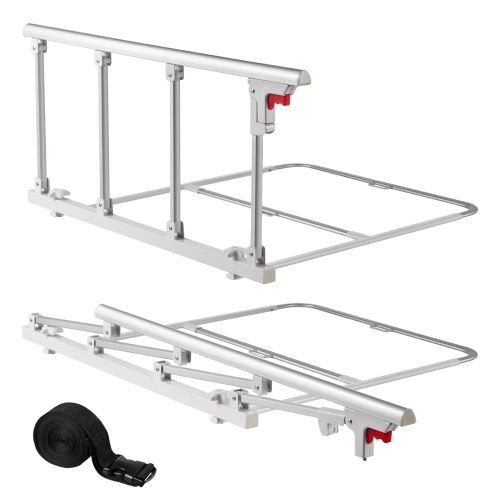
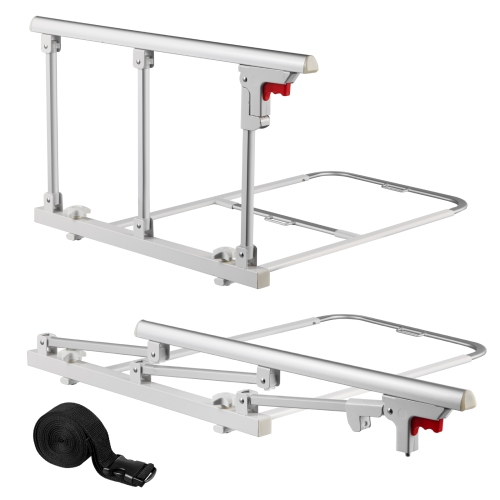
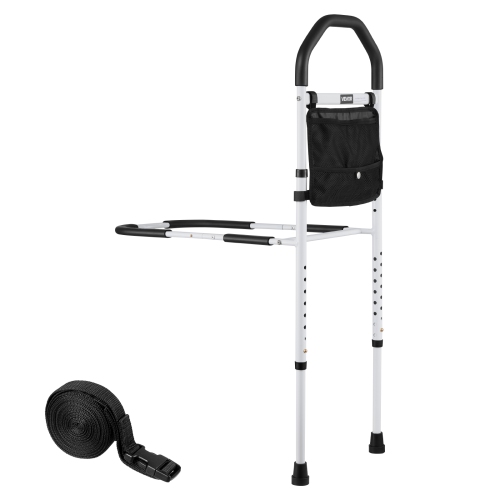
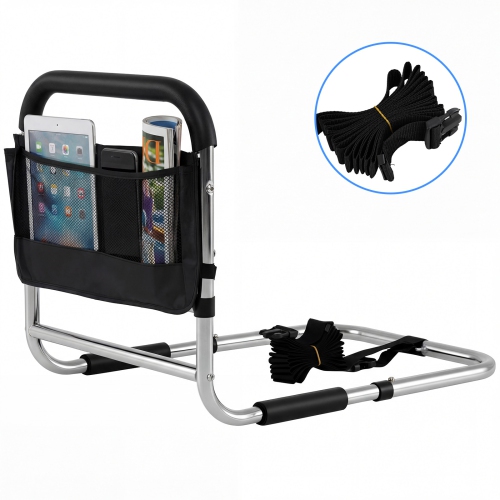


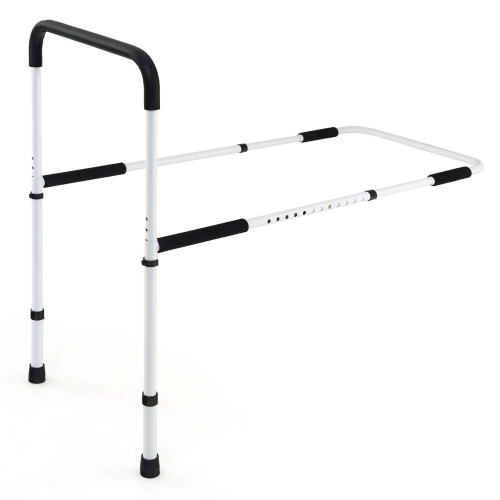
Practical ways to support comfort and independence at home
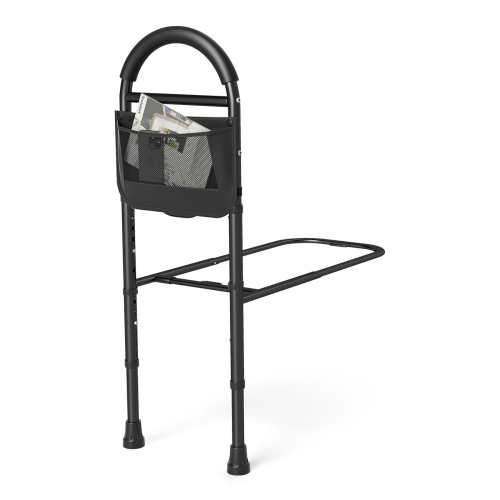
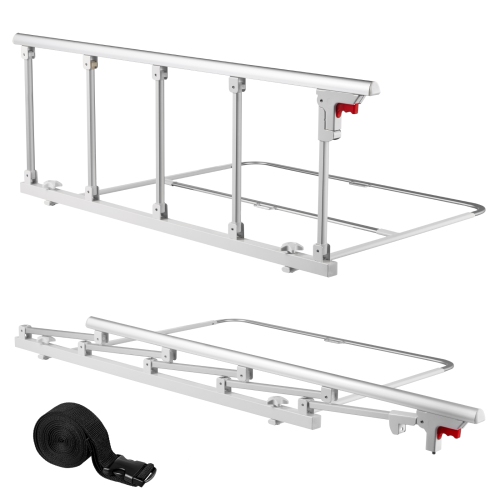
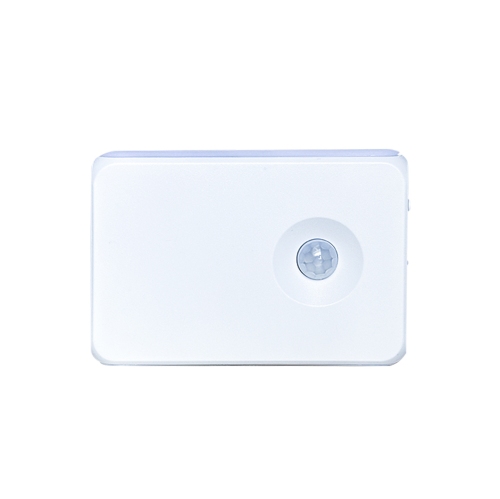
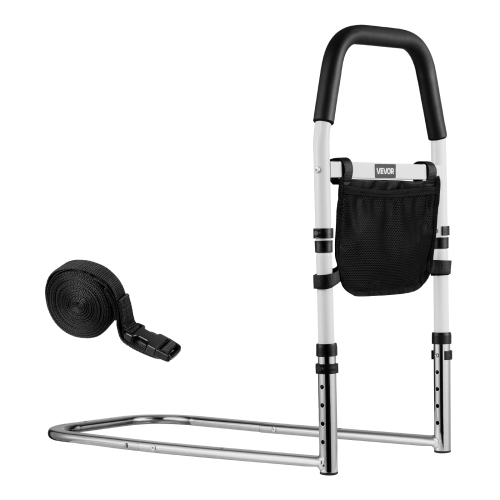
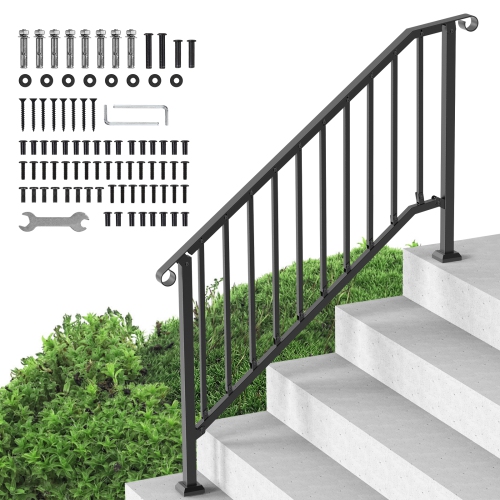
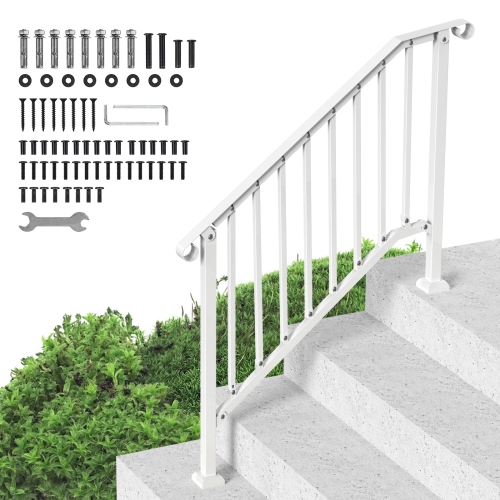
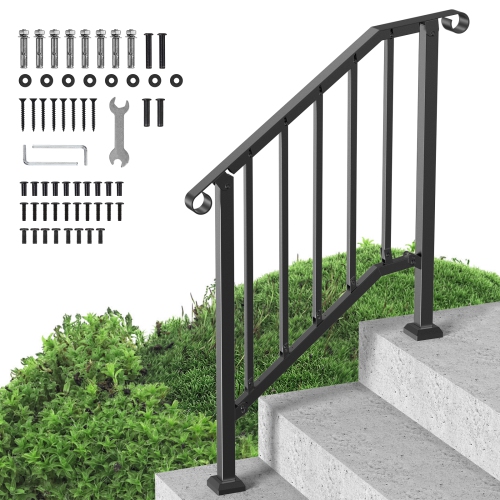
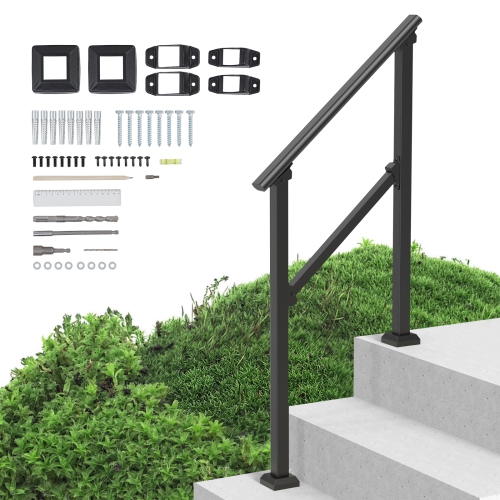
Creating a safer home for seniors often begins with a careful look at the everyday moments that are easy to overlook: getting out of bed before sunrise, walking down a dim hallway for a glass of water, stepping over a threshold, or reaching for something in a kitchen cupboard. The right home safety products can help make these routines more comfortable while supporting independence and confidence. Begin with clear paths through the rooms used most often. Loose throw rugs, trailing electrical cords, footstools and piles of belongings can create unexpected obstacles, particularly for anyone with reduced balance or vision. Storage baskets, cable-management accessories and easy-to-reach shelving can help keep walkways, stairs and entrances orderly. Lighting is equally important. Bright LED bulbs in bedrooms, living areas, hallways, stairwells and bathrooms can make changes in floor level easier to see, while plug-in nightlights or motion-activated lights can provide gentle guidance after dark without requiring a search for a switch. Stairways should have sturdy handrails that are easy to grip, with switches available at both the top and bottom where possible. During the cooler months, wet footwear, coats and seasonal items can also gather near entrances, so a well-lit landing area with a clear place for shoes and outerwear can reduce clutter. Family members may choose these practical additions as thoughtful gifts for a parent, grandparent, neighbour or friend who wants to remain at home, especially when the gift is presented as a way to make familiar routines easier rather than as a reminder of limitations. For a broader selection of everyday solutions, explore Home Safety Essentials.
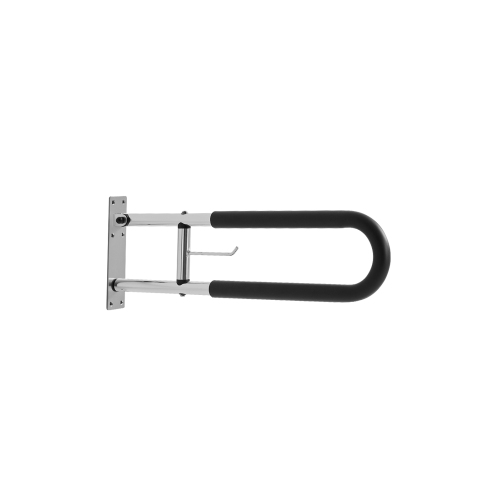
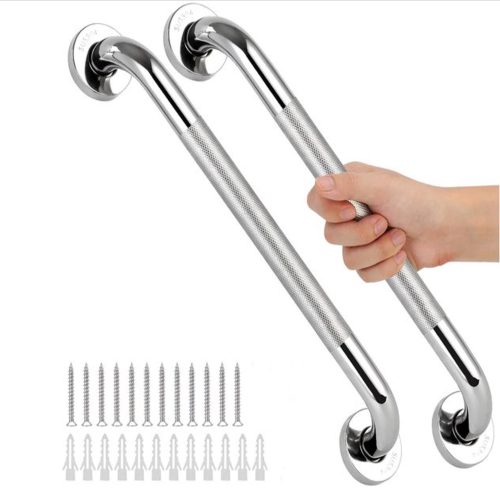
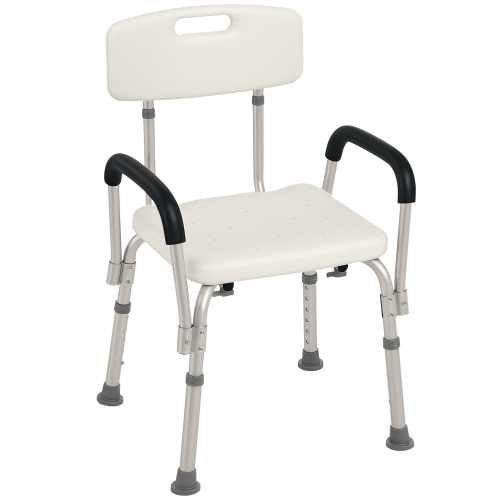
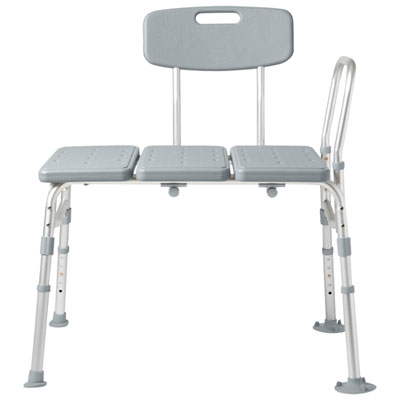
Bathrooms and kitchens deserve particular attention because they combine hard surfaces, water, heat and frequent reaching. In the bathroom, non-slip mats or rubber strips inside a tub or shower can improve footing, while a properly installed grab bar beside the toilet and inside the bathing area offers a dependable point of support when sitting, standing or stepping over a tub edge. A bath seat, handheld shower accessory or raised toilet aid may also make personal-care routines more manageable for some people, though support products should be selected for the user’s needs and installed according to the manufacturer’s instructions. Towel racks and other fixtures are not designed to bear body weight, so they should not be treated as substitutes for grab bars. In the kitchen, keeping heavy cookware, dishes and frequently used ingredients on lower shelves can reduce stretching and climbing. Turn pot handles toward the back of the stove while cooking, keep a clear area around hot appliances, and consider controls and timers that are easy to see and operate. A bright task light beneath a cabinet can help with food preparation, while large, readable displays may be useful for clocks, timers and appliance controls. Burn prevention is another important consideration: hot water heaters should be set no higher than 120°F (49°C), and taps should be checked regularly for safe temperature. These changes can be helpful for older adults living alone, couples adapting to changing mobility, or family caregivers arranging a home after a hospital stay. Choosing items that blend into the existing space, have comfortable grips and can be used without complicated steps often makes them more likely to become part of a daily routine.
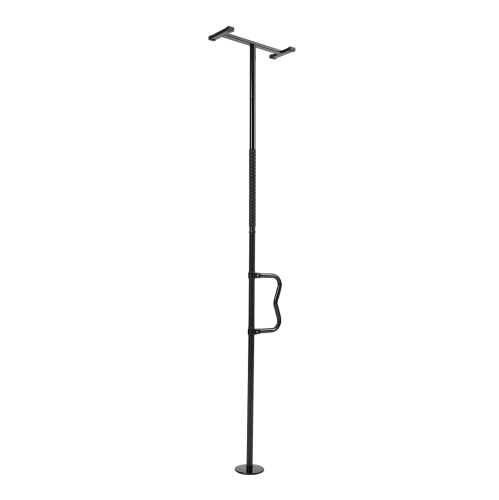
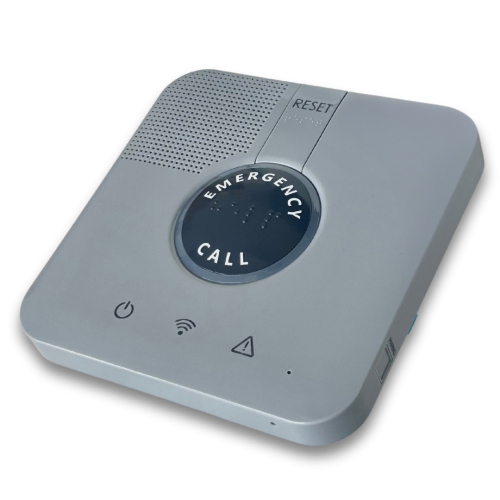
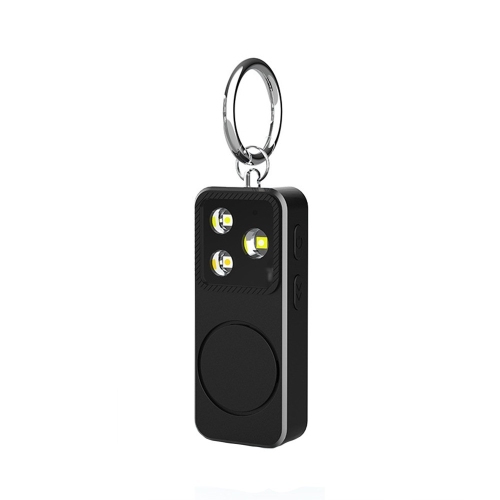
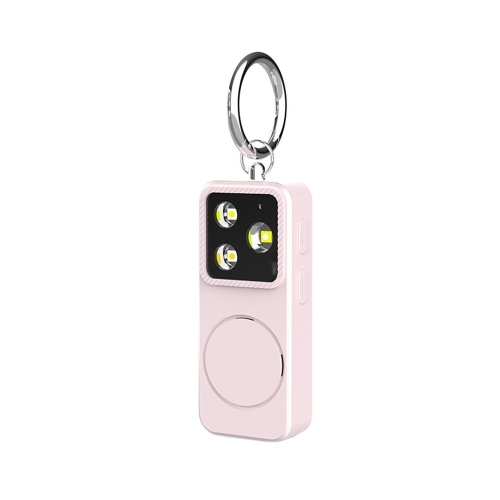
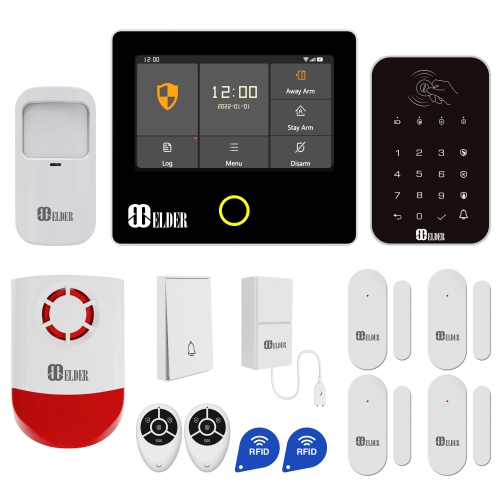
Communication and emergency readiness add another layer of reassurance without taking away independence. Keep a telephone or mobile device close to the bed and in the rooms where an older adult spends the most time. Emergency phone numbers should be written in large print and placed near every phone, with trusted contacts, building management and local emergency services clearly identified. A personal emergency response button can provide a simple way to call for assistance if someone falls or feels unwell, while a voice-controlled smart home system may allow hands-free calling, reminders or control of lights for people who find small buttons difficult to use. Door and window alerts, audible alarms and other notification devices can help a caregiver stay informed when appropriate, but privacy, comfort and ease of use should be considered before adding connected technology. Look for clear instructions, accessible controls, dependable power options and alerts that can be heard or seen by the intended user. Test batteries, lights, alarms and communication devices regularly, and review the setup whenever the home layout or a person’s needs change. Home safety is most effective as a collection of small, practical improvements: a clear floor, a bright path, a secure handhold, a reachable phone and a simple plan for getting help. Together, these measures can help older adults feel more at ease in the spaces they know best while giving family and friends greater confidence when they cannot be there in person.
Bathrooms and kitchens deserve particular attention because they combine hard surfaces, water, heat and frequent reaching. In the bathroom, non-slip mats or rubber strips inside a tub or shower can improve footing, while a properly installed grab bar beside the toilet and inside the bathing area offers a dependable point of support when sitting, standing or stepping over a tub edge. A bath seat, handheld shower accessory or raised toilet aid may also make personal-care routines more manageable for some people, though support products should be selected for the user’s needs and installed according to the manufacturer’s instructions. Towel racks and other fixtures are not designed to bear body weight, so they should not be treated as substitutes for grab bars. In the kitchen, keeping heavy cookware, dishes and frequently used ingredients on lower shelves can reduce stretching and climbing. Turn pot handles toward the back of the stove while cooking, keep a clear area around hot appliances, and consider controls and timers that are easy to see and operate. A bright task light beneath a cabinet can help with food preparation, while large, readable displays may be useful for clocks, timers and appliance controls. Burn prevention is another important consideration: hot water heaters should be set no higher than 120°F (49°C), and taps should be checked regularly for safe temperature. These changes can be helpful for older adults living alone, couples adapting to changing mobility, or family caregivers arranging a home after a hospital stay. Choosing items that blend into the existing space, have comfortable grips and can be used without complicated steps often makes them more likely to become part of a daily routine.
Communication and emergency readiness add another layer of reassurance without taking away independence. Keep a telephone or mobile device close to the bed and in the rooms where an older adult spends the most time. Emergency phone numbers should be written in large print and placed near every phone, with trusted contacts, building management and local emergency services clearly identified. A personal emergency response button can provide a simple way to call for assistance if someone falls or feels unwell, while a voice-controlled smart home system may allow hands-free calling, reminders or control of lights for people who find small buttons difficult to use. Door and window alerts, audible alarms and other notification devices can help a caregiver stay informed when appropriate, but privacy, comfort and ease of use should be considered before adding connected technology. Look for clear instructions, accessible controls, dependable power options and alerts that can be heard or seen by the intended user. Test batteries, lights, alarms and communication devices regularly, and review the setup whenever the home layout or a person’s needs change. Home safety is most effective as a collection of small, practical improvements: a clear floor, a bright path, a secure handhold, a reachable phone and a simple plan for getting help. Together, these measures can help older adults feel more at ease in the spaces they know best while giving family and friends greater confidence when they cannot be there in person.
Top selling and popular products
-
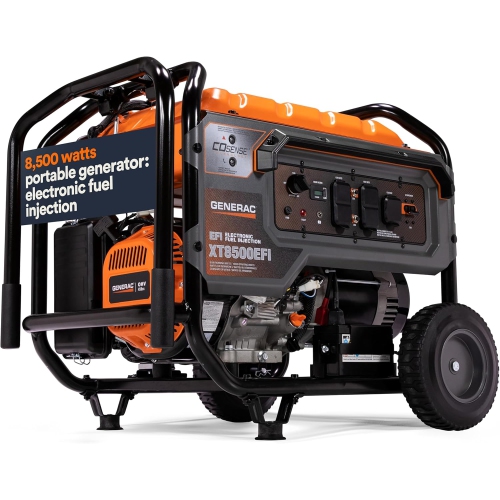 Your price for this item is $3000
 -
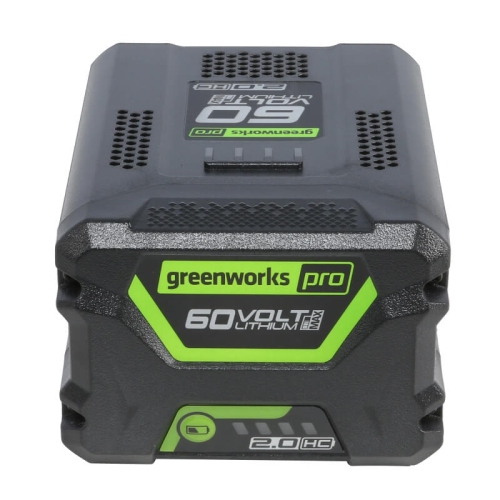 Your price for this item is $159.99
 -
 Your price for this item is $329.99
 -
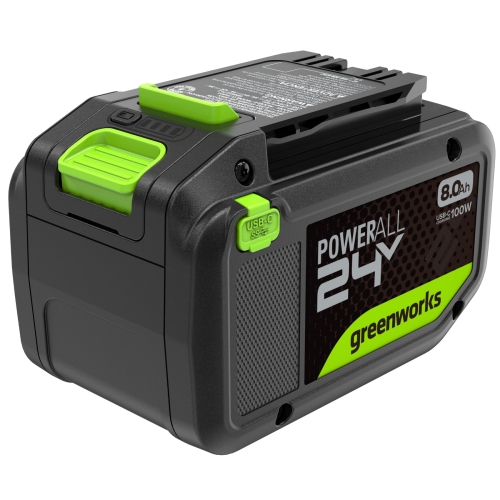 Your price for this item is $149.99
 -
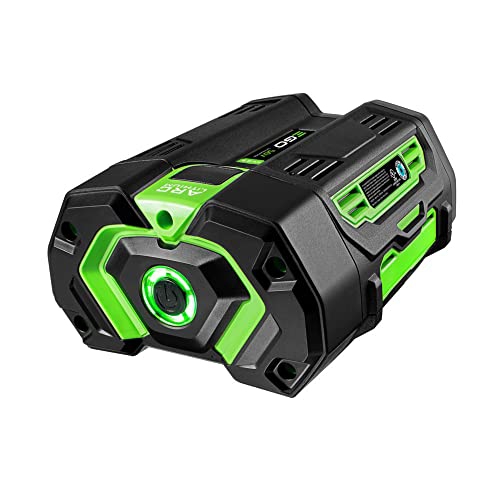 Your price for this item is $264
 -
 Your price for this item is $217.55
 -
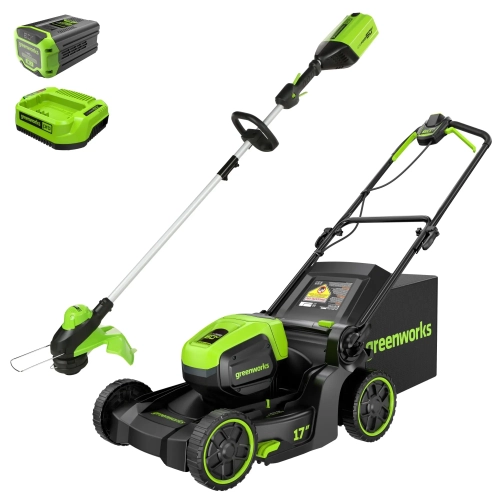 Your price for this item is $779.99
 -
 Your price for this item is $659.99
Discover more categories related to Home Safety for Seniors
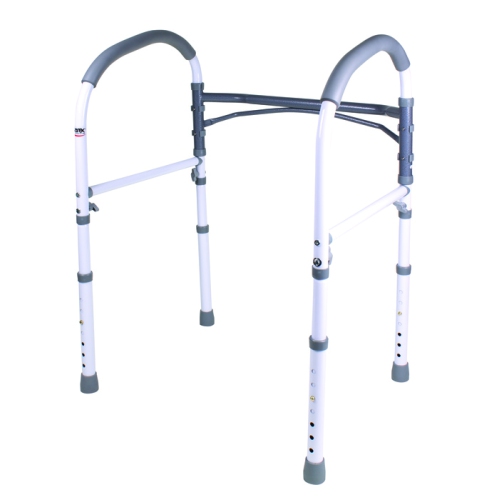

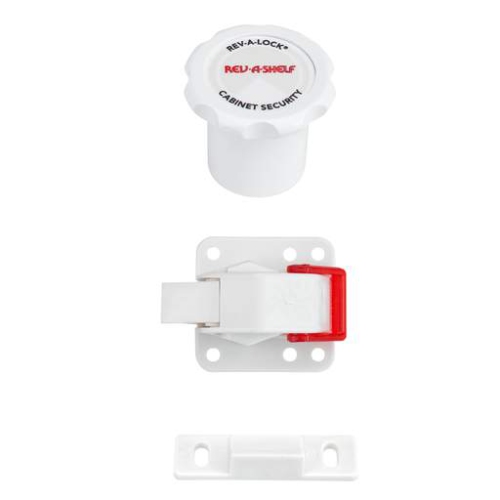
Top Collections:
Pokemon Centers, Kindle Devices, Best Budget Office Chairs, Canon G7X Cameras, Apple iPhones 16, Samsung Galaxy Phones, Refurbished Apple Laptops, Laptops for Students, iPhone 15 Apple, Budget Smartphones
Some products may be subject to Environmental Handling Fees
(EHF) depending on your province.
Learn more about EHFs.