Home Safety Equipment
When it comes to keeping your home and loved ones safe, having the right equipment is essential. From smoke detectors to security cameras, there are a variety of home safety devices available to help protect your property and provide peace of mind. Whether you're looking to upgrade your existing system or starting from scratch, our wide selection of home safety equipment has you covered. With advanced technology and reliable performance, these devices are designed to keep you one step ahead of potential risks. Explore our range of home safety equipment and find the perfect solutions to safeguard your home today.
Sort

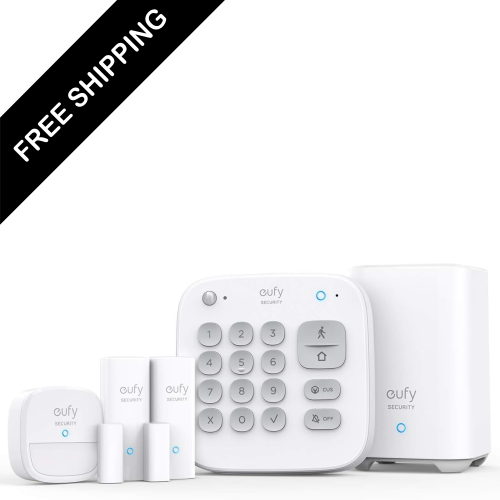
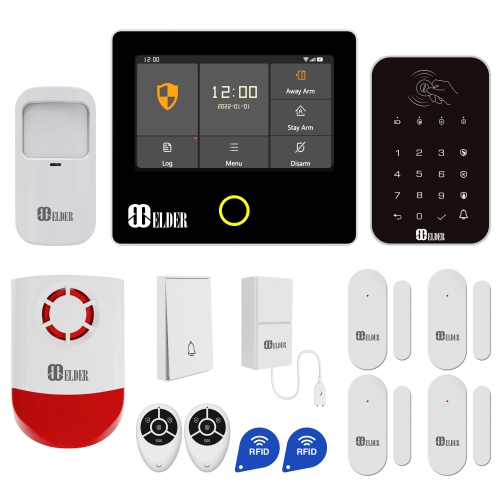
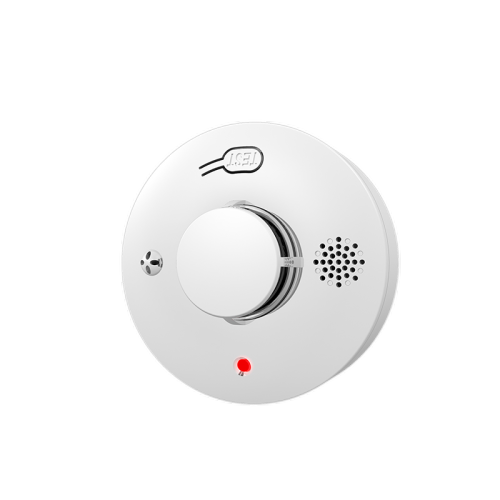
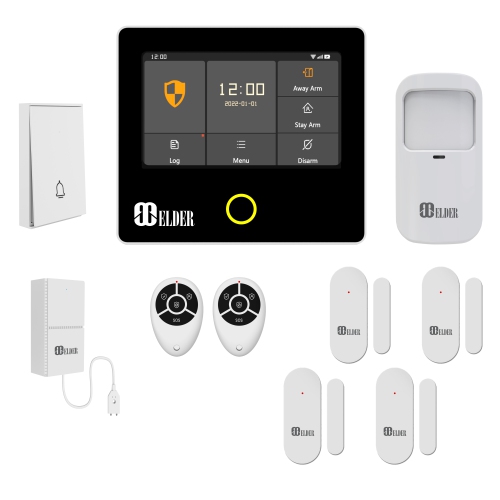
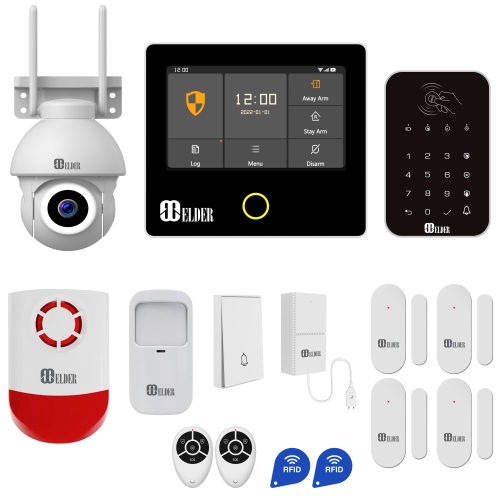
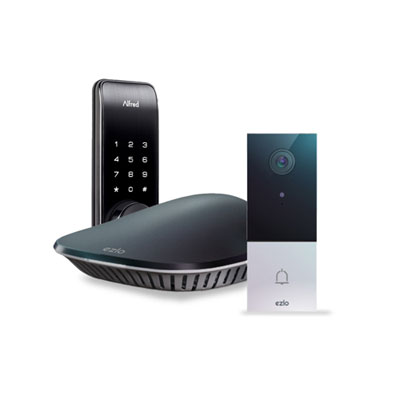
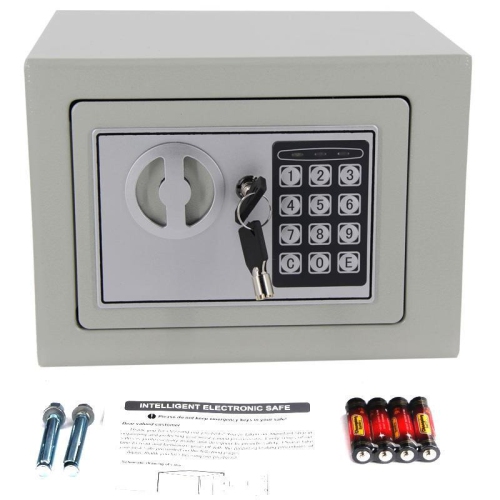
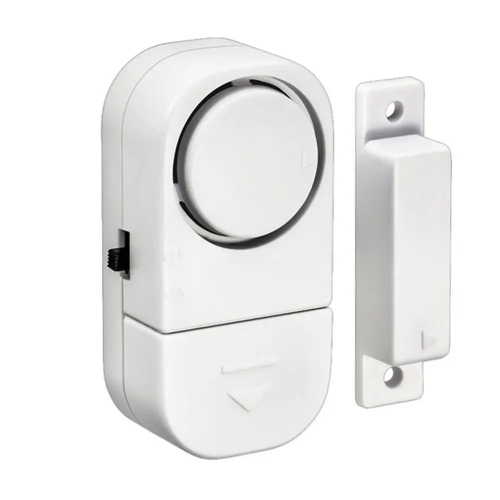
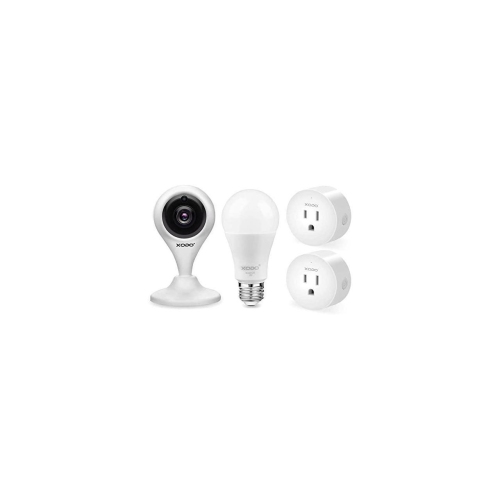
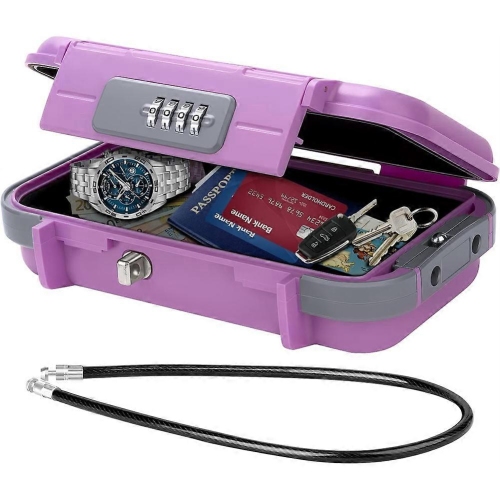
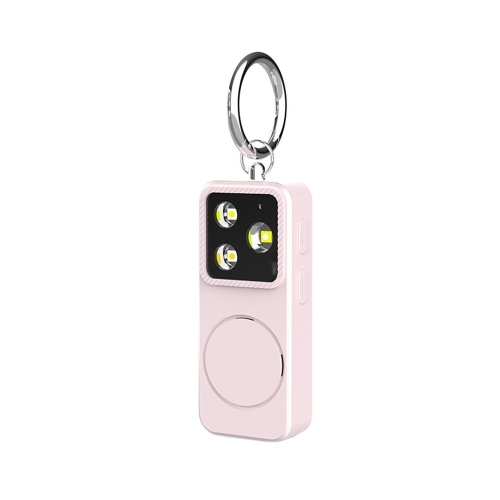
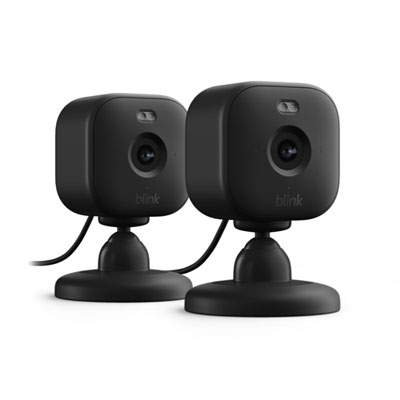
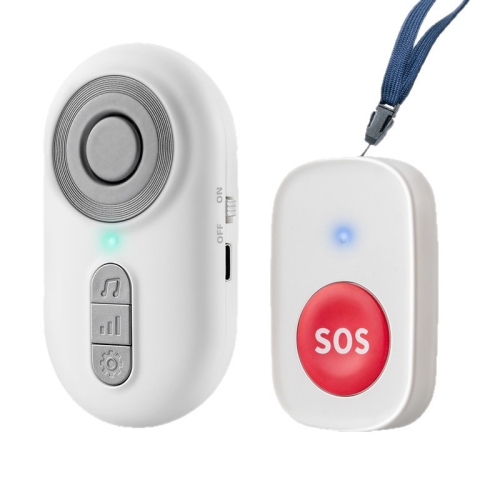
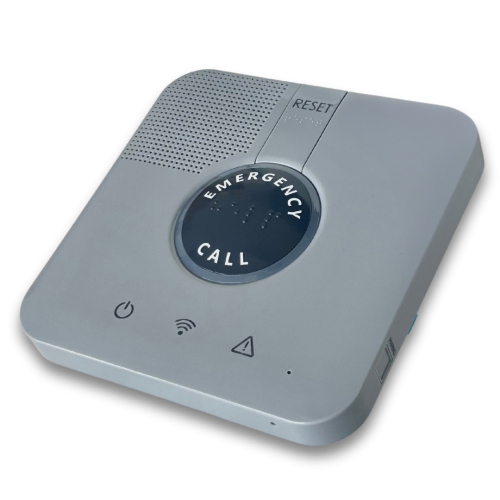
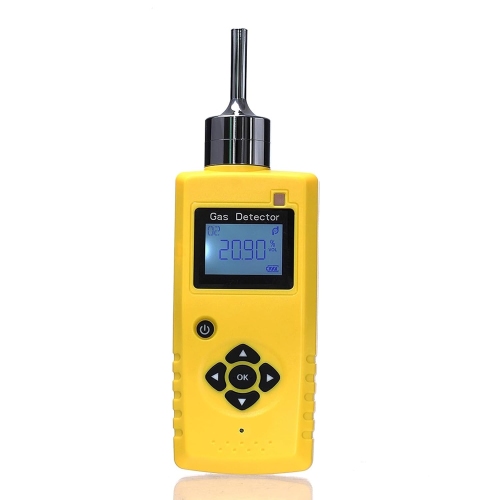

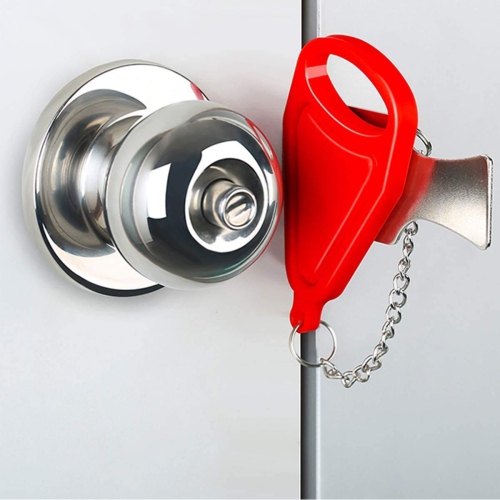
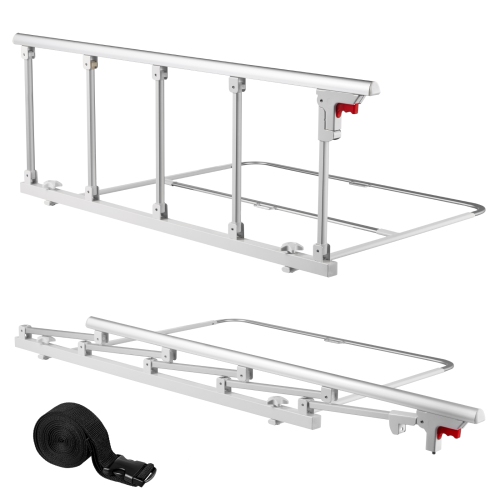
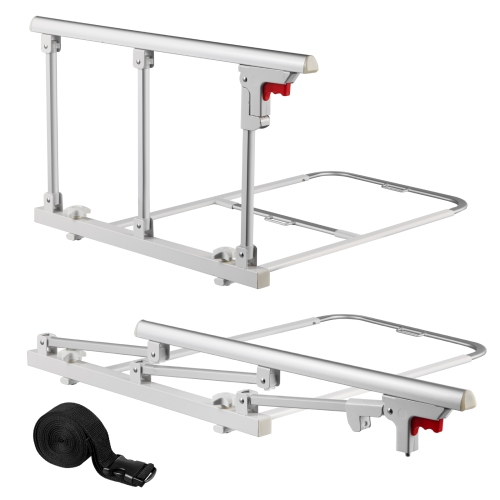
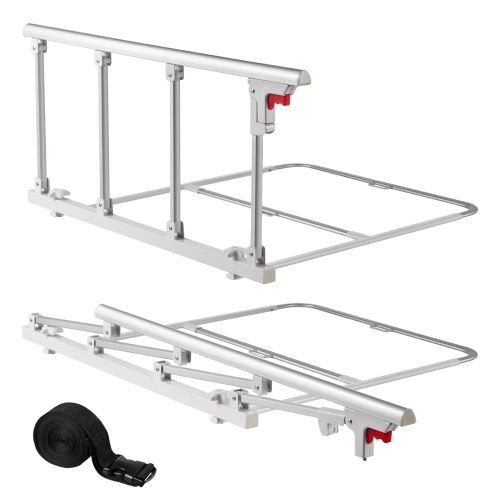
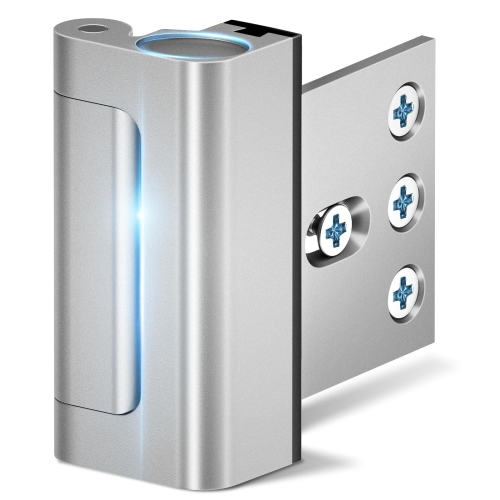
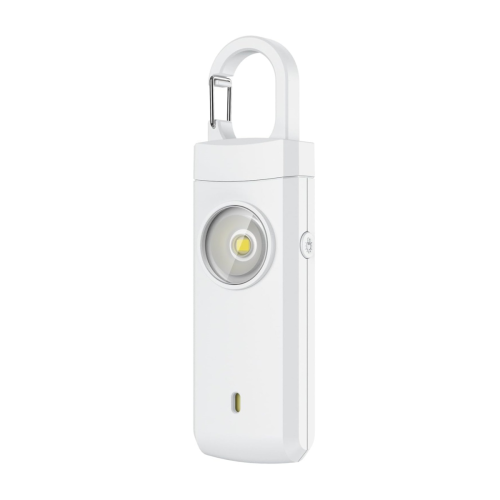
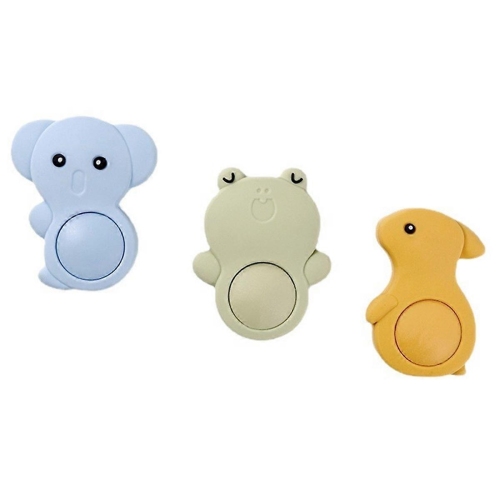

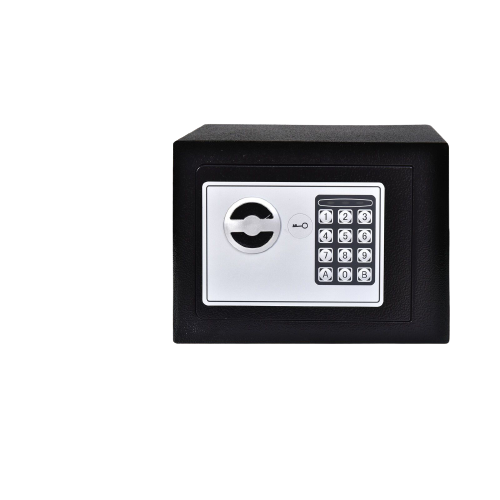

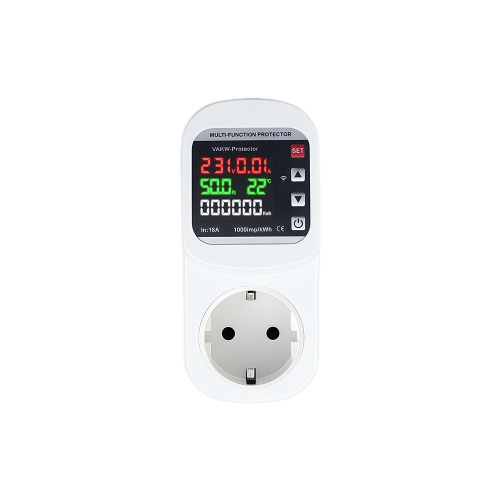


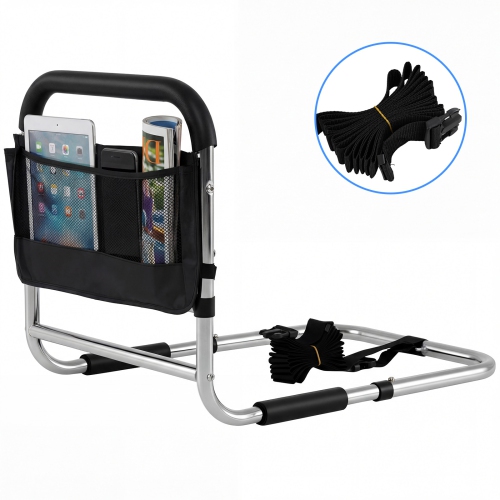
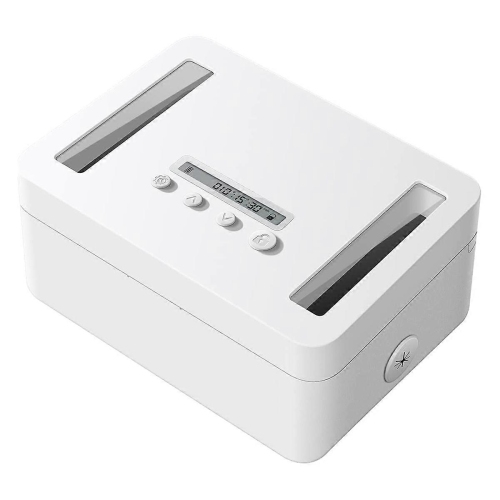
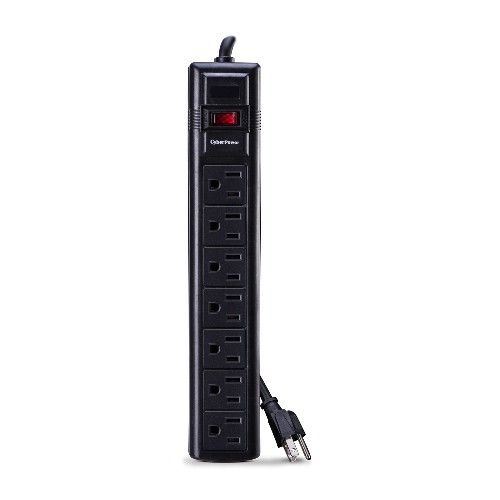
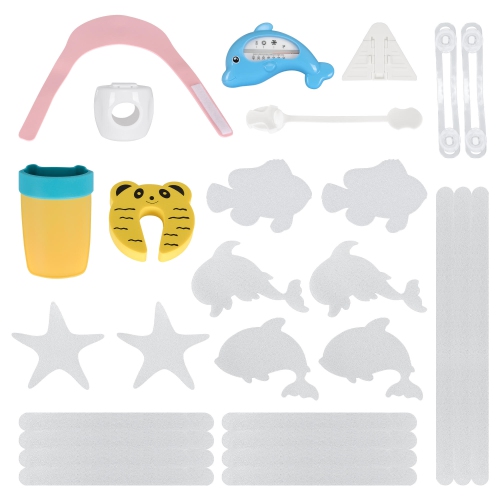
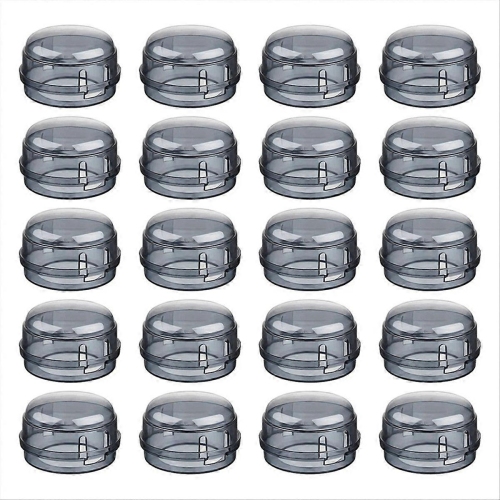

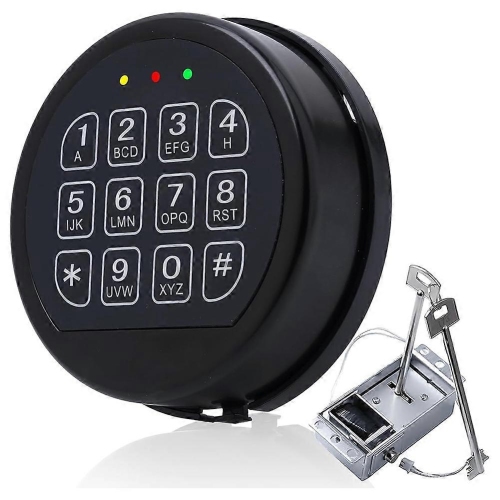
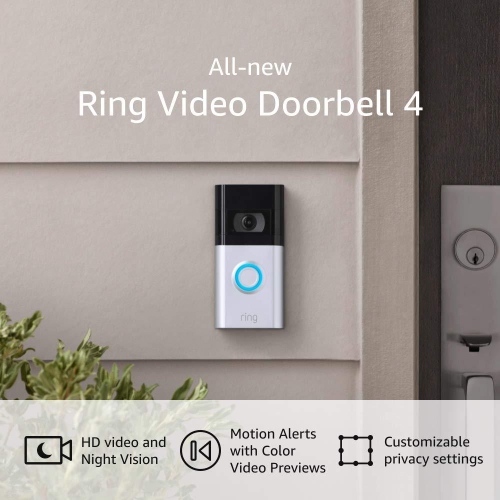
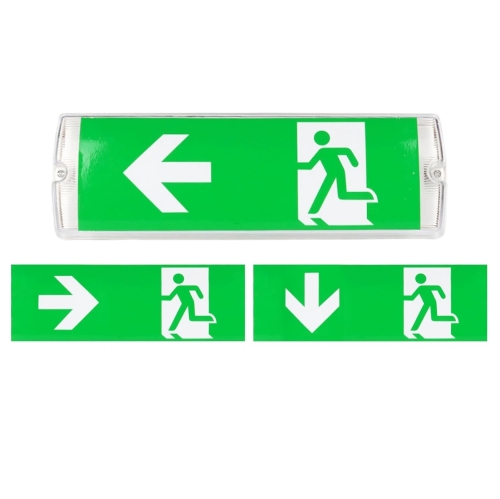
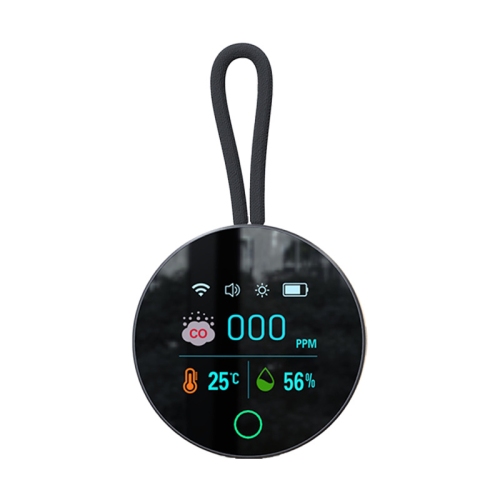

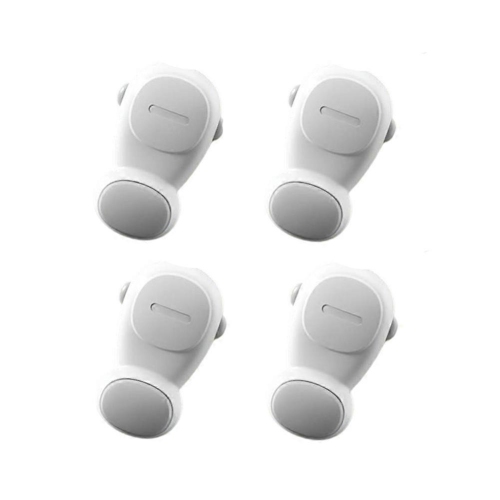
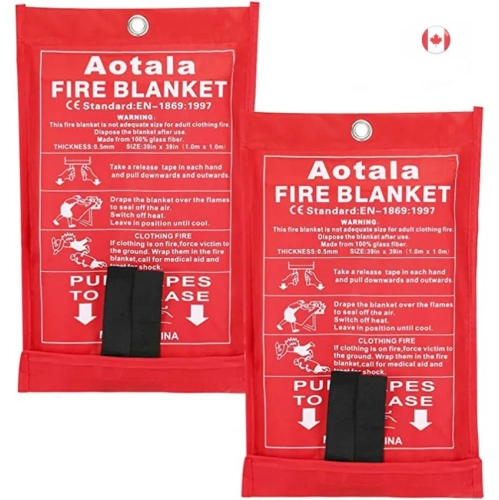
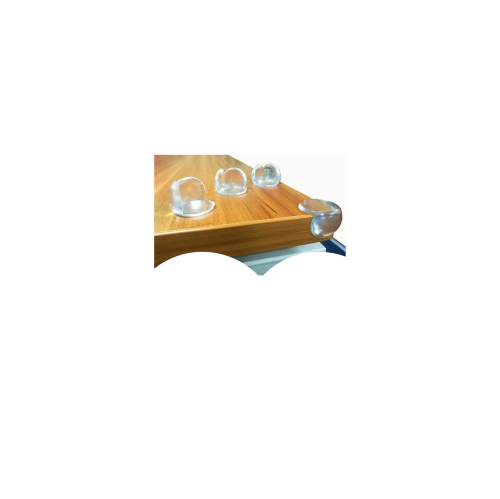
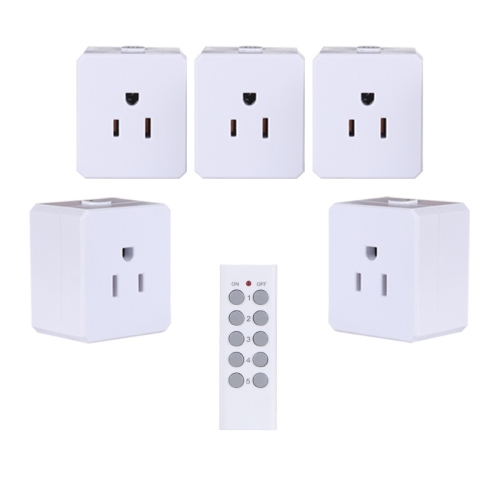
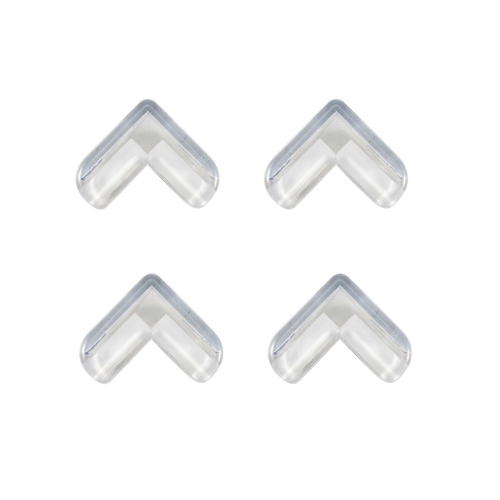
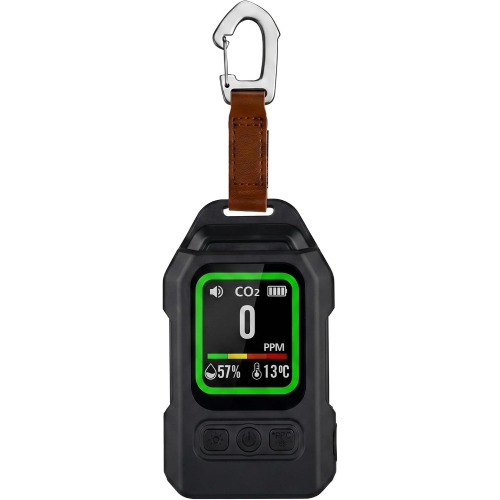
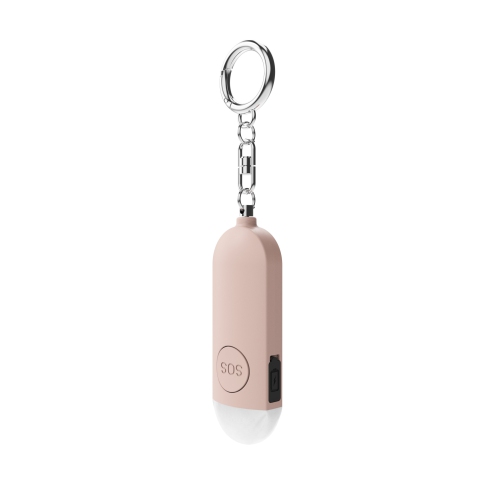
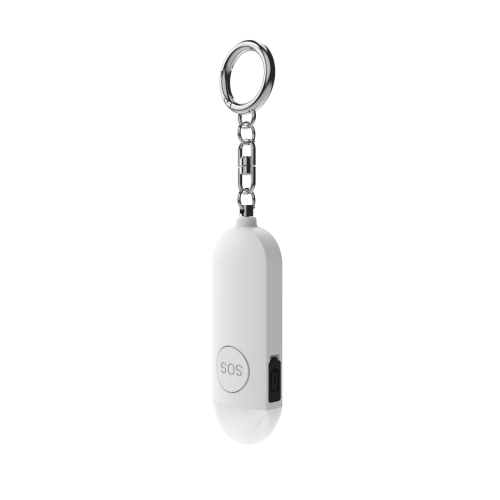
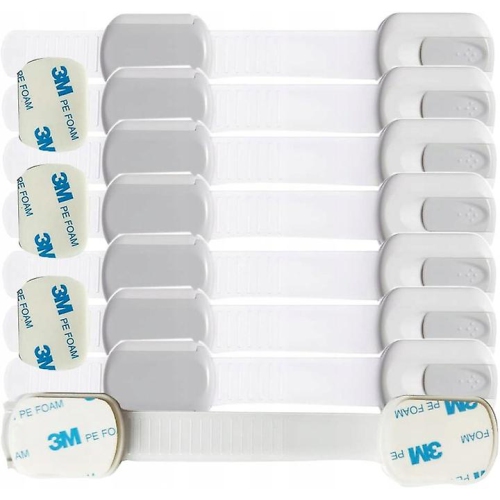

Practical protection for everyday mishaps and emergencies
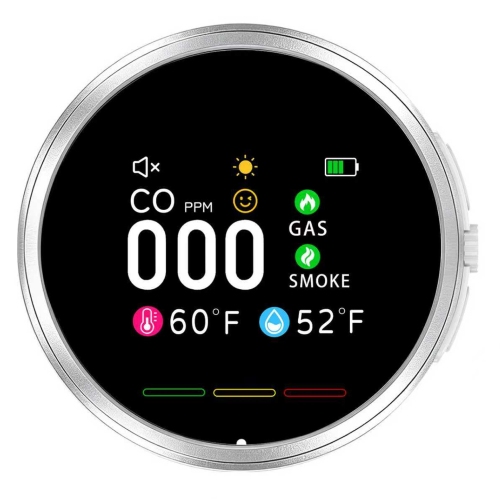
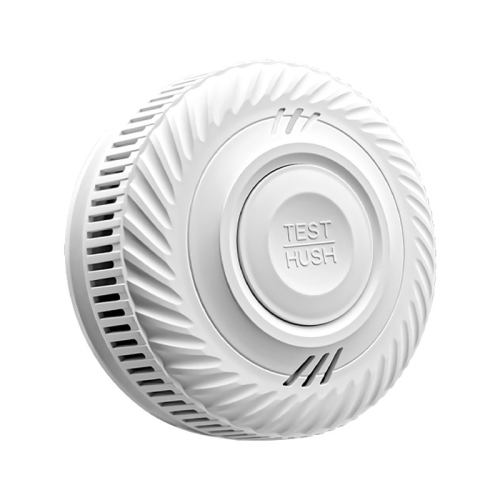
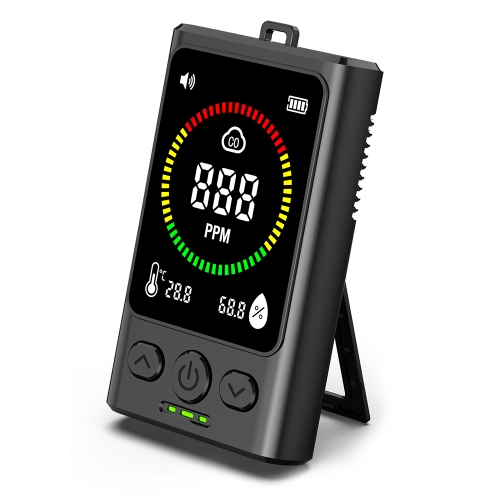
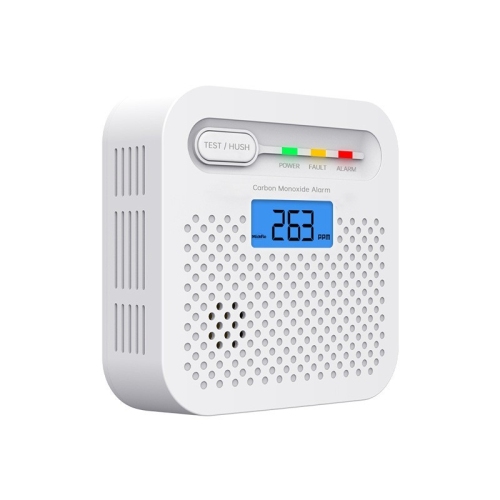
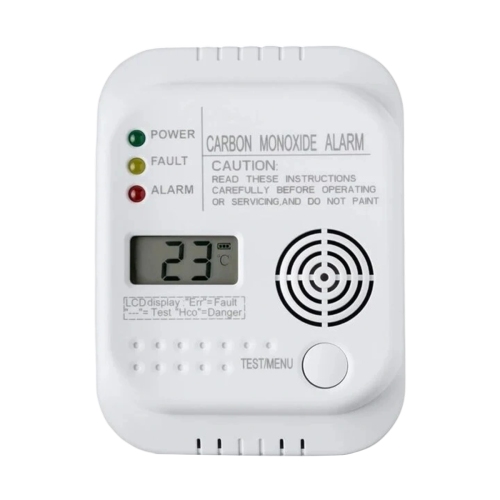
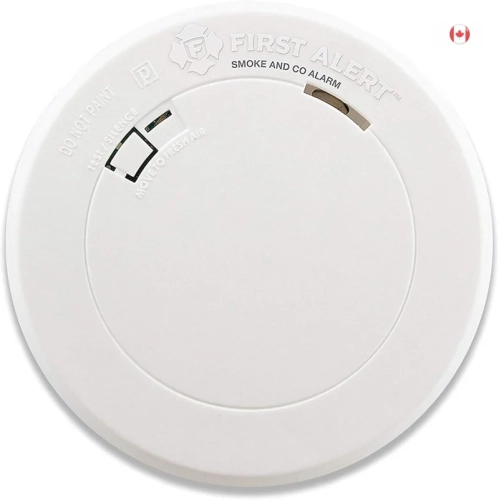
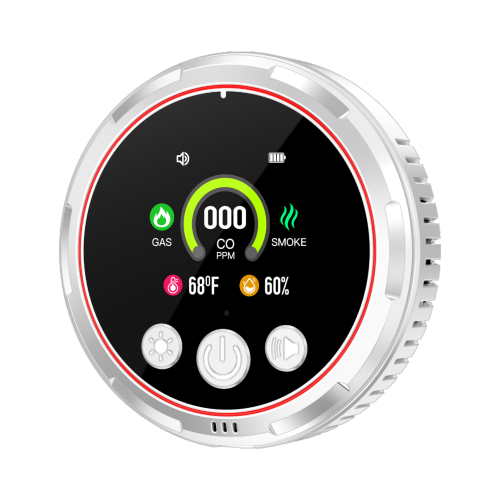
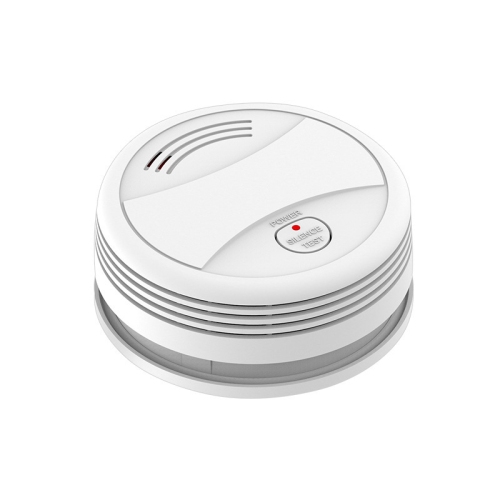
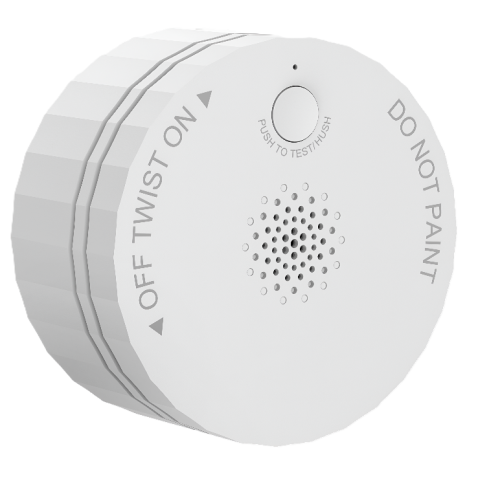
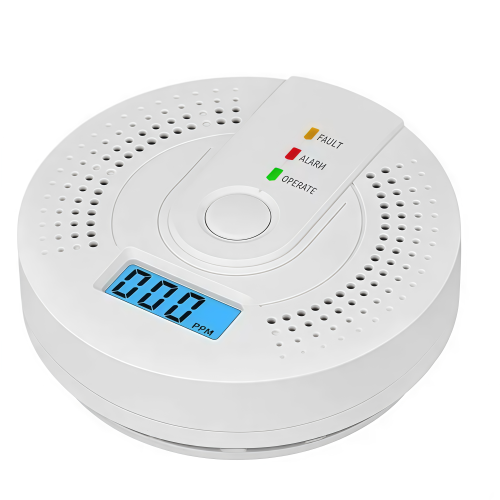
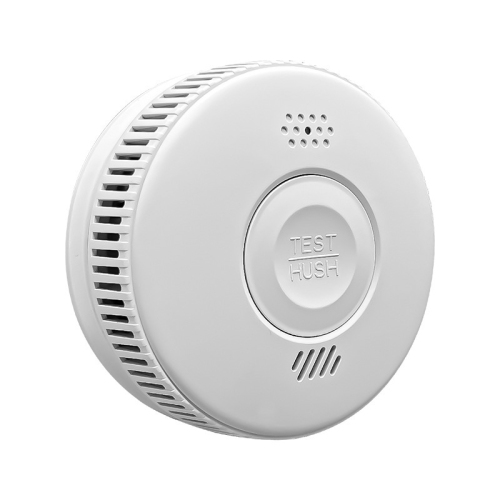
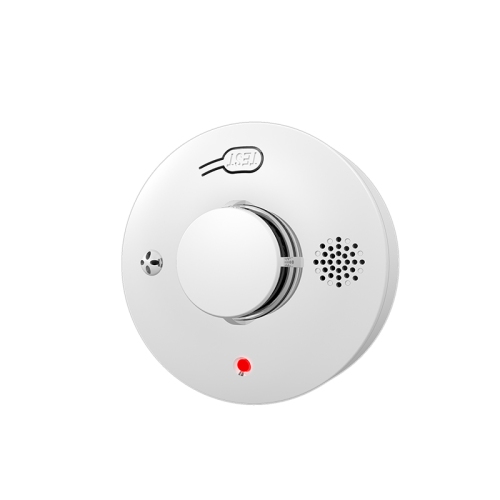
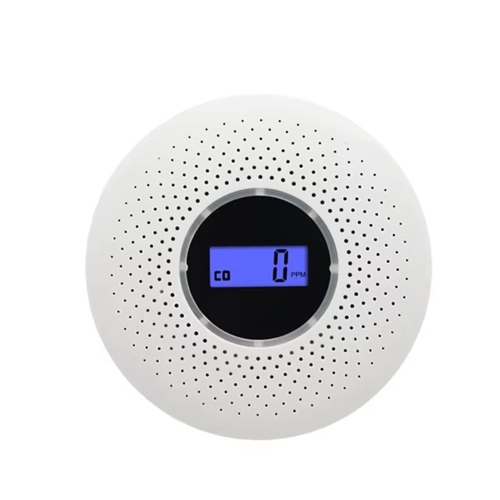
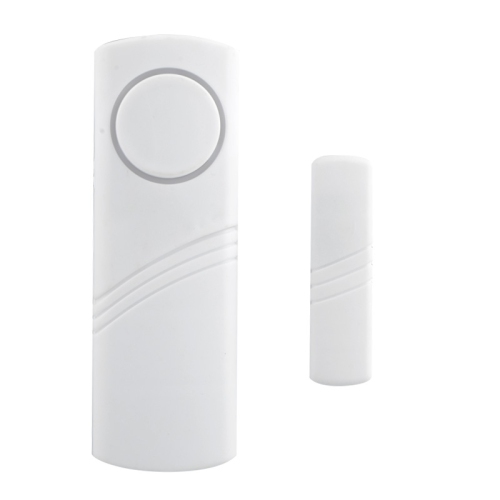
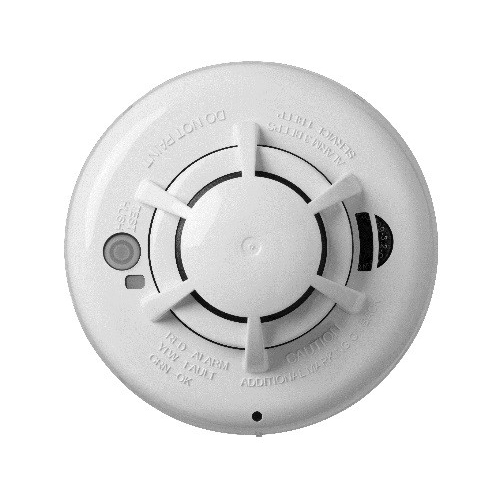
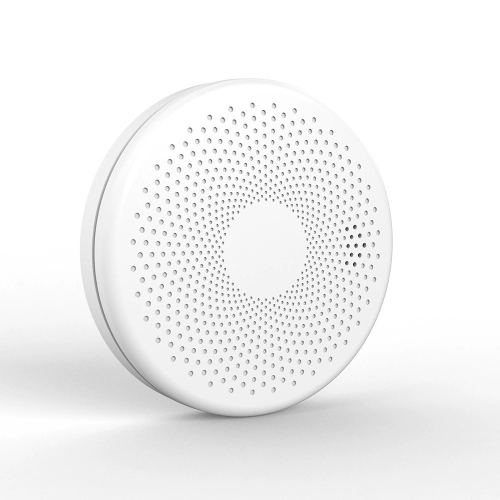
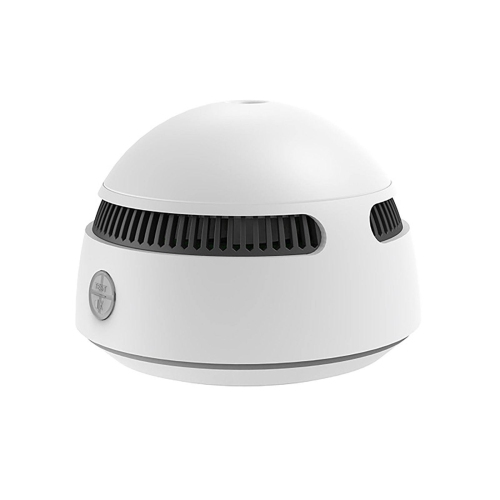
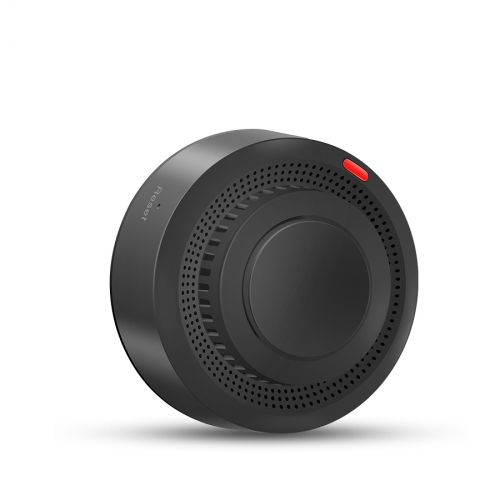
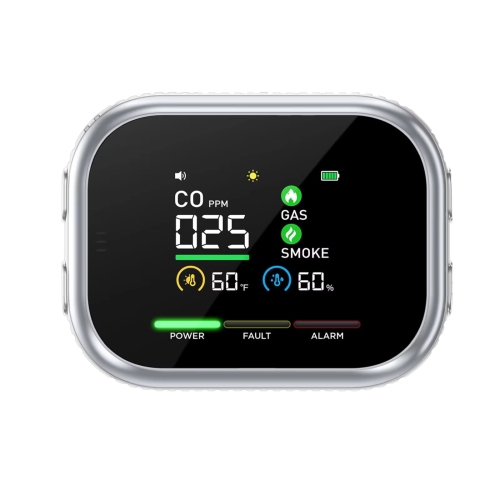
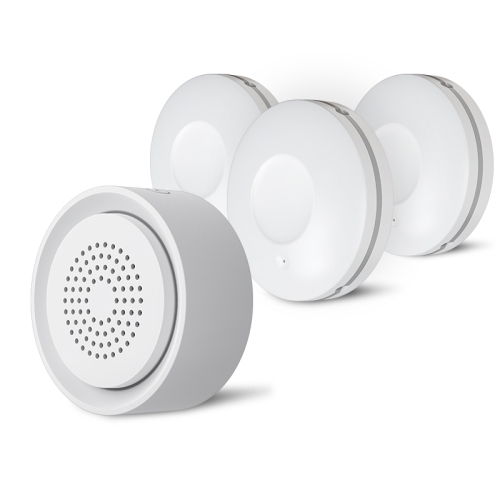
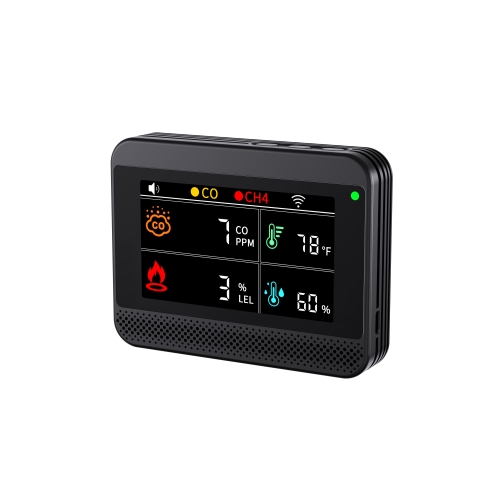
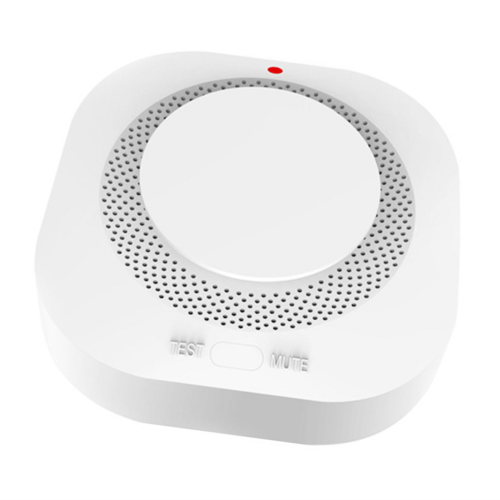
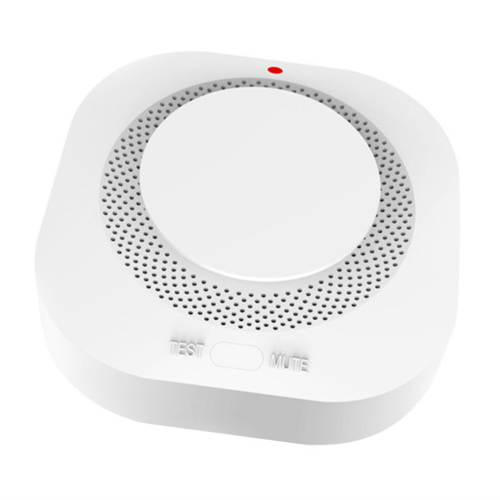
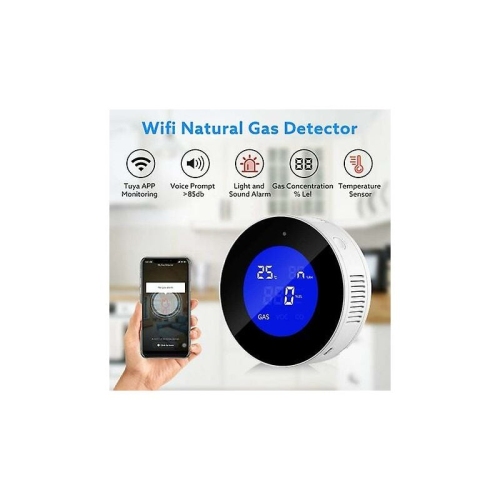
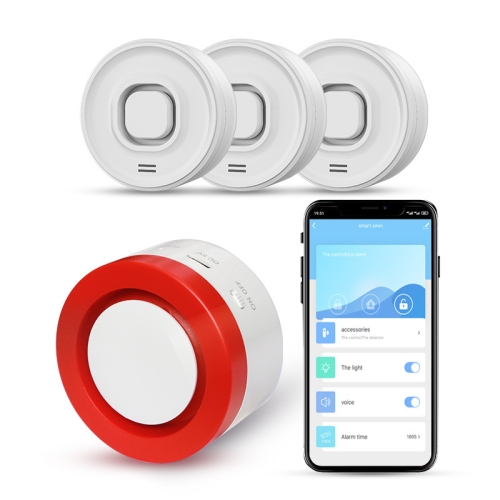
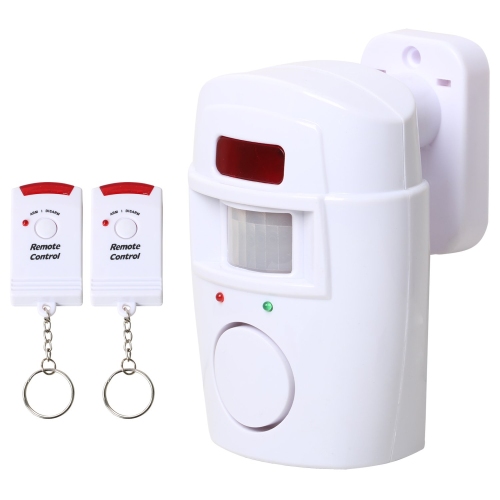
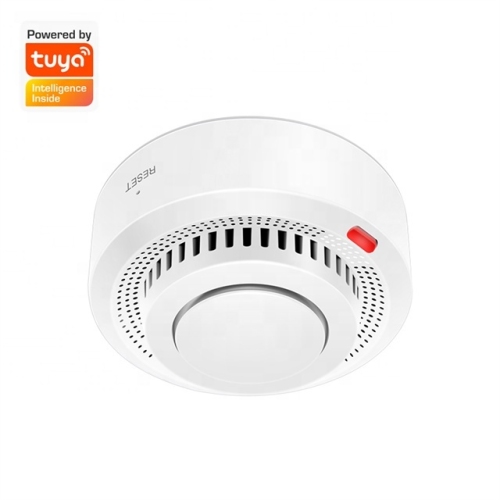
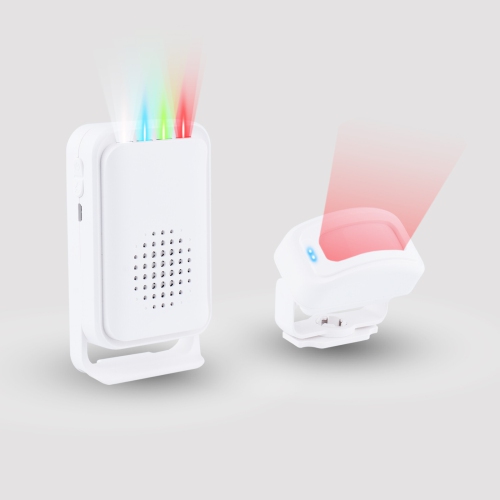
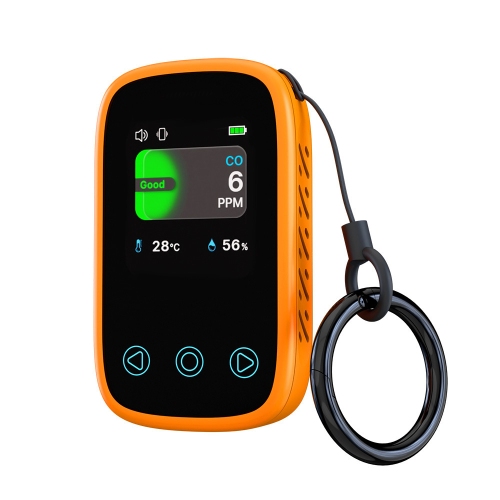
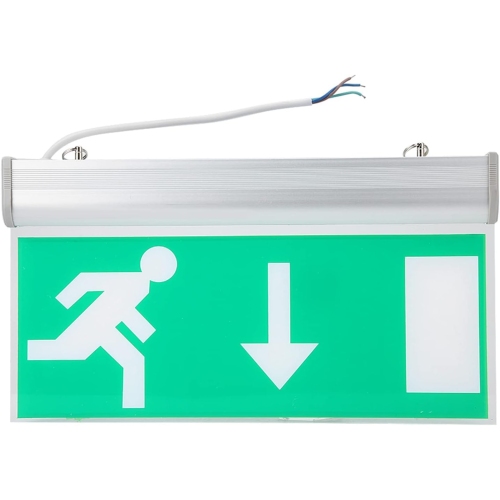
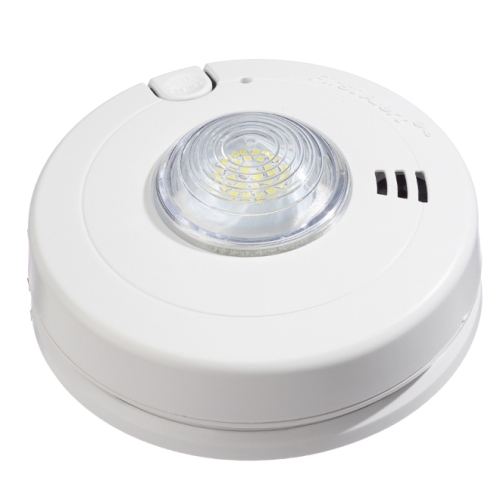
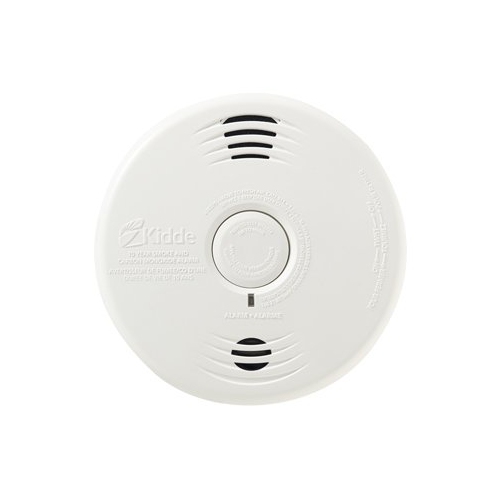
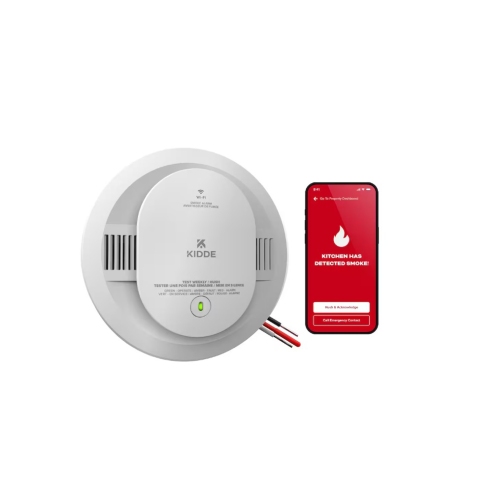
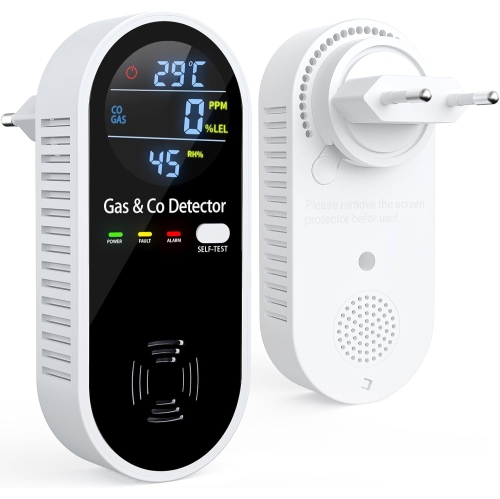
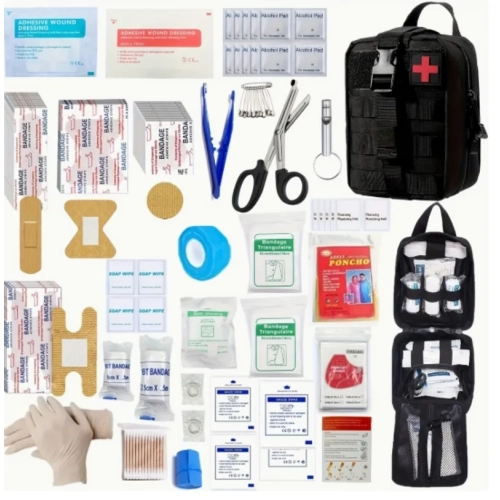
Home safety equipment helps prepare a household for the unexpected, from a small kitchen flare-up to a power interruption, fall, or overnight alarm. A well-equipped home typically includes smoke alarms, carbon monoxide detectors, an ABC-rated fire extinguisher, a first-aid kit, emergency lighting, extra batteries, and supplies for staying comfortable during a short outage. Each item has a different role, so consider how the people, layout, and routines in your home affect what you need. Smoke alarms should be installed on every level and inside each bedroom, while carbon monoxide detectors belong near sleeping areas so an alert can be heard during the night. Test alarms regularly according to the manufacturer’s instructions, replace batteries when needed, and check the service life of the unit rather than waiting for a warning chirp. Keep a fire extinguisher in an accessible location near, but not directly beside, the kitchen, and consider additional extinguishers on other levels. Everyone in the household should know where it is and how to use it safely; an extinguisher is intended for a small, contained fire, and leaving the home and calling emergency services remains the priority if flames spread or smoke becomes heavy. A first-aid kit is useful for everyday mishaps such as a scraped knee, a minor cut while preparing dinner, or a blister from a long walk. Store it somewhere adults can reach quickly, review its contents from time to time, and replace items that have been used or have passed their expiry dates. For a broader selection of household protection and preparedness supplies, explore Home Safety Essentials.
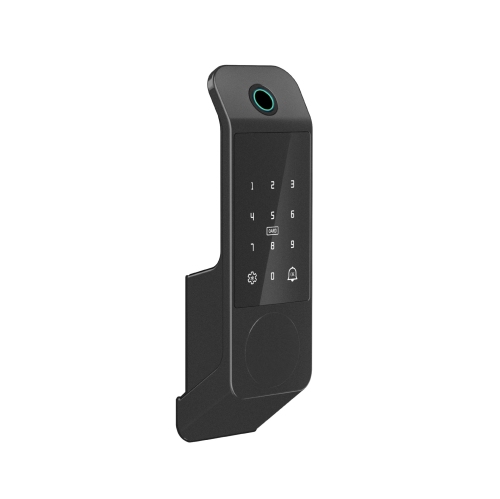
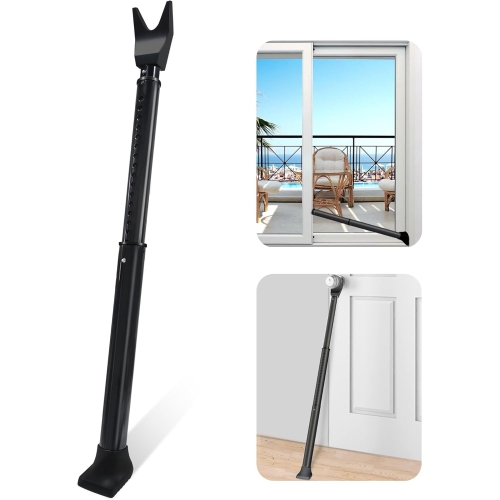
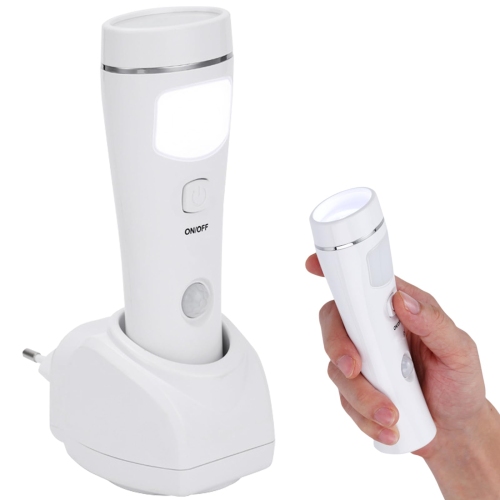
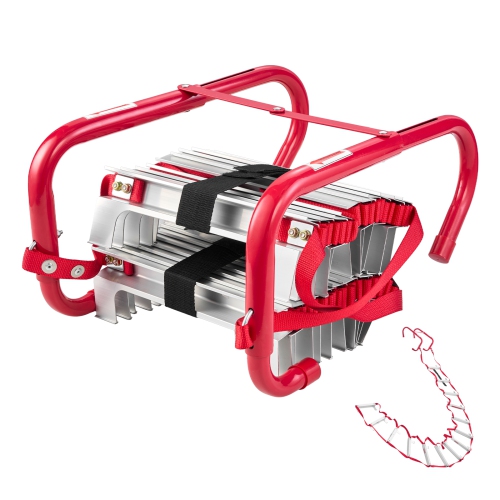
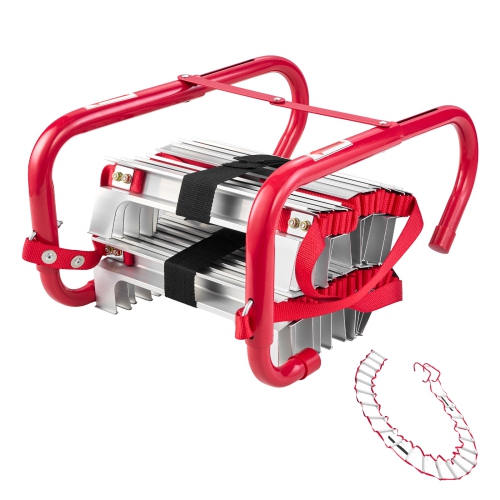
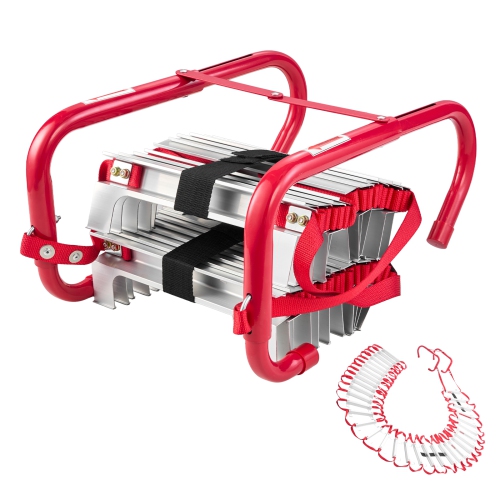
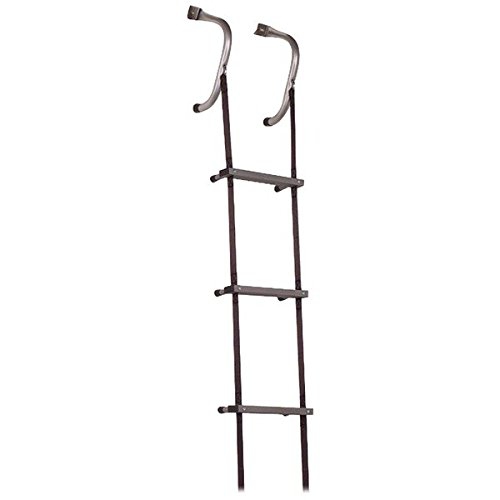
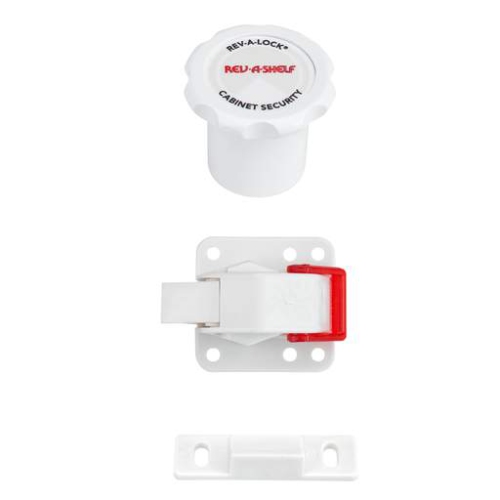
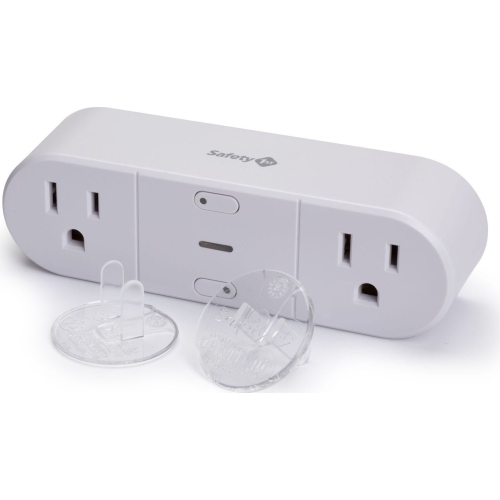
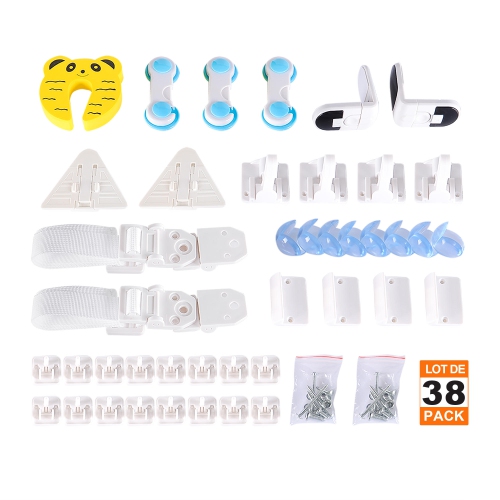
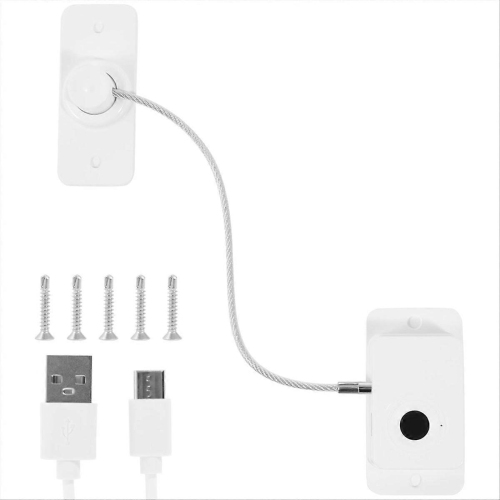
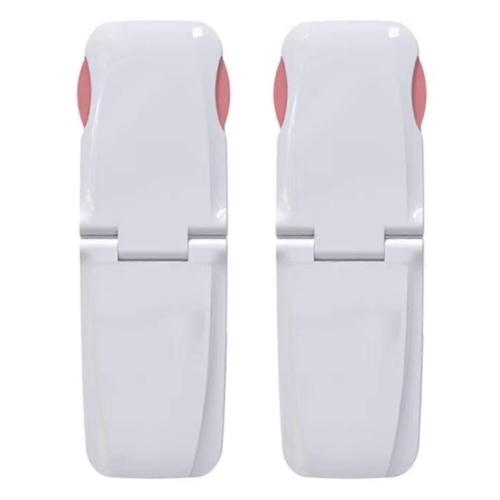
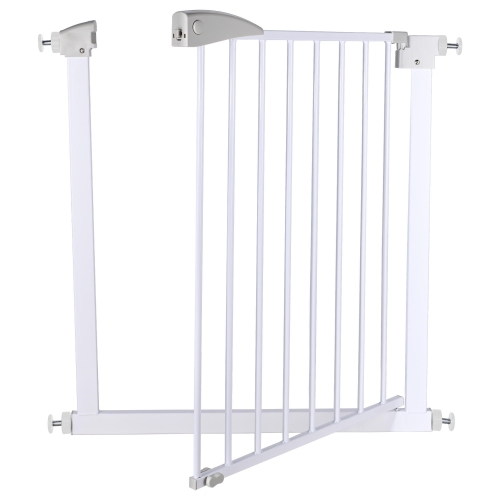
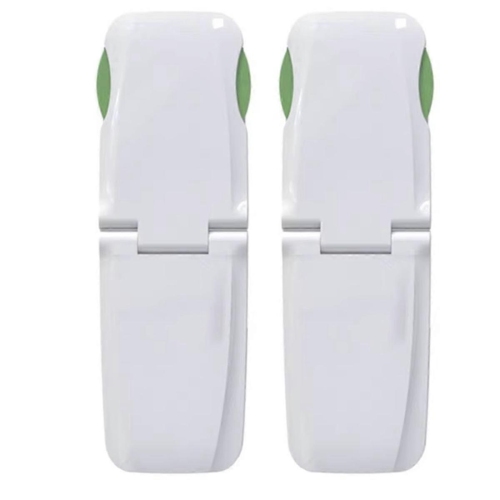
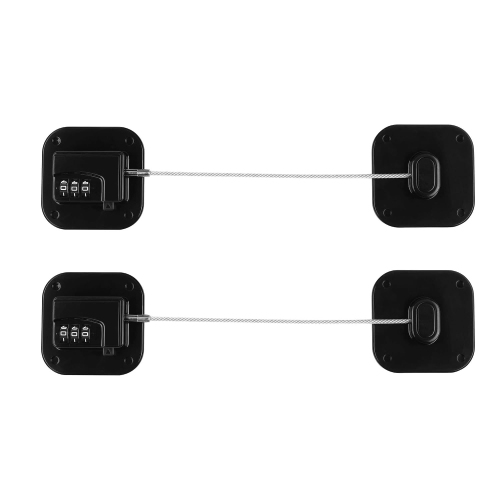
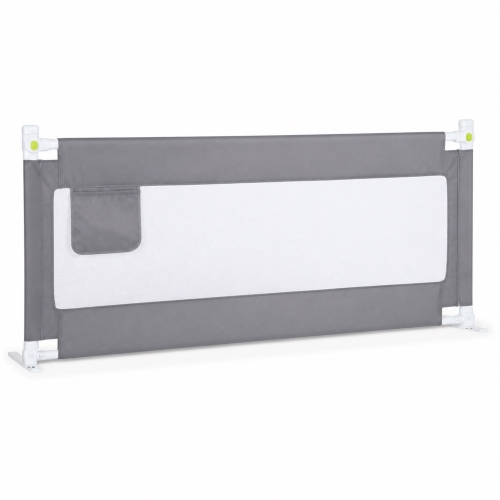
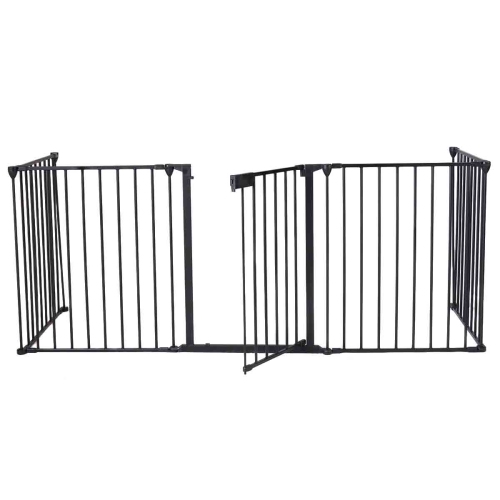
The safest setup is one that fits naturally into daily life and can still be found when the lights are out or everyone is moving quickly. Place flashlights where family members can reach them without crossing a dark room, and keep spare batteries together in a known location. An emergency supply container can hold bottled water, non-perishable food, basic hygiene items, a battery-powered or hand-crank radio, blankets, and copies of important contact information. During the cooler months, changing weather can bring wind, heavy rain, snow, or interruptions to power, making these simple supplies reassuring to have nearby. Homes with more than one storey may also benefit from emergency ladders stored in second- or third-storey bedrooms, where they can be accessed without searching through a cupboard. Practise an escape plan with everyone in the household, including children, older adults, and guests who may not know the layout. Identify two ways out of each sleeping area when possible, choose a meeting place outside, and make sure exits remain clear. Home safety equipment can also help reduce everyday hazards. Hardware-mounted safety gates are suited to the top and bottom of stairs, while cabinet and drawer locks can help keep cleaning supplies, medicines, sharp tools, and other household hazards away from young children. Door locks, window locks, and door-viewing devices can add control over who enters the home, and lighting around entrances can make steps, paths, and house numbers easier to see after dark. Equipment should be installed securely and checked regularly, particularly after moving furniture, repainting, or changing the way a room is used.
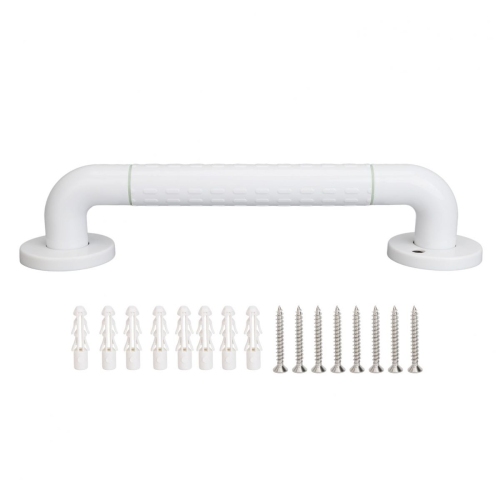
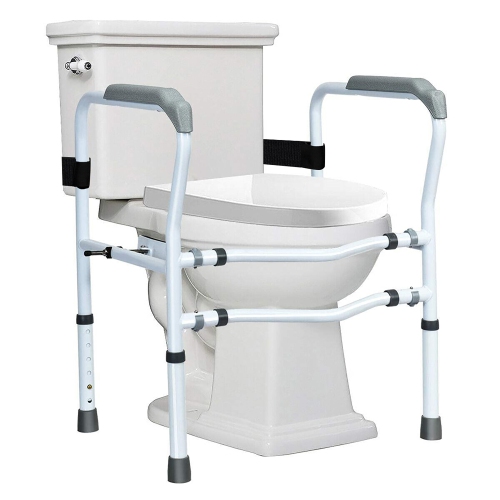
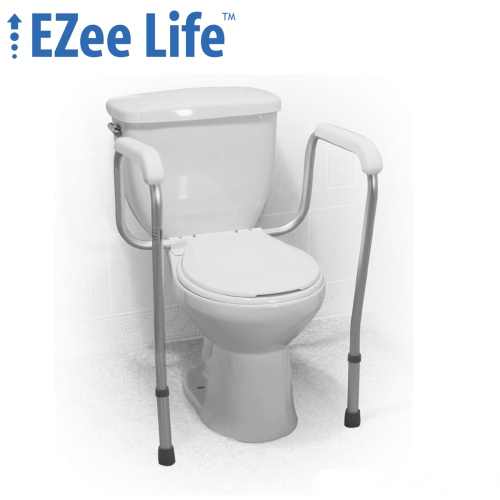
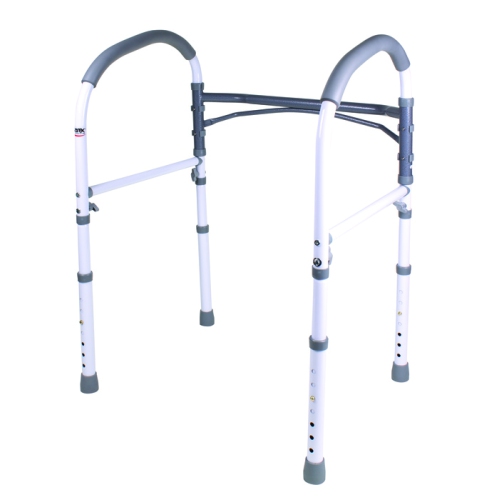
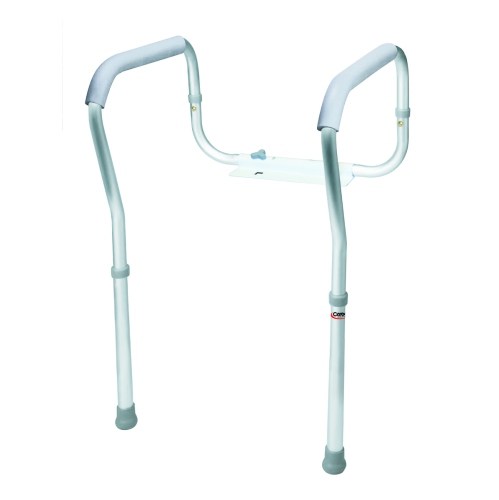
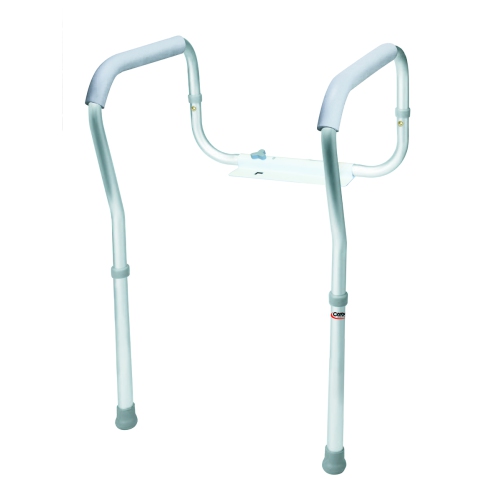
Safety needs can change as a household changes. A family welcoming a new baby may focus on stair gates, cabinet locks, outlet protection, window guards, and a first-aid kit kept out of reach but easy for adults to access. Someone moving into a multi-level home may prioritize smoke and carbon monoxide coverage, an emergency ladder, brighter lighting, and secure locks for doors and windows. Older adults and anyone with limited mobility may appreciate thoughtfully positioned grab bars in showers and near toilets, non-slip surfaces, clear walkways, and easily reached emergency contact information. Grab bars should be mounted to suitable structural support or installed by a qualified professional so they can bear weight reliably; a towel bar should never be used as a substitute. These items can also make practical gifts for new homeowners, renters settling into a new space, parents preparing a nursery, or relatives who want to make daily routines more comfortable and secure. Before buying, measure the intended area, review mounting requirements, check battery or power needs, and confirm that alarms and other safety devices meet applicable Canadian standards. Consider who will operate each item, how quickly it can be reached, and whether its instructions are clear to every adult in the home. A regular walk-through can reveal small issues, such as an extinguisher hidden behind a bin, a detector blocked by furniture, or a first-aid kit missing the supplies used most often. Keeping equipment visible, accessible, and maintained turns home safety from a collection of rarely noticed items into a practical part of the household routine.
The safest setup is one that fits naturally into daily life and can still be found when the lights are out or everyone is moving quickly. Place flashlights where family members can reach them without crossing a dark room, and keep spare batteries together in a known location. An emergency supply container can hold bottled water, non-perishable food, basic hygiene items, a battery-powered or hand-crank radio, blankets, and copies of important contact information. During the cooler months, changing weather can bring wind, heavy rain, snow, or interruptions to power, making these simple supplies reassuring to have nearby. Homes with more than one storey may also benefit from emergency ladders stored in second- or third-storey bedrooms, where they can be accessed without searching through a cupboard. Practise an escape plan with everyone in the household, including children, older adults, and guests who may not know the layout. Identify two ways out of each sleeping area when possible, choose a meeting place outside, and make sure exits remain clear. Home safety equipment can also help reduce everyday hazards. Hardware-mounted safety gates are suited to the top and bottom of stairs, while cabinet and drawer locks can help keep cleaning supplies, medicines, sharp tools, and other household hazards away from young children. Door locks, window locks, and door-viewing devices can add control over who enters the home, and lighting around entrances can make steps, paths, and house numbers easier to see after dark. Equipment should be installed securely and checked regularly, particularly after moving furniture, repainting, or changing the way a room is used.
Safety needs can change as a household changes. A family welcoming a new baby may focus on stair gates, cabinet locks, outlet protection, window guards, and a first-aid kit kept out of reach but easy for adults to access. Someone moving into a multi-level home may prioritize smoke and carbon monoxide coverage, an emergency ladder, brighter lighting, and secure locks for doors and windows. Older adults and anyone with limited mobility may appreciate thoughtfully positioned grab bars in showers and near toilets, non-slip surfaces, clear walkways, and easily reached emergency contact information. Grab bars should be mounted to suitable structural support or installed by a qualified professional so they can bear weight reliably; a towel bar should never be used as a substitute. These items can also make practical gifts for new homeowners, renters settling into a new space, parents preparing a nursery, or relatives who want to make daily routines more comfortable and secure. Before buying, measure the intended area, review mounting requirements, check battery or power needs, and confirm that alarms and other safety devices meet applicable Canadian standards. Consider who will operate each item, how quickly it can be reached, and whether its instructions are clear to every adult in the home. A regular walk-through can reveal small issues, such as an extinguisher hidden behind a bin, a detector blocked by furniture, or a first-aid kit missing the supplies used most often. Keeping equipment visible, accessible, and maintained turns home safety from a collection of rarely noticed items into a practical part of the household routine.
Top selling and popular products
-
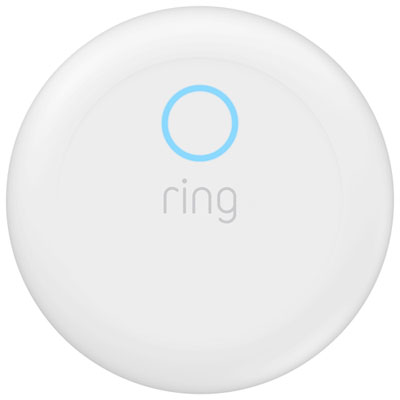 Your price for this item is $54.97
 -
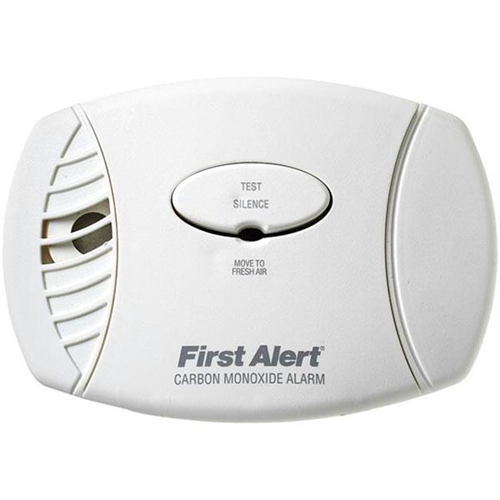 Your price for this item is $64.95
 -
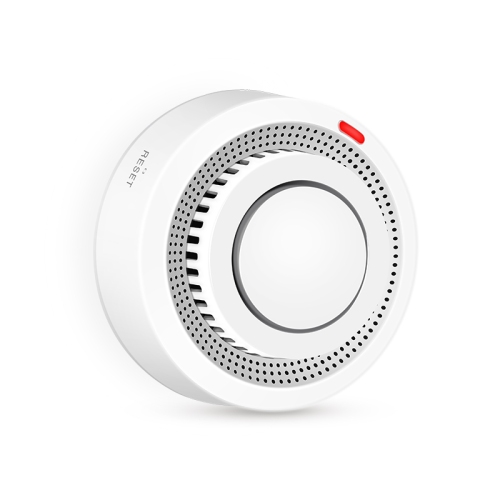 Your price for this item is $34.99
 -
 Your price for this item is $149.99
 -
 Your price for this item is $119.9
 -
 Your price for this item is $61.99
 -
 Your price for this item is $42.05
 -
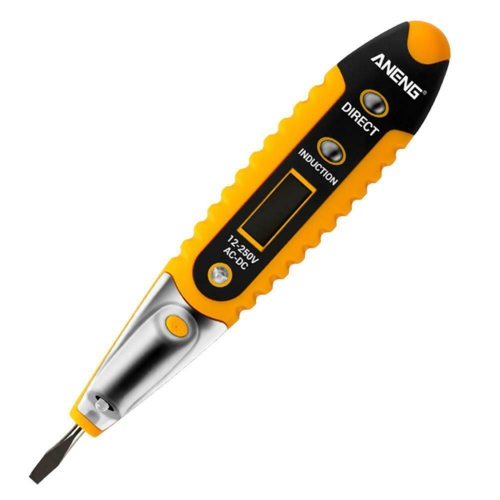 Your price for this item is $20
Discover more categories related to Home Safety Equipment
Top Collections:
Pokemon Centers, Kindle Devices, Best Budget Office Chairs, Canon G7X Cameras, Apple iPhones 16, Samsung Galaxy Phones, Refurbished Apple Laptops, Laptops for Students, iPhone 15 Apple, Budget Smartphones
Some products may be subject to Environmental Handling Fees
(EHF) depending on your province.
Learn more about EHFs.