Home Safety Essentials
Home safety essentials help create a secure and comfortable home for you and your loved ones. From protecting entry points to monitoring activity throughout your living space, these important items offer peace of mind whether you’re at home or away. Explore a wide selection of home safety essentials designed to fit your needs, so you can focus on what matters most. Equip every room with the right tools to support a safer household and enjoy confidence in your everyday routines.
Sort
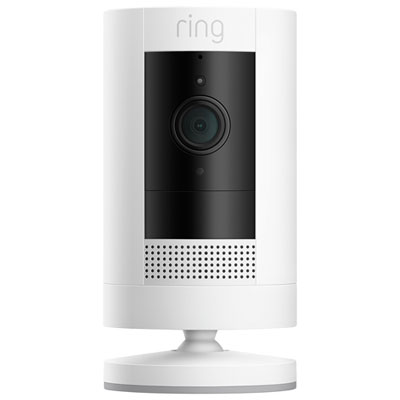
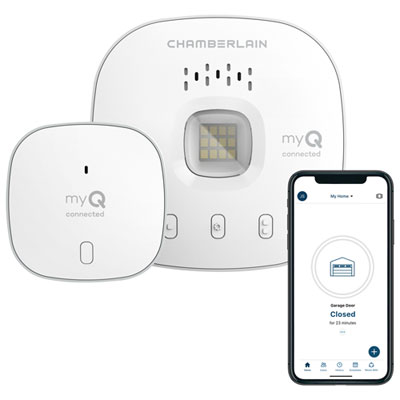
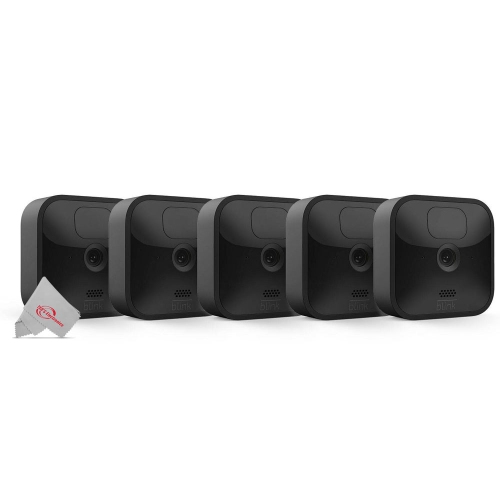

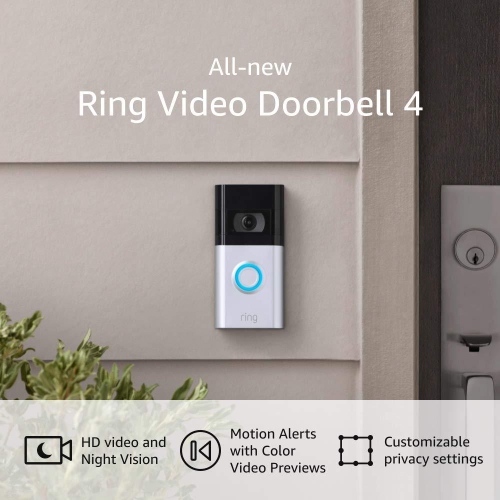
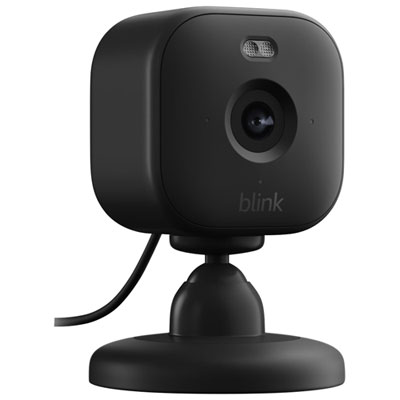

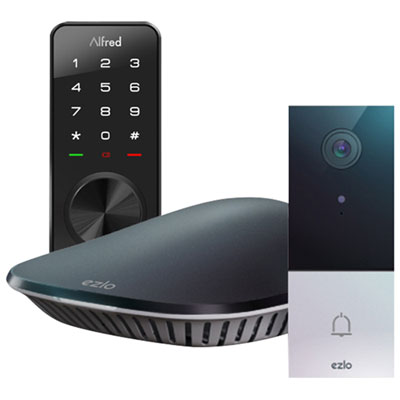

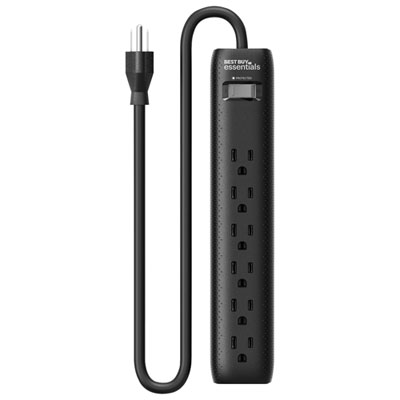

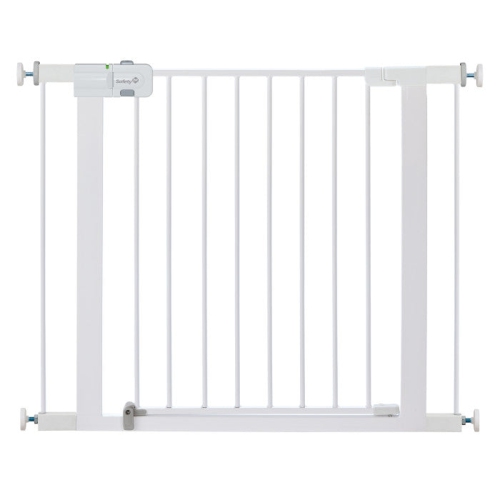
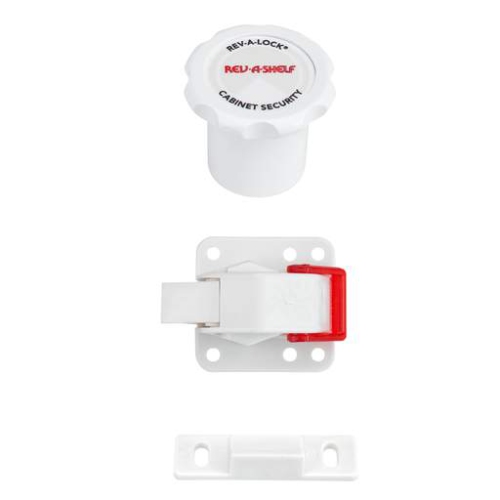
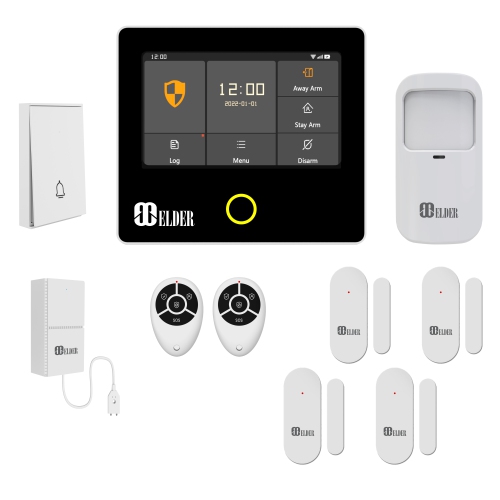
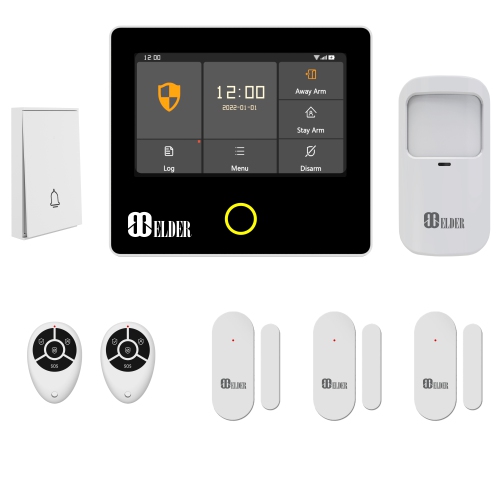
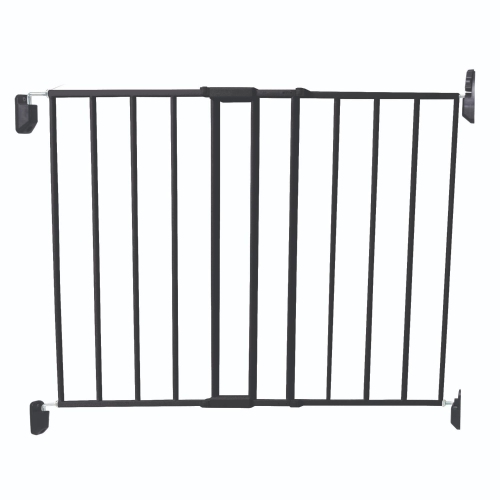
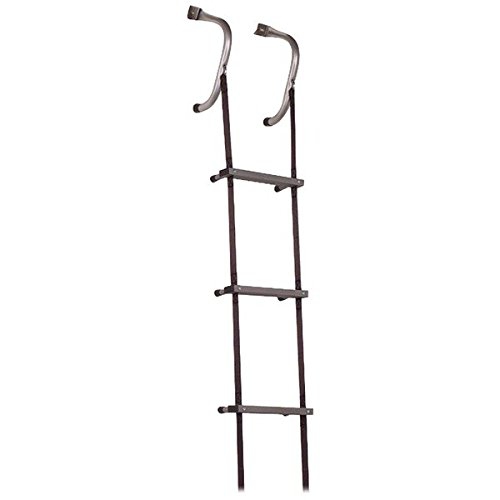
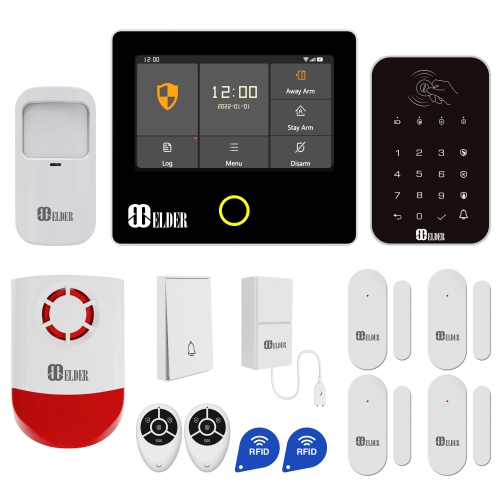
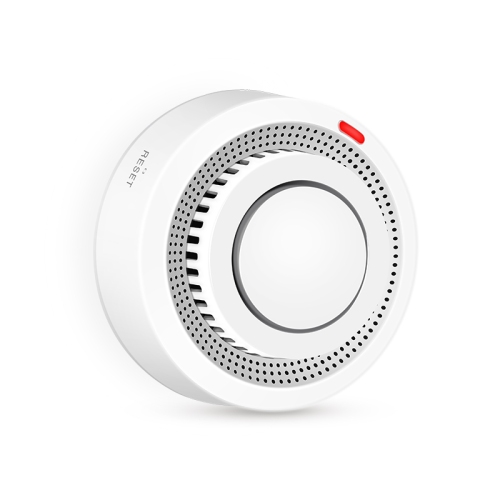

Practical protection for emergencies, accidents, and everyday peace of mind
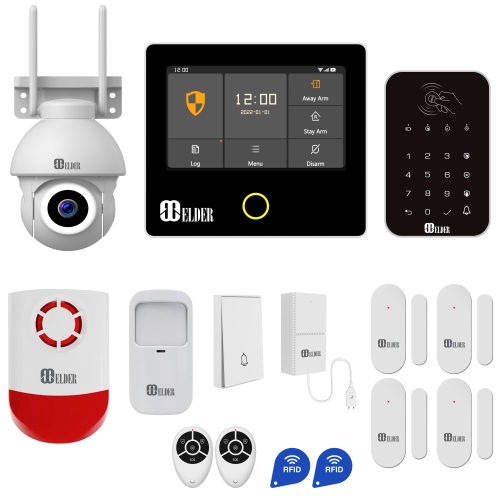
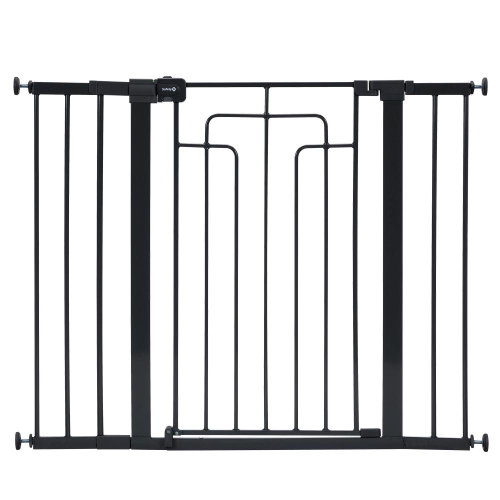
Creating a safe and secure home environment is a priority that resonates with households of all sizes and stages. As the weather warms and routines shift—whether it’s children spending more time at home during school breaks, summer gatherings with friends, or simply enjoying longer evenings—having the right home safety essentials in place offers peace of mind for everyone. These essentials are designed not only to protect against emergencies like fire, carbon monoxide exposure, or accidental injuries but also to help families prepare for unexpected situations, from power outages to severe weather. For families with young children, childproofing tools such as outlet covers, cabinet locks, and furniture anchors are invaluable, reducing the risk of common household accidents. Busy parents often find that keeping a well-stocked first aid kit within easy reach is a small step that makes a big difference, especially when outdoor play leads to minor scrapes or bumps. Meanwhile, visible house numbers, reliable locks, and updated security systems help ensure that emergency responders can locate your home quickly, and that your property remains secure whether you’re at home or away on vacation.
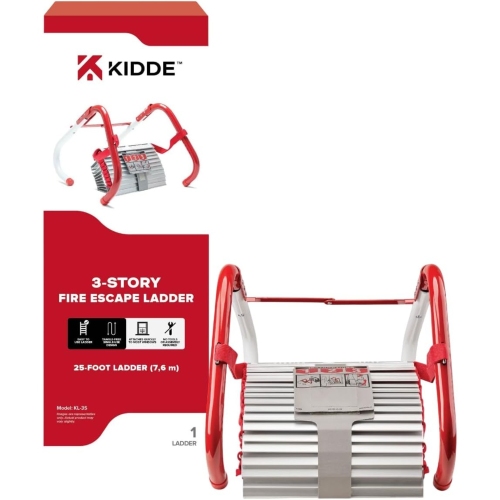
Home safety essentials are also a thoughtful and practical gift for new homeowners, recent graduates moving into their first apartment, or anyone setting up a cottage or rental property for the season. A comprehensive disaster supply kit—including flashlights, batteries, a radio, bottled water, and non-perishable food—can be a lifeline during power outages or severe storms, especially in areas prone to unpredictable weather. Fire extinguishers and smoke detectors, when placed strategically in high-risk areas such as kitchens, garages, and near bedrooms, offer critical early warnings and the ability to act quickly in an emergency. Carbon monoxide detectors are particularly important in homes with fuel-burning appliances, providing an added layer of protection for sleeping areas and living spaces. For multi-level homes, escape ladders offer reassurance that everyone can exit safely if the need arises. As you review your home’s safety needs, it’s also wise to secure cleaning products, medications, and other hazardous materials in locked cabinets, especially in households with children or elderly family members. If you’re looking to tailor your approach to support older adults living independently or with family, you’ll find specialized options and guidance on our Home Safety for Seniors page.
Throughout the year, maintaining home safety is an ongoing process that adapts to changing routines and evolving needs. Regularly testing smoke and carbon monoxide detectors, updating emergency contact lists, and ensuring that everyone in the household knows the location of the main water shut-off valve are simple habits that can prevent small issues from becoming major emergencies. Surge protector power strips help safeguard valuable electronics during summer thunderstorms, while dehumidifiers can keep indoor air quality in check to prevent mould growth. For those with larger properties or frequent visitors, clear and illuminated house numbers ensure that guests and emergency personnel can easily find your address, day or night. Whether you’re enhancing your own home or helping a loved one stay safe and comfortable, these essentials offer practical solutions for everyday peace of mind and preparedness—no matter the season.
Home safety essentials are also a thoughtful and practical gift for new homeowners, recent graduates moving into their first apartment, or anyone setting up a cottage or rental property for the season. A comprehensive disaster supply kit—including flashlights, batteries, a radio, bottled water, and non-perishable food—can be a lifeline during power outages or severe storms, especially in areas prone to unpredictable weather. Fire extinguishers and smoke detectors, when placed strategically in high-risk areas such as kitchens, garages, and near bedrooms, offer critical early warnings and the ability to act quickly in an emergency. Carbon monoxide detectors are particularly important in homes with fuel-burning appliances, providing an added layer of protection for sleeping areas and living spaces. For multi-level homes, escape ladders offer reassurance that everyone can exit safely if the need arises. As you review your home’s safety needs, it’s also wise to secure cleaning products, medications, and other hazardous materials in locked cabinets, especially in households with children or elderly family members. If you’re looking to tailor your approach to support older adults living independently or with family, you’ll find specialized options and guidance on our Home Safety for Seniors page.
Throughout the year, maintaining home safety is an ongoing process that adapts to changing routines and evolving needs. Regularly testing smoke and carbon monoxide detectors, updating emergency contact lists, and ensuring that everyone in the household knows the location of the main water shut-off valve are simple habits that can prevent small issues from becoming major emergencies. Surge protector power strips help safeguard valuable electronics during summer thunderstorms, while dehumidifiers can keep indoor air quality in check to prevent mould growth. For those with larger properties or frequent visitors, clear and illuminated house numbers ensure that guests and emergency personnel can easily find your address, day or night. Whether you’re enhancing your own home or helping a loved one stay safe and comfortable, these essentials offer practical solutions for everyday peace of mind and preparedness—no matter the season.
Top selling and popular products
-
 Your price for this item is $59.99
 -
 Your price for this item is $99.99
 -
 Your price for this item is $799.99
 -
 Your price for this item is $549.99
 -
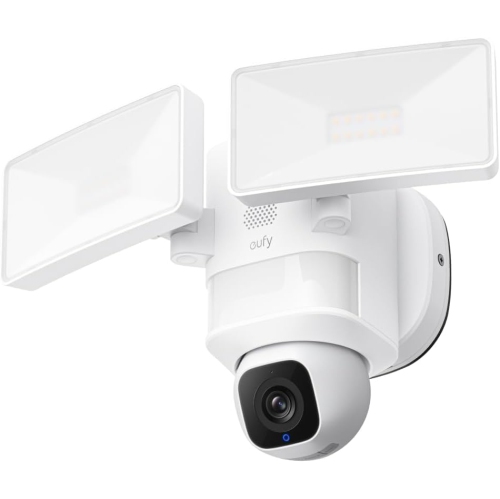 Your price for this item is $229.99
 -
 Your price for this item is $1579.99
 -
 Your price for this item is $699.99
 -
 Your price for this item is $39.97
Discover more categories related to Home Safety Essentials
Top Collections:
Pokemon Centers, Kindle Devices, Best Budget Office Chairs, Canon G7X Cameras, Apple iPhones 16, Samsung Galaxy Phones, Refurbished Apple Laptops, Laptops for Students, iPhone 15 Apple, Budget Smartphones
Some products may be subject to Environmental Handling Fees
(EHF) depending on your province.
Learn more about EHFs.