Ice Packs
Whether you're nursing an injury, packing a cooler for a picnic, or looking to keep your lunch fresh at work, ice packs are versatile and essential items to have on hand. With various shapes, sizes, and materials available, ice packs offer convenient and reusable solutions for keeping things cool when you need it most. From soft gel packs to hard plastic options, explore our selection of ice packs designed to meet your cooling needs for a range of activities and purposes.
Sort
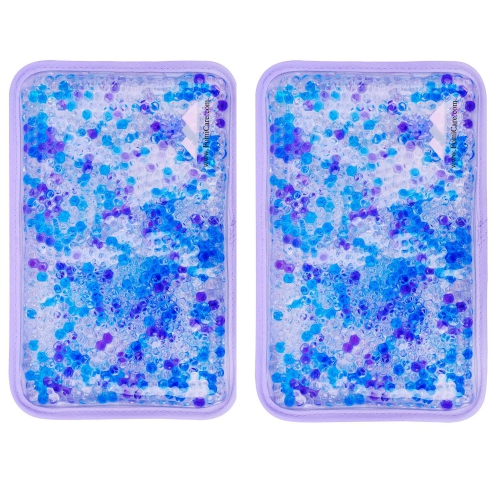
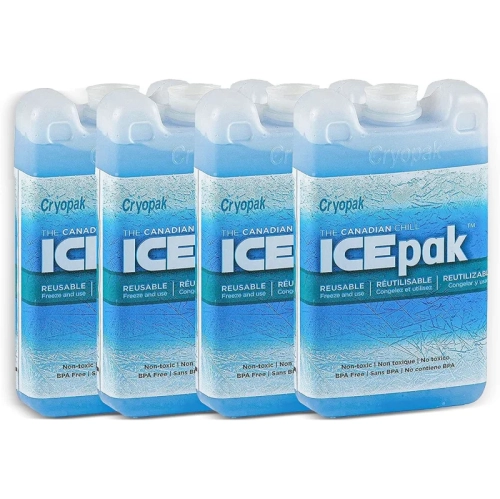

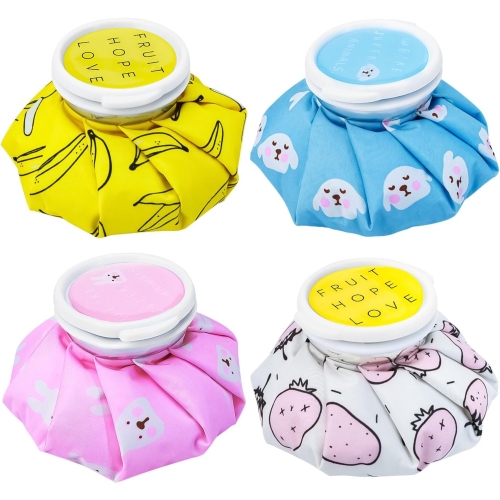
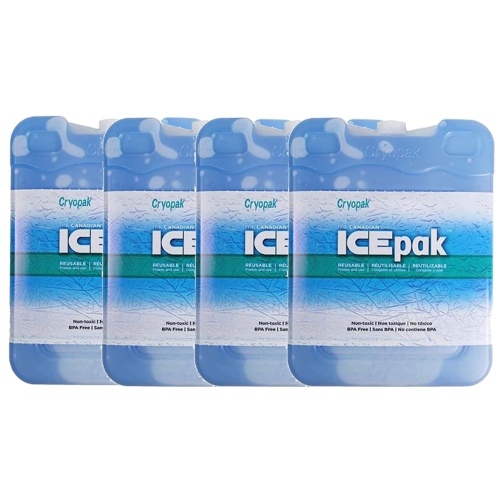
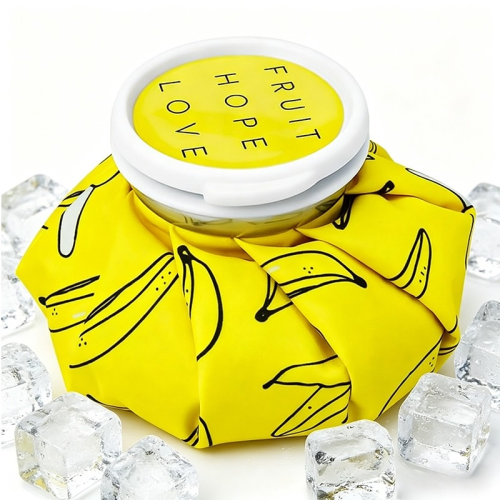
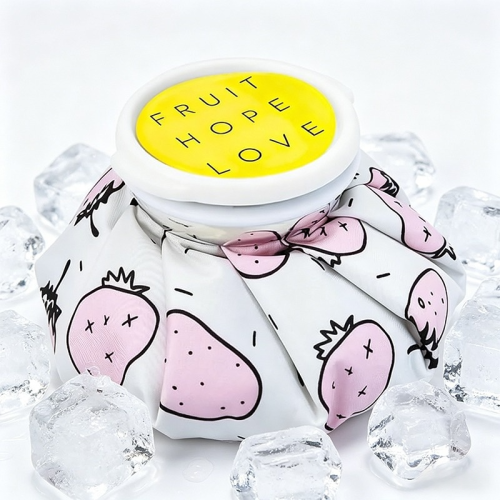
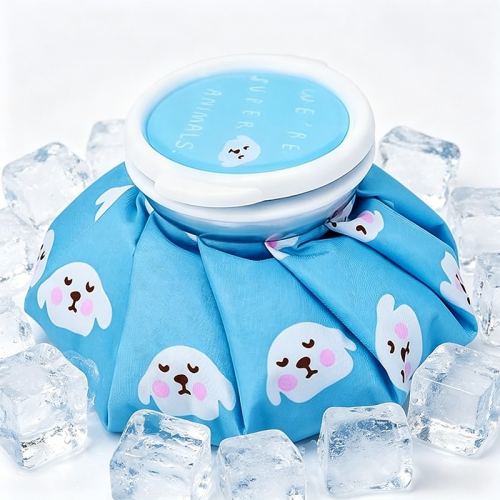
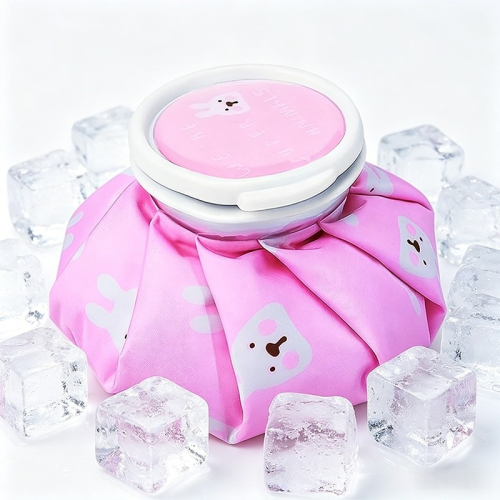
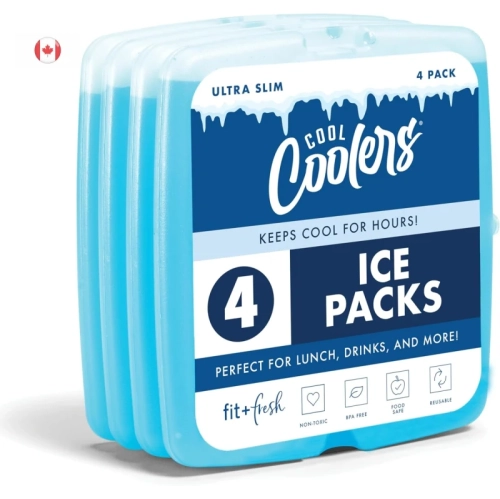
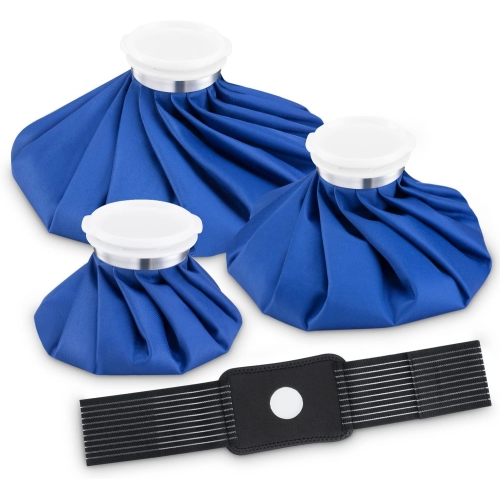
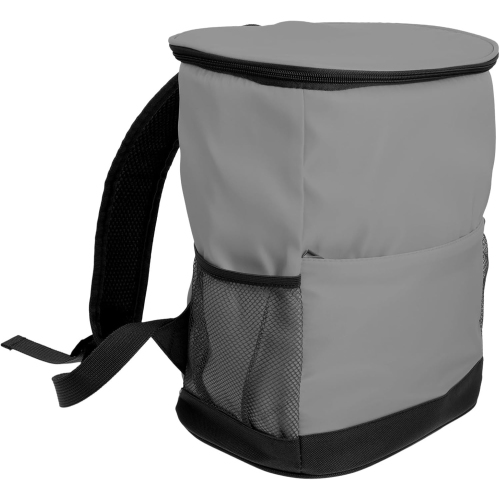
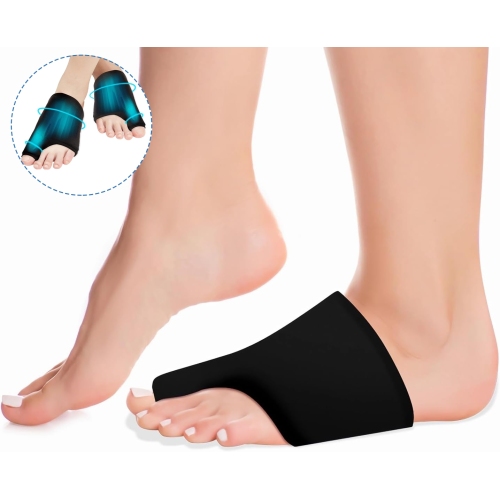
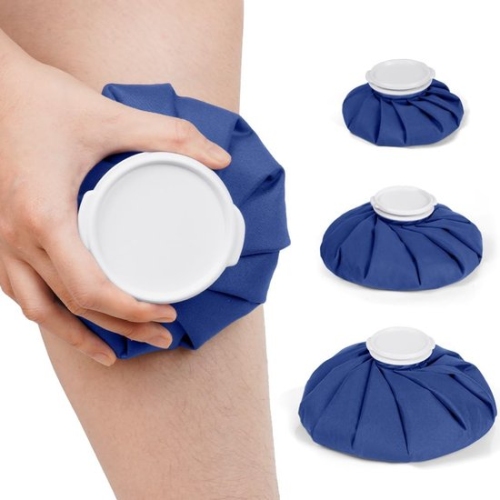
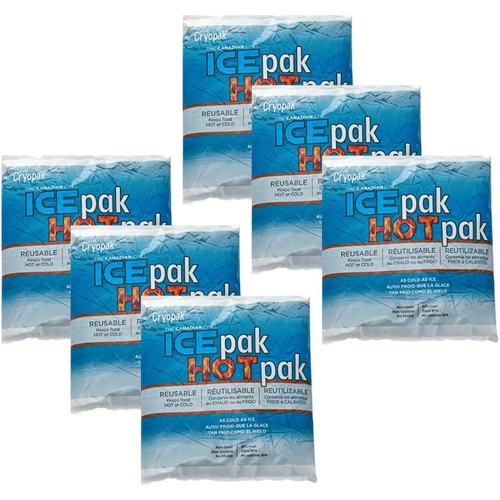
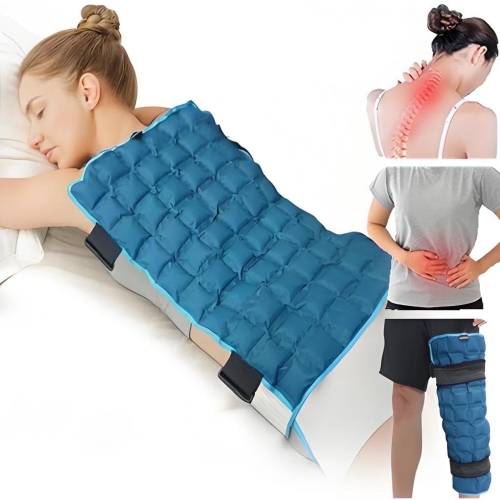
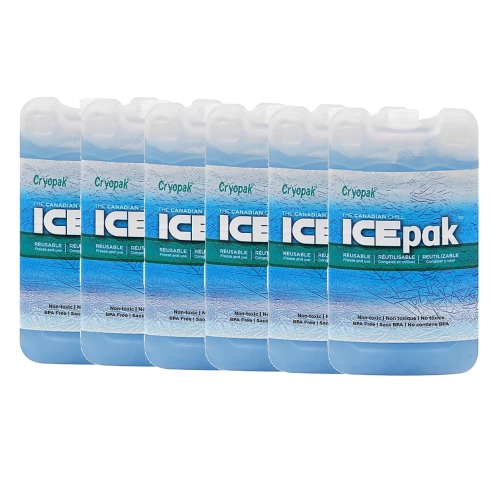
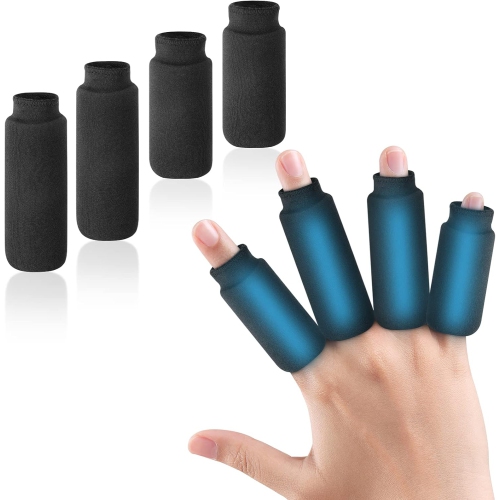
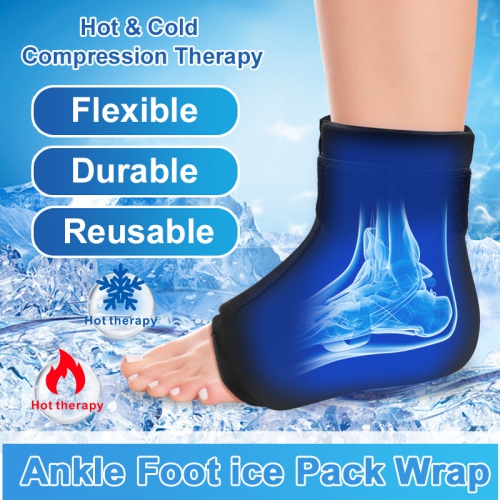
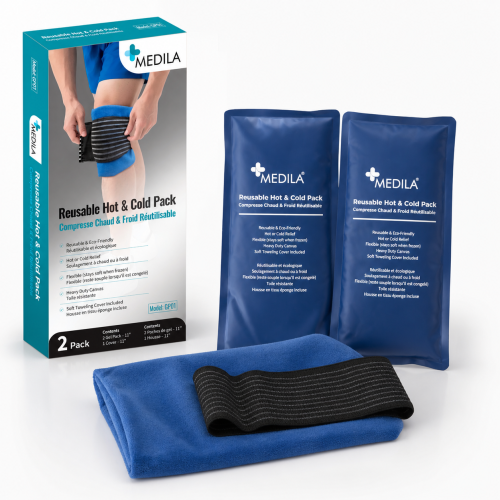

The right cooling pack for lunch or cold therapy
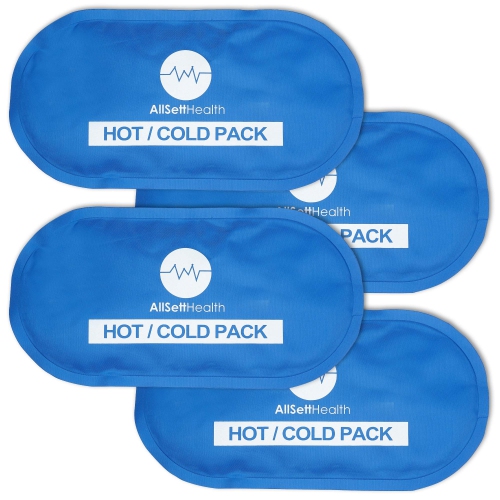
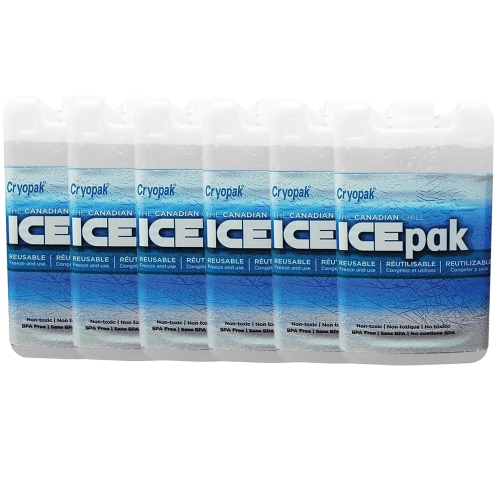
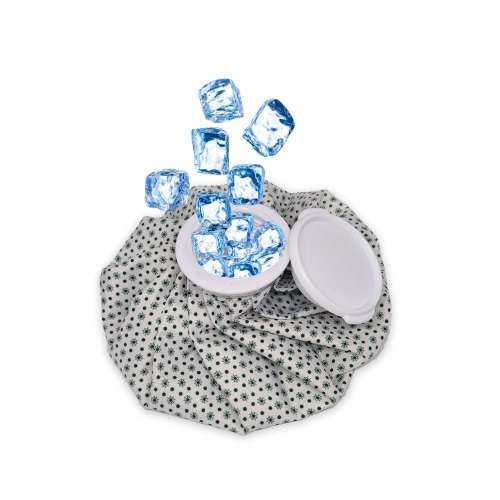
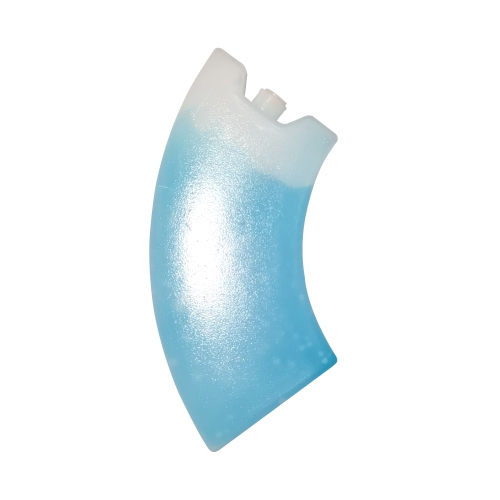
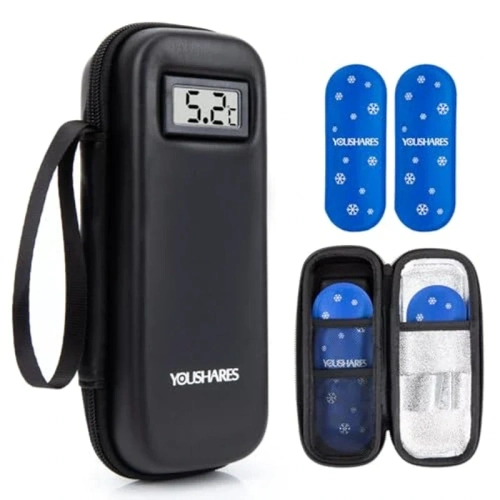
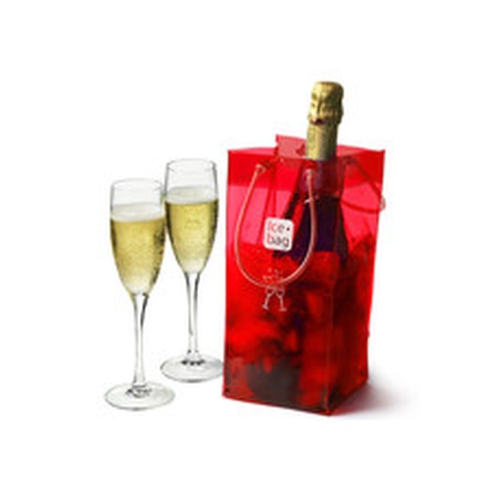
Ice packs provide portable cooling for packed food, insulated bags, and coolers, while packs designed for cold therapy can offer temporary relief from minor aches and swelling. The main types are reusable gel packs, rigid freezer blocks, and instant cold packs. Reusable versions are chilled or frozen before use; instant packs activate without a freezer and are generally intended for a single use. Their purposes overlap only where the manufacturer allows it, so a pack designed for a lunch bag should not automatically be treated as a skin-contact therapy pack. For everyday food storage, size and shape make a noticeable difference. A slim, flat pack can slide beside a sandwich container without taking over a lunch bag, while a larger block suits the deeper compartments of a cooler. Several smaller packs can be easier to arrange around containers than one bulky pack, particularly when a bag holds a mix of snacks, drinks, and prepared meals. Rigid packs keep their shape and provide a firm cooling surface, whereas flexible pouches can fit into gaps more easily, depending on how firm their contents become after freezing. Commuters, students, parents packing lunches, and people carrying meals between appointments all benefit from a format that fits the bag they actually use. Useful details include rounded corners, a surface that wipes clean, and dimensions that leave enough room for food rather than forcing containers against the zip. Cooling performance depends on the pack’s size, starting temperature, insulation, surrounding contents, and how often the bag is opened. Perishable food should start chilled and remain at 4°C or below; an ice pack alone does not establish that food is being held safely. An insulated bag and a thermometer provide a more reliable setup than judging cooling by touch. Packs positioned around the food, rather than separated from it by an empty compartment, help keep the cooling source close to the contents.
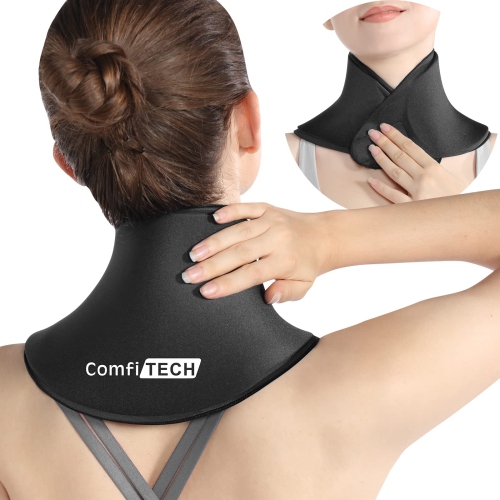
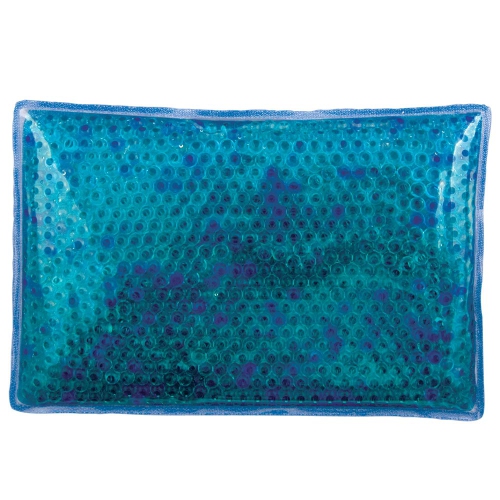
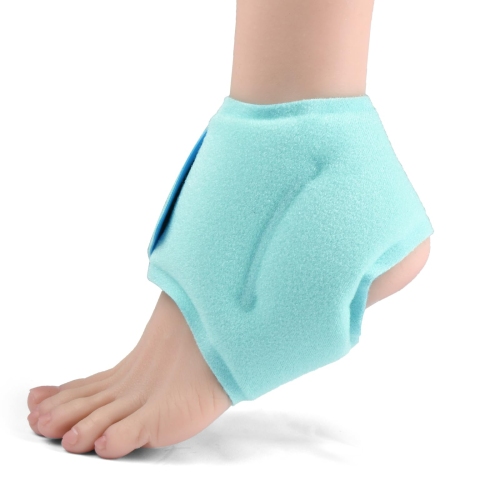
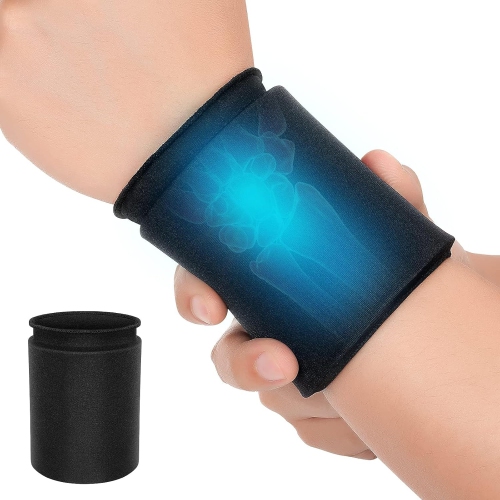
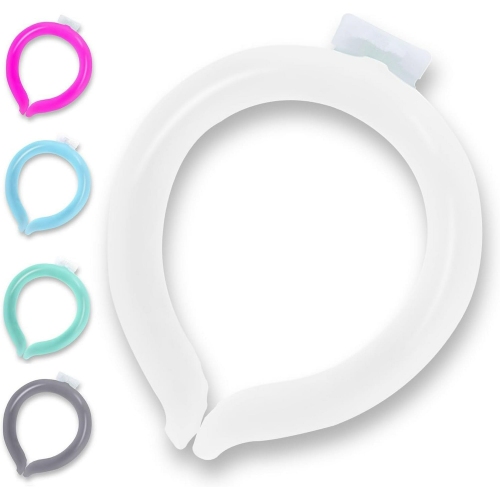
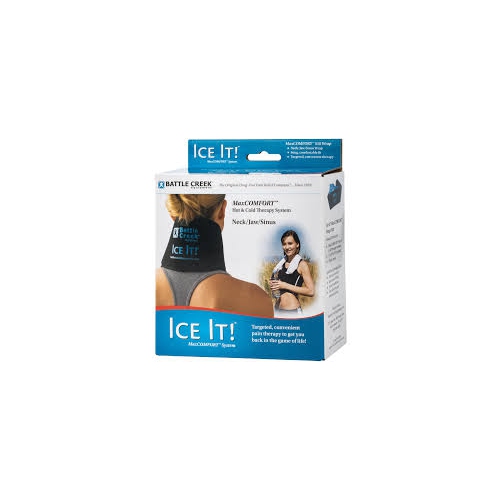
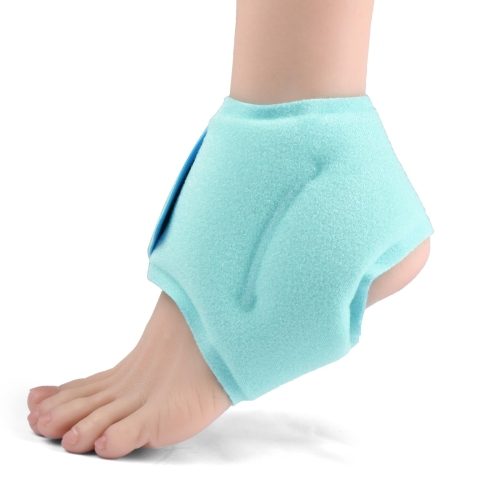
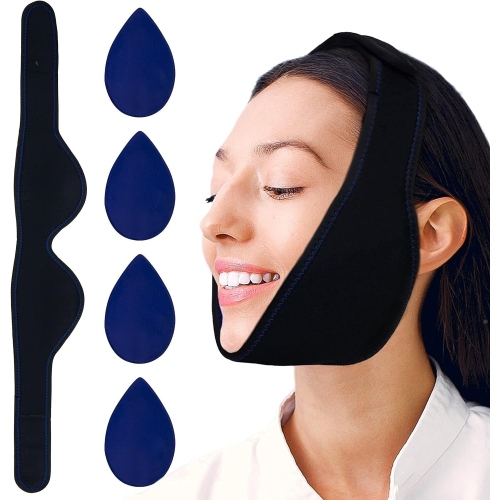
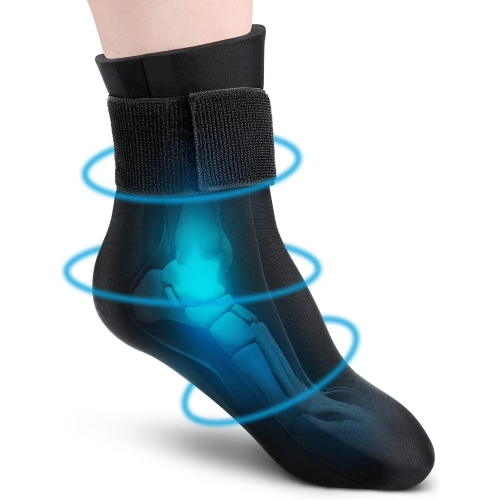
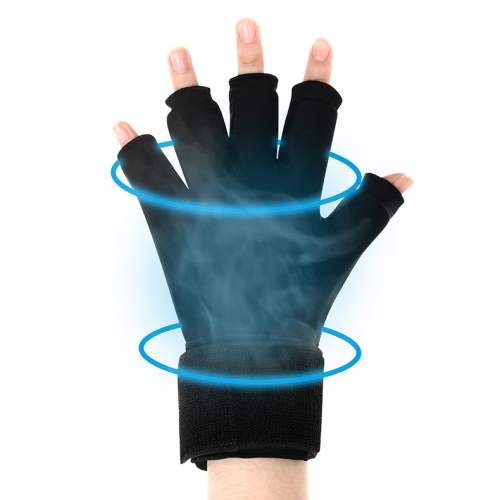
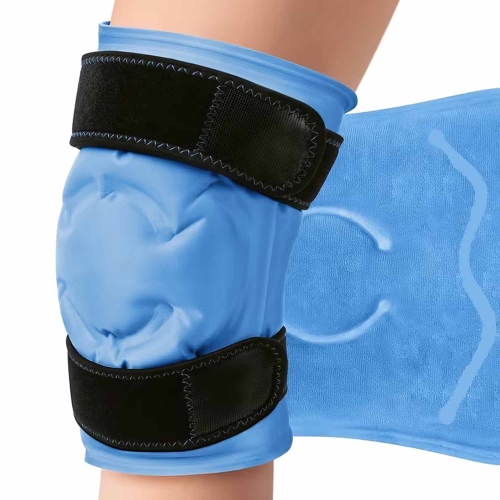
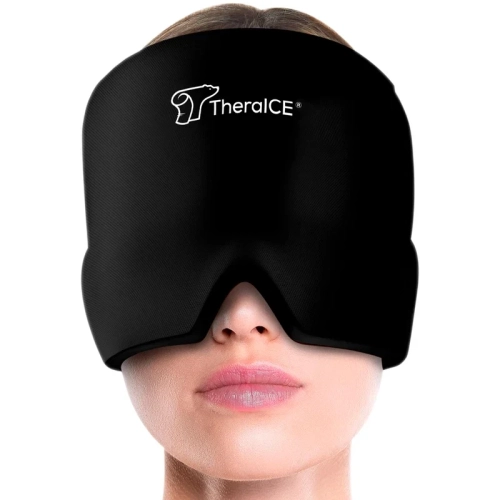
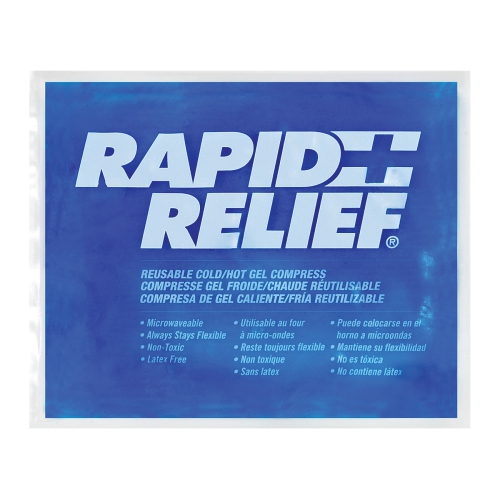
For personal cold therapy, comfort depends as much on the pack’s construction and fit as on its size. Flexible gel packs can follow the curve of a knee, shoulder, or ankle more closely than a rigid freezer block, although flexibility after freezing varies by formulation. A broad, flat shape can cover a larger area, while a smaller pack may be easier to position around a wrist or elbow. Fabric sleeves and adjustable wraps help hold a therapy pack in place, which can be useful when sitting at a desk or resting on a sofa. Straps should secure the pack without digging into skin or restricting circulation, and the fit should allow it to be removed easily. A soft cover also changes the feel of the pack, keeping a slick outer pouch from resting directly against the body. Frozen packs should never be applied directly to bare skin; a cloth or towel provides a protective barrier, even when the pouch feels pliable. Cold therapy is generally used for short sessions, often 15 to 20 minutes at a time, with the product directions and advice from a healthcare professional taking priority. Remove the pack sooner if skin becomes painful, unusually pale, or numb. People with reduced sensation or circulation problems should seek medical advice before using cold therapy, and children need adult supervision. Instant cold packs serve a different practical role in a first-aid kit or sports bag because they do not require freezer access. Their cooling action begins when internal components are mixed as directed, and they should not be punctured or assumed to be reusable. Some reusable therapy packs are labelled for both hot and cold use, but heating is appropriate only when the manufacturer explicitly permits it. A pack’s appearance is not enough to determine whether it can be heated, frozen, or safely used with a particular wrap.
Materials and construction influence how well an ice pack stands up to repeated handling. Hard plastic shells resist everyday knocks and stack neatly, but sharp impacts can still crack them, especially when frozen. Flexible packs commonly use a sealed plastic pouch around water or a gel mixture; their seams and outer film need protection from cutlery, sharp container edges, and heavy objects. A thicker pouch may feel more substantial, but it is the complete design, including the seals and closure, that determines how it handles regular use. Descriptions such as non-toxic do not mean that a pack’s contents are edible, and cooling packs should stay out of drinks and away from unpackaged food unless specifically approved for that contact. For frozen water intended for beverages, Ice Molds serve a separate purpose from sealed cooling packs. Day-to-day care is usually straightforward: follow the cleaning directions, wipe away spills, and dry the exterior before storage. Fabric covers may have different washing requirements from the pack inside, and neither dishwasher cleaning nor machine washing should be assumed safe. Check for split seams, cracks, swelling, or leaks before reuse, and stop using a damaged pack. Escaped gel should be handled according to the label and kept away from children and pets. Freezer space also matters in a routine built around packed lunches or regular therapy use. Flat packs are often easier to store in a shallow drawer, while rigid blocks need room that matches their fixed dimensions. Allow the full freezing time stated by the manufacturer rather than assuming a firm exterior means the centre is ready. Having a second reusable pack can make it easier to rotate between use and freezing without rushing that process. The most practical choice is one whose intended purpose, shape, cleaning requirements, and storage needs fit comfortably into daily life, whether that means keeping a meal chilled through a workday or holding a covered therapy pack comfortably against a sore joint.
Top selling and popular products
-
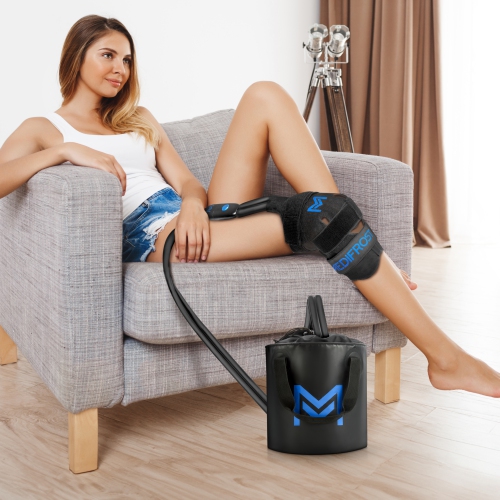 Your price for this item is $249.99
-
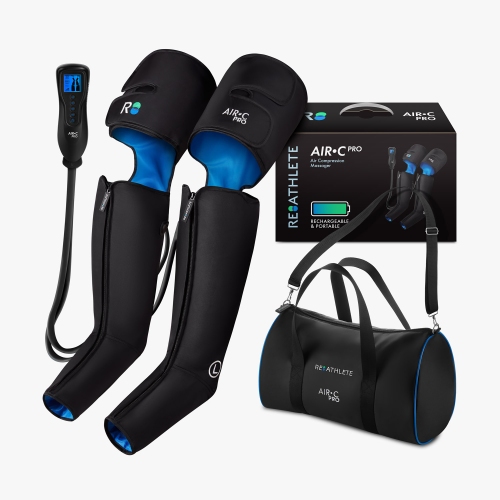 Your price for this item is $139.99
-
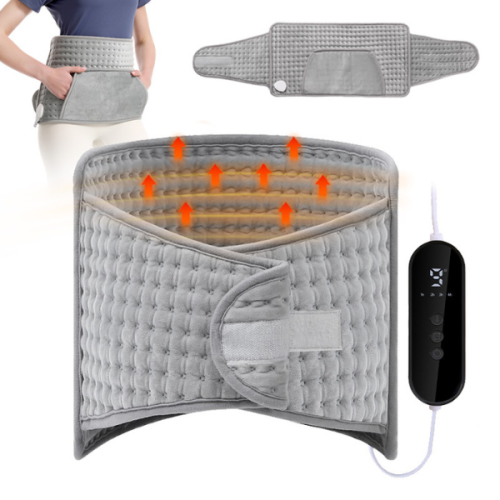 Your price for this item is $35.89
-
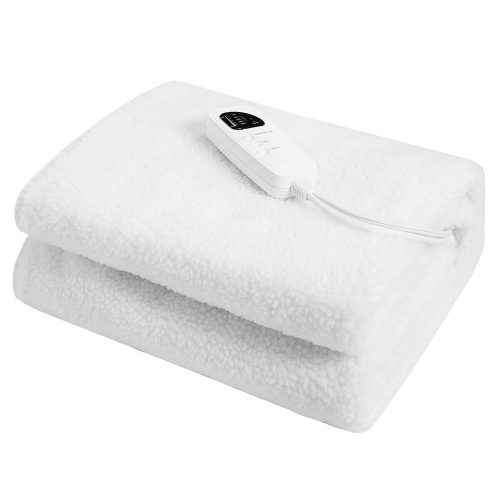 Your price for this item is $71.99
-
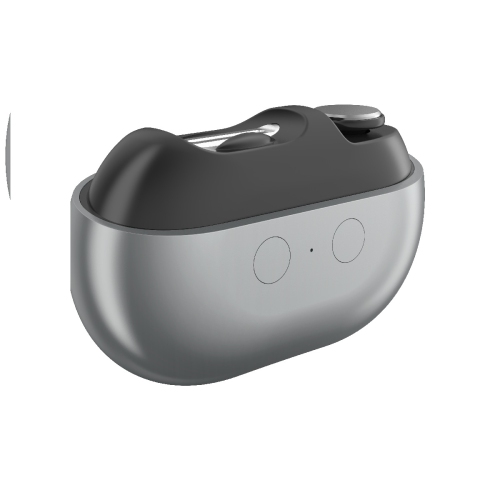 Your price for this item is $33.99
-
 Your price for this item is $153.99
-
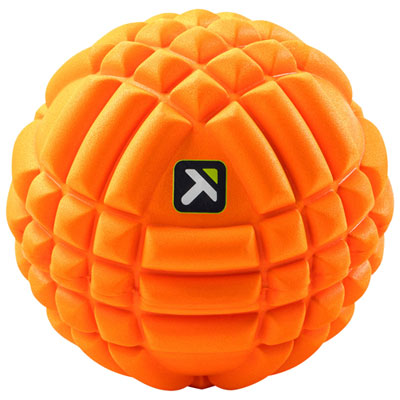 Your price for this item is $31.99
-
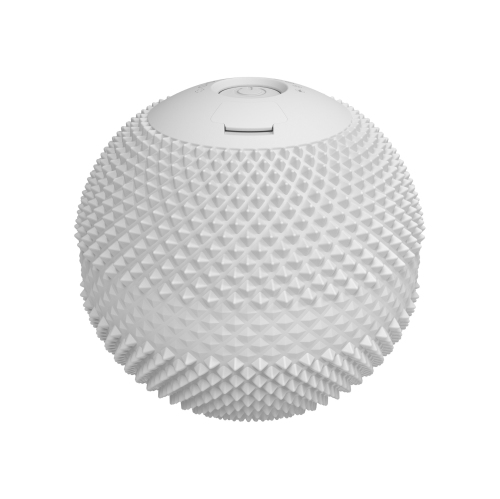 Your price for this item is $58.99
Discover more categories related to Ice Packs


Top Collections:
Best Black Friday Deals This Year, Best Black Friday Deals On Electronics, Kindle Devices, Pokemon Centers, Best Black Friday Deals On Apple Products, Best Cameras for Sports Photography, Dyson Airwrap, Pokémon 30th Celebration Cards, Apple iPhone 17 Pro, Canon G7X Cameras
Some products may be subject to Environmental Handling Fees
(EHF) depending on your province.
Learn more about EHFs.