Infrared Forehead Thermometers
Infrared Forehead Thermometers offer a convenient way to quickly check temperatures at home, in the office, or on the go. Designed for ease of use, these thermometers provide a contactless solution for temperature measurement, making them ideal for families, caregivers, and professionals alike. Explore a wide selection of Infrared Forehead Thermometers to find the right fit for your needs and enjoy added peace of mind with reliable temperature monitoring.
Sort


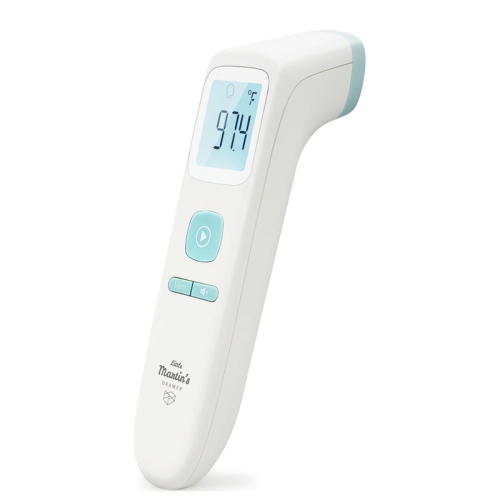


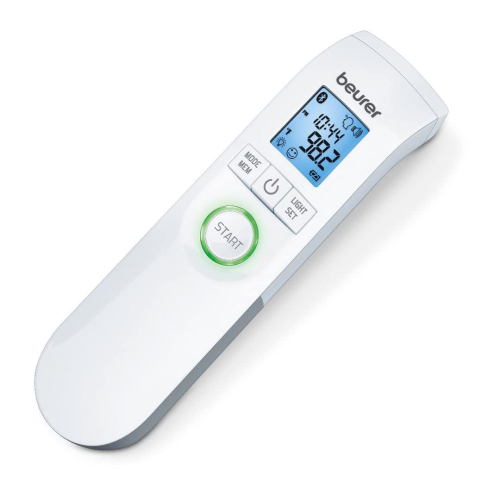


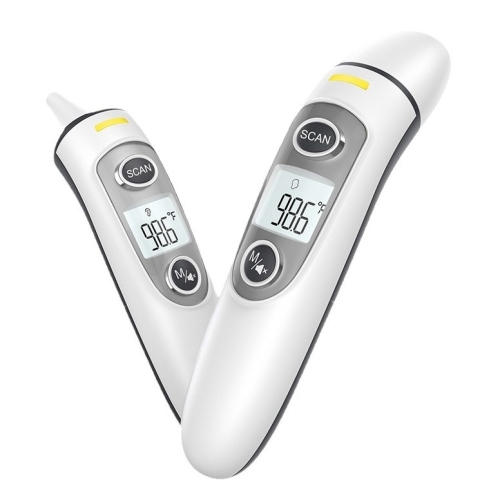

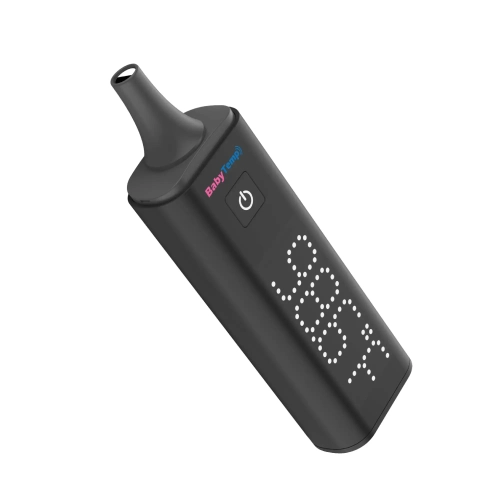


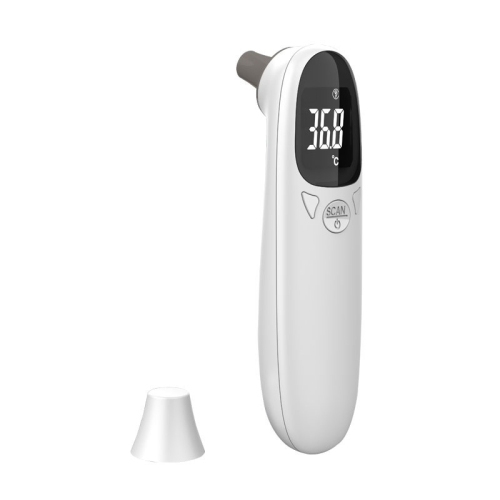
The details behind quick and comfortable temperature checks
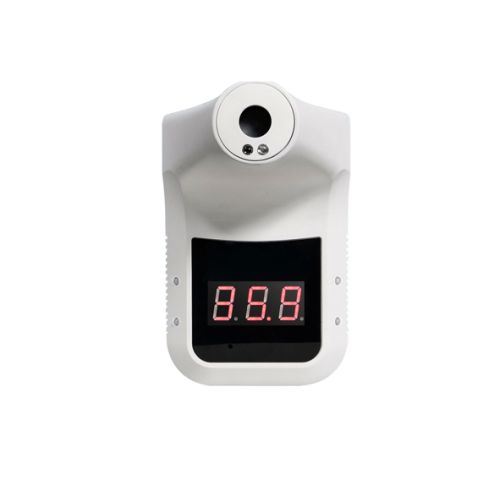
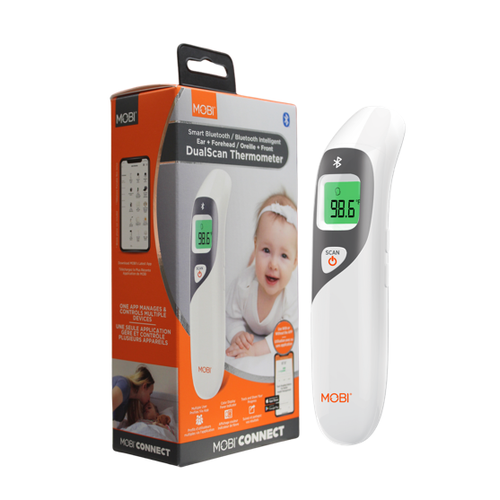
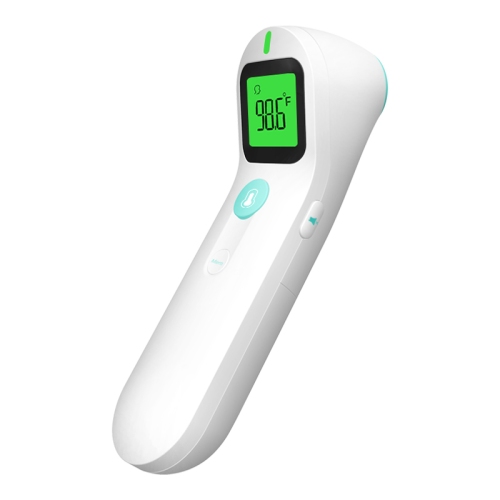
Infrared forehead thermometers offer a quick way to check body temperature as part of everyday family care, without the positioning needed for an oral thermometer. A sensor detects infrared energy emitted by the skin, and the device converts that signal into a digital temperature reading. In body mode, a forehead thermometer uses this surface measurement to estimate body temperature; it does not directly measure internal core temperature. Many designs provide a result in about one second, although the measurement time and technique depend on the model. Some are held a short distance from the forehead, while others require skin contact or a scanning motion, so the measurement method matters when comparing designs. Non-contact versions belong to the broader category of No Touch Thermometers, with forehead models designed specifically for convenient body temperature checks. Their contact-free operation can be helpful when checking a resting child, assisting someone who finds an oral thermometer uncomfortable, or taking readings for several family members. Intended age ranges vary, and suitability for babies, children, or adults should be confirmed in the device’s instructions rather than assumed from its appearance. Everyday usability comes down to details that are easy to appreciate during a late-night check: a clear display, a comfortable grip, an accessible measurement button, and a reading that remains visible long enough to note. A backlit screen can make numbers easier to see in a dim bedroom, while a silent setting can reduce interruptions around someone who is sleeping. Colour-coded displays and audible alerts can draw attention to an elevated reading, but their thresholds and meanings differ between devices. Celsius display is useful for communicating readings with Canadian healthcare professionals, and a selectable Celsius or Fahrenheit setting may suit households familiar with both. These features support a straightforward task: obtaining a readable temperature measurement while keeping the person being checked comfortable and the caregiver’s movements simple.
The usefulness of an infrared forehead thermometer depends on consistent technique as much as convenient features. Non-contact designs generally need to be aimed at the specified area of the forehead and held at the distance stated by the manufacturer, often within a few centimetres. Being too close, too far away, or angled away from the measurement site can affect the result. A clean, dry forehead with hair moved aside provides a more suitable surface than skin covered by perspiration, a hat, or a bandage. Recent bathing, exercise, or prolonged contact with a pillow can also influence a surface reading, making the recommended waiting period important. Indoor use away from direct sunlight, fans, and heating vents helps keep measurement conditions consistent. A device moved between locations may need time to adjust to the room before use; manufacturer guidance commonly specifies a waiting period, which can be around 10 to 30 minutes. Some forehead thermometers also include a separate mode for measuring objects or liquids. That function is distinct from body mode, and a surface reading from an object setting should not be interpreted as a person’s body temperature. Memory recall can help a caregiver review earlier measurements, especially when noting how someone feels alongside the time of each reading. Using the same device, measurement site, and technique makes those records easier to interpret, though small differences between consecutive readings can still occur. The number of decimal places on a screen is not, by itself, proof of greater accuracy. Stated accuracy, approved age range, and clear operating instructions are more meaningful considerations. A temperature reading is one piece of information, not a diagnosis, and forehead measurements may differ from readings taken by other methods. An unexpected result deserves attention to technique and, when appropriate, confirmation using the method recommended by a healthcare professional. Symptoms such as difficulty breathing, unusual drowsiness, or signs of dehydration matter even when the displayed temperature does not seem high. For a baby under three months, suspected fever warrants prompt medical advice rather than reassurance from a forehead reading alone.
Materials, handling, and care affect how well a forehead thermometer fits into a household routine over time. Housings are commonly made from lightweight moulded plastic, which keeps the device manageable during repeated checks and allows its exterior to be wiped as directed. A gently curved handle, textured grip, and well-placed button can make a difference when a caregiver is holding a child with one arm or has reduced hand strength. Compact designs can fit into a bedside drawer or family care kit, while a protective case helps prevent the sensor area from collecting dust or being knocked against other contents. The sensor lens needs particular care because fingerprints, residue, or scratches can interfere with measurement. Cleaning instructions may distinguish between the lens and the outer housing, so a suitable method for one surface is not necessarily appropriate for the other. Unless expressly permitted, the device should not be immersed in water, and cleaning liquid should not be allowed to enter openings. Non-contact operation reduces the need for the thermometer to touch skin, but shared handling still makes routine cleaning important. Durability also depends on avoiding drops, excessive moisture, and storage conditions outside the limits specified by the manufacturer. Battery type, a low-battery indicator, and automatic shut-off influence day-to-day convenience; a clear battery warning is particularly helpful when the thermometer is used infrequently and then needed unexpectedly. Batteries and the device itself should be stored out of children’s reach, especially where small removable batteries are involved. Straightforward controls can be more useful than numerous settings in a household where several caregivers share responsibility, since each person needs to recognize the correct mode and measurement procedure. For parents, grandparents, and caregivers supporting someone at home, a dependable routine includes accessible instructions, appropriate storage, and a simple record of relevant readings. An infrared forehead thermometer serves best as a practical household health tool: easy to hold, easy to read, and used within its stated limits alongside attention to the person’s comfort and symptoms.
Top selling and popular products
-
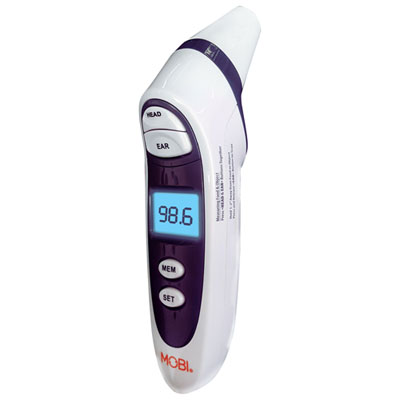 Your price for this item is $34.99
-
 Your price for this item is $44
-
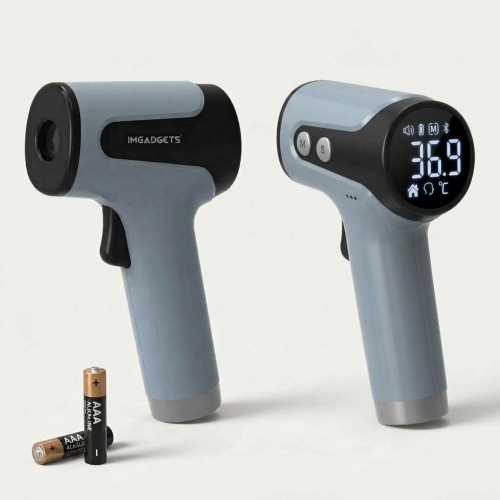 Your price for this item is $29.97
-
 Your price for this item is $69.99
-
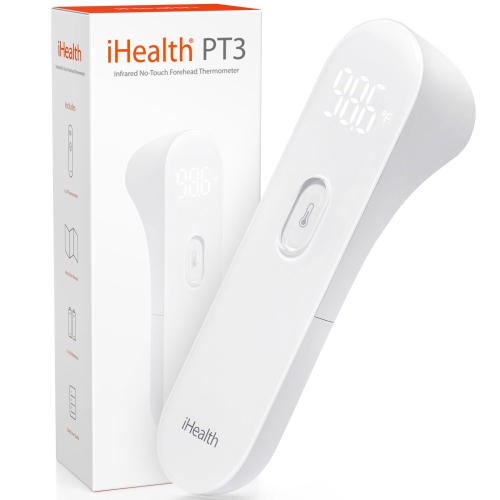 Your price for this item is $45.99
-
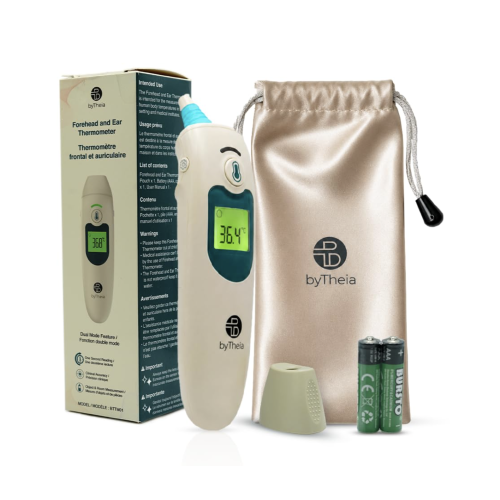 Your price for this item is $39.99
-
 Your price for this item is $44.99
-
 Your price for this item is $59.99
Discover more categories related to Infrared Forehead Thermometers
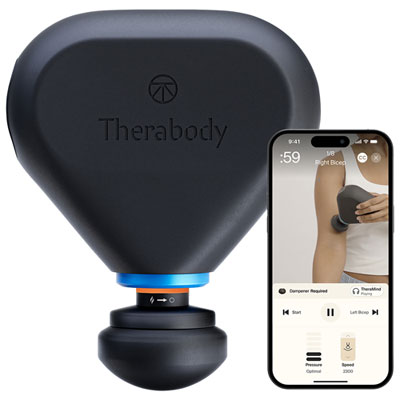
Top Collections:
Pokemon Centers, Kindle Devices, Best Cameras for Sports Photography, Pokémon 30th Celebration Cards, Apple iPhones 16, Canon G7X Cameras, iPhone 15 Apple, Flip Phones, Samsung Galaxy Phones, Alarm Clock
Some products may be subject to Environmental Handling Fees
(EHF) depending on your province.
Learn more about EHFs.