Infrared Temperature Guns
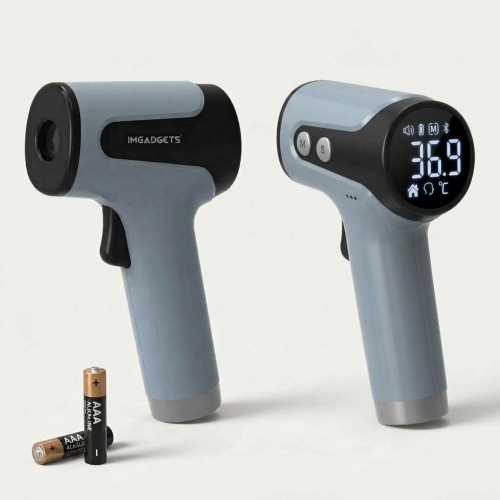
Stay ahead of the game with infrared temperature guns. These handy devices are designed to accurately measure surface temperatures without making direct contact. Whether you need to monitor the temperature of your home, workplace, or even food, infrared temperature guns provide a quick and convenient solution. With their non-invasive technology and user-friendly features, these tools are perfect for a variety of applications. From ensuring the safety of your loved ones to maintaining optimal conditions in your surroundings, infrared temperature guns are a must-have for anyone looking for precise temperature readings. Explore our wide selection and find the perfect infrared temperature gun to meet your needs today.


What surface temperature readings can and cannot tell you
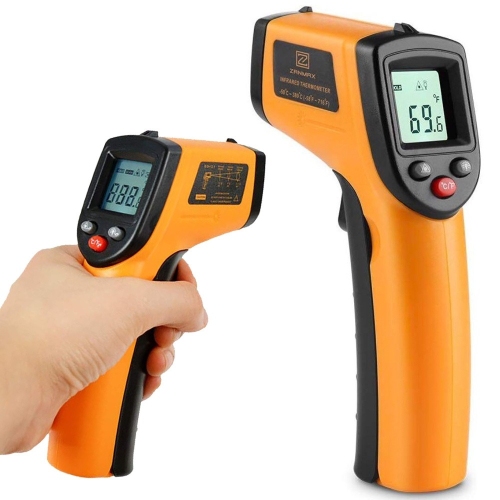
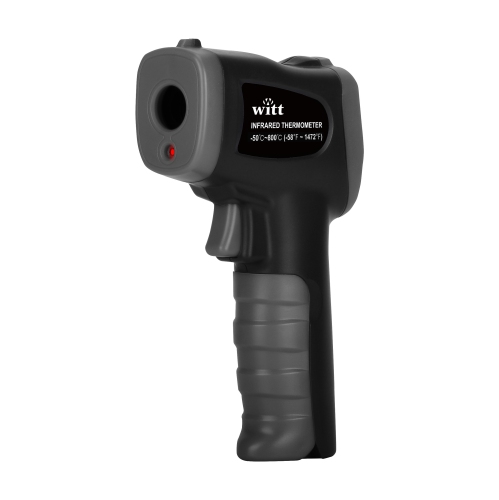
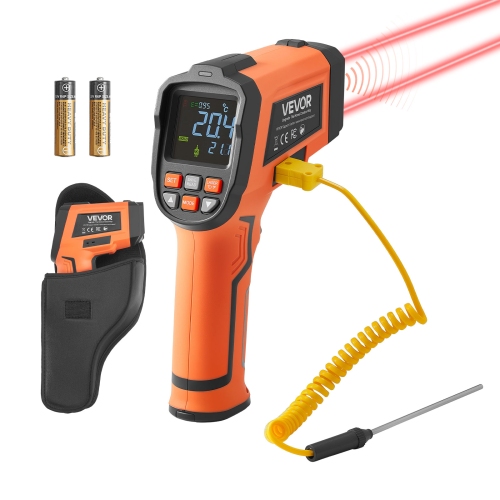
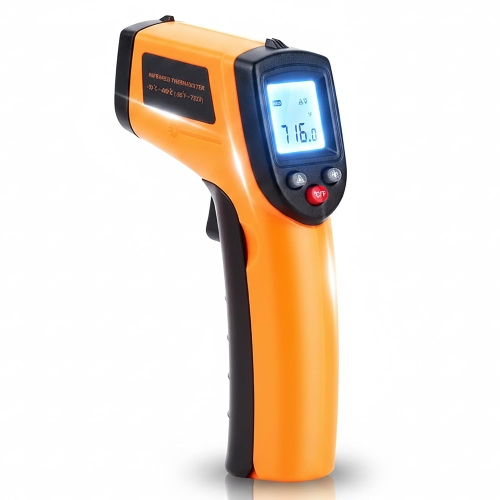
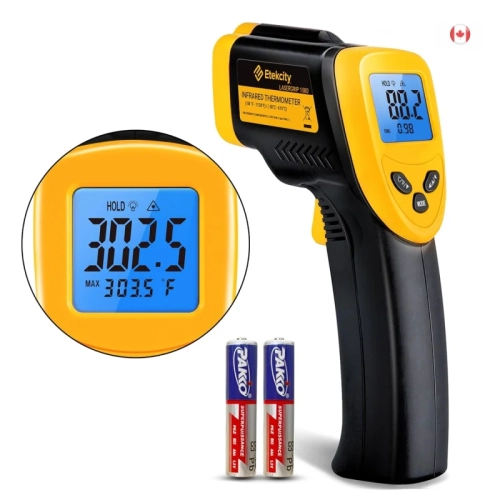
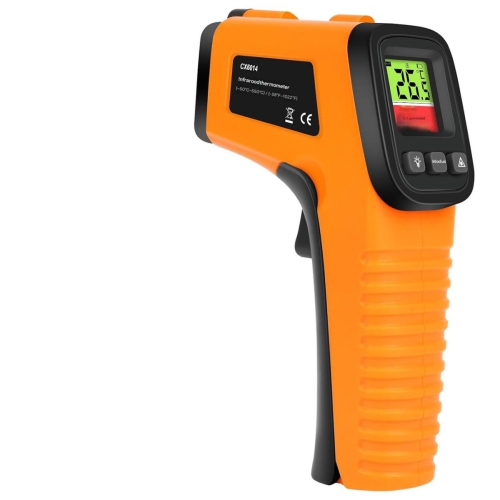
The most useful features depend on the size, surface, and expected temperature of the target. Temperature range describes the span a thermometer can measure, while accuracy describes how closely its reading should match the actual temperature under specified conditions. Display resolution is different again: a screen that shows tenths of a degree does not necessarily provide accuracy to a tenth of a degree. For everyday household checks, clear readings and consistent performance may matter more than an exceptionally wide range. Higher-temperature work calls for a measurement range that comfortably covers the intended application, rather than a tool operating at its upper limit. Distance-to-spot ratio is another important specification because it describes how the measured area expands with distance. With a nominal 12:1 ratio, a target 30 cm away corresponds to a measurement spot approximately 2.5 cm across, subject to the manufacturer's optical specifications. The target should be larger than that spot so nearby surfaces do not influence the reading. Dual lasers or circular aiming patterns can help show the approximate target area on some designs, but their meaning varies by model. Emissivity, the term for how effectively a surface emits infrared energy, also affects results. Many general-purpose thermometers use a fixed emissivity setting suited to numerous matte, non-metallic surfaces. Adjustable emissivity offers more flexibility when measuring different materials, though it requires an appropriate setting for the surface being checked. Bare polished metal, reflective foil, and shiny cookware can produce misleading readings because reflected infrared energy affects the measurement. Steam, smoke, dust, and moisture between the sensor and target can interfere as well. A backlit display is useful beneath a workbench or inside a dim utility space, while a hold function keeps the reading visible after the trigger is released. Minimum and maximum tracking can make temperature comparisons easier across a larger surface, and configurable alerts can flag readings outside a chosen threshold. These features support practical checks without turning a spot thermometer into a thermal camera or a diagnostic instrument for every task.
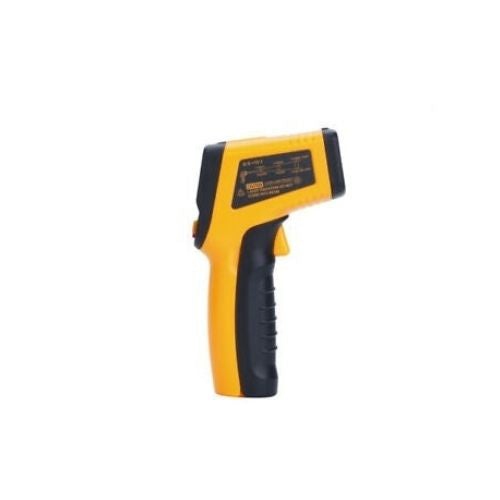
Physical design makes a noticeable difference when a temperature gun is used regularly. Many housings are made from moulded plastic to keep weight manageable, sometimes with textured grips or protective outer sections for a more secure hold. A comfortable handle, a trigger that moves smoothly, and a display readable at a natural angle can make repeated measurements less tiring. For work with gloves, generous controls and a grip that does not feel cramped are useful details. A protective case helps keep the sensor area away from loose hardware and workshop dust, while a lanyard attachment can add convenience when the tool is carried between work areas. Durability should be judged by stated specifications: a rugged-looking housing does not automatically mean a thermometer is water-resistant or rated to withstand a drop. Battery type, access to the battery compartment, an automatic shut-off function, and a low-battery indicator all influence day-to-day convenience. Care is generally simple but important. The sensor lens needs to remain clean and unobstructed, with cleaning carried out according to the manufacturer's directions rather than with abrasive cloths or harsh solvents. Storage away from excessive heat, dampness, and impacts helps protect both the optics and housing. After moving the tool from a cold vehicle into a warm room, allowing it to adjust to the surrounding temperature can help prevent misleading readings; the required settling time depends on the model. Infrared temperature guns suit home cooks interested in surface heat, hands-on homeowners comparing warm and cool spots, automotive enthusiasts, and maintenance staff carrying out routine checks within their training. They can also make a practical gift for someone who enjoys workshop projects or outdoor cooking, especially when the measurement range and features match those interests. Non-contact measurement reduces the need to touch a hot object, but it does not make hazardous work safe. Laser beams should stay away from eyes and reflective paths, and electrical or mechanical concerns still require appropriate precautions and qualified assistance. Used within their limits, these compact tools make otherwise invisible surface temperature differences easier to understand.
Top selling and popular products
-
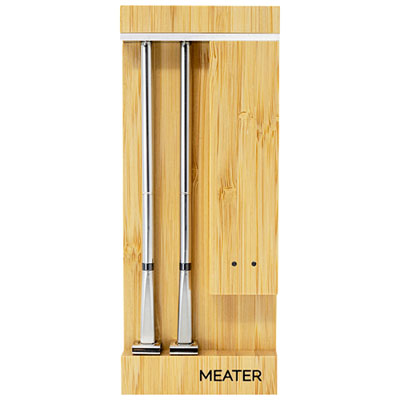 Your price for this item is $269.99
-
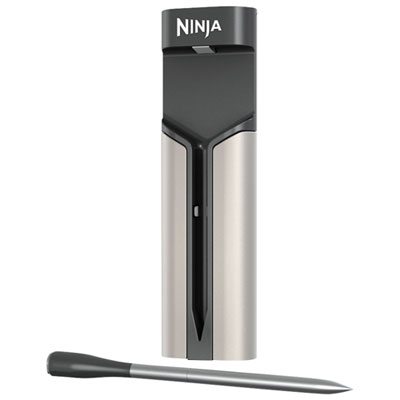 Your price for this item is $129.99
-
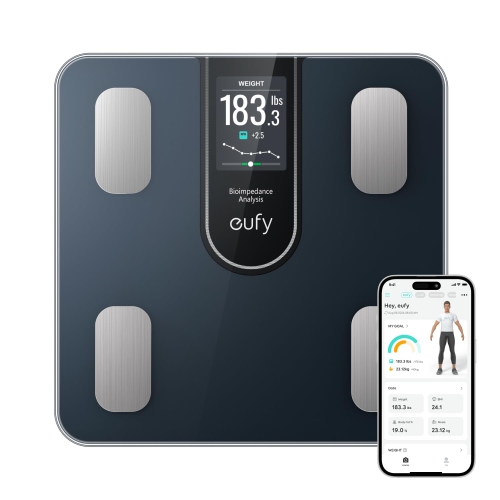 Your price for this item is $69.74
-
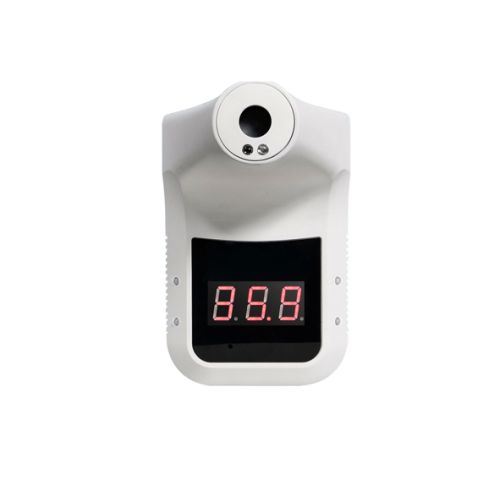 Your price for this item is $149.99
-
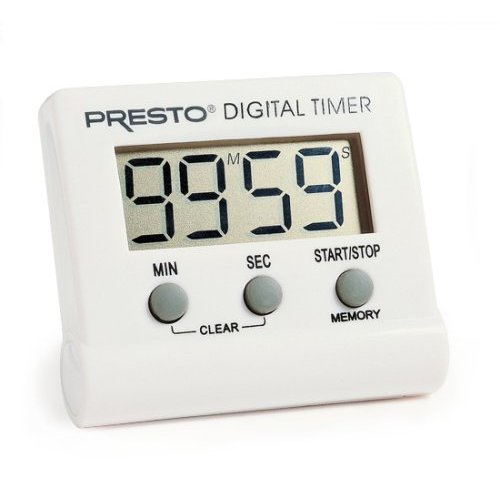 Your price for this item is $12.99
-
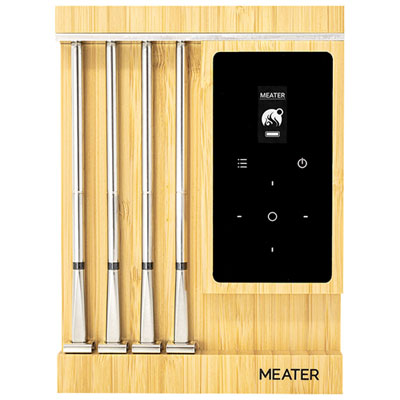 Your price for this item is $479.99
-
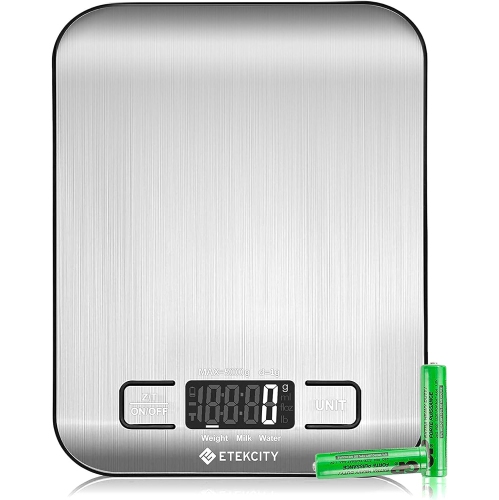 Your price for this item is $21.99
-
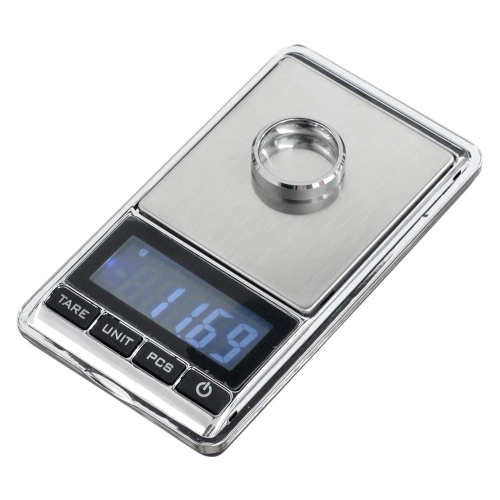 Your price for this item is $17.99