Kneading Massagers
Discover the soothing world of kneading massagers, designed to melt away tension and rejuvenate your senses. Perfect for those seeking relaxation after a long day or looking to enhance their wellness routine, these massagers offer a tranquil escape in the comfort of your own home. With a variety of styles and options available, you can find the ideal kneading massager to suit your personal needs and preferences. Whether you're targeting sore muscles or simply indulging in some much-needed self-care, explore how these innovative devices can transform your daily routine into a blissful experience.
Sort
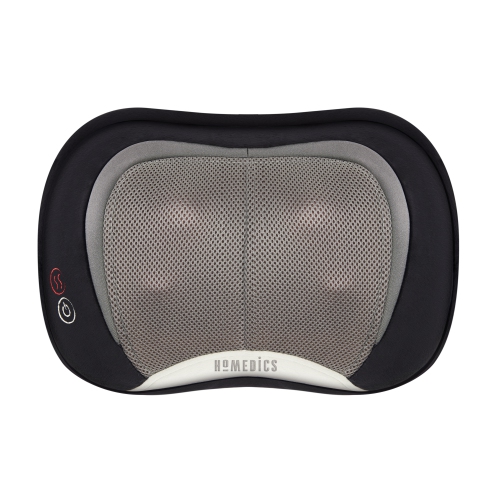
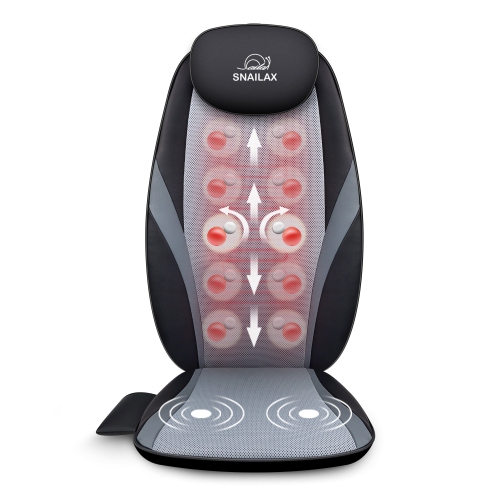
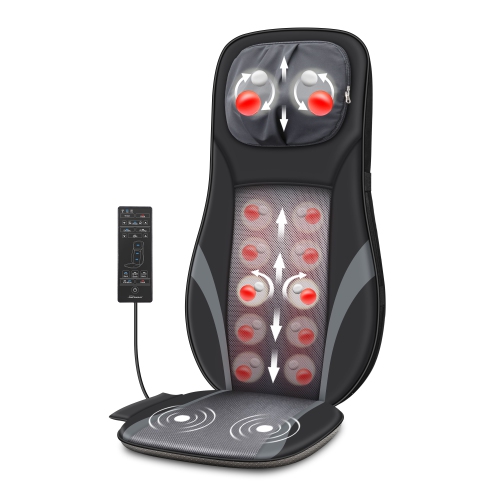
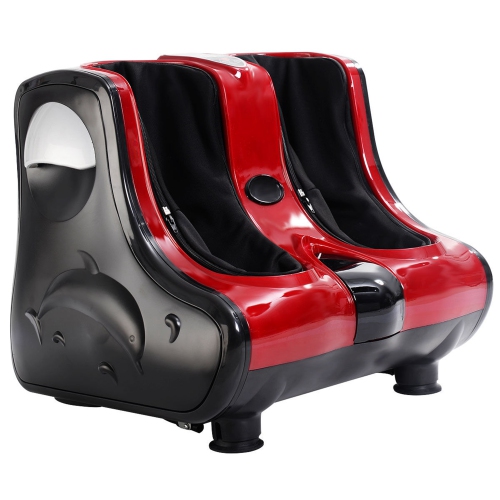
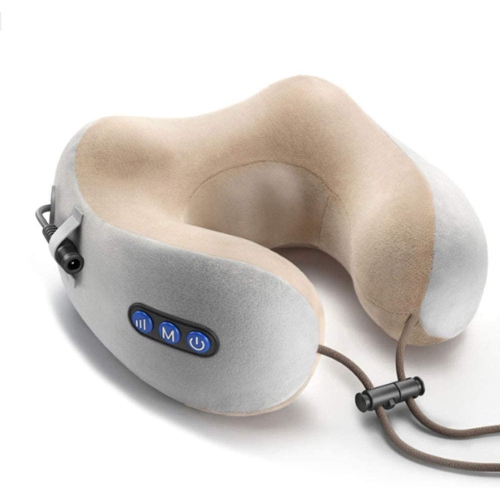
Rolling pressure with the feel of hands-on massage
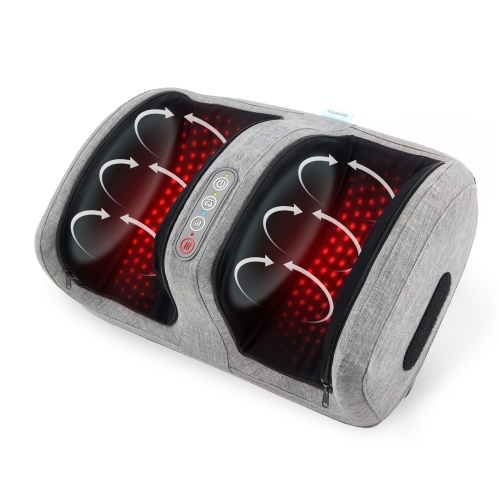
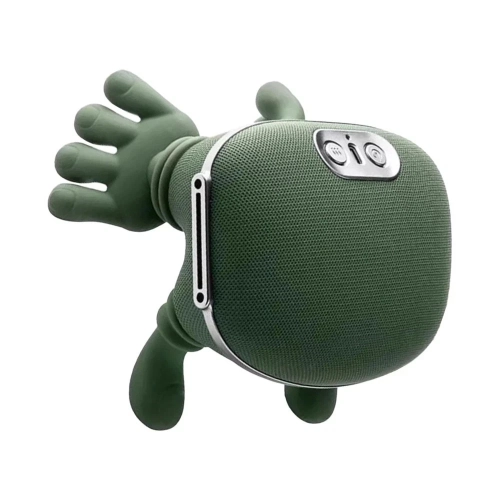
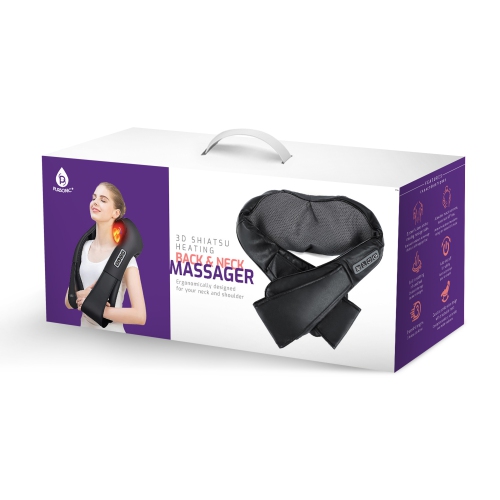
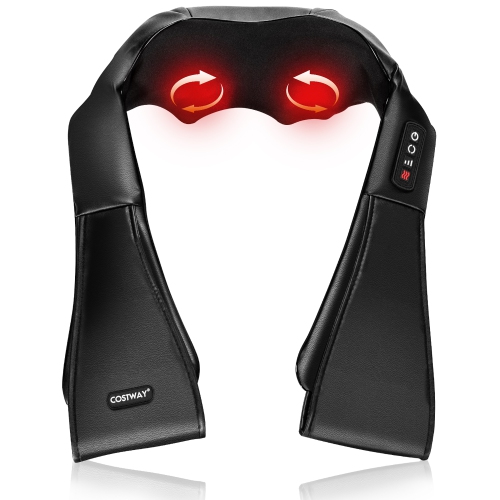
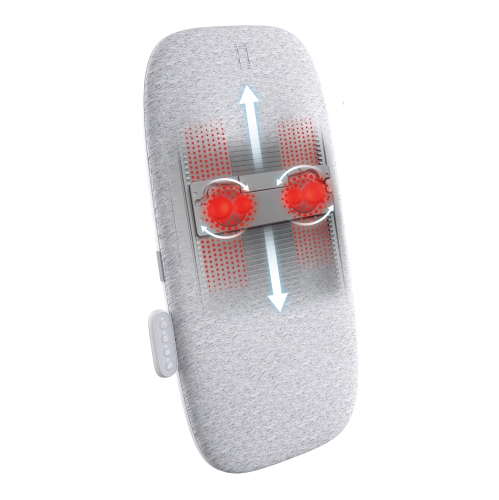
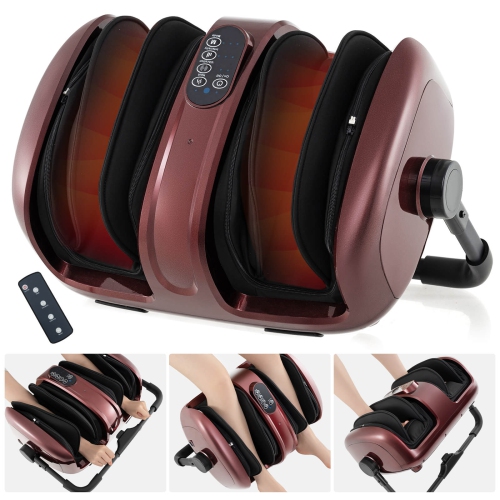
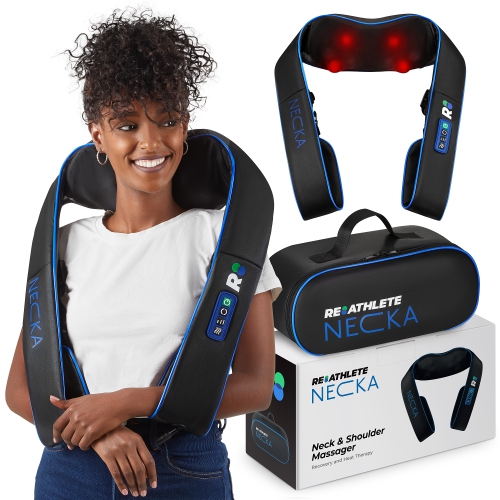
Kneading massagers use rotating nodes, rollers, or other moving mechanisms to apply a rhythmic pressing and rolling action to muscles. Unlike devices that mainly vibrate, they create a more deliberate sensation of pressure moving across an area, somewhat like the kneading motion of a hands-on massage. They are intended for everyday comfort and relaxation, whether that means easing the feeling of tight shoulders after desk work or enjoying a foot massage after hours spent standing. Shiatsu-style kneading massagers often combine rounded massage nodes with clockwise and counterclockwise movement, although the pattern, intensity, and coverage vary by design. Neck and shoulder wraps typically curve around the upper back and have handles or arm loops that help keep the massage surface in position. On designs with pull-through arm straps, a gentle change in tension can adjust how firmly the nodes press against the shoulders, within the manufacturer’s usage limits. Massage pillows offer a compact shape for supported use against suitable areas of the back or legs, while larger seat cushions can provide massage across a broader section of the back. Kneading foot massagers place the feet over rollers or inside shaped compartments; some also add air compression, which produces a squeezing sensation distinct from the rolling action underneath. These formats serve different purposes, so the body area named in the product description matters more than how many features a device includes. A shoulder wrap is not automatically suitable for the front of the neck, and a back cushion should not be assumed safe for every body area. The appeal of kneading massage is its steady, repeatable movement: a supported position, comfortable pressure, and a short session can make it an easy addition to a quiet break at home. For people who prefer more localized contact rather than a moving massage pattern, Pressure Point Massagers offer a related category with a different approach to targeted pressure. The most comfortable choice depends on the intended area, sensitivity to firm contact, and preferred massage sensation.
Fit and positioning have a substantial effect on how a kneading massager feels. The spacing and shape of the nodes determine where pressure lands, while the depth of the padding influences how directly that movement is felt. More nodes do not necessarily mean a stronger or better massage; their arrangement and the device’s ability to sit comfortably against the intended area are just as important. A compact pillow may be easier to reposition than a full-length cushion, but it covers a smaller area at a time. A seat-style massager needs a compatible chair with adequate support, suitable dimensions, and secure attachment points where required. Its added thickness can also change sitting posture and the distance between the body and the chair back. For enclosed foot massagers, the stated foot-size range, opening width, and space around the instep matter, particularly for someone with larger or wider feet. Adjustable speed can change the pace of the kneading motion, but it does not always control pressure independently. Some devices provide separate intensity settings, while others rely partly on positioning; pressing harder is not a substitute for a comfortable fit. Direction reversal can vary the sensation by changing how the nodes move across the muscles. Optional heat adds warmth during a session, and separate heat controls are useful for anyone who sometimes prefers massage without it. Heat coverage, warm-up time, and settings differ, so a heated surface should not be assumed to warm every part of the device evenly. Automatic shut-off and session timers help limit operation, but they do not replace the recommended session length or instructions. Corded kneading massagers need a conveniently placed outlet and enough cable length to avoid pulling the device out of position. Cordless designs allow more flexibility between suitable locations, though battery runtime, charging time, and whether use is permitted while charging vary. For a shared living room or a quiet reading corner, operating noise, accessible controls, and a display that is easy to read can matter as much as an extra massage mode.
Materials and construction influence both day-to-day comfort and how well a kneading massager holds up to repeated use. Many designs place a fabric or mesh layer over the moving nodes, with padded borders, fabric upholstery, or synthetic leather around the outside. The contact layer should feel comfortable against clothing or skin as directed, without bunching in a way that interferes with movement. Firm seams, securely attached handles, and neatly finished edges are useful details on wraps that are regularly lifted, adjusted, and stored. Removable, washable liners can simplify care on enclosed foot massagers, but not every cover is designed to come off. Cleaning instructions take priority: unplugging before cleaning, allowing the device to cool, and using only the permitted cleaning method help protect electrical components and surface materials. A wipe-clean exterior does not mean the whole unit can be rinsed or immersed. Storage also deserves attention, especially for a massager used in more than one room. A manageable weight, an easy-to-grip shape, and space to store the cord without sharp bends can make regular use more convenient. Larger cushions need room to rest without being folded unless folding is expressly permitted. Kneading massagers can be thoughtful gifts for adults who enjoy massage, including someone who spends long stretches at a computer or likes to unwind after being on their feet. Personal preferences matter, however: a person who enjoys gentle pressure may find a firm kneading mechanism uncomfortable, and a heavy wrap may be awkward for someone with limited arm strength. Straightforward buttons and controls within easy reach can make a meaningful difference. These devices are for comfort, not for diagnosing or treating an injury or explaining persistent pain. Anyone who is pregnant or has reduced sensation, circulation concerns, a recent injury, or another condition that could make pressure or heat unsuitable should check with a healthcare professional before use. Follow the device’s body-area restrictions, stay awake during sessions, and stop if the massage causes pain, numbness, or irritation. A well-suited kneading massager should feel manageable and comfortable rather than demanding greater pressure or longer sessions.
Fit and positioning have a substantial effect on how a kneading massager feels. The spacing and shape of the nodes determine where pressure lands, while the depth of the padding influences how directly that movement is felt. More nodes do not necessarily mean a stronger or better massage; their arrangement and the device’s ability to sit comfortably against the intended area are just as important. A compact pillow may be easier to reposition than a full-length cushion, but it covers a smaller area at a time. A seat-style massager needs a compatible chair with adequate support, suitable dimensions, and secure attachment points where required. Its added thickness can also change sitting posture and the distance between the body and the chair back. For enclosed foot massagers, the stated foot-size range, opening width, and space around the instep matter, particularly for someone with larger or wider feet. Adjustable speed can change the pace of the kneading motion, but it does not always control pressure independently. Some devices provide separate intensity settings, while others rely partly on positioning; pressing harder is not a substitute for a comfortable fit. Direction reversal can vary the sensation by changing how the nodes move across the muscles. Optional heat adds warmth during a session, and separate heat controls are useful for anyone who sometimes prefers massage without it. Heat coverage, warm-up time, and settings differ, so a heated surface should not be assumed to warm every part of the device evenly. Automatic shut-off and session timers help limit operation, but they do not replace the recommended session length or instructions. Corded kneading massagers need a conveniently placed outlet and enough cable length to avoid pulling the device out of position. Cordless designs allow more flexibility between suitable locations, though battery runtime, charging time, and whether use is permitted while charging vary. For a shared living room or a quiet reading corner, operating noise, accessible controls, and a display that is easy to read can matter as much as an extra massage mode.
Materials and construction influence both day-to-day comfort and how well a kneading massager holds up to repeated use. Many designs place a fabric or mesh layer over the moving nodes, with padded borders, fabric upholstery, or synthetic leather around the outside. The contact layer should feel comfortable against clothing or skin as directed, without bunching in a way that interferes with movement. Firm seams, securely attached handles, and neatly finished edges are useful details on wraps that are regularly lifted, adjusted, and stored. Removable, washable liners can simplify care on enclosed foot massagers, but not every cover is designed to come off. Cleaning instructions take priority: unplugging before cleaning, allowing the device to cool, and using only the permitted cleaning method help protect electrical components and surface materials. A wipe-clean exterior does not mean the whole unit can be rinsed or immersed. Storage also deserves attention, especially for a massager used in more than one room. A manageable weight, an easy-to-grip shape, and space to store the cord without sharp bends can make regular use more convenient. Larger cushions need room to rest without being folded unless folding is expressly permitted. Kneading massagers can be thoughtful gifts for adults who enjoy massage, including someone who spends long stretches at a computer or likes to unwind after being on their feet. Personal preferences matter, however: a person who enjoys gentle pressure may find a firm kneading mechanism uncomfortable, and a heavy wrap may be awkward for someone with limited arm strength. Straightforward buttons and controls within easy reach can make a meaningful difference. These devices are for comfort, not for diagnosing or treating an injury or explaining persistent pain. Anyone who is pregnant or has reduced sensation, circulation concerns, a recent injury, or another condition that could make pressure or heat unsuitable should check with a healthcare professional before use. Follow the device’s body-area restrictions, stay awake during sessions, and stop if the massage causes pain, numbness, or irritation. A well-suited kneading massager should feel manageable and comfortable rather than demanding greater pressure or longer sessions.
Top selling and popular products
-
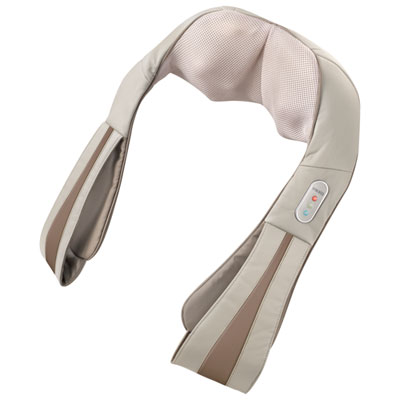 Your price for this item is $89.99
 -
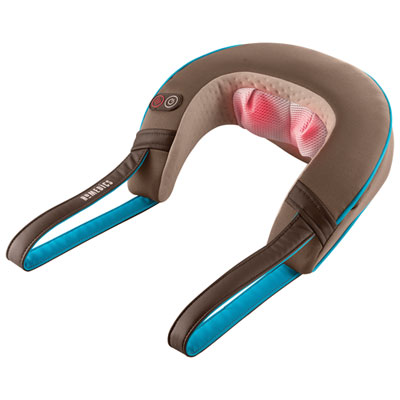 Your price for this item is $69.95
 -
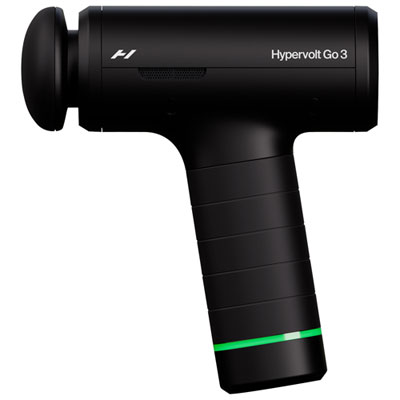 Your price for this item is $199.99
 -
 Your price for this item is $329.99
 -
 Your price for this item is $29.98
 -
 Your price for this item is $79.95
 -
 Your price for this item is $199.99
 -
 Your price for this item is $99.99
Discover more categories related to Kneading Massagers
Top Collections:
Pokemon Centers, Kindle Devices, Best Budget Office Chairs, Apple iPhones 16, Canon G7X Cameras, iPhone 15 Apple, Alarm Clock, Refurbished Apple Laptops, Flip Phones, Best Laptops for Writers
Some products may be subject to Environmental Handling Fees
(EHF) depending on your province.
Learn more about EHFs.