Laser Thermometers
Explore the precision and convenience of laser thermometers, the ideal tool for quick and accurate temperature measurements in a variety of settings. Whether you're cooking up a storm in the kitchen, ensuring your HVAC system is running smoothly, or conducting scientific experiments, these non-contact devices offer unparalleled ease of use. With their ability to provide instant readings from a safe distance, laser thermometers are perfect for both professionals and home enthusiasts seeking reliability and efficiency. Discover how these innovative tools can enhance your daily tasks with unmatched accuracy and speed.
Sort
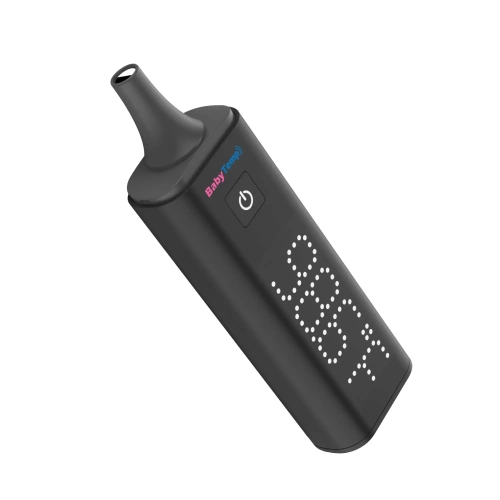
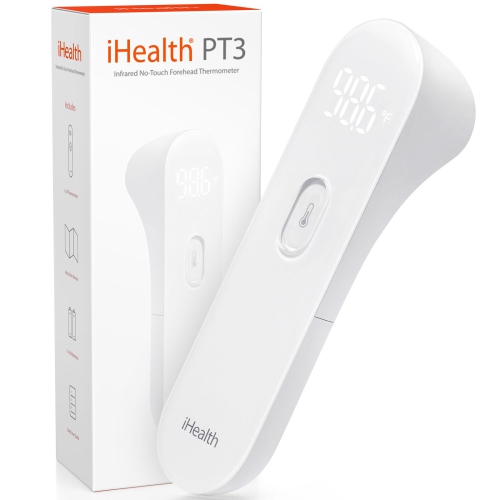
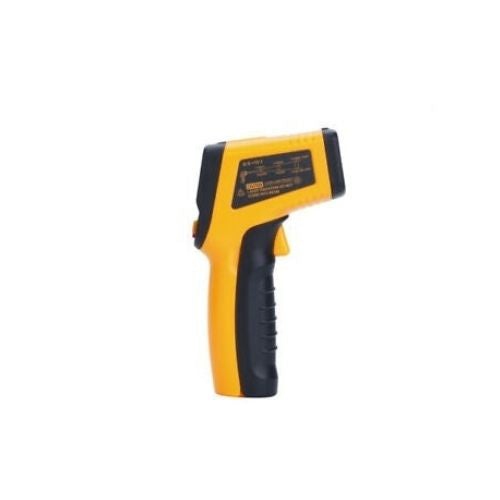
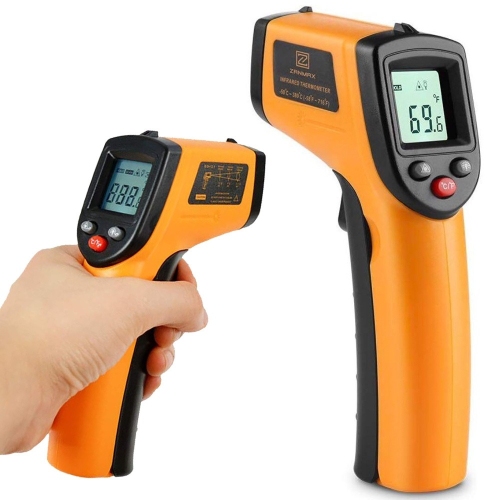
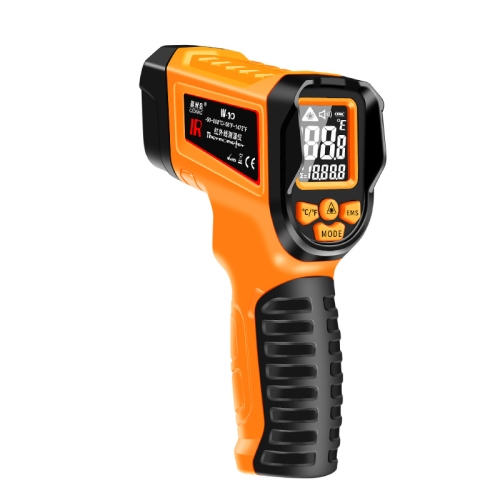
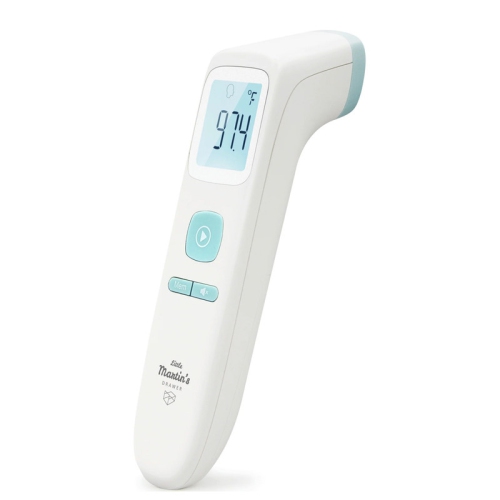
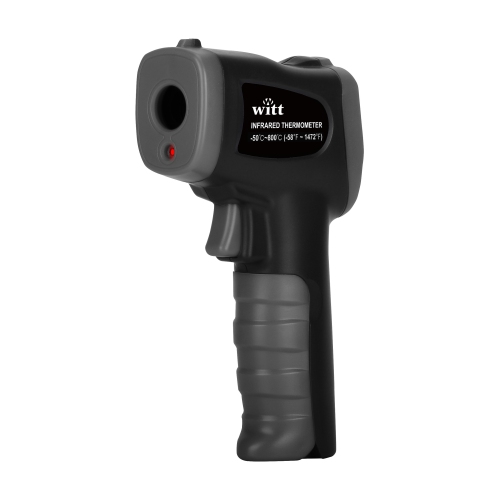
Understand how non-contact temperature readings support everyday checks
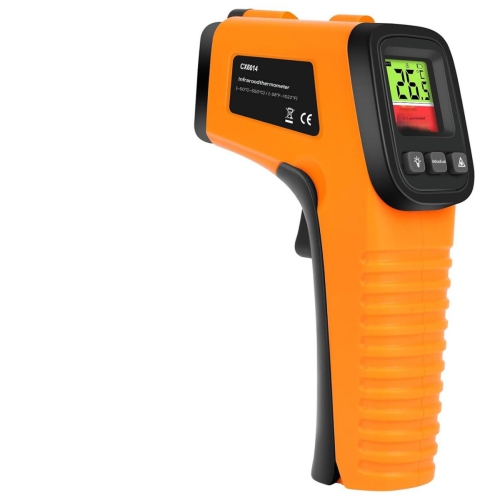
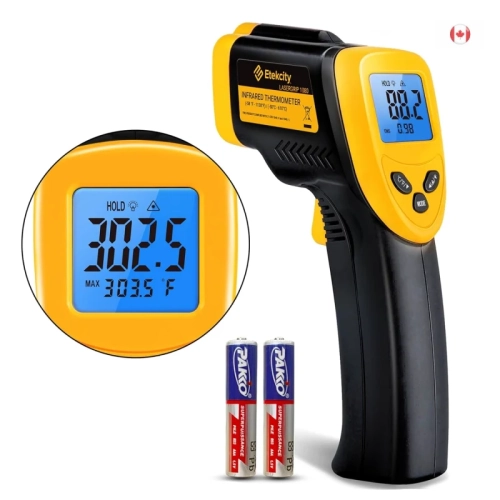
Laser thermometers, also known as infrared thermometers or infrared temperature guns, measure the heat emitted from a surface without requiring physical contact. A laser guide projects a visible dot to help you aim, while the sensor detects infrared radiation and converts it into a temperature reading on the display. This makes a laser thermometer useful when a surface is hot, moving, difficult to reach, or best left undisturbed. In a kitchen, it can check the temperature of a griddle, pizza stone, frying pan, barbecue grate, or brewing vessel before food is added. Around the home, it can help identify cold patches near windows, warm areas around radiators, or uneven temperatures from vents and ductwork. It can also be handy for checking vehicle components, appliance motors, freezers, workshop materials, and electrical panels from a safer distance, provided the user follows appropriate safety procedures and does not treat the device as a replacement for qualified service. Because these thermometers read surface temperature only, they do not measure the temperature inside food, liquids, walls, engines, or other objects. They also cannot see through glass, water, steam, dust, or other materials. For example, aiming at a pot through a glass lid may produce a reading from the lid rather than the contents, while a reading from the outside of a roast will not confirm whether the centre is cooked. For body temperature, a purpose-built medical thermometer such as No Touch Thermometers is the more appropriate choice.
When choosing among laser thermometers, start with the temperature range that suits the work you expect to do. A model intended for everyday kitchen and household checks may not cover the extreme heat found on a grill, furnace component, kiln, or engine part, while a high-range model may include features that are unnecessary for occasional use. The distance-to-spot ratio is equally important because the area being measured becomes larger as you move farther away. A thermometer with a 12:1 ratio measures an area roughly one inch wide from 12 inches away, although the exact result also depends on the device and the target. For small components, tight spaces, or narrow strips of heat, a higher ratio can help you take a more focused reading. The laser dot is an aiming aid, not the measurement itself, so it is wise to check the instructions for the required distance and keep the entire measurement area on the surface of interest. Emissivity is another key consideration. Most everyday materials, including painted surfaces, rubber, wood, paper, and many foods, are relatively straightforward to measure. Shiny metal, polished surfaces, and reflective foil can reflect heat from nearby objects and lead to readings that are lower or less reliable than expected. Adjustable emissivity settings can improve results when working with different materials, but they require the user to understand the surface being tested. On reflective metal, placing a piece of non-reflective tape on the target and allowing it to reach the same temperature can provide a more dependable reading, where practical and safe. Look for a clear digital display, a backlight for dim workshops or appliance spaces, a comfortable grip, and controls that are easy to use while wearing work gloves. Helpful functions may include maximum and minimum readings, scanning or continuous measurement, selectable Celsius and Fahrenheit scales, an alarm for temperatures outside a chosen range, data hold, and automatic shutoff to preserve battery life.
Laser thermometers are practical additions to a home toolkit because they can turn vague impressions into useful information. Instead of relying on a hand held near a vent or guessing whether a pan is ready, users can take a quick reading and compare temperatures across several spots. Home cooks may use one to map hot and cool areas on a cooking surface, while hobbyists can monitor 3D printer beds, soldering workstations, craft equipment, or model-making tools without touching active components. Drivers and DIY enthusiasts may use one for quick checks around radiators, brakes, batteries, exhaust components, or other parts, keeping in mind that readings should be taken only when it is safe to do so and that a laser thermometer does not diagnose mechanical or electrical faults. Tradespeople and maintenance teams may appreciate the speed of checking motors, bearings, pipes, ducts, and connections, especially when a pattern of warmer or cooler readings points to a problem that needs further investigation. During the cooler months, it can help locate temperature differences around doors, windows, baseboards, and heating outlets; as the weather warms, it can be useful for checking air-conditioning vents, freezer performance, outdoor cooking surfaces, and workshop equipment. A laser thermometer can also make a thoughtful gift for a home cook, barbecue enthusiast, car hobbyist, maker, homeowner, or anyone who enjoys practical tools that offer immediate feedback. For dependable results, keep the sensor lens clean, avoid aiming directly at intense light sources, allow the thermometer to adjust to major changes in surrounding temperature, and compare readings consistently from the same distance and angle. Treat every result as a surface reading, and use a contact probe, food thermometer, multimeter, or professional testing instrument when the task requires a different type of measurement.
When choosing among laser thermometers, start with the temperature range that suits the work you expect to do. A model intended for everyday kitchen and household checks may not cover the extreme heat found on a grill, furnace component, kiln, or engine part, while a high-range model may include features that are unnecessary for occasional use. The distance-to-spot ratio is equally important because the area being measured becomes larger as you move farther away. A thermometer with a 12:1 ratio measures an area roughly one inch wide from 12 inches away, although the exact result also depends on the device and the target. For small components, tight spaces, or narrow strips of heat, a higher ratio can help you take a more focused reading. The laser dot is an aiming aid, not the measurement itself, so it is wise to check the instructions for the required distance and keep the entire measurement area on the surface of interest. Emissivity is another key consideration. Most everyday materials, including painted surfaces, rubber, wood, paper, and many foods, are relatively straightforward to measure. Shiny metal, polished surfaces, and reflective foil can reflect heat from nearby objects and lead to readings that are lower or less reliable than expected. Adjustable emissivity settings can improve results when working with different materials, but they require the user to understand the surface being tested. On reflective metal, placing a piece of non-reflective tape on the target and allowing it to reach the same temperature can provide a more dependable reading, where practical and safe. Look for a clear digital display, a backlight for dim workshops or appliance spaces, a comfortable grip, and controls that are easy to use while wearing work gloves. Helpful functions may include maximum and minimum readings, scanning or continuous measurement, selectable Celsius and Fahrenheit scales, an alarm for temperatures outside a chosen range, data hold, and automatic shutoff to preserve battery life.
Laser thermometers are practical additions to a home toolkit because they can turn vague impressions into useful information. Instead of relying on a hand held near a vent or guessing whether a pan is ready, users can take a quick reading and compare temperatures across several spots. Home cooks may use one to map hot and cool areas on a cooking surface, while hobbyists can monitor 3D printer beds, soldering workstations, craft equipment, or model-making tools without touching active components. Drivers and DIY enthusiasts may use one for quick checks around radiators, brakes, batteries, exhaust components, or other parts, keeping in mind that readings should be taken only when it is safe to do so and that a laser thermometer does not diagnose mechanical or electrical faults. Tradespeople and maintenance teams may appreciate the speed of checking motors, bearings, pipes, ducts, and connections, especially when a pattern of warmer or cooler readings points to a problem that needs further investigation. During the cooler months, it can help locate temperature differences around doors, windows, baseboards, and heating outlets; as the weather warms, it can be useful for checking air-conditioning vents, freezer performance, outdoor cooking surfaces, and workshop equipment. A laser thermometer can also make a thoughtful gift for a home cook, barbecue enthusiast, car hobbyist, maker, homeowner, or anyone who enjoys practical tools that offer immediate feedback. For dependable results, keep the sensor lens clean, avoid aiming directly at intense light sources, allow the thermometer to adjust to major changes in surrounding temperature, and compare readings consistently from the same distance and angle. Treat every result as a surface reading, and use a contact probe, food thermometer, multimeter, or professional testing instrument when the task requires a different type of measurement.
Top selling and popular products
-
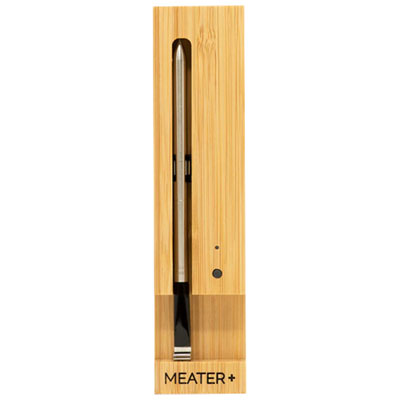 Your price for this item is $149.99
 -
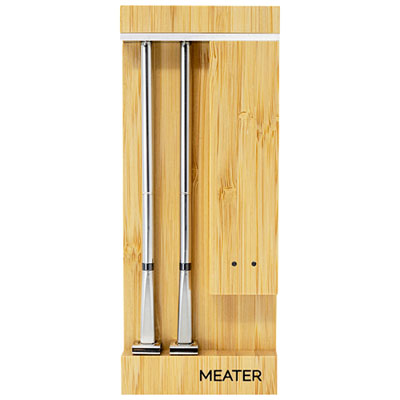 Your price for this item is $269.99
 -
 Your price for this item is $99.99
 -
 Your price for this item is $69.74
 -
 Your price for this item is $45.99
 -
 Your price for this item is $149.99
 -
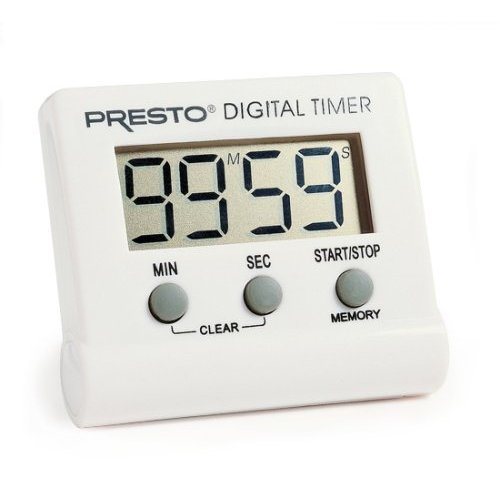 Your price for this item is $12.99
 -
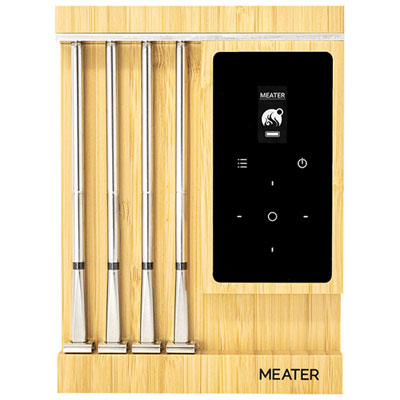 Your price for this item is $479.99
Discover more categories related to Laser Thermometers
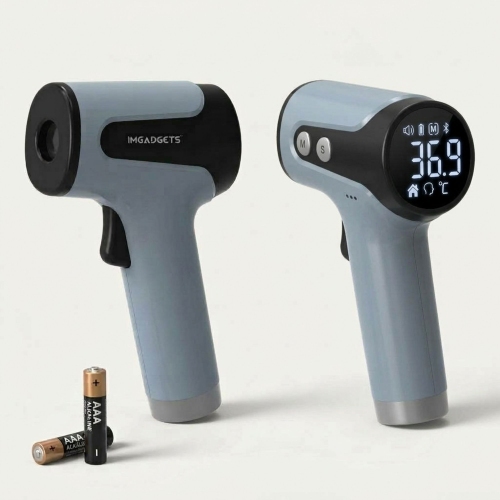
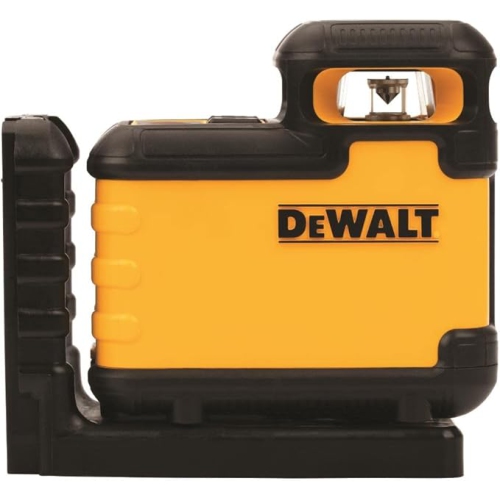
Top Collections:
Pokemon Centers, Kindle Devices, Best Budget Office Chairs, Apple iPhones 16, Canon G7X Cameras, iPhone 15 Apple, Alarm Clock, Refurbished Apple Laptops, Flip Phones, Best Laptops for Writers
Some products may be subject to Environmental Handling Fees
(EHF) depending on your province.
Learn more about EHFs.