Scales With Body Fat Percentage
Looking to keep track of your fitness goals? Look no further than our selection of scales with body fat percentage measurement. These innovative devices not only provide you with an accurate reading of your weight, but also give you valuable insights into your body composition. Whether you're trying to lose weight, build muscle, or simply maintain a healthy lifestyle, these scales are designed to help you stay on track and monitor your progress. With sleek designs and user-friendly features, our scales with body fat percentage measurement are the perfect addition to any home gym or bathroom. Say goodbye to guesswork and hello to a more precise way of tracking your fitness journey.
Sort

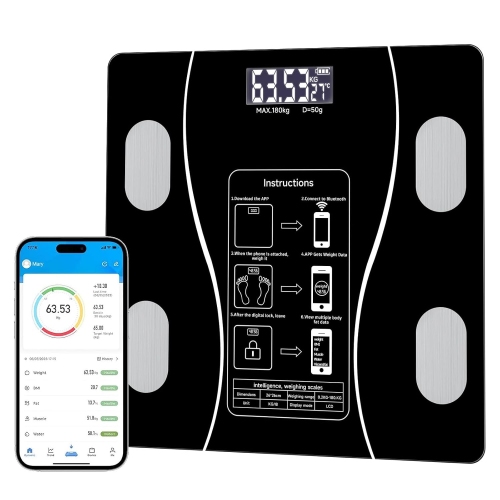
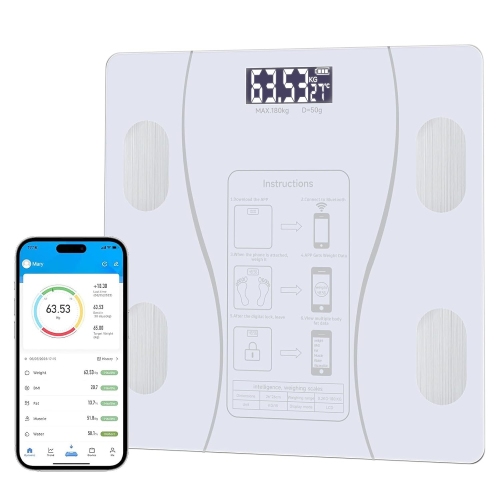
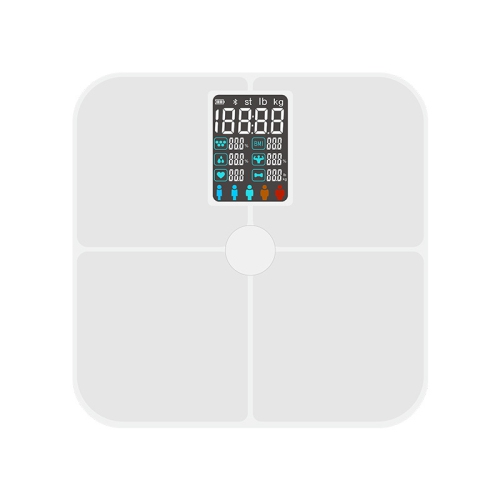
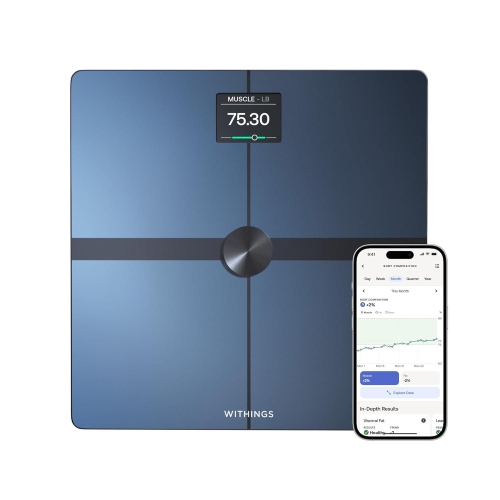
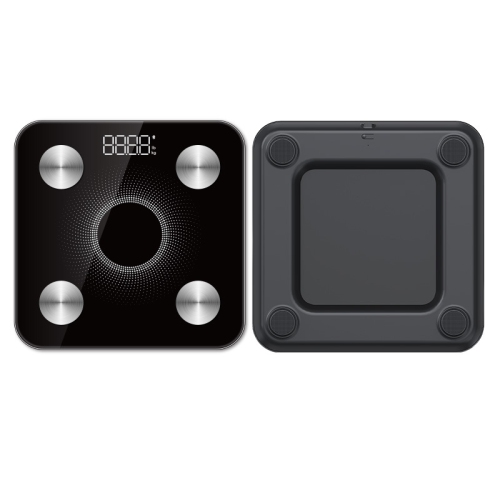
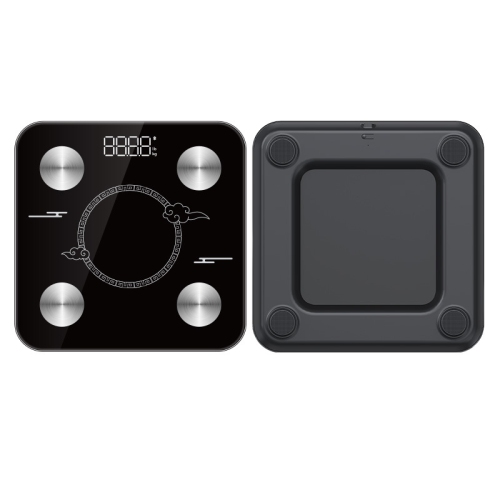
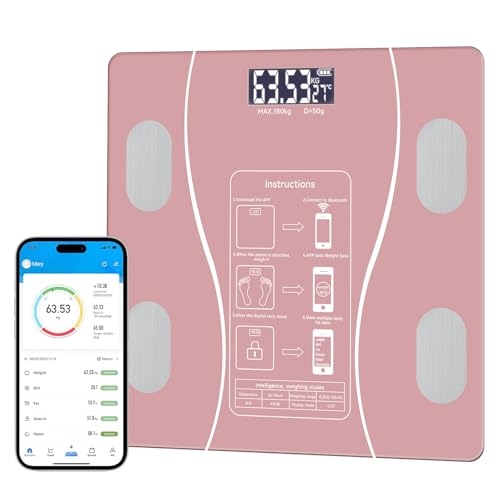
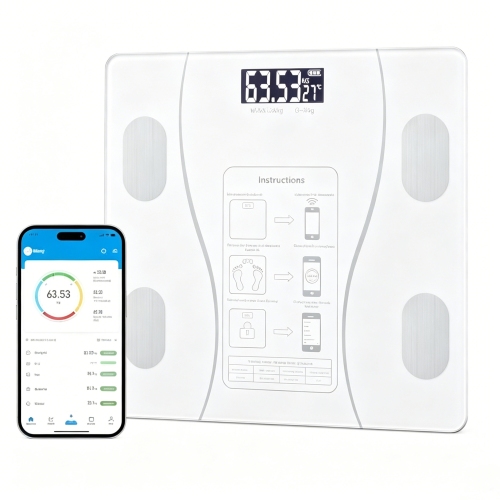
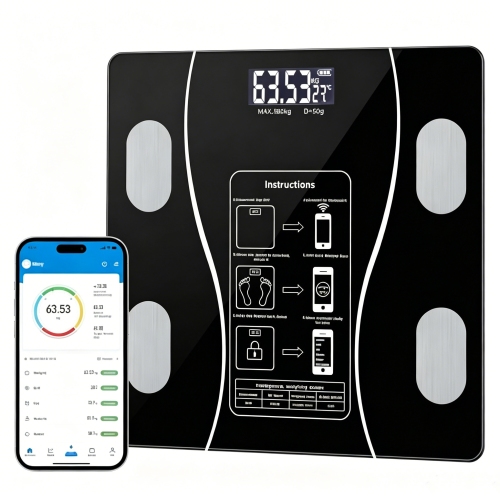
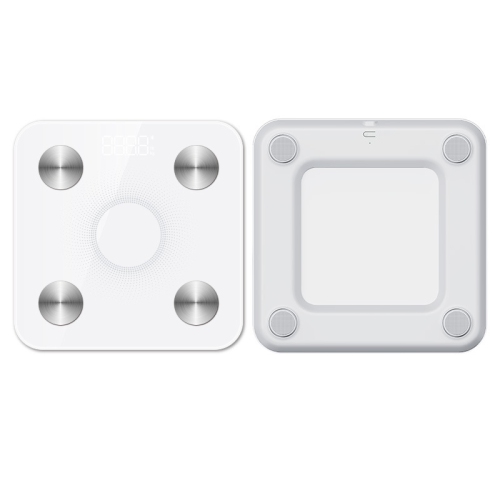
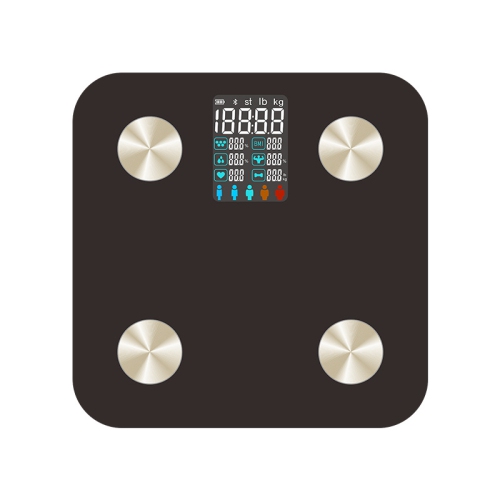
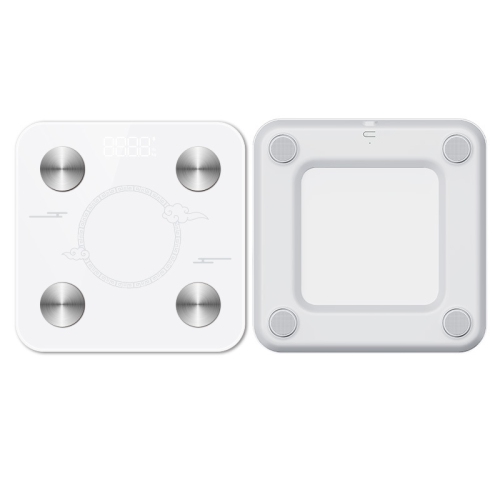
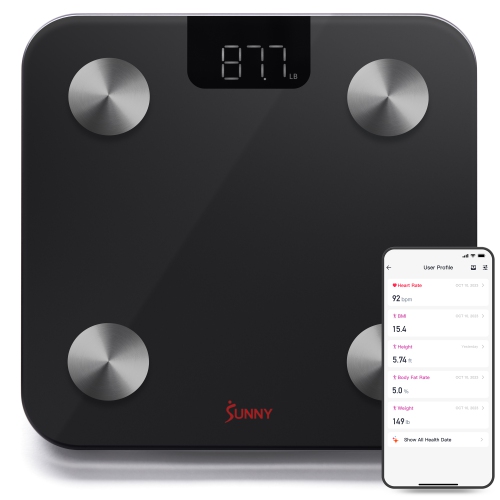
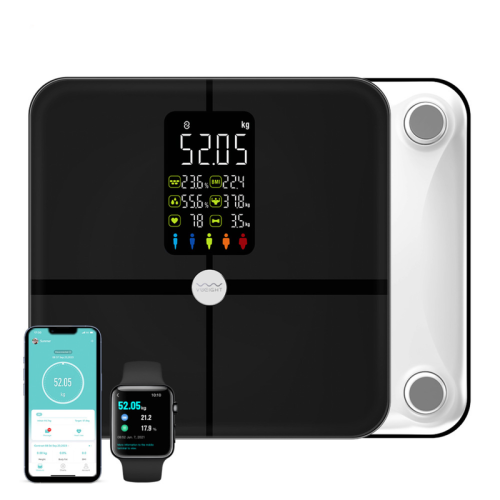

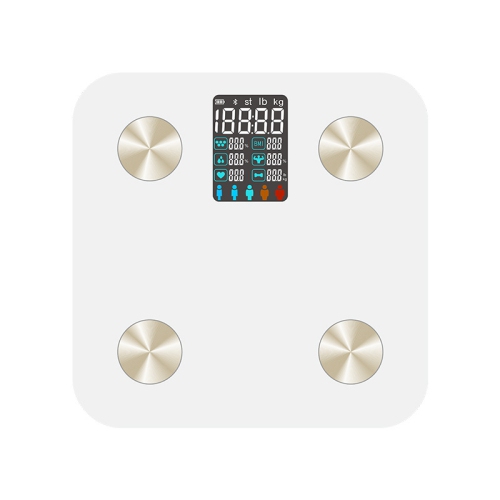

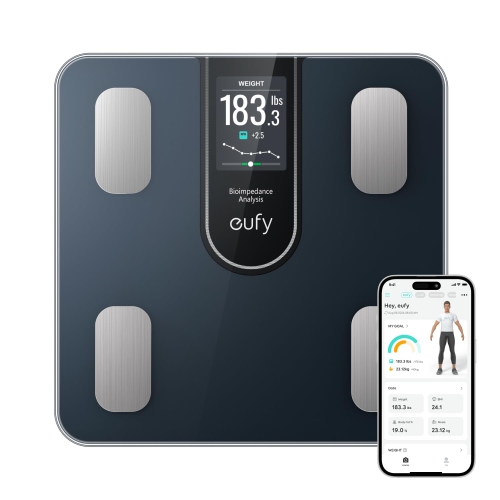
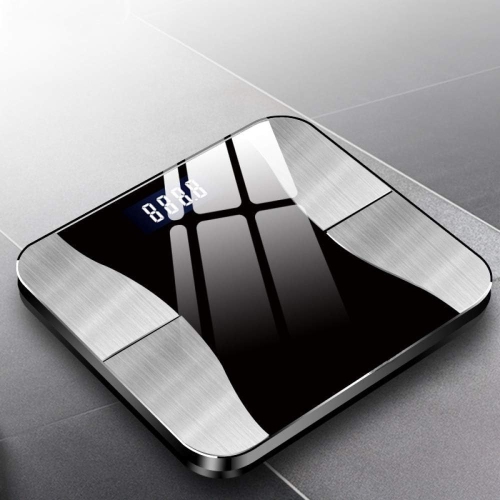
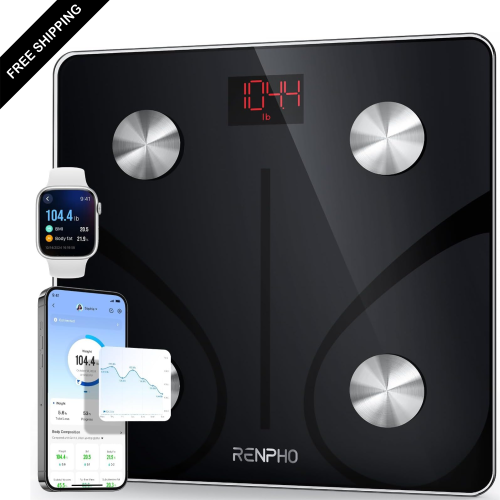
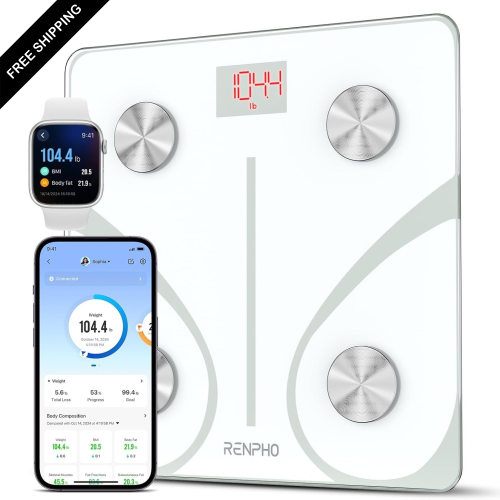
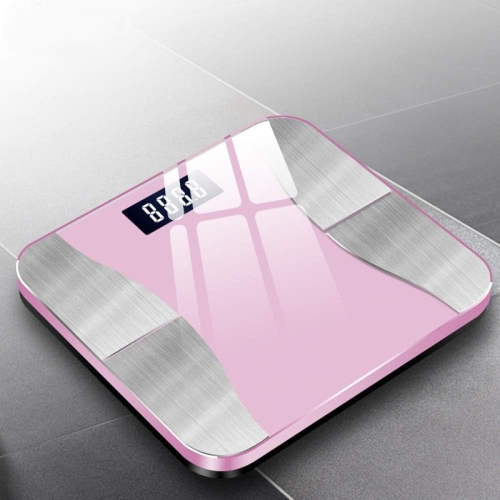

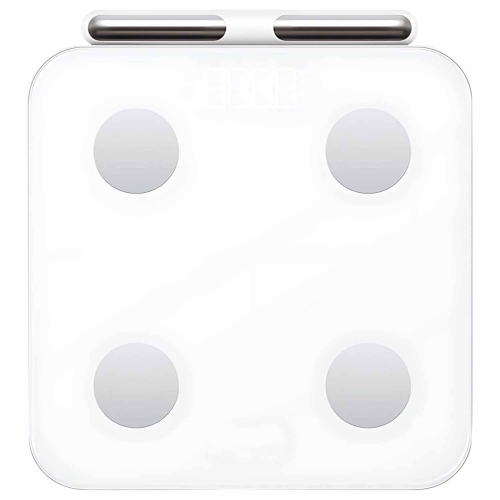
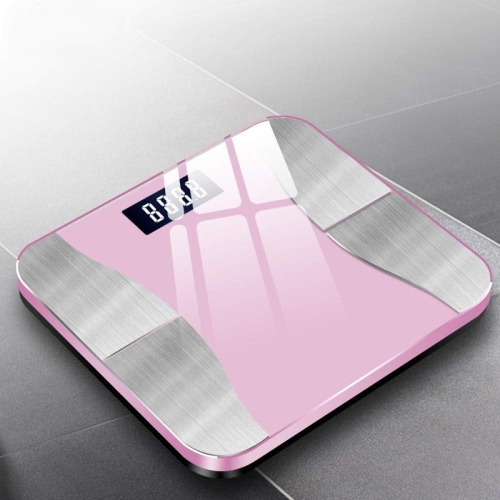
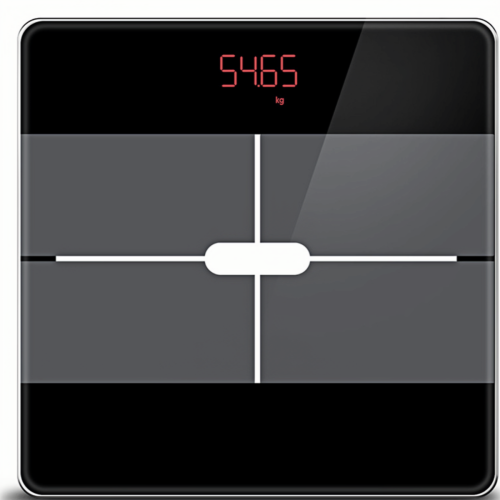


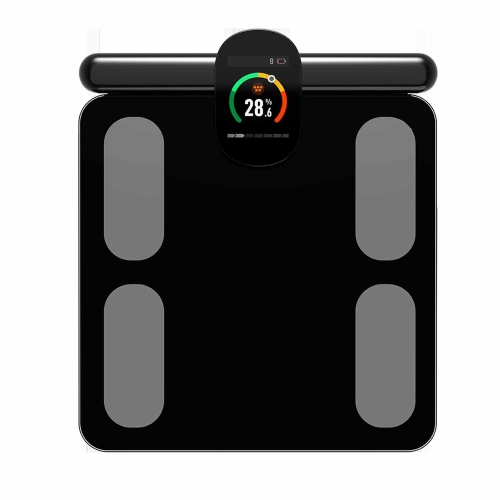





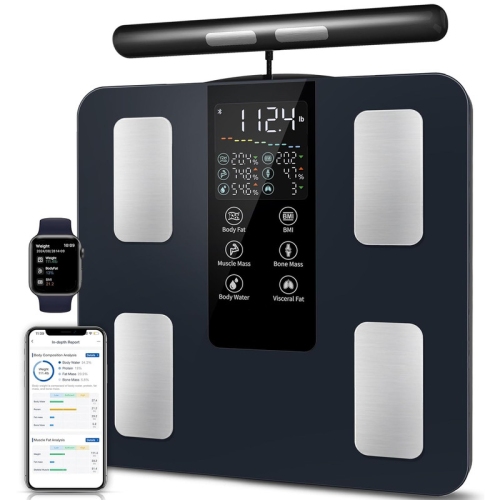
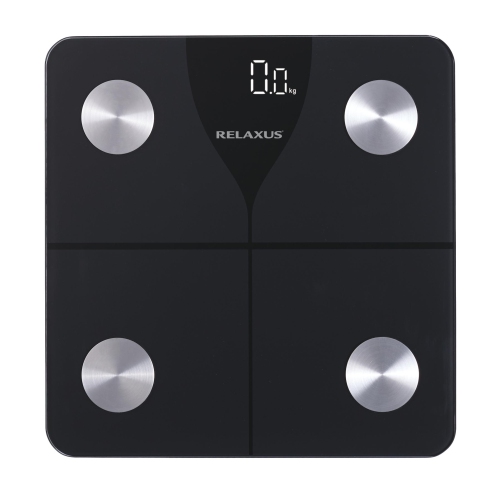
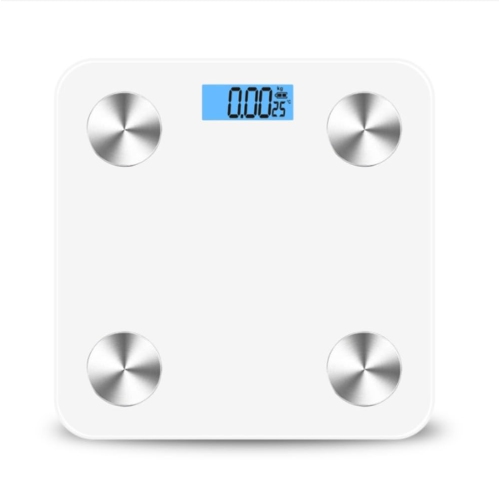
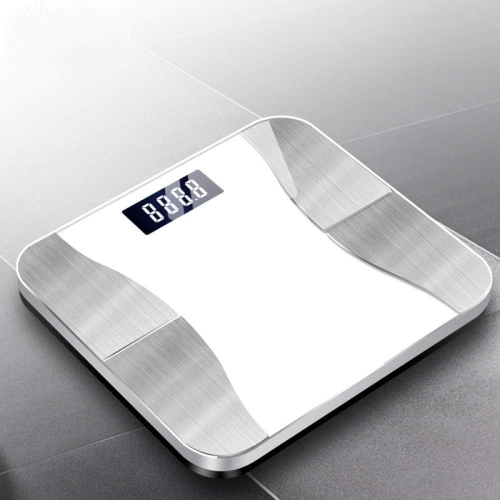






How body composition estimates add context to weight
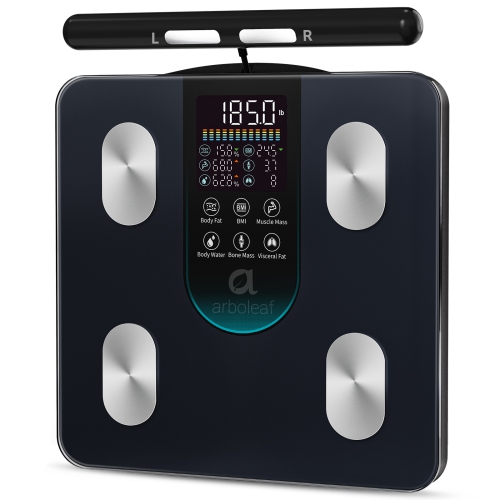
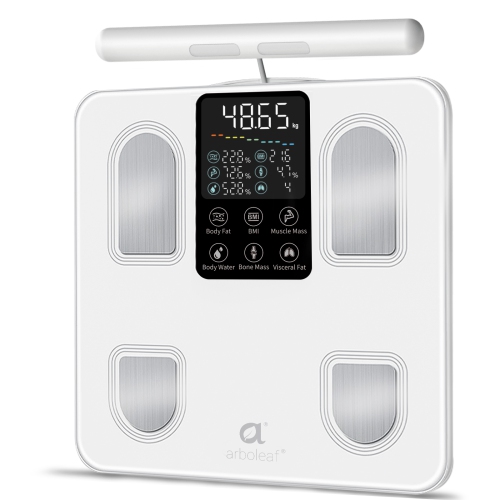
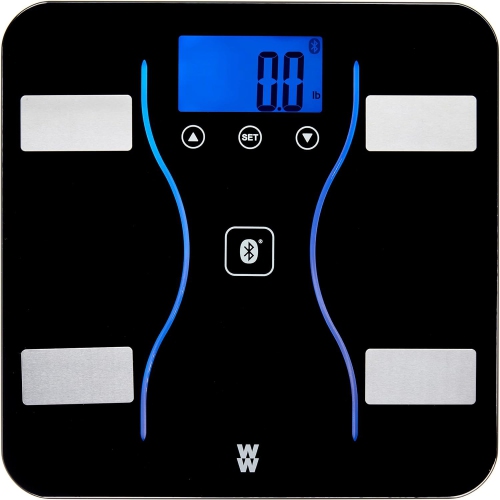
Scales with body fat percentage measure body weight and estimate how much of that weight comes from fat, adding context to a number that cannot tell the whole story on its own. Most use bioelectrical impedance analysis, or BIA: electrodes on the platform send a very low electrical current through the body and measure the resistance it encounters. Water-rich tissue, including muscle, conducts electricity more readily than fat tissue. The scale combines that measurement with weight and profile details, such as height and age, to calculate an estimated body fat percentage. Depending on the model, the display or companion app may also show estimates for muscle mass, body water, bone mass, or other body composition measures. These additional figures are calculations, not separate direct measurements, and they are best understood as approximate indicators rather than clinical findings. For someone adding strength training to a walking routine, for example, body weight may remain fairly steady even as fitness and body composition change. A body composition scale can provide another way to follow those patterns, alongside how clothing fits, exercise performance, and advice from a healthcare professional. Hydration, meals, recent exercise, skin temperature, and the time of day can all affect BIA readings, so an individual result is not a precise verdict on progress or health. Measurements taken under similar conditions are more useful for following trends over several weeks than comparing a reading after a workout with one taken before breakfast. Even then, consistent use does not make the estimate equivalent to a clinical assessment. These scales suit adults who want a convenient addition to an established wellness or fitness routine, particularly those who prefer seeing changes in a chart rather than relying on memory. They are not diagnostic devices, and a lower body fat percentage is not automatically a better result for every person.
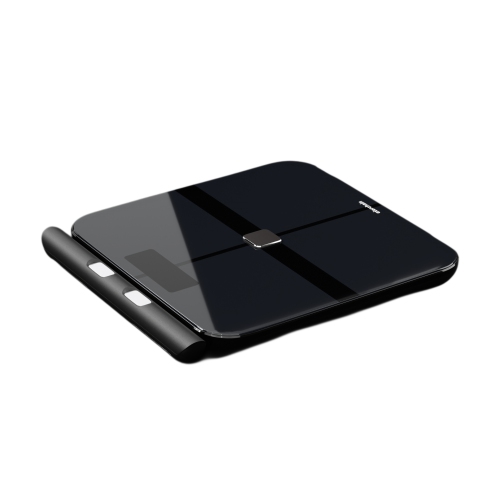
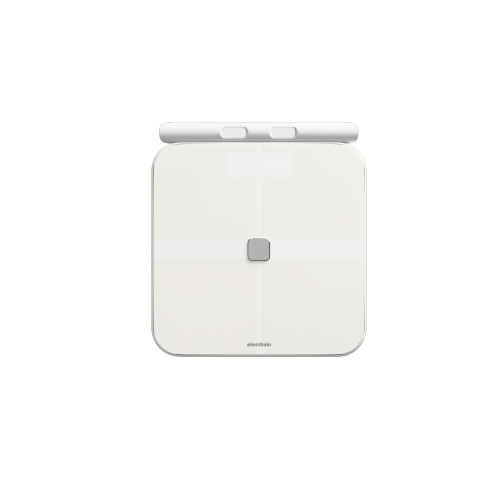
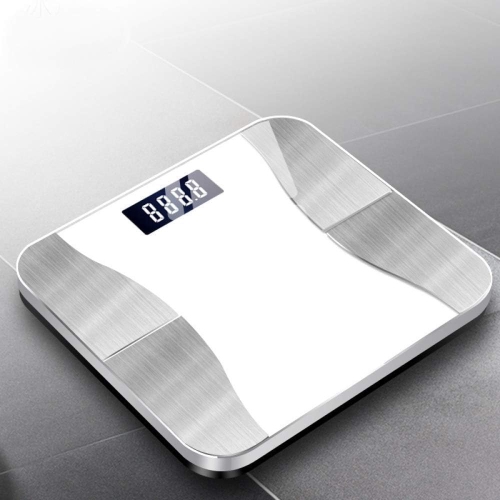
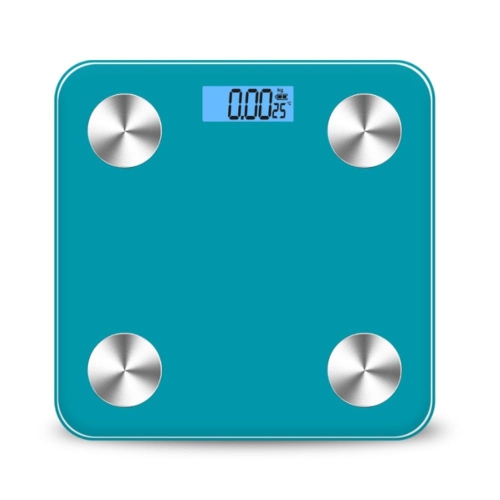
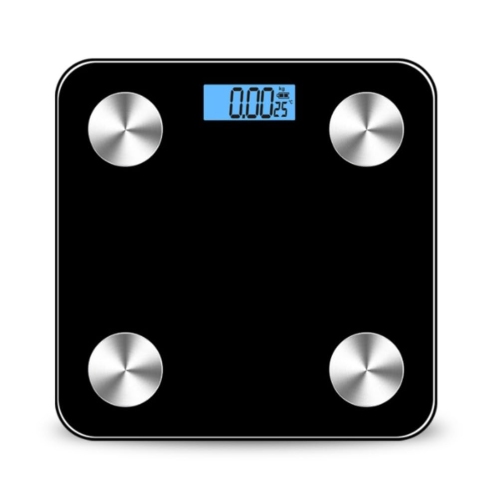
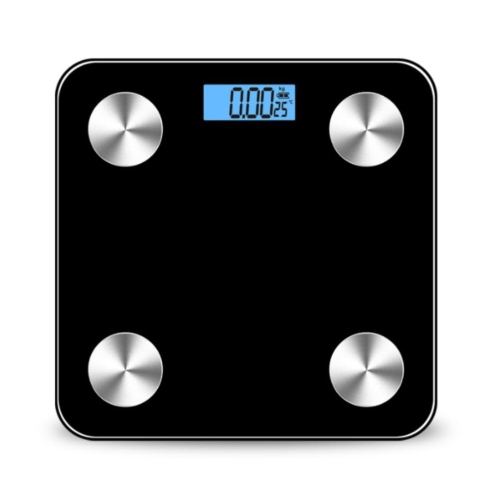
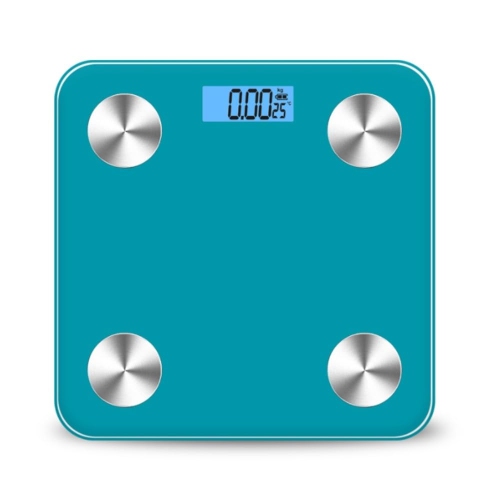
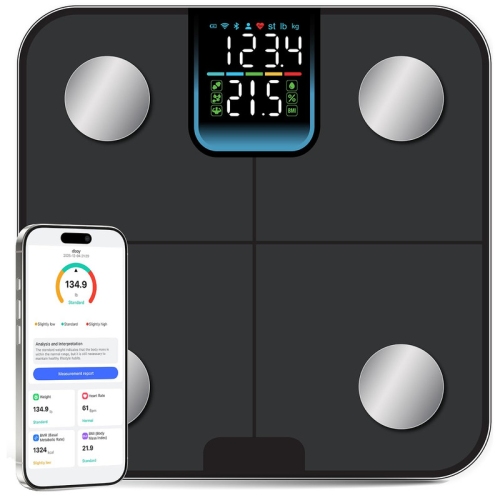
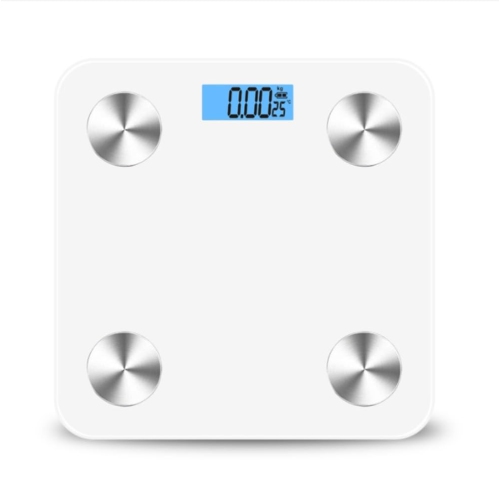
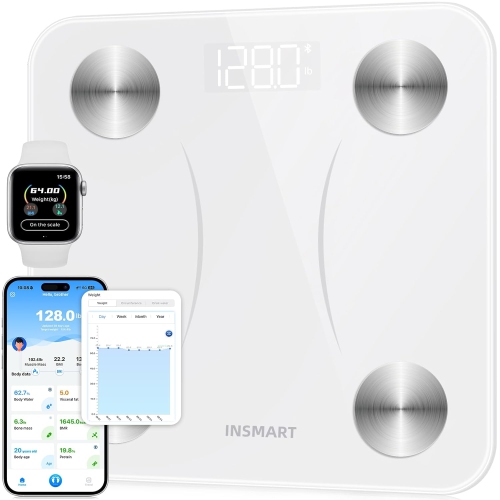
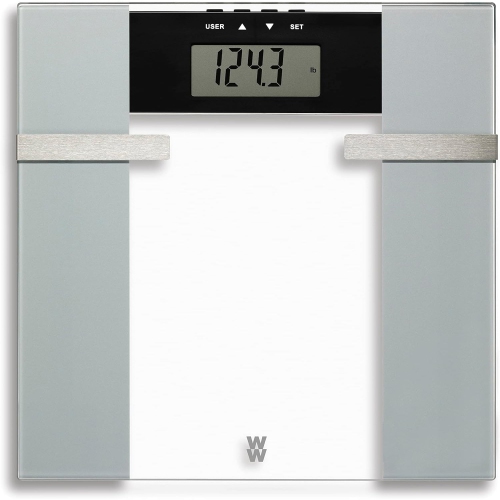
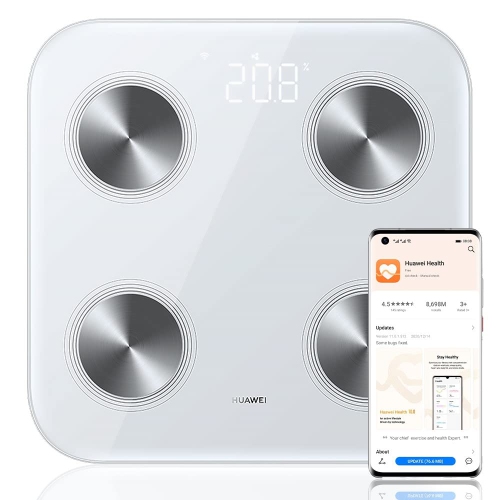
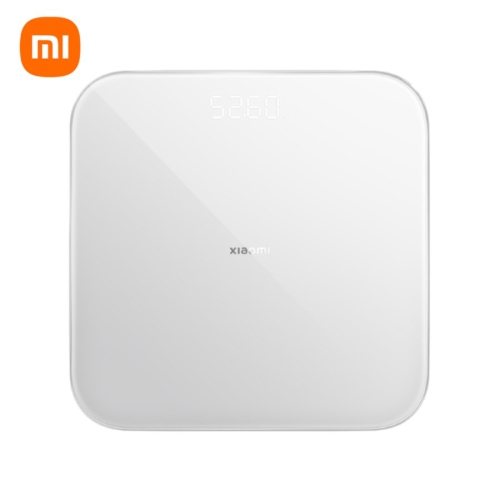
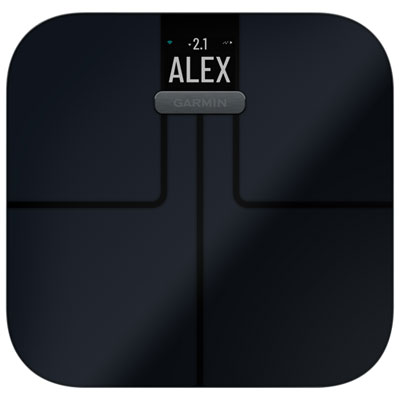
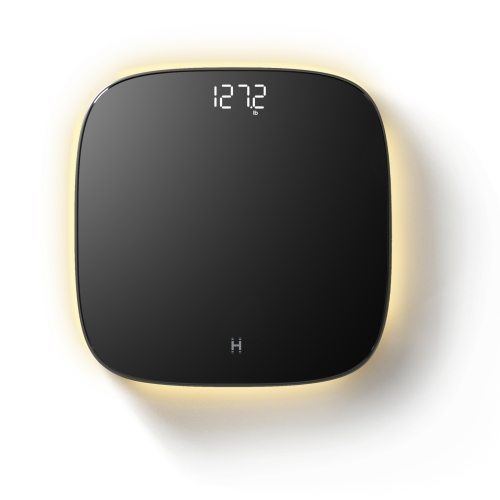
The differences between body fat scales often become most noticeable in everyday use, from stepping onto the platform to checking a result without reaching for a phone. Foot-electrode designs take their impedance measurement through contact with bare feet, while some designs add a handheld component with additional electrodes to include more measurement paths through the upper and lower body. More contact points can provide additional information, but they do not remove the limitations of BIA or guarantee greater accuracy for every user. Platform dimensions, maximum weight capacity, and display placement matter just as much as the list of tracked metrics. A broad surface with clearly positioned foot contacts can make standing still more comfortable, while large, well-lit digits are easier to read from a standing position. Tempered glass platforms are common and have a smooth surface that is straightforward to wipe clean; other designs may use metal or plastic components around the housing and contact areas. Secure feet underneath the scale help it sit firmly on a level floor. For connected features, Smart Body Fat Scales can bring measurements into a compatible app, where graphs and saved entries make longer-term patterns easier to review. Bluetooth models typically transfer information when a compatible phone is nearby, while Wi-Fi connectivity may allow syncing without the phone beside the scale, depending on the design. Phone compatibility, account requirements, and the measurements visible on the scale itself are practical considerations for anyone who would rather leave a device outside the bathroom. In a shared household, separate user profiles help keep histories distinct, although automatic recognition may need confirmation when two people have similar weights. Privacy settings, data-sharing controls, and the ability to export or delete measurement history also deserve attention because body composition information is personal. A simple display may suit someone who wants a quick check-in, while app-based charts can appeal to someone who enjoys reviewing patterns alongside activity records.
A body fat scale works best as a small, repeatable part of a routine rather than something that demands constant attention. On a typical morning, that might mean placing it on the same hard, level section of bathroom floor and stepping on before breakfast, after using the washroom. Carpet, uneven tiles, or a platform that rocks can interfere with weight readings. Bare feet should make full contact with the electrodes, and feet and the platform should be clean and dry to reduce slipping; socks generally prevent the contact needed for body composition estimates. Standing still and following the manufacturer's positioning directions helps the scale complete its measurement. There is no need to react to every daily fluctuation, and a less frequent schedule may be a better fit for people who find frequent weighing distracting or stressful. Intended-use details are especially important for households with children, pregnant users, or anyone with an implanted electronic medical device. Body composition modes may not be intended or validated for children or pregnancy, and people with a pacemaker or another implanted electronic device should seek medical advice and follow the device and scale manufacturers' restrictions before using an impedance scale. Athlete modes, where included, use different assumptions and are appropriate only when the user's training profile matches the manufacturer's criteria. For care, a soft, lightly dampened cloth is usually suitable for the platform, with cleaning products used only as directed. Immersing the scale, leaving water around its seams, or using abrasive cleaners can damage its surface or electronics. Glass platforms also need protection from knocks, dropped objects, and chipped edges, particularly when stored near other bathroom equipment. Battery access, charging requirements, and storage space affect convenience over time, especially if the scale moves between a cupboard and the floor. As a gift, this type of personal wellness device is most thoughtful when the recipient has specifically expressed interest in tracking body composition. Whether used by one person or shared through separate profiles, the most useful scale is one that fits comfortably into daily life, presents information clearly, and supports a balanced view of changes over time.
Top selling and popular products
-
 Your price for this item is $219.99
-
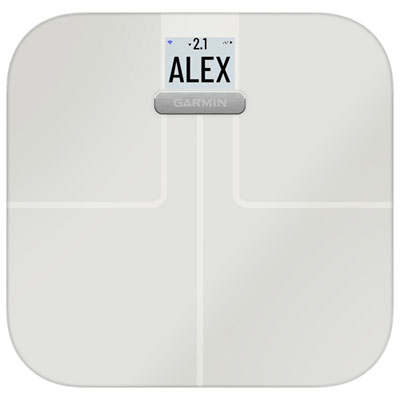 Your price for this item is $219.99
-
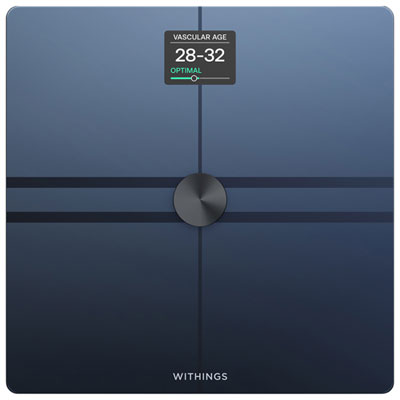 Your price for this item is $249.99
-
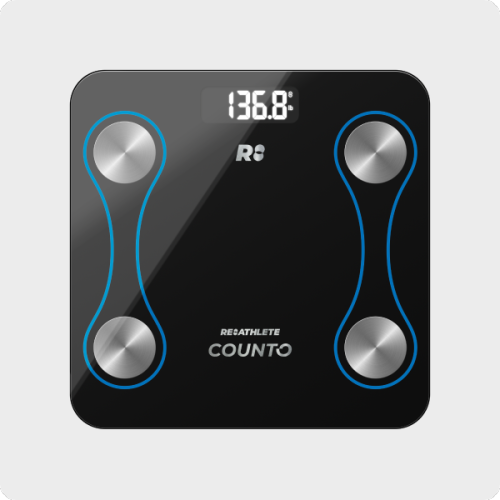 Your price for this item is $64.99
-
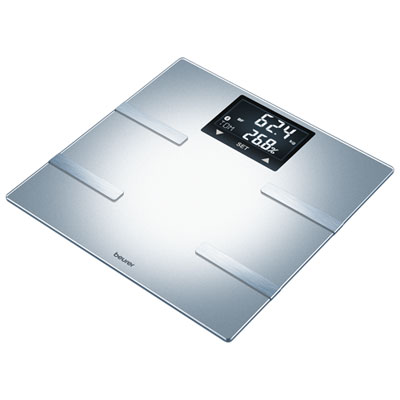 Your price for this item is $59.99
-
 Your price for this item is $129.99
-
 Your price for this item is $39.99
-
 Your price for this item is $128.97
Discover more categories related to Scales With Body Fat Percentage
Top Collections:
Pokemon Centers, Best Cameras for Sports Photography, Kindle Devices, Samsung Galaxy Phones, Canon G7X Cameras, Pokémon 30th Celebration Cards, Refurbished Apple Laptops, iPhone 15 Apple, Laptops for Students, Budget Smartphones
Some products may be subject to Environmental Handling Fees
(EHF) depending on your province.
Learn more about EHFs.