Spa Sanitizers
Maintaining a clean and hygienic spa is essential for a relaxing and enjoyable experience. With our wide selection of spa sanitizers, you can effortlessly keep your spa water free from impurities and bacteria. From chlorine-based solutions to alternative sanitizing methods, our range of products ensures that you can find the perfect option to suit your needs. Explore our collection of spa sanitizers and take the first step towards creating a pristine spa environment that promotes relaxation and well-being.
Sort


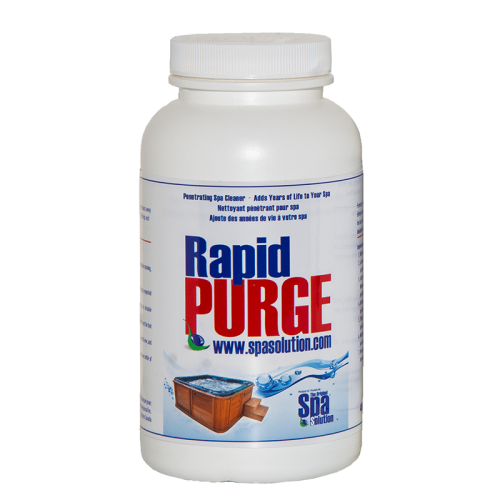
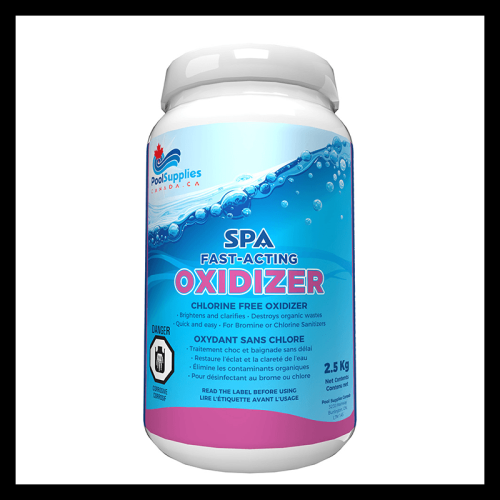
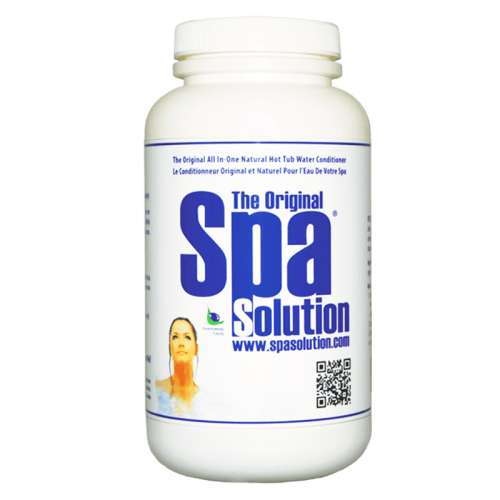

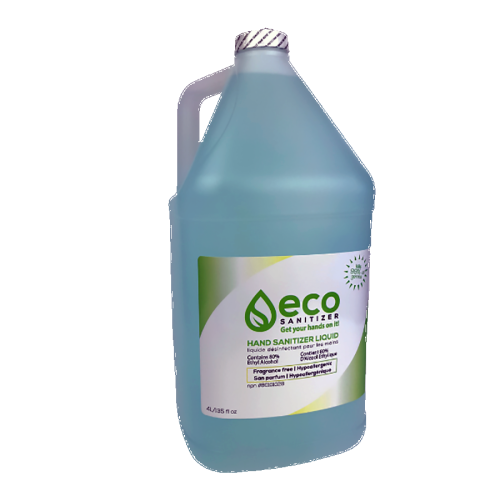

Why clear spa water still needs regular testing
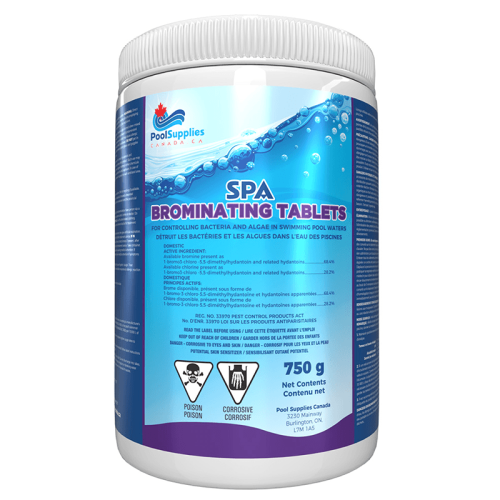
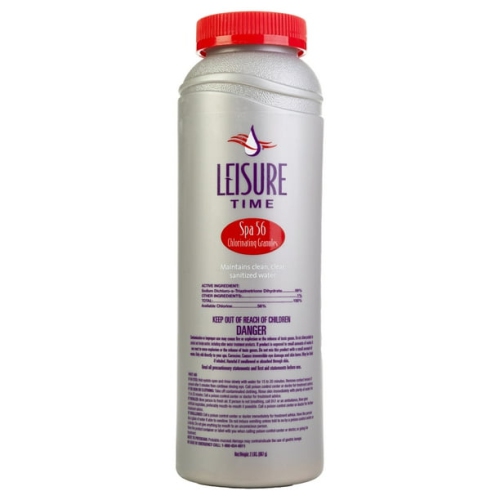
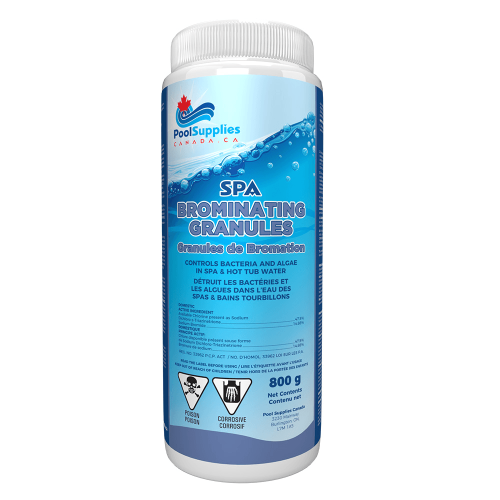
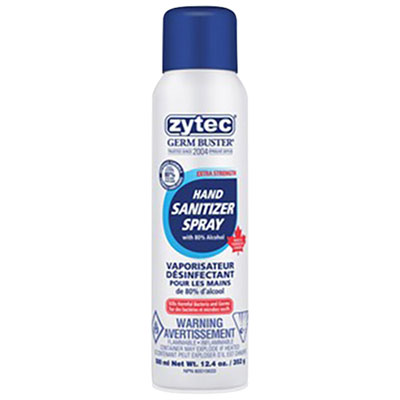
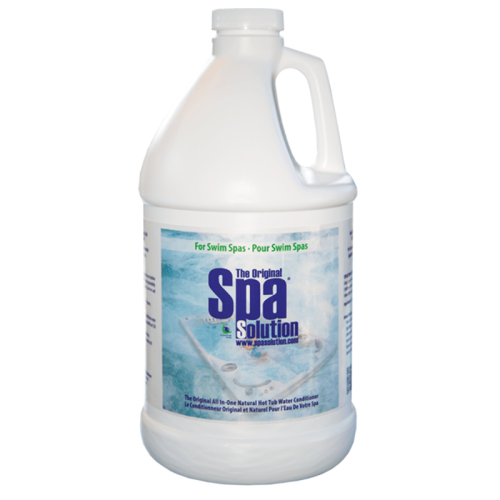
Spa sanitizers are water-care products used to control bacteria and other microorganisms in hot tubs and spas. They are a central part of maintaining water that people can use with confidence, alongside filtration, water testing, and regular cleaning. Chlorine and bromine are two common sanitizer options, but their suitability depends on the spa equipment, the existing treatment routine, and the product’s labelled use. Chlorine-based sanitizers provide disinfection and can also oxidize some of the impurities introduced during bathing. Bromine-based sanitizers offer another established approach, with formulations designed to maintain a measurable sanitizer residual in the water. That residual is the amount of active sanitizer remaining to help protect against contamination between treatments. Neither clear-looking water nor a lack of noticeable odour confirms that enough sanitizer is present; testing provides information that appearance alone cannot. A spa used by two adults occasionally will place different demands on its water-care routine than one used frequently by a household or several guests. Perspiration, body oils, cosmetics, and other substances enter the water during normal use and can increase sanitizer demand. This makes spa sanitizers relevant to both everyday upkeep and the extra attention needed after heavier use. For Canadian households, a Health Canada registration number and labelling that specifically permits spa or hot tub use are important selection details. Swimming pool chemicals are not automatically suitable for a spa, even when the active ingredient sounds familiar. The label identifies the intended application, handling precautions, and treatment requirements. Choosing within those boundaries helps make water care more predictable, whether the spa is part of a quiet evening routine, a shared family space, or a place to unwind after exercise. The most useful distinction is not simply chlorine versus bromine, but whether the sanitizer fits the equipment and can be measured and maintained consistently.
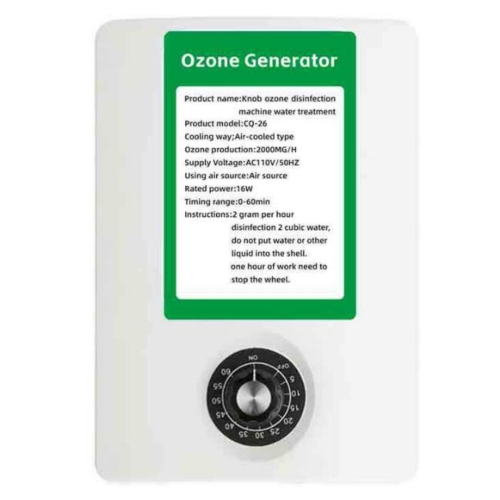
The form of a spa sanitizer affects how it fits into that routine. Granular formulations are measured for application according to their instructions, while tablets may be intended for gradual dispensing through compatible equipment. A tablet feeder, floating dispenser, or automatic system must be suitable for both the sanitizer and the spa; these accessories are not interchangeable across every chemical type. Spa capacity also matters because treatment amounts relate to the volume of water, not just the number of seats. A compact inflatable spa and a larger hard-shell model can have different chemical restrictions, circulation arrangements, and dispensing requirements. Manufacturer guidance helps establish compatibility with components such as the liner, acrylic shell, jets, seals, and cover. Correct application matters for the durability of those materials, since concentrated chemicals resting against a surface can cause damage. Tablets should only be used in the manner specified on their label, rather than placed directly against the spa shell. Existing water chemistry is another consideration. Moving between chlorine and bromine routines is not simply a matter of replacing one container with another, and different sanitizers must never be mixed together in concentrated form. Saltwater systems also need a clear distinction: many generate chlorine from dissolved salt, so they are not chlorine-free systems. Mineral cartridges, ozone equipment, and ultraviolet systems may support water treatment, but they should not be assumed to replace an approved sanitizer or eliminate testing. Their role depends on the complete system and its operating instructions. For someone who prefers a straightforward routine, compatibility and clear dosing information can matter more than the number of treatment options involved. For a household sharing maintenance duties, readable labels and an established approach make it easier for each person to understand what is already in the water. Consistency helps avoid unnecessary switching, accidental duplication, and uncertainty about which treatment belongs with the spa’s existing setup.
Sanitizing is one part of water care, rather than a substitute for every other maintenance task. Balanced pH helps support effective treatment and comfortable bathing, while alkalinity influences how readily pH changes. Filtration removes suspended particles, and physical cleaning addresses deposits and buildup on surfaces that chemical treatment alone may not resolve. Oxidizing treatments, often called shock treatments, serve a related but distinct purpose by breaking down certain impurities. A non-chlorine shock treatment should not be assumed to provide the ongoing disinfection of a primary sanitizer unless its registration and label specifically support that use. Related Spa Water Treatments can address needs such as water balance, scale management, or cleaning, with each treatment serving its own purpose rather than replacing the sanitizer. Suitable test strips or a compatible testing kit help connect these parts of the routine by measuring the parameters relevant to the chosen system. Results are most useful when the testing method is intended for the sanitizer in use and the test supplies remain within their labelled shelf life. For example, water that looks inviting after several people have used the spa may still need attention because the sanitizer residual has fallen. Persistent cloudiness, unusual odours, or recurring balance problems call for investigation rather than repeated chemical additions without testing. Care also extends to the containers and measuring tools used outside the spa. Original, clearly labelled packaging preserves essential directions and hazard information, while secure storage keeps chemicals away from children, pets, food, and incompatible substances. Storage conditions, protective equipment, and disposal requirements should follow the label. Dedicated measuring tools help prevent cross-contamination, and different chemicals should never be combined in a container or dispenser. These practical details make spa sanitizers easier to incorporate into a dependable household routine. Matched to the spa, supported by testing, and handled correctly, they provide the foundation for ongoing water care without relying on appearance, fragrance, or guesswork.
Top selling and popular products
-
 Your price for this item is $1159.99
-
 Your price for this item is $749.98
-
 Your price for this item is $299.98
-
 Your price for this item is $319.99
-
 Your price for this item is $2299.98
-
 Your price for this item is $599.98
-
 Your price for this item is $1199.98
-
 Your price for this item is $479.98
Discover more categories related to Spa Sanitizers


Top Collections:
Best Black Friday Deals This Year, Best Black Friday Deals On Electronics, Kindle Devices, Best Black Friday Deals On Apple Products, Best Budget Office Chairs, Best Cameras for Sports Photography, Dyson Airwrap, Canon G7X Cameras, Best Laptops for Writers, Samsung Galaxy Phones
Some products may be subject to Environmental Handling Fees
(EHF) depending on your province.
Learn more about EHFs.