Stainless Steel Water Bottles
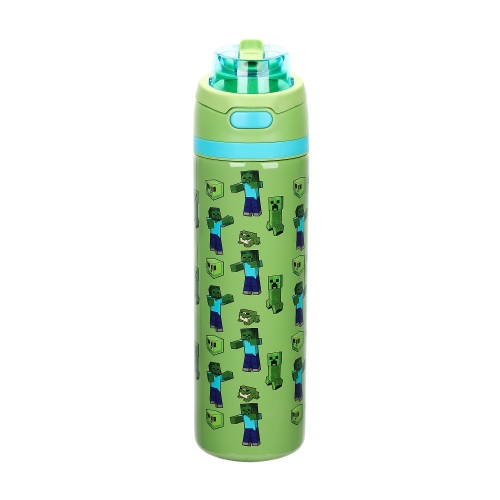
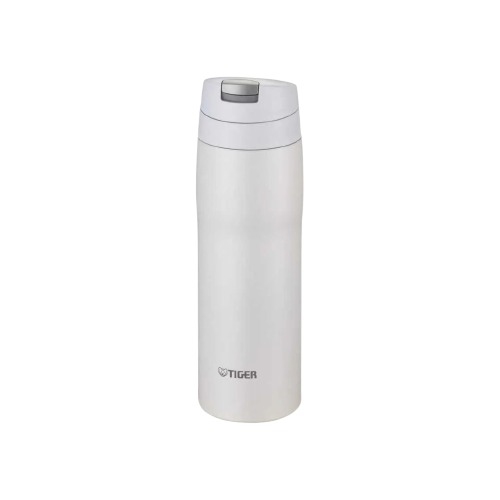
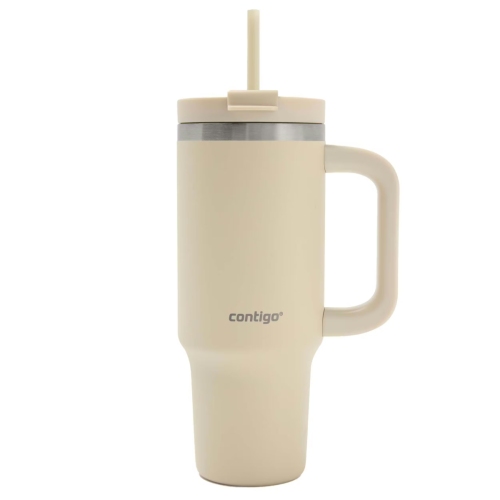
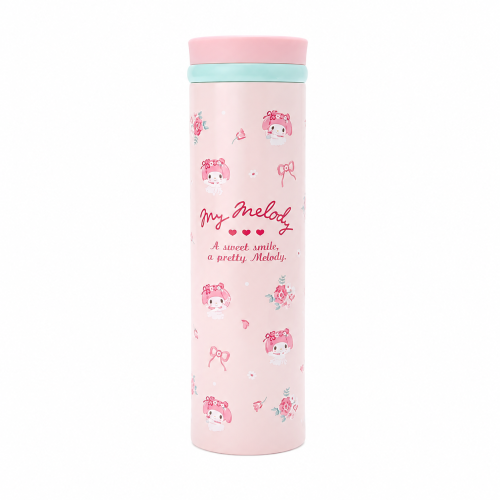
Looking for a reliable way to stay hydrated on the go? Look no further than stainless steel water bottles. These sleek and durable containers are perfect for those seeking a sustainable alternative to single-use plastic bottles. Whether you're heading to the gym, hiking in the great outdoors, or simply running errands, stainless steel water bottles are designed to keep your drinks cold or hot for extended periods. Here are some of the best options.
Sort

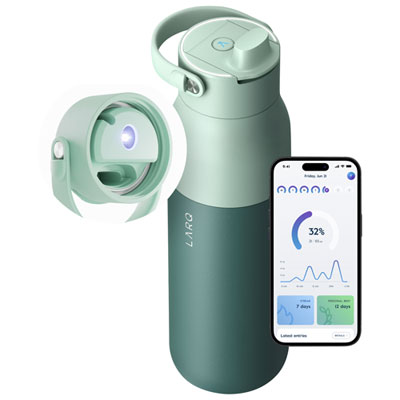

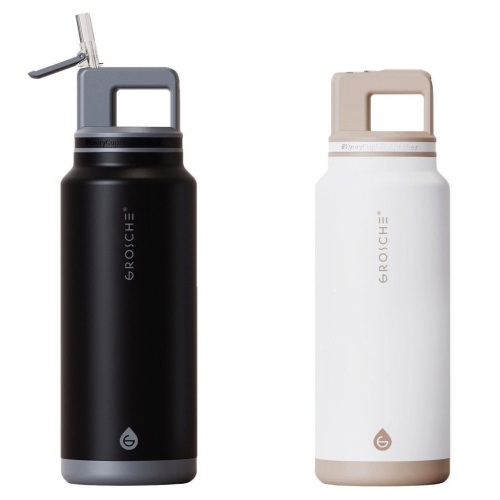


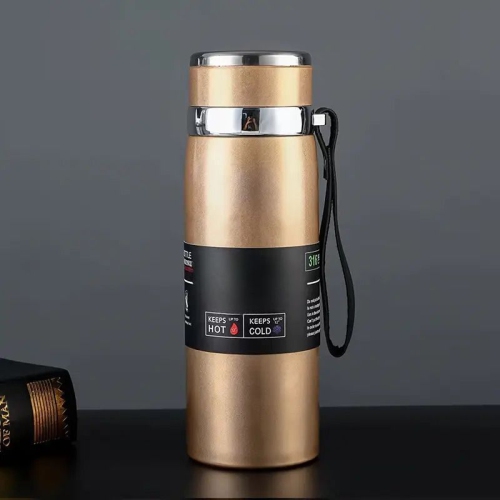

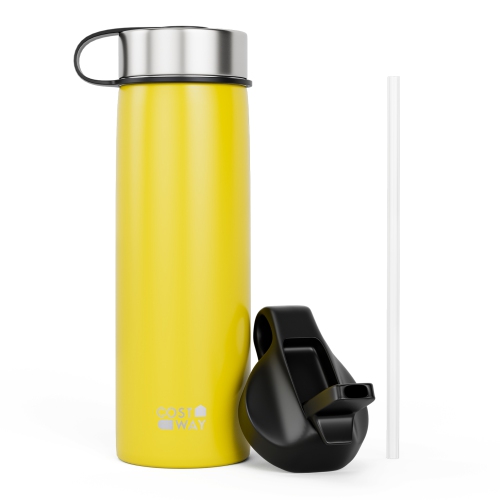










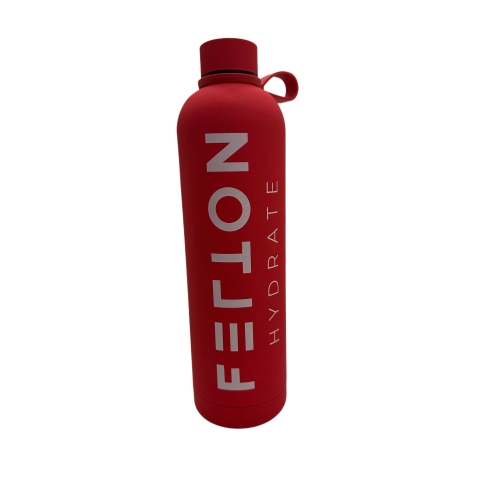

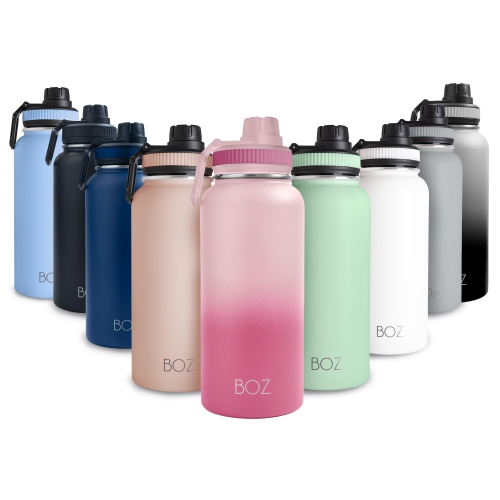
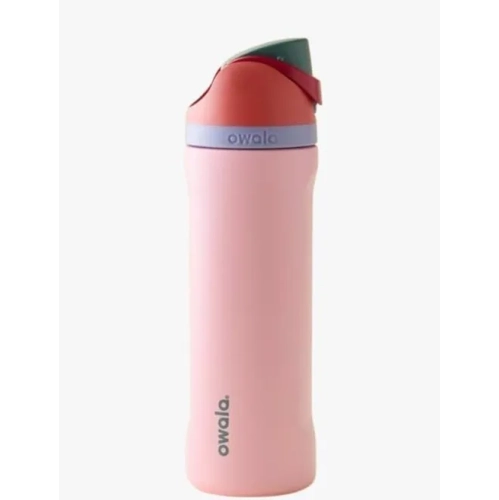
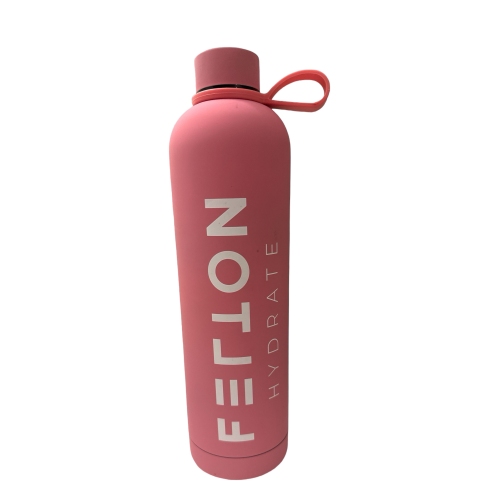






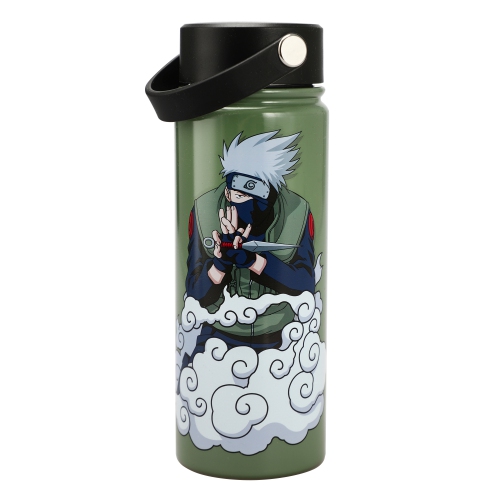

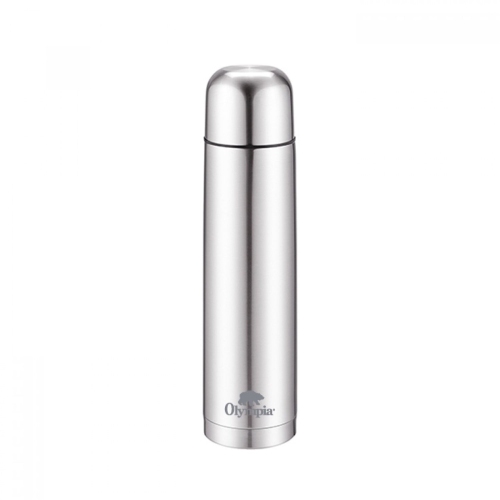
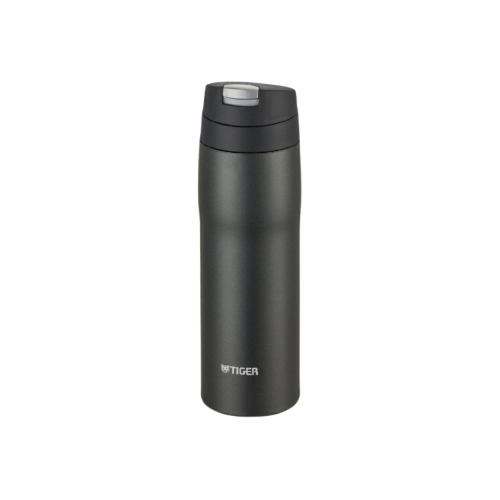


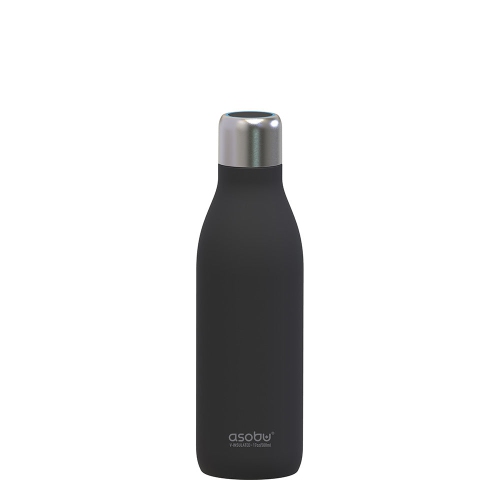














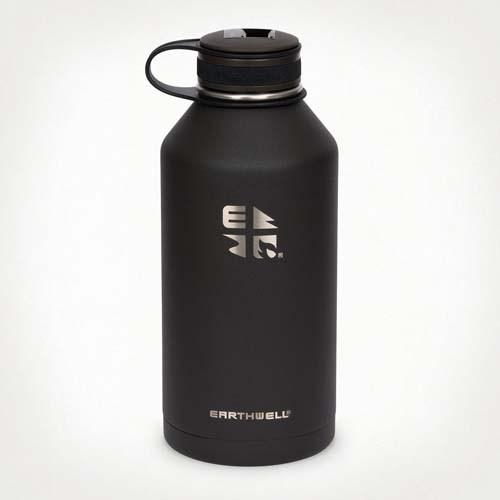
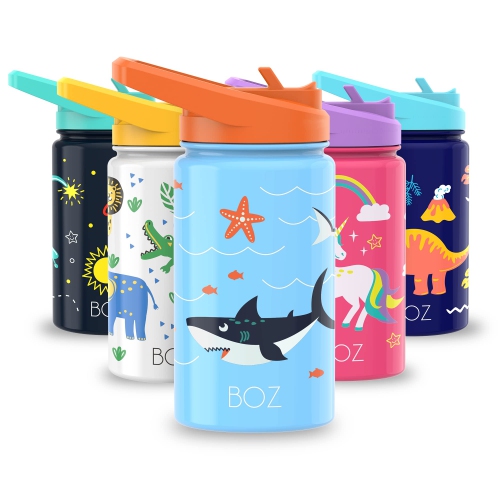
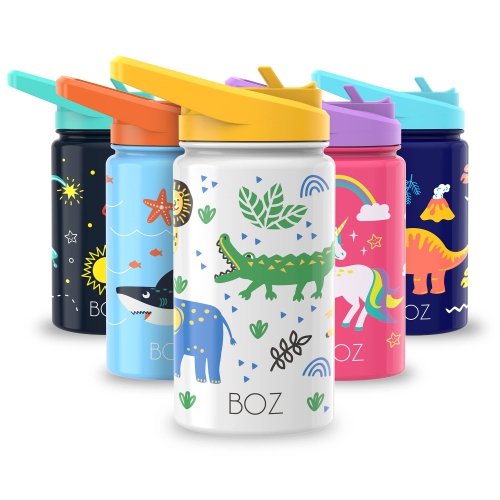
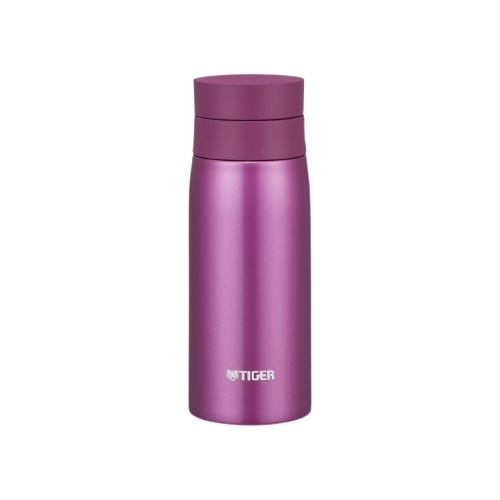
















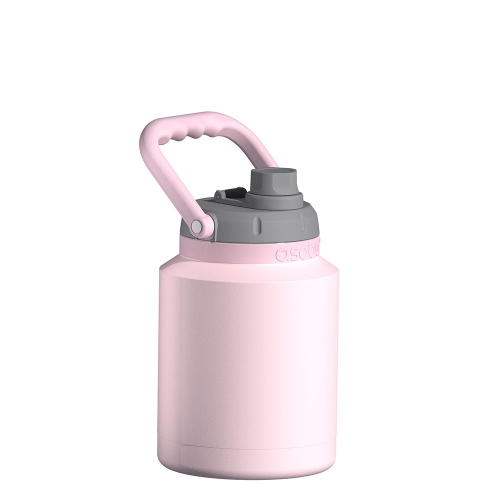
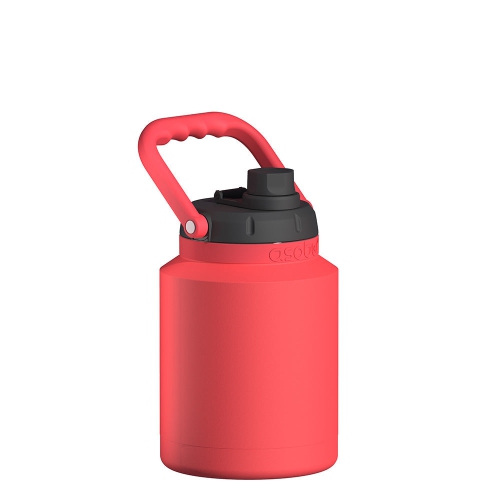


Why bottle construction matters beyond keeping drinks cold
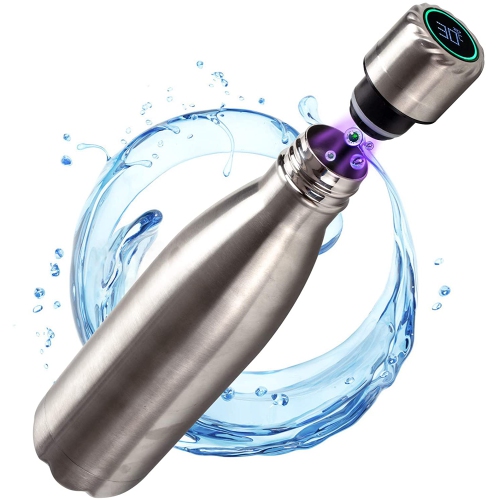
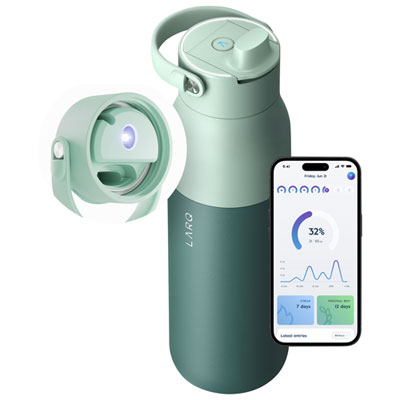
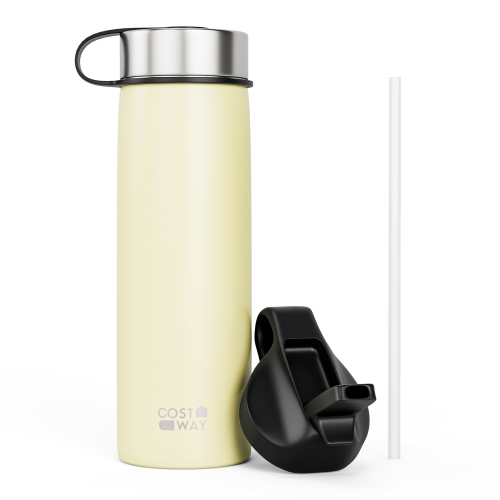
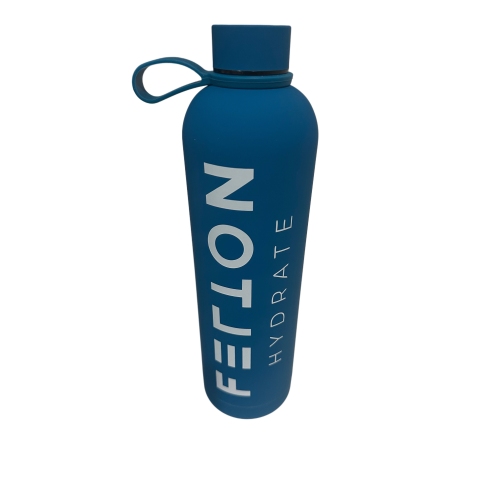
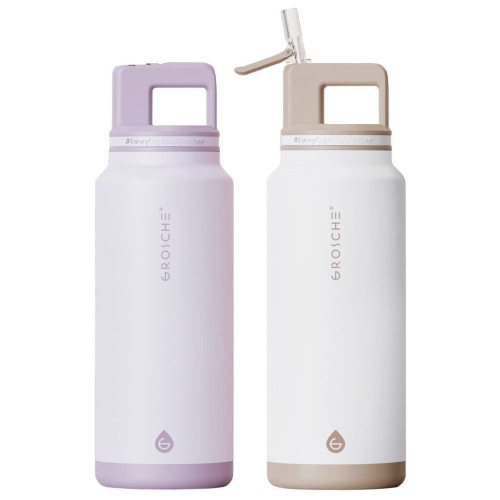
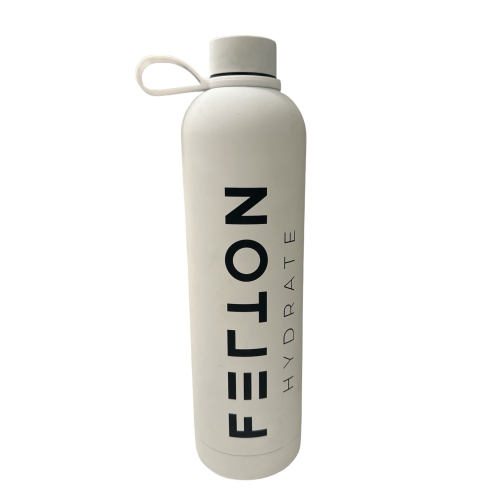
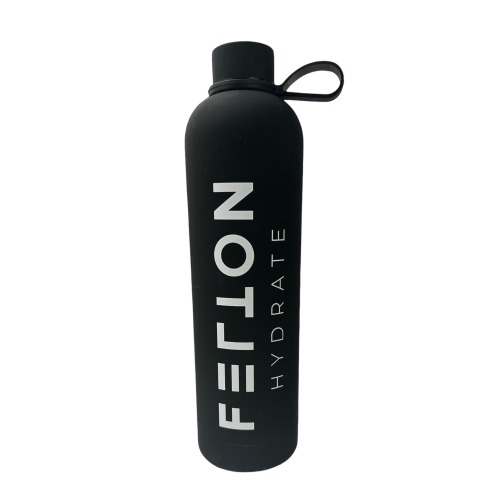
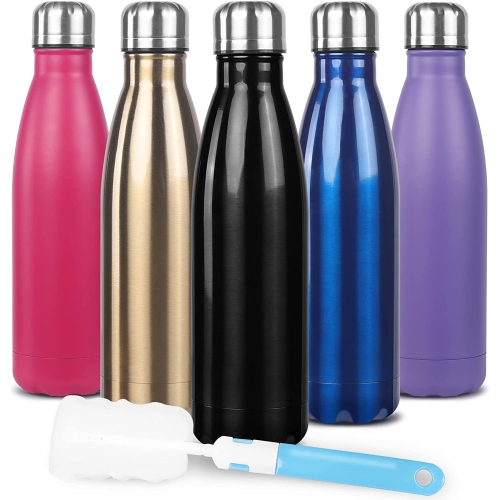
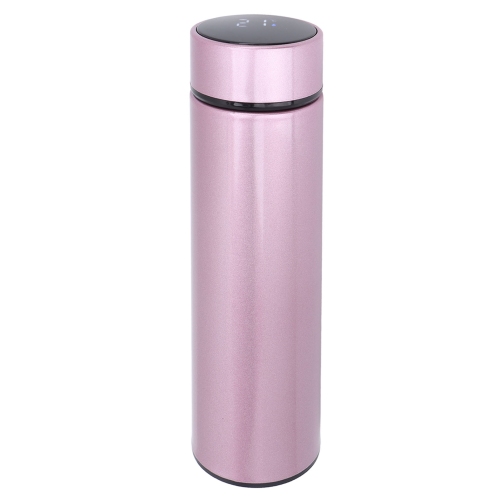
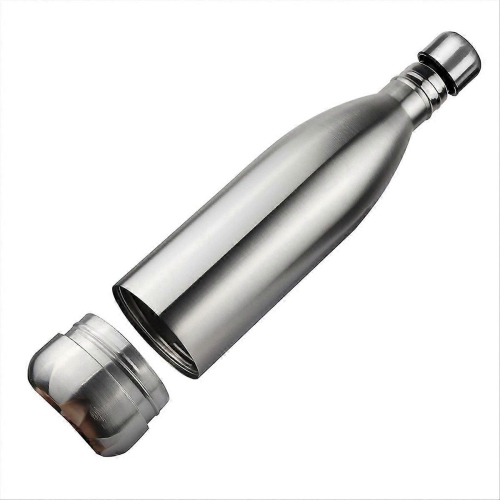
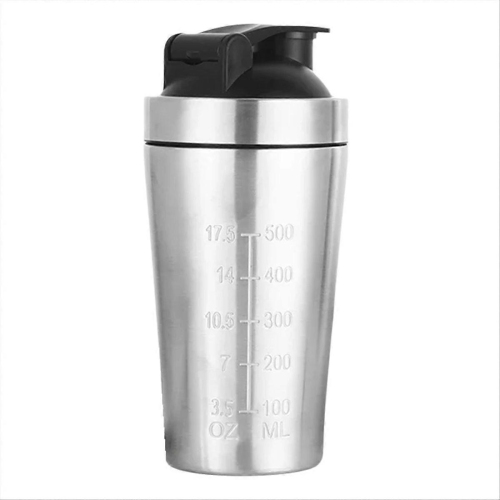
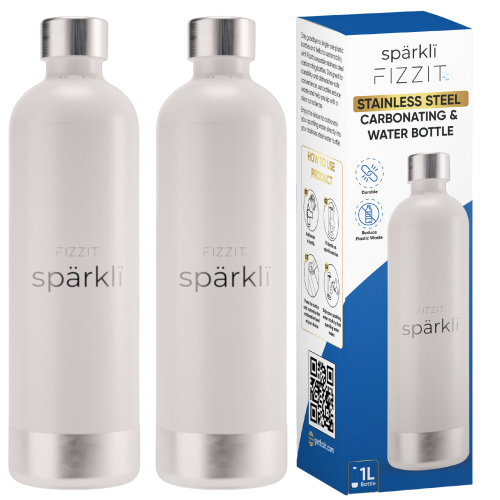
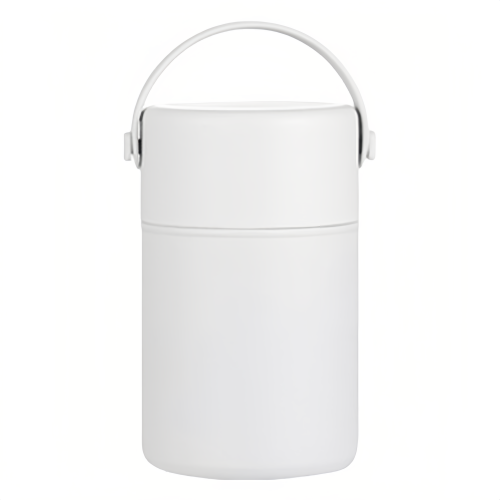
Stainless steel water bottles bring a durable, easy-to-carry option to everyday hydration, whether the day involves a commute, a full schedule of classes, or a workout followed by errands. Their appeal starts with the material: stainless steel resists rust, stands up well to frequent handling, and does not shatter if knocked off a bench or desk. Food-grade stainless steel is commonly used for bottle interiors, with 18/8 steel among the materials found in drinkware. The steel itself contains no BPA, although lids, straws, seals, and other components may use different materials, so any BPA-free claim should apply to the bottle’s complete drinking system. Construction makes a noticeable difference in daily use. Single-wall stainless steel bottles hold water in a relatively simple, lightweight body but provide little insulation, and their exterior can develop condensation when filled with a cold drink. Double-wall vacuum-insulated bottles have a space between the inner and outer walls that limits heat transfer, helping drinks stay cold while reducing moisture on the outside. How long they maintain a drink’s temperature depends on the design, lid, starting temperature, and how often the bottle is opened; a stated retention time is specific to the bottle rather than a promise that applies to all stainless steel drinkware. For someone who leaves a bottle beside a keyboard or slips it into a bag alongside a notebook, that reduced condensation can be particularly useful. Some insulated designs also accommodate hot drinks, but this requires explicit manufacturer approval, especially with straw or pressure-sealed lids. Beyond insulation, the interior finish, mouth opening, and shape influence how pleasant a bottle is to use. A smooth interior is easier to inspect during cleaning, while a wide opening leaves room for ice cubes and a bottle brush. A narrower drinking opening offers a more controlled sip, making it easier to take a drink between tasks without water spilling down the front of a shirt.
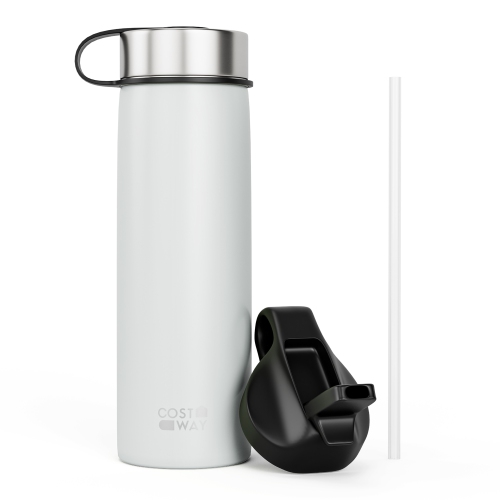
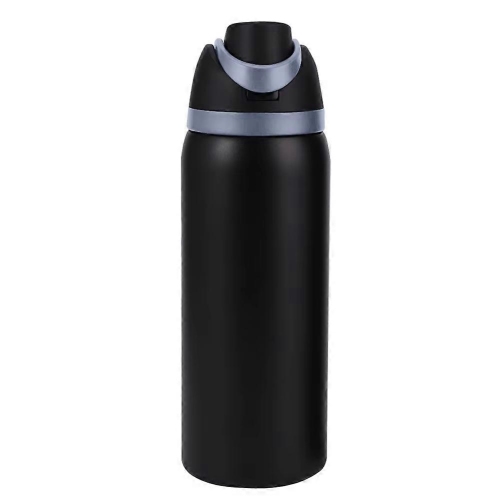
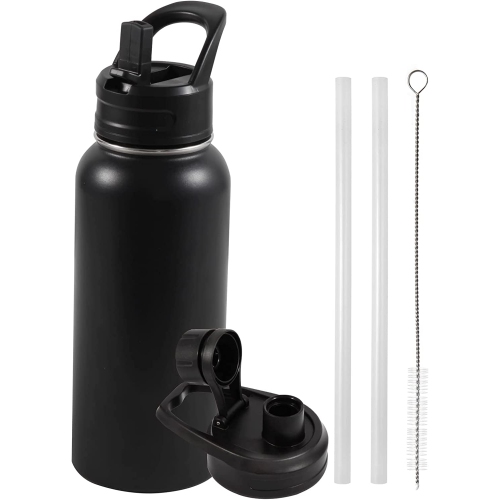
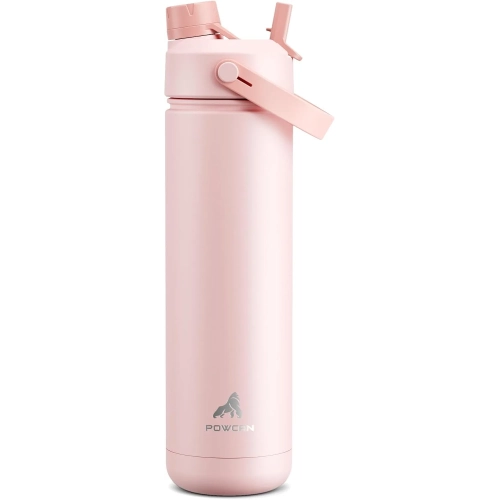
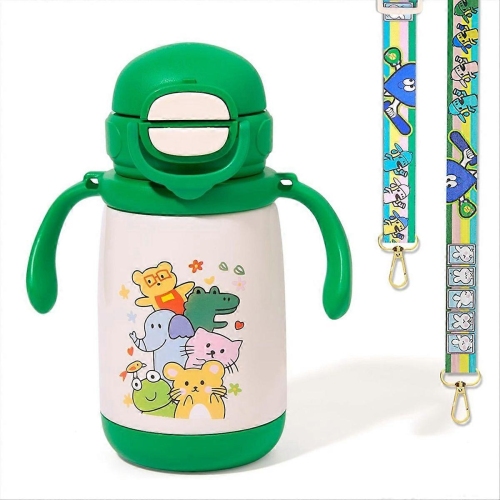
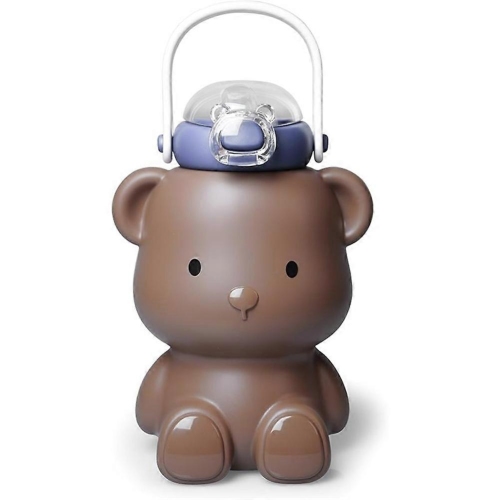
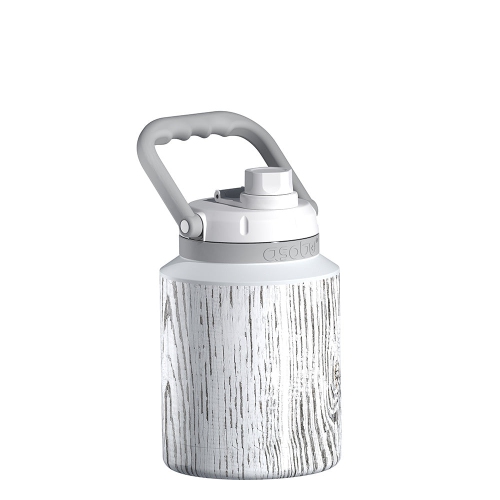
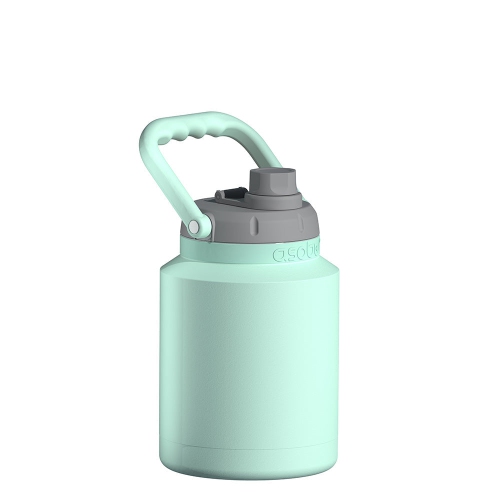
Capacity and fit often matter just as much as the material. A compact bottle around 350 to 500 mL can suit a smaller bag, shorter outings, or a child who needs something manageable to carry, while a 750 mL or 1 L bottle provides more water between refills. Larger capacities can be useful for extended activities, though the weight of the water adds up: 1 L of water weighs approximately 1 kg before the bottle itself is included. A comfortable everyday bottle balances that carrying weight with access to refill points. Its dimensions also deserve attention, since capacity alone does not indicate whether it will fit a car cup holder, bicycle cage, or backpack side pocket. A tapered base may help with cup-holder fit, while a broad body can feel steadier on a flat surface but take up more bag space. Lids shape the experience in equally practical ways. A screw-top cap offers a straightforward closure, a flip-up straw allows sipping with the bottle upright, and a chug opening provides a faster flow after exercise. Push-button designs can be convenient for one-handed use, particularly when they include a lock that helps prevent accidental opening. Leakproof and spill-resistant are not interchangeable descriptions: a lid that limits splashes on a desk may not be designed to lie sideways inside a bag. The closure’s stated performance, proper assembly, and the condition of its seals all matter. Carry loops, folding handles, and textured grips add convenience when hands are full, while removable silicone boots can soften the sound of setting a metal bottle down and help protect the base from scuffs. For children, an age-appropriate design with a manageable opening and an easy-to-operate lid supports independent use; detachable small components still require care. For commuting, studying, or working out, the most useful details are often modest ones, such as a cap that stays attached, a handle that does not press into the fingers, or a lid that opens without touching the drinking surface.
Regular care helps stainless steel water bottles remain pleasant to drink from and keeps their moving parts working as intended. Even a bottle used only for water needs frequent washing because moisture and contact with the mouth can leave residue around the rim, straw, and seals. Warm water, mild dish soap, and a bottle brush reach the main interior, while a narrow straw brush can clean channels that rinsing alone may miss. Removable gaskets and mouthpieces need attention according to the care instructions, followed by thorough rinsing and complete air-drying before reassembly or storage. Dishwasher suitability varies: some bottles and lids are dishwasher-safe, while others require handwashing to protect coatings, seals, or insulated construction. Stainless steel bottles should not go in a microwave, and freezer use should be avoided unless expressly permitted, as expanding liquid can damage the bottle. Acidic drinks, flavoured beverages, and carbonated drinks may also have restrictions depending on the interior and lid design. Stainless steel is corrosion-resistant rather than immune to damage, so prolonged contact with bleach, unsuitable cleaners, or salty liquids is best avoided unless the manufacturer provides specific guidance. Small dents and scratches can occur with regular handling, particularly when a bottle shares a bag with keys or rests on rough surfaces. Powder-coated finishes add colour and grip, while brushed or polished steel offers a different feel; neither finish makes a bottle dent-proof. A damaged lid or worn seal may be replaceable when compatible parts are offered, allowing a familiar bottle to remain useful. These practical qualities also make stainless steel water bottles thoughtful gifts for students, commuters, gym-goers, and people who like keeping water within reach throughout the day. A favourite colour, comfortable handle, or suitable capacity gives the gift a personal touch without relying on complicated features. For packed lunches, a bottle can sit alongside Stainless Steel Containers for a coordinated way to carry drinks, snacks, and meals, with each piece chosen for its own fit, closure, and care requirements.
Top selling and popular products
-
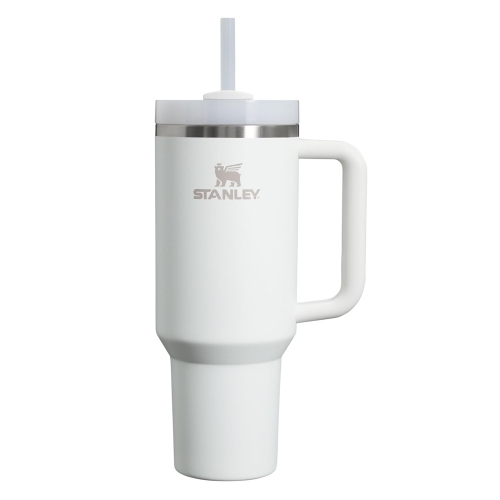 Your price for this item is $89
-
 Your price for this item is $69.29
-
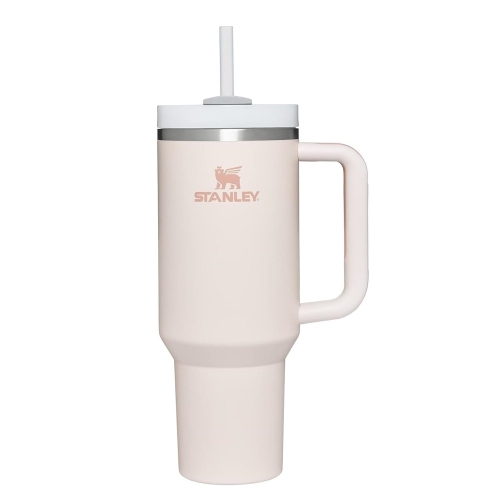 Your price for this item is $89
-
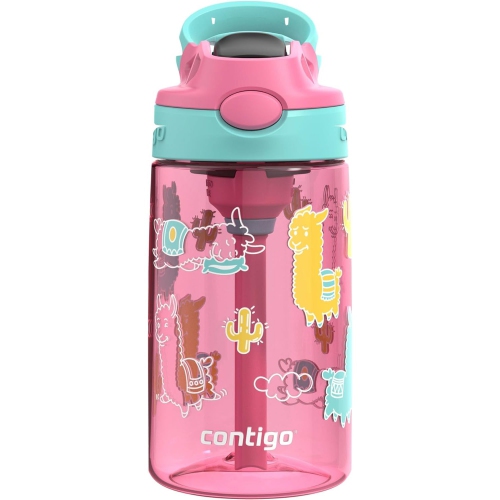 Your price for this item is $21.97
-
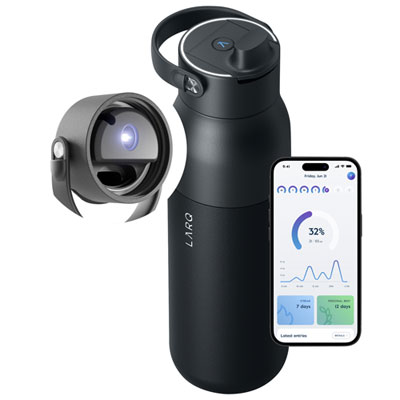 Your price for this item is $137.99
-
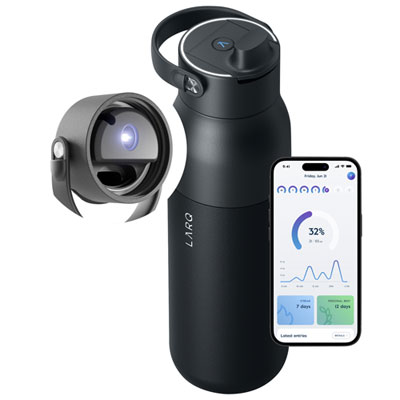 Your price for this item is $157.99
-
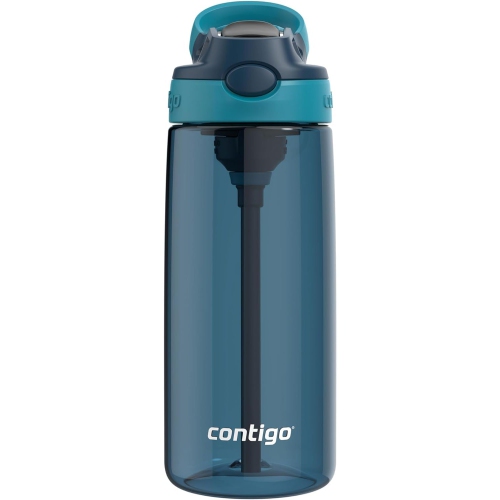 Your price for this item is $25.97
-
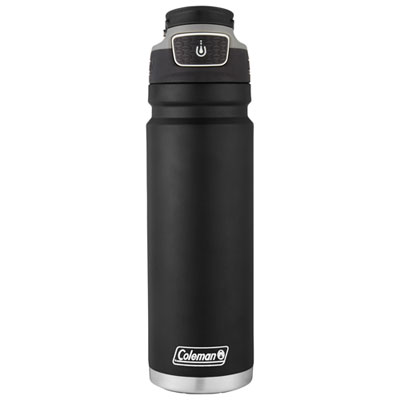 Your price for this item is $44.99
Discover more categories related to Stainless Steel Water Bottles
Top Collections:
Pokemon Centers, Best Cameras for Sports Photography, Kindle Devices, Samsung Galaxy Phones, Canon G7X Cameras, Pokémon 30th Celebration Cards, Refurbished Apple Laptops, iPhone 15 Apple, Laptops for Students, Budget Smartphones
Some products may be subject to Environmental Handling Fees
(EHF) depending on your province.
Learn more about EHFs.