Tools for Weight Loss
Achieving your weight loss goals is made easier with the right tools at your disposal. From fitness trackers to smart scales, meal prep containers to workout equipment, our selection of weight loss tools has everything you need to stay on track and motivated on your journey towards a healthier lifestyle. Whether you're just starting out or looking to enhance your current routine, these essential tools are designed to support and empower you every step of the way.
Sort
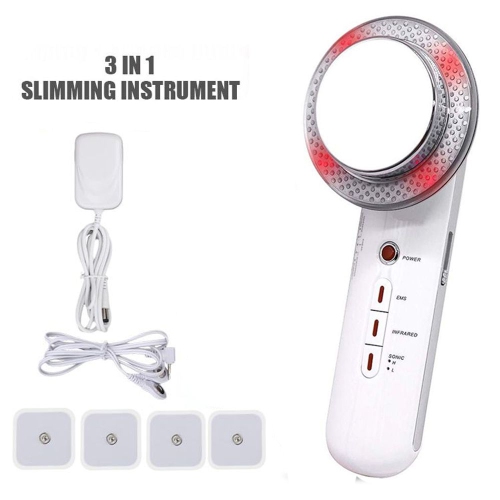
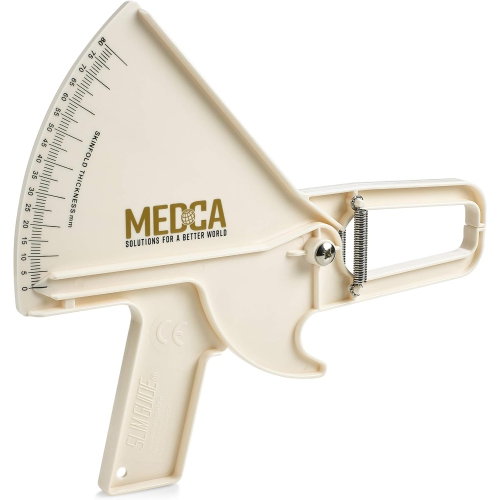
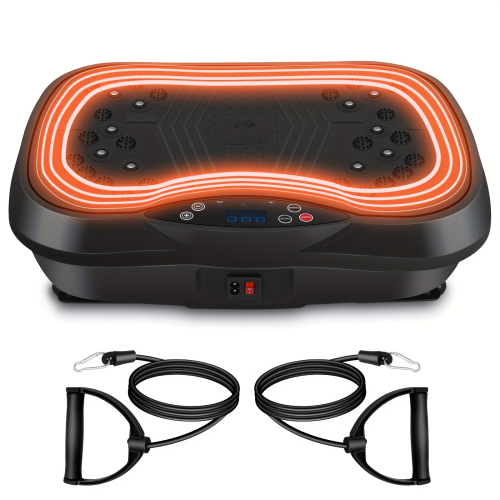
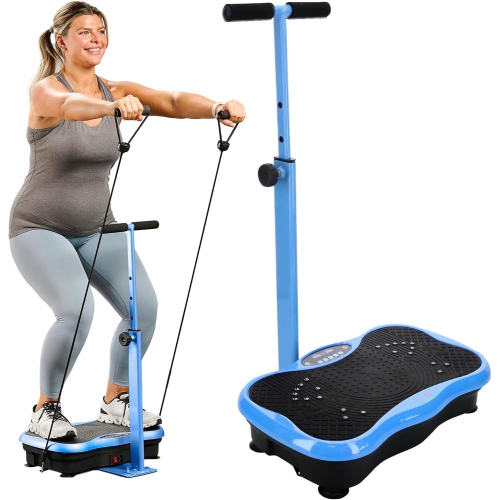








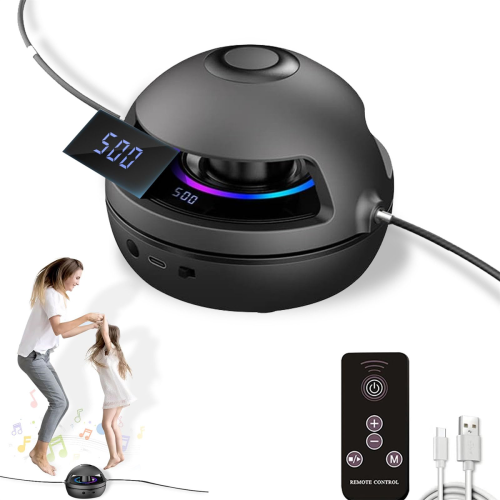
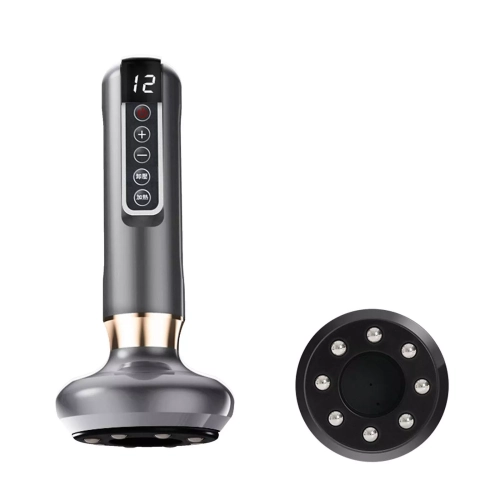
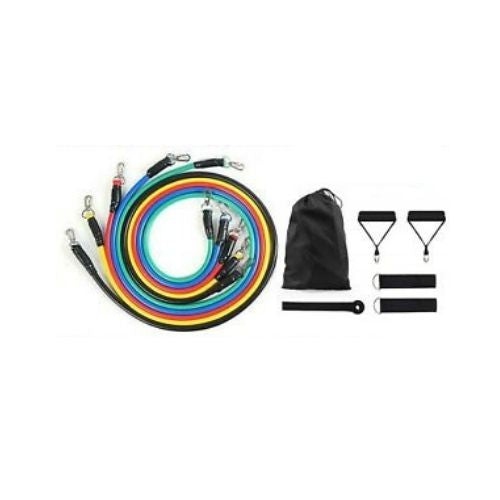
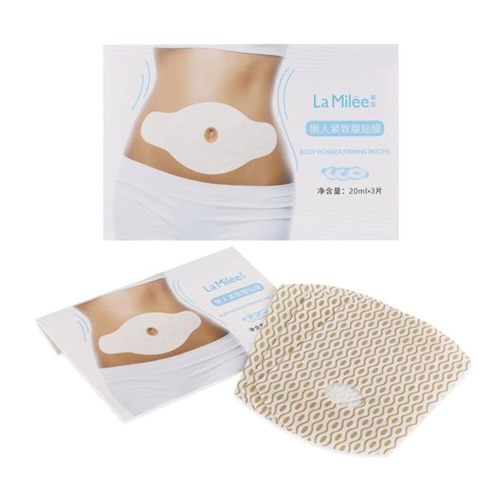



![5 Day Fit Weight Loss - (Full Frame, NTSC Format) - [DVD]](https://multimedia.bbycastatic.ca/multimedia/products/500x500/192/19221/19221908.jpeg)
![5 DAY FIT WEIGHT LOSS - [DVD]](https://multimedia.bbycastatic.ca/multimedia/products/500x500/192/19221/19221906.jpeg)
![LIONS GATE Dancing With The Stars: Cardio Dance for Weight - [DVD]](https://multimedia.bbycastatic.ca/multimedia/products/500x500/156/15691/15691077.jpeg)
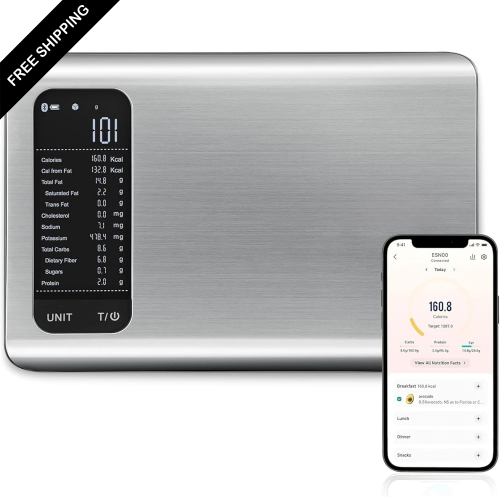
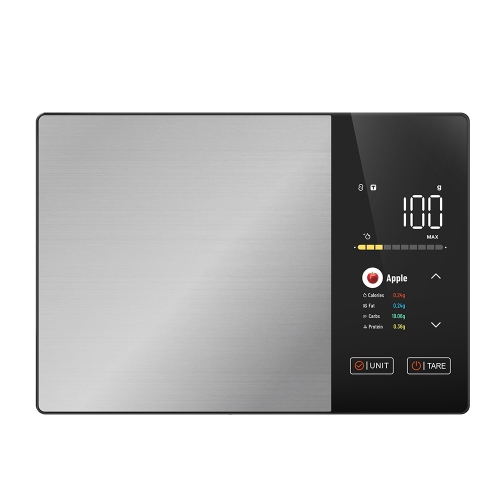
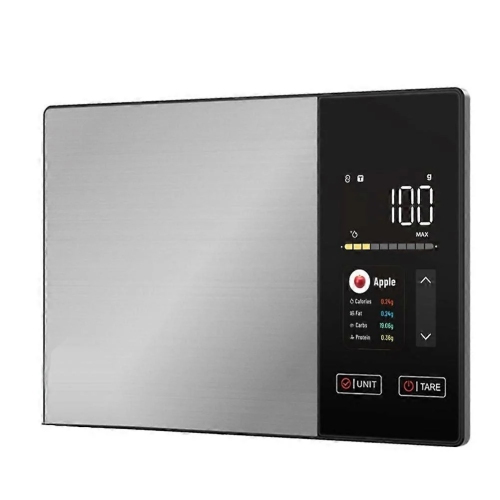
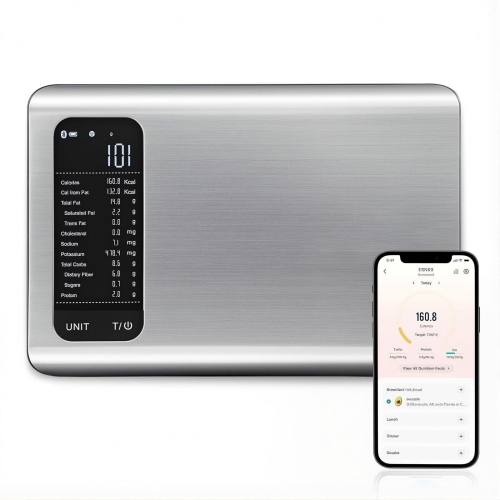
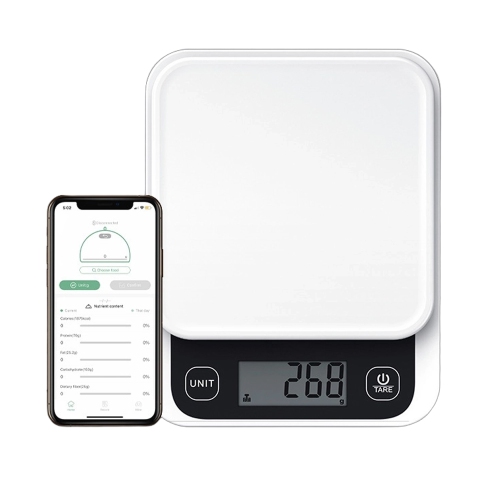
![GLOWWISE Smart Food Scale w Nutritional Calculator, [Tft Colorful Display] [5Kg] Diyife Digital Kitchen Scale w App, 25 Nutritional Metrics, Tare, 5](https://multimedia.bbycastatic.ca/multimedia/products/500x500/198/19831/19831567.jpeg)
![GAIAM Yoga: Maintenance for Weight Loss - [DVD]](https://multimedia.bbycastatic.ca/multimedia/products/500x500/156/15691/15691079.jpeg)
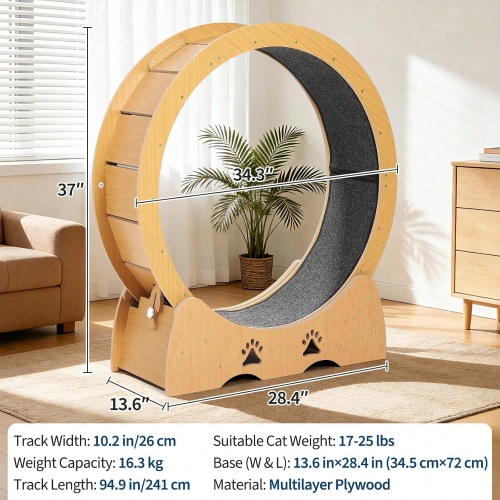
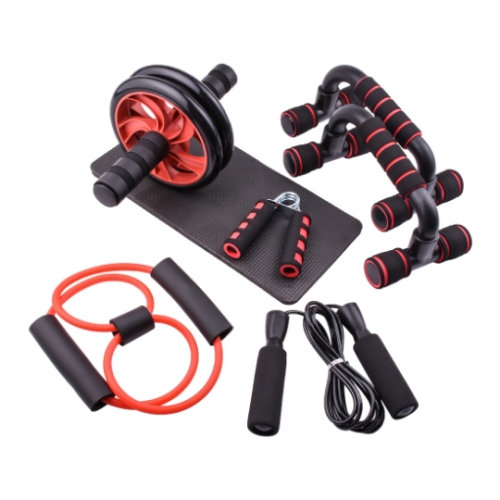
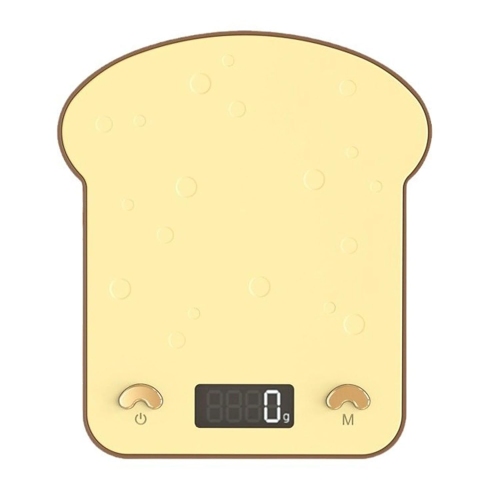
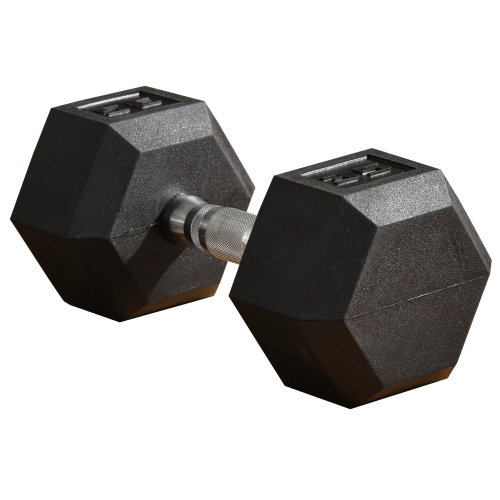
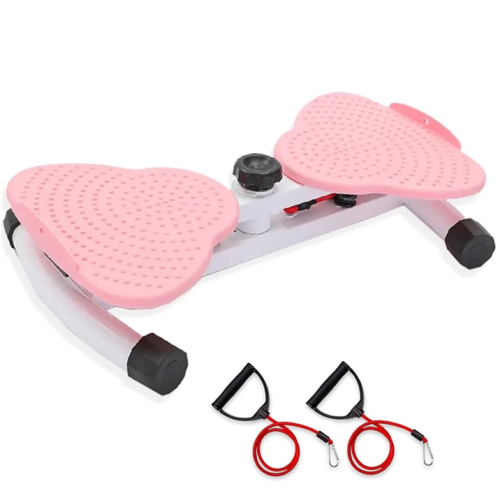

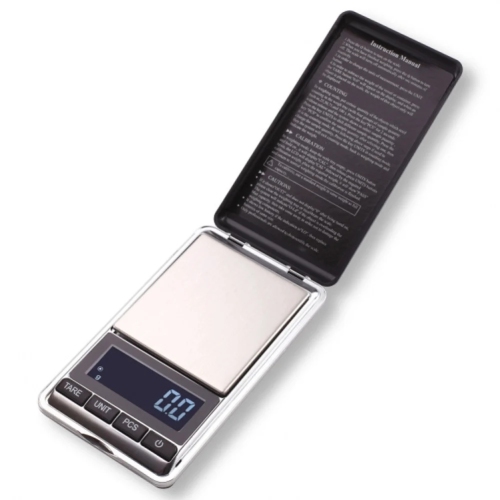
Tracking and meal prep support healthier daily routines
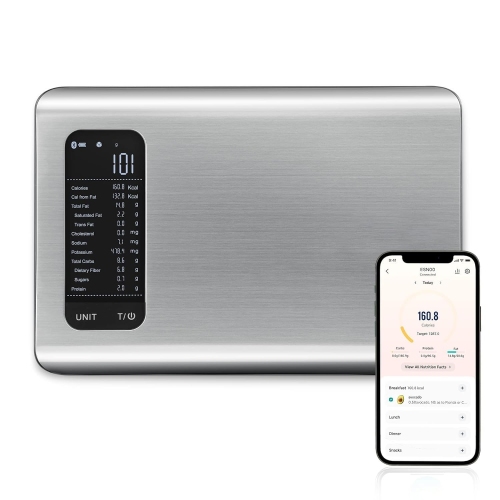
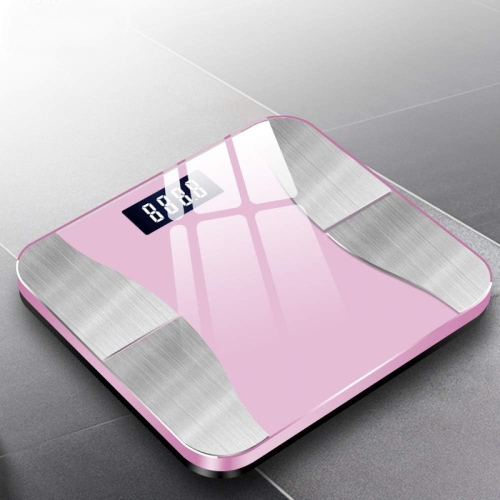
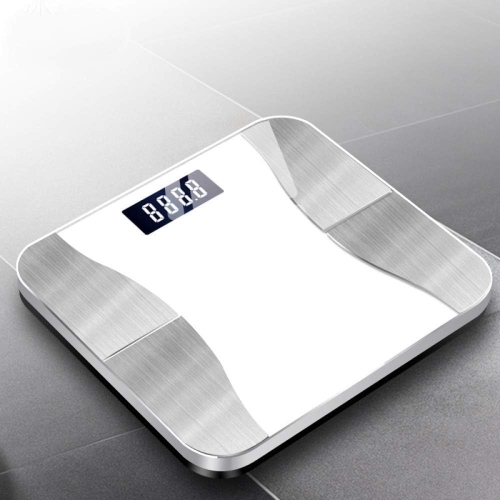
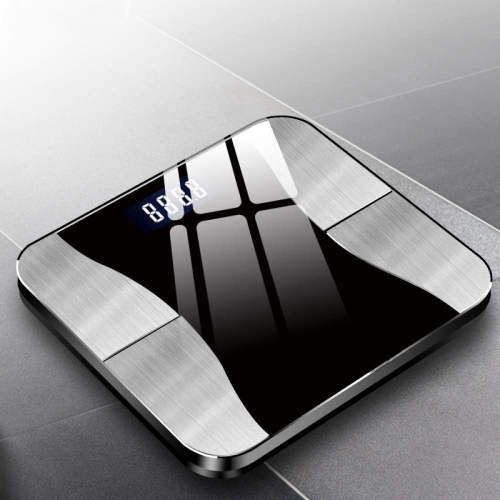
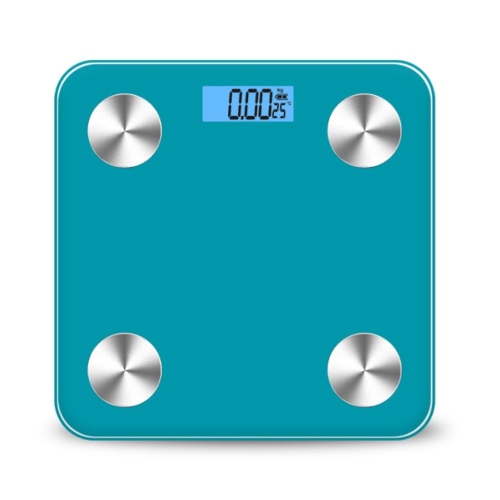
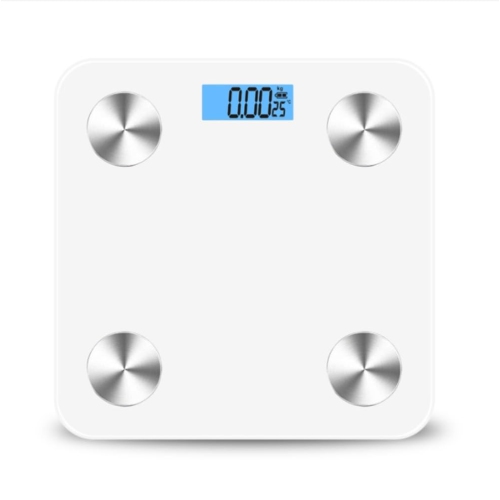
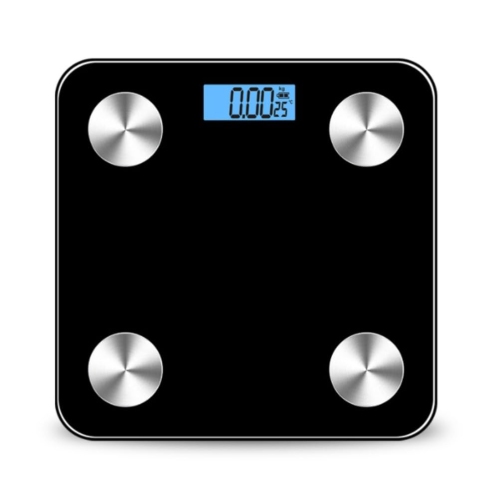
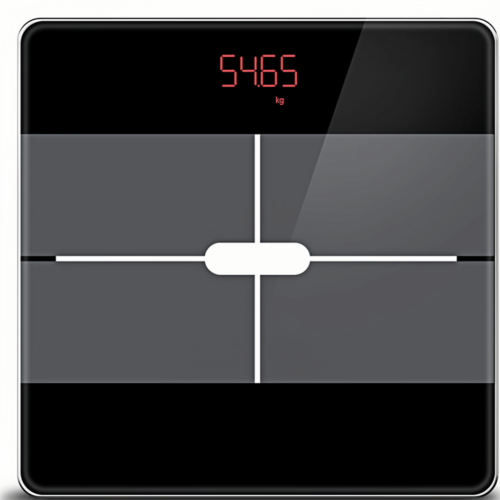
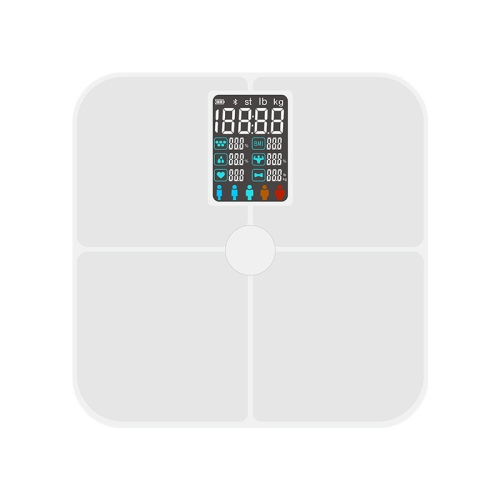
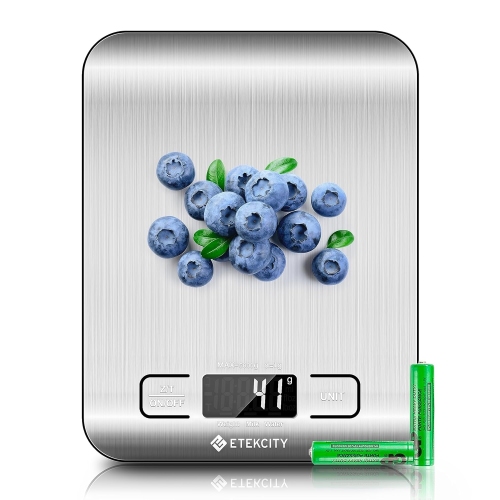
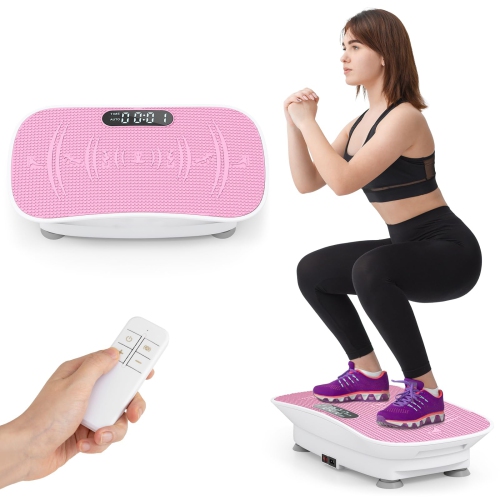
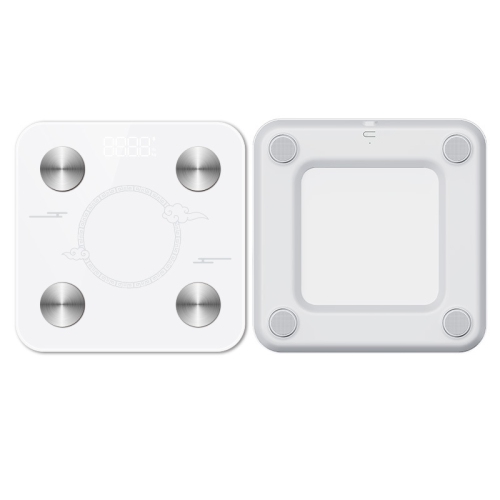
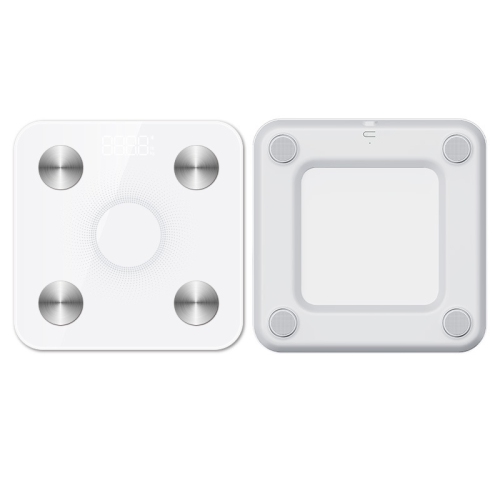
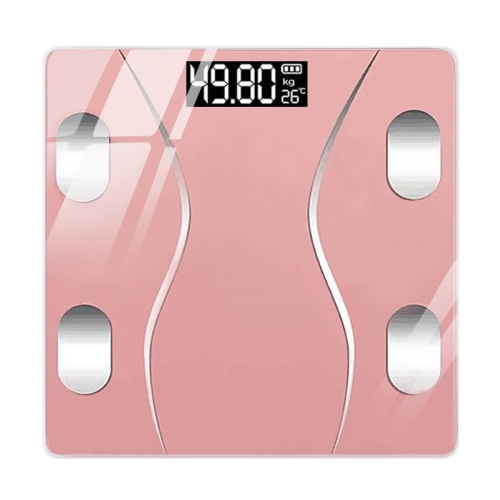
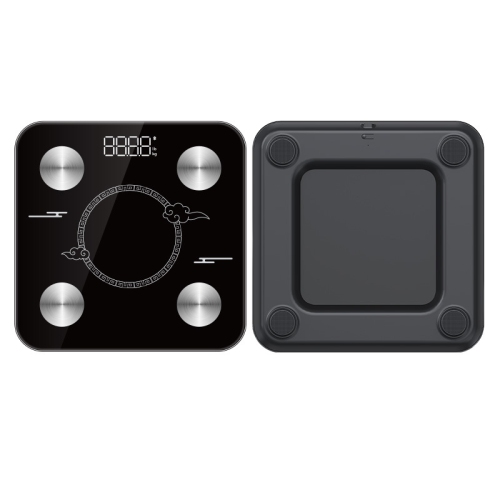
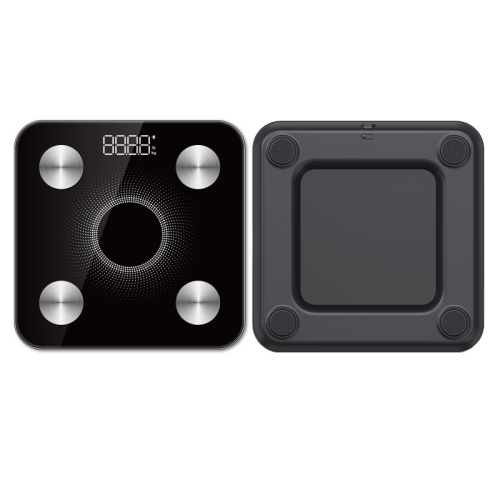
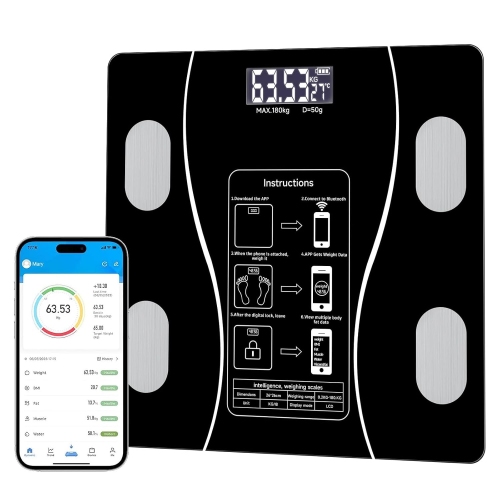
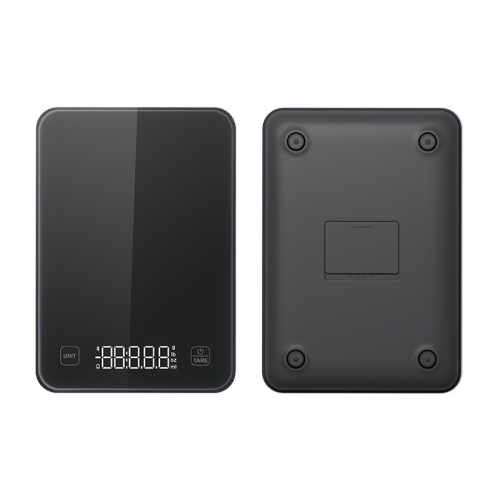
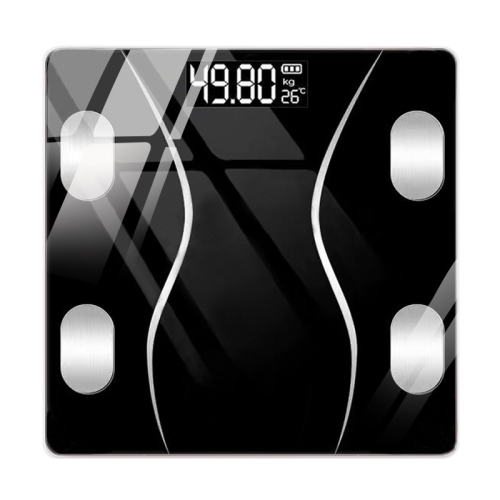
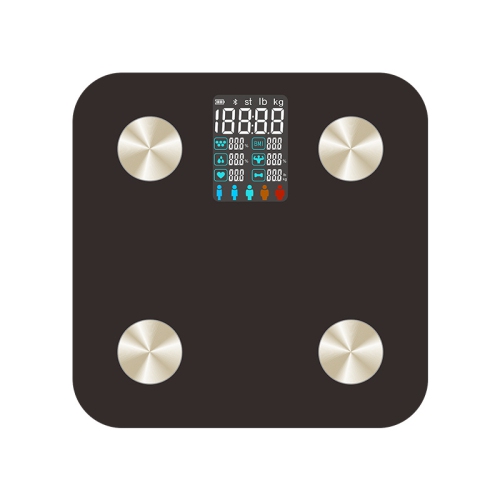
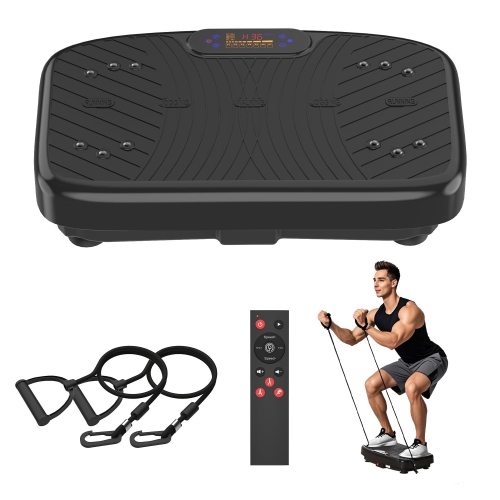
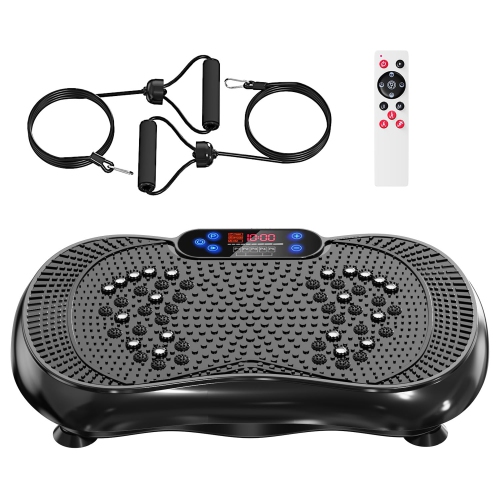
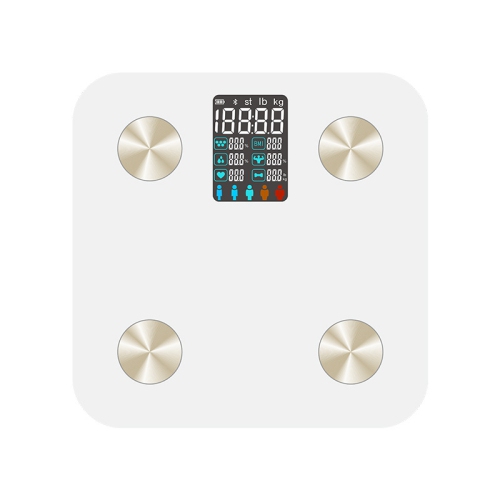
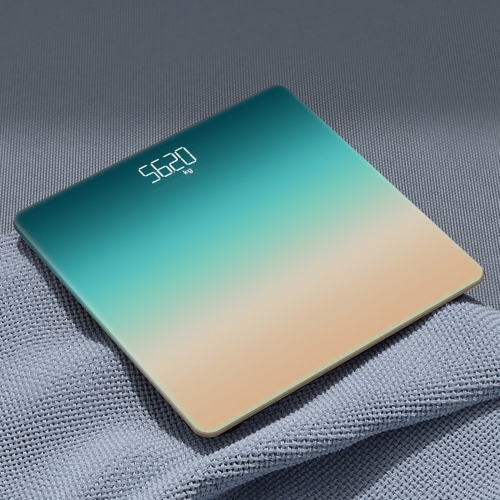
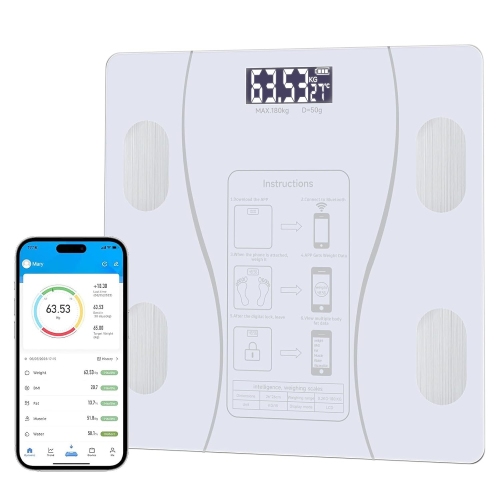
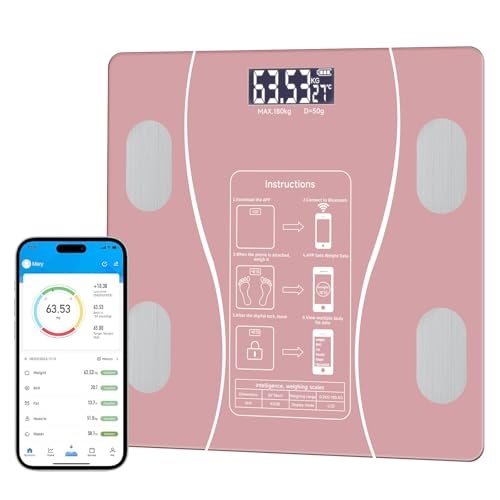
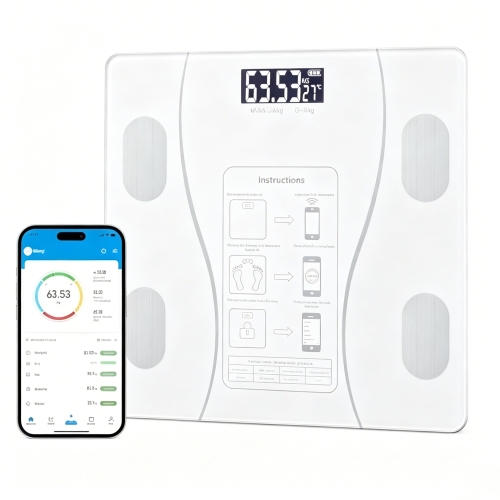
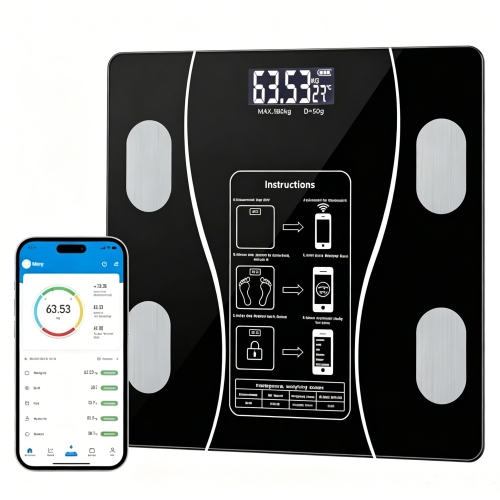
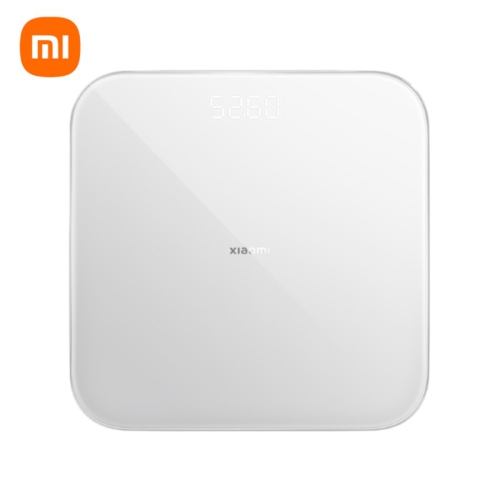
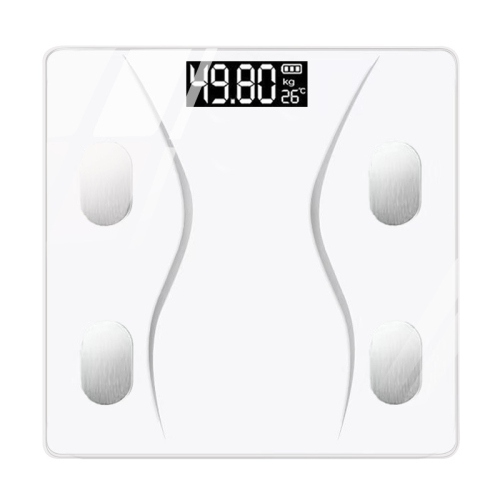
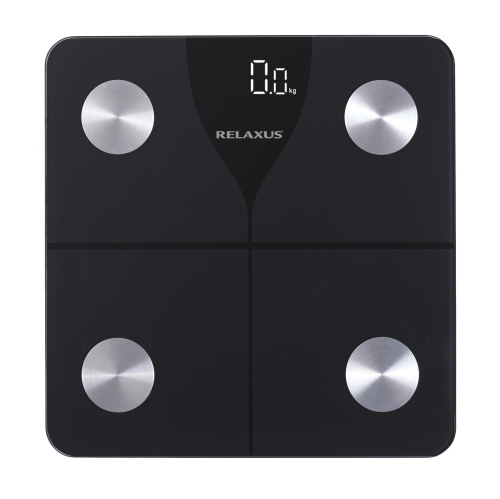
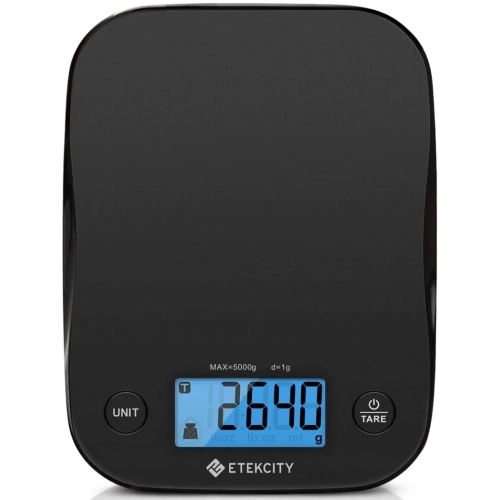
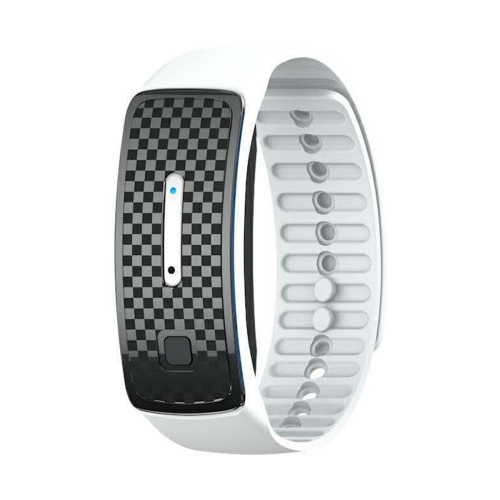
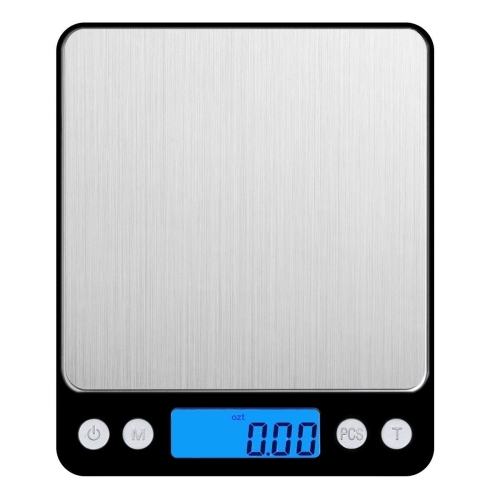
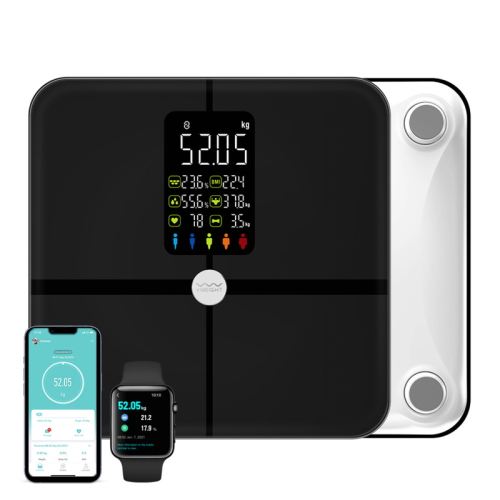
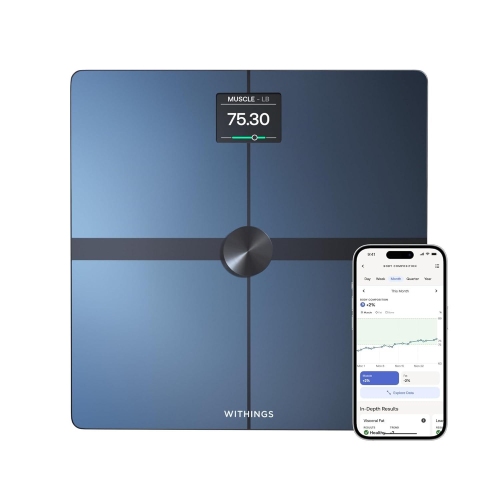
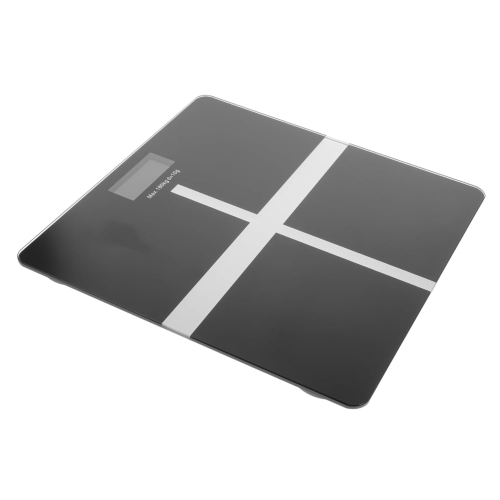
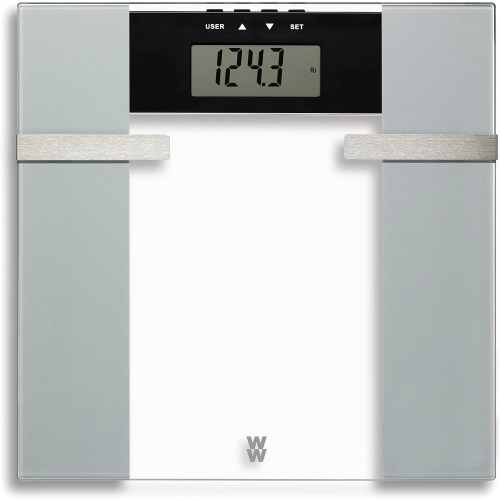
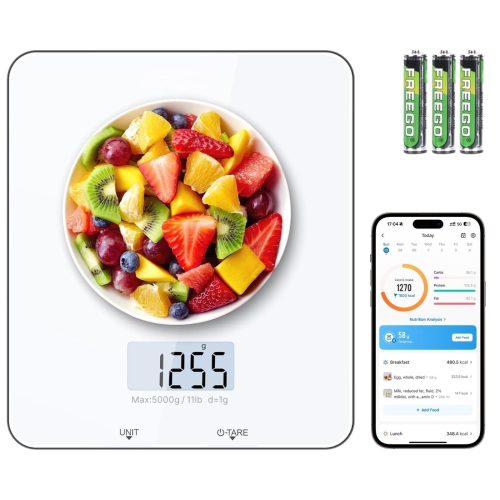
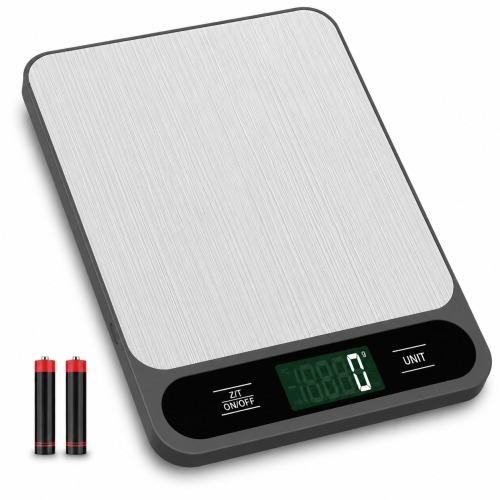
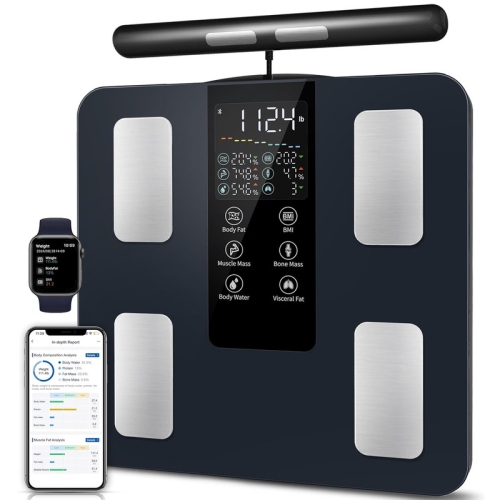
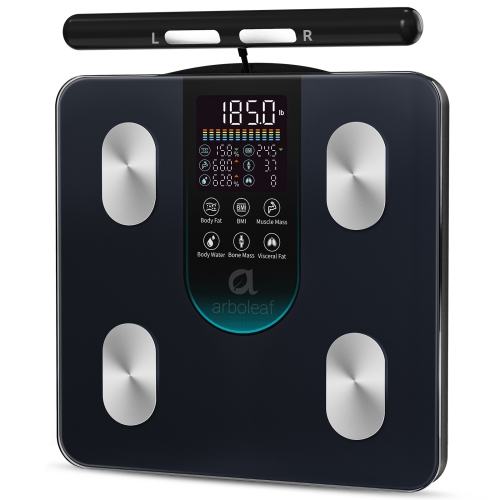
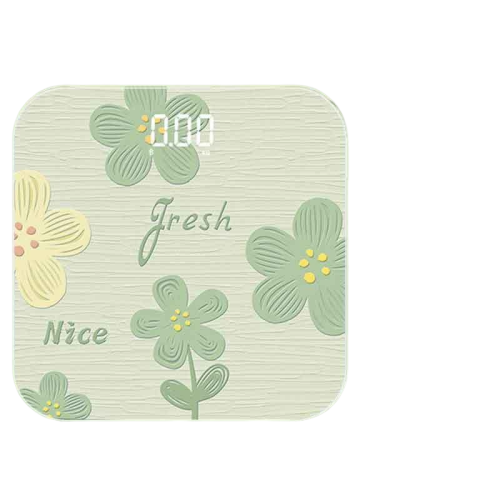
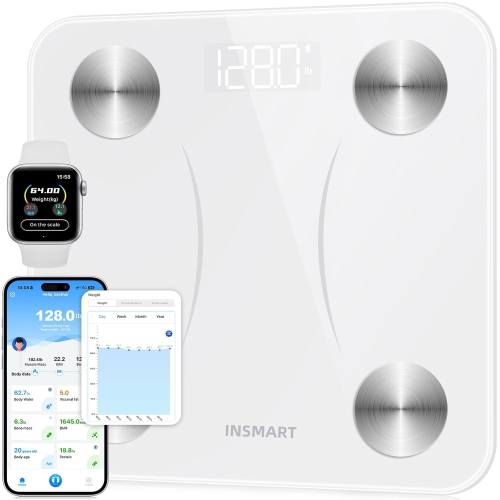
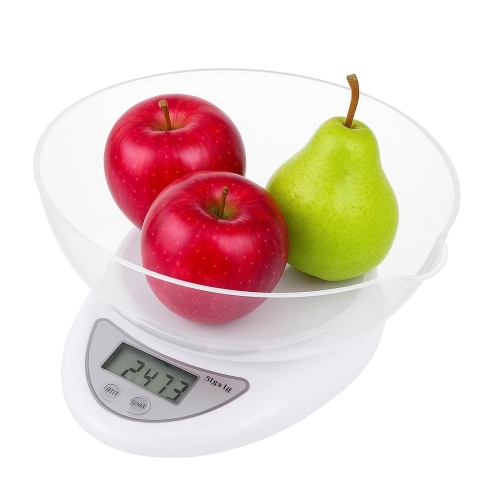
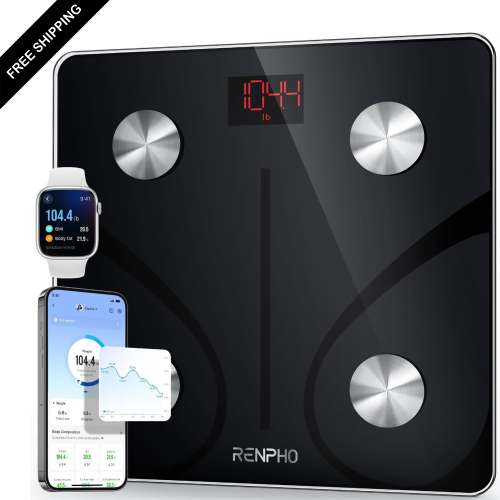
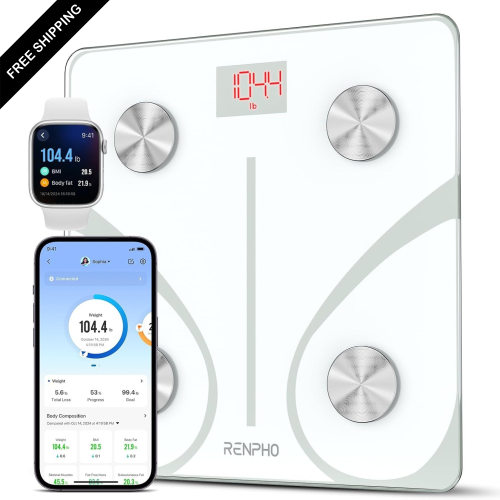
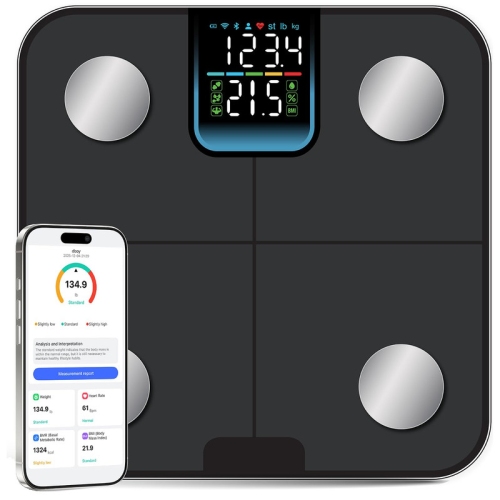
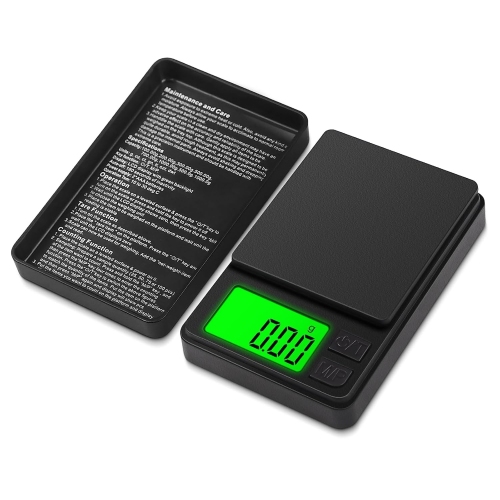
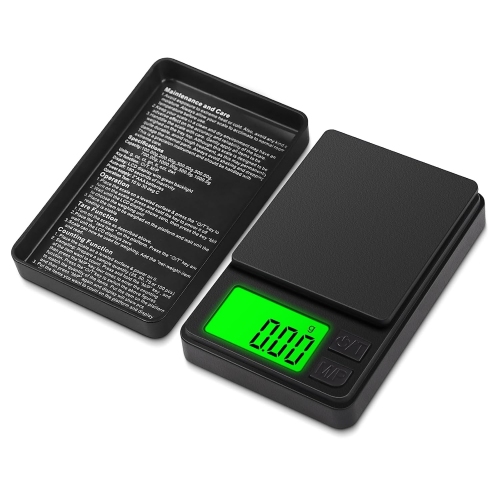
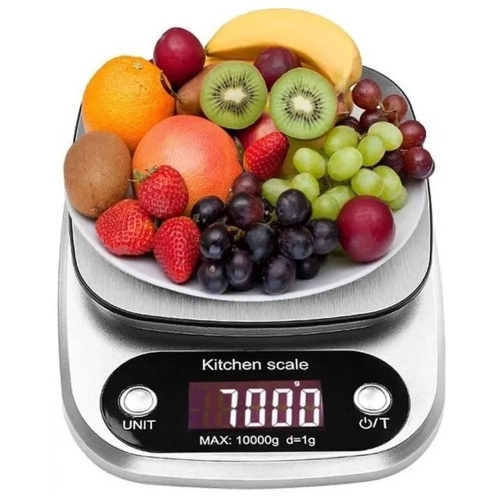
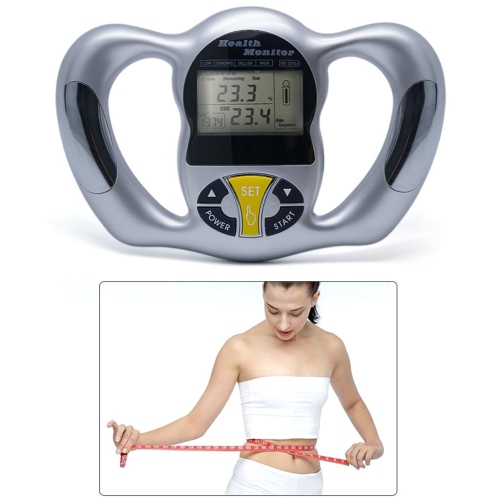
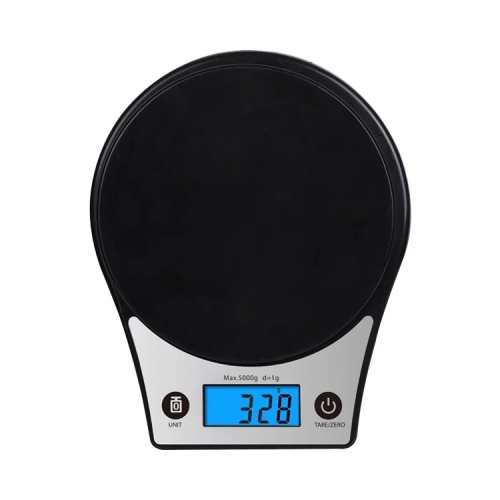
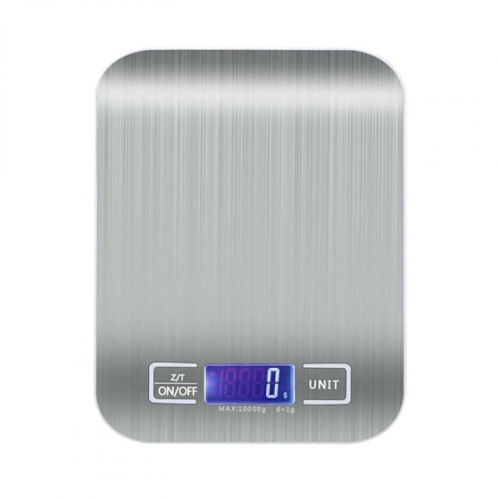
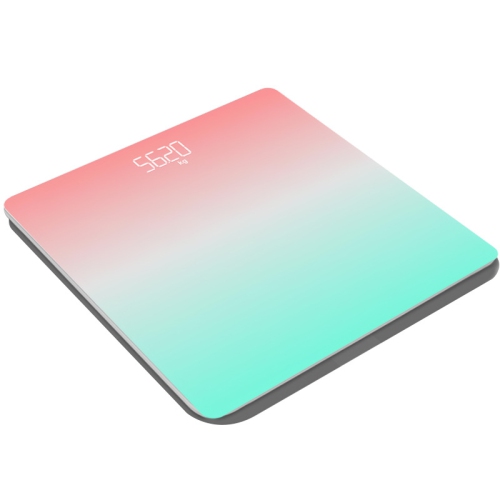
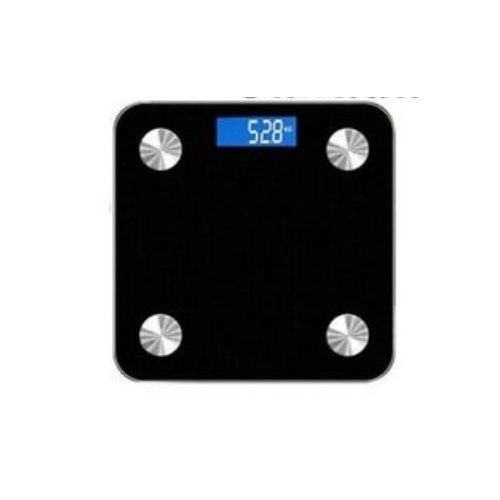
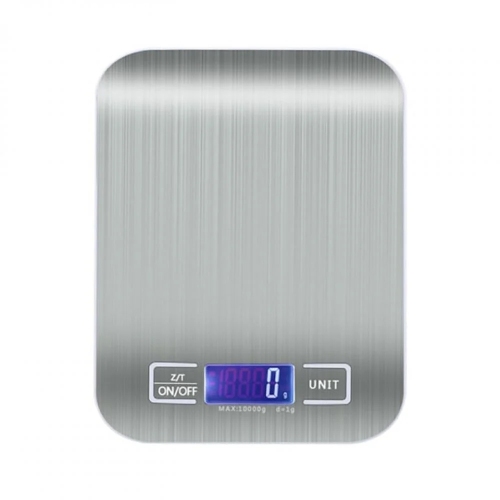
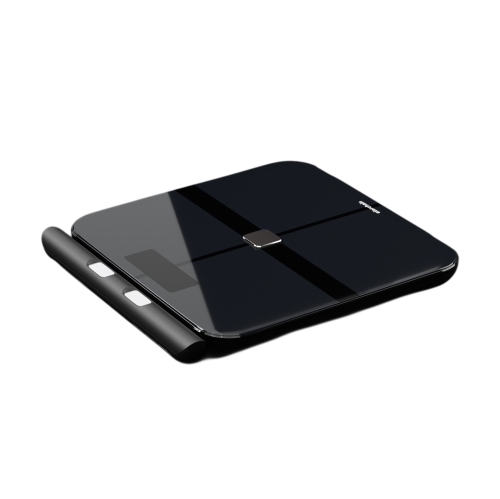
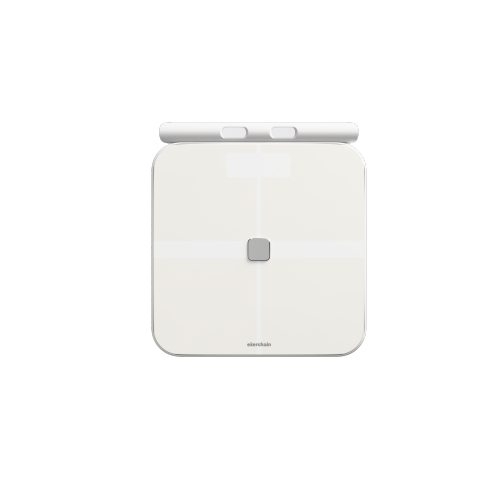
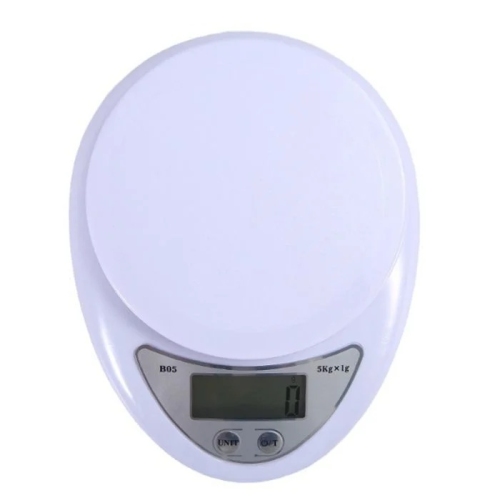
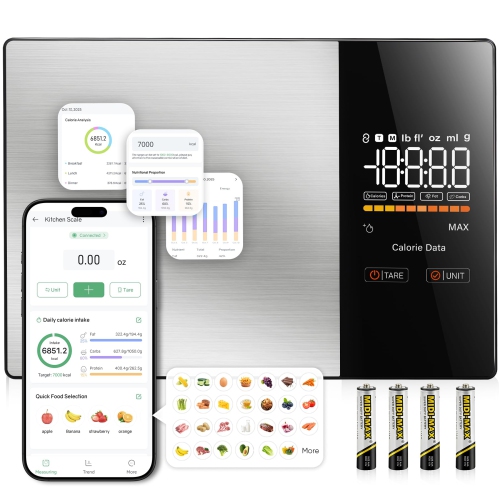
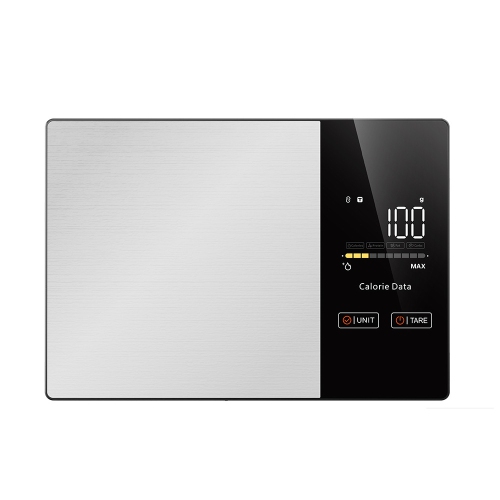
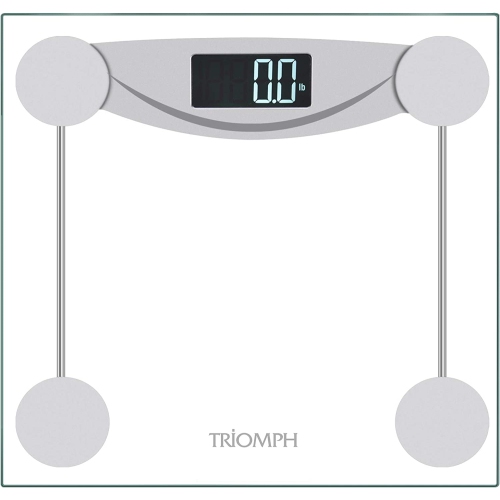
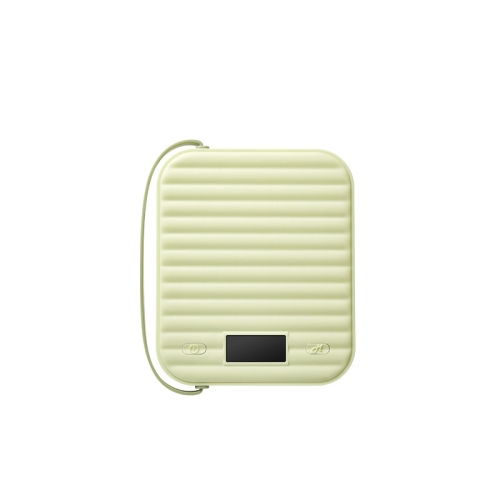
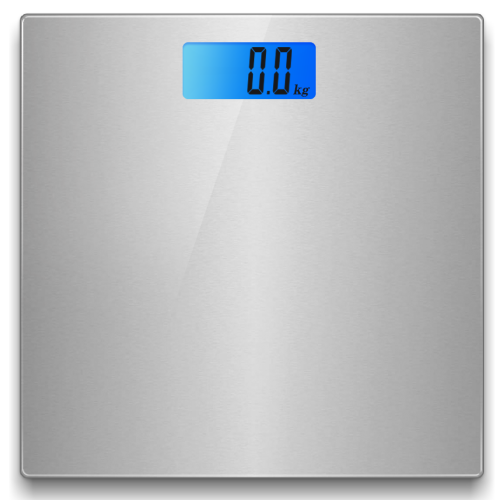
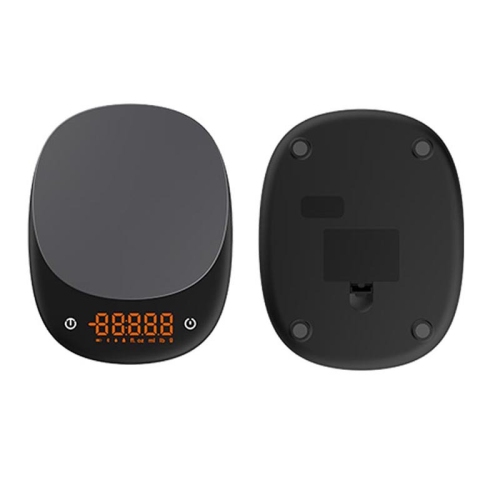
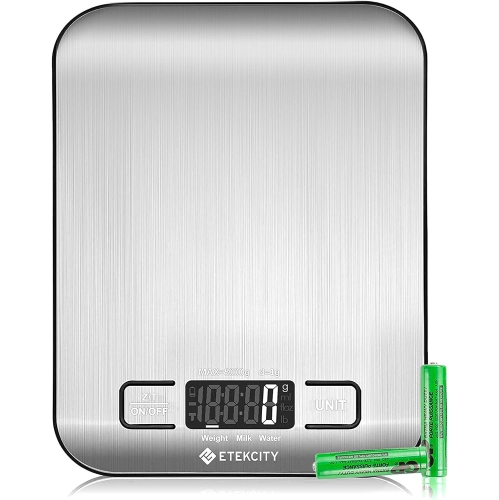
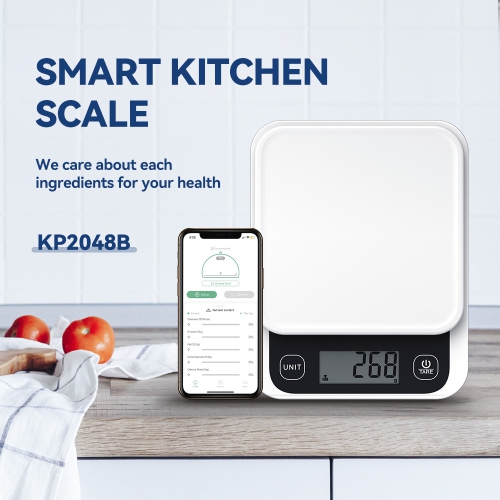
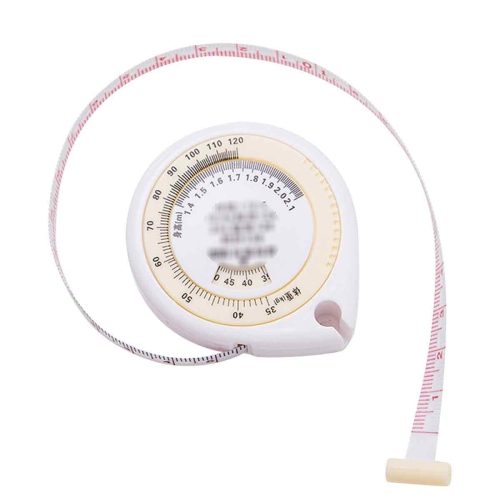
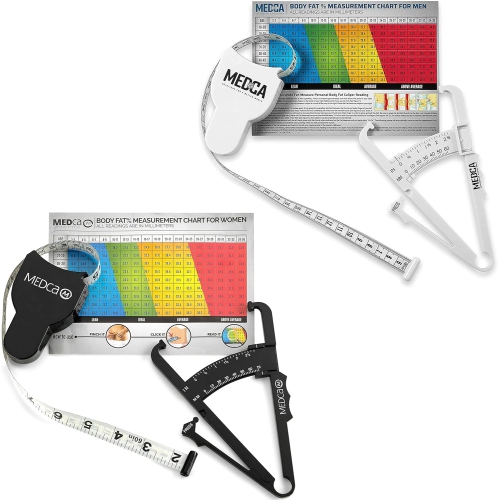
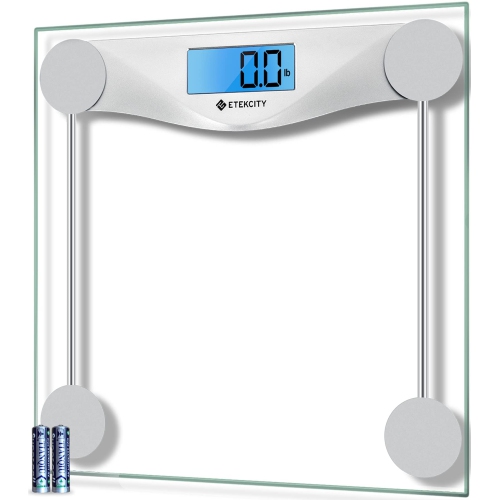
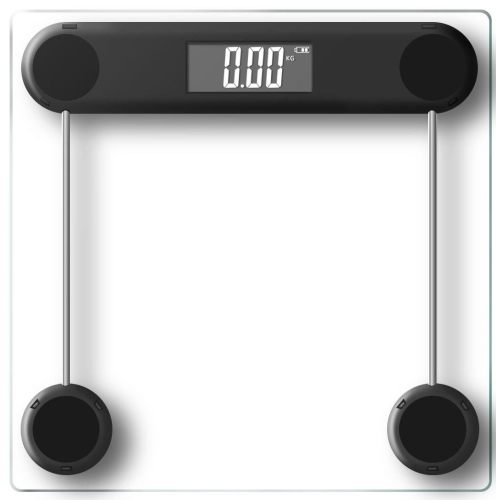
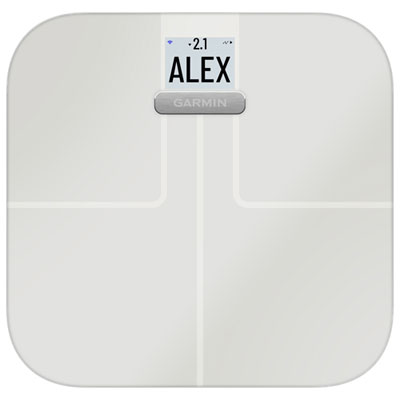
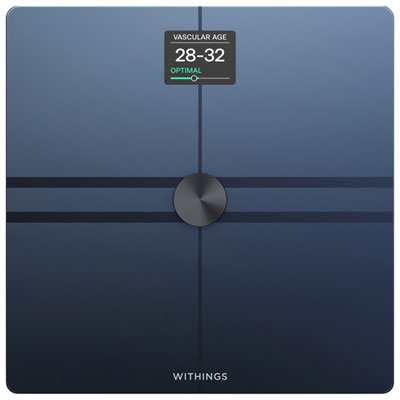
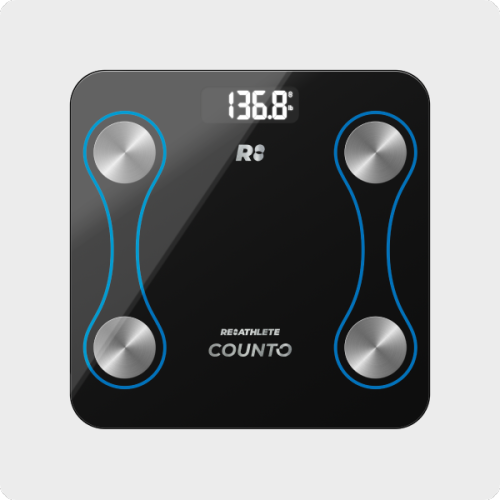
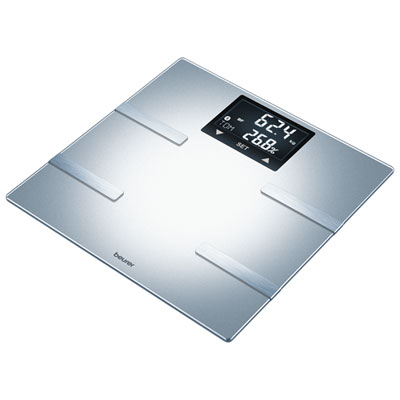
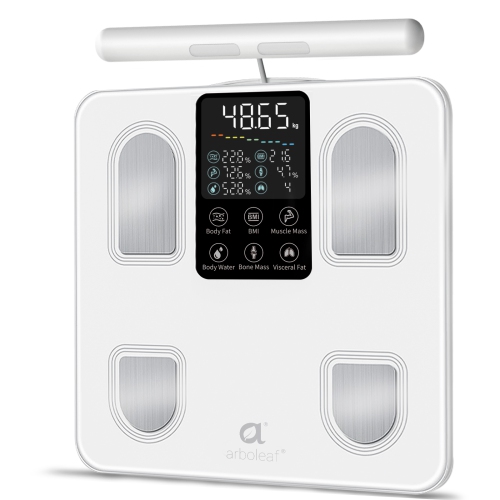
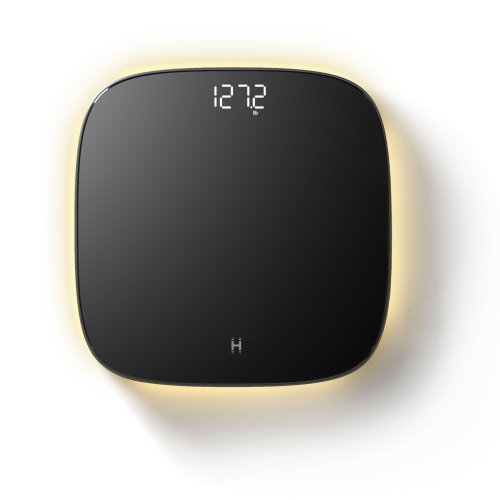
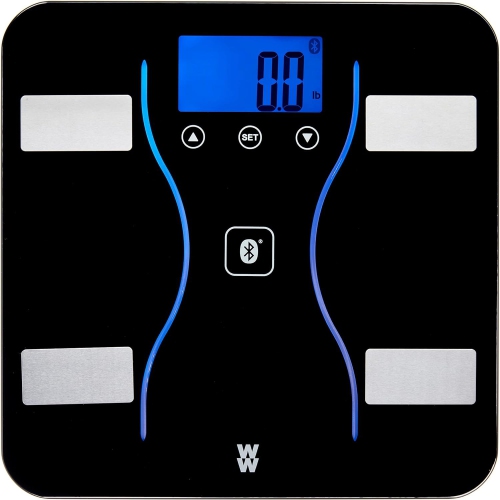
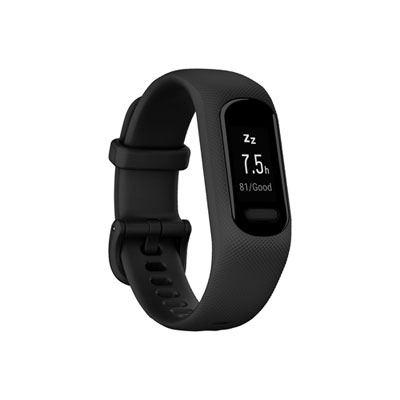
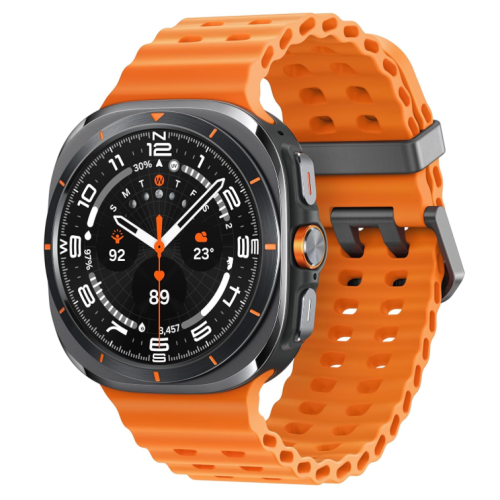
Tools for weight loss can make healthy routines easier to plan, measure and maintain, whether the goal is improving everyday habits, increasing activity or supporting a structured wellness plan. Useful options range from food and kitchen tracking tools to wearable activity monitors, smart scales and home exercise equipment. A food diary or nutrition app can help record meals, snacks, beverages and portion sizes, making it easier to notice patterns that may otherwise be overlooked. A kitchen scale can add accuracy when measuring ingredients or serving sizes, particularly for people following a meal plan or tracking calories, protein, carbohydrates or other nutrients. Measuring food in grams or ounces may feel unfamiliar at first, but it can become a straightforward part of meal preparation once the scale is kept near the cutting board or mixing bowl. Activity trackers and smartwatches can provide reminders to move, count steps, record active minutes and monitor workouts, while some also track sleep and heart rate. These measurements are best treated as helpful estimates rather than exact readings; individual results can vary, and calorie-burn figures should not be used as the sole basis for food decisions. Smart body-composition scales may show weight alongside estimated body-fat percentage and other readings, offering more context than weight alone, although those estimates can change with hydration, time of day and other factors. For a broader selection of equipment designed to support movement at home, explore Fitness Equipment for Weight Loss.
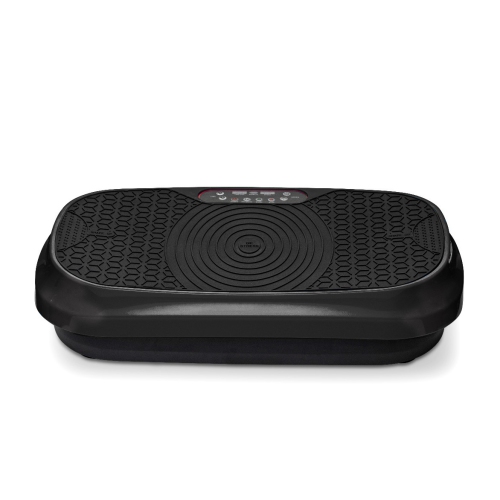
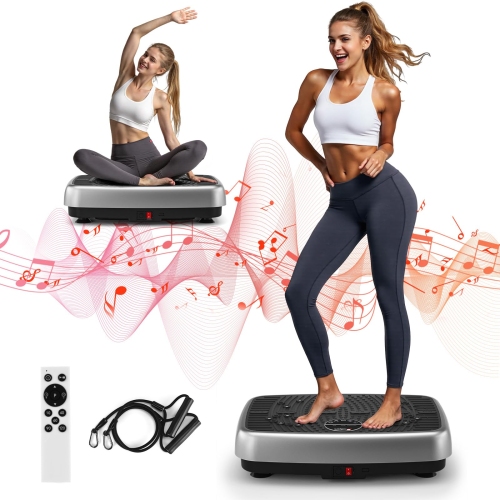
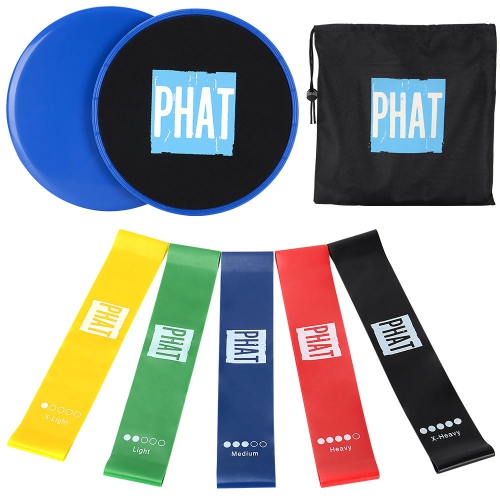
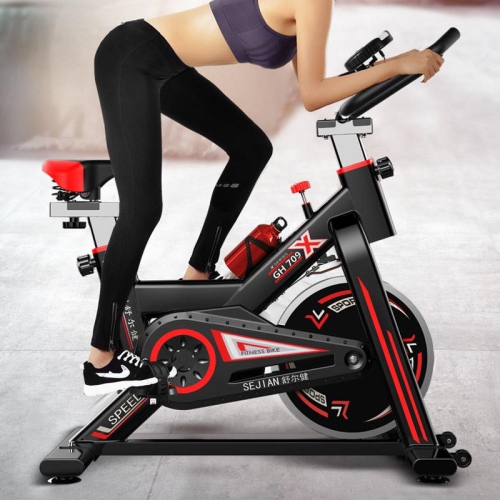
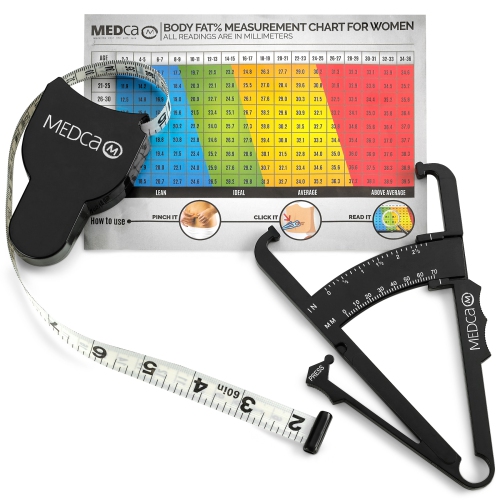
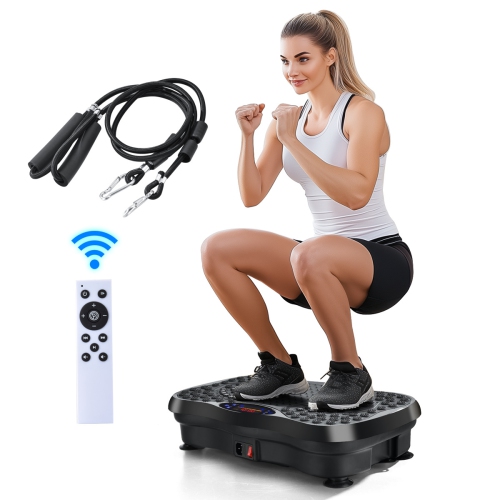
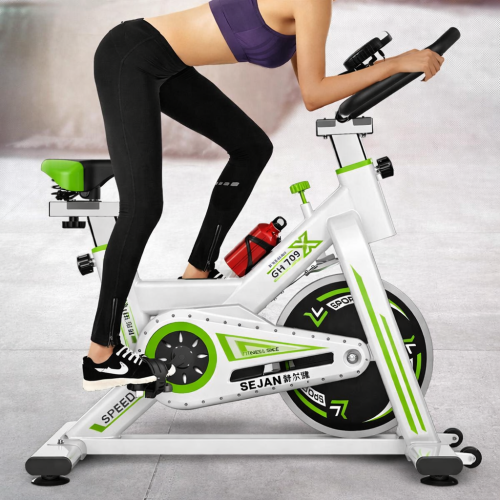
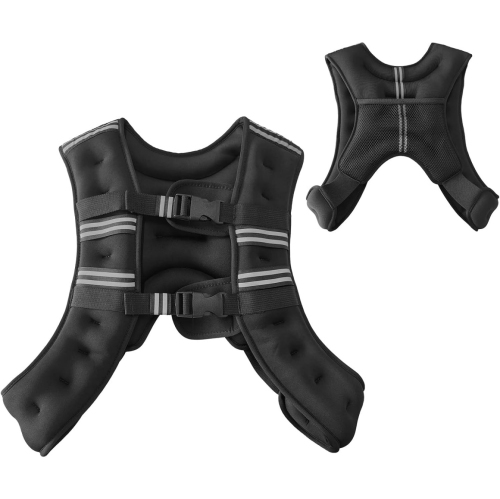
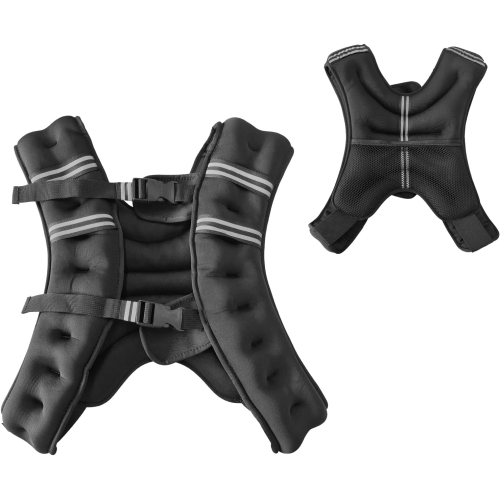
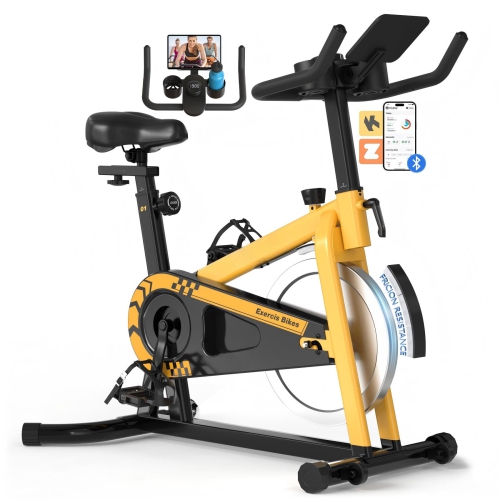
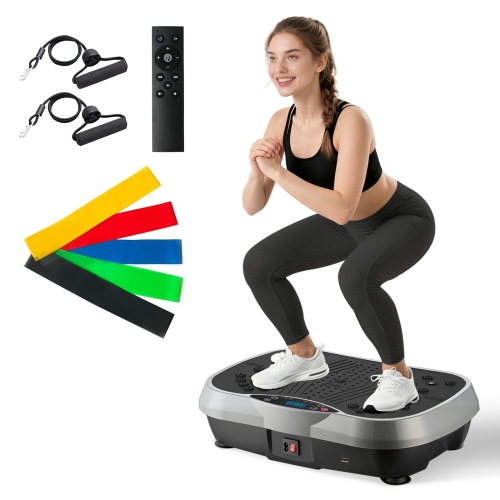
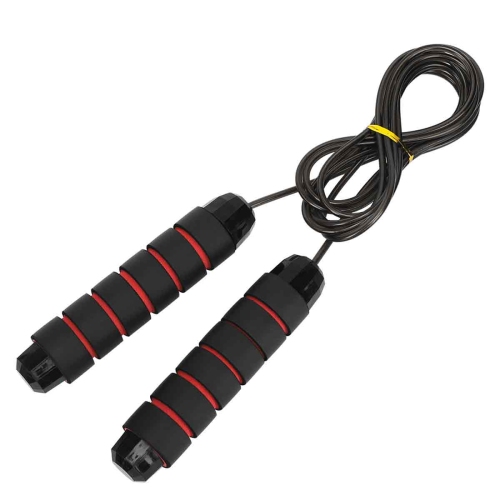
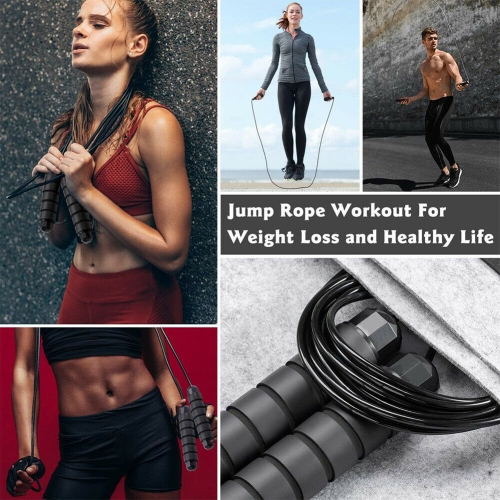
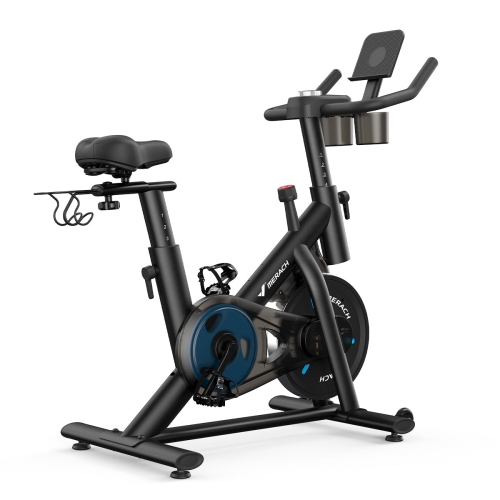
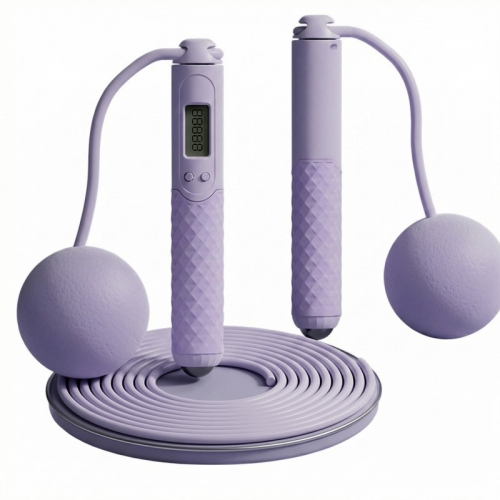
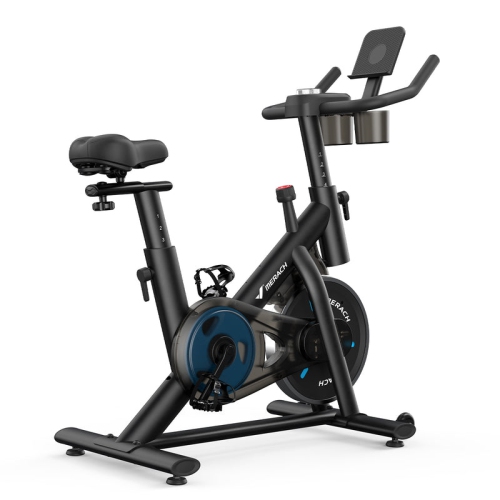
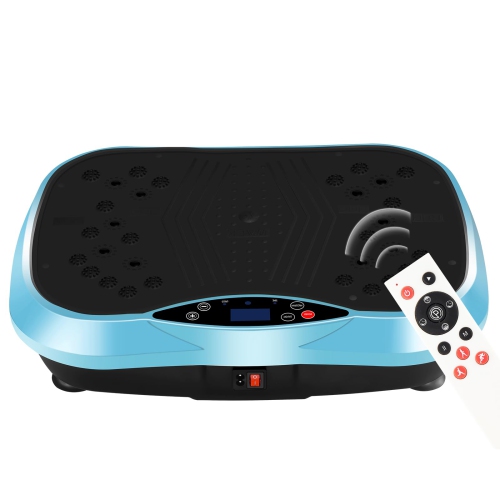
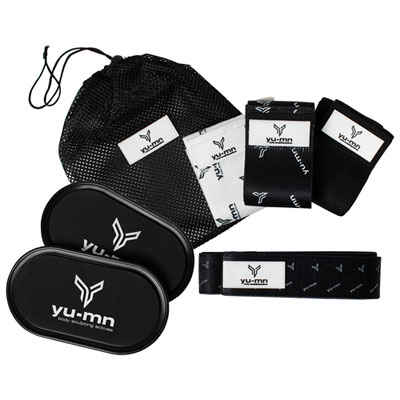
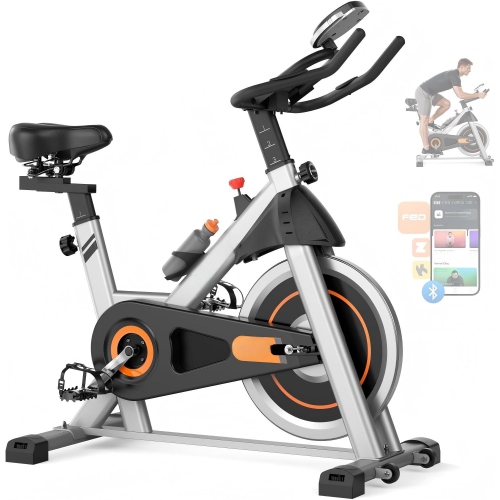
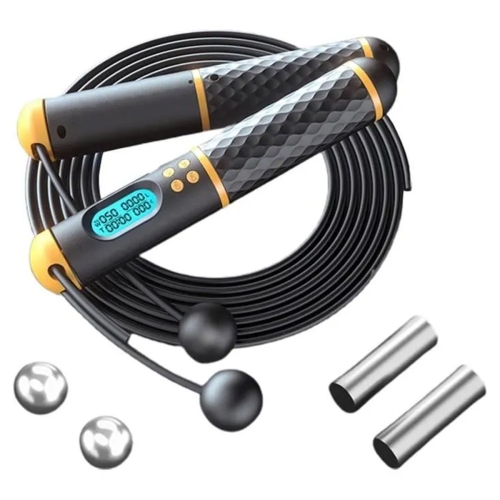
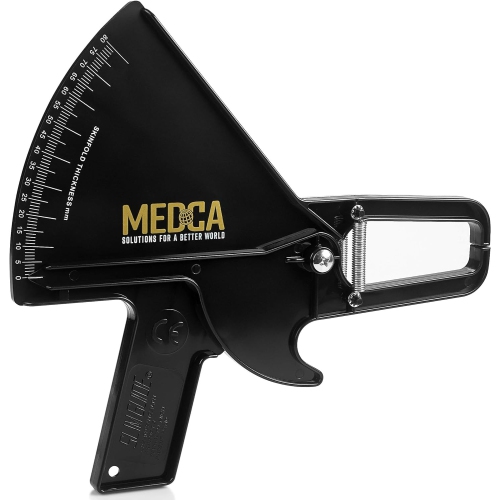
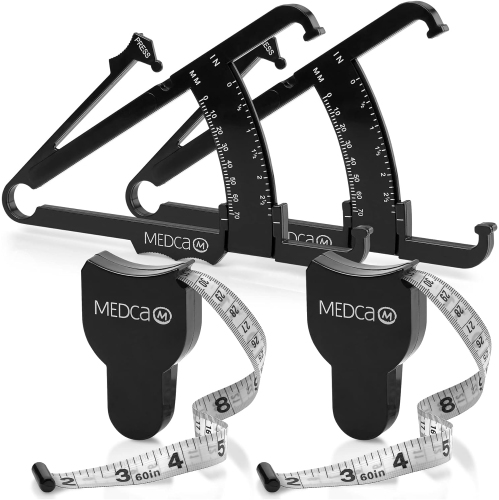
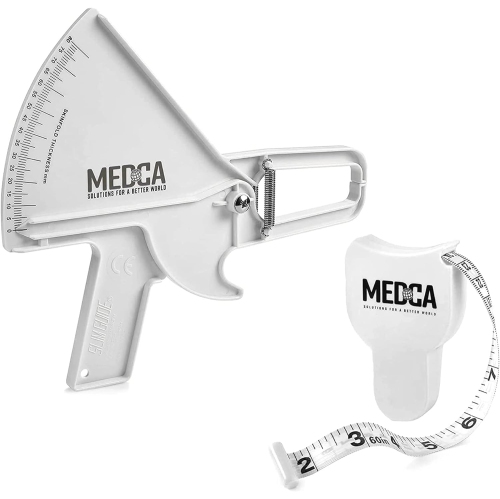
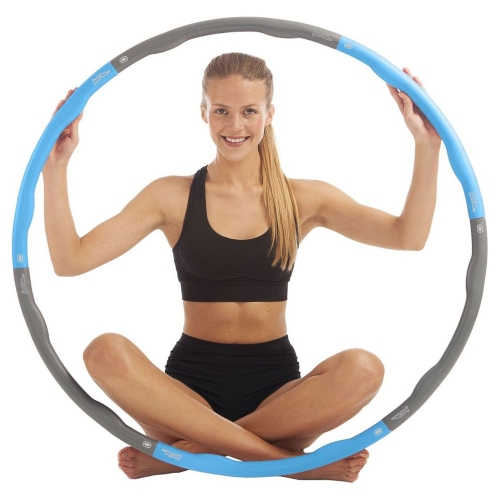
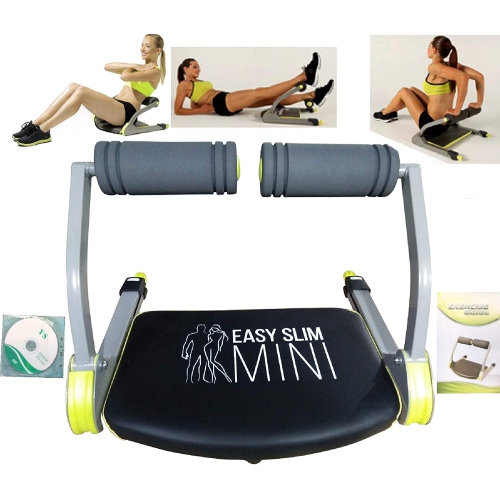
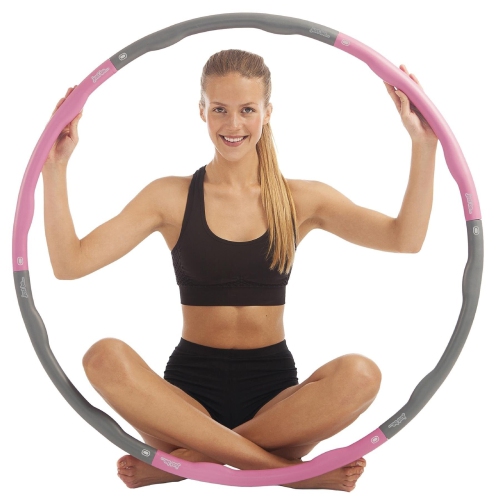
The right tool depends on personal preferences, available space, comfort level and the type of routine a person is most likely to follow consistently. Someone who enjoys walking may benefit from a wearable tracker, a comfortable pair of headphones and a compact walking pad or other equipment that makes indoor movement more convenient during cooler months. A person who prefers structured cardio might choose a stationary bike, treadmill or rowing machine, while someone looking to add resistance training could consider adjustable dumbbells, kettlebells, a strength-training bench or resistance bands. Cardio equipment should be checked for dimensions, maximum user weight, speed or resistance settings, noise level and available safety features before purchase. Folding designs can be useful in a smaller home, but the folded footprint and storage requirements still need to be measured carefully. For strength tools, consider the range of resistance, grip comfort, adjustability and whether the equipment can support beginner and more advanced workouts as fitness improves. Resistance bands are light and easy to store, making them practical for travel, office breaks or a quick session in the living room; they can also be a thoughtful gift for someone establishing a home workout routine. A jump rope may suit people who enjoy short, energetic sessions, while a yoga mat, foam roller or stability accessory can support warmups, stretching and recovery. Gifts do not need to be complicated: a step tracker, portion-measuring tool, resistance set or compact exercise accessory can encourage a recipient’s existing interests without dictating a particular approach to weight management. For anyone with an injury, chronic health condition, pregnancy-related needs or a history of disordered eating, it is wise to speak with a qualified healthcare professional before beginning a new exercise or nutrition plan.
Weight-loss tools tend to work best when they support repeatable behaviours instead of creating pressure to reach a particular number every day. A tracker might help someone build a walking habit by setting a gentle daily movement target, while a meal-planning app or food diary can make grocery shopping and weekday cooking more organized. A scale can help with portion awareness, but visual cues such as hunger, fullness, energy and workout performance can also provide meaningful information. When choosing digital equipment, review battery life, display readability, app compatibility, privacy settings, data-sync options and whether a subscription is required for key features. Some people prefer detailed graphs and notifications; others find that a simple timer, notebook or basic counter keeps them focused without adding distractions. Look for controls that are easy to use during a workout, especially when hands are sweaty or attention is directed elsewhere. Home equipment should be placed on a stable, level surface with enough clearance to move safely, and resistance tools should be inspected regularly for wear. As the weather warms, outdoor walks, cycling and active errands can complement indoor workouts; during the cooler months, having a dependable setup at home may make it easier to keep a routine going when daylight and comfortable outdoor conditions are limited. Progress can be gradual and may show up as improved stamina, more consistent movement, better-fitting clothing, stronger muscles or greater confidence with daily tasks, rather than only as a change on the scale. The most useful choice is generally one that fits the person, the space and the routine well enough to be used regularly.
The right tool depends on personal preferences, available space, comfort level and the type of routine a person is most likely to follow consistently. Someone who enjoys walking may benefit from a wearable tracker, a comfortable pair of headphones and a compact walking pad or other equipment that makes indoor movement more convenient during cooler months. A person who prefers structured cardio might choose a stationary bike, treadmill or rowing machine, while someone looking to add resistance training could consider adjustable dumbbells, kettlebells, a strength-training bench or resistance bands. Cardio equipment should be checked for dimensions, maximum user weight, speed or resistance settings, noise level and available safety features before purchase. Folding designs can be useful in a smaller home, but the folded footprint and storage requirements still need to be measured carefully. For strength tools, consider the range of resistance, grip comfort, adjustability and whether the equipment can support beginner and more advanced workouts as fitness improves. Resistance bands are light and easy to store, making them practical for travel, office breaks or a quick session in the living room; they can also be a thoughtful gift for someone establishing a home workout routine. A jump rope may suit people who enjoy short, energetic sessions, while a yoga mat, foam roller or stability accessory can support warmups, stretching and recovery. Gifts do not need to be complicated: a step tracker, portion-measuring tool, resistance set or compact exercise accessory can encourage a recipient’s existing interests without dictating a particular approach to weight management. For anyone with an injury, chronic health condition, pregnancy-related needs or a history of disordered eating, it is wise to speak with a qualified healthcare professional before beginning a new exercise or nutrition plan.
Weight-loss tools tend to work best when they support repeatable behaviours instead of creating pressure to reach a particular number every day. A tracker might help someone build a walking habit by setting a gentle daily movement target, while a meal-planning app or food diary can make grocery shopping and weekday cooking more organized. A scale can help with portion awareness, but visual cues such as hunger, fullness, energy and workout performance can also provide meaningful information. When choosing digital equipment, review battery life, display readability, app compatibility, privacy settings, data-sync options and whether a subscription is required for key features. Some people prefer detailed graphs and notifications; others find that a simple timer, notebook or basic counter keeps them focused without adding distractions. Look for controls that are easy to use during a workout, especially when hands are sweaty or attention is directed elsewhere. Home equipment should be placed on a stable, level surface with enough clearance to move safely, and resistance tools should be inspected regularly for wear. As the weather warms, outdoor walks, cycling and active errands can complement indoor workouts; during the cooler months, having a dependable setup at home may make it easier to keep a routine going when daylight and comfortable outdoor conditions are limited. Progress can be gradual and may show up as improved stamina, more consistent movement, better-fitting clothing, stronger muscles or greater confidence with daily tasks, rather than only as a change on the scale. The most useful choice is generally one that fits the person, the space and the routine well enough to be used regularly.
Top selling and popular products
-
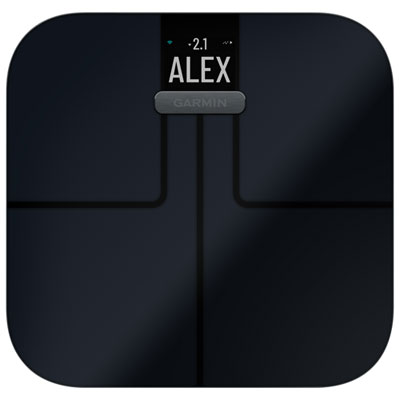 Your price for this item is $219.99
 -
 Your price for this item is $219.99
 -
 Your price for this item is $249.99
 -
 Your price for this item is $64.99
 -
 Your price for this item is $59.99
 -
 Your price for this item is $129.99
 -
 Your price for this item is $39.99
 -
 Your price for this item is $128.97
Discover more categories related to Tools for Weight Loss
Top Collections:
Pokemon Centers, Best Cameras for Sports Photography, Kindle Devices, Samsung Galaxy Phones, Canon G7X Cameras, Pokémon 30th Celebration Cards, Refurbished Apple Laptops, iPhone 15 Apple, Laptops for Students, Budget Smartphones
Some products may be subject to Environmental Handling Fees
(EHF) depending on your province.
Learn more about EHFs.