Travel Gym Equipment
Whether you're a frequent traveler or simply looking to stay fit on the go, our collection of travel gym equipment has got you covered. Designed to be compact, portable, and versatile, these fitness essentials are perfect for maintaining your workout routine no matter where your travels take you. From resistance bands and adjustable dumbbells to collapsible yoga mats and compact exercise bikes, our selection offers a wide range of options to suit every fitness level and preference. Stay active and energized during your travels with our convenient travel gym equipment.
Sort
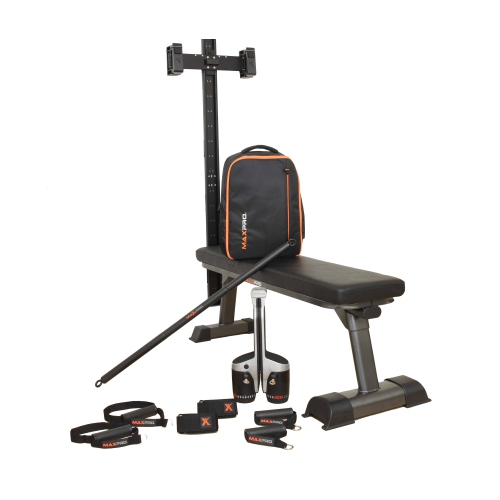











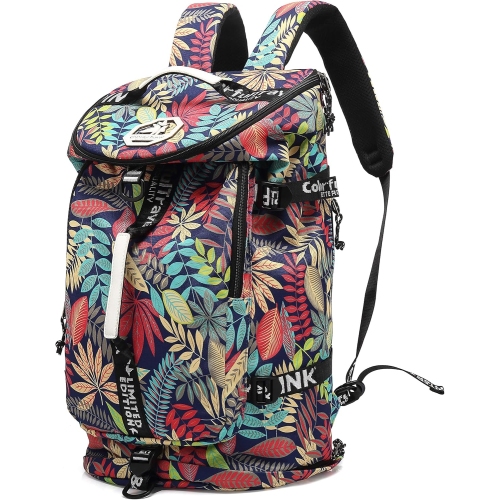
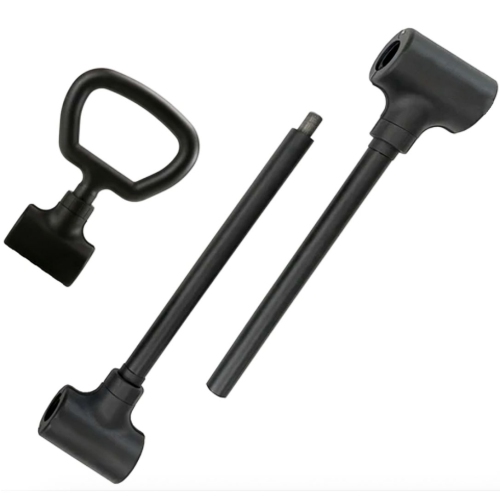
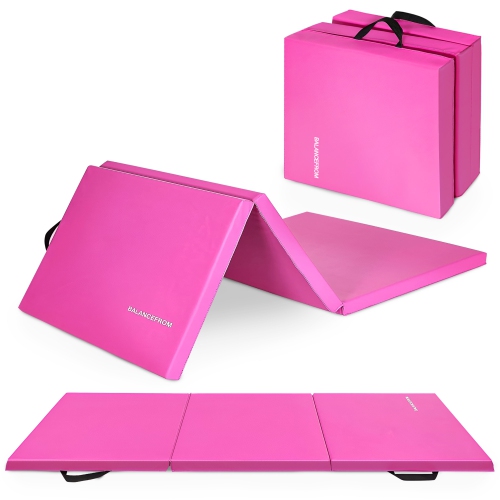

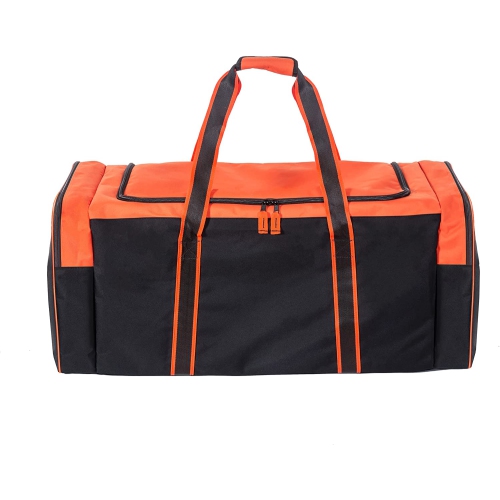


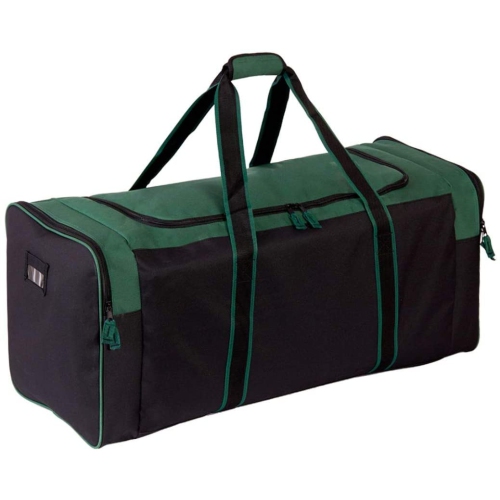

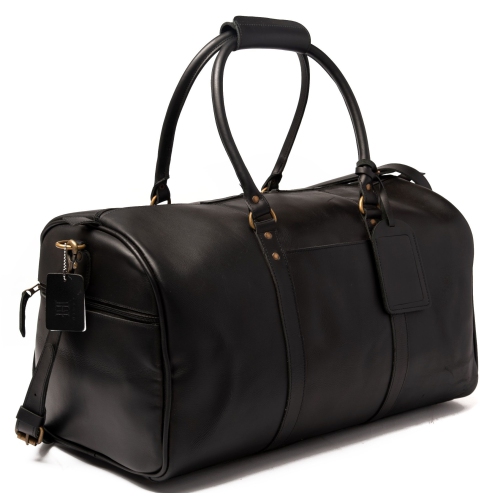

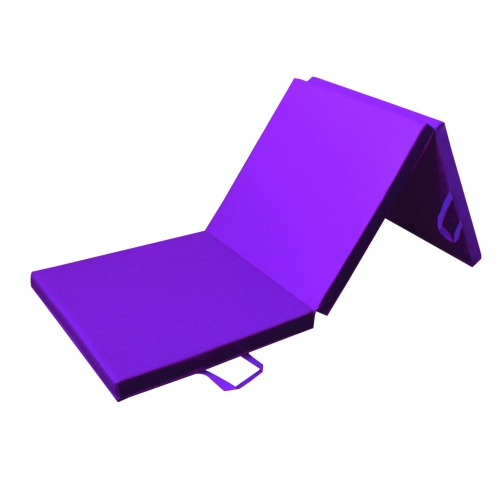
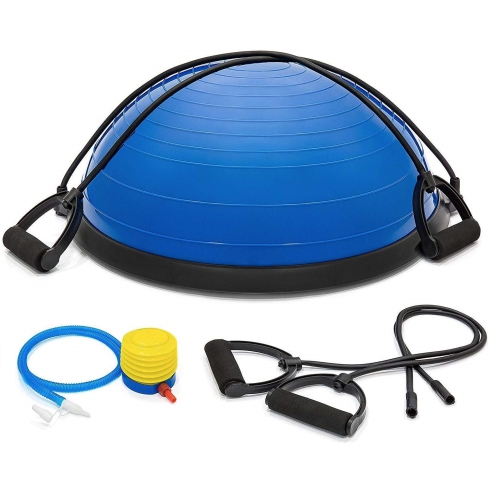




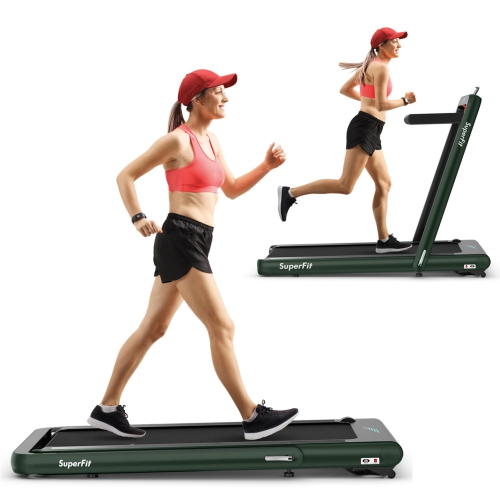


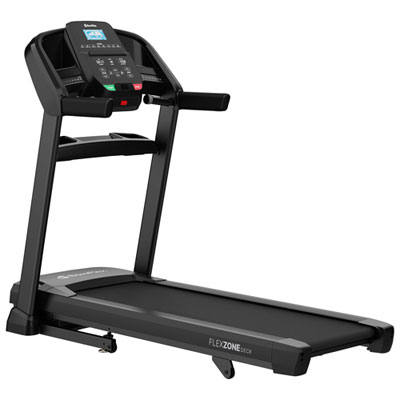
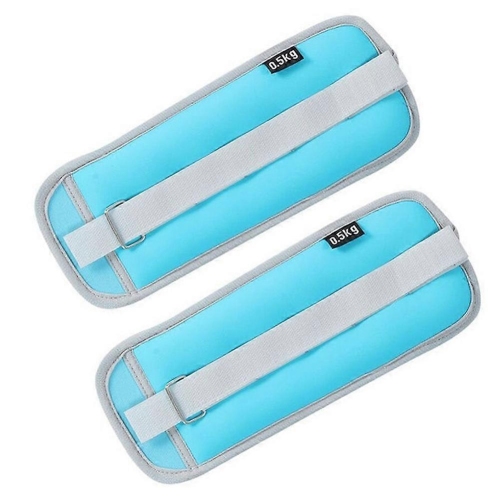
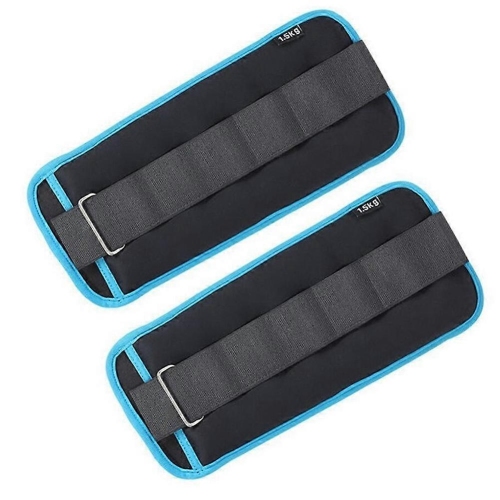
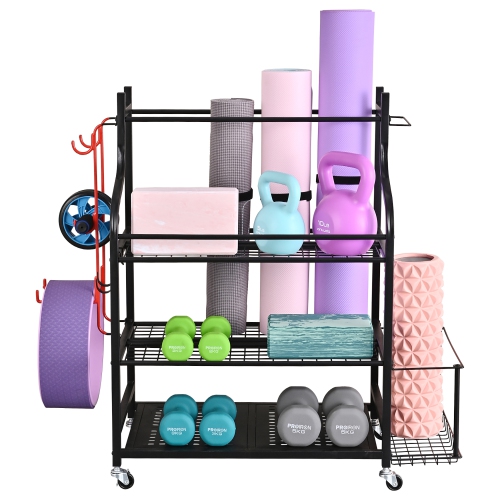
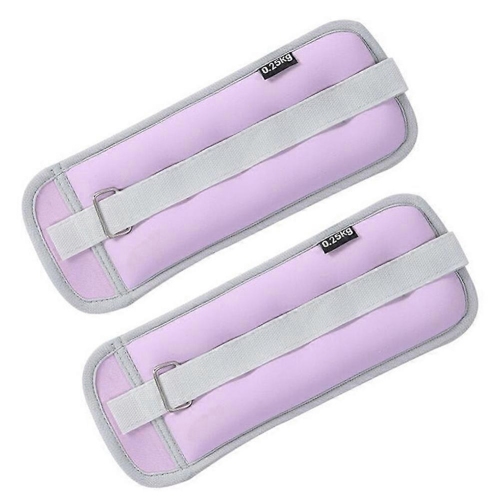
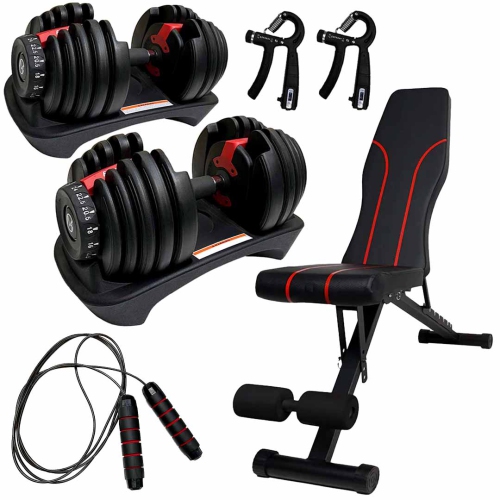
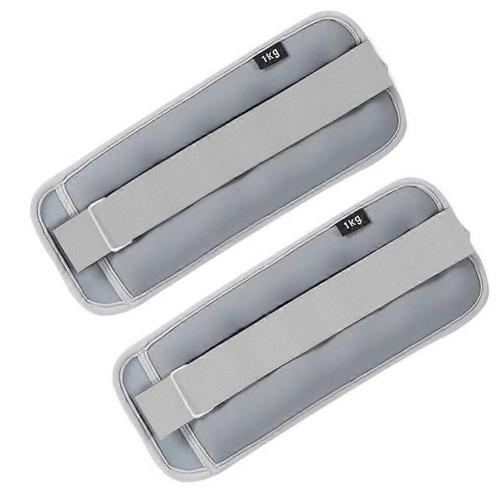





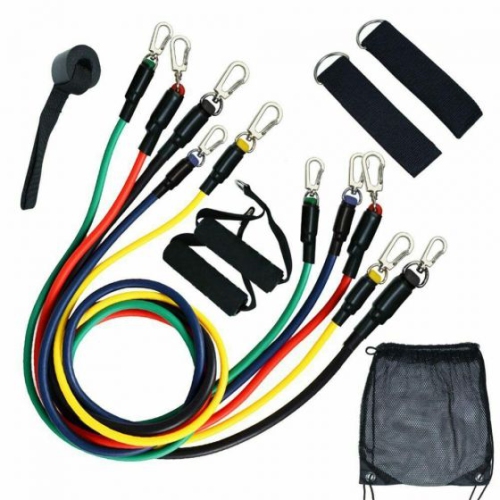
Portable workouts depend on more than packed size
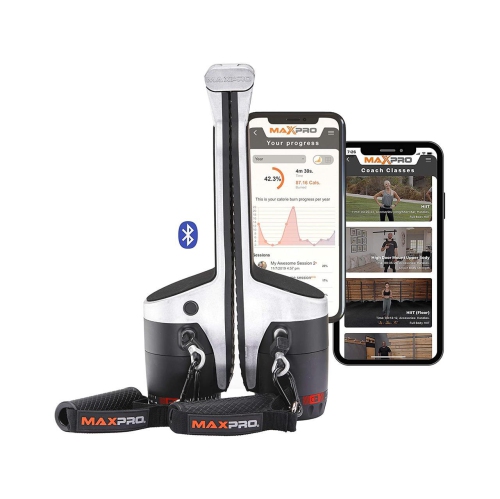
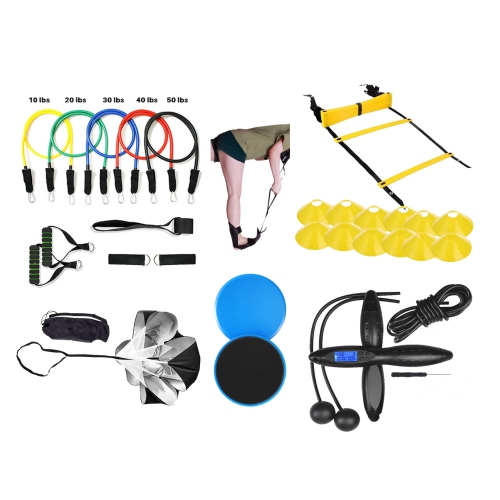
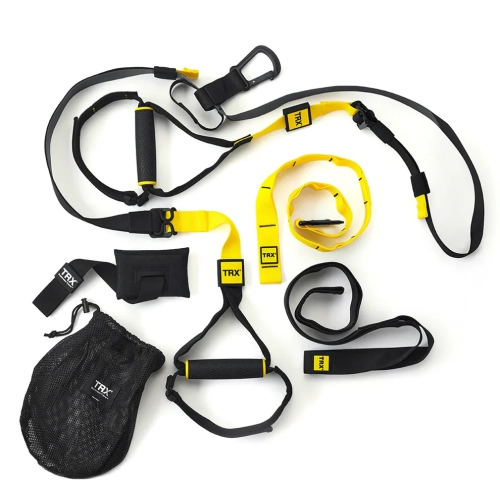
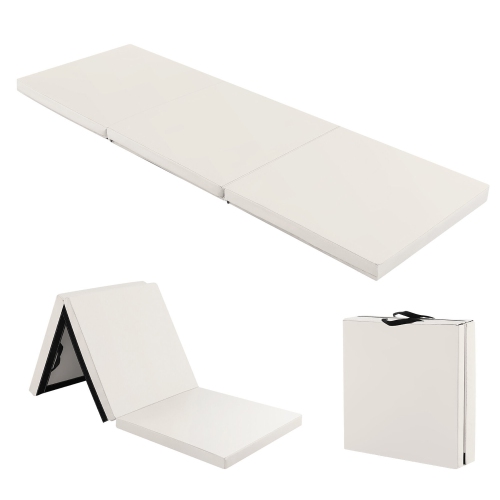
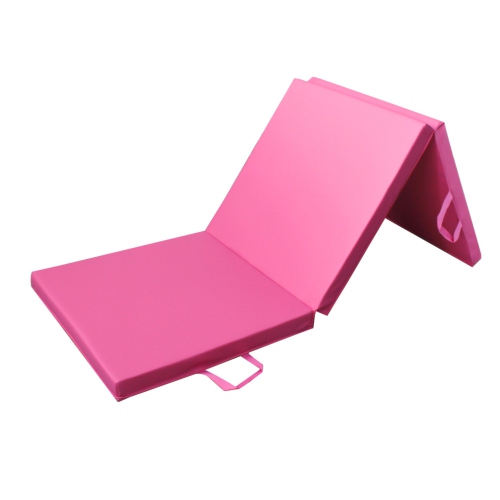
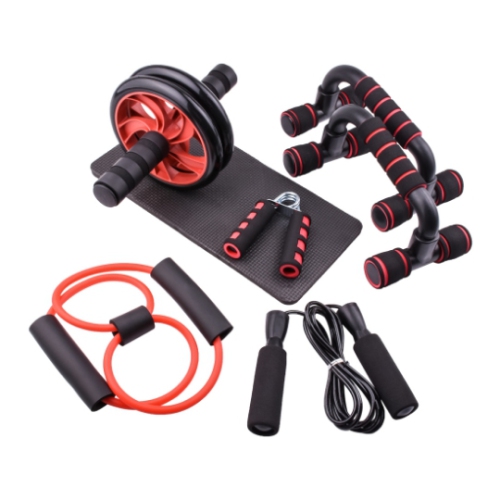
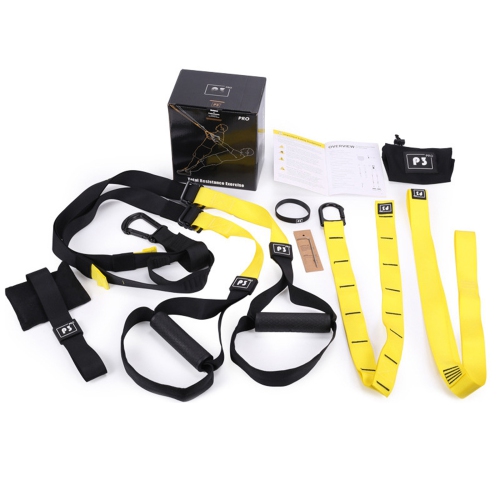
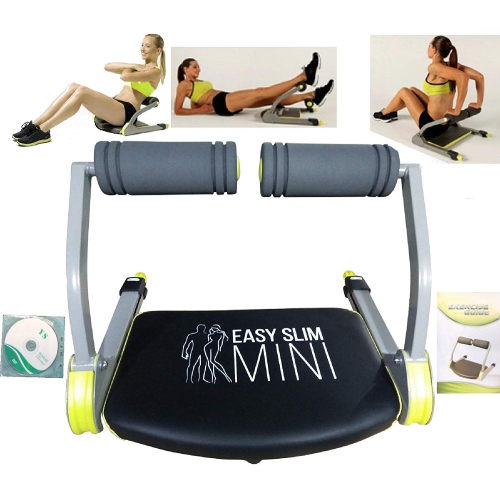
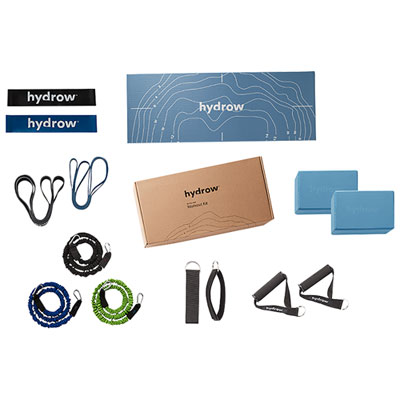
Travel gym equipment brings familiar strength, mobility, and cardio movements into a format that is easier to pack and carry. The category includes resistance bands, exercise tubes, suspension straps, compact cable systems, skipping ropes, and foldable exercise mats, with different designs suited to different training habits. For someone working out between business meetings or keeping up a routine while visiting family, portability means more than a small footprint: packed dimensions, total weight, setup requirements, and usable resistance all matter. A flat band can tuck into a suitcase pocket, while a portable cable system may need dedicated luggage space and a firm surface for its base. Loop bands are often used to add resistance around the legs during lateral steps, squats, or glute exercises; longer bands and handled tubes can support movements such as rows, presses, and curls when used as directed. Resistance usually increases as a band stretches, so its feel differs from lifting a fixed weight. Colour coding is not standardized across manufacturers, making stated resistance ranges and permitted stretch limits more useful than colour alone. Smooth latex bands offer substantial stretch in a compact shape, while fabric-covered bands may feel more comfortable against clothing during lower-body exercises. Fabric construction does not necessarily mean a band is latex-free, so material details remain important for anyone with a sensitivity. Compact equipment can support a challenging full-body session, but it does not automatically replace the loading capacity or stability of larger gym machines and free weights. Its value is often in making a manageable routine possible without transporting bulky gear. A few well-matched pieces can provide resistance for pushing and pulling movements, room for floor exercises, and a practical way to keep moving away from home. Beginners may prefer simpler setups with clearly marked resistance levels, while experienced exercisers may place more emphasis on higher tension, secure attachments, and enough range of motion for familiar exercises. Comfortable grips and straightforward adjustments also make a difference when the same equipment is shared by people with different heights and training experience.
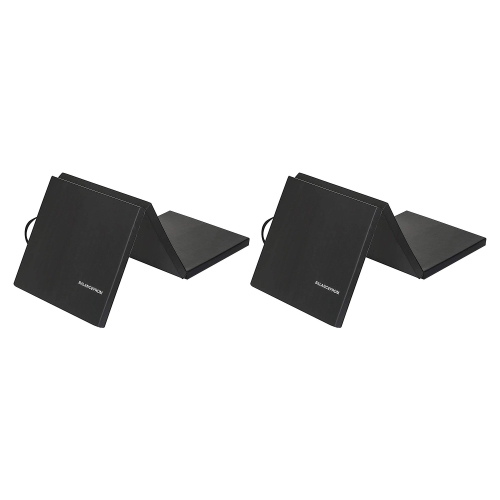
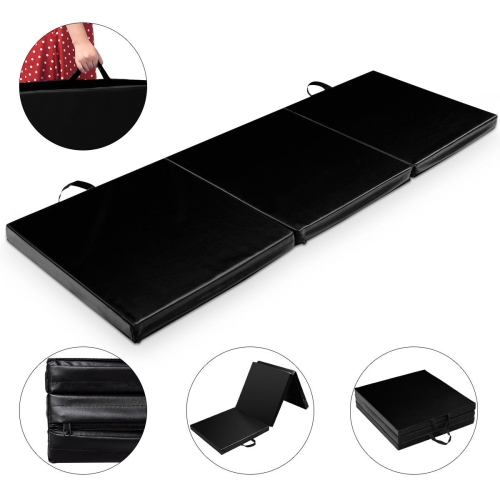
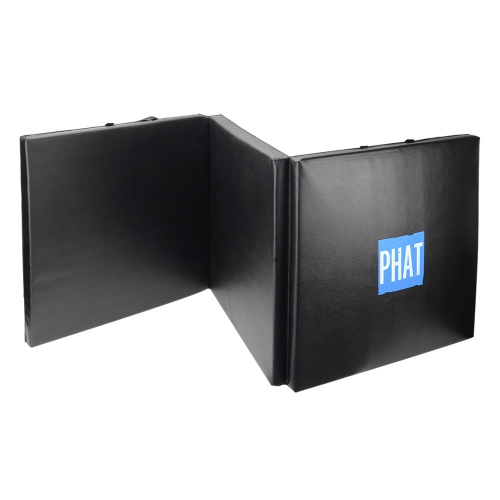
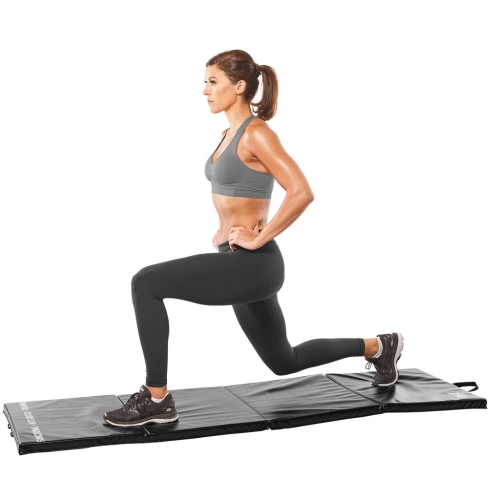
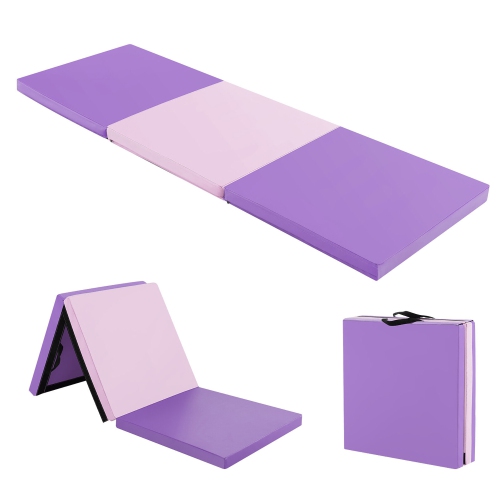
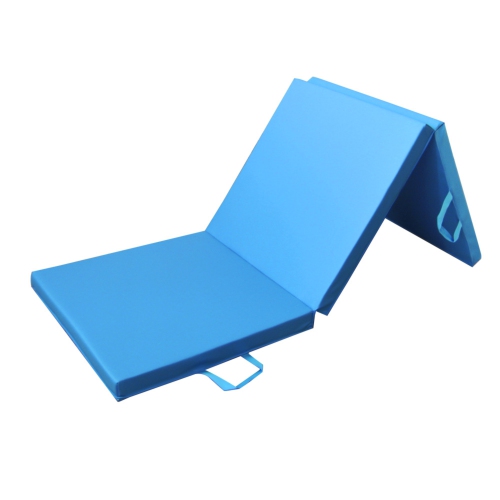
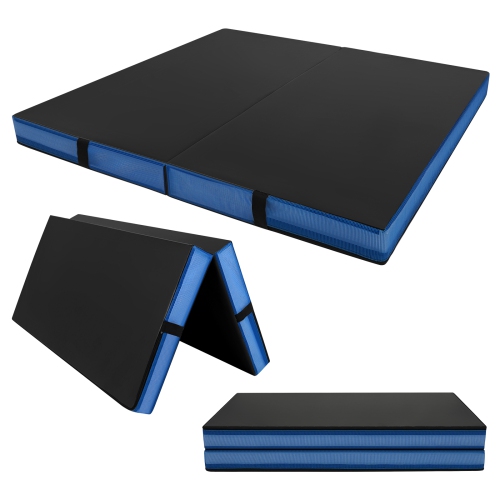
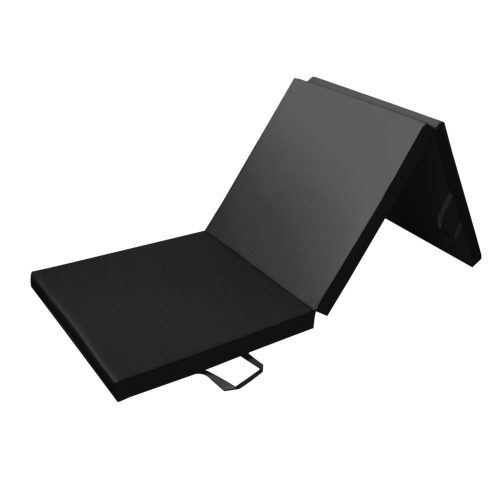
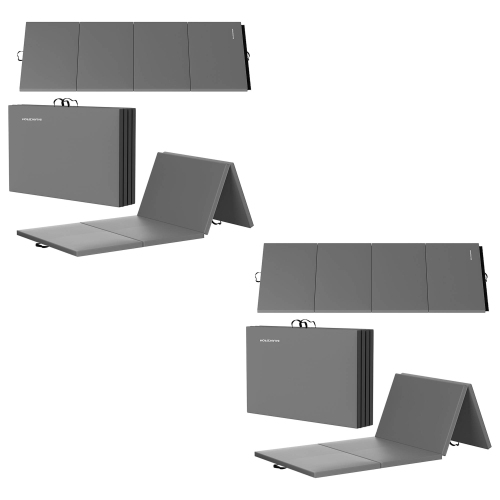
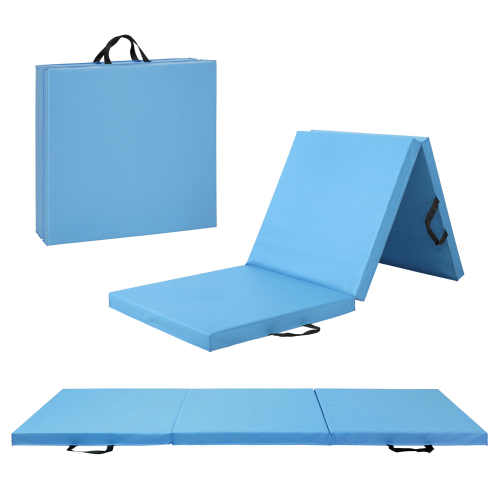
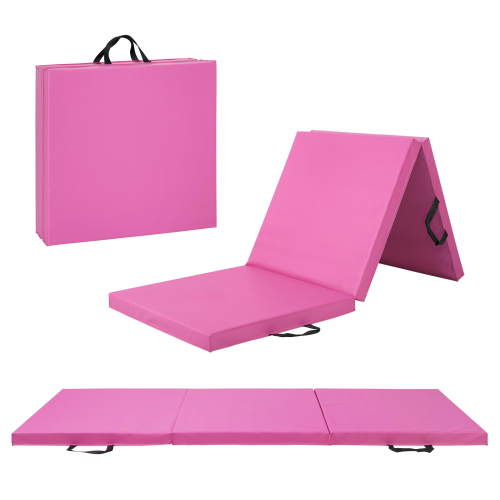
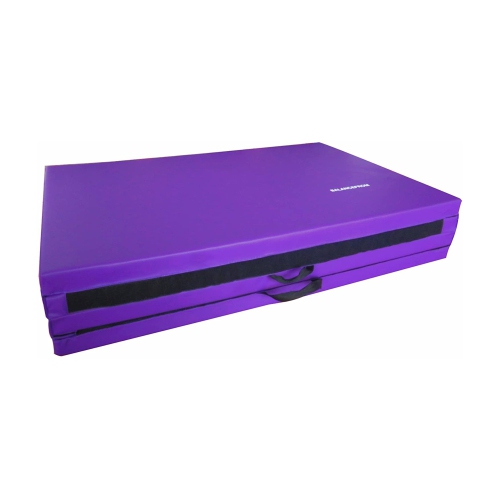
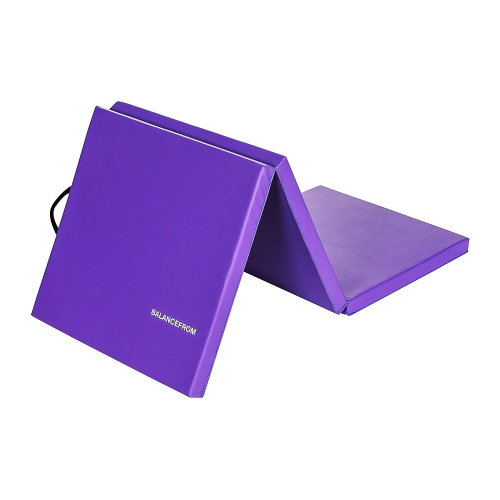
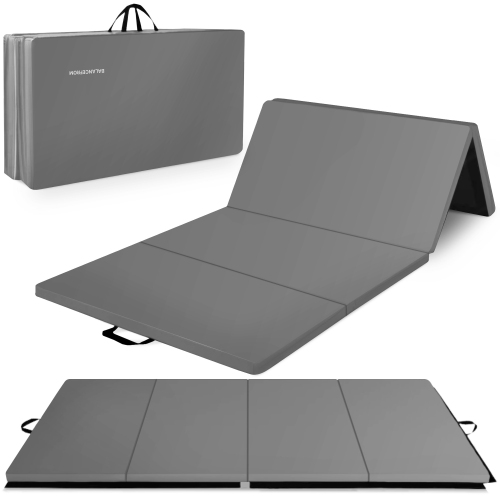
The space at a destination often determines which portable workout equipment makes sense. A quiet corner beside a hotel bed may accommodate controlled band exercises and standing mobility work, but not a skipping rope or movements that require a wide stance. A rope needs clear space overhead, in front, and behind, along with a suitable surface underfoot; adjustable length helps match it to the user’s height and technique. Cordless skipping handles remove the need for a swinging rope, although they do not reproduce every aspect of conventional skipping. In shared accommodation, quieter exercises can be more practical than repeated jumping, particularly where sound carries through floors. Folding mats provide a defined surface for stretching, core exercises, and kneeling movements, with a trade-off between cushioning and packed size. A thinner mat is easier to carry, while a thicker design may feel more comfortable beneath knees and elbows but occupy more room. Grip matters on both sides: the upper surface should support controlled movement, and the underside should suit the flooring where it will be used. Suspension systems and anchored resistance equipment introduce another consideration, since their usefulness depends on having an attachment point approved for that equipment and capable of supporting the intended load. A hotel door, railing, or piece of furniture should never be assumed suitable simply because it looks sturdy. Freestanding designs can reduce reliance on building fixtures, although their bases still need adequate clearance and the setup specified by the manufacturer. For travel that involves flights, packed measurements and carrier rules deserve attention, especially for equipment with batteries, metal components, or rigid accessories. On a road trip, weight may be less restrictive, but equipment still benefits from a secure carrying case that keeps handles, straps, and attachments together. The most practical arrangement is one that leaves enough room to exercise safely without moving heavy furniture or blocking a doorway. Short setup time can be especially useful during a brief stay, when unpacking an elaborate system would take longer than the workout itself.
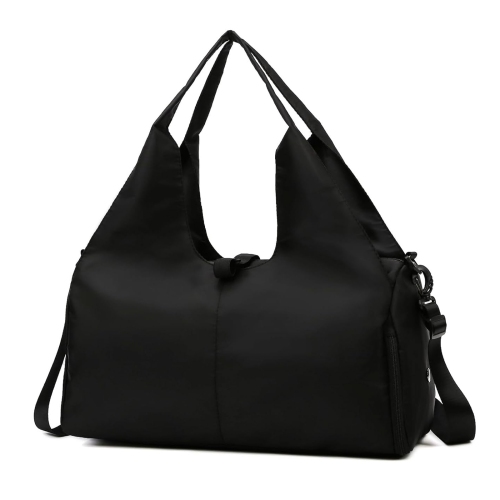
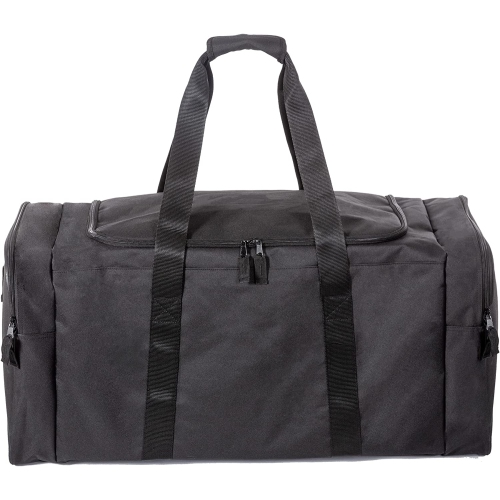
Comfort, fit, and care influence how well travel fitness equipment holds up to repeated packing and use. Handles should feel secure without forcing the wrists into an awkward position, and adjustable straps should accommodate the intended user without loose ends interfering with movement. Ankle cuffs need a comfortable fastening range and smooth contact surfaces, especially when worn against bare skin. Longer bands may suit some standing exercises better than shorter loops, but length alone does not establish suitability; the intended movement, resistance rating, and attachment method all work together. Durable stitching, well-finished connection points, and protective sleeves around elastic tubing are useful construction details, though no material is immune to wear. Before use, elastic components should be checked for cuts, thinning, cracks, or changes in texture, while straps and handles need attention around seams and attachment points. Damaged equipment should be taken out of use rather than stretched for another session. Cleaning methods vary by material, so manufacturer care directions matter: a mat may tolerate a gentle wipe-down, while a fabric strap may require a different approach. Thorough drying before packing helps prevent trapped moisture and odours, and a separate pouch keeps used gear away from clean clothing. Sharp suitcase contents can damage elastic surfaces, making protective storage worthwhile even for small accessories. For a frequent traveller, student moving between home and campus, or fitness enthusiast with limited space, portable exercise equipment can also be a thoughtful gift when it matches established interests and physical needs. Simple equipment may suit someone who prefers independent workouts, whereas connected systems can appeal to users who enjoy digital tracking, provided their device compatibility and charging requirements fit the trip. Portable pieces can also complement a dedicated training space, with the broader Exercise Equipment for Gym category offering a connection to home-based routines. The strongest fit is equipment that feels familiar enough to use confidently, packs without unnecessary bulk, and supports the movements a person actually enjoys practising.
Top selling and popular products
-
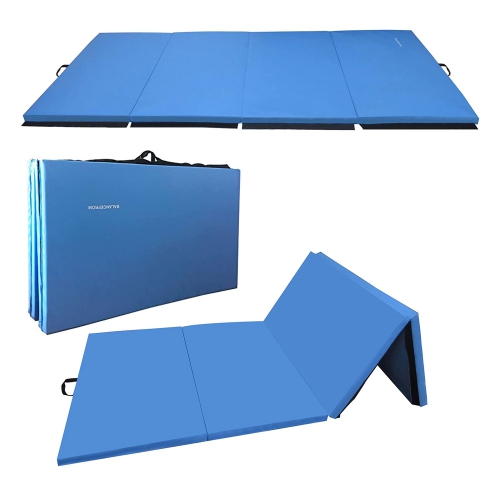 Your price for this item is $212.99
-
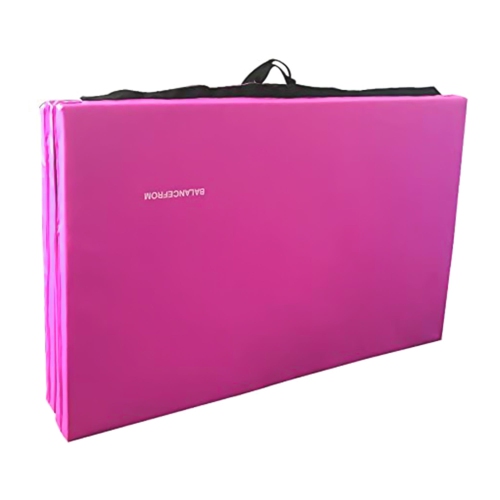 Your price for this item is $225.99
-
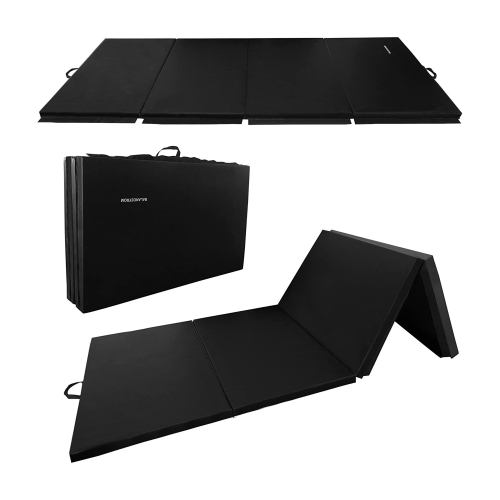 Your price for this item is $251.99
-
 Your price for this item is $220.99
-
 Your price for this item is $229.99
-
 Your price for this item is $84.99
-
 Your price for this item is $227.99
-
 Your price for this item is $259.99
Discover more categories related to Travel Gym Equipment

Top Collections:
Pokemon Centers, Kindle Devices, Best Budget Office Chairs, Canon G7X Cameras, Apple iPhones 16, Samsung Galaxy Phones, Refurbished Apple Laptops, Laptops for Students, iPhone 15 Apple, Budget Smartphones
Some products may be subject to Environmental Handling Fees
(EHF) depending on your province.
Learn more about EHFs.