Treadmills for Apartment Living
Treadmills for Apartment Living offer a convenient way to stay active without leaving the comfort of your home. Designed with compact spaces in mind, these treadmills make it easy to fit fitness into your daily routine, even if you have limited room. Whether you're looking to walk, jog, or run, you'll find options that help you achieve your health goals while complementing your apartment lifestyle. Explore a range of treadmills tailored for smaller living spaces and discover how effortless it can be to prioritize wellness at home.
Sort
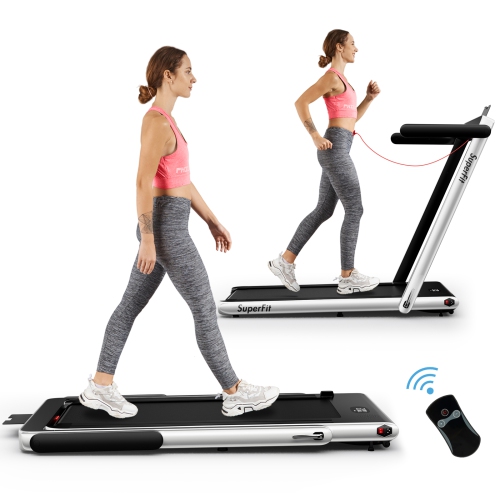
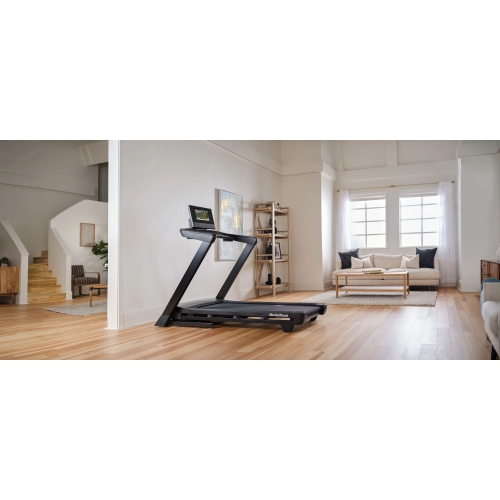
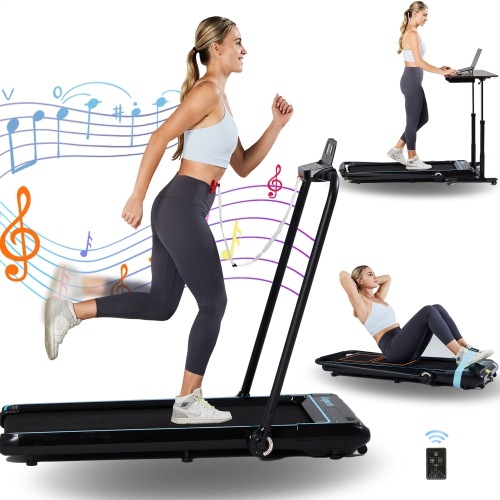
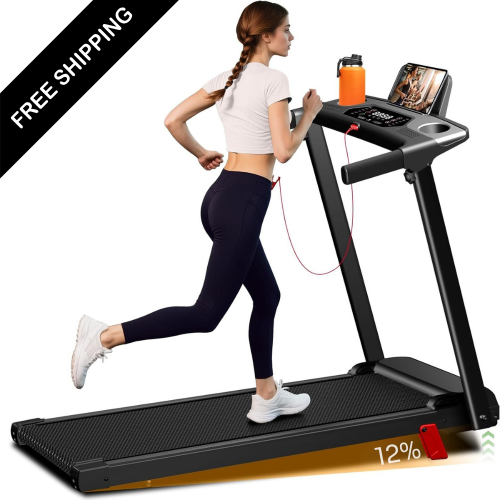
A compact footprint is only part of the story
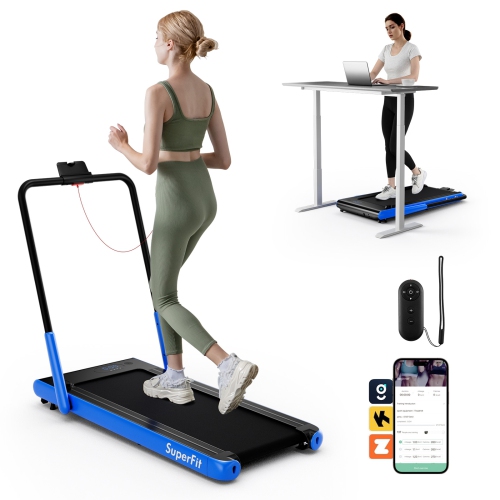
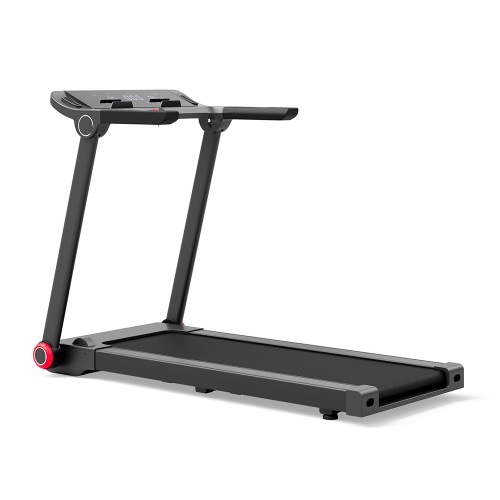
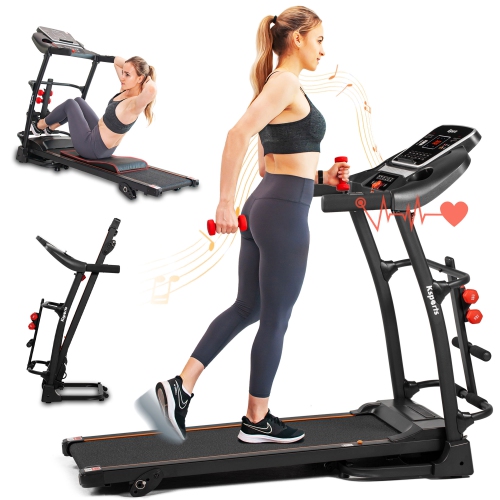
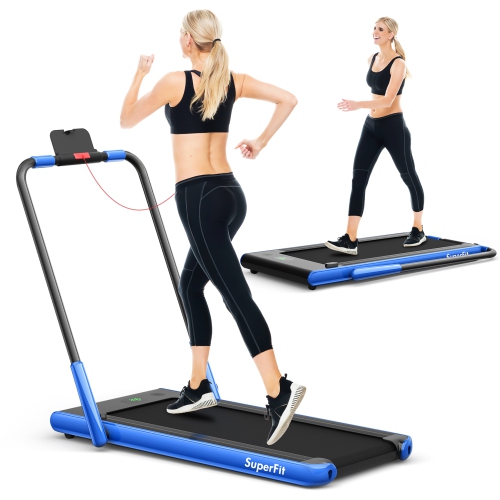
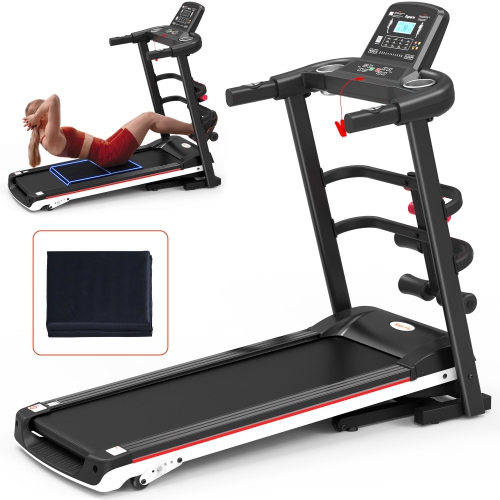
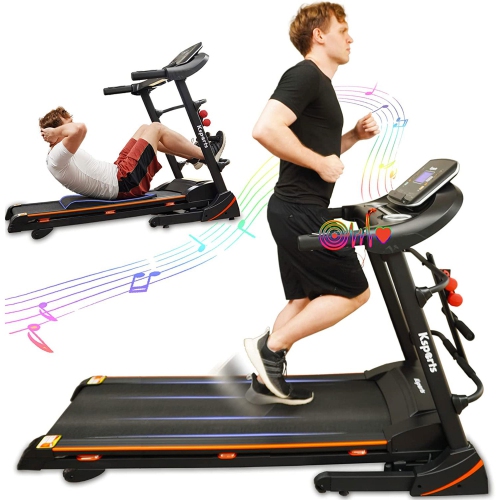
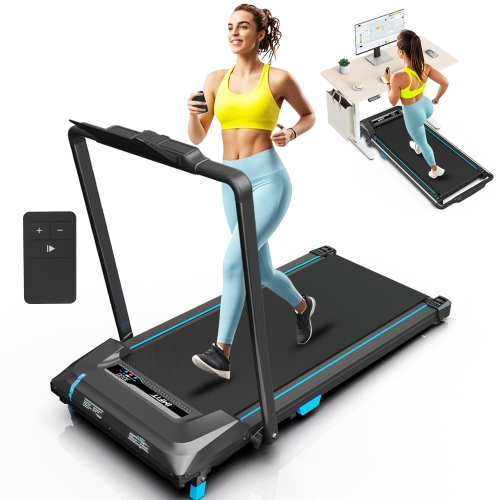
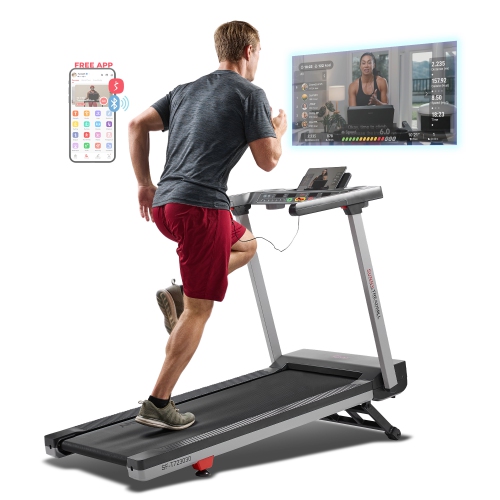
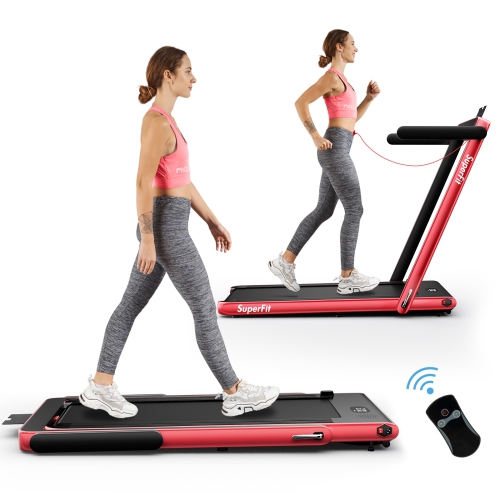
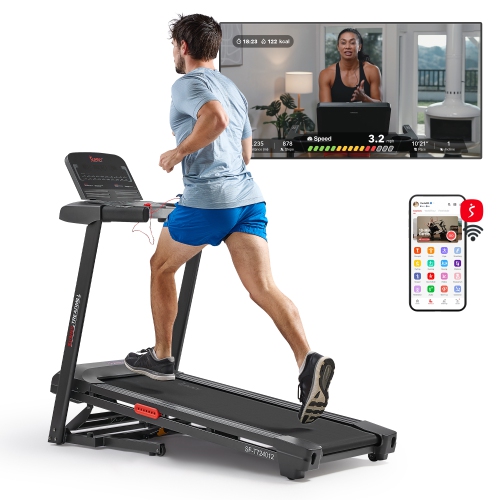
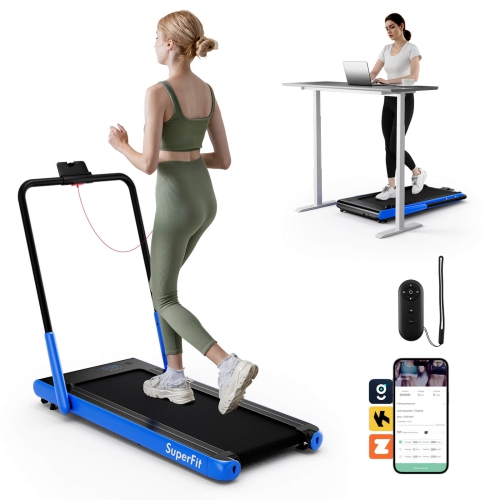
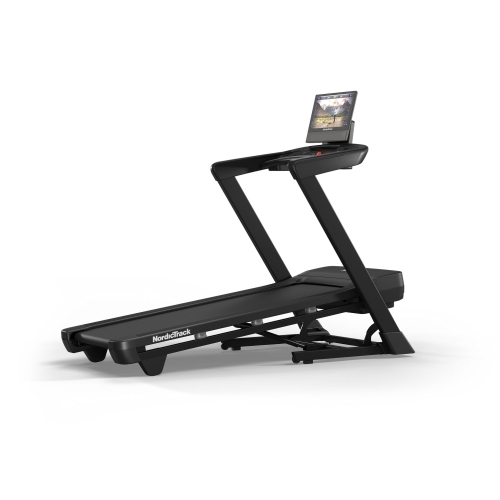
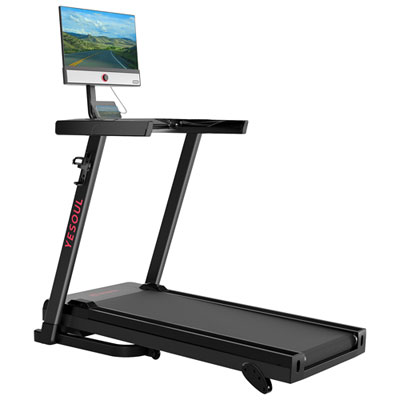
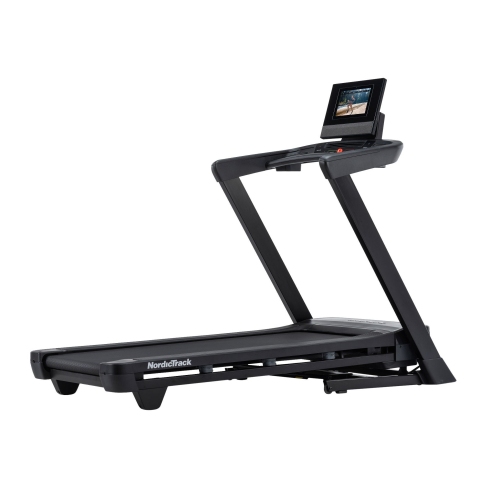
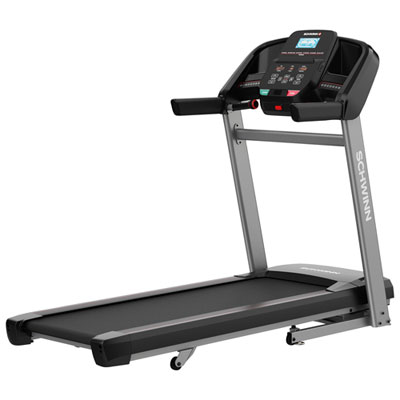
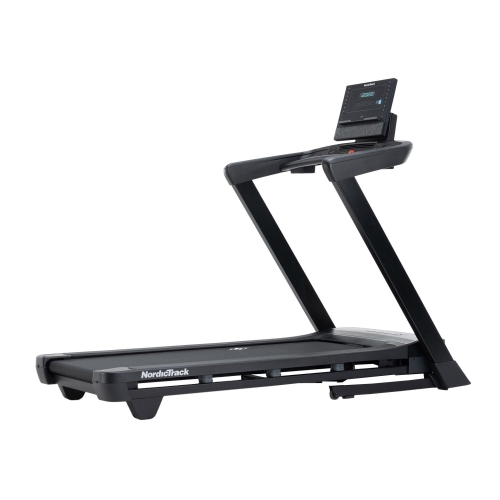
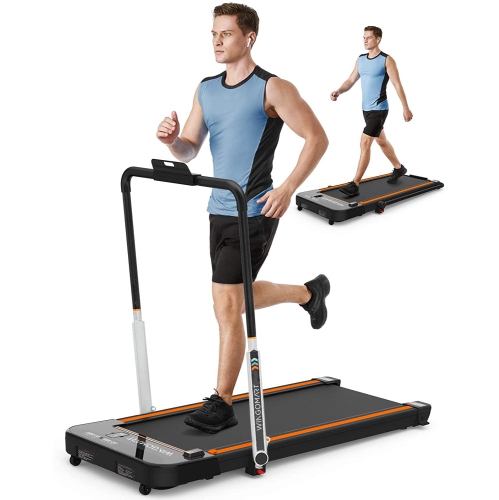
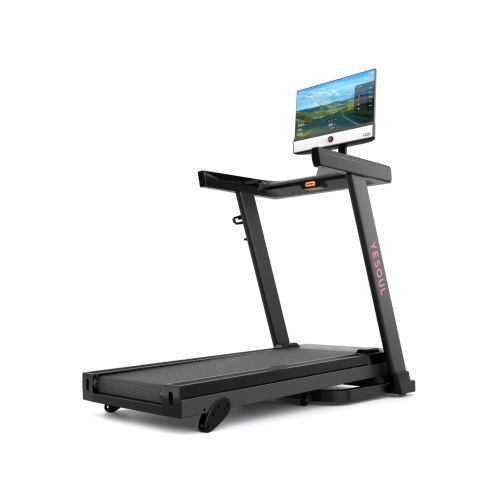
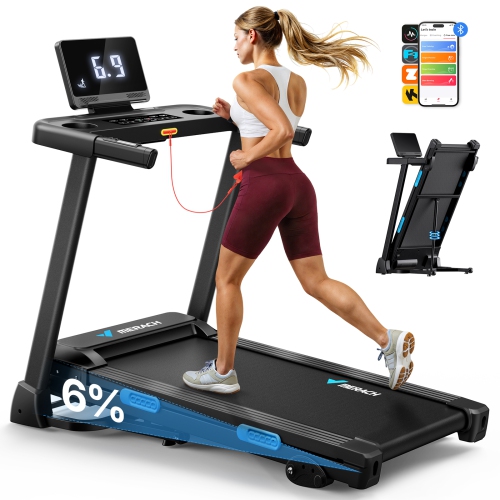
Treadmills for apartment living bring walking, jogging, and running into a home where floor space and shared walls matter. A suitable choice balances a compact footprint, manageable motor sound, low vibration, and a running surface that fits the intended activity. For someone adding short walks between meetings, a low-profile walking treadmill may make more sense than a larger machine designed for faster workouts. A regular runner needs enough belt length and width to maintain a natural stride without feeling crowded, along with a frame and motor suited to sustained use. Compact does not always mean comfortable for every person: height, stride length, preferred pace, and the manufacturer’s user-weight limit all affect the fit. Walking pads designed for use beneath a standing desk also have different speed limits and support features from conventional treadmills with upright consoles and handrails. Their appeal is the ability to fit movement into desk-based tasks, provided the work surface is at a suitable height and the pace allows comfortable, controlled steps. A treadmill’s listed dimensions tell only part of the space story. The usable footprint includes the clearance required around the machine, particularly behind the belt, as specified by its manufacturer. In a living room that doubles as a workout space, that may mean leaving a clear area between the treadmill and a sofa rather than fitting the frame tightly against furniture. Folding designs help reclaim space after exercise, but folded height, deck position, and transport-wheel placement determine whether storage is practical. Not every slim treadmill is approved for upright storage or sliding beneath a bed. Doorway widths, hallway corners, elevator dimensions, and the machine’s weight also matter when bringing equipment into an apartment. A model that fits neatly beside a bookcase still needs a safe route into the room and enough space to unfold without moving half the furniture. Everyday convenience comes from a layout that makes both exercise and putting the treadmill away realistic, rather than turning each session into a furniture-moving project.
Sound deserves particular attention in a shared building because motor noise and floor vibration are different concerns. The hum of the drive system travels through the air, while repeated footfalls can send vibration into the floor structure. A treadmill that seems quiet beside the console may still be noticeable in the apartment below, especially during running. Belt speed, the user’s gait, deck construction, floor type, and the building itself all influence what neighbours hear. Advertised noise measurements are most useful when the testing conditions are clear; a reading taken without a person on the belt does not necessarily represent a workout. For a more focused selection, explore Quiet Treadmills for Apartment alongside considerations such as workout space, stride comfort, and storage. Cushioned decks can soften the feel underfoot, but cushioning alone does not establish how much sound will reach another unit. A dense equipment mat may help protect flooring and reduce some vibration, although it cannot make a treadmill silent or compensate for every floor construction. Its thickness and material should also be compatible with the treadmill and flooring beneath it. Thick, soft carpet can affect stability or obstruct ventilation on some designs, so the recommended installation surface matters. A level frame with properly adjusted feet is less likely to rock, and secure fittings help prevent avoidable rattles. Even placement within the room can change how sound carries. Leaving the required clearances and avoiding contact between the frame and nearby furniture prevents another possible source of noise. Apartment or condominium rules may also govern exercise equipment and acceptable hours of use. A brisk walk during a neighbour’s working day presents a different situation from a late-evening run above a bedroom. Headphones keep entertainment private, but they do not reduce the mechanical sound or impact of the treadmill itself. The most neighbour-conscious setup considers the machine, its placement, the pace of exercise, and the building together.
Materials and construction shape how a treadmill feels over repeated use. Steel and aluminium components are common in frames, while belts, deck surfaces, rollers, and cushioning systems work together to support steady movement. The material name alone does not establish durability; frame rigidity, hinge design, secure handrails, and a stable console are also important, particularly on folding machines that are moved frequently. A lightweight design may be easier to roll into a corner, while a heavier frame may feel more planted during exercise. Neither advantage replaces a suitable weight rating or an appropriate match for the intended pace. Motor specifications also need context: a peak output figure is not the same as a rating for sustained operation. Intended-use guidance helps distinguish equipment for occasional walking from designs made for longer or faster sessions. Controls should be easy to reach without stretching or looking down for too long, and a readable display makes it easier to check pace and elapsed time. Handrails and an accessible emergency stop can be valuable on conventional treadmills, while low-profile designs require careful attention to balance and their operating instructions. In a shared apartment, the belt should accommodate each intended user rather than only the person who exercises most often. Care is generally straightforward but varies by design. Dust around the motor housing and beneath the machine, sweat on handrails, and debris carried onto the belt can affect cleanliness and performance over time. Wiping accessible surfaces as directed, keeping ventilation openings clear, and checking belt alignment and tension help support consistent operation. Lubrication should follow the manufacturer’s instructions, since some decks require specific products or different maintenance schedules. Folding locks, transport wheels, and power cords also benefit from routine inspection. Secure storage and unplugging as directed are especially important where children or pets share the space. With the right fit and care, an apartment treadmill can become a practical part of daily life: a place for a focused run, a steady walking session, or movement between desk tasks without taking over the whole room.
Top selling and popular products
-
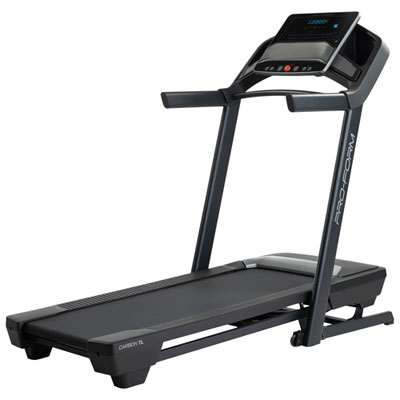 Your price for this item is $999.99
-
 Your price for this item is $2901.98
-
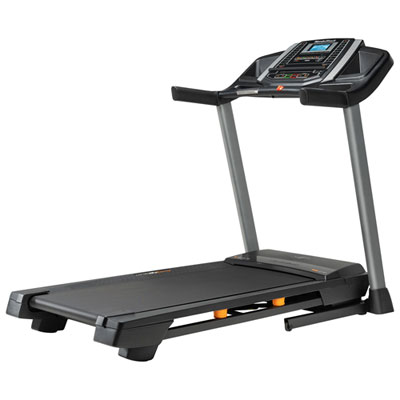 Your price for this item is $1099.99
-
 Your price for this item is $899.99
-
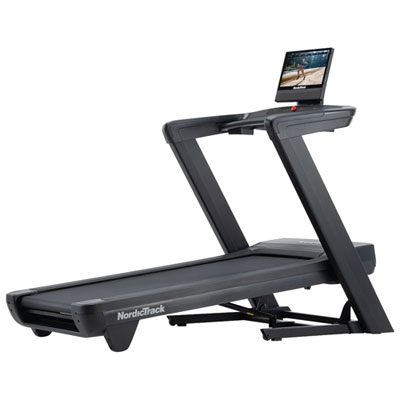 Your price for this item is $2501.98
-
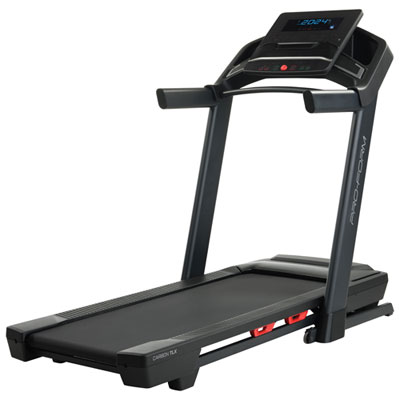 Your price for this item is $1399.99
-
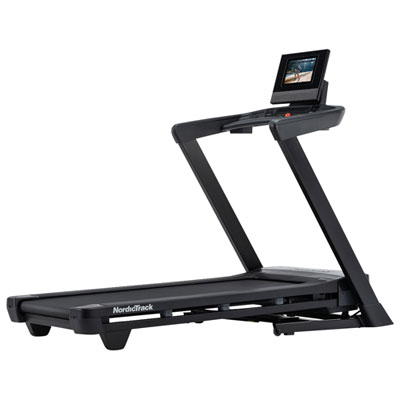 Your price for this item is $1799.99
-
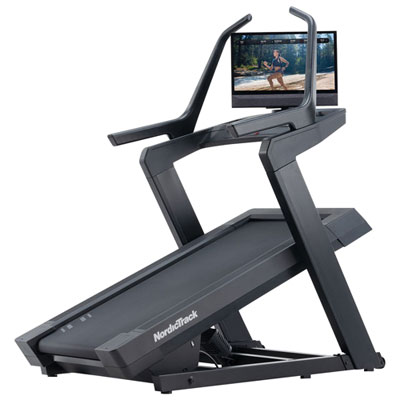 Your price for this item is $5398.99
Discover more categories related to Treadmills for Apartment Living
Top Collections:
Best Black Friday Deals This Year, Best Black Friday Deals On Electronics, Kindle Devices, Best Black Friday Deals On Apple Products, Best Budget Office Chairs, Best Cameras for Sports Photography, Dyson Airwrap, Canon G7X Cameras, Best Laptops for Writers, Samsung Galaxy Phones
Some products may be subject to Environmental Handling Fees
(EHF) depending on your province.
Learn more about EHFs.