Fitness Equipment for Apartments
Fitness Equipment for Apartments makes it easy to create a convenient workout space right at home. Explore a range of compact and versatile options designed to fit smaller living areas without sacrificing performance. Whether you’re looking to stay active, build strength, or improve flexibility, you’ll find solutions that help you reach your fitness goals while maximizing your available space. Find the right fitness equipment for apartments and enjoy a healthier lifestyle on your terms.
Sort


Small workout spaces need more than compact equipment
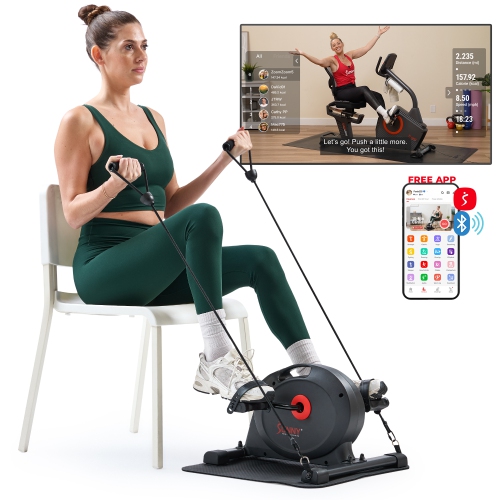
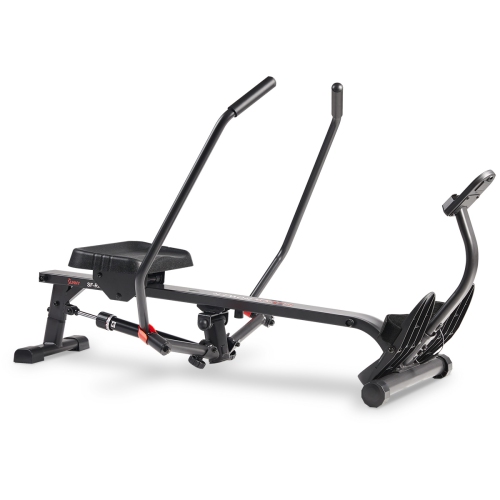
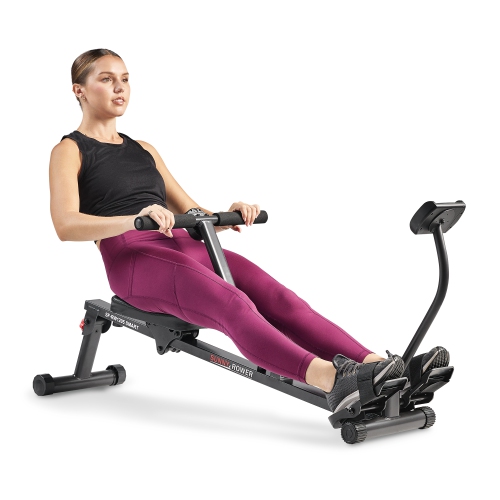
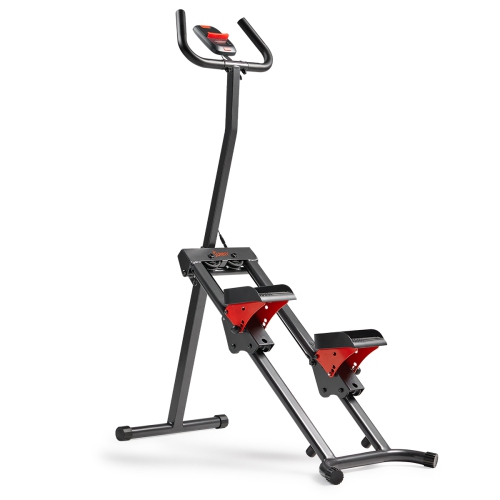
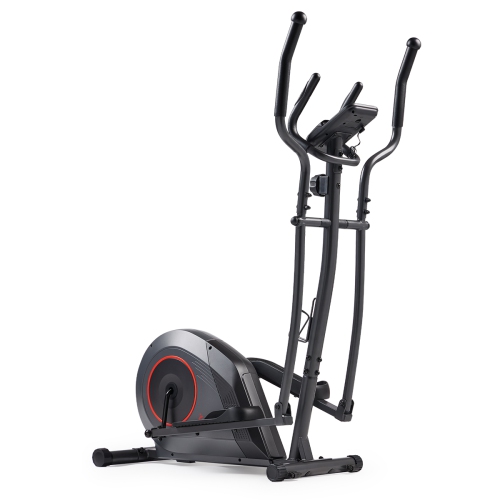
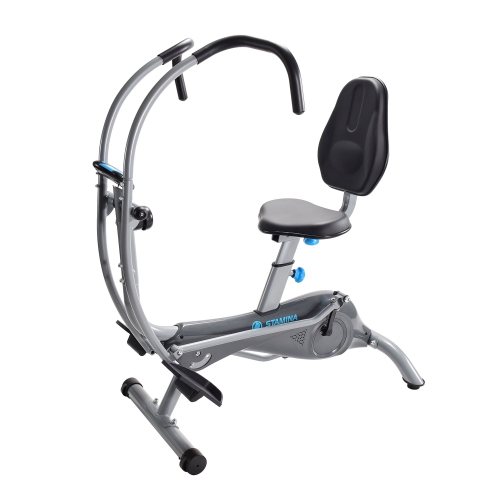
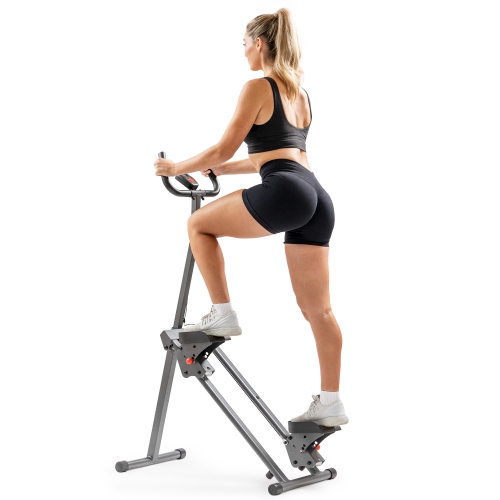
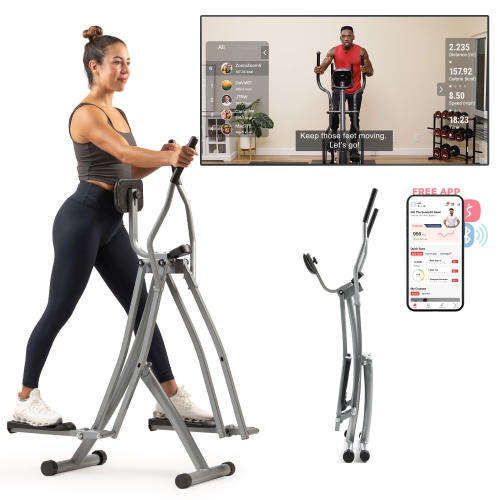
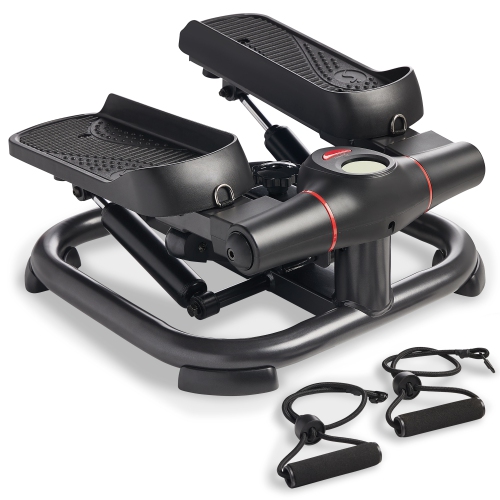
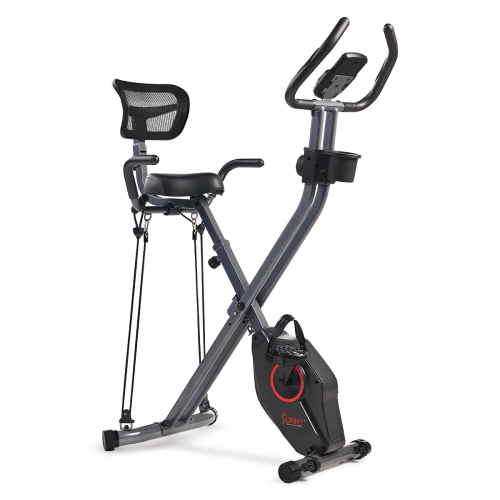
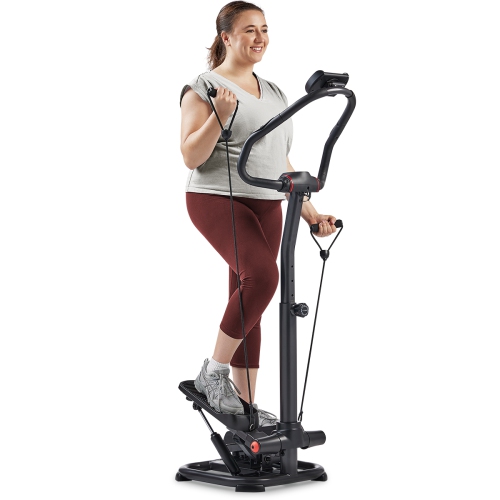
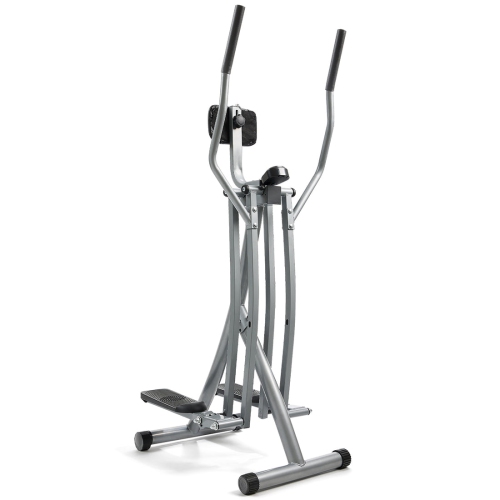
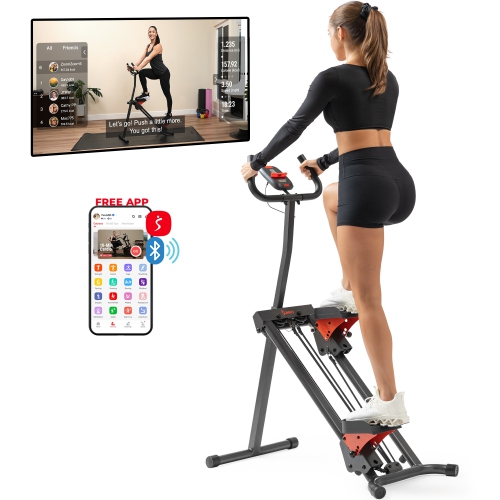
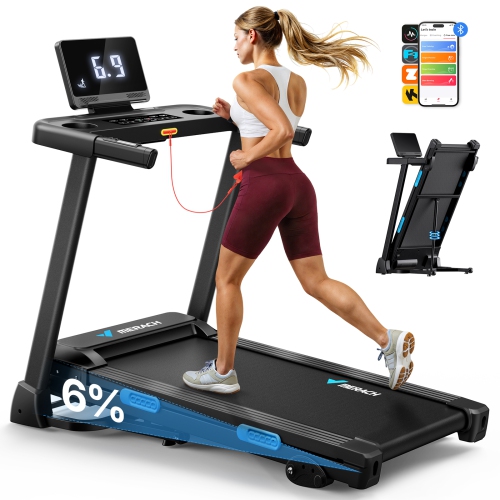
Fitness equipment for apartments makes it possible to build a useful workout space without giving over an entire room. Compact cardio machines, adjustable weights, resistance bands and exercise mats support different routines while fitting into homes where the living room may also serve as a dining area or work space. The most practical equipment balances a manageable footprint, comfortable movement and straightforward storage. A machine’s folded dimensions tell only part of the story: its working footprint, access space and required clearance matter just as much. A folding treadmill still needs the safety clearance specified by its manufacturer, while a rowing machine needs room for the seat to travel and the user to complete each stroke. Ceiling height also matters for standing exercises and equipment that raises the user above floor level. For cardio in shared buildings, magnetic-resistance exercise bikes can be a good fit because resistance comes from a magnetic system rather than friction pads rubbing against a flywheel. They still produce some sound, and pedals, moving parts and floor contact can transmit vibration. Treadmills add motor noise and repeated footfalls, while air-resistance machines produce airflow noise that increases with effort. These differences make the type of movement as important as the size of the machine. An upright bike may suit a narrow corner, while a compact pedal exerciser can support seated movement where a full-size machine would be impractical. Folding frames and transport wheels make it easier to reclaim space, although the equipment’s weight and the route to its storage spot deserve consideration. Rolling a machine across a level room is different from lifting it over a threshold. Stable placement, an accessible power outlet where required and a clear path around the equipment help an apartment workout area feel like part of the home rather than an obstacle course.
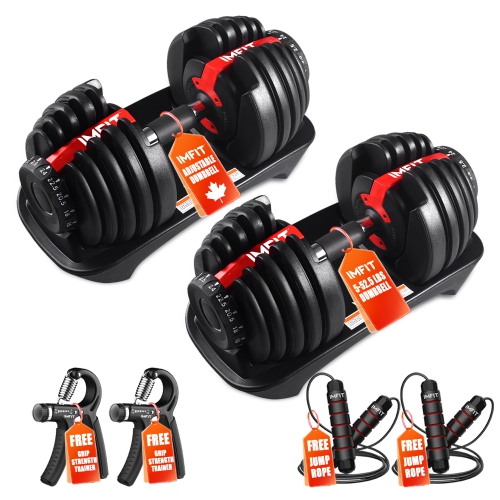
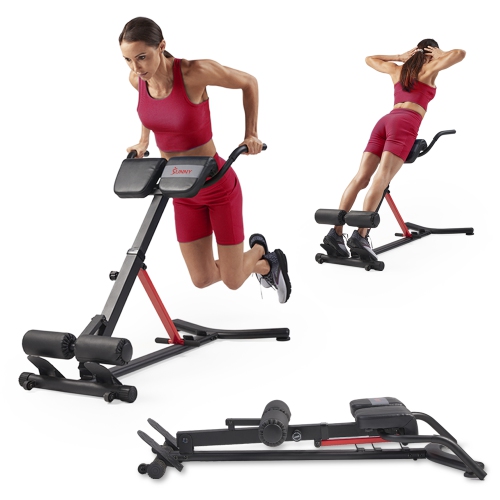
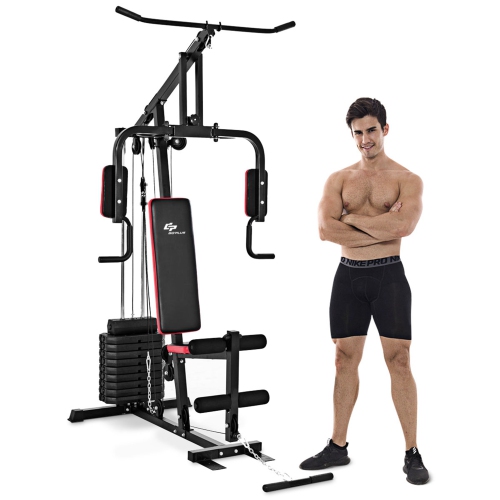
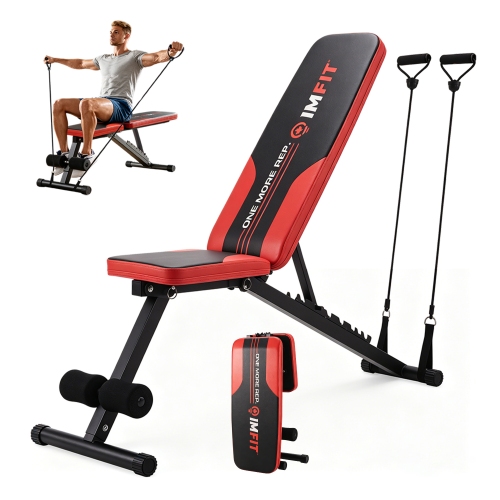
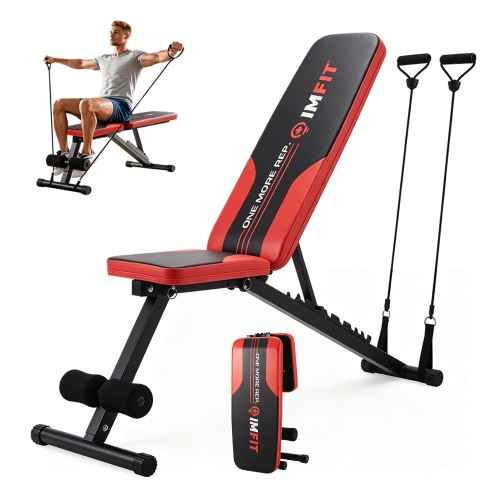
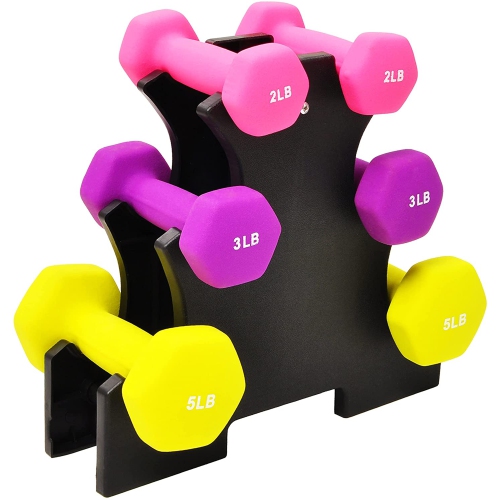
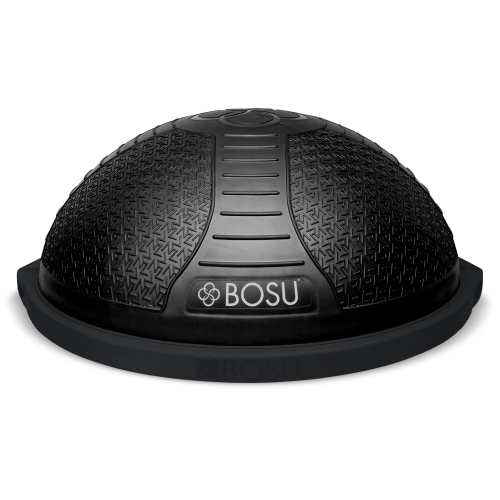
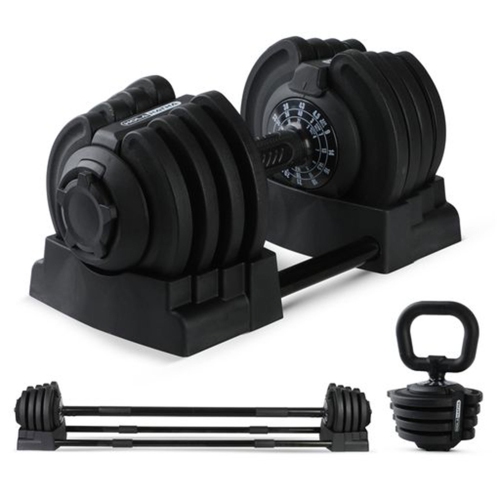
Apartment strength equipment offers plenty of variety without requiring a large rack or dedicated weight room. Adjustable dumbbells combine several resistance settings in a relatively small space, making them useful for people who want different loads for rows, presses and lower-body movements. Secure adjustment mechanisms, clearly marked settings and comfortable handles contribute to everyday usability; any locking system should be fully engaged before a weight leaves its base. Resistance bands take up even less storage space and can support controlled pulling, pressing and mobility exercises. Their resistance changes as they stretch, so they feel different from free weights and need an appropriate range of motion. Fabric-covered and loop-style bands offer different contact surfaces, while handles and manufacturer-approved anchors expand the ways some systems can be used. Door-mounted equipment requires particular care: compatibility depends on the door, frame, installation method and direction of force, not simply whether an attachment fits into a gap. Freestanding alternatives can be more suitable where rental restrictions or door construction rule out an anchored setup. Compact benches add exercise options, but their stability, adjustment locks, user weight limit and total load rating remain important even when storage space is tight. Steel frames, secure fasteners and durable upholstery are useful construction details, while textured grips can help maintain control during a workout. Beneath the equipment, floor protection serves a different purpose from a comfortable exercise surface. A cushioned yoga mat may feel good under knees and elbows but may not provide a suitable base for a heavy machine. Dense equipment mats or compatible rubber flooring can help protect surfaces and reduce some vibration, but they do not soundproof a room or make dropped weights quiet. Floor-finish compatibility also matters, since some materials can mark or discolour certain surfaces. Controlled repetitions and setting weights down gently are more neighbour-conscious than relying on padding alone. Building rules, quiet hours and any requirements concerning heavy equipment remain relevant, particularly for larger strength stations or concentrated loads.
A good fit is about the person using the equipment as much as the apartment around it. Seat-height adjustment, handlebar position, pedal spacing and a machine’s stated height and weight limits affect comfort during repeated use. In a shared household, easy adjustments make it simpler for people of different sizes to use the same equipment without an awkward setup each time. Beginners may appreciate manageable resistance increments and familiar movements, while experienced users may need enough resistance range to keep a compact setup useful as their training progresses. Mats, bands and light resistance equipment also suit people who alternate strength sessions with stretching, balance work or low-impact movement. For someone furnishing a first apartment or creating a modest home workout corner, fitness equipment can be a thoughtful gift when it matches an established interest and the recipient’s available space. Storage and care help determine whether that equipment remains convenient over time. A folded bench needs a secure resting position, and weights are better kept in a stable holder than left beside a doorway. Bands should be stored away from sharp edges, direct sunlight and heat, with regular checks for cracks, thinning or damaged attachments. Sweat and dust can affect grips, upholstery and moving parts, so cleaning methods should follow the manufacturer’s directions, with surfaces allowed to dry before storage. Loose fasteners, worn cables or unusual movement deserve attention rather than being treated as normal signs of use. Replaceable wear parts and clear maintenance information can also support a longer useful life. The broader Home Fitness Equipment category brings together options for cardio, strength and flexibility, with apartment-friendly choices shaped by both training goals and daily living. A well-matched setup might occupy a permanent corner or come out of a cupboard for each session; either approach works best when the equipment is comfortable to use, simple to put away and suited to the space it shares.
Top selling and popular products
-
 Your price for this item is $199.99
-
 Your price for this item is $299.99
-
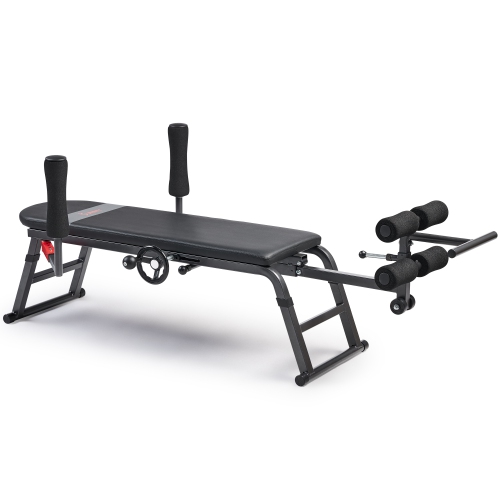 Your price for this item is $304.95
-
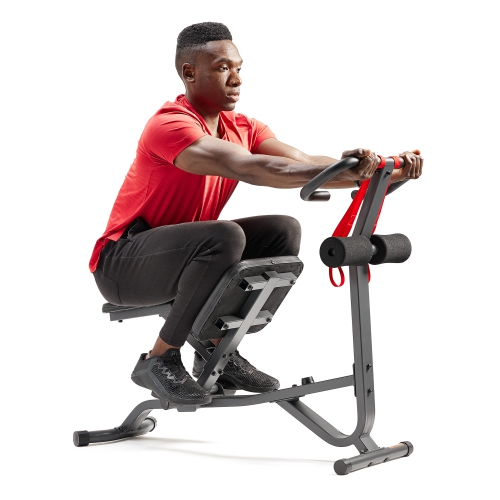 Your price for this item is $204.95
-
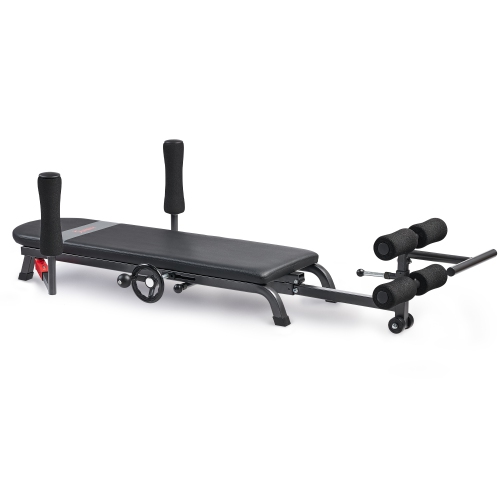 Your price for this item is $369.99
-
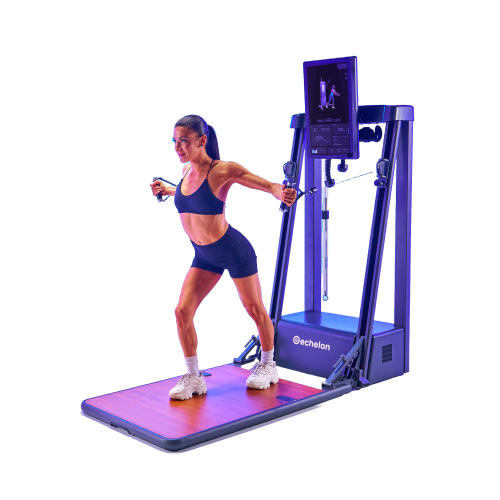 Your price for this item is $4109.99
-
 Your price for this item is $118.99
-
 Your price for this item is $500.99
Discover more categories related to Fitness Equipment for Apartments

Top Collections:
Best Black Friday Deals This Year, Best Black Friday Deals On Electronics, Kindle Devices, Best Black Friday Deals On Apple Products, Best Budget Office Chairs, Best Cameras for Sports Photography, Dyson Airwrap, Canon G7X Cameras, Best Laptops for Writers, Samsung Galaxy Phones
Some products may be subject to Environmental Handling Fees
(EHF) depending on your province.
Learn more about EHFs.