UV Lights
Discover the power of UV light technology and its diverse applications in everyday life. Whether you're looking to enhance your home, ensure a cleaner environment, or explore innovative solutions for personal care, UV light products offer a versatile range of options. With their ability to tackle unwanted germs and provide efficient lighting solutions, these cutting-edge devices are becoming an essential addition to modern households. Explore our selection to find the perfect UV light product that meets your needs and elevates your lifestyle.
Sort





Why wavelength matters more than a purple glow
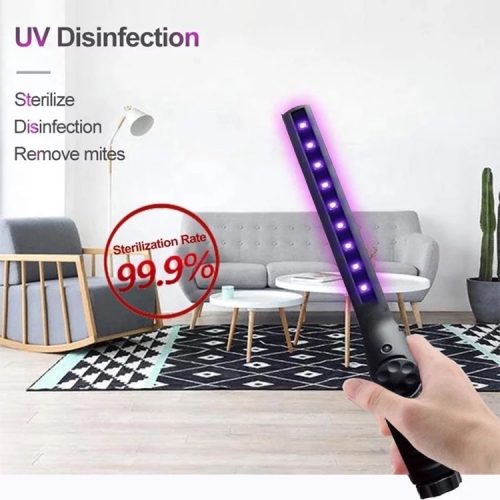
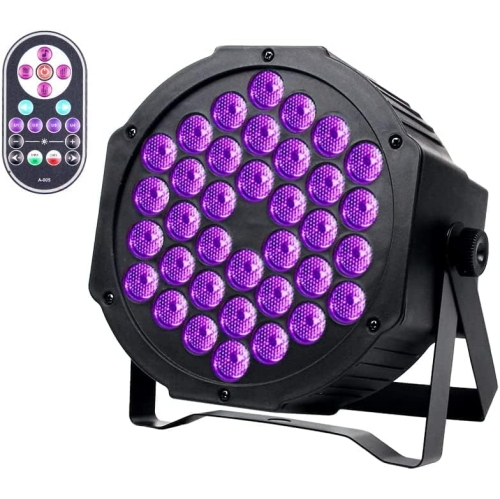
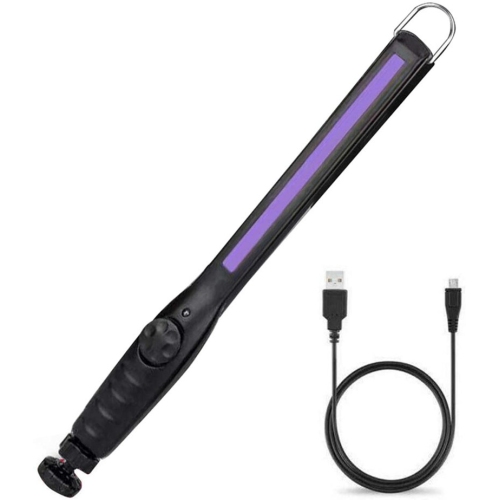
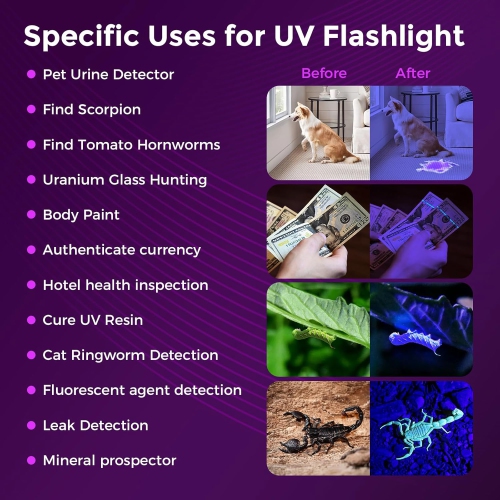
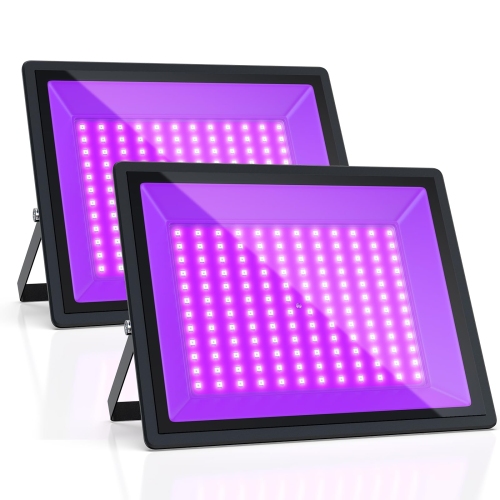
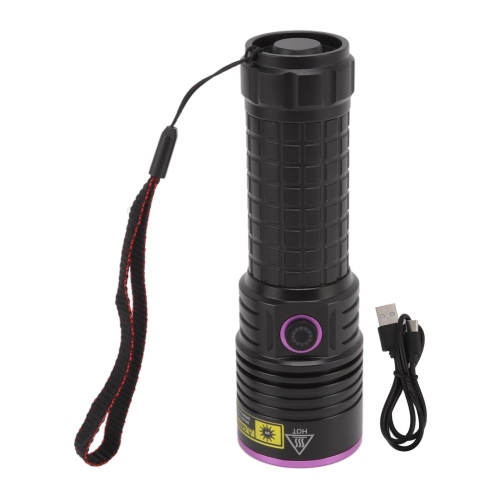
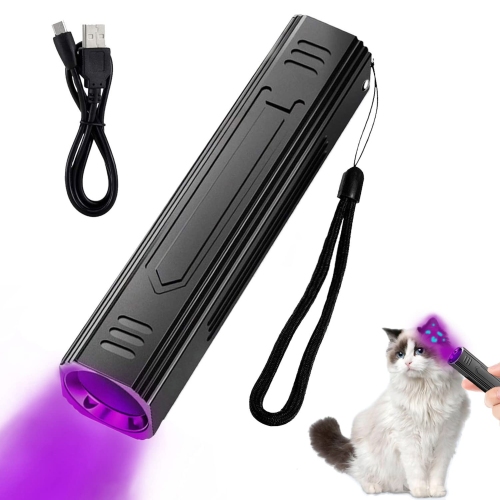
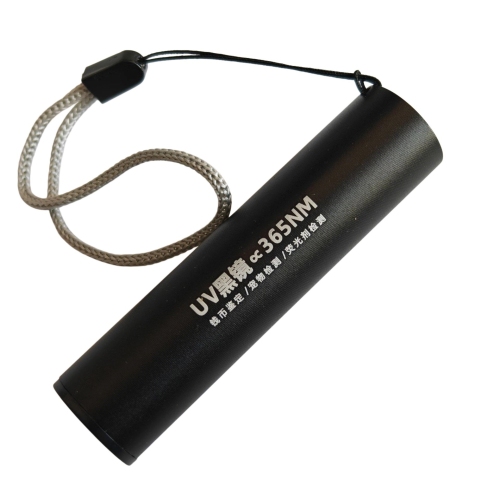
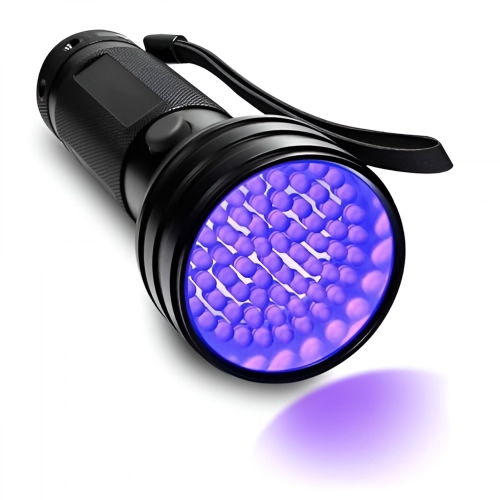
UV lights produce ultraviolet radiation, which has wavelengths shorter than visible light, generally between 100 and 400 nanometres (nm). Their uses depend on the wavelength, output, and design of the light, so a blacklight for fluorescent displays is not interchangeable with a resin-curing lamp or a component for water treatment. UV-A generally spans 315 to 400 nm and is commonly used for blacklights, inspection, and compatible curing applications. UV-B spans approximately 280 to 315 nm and has specialized uses, including lighting designed for certain reptiles. UV-C spans approximately 100 to 280 nm and is used in purpose-built systems that can inactivate microorganisms under validated operating conditions. These distinctions matter more than how purple a lamp appears: visible glow does not establish its UV output or suitability for a task. For everyday inspection, a handheld UV flashlight can make some otherwise difficult-to-see residues fluoresce against carpet, upholstery, or hard flooring. A pet owner investigating a suspicious patch beside a sofa, for example, may find that fluorescence helps narrow down where to clean. Laundry brighteners, adhesives, fibres, and cleaning residues can also glow, however, so a bright mark alone does not identify its source or confirm that an area is dirty. Blacklights can also bring fluorescent artwork, decorative materials, and stage details into view, creating bright accents against a darker background. A narrow beam suits close inspection along a baseboard or beneath furniture, while broader coverage makes more sense for a display wall or performance space. Ambient light affects how easily fluorescence can be seen, and reducing competing light often improves contrast. Wavelengths around 365 nm and 395 nm are both common in UV-A lighting, but they can produce different viewing results. A properly filtered 365 nm light may provide clearer fluorescence with less visible violet spill, while a 395 nm light often produces a more noticeable purple glow. Neither wavelength number, by itself, indicates brightness, quality, or effectiveness.
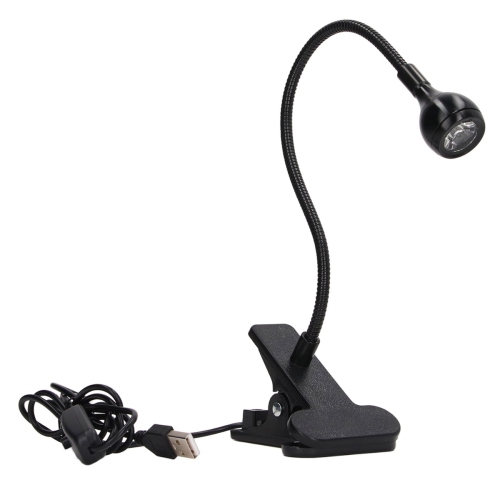
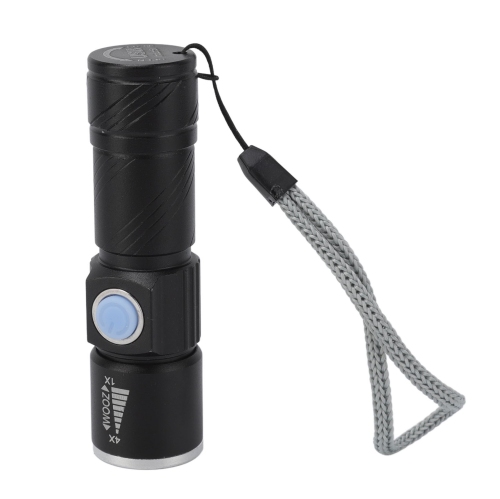
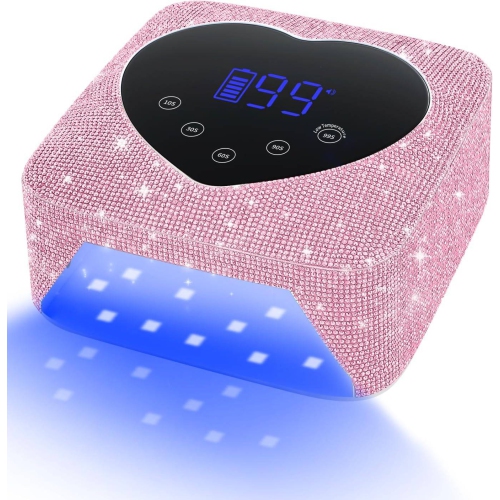
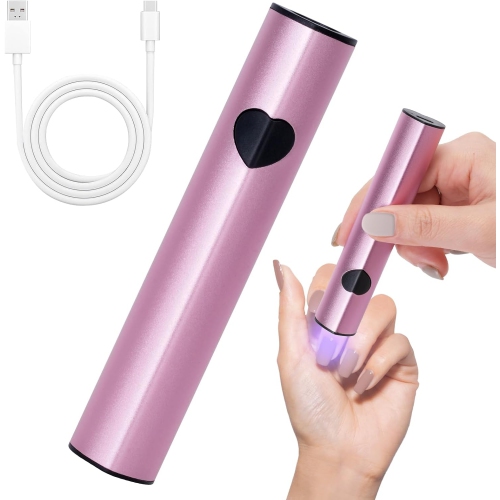
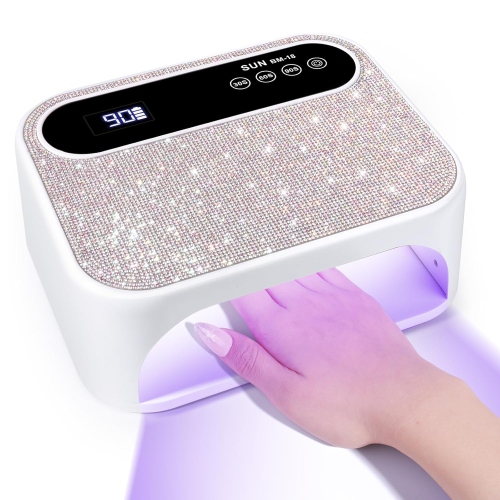
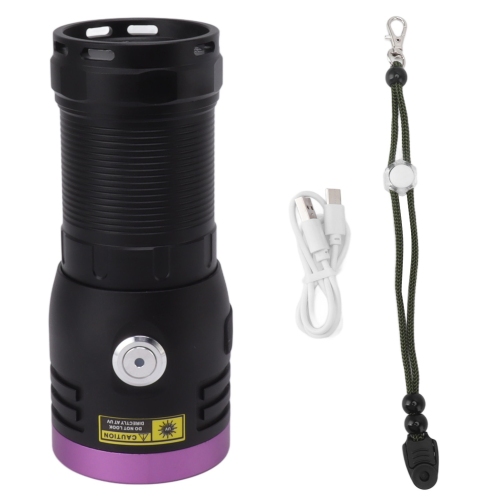
The physical design of UV lights has a practical effect on how comfortably they fit into a task. A compact flashlight can reach beneath a chair or inside a storage compartment, while a mounted fixture keeps both hands free over a work surface. For fluorescent displays, beam angle and placement help determine whether the result is an even wash or a concentrated patch of light. When comparing Ultraviolet LED Lights, the stated wavelength, coverage, power requirements, and intended application provide a more useful comparison than the appearance of the housing. Electrical wattage describes power consumption, not necessarily the UV intensity reaching a surface. For curing resin, adhesive, or a compatible coating, the material’s specified wavelength and exposure requirements are essential: a lamp that makes the surface feel firm may still leave material underneath incompletely cured. Distance, layer thickness, pigments, and shadows can all affect the result. An enclosed curing area or a stable stand can help maintain consistent positioning, but the material and lamp instructions remain the basis for appropriate use. Reptile lighting requires a different kind of compatibility, with species-specific UV needs, suitable placement, and a layout that allows the animal to move away from exposure. Glass, plastic covers, and mesh can change how much UV reaches the enclosure, making purpose-designed fixtures and accurate setup especially important. Across portable and fixed formats, housing materials also influence handling and care. Aluminium housings can offer sturdy construction and help transfer heat, while plastic housings may reduce weight; neither material alone guarantees impact resistance or suitability around moisture. Look for a stated water-resistance rating when damp locations are part of the intended use. Battery type, charging connections, cord length, switch placement, and mounting hardware affect day-to-day convenience. A UV light can be a thoughtful gift for someone who enjoys fluorescent art or compatible resin crafts when its specifications match that person’s materials and workspace, rather than simply adding another light to a drawer.
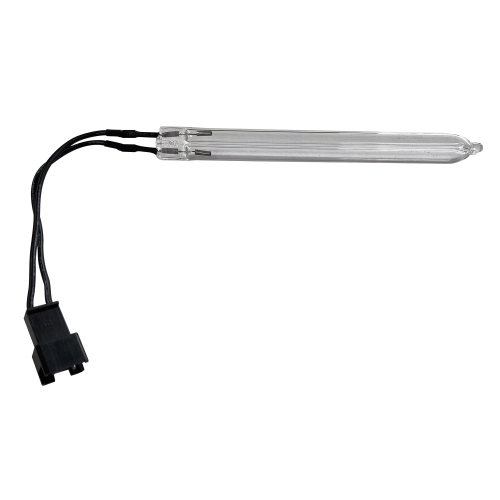
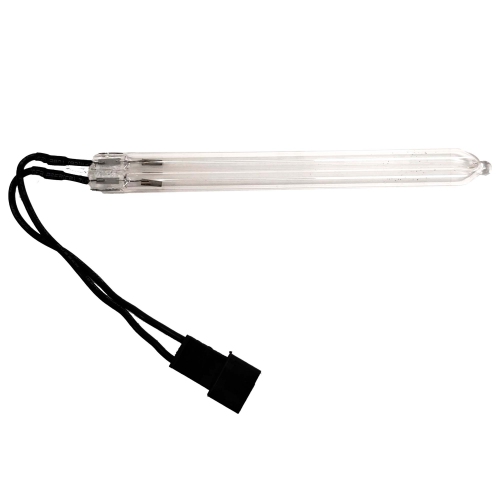
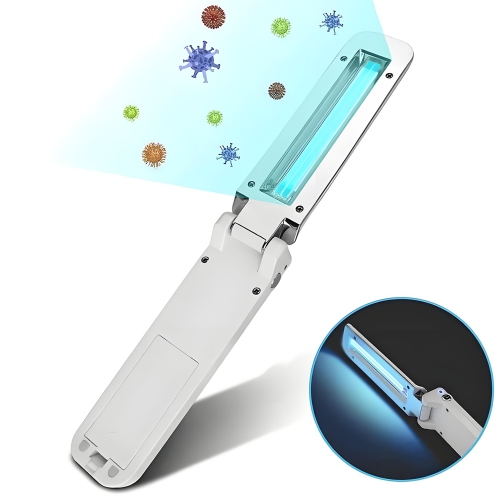
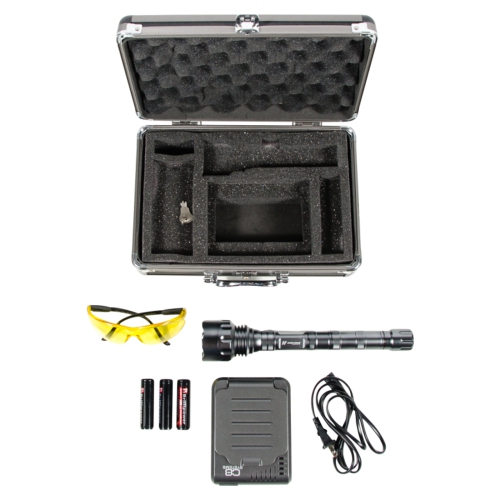
UV disinfection equipment belongs to a more specialized category than inspection or decorative lighting. Properly designed UV-C systems can inactivate certain bacteria, viruses, and other microorganisms, but performance depends on the delivered UV dose, exposure time, and whether the light actually reaches the target. Dirt, shadows, surface texture, and distance can reduce effectiveness. A quick pass with an unspecified handheld light should not be treated as proof of disinfection, and UV treatment does not replace cleaning away visible soil. Enclosed devices need appropriate loading and unobstructed exposure, while air-treatment systems depend on factors such as airflow and installation. In water-treatment equipment, flow rate, water clarity, lamp condition, and the cleanliness of the protective sleeve all influence performance. UV treatment does not remove sediment, dissolved chemicals, or minerals, so other treatment stages may still be necessary. Claims are most useful when supported by testing that identifies the organisms, operating conditions, and exposure required, rather than a broad statement without supporting detail. Safety features deserve equal attention. Direct or reflected UV exposure can injure eyes and skin, and germicidal lamps should never be treated like ordinary room lighting. Enclosed designs with functioning interlocks help limit accidental exposure; open germicidal equipment requires controlled conditions and appropriate handling. Some lamp designs can also generate ozone, making the manufacturer’s ventilation and operating restrictions important. Children and pets should not have access to active UV equipment, and protective measures must be suitable for the wavelength and application. Routine care helps preserve both performance and durability: disconnect power before cleaning, allow hot components to cool, and use only the cleaning methods specified for the lens, housing, or sleeve. Scratched covers, damaged cords, loose mounts, and failed safety switches need attention before further use. Replacement lamps must match the fixture’s requirements, and a lamp that still produces visible light may no longer deliver its rated UV output. Clear specifications, suitable safeguards, and manageable maintenance distinguish a light that fits its purpose from one that merely produces a purple glow.
Top selling and popular products
-
 Your price for this item is $129.99
-
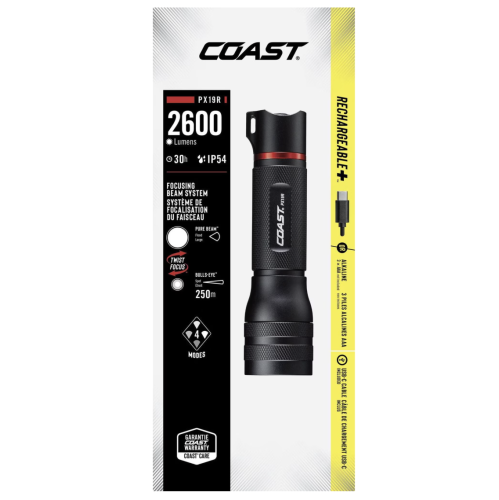 Your price for this item is $39.99
-
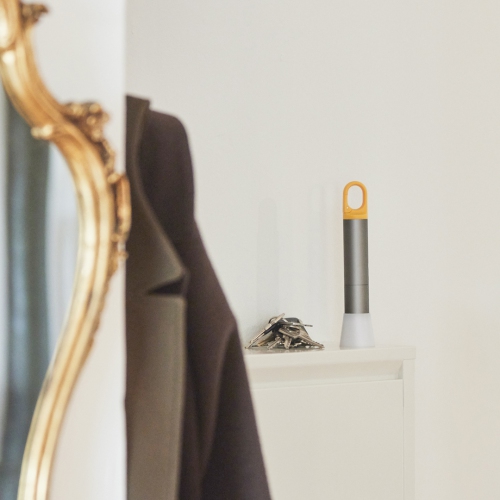 Your price for this item is $64.99
-
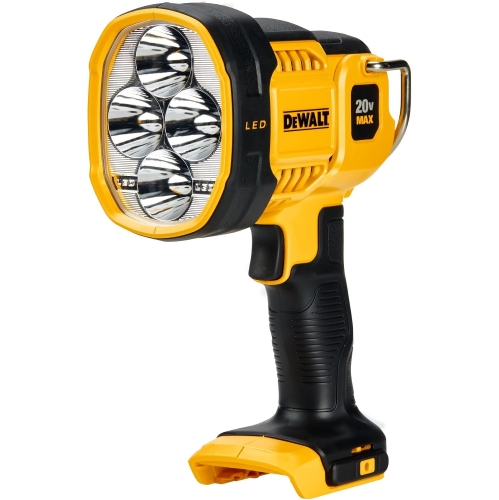 Your price for this item is $74.99
-
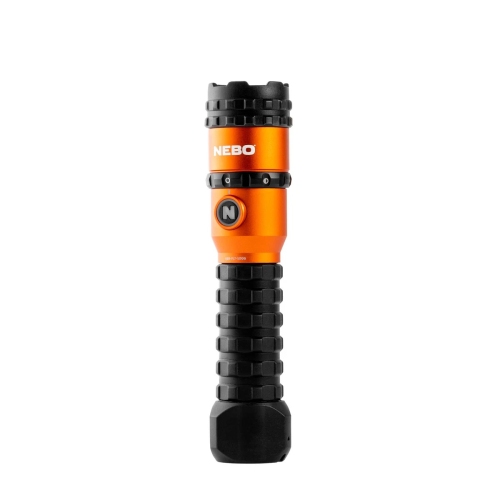 Your price for this item is $104.99
-
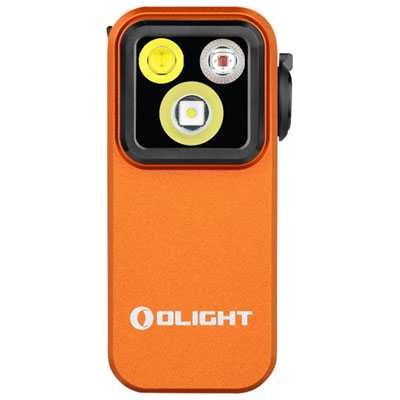 Your price for this item is $49.99
-
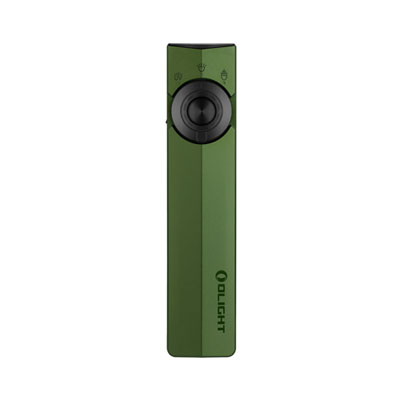 Your price for this item is $139.99
-
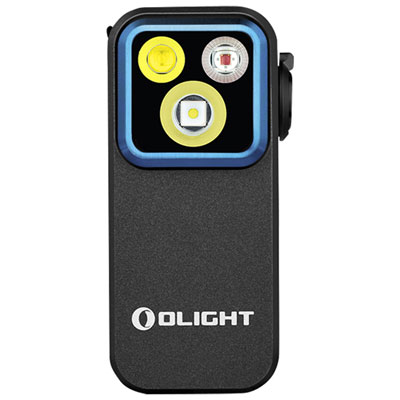 Your price for this item is $49.99
Discover more categories related to UV Lights
Top Collections:
Best Black Friday Deals This Year, Best Black Friday Deals On Electronics, Kindle Devices, Pokemon Centers, Best Black Friday Deals On Apple Products, Best Cameras for Sports Photography, Dyson Airwrap, Pokémon 30th Celebration Cards, Apple iPhone 17 Pro, Canon G7X Cameras
Some products may be subject to Environmental Handling Fees
(EHF) depending on your province.
Learn more about EHFs.