UV Sterilizers
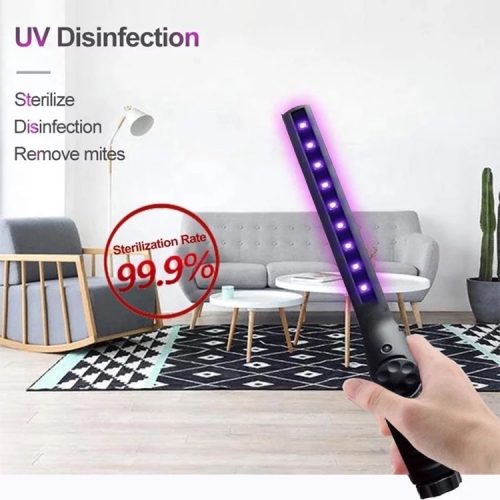
Ultraviolet (UV) sterilizers are a cutting-edge solution for keeping your surroundings clean and germ-free. These innovative devices use UV-C light to eliminate up to 99.9% of bacteria, viruses, and other pathogens on various surfaces. Whether you're looking to sanitize your home, office, or personal items, UV sterilizers offer a quick and effective way to maintain a hygienic environment. Discover the power of UV technology and enhance your disinfection routine with our selection of UV sterilizers.
Sort






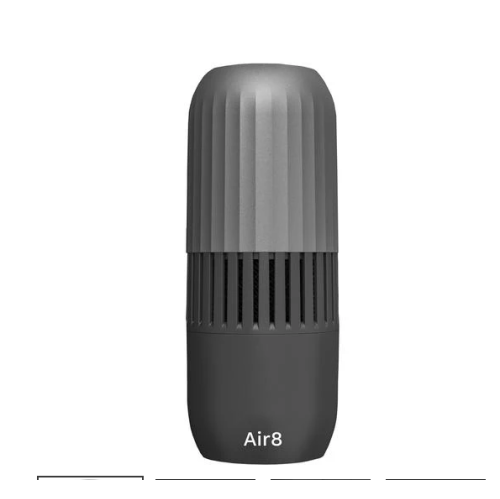
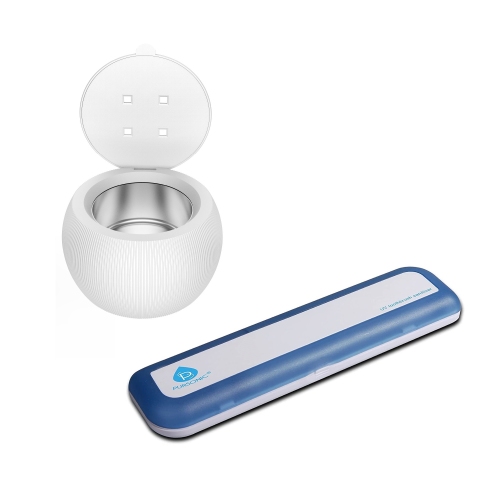







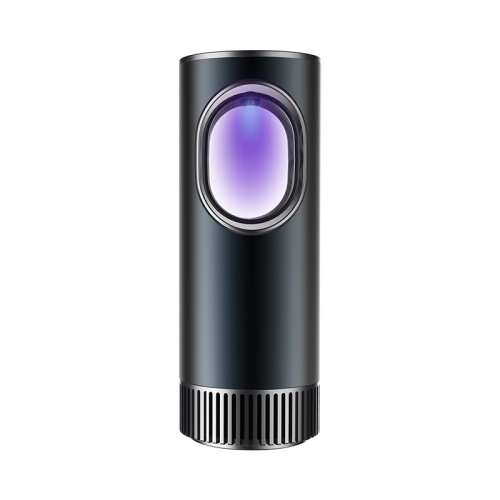
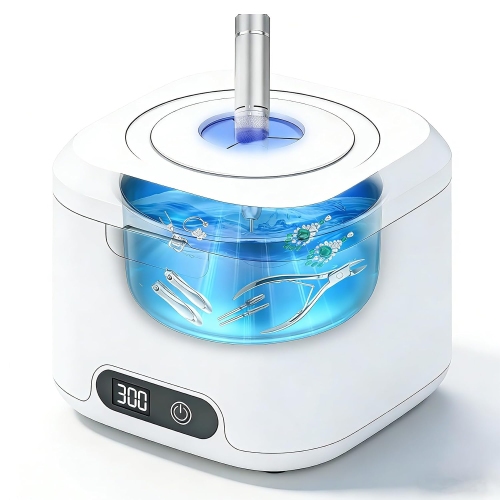


How UV treatment works and where it falls short
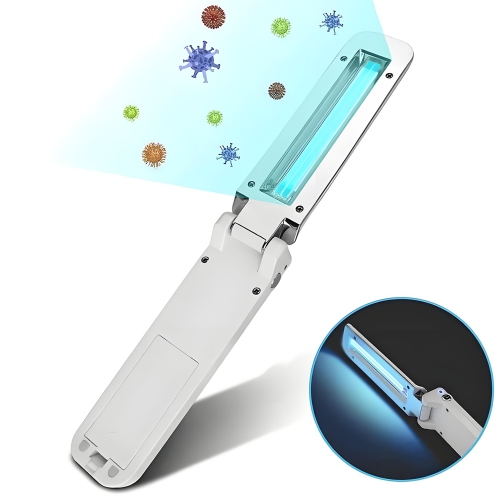
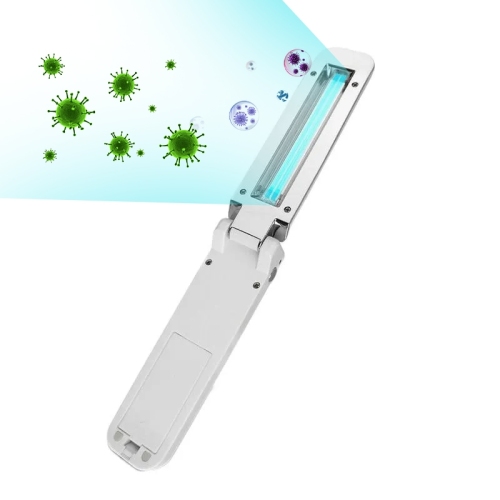
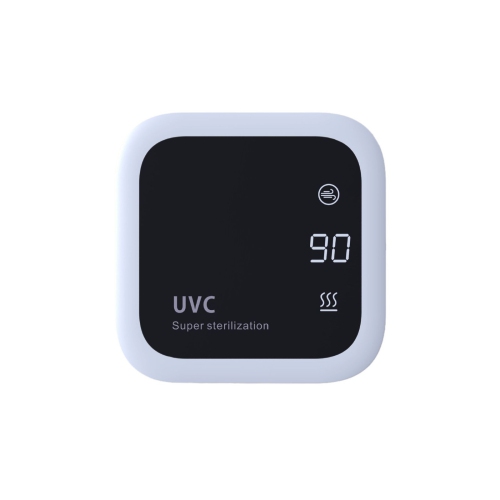
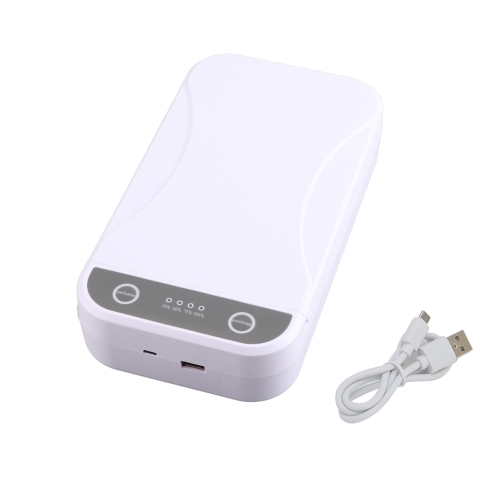
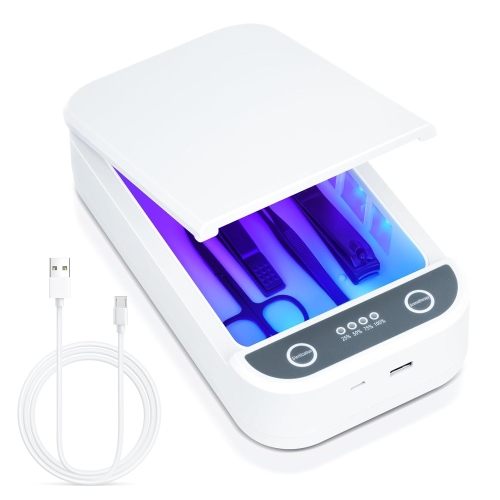
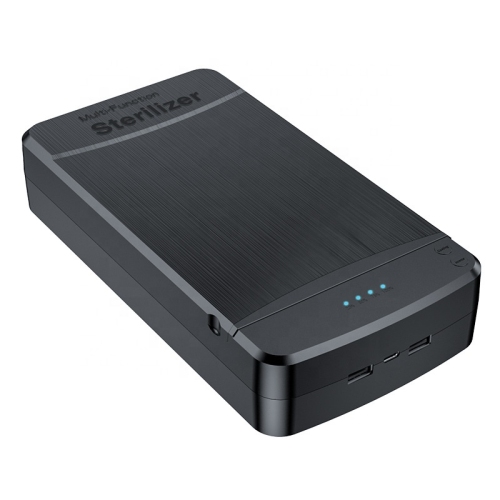
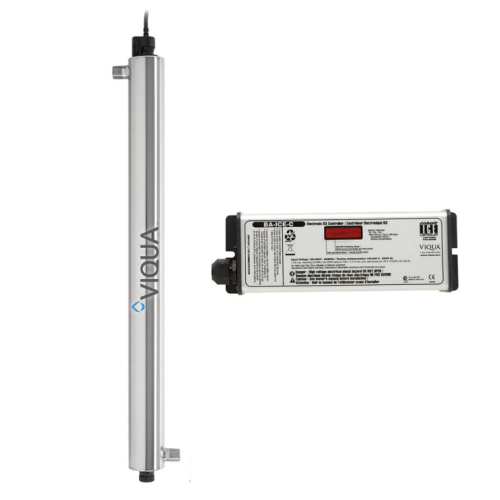
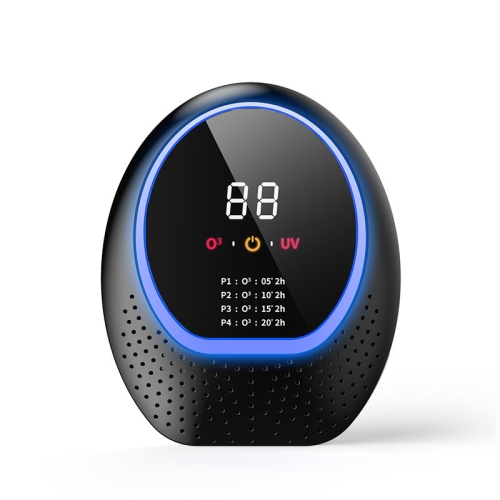
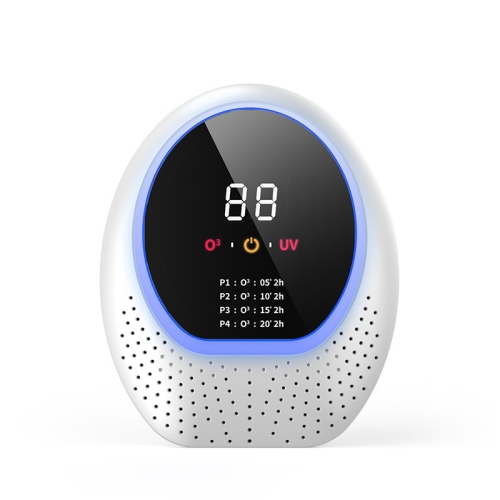
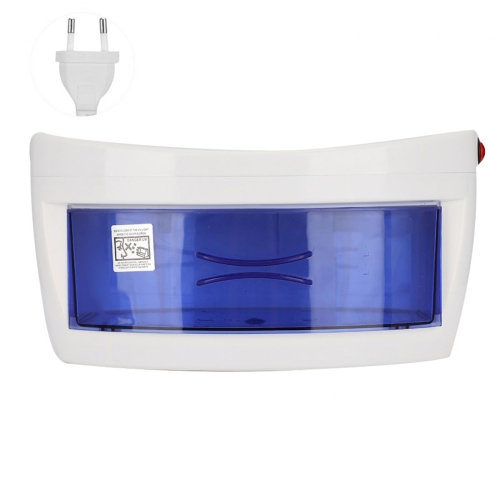
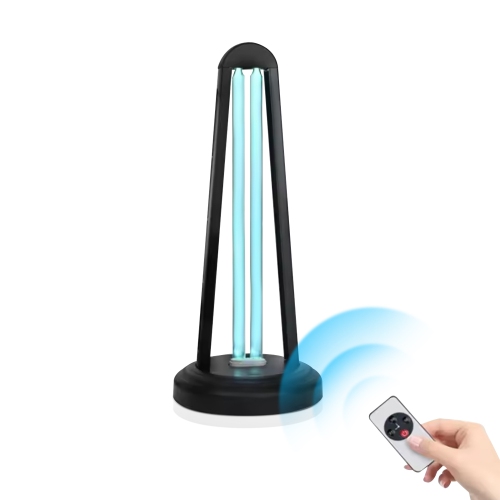
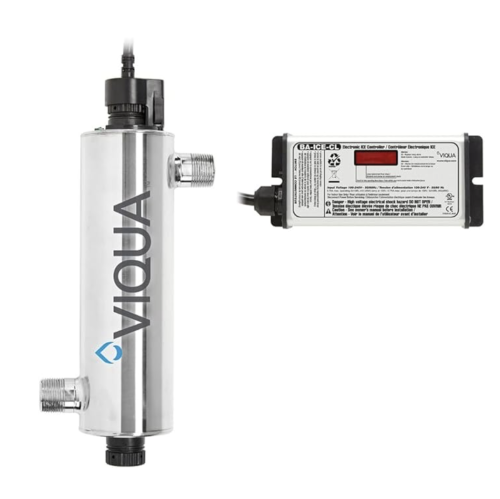
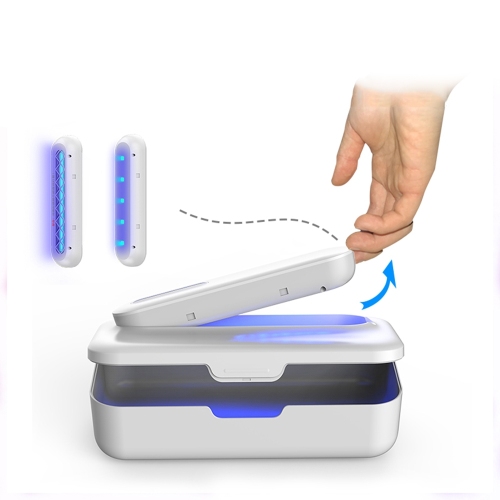
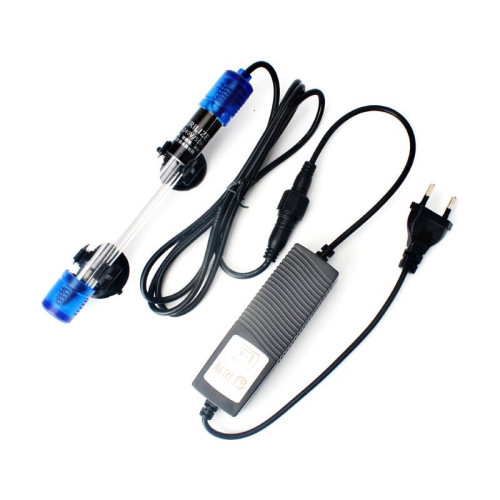
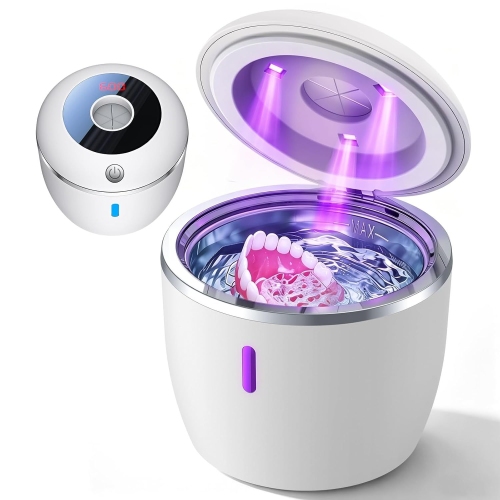
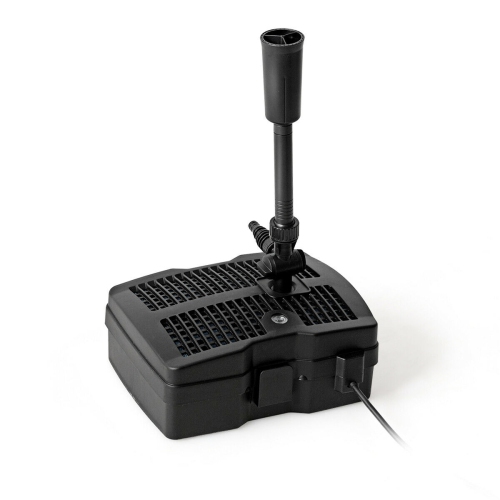
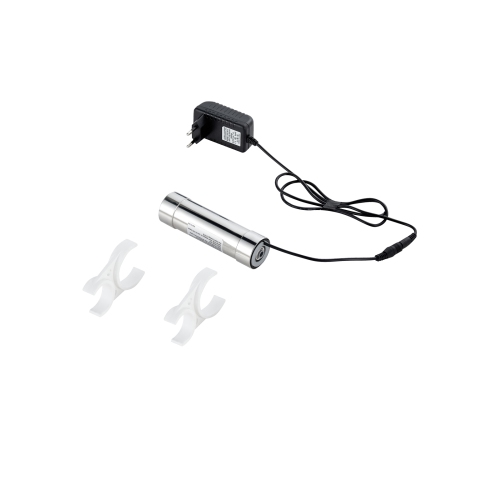
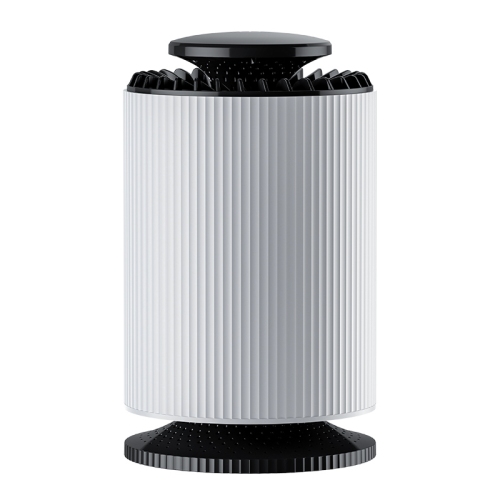
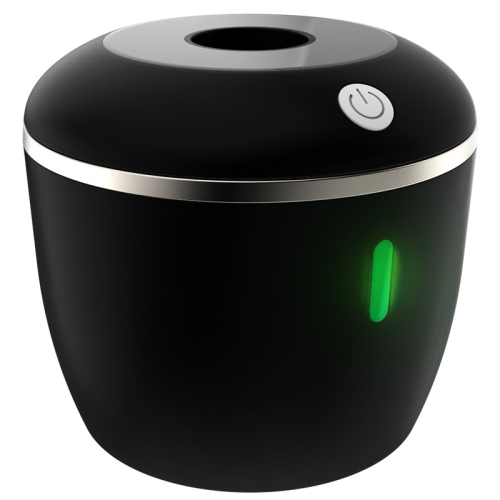
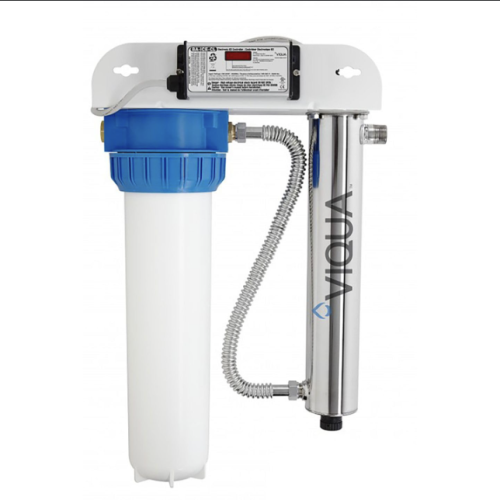
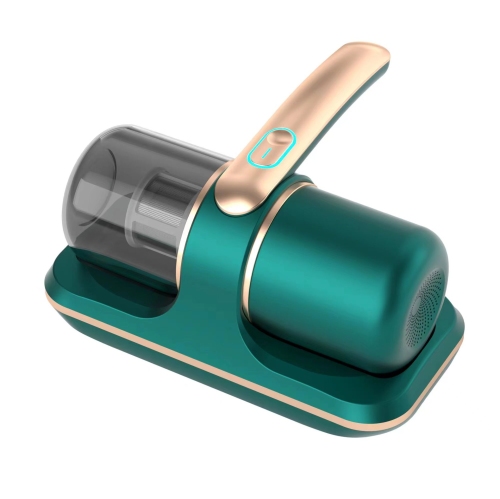
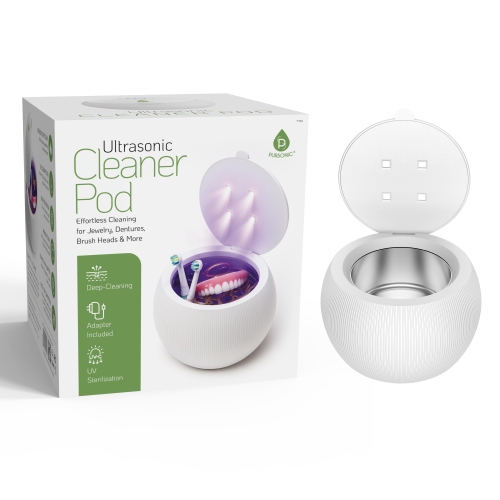
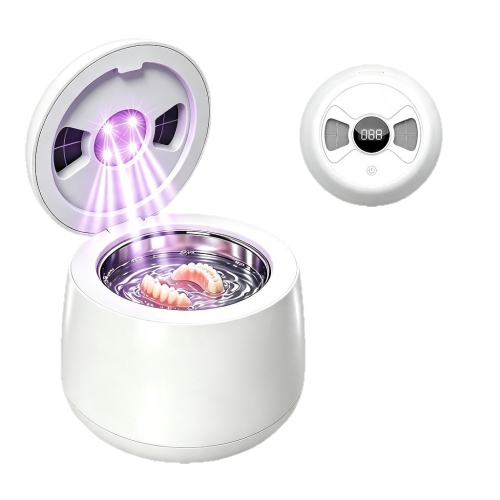
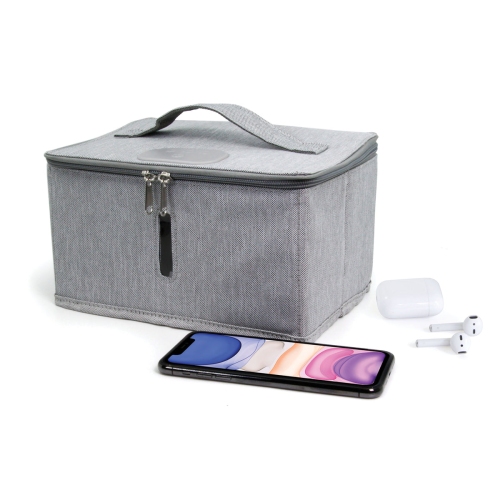
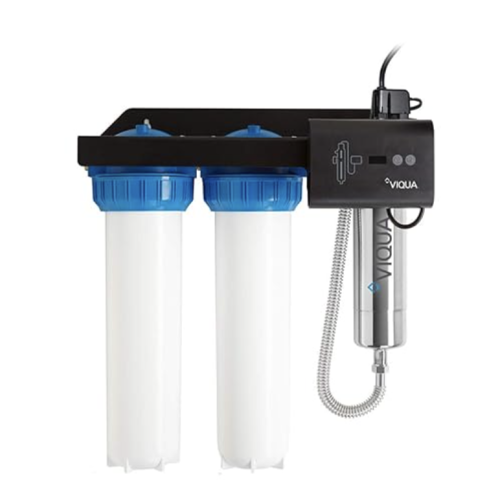
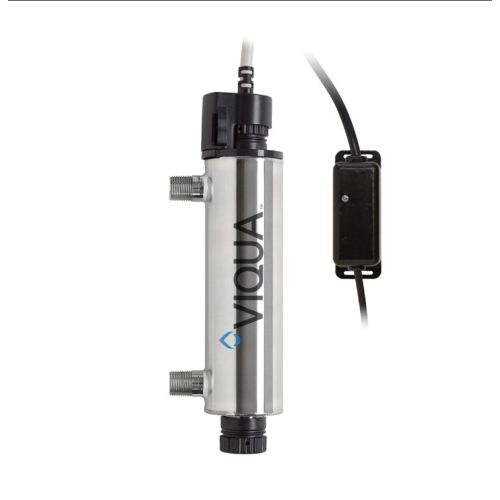
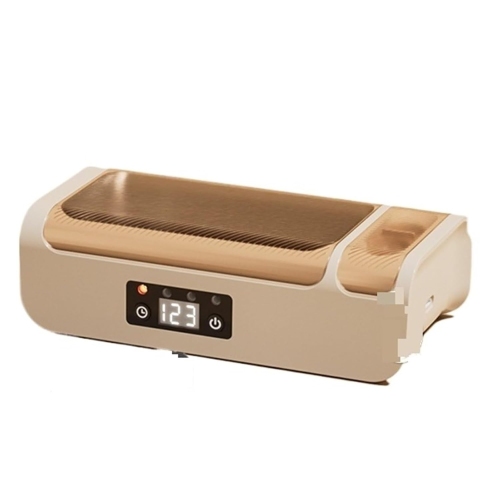
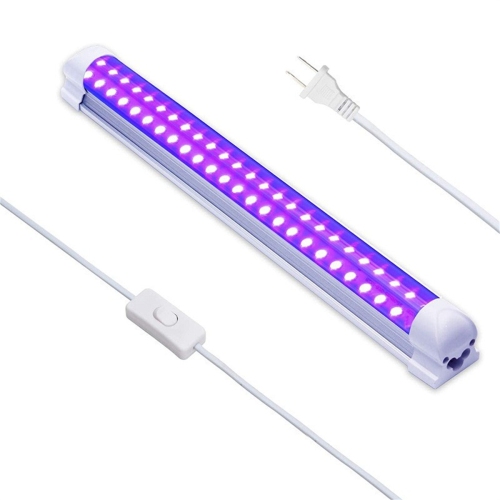
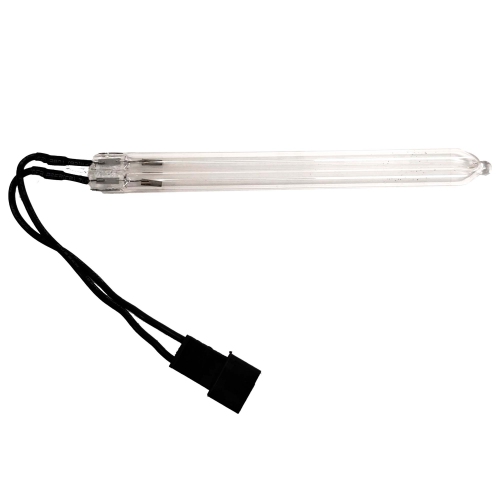
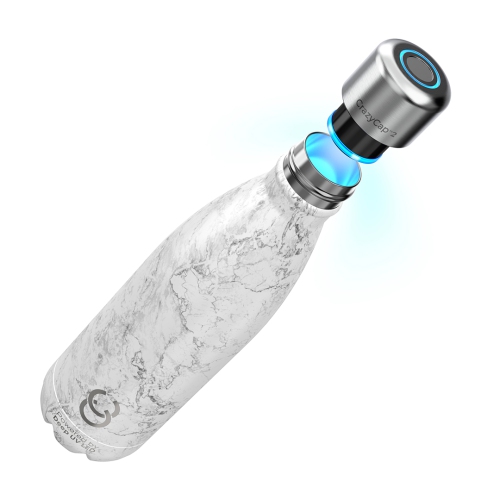
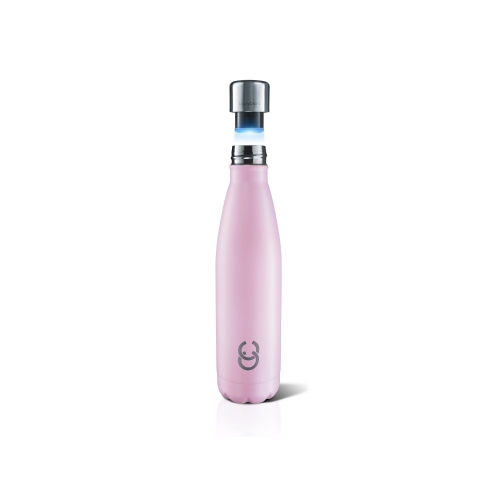
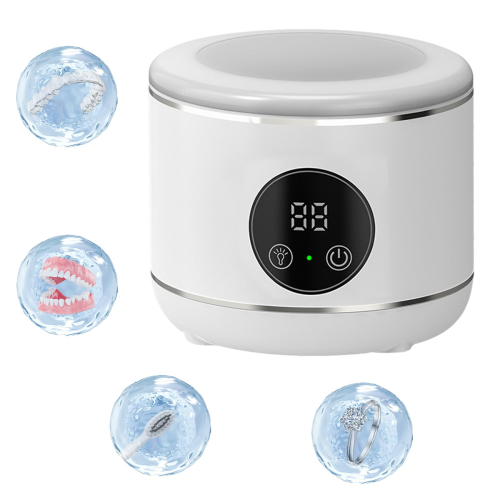
UV sterilizers use ultraviolet light to reduce microorganisms on compatible surfaces or in water, depending on the type of device. Most germicidal systems use UV-C light, which damages the genetic material of susceptible bacteria, viruses, and other microorganisms so they cannot reproduce. Some lamps operate near a wavelength of 254 nanometres, while UV-C LEDs may use other wavelengths within the germicidal range. Performance depends on more than the light source: exposure time, intensity, distance, water clarity, and the shape of the object being treated all matter. Although “sterilizer” is a common product name, it does not mean every household device achieves complete sterilization. Look for testing that supports the stated purpose and identifies the organisms, exposure conditions, and reduction levels evaluated. For everyday use, enclosed UV sanitizing boxes and cabinets are designed to treat compatible objects placed inside a chamber. Water-treatment units work differently, directing water past a protected UV light source as it flows through the system. These formats serve distinct needs and are not interchangeable. A compact countertop chamber may suit someone who wants a dedicated place to sanitize frequently handled belongings, while a plumbed water-treatment system requires sizing and installation appropriate to the household’s water supply. Aquarium and pond units have another purpose, helping manage suspended algae and certain microorganisms in circulating water when properly matched to the setup. UV treatment does not scrub away fingerprints, lift residue, or remove particles. Objects generally need cleaning before treatment, and water may require filtration so suspended material does not shield microorganisms from the light. UV also leaves no lasting disinfectant action after a treatment cycle, so clean handling and appropriate storage still matter. Thinking of UV as one part of a cleaning or water-treatment routine gives a more realistic picture of what these devices can do than treating them as a replacement for every other step.
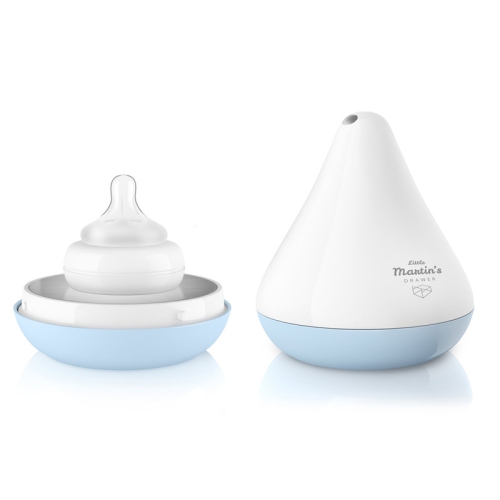
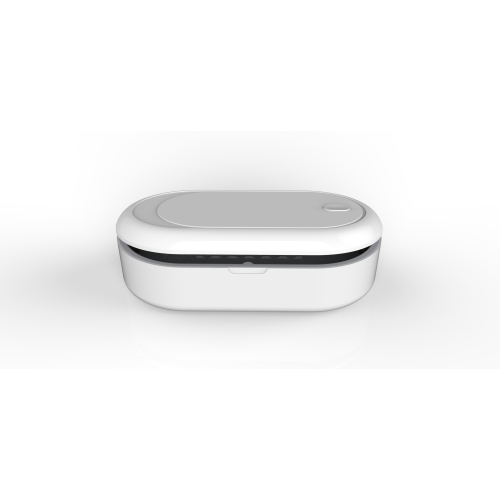
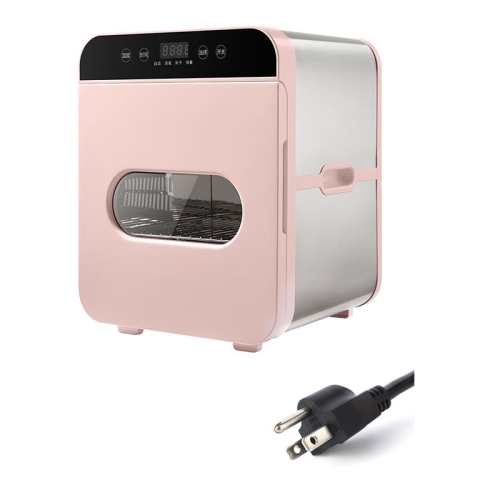
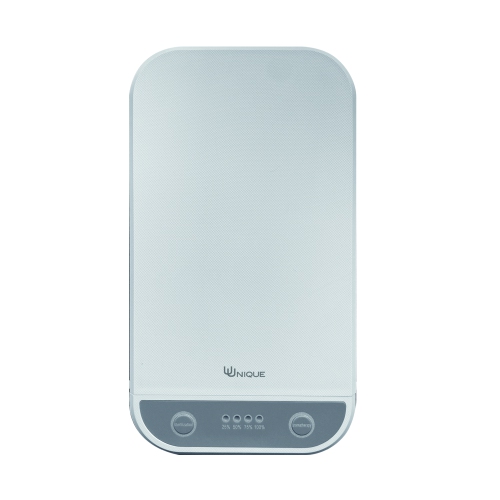
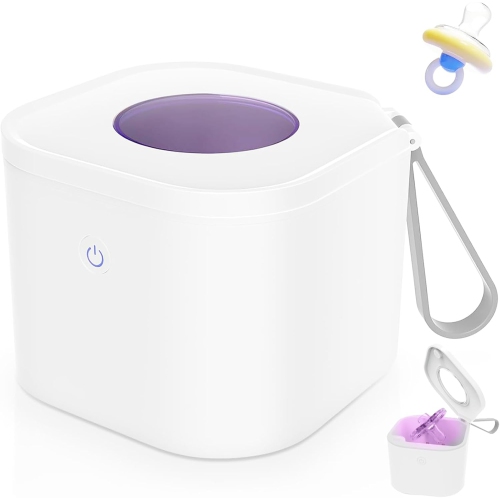
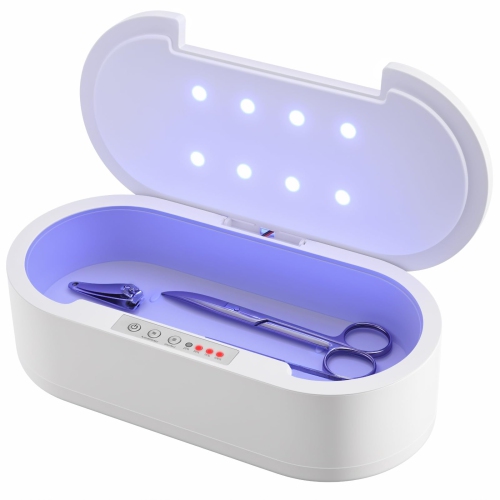
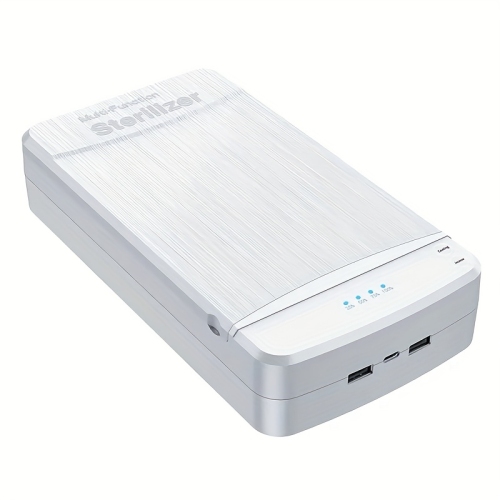
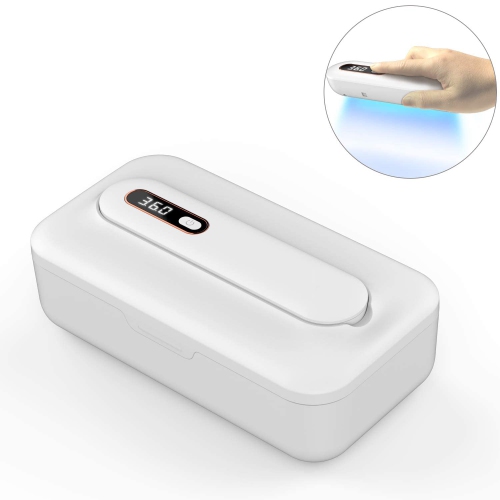
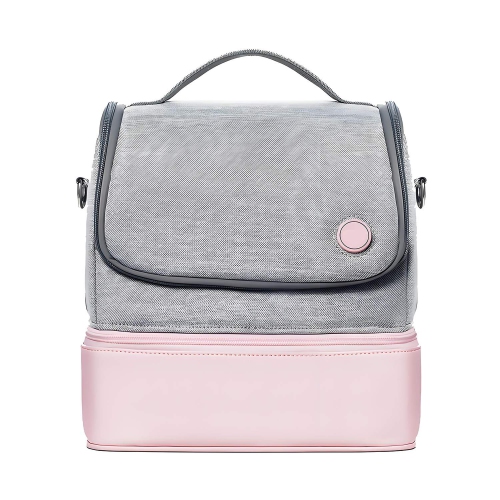
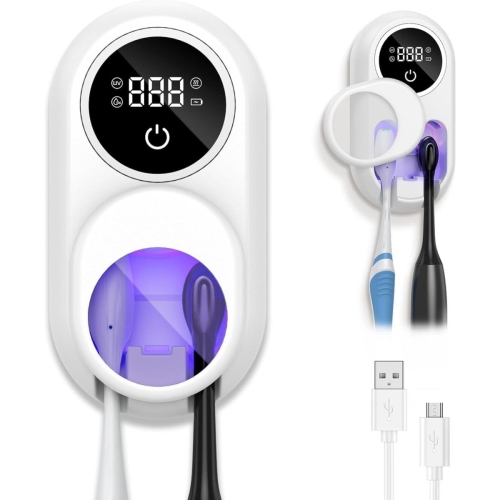
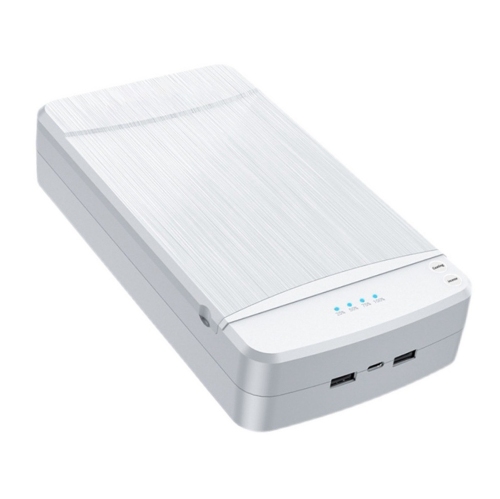
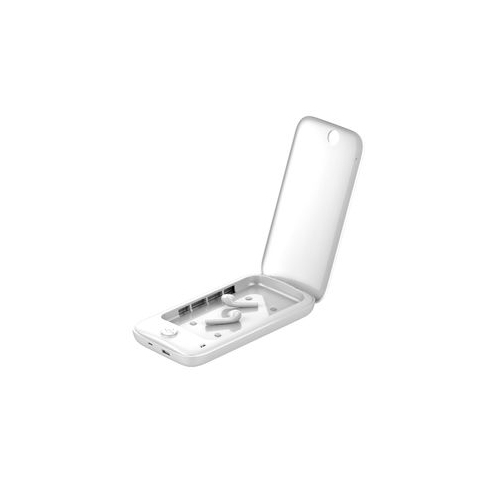
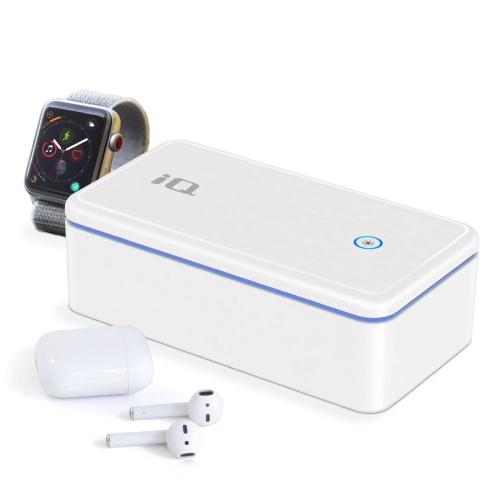
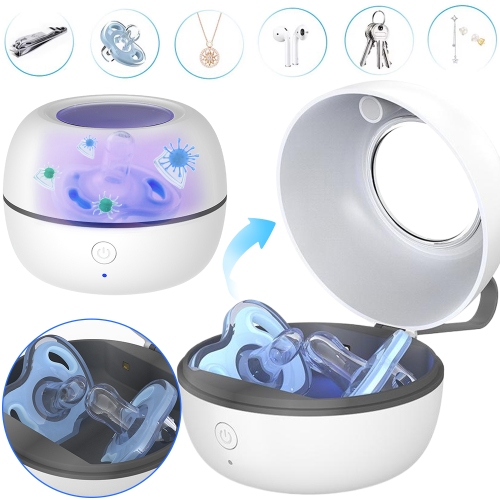
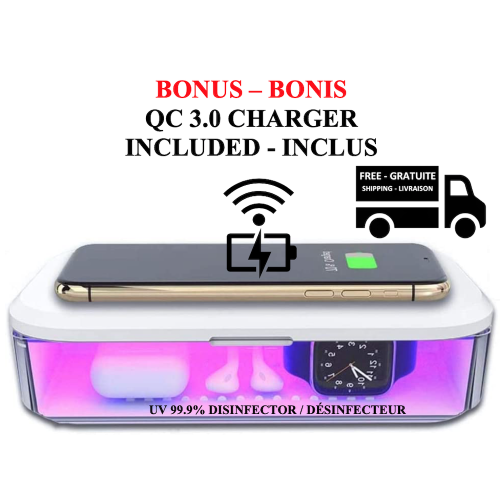
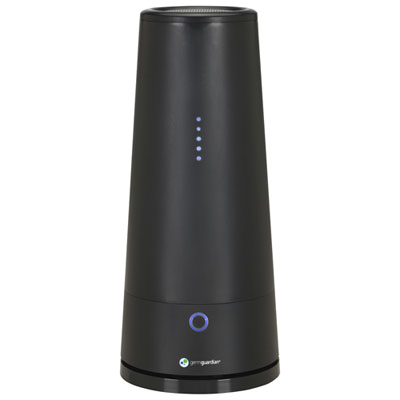
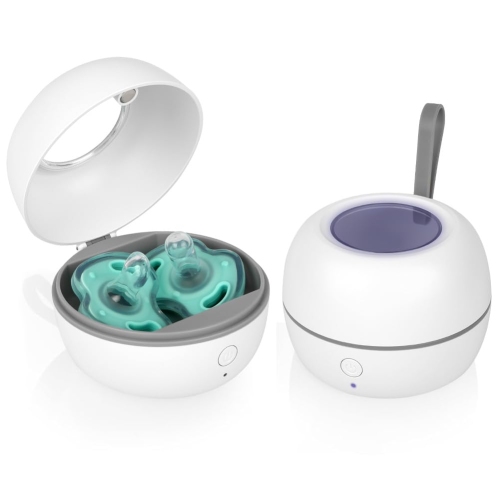
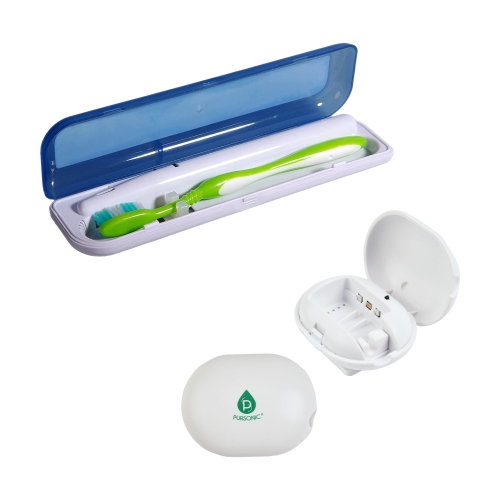
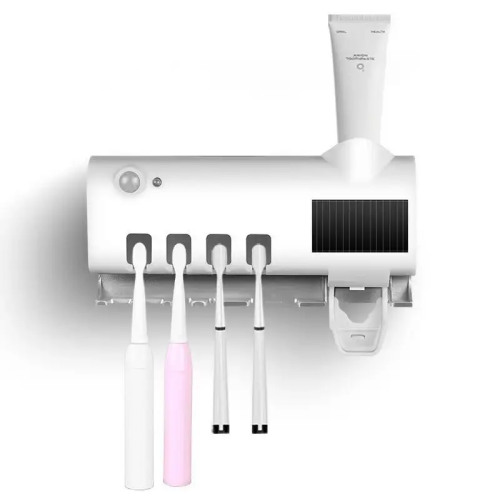
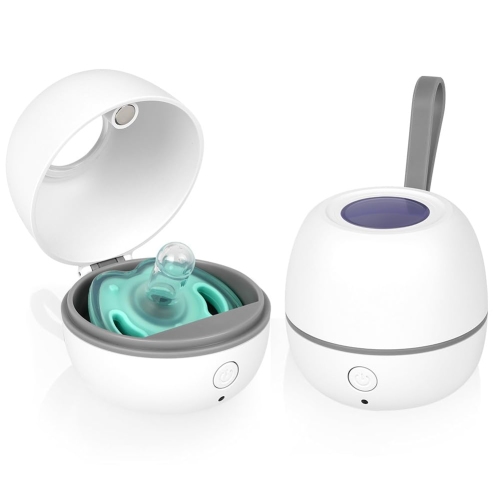
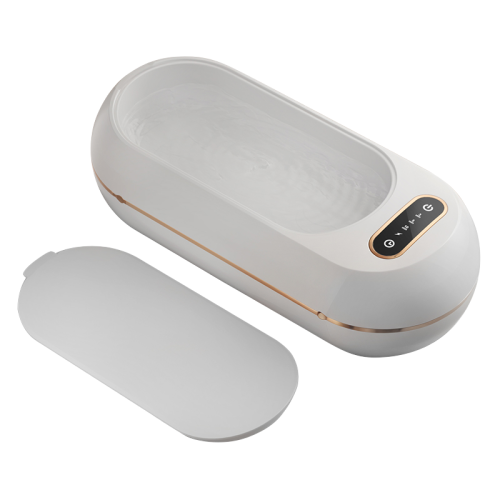
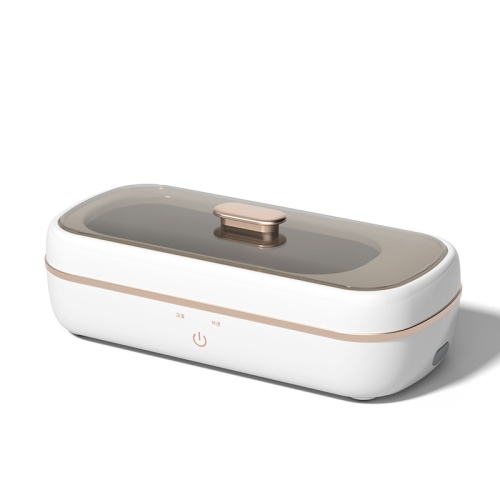
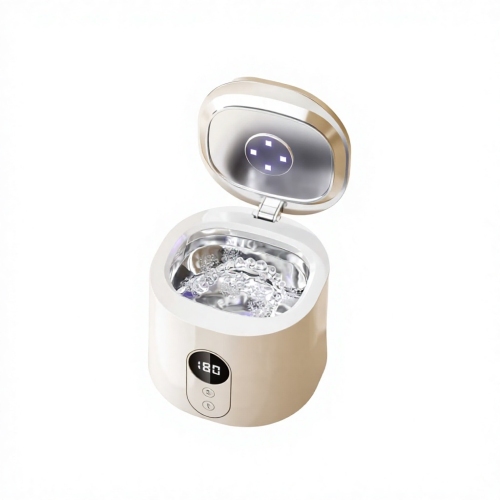
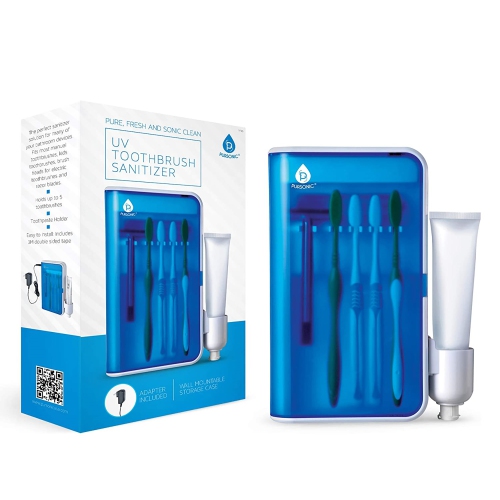
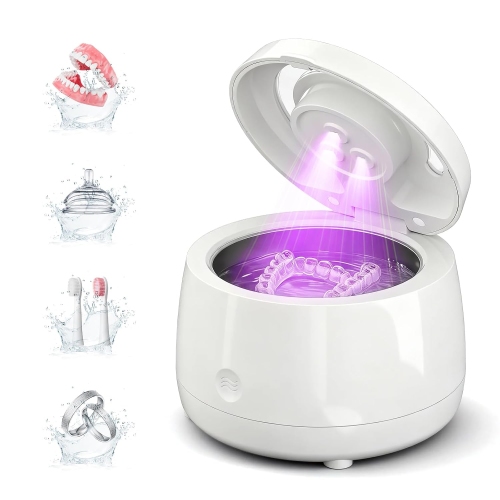
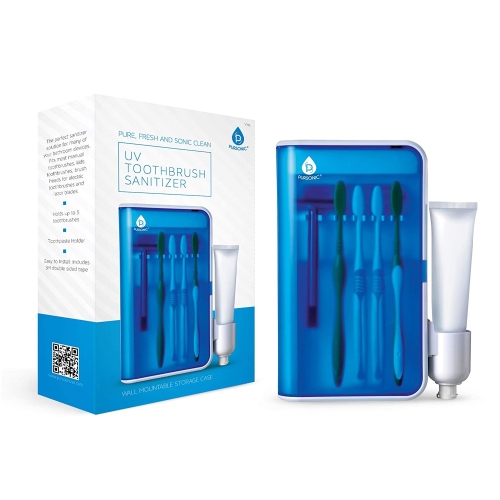
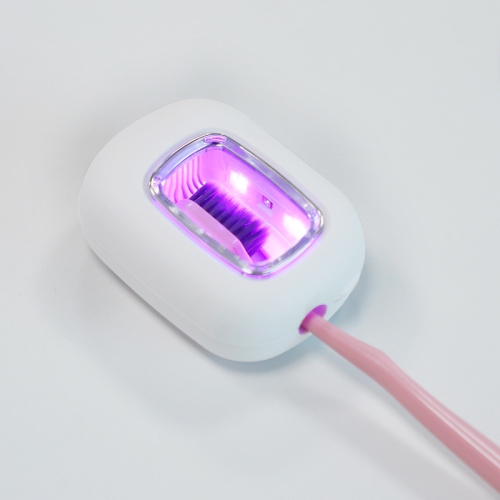
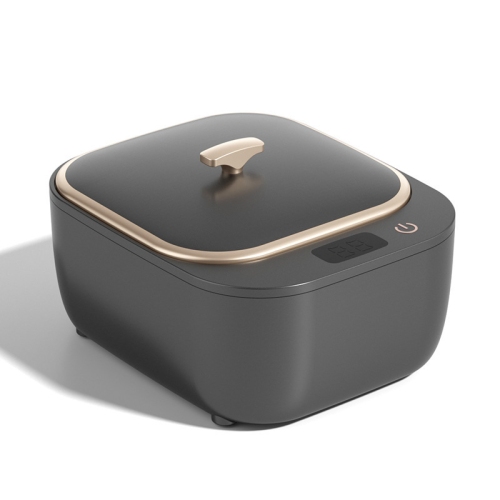
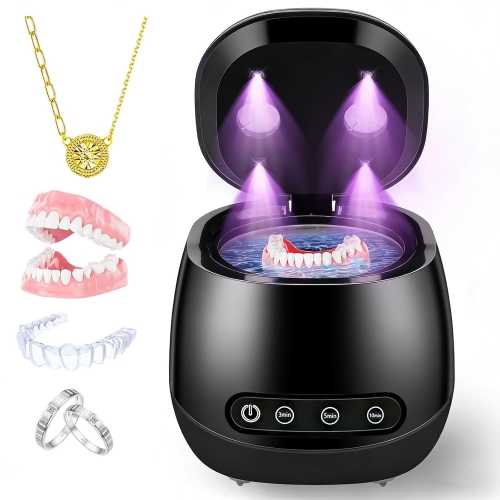
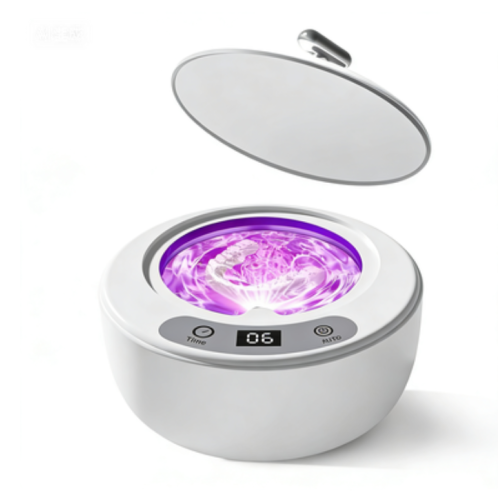
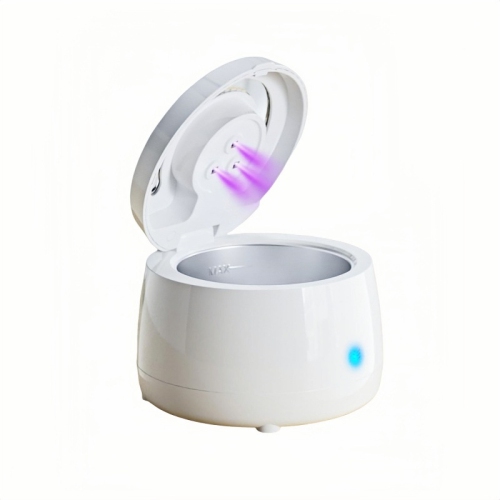
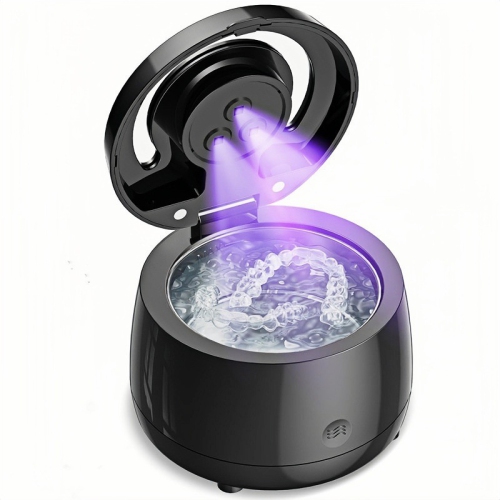
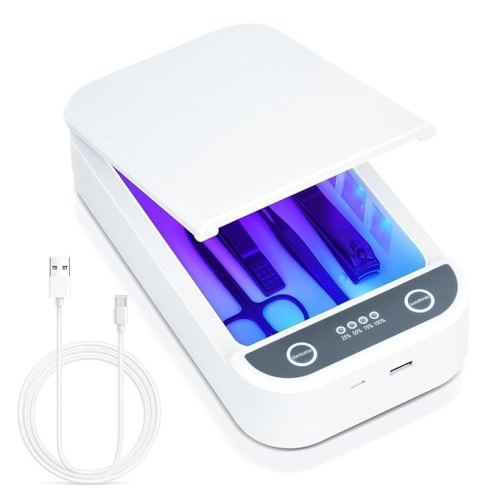
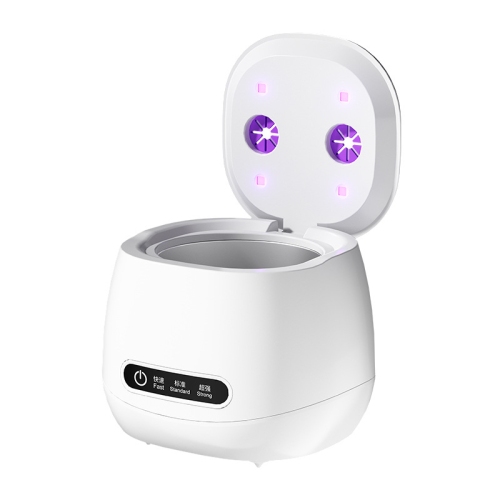
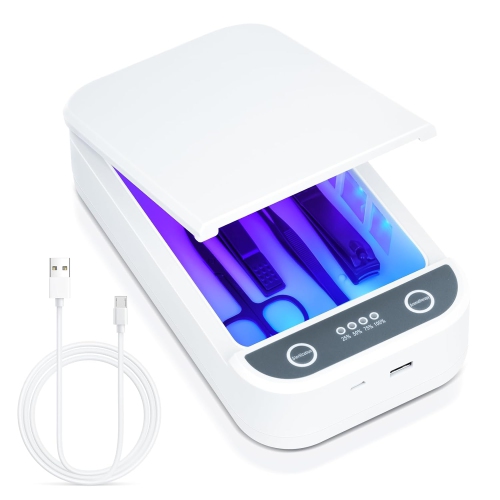
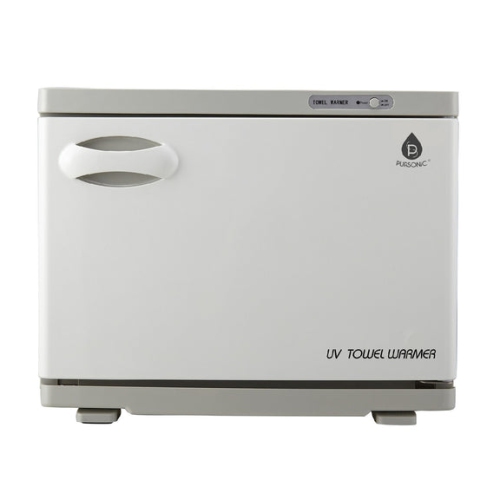
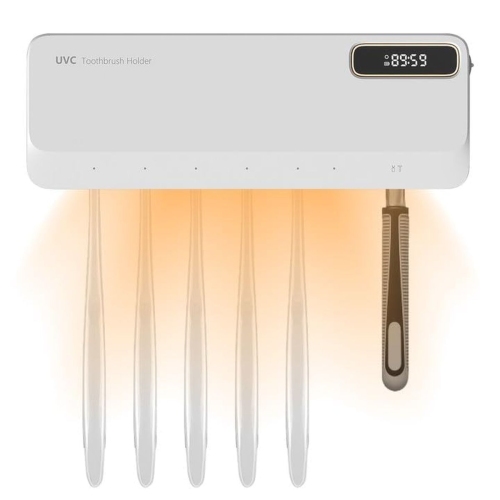
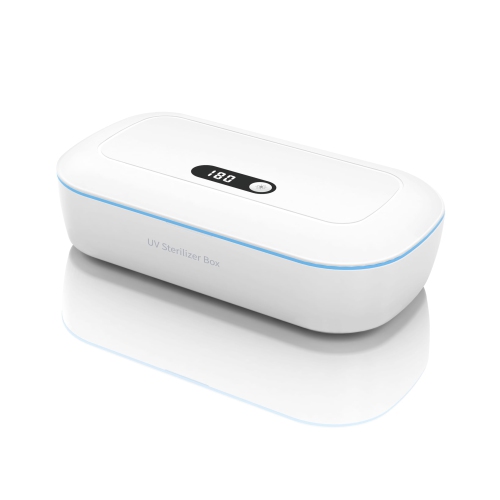
For UV sanitizing boxes and cabinets, usable interior space is often more important than the outside dimensions. A chamber needs enough room for compatible belongings to sit in the required position without stacking, crowding, or blocking the light. A device that accommodates a phone may not have the depth needed for bulkier accessories, and a larger cabinet still needs a practical shelf layout. Reflective interiors and multiple light sources can improve exposure coverage, but they do not guarantee that light reaches beneath an overlapping object or inside a narrow opening. Follow the loading directions, including any requirement to reposition contents between cycles. Smooth, accessible trays and removable racks make routine cleaning easier; check whether those parts can be washed and whether they must dry fully before being put back. Exterior materials should suit the intended location, with sturdy hinges, a stable base, and surfaces that tolerate the recommended cleaning method. Repeated UV exposure can affect some plastics, rubber, coatings, and adhesives, so both the sanitizer instructions and the care directions for the object being treated deserve attention. Compatibility is especially important for electronics, coated lenses, and baby feeding accessories. Parents and caregivers should use only devices specifically intended for the relevant feeding equipment and continue following its washing and sanitizing directions. For oral-care storage, UV toothbrush sanitizers offer a format designed around brush heads, with fit, drainage, and cleaning access worth comparing. A household sharing a bathroom may find separate brush positions useful, while someone with limited counter space may prefer a compatible wall-mounted design. Ventilation and drying features vary, and a UV cycle alone should not be assumed to dry the contents. Controls, cycle indicators, cord placement, and access to replacement parts also influence daily convenience. As a gift, a compact sanitizer is most useful when its capacity and care requirements match the recipient’s established routine. It should provide a straightforward way to treat approved belongings, rather than introduce uncertainty about what can safely go inside.
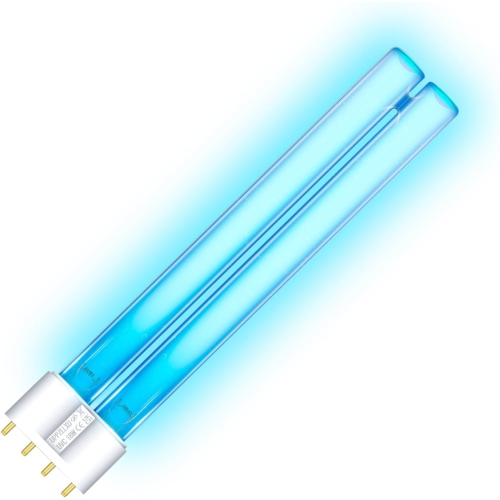
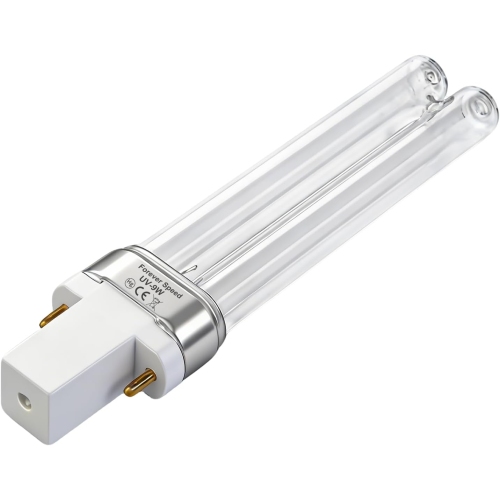
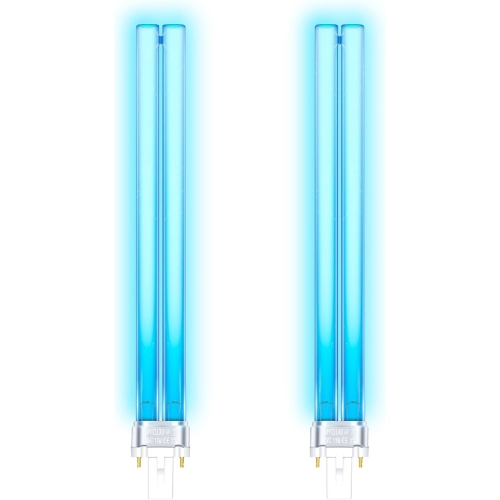
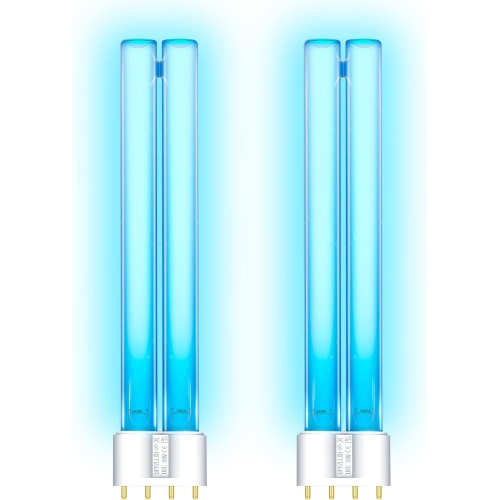
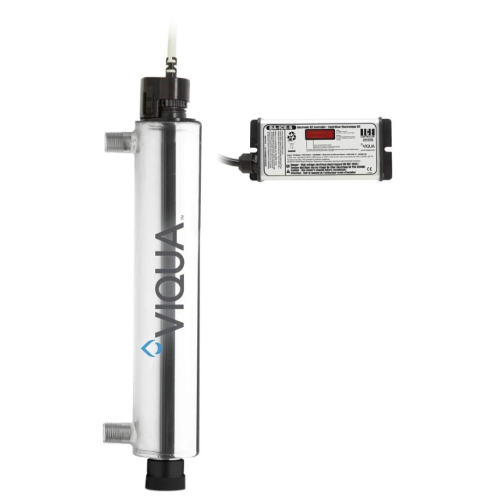
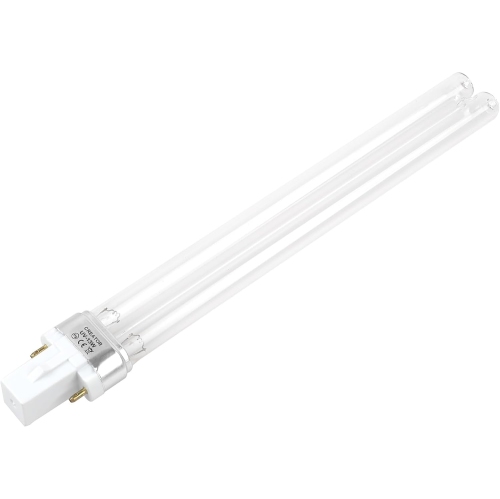
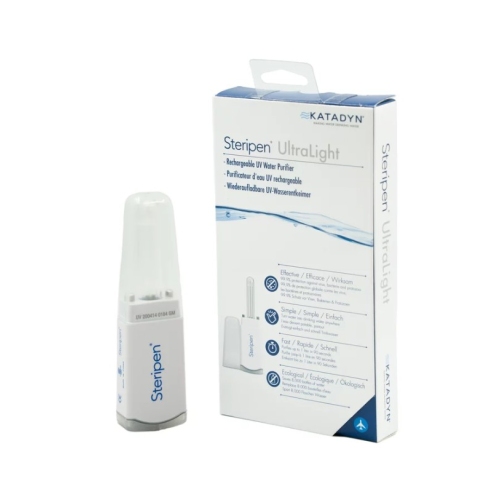
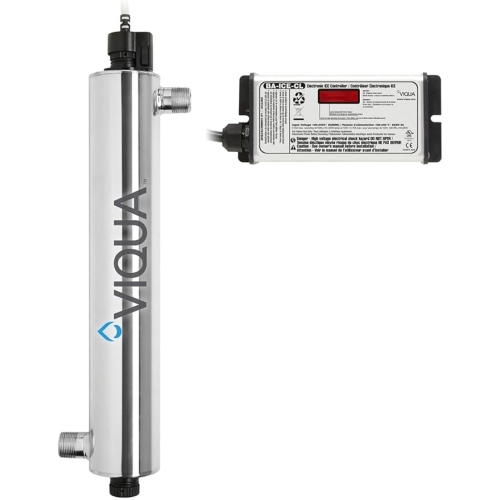
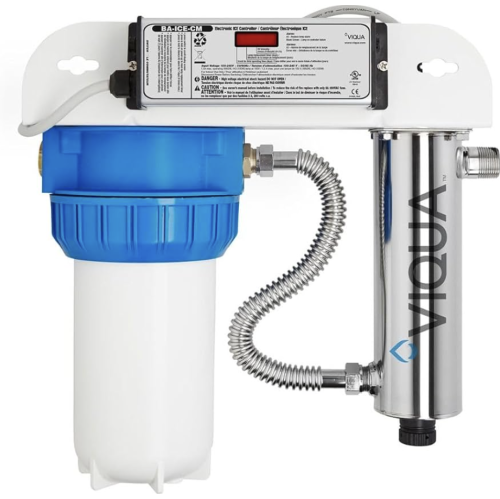
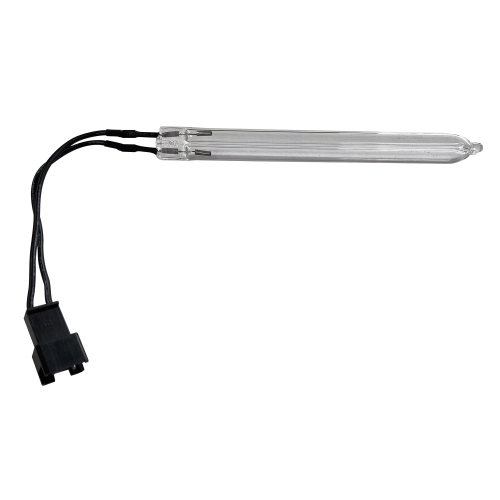
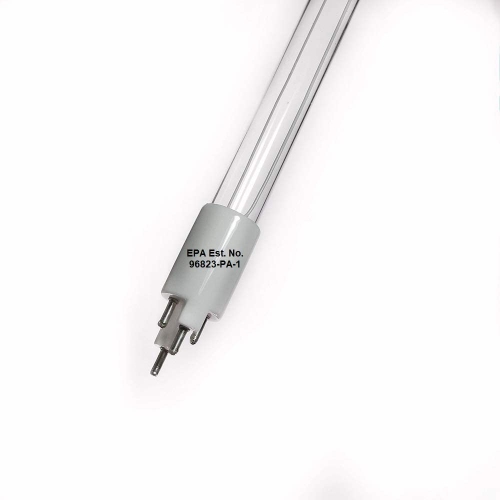
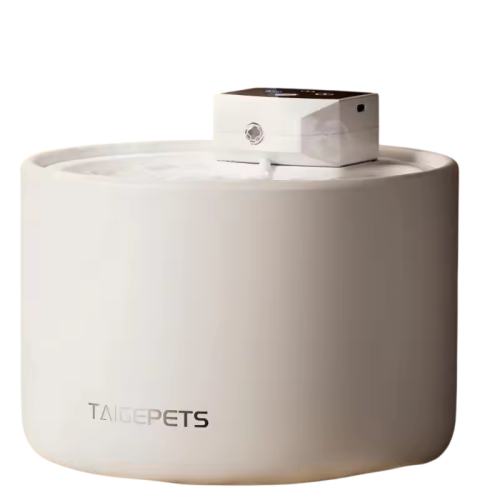
Water-based UV sterilizers require a different set of considerations because their effectiveness depends on how water moves through the treatment chamber. For household water treatment, the system’s rated flow must accommodate demand without shortening exposure beyond its validated limits. Lamp wattage alone does not establish treatment performance. Water quality, including clarity and substances that can coat the protective sleeve, affects how much UV light reaches microorganisms. Testing the water and assessing any necessary pretreatment are important steps, particularly for a private supply. UV disinfection does not remove dissolved chemicals, metals, salts, or sediment, so it cannot replace filtration or other treatment needed for those concerns. Independent certification to a standard appropriate for the intended drinking-water application offers more useful assurance than a broad germ-reduction claim. Installation also needs room for servicing, a suitable power connection, and access to the lamp and sleeve. In aquariums and ponds, match the unit to the water volume, pump flow, and stated treatment goal; settings intended to control green water may differ from those needed to reduce particular microorganisms. Only water passing through the chamber receives treatment, so a UV unit does not eliminate algae attached to surfaces or replace routine tank care and biological filtration. Across both water and surface-treatment formats, maintenance is essential to consistent operation. Some systems use replaceable lamps, while others use integrated UV-C LEDs with different service requirements. Follow the specified replacement schedule rather than relying on visible light as proof that a source is still delivering an effective UV dose. Protective sleeves, chamber surfaces, and sensors may also need cleaning as directed. Safety features deserve equal attention: enclosed chambers, lid interlocks, secure housings, and clear operating indicators help limit accidental exposure. Direct UV-C exposure can harm eyes and skin, and these devices should never be used to treat people or pets. Do not bypass an interlock or operate a unit with a damaged housing. Clear instructions, documented performance, appropriate capacity, and manageable upkeep are the strongest foundations for choosing a UV sterilizer suited to its intended task.
Top selling and popular products
-
 Your price for this item is $12.99
-
 Your price for this item is $46.99
-
 Your price for this item is $29.99
-
 Your price for this item is $53.99
-
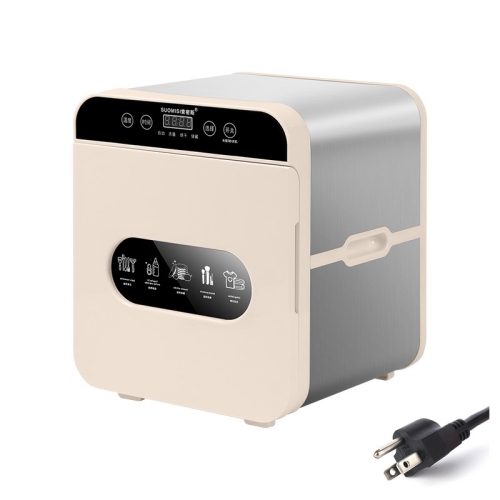 Your price for this item is $411.99
-
 Your price for this item is $25
-
 Your price for this item is $39.99
-
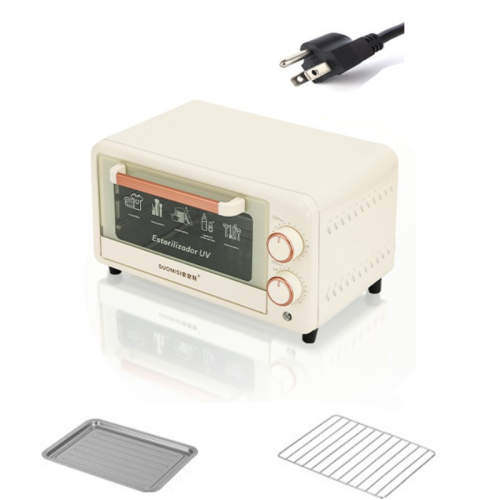 Your price for this item is $213.99
Discover more categories related to UV Sterilizers
Top Collections:
Best Black Friday Deals This Year, Best Black Friday Deals On Electronics, Kindle Devices, Pokemon Centers, Best Black Friday Deals On Apple Products, Best Cameras for Sports Photography, Dyson Airwrap, Pokémon 30th Celebration Cards, Apple iPhone 17 Pro, Canon G7X Cameras
Some products may be subject to Environmental Handling Fees
(EHF) depending on your province.
Learn more about EHFs.