Washable Masks
Looking for a convenient and sustainable way to protect yourself and others? Look no further than washable masks! Designed with both comfort and functionality in mind, these reusable masks are the perfect solution for everyday use. Whether you're running errands, commuting to work, or simply going about your daily activities, our washable masks offer a reliable barrier against airborne particles while being easy to maintain.
Sort









Why washability alone does not determine mask protection
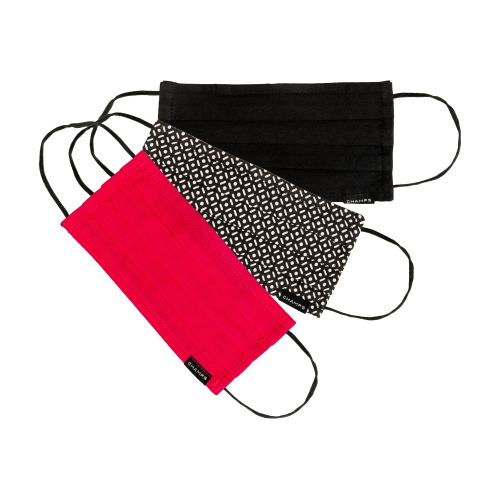
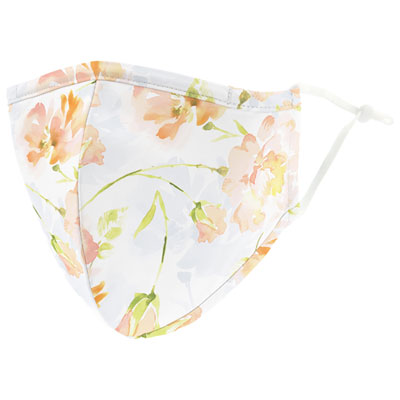
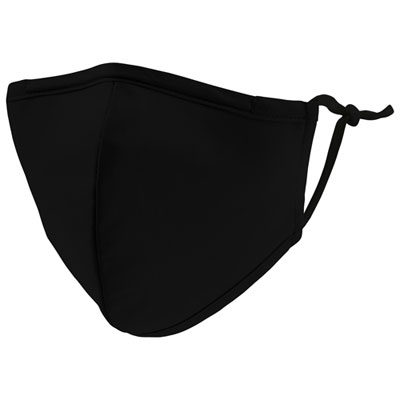
Washable masks are face coverings designed to be cleaned and worn again according to their care instructions. Fabric versions commonly use cotton, polyester, or blended textiles, with shapes that range from flat, pleated panels to contoured designs that sit away from the mouth. Their defining feature is a washable body, not a particular level of filtration or protection. Performance depends on the materials, construction, fit, and condition of the mask, and a fabric face covering should not be assumed to offer protection equivalent to a certified respirator. For everyday use where a fabric mask is appropriate, comfort and coverage are important considerations: the mask should cover the nose, mouth, and chin without needing frequent adjustment. Cotton can feel soft against the skin and absorb moisture, while some synthetic fabrics dry more quickly after washing. Multiple layers can affect both filtration and breathing resistance, but layer count alone does not establish how well a mask performs. A tightly woven fabric may look substantial without having verified filtration results, so any performance claim needs to be supported by testing that applies to the finished mask. People browsing washable masks may be looking for a face covering for an occasional outing, a shared workspace that permits fabric masks, or situations where a washable option suits their needs. The relevant workplace, travel, or facility requirements still matter, since some settings call for a medical mask or a certified respirator instead. Those comparing washable options with Disposable Masks will find that care and replacement requirements are a key distinction: washable fabric masks need cleaning and complete drying between uses, while masks labelled for single use are not intended to be laundered. Neither washability nor disposability, on its own, establishes a mask’s protective performance. Clear information about intended use helps distinguish a general-purpose fabric covering from equipment designed and tested for a defined protective role.
Fit makes a noticeable difference to how a washable mask feels during ordinary movement and conversation. A mask that seems comfortable while standing still may slip when its wearer speaks, turns their head, or looks down to fasten a coat. Contoured designs typically have a shaped front panel, while pleated styles expand vertically to cover different face lengths. Neither shape fits everyone, and sizing labels are less useful than the actual mask dimensions and the manufacturer’s measuring directions. Adjustable ear loops can help fine-tune tension, while head straps or ties position the fastening points away from the ears. This can matter for someone who also wears glasses or hearing aids, since several accessories resting in the same small area can cause pressure or tangling. An adjustable nose piece may improve the fit across the bridge of the nose and limit upward airflow, although it does not guarantee fog-free lenses or a protective seal. The fabric should sit close to the cheeks without obvious gaps, and the lower edge should stay beneath the chin rather than riding up during speech. More tension is not always better: loops that pull hard on the ears can make a mask uncomfortable without correcting the wrong size or shape. Interior seams, binding, and labels also affect comfort, particularly during longer periods of wear. Smooth fabric against the cheeks and a shape that leaves some room around the lips may feel less intrusive when talking. During the cooler months, scarves and high coat collars can push against a mask’s lower edge, making a stable fit especially useful. Children need a size suited to their face and adult supervision; masks should not be placed on children under two or on anyone unable to remove one without help. For any age, a mask that becomes wet, dirty, damaged, or difficult to breathe through needs attention rather than continued wear. When protection from airborne particles is the priority, a well-fitting certified respirator is generally a more suitable choice than an ordinary fabric mask.
Care requirements help determine whether a washable mask fits comfortably into a daily routine. Some fabrics tolerate machine washing, while others require handwashing, a particular water temperature, or air drying to preserve their shape and components. The care label takes priority over a general cleaning method, especially when a mask includes an adjustable nose piece, elastic, coatings, or several different materials. Ordinary fabric masks should be washed after each day of use and whenever they become wet or dirty, then dried completely before being worn again. A mask that is still damp at the seams is not ready to go back on the face or into enclosed storage. Removable filters require separate attention: a washable outer mask does not make its filter washable, and laundering a filter that is not designed for it can compromise its function. Filter replacement should follow the manufacturer’s directions rather than the washing schedule for the fabric shell. Clean, dry masks belong in a clean storage area, separate from worn masks waiting to be washed. That distinction is useful during a busy day when a mask comes off for lunch or arrives home tucked beside gloves and keys; loose storage among frequently handled belongings can soil a freshly cleaned covering. Durability depends on more than fabric thickness. Repeated laundering can stretch ear loops, weaken stitching, distort pleats, or cause shrinkage that changes coverage. Frayed edges, thinning patches, loose fastenings, and a nose piece that no longer holds its shape are practical signs that a mask may need replacing. There is no universal number of washes that every fabric mask can withstand, so the stated care limits and the mask’s condition matter more than a fixed timetable. A small rotation can allow enough time for washing and thorough drying without relying on a damp mask before leaving home. The most useful washable mask is one whose intended purpose, fit, and upkeep match the wearer’s needs, with any protective claims assessed separately from comfort, colour, or convenience.
Top selling and popular products
-
 Your price for this item is $3.97
-
 Your price for this item is $9.97
-
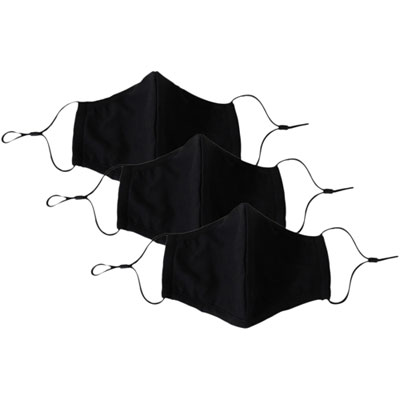 Your price for this item is $19.95
-
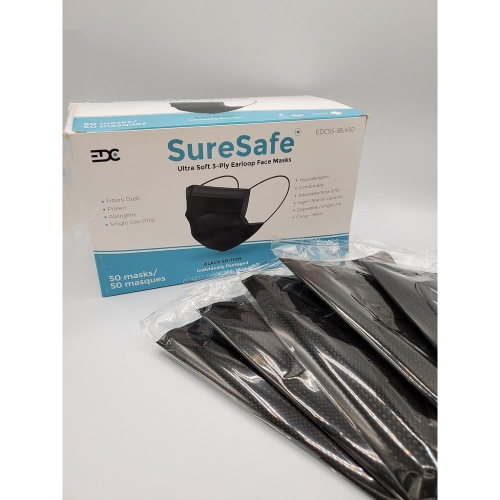 Your price for this item is $14.99
-
 Your price for this item is $11.99
-
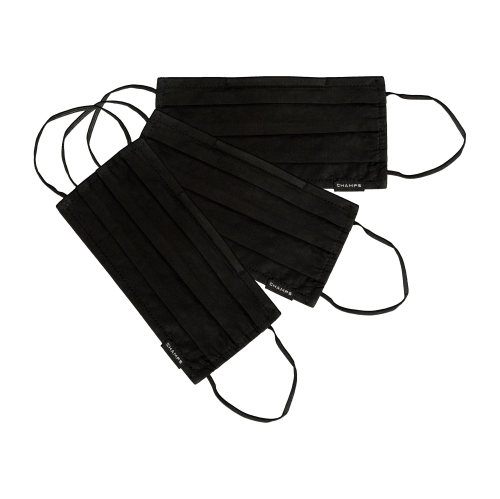 Your price for this item is $11.99
-
 Your price for this item is $19.99
-
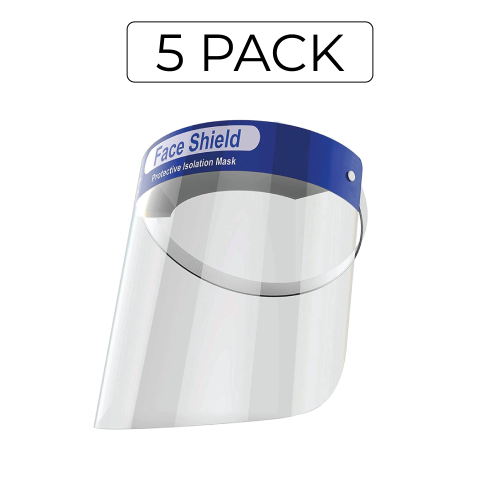 Your price for this item is $22
Discover more categories related to Washable Masks


Top Collections:
Pokemon Centers, Kindle Devices, Best Cameras for Sports Photography, Pokémon 30th Celebration Cards, Apple iPhones 16, Canon G7X Cameras, iPhone 15 Apple, Flip Phones, Samsung Galaxy Phones, Alarm Clock
Some products may be subject to Environmental Handling Fees
(EHF) depending on your province.
Learn more about EHFs.