Washable Paint
Looking to unleash your creativity without worrying about stains and messes? Look no further than our collection of washable paint! Whether you're an aspiring artist, a parent with young children, or a teacher looking for art supplies, washable paint selections are perfect for all your painting needs. With vibrant colors and easy cleanup, you can create masterpieces without the stress of permanent marks. Here are some great options available.
Sort
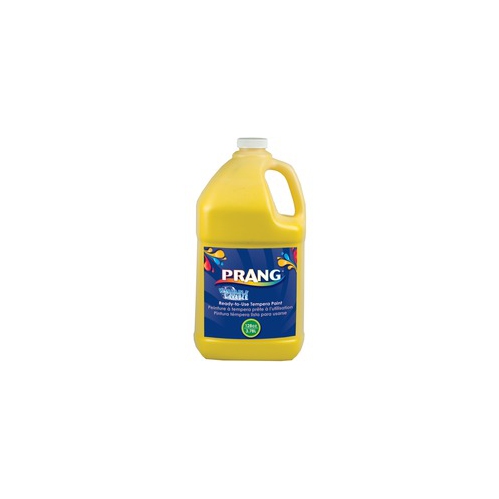
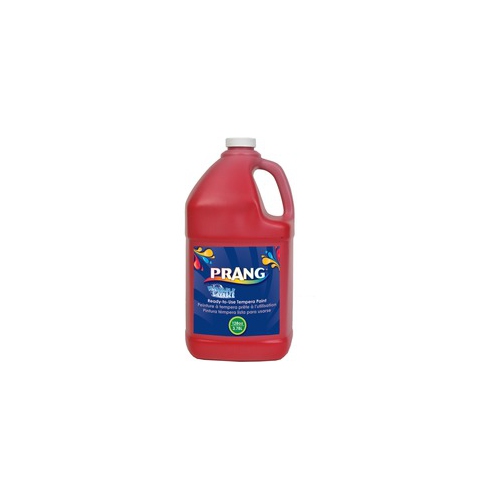
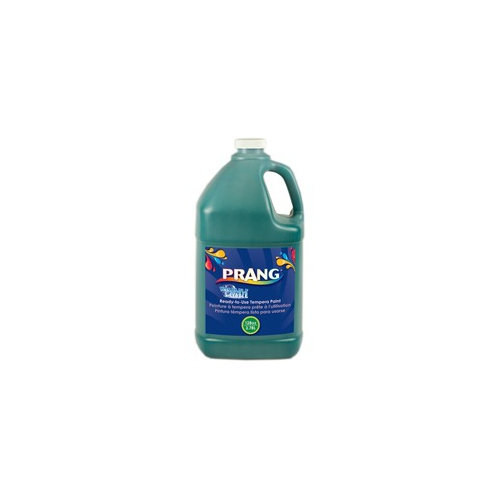

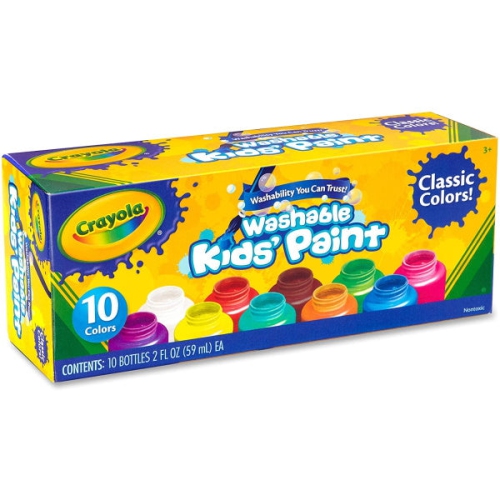
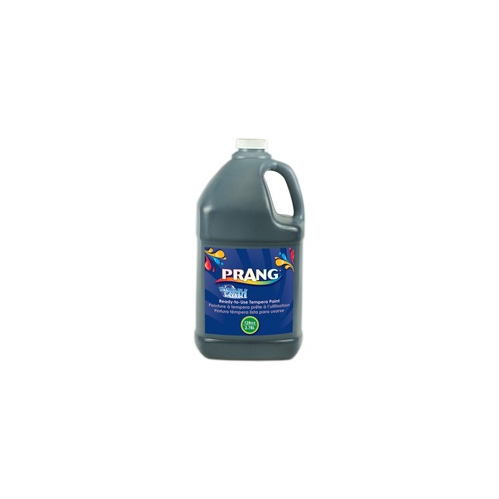
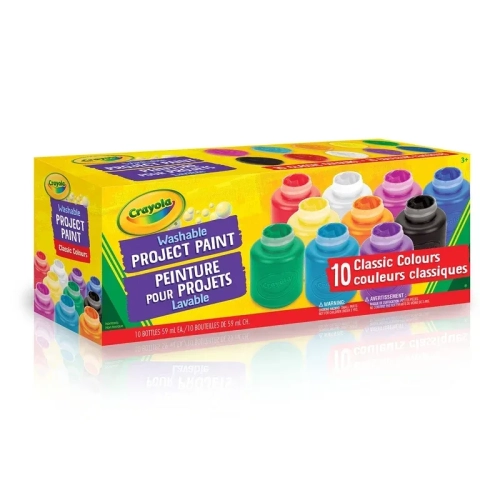
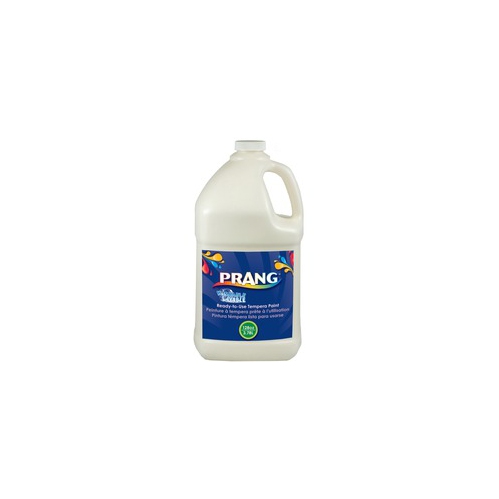
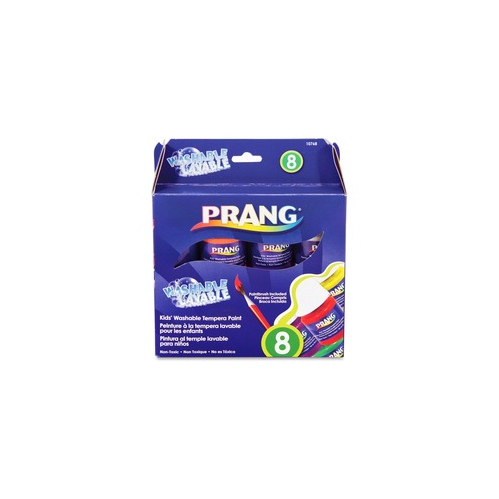





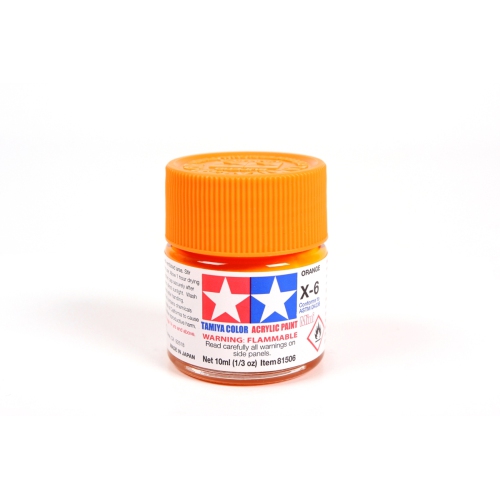
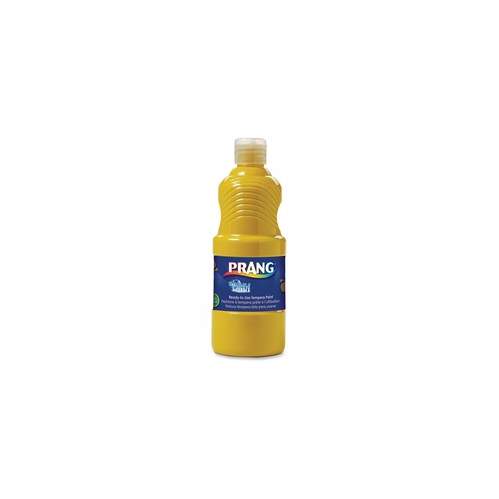
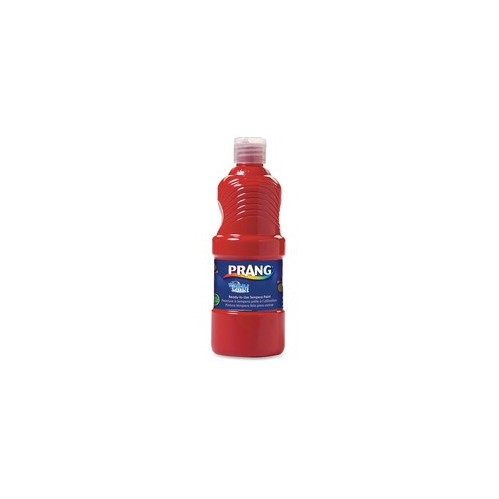
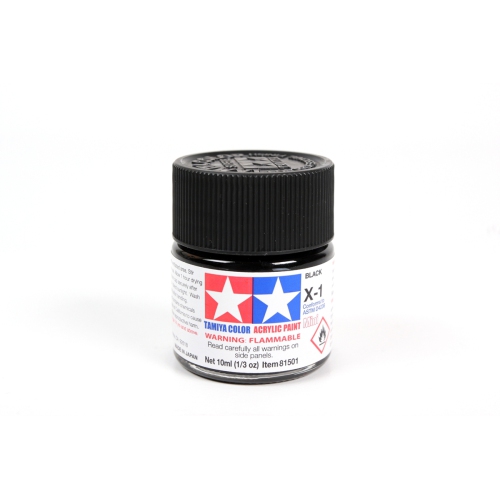




What easy cleanup really means for craft paint
Washable paint is generally a water-based craft paint formulated to clean off skin and many washable fabrics more readily than conventional artist paints. The term can also describe interior wall paint that withstands wiping or scrubbing, so the intended use matters: paint designed to wash out of a shirt serves a different purpose from a painted wall designed to stay intact during cleaning. For arts and crafts, washable paint offers a practical way to explore colour, make handmade cards, and turn plain paper or cardboard into something personal. It suits activities ranging from broad brushstrokes on large sheets of paper to carefully painted cardboard puppets, paper plate animals, and signs for a pretend shop. Children can practise holding a brush, mixing shades, and controlling how much paint reaches the page, while adults can enjoy casual craft sessions without needing a full artist’s setup. The right formula depends on the activity and the person using it. Finger paint should be specifically labelled for finger painting, with an age recommendation that matches the child; a paint described as washable is not automatically intended for direct hand application. Likewise, a non-toxic label does not mean paint is edible or suitable for face painting. Young children still need supervision, and cosmetic paints are the appropriate category for designs worn on the face or body. For brush painting, a smooth consistency makes it easier to spread colour across paper without excessive dragging or dripping. Thicker textures can suit stamping and bold marks, while more fluid formulas may suit sweeping strokes. Washable painting supplies can also make a thoughtful gift for a child who enjoys making things, a family that shares craft activities, or an educator organizing creative projects. Age suitability, manageable containers, and a useful range of colours usually matter more than an elaborate presentation, especially when the supplies will be handled frequently by small hands.
Colour selection, paint consistency, and the working surface all influence the finished result. A range of primary colours gives children room to discover how yellow and blue become green, while white allows lighter tints and black helps create darker shades. A broader palette can be convenient for group activities where several people need the same colour at once, or for projects with specific details such as animal markings and painted lettering. Check whether the paint is intended to give opaque coverage or a more translucent effect, since a light colour may look quite different on brown cardboard than on white paper. Washable tempera-style paints often suit paper-based crafts, but performance varies by formula, and thin paper can buckle under generous layers of wet paint. Heavier drawing paper, poster board, and uncoated cardboard generally provide a sturdier starting point. Glossy packaging, glass, plastic, and glazed surfaces may cause water-based craft paint to bead, peel, or rub away, so surface suitability should come from the label rather than the word washable. Container design also affects everyday use. Small pots can make it easy to put several colours within reach, while squeeze bottles help an adult portion paint into a tray without leaving the main supply open throughout an activity. Larger containers can be useful for shared craft spaces, provided there is a practical way to dispense small amounts and keep colours separate. Pouring out only what is needed helps prevent an entire container from turning muddy when a brush carries one colour into another. For cleaner colour mixing, rinse brushes between shades and blot excess water before returning to the palette. Let each layer dry before adding fine details if crisp edges are important. Finished washable-paint artwork is usually best suited to indoor display and gentle handling rather than objects that need frequent washing or a hard-wearing, permanent finish.
Easy cleanup is a major reason to choose washable craft paint, but washable should not be read as a promise that every mark will disappear from every surface. Pigments, fabric fibres, surface finishes, and the length of time paint remains in place can all affect removal. A covered table, clothing suitable for messy activities, and access to soap and water still make painting sessions easier to manage. Keep paint away from upholstery, unfinished wood, carpet, and other absorbent materials unless the manufacturer specifically confirms compatibility. Wipe up spills promptly using the recommended method, and avoid spreading a small mark across a larger area with repeated rubbing. For clothing, follow both the paint’s removal instructions and the garment’s care label; avoid applying dryer heat until the mark has been removed, since heat can make some stains harder to lift. Wash brushes before paint dries near the base of the bristles, clean trays after use, and close containers securely to help preserve the paint’s working consistency. Care directions are equally important for other washable essentials, including Washable Masks, because the word washable does not establish one cleaning method for every material. Interior wall paint requires a separate set of considerations. Its washability describes how well the dried coating tolerates cleaning, not how readily it comes out of clothing. For painted walls, consider the intended room, the manufacturer’s cleaning guidance, and any stated scrub-resistance testing rather than relying on sheen alone. A finish suitable for occasional gentle wiping may not perform like one designed for repeated cleaning in a busy hallway. Newly painted surfaces also need the specified curing time before washing, which can be longer than the time required to feel dry. Whether the goal is a colourful afternoon at the craft table or an easier-to-clean interior surface, matching the paint’s stated purpose to the project helps set realistic expectations for application, appearance, and care.
Top selling and popular products
-
 Your price for this item is $119.99
-
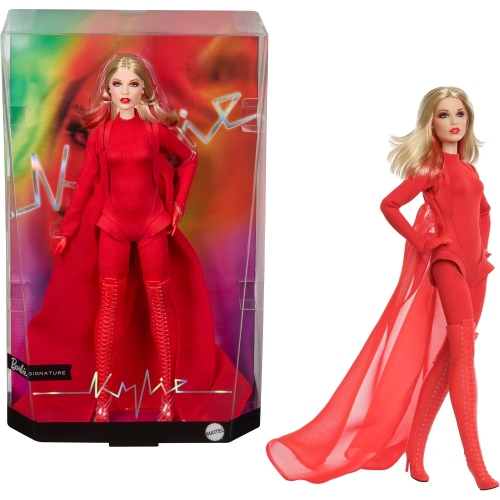 Your price for this item is $103.49
-
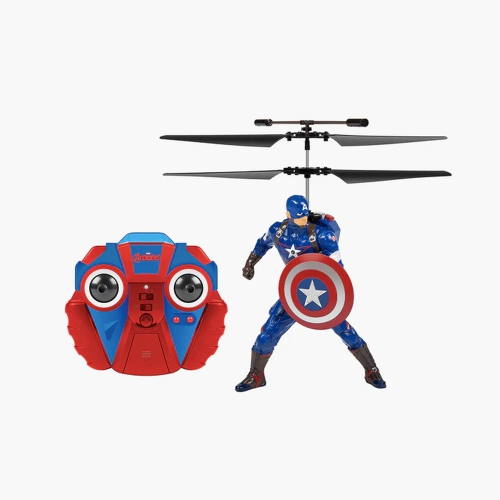 Your price for this item is $59.99
-
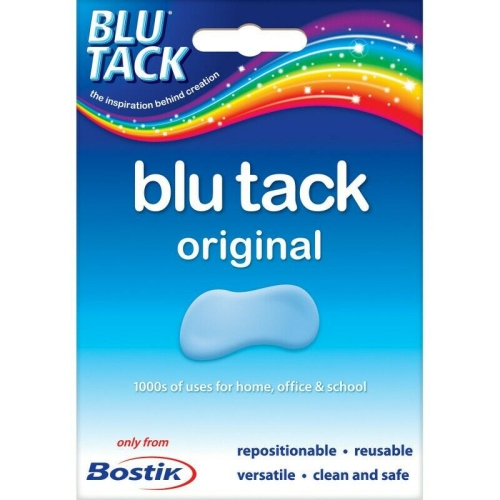 Your price for this item is $6
-
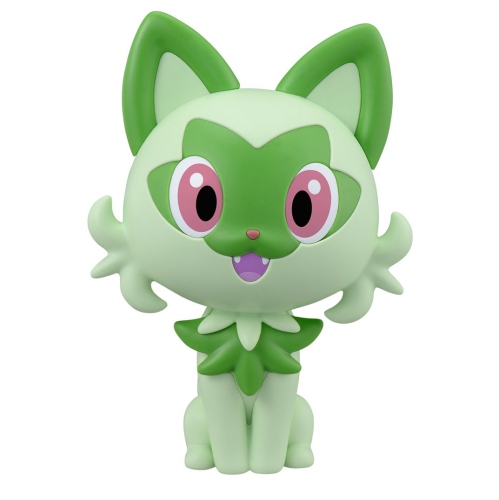 Your price for this item is $18
-
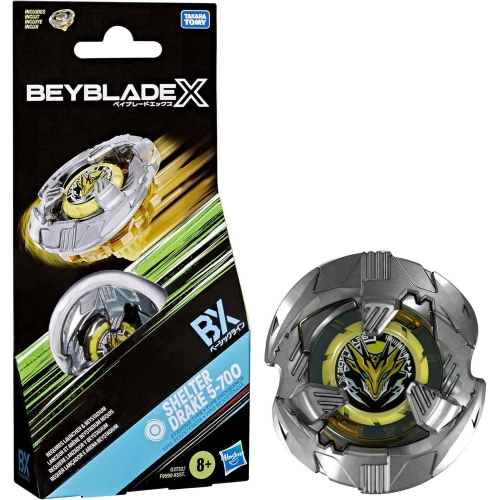 Your price for this item is $13.79
-
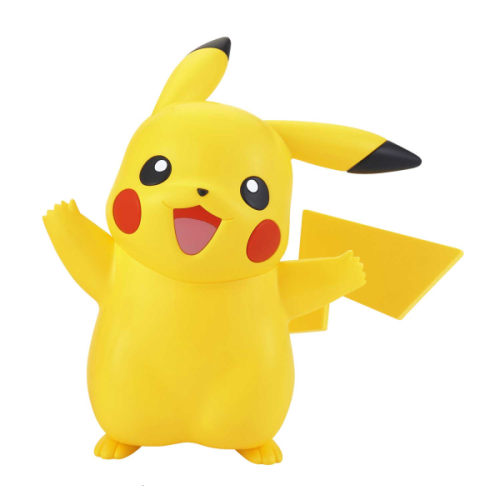 Your price for this item is $16
-
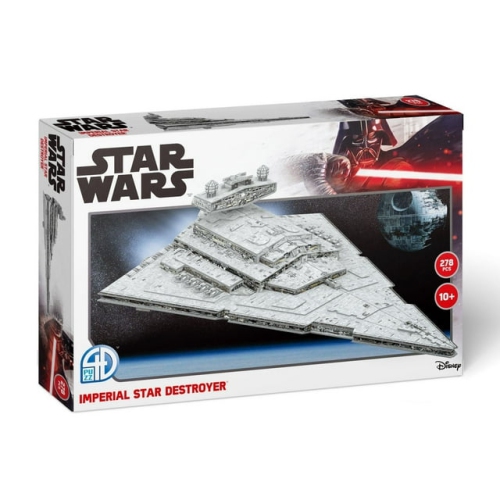 Your price for this item is $64.99
Discover more categories related to Washable Paint

Top Collections:
Pokemon Centers, Kindle Devices, Best Cameras for Sports Photography, Pokémon 30th Celebration Cards, Apple iPhones 16, Canon G7X Cameras, iPhone 15 Apple, Flip Phones, Samsung Galaxy Phones, Alarm Clock
Some products may be subject to Environmental Handling Fees
(EHF) depending on your province.
Learn more about EHFs.