Weight Vests
Elevate your fitness routine with the added challenge of a weight vest. Perfect for those looking to intensify their workouts, weight vests are designed to enhance strength, endurance, and calorie burn. Whether you're running, walking, or engaging in bodyweight exercises, incorporating a weight vest can help you push past your limits and achieve your fitness goals faster. Explore our selection of weight vests to find the perfect fit and weight for your training needs, and take your workout to the next level.
Sort
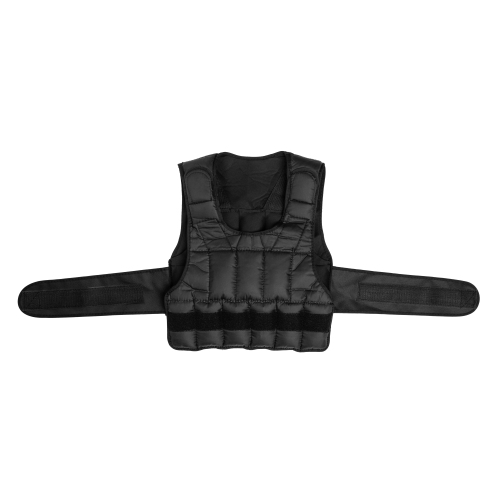
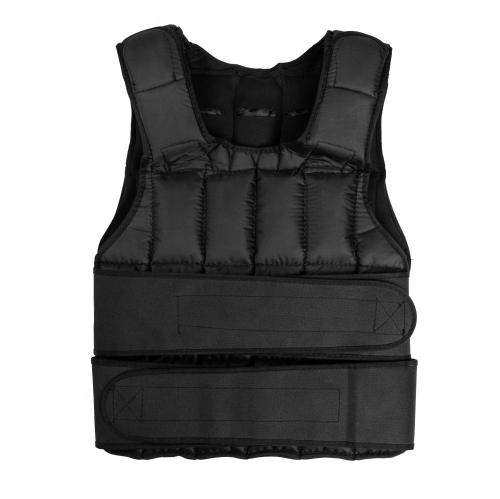
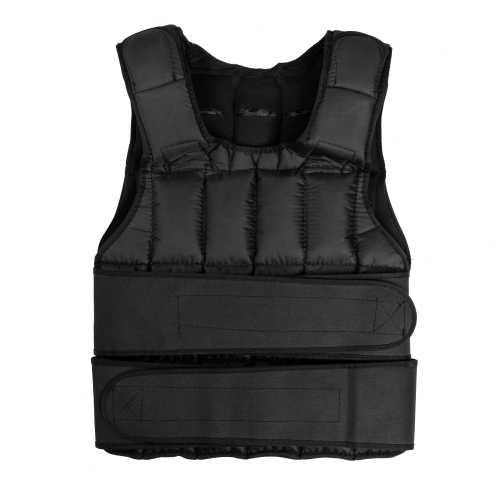
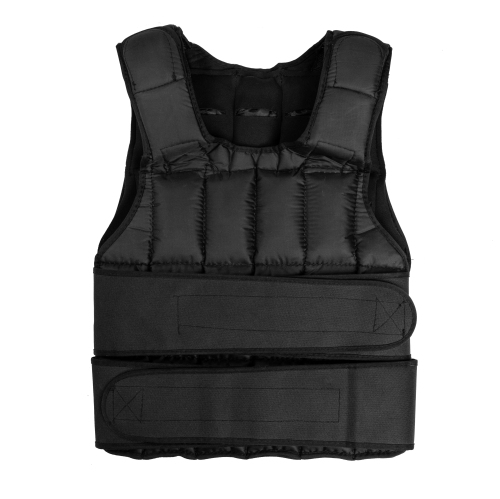
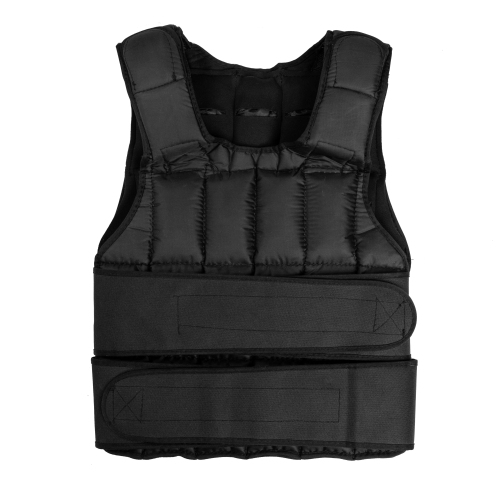


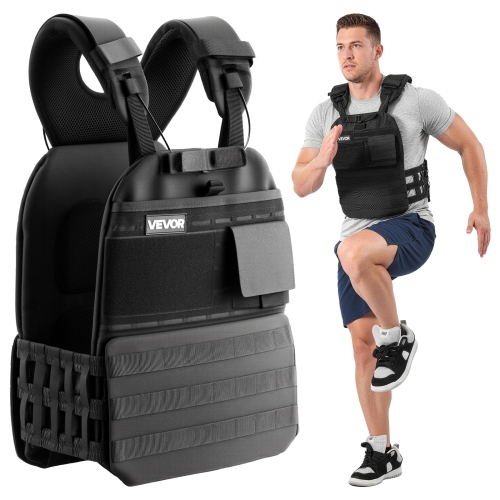
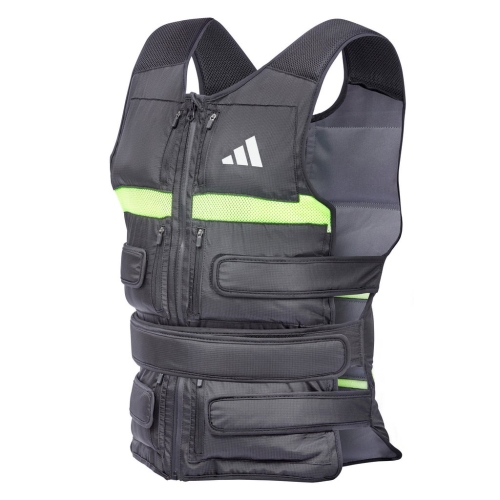

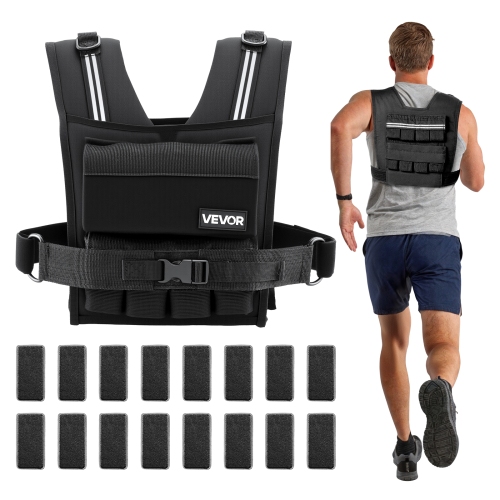
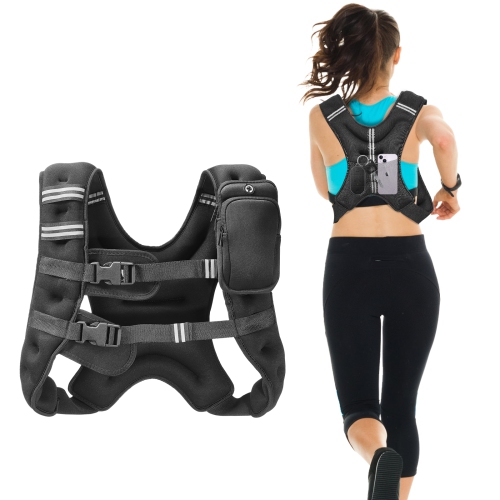
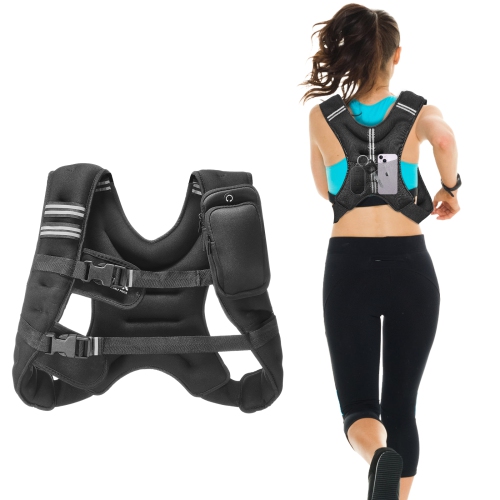
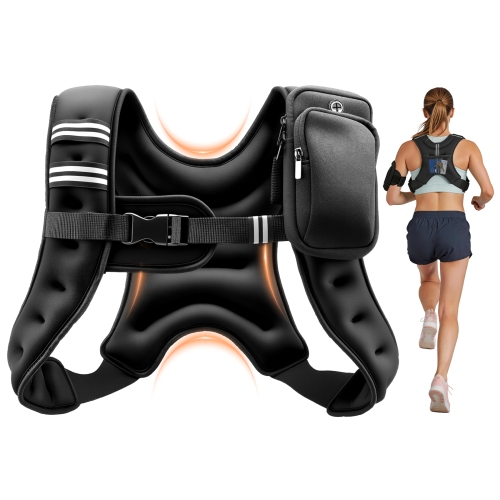
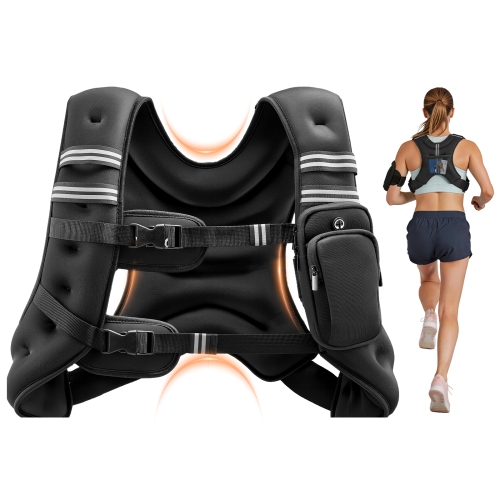
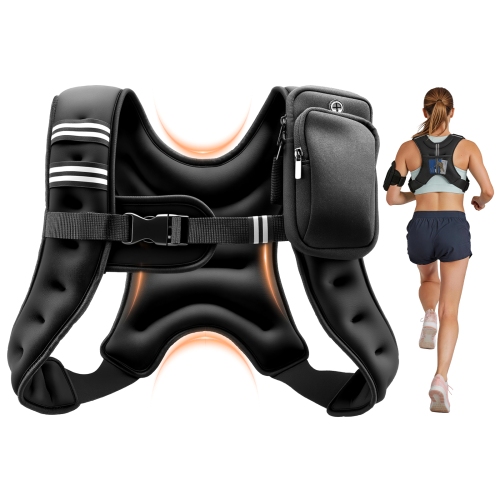
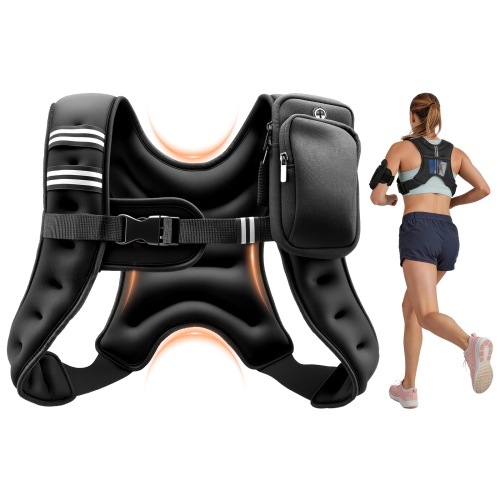
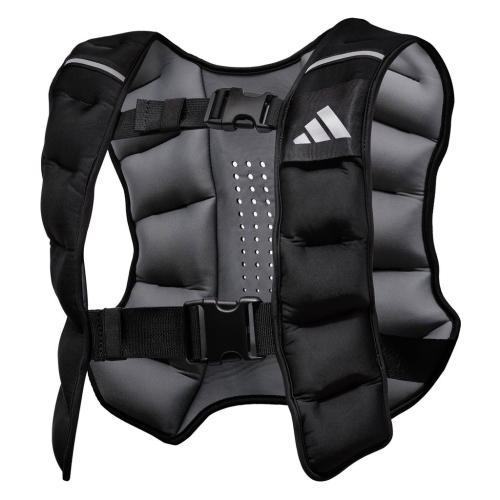
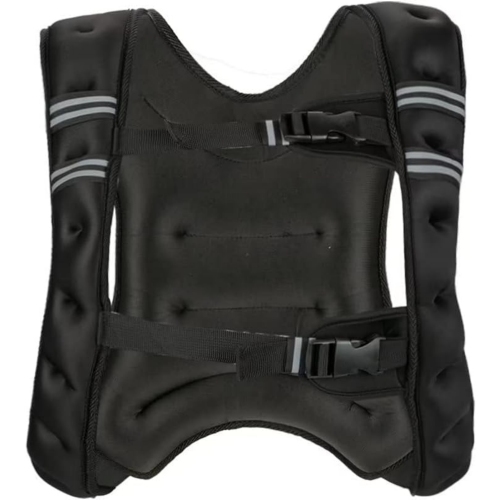


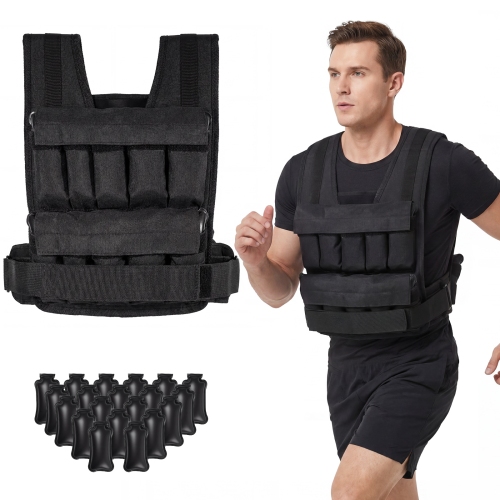
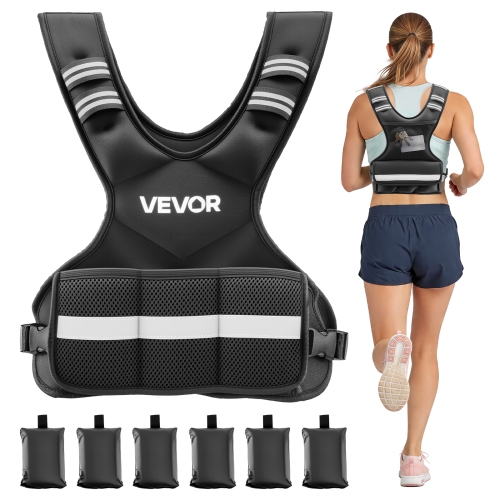
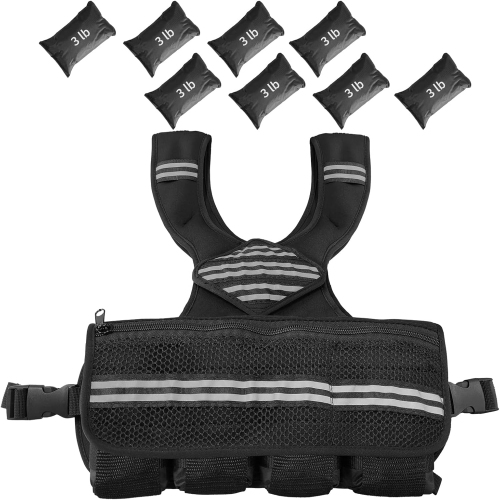

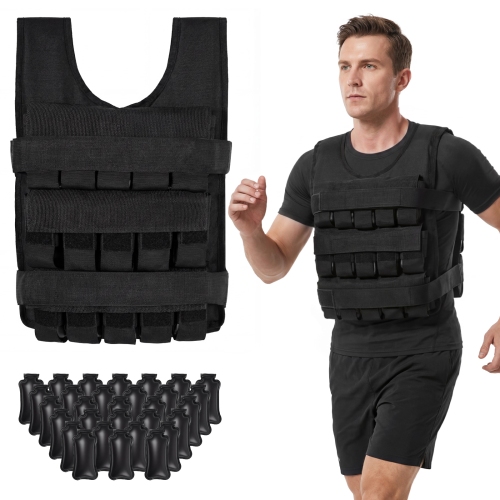
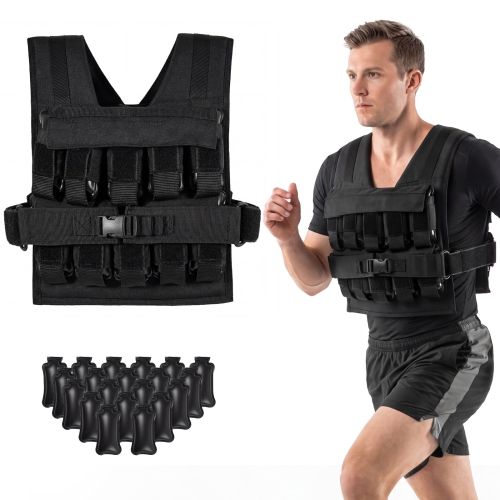

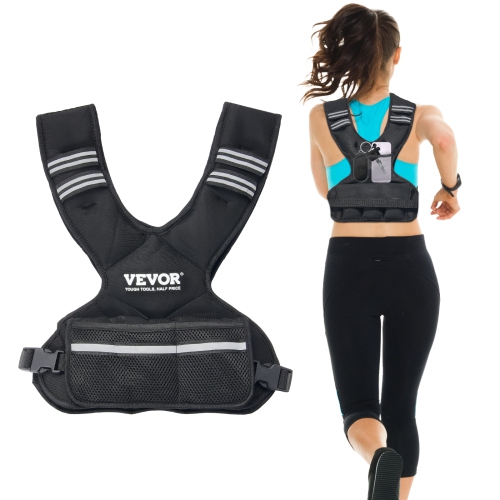
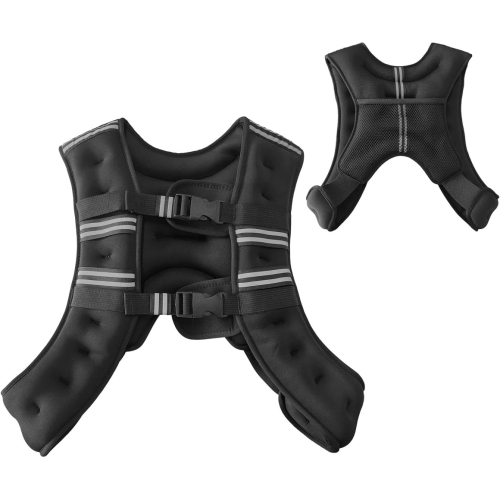

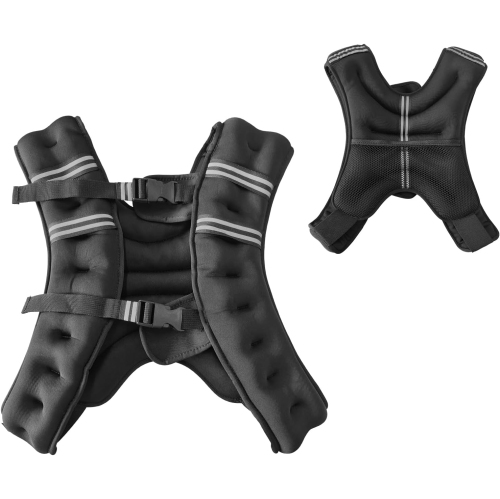
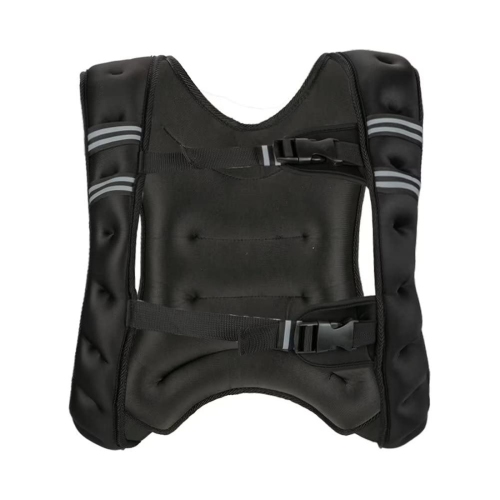
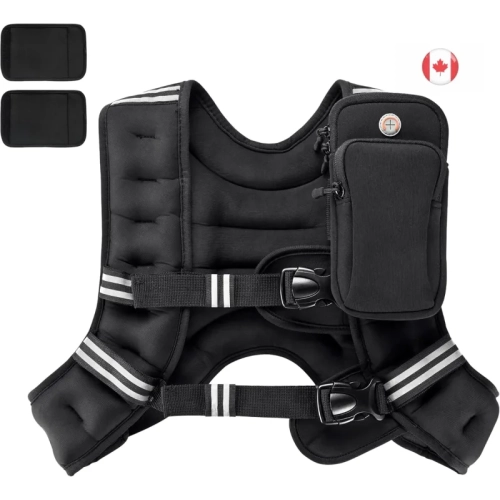

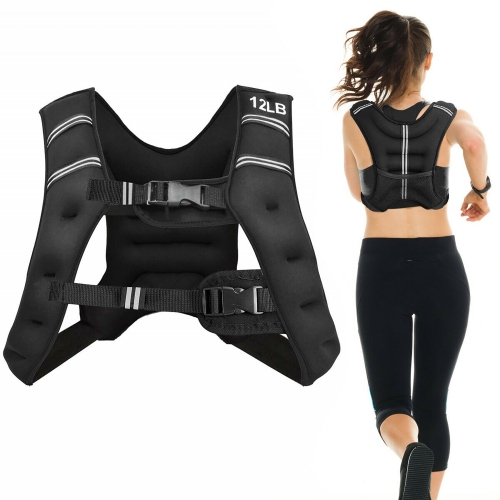

Hands-free resistance adds challenge to familiar workouts
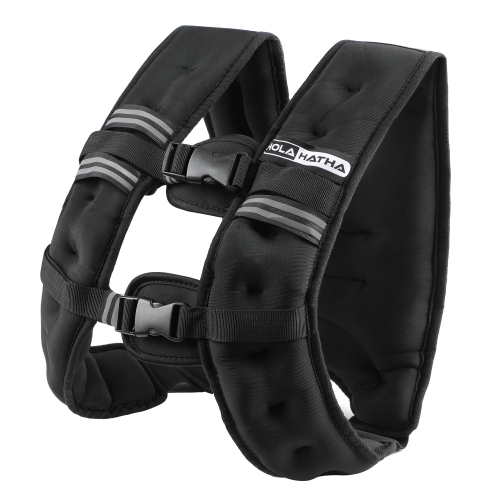
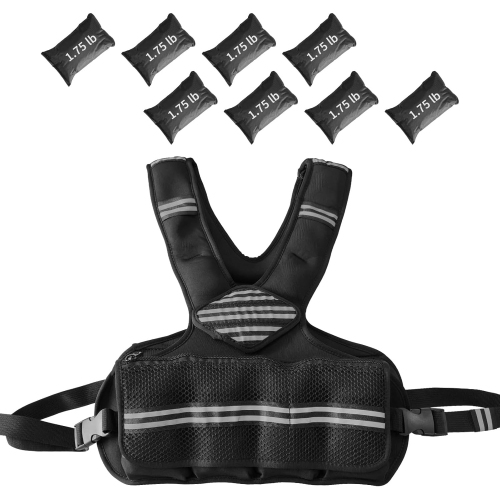
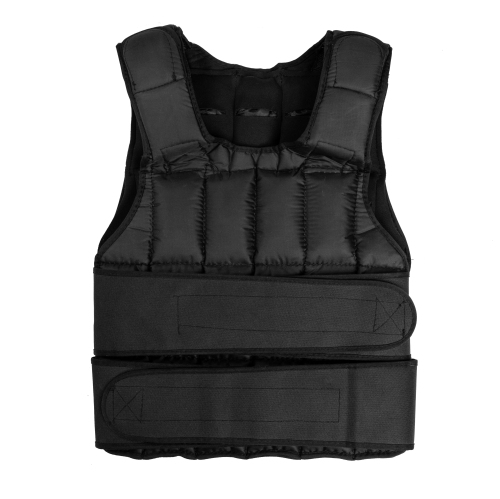
Weight vests, also called weighted vests, are wearable training accessories that add resistance to walking, bodyweight exercises, and other forms of movement. Worn around the torso, they hold weight close to the body while leaving the hands free, making them a practical option for people who want to increase the challenge of familiar activities without holding dumbbells. A comfortable walking route can require more effort with added resistance, while squats, lunges, step-ups, and push-ups can become more demanding without changing the basic exercise. The additional load can support strength and muscular endurance training when it is appropriate for the person and introduced gradually. It can also increase the energy required for an activity, although the effect depends on the load, pace, duration, and individual fitness level. Fixed-weight vests provide a consistent amount of resistance, while adjustable weight vests have removable weights that allow the load to change between exercises or as training progresses. Neither style is automatically better: a straightforward design may suit someone who repeats the same walking routine, whereas adjustable resistance offers more flexibility for varied home workouts. A vest intended for controlled strength exercises may also feel quite different from one designed to sit securely during faster movement. Running and jumping introduce greater impact and make a stable fit particularly important; adding weight to those activities is not a necessary starting point. For someone beginning weighted training, a short walk or a few controlled repetitions can reveal more about comfort and movement than choosing a heavier load immediately. There is no single starting weight that suits everyone, and the ability to breathe comfortably, maintain normal posture, and move without pain matters more than a particular number. People with an injury, balance concerns, or a health condition that could be affected by added load should seek advice from a qualified healthcare professional before using a weighted vest.
Fit determines much of how a weight vest feels in use. The vest should sit close enough to the torso to limit bouncing and shifting, without squeezing the chest or interfering with a full breath. Adjustable shoulder straps, side straps, and waist closures can help accommodate different body shapes, but adjustment range is not the same as a guaranteed fit. Chest measurements, torso length, and the manufacturer's sizing information are more useful than relying on a general clothing size alone. A shorter vest may leave more space at the hips during a deep squat or when sitting between sets, while a longer design may distribute its load across a larger area. Shoulder padding can soften contact under the weight, and evenly positioned front and back loads can help prevent the vest from pulling noticeably in one direction. Arm openings also deserve attention: an edge that feels unobtrusive while standing may rub during repeated arm swings or push-ups. Materials influence both comfort and durability. Nylon and polyester outer fabrics are common choices for resistance to everyday abrasion, while mesh panels and breathable linings can help manage moisture during exercise. Neoprene designs have a flexible, close-fitting feel, although comfort against the body varies by wearer. Smooth binding around the neck and underarms, reinforced stitching, and secure closures are details that become noticeable over repeated sessions. The resistance itself may come from enclosed granular filling, individual weight blocks, or plates, depending on the construction. With adjustable designs, the size of each weight increment affects how gradually the load can increase, while the shape and placement of the compartments affect how the vest bends with the body. Removable weights should stay firmly contained during the intended activity, and the vest should remain balanced when adjusted. Maximum weight capacity describes what the vest is designed to hold; it is not a suggested starting load. A useful fit leaves room for natural movement rather than making the wearer brace against shifting weight.
Everyday practicality matters just as much as resistance. For walking, a secure vest with comfortable shoulder contact can leave the hands free for a natural arm swing. For home strength sessions, a design that is easy to put on, adjust, and remove can make transitions between exercises less cumbersome. Someone working on bodyweight training may place particular value on clear arm movement and a close fit during push-ups, squats, or assisted pull-ups; Weighted Vests for Calisthenics are especially relevant to that style of exercise. Added resistance is most useful when the underlying movement remains controlled, rather than when it shortens the range of motion or encourages rushed repetitions. Care requirements depend on the outer fabric and the type of filling, so the manufacturer's cleaning directions should take priority over assumptions based on ordinary workout clothing. Some vests allow their weights to be removed before cleaning, while others require surface cleaning only. A damp cloth may be suitable for wiping certain outer materials, but soaking or machine washing can damage filling, coatings, or closures when it is not explicitly permitted. Allowing the vest to dry fully before storage helps prevent lingering odours and keeps moisture from remaining around enclosed components. Regular checks of seams, pockets, straps, and buckles can reveal wear before a weight compartment or closure fails during movement. Storage also deserves consideration: a loaded vest can be too heavy for an ordinary clothing hanger, so a stable surface or a support rated for its weight may be more appropriate. As a gift, a weighted vest is best suited to someone who has expressed an interest in resistance training and whose size and preferences are known. Adjustable sizing and resistance can offer flexibility, but comfort remains personal. The most useful choice is a vest that suits the recipient's actual routine, whether that means purposeful walks, controlled bodyweight sessions, or established strength training.
Top selling and popular products
-
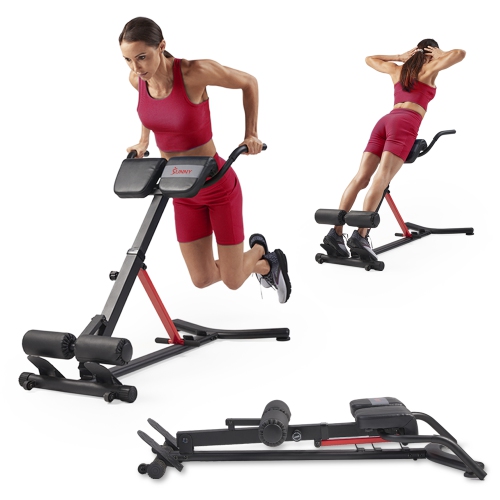 Your price for this item is $259.95
-
 Your price for this item is $199.99
-
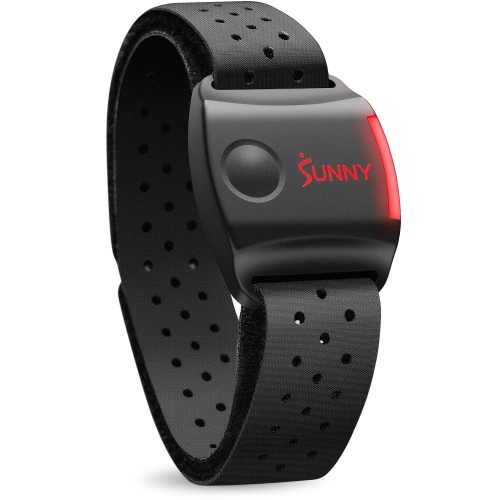 Your price for this item is $129.99
-
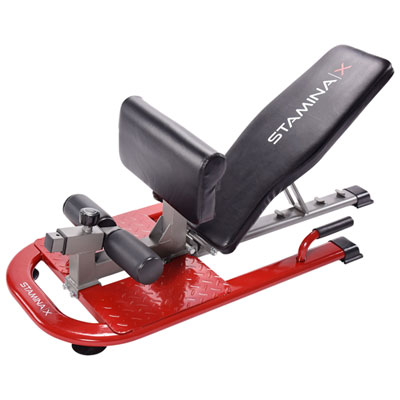 Your price for this item is $329.99
-
 Your price for this item is $290.99
-
 Your price for this item is $234.99
-
 Your price for this item is $319.99
-
 Your price for this item is $69.99
Discover more categories related to Weight Vests
Top Collections:
Pokemon Centers, Best Cameras for Sports Photography, Kindle Devices, Samsung Galaxy Phones, Canon G7X Cameras, Pokémon 30th Celebration Cards, Refurbished Apple Laptops, iPhone 15 Apple, Laptops for Students, Budget Smartphones
Some products may be subject to Environmental Handling Fees
(EHF) depending on your province.
Learn more about EHFs.