Weighted Vests
Elevate your fitness routine with the versatile and effective addition of a weighted vest. Perfect for enhancing workouts, these vests add resistance to your movements, helping to build strength and endurance. Whether you're running, walking, or engaging in bodyweight exercises, a weighted vest can intensify your training and push your limits. Explore a range of options designed for comfort and durability, ensuring you find the perfect fit for your exercise needs. Embrace the challenge and take your fitness goals to new heights with the right weighted vest.
Sort


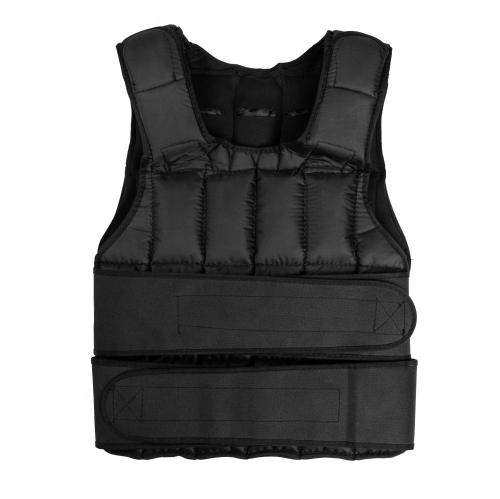
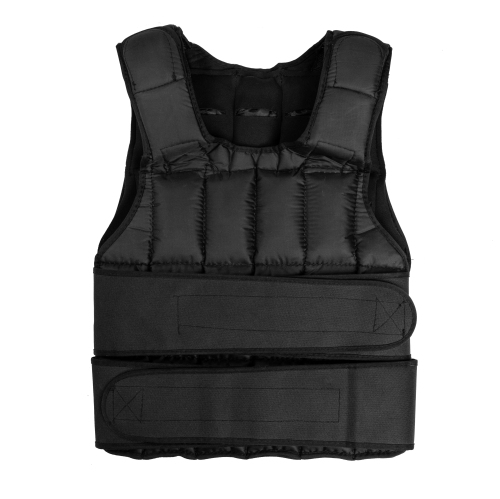
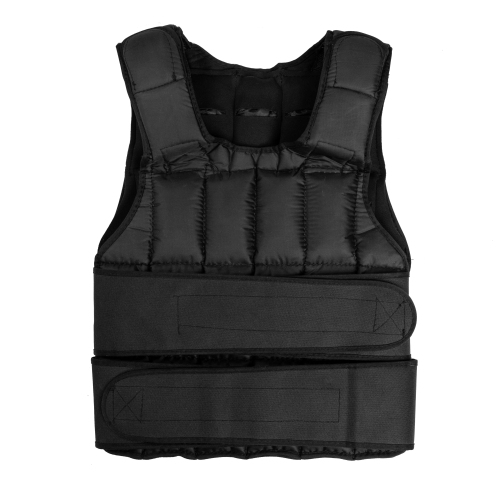
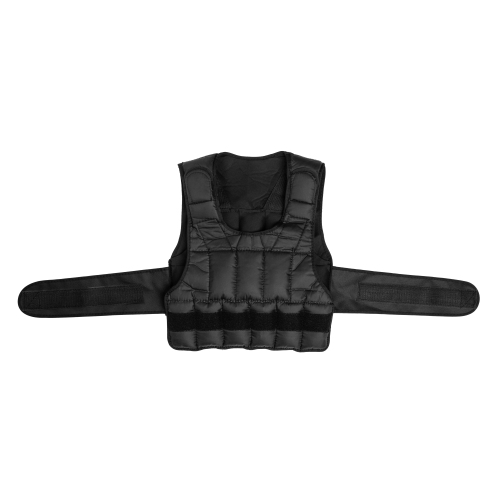



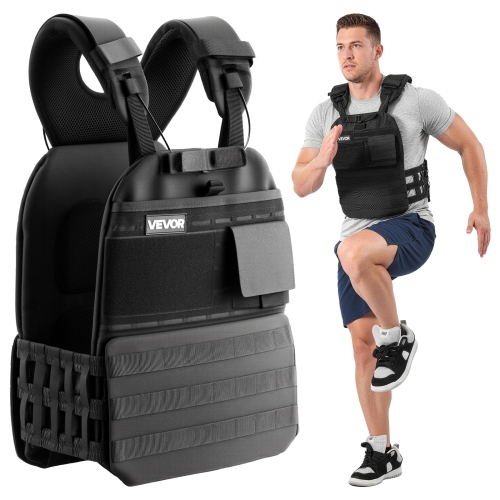

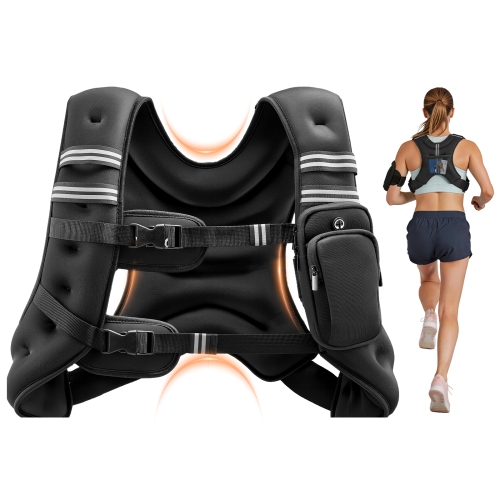
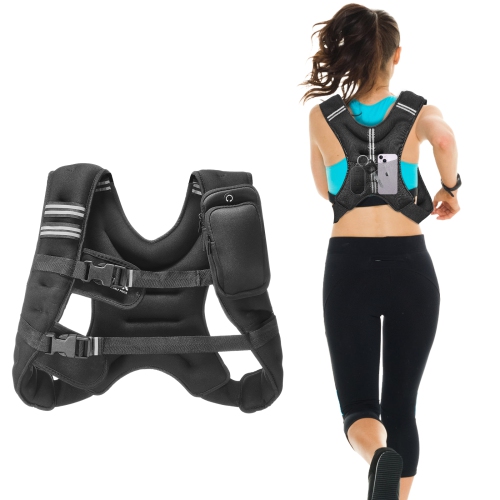
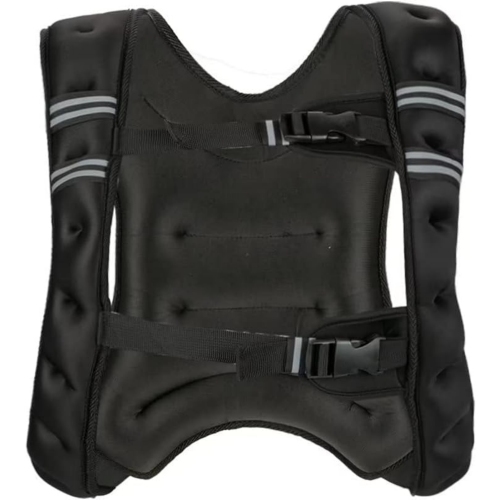
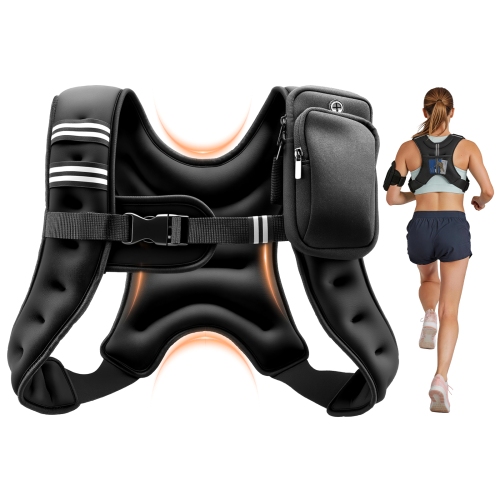
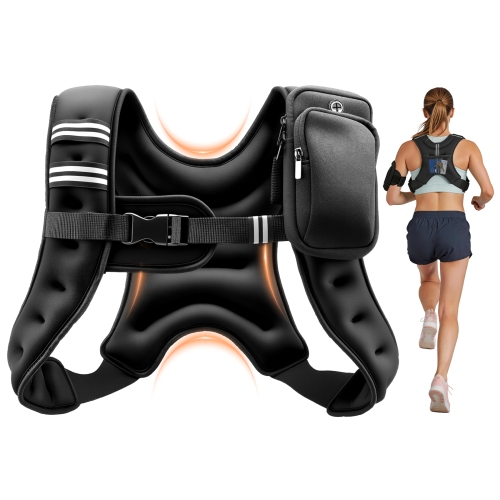
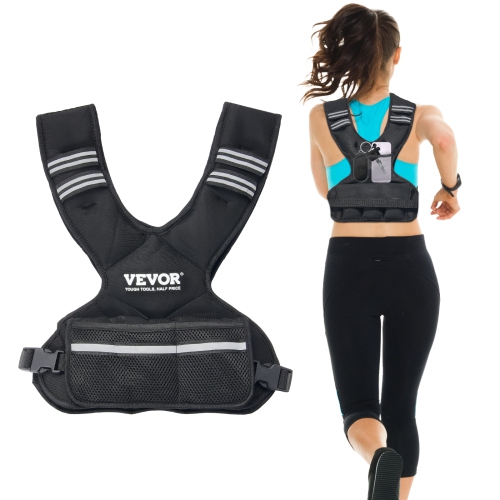

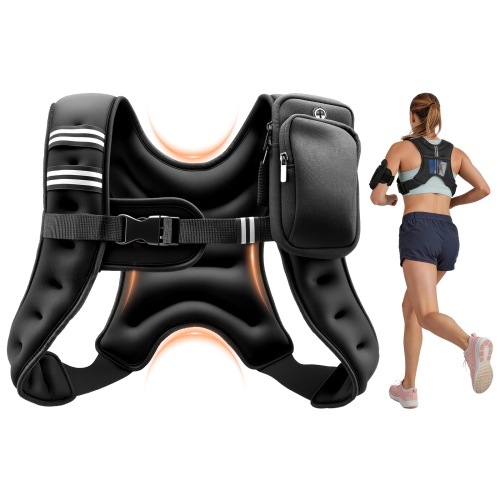


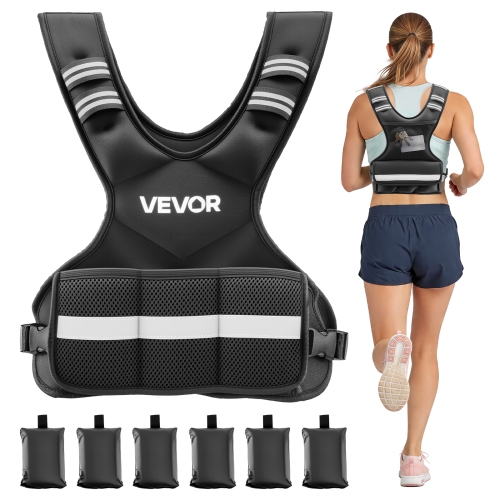
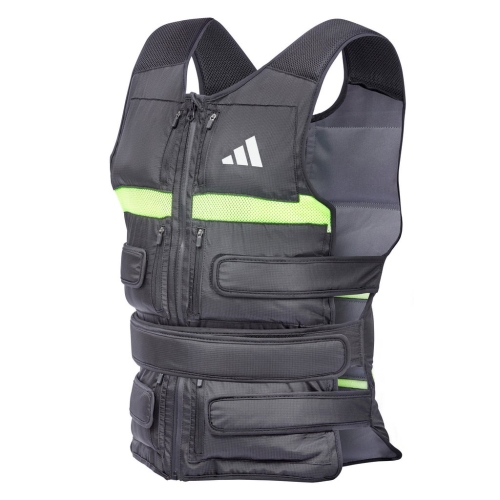

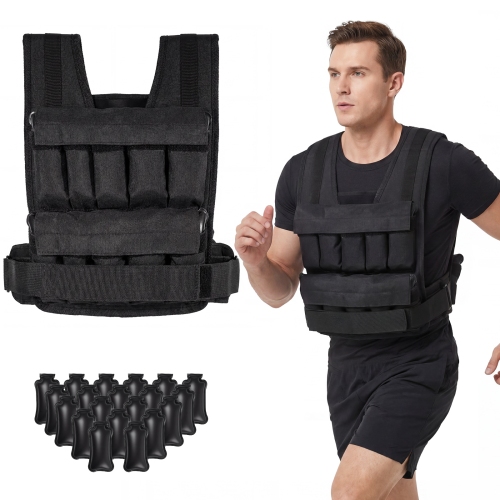
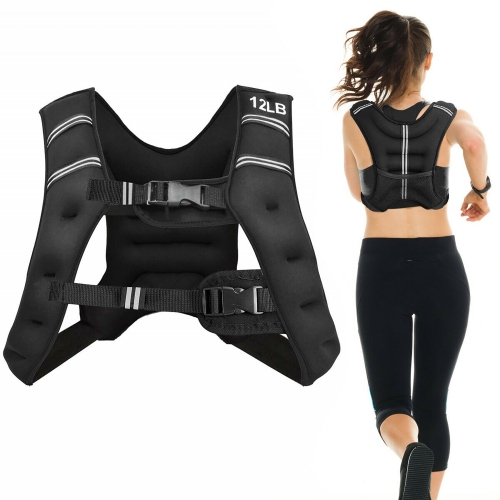

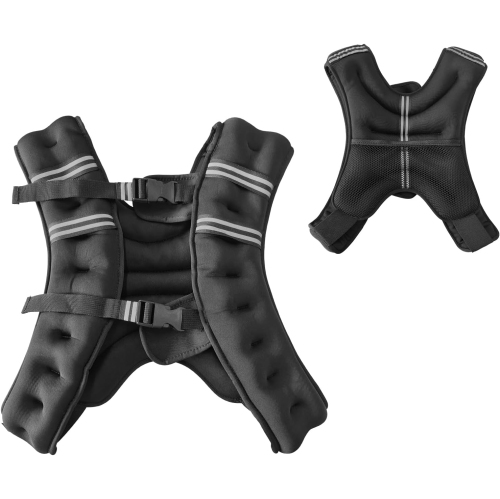
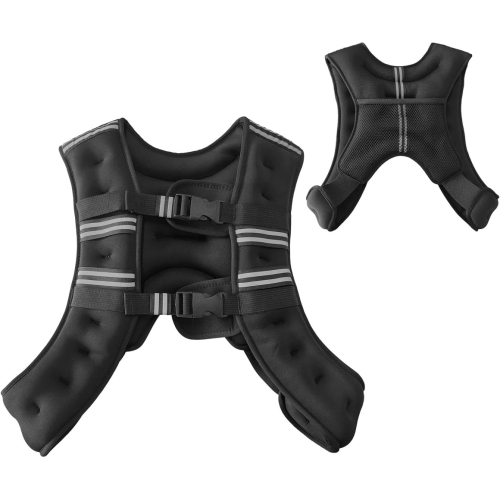
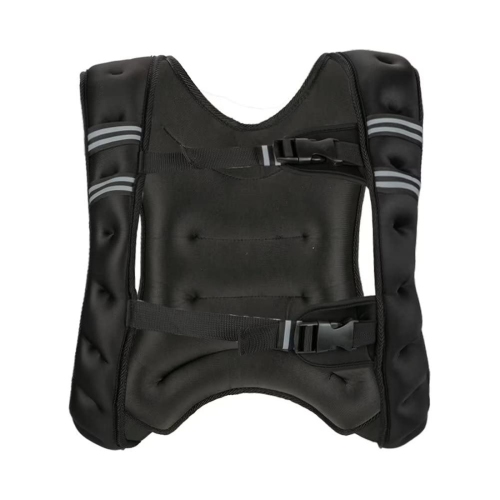

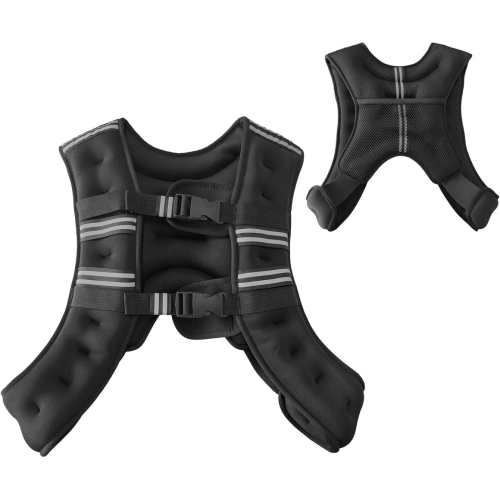
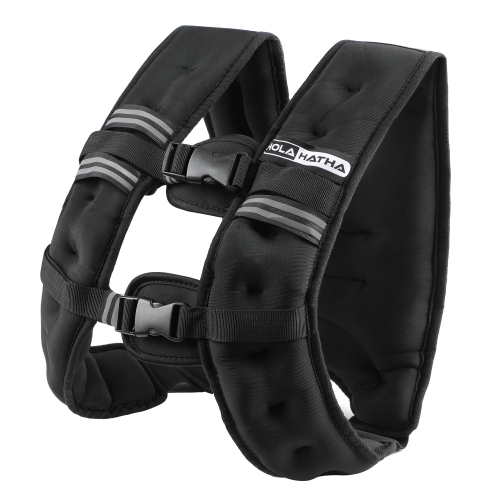

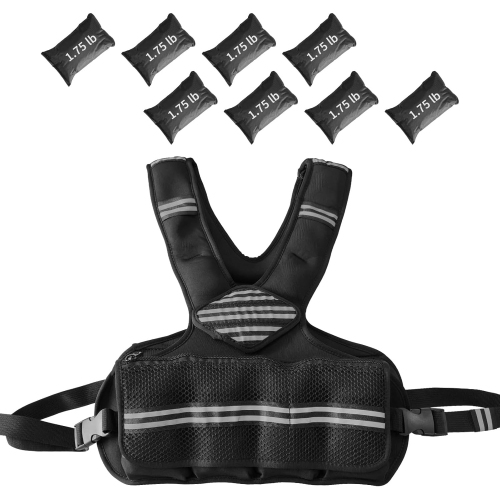

Extra resistance for familiar walks and bodyweight workouts
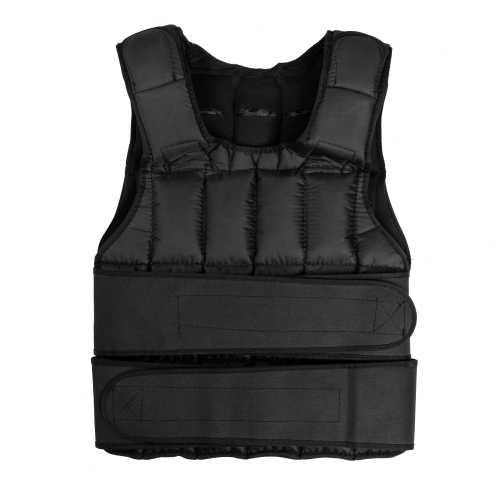
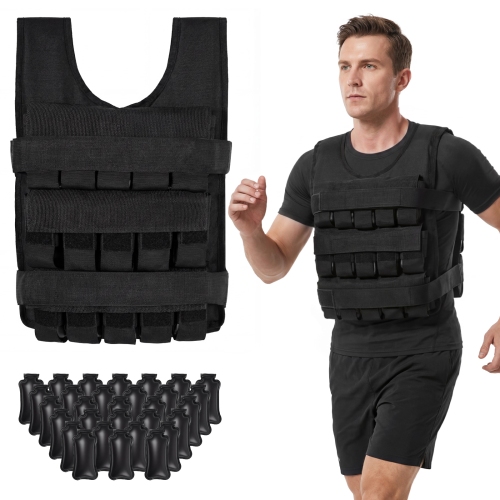
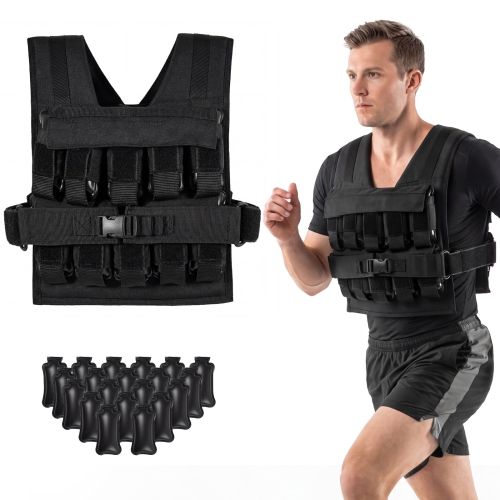
Weighted vests are wearable fitness accessories that add resistance to walking, stair climbing and bodyweight exercises while leaving the hands free. By carrying extra weight close to the torso, they make familiar movements more demanding without requiring a dumbbell in each hand. A comfortable walking route can become a more challenging workout, while squats, step-ups and push-ups can offer additional resistance once good technique is established. The effect depends on the load, the movement and the person wearing it: a vest does not replace consistent training, and heavier is not automatically better. Weighted vests for walking generally benefit from a close, stable fit that keeps the load from bouncing with each stride. For bodyweight training, freedom around the shoulders and hips becomes especially important, allowing the wearer to reach overhead, bend at the waist and lower into a squat without the vest catching or shifting. Running places greater demands on fit and increases impact, so a vest that feels comfortable during a short walk may not suit a faster session. Beginners are usually better served by a light load and short, familiar activities rather than an immediate jump into running or jumping drills. Around 5% of body weight can provide an initial reference point, but it is not a universal recommendation; some people need less resistance or should begin without added weight. For an adult weighing 80 kg, that reference would be 4 kg. Comfortable breathing, steady balance and unchanged walking mechanics matter more than reaching a particular number. Adding weight, extending the session and increasing speed are separate ways to raise the challenge, and changing one at a time makes it easier to judge the response. A vest should add manageable effort, not force a shortened stride, hunched shoulders or an arched lower back. Pain, dizziness or unusual breathlessness are reasons to stop, and anyone with relevant health, joint or balance concerns should seek advice from a qualified healthcare professional before training with added load.
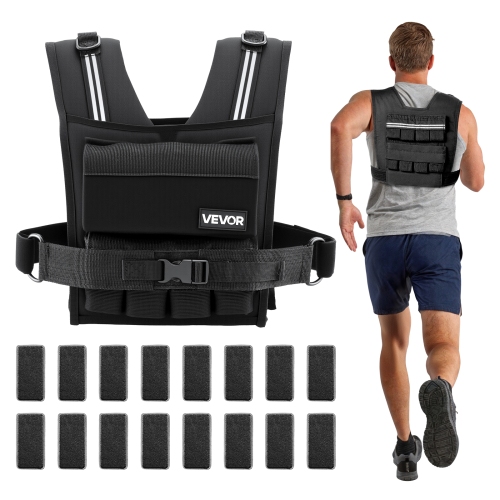
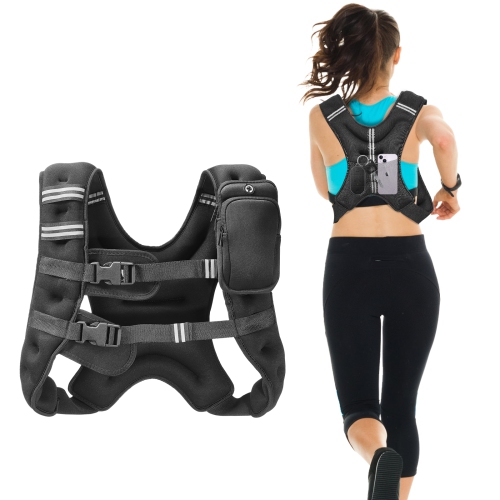
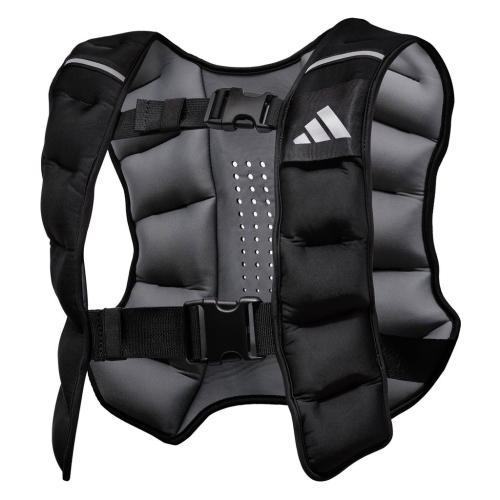
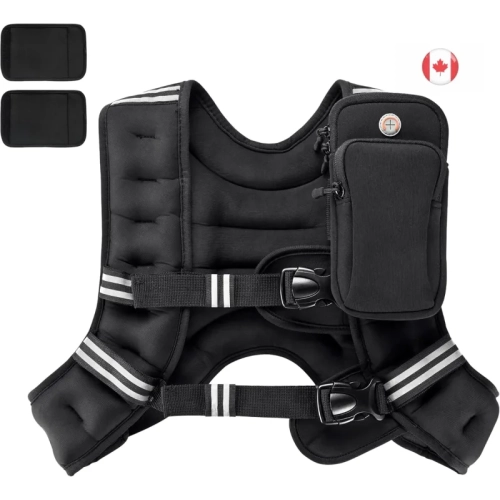
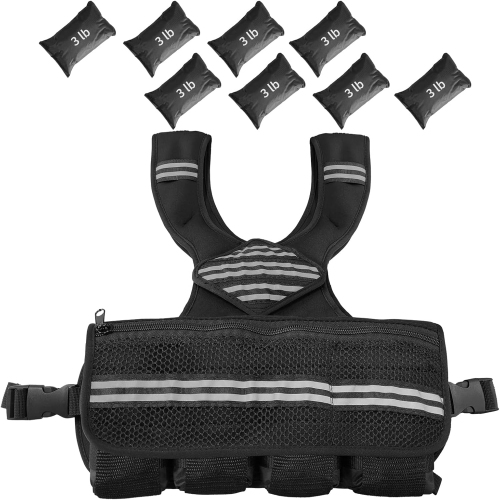
Construction has a direct effect on how a weighted vest feels and which activities it suits. Fixed-weight vests contain a set amount of resistance and offer a straightforward option for someone who wants a consistent load without managing removable pieces. Adjustable weighted vests use pockets or compartments for compatible weights, making it possible to change resistance as training needs develop. Small weight increments can be useful when a modest increase is enough to make the last few repetitions challenging. Plate-carrier-style fitness vests hold purpose-made training plates, commonly positioned at the front and back; plate dimensions, shape and maximum load must match the carrier’s specifications. Pocketed designs may use small bars or sealed weighted inserts, while some fixed designs distribute weighted fill across several sections. Each approach affects bulk, flexibility and how closely the vest follows the body. A slim profile can feel less intrusive during arm swings, whereas a thicker design may need more clearance during push-ups or floor exercises. Neoprene can provide a soft, flexible feel, while woven nylon or polyester shells may offer a firmer structure and abrasion resistance, depending on their construction. Mesh panels and breathable linings can help with comfort during exertion, though no fabric eliminates perspiration. Fit involves more than choosing a size by body weight: chest circumference, torso length, shoulder shape and the manufacturer’s adjustment range all matter. Shoulder straps should sit flat, and side closures should secure the vest without restricting a full breath. The lower edge should not dig into the hips when sitting or bending. Where the design allows it, loading the front and back evenly helps prevent an uncomfortable forward or backward pull. Secure weight pockets, substantial stitching and closures that remain fastened during movement are practical details worth examining. A brief unloaded movement check, followed by a light test load, can reveal pressure points before they become distracting over a longer session.
Durability and care are particularly important for equipment that sits against the body and moves through repeated workouts. Stress tends to concentrate around shoulder attachments, pocket openings, seams and fastening points, so these areas deserve regular checks for loose stitching, stretched fabric or damaged closures. Weight inserts should remain fully contained, with no leaking fill or exposed edges pressing against the wearer. Cleaning methods vary by construction: some removable liners or unloaded fabric sections may be washable, while other vests require spot cleaning only. The care label should determine the method, and metal plates or removable weights should be taken out when directed. Mild soap and a damp cloth may be suitable for routine surface cleaning where the manufacturer permits it; soaking a filled vest or putting it in a washing machine without approval can damage the shell, closures or internal components. Letting the vest dry completely before storage helps prevent lingering odours, and storing it flat or as directed avoids unnecessary strain on hanging loops and shoulder straps. Keep loose weights together in a secure place so that the intended loading arrangement is easy to maintain. When comparing Training Vests, useful specifications include the starting weight, maximum supported load, adjustment increments, torso measurements and whether compatible weights are included or supplied separately. These details help distinguish a simple option for regular walks from a more adaptable vest for a home strength routine. Weighted vests can appeal to experienced walkers seeking added effort, bodyweight exercise enthusiasts working beyond unweighted repetitions, and fitness-minded adults who prefer equipment that leaves their hands free. They can also make a thoughtful gift for someone who has specifically expressed interest in loaded training, provided their measurements, preferred activities and comfort with added resistance are known. Fit is personal, and extra features are only useful when they support the way the vest will actually be worn. A manageable load, dependable fastening system and comfortable range of movement make a stronger foundation for regular use than maximum weight capacity alone.
Top selling and popular products
-
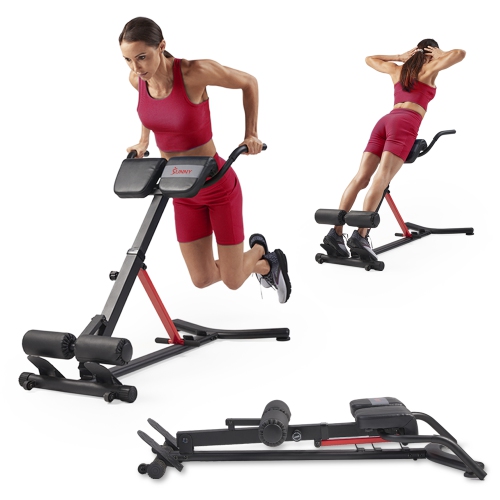 Your price for this item is $259.95
-
 Your price for this item is $199.99
-
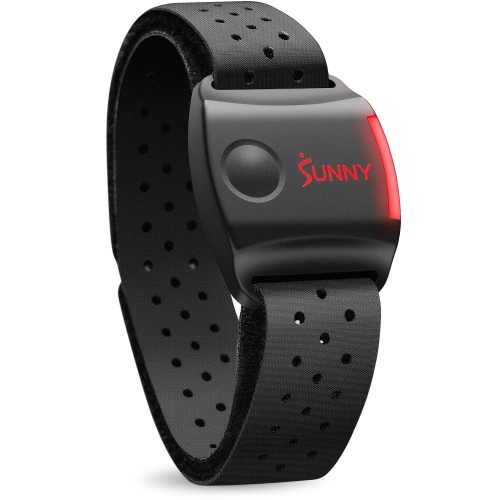 Your price for this item is $129.99
-
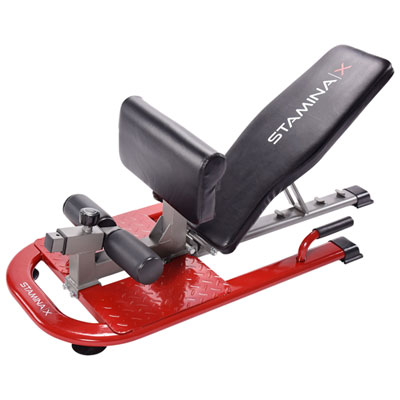 Your price for this item is $329.99
-
 Your price for this item is $290.99
-
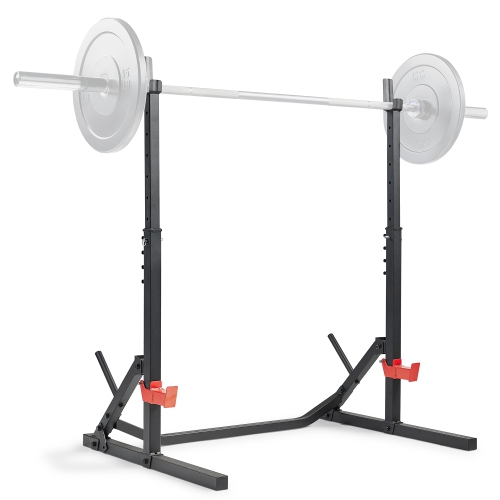 Your price for this item is $234.99
-
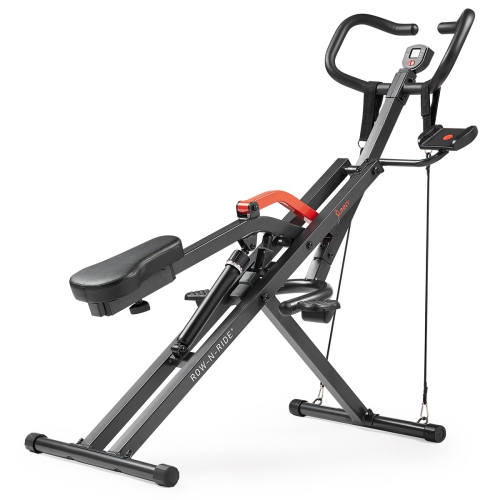 Your price for this item is $319.99
-
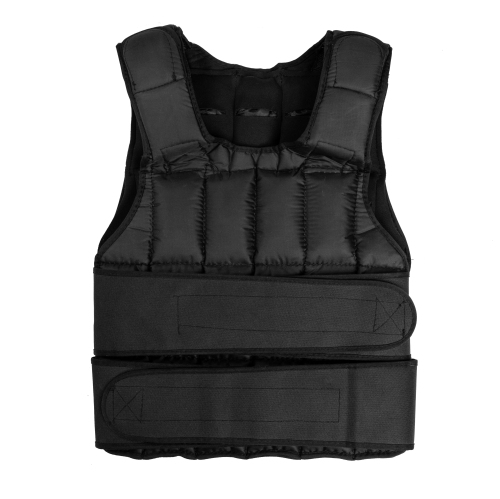 Your price for this item is $69.99
Discover more categories related to Weighted Vests
Top Collections:
Pokemon Centers, Best Cameras for Sports Photography, Kindle Devices, Samsung Galaxy Phones, Canon G7X Cameras, Pokémon 30th Celebration Cards, Refurbished Apple Laptops, iPhone 15 Apple, Laptops for Students, Budget Smartphones
Some products may be subject to Environmental Handling Fees
(EHF) depending on your province.
Learn more about EHFs.