Commode Chairs
Looking for a convenient and practical seating solution that offers both comfort and functionality? Our selection of commode chairs provides a comfortable and discreet option for those in need of extra support in the bathroom. With a focus on durability and user-friendly design, these chairs are perfect for individuals seeking a versatile seating option that seamlessly blends into their existing decor. Whether you require added stability while bathing or simply need a comfortable place to sit, our range of commode chairs offers the ideal solution for your needs.
Sort
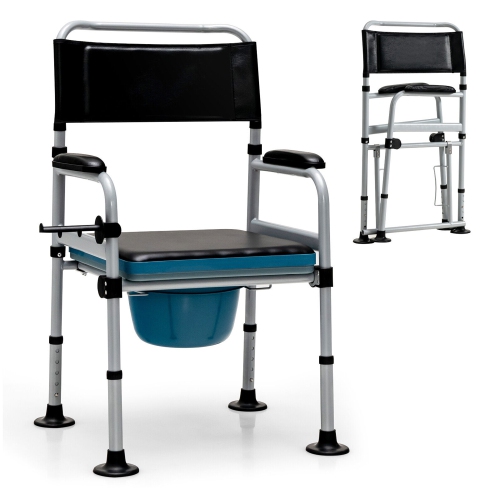
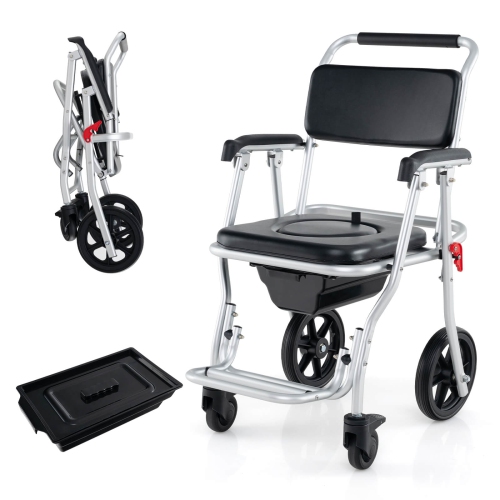
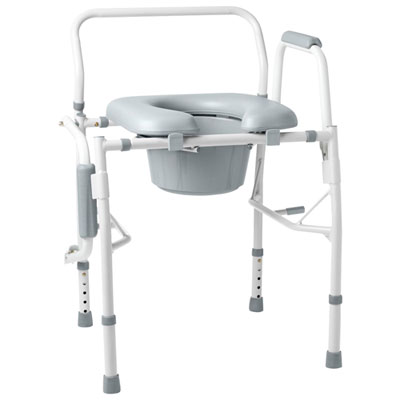
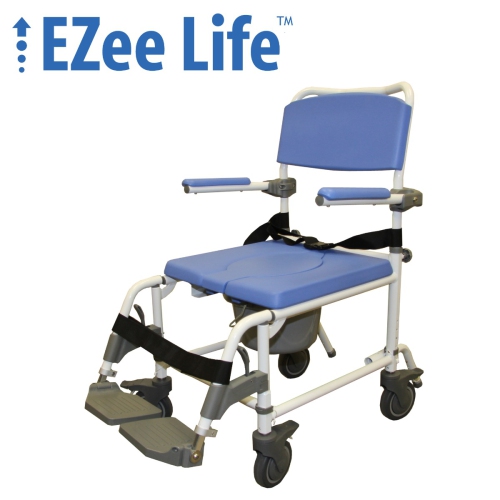
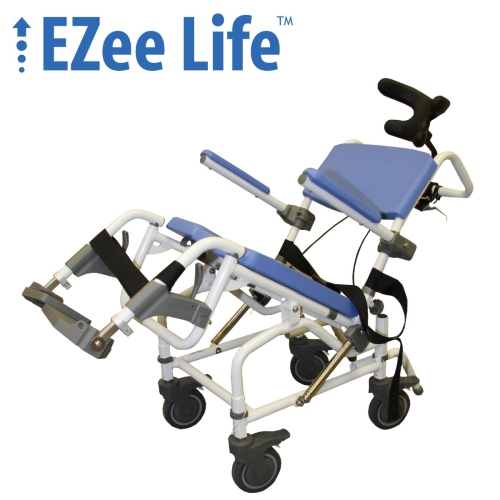
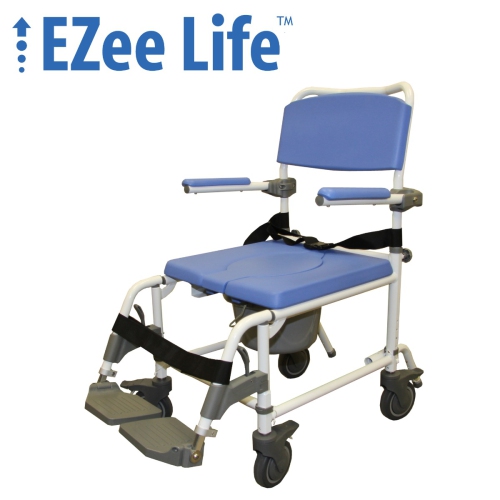
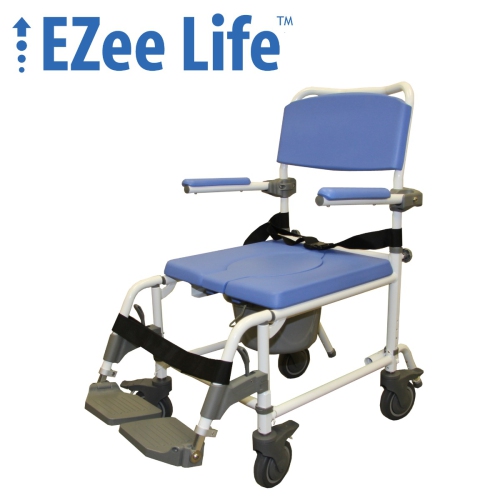
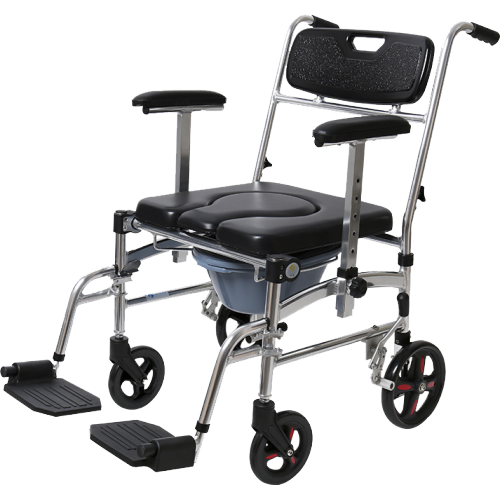
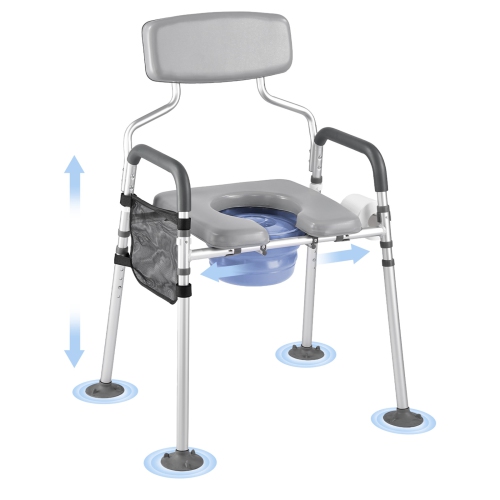
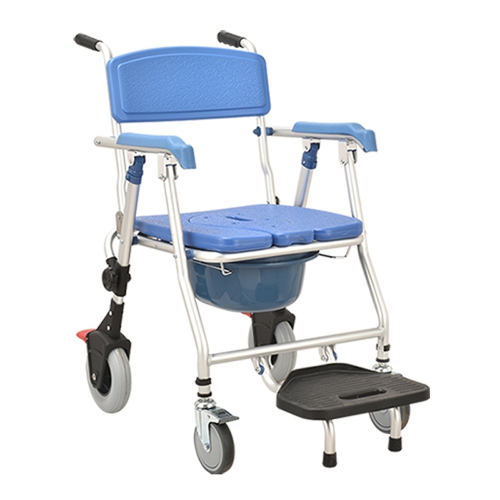
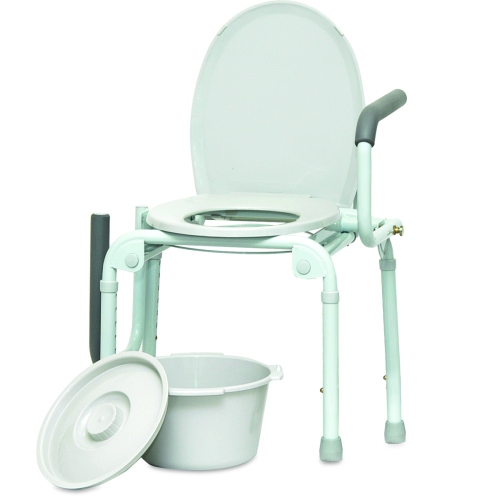
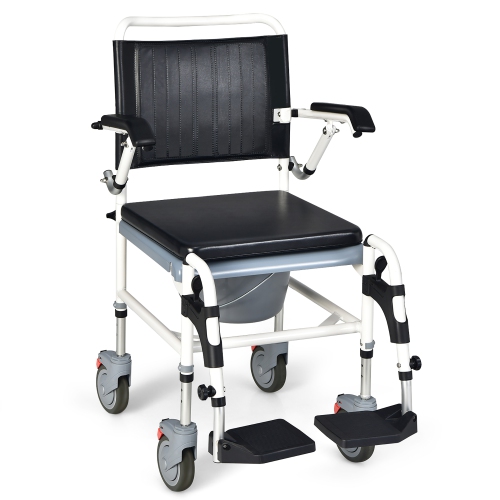
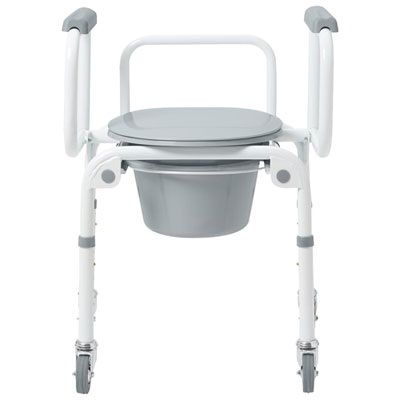
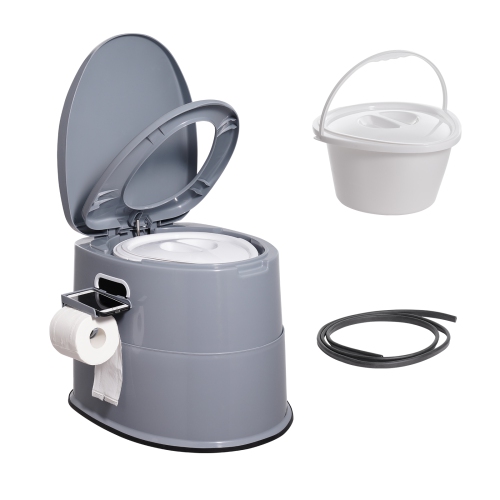

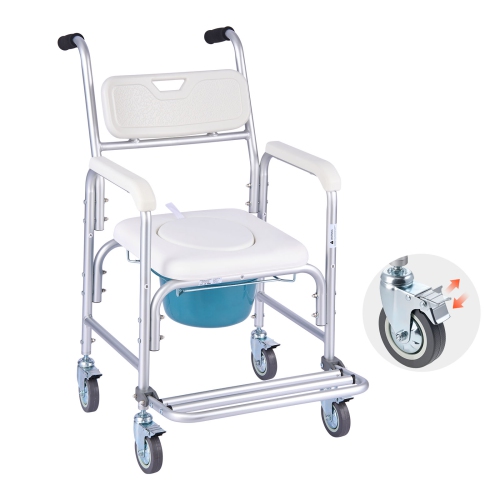
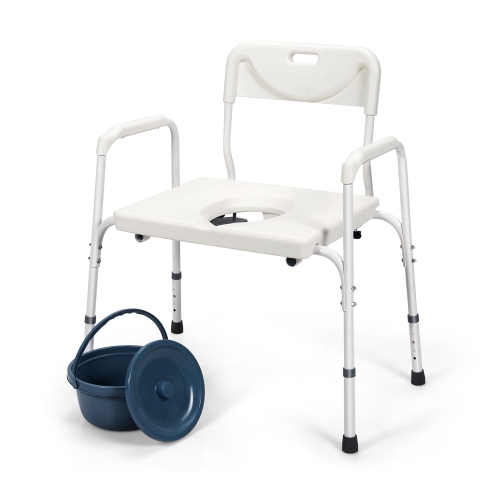
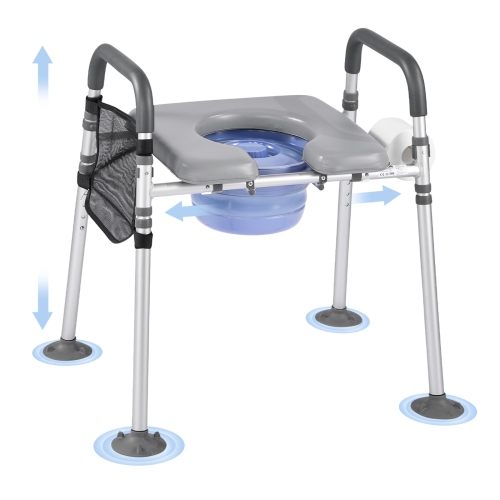
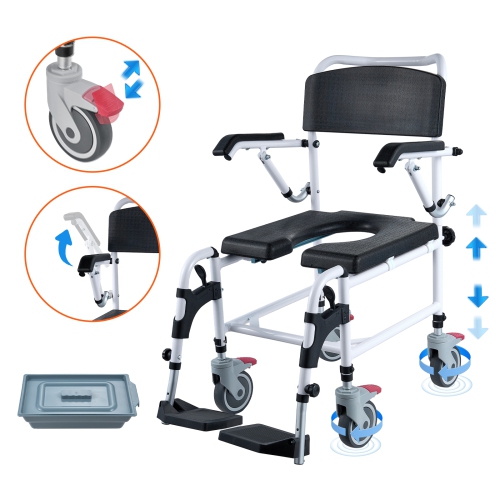
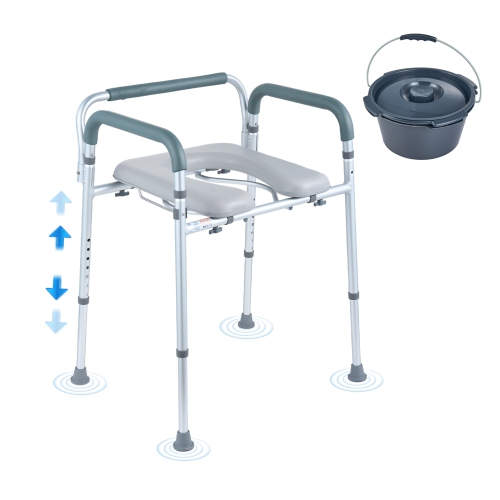
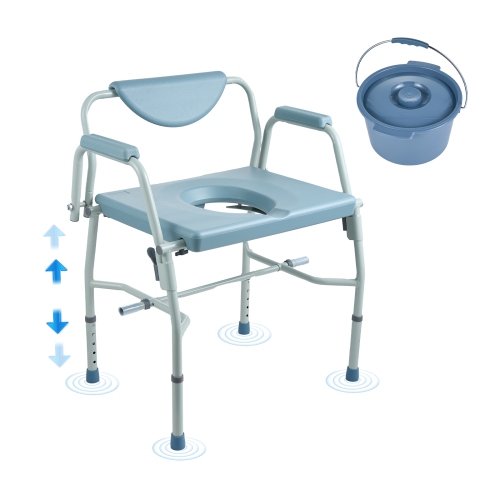
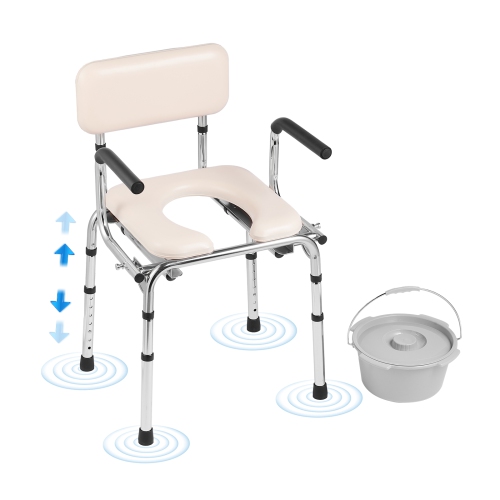
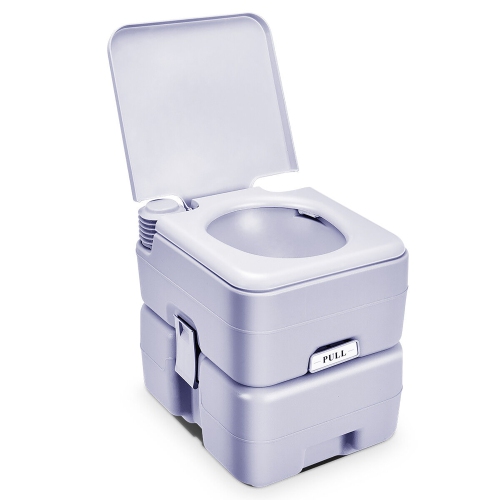
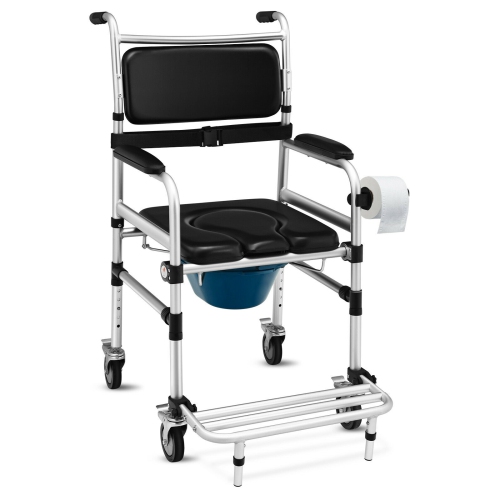
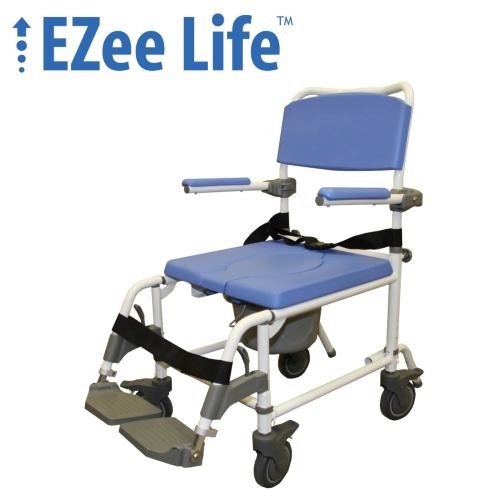
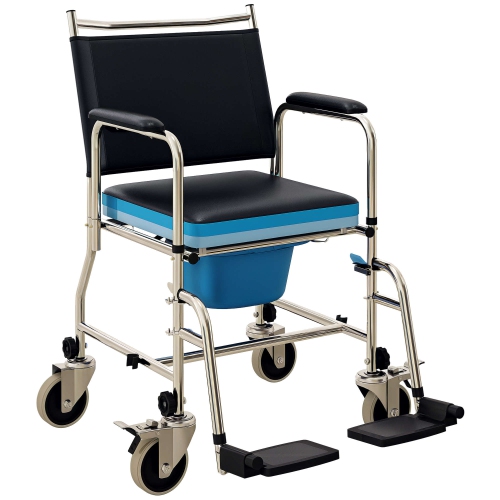

Supportive toileting options for safer home recovery and care
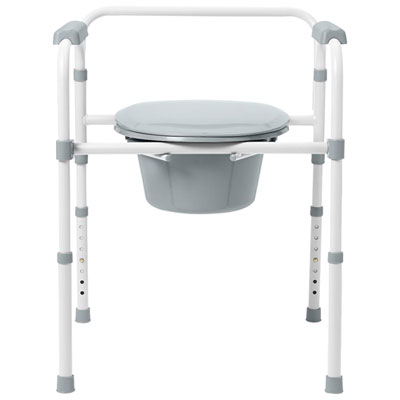
Commode chairs are portable toilet solutions designed to make toileting safer and more manageable for people who have limited mobility, are recovering from an injury or procedure, or find it difficult to reach a bathroom independently. A commode can be placed beside a bed, in another convenient room, or near a favourite chair, reducing the need to walk across a home when balance, strength, or endurance is limited. It may be especially helpful during the night, when low lighting and tiredness can make trips to the bathroom more challenging. For someone recovering at home, a commode chair can provide reassurance and a greater sense of independence while daily routines gradually return. It can also support family members and caregivers by reducing the amount of lifting, rushing, and physical assistance required. Some people use a commode chair as a standalone bedside toilet with a removable waste bucket, while others choose a 3-in-1 design that can also function as a raised toilet seat or shower chair. This versatility can be useful when needs change over the course of recovery or when one household product must serve more than one purpose. Commode chairs may be appropriate for older adults, people living with disabilities, individuals with reduced balance, and anyone who needs a stable seating surface for toileting. They can also be a thoughtful and practical gift for a loved one preparing for surgery, returning home after a hospital stay, or adjusting to temporary mobility limitations, although it is wise to consider the recipient’s preferences and care plan before making a purchase. A conversation with a healthcare professional can help determine whether a commode is suitable and what features may best support safe use.
When choosing a commode chair, begin with fit, stability, and ease of use. Check the chair’s recommended weight capacity and compare its overall dimensions with the intended space, particularly if it will be positioned beside a bed or in a compact bathroom. Adjustable height can make a noticeable difference: the user should be able to sit down and stand up without the seat being too low or too high, with feet resting securely on the floor whenever possible. Look for a sturdy frame, a broad and supportive seat, non-slip feet, and armrests that help with balance during transfers. Padded seats and backrests may offer additional comfort for longer periods, while a removable bucket can make emptying and cleaning more convenient. Splash guards or raised-seat components may be useful when the chair is placed over a standard toilet, but compatibility should be confirmed before purchase. A 3-in-1 commode is often selected for its flexibility, serving as a bedside commode, a raised toilet seat, and a shower chair when the design and materials are intended for those uses. For bathing needs, explore options such as Shower Commodes, and verify that the model is specifically rated for wet environments. Chairs with wheels can help caregivers move the user between rooms, but they require particular attention to wheel locks, transfer technique, floor surfaces, and available clearance. A wheeled model should never be moved while the user is seated unless the product instructions specifically permit it and a caregiver can do so safely. Foldable or lightweight frames may be convenient for storage and transport, while a more substantial frame may provide a steadier feel for everyday use. Consider how often the chair will be moved, whether it needs to fit through doorways, and where it will be stored when not in use. Clear assembly instructions, secure locking mechanisms, and easily accessible adjustments can make regular use less stressful for both the user and caregiver.
Safe placement and routine care are just as important as the chair’s features. Set the commode on a level, dry surface with enough space for the user and caregiver to approach from the safest direction. Keep the path between the bed, chair, and bathroom free of loose mats, cords, clutter, and other trip hazards. If the commode is used overnight, gentle lighting can help make transfers easier without creating glare. Follow the manufacturer’s instructions for weight limits, bucket placement, cleaning, and whether the frame is suitable for shower use. Empty the bucket regularly and clean it with the recommended household products, paying close attention to handles, seat surfaces, hinges, and other areas that are frequently touched. Allow washable parts to dry thoroughly before reassembly, and inspect the frame, fasteners, rubber tips, wheels, and locking mechanisms from time to time. A chair that rocks, slips, has a cracked seat, or shows signs of wear should be taken out of service until it has been checked or replaced. Users may benefit from wearing supportive footwear and taking their time when sitting down or standing up; rushing can increase the risk of losing balance, particularly during the cooler months when layered clothing may restrict movement. With the right size, supportive design, and placement, a commode chair can become a discreet part of a home care routine rather than an obstacle. Browse the available Commode Chairs to compare portable, adaptable options for bedside toileting, bathroom assistance, recovery support, and everyday accessibility needs.
When choosing a commode chair, begin with fit, stability, and ease of use. Check the chair’s recommended weight capacity and compare its overall dimensions with the intended space, particularly if it will be positioned beside a bed or in a compact bathroom. Adjustable height can make a noticeable difference: the user should be able to sit down and stand up without the seat being too low or too high, with feet resting securely on the floor whenever possible. Look for a sturdy frame, a broad and supportive seat, non-slip feet, and armrests that help with balance during transfers. Padded seats and backrests may offer additional comfort for longer periods, while a removable bucket can make emptying and cleaning more convenient. Splash guards or raised-seat components may be useful when the chair is placed over a standard toilet, but compatibility should be confirmed before purchase. A 3-in-1 commode is often selected for its flexibility, serving as a bedside commode, a raised toilet seat, and a shower chair when the design and materials are intended for those uses. For bathing needs, explore options such as Shower Commodes, and verify that the model is specifically rated for wet environments. Chairs with wheels can help caregivers move the user between rooms, but they require particular attention to wheel locks, transfer technique, floor surfaces, and available clearance. A wheeled model should never be moved while the user is seated unless the product instructions specifically permit it and a caregiver can do so safely. Foldable or lightweight frames may be convenient for storage and transport, while a more substantial frame may provide a steadier feel for everyday use. Consider how often the chair will be moved, whether it needs to fit through doorways, and where it will be stored when not in use. Clear assembly instructions, secure locking mechanisms, and easily accessible adjustments can make regular use less stressful for both the user and caregiver.
Safe placement and routine care are just as important as the chair’s features. Set the commode on a level, dry surface with enough space for the user and caregiver to approach from the safest direction. Keep the path between the bed, chair, and bathroom free of loose mats, cords, clutter, and other trip hazards. If the commode is used overnight, gentle lighting can help make transfers easier without creating glare. Follow the manufacturer’s instructions for weight limits, bucket placement, cleaning, and whether the frame is suitable for shower use. Empty the bucket regularly and clean it with the recommended household products, paying close attention to handles, seat surfaces, hinges, and other areas that are frequently touched. Allow washable parts to dry thoroughly before reassembly, and inspect the frame, fasteners, rubber tips, wheels, and locking mechanisms from time to time. A chair that rocks, slips, has a cracked seat, or shows signs of wear should be taken out of service until it has been checked or replaced. Users may benefit from wearing supportive footwear and taking their time when sitting down or standing up; rushing can increase the risk of losing balance, particularly during the cooler months when layered clothing may restrict movement. With the right size, supportive design, and placement, a commode chair can become a discreet part of a home care routine rather than an obstacle. Browse the available Commode Chairs to compare portable, adaptable options for bedside toileting, bathroom assistance, recovery support, and everyday accessibility needs.
Top selling and popular products
-
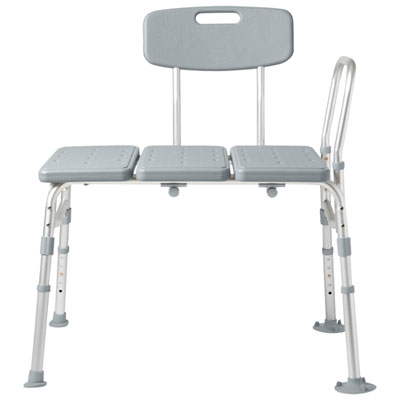 Your price for this item is $90.99
 -
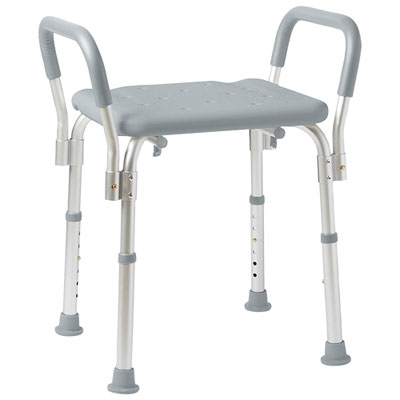 Your price for this item is $56.99
 -
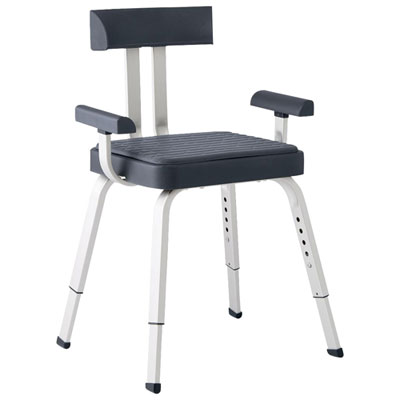 Your price for this item is $190.98
 -
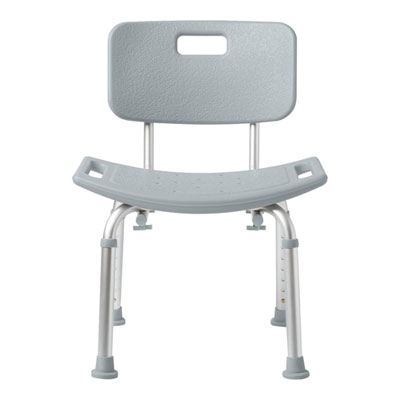 Your price for this item is $46.98
 -
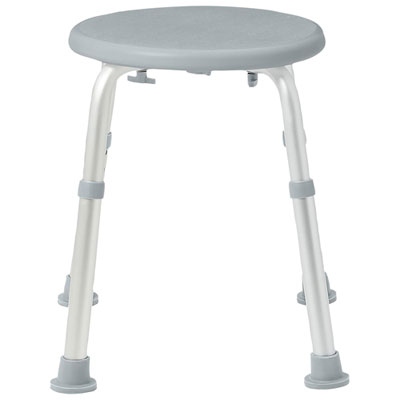 Your price for this item is $32.99
 -
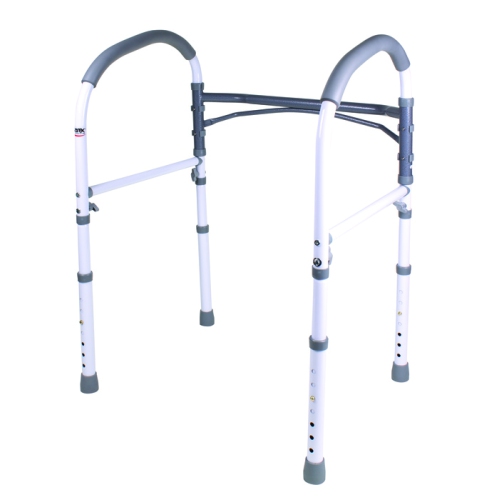 Your price for this item is $89.99
 -
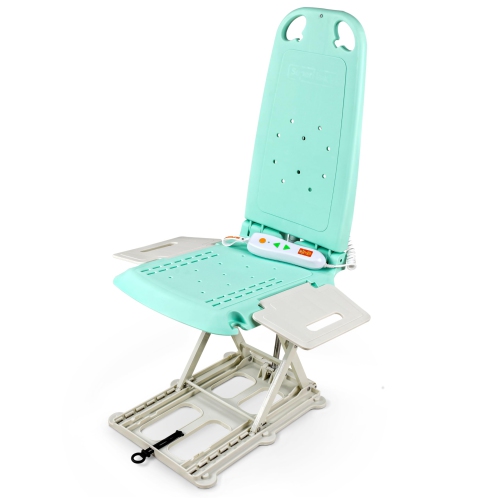 Your price for this item is $307.4
 -
 Your price for this item is $73.98
Discover more categories related to Commode Chairs
Top Collections:
Pokemon Centers, Kindle Devices, Best Budget Office Chairs, Apple iPhones 16, Canon G7X Cameras, iPhone 15 Apple, Alarm Clock, Refurbished Apple Laptops, Flip Phones, Best Laptops for Writers
Some products may be subject to Environmental Handling Fees
(EHF) depending on your province.
Learn more about EHFs.