Workout Mats
Looking to enhance your workout routine? Look no further than our selection of workout mats. Whether you're practicing yoga, doing floor exercises, or engaging in intense cardio workouts, a high-quality workout mat is an essential accessory to provide comfort and support. Our collection offers a variety of options to suit your needs, from thick and cushioned mats for extra joint protection to lightweight and portable mats for on-the-go fitness enthusiasts. Whatever your fitness goals may be, our workout mats are designed to help you stay comfortable and focused throughout your exercise sessions.
Sort










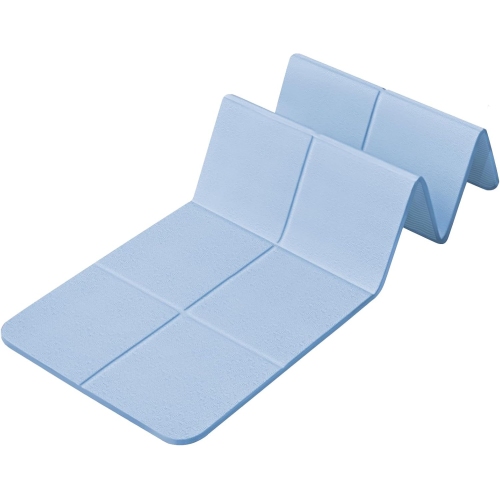
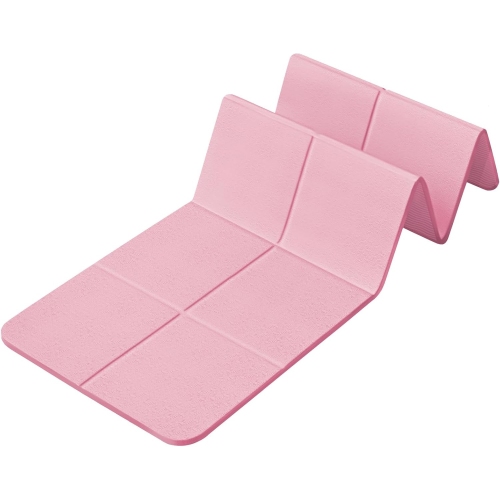
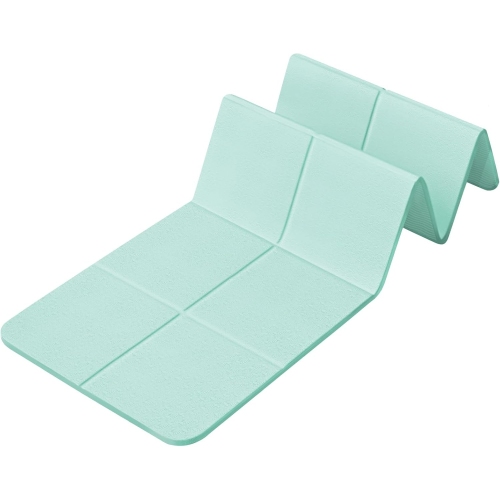

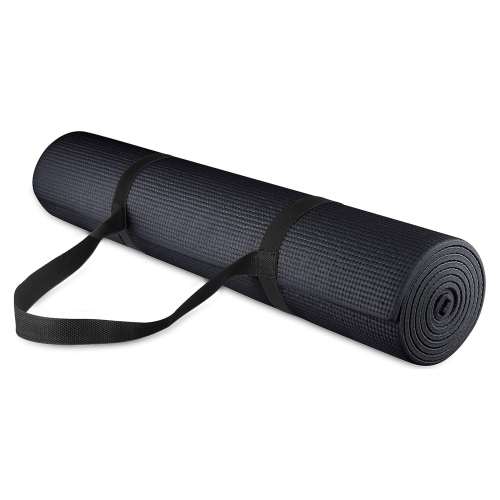






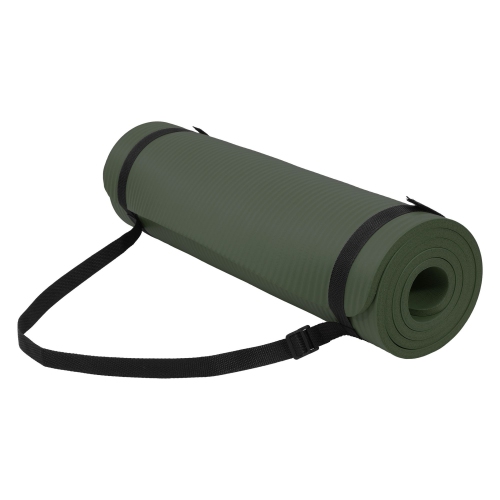
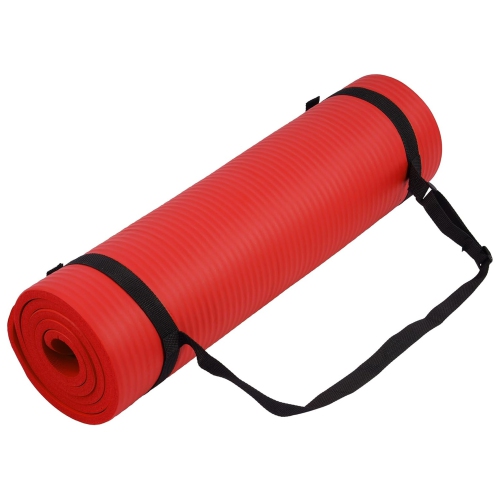
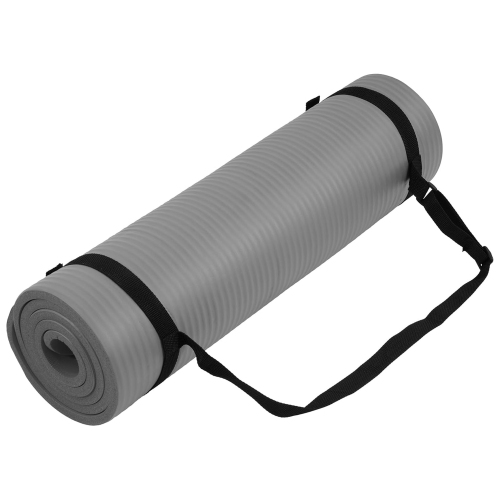
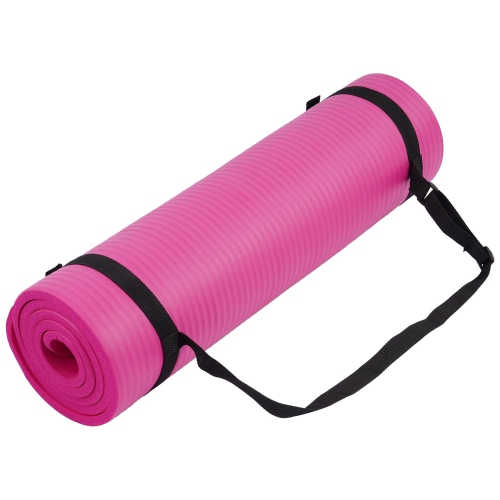

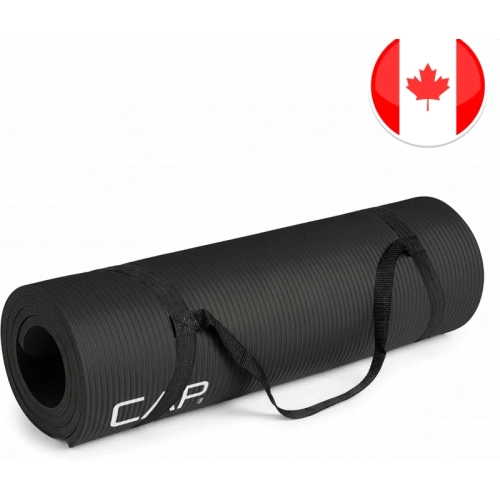
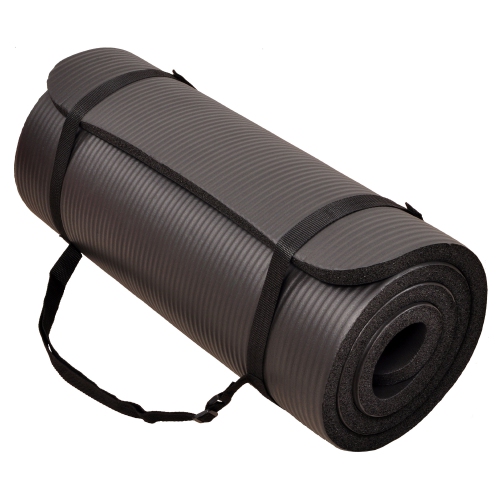

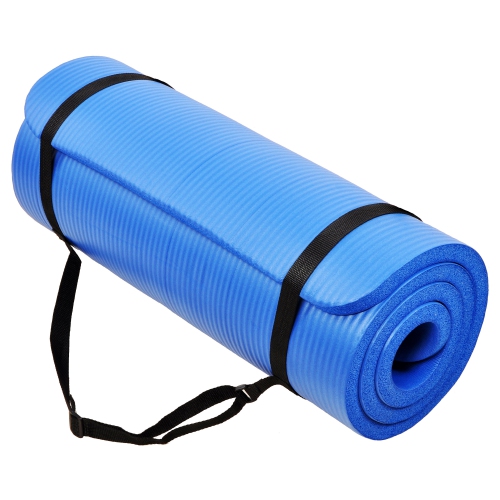
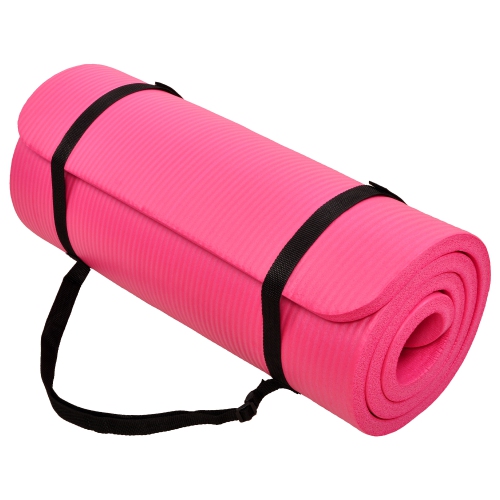










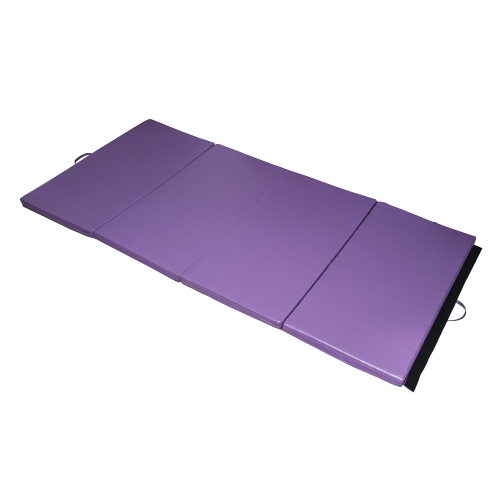
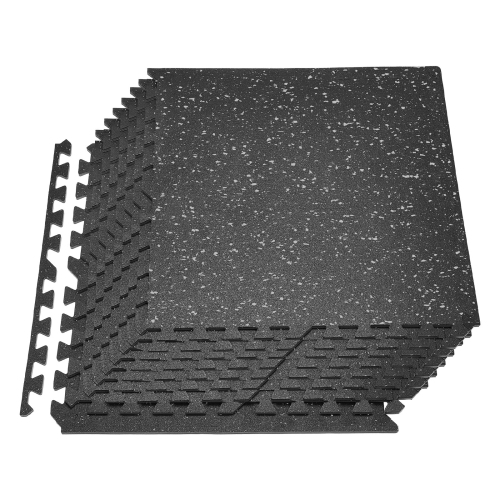
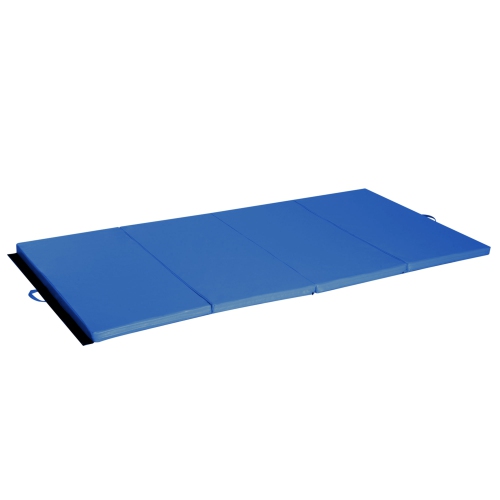

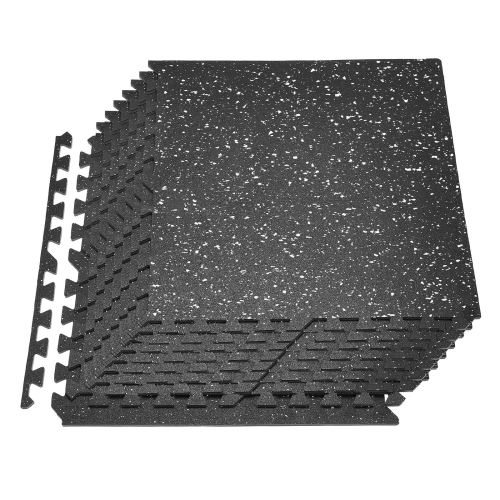




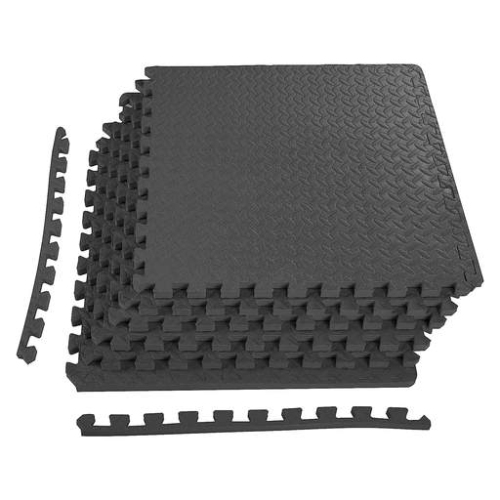
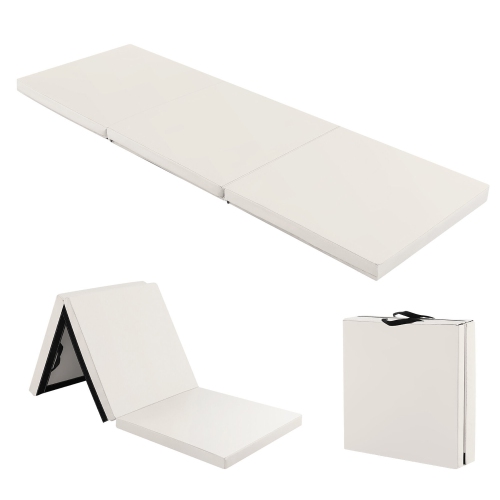

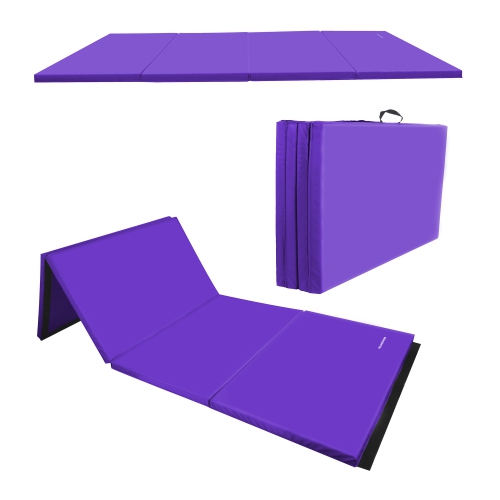
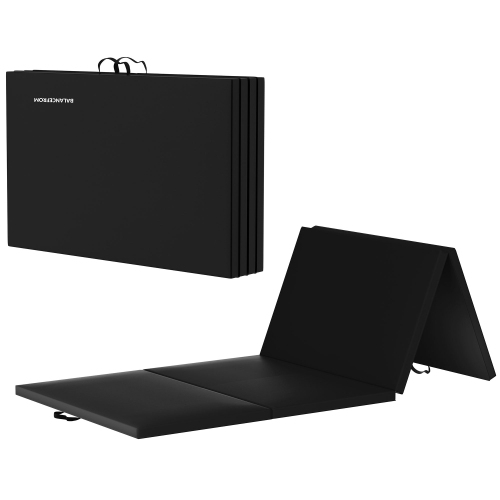








Why thicker padding isn’t always better for your routine
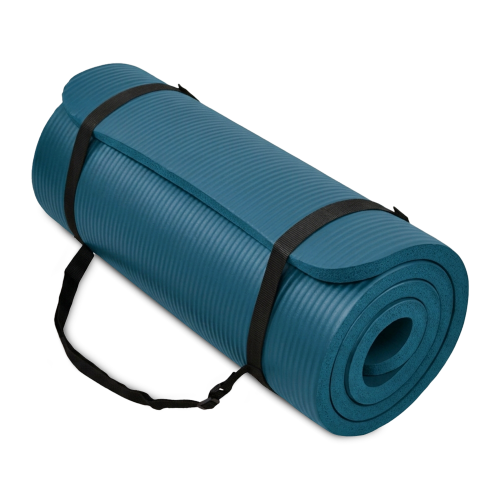
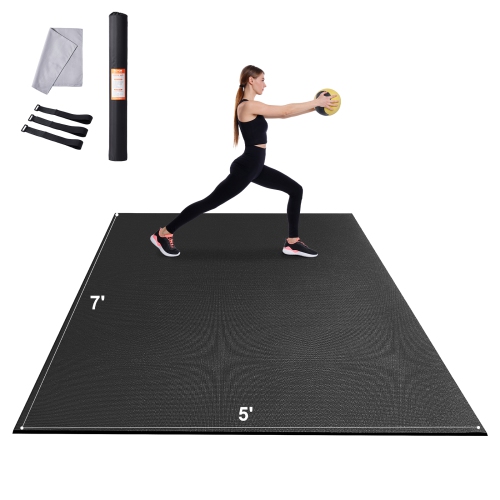
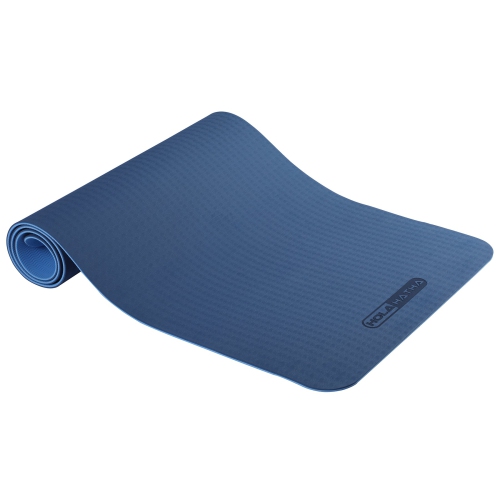
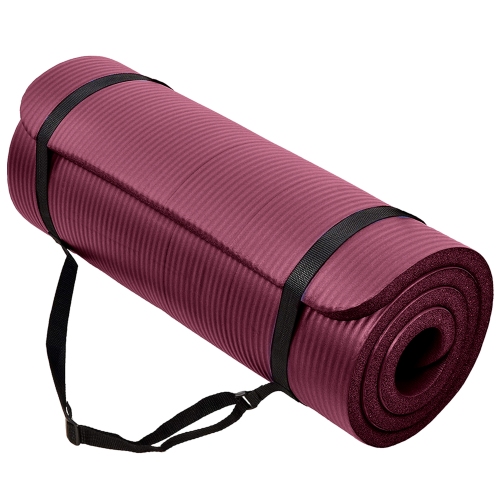
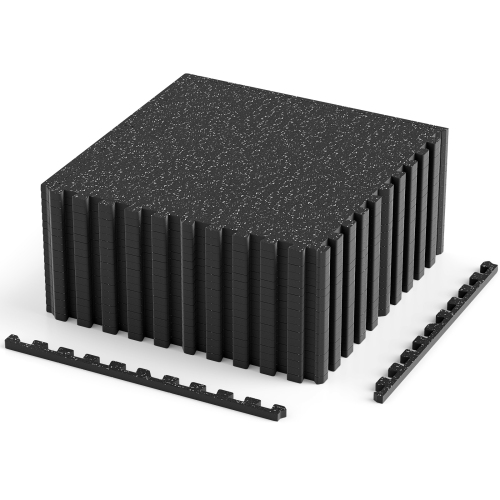
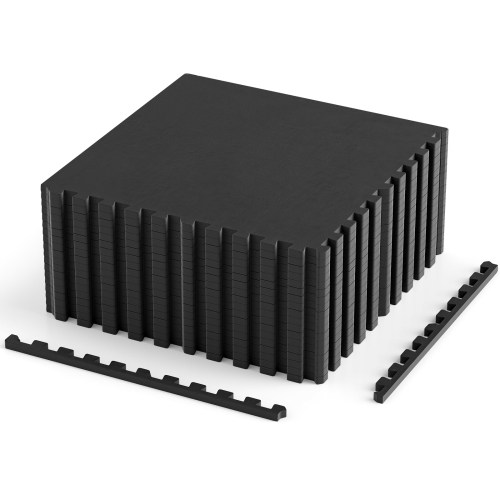
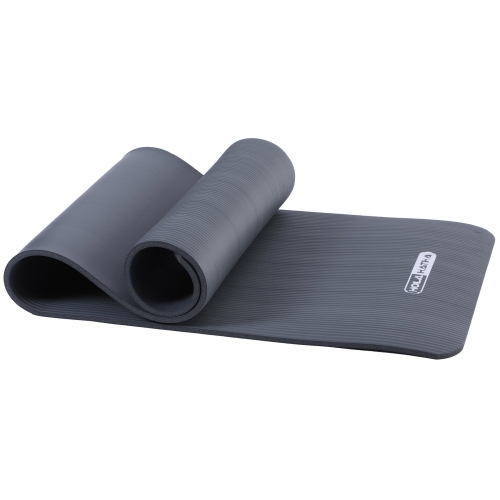
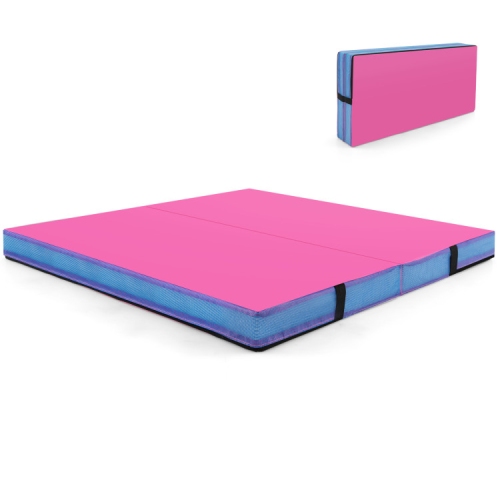
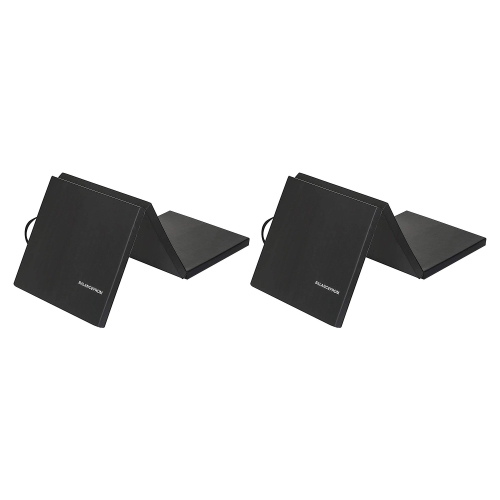
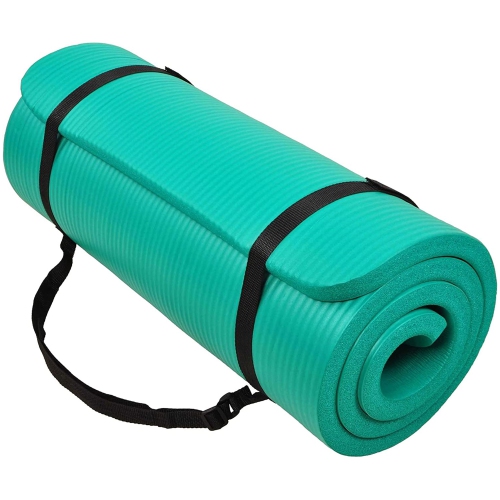
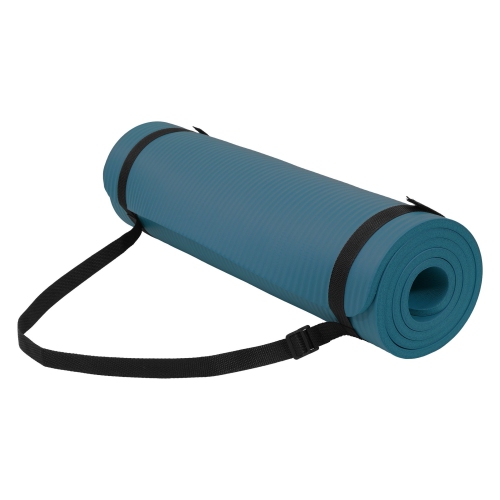
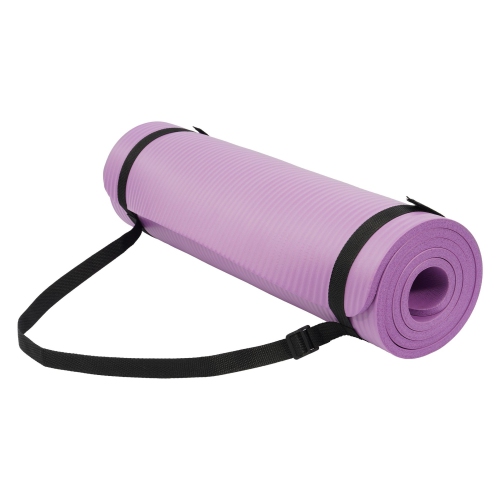
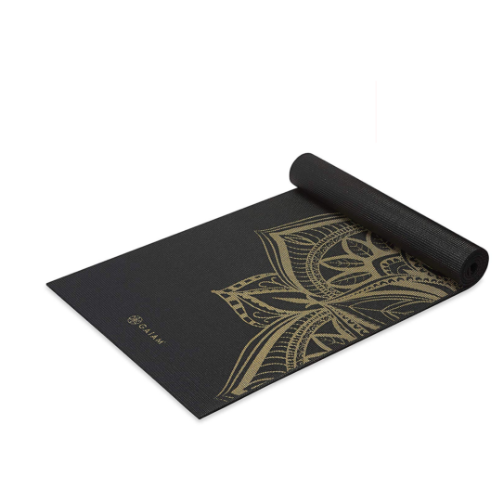
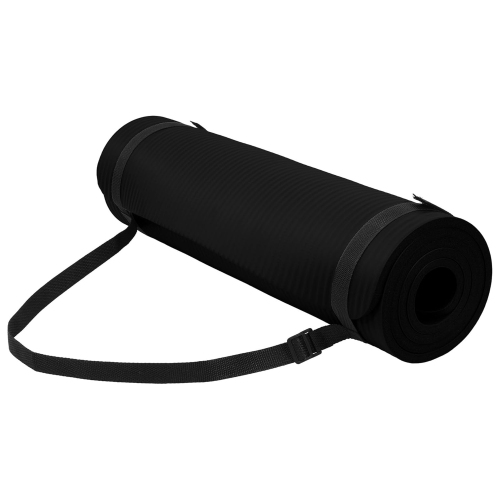
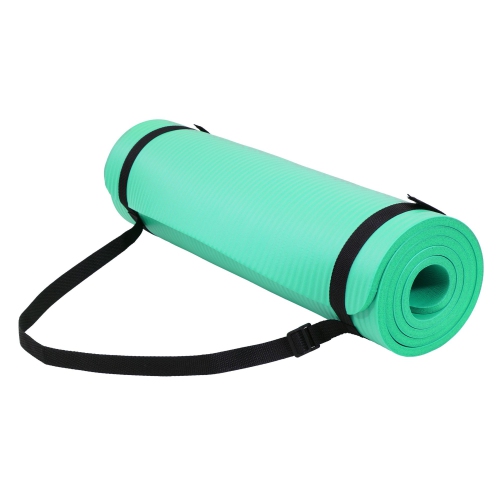
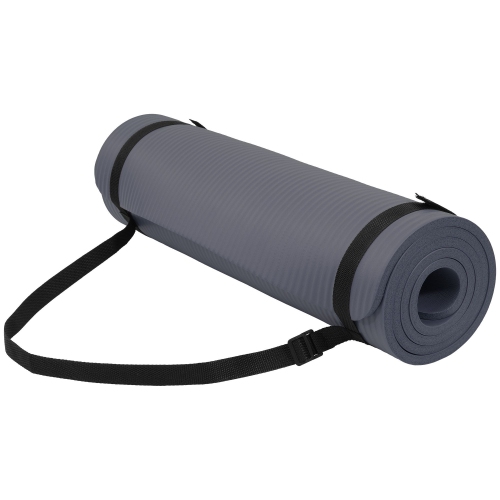
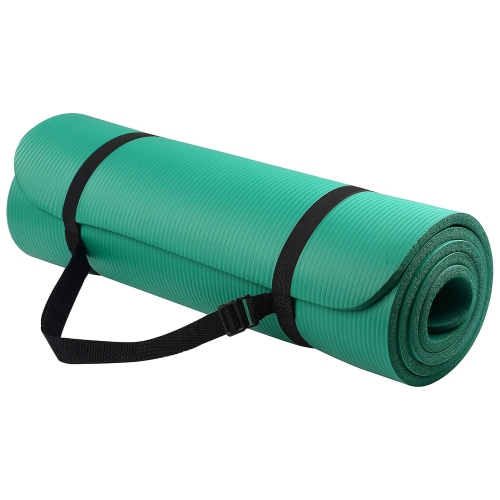
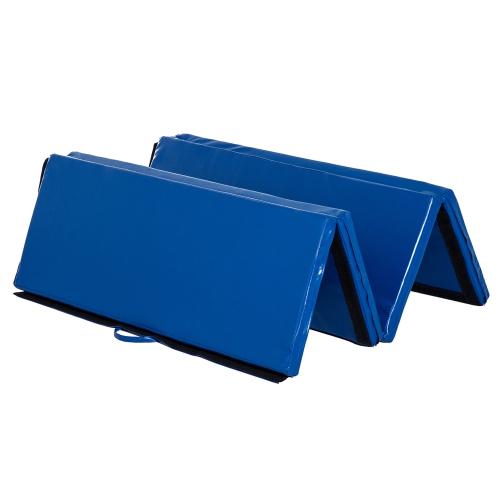
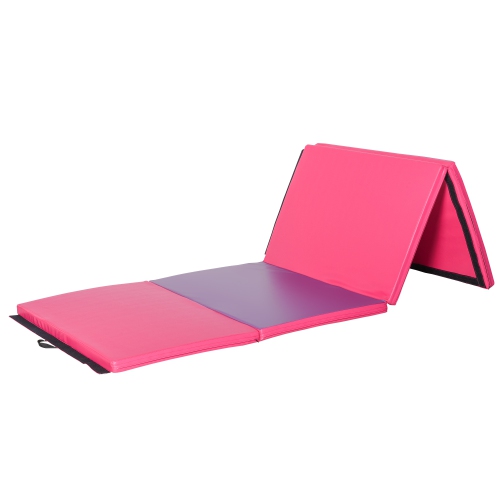
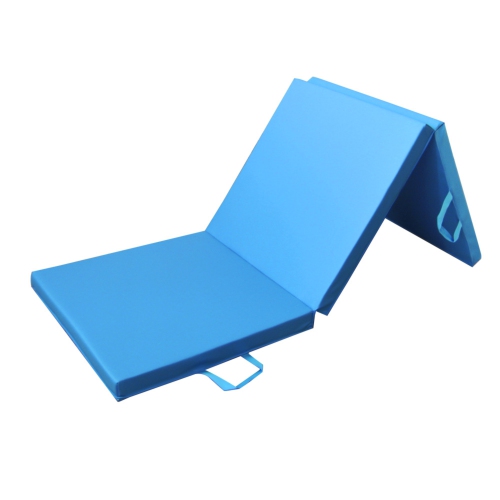
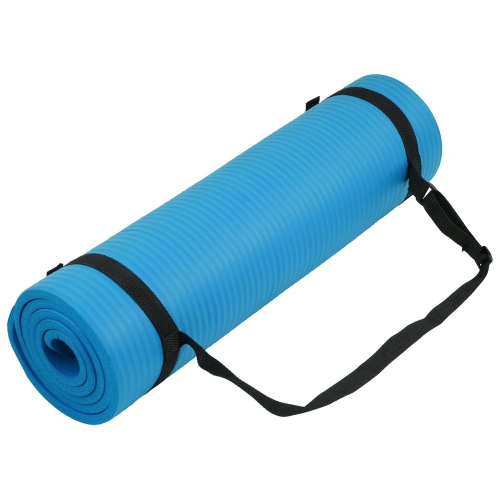
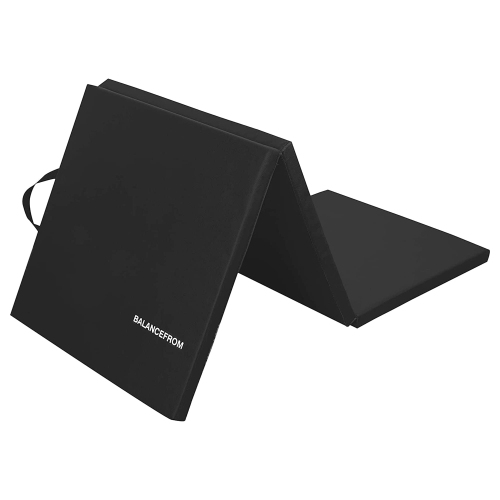
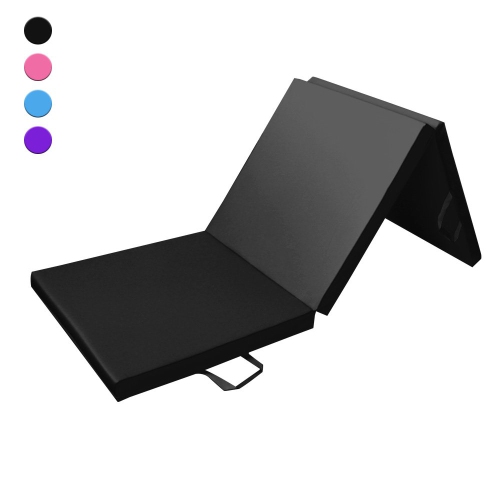
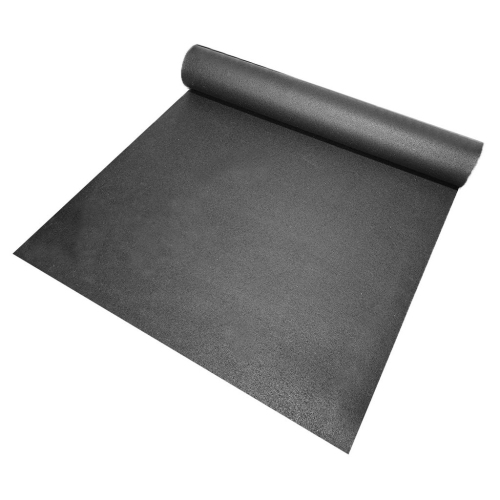
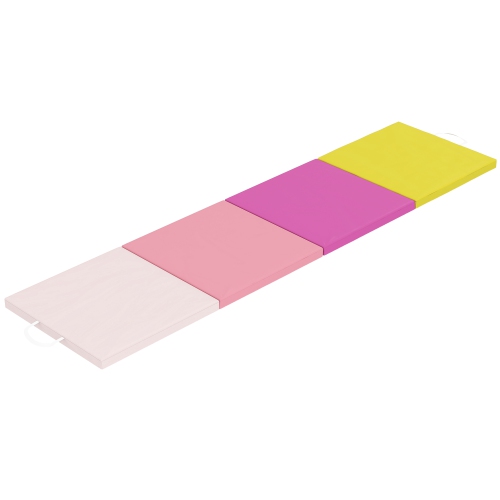
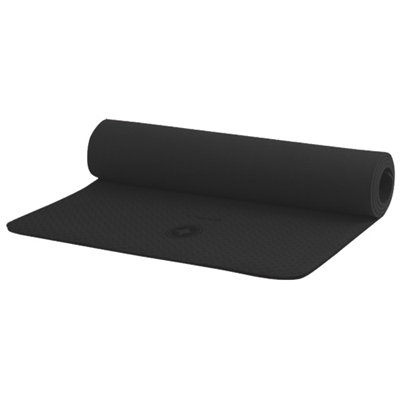
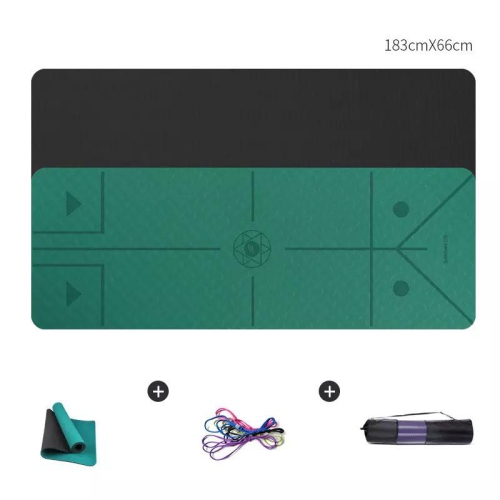
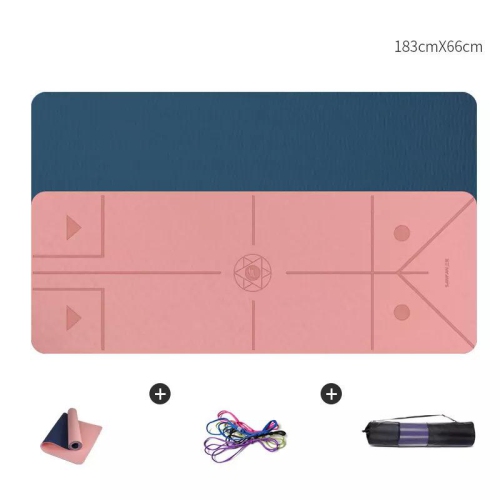
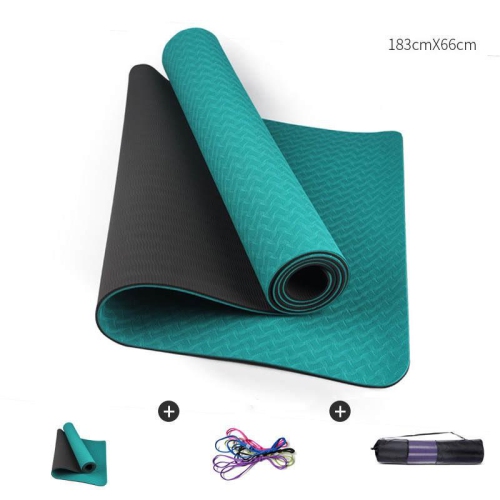
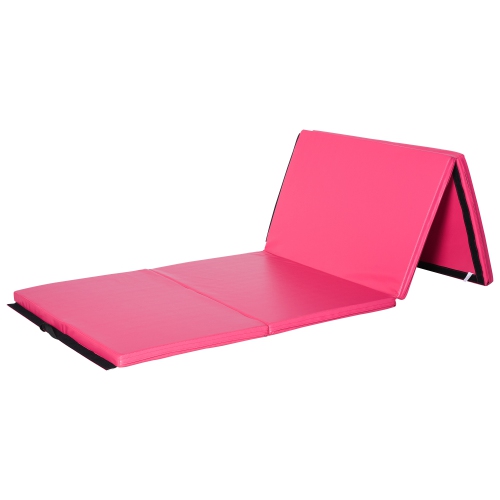
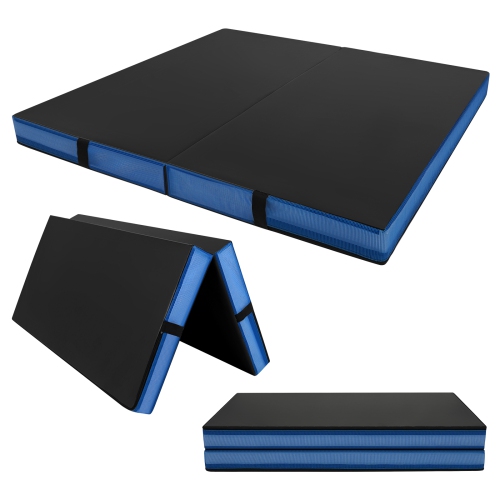
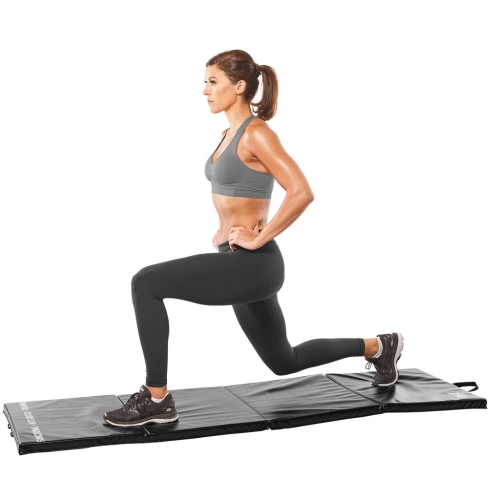
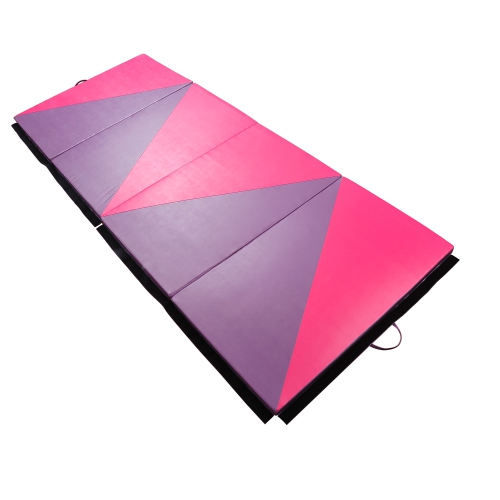
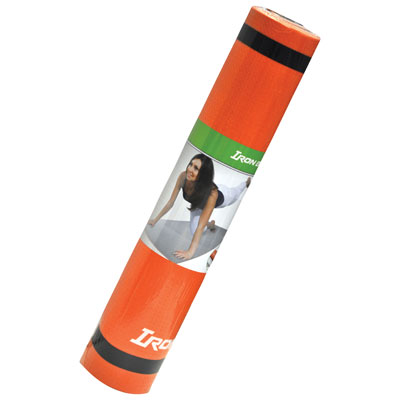
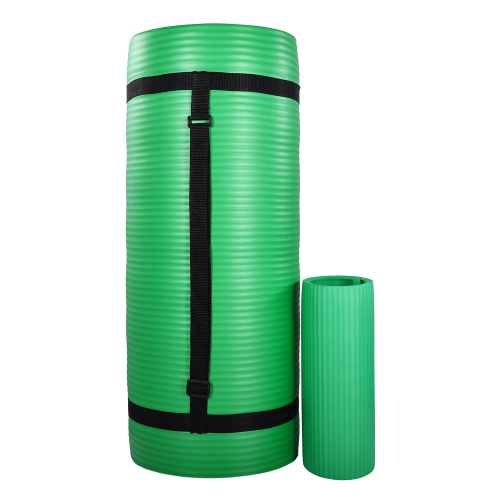
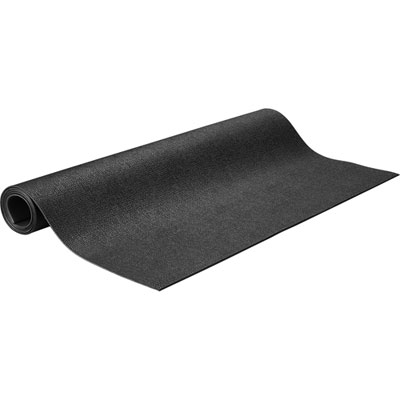
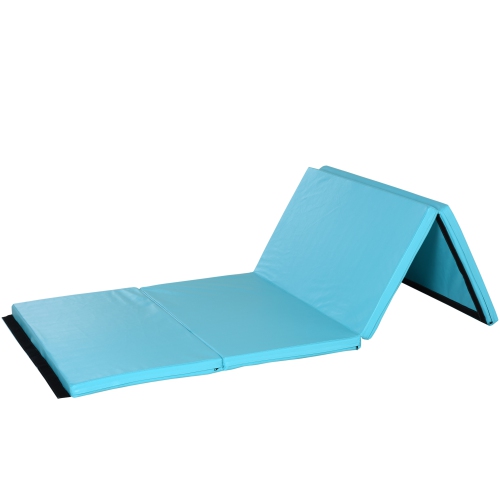
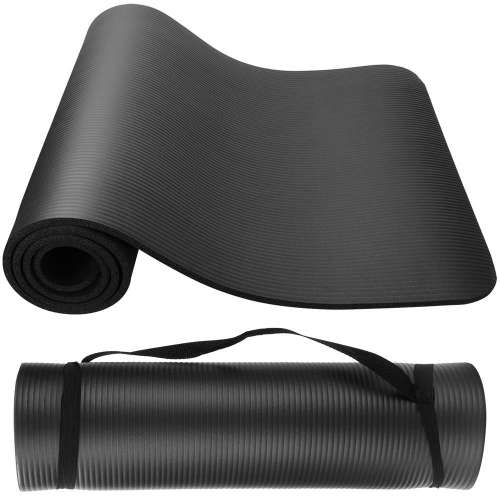
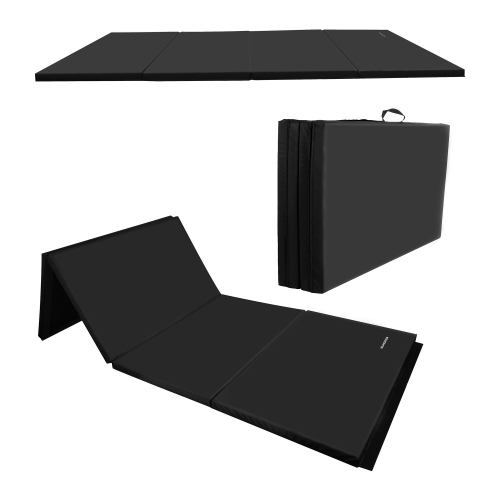
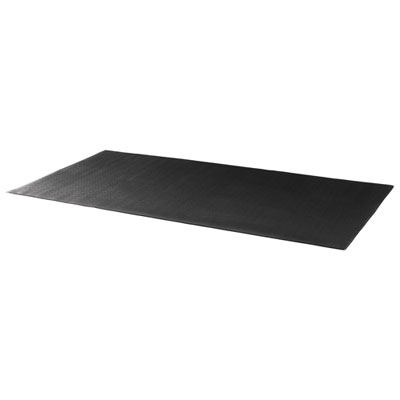
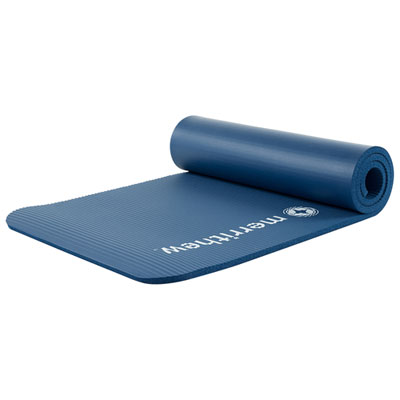
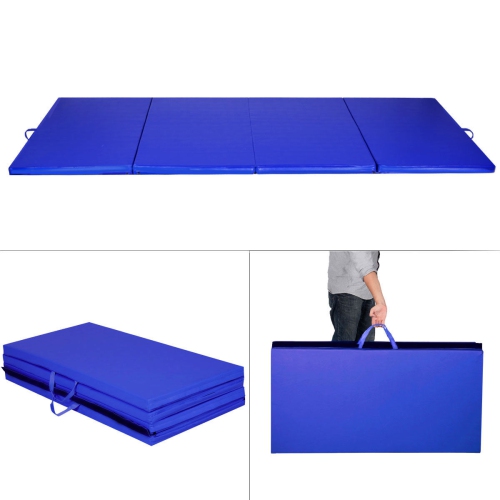
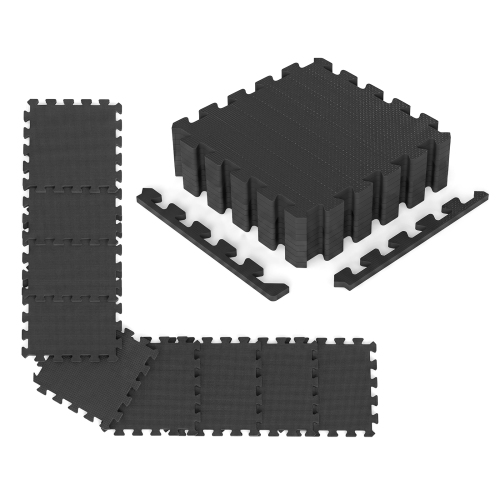
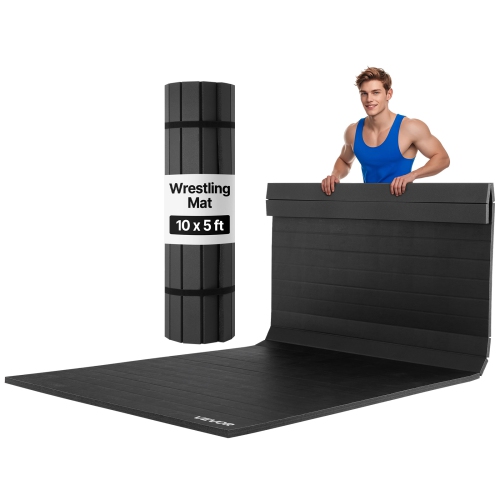
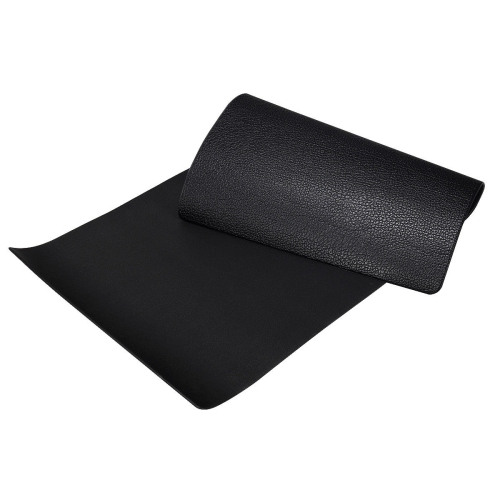
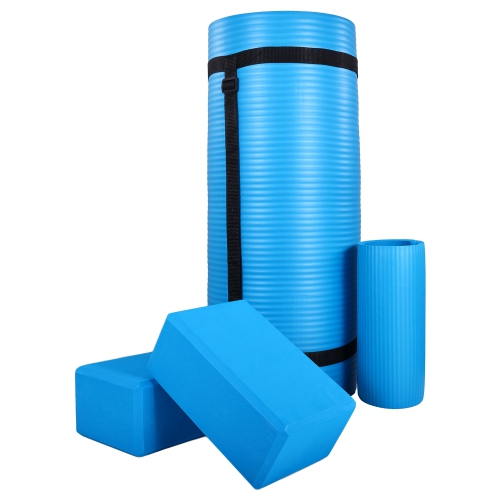
Workout mats give floor-based exercise a defined place, whether that means a stretching area beside the bed, space for Pilates in the living room, or a dedicated corner of a home gym. A mat creates a layer between the body and the floor, adding cushioning beneath knees, elbows, hips, and shoulders during movements that can feel uncomfortable on a hard surface. Its usefulness depends on the type of exercise as much as its thickness. For standing balance work and routines that move between upright and floor positions, a relatively firm, lower-profile mat can provide a more predictable footing than a deeply padded surface. For kneeling stretches, seated exercises, and longer periods spent lying down, extra cushioning may feel more comfortable. Thickness alone does not tell the whole story: dense padding can feel supportive without compressing heavily, while softer foam may sink noticeably beneath hands or feet. Someone holding a plank may prefer less give beneath the palms, while someone practising gentle mobility exercises may appreciate a softer landing for the knees. The surface also matters when a routine includes frequent position changes. Texture can help with traction, but grip varies with the mat material, the floor underneath, footwear, and moisture. A surface that feels secure under bare feet may behave differently under training shoes, so the intended use should match the manufacturer’s guidance. Length and width deserve equal attention. When lying flat, there should be enough room for the head and heels without having to curl up or continually shift position. Wider mats can be useful for side-lying movements and exercises that take the arms beyond shoulder width, provided there is room to move safely around the edges. In a shared living space, the most practical size is often one that accommodates the routine while leaving doorways, furniture, and walking paths clear. A comfortable fit between the mat, the user, and the available floor space makes everyday exercise easier to settle into.
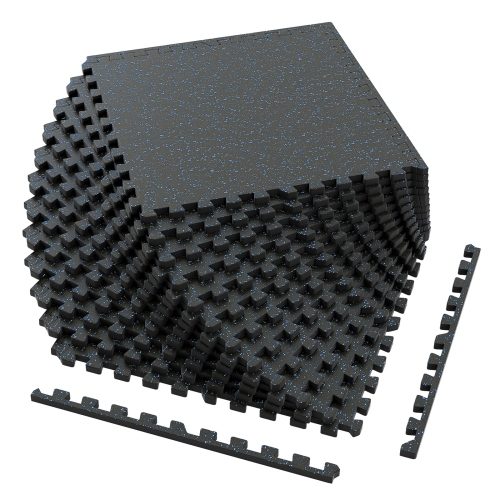
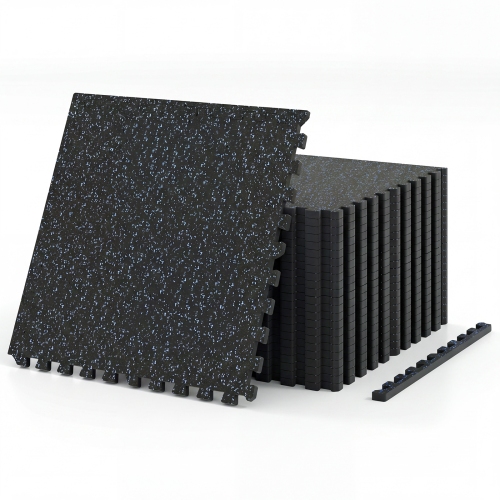
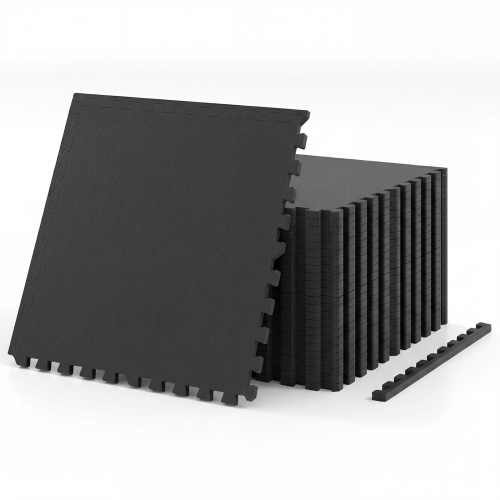
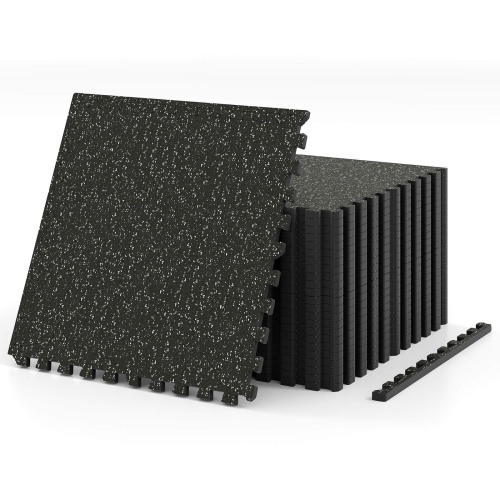
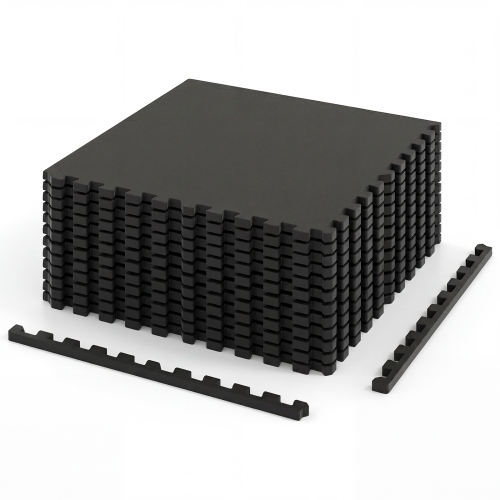
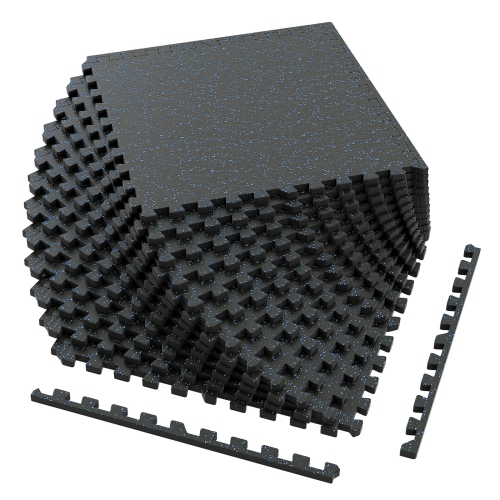
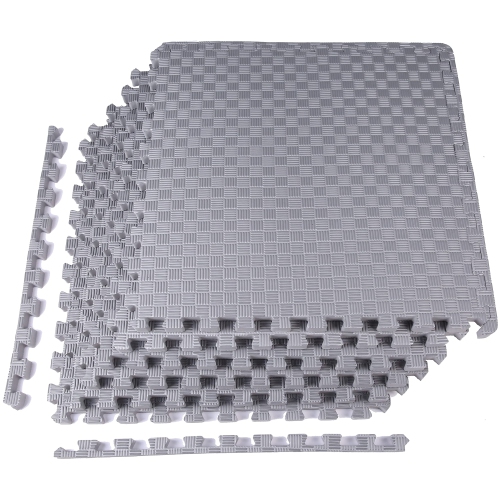
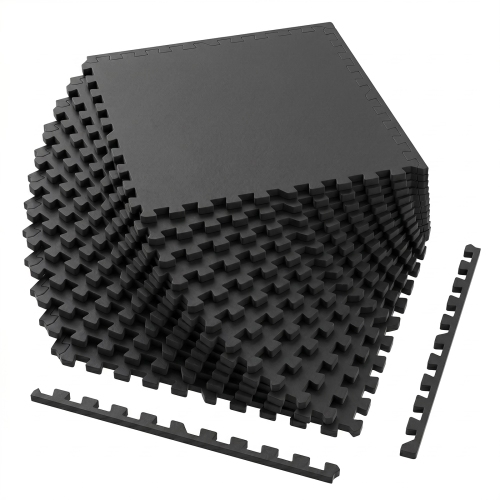
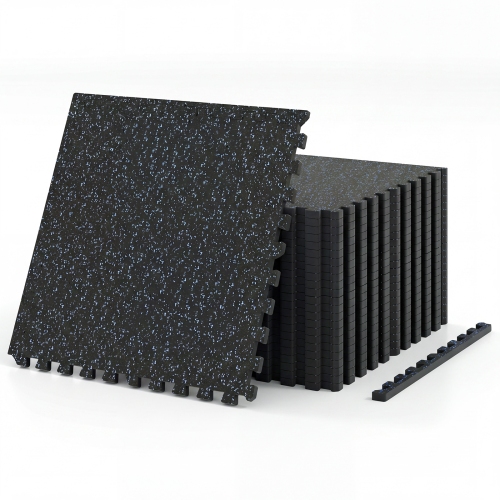
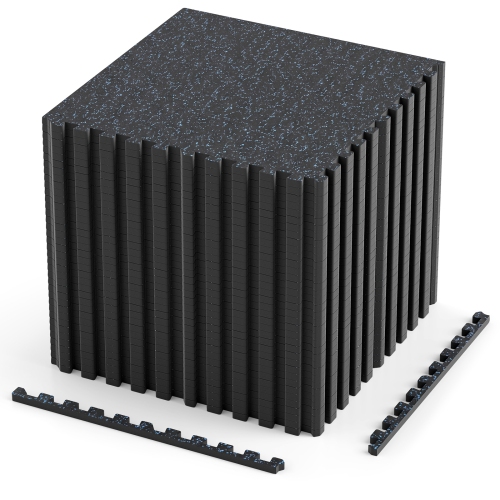
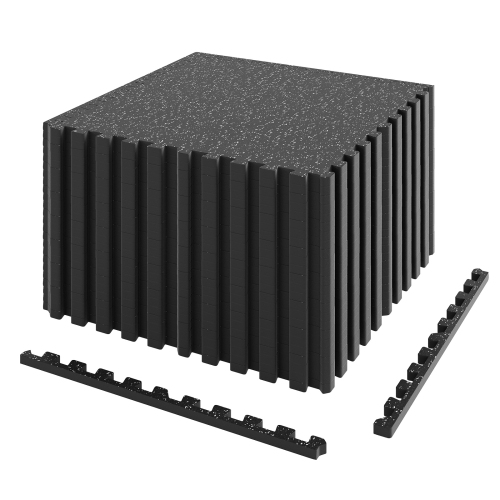
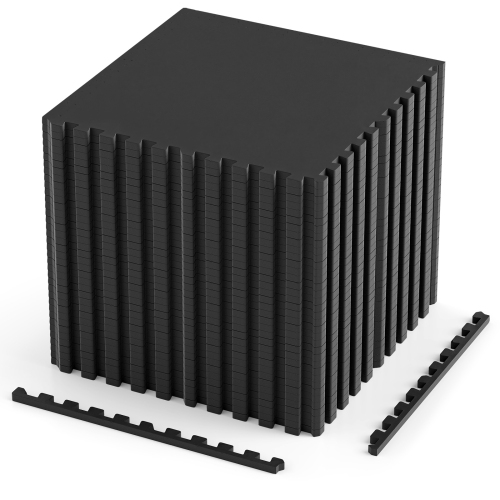
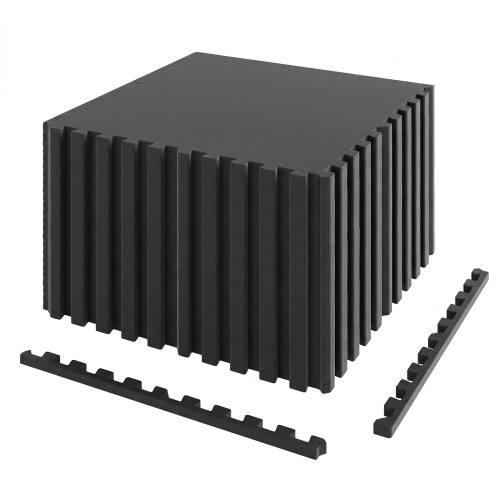
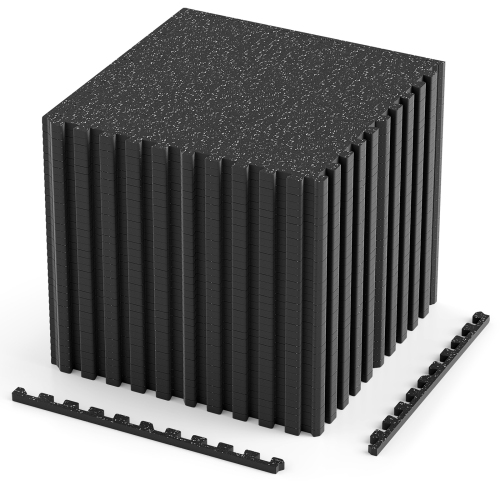
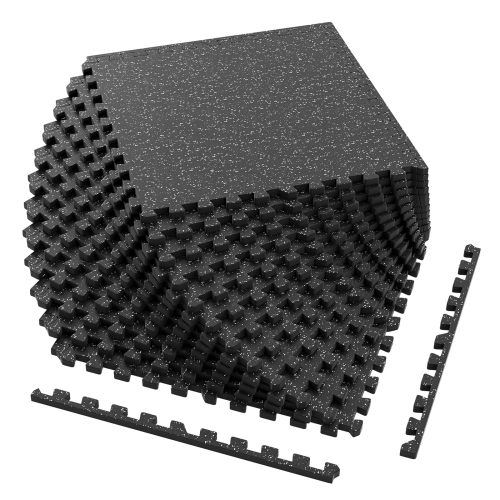
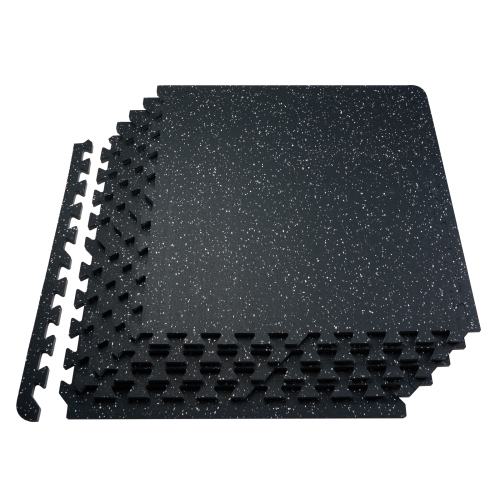
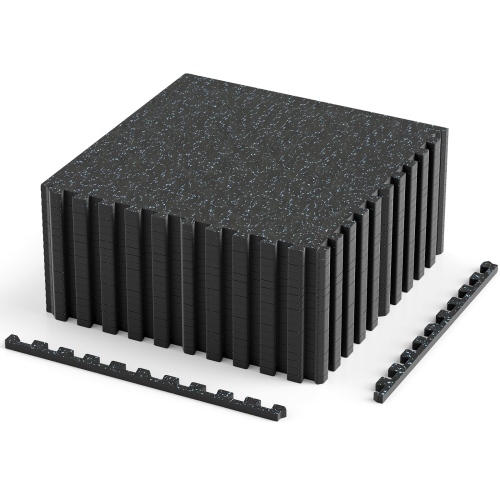
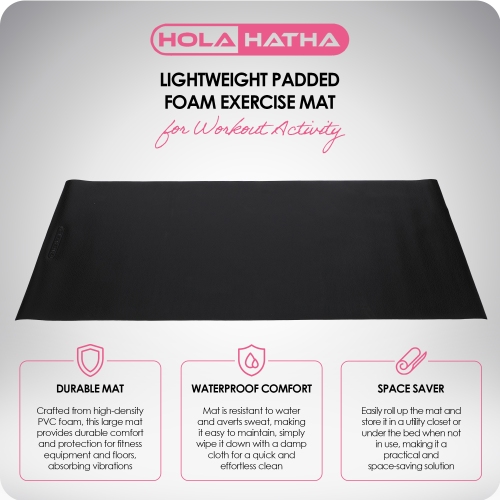
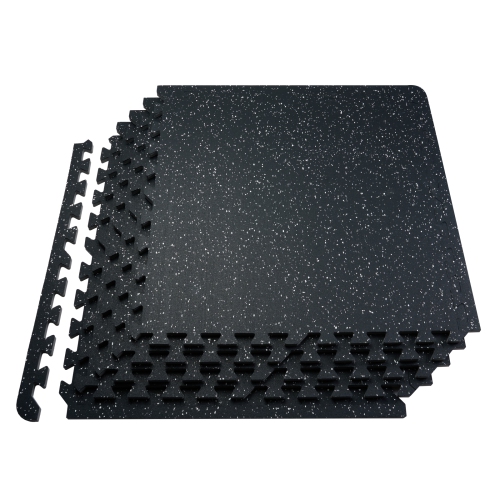
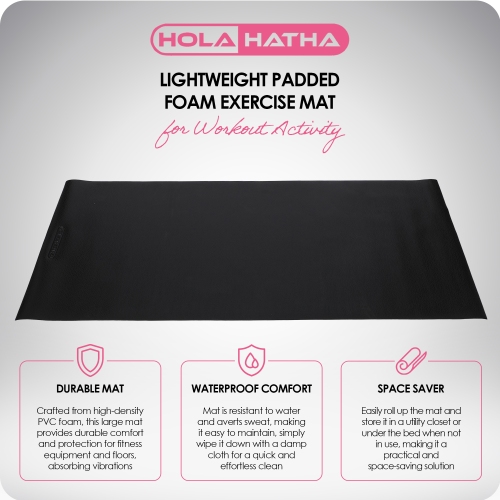
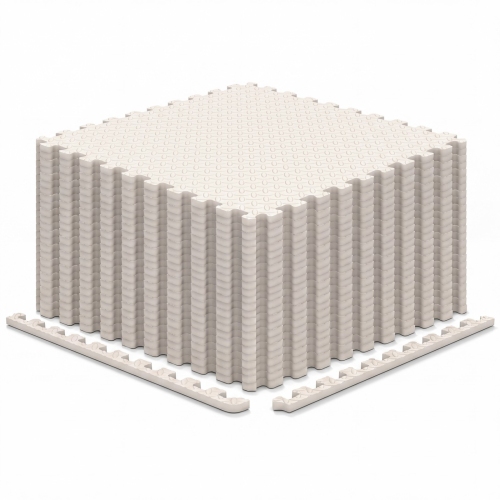
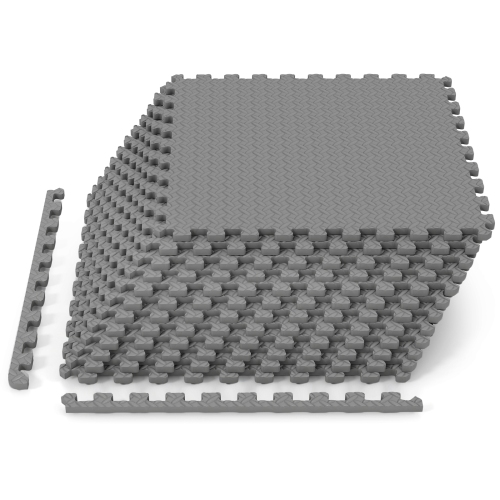
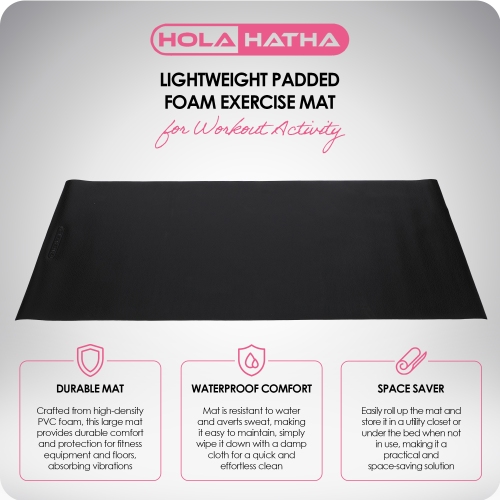
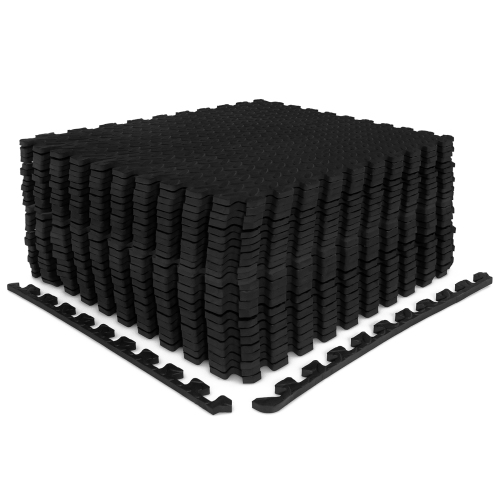
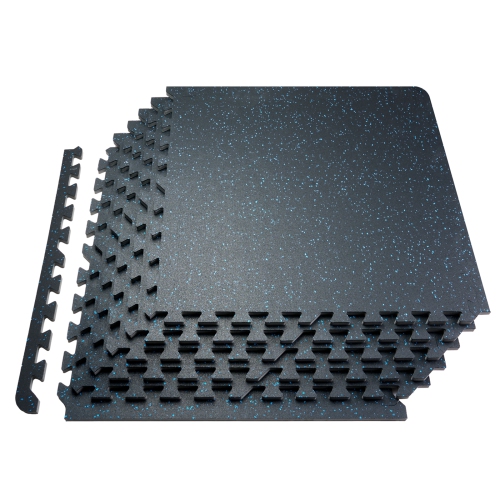
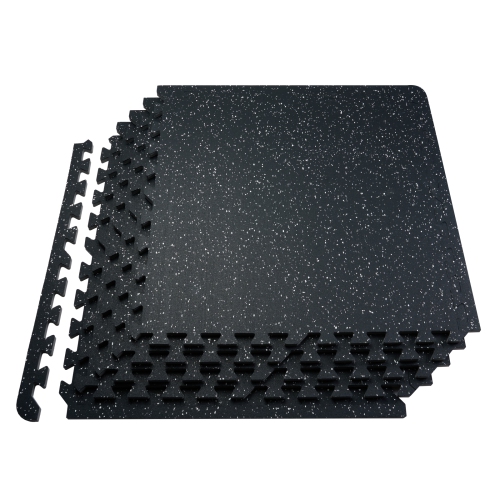
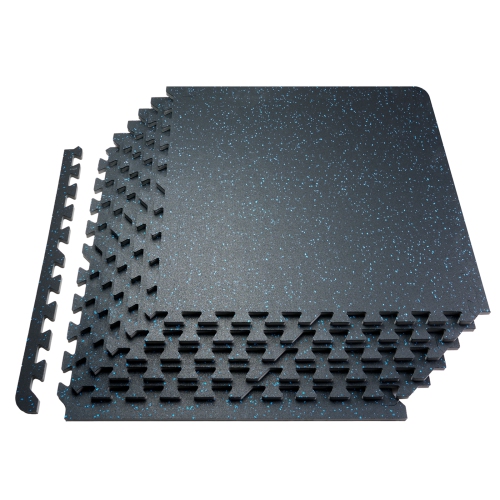
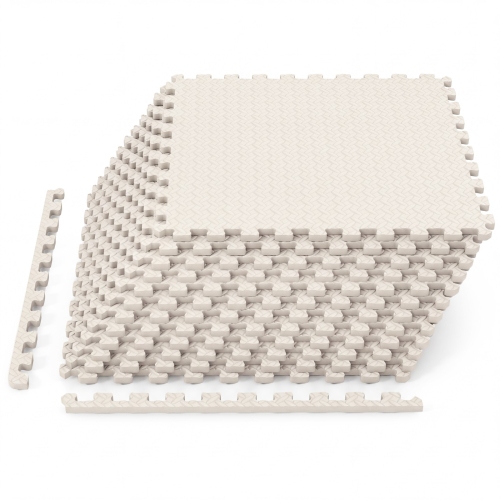
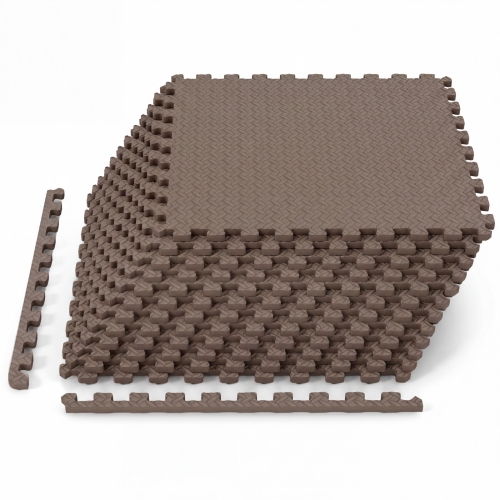
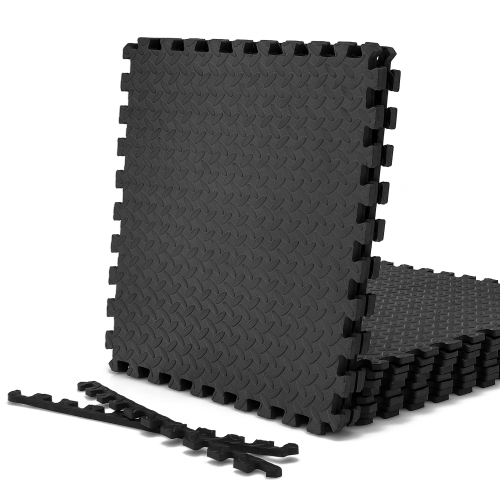
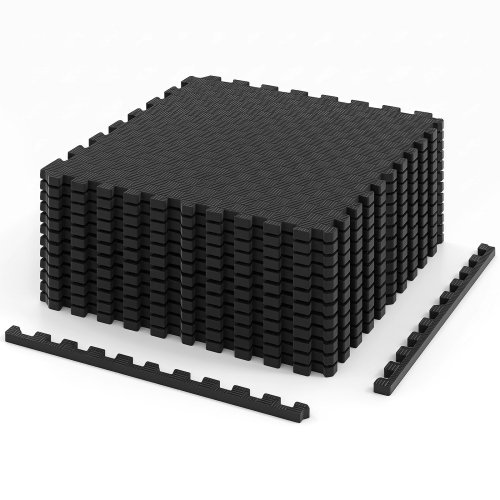
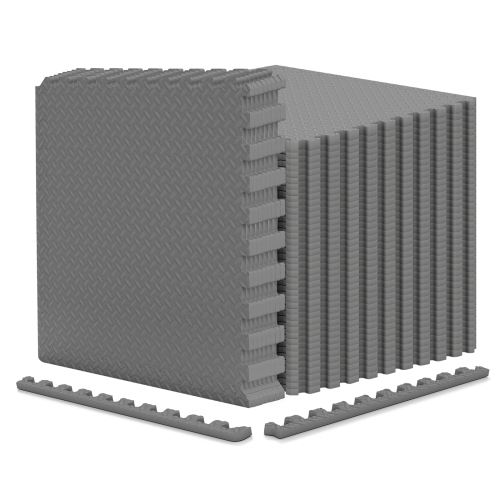
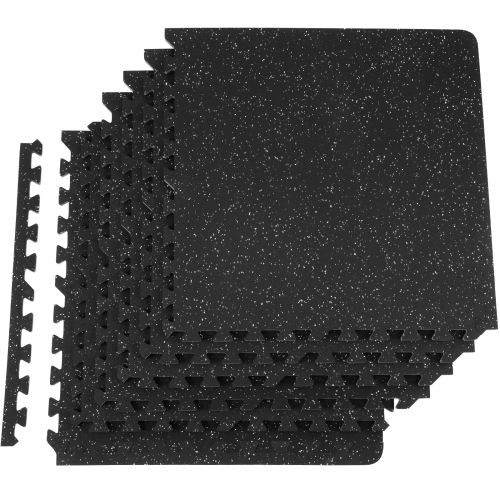
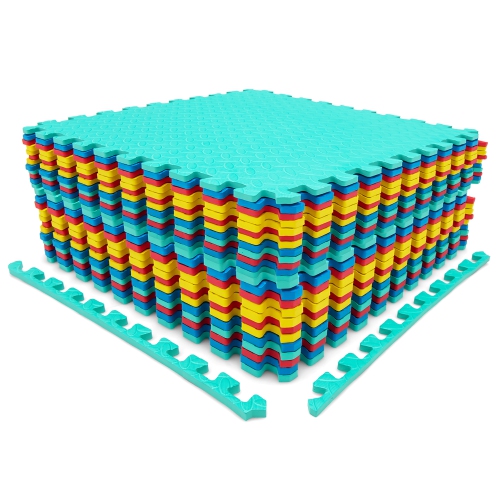
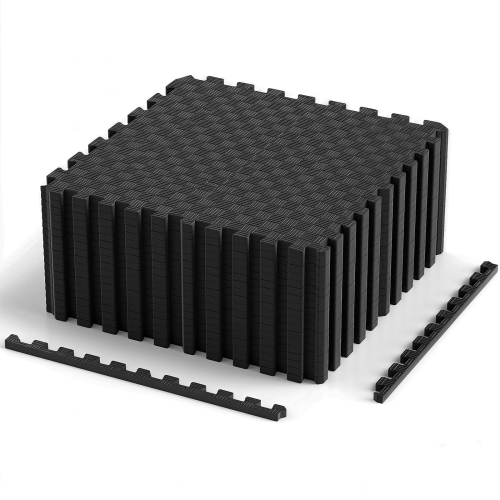
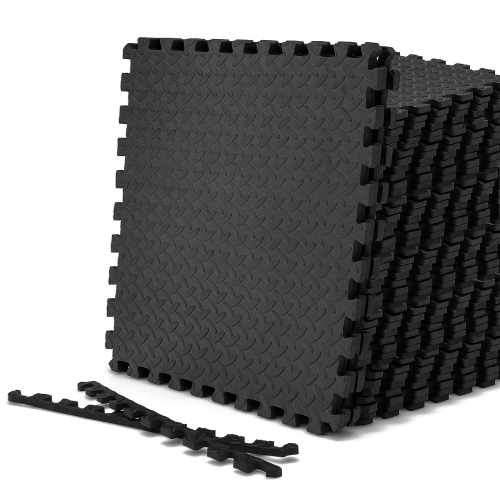
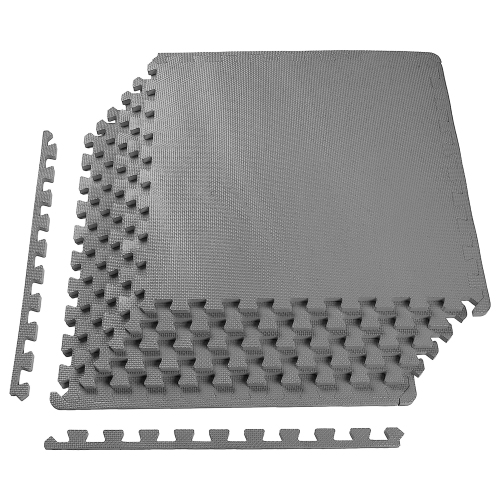
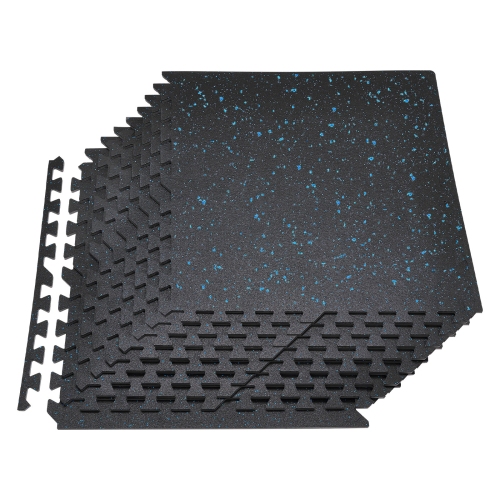
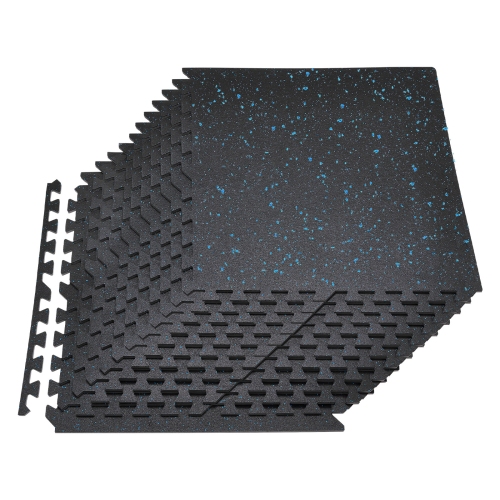
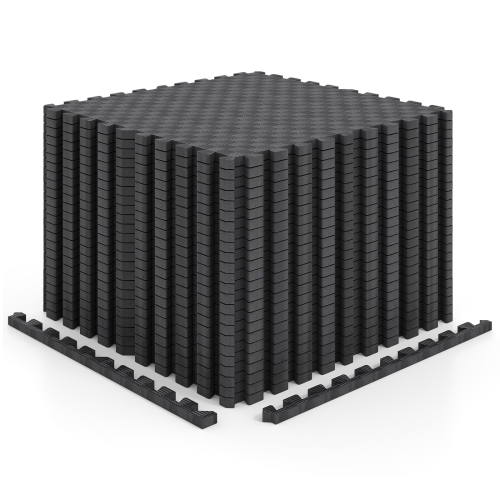
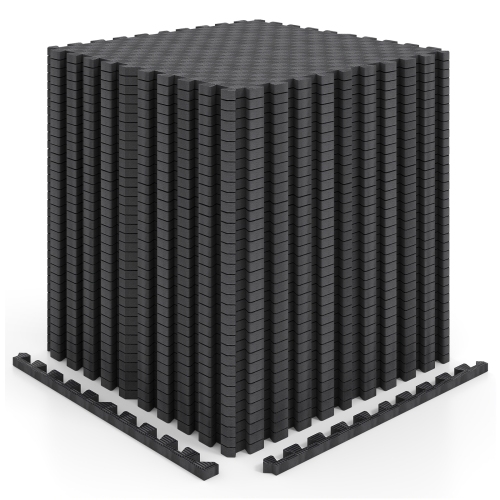
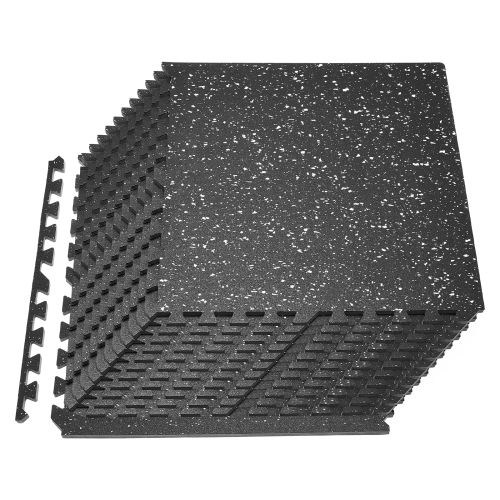
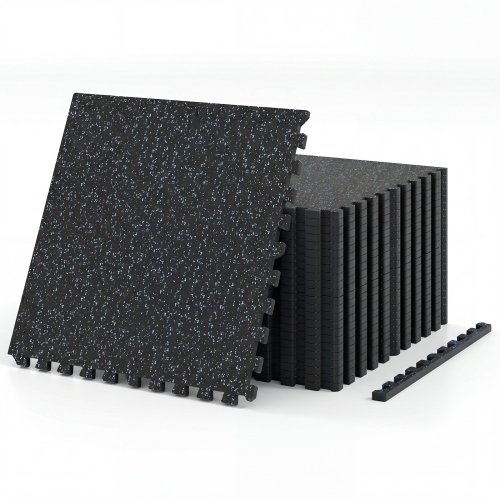
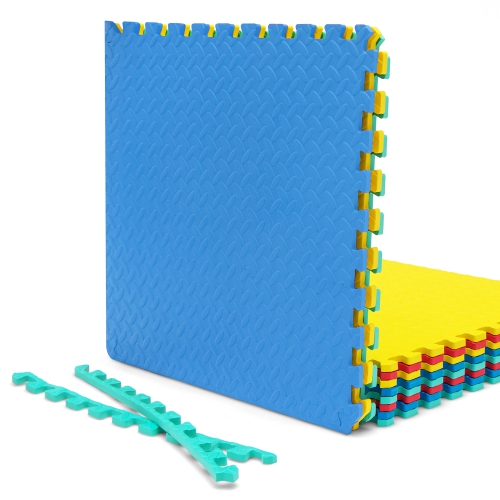
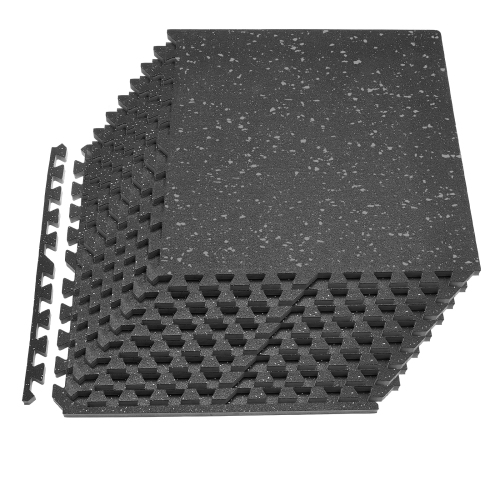
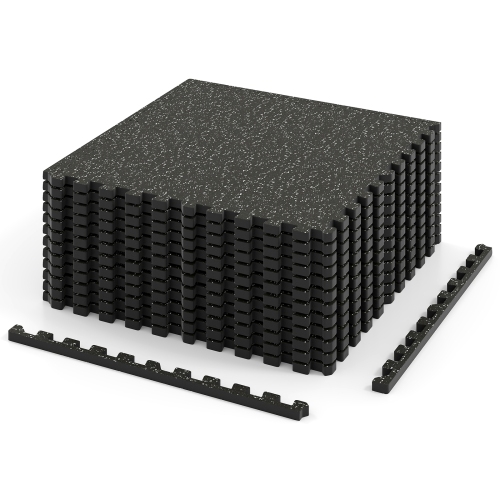
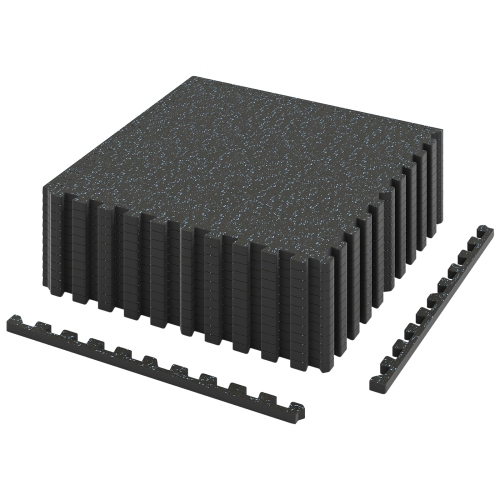
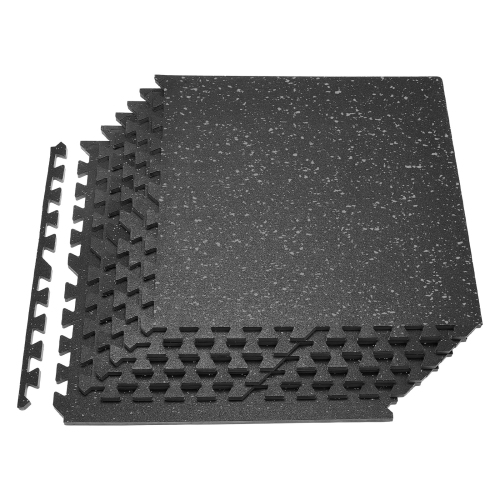
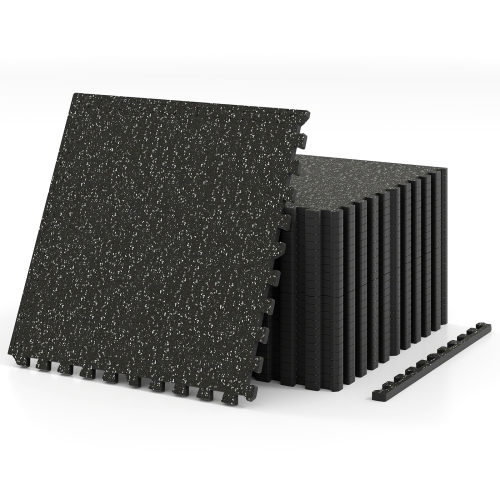
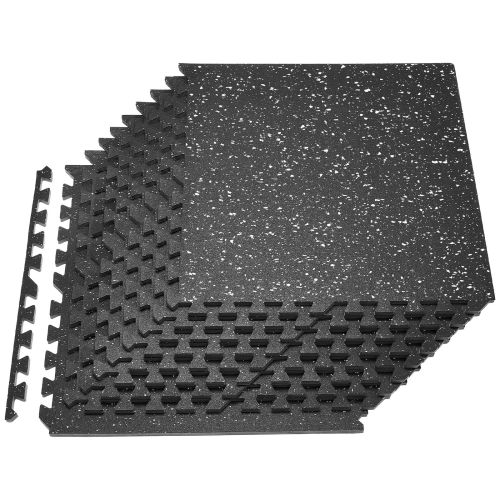
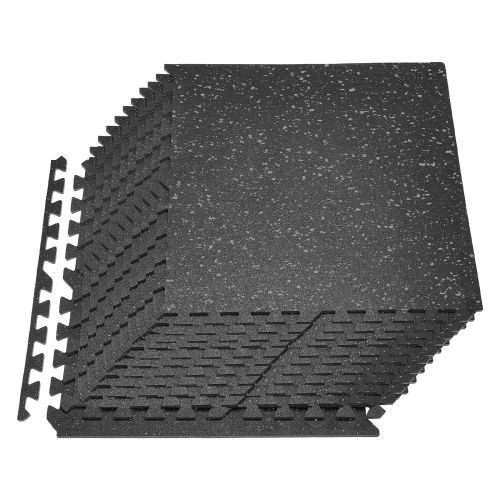
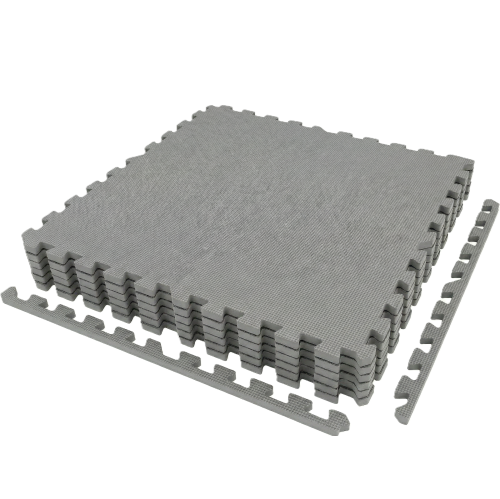
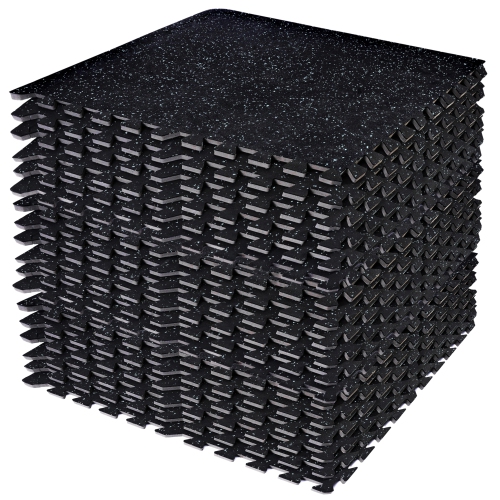
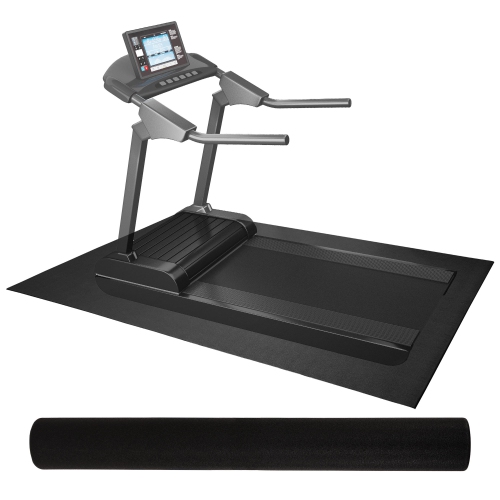
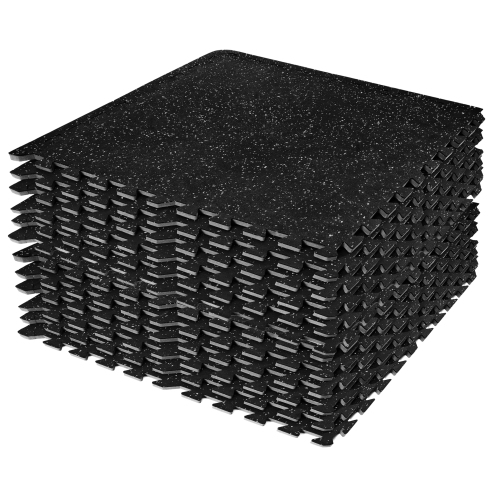
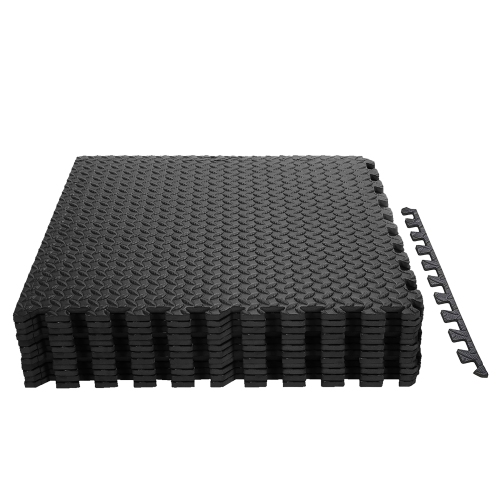
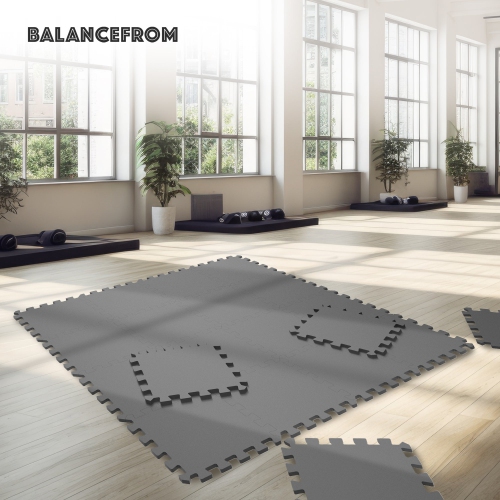
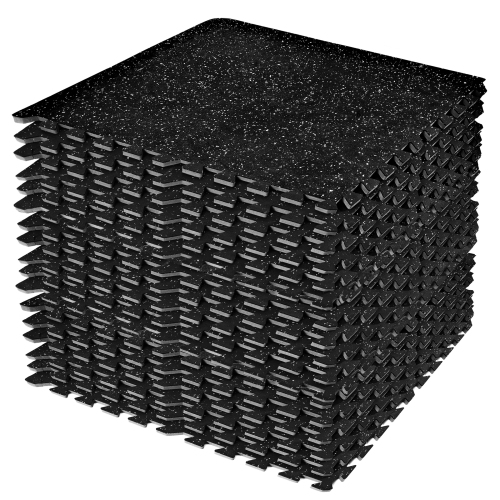
Materials influence how a workout mat feels, how easily it travels, and how well it holds up to repeated use. PVC mats can offer a combination of flexibility, surface grip, and durability, although their weight and feel vary by construction. Thermoplastic elastomer, often labelled TPE, is commonly used in lightweight mats with a cushioned feel. Nitrile rubber foam, also called NBR, is often associated with thicker, softer padding suited to floor exercises, though that softness may not suit movements that need a firm base. Rubber mats can have a denser, heavier feel and strong contact with the floor, but anyone with a latex allergy should check the material details rather than assume that every rubber formulation is suitable. Cork-topped mats have a distinct surface texture, and their cushioning and flexibility depend partly on the backing beneath them. Across these materials, the finished construction matters more than any single label. Surface texture, foam density, edge finishing, and the ability to lie flat all affect day-to-day comfort. A mat that curls at the corners or shifts during transitions can interrupt a routine, especially when moving from a standing position to hands and knees. Placement matters, too: a clean, dry, level floor gives the mat a better foundation, while thick carpet may make a soft mat feel less stable. For exercise that involves shoes, pivots, or repeated contact in the same spots, look for a surface intended to withstand that kind of friction. A mat designed mainly for stretching is not necessarily suited to vigorous circuits or equipment placement. Larger training areas may call for a different format; Floor Mats for Working Out can be useful when considering coverage beyond a single exercise mat. Personal cushioning mats and protective gym flooring serve different purposes, so suitability for weights, machines, or repeated impact should always be confirmed in the specifications. No exercise mat should be assumed to protect flooring from dropped weights or prevent sound from travelling to another room.
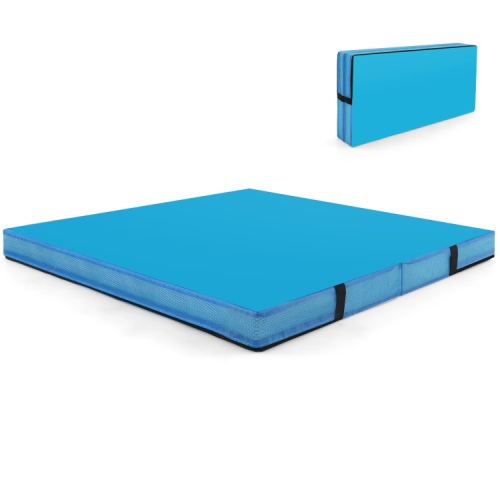
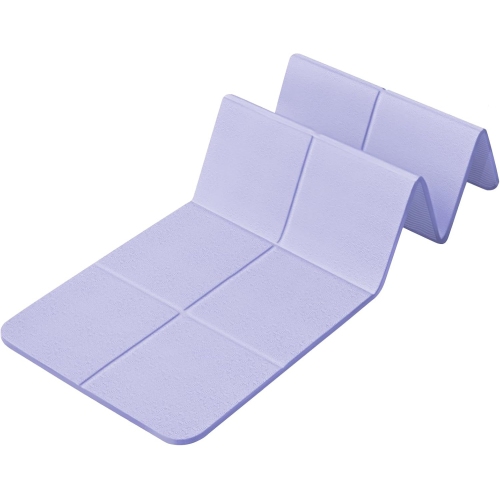
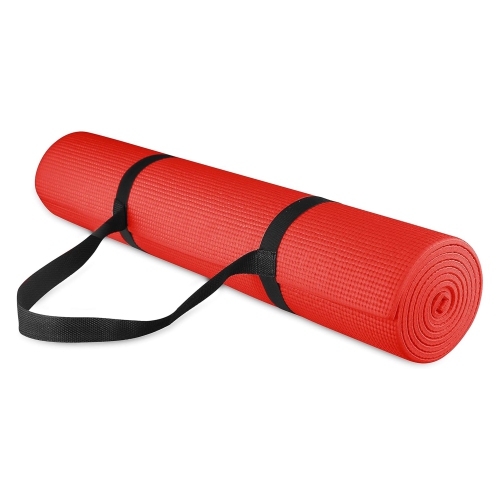
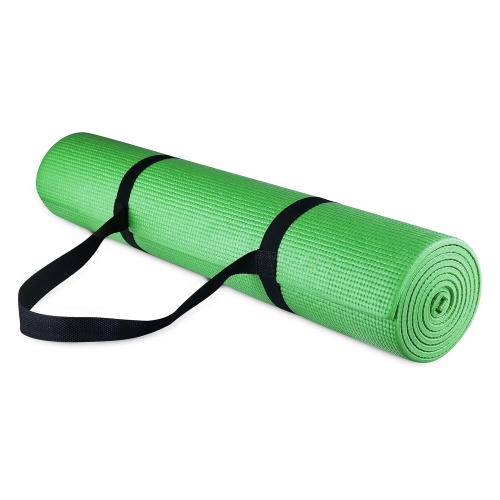
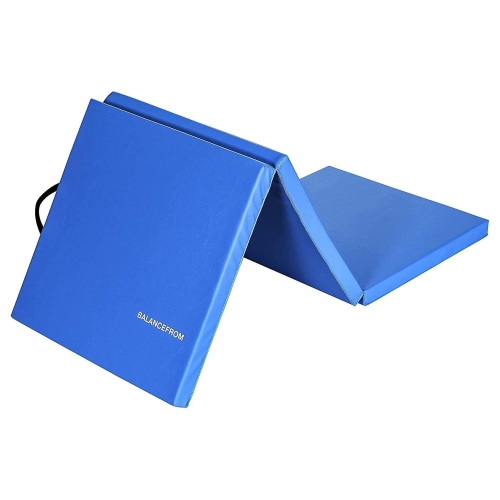
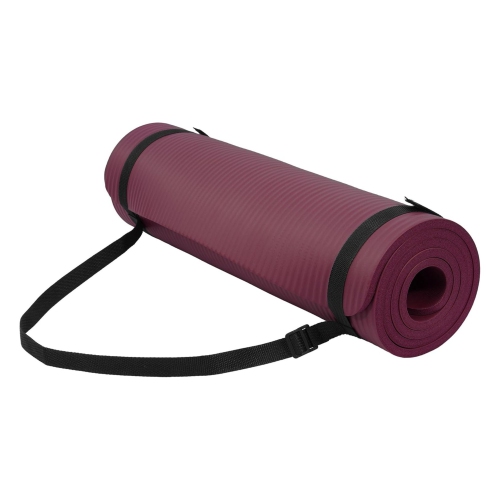
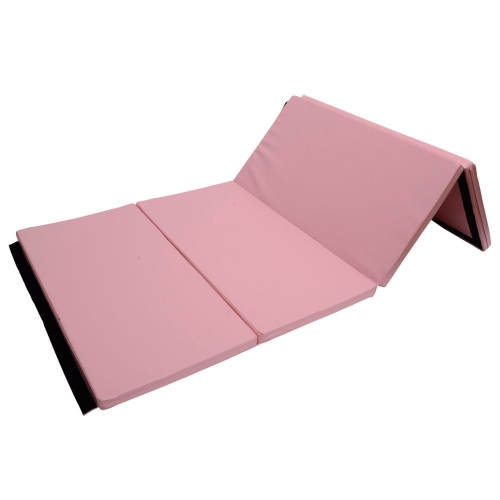
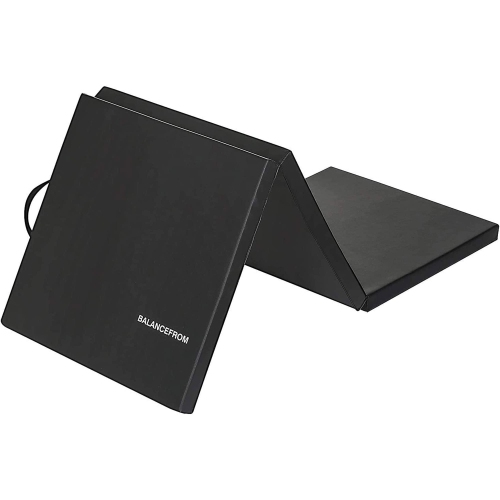
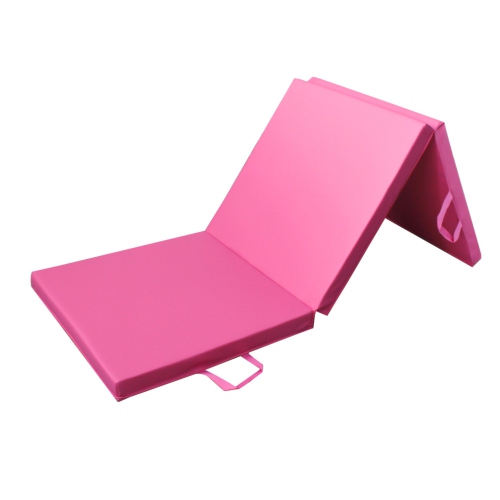
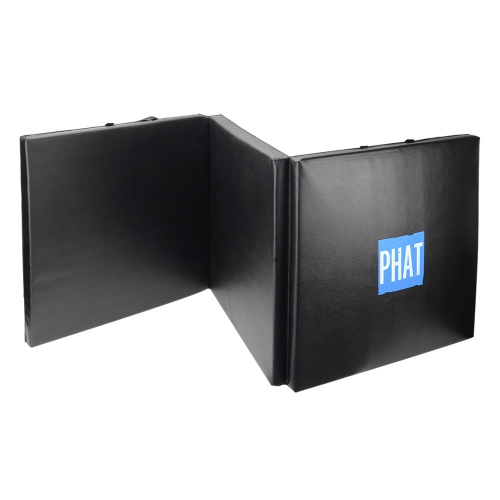
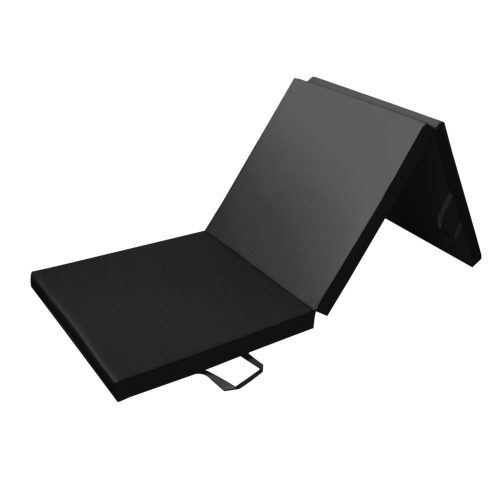
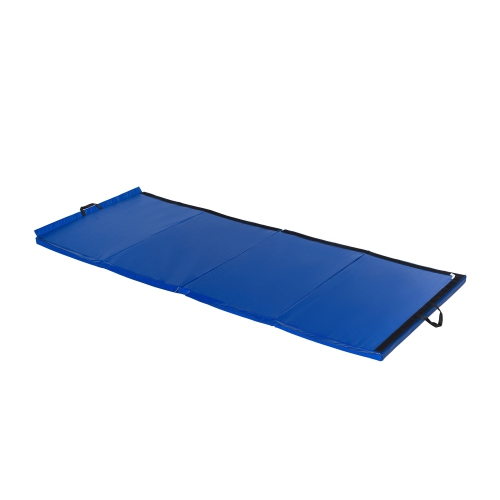
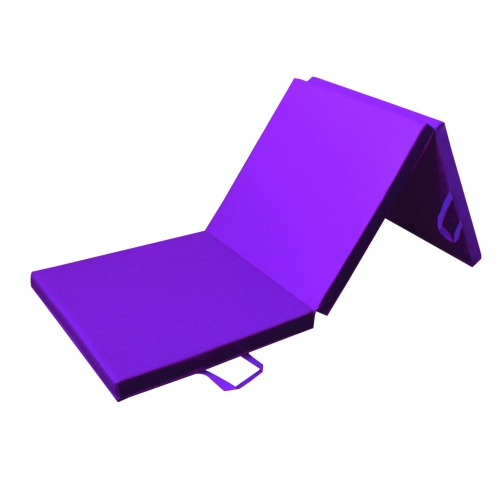
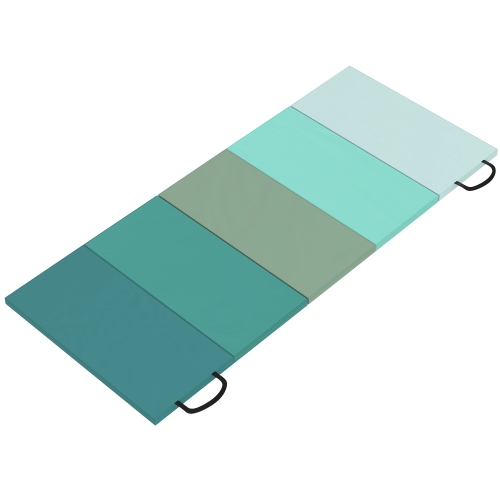
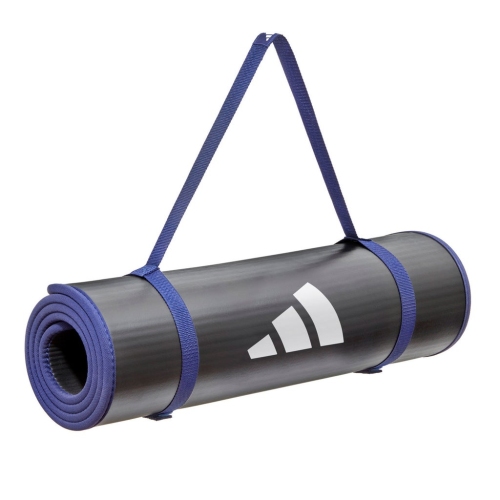
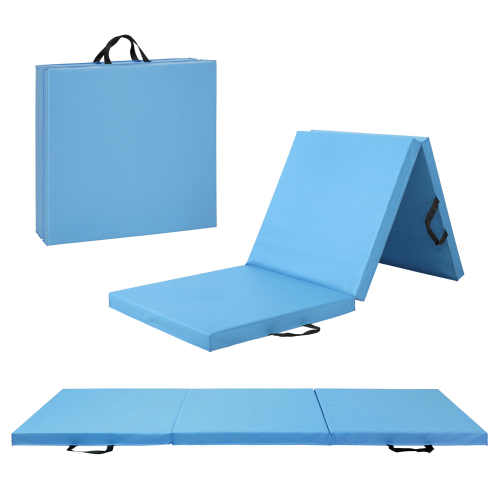
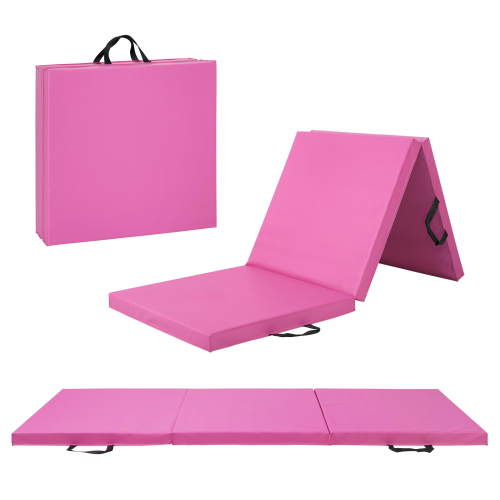
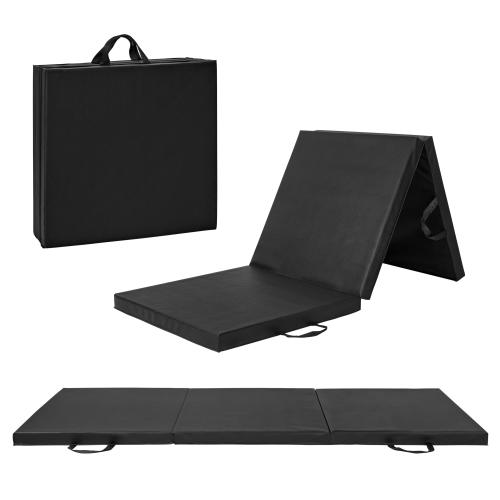
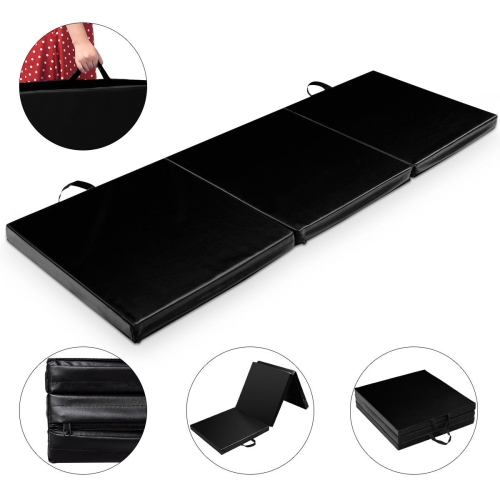
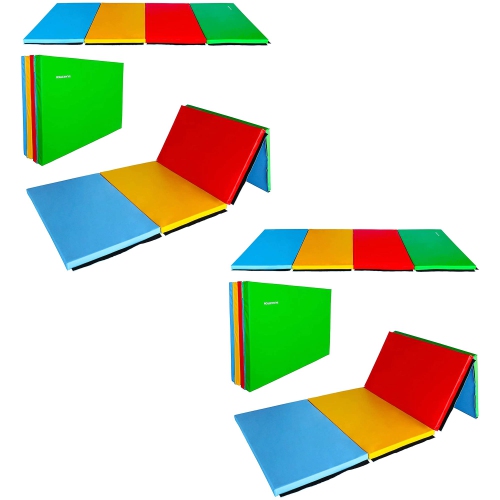
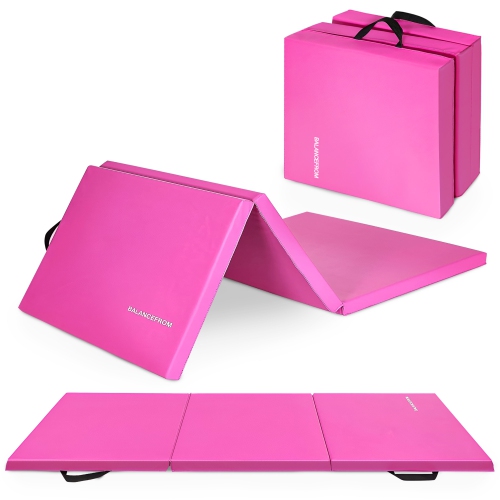
Storage and care are part of choosing a mat that will stay useful rather than spend most of its time tucked away. A lightweight roll-up design is convenient for someone who carries exercise gear between home and a studio, while a folding mat may fit neatly in a cupboard or slide into a narrow storage space. Check the stored dimensions as well as the open size: generous padding can create a bulky roll, and a carry strap is only helpful if the overall weight is manageable. For a mat that moves between rooms, a simple routine of laying it flat, checking the surrounding clearance, and putting it away after use can keep a multipurpose space organized. Cleaning requirements vary by material, but removing dust, perspiration, and skin oils helps maintain a pleasant surface for hands and bare feet. Follow the care instructions for the particular construction, including which cleaners are suitable and whether rinsing is permitted. Strong cleaners, abrasive scrubbing, and soaking can damage some finishes or affect bonded layers. After cleaning, allow the mat to dry fully before rolling or folding it; trapping moisture inside a tightly packed mat can lead to odours. A washable cover, where part of the design, may simplify care, but it should not be assumed to make the padding underneath washable. Routine checks for flaking, tears, flattened areas, or a loss of grip can show when a mat is no longer performing as intended. These practical details matter for beginners establishing a home routine, experienced exercisers adding mobility work, and people who simply want a more comfortable surface for daily stretches. A workout mat can also be a thoughtful gift for someone who enjoys Pilates, floor workouts, or guided exercise sessions, especially when their preferred activity and storage space are known. The strongest match is a mat whose size, firmness, surface, and care needs fit naturally into the way it will be used.
Top selling and popular products
-
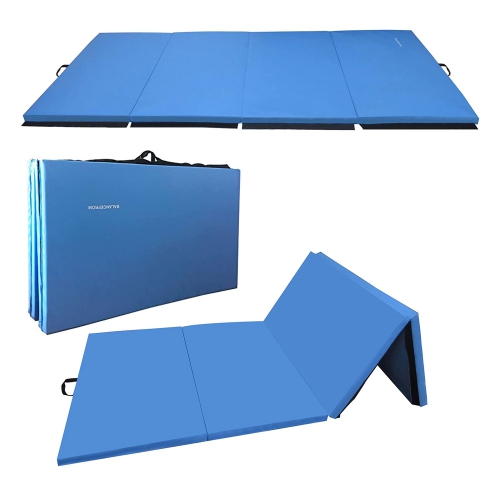 Your price for this item is $212.99
-
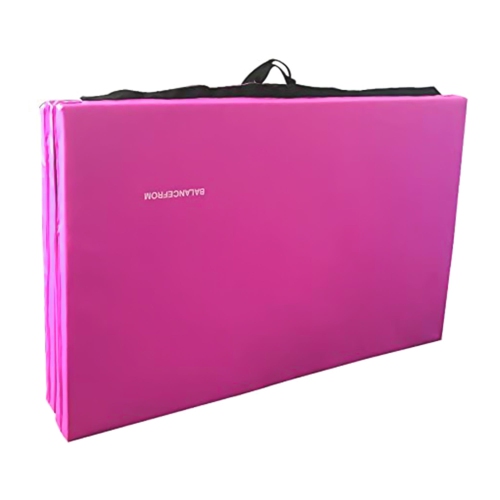 Your price for this item is $225.99
-
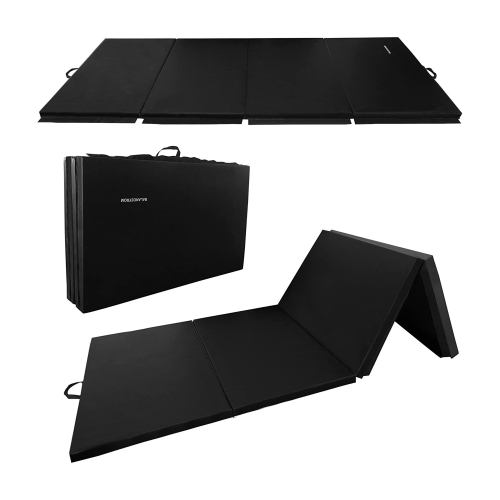 Your price for this item is $251.99
-
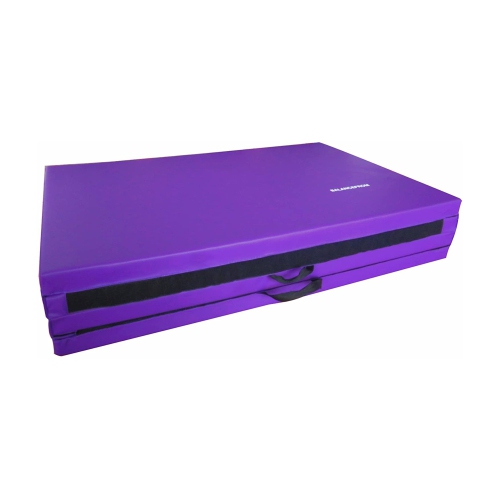 Your price for this item is $220.99
-
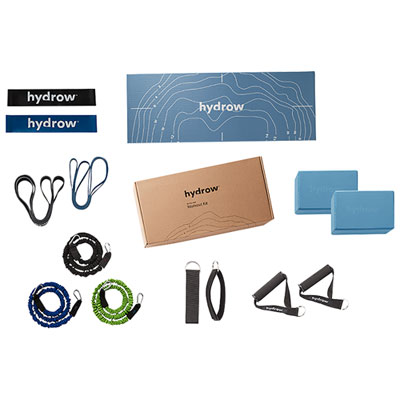 Your price for this item is $229.99
-
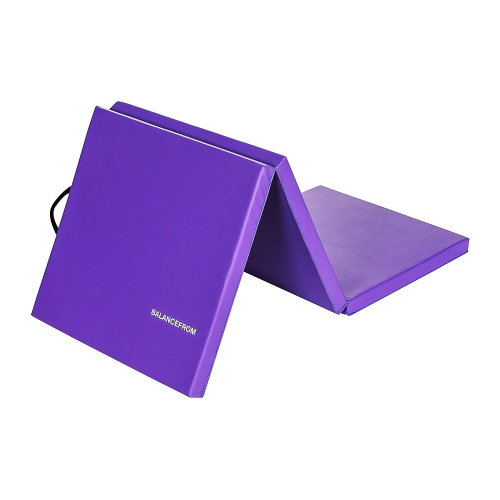 Your price for this item is $84.99
-
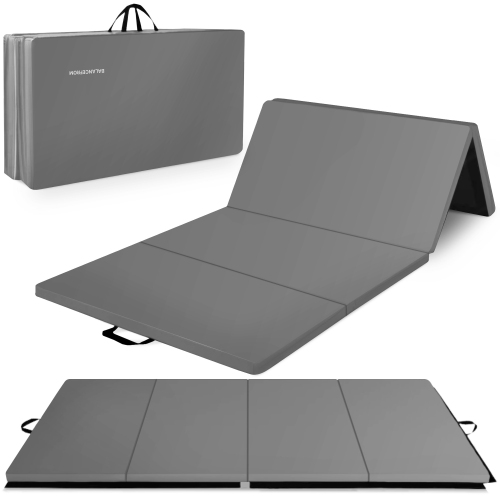 Your price for this item is $227.99
-
 Your price for this item is $259.99
Discover more categories related to Workout Mats
Top Collections:
Pokemon Centers, Kindle Devices, Best Budget Office Chairs, Canon G7X Cameras, Apple iPhones 16, Samsung Galaxy Phones, Refurbished Apple Laptops, Laptops for Students, iPhone 15 Apple, Budget Smartphones
Some products may be subject to Environmental Handling Fees
(EHF) depending on your province.
Learn more about EHFs.