Yoga Mats
Whether you're a seasoned yogi or just starting your practice, a quality yoga mat is an essential accessory to enhance your sessions. From providing cushioning and support for various poses to offering a non-slip surface for stability during challenging asanas, the right yoga mat can make a significant difference in your overall experience. Explore our collection of yoga mats designed to cater to different preferences, styles, and needs, ensuring that you find the perfect mat to elevate your practice.
Sort



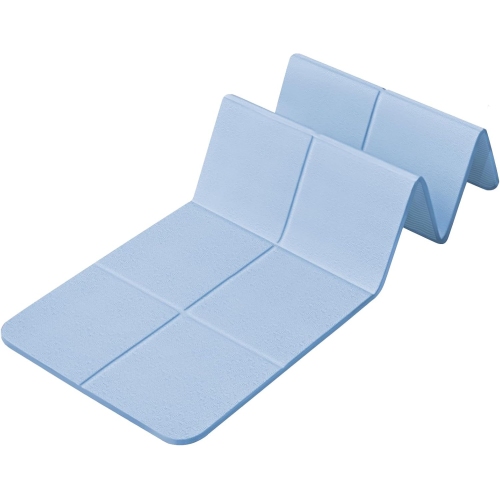
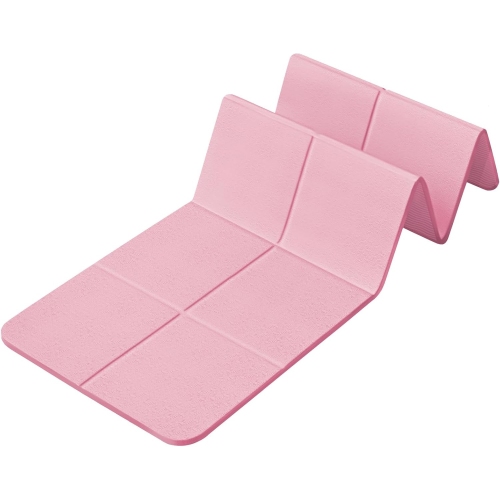
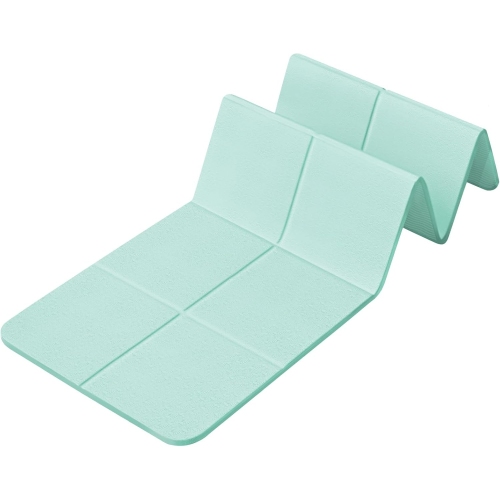
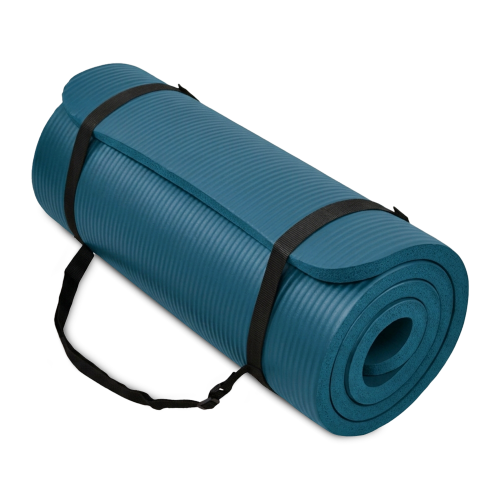

























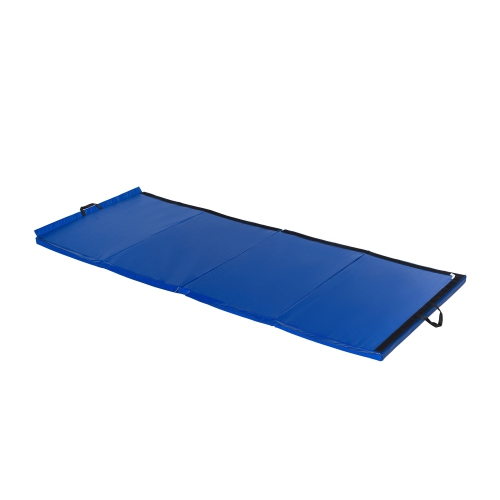
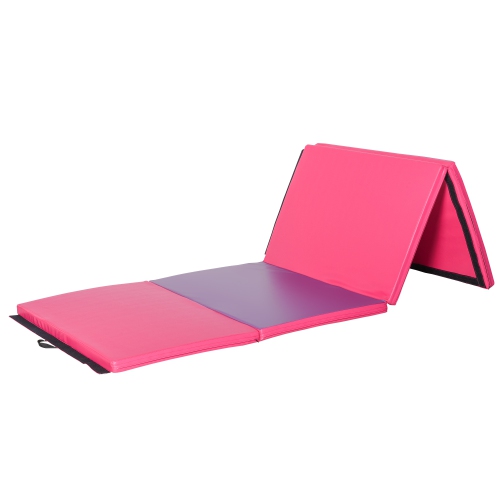
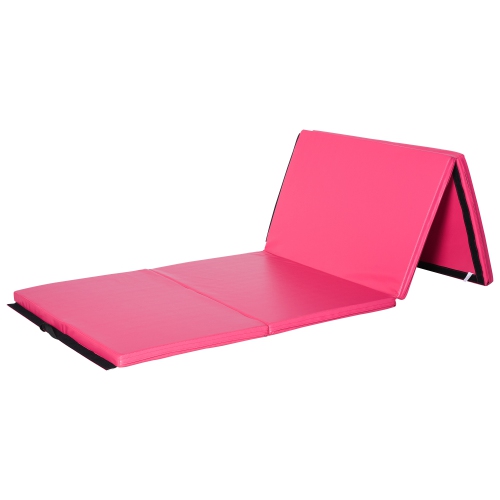

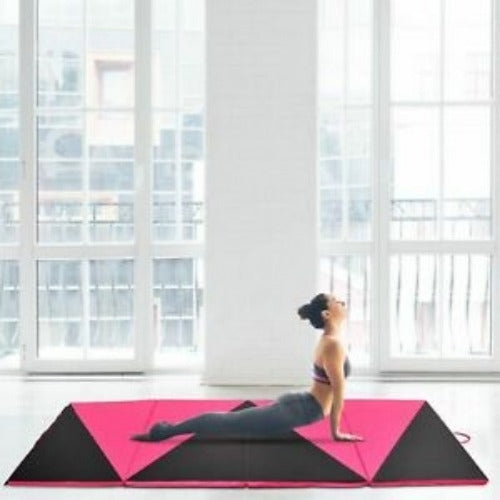

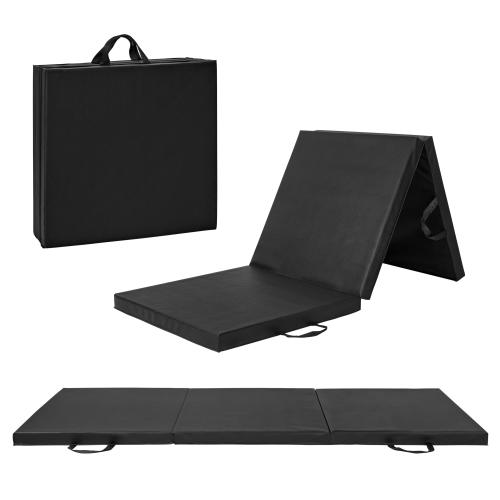

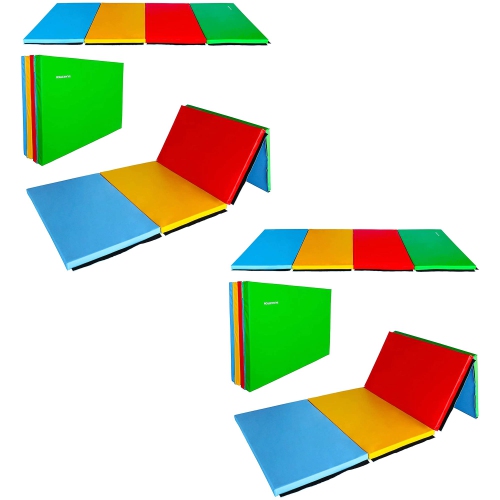
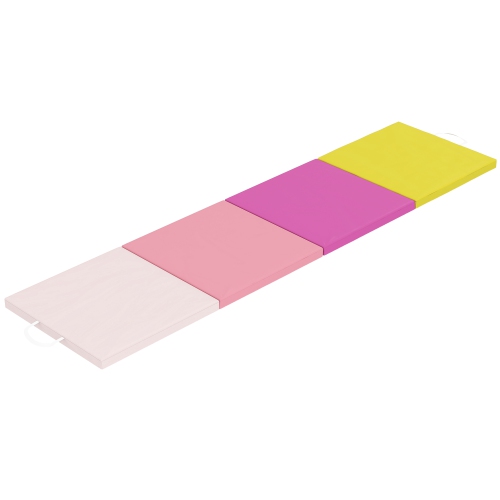

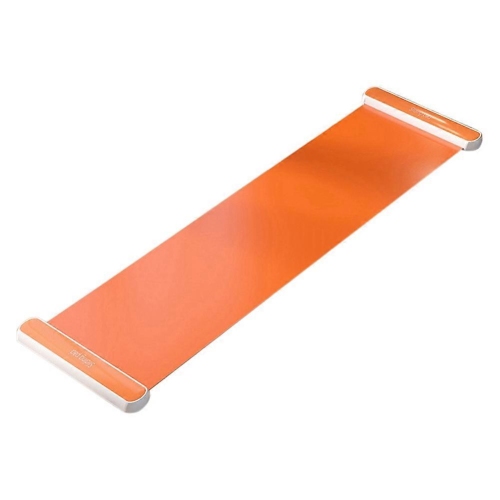












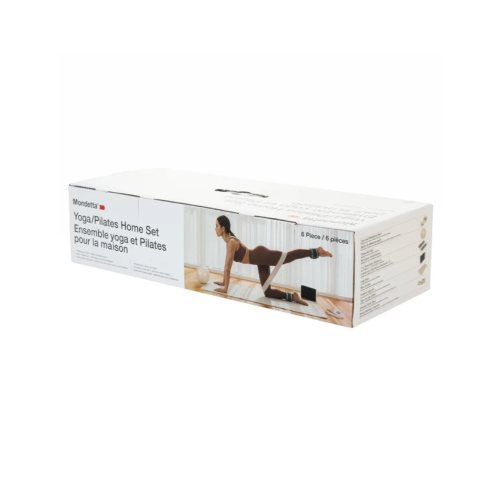
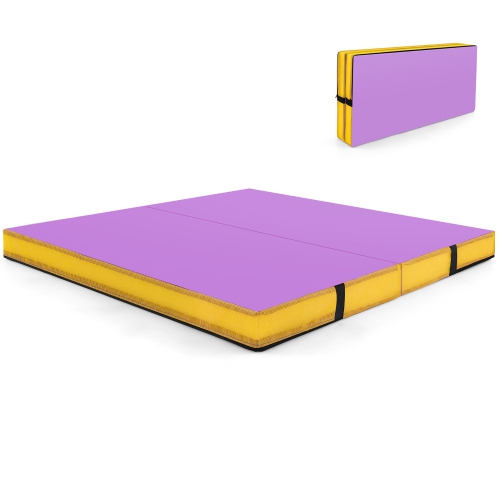

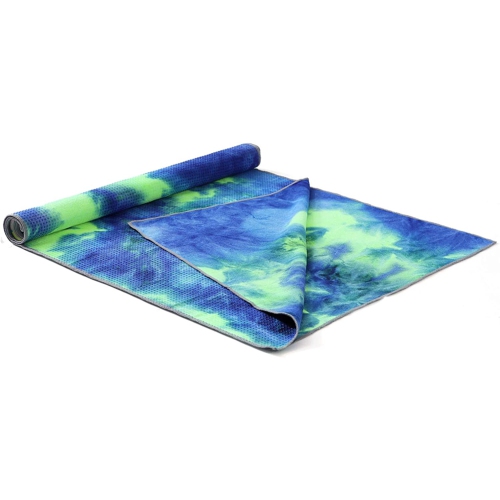
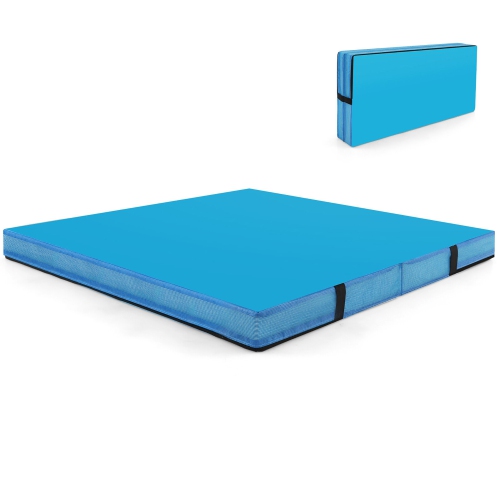
Why a thicker mat is not always better
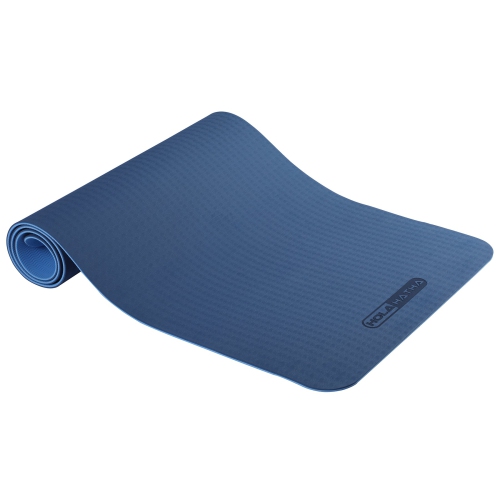
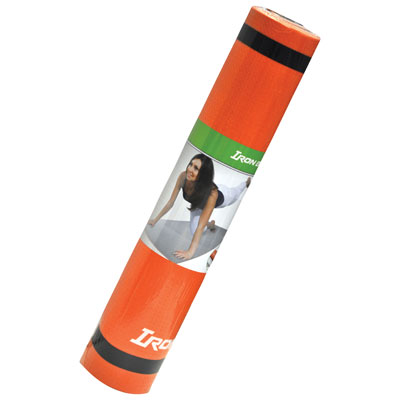
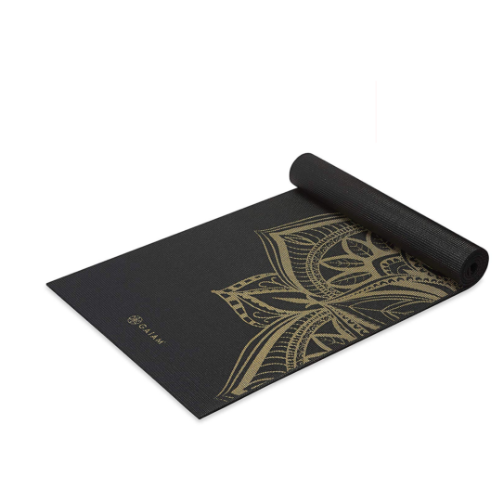
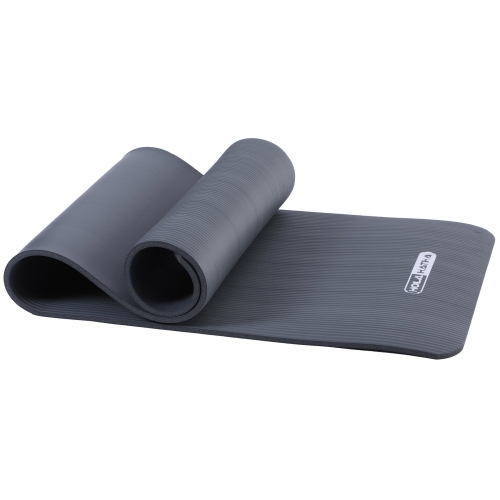
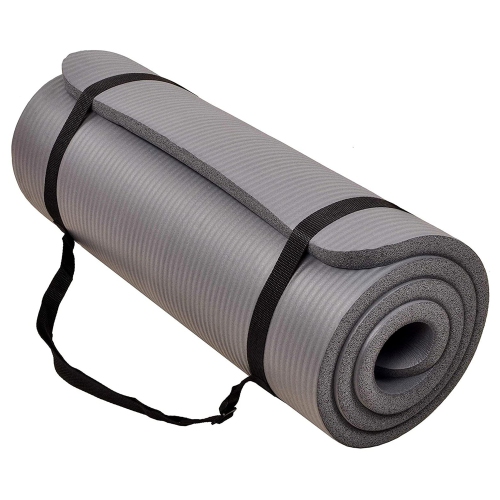
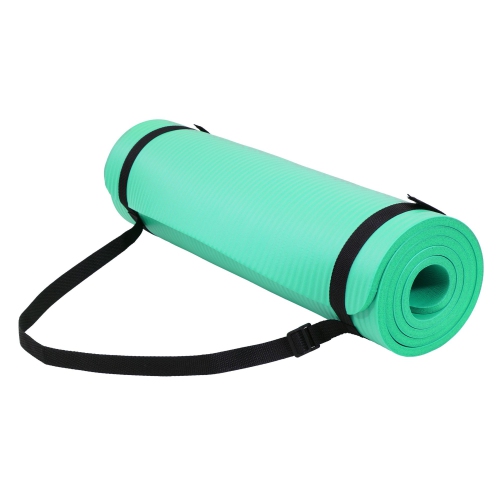
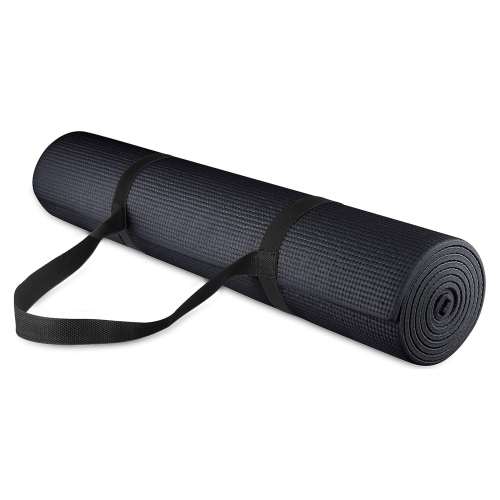
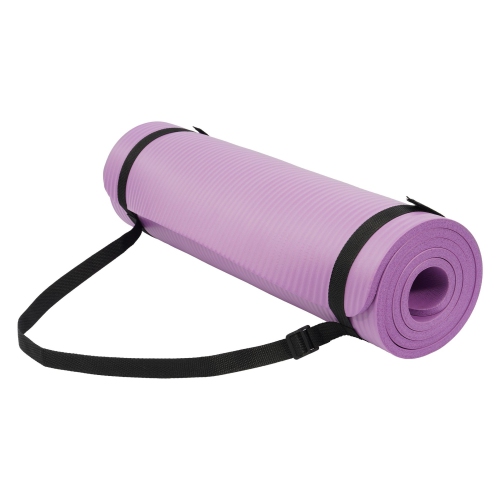
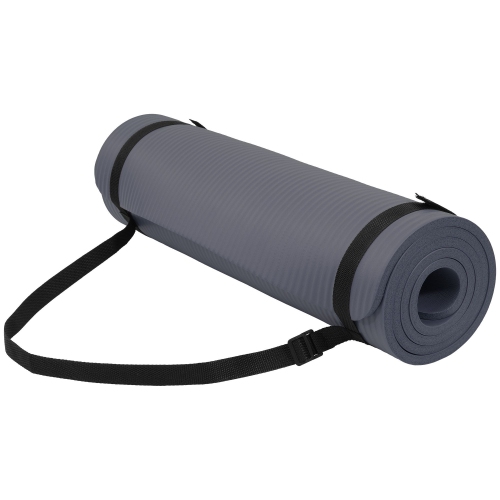
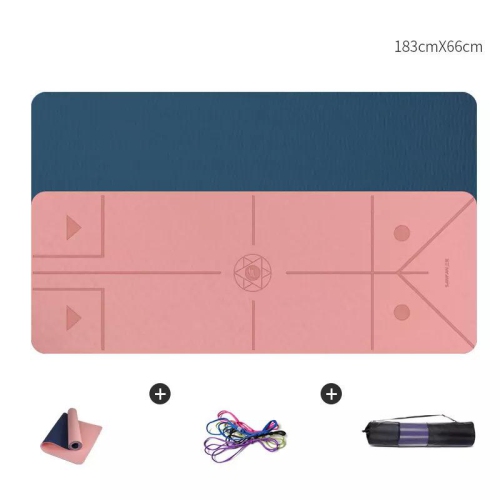
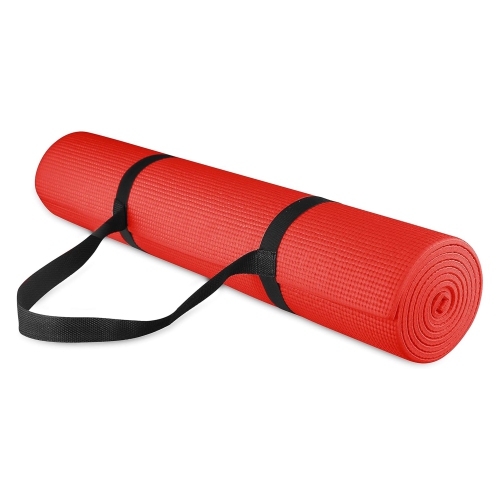
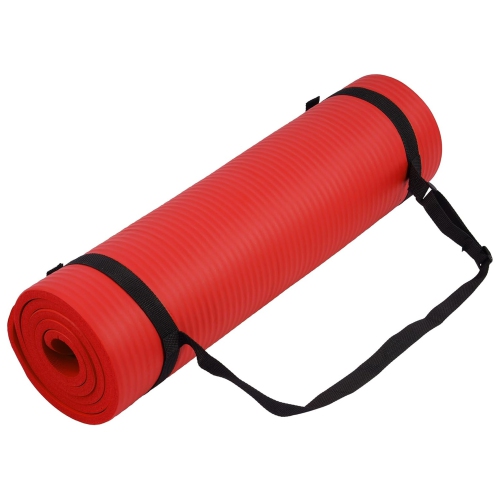
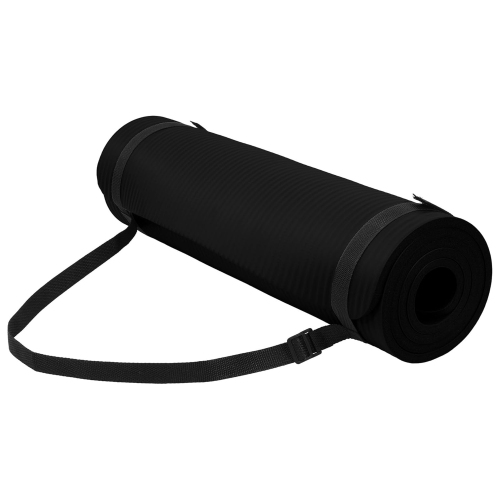
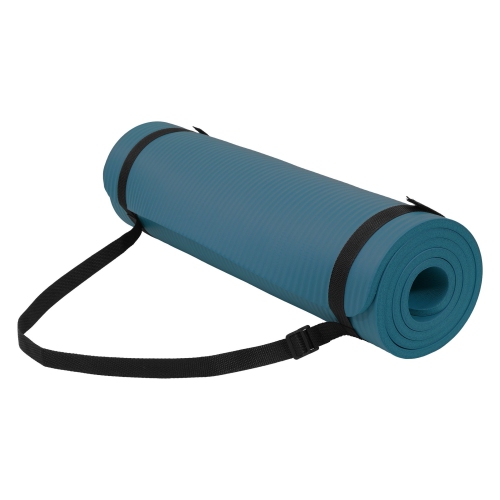
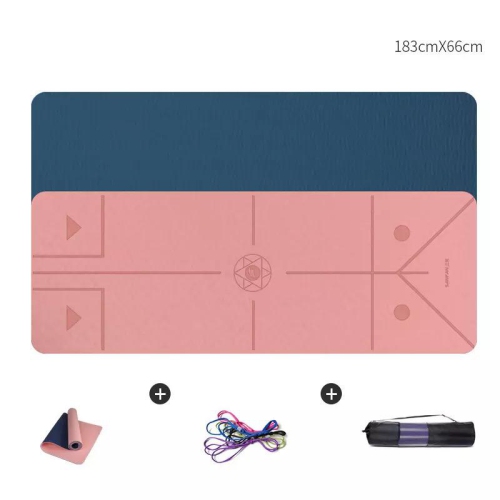
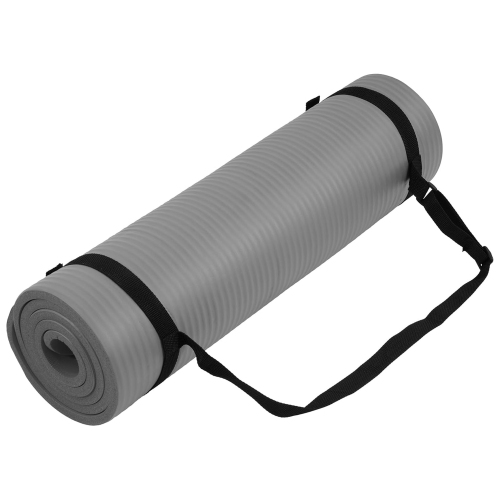
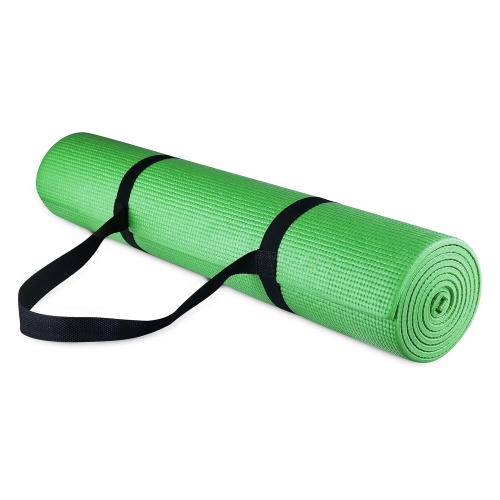
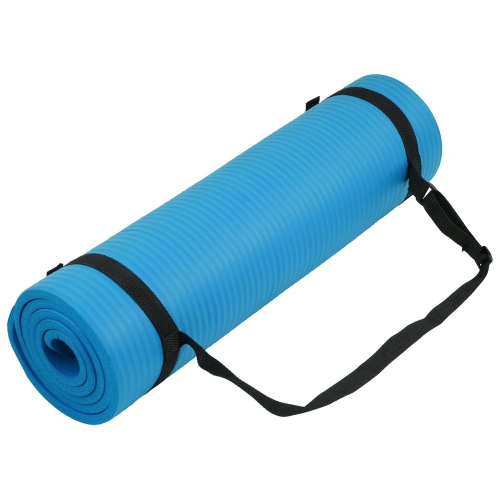
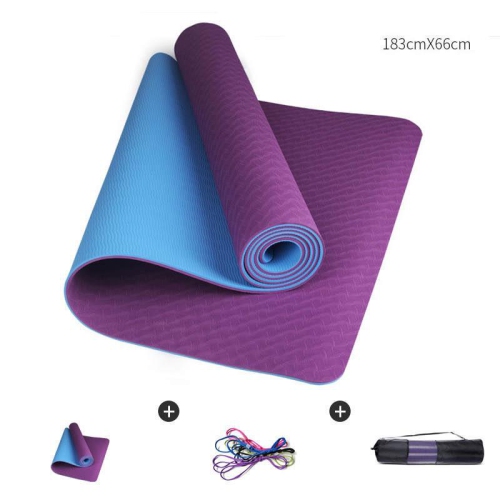
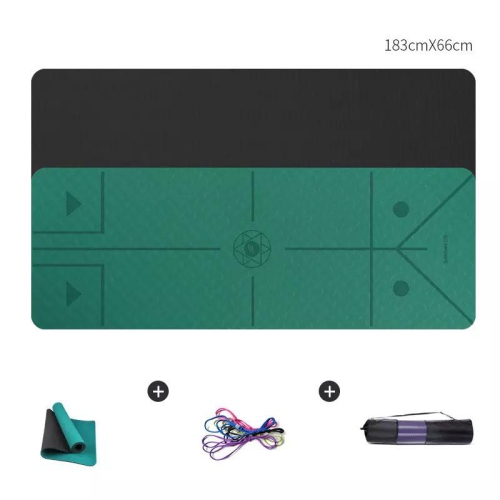
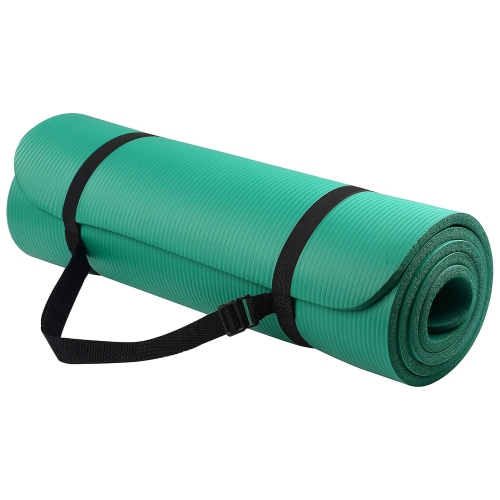
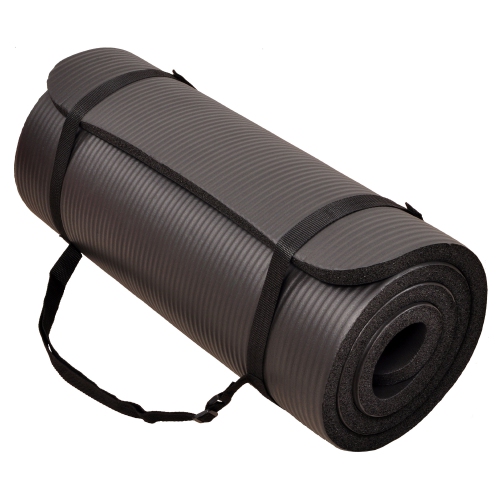
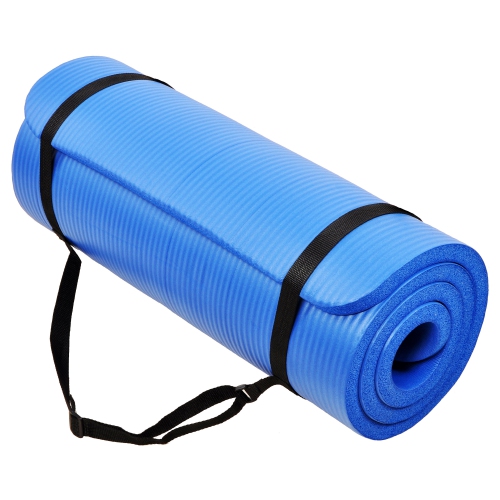
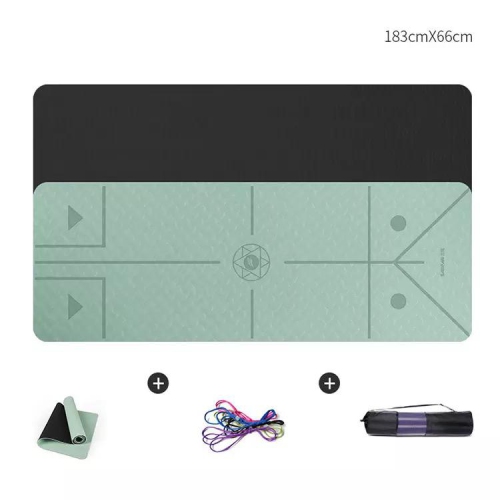
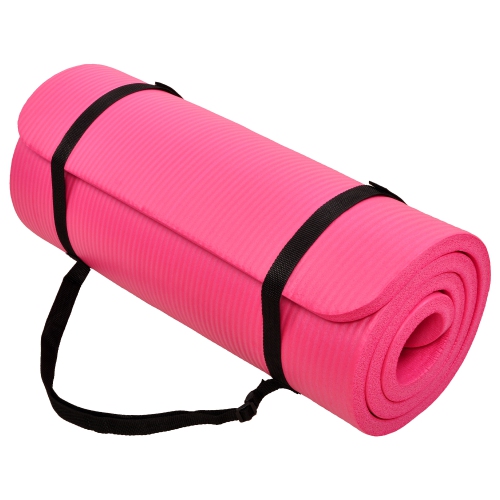
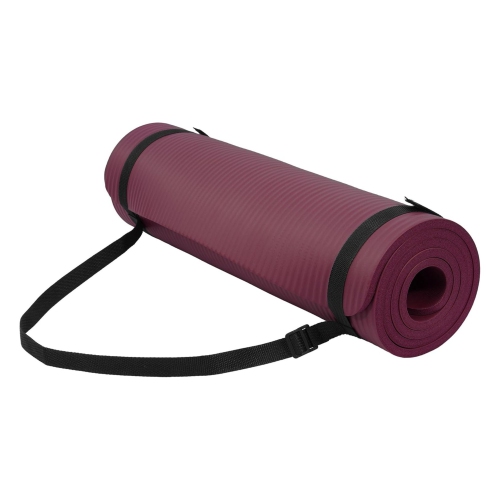
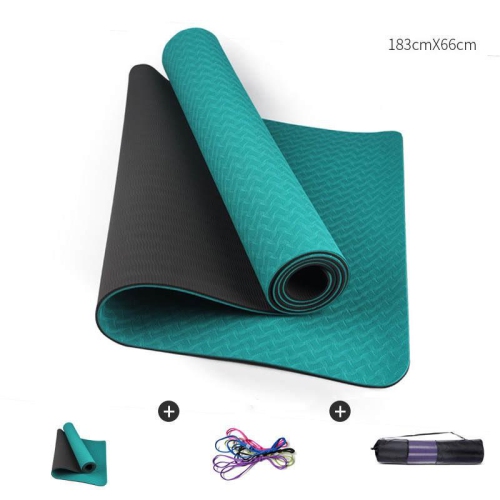
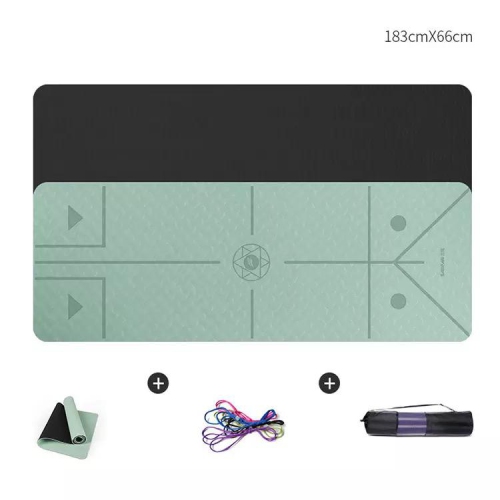
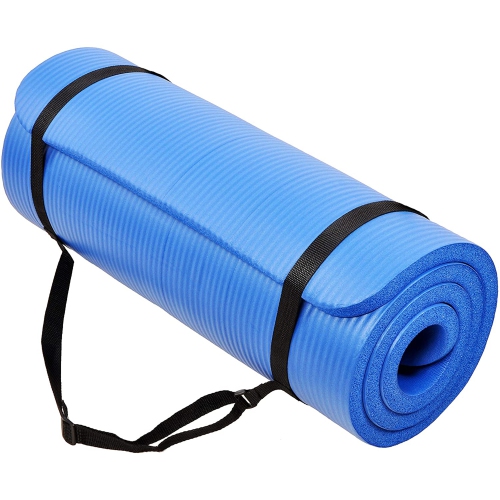
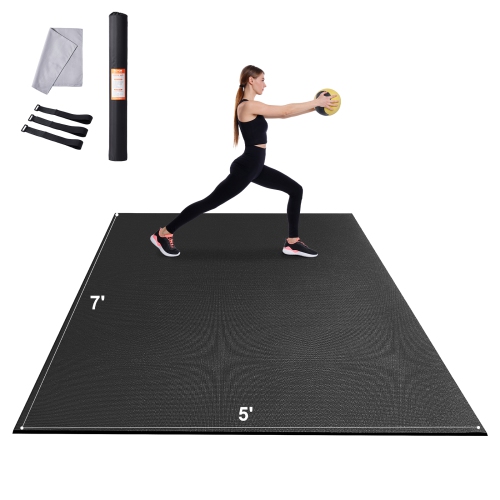
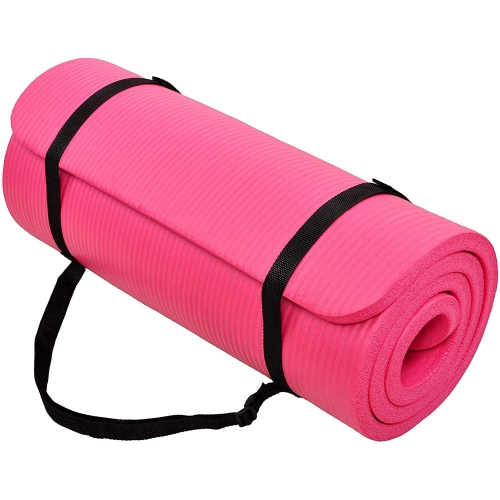
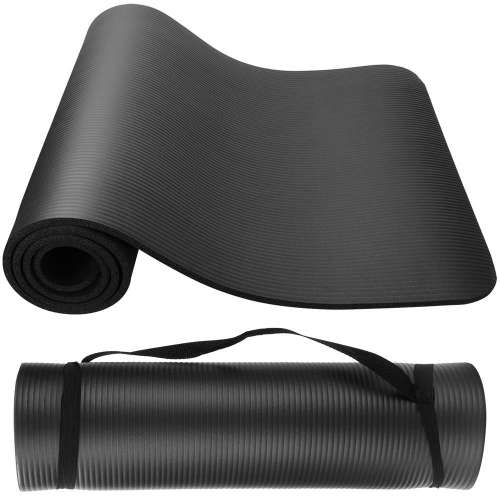
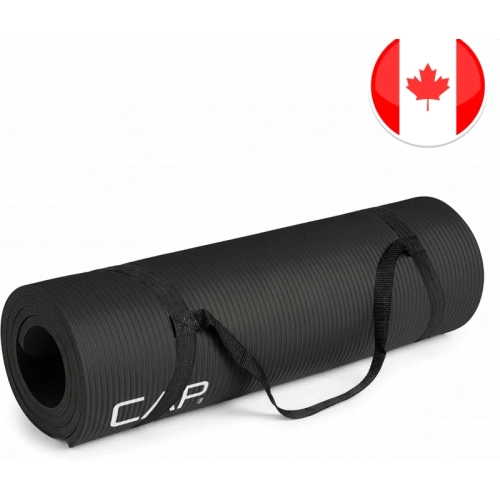
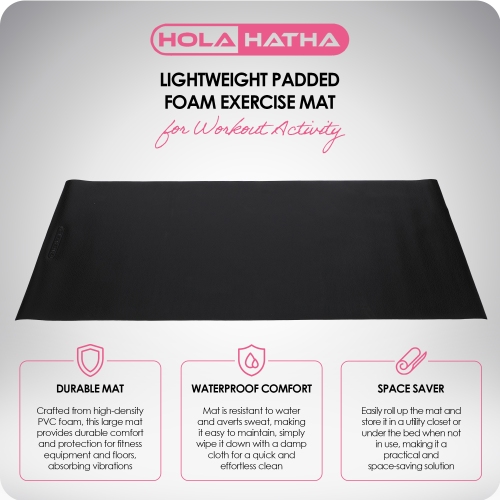
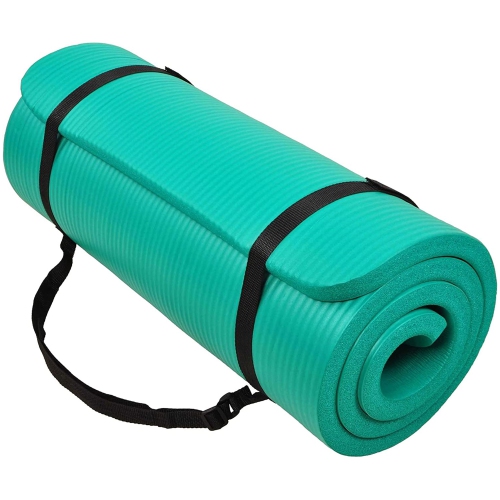
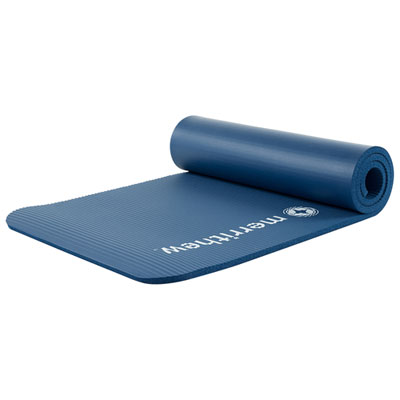
Yoga mats create a defined surface for movement, whether that means a flowing studio practice, a few stretches beside the bed, or quiet floor exercises at home. Their main purpose is to provide traction and a comfortable layer between the body and the floor, but the right balance of grip, cushioning, and firmness depends on how the mat will be used. A mat for standing poses needs to feel steady beneath the feet, while one used for kneeling stretches or longer seated positions may benefit from more cushioning. Many yoga mats measure approximately 173 to 183 cm long and around 61 cm wide, although dimensions vary. Extra length can be useful for taller users who want their head and heels to remain on the mat when lying down; extra width gives hands and feet more room during wider movements. Thickness is another practical distinction. Mats around 3 to 5 mm thick often balance portability with a relatively firm connection to the floor. A 6 mm mat may offer more cushioning, while substantially thicker foam can feel comfortable for floor-based movement but less stable during single-leg balances. Thickness alone does not determine comfort: a dense, firm material feels different from soft foam of the same depth. For someone moving from a low lunge into a standing pose, a mat that cushions the knee without compressing excessively beneath the foot can be a useful middle ground. Surface texture also matters. A lightly textured finish may help hands and feet maintain contact, while the underside needs enough traction to stay in place on the intended flooring. Labels such as non-slip describe a feature, not a guarantee under every condition; dust, moisture, socks, and floor finishes can all affect grip. A mat should lie flat without persistent curled edges and provide enough space for the movements it is intended to support. Colour, patterns, and alignment markings add another layer of choice, with subtle centre lines sometimes serving as visual reference points for hand and foot placement.
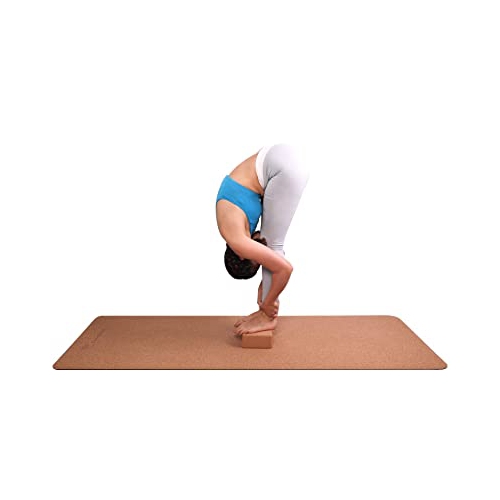
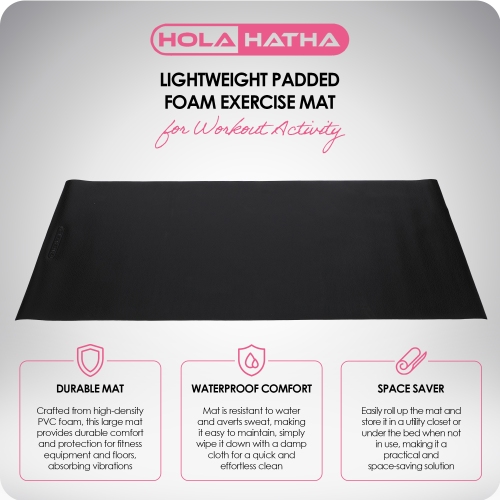
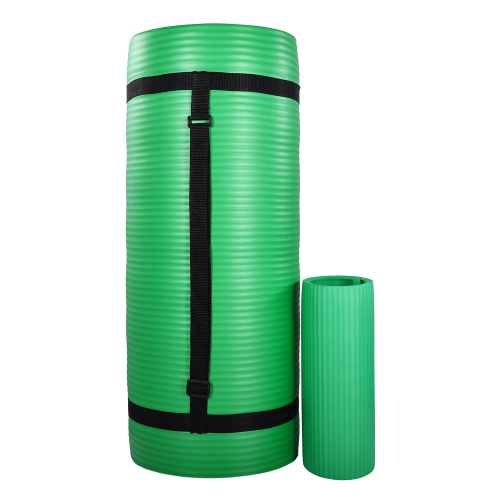
Material influences how a yoga mat feels, how much it weighs, and how it responds to repeated use. PVC mats are often valued for their durability and can have a textured or tacky surface, though firmness and grip differ between designs. Thermoplastic elastomer, commonly called TPE, is frequently used in lightweight mats with a cushioned feel. Natural rubber tends to be denser and can provide a grounded surface, but it may also make a rolled mat heavier to carry. Cork-topped mats offer a distinct surface texture, with grip characteristics that can change as moisture is introduced; the backing material and overall construction remain important to stability. Anyone with latex sensitivity should check the material information carefully, particularly when considering rubber, rather than assuming that a mat is latex-free. Surface construction also affects care. Closed-cell surfaces generally resist moisture absorption and are easier to wipe down, while more absorbent constructions may require additional attention to cleaning and drying. For hot yoga or a vigorous practice, grip when damp can matter as much as grip when dry. A compatible yoga towel may help manage perspiration, but it needs to sit securely rather than bunch beneath the hands or slide during transitions. For gentle stretching, restorative poses, or Pilates-style floor exercises, pressure comfort may take priority over portability. Even then, very soft padding can make some movements feel less controlled, so a thicker mat is not automatically better for every routine. People who prefer a firm surface may find a thinner, denser mat more comfortable than a deep layer of foam. Surface feel is personal as well: some users like pronounced texture, while others prefer a smoother finish against bare skin. An easy-to-clean mat can be especially practical in a shared household or for someone alternating between home and studio sessions. When giving a yoga mat as a gift, matching the recipient’s usual activity, preferred dimensions, and comfort preferences is more useful than choosing by appearance alone.
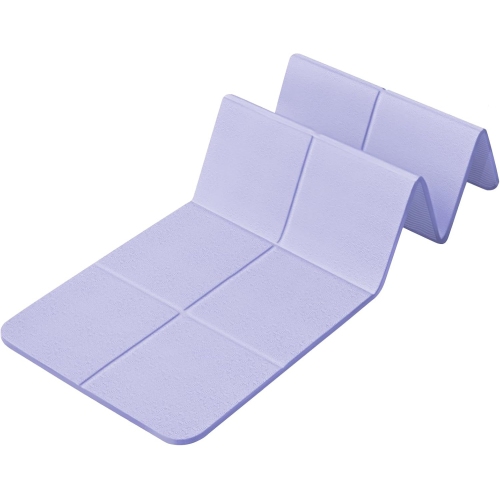
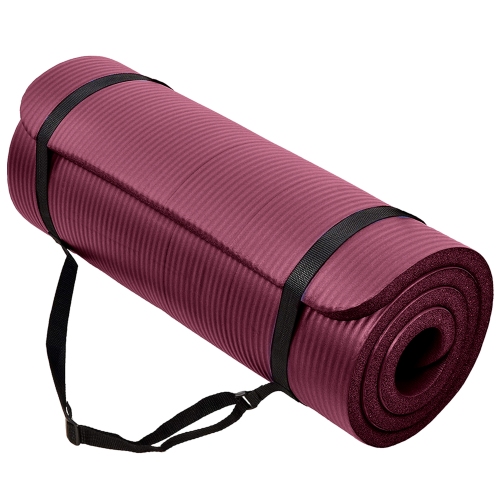
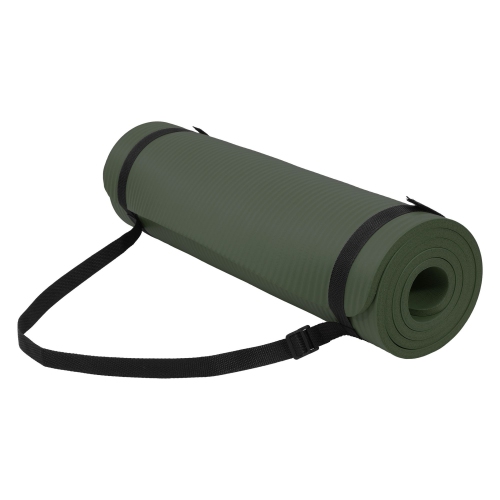
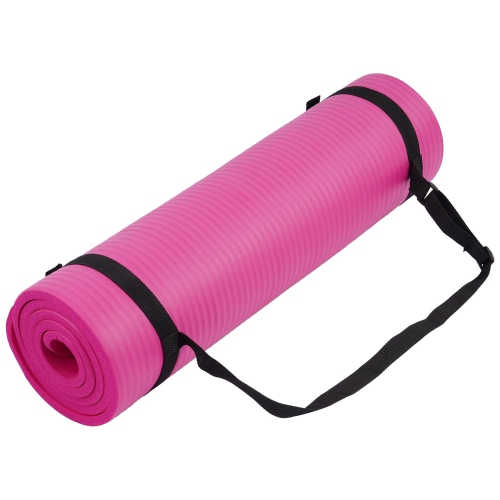
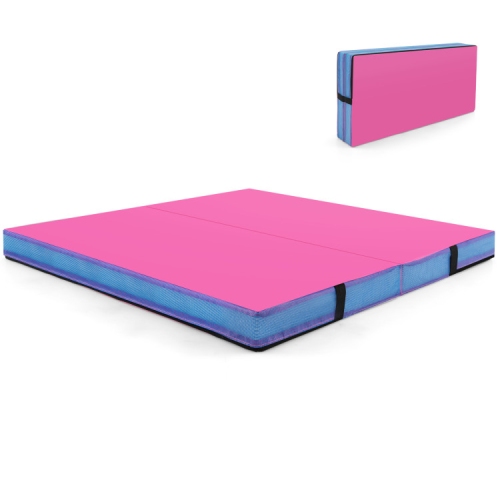
Day-to-day details often determine how well a yoga mat fits into a routine. A lightweight mat that rolls compactly is easier to carry alongside a water bottle and a change of clothes, while a heavier mat may suit a dedicated space where it can remain unrolled. Travel-oriented mats can be thinner and may fold rather than roll, but that portability usually means less cushioning on a hard floor. Carrying straps, bags, and closures should fit the mat’s rolled diameter without squeezing it unnecessarily, and a mat that is easy to pack can make the trip between home and class less awkward. At home, the usable floor space matters as much as the mat’s measurements: there should be room around it for arms to extend and feet to move without meeting furniture. Care should follow the manufacturer’s directions, since cleaning methods that suit one material may damage another. Many mats can be wiped with a soft cloth and an approved mild cleaning solution, but soaking, machine washing, or using strong disinfectants should never be assumed safe. Allowing the surface to dry fully before rolling helps avoid trapping moisture. Storage away from direct sunlight and concentrated heat can help prevent premature changes to the material. Durability is best judged through the whole construction, including surface wear, edge condition, and how well the mat returns to shape after compression. Flaking, deep cracks, persistent stretching, or a loss of dependable traction can affect usability. Shoes, pet claws, and equipment with sharp or concentrated contact points may damage surfaces designed mainly for bare feet and controlled movement. Yoga mats can also serve as a comfortable base for some mobility exercises and gentle floor workouts, but they are not a substitute for padding designed for landings or tumbling. For activities requiring a different type of padded surface, Gymnastic Mats have their own construction and intended uses. Matching the surface to the activity helps keep a yoga mat useful for the movements it was designed to support.
Top selling and popular products
-
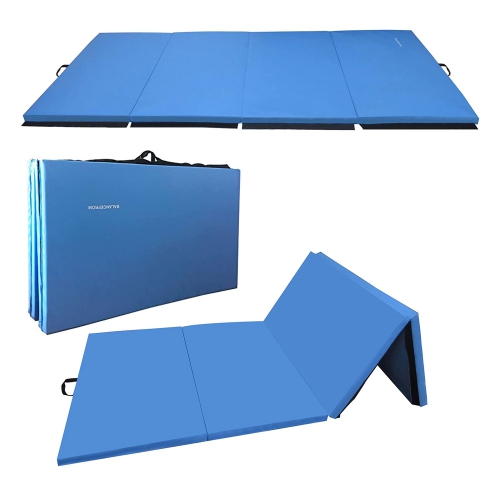 Your price for this item is $212.99
-
 Your price for this item is $225.99
-
 Your price for this item is $251.99
-
 Your price for this item is $220.99
-
 Your price for this item is $229.99
-
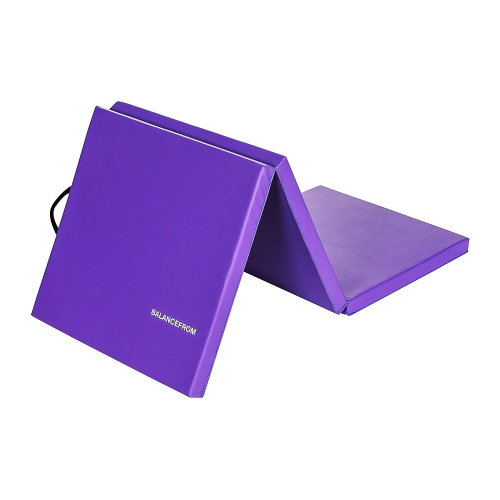 Your price for this item is $84.99
-
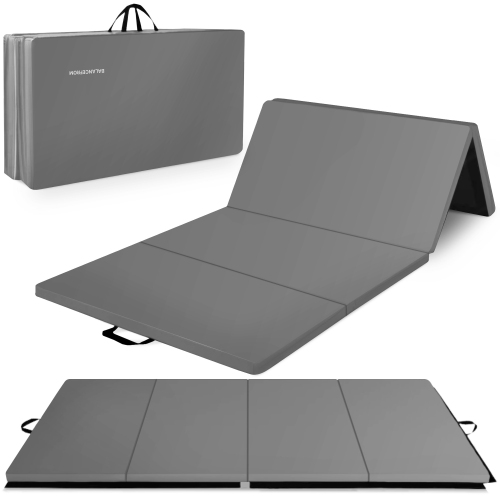 Your price for this item is $227.99
-
 Your price for this item is $259.99
Discover more categories related to Yoga Mats
Top Collections:
Pokemon Centers, Kindle Devices, Best Budget Office Chairs, Canon G7X Cameras, Apple iPhones 16, Samsung Galaxy Phones, Refurbished Apple Laptops, Laptops for Students, iPhone 15 Apple, Budget Smartphones
Some products may be subject to Environmental Handling Fees
(EHF) depending on your province.
Learn more about EHFs.