Yoga Mats Canada
Elevate your yoga practice with the perfect yoga mat, designed to provide comfort, stability, and support for every pose. Whether you're a seasoned yogi or just beginning your journey, finding the right mat is essential for enhancing your experience. Explore a diverse selection of yoga mats available, each offering unique features to suit different preferences and needs. From eco-friendly materials to extra cushioning for joint protection, there's a mat for everyone looking to deepen their practice and achieve ultimate relaxation. Discover the ideal balance between grip and comfort as you embrace your wellness journey with confidence.
Sort


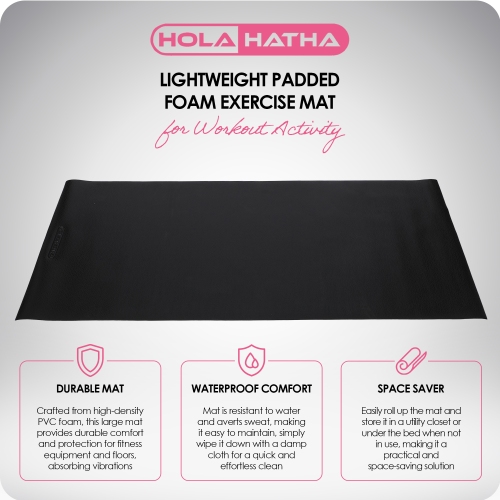

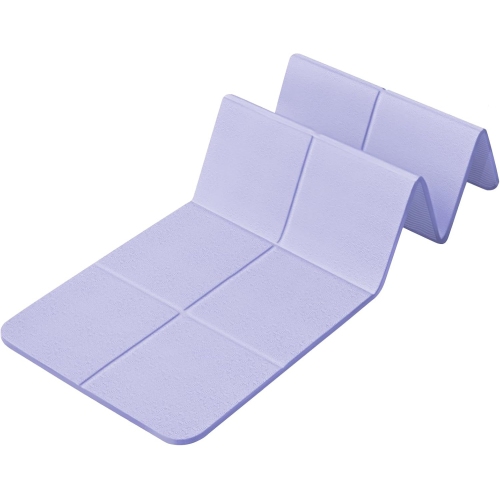
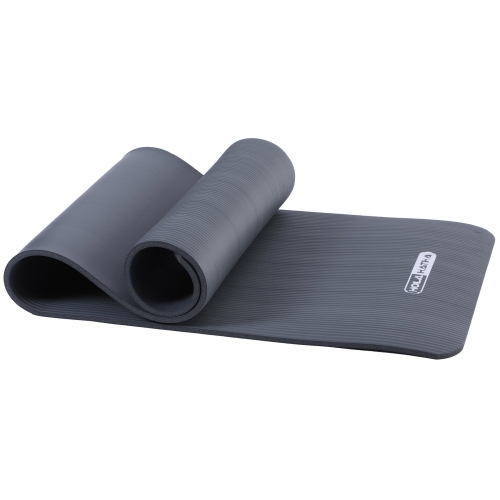

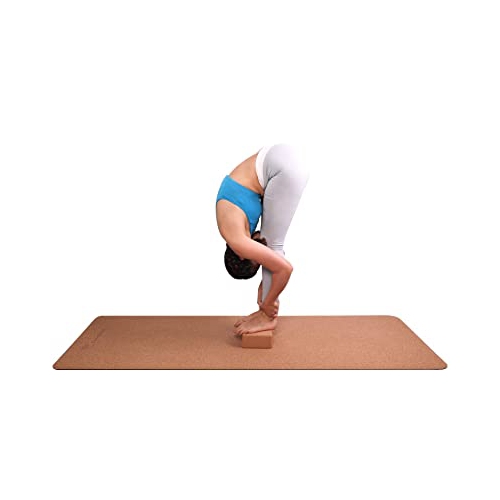
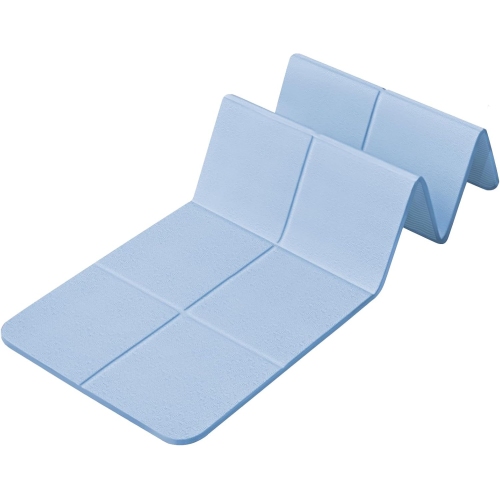

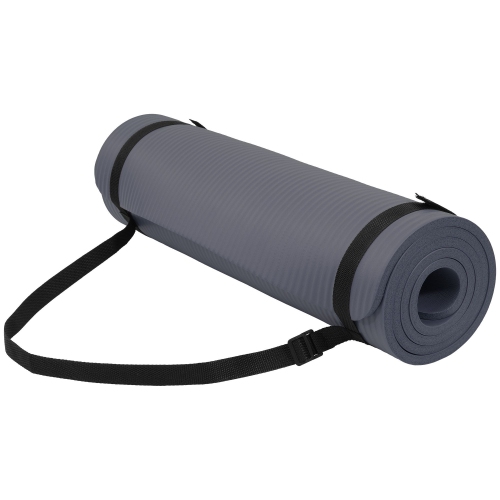
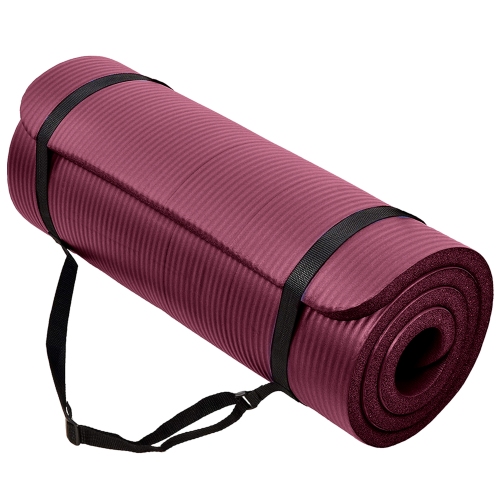
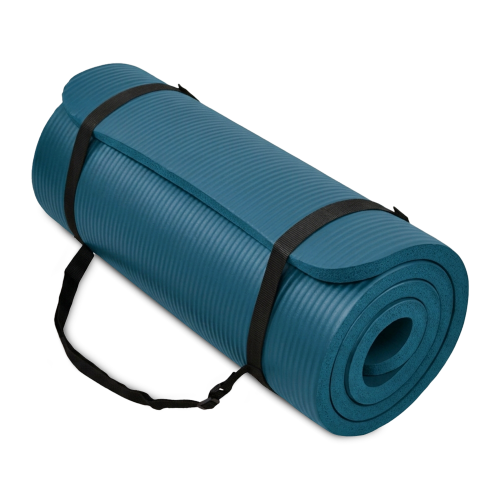
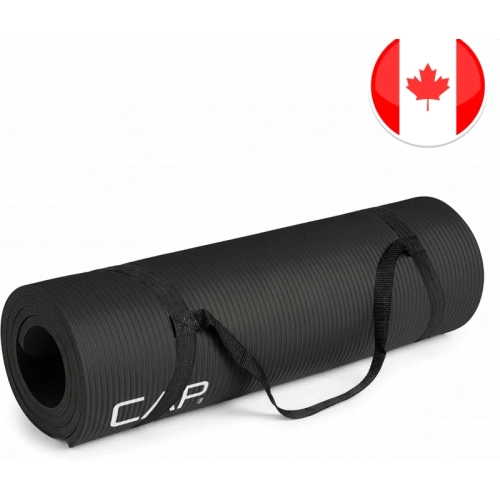
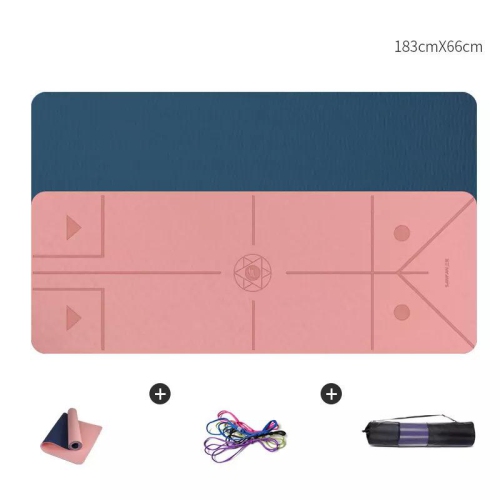

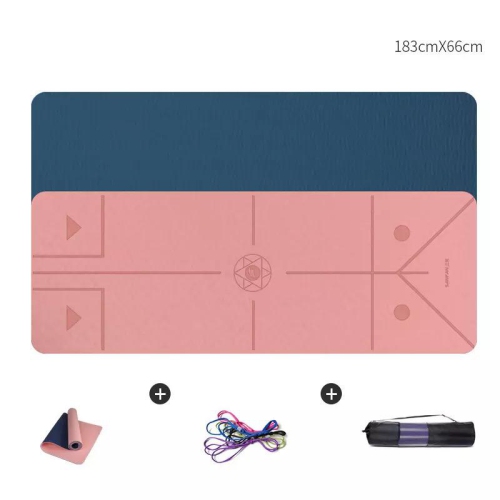
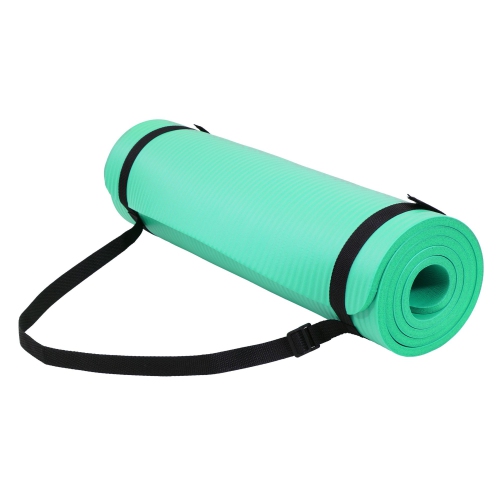
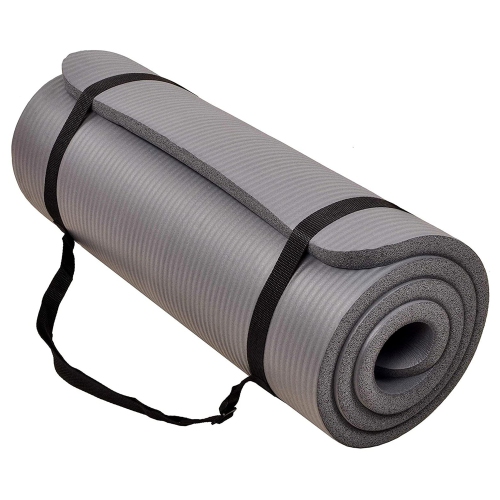
Comfort, traction, thickness, care, and portability matter
Finding the right yoga mat in Canada can make a noticeable difference to how comfortable and confident a practice feels. A mat creates a defined space for movement, whether it is rolled out beside the sofa for a few morning stretches, placed in a studio for a flowing class, or packed for a weekend away. When browsing Yoga Mats, start by considering the type of activity, the amount of cushioning you prefer, and where the mat will be used most often. A standard mat with moderate cushioning is a versatile choice for yoga, Pilates, mobility work, breathing exercises, and bodyweight training. Thinner mats can provide a firmer, more grounded feel that suits balance-focused poses and standing sequences, while thicker mats offer more comfort under knees, wrists, hips, and elbows during floor-based movements. A person who enjoys restorative yoga may appreciate a softer surface for longer seated or reclined poses, whereas someone practising quick transitions may prefer a mat that feels stable and responsive beneath the hands and feet. For beginners, a medium-thickness option is often a practical starting point because it offers a balance of comfort, portability, and control without making the mat feel overly soft. Experienced users may choose a particular surface texture or density based on muscle memory, class style, and the sensations they prefer during familiar poses. Yoga mats are also useful beyond traditional yoga; they can support stretching before a run, core exercises at home, meditation, physiotherapy-inspired routines, and gentle movement during cooler months when indoor exercise becomes especially appealing.
Material and surface finish play an important role in day-to-day use. PVC mats are widely chosen for their cushioning, easy-care surface, and dependable structure, making them suitable for home practice and regular beginner sessions. TPE mats are often lightweight and flexible, which can make them convenient for people who carry their mat to classes, work, or a community centre. Rubber-based mats can provide a substantial feel and strong traction, although anyone with a latex sensitivity should check the material details carefully before purchasing. Some mats have a smooth finish, while others feature a textured surface designed to help hands and feet stay in place. Grip becomes particularly important during flowing sequences, downward-facing dog, lunges, and sessions that raise your heart rate. If you tend to perspire during exercise, look for a mat with a surface that remains secure when damp and consider keeping a small towel nearby for additional hand support. Thickness should be weighed alongside firmness: a plush mat may feel inviting at first, but too much give can make balancing poses more difficult and may leave joints feeling less supported during movements that require a stable base. Length and width matter as well. Taller users may prefer extra length so their head and feet remain on the mat during floor stretches, while a wider design can provide more room for starfish stretches, dynamic transitions, or rehabilitation exercises. Weight and rollability are worth considering if the mat will be stored in a small apartment, carried on public transit, or taken to a class through icy or wet conditions. A carrying strap or built-in fastening feature can make transport easier, while a mat that lies flat soon after unrolling is helpful when practice time is limited.
Care requirements can influence how well a yoga mat fits into your routine. After a session, allow the mat to air out before rolling it tightly, particularly if it has been used for heated exercise or an intense workout. Wiping the surface with a soft cloth and a cleaner recommended for the material can help remove perspiration and dust without affecting the finish. Avoid assuming that every mat can be placed in a washing machine, soaked in a tub, or exposed to strong household cleaners; care instructions vary by construction and surface coating. Store the mat away from direct heat and sharp objects, and keep it rolled as recommended so it is ready to lie flat for the next session. A yoga mat can also be a thoughtful gift for someone establishing a home fitness habit, returning to movement after time away, attending classes, or creating a calm corner for stretching and meditation. For a gift, a versatile size and medium cushioning are generally approachable choices, while someone who attends hot yoga, travels frequently, or already has a regular practice may value specialized grip, a compact design, or a particular material. During the cooler months, a personal mat can turn a small indoor area into a welcoming place for movement, from a quiet stretch beside a window to a full routine before the day begins. Choosing with comfort, traction, thickness, care, and portability in mind helps match the mat to the person using it and the way it will become part of everyday life.
Top selling and popular products
-
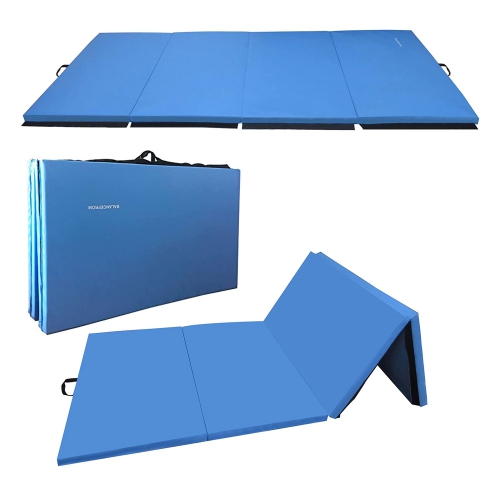 Your price for this item is $212.99
-
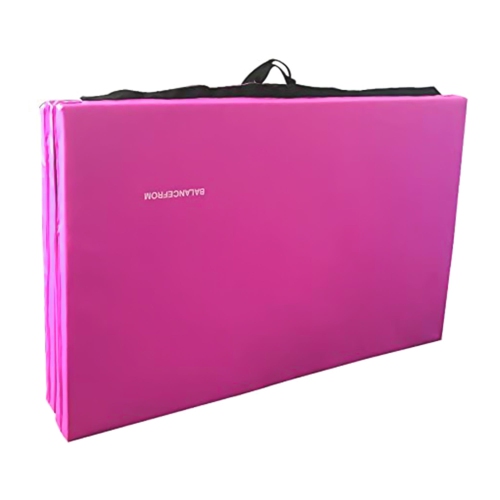 Your price for this item is $225.99
-
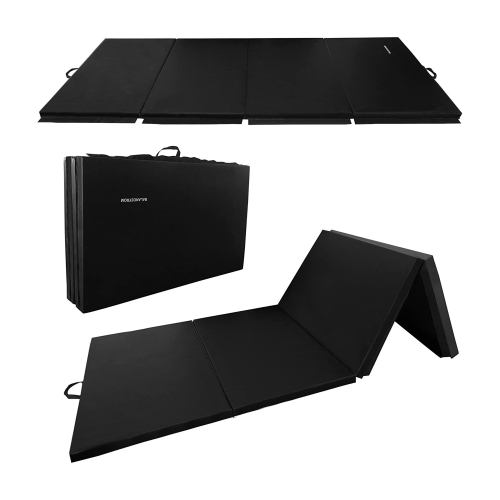 Your price for this item is $251.99
-
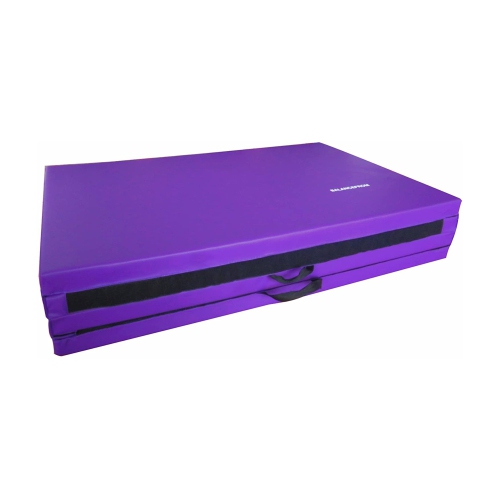 Your price for this item is $220.99
-
 Your price for this item is $229.99
-
 Your price for this item is $79.99
-
 Your price for this item is $227.99
-
 Your price for this item is $260.99
Discover more categories related to Yoga Mats Canada

Top Collections:
Pokemon Centers, Best Cameras for Sports Photography, Kindle Devices, Samsung Galaxy Phones, Canon G7X Cameras, Pokémon 30th Celebration Cards, Refurbished Apple Laptops, iPhone 15 Apple, Laptops for Students, Budget Smartphones
Some products may be subject to Environmental Handling Fees
(EHF) depending on your province.
Learn more about EHFs.