Yoga Mats for Gentle Yoga
Yoga Mats for Gentle Yoga are designed to support your practice, helping you find comfort and stability with every pose. Whether you're new to yoga or enjoy a slower-paced session, the right mat can enhance your experience by providing a reliable surface for stretching, breathing, and relaxation. Explore a variety of options tailored to meet the needs of gentle yoga enthusiasts and discover mats that complement your routine at home or in the studio. Find the perfect fit to help you focus on mindfulness and movement during every practice.
Sort

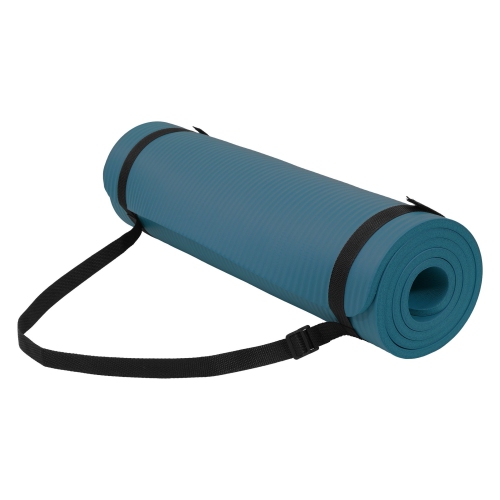
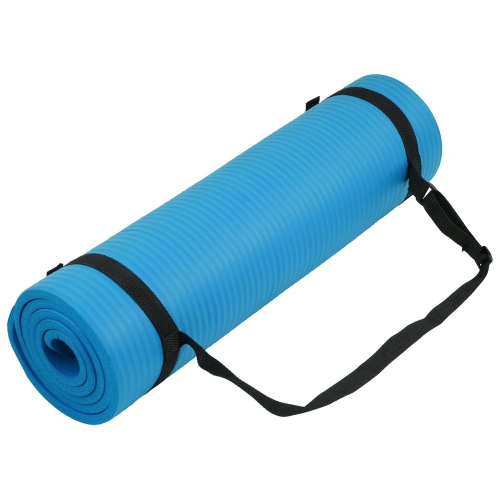
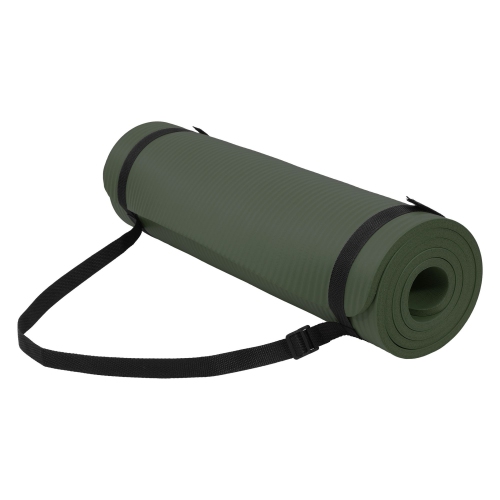
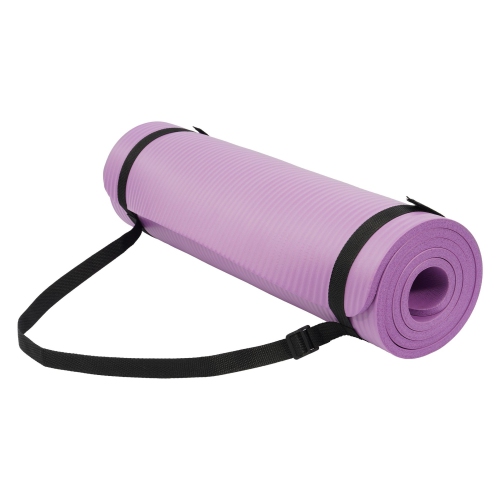
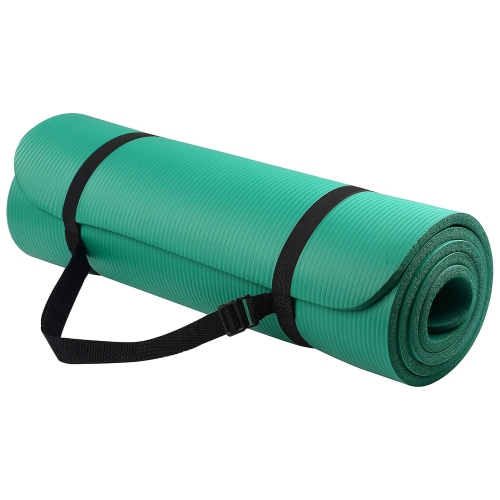

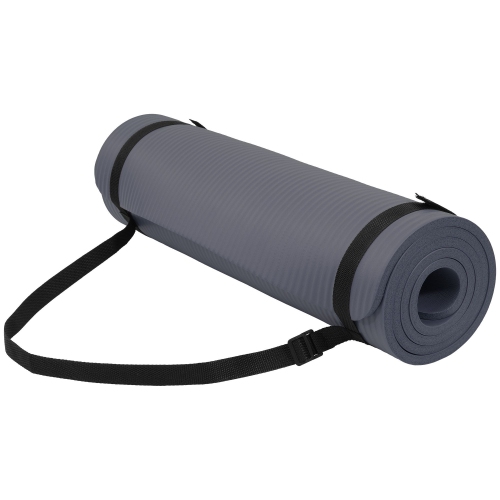
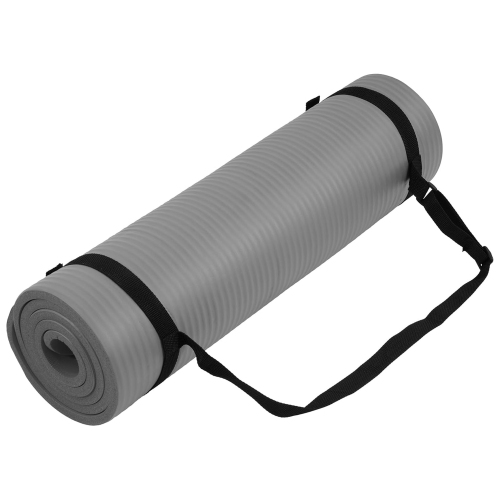
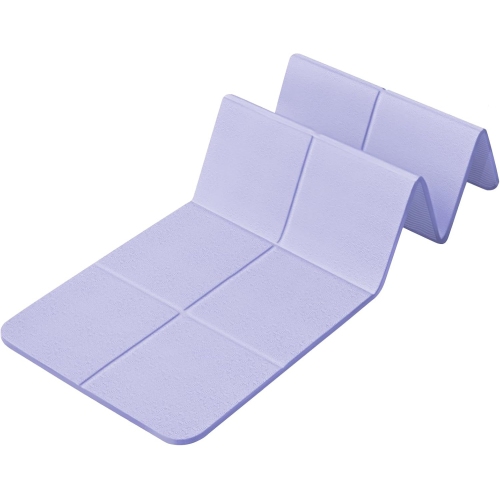
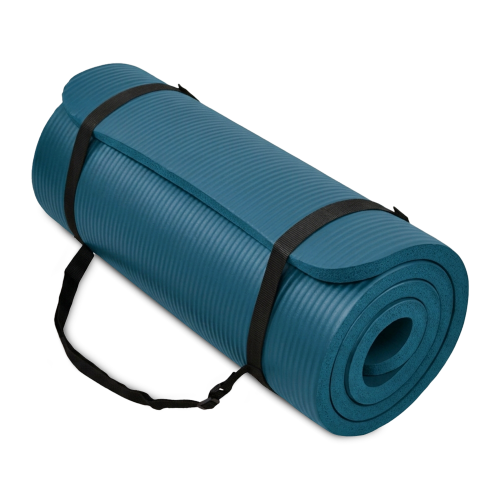
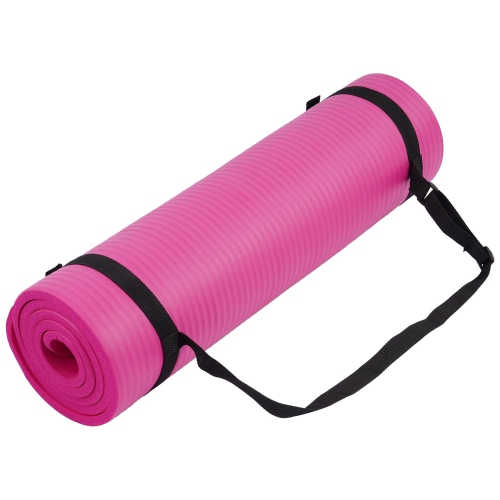
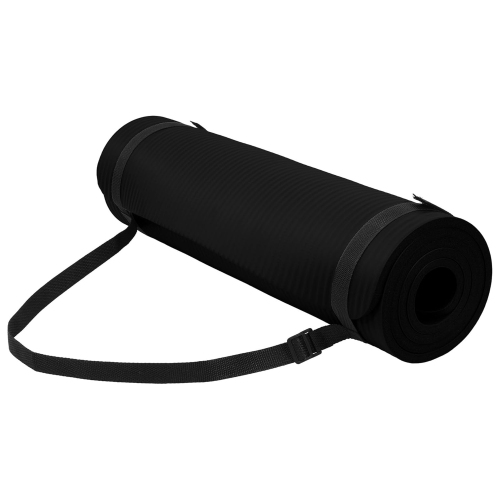

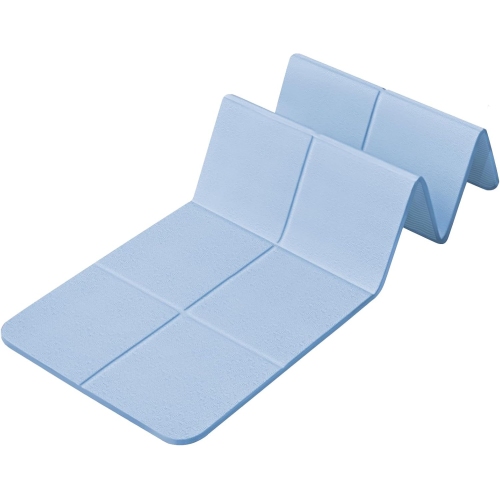
Why softer isn’t always better for floor stretches
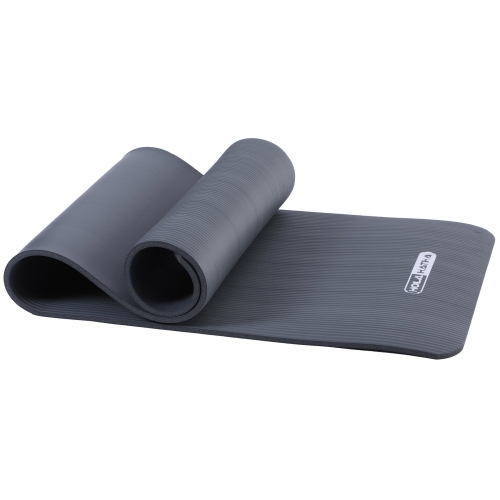
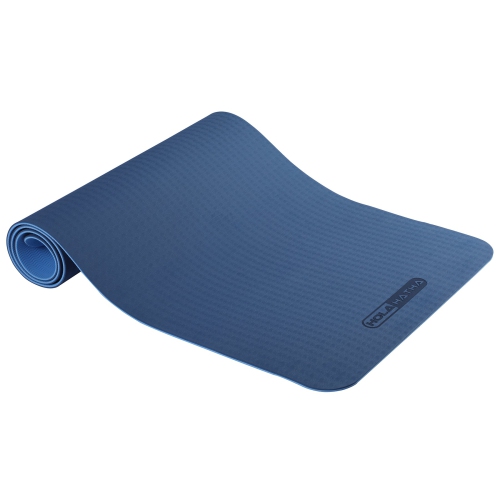
Yoga mats for gentle yoga create a comfortable foundation for slower movement, supported stretches, and quiet time on the floor. In a practice that includes seated folds, reclining twists, or extended kneeling, cushioning matters differently than it does during a fast sequence of standing poses. A mat around 5 mm to 6 mm thick is a useful starting point for many gentle yoga routines, offering padding beneath knees, hips, and elbows while retaining enough firmness for basic standing movements. Thickness alone does not determine comfort, however. A dense mat can provide steady support without flattening quickly, while a softer foam may feel plush at first but compress more noticeably beneath a knee or heel. For someone moving between floor stretches and standing poses, a surface that cushions without feeling unstable often offers the most versatile balance. Practices centred almost entirely on reclining or seated positions may suit a softer feel, whereas gentle flows with lunges and balance work generally benefit from a firmer foundation. The floor underneath also affects the experience: the same mat can feel quite different on hardwood, tile, or carpet. Length and width deserve attention, particularly for taller people or anyone who prefers extra room around the shoulders. During a reclining stretch, the head and heels should have enough space to rest comfortably on the mat rather than extending onto the floor. A wider surface can also make relaxed arm positions feel less confined, though it takes up more space in a shared studio or small room. Beginners, regular practitioners who enjoy a slower pace, and people adding short stretching sessions to their day can all appreciate these practical details. Gentle yoga does not require the softest mat possible; it benefits from a mat whose cushioning, dimensions, and stability suit the movements being practised. A folded blanket or suitable yoga prop can add localized padding when needed without making the entire standing surface softer.
Across the broader Yoga Mats category, material and surface construction influence how a mat feels, grips, rolls, and wears over time. PVC mats can offer a resilient surface and straightforward upkeep, although their weight, texture, and cushioning vary by construction. TPE mats are often relatively light and flexible, making them practical for carrying between home and a studio, but their firmness and resistance to compression differ between designs. Natural rubber mats can provide a grounded feel and dependable traction, though some are heavier to transport. Anyone with a latex allergy should check the material information carefully, since natural rubber may contain latex. Foam softness is worth considering alongside the material name: two mats of the same thickness can feel noticeably different when supporting the hands, knees, or seat. Surface texture also plays a role during slow transitions. A lightly textured finish can help hands and feet stay planted, while an overly pronounced pattern may feel distracting against the cheek or forearm during longer floor poses. Grip can change with moisture, so a mat that feels secure under dry hands may behave differently during a more active session. For gentle yoga, comfortable contact and reliable dry grip are often more relevant than features intended for very sweaty workouts. Durability becomes apparent in everyday details such as whether the edges remain flat, the surface resists flaking, and compressed areas recover after use. A mat that develops deep dents or curled corners may be less comfortable for extended holds and more awkward to move across. Colour and pattern can be personal choices, with simple designs creating a quiet visual backdrop and alignment markings offering reference points for hand or foot placement. Those markings are optional rather than essential, especially for restorative sessions with fewer standing poses. Material descriptions, dimensions, and care information provide more useful context than thickness alone when assessing how a mat may suit regular gentle practice.
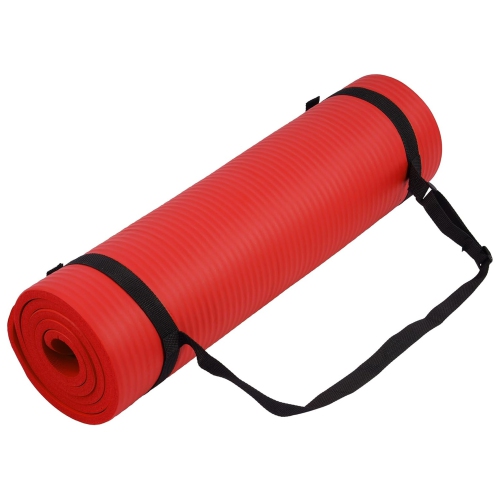
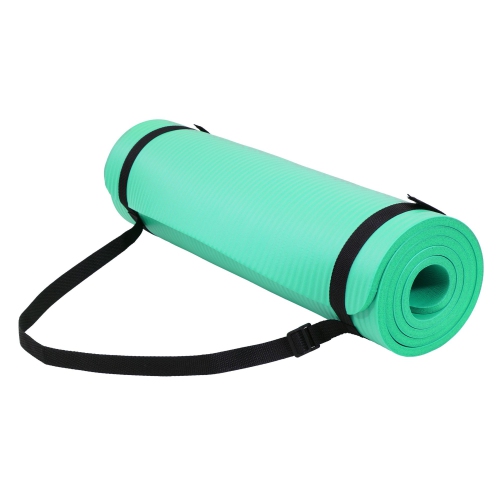
A yoga mat for home use needs to fit the space as comfortably as it fits the person using it. Enough clearance around the mat allows arms to open during a reclining twist and legs to extend without bumping furniture. On carpet, a very soft mat may feel less steady during standing poses because both layers compress; on a smooth hard floor, a secure underside helps limit sliding during position changes. A clean, dry floor also keeps grit from collecting beneath the mat or marking its surface. For studio visits, carrying weight and rolled size become more important, particularly when the journey includes walking or public transit. A strap or appropriately sized bag can make transport easier without requiring the mat itself to be especially thin. Care routines should follow the material-specific directions, since cleaning methods that suit one construction can damage another. Many mats can be wiped with a soft cloth and a manufacturer-approved cleaner, but soaking, machine washing, direct sunlight, and strong cleaning agents are not suitable for every material. Allowing both sides to dry fully before rolling helps prevent trapped moisture and keeps the surface more pleasant for close contact during floor poses. Storage away from sharp objects and heavy equipment can also reduce punctures and lasting indentations. For a mat shared among household members, ease of cleaning and enough length for the tallest user are especially useful considerations. As a gift, a gentle yoga mat can suit someone who enjoys relaxed stretching, attends slower-paced classes, or wants a dedicated surface for short sessions at home. Familiarity with the recipient’s preferred firmness, carrying needs, and material sensitivities makes the choice more personal than selecting by colour alone. Whether used for a few seated stretches or a longer restorative session, a well-matched mat gives the practice a consistent place to begin, with comfortable floor contact, manageable upkeep, and space to move without feeling crowded.
Top selling and popular products
-
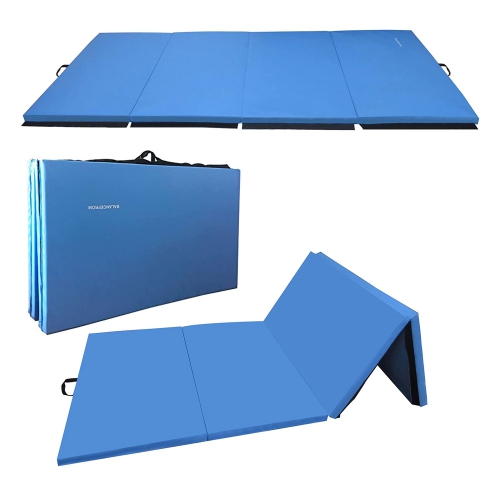 Your price for this item is $212.99
-
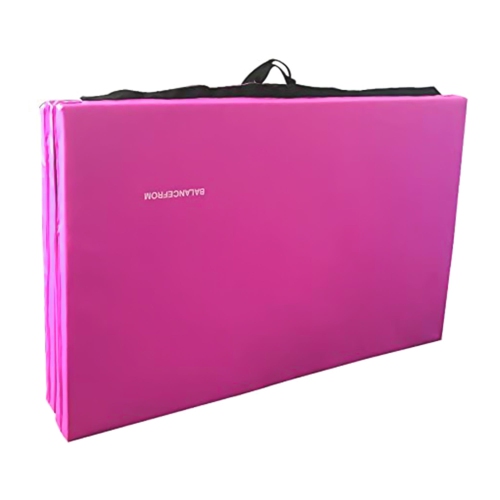 Your price for this item is $225.99
-
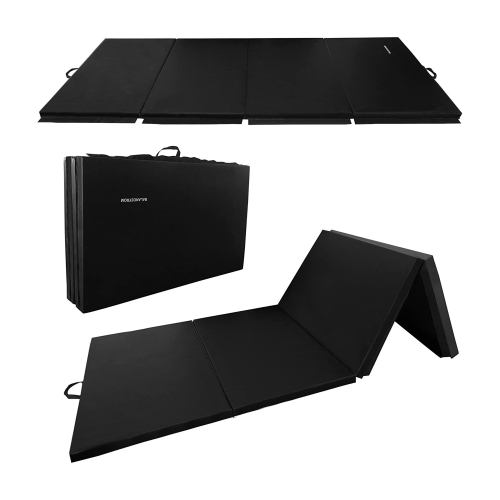 Your price for this item is $251.99
-
 Your price for this item is $220.99
-
 Your price for this item is $229.99
-
 Your price for this item is $79.99
-
 Your price for this item is $227.99
-
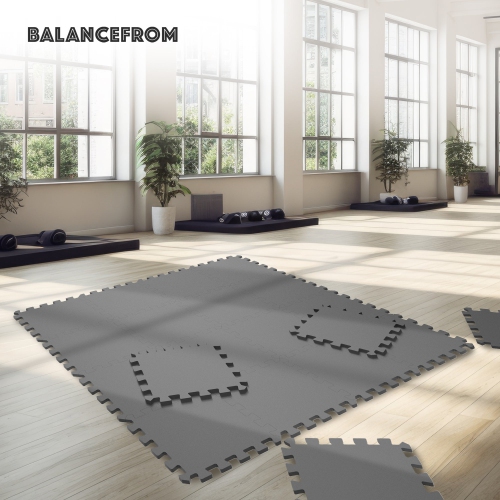 Your price for this item is $84.99
Discover more categories related to Yoga Mats for Gentle Yoga

Top Collections:
Pokemon Centers, Best Cameras for Sports Photography, Kindle Devices, Samsung Galaxy Phones, Canon G7X Cameras, Pokémon 30th Celebration Cards, Refurbished Apple Laptops, iPhone 15 Apple, Laptops for Students, Budget Smartphones
Some products may be subject to Environmental Handling Fees
(EHF) depending on your province.
Learn more about EHFs.