Blood Pressure Monitors
Blood Pressure Monitors offer a convenient way to keep track of your health from the comfort of home. Whether you're managing your wellness routine or monitoring changes over time, these devices make it easy to check your numbers with accuracy and ease. Explore a variety of options designed to fit different lifestyles and preferences, so you can find the right solution for your needs. Shop Blood Pressure Monitors to help support your daily health management with confidence.
Sort
Why cuff fit matters for home blood pressure readings
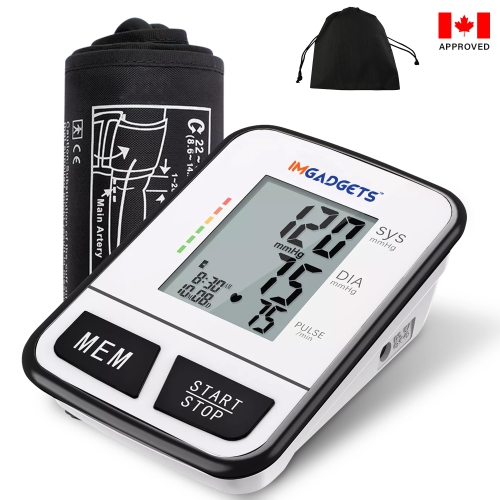
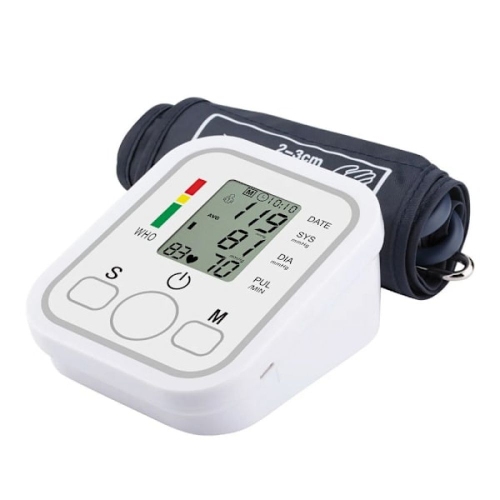
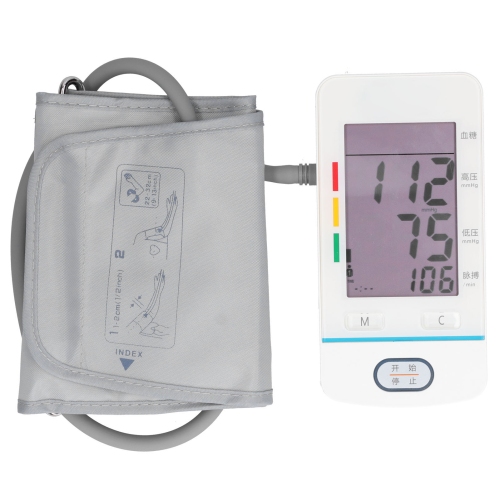
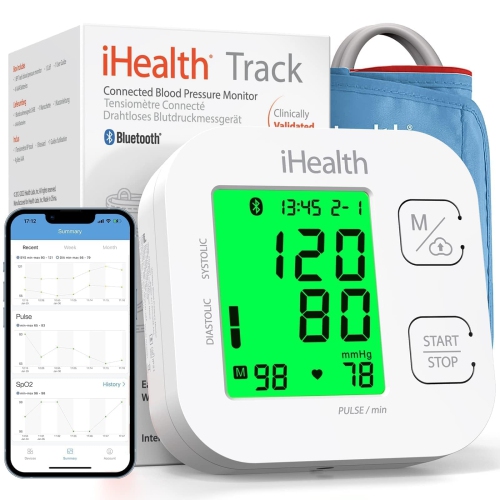
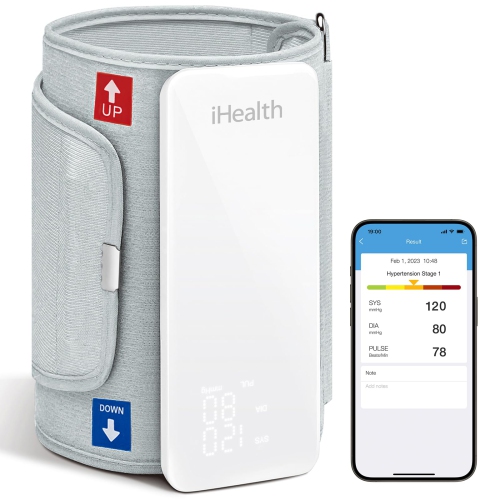
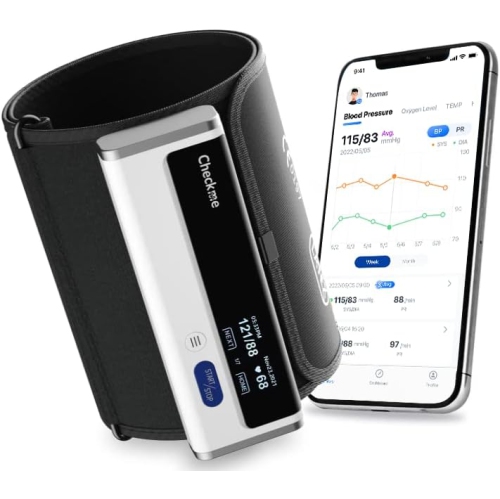
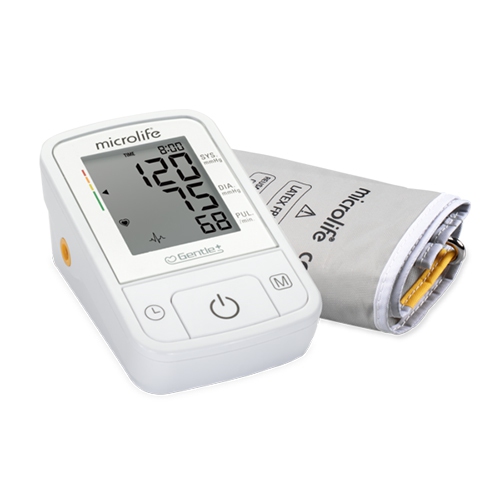
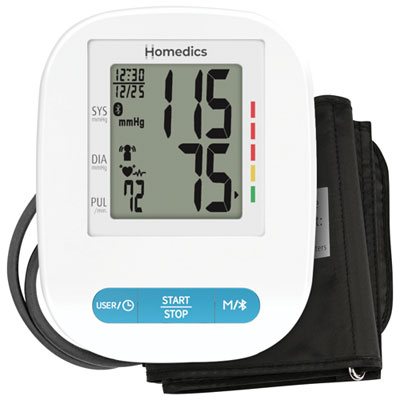
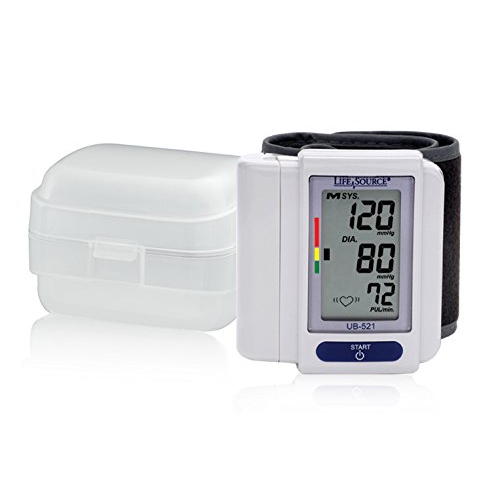
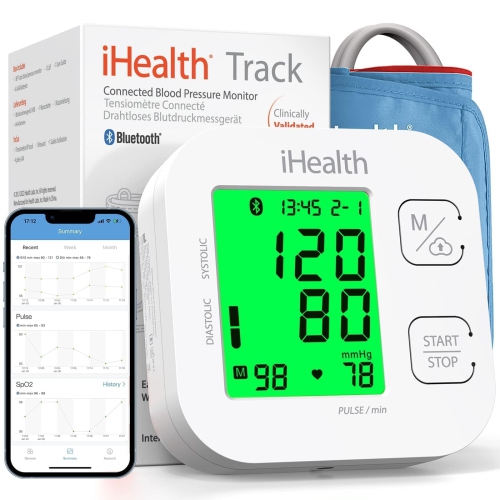
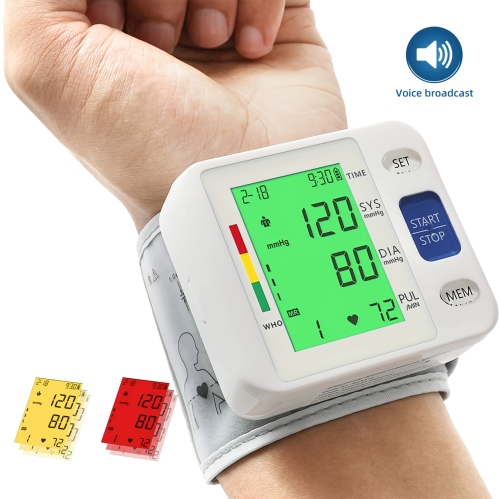
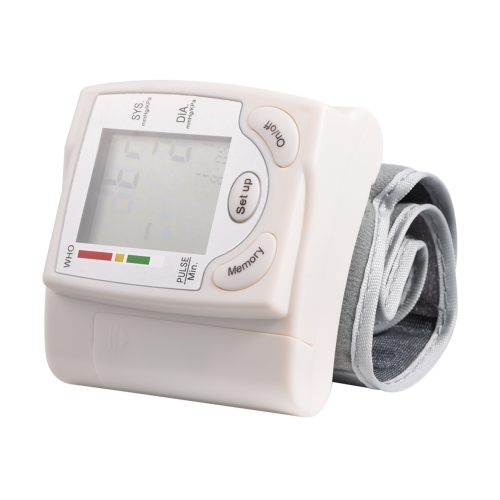
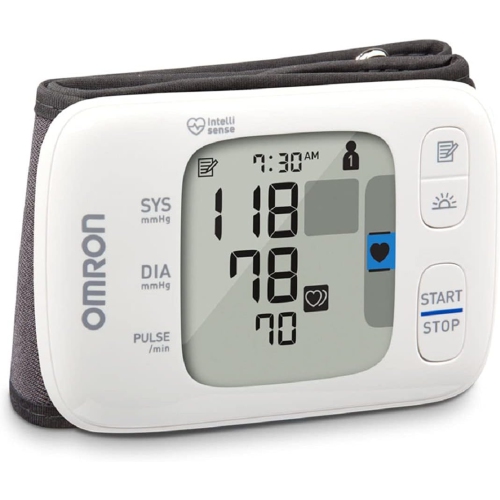
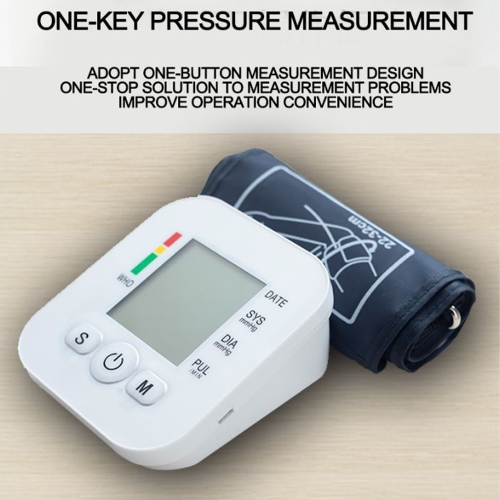
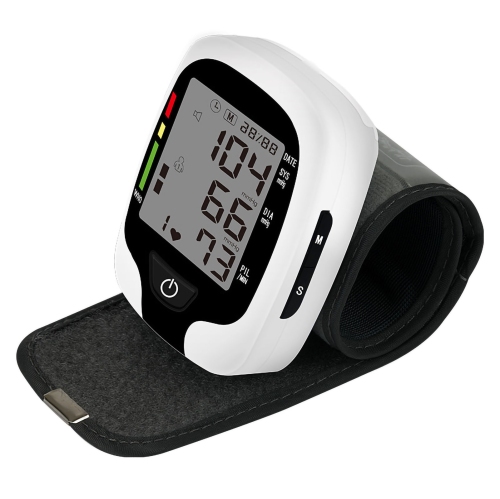
Blood pressure monitors make it possible to take readings at home and keep a clearer picture of blood pressure between healthcare appointments. A reading shows systolic pressure, the pressure when the heart contracts, and diastolic pressure, the pressure when the heart relaxes between beats, usually expressed in millimetres of mercury, or mmHg. Many digital monitors also display pulse rate. These devices can be useful for adults managing diagnosed high blood pressure, people whose healthcare professional has suggested home monitoring, and caregivers helping someone maintain a consistent health routine. Automatic upper-arm monitors use an inflatable cuff around the upper arm, while wrist monitors offer a compact alternative that requires particularly careful positioning. Clinically validated upper-arm models are generally preferred for routine home monitoring, although the most suitable format depends on the person using it. For those comparing devices that measure at the upper arm, Arm Blood Pressure Monitors bring this cuff style together in one place. Cuff fit is an important distinction within that category: the supported arm circumference should match the user’s measured upper arm, rather than clothing size or a general impression of fit. A cuff that is too small or too large can affect the reading. Standard, wide-range, and larger cuff options serve different arm sizes, and replacement cuffs must be compatible with the monitor rather than simply looking similar. Wrist cuffs also have specified size ranges and need to sit correctly to work as intended. Clinical validation matters separately from comfort or convenience; it means a device has been tested against a recognized accuracy protocol. People who are pregnant, have an irregular heart rhythm, or need a monitor for a child may require a device validated for that particular use. A healthcare professional can help identify suitable options when an individual’s circumstances make device selection less straightforward.
Everyday usability often determines how comfortably a blood pressure monitor fits into a household routine. A large, high-contrast display can make the systolic, diastolic, and pulse numbers easier to distinguish without leaning forward or reaching for reading glasses. Clearly labelled buttons and one-touch operation may suit someone who prefers a straightforward device, while spoken results can offer additional support for users who have difficulty reading a screen. The cuff deserves equal attention: a shaped cuff may be easier to slide onto an arm, and a generous fastening area can help someone secure it with one hand. For a person taking readings independently at the kitchen table, those small physical details can matter more than a long feature list. Built-in memory allows readings to be reviewed without depending entirely on handwritten notes. Date and time stamps help keep that history meaningful, and separate user profiles can prevent two people’s results from becoming mixed together. Memory capacity varies, so the number of readings stored per person is worth distinguishing from a device’s total storage. Some monitors average a series of measurements, which can make reviewing repeated readings more convenient. Others offer Bluetooth connectivity and a companion app for viewing trends or sharing a history with a healthcare professional. Phone compatibility, account requirements, supported sharing formats, and privacy settings are practical considerations for anyone choosing connected features. A monitor with onboard storage may be a better fit for someone who does not want a smartphone involved. Movement alerts and cuff-position indicators can help flag a measurement that needs attention, while an irregular heartbeat symbol reports a detected pattern rather than providing a diagnosis. Colour-coded blood pressure indicators also need context, since personal targets may differ. Battery operation offers flexibility around the home, while a compatible power adapter can be convenient for a device that stays beside a favourite chair. An adapter may be included or supported separately, depending on the monitor’s specifications.
The physical construction of a home blood pressure monitor affects comfort, handling, and long-term care. Cuffs commonly combine a fabric outer layer, an internal inflatable bladder, and a hook-and-loop closure, with tubing connecting the cuff to the main unit on many upper-arm designs. Soft edges and a flexible wrap can make regular use more comfortable, while a secure closure helps the cuff remain in position as it inflates. A smooth housing is easier to wipe clean, and well-spaced controls can be helpful for someone with reduced hand dexterity. For shared household use, the cuff’s cleaning instructions matter as much as the separate user settings. Cuffs are not necessarily washable or suitable for immersion, and cleaning methods should follow the manufacturer’s directions to avoid damaging the bladder, fastening material, or electronics. Tubing also needs protection from sharp bends, pulling, and being trapped beneath other objects. A storage pouch or case can keep the cuff, monitor, and accessories together between uses or when travelling to an appointment. Battery replacement, compatible replacement cuffs, and any recommended accuracy checks are part of ownership, especially when a monitor is used frequently over several years. Consistent measuring conditions help make that routine useful: a supported back, feet flat on the floor, a bare arm supported at heart level, and a quiet period of rest before measuring all contribute to more comparable readings. Recent exercise, caffeine, smoking, talking, and movement can influence results. A compact monitor that fits comfortably on a table beside a supportive chair may therefore be more practical than one that is awkward to position. Bringing a home monitor to an appointment allows a healthcare professional to review technique and compare its readings with office equipment. A single measurement is only a snapshot; a dated series taken as advised provides more useful context. Home readings support conversations about health rather than replacing assessment, and medication changes should be discussed with a healthcare professional rather than made from a monitor’s display alone.
Top selling and popular products
-
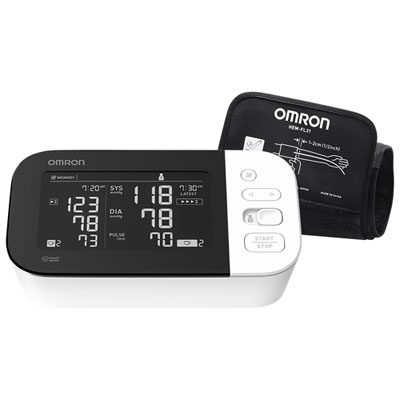 Your price for this item is $149.99
-
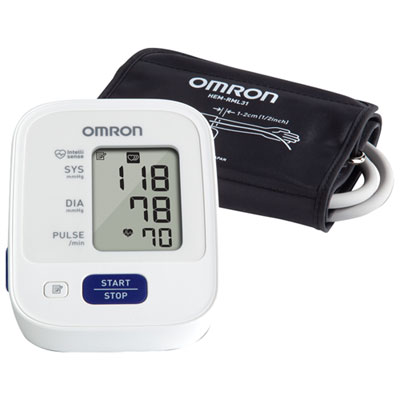 Your price for this item is $69.99
-
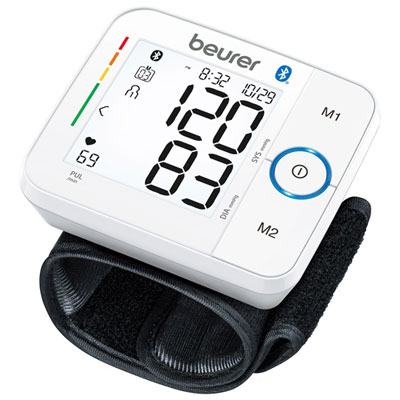 Your price for this item is $79.99
-
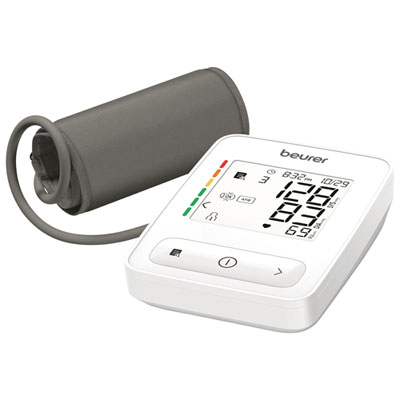 Your price for this item is $49.99
-
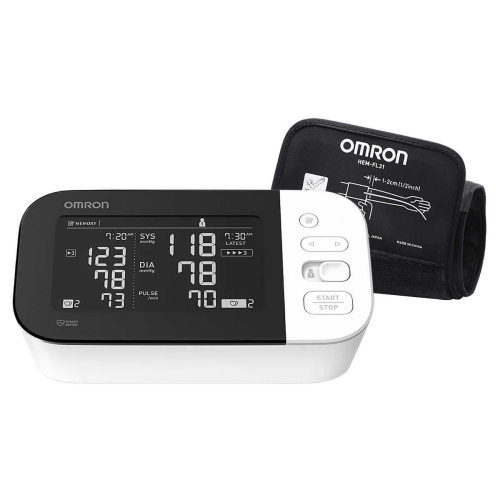 Your price for this item is $234.95
-
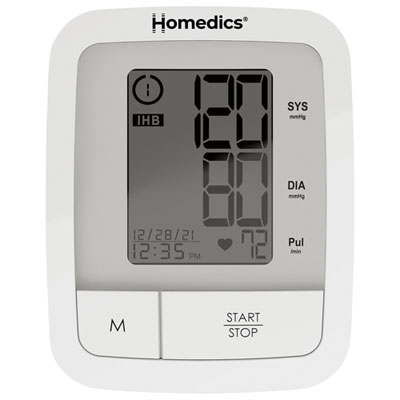 Your price for this item is $69.99
-
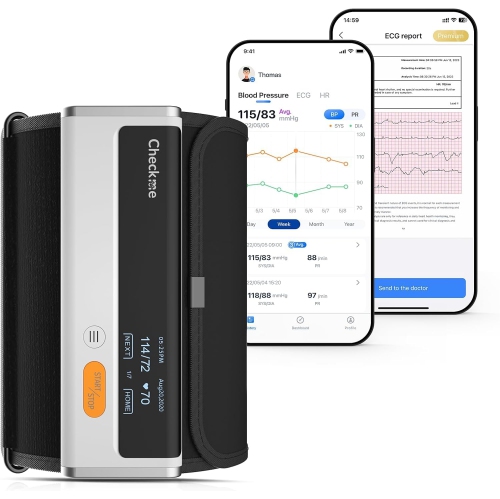 Your price for this item is $139.32
-
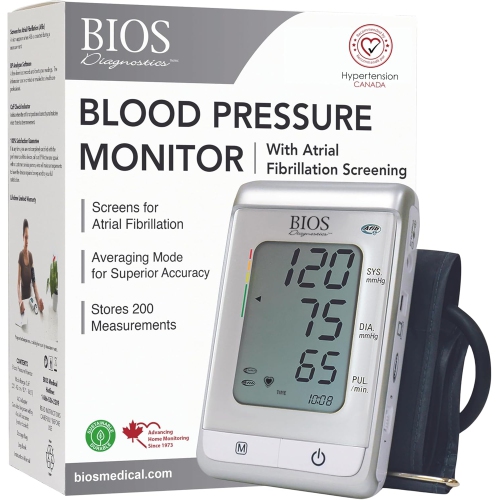 Your price for this item is $69.99
Discover more categories related to Blood Pressure Monitors
Top Collections:
Best Black Friday Deals This Year, Best Black Friday Deals On Electronics, Kindle Devices, Pokemon Centers, Best Black Friday Deals On Apple Products, Best Cameras for Sports Photography, Dyson Airwrap, Pokémon 30th Celebration Cards, Apple iPhone 17 Pro, Canon G7X Cameras
Some products may be subject to Environmental Handling Fees
(EHF) depending on your province.
Learn more about EHFs.