Digital Blood Pressure Monitors
Monitoring your blood pressure at home has never been easier with our selection of digital blood pressure monitors. Whether you're managing a health condition or simply keeping track of your well-being, these devices offer convenience and accuracy in the comfort of your own home. Stay on top of your health goals with the latest technology designed to provide reliable readings and insights.
Sort
Practical features for clearer readings and easier tracking
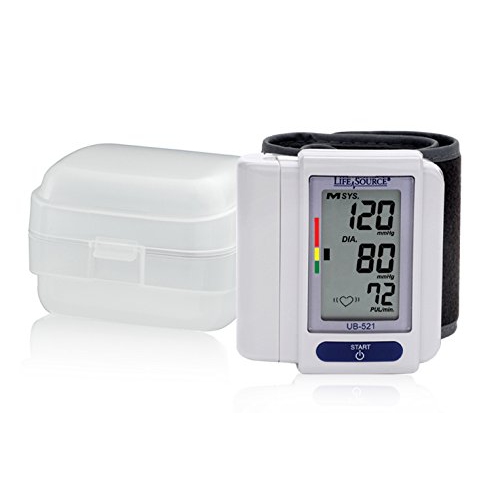
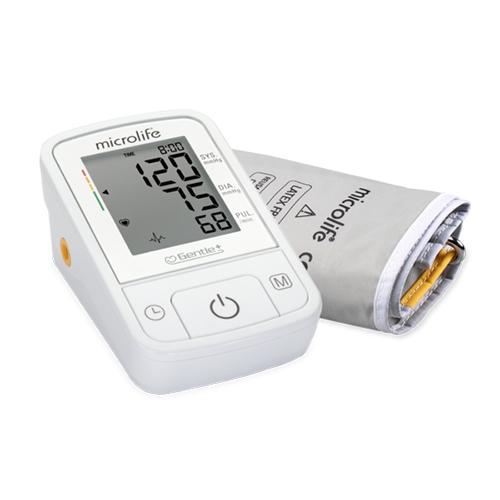
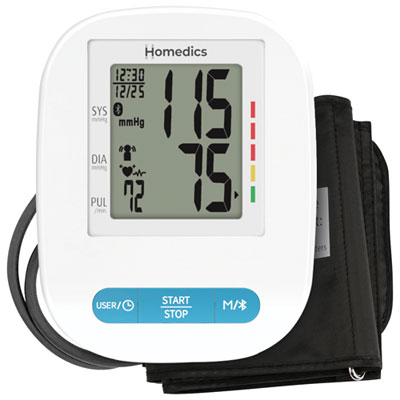
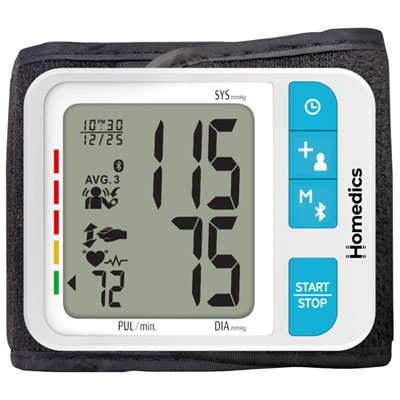
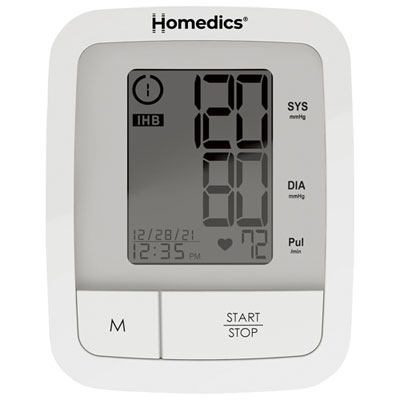
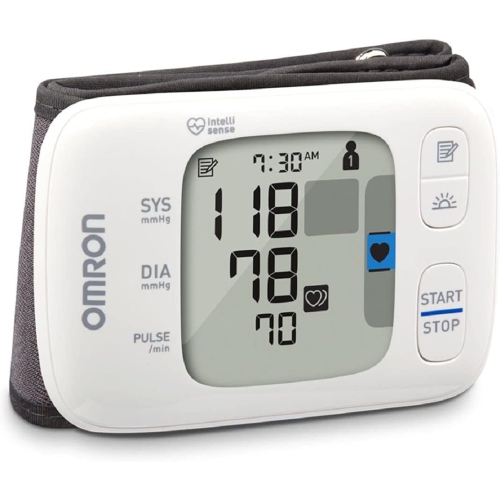
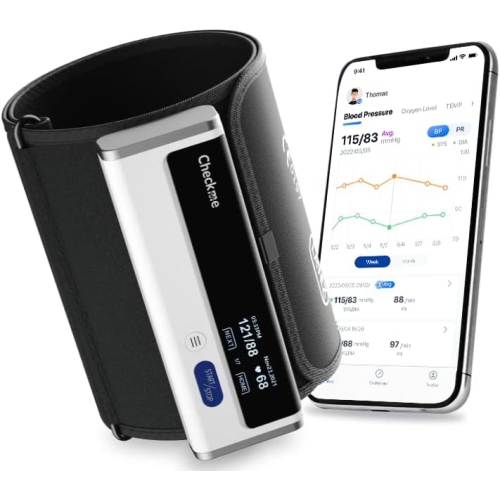
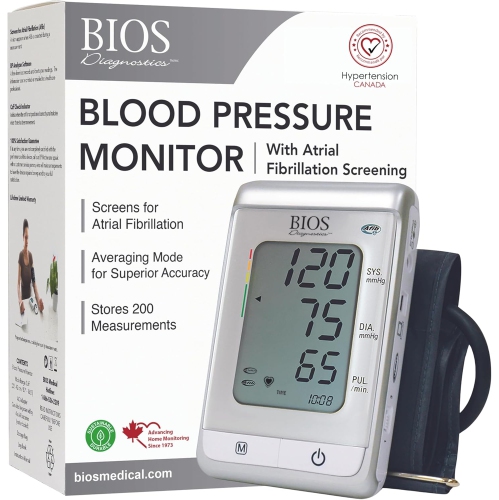
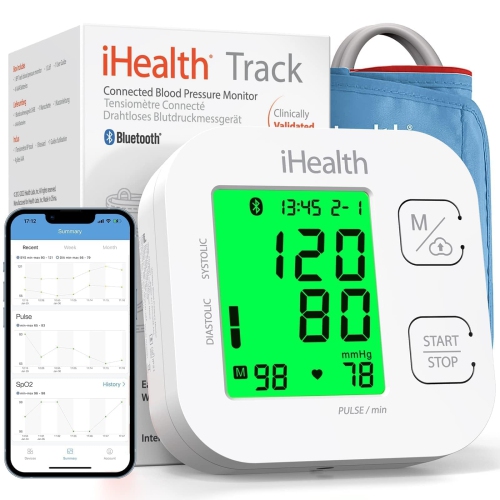
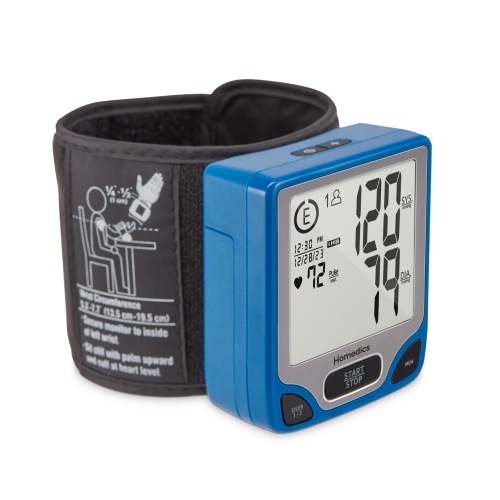
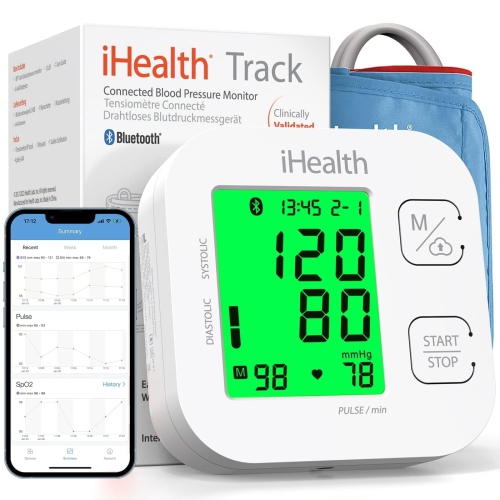
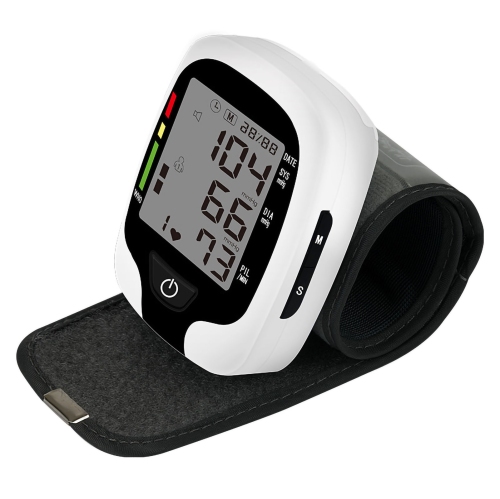
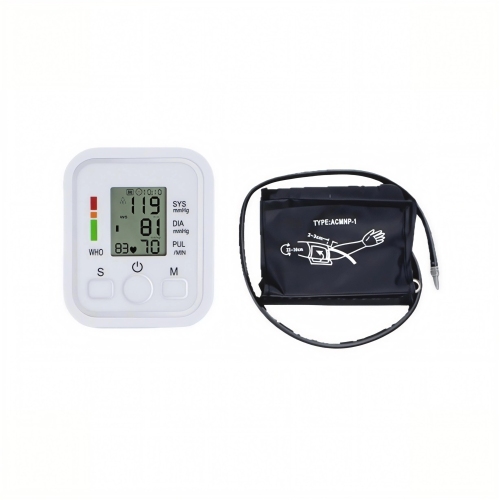
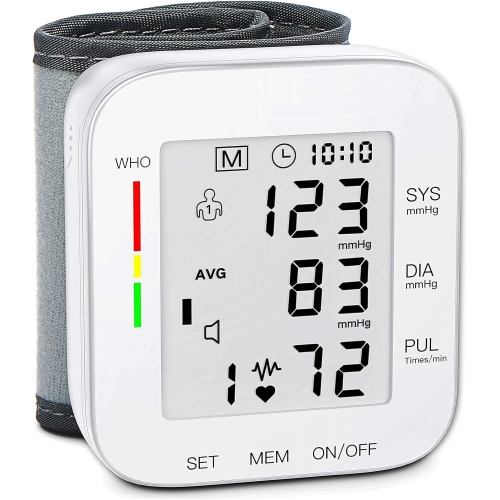
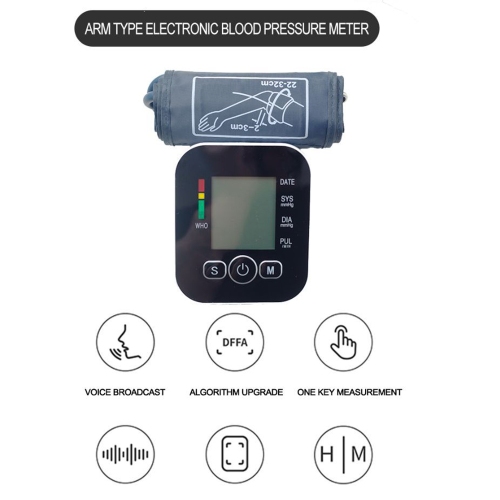
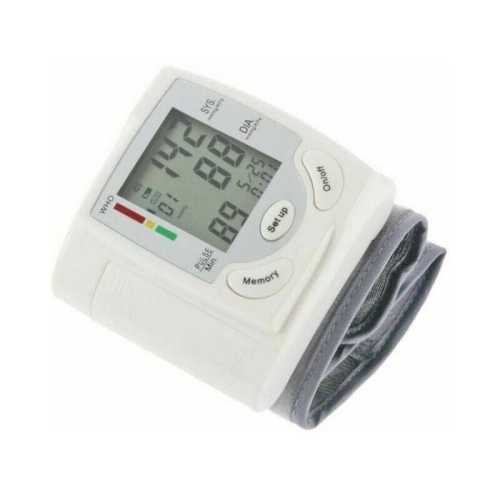
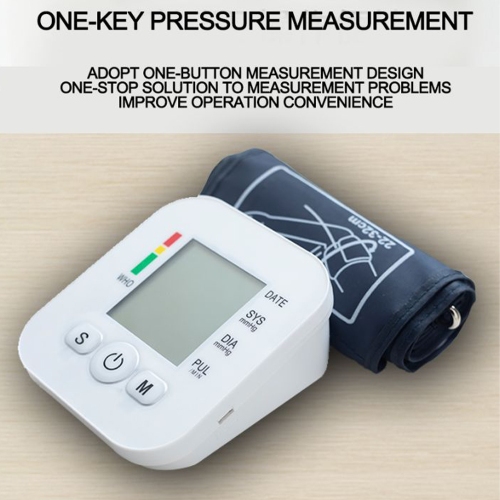
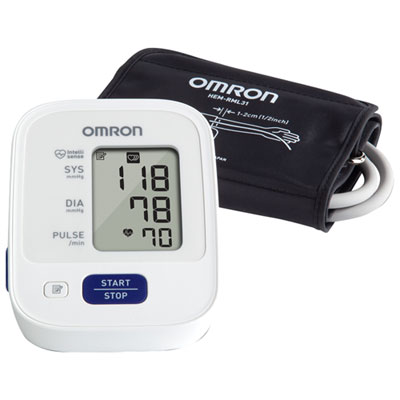
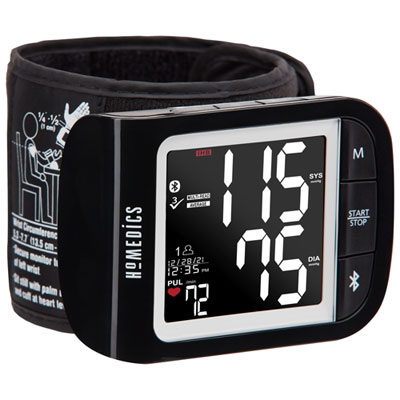
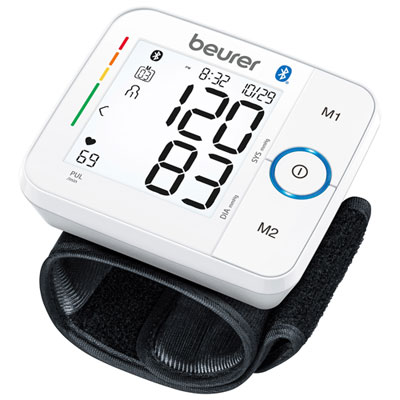
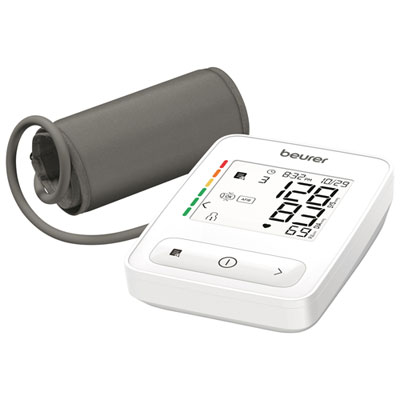
Digital blood pressure monitors make it easier to keep track of blood pressure at home, whether you are following a care plan, recording readings for a healthcare professional, or simply building a clearer picture of your day-to-day health. Unlike manual models that require a stethoscope and trained technique, automatic digital monitors typically inflate the cuff and display systolic pressure, diastolic pressure, and pulse rate on a screen. Most home models are designed for straightforward upper-arm use, while some compact options are made for the wrist. Upper-arm monitors are often preferred for routine home tracking because they can provide more consistent positioning when the cuff is fitted correctly. Before choosing a model, consider who will use it, how often readings will be taken, and whether more than one person needs a separate memory profile. A simple display with large, high-contrast numbers can be helpful for anyone who prefers easy-to-read controls, while a backlit screen may be convenient in a bedroom or softly lit room. Many digital blood pressure monitors store previous readings, allowing you to review patterns rather than relying on memory. Some models can save results for two users, which is useful for couples or family members sharing one device. For people who like to keep health information organized, Bluetooth connectivity can send readings to a smartphone app for tracking, charting, and sharing with a healthcare professional. Other shoppers may prefer a model with built-in memory and no app connection, especially if they want a quick, uncomplicated routine.
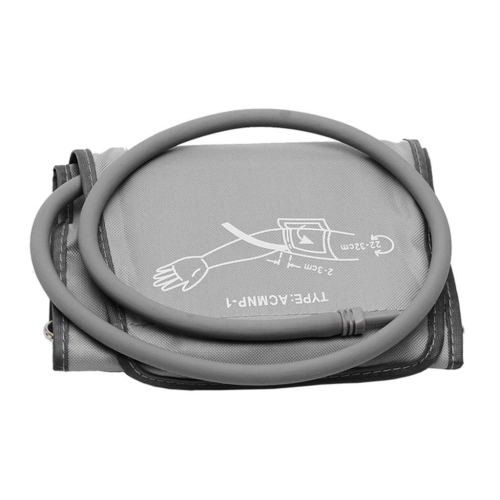
Cuff fit is one of the most important purchase considerations. A cuff that is too small or too large may affect the reading, so check the stated arm circumference range and select a size that suits the intended user. A pre-formed cuff can be easier to wrap evenly, while a flexible cuff may be more convenient when several people use the same monitor. During a reading, sit quietly with your back supported, both feet flat on the floor, and your arm resting at heart level. Avoid talking, crossing your legs, or taking a measurement immediately after exercise, caffeine, smoking, or a stressful activity, as these factors may influence the result. Taking readings at a similar time of day and recording them in a consistent way can make changes easier to notice. It is common for readings to vary from one measurement to the next, so many people take two readings a minute apart and follow the instructions supplied with their monitor. Features such as an irregular heartbeat indicator, movement warning, cuff-wrapping guide, and resting indicator can provide helpful prompts during the process, but they do not replace medical assessment. A digital blood pressure monitor is intended for tracking and information, not for diagnosing a condition or adjusting medication without professional guidance. If a reading is unusually high or low, repeat it after sitting calmly and follow the advice provided by your healthcare professional. Seek urgent medical help for severe or concerning symptoms, regardless of what the monitor displays. For a broader selection of home health devices, visit Blood Pressure Monitors.
A digital blood pressure monitor can be a thoughtful, practical gift for a parent, grandparent, partner, or family member who has been asked to record readings at home. It may also suit someone preparing for regular appointments, managing a known health concern, or supporting an older relative from a distance. A device with two user profiles can help a household share one monitor without mixing results, while a portable design may appeal to people who travel, spend time at a cottage, or move between rooms during the cooler months. Consider the recipient’s comfort and habits when choosing features: an automatic upper-arm cuff may be reassuring for someone who values a familiar routine, while smartphone syncing may appeal to a person who already tracks appointments, fitness, or other health information digitally. A battery-powered model can be convenient during travel or in rooms without an accessible outlet, and an included power adapter may be useful for regular bedside or countertop use. Look for clear instructions, a comfortable cuff, straightforward buttons, and a memory system that will not feel confusing. A quiet inflation cycle can make morning readings less disruptive, particularly when a monitor is kept on a nightstand. Store the device in a dry, protected place, keep the cuff and tubing free from sharp bends, and check the supplied instructions for cleaning and battery care. Whether it becomes part of a morning routine with a cup of tea, an evening check after a busy day, or a carefully kept record for an upcoming appointment, the right digital blood pressure monitor can offer a convenient way to collect consistent information at home.
Cuff fit is one of the most important purchase considerations. A cuff that is too small or too large may affect the reading, so check the stated arm circumference range and select a size that suits the intended user. A pre-formed cuff can be easier to wrap evenly, while a flexible cuff may be more convenient when several people use the same monitor. During a reading, sit quietly with your back supported, both feet flat on the floor, and your arm resting at heart level. Avoid talking, crossing your legs, or taking a measurement immediately after exercise, caffeine, smoking, or a stressful activity, as these factors may influence the result. Taking readings at a similar time of day and recording them in a consistent way can make changes easier to notice. It is common for readings to vary from one measurement to the next, so many people take two readings a minute apart and follow the instructions supplied with their monitor. Features such as an irregular heartbeat indicator, movement warning, cuff-wrapping guide, and resting indicator can provide helpful prompts during the process, but they do not replace medical assessment. A digital blood pressure monitor is intended for tracking and information, not for diagnosing a condition or adjusting medication without professional guidance. If a reading is unusually high or low, repeat it after sitting calmly and follow the advice provided by your healthcare professional. Seek urgent medical help for severe or concerning symptoms, regardless of what the monitor displays. For a broader selection of home health devices, visit Blood Pressure Monitors.
A digital blood pressure monitor can be a thoughtful, practical gift for a parent, grandparent, partner, or family member who has been asked to record readings at home. It may also suit someone preparing for regular appointments, managing a known health concern, or supporting an older relative from a distance. A device with two user profiles can help a household share one monitor without mixing results, while a portable design may appeal to people who travel, spend time at a cottage, or move between rooms during the cooler months. Consider the recipient’s comfort and habits when choosing features: an automatic upper-arm cuff may be reassuring for someone who values a familiar routine, while smartphone syncing may appeal to a person who already tracks appointments, fitness, or other health information digitally. A battery-powered model can be convenient during travel or in rooms without an accessible outlet, and an included power adapter may be useful for regular bedside or countertop use. Look for clear instructions, a comfortable cuff, straightforward buttons, and a memory system that will not feel confusing. A quiet inflation cycle can make morning readings less disruptive, particularly when a monitor is kept on a nightstand. Store the device in a dry, protected place, keep the cuff and tubing free from sharp bends, and check the supplied instructions for cleaning and battery care. Whether it becomes part of a morning routine with a cup of tea, an evening check after a busy day, or a carefully kept record for an upcoming appointment, the right digital blood pressure monitor can offer a convenient way to collect consistent information at home.
Top selling and popular products
-
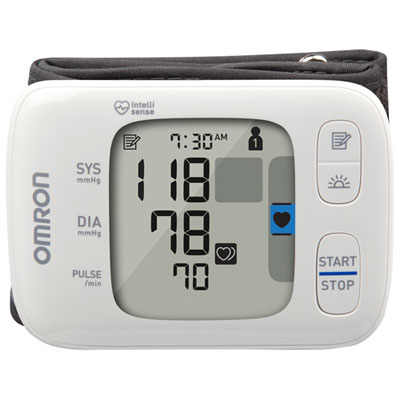 Your price for this item is $94.99
 -
 Your price for this item is $199
 -
 Your price for this item is $52.98
 -
 Your price for this item is $119.99
 -
 Your price for this item is $59.99
 -
 Your price for this item is $39.99
 -
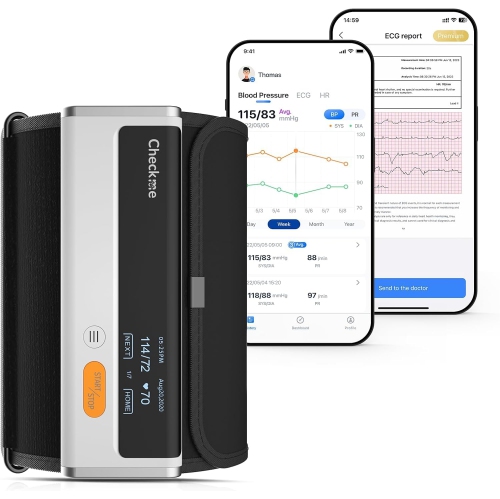 Your price for this item is $139.32
 -
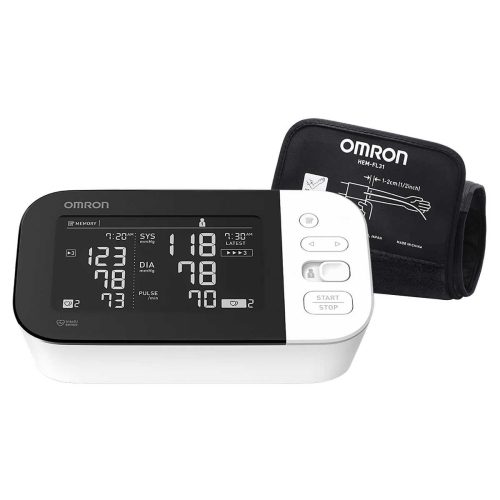 Your price for this item is $329.95
Discover more categories related to Digital Blood Pressure Monitors
Top Collections:
Pokemon Centers, Kindle Devices, Best Budget Office Chairs, Apple iPhones 16, Best Laptops for Writers, iPhone 15 Apple, Canon G7X Cameras, Refurbished Apple Laptops, Alarm Clock, Motorola Razr Phones
Some products may be subject to Environmental Handling Fees
(EHF) depending on your province.
Learn more about EHFs.