Easy To Use Thermometers
Easy To Use Thermometers make temperature checks simple and convenient for everyone. Whether you need a reliable option for your home, workplace, or on the go, these thermometers are designed to deliver quick and straightforward readings. Explore a variety of user-friendly models that take the guesswork out of monitoring temperatures, helping you stay prepared and confident in any situation. Find the perfect fit for your needs with our selection of Easy To Use Thermometers.
Sort
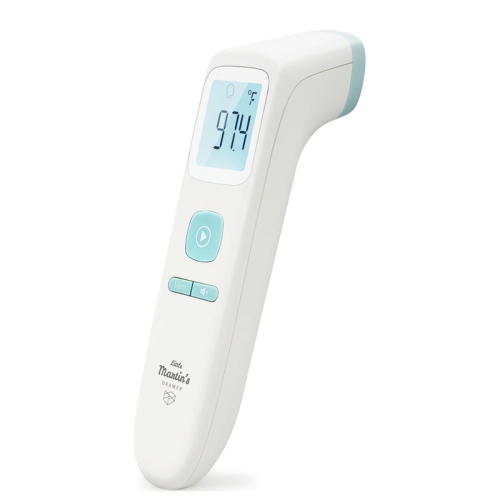

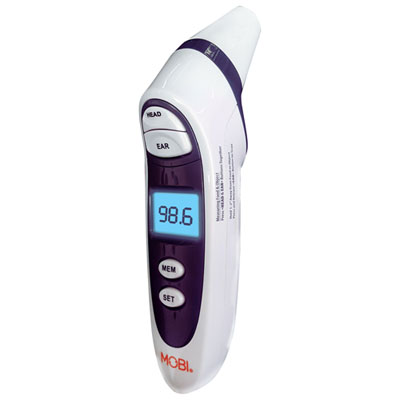
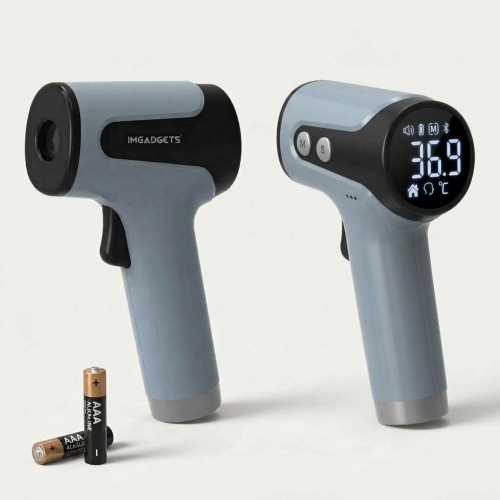
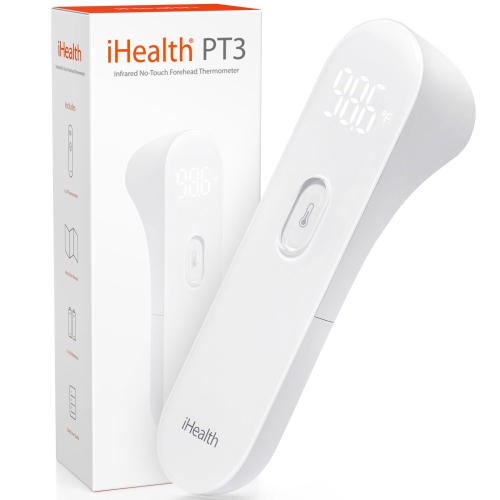
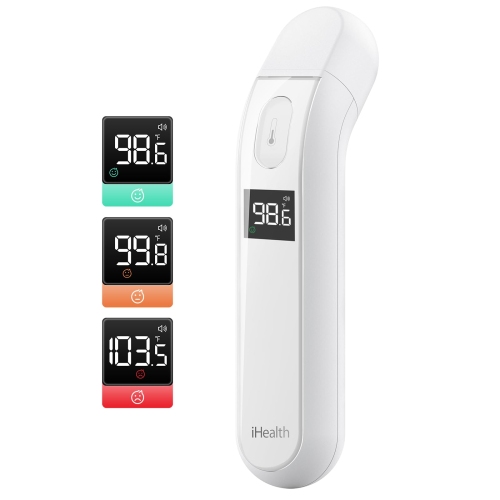

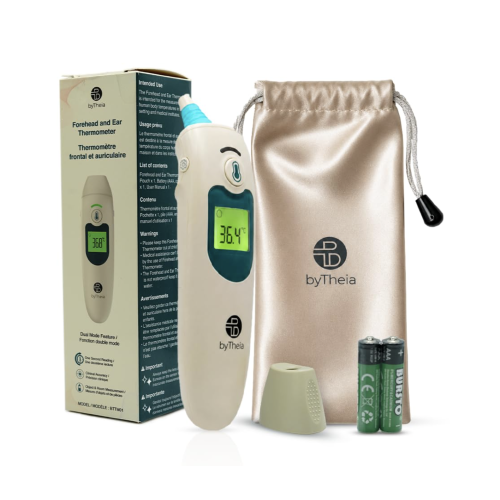
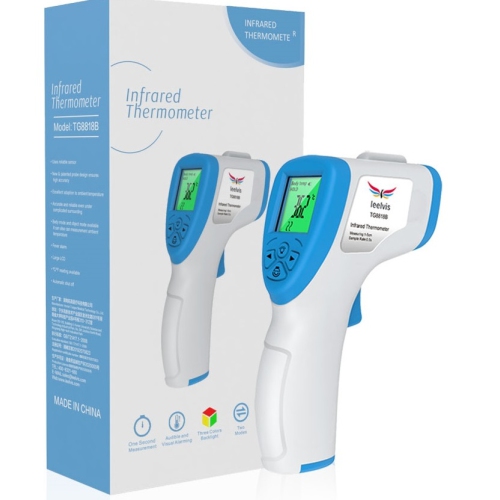

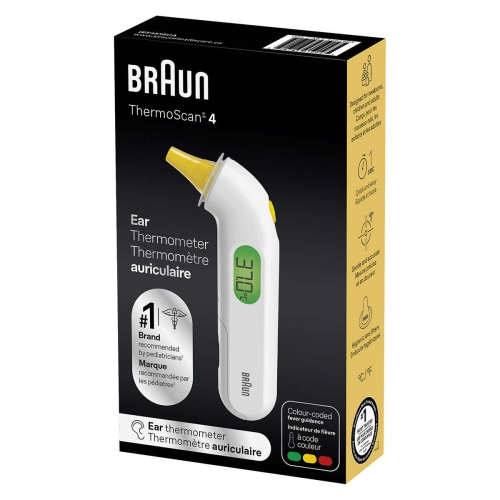

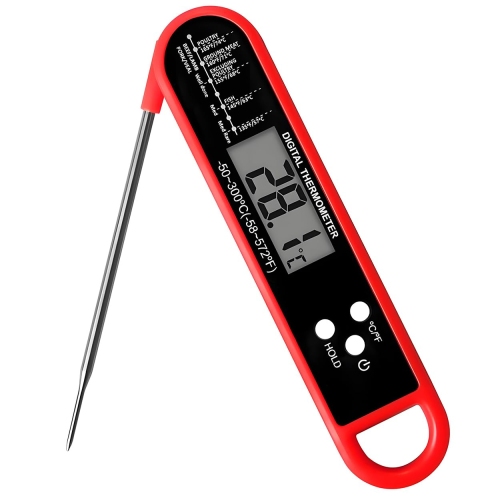
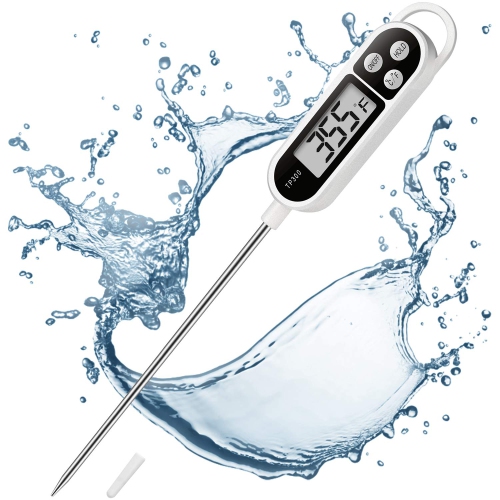

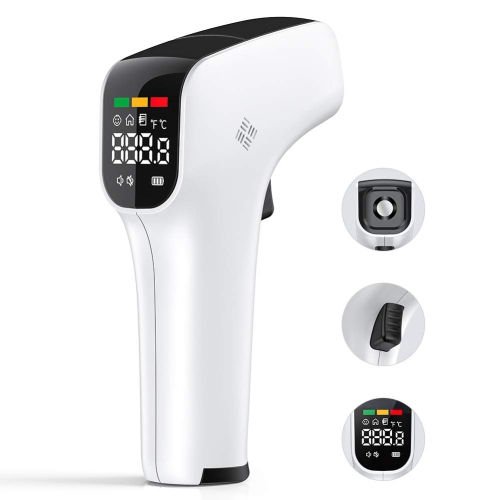

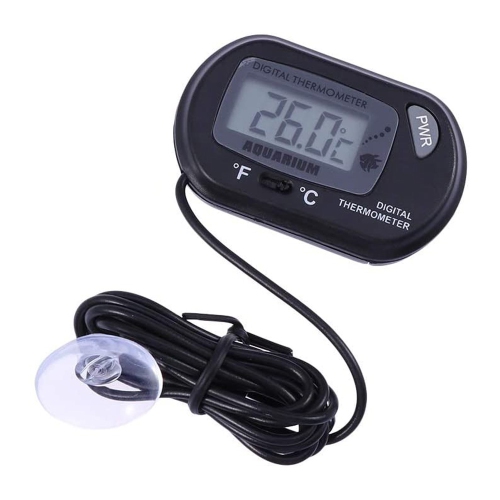
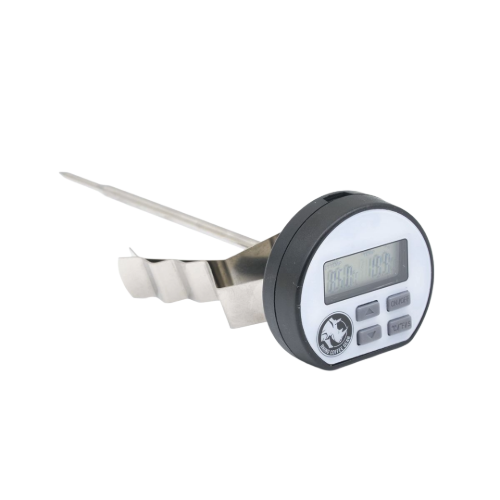
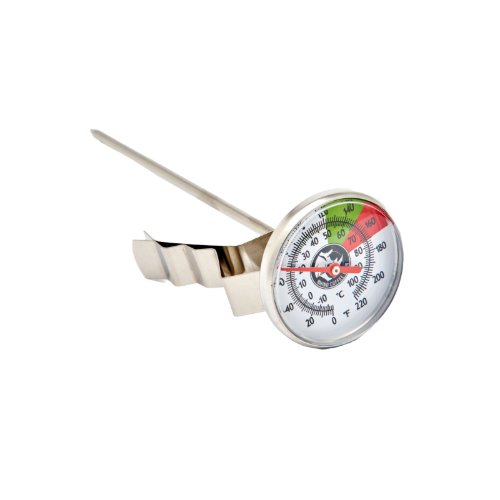
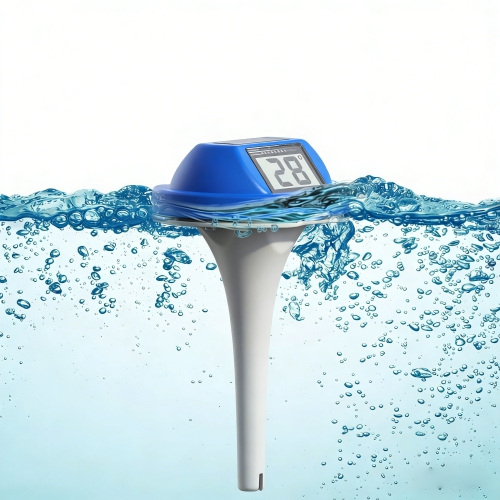
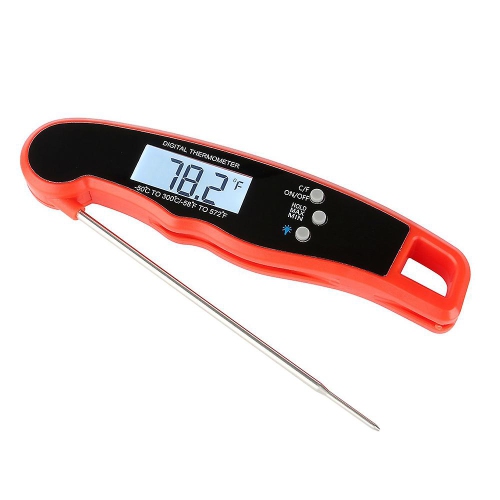
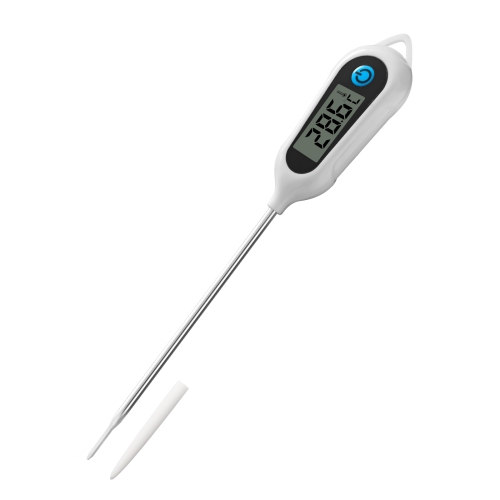
Clear readings and simple controls for everyday temperature checks
Easy-to-use thermometers help make body temperature checks more manageable, with clear readings, straightforward controls, and designs suited to the person being checked. Digital thermometers display a numerical reading, while features such as one-button operation, a backlit screen, and an audible completion signal can reduce uncertainty about when a measurement is ready. For a parent checking a sleepy child or an adult taking their own temperature, these small details can matter more than a long list of extra functions. A large display is easier to read at a glance, and a screen that stays visible briefly after measurement gives someone time to move the thermometer into a comfortable viewing position. Many designs offer Celsius and Fahrenheit settings; a clearly marked unit helps prevent confusion when sharing a reading with a caregiver or healthcare professional. Different thermometer types suit different routines. Digital stick thermometers may be intended for oral, underarm, or rectal measurements, depending on their design and labelling. Infrared ear thermometers take readings inside the ear, while infrared forehead thermometers measure at the forehead, with contact or non-contact operation depending on the model. These methods are not interchangeable, and suitability varies with age and intended use. A familiar stick design may appeal to an adult who wants a compact thermometer for occasional checks, while a caregiver may prefer a design that minimizes handling during a child’s rest. Non-contact operation can be convenient, but correct positioning and distance still matter. Ear designs also require suitable positioning and may have minimum age recommendations. The most useful choice is one that combines a suitable measurement method with controls that feel manageable in everyday use. Fast results can be helpful when someone is restless, but speed alone does not determine accuracy or ease of use. Clear instructions, an obvious ready signal, and a readable result all contribute to a less confusing temperature check.
Comfort, grip, and construction deserve attention alongside the display. A smooth plastic housing is generally lightweight and easy to handle, while textured sections or a broader handle may offer a more secure hold. Someone with limited hand strength may find a larger button easier to press than several small controls positioned close together. For stick thermometers, a flexible tip can make positioning more comfortable, although it does not change the need to use the thermometer only at approved measurement sites. Probe shape and size also matter, particularly when choosing for a child. Age suitability should take priority over convenience, and a healthcare professional can recommend an appropriate measurement method for an infant. Ear thermometers may require compatible probe covers, so the cover system is part of everyday handling rather than a minor accessory detail. A cover that attaches securely and removes without awkward handling can make repeated checks simpler. Forehead designs avoid placing a probe in the mouth or ear, but they still need a comfortable grip and a clear way to identify the correct measurement position. Care requirements differ between thermometer types: a washable tip does not necessarily mean the entire device can be submerged, and a water-resistant housing is not the same as a waterproof one. Manufacturer-approved cleaning methods help protect both the sensing surface and the electronics. Smooth surfaces with fewer narrow crevices can be easier to wipe clean, while a protective cap or storage case helps keep the probe covered between uses. Separate, clearly labelled thermometers for different measurement sites can also prevent mix-ups in a shared household. Durability is useful in a device that may move between a bedside drawer, a bathroom cabinet, and a travel bag. A secure battery compartment, a well-fitting case, and controls that do not activate easily during storage can make a thermometer more practical over time. Replaceable batteries and an obvious low-battery indicator are worth considering, particularly for a thermometer that may sit unused between checks.
Everyday convenience also comes from understanding what the screen and alerts communicate. A completion beep signals that a measurement has finished, while a separate alert may indicate that a reading falls within a preset range. Colour-coded displays can make results quicker to notice, but the numerical reading and selected measurement method remain important; colour alone should not be treated as a diagnosis. An optional silent mode can be useful beside a sleeping child, provided there is another clear sign that the reading is complete. Memory recall offers a way to compare a new result with an earlier one without relying entirely on recollection. A last-reading display may be enough for occasional use, while a larger history can help a caregiver keep a record across several checks. When a device is shared, stored readings are most useful when it is clear whose measurement each one represents. A simple written record can also capture the time, measurement site, and any relevant symptoms. Consistency matters because readings taken at different body sites can differ, and recent food or drink, forehead perspiration, or incorrect positioning may affect results with certain methods. Easy operation therefore includes clear feedback about positioning or measurement errors, not just a quick start button. For someone living independently, readable digits and familiar controls can support a comfortable routine; for families or caregivers, straightforward cleaning and storage can make the same device easier to manage between uses. A thermometer supports home monitoring but does not establish the cause of an illness, and concerning symptoms or uncertainty about a reading warrant advice from a healthcare professional. The same preference for visible numbers and uncomplicated controls can extend to household heating, where Easy To Use Thermostats serve the separate purpose of adjusting room comfort. For body temperature checks, a suitable thermometer keeps the essentials clear: an appropriate measurement method, comfortable handling, readable results, and care requirements that fit the household’s routine.
Top selling and popular products
-
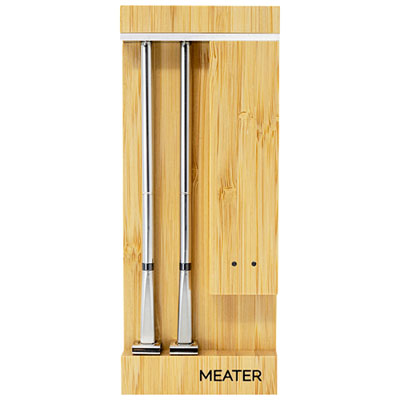 Your price for this item is $199.98
-
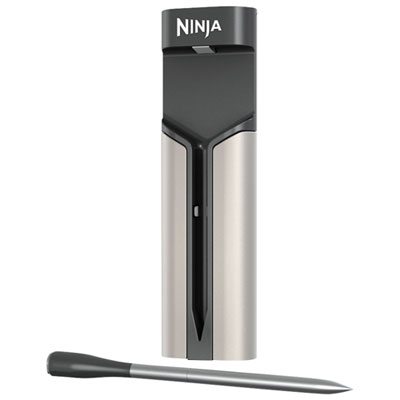 Your price for this item is $129.99
-
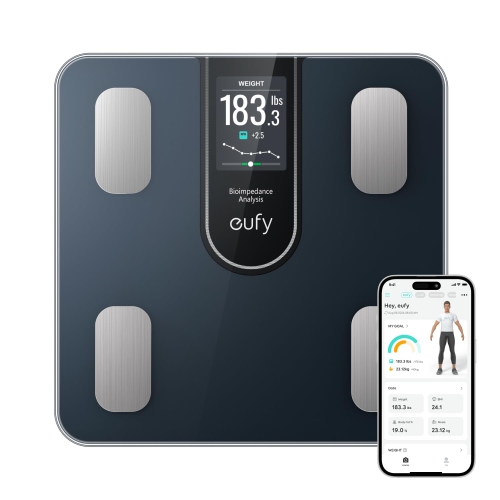 Your price for this item is $69.74
-
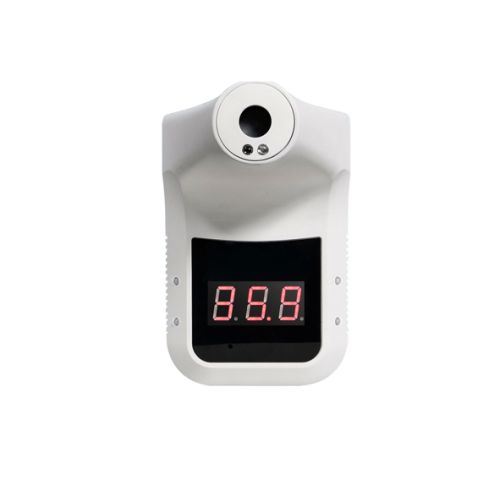 Your price for this item is $149.99
-
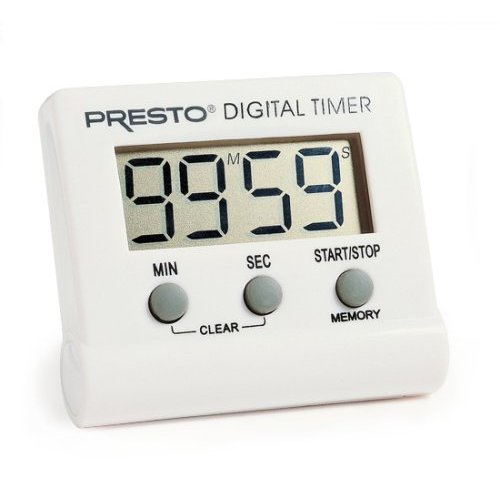 Your price for this item is $12.99
-
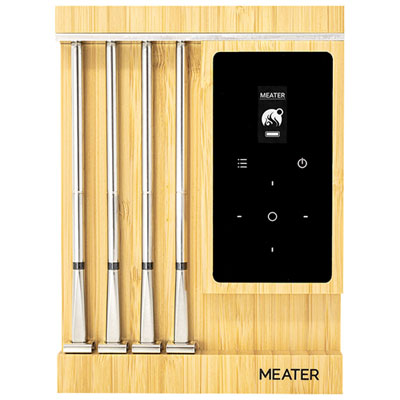 Your price for this item is $379.99
-
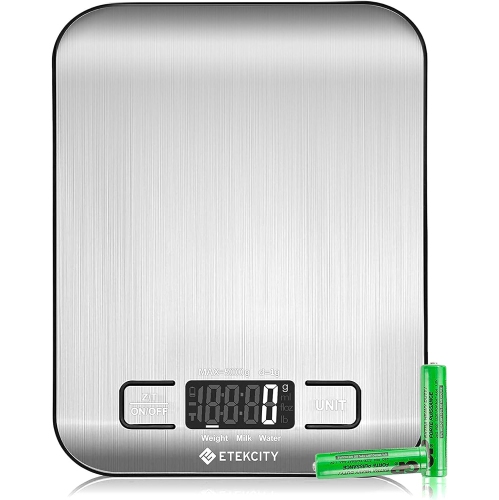 Your price for this item is $21.99
-
 Your price for this item is $17.99
Discover more categories related to Easy To Use Thermometers
Top Collections:
Best Black Friday Deals This Year, Best Black Friday Deals On Electronics, Kindle Devices, Pokemon Centers, Best Black Friday Deals On Apple Products, Best Cameras for Sports Photography, Dyson Airwrap, Pokémon 30th Celebration Cards, Apple iPhone 17 Pro, Canon G7X Cameras
Some products may be subject to Environmental Handling Fees
(EHF) depending on your province.
Learn more about EHFs.