High-End Dash Cams
Compare high-end dash cams with your vehicle and recording needs in mind. As you browse premium dashboard cameras, consider video quality, recording coverage, storage requirements, and ease of installation, along with how easily you can access saved footage when you need it.












































FAQ
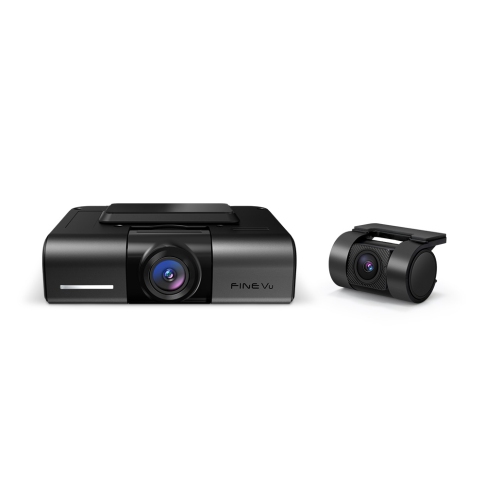
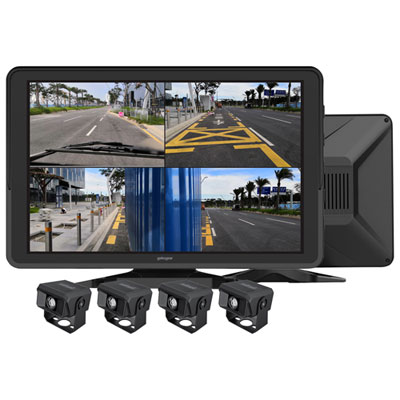
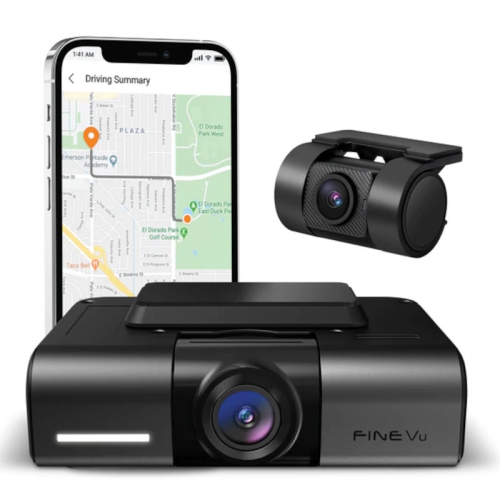
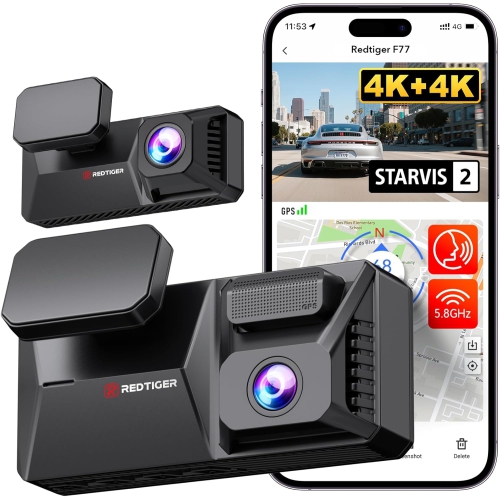
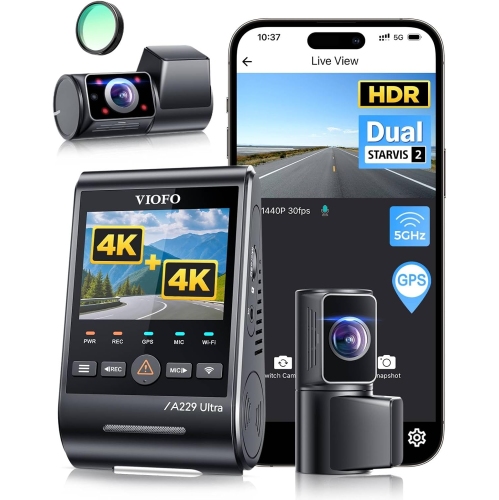
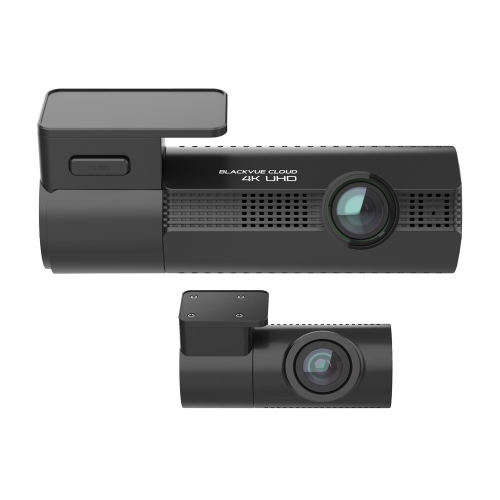
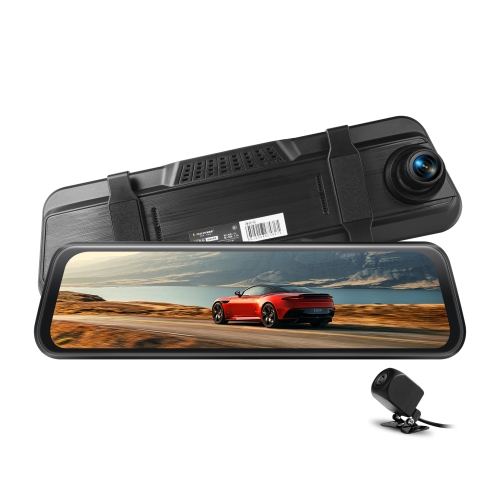
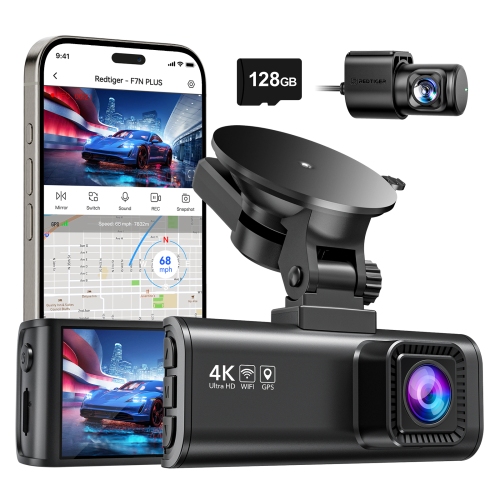
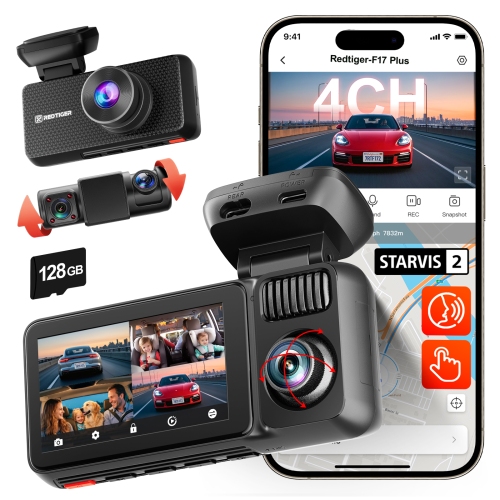
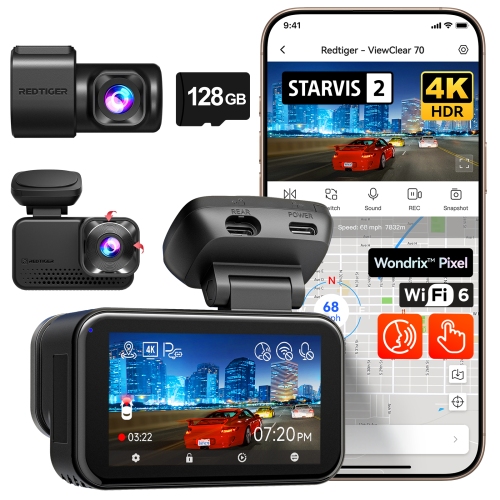
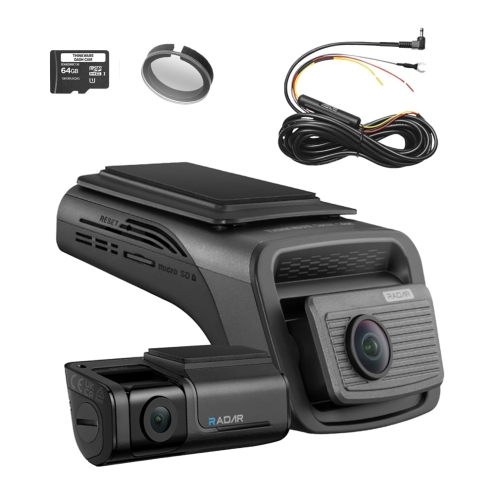
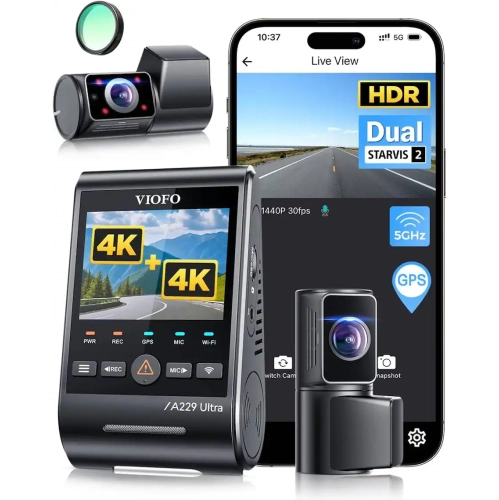
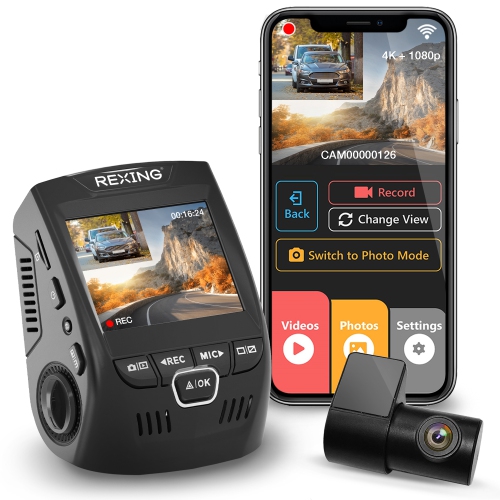
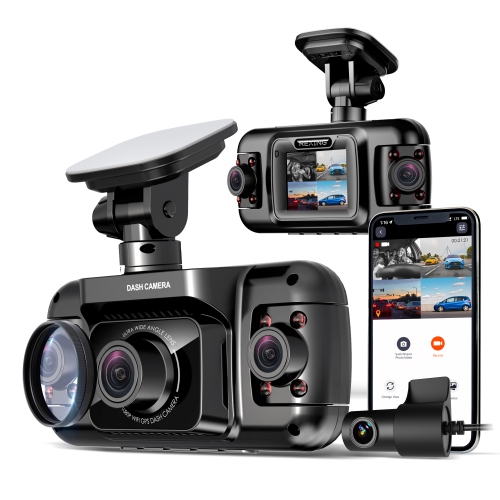
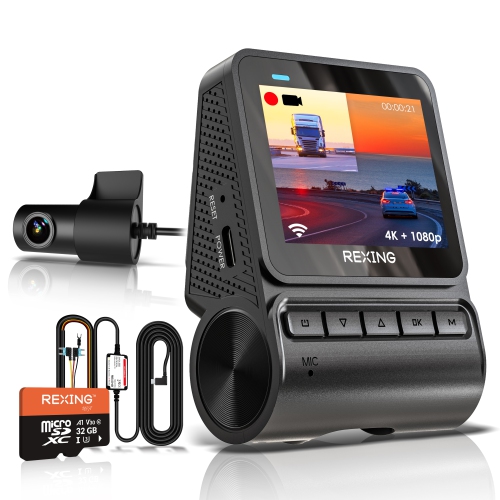
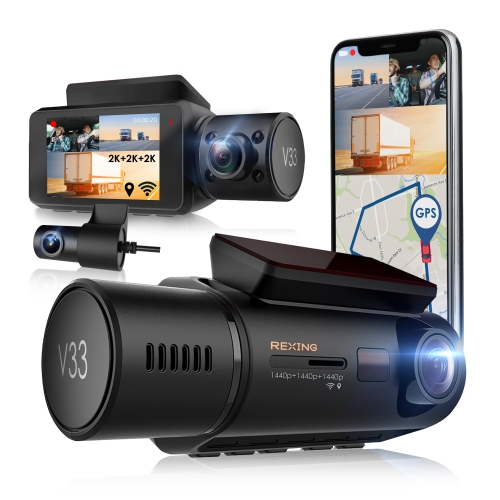
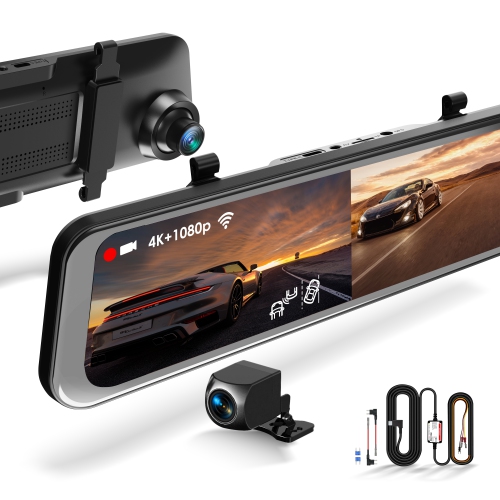
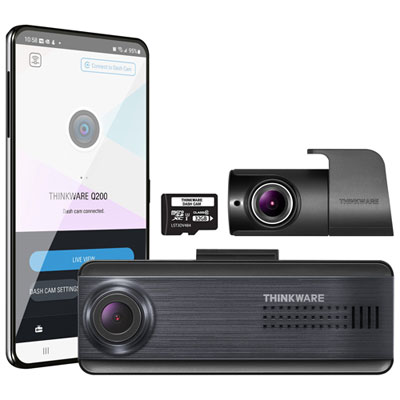
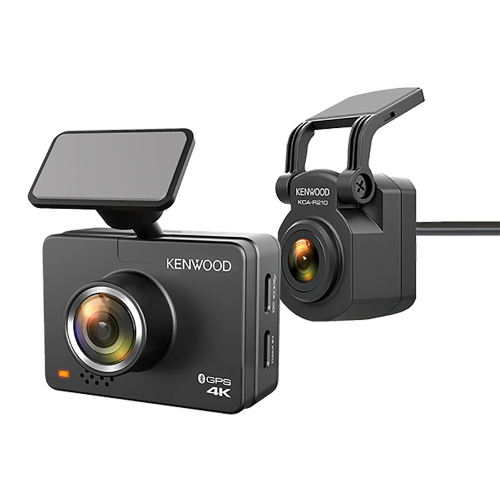
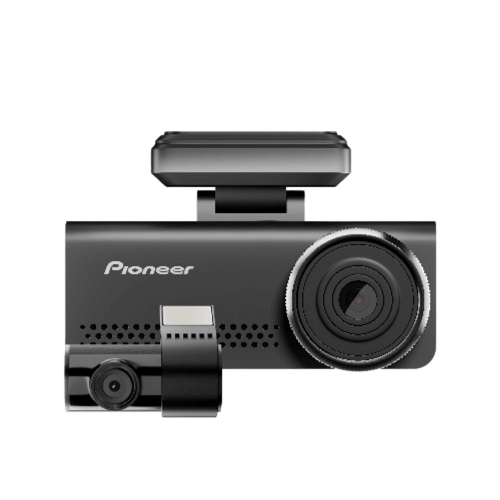
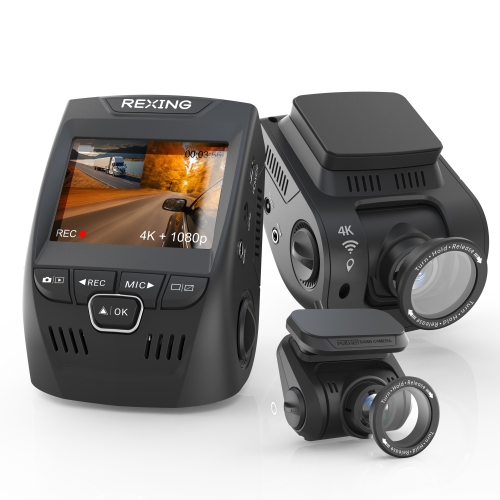
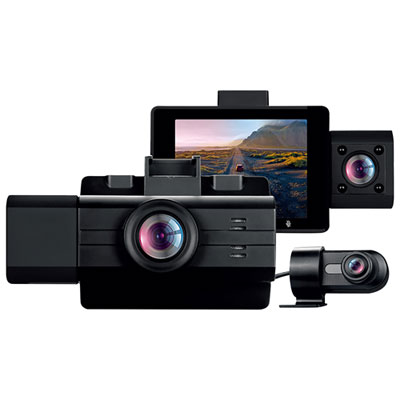
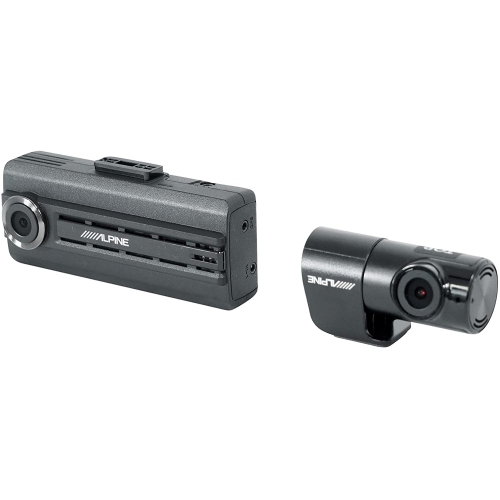
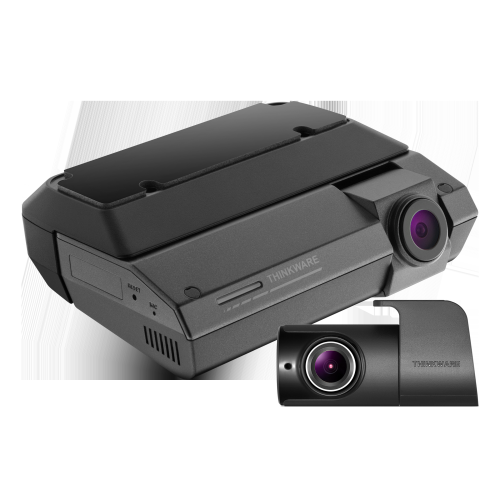
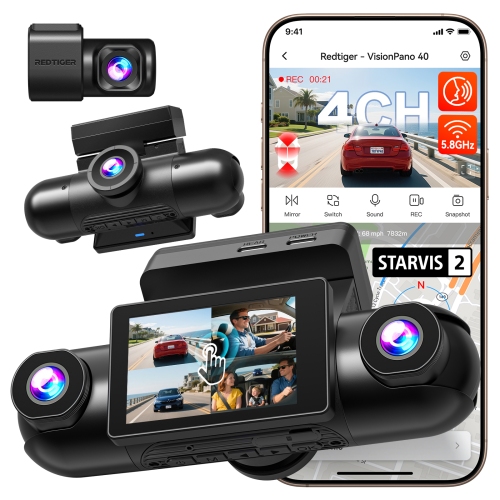
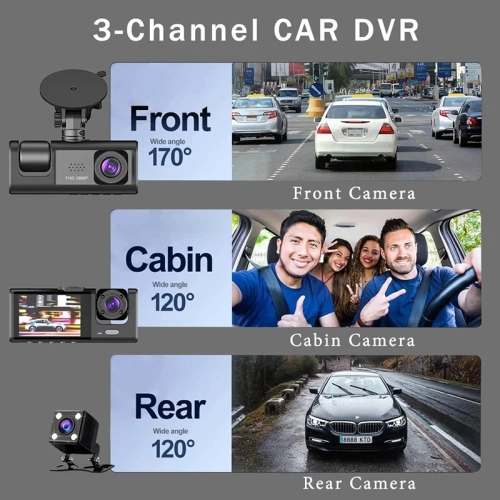
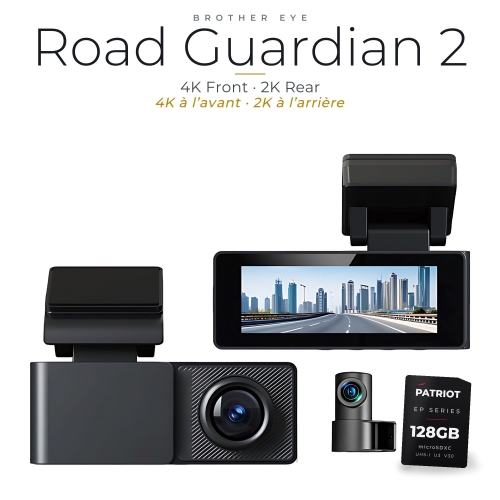
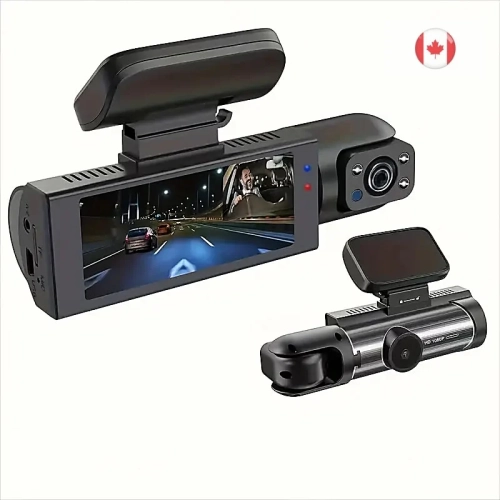
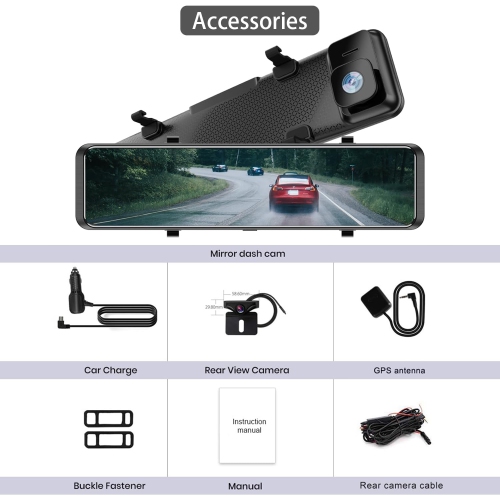
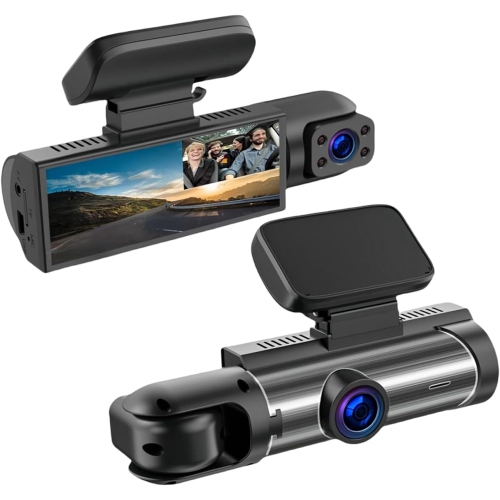
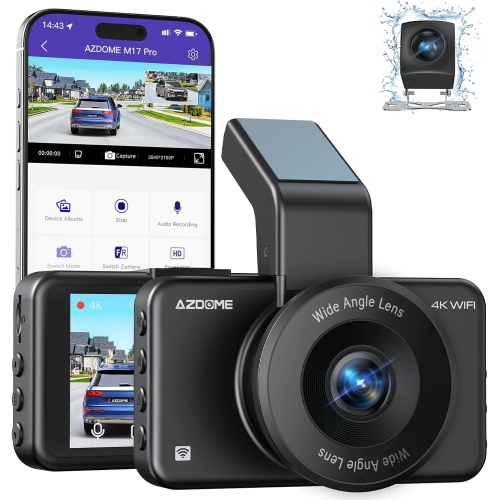
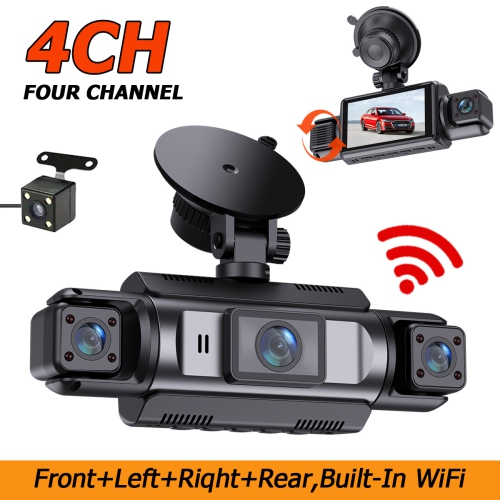
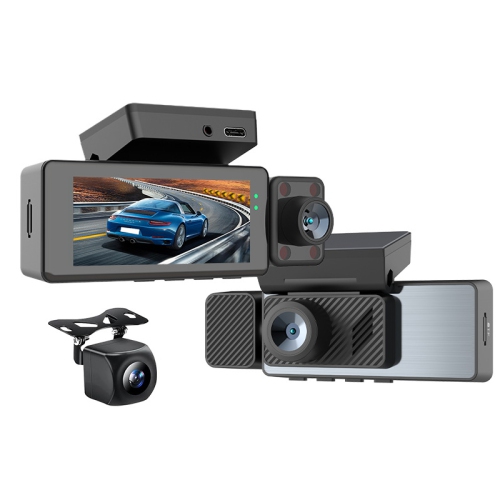
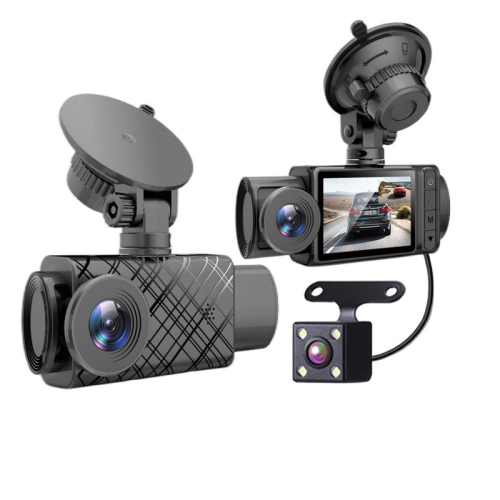
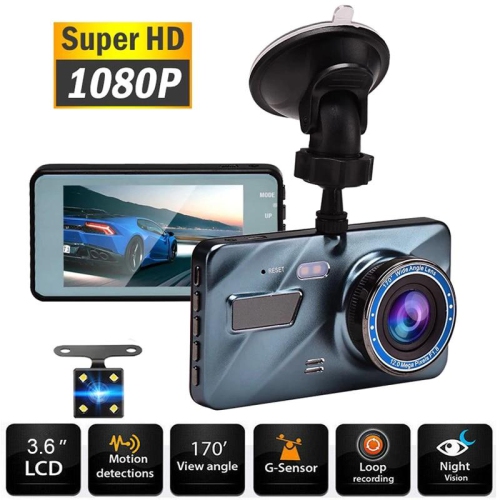
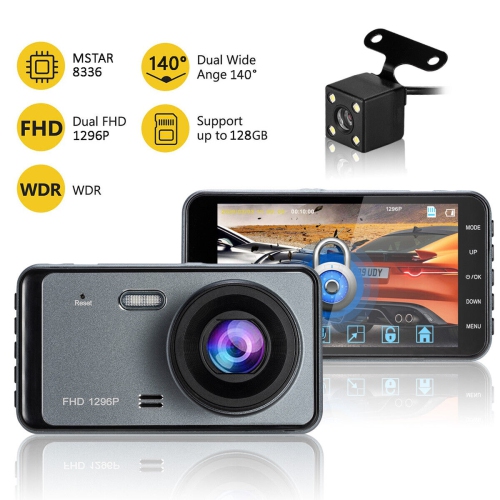
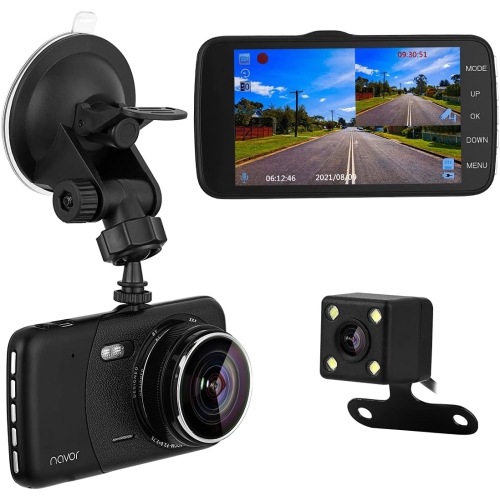
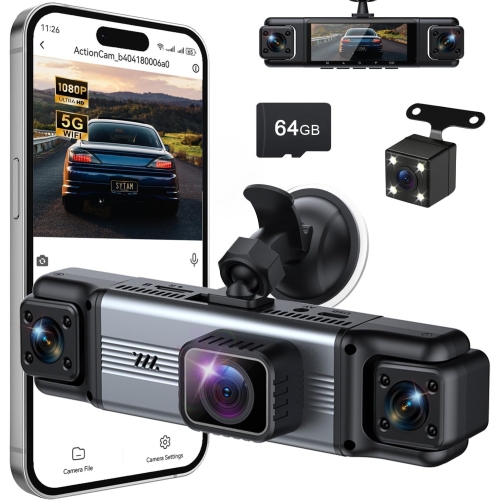
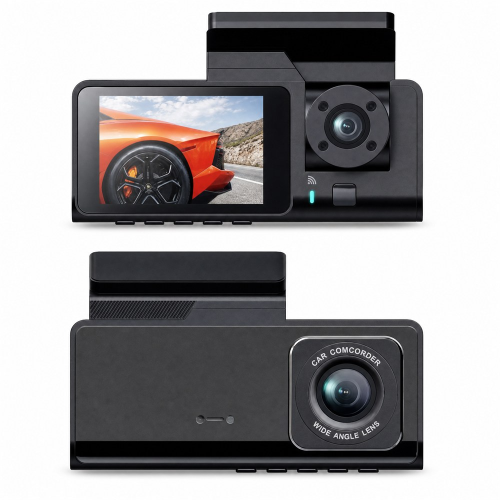
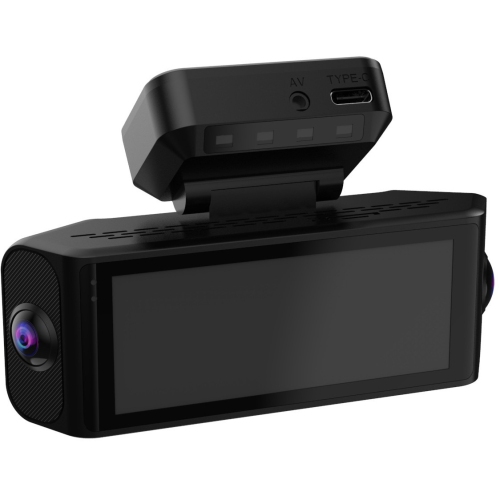
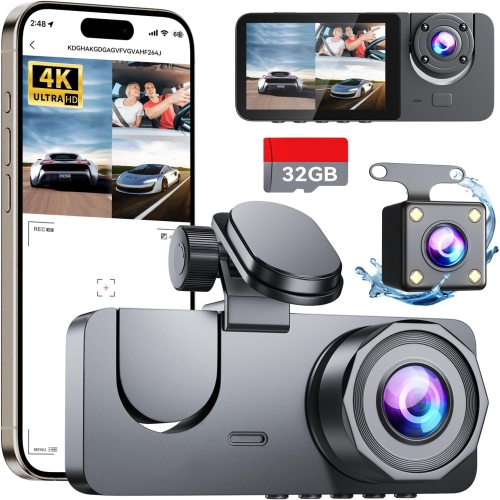
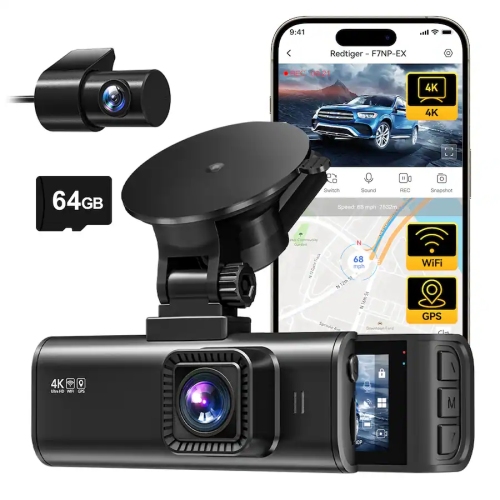
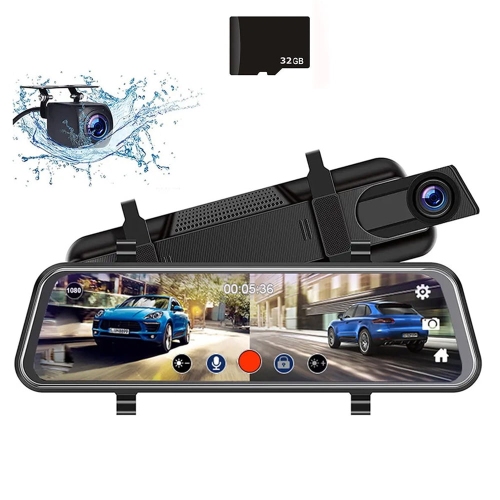
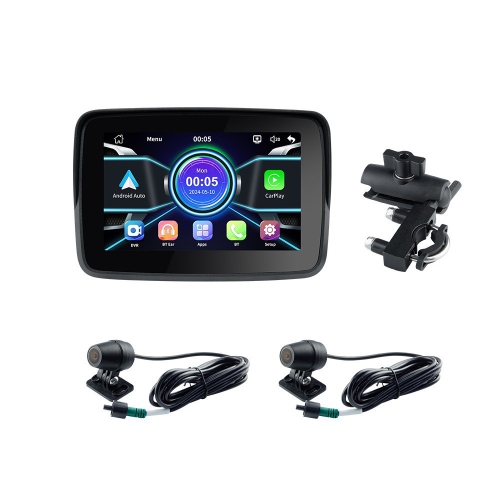
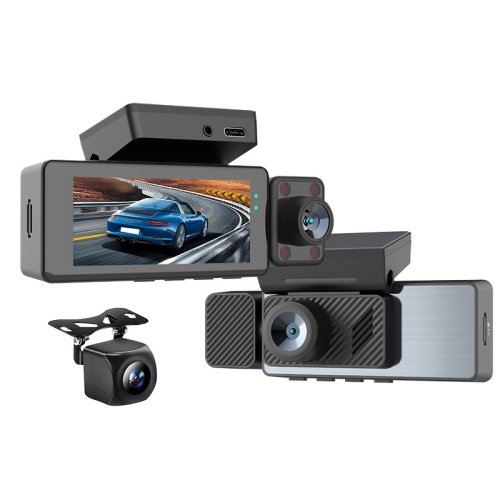
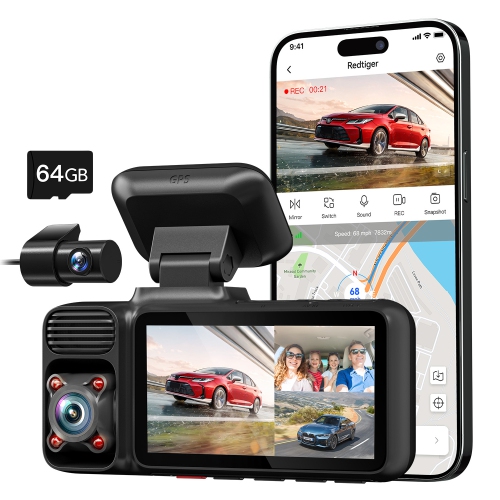
High-end dash cams may offer single-channel, dual-channel, or multi-channel recording. Single-channel systems record one camera view, while dual-channel systems commonly record front and rear views. Some multi-channel systems also include an interior camera. Check which cameras are included and which require separate accessories.
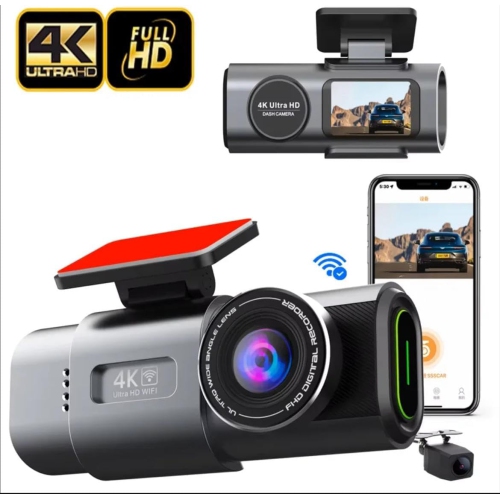
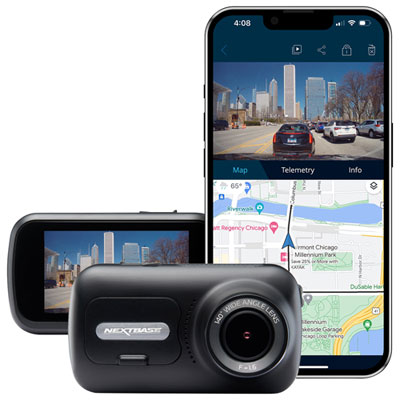
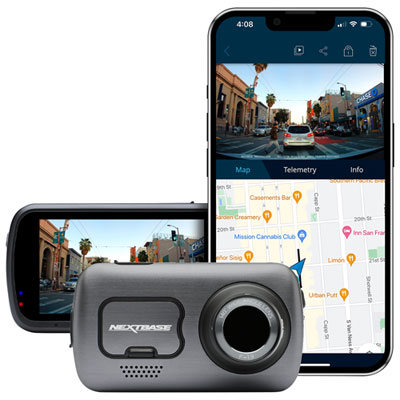
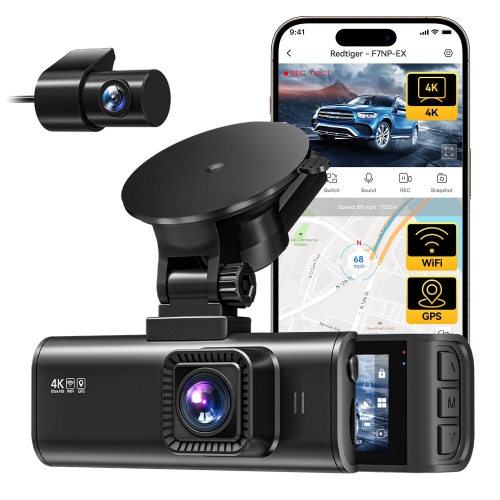
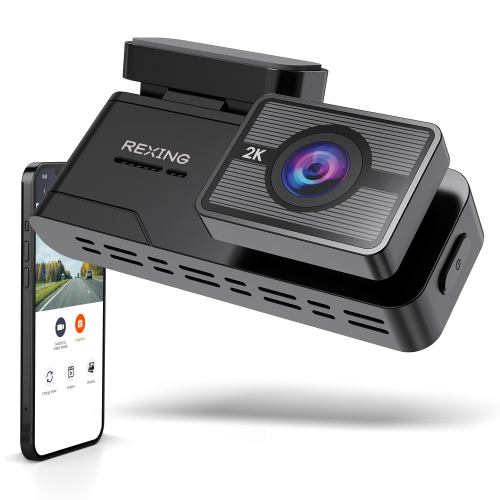
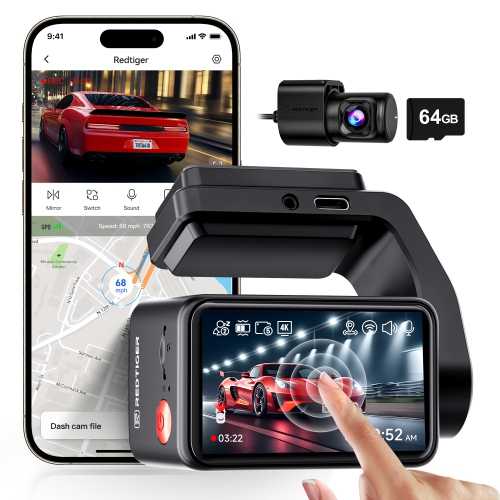
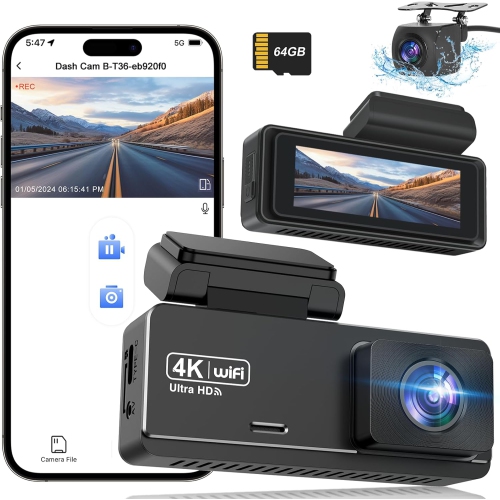
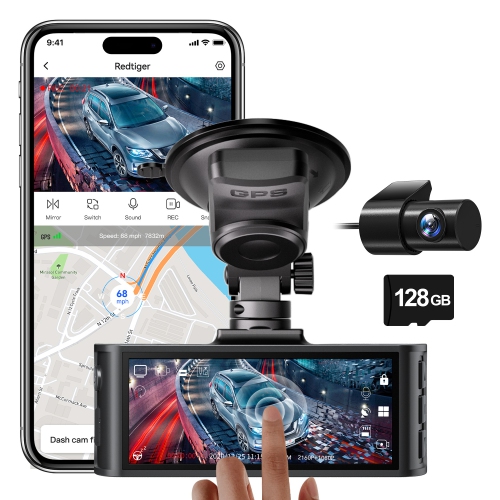
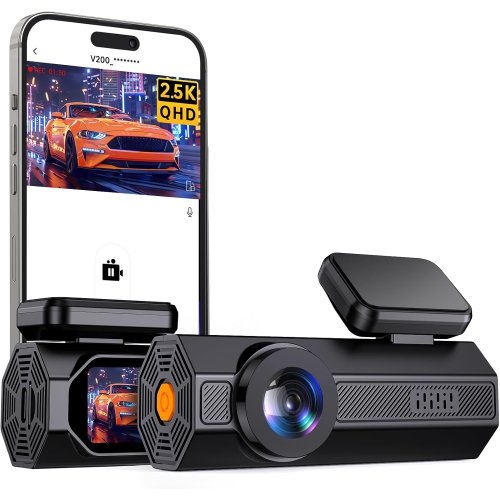
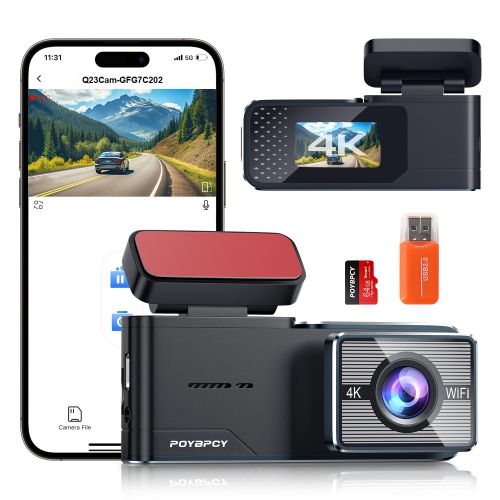
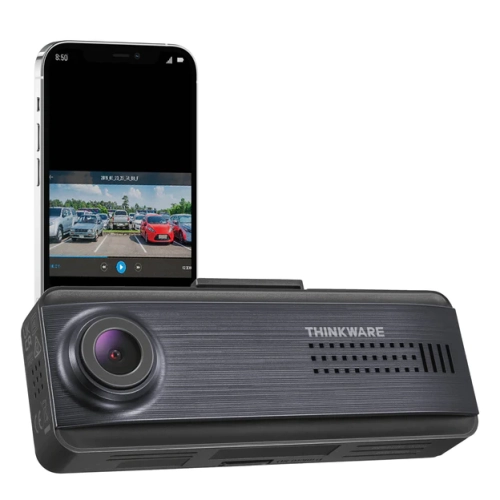
Many high-end dash cams use Wi-Fi and a companion app to let you review recordings, download clips, and adjust settings. Some also use Bluetooth for pairing or selected controls. App features and phone compatibility vary by model.
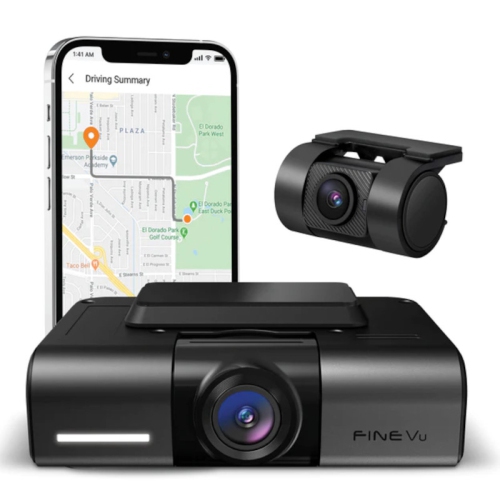
Built-in GPS can add location and speed data to recordings. Depending on the dash cam and its software, you may be able to view a recorded route on a map or choose whether speed information appears on the video. GPS logging does not necessarily include turn-by-turn navigation.
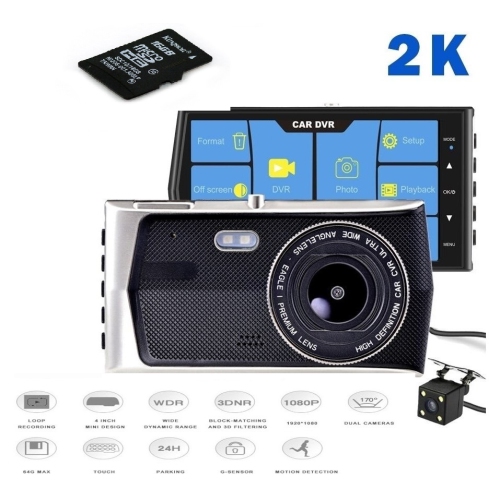
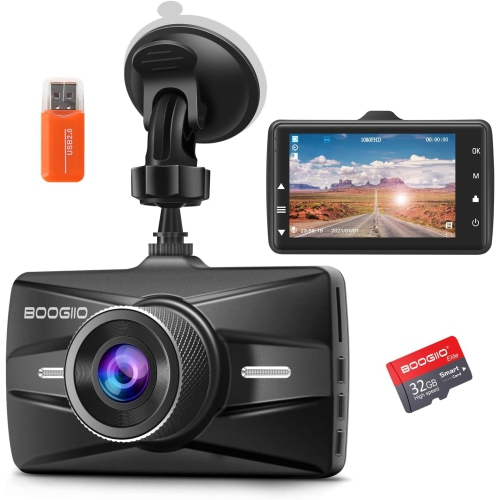
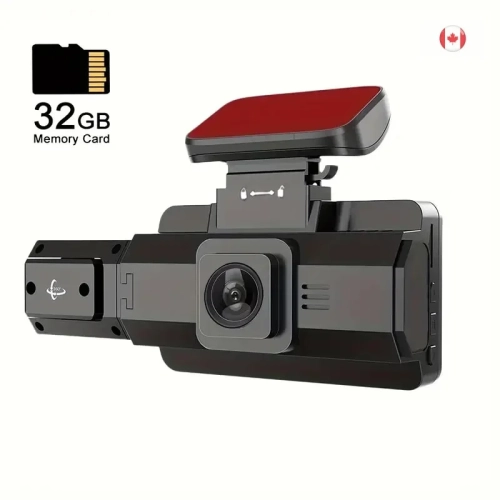
Many high-end dash cams store footage on a microSD card and use loop recording to replace the oldest unprotected clips when the card is full. Some models also offer cloud storage through a compatible service. Check the manufacturer's memory card requirements and whether cloud features require a subscription or a separate internet connection.
Common video file formats include MP4 and MOV, with compression formats such as H.264 or H.265. Compatibility depends on your playback and editing software. Some dash cams also provide a dedicated viewer for displaying video alongside GPS data and other recording details.
Top selling and popular products
Discover more categories related to High-End Dash Cams
Some products may be subject to Environmental Handling Fees (EHF) depending on your province. Learn more about EHFs.