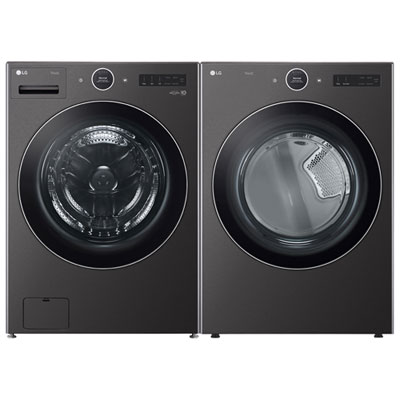
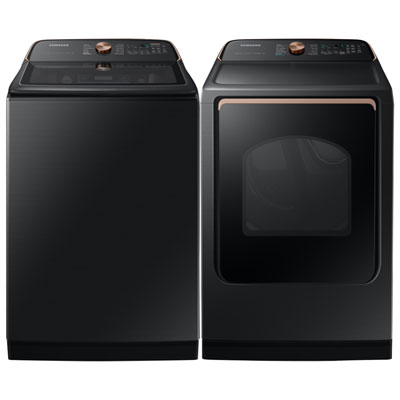
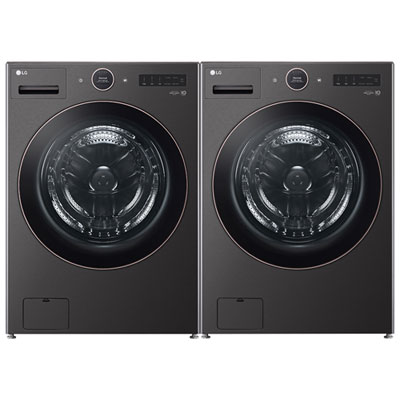
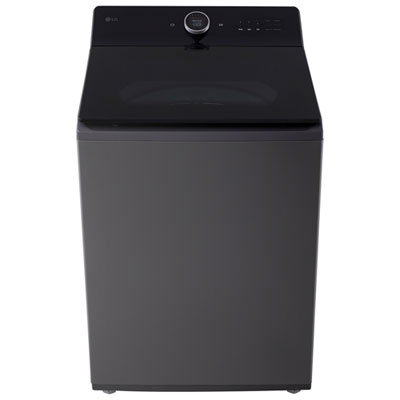
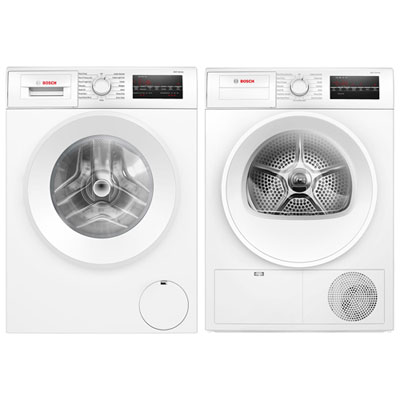
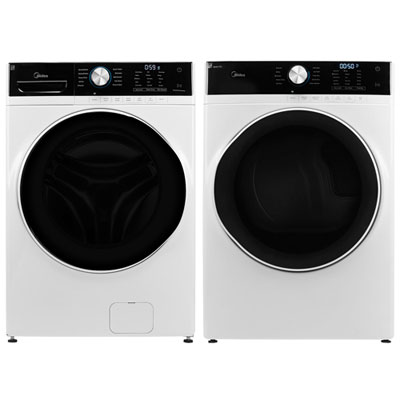
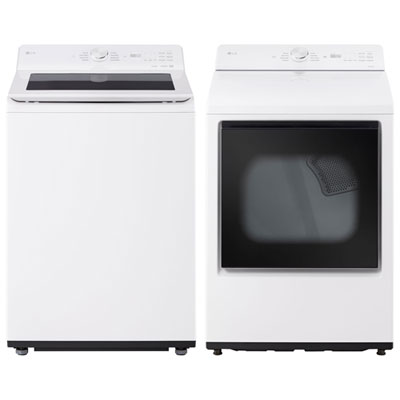
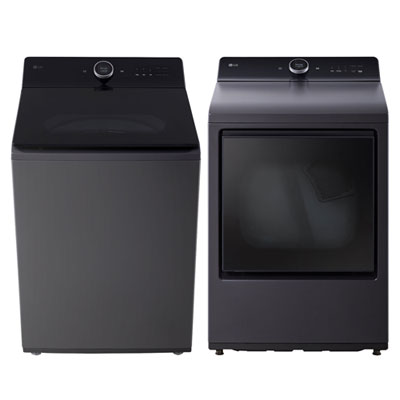
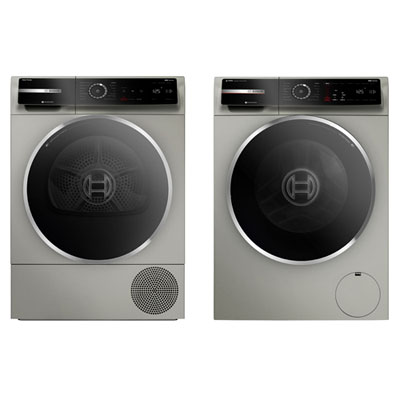
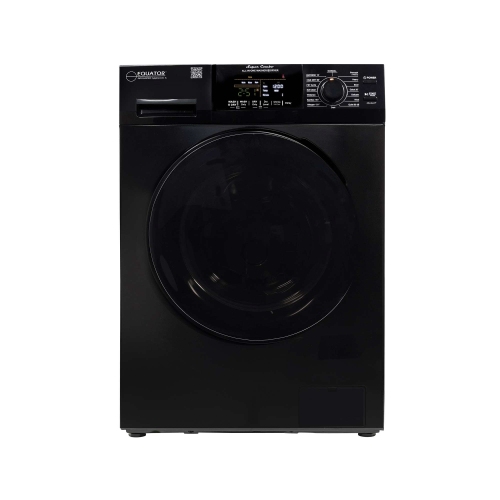
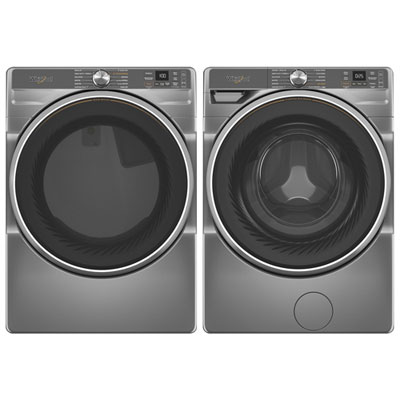
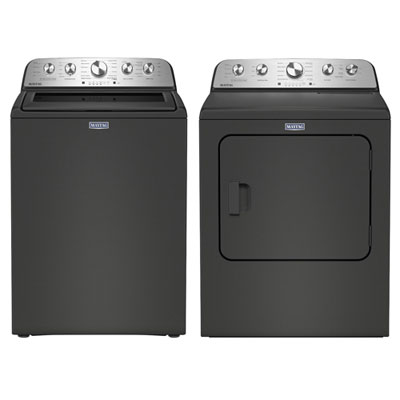
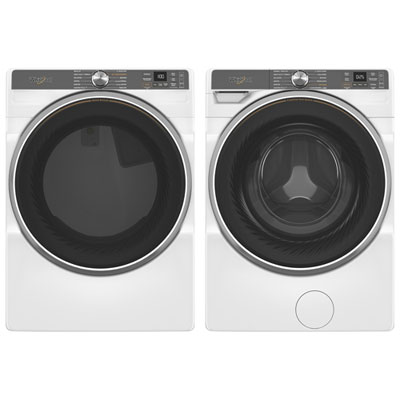
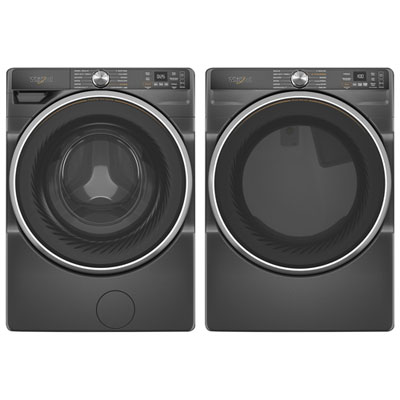
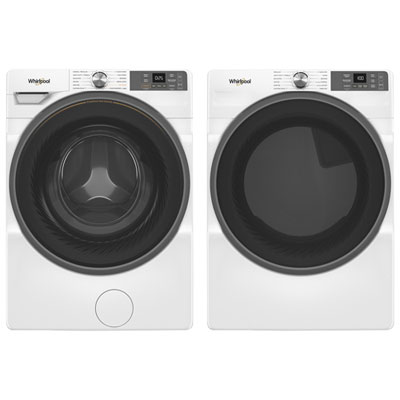
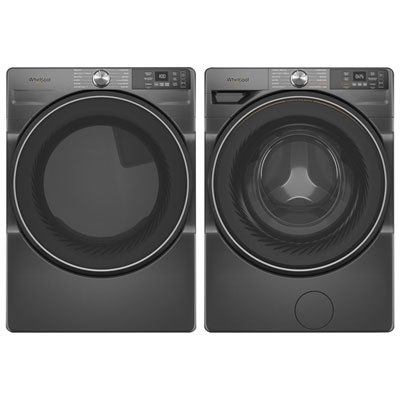
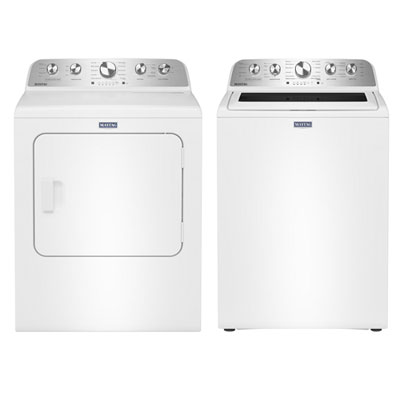
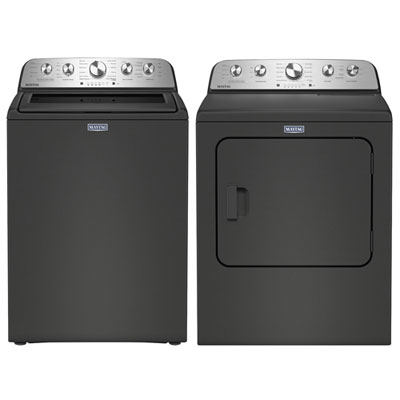
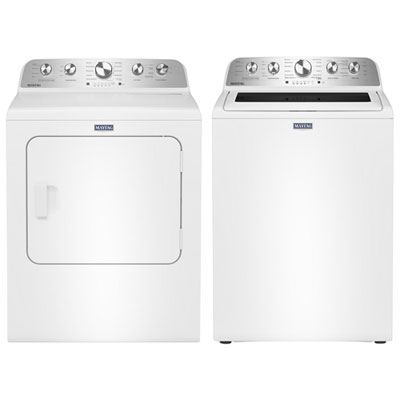
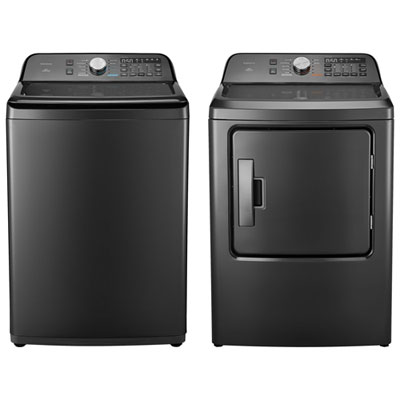
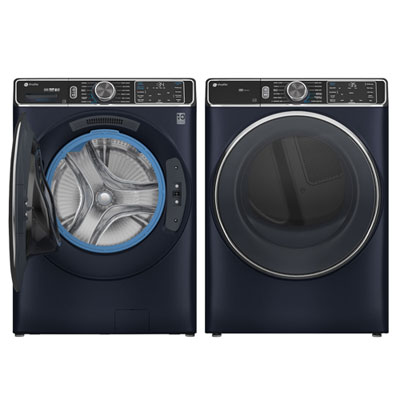
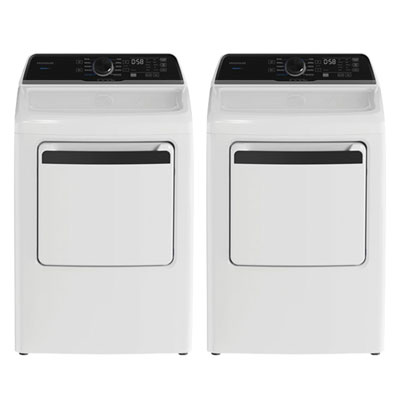
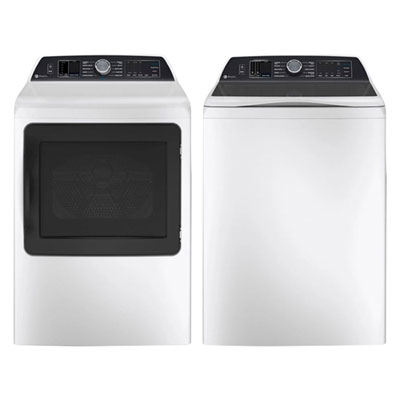
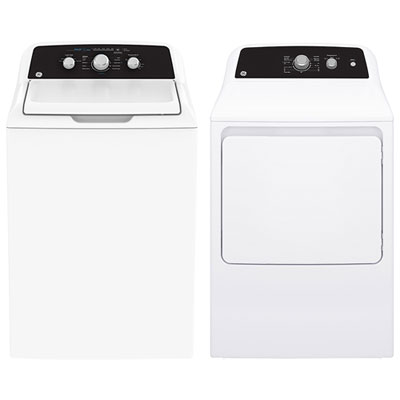
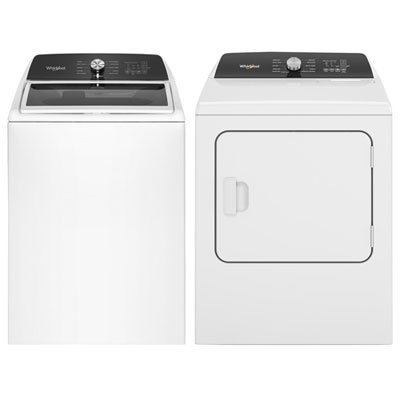
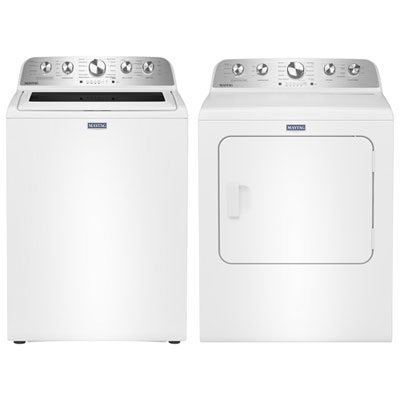
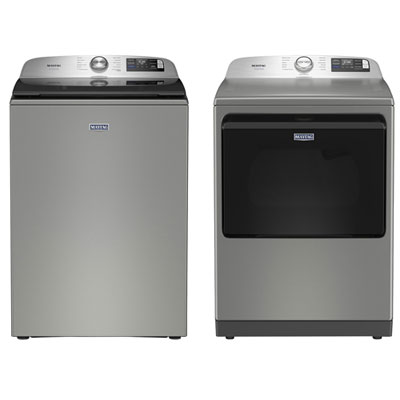
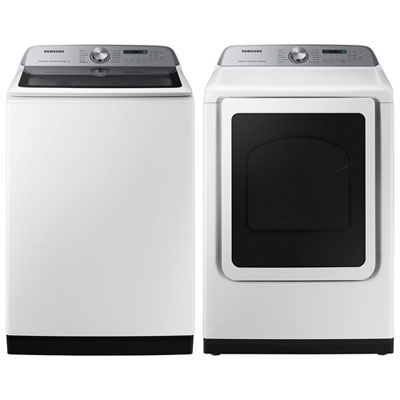
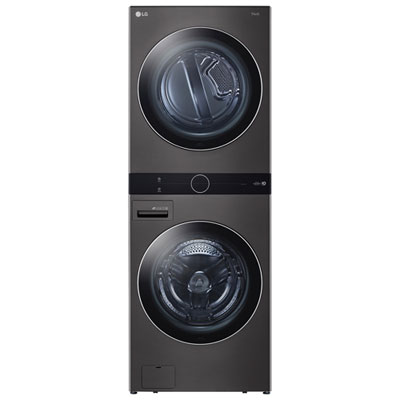
High-End Washers And Dryers

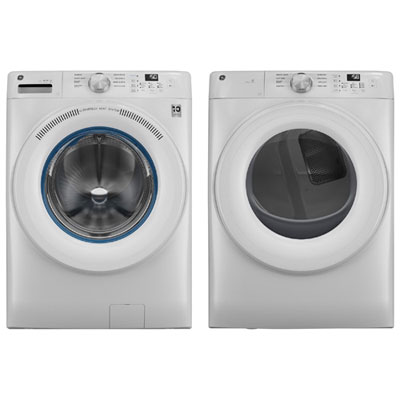
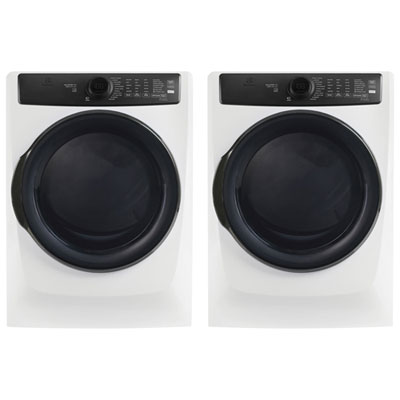
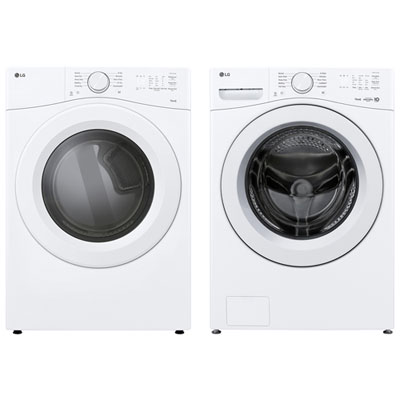
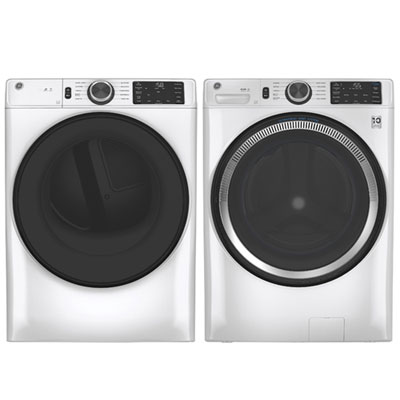
Compare high-end washers and dryers to find laundry appliances that fit your space and household needs. Consider capacity, dimensions, installation requirements, and available wash and dry settings as you narrow your options, whether you’re replacing one appliance or shopping for a matching pair.
Read More

Sort

What advanced fabric care means for everyday laundry

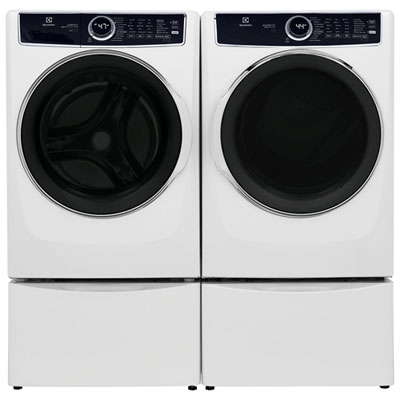
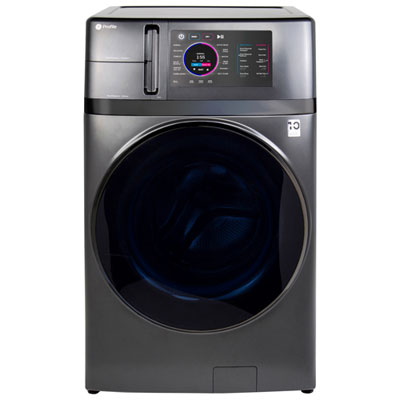
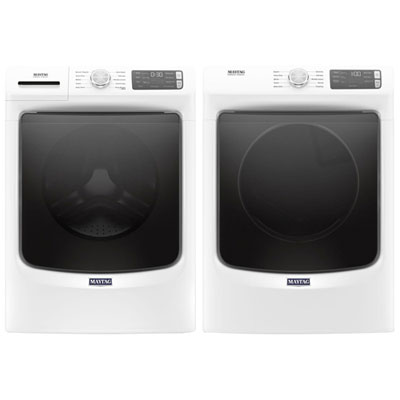
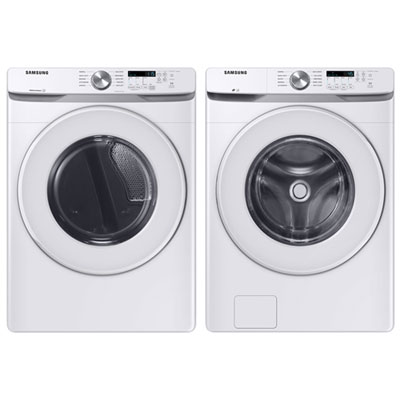
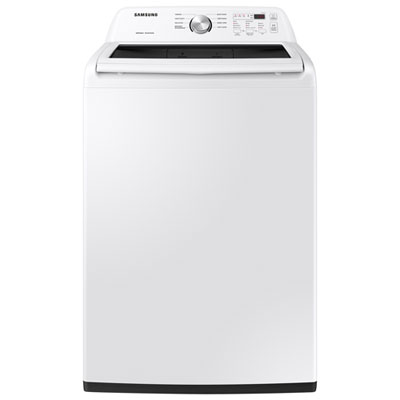
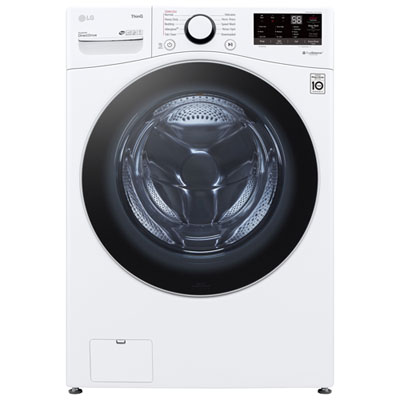
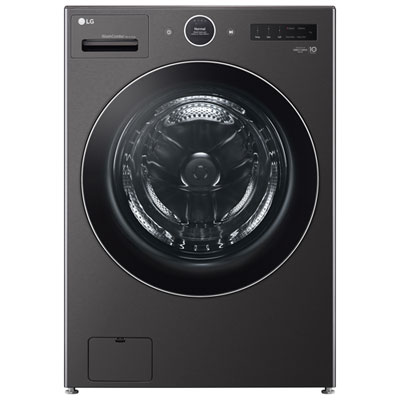
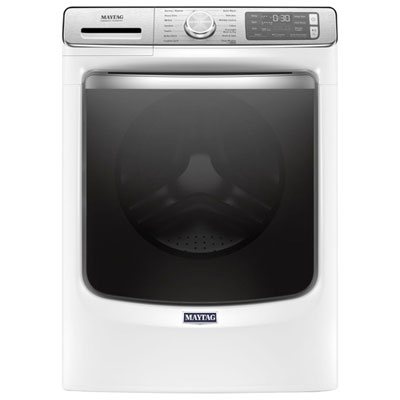
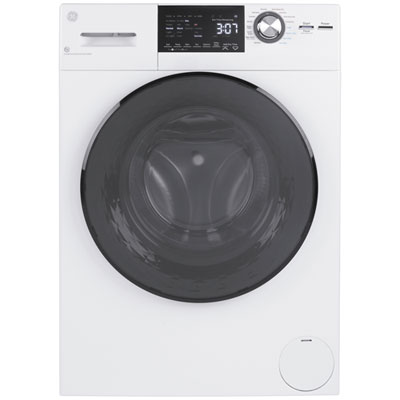
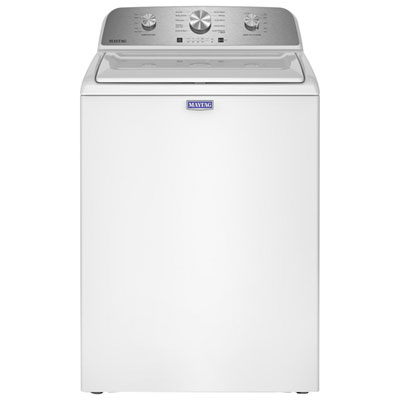
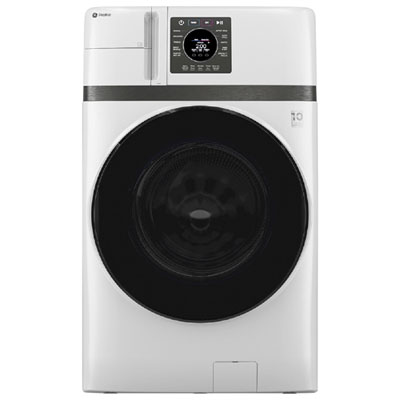
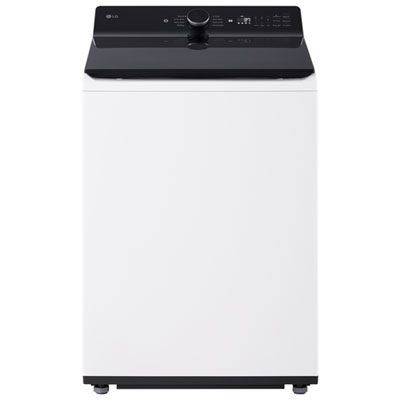
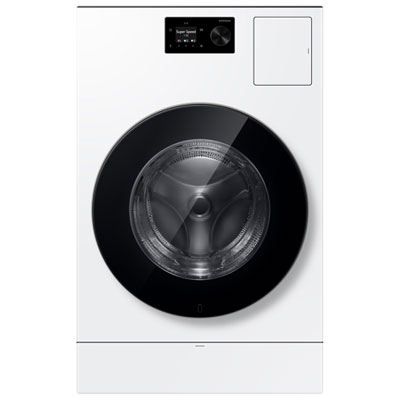
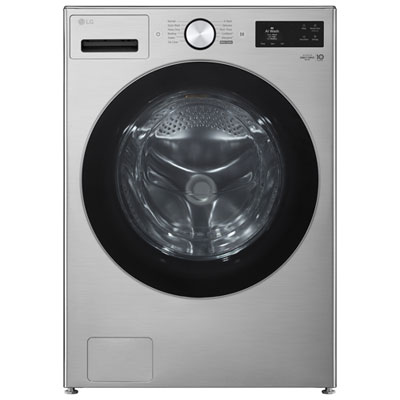
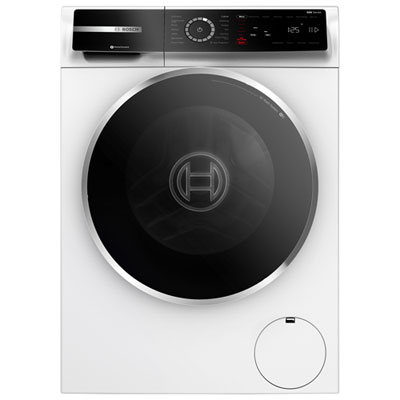
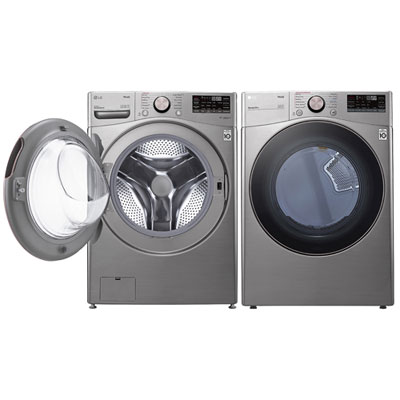
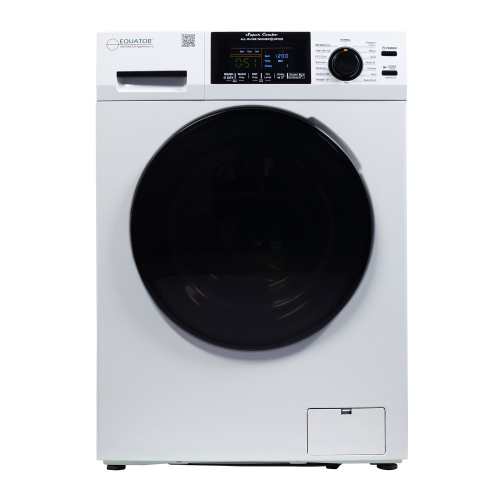
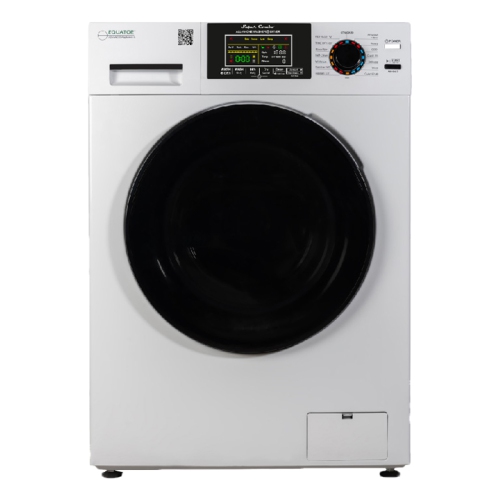
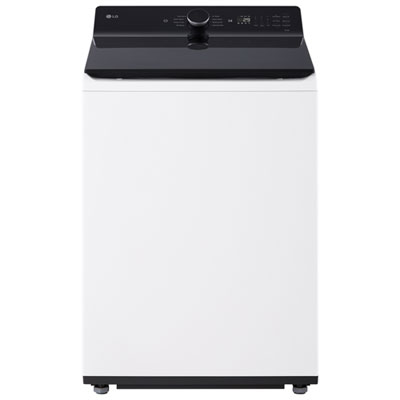
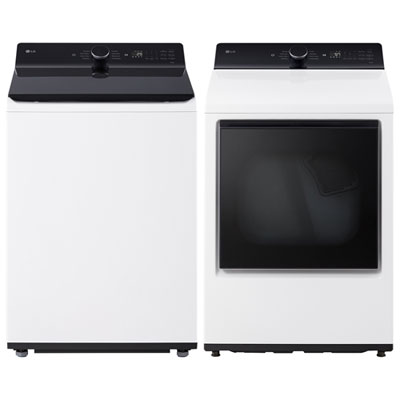
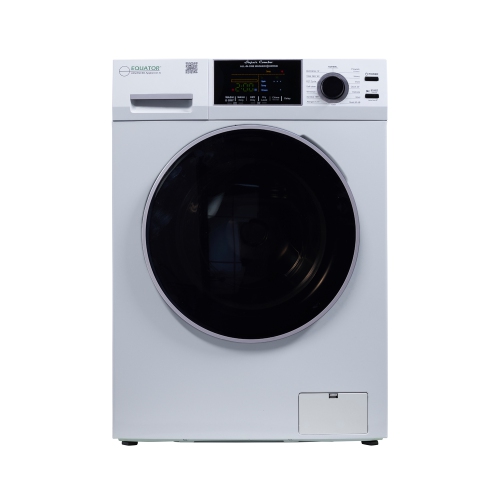
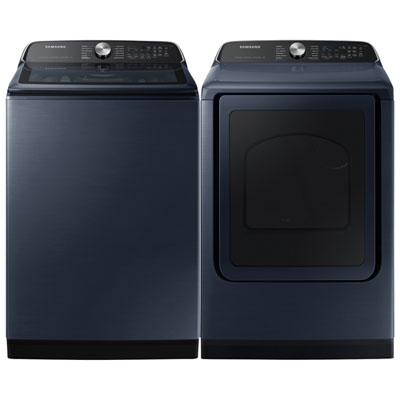
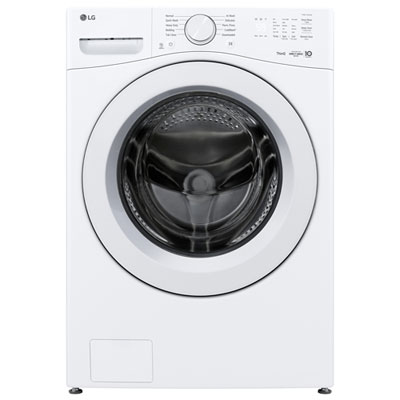
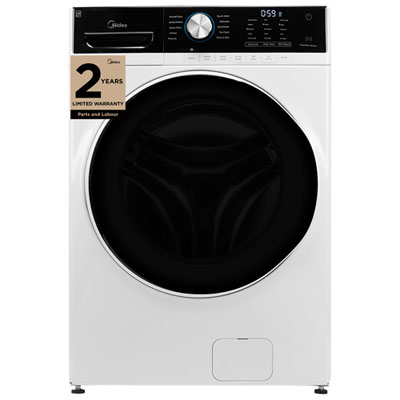
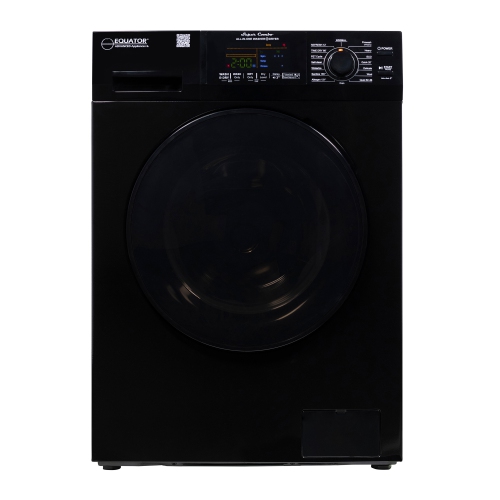
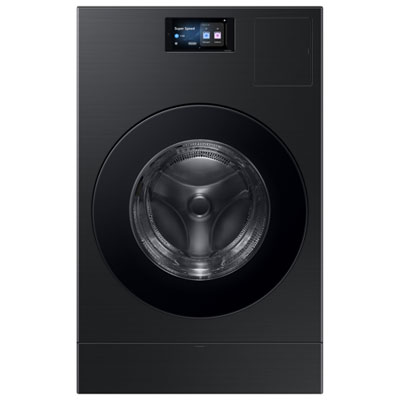
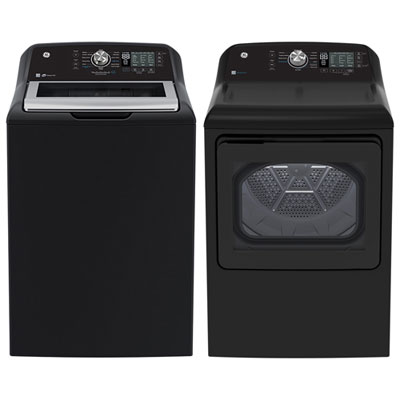
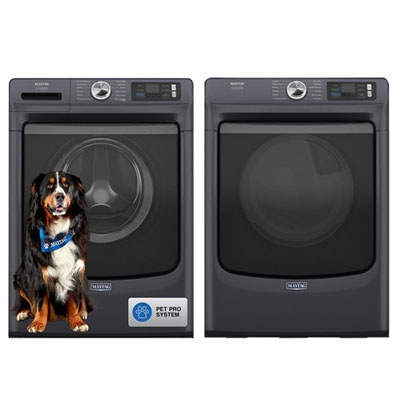
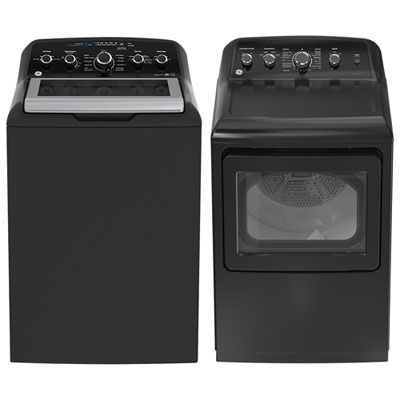
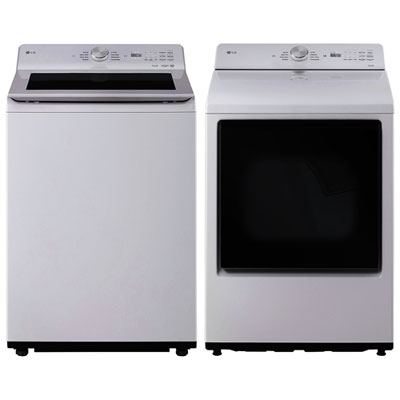
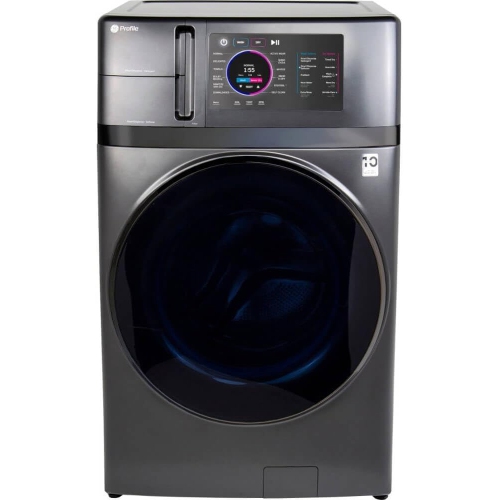
High-end washers and dryers bring together precise fabric care, flexible cycle options, substantial capacity, and controls designed to make regular laundry feel less demanding. Depending on the model, premium features may include automatic detergent dispensing, steam functions, load-sensing technology, AI-assisted cycle adjustments, and Wi-Fi connectivity for checking progress through a compatible app. The value of those features becomes clear in everyday situations: a load of school clothes with several different stains, a set of sheets that needs room to move, or a small collection of exercise wear that needs washing before the next workout. Advanced washers may adjust water levels, wash movements, or cycle duration using information gathered by sensors, although their capabilities vary and garment care labels still matter. Front-load designs typically use a tumbling action, while high-end top-load options may use an impeller or agitator, with different loading heights and drum arrangements to suit different preferences. Stainless steel wash drums provide a smooth, durable surface, and specialized cycles can offer more appropriate treatment for bedding, delicates, activewear, or heavily soiled fabrics. Steam options may help address certain stains or support specific sanitizing cycles, but they do not make every fabric suitable for the same treatment. Capacity is equally important: a generous drum can accommodate bulky loads, provided bedding has enough space to move freely rather than sitting tightly packed against the glass. Households handling frequent towel loads, larger bed linens, or laundry for several people may also find Large Washer And Dryers relevant to their needs. For smaller households, a premium machine with useful small-load settings may be a better fit than capacity alone would suggest. Clear controls, readable cycle information, and convenient access to detergent drawers can matter just as much as a long feature list, especially when the laundry area is shared by people with different routines. A well-matched set should support the loads that actually fill the hamper, from work shirts and denim to washable blankets, without making ordinary care unnecessarily complicated.
A high-end dryer complements the washer by giving fabrics the drying conditions they need rather than simply running every load for the same length of time. Moisture sensors can help the machine determine when a selected dryness level has been reached, reducing unnecessary drying that can leave some fabrics feeling rough or contribute to wear. Results still depend on load composition: thick towels and lightweight shirts dry at different rates, so separating them often produces a more even finish. Larger drums give sheets and everyday clothing room to tumble, while reversible tumbling, where offered, can help limit tangling. Steam refresh functions may reduce light odours or wrinkles in suitable garments between washes, but they are not a substitute for cleaning visibly soiled clothing. Wrinkle-reduction options that tumble periodically after a cycle can be useful when a load finishes during dinner or while another household task is underway. Delicate settings, adjustable dryness levels, and drying racks on compatible machines offer additional flexibility for fabrics or articles that need particular handling. Some high-end dryers use conventional vented designs, while others use ventless condensing or heat pump systems. These designs have different installation requirements, cycle characteristics, and maintenance routines, so the right choice depends partly on the laundry space rather than appearance alone. A heat pump dryer may use lower drying temperatures and longer cycles than some conventional alternatives, making it important to consider how several consecutive loads will fit into a household routine. Connected features can send cycle notifications to a compatible phone or allow certain settings to be managed through an app, subject to the appliance’s functions and connection requirements. Physical controls remain important, too: a responsive dial, clearly marked options, and an accessible lint filter contribute to everyday convenience long after the novelty of a connected feature wears off. The most useful dryer is one that handles the household’s mix of fabrics consistently, with enough control to dry sturdy cottons thoroughly while treating more delicate loads according to their care instructions.
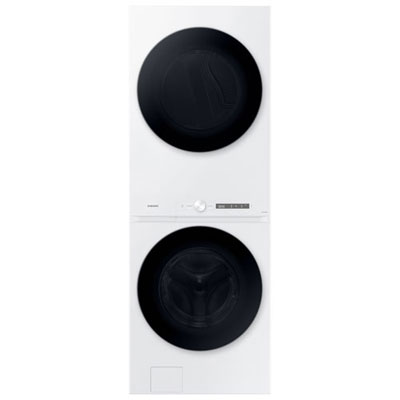
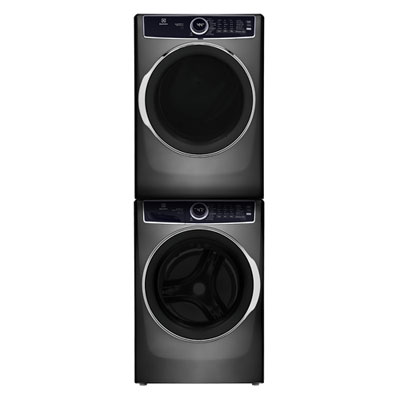
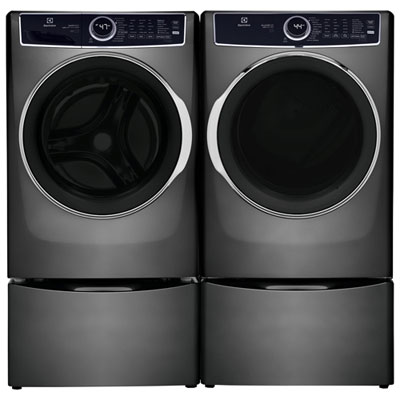
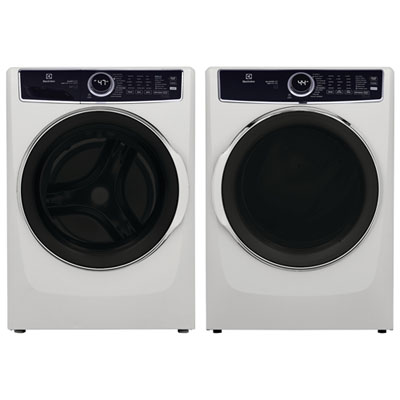
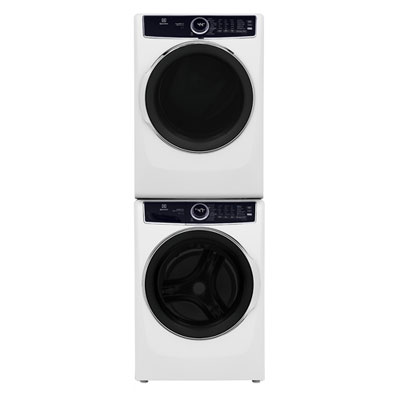
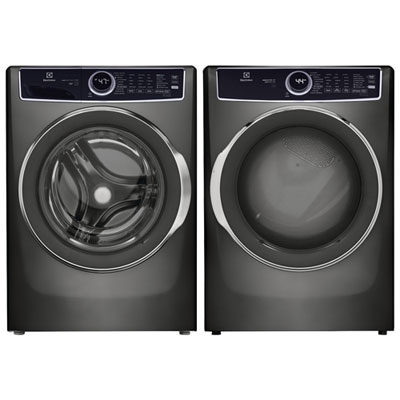
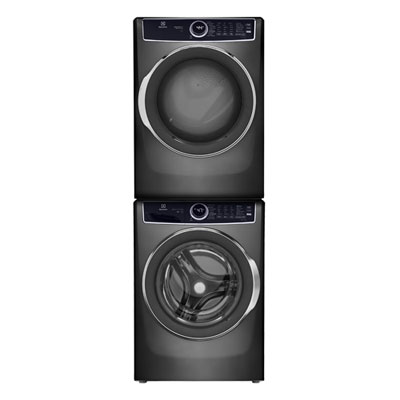
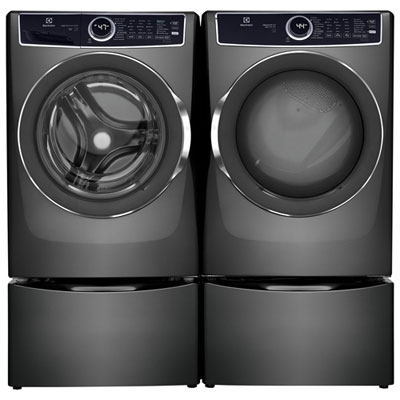
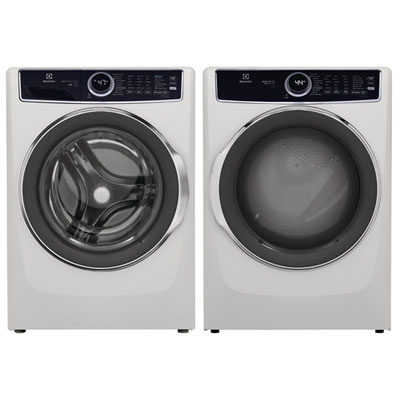
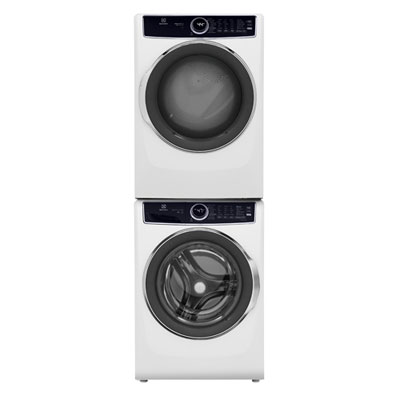
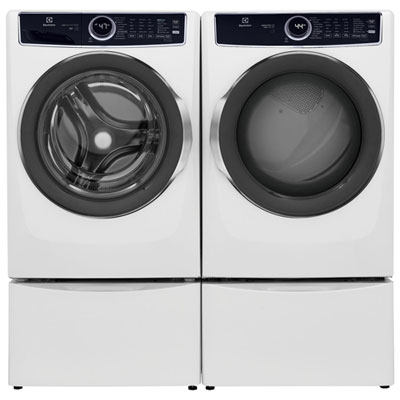
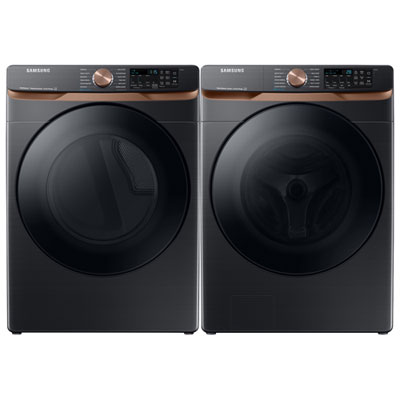
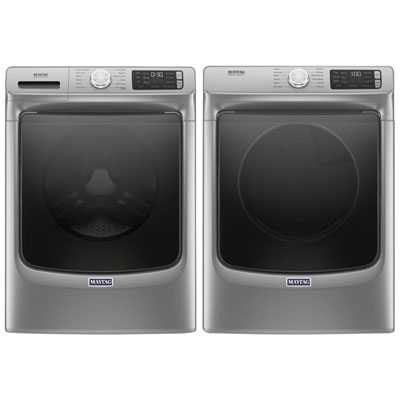
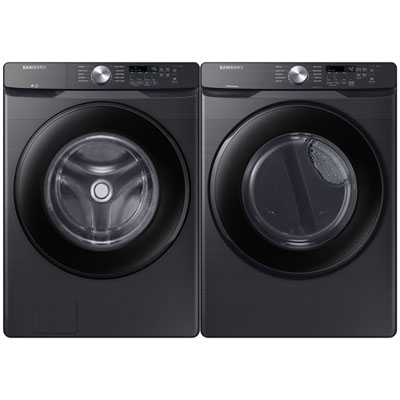
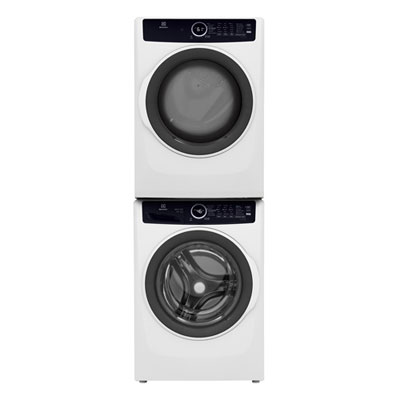
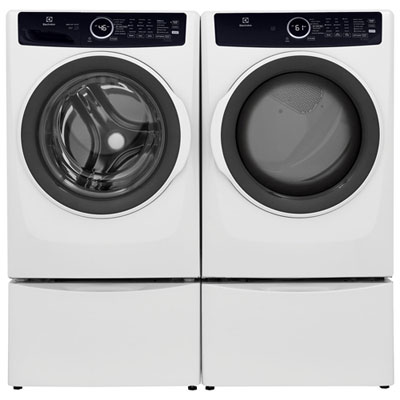
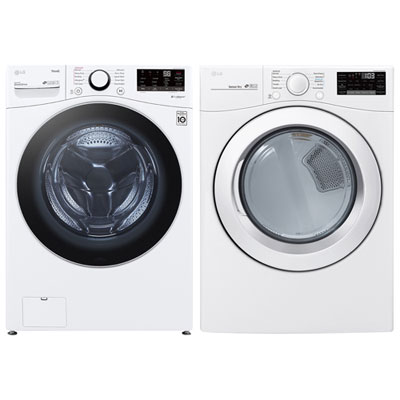
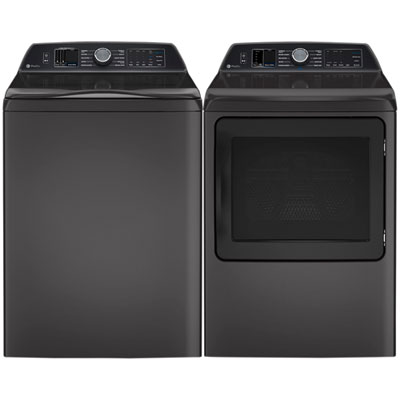
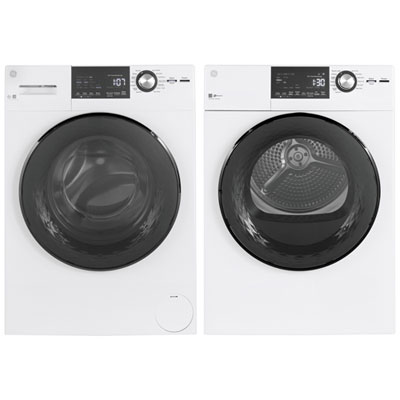
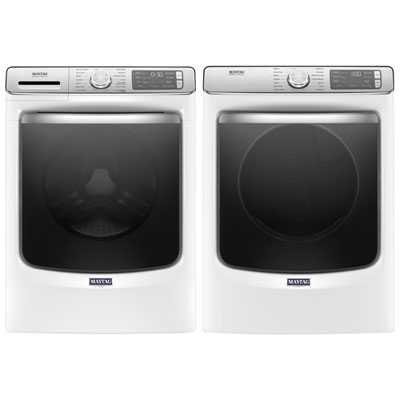
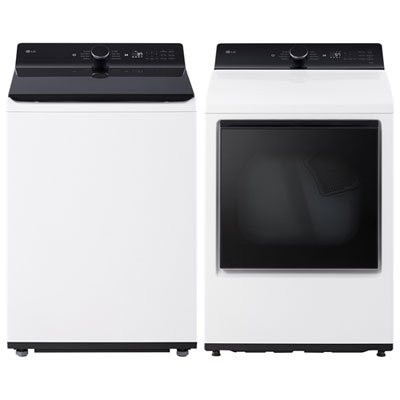
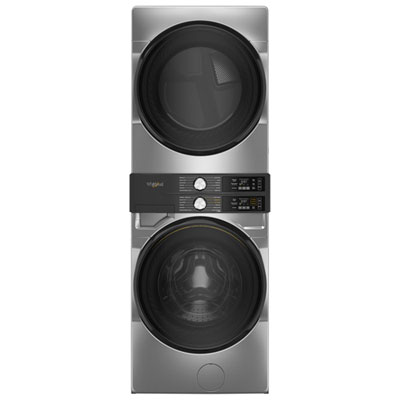
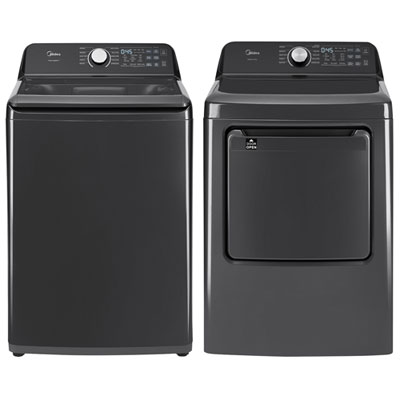
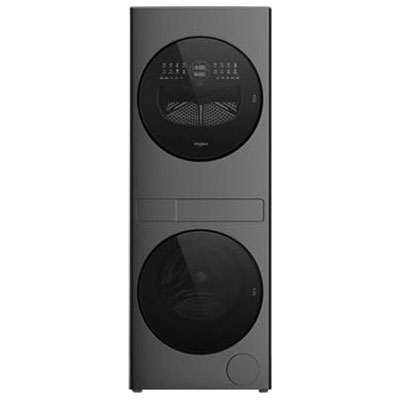
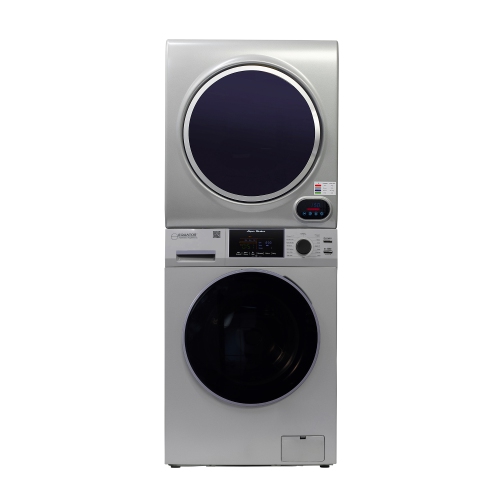
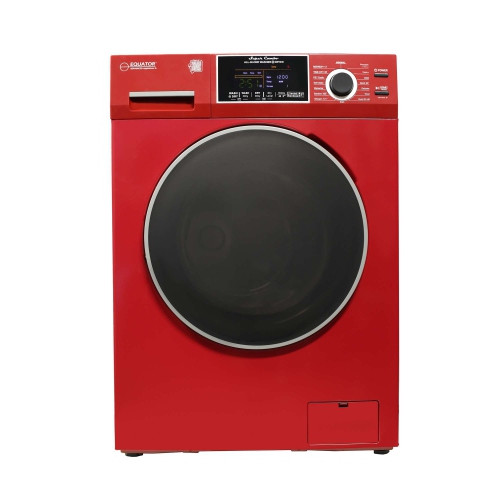
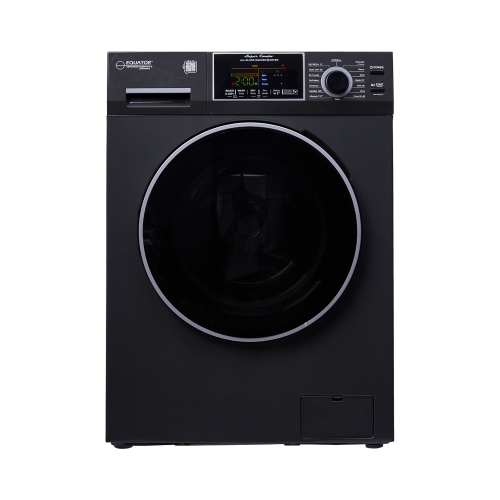
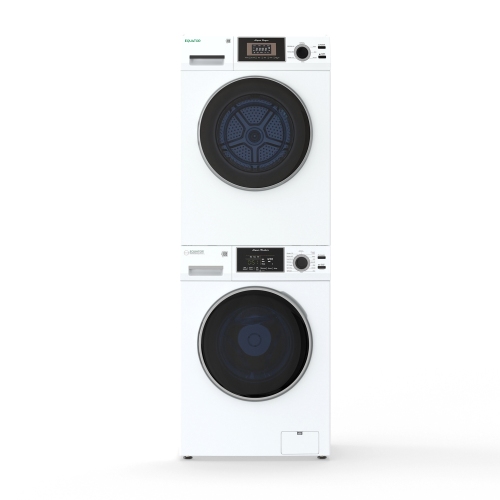
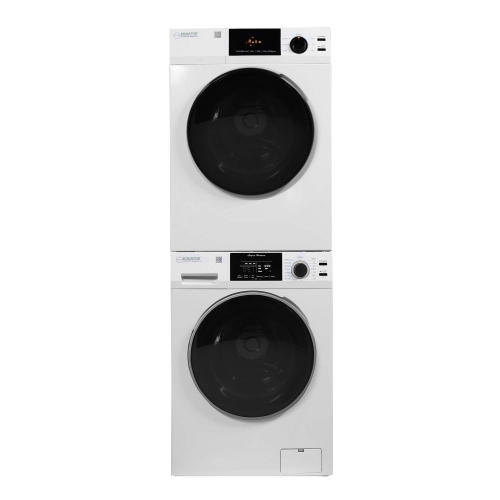
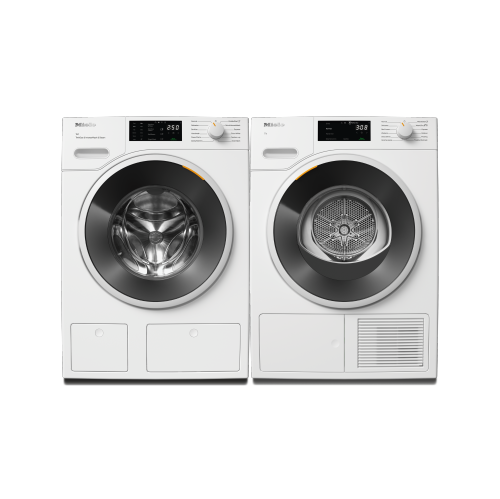
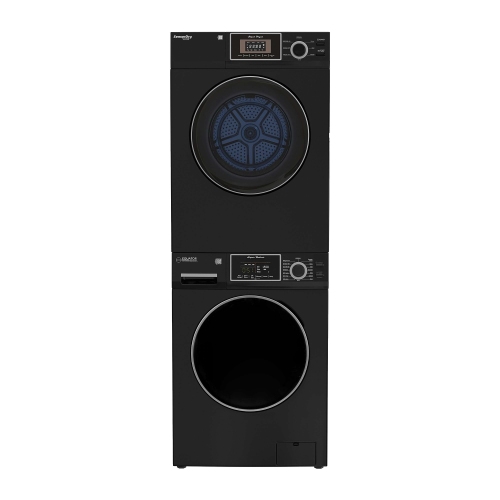
Fit, installation, and ongoing care are central to getting lasting use from high-end washers and dryers. Appliance dimensions are only the starting point; the space also needs the manufacturer’s required clearances, room for hoses and connections, and enough clearance for doors and drawers to open fully. The route into the home matters as well, including stair turns, doorway widths, and access to the laundry room. Side-by-side arrangements can create an accessible work area, while compatible stacked sets can free up floor space in a narrower room. Stacking requires an approved kit and a pairing specifically designed for that arrangement; similar dimensions do not establish compatibility. Pedestals can raise front-loading doors to a more comfortable height, but they also change the overall height and may affect access to cabinets above. Water connections, drainage, electrical requirements, and any dryer exhaust or gas connection need to match the selected appliances, with qualified installation where required. On an upper floor or near living spaces, sound levels, vibration management, and a properly levelled machine deserve particular attention. A solid installation supports stable operation, but even advanced vibration controls cannot compensate for every flooring or loading issue. Regular care is generally straightforward: use the detergent type and quantity specified, clean dispenser components as directed, and follow the washer’s drum-cleaning schedule. Front-load door seals benefit from routine inspection and cleaning, particularly where lint, moisture, or small articles can collect. Dryer lint filters need cleaning at the intervals stated in the manual, and vented systems also require attention to the exhaust path; ventless designs may have additional filters or other components to maintain. Accessible filters and clearly explained maintenance steps make these tasks easier to keep up with. Durable construction, service access, and clear warranty terms are worth considering alongside finish and styling. Coordinated doors, consistent control layouts, and colours that suit the room can create a polished laundry area, but lasting satisfaction comes from dependable fabric care, comfortable daily use, and a layout that makes moving a heavy load from washer to dryer feel manageable.
Read More

FAQ

Some products may be subject to Environmental Handling Fees (EHF) depending on your province. Learn more about EHFs.