Home Cinema Systems
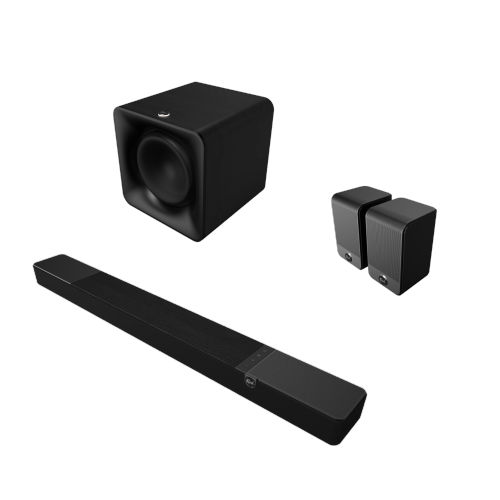
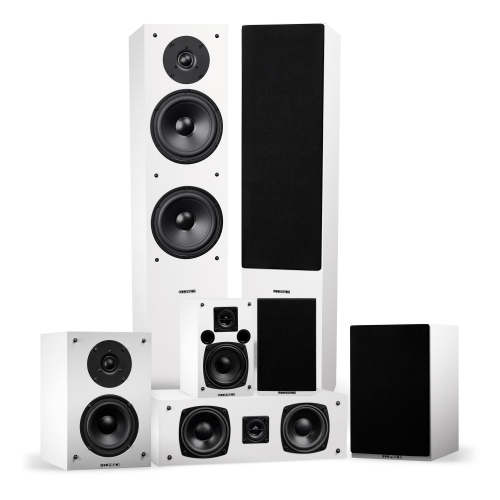
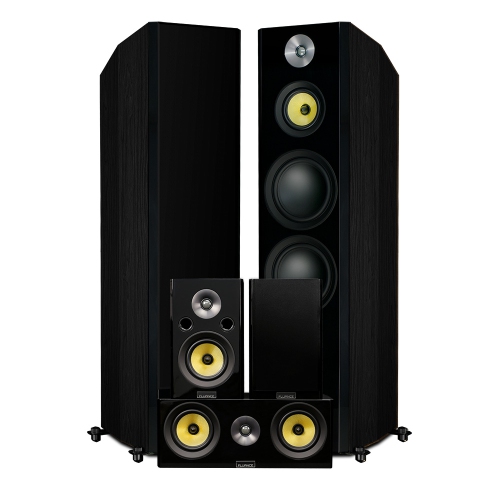
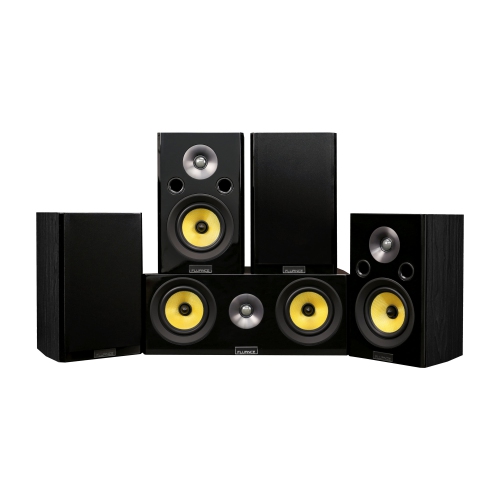
Compare home cinema systems to find a home theatre setup that fits your room and works with your TV. Consider speaker configurations, connection options, and installation requirements, along with the space available for equipment, to choose a system for enjoying movies, shows, and games.




















FAQ
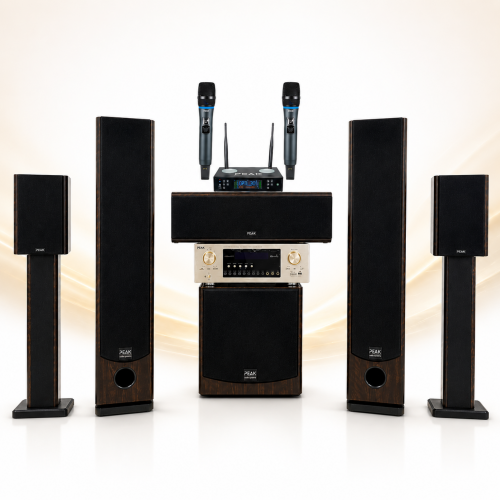
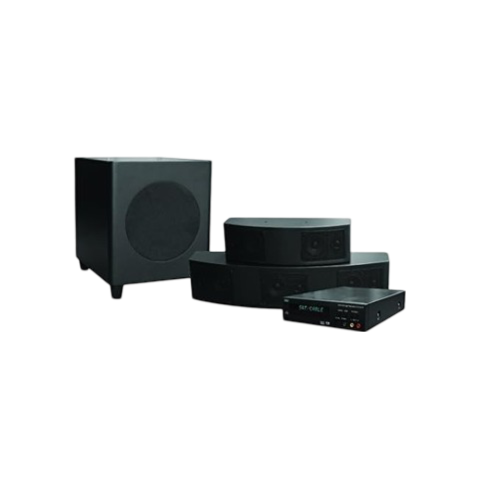
A home cinema system typically combines speakers, a subwoofer and a way to process audio, such as an AV receiver or soundbar. Some packages include these components together, while others let you choose them separately. A TV or projector provides the picture and may be sold separately.
Channel numbers describe the audio configuration. In a 5.1 system, the first number represents five main speaker channels, and the second represents one subwoofer channel. A configuration such as 5.1.2 adds two height channels. The main channels typically include front left, centre, front right and surround audio.
Common connections include HDMI ARC, HDMI eARC and optical audio. HDMI ARC and eARC send audio from a compatible TV to a receiver or soundbar through a designated HDMI port. Source devices, such as streaming players or gaming consoles, may connect to the TV or receiver, depending on the available inputs.
Common formats include Dolby Digital, Dolby TrueHD, DTS, Dolby Atmos and DTS:X. Dolby Atmos and DTS:X can include height information alongside surround audio. Format compatibility depends on the content, playback device, audio connection and receiver or soundbar, so check that the components support the formats you plan to use.
Depending on the system, wireless options may include Bluetooth, Wi-Fi, AirPlay or Google Cast. These can provide ways to play audio from compatible devices or services. Some systems also support compatible wireless surround speakers or subwoofers, though wireless audio connections do not necessarily eliminate power cables.
Top selling and popular products
Discover more categories related to Home Cinema Systems


Some products may be subject to Environmental Handling Fees (EHF) depending on your province. Learn more about EHFs.