Bookcases And Standing Shelves
Bookcases and standing shelves are great ways to add storage space to your home without adding more walls. They can hold books, DVDs, CDs, and other media. They can also be used as a surface for displaying items. Here are some of the best bookcases available today.
Sort
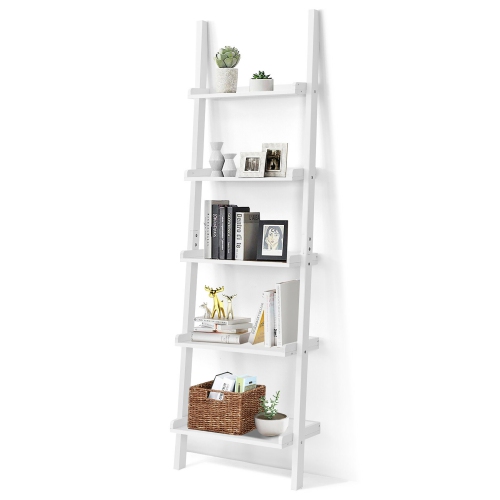
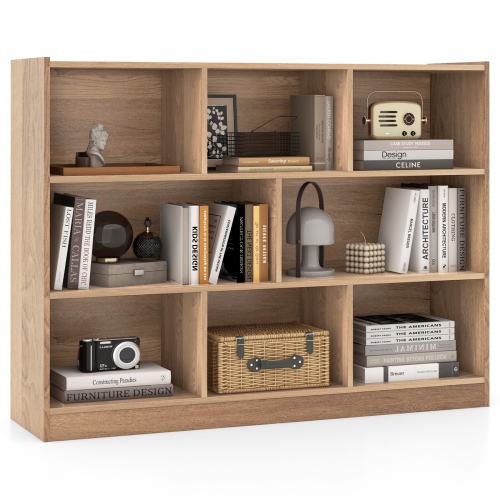
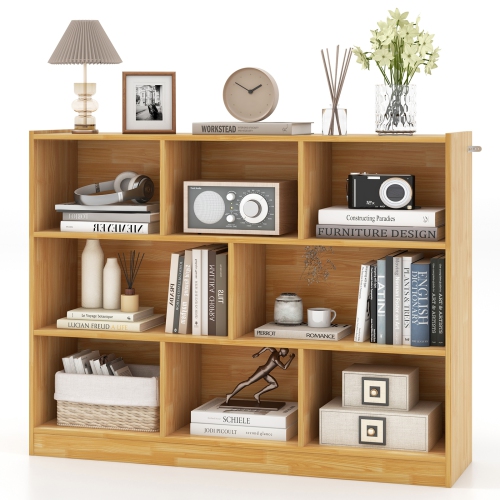
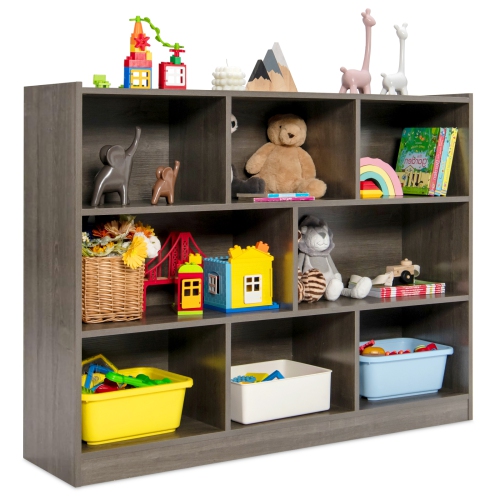

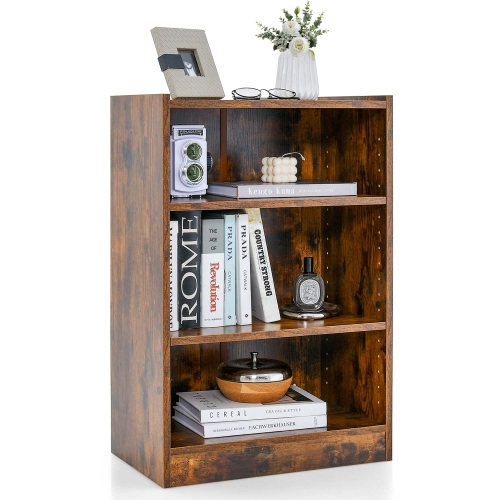
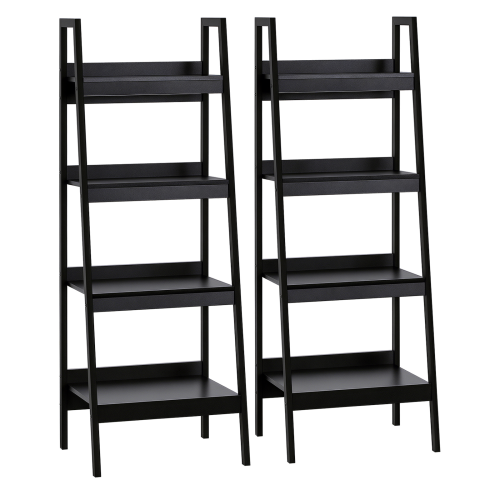
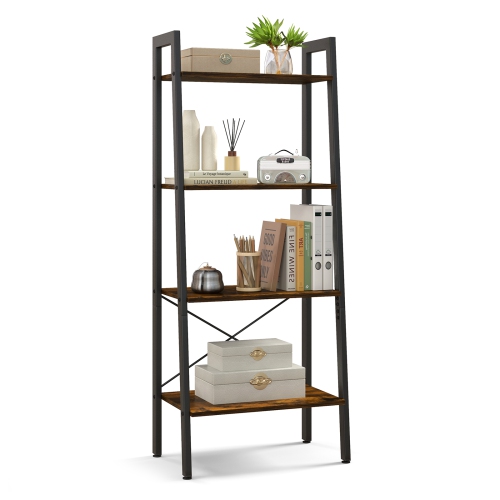
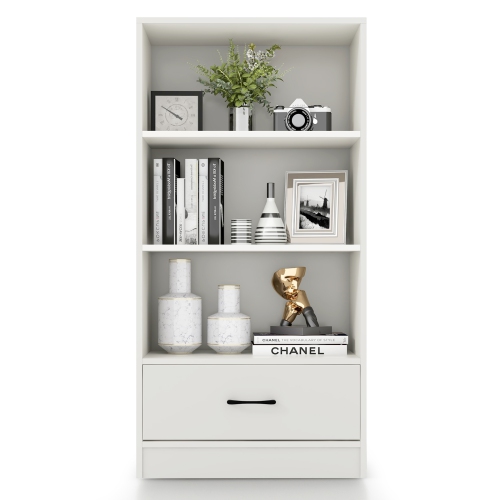
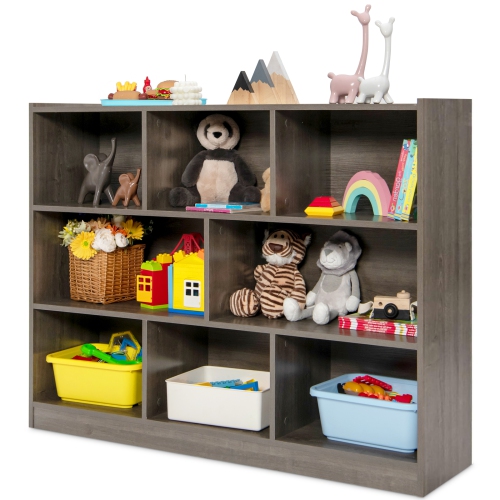
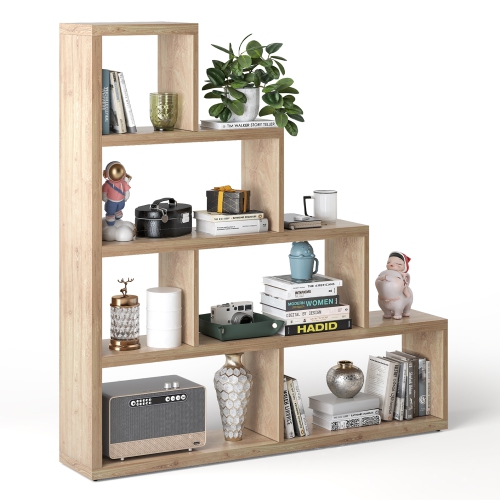
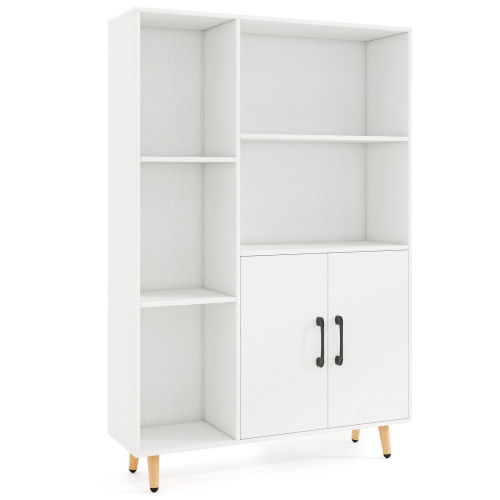
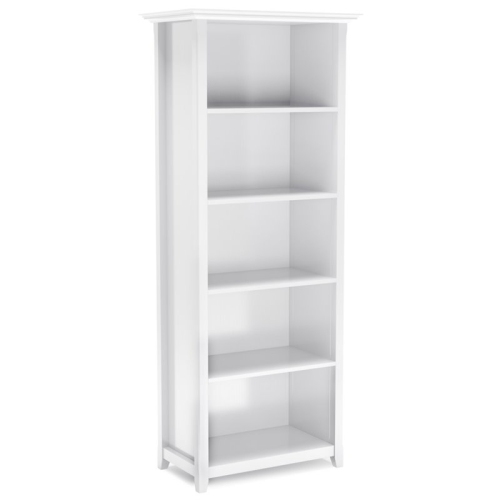
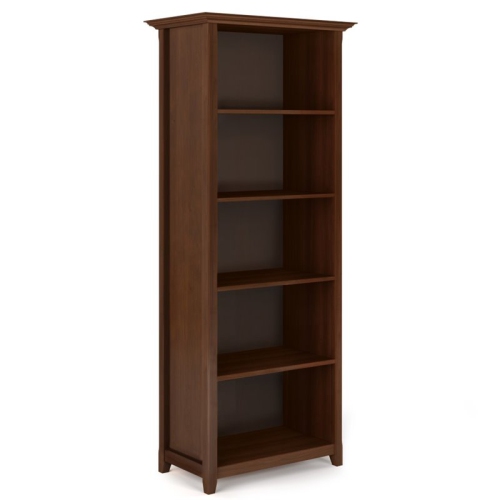
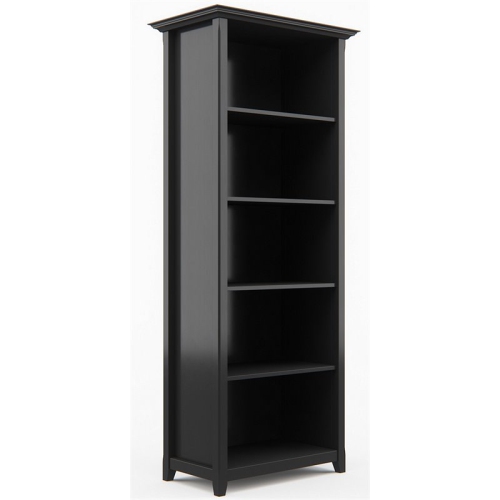
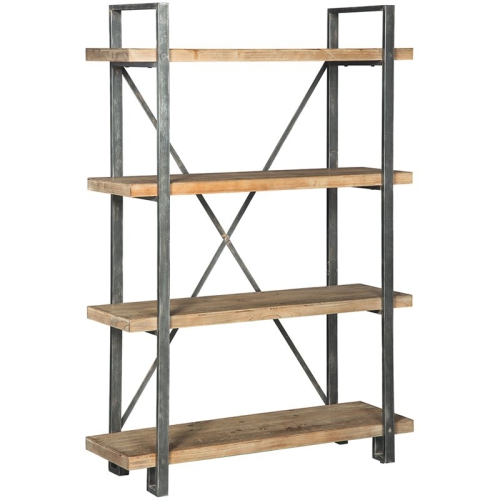
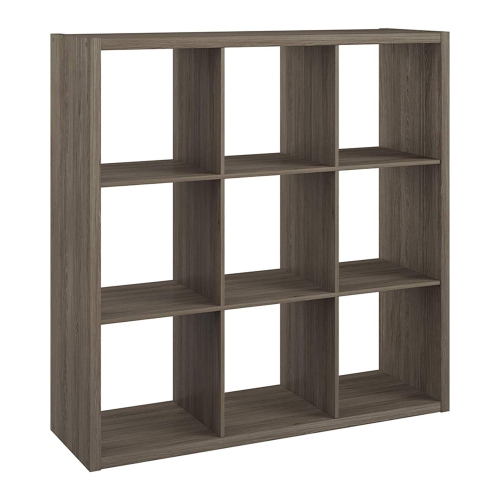
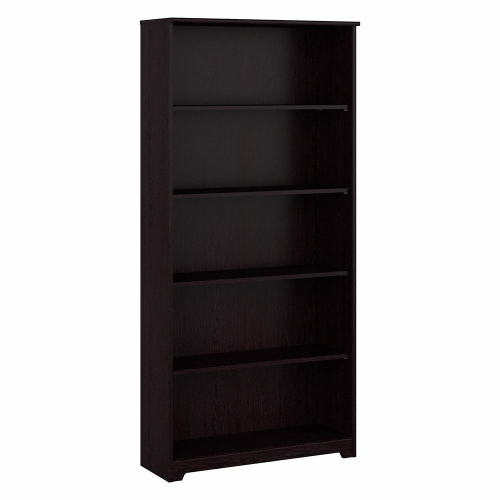
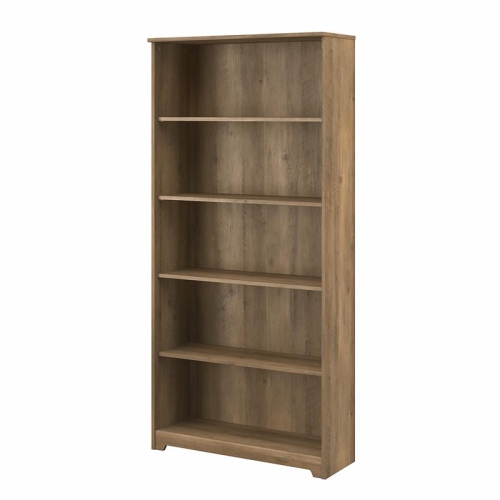
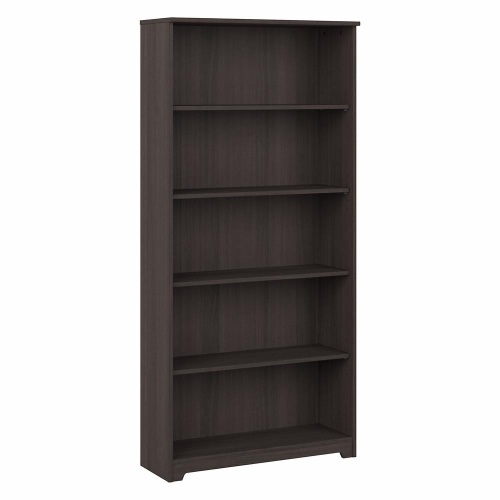
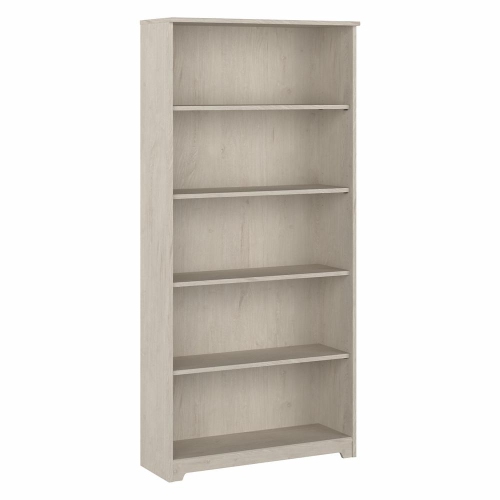
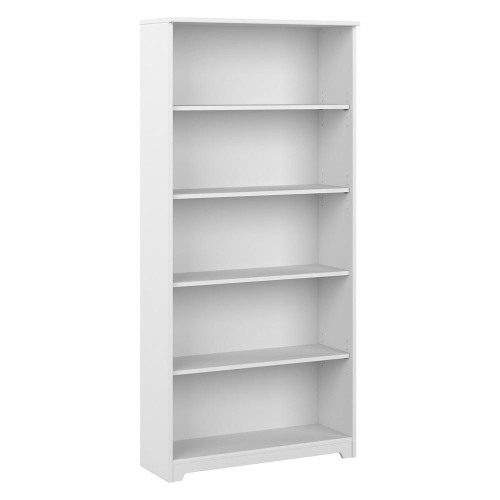

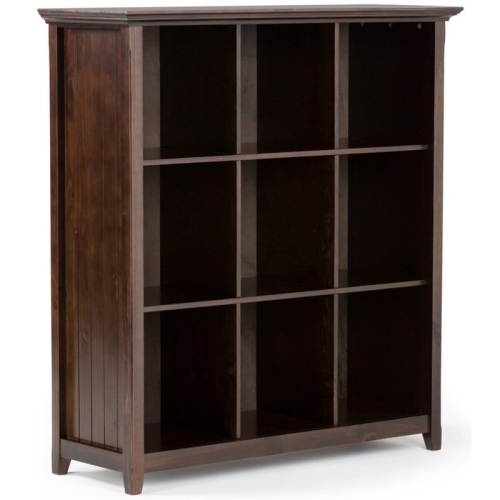
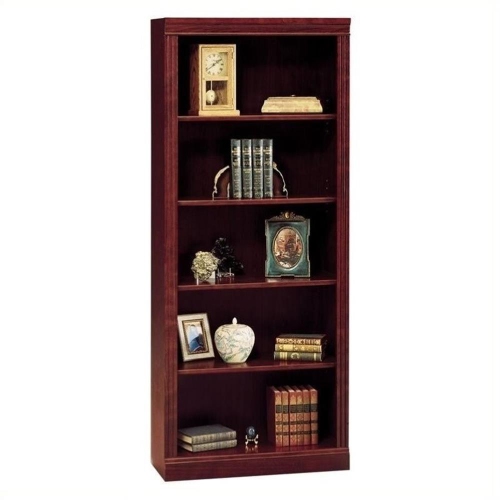
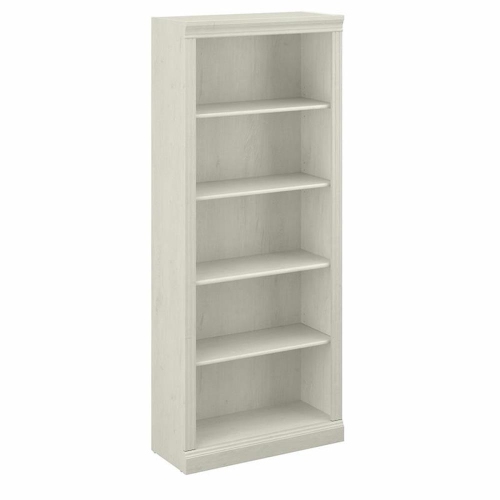
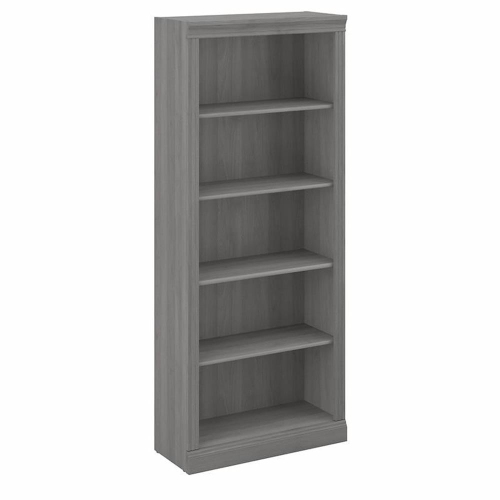
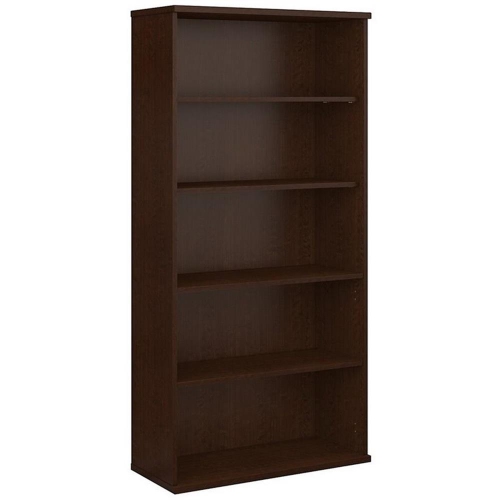
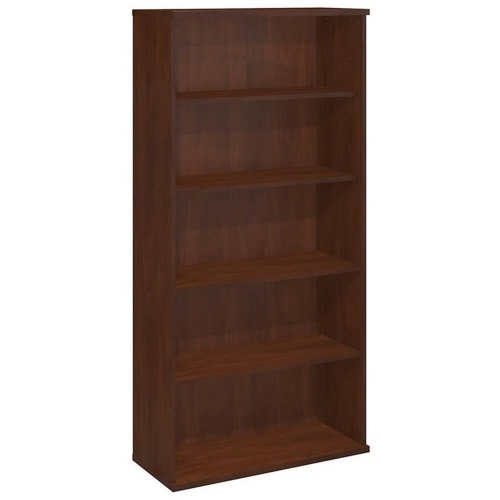
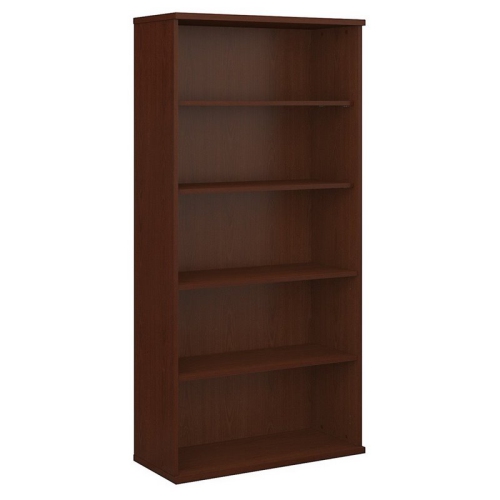
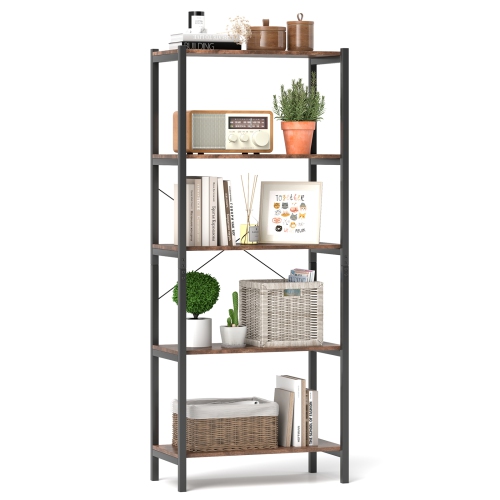
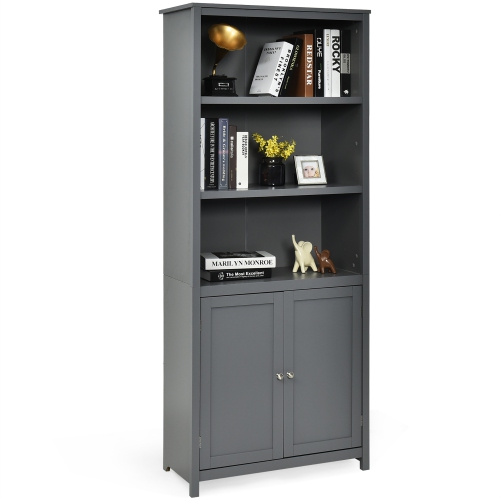
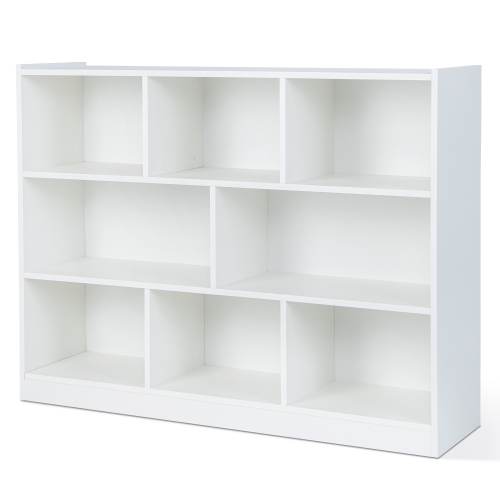
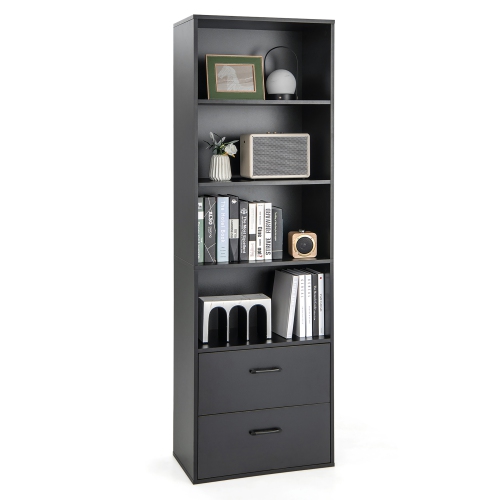

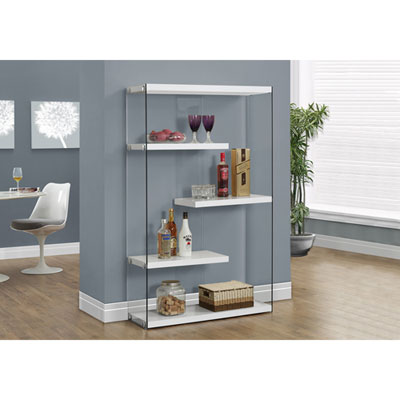
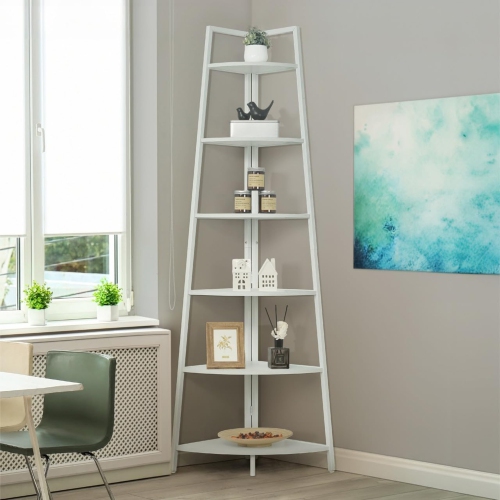

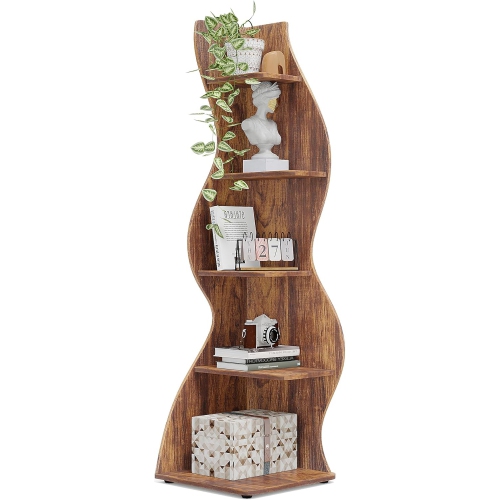
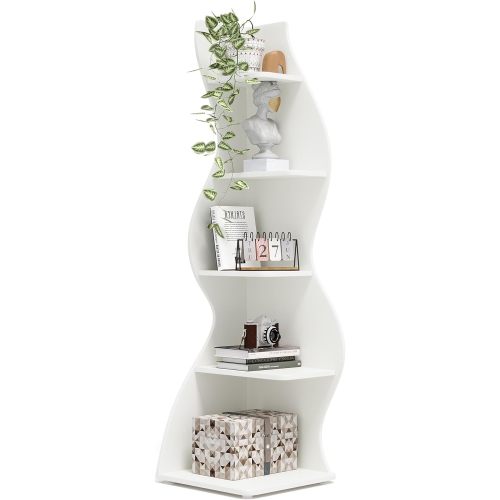

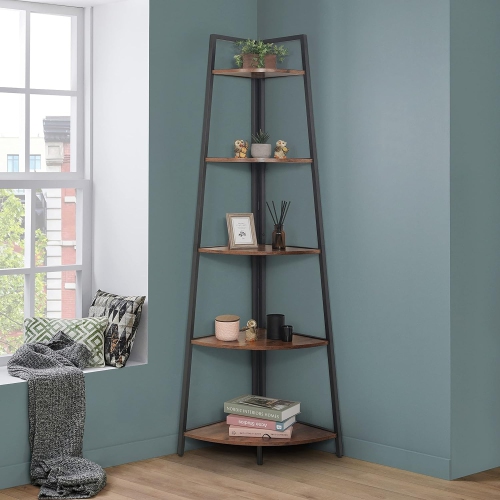
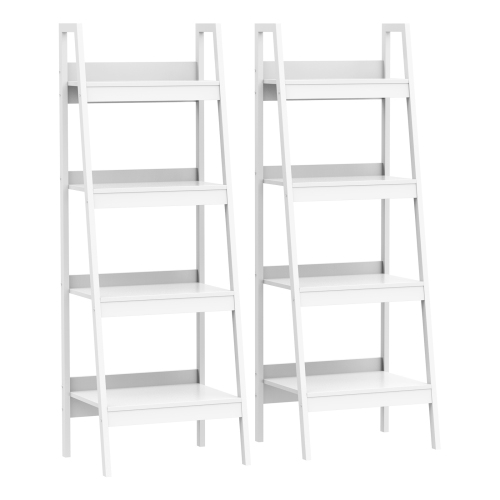
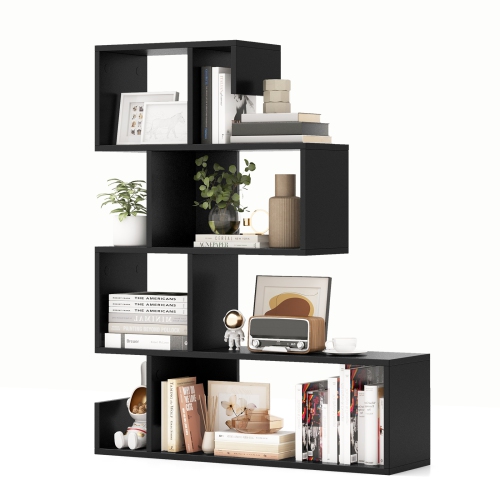
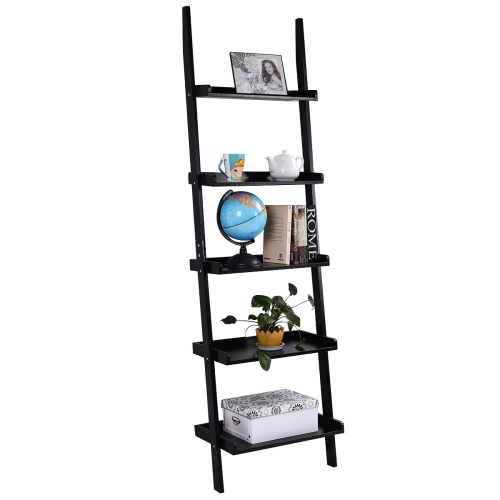
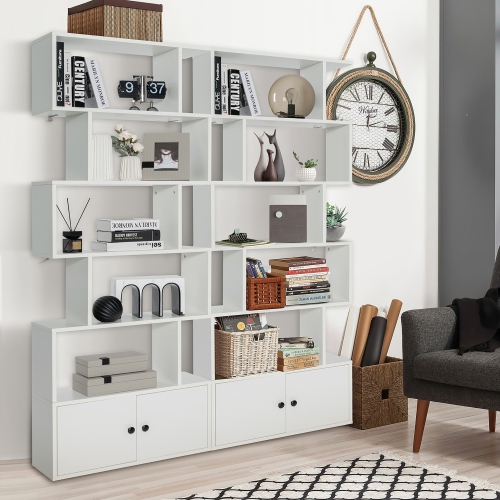
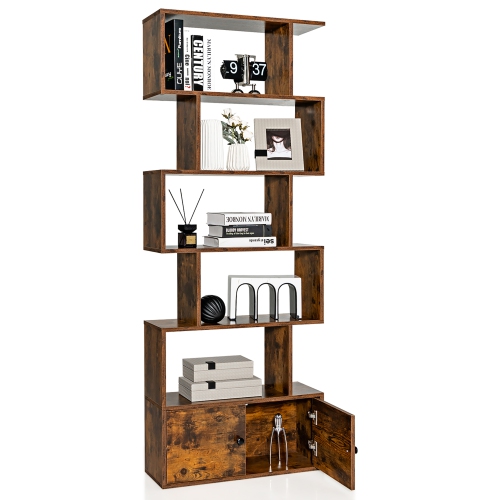
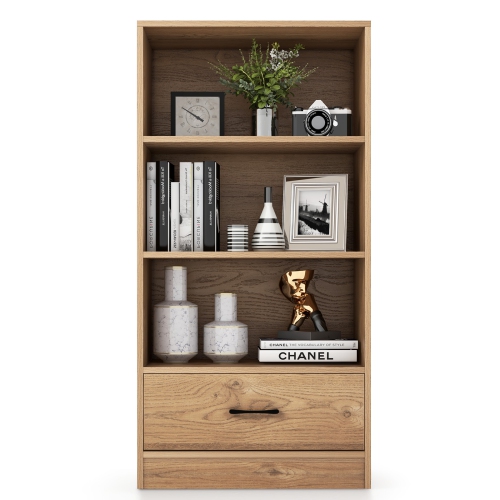
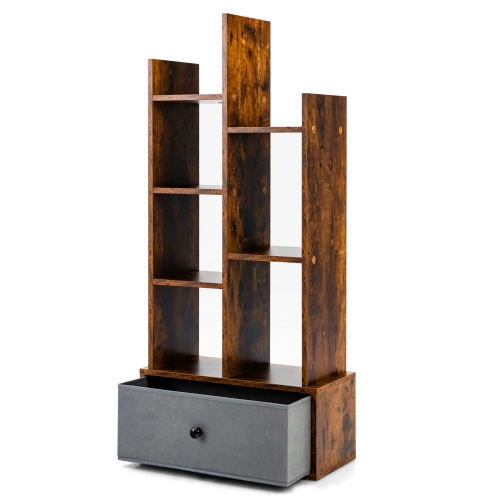
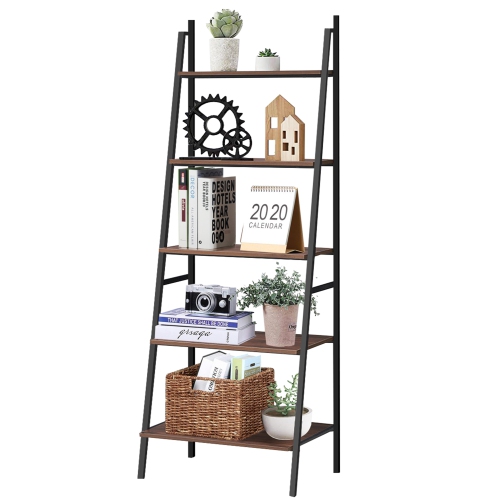
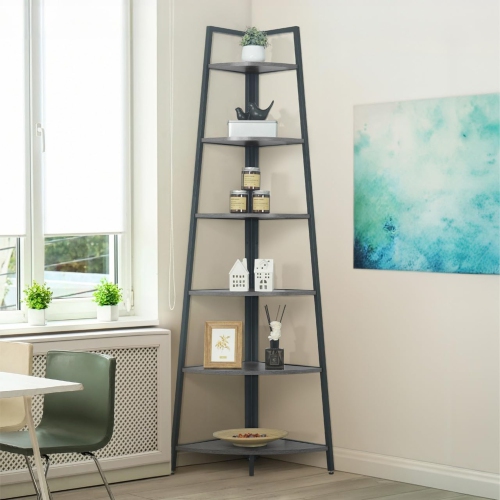
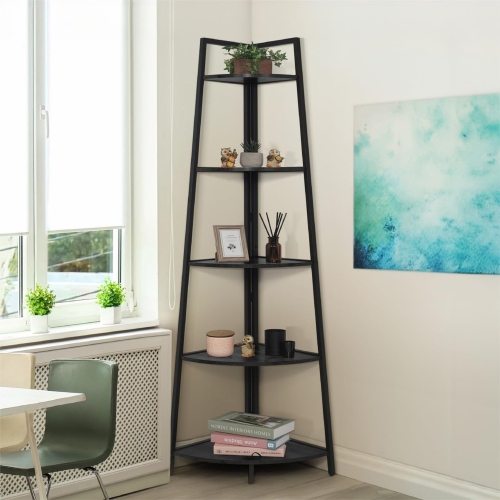
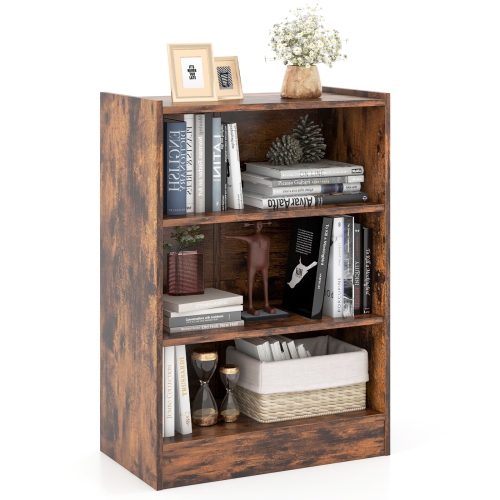
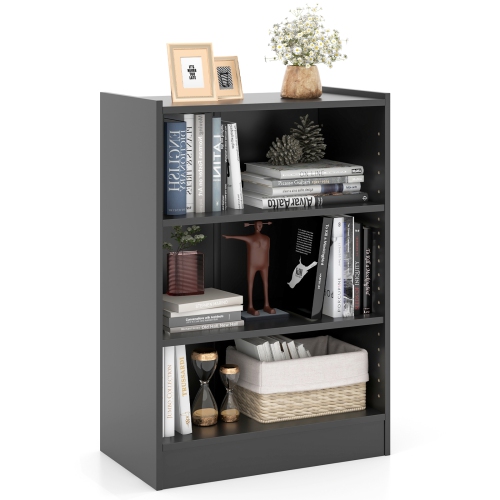
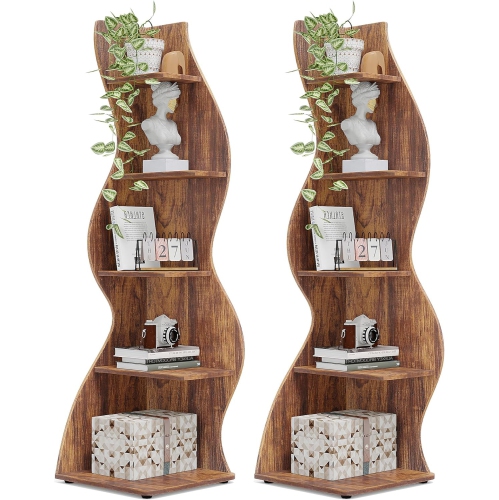
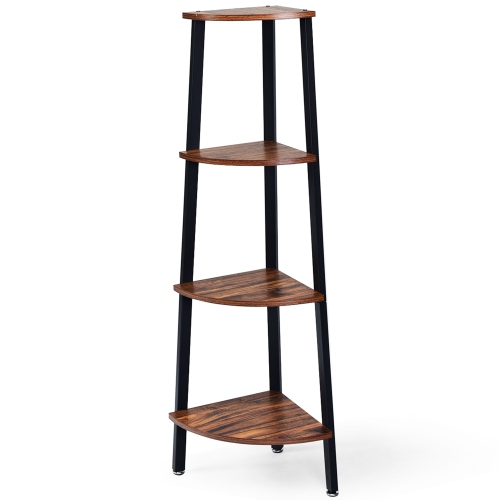
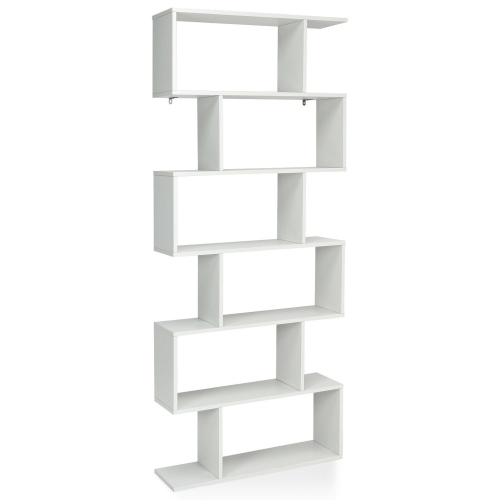
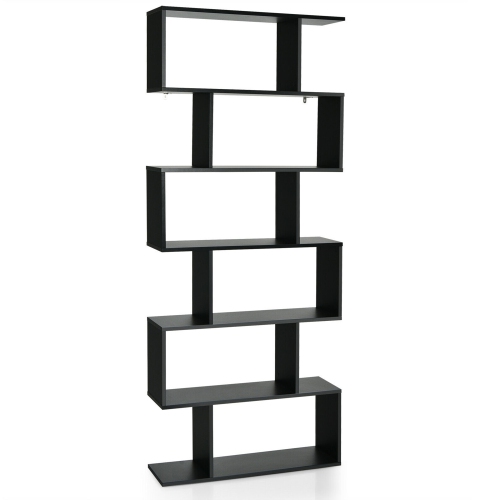
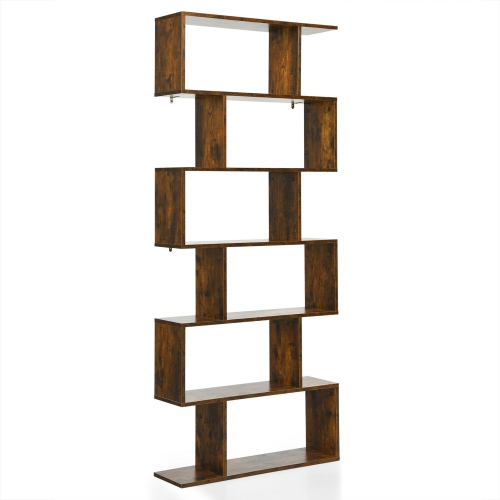
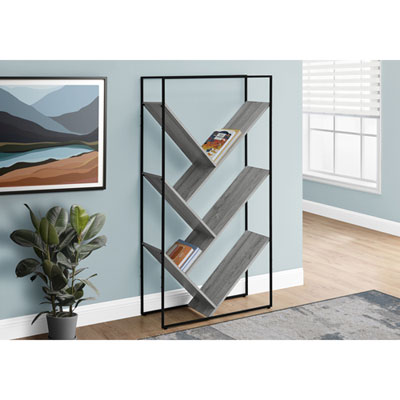
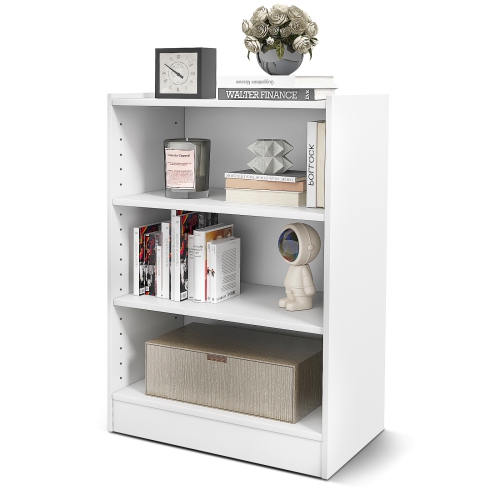
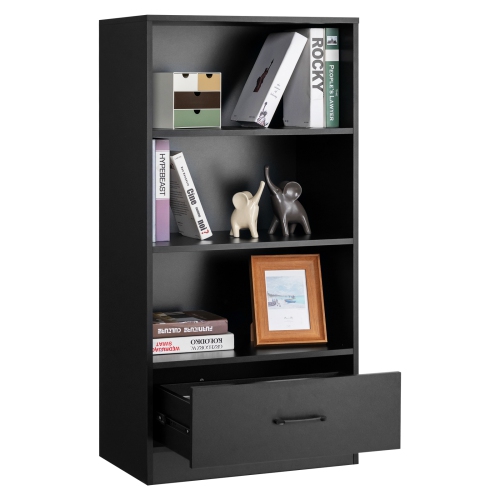
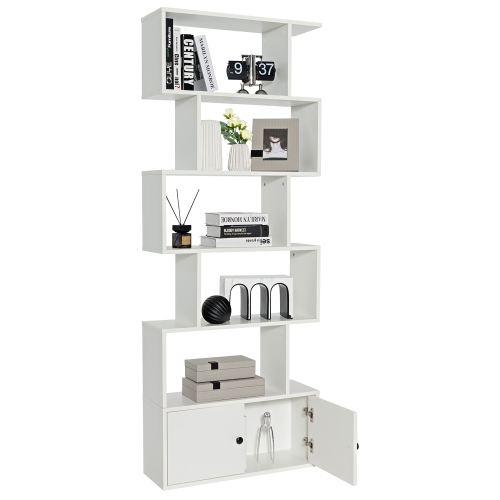
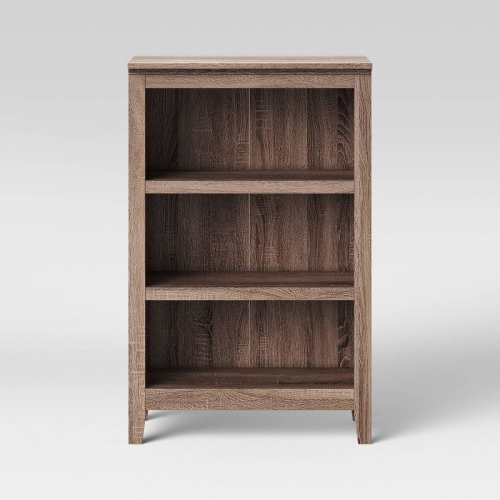
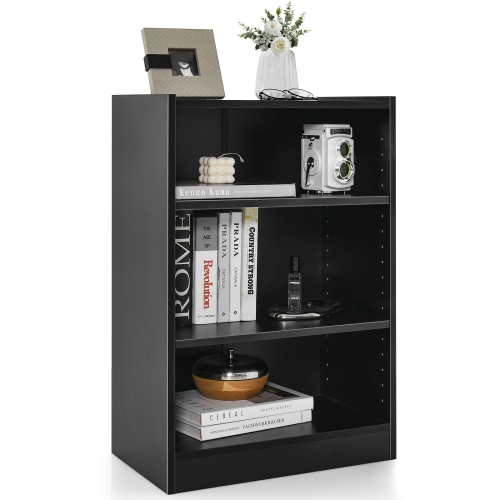
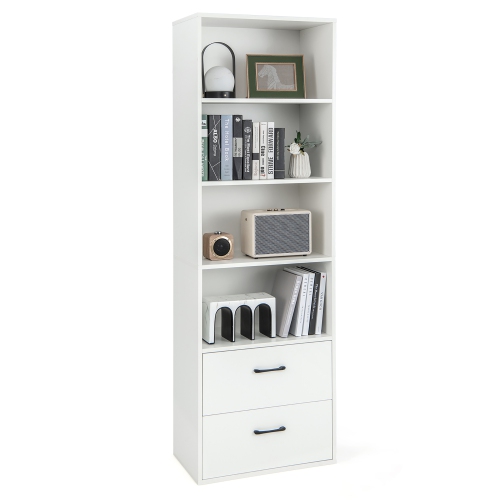
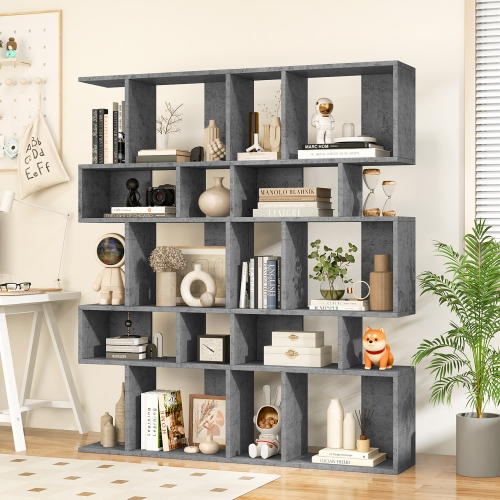
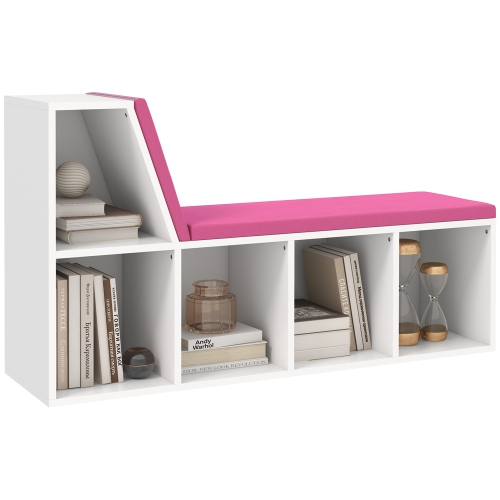
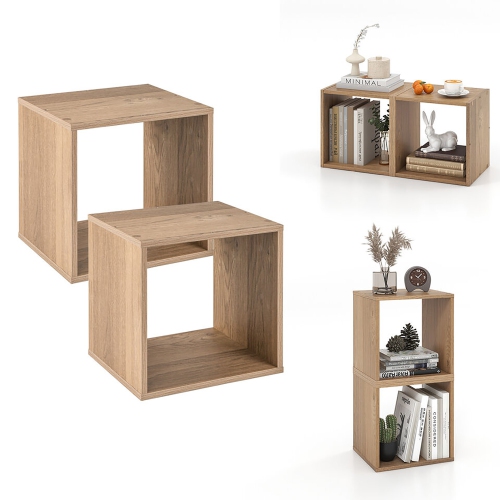
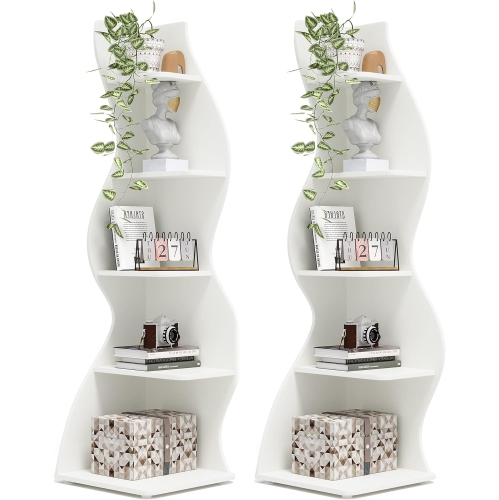
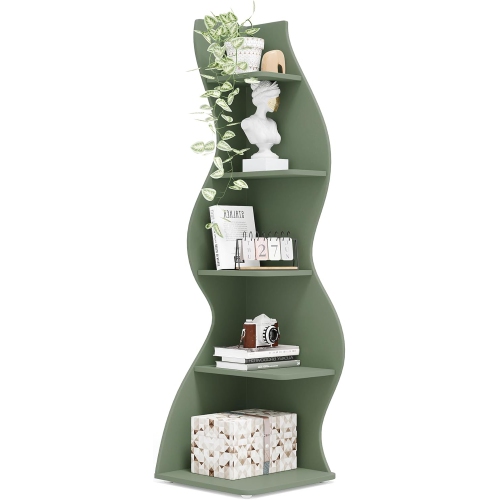
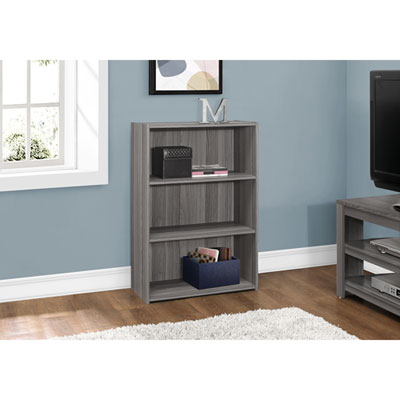
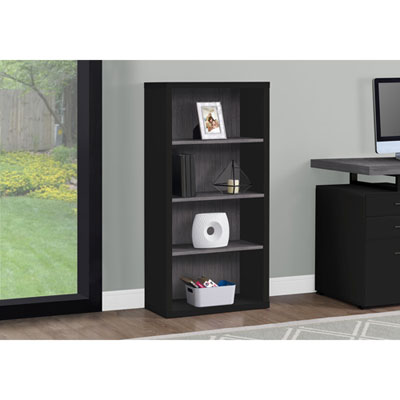
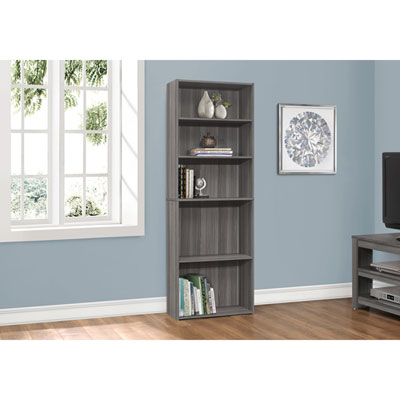
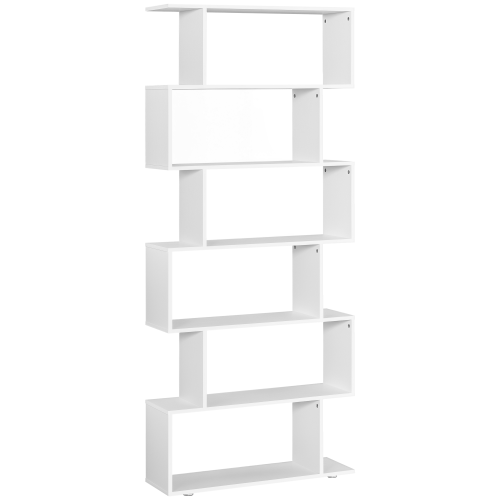
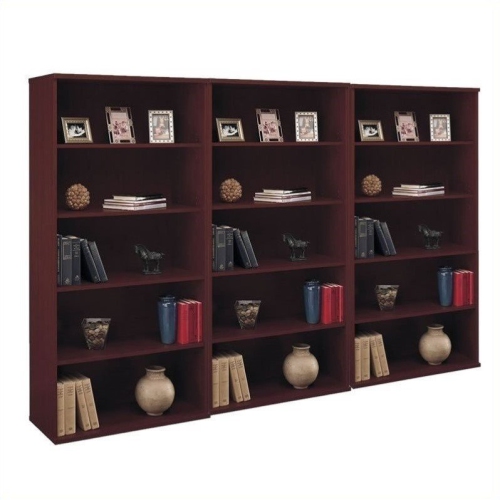
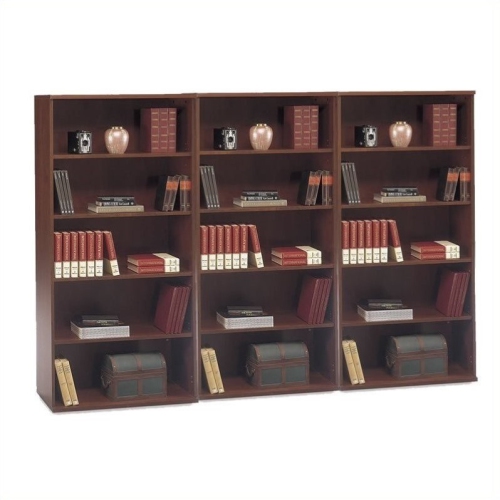
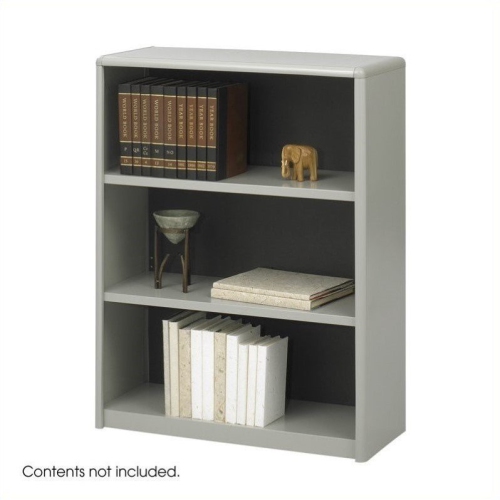
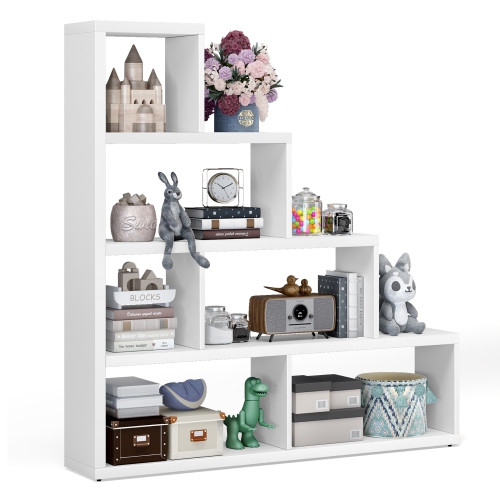


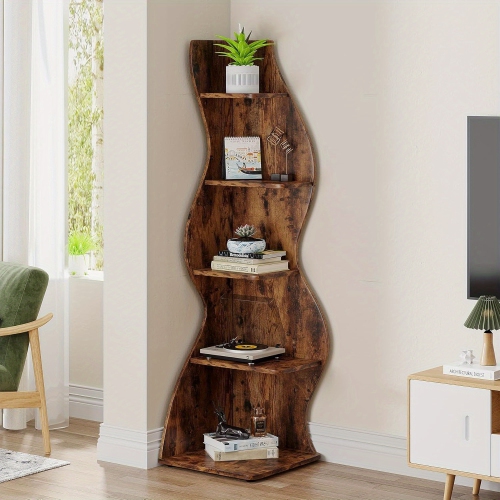

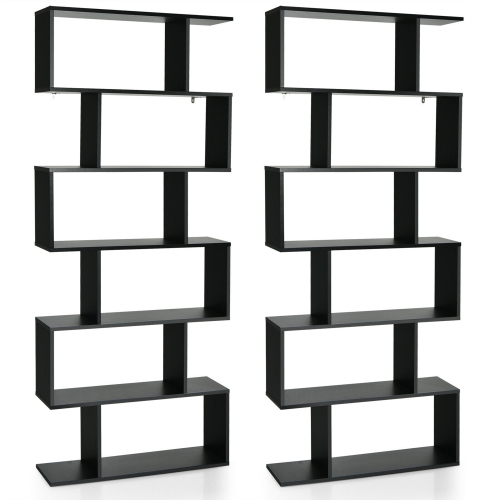
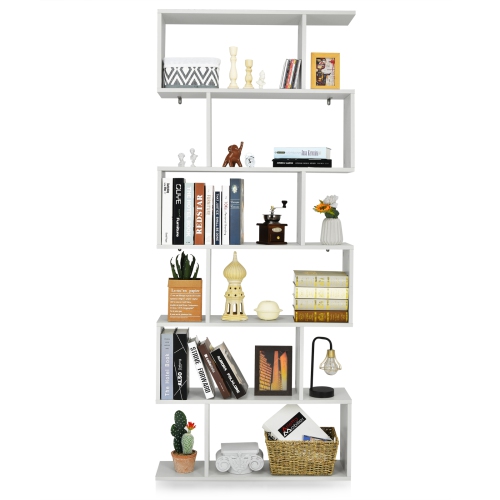
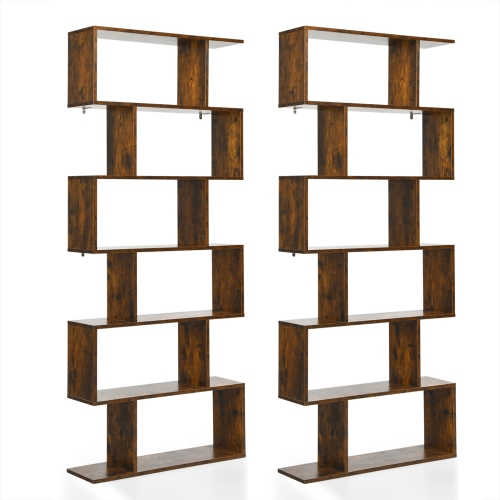
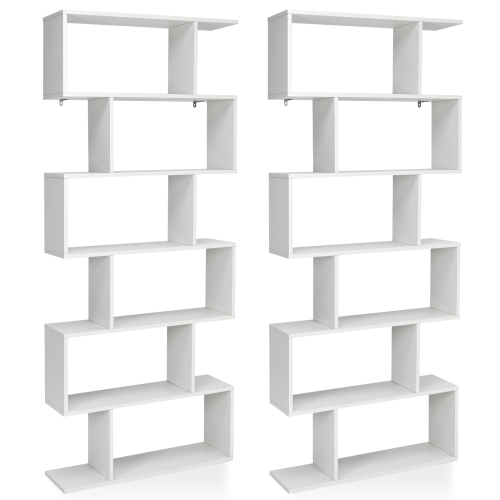
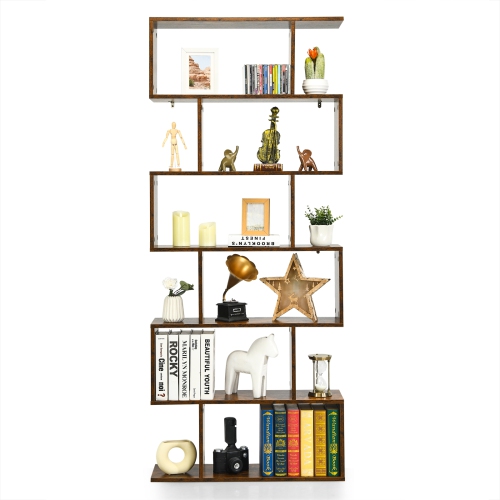
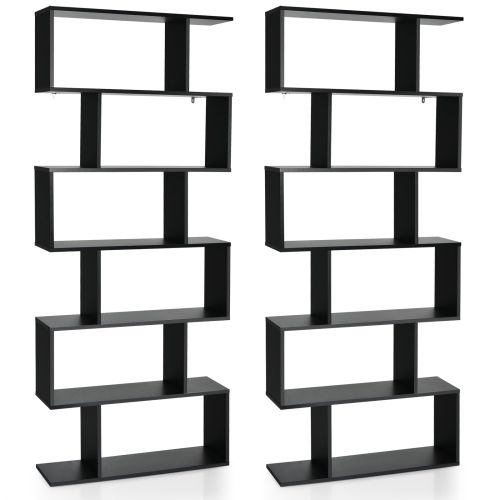
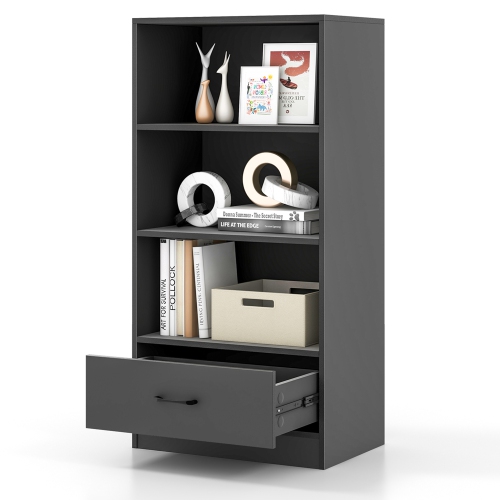
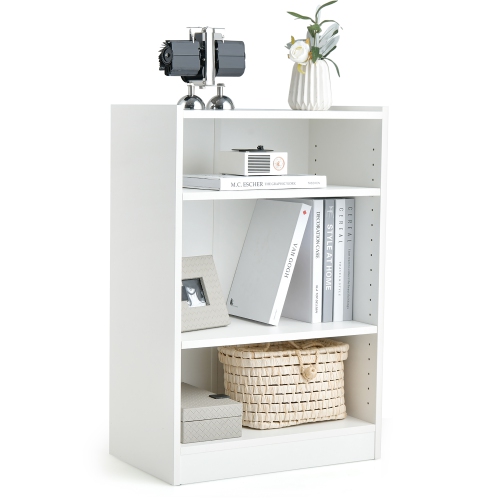

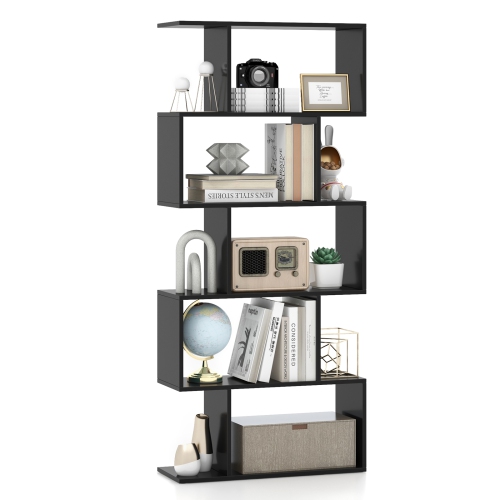

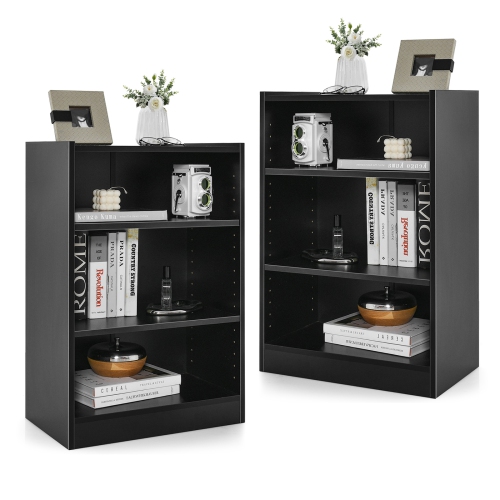
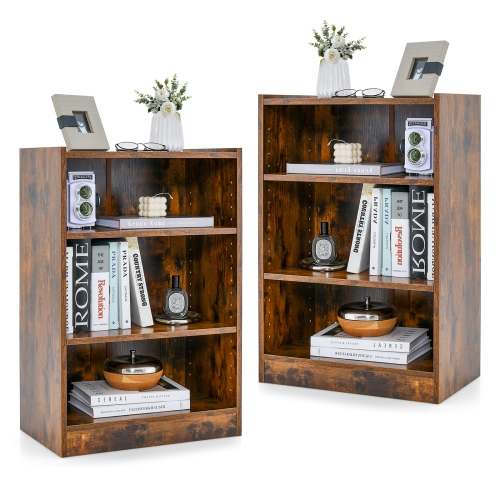
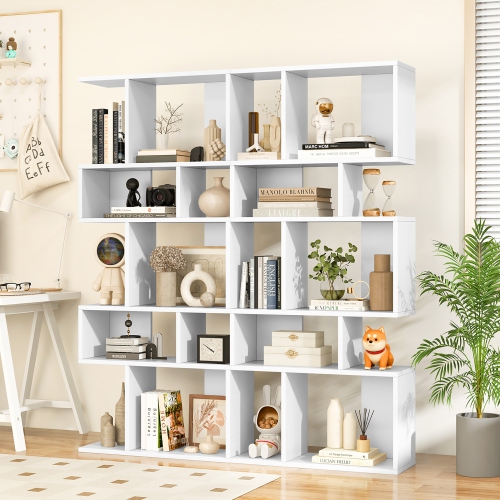
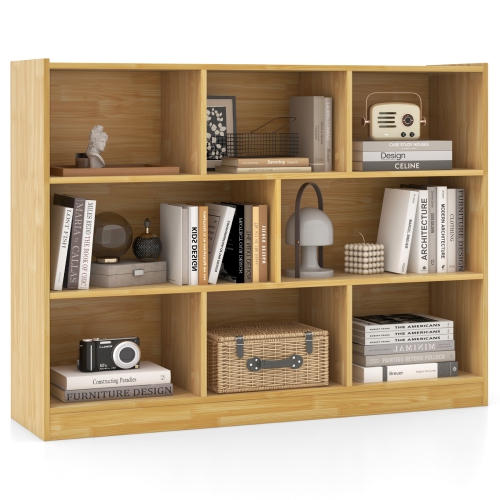
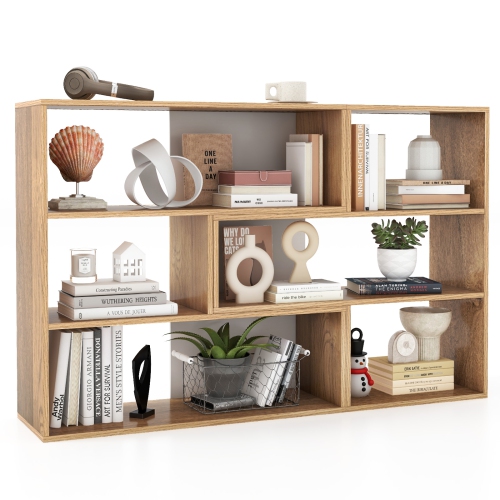
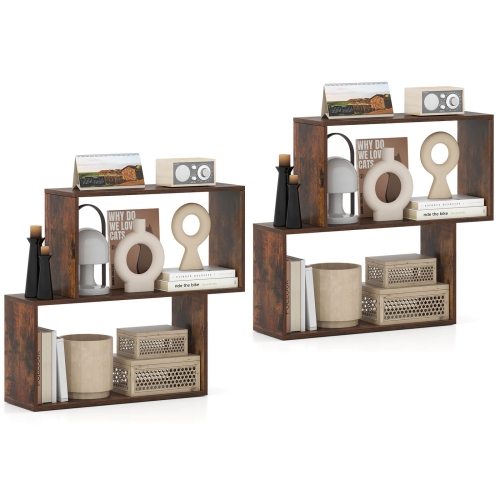
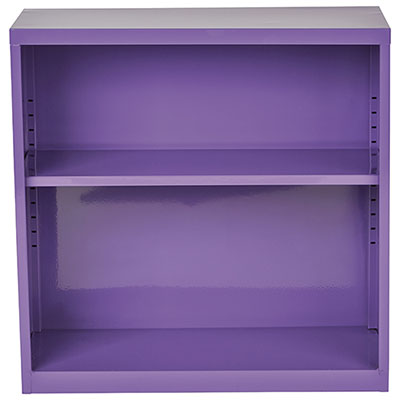

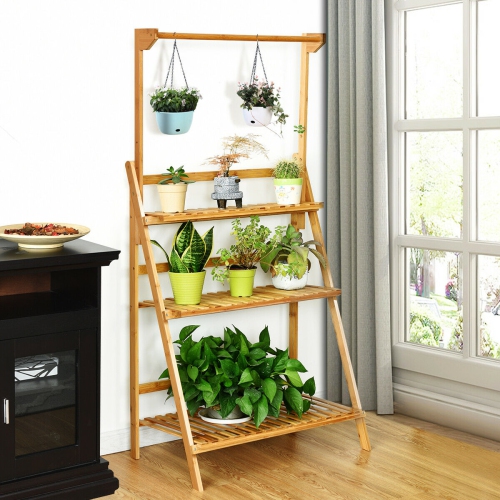
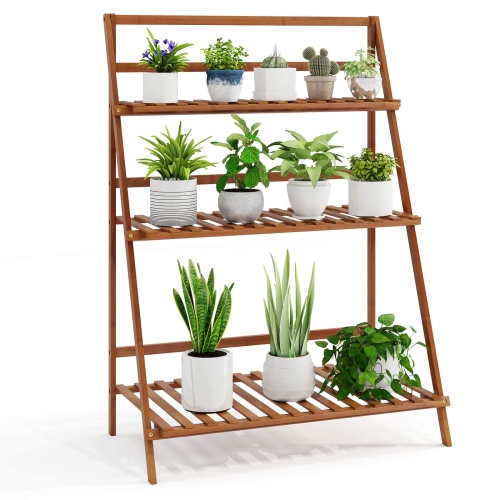
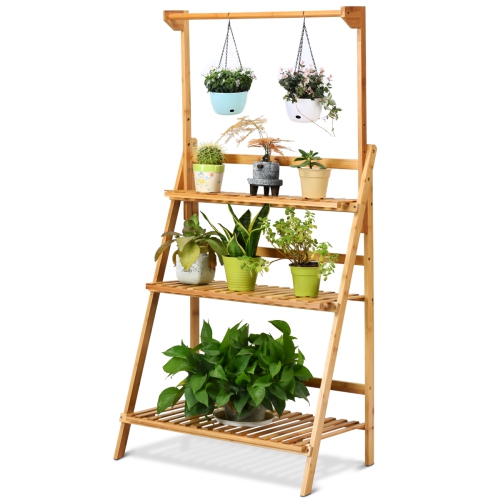
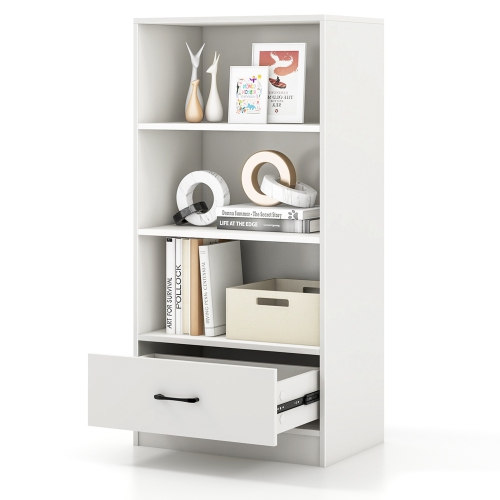
Empty walls become useful storage for everyday belongings
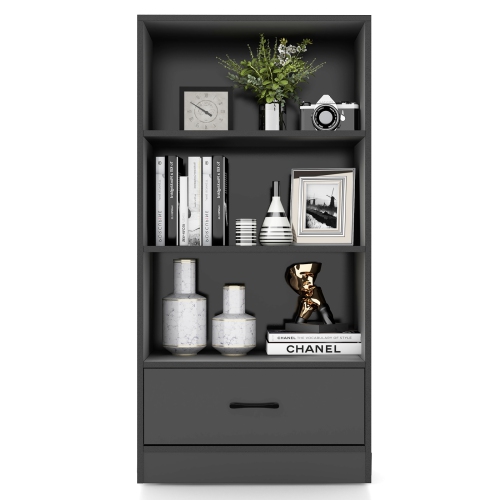
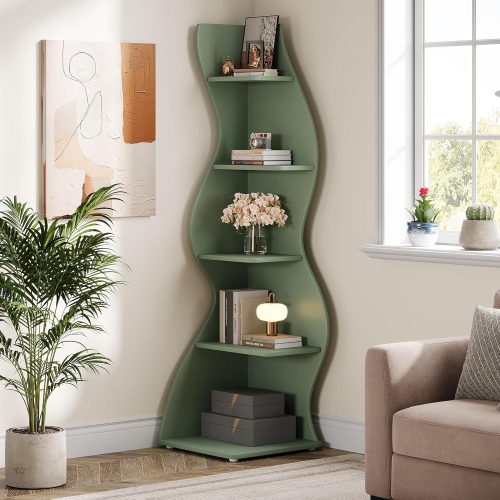
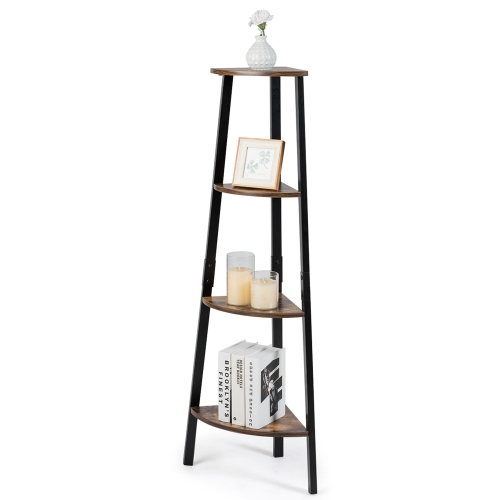
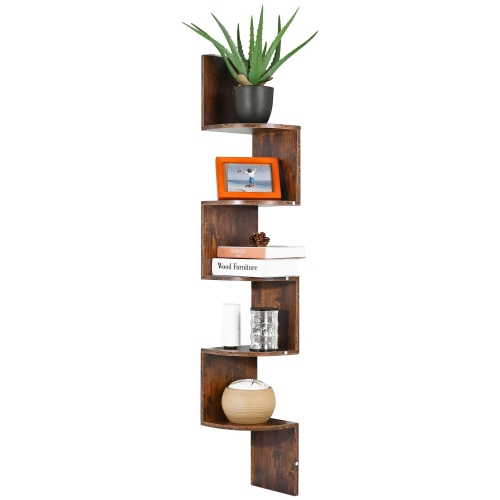
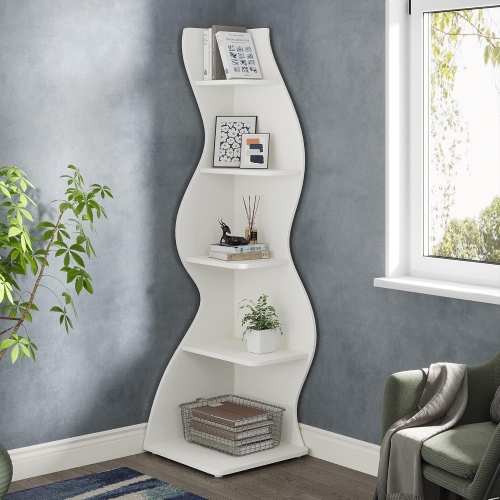
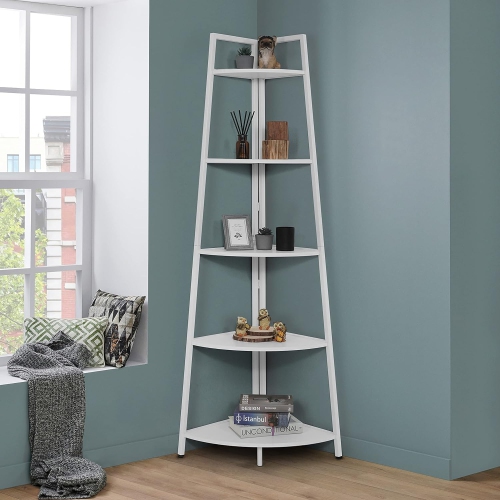
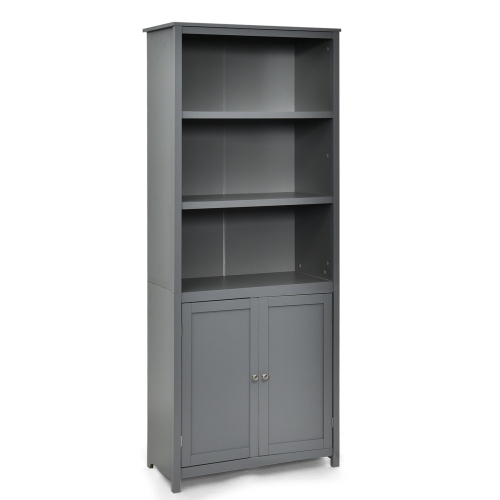
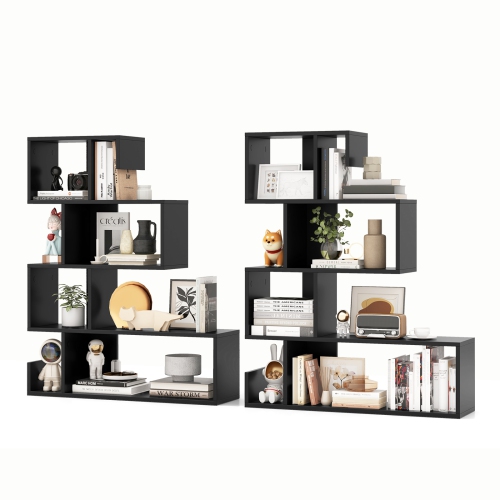
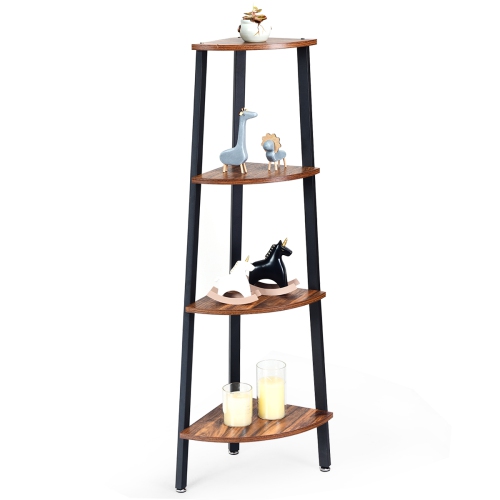
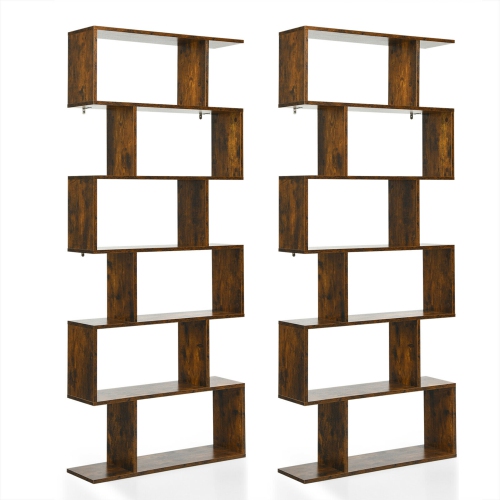
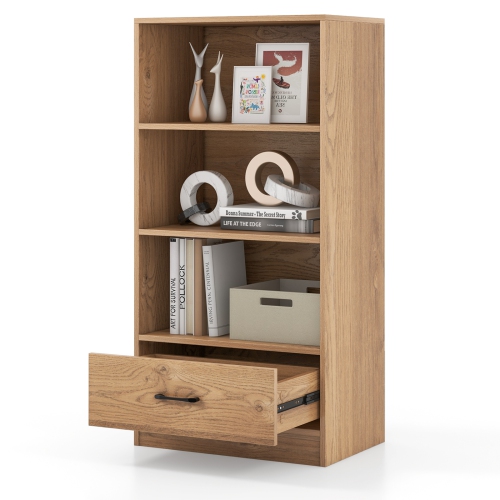
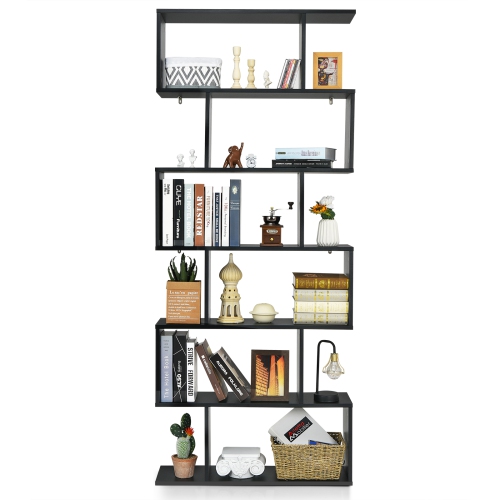
Bookcases and standing shelves provide vertical storage for books, everyday belongings, and display pieces, making useful space out of an empty wall or an underused corner. A bookcase typically has horizontal shelves within a framed structure, often with a back panel, while standing shelves can have a more open design with exposed sides and a metal or wood frame. The terms overlap, so the layout, dimensions, and weight capacity matter more than the name alone. Both can bring order to a living room, bedroom, home office, or study area without requiring built-in cabinetry. In a reading nook, closely spaced shelves keep novels within reach; beside a desk, taller compartments can accommodate binders, reference books, and document boxes. Open shelving leaves favourite covers, ceramics, and framed photographs visible, while a combination of shelves and enclosed storage can keep cables, paperwork, and less decorative belongings out of sight. Cube-style compartments offer a regular arrangement that works well with suitably sized storage baskets, and adjustable shelves allow the spacing to change as a book collection grows. A few large art books need a different shelf height and depth than rows of paperbacks, so flexibility can be especially useful in a shared household. For a layout centred on a separate furniture piece rather than built-in storage, Free Standing Bookcases can help define a reading area or complete a home office. Freestanding describes the furniture’s construction, not an exemption from wall anchoring. Low, wide bookcases can leave room above for artwork, while tall, narrow units make use of vertical space where floor area is limited. Corner shelves can fit into an awkward junction between walls, although their shelf shape may be better suited to smaller objects than long rows of books. For students, readers, collectors, and families organizing shared spaces, the most useful design is one that makes daily belongings easy to find and put away.
Materials influence how bookcases and standing shelves look, how much they weigh, and how they hold up to everyday use. Solid wood brings natural grain and variation, with durability that depends on the wood species, construction, and finish. Wood veneer provides a real wood surface over a core material, while laminated and other finished engineered wood surfaces can offer a consistent colour and a smooth, easy-to-wipe appearance. Neither a wood look nor a thick-looking shelf alone confirms its load capacity; the stated weight limit and the way the shelf is supported are more reliable measures. Metal frames can create a slim outline and pair well with wood or engineered wood shelves, particularly in rooms with simple furniture and exposed structural details. Glass shelves give display pieces a lighter visual setting, but they need careful handling and should only carry loads within their specified limits. For a substantial book collection, shelf span matters: a long shelf with little support may be more prone to sagging than a shorter span made from the same material. Fixed shelves can contribute to the rigidity of a unit, while adjustable shelves offer more control over spacing. Secure joints, correctly seated shelf pins, and a properly attached back panel, where included, all contribute to a sound assembly. Finish also shapes the room’s appearance. White and light wood tones can blend into pale walls, darker finishes can give a library wall more definition, and black metal can echo nearby desk legs or lighting. Care should suit the surface rather than follow a single method for every material. A soft cloth removes routine dust, and spills should be wiped up promptly, particularly near seams and unfinished edges. Excess moisture, abrasive cleaners, and dragging rough-bottomed objects across shelves can damage finishes. Felt pads beneath display pieces can help limit scratches, while checking fasteners periodically can identify connections that need tightening according to the assembly instructions. These small habits help storage furniture stay tidy and dependable through regular use.
A good fit starts with the full footprint, not just the width of the wall. Measure height, width, and depth, then account for baseboards, nearby door swings, electrical outlets, and the space needed to walk comfortably past the unit. Check usable shelf dimensions as well as exterior measurements, since a deep-looking frame may contain a shallower storage surface. In a compact apartment, shallow shelving can keep books accessible without projecting too far into a walkway; in a home office, deeper shelves may be necessary for binders and storage boxes. Doors and drawers need clearance to open, and baskets need enough room to slide out without catching on the shelf above. Assembly also requires space, so it helps to consider where the parts can be laid out and whether the finished unit can pass through the doorway. Once positioned, bookcases and standing shelves need a level, stable base and appropriate restraint. Follow the manufacturer’s assembly and anchoring instructions, and secure units to the wall with hardware suitable for both the furniture and the wall construction. Tall units are particularly vulnerable to tipping, but lower furniture can also tip if climbed on or loaded unevenly. Wall anchoring is important in homes with children or pets, and it remains a sensible safety measure in other households. Place heavier books and storage boxes on lower shelves, distribute weight evenly, and keep every shelf within its stated capacity. Children’s books and frequently used belongings belong at a comfortable reach, without encouraging climbing. Styling can stay practical: group books where their titles are easy to scan, give a few meaningful objects their own space, and use baskets for loose accessories that would otherwise spread across a shelf. A bookcase can also make a thoughtful housewarming or graduation gift when the recipient’s measurements, storage needs, and preferred finish are known. Whether it holds a growing library, a carefully arranged collection, or the materials for everyday work, well-proportioned shelving gives belongings a clear place without overwhelming the room.
Materials influence how bookcases and standing shelves look, how much they weigh, and how they hold up to everyday use. Solid wood brings natural grain and variation, with durability that depends on the wood species, construction, and finish. Wood veneer provides a real wood surface over a core material, while laminated and other finished engineered wood surfaces can offer a consistent colour and a smooth, easy-to-wipe appearance. Neither a wood look nor a thick-looking shelf alone confirms its load capacity; the stated weight limit and the way the shelf is supported are more reliable measures. Metal frames can create a slim outline and pair well with wood or engineered wood shelves, particularly in rooms with simple furniture and exposed structural details. Glass shelves give display pieces a lighter visual setting, but they need careful handling and should only carry loads within their specified limits. For a substantial book collection, shelf span matters: a long shelf with little support may be more prone to sagging than a shorter span made from the same material. Fixed shelves can contribute to the rigidity of a unit, while adjustable shelves offer more control over spacing. Secure joints, correctly seated shelf pins, and a properly attached back panel, where included, all contribute to a sound assembly. Finish also shapes the room’s appearance. White and light wood tones can blend into pale walls, darker finishes can give a library wall more definition, and black metal can echo nearby desk legs or lighting. Care should suit the surface rather than follow a single method for every material. A soft cloth removes routine dust, and spills should be wiped up promptly, particularly near seams and unfinished edges. Excess moisture, abrasive cleaners, and dragging rough-bottomed objects across shelves can damage finishes. Felt pads beneath display pieces can help limit scratches, while checking fasteners periodically can identify connections that need tightening according to the assembly instructions. These small habits help storage furniture stay tidy and dependable through regular use.
A good fit starts with the full footprint, not just the width of the wall. Measure height, width, and depth, then account for baseboards, nearby door swings, electrical outlets, and the space needed to walk comfortably past the unit. Check usable shelf dimensions as well as exterior measurements, since a deep-looking frame may contain a shallower storage surface. In a compact apartment, shallow shelving can keep books accessible without projecting too far into a walkway; in a home office, deeper shelves may be necessary for binders and storage boxes. Doors and drawers need clearance to open, and baskets need enough room to slide out without catching on the shelf above. Assembly also requires space, so it helps to consider where the parts can be laid out and whether the finished unit can pass through the doorway. Once positioned, bookcases and standing shelves need a level, stable base and appropriate restraint. Follow the manufacturer’s assembly and anchoring instructions, and secure units to the wall with hardware suitable for both the furniture and the wall construction. Tall units are particularly vulnerable to tipping, but lower furniture can also tip if climbed on or loaded unevenly. Wall anchoring is important in homes with children or pets, and it remains a sensible safety measure in other households. Place heavier books and storage boxes on lower shelves, distribute weight evenly, and keep every shelf within its stated capacity. Children’s books and frequently used belongings belong at a comfortable reach, without encouraging climbing. Styling can stay practical: group books where their titles are easy to scan, give a few meaningful objects their own space, and use baskets for loose accessories that would otherwise spread across a shelf. A bookcase can also make a thoughtful housewarming or graduation gift when the recipient’s measurements, storage needs, and preferred finish are known. Whether it holds a growing library, a carefully arranged collection, or the materials for everyday work, well-proportioned shelving gives belongings a clear place without overwhelming the room.
Top selling and popular products
-
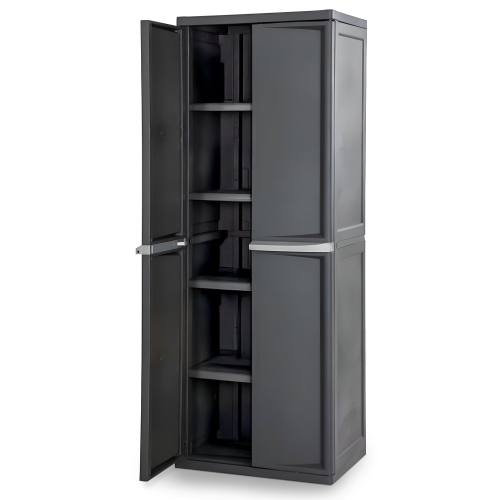 Your price for this item is $772.99
 -
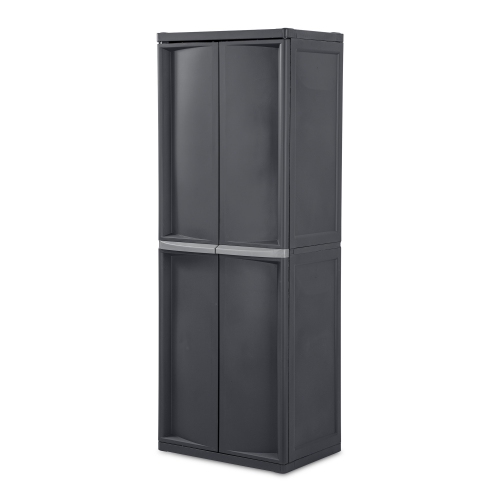 Your price for this item is $1522.99
 -
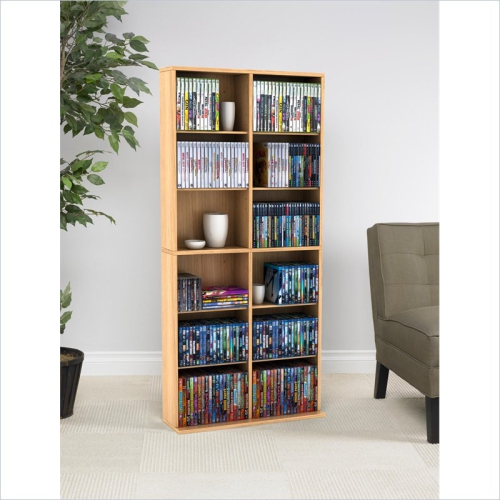 Your price for this item is $234.68
 -
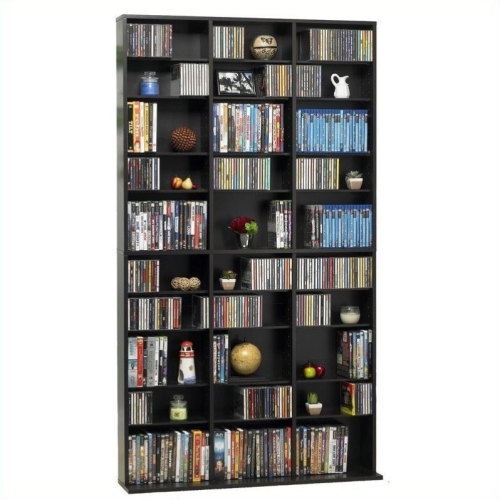 Your price for this item is $365.38
 -
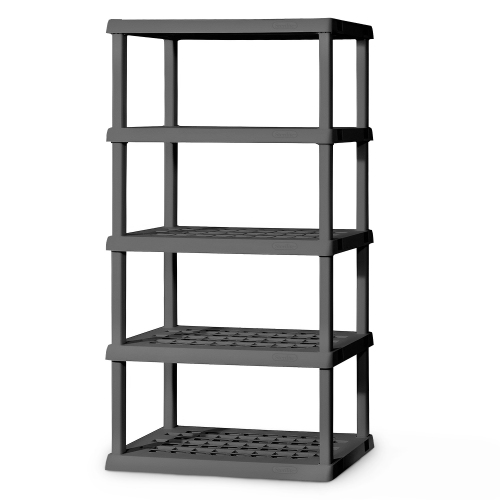 Your price for this item is $468.99
 -
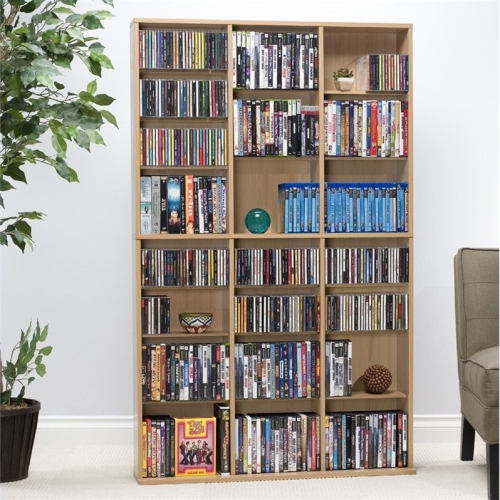 Your price for this item is $295.84
 -
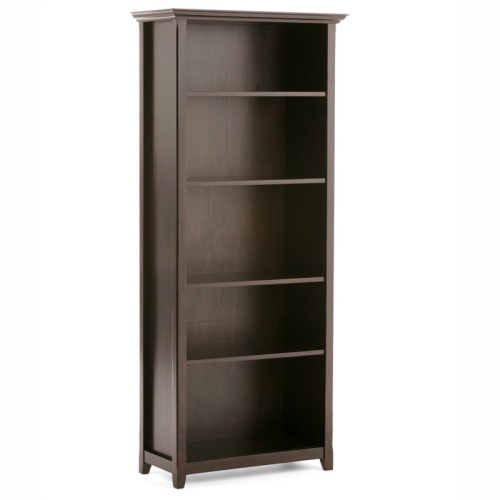 Your price for this item is $999.77
 -
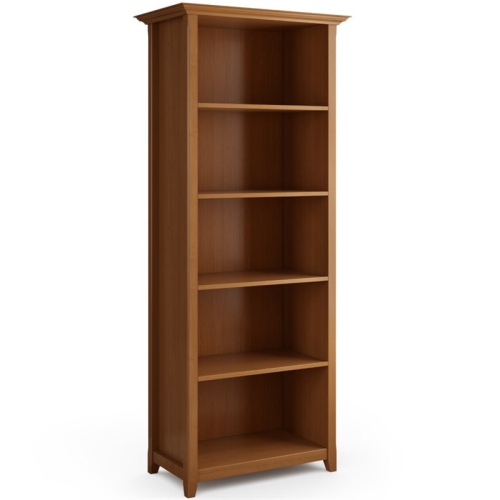 Your price for this item is $998.43
Discover more categories related to Bookcases And Standing Shelves
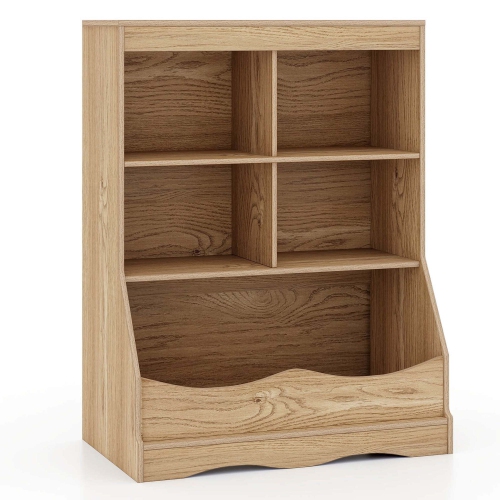
Top Collections:
Pokemon Centers, Kindle Devices, Best Budget Office Chairs, Apple iPhones 16, Best Laptops for Writers, iPhone 15 Apple, Canon G7X Cameras, Refurbished Apple Laptops, Alarm Clock, Motorola Razr Phones
Some products may be subject to Environmental Handling Fees
(EHF) depending on your province.
Learn more about EHFs.