Home Fitness Bikes

Shop home fitness bikes for indoor cycling and at-home cardio workouts. Compare exercise bikes by size, riding position and resistance options to find one that fits your space and workout routine.
Read More

Sort

How bike fit and riding style shape your workouts

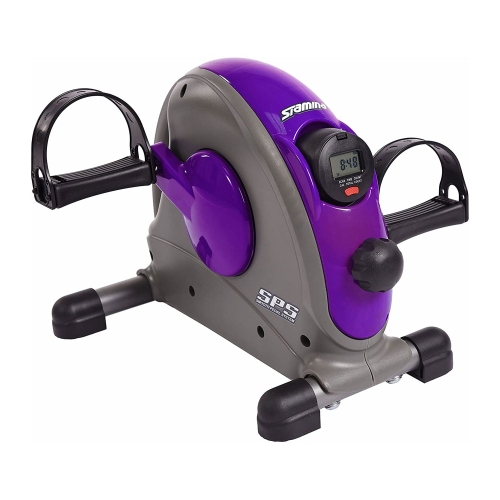
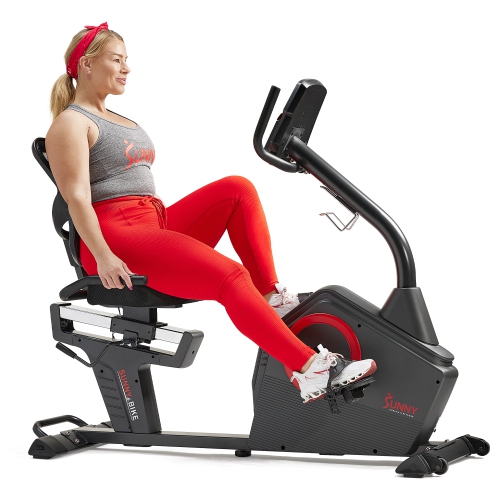
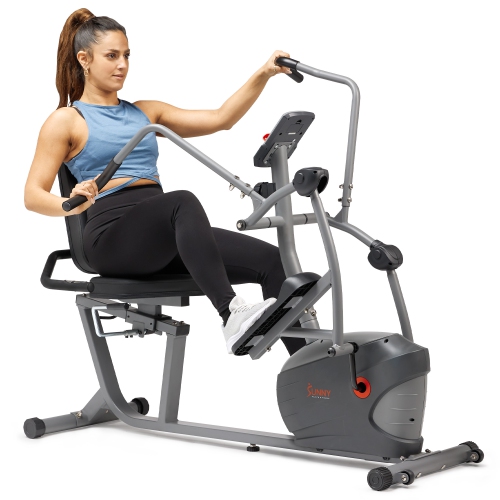
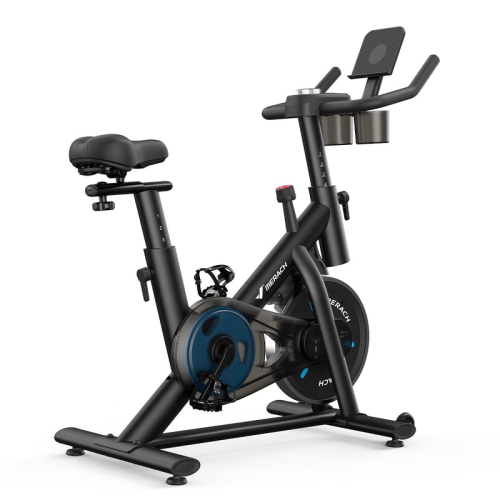
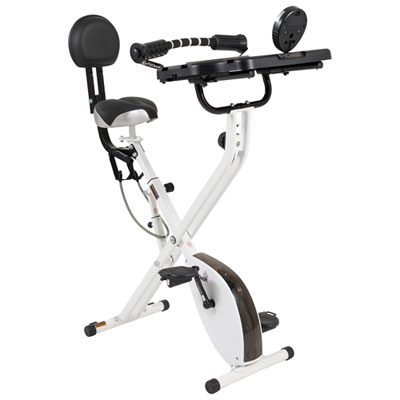
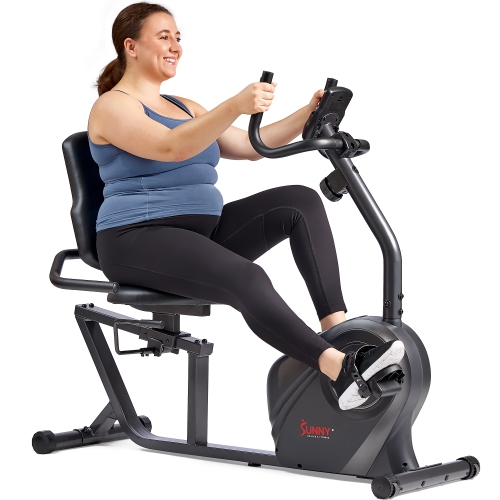
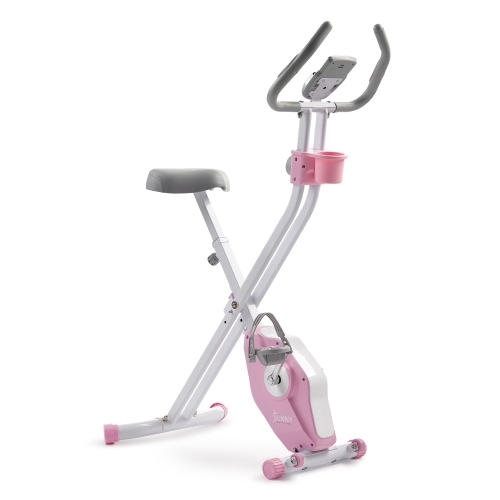
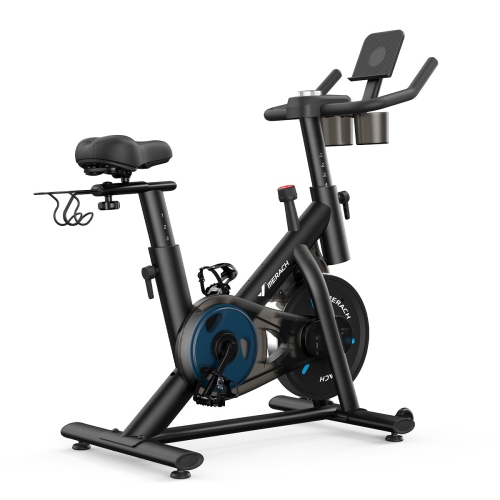
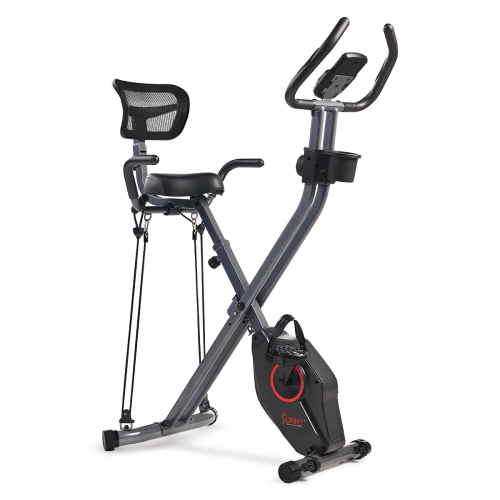
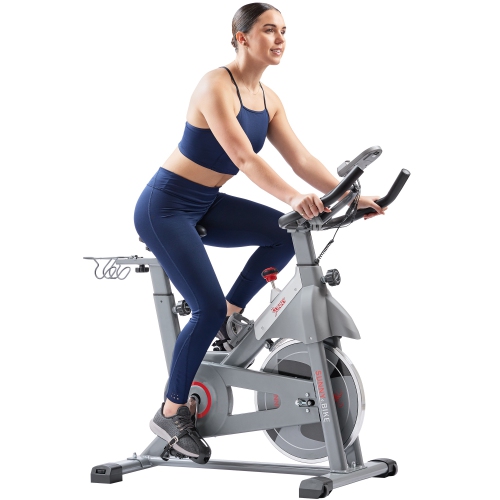
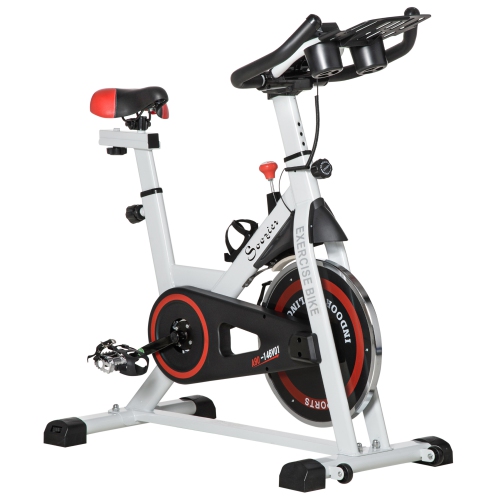
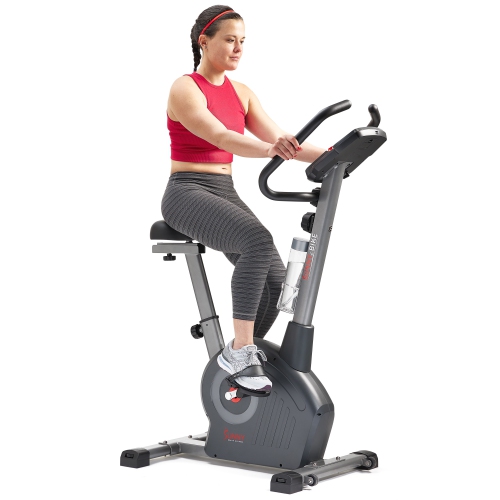
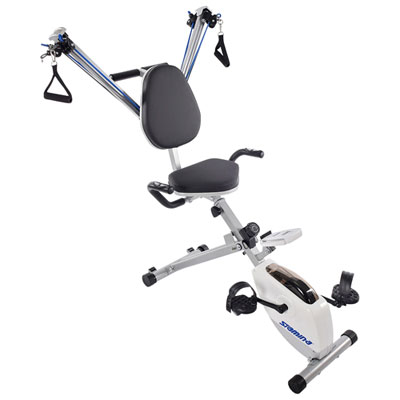
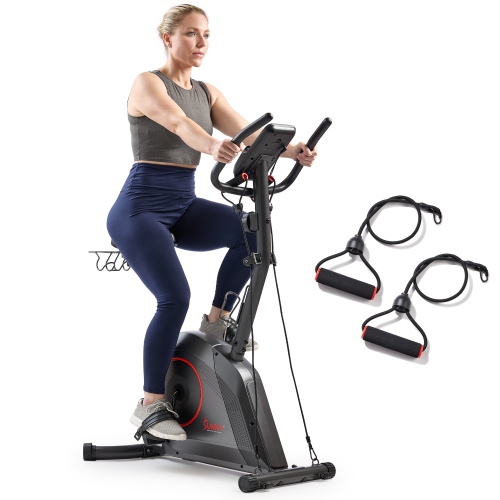
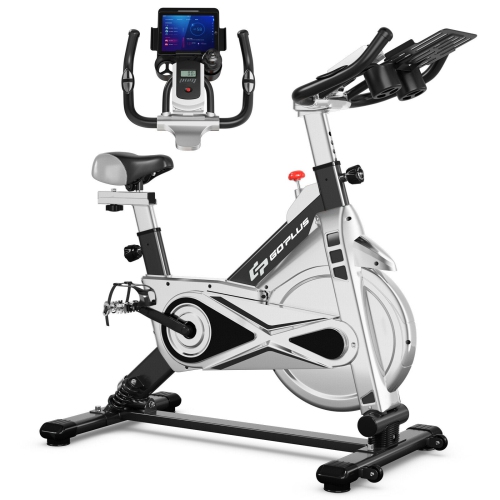
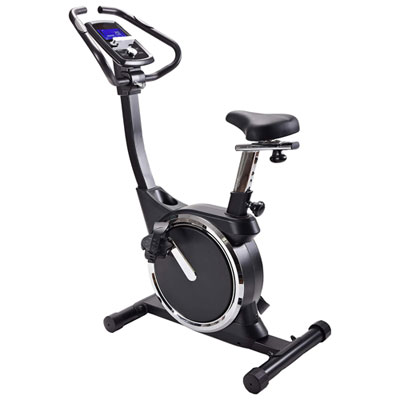
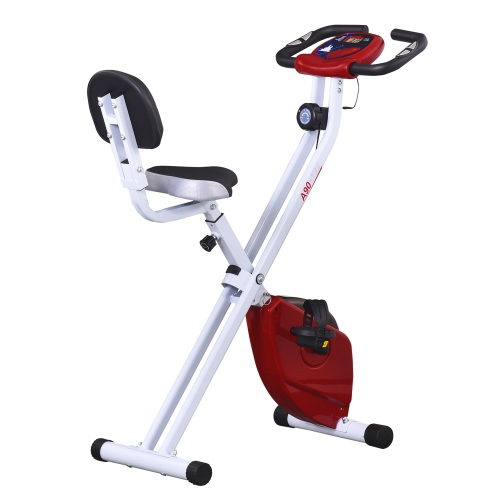
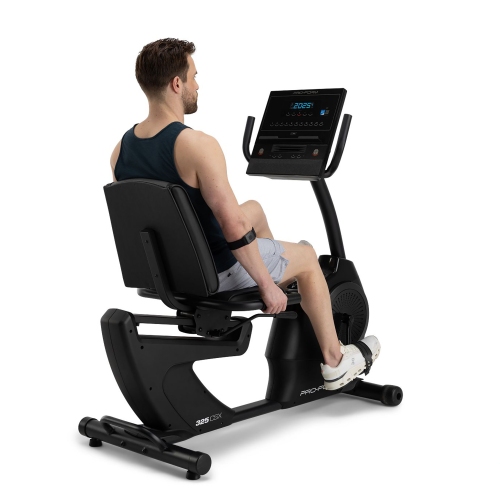
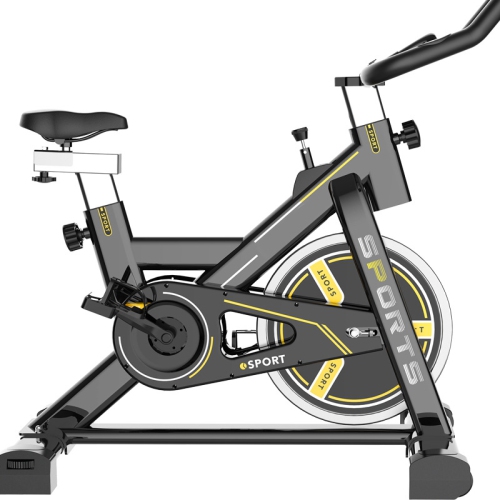
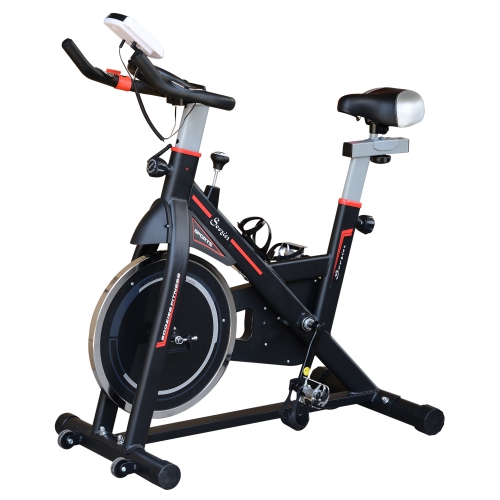
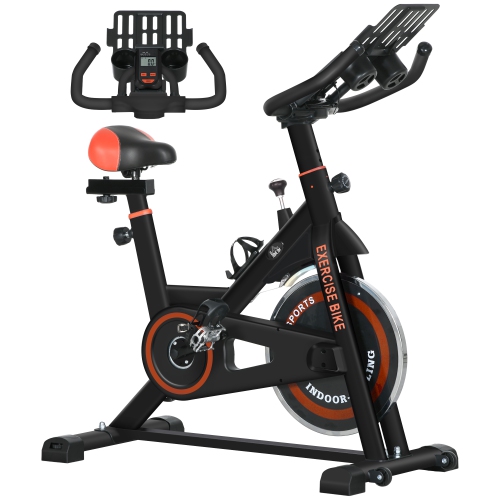
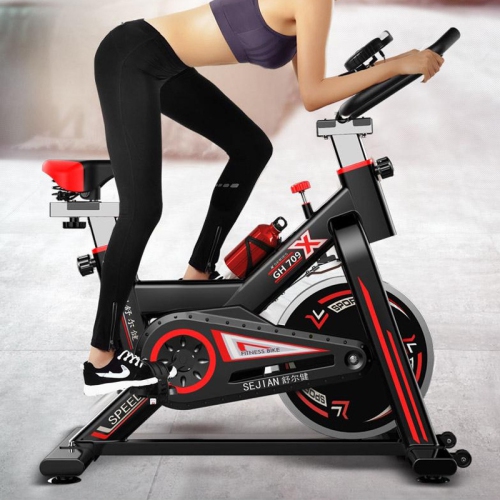
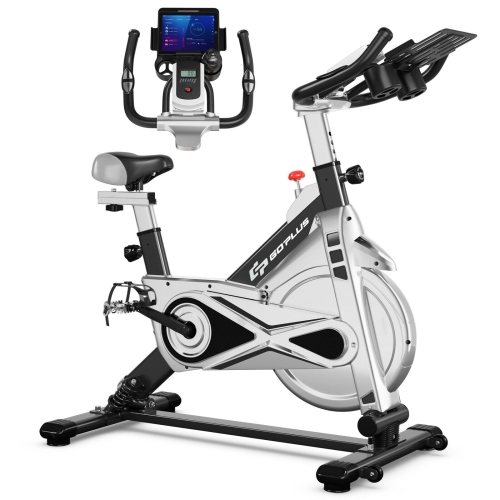
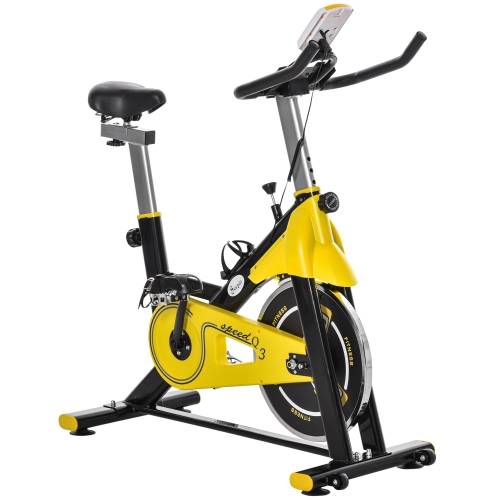
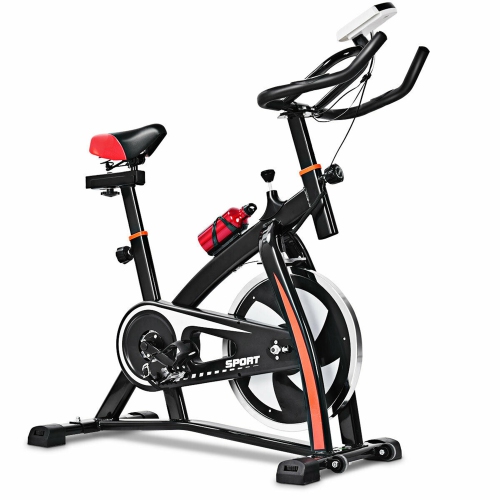
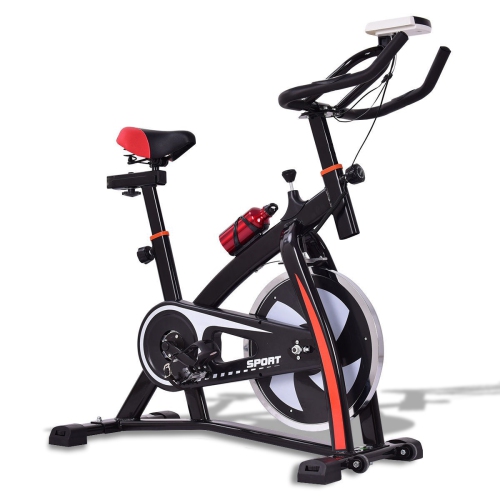
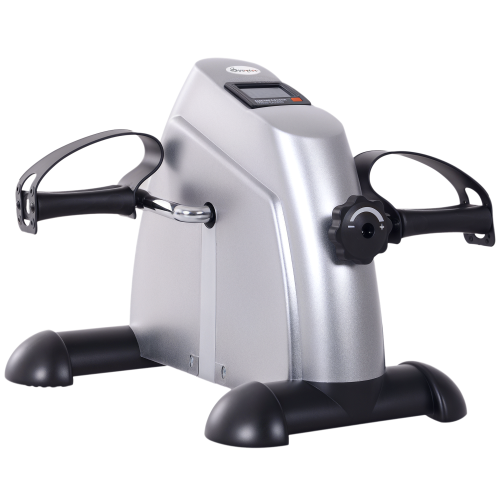
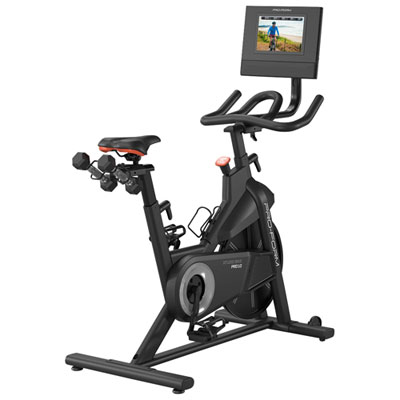
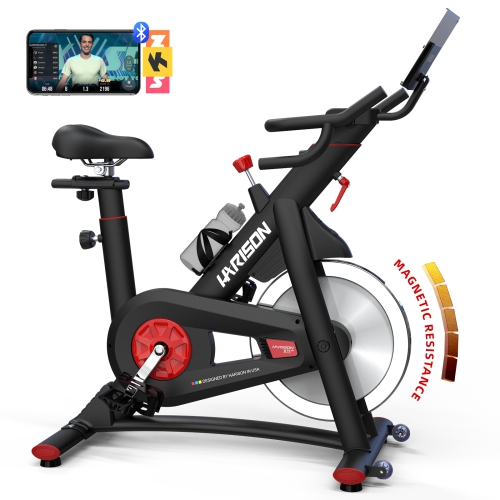
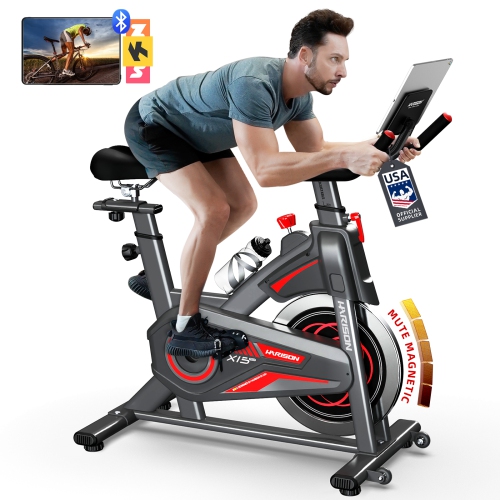
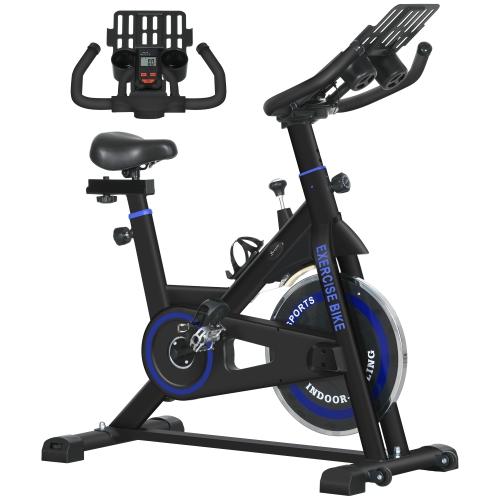
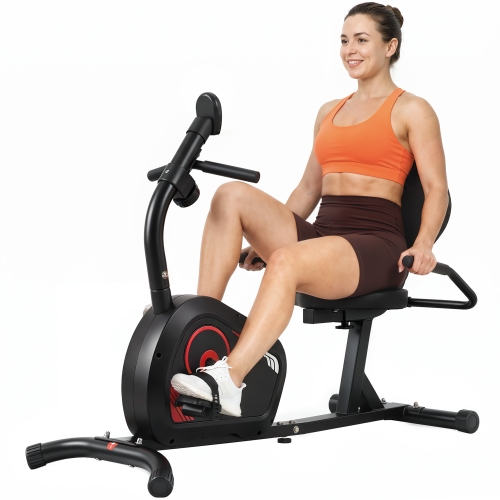
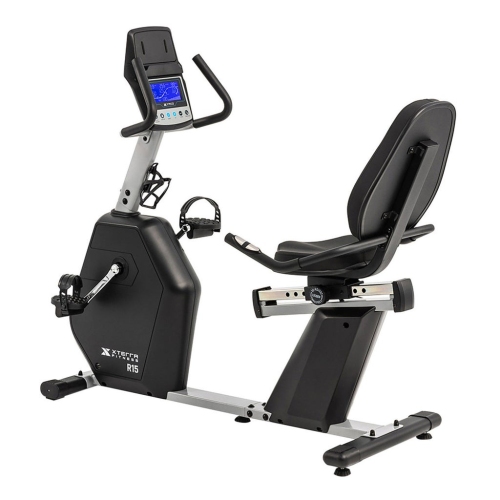
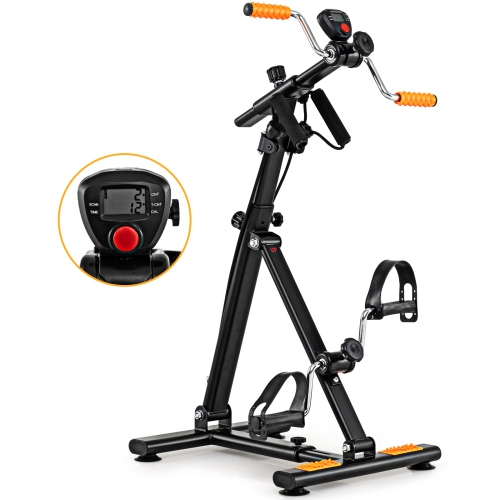
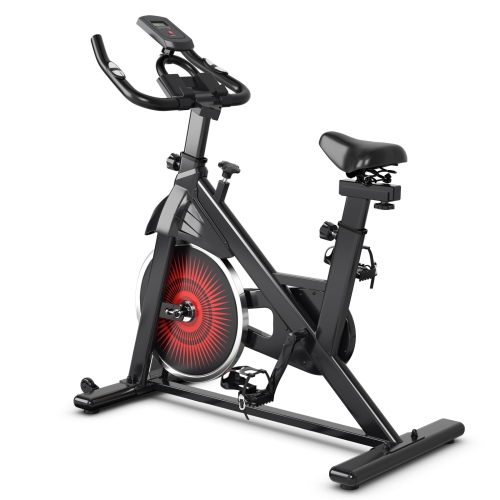
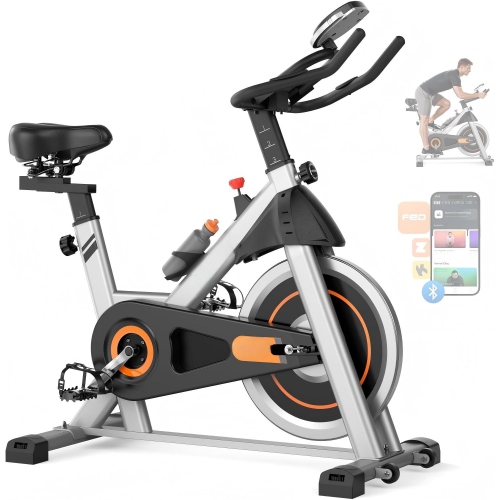
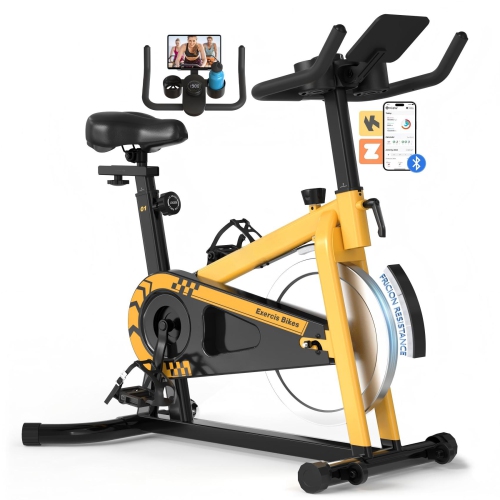
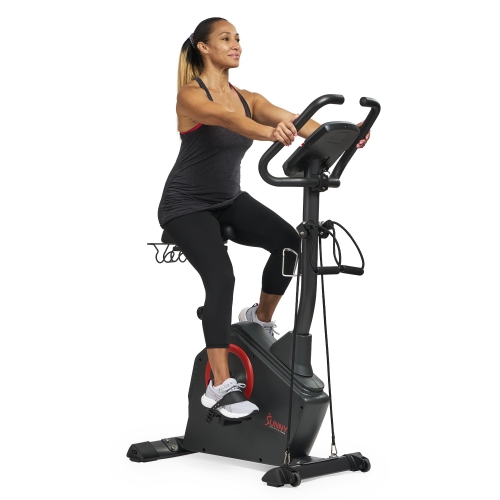
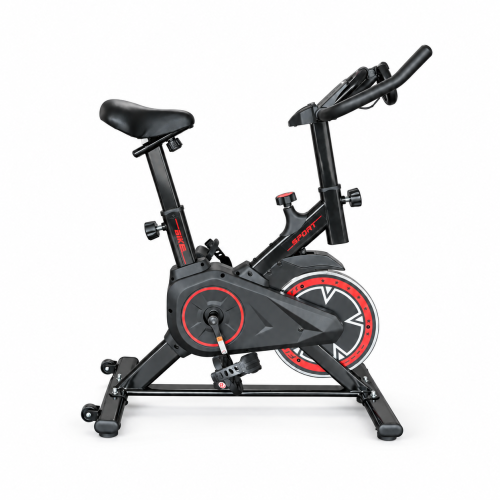
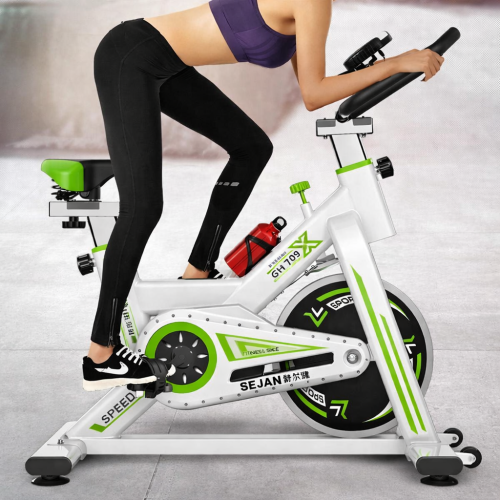
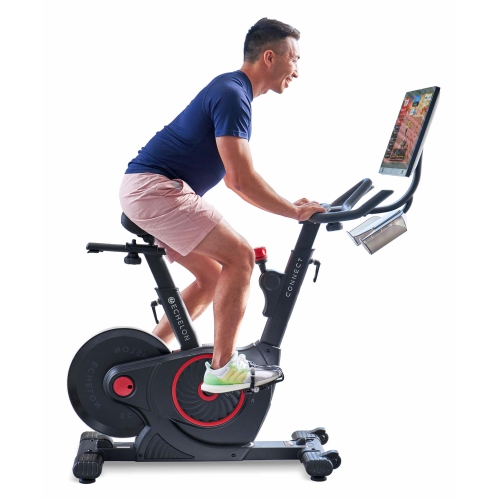
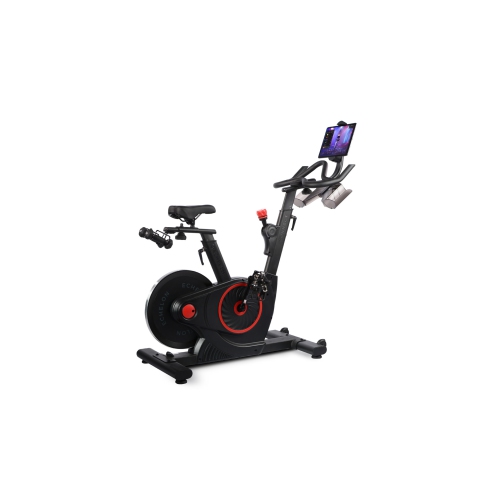
Home fitness bikes bring indoor cycling into a dedicated workout room, a shared living area, or another suitable space at home, making it easier to fit cardio sessions around your schedule. The category includes several riding styles, with differences in seating position, resistance, and workout controls that can shape the experience. Upright exercise bikes generally place the pedals beneath the rider for a more vertical seated position, while recumbent bikes use a reclined seat with back support and pedals positioned farther forward. Indoor cycling bikes typically offer a riding position closer to a road bike, with resistance adjustments that let you vary the effort throughout a session. These distinctions matter whether you prefer steady-paced pedalling, shorter interval workouts, or cycling alongside a virtual class. For beginners and experienced riders alike, a bike that feels comfortable and offers suitable resistance can make regular workouts more approachable. Cycling is generally a lower-impact activity than running, though the right setup and an appropriate intensity remain important to a comfortable ride.

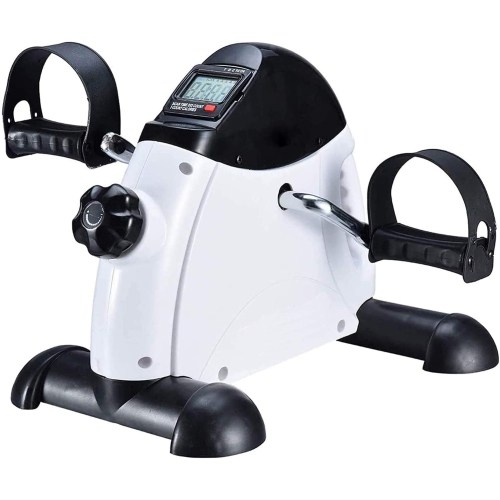
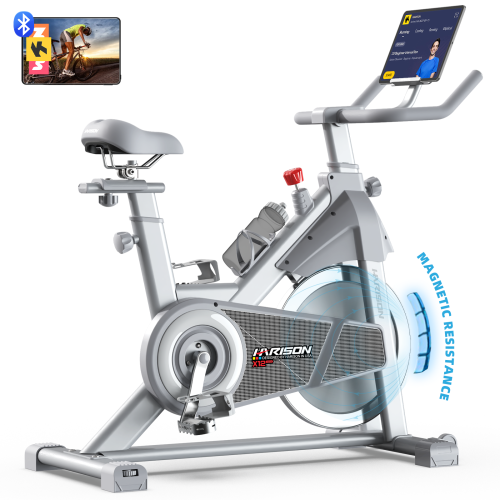
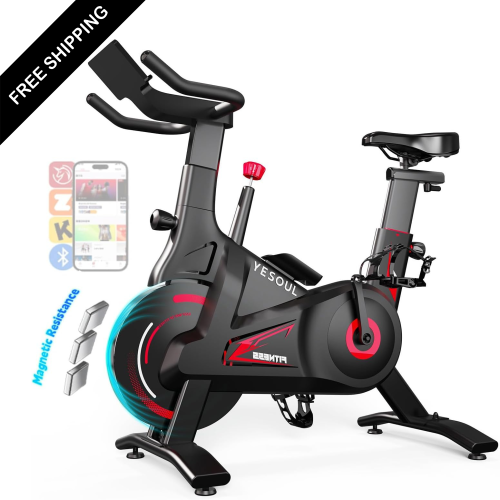
Fit and adjustability are central considerations when comparing home fitness bikes, particularly when more than one person will use the equipment. Seat height, fore-and-aft seat adjustment, and handlebar position can help accommodate different body proportions, although the available adjustments vary by design. A recumbent bike’s backrest and seat shape may appeal to riders who prefer more support, while an indoor cycling bike’s narrower saddle and forward reach create a different feel. Pedal design also affects everyday use: straps can help keep compatible footwear in position, while some pedal systems require cycling shoes with matching cleats. Resistance type influences both adjustment and upkeep. Magnetic resistance changes the load without a friction pad pressing against the flywheel, while friction-based systems use physical contact and may require periodic attention to wear components. Noise can also come from the drive mechanism, movement, and flooring, so resistance type alone does not determine how quiet a bike will be. Controls that are easy to reach and workout information that is easy to read can be especially useful during longer sessions.

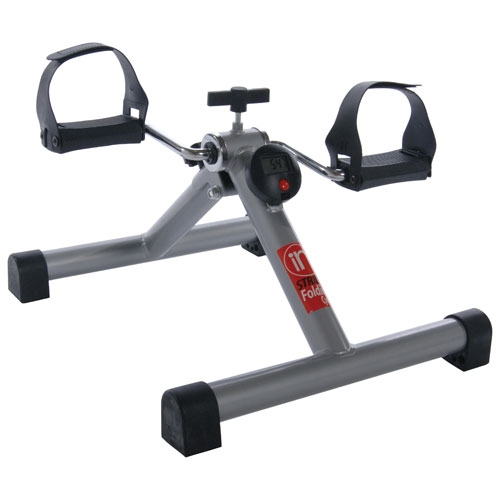
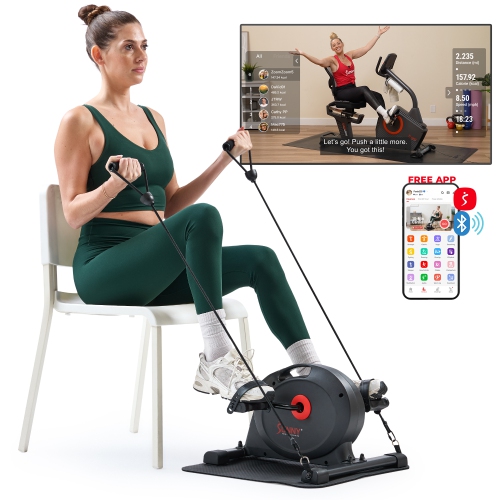
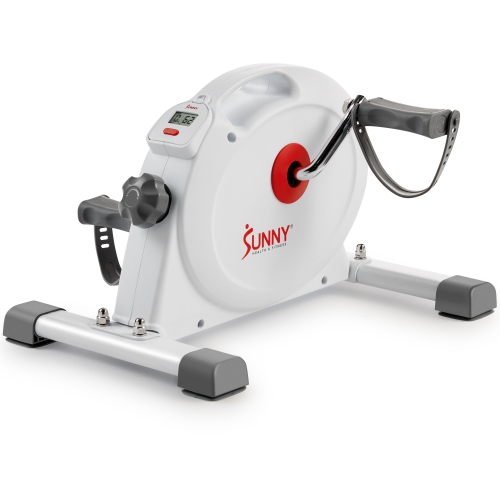
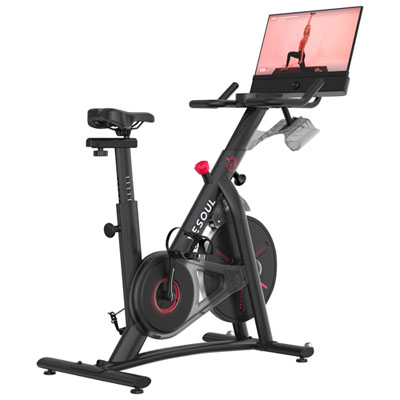
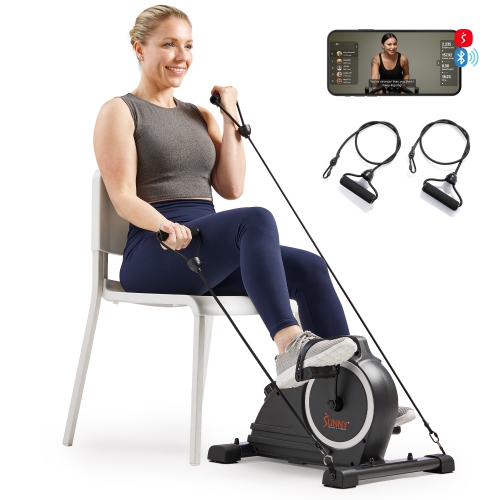
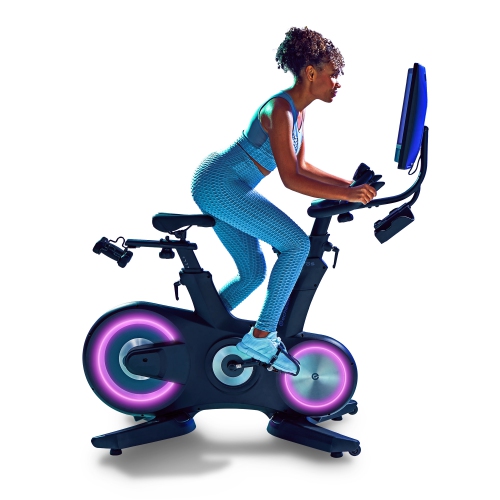
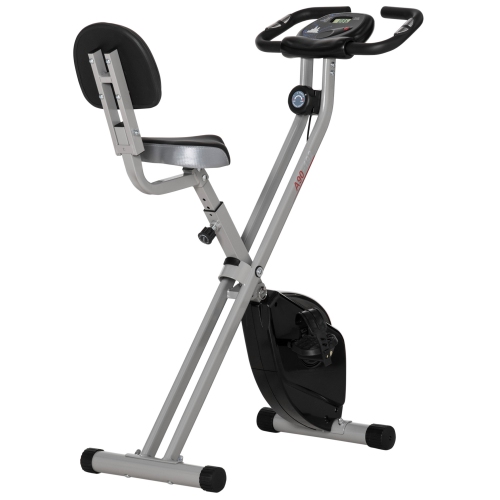
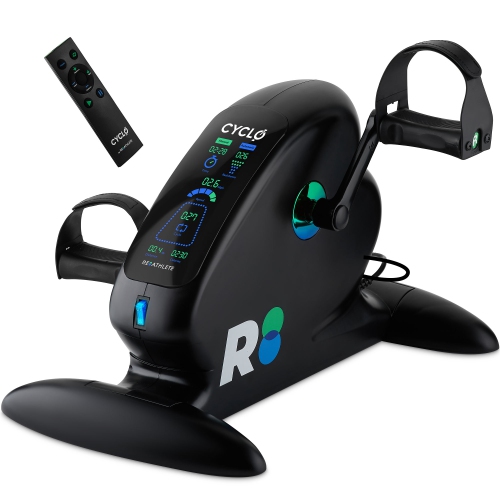
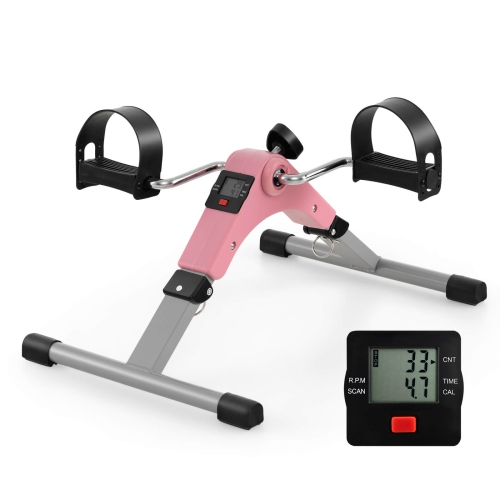
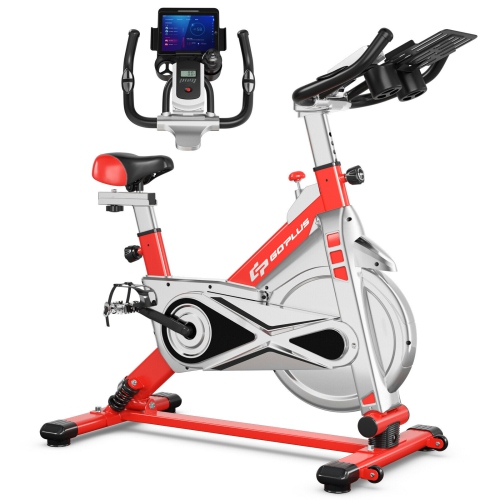
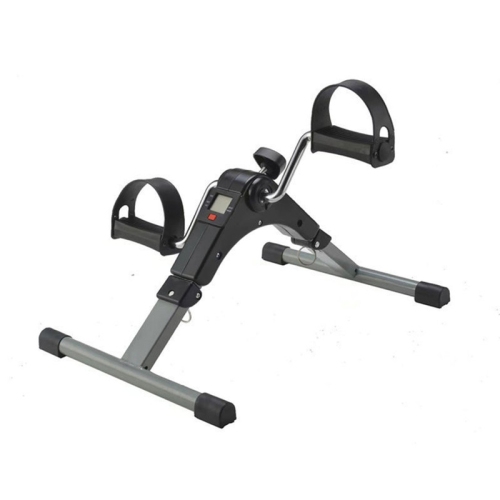
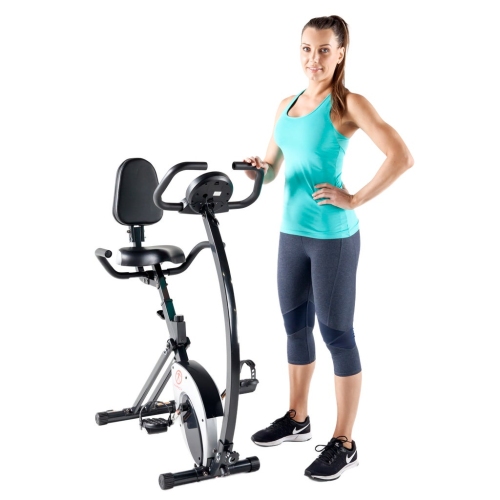
The space a bike needs extends beyond its listed footprint, with room required for getting on and off, moving the pedals freely, and making adjustments. Overall dimensions, rider height guidance, and maximum user weight are useful comparison points, along with the practicalities of delivery and assembly. Folding designs and transport wheels can help when a workout area serves other purposes, but the bike’s weight and folded dimensions still affect how manageable it is to move or store. Technology adds another layer of choice: a basic console may provide workout measurements, while connected features can support compatible fitness apps, guided sessions, or additional performance tracking. Built-in screens and device holders serve different needs, and app access, subscriptions, wireless compatibility, and power requirements vary. A simpler setup may suit riders who want straightforward exercise without extra services, while connected options may appeal to those who enjoy structured classes or tracking their progress over time. Balancing comfort, space, workout style, and ongoing costs helps narrow the choice to a home fitness bike that suits your routine.

Read More

FAQ

Some products may be subject to Environmental Handling Fees (EHF) depending on your province. Learn more about EHFs.