High Quality Alarm Clock
A good alarm clock is a must-have for anyone who needs to get up in the morning. Whether you're a student, a professional, or an athlete, your body clock is probably different from everyone else's. That's why we've rounded up some of the best alarm clocks on the market to help you wake up on time every day of the week.
Sort

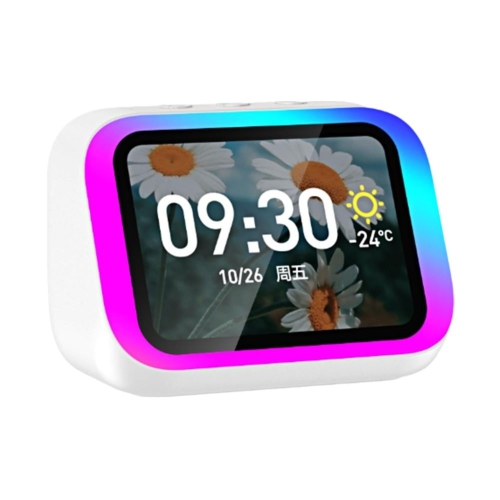
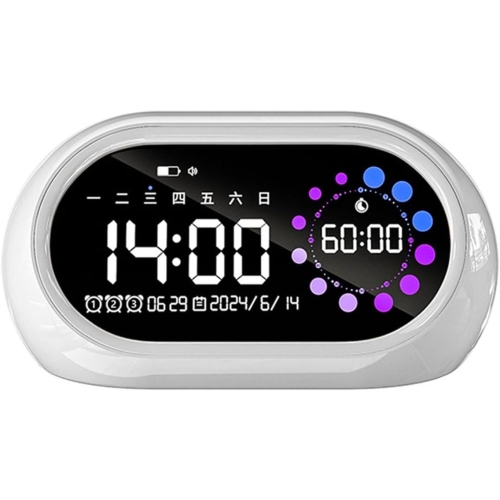
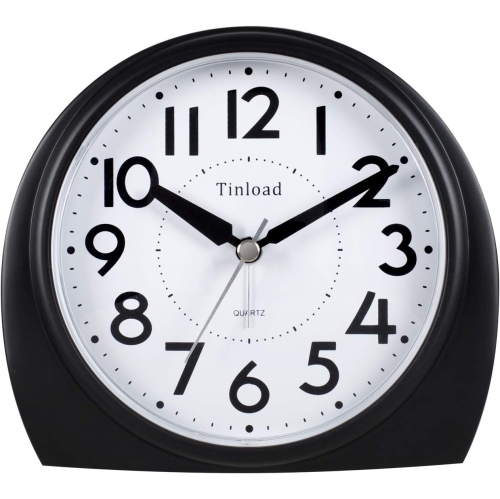
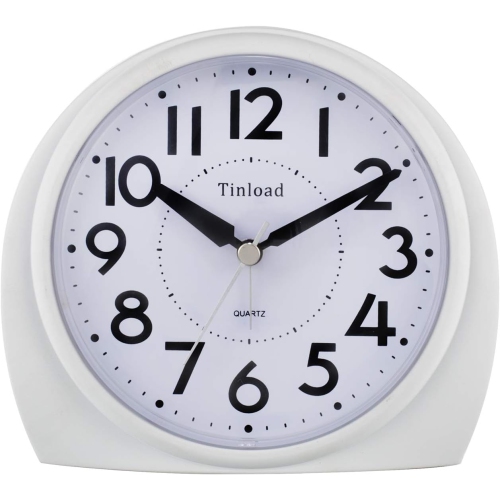
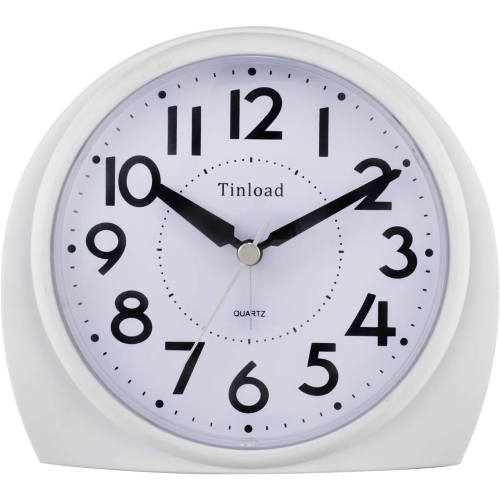
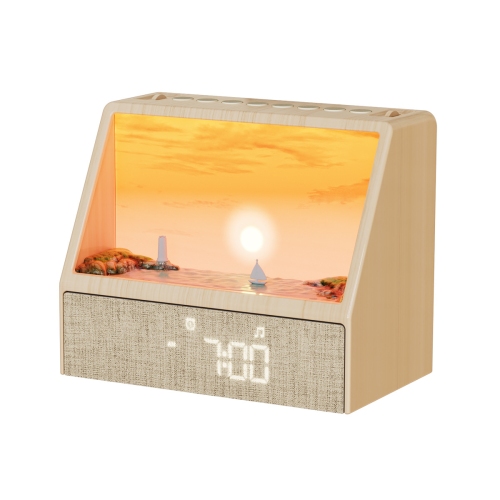
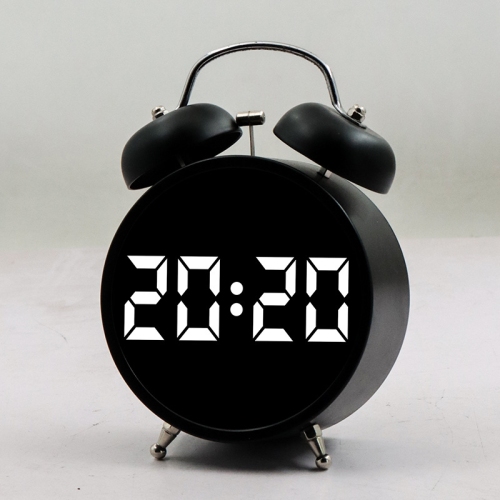
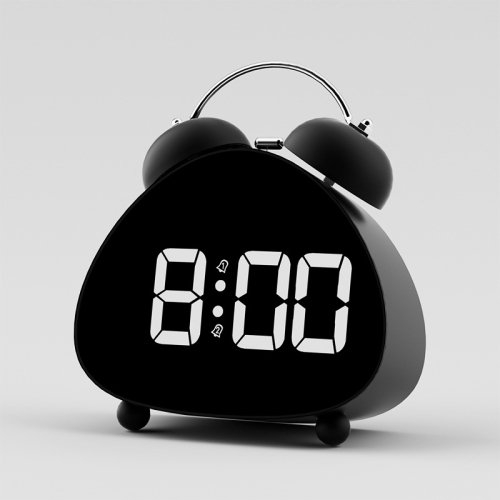
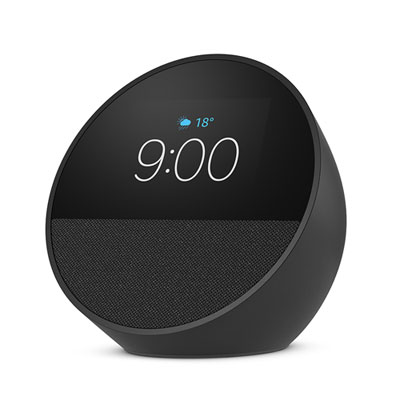
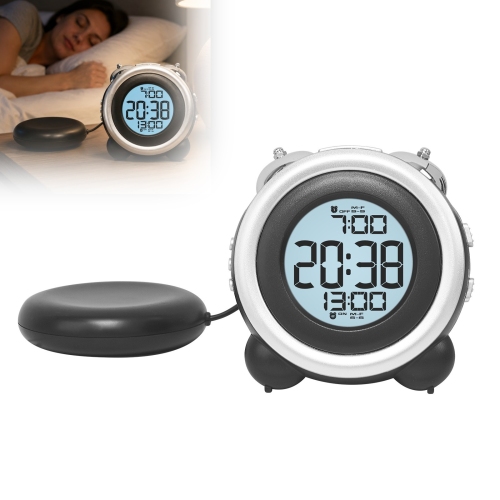
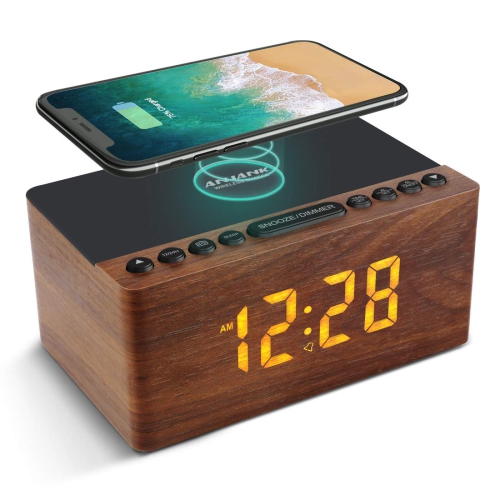
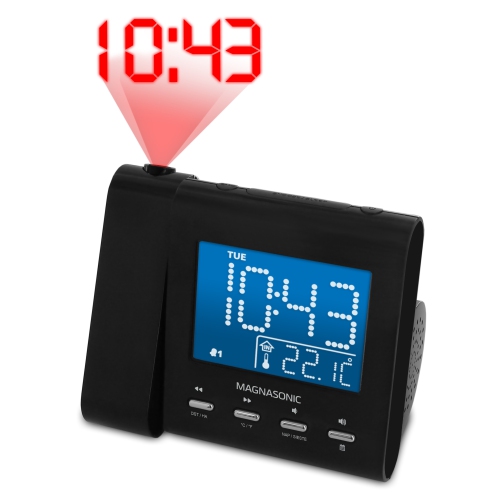
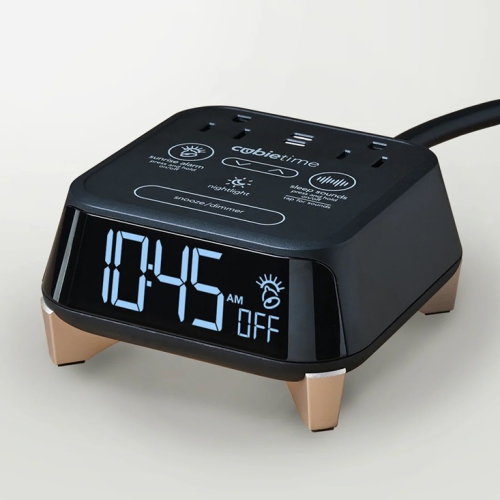
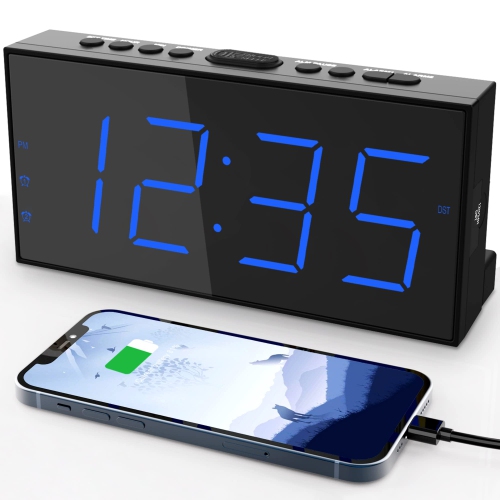
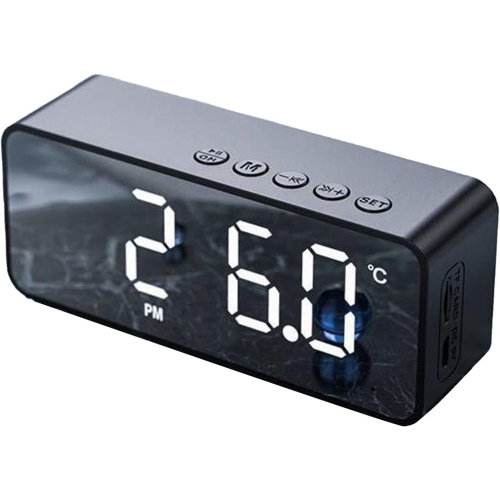
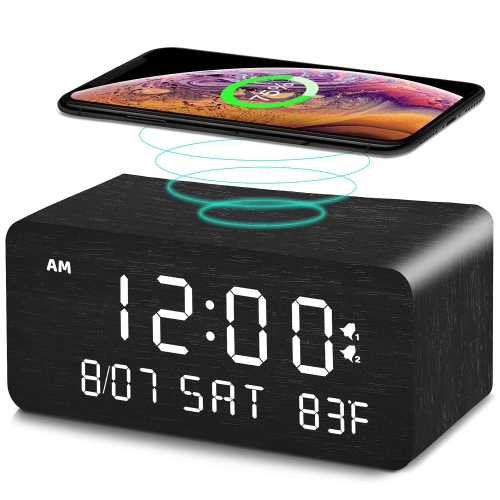

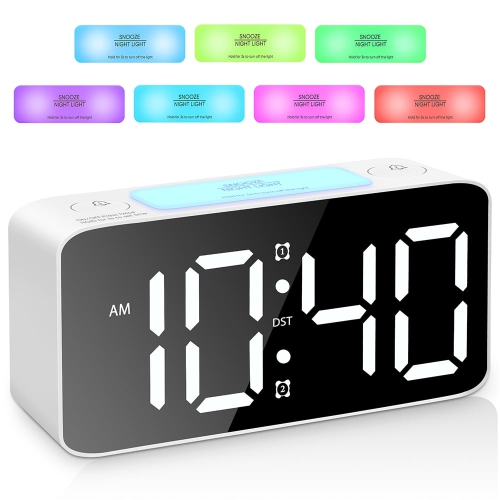
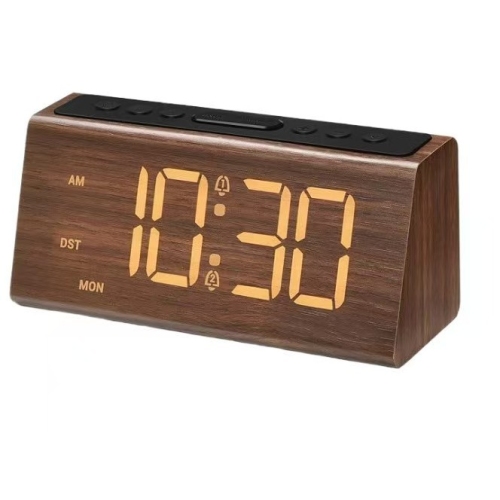
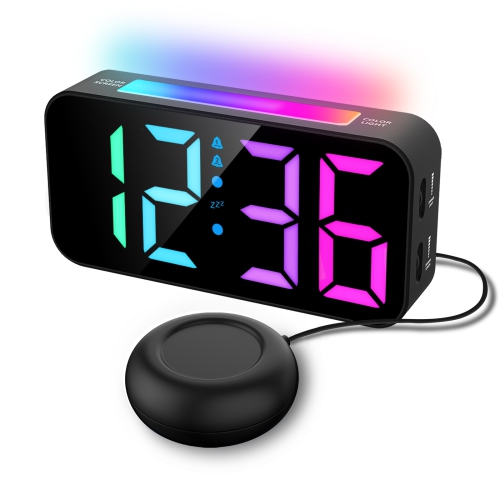
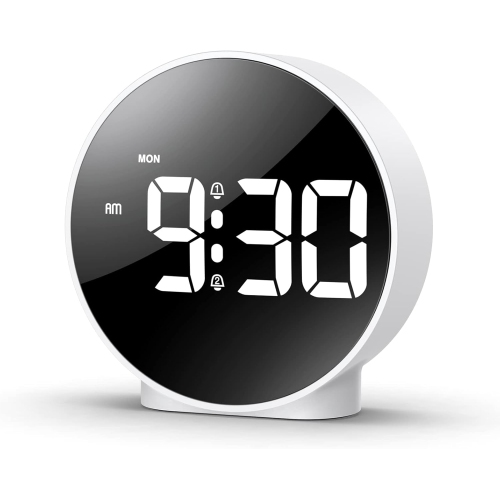
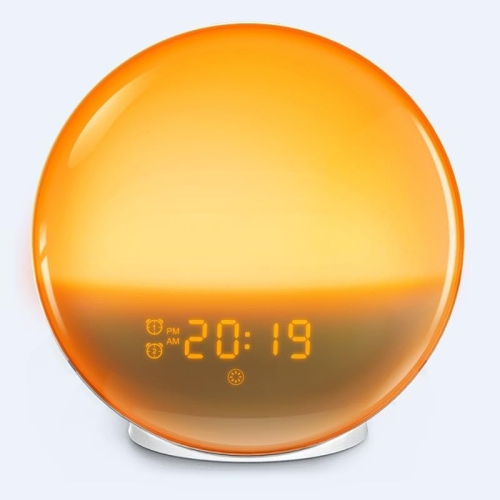
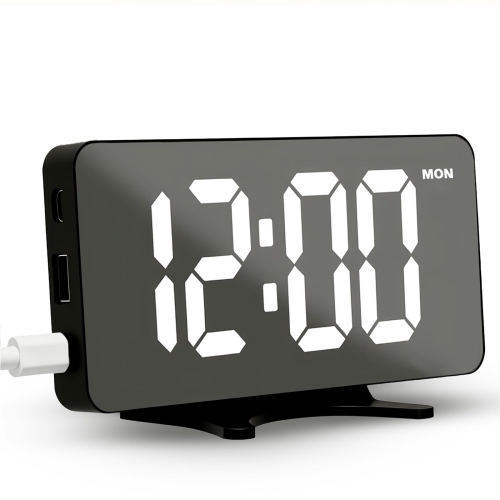
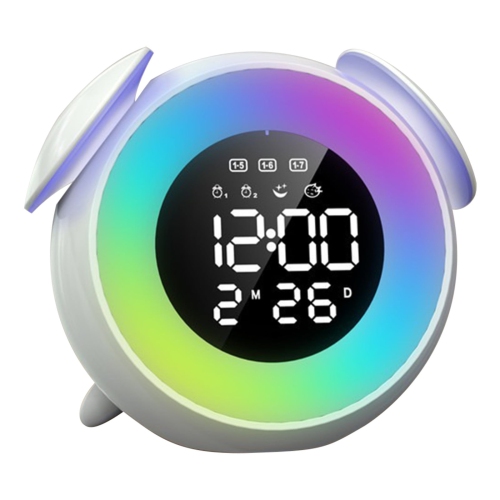
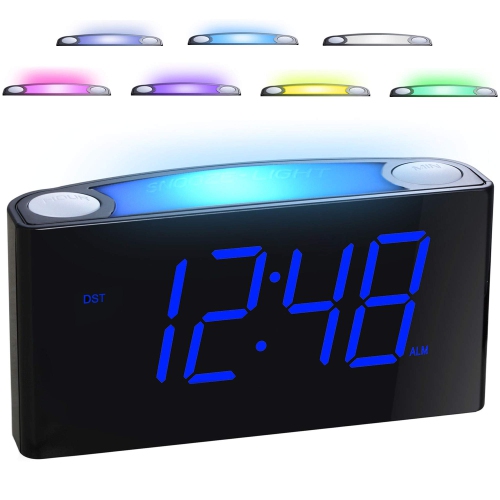
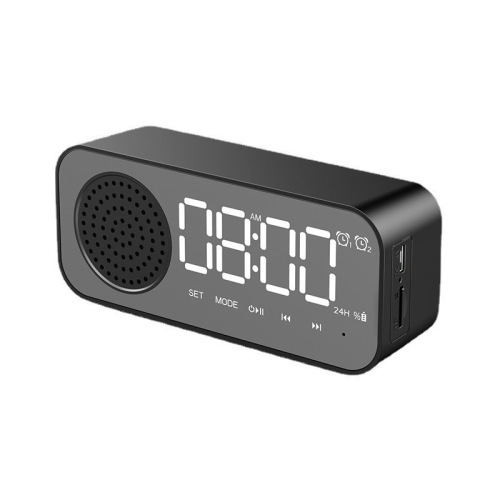
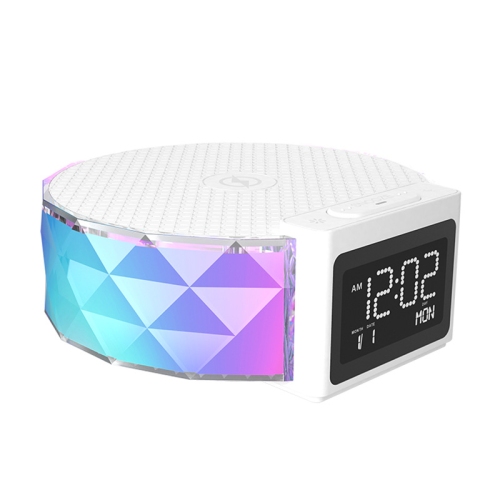
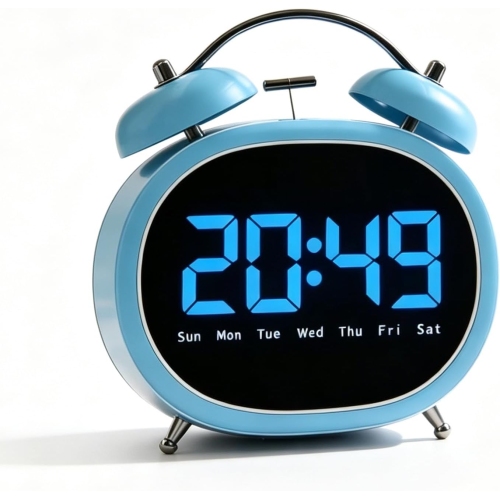
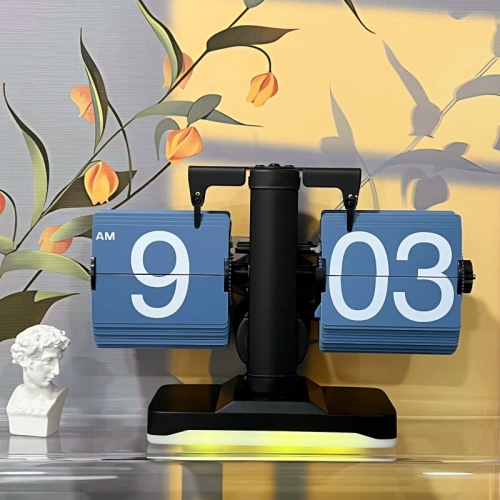
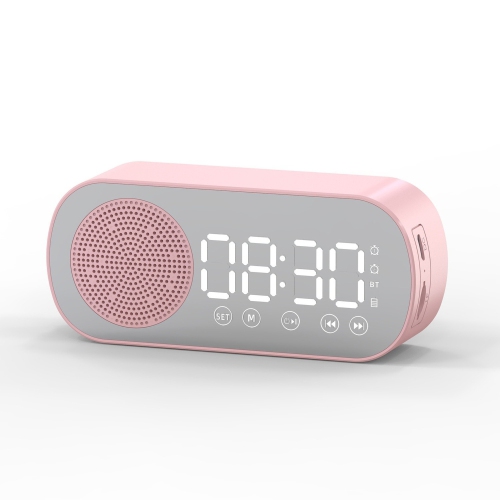
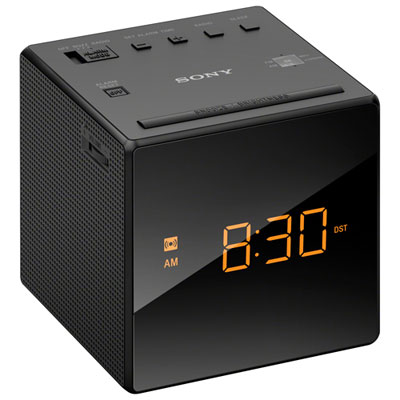
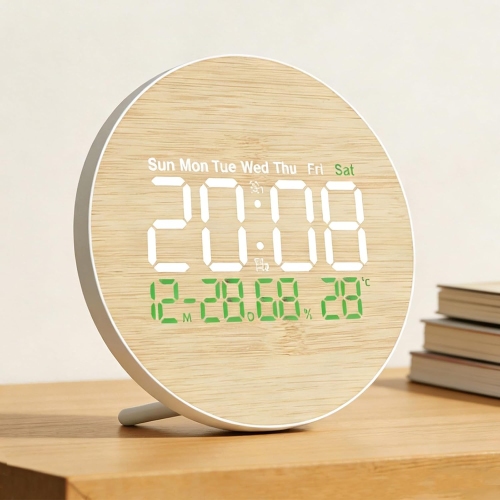
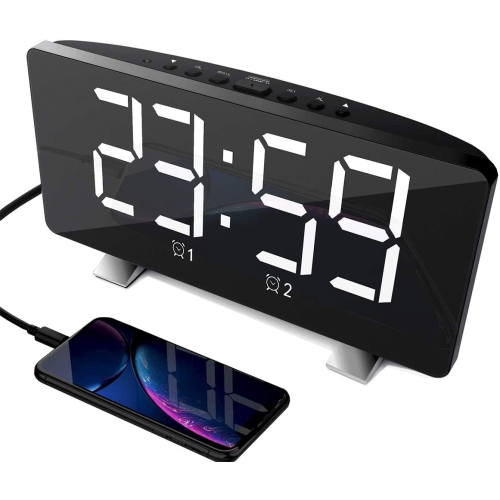
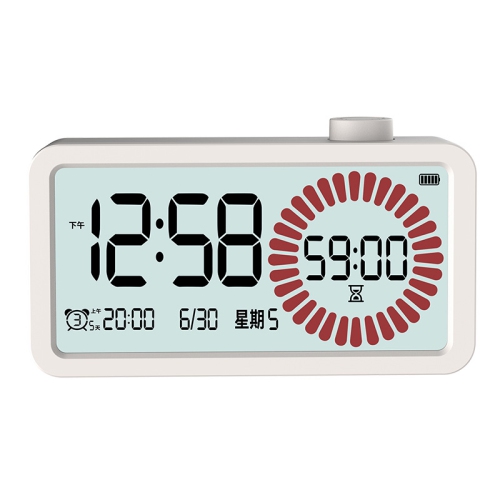
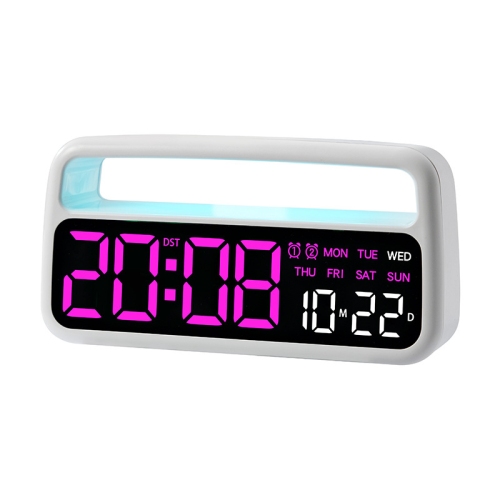
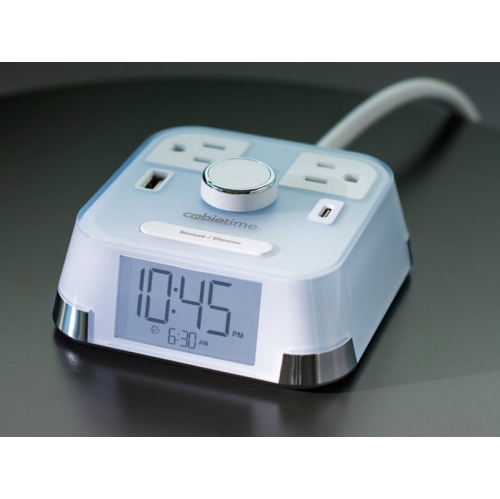
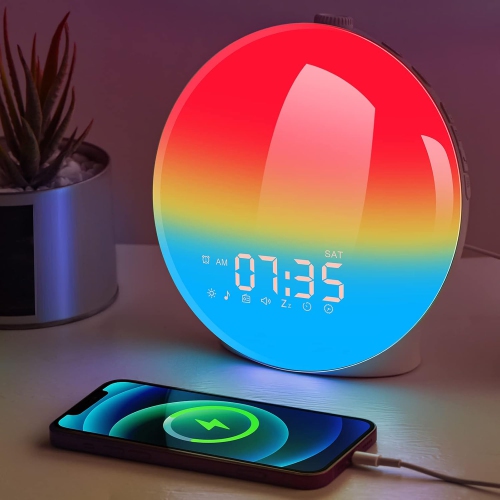
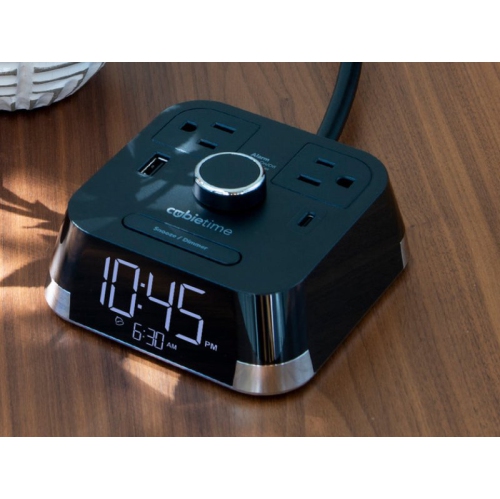
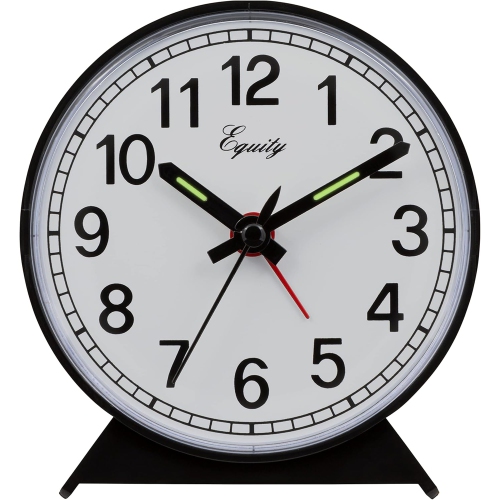
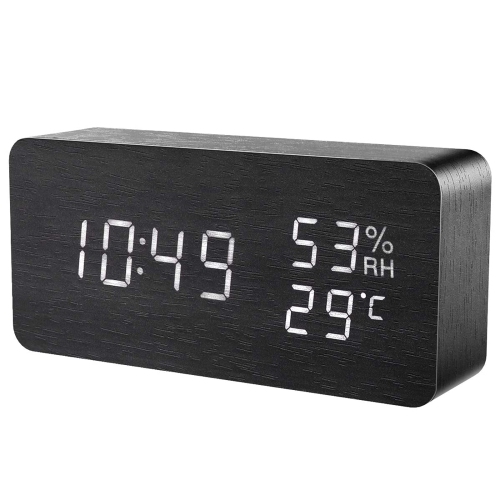
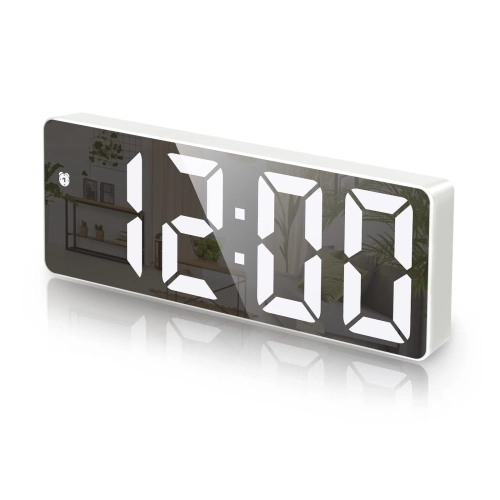
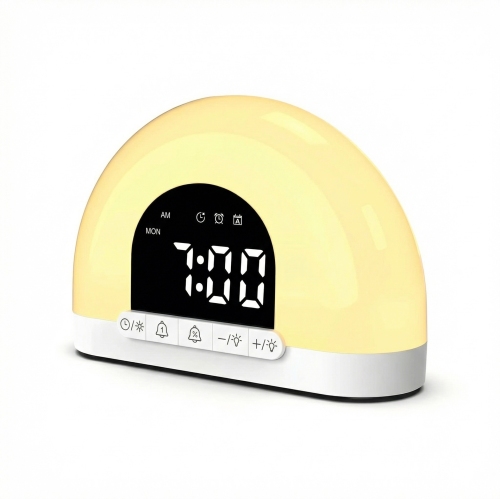
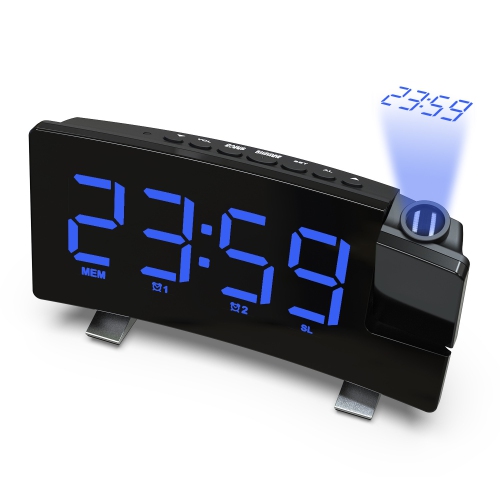
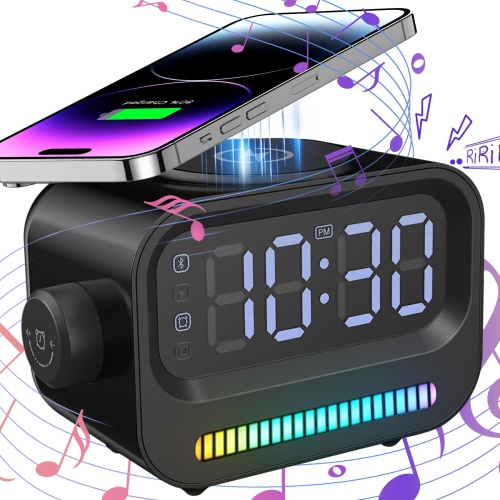
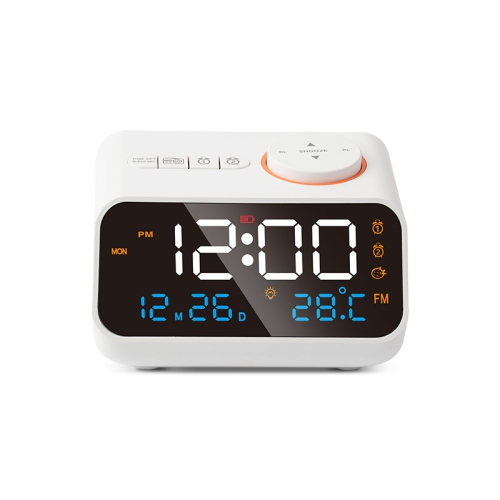
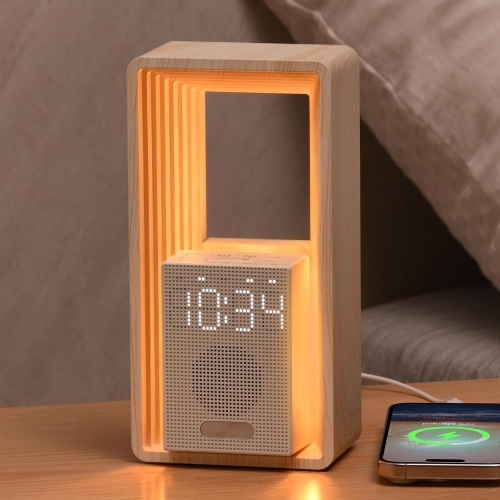
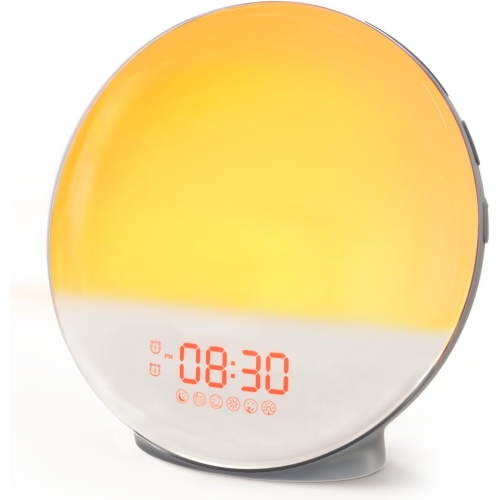
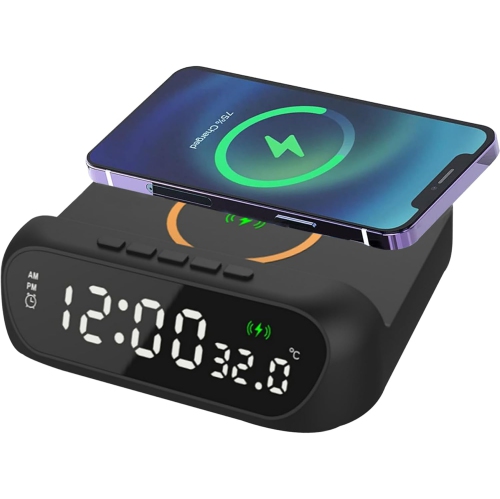
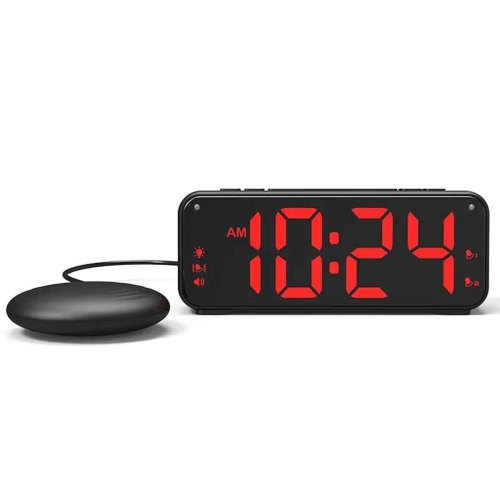

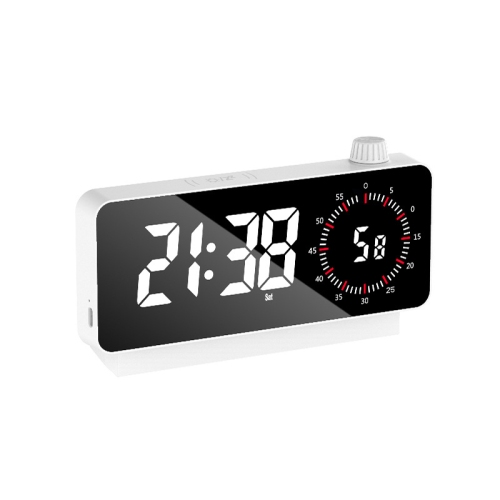
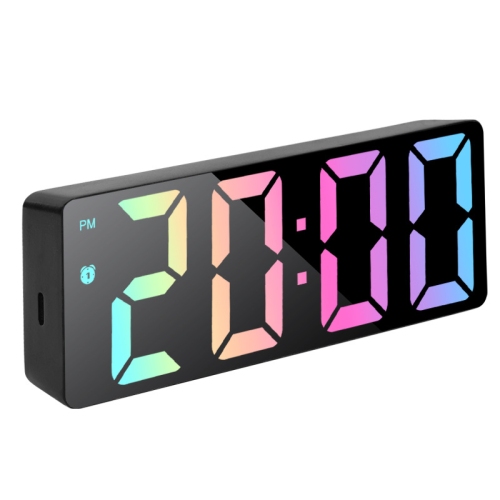
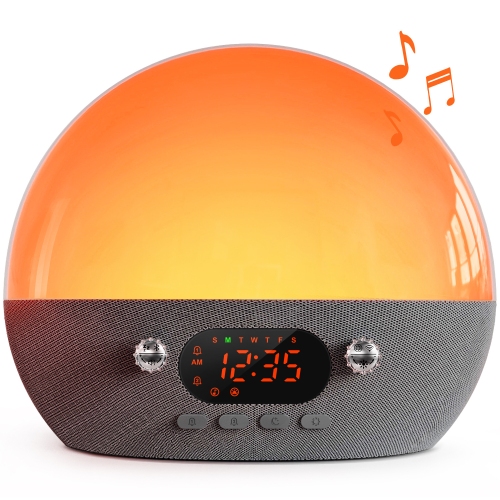
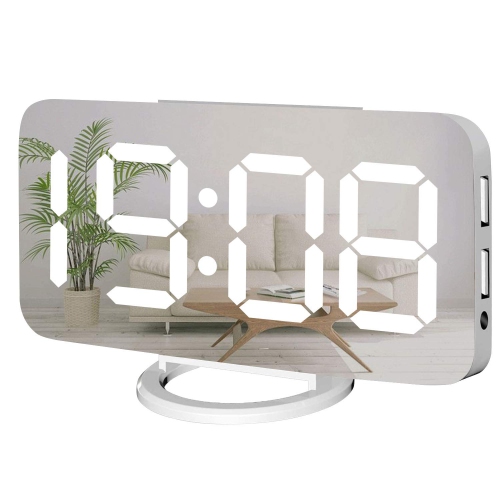

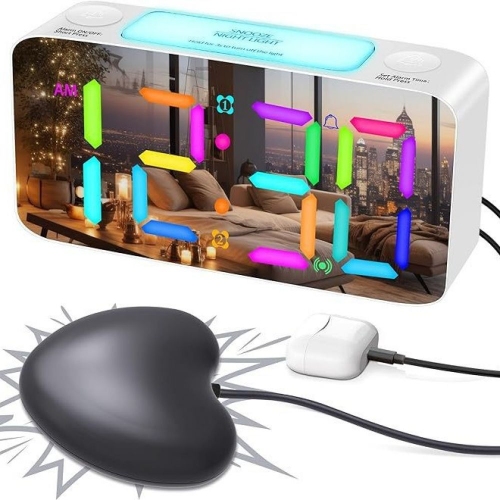
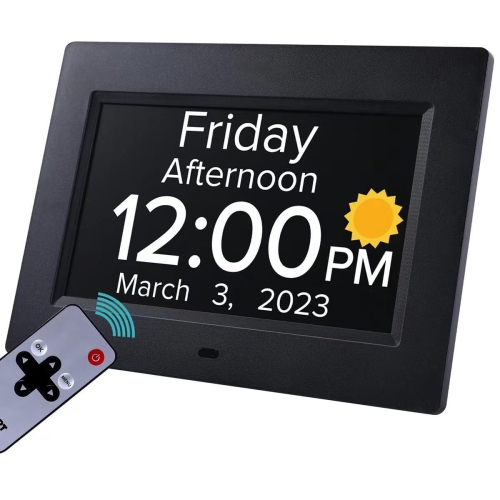
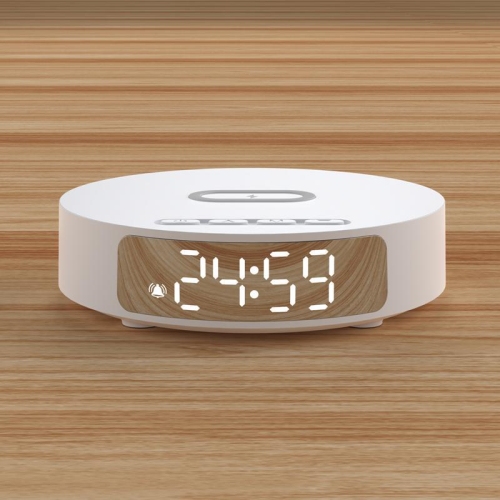
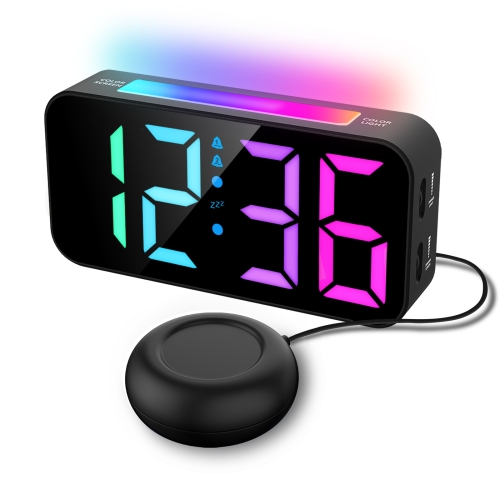
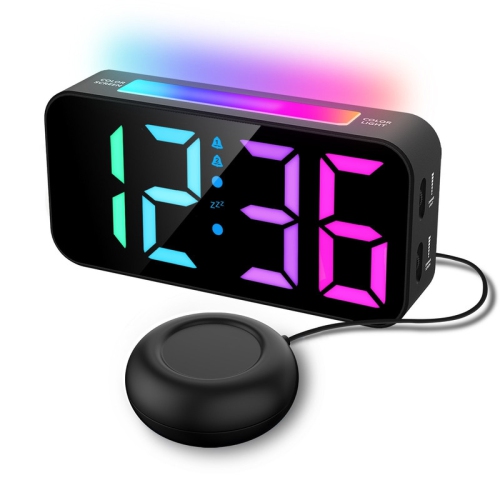
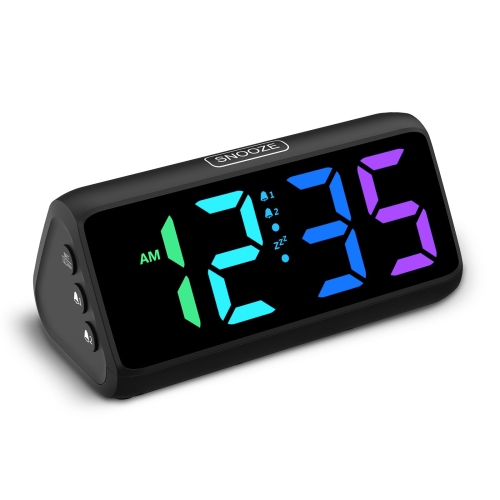
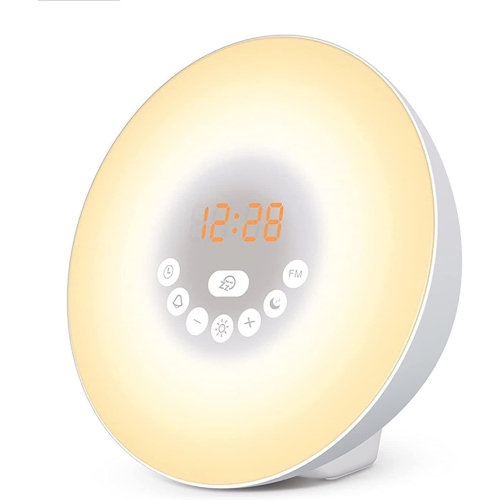
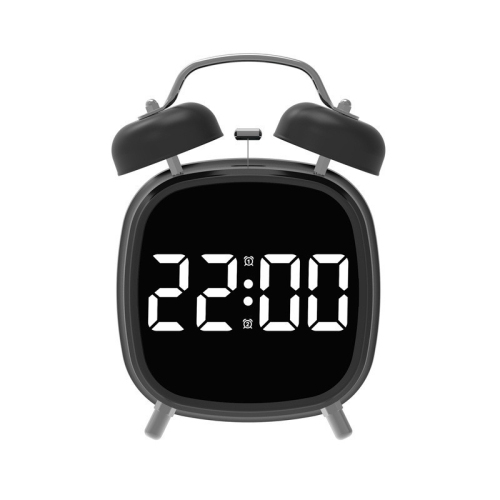
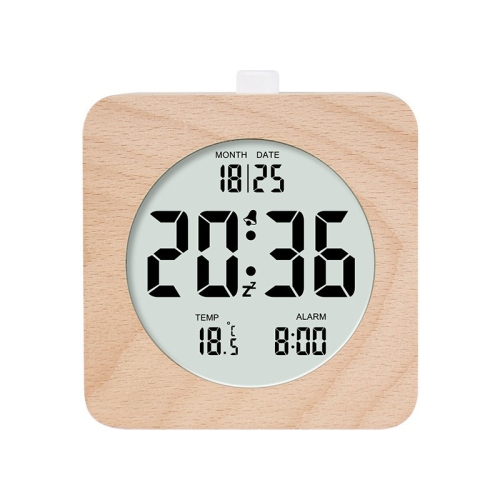
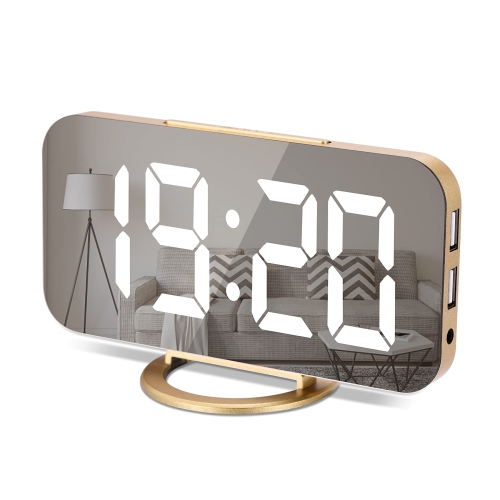
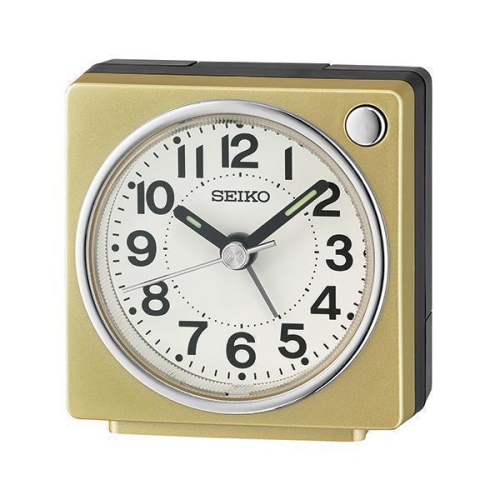

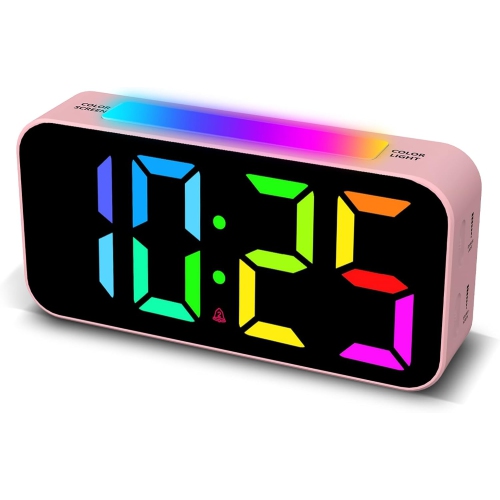
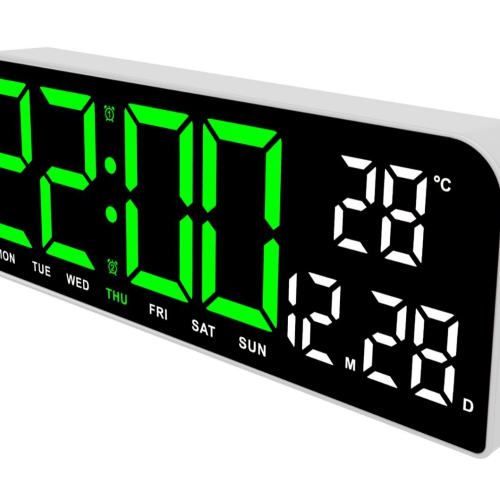
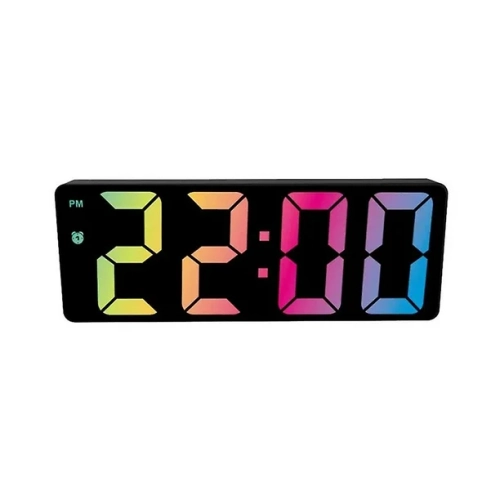
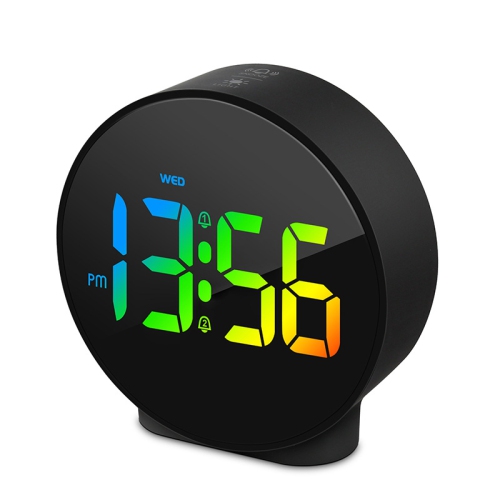
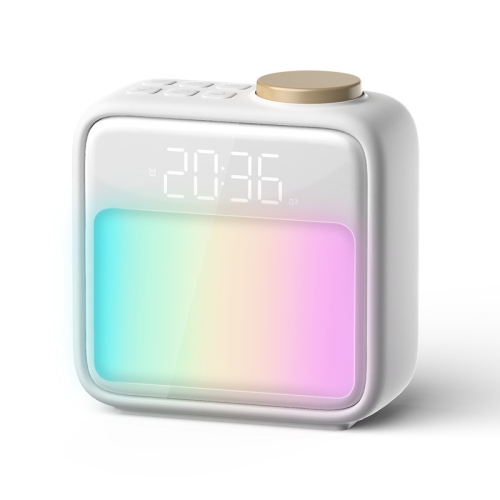
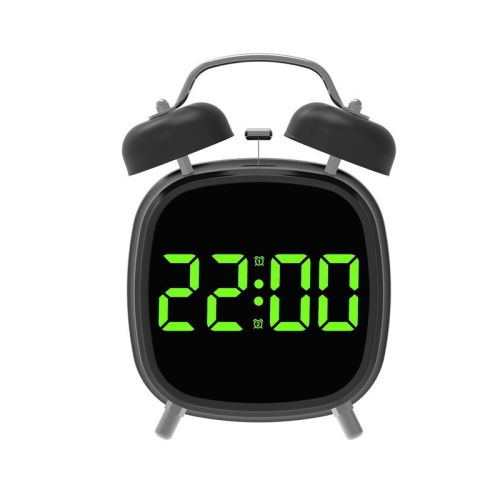

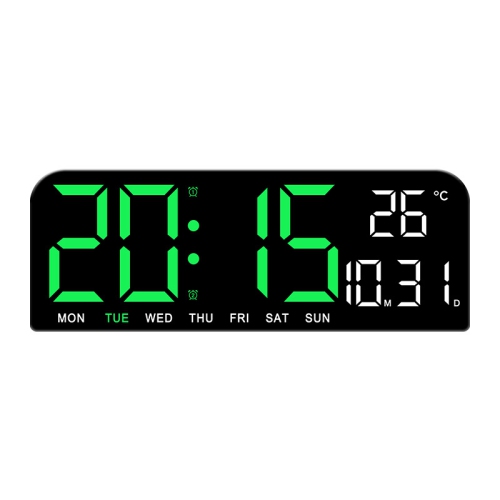
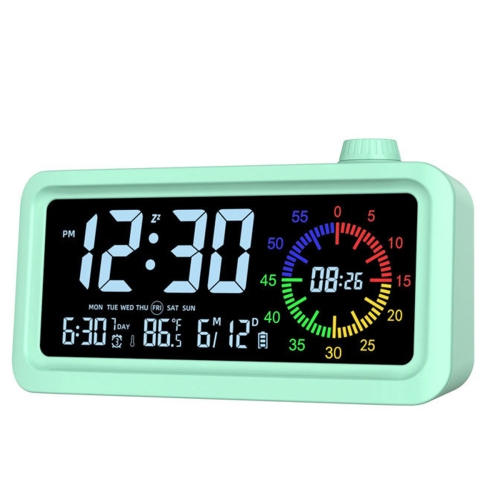
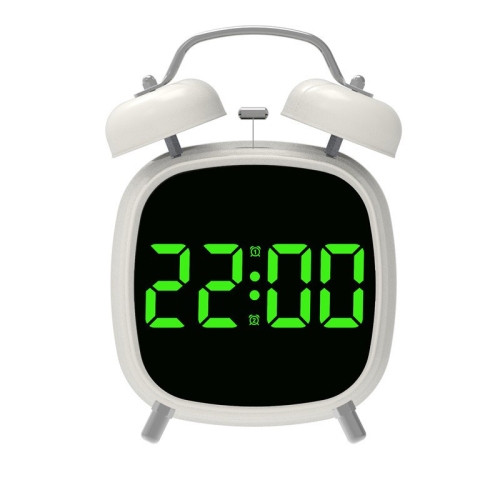
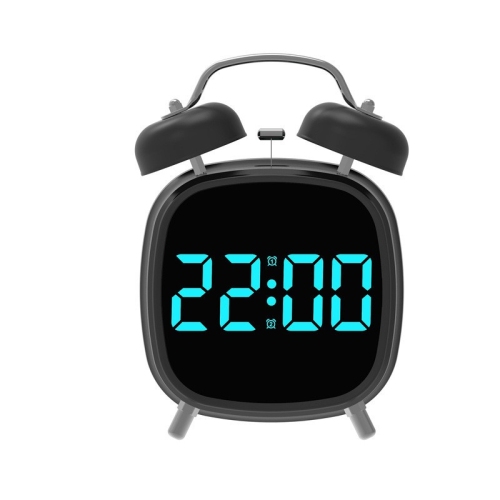
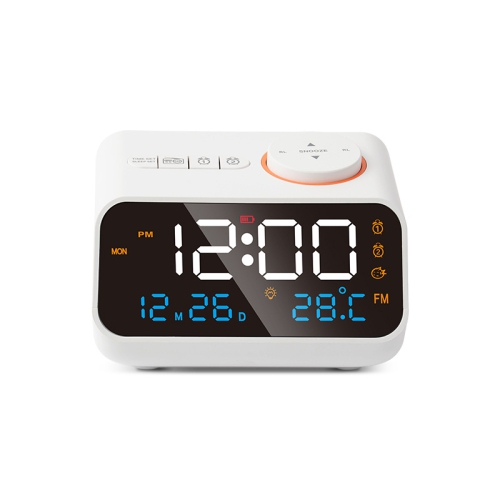
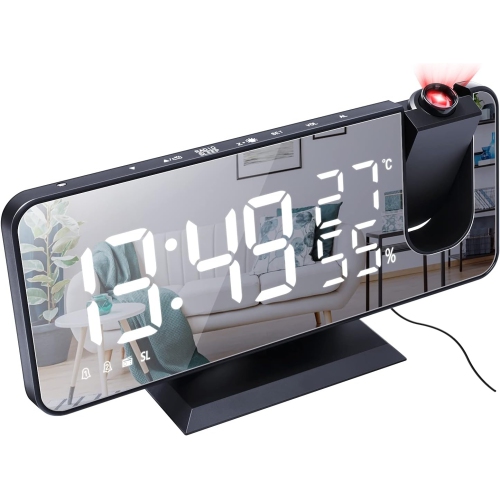
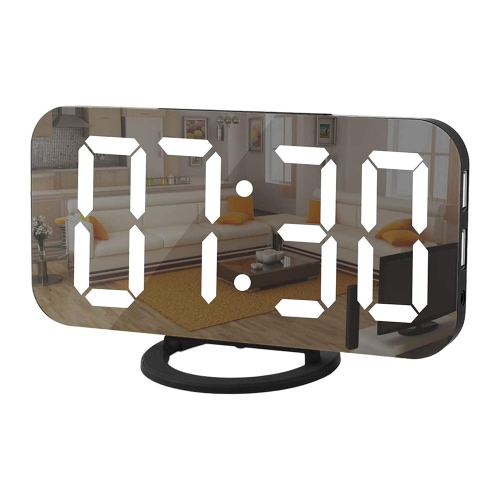
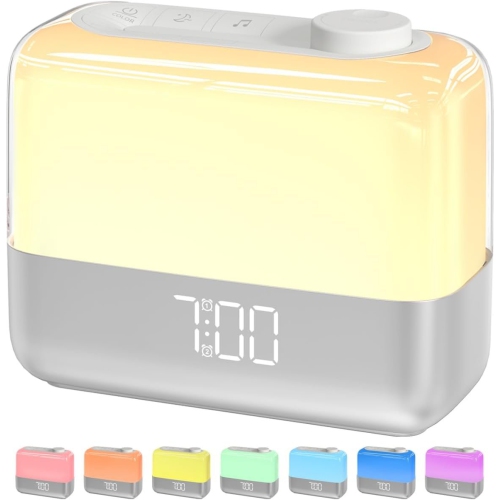
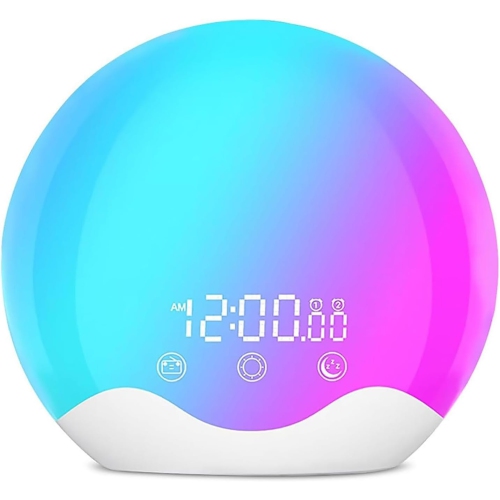
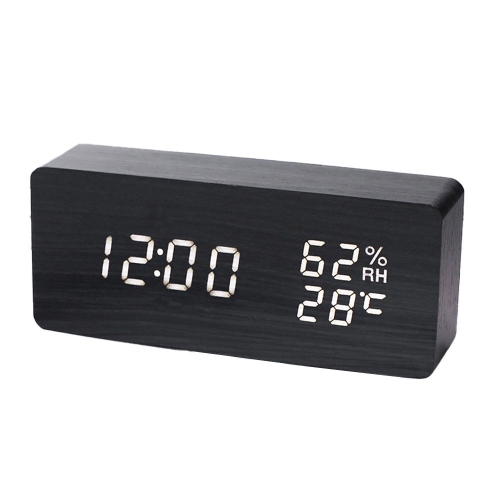
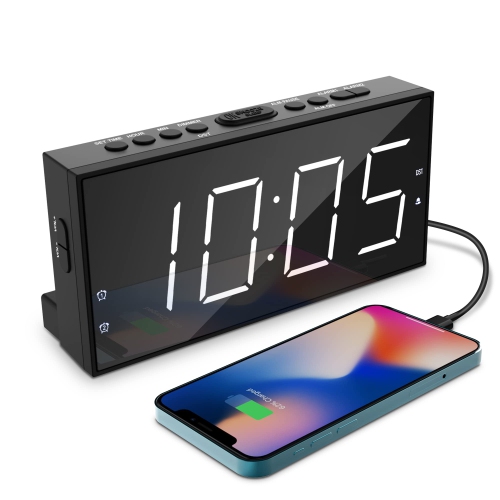

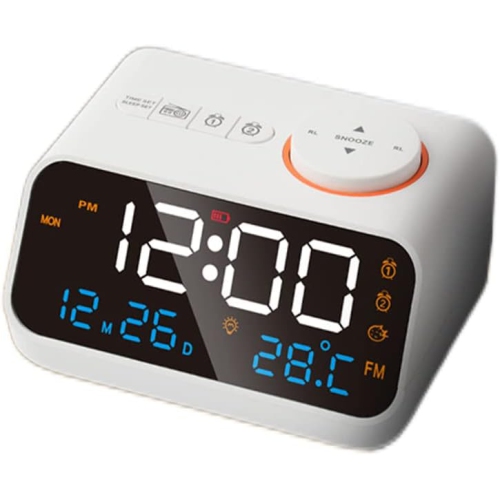
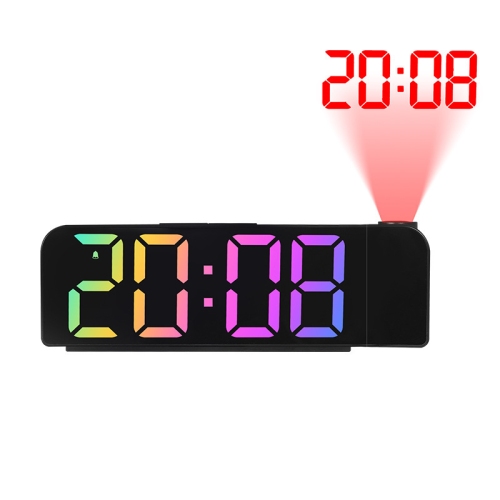
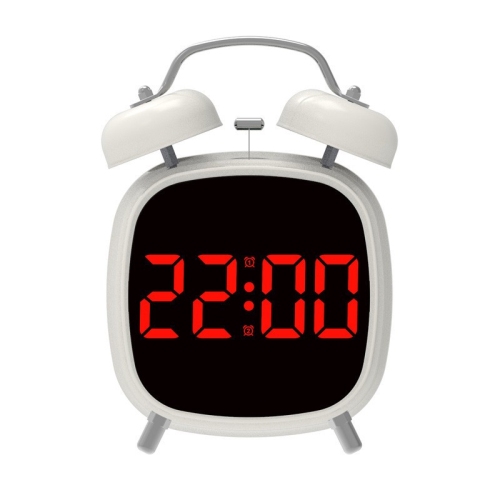
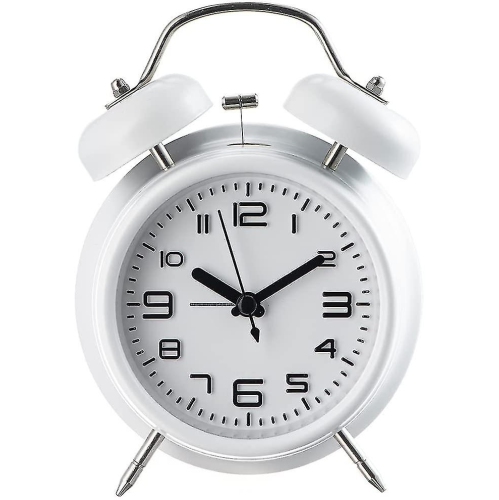
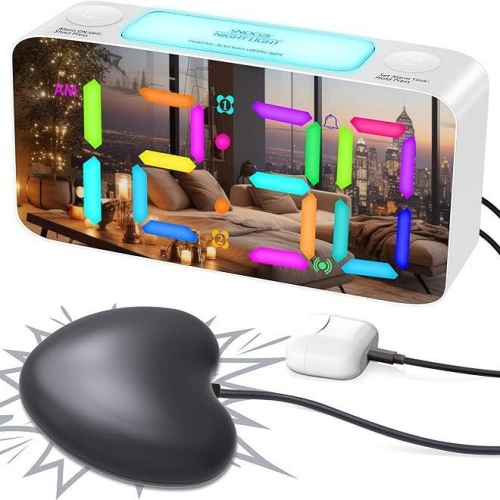
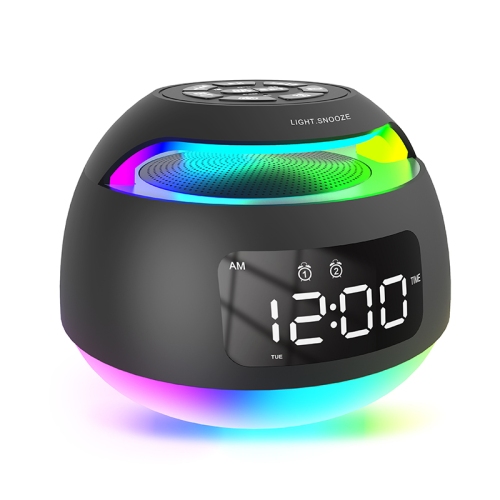
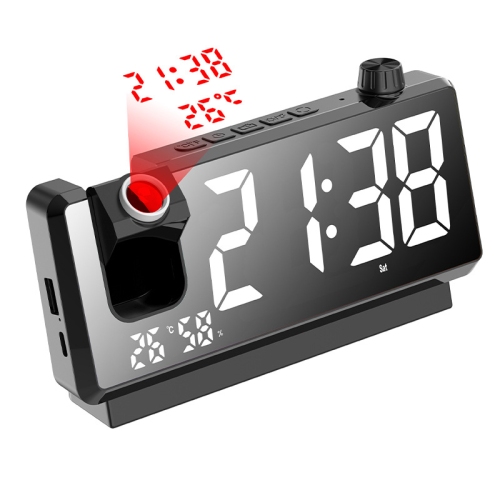
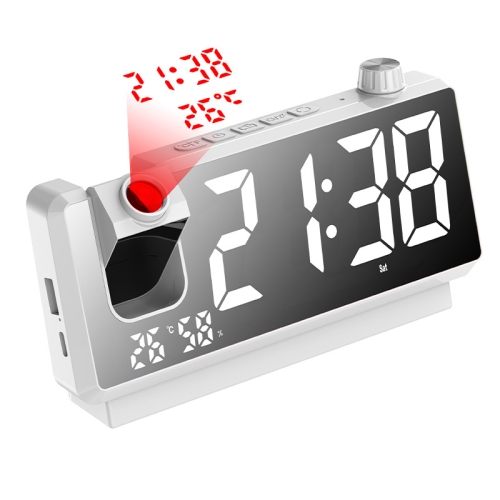
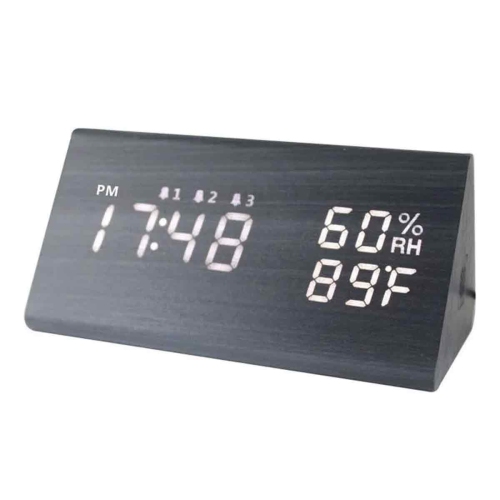
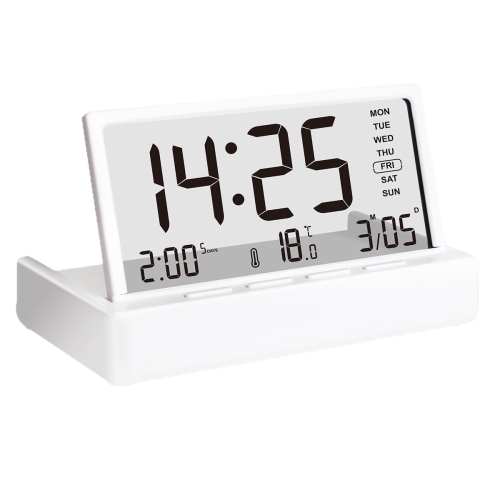
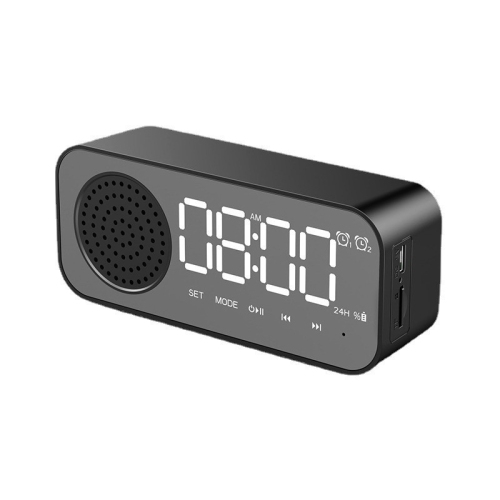
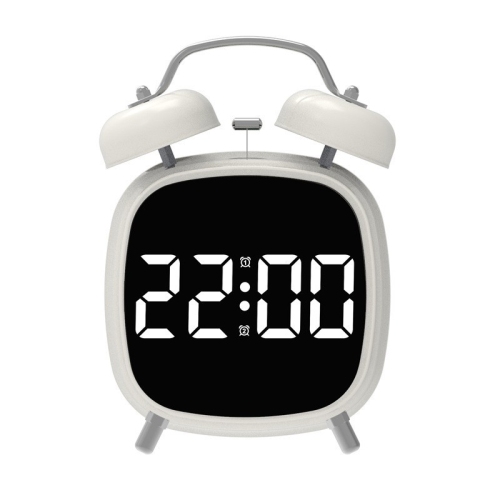
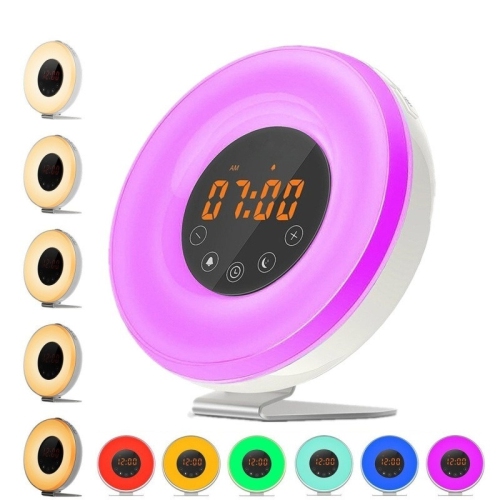
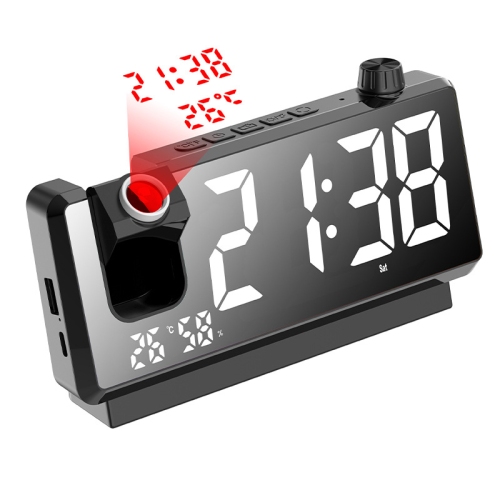
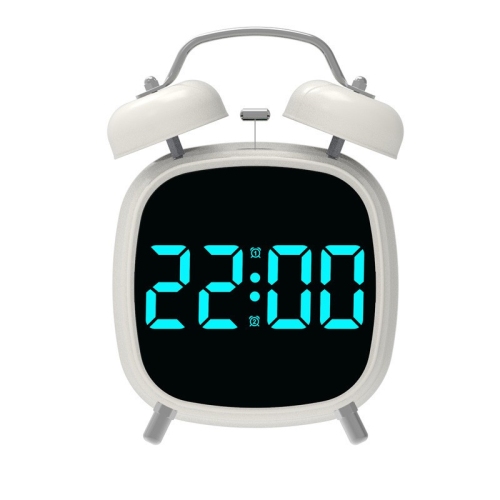
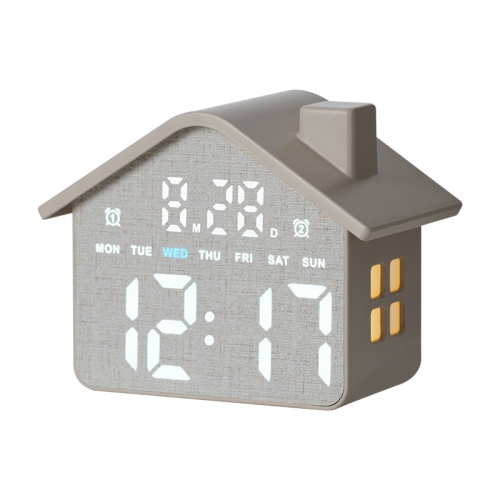
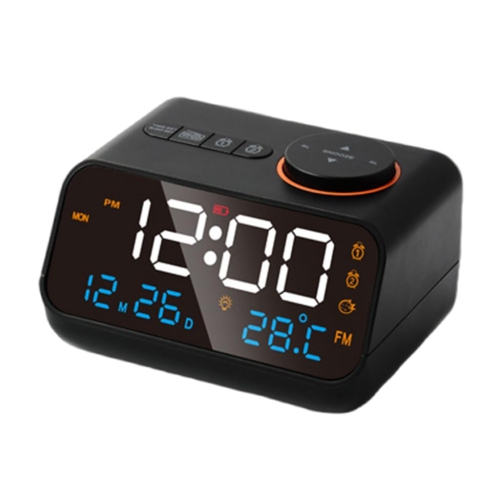
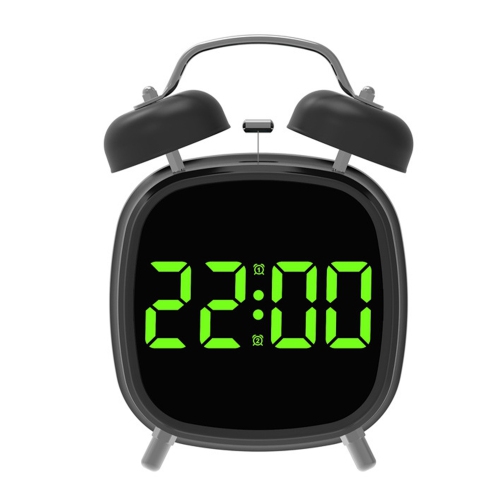
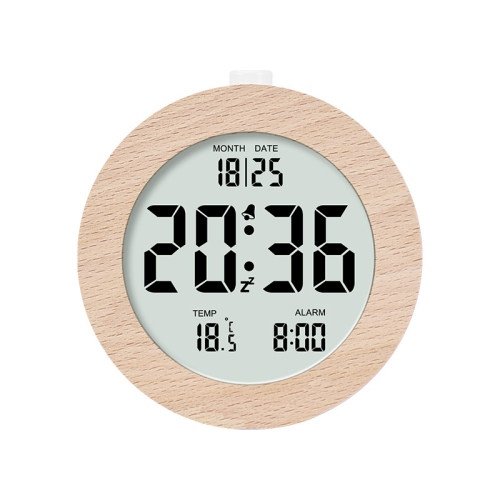
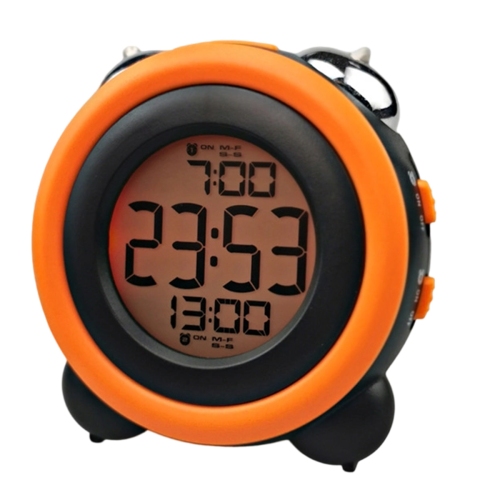
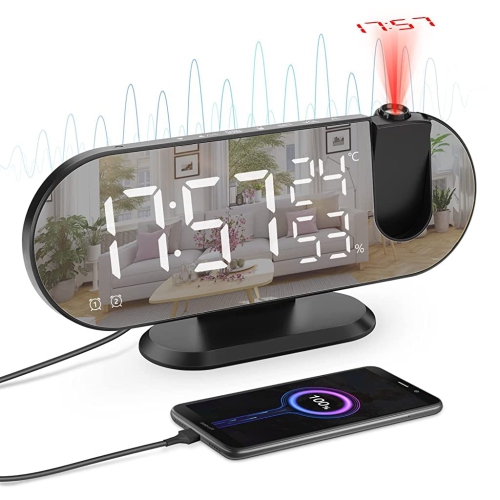
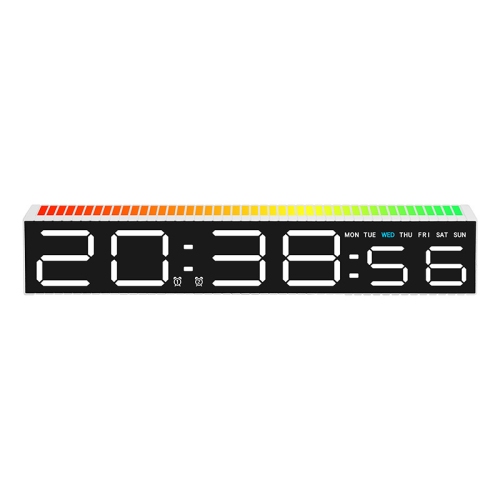
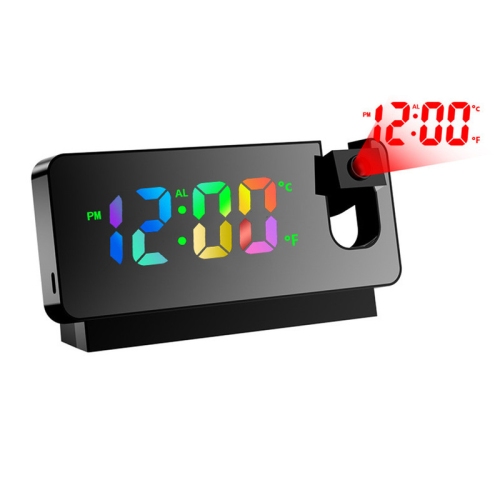
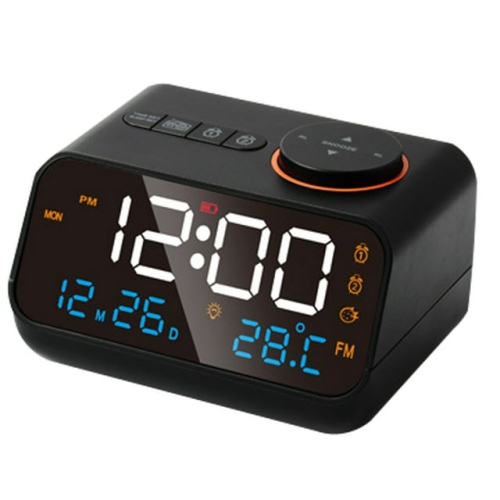
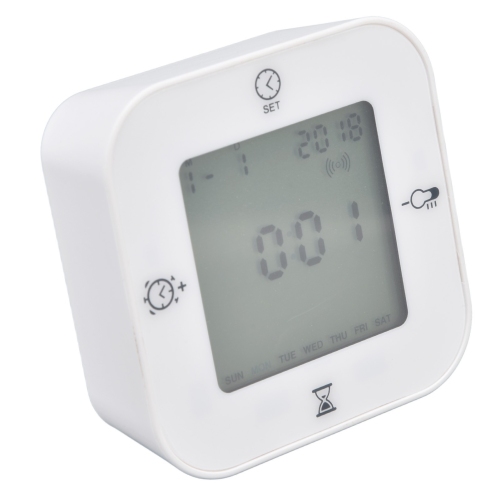
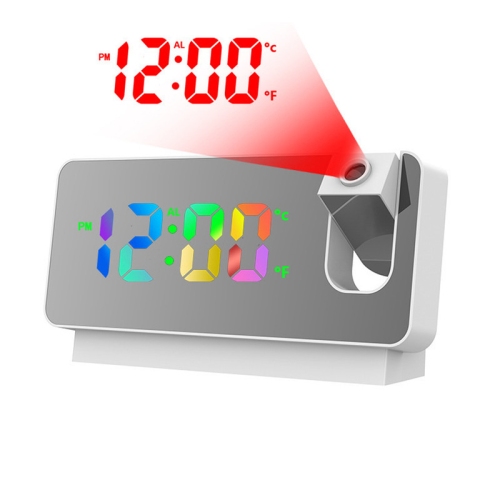
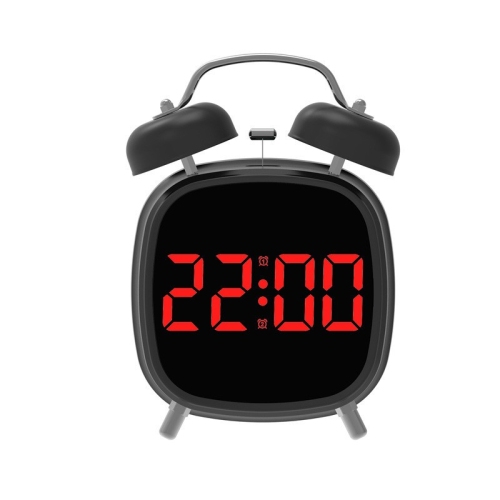
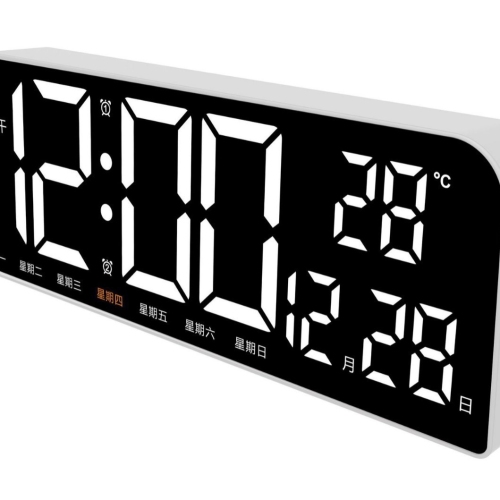
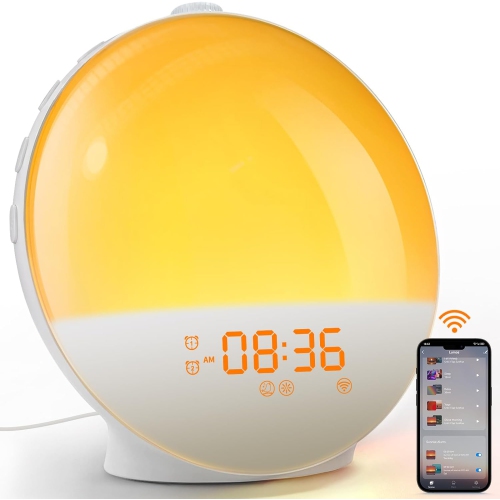
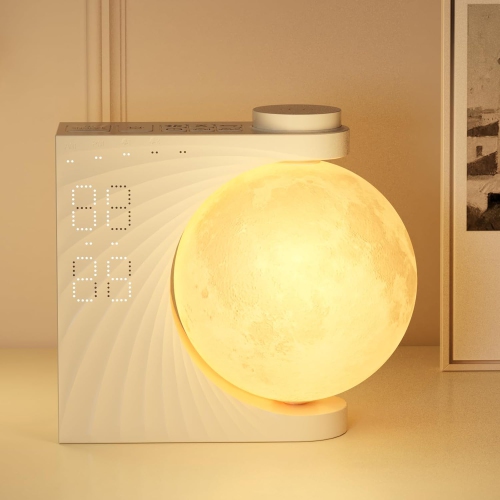
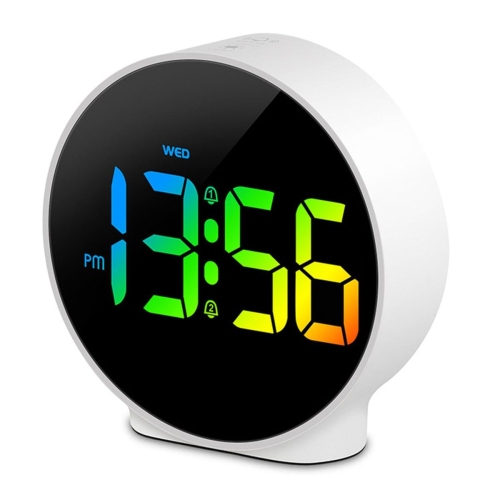
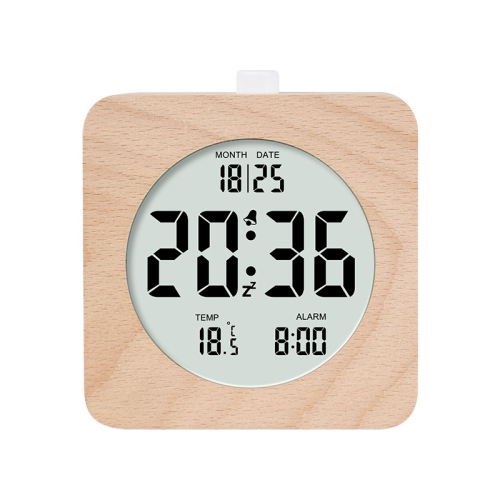
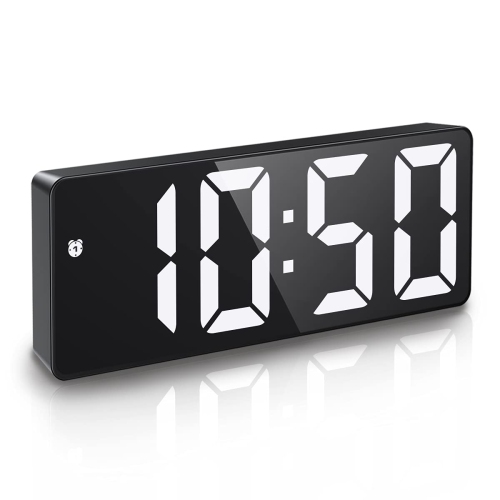
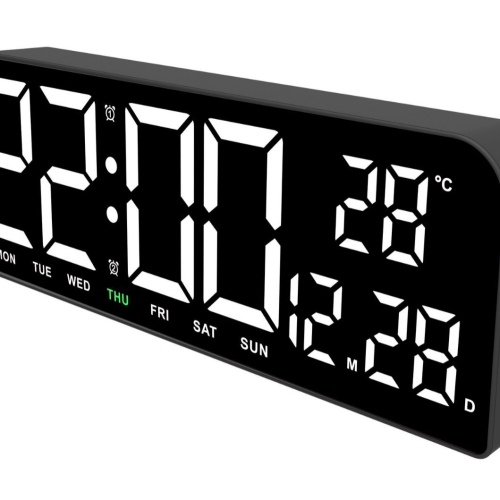
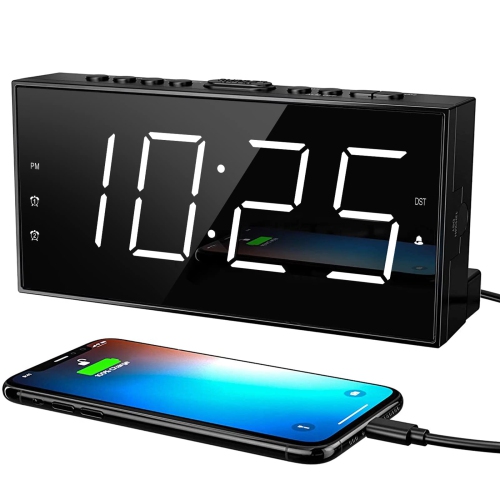
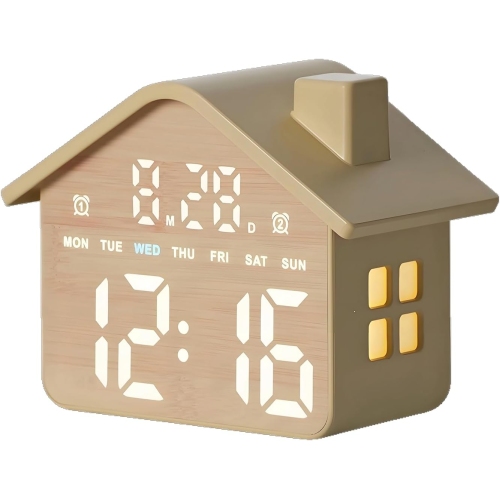
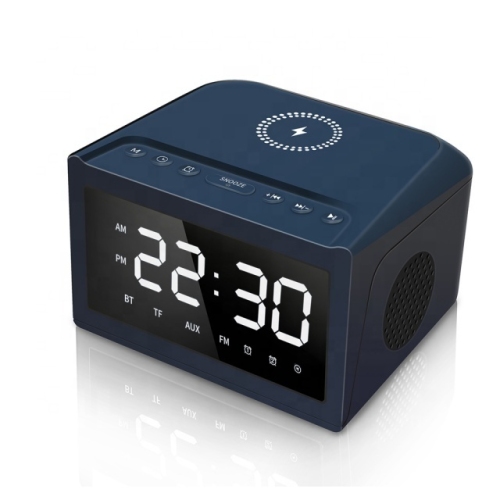
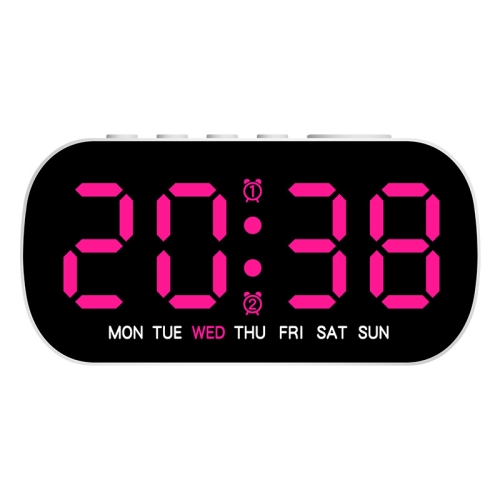
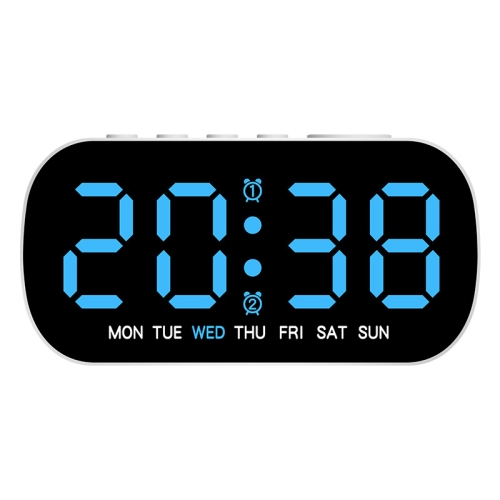
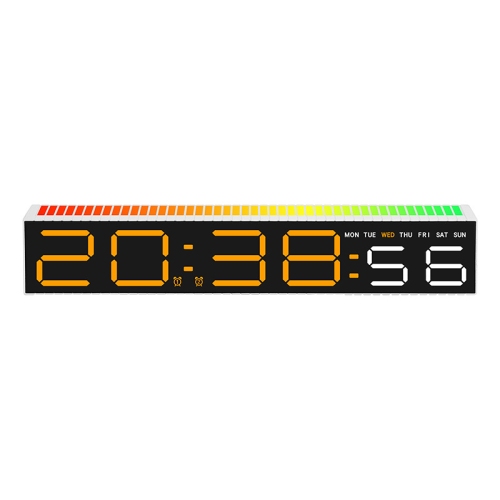
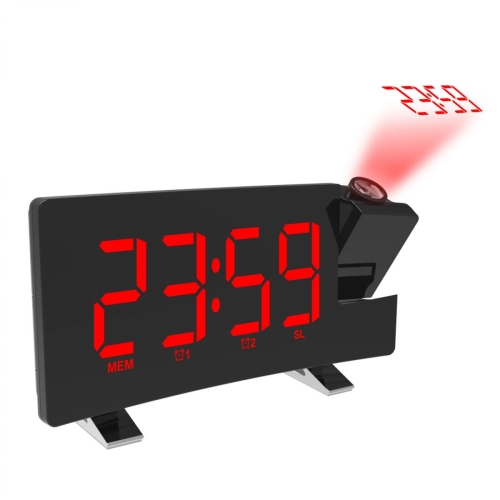
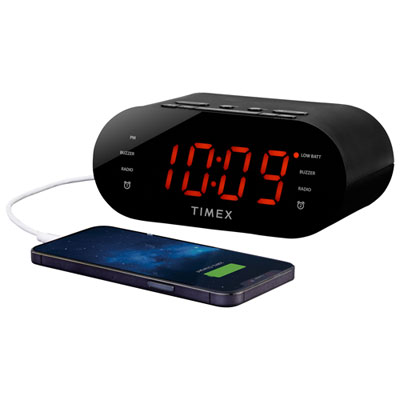
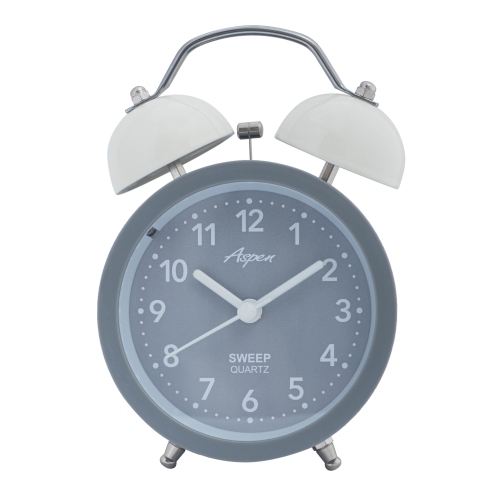
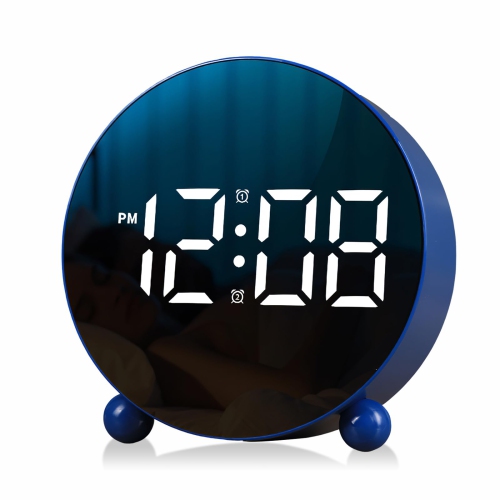
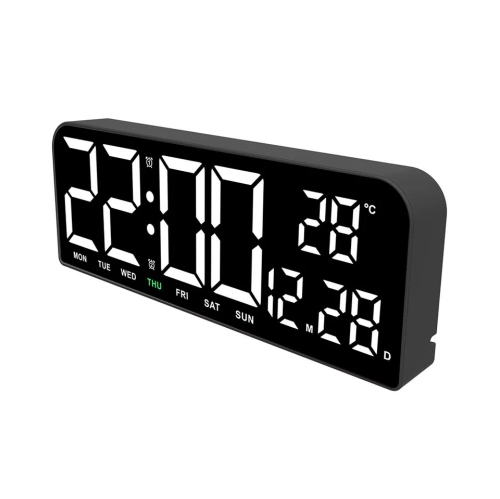
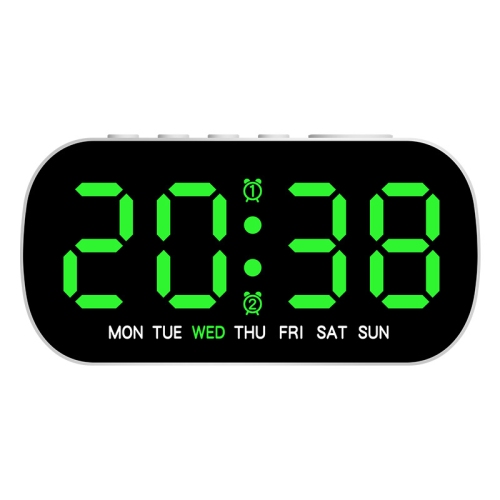
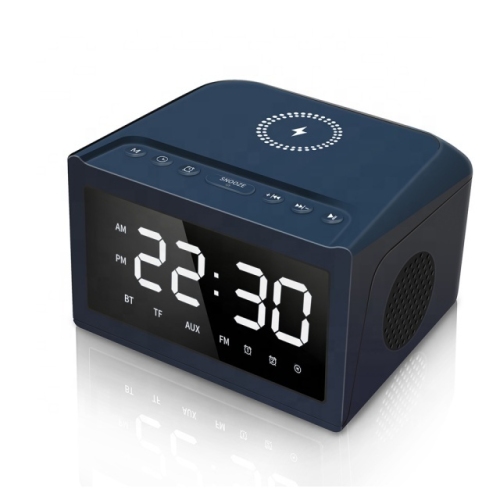
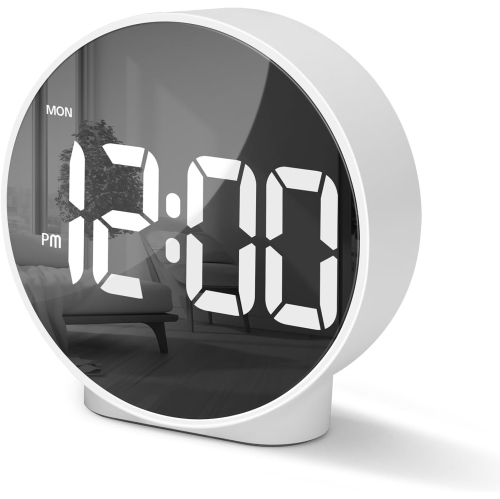
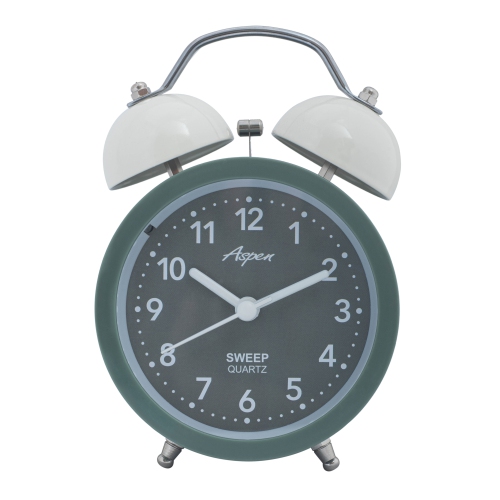
The bedside details that matter before your alarm sounds
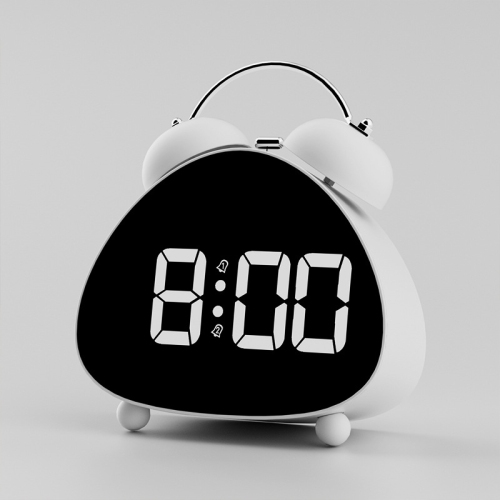
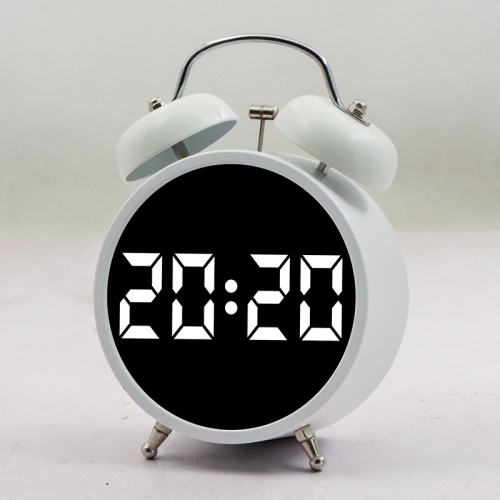
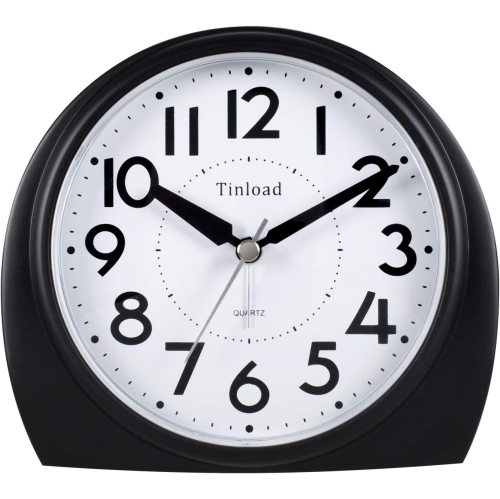
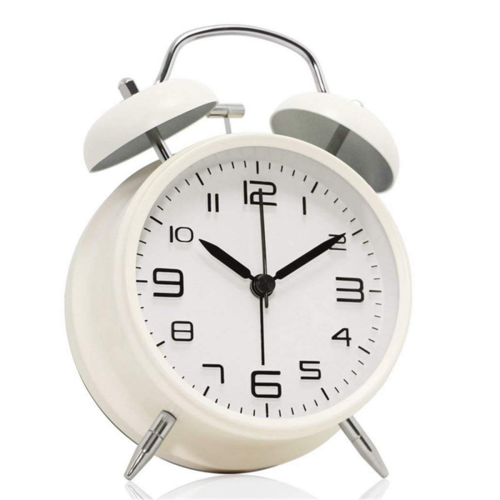
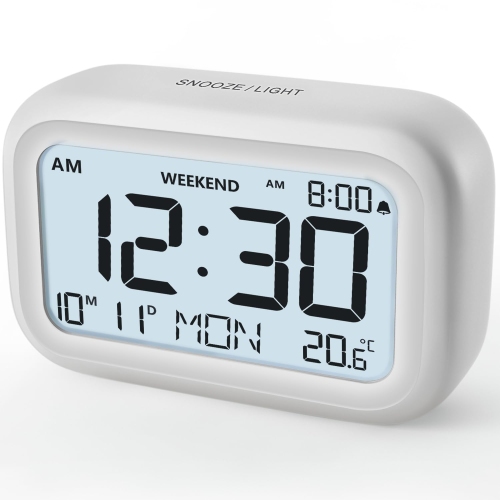
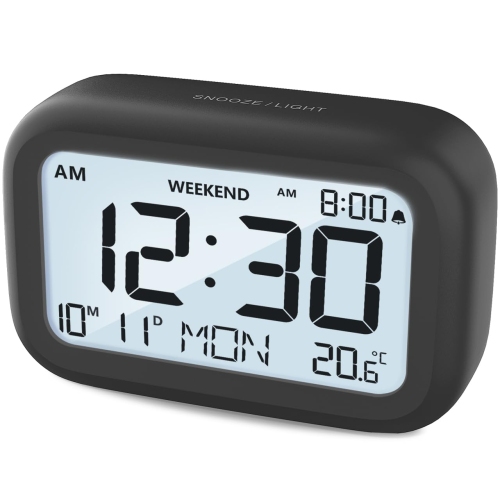
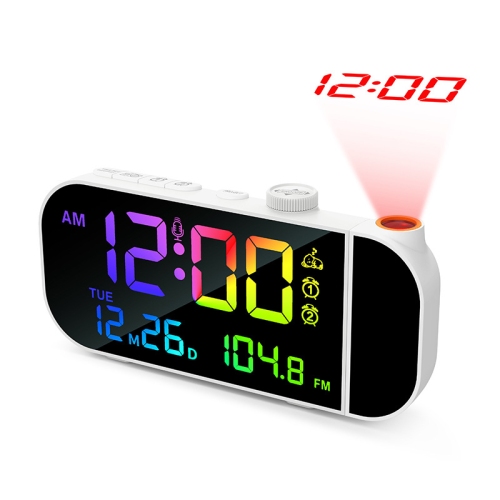
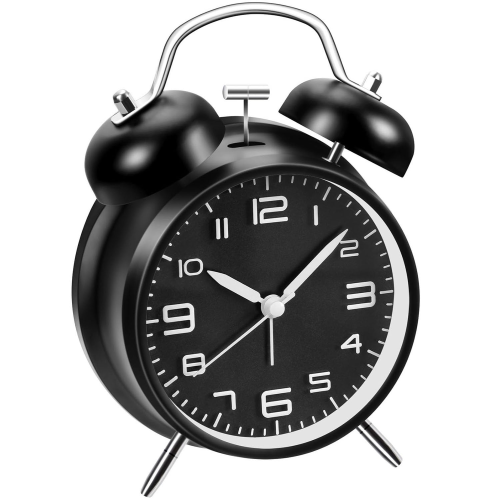
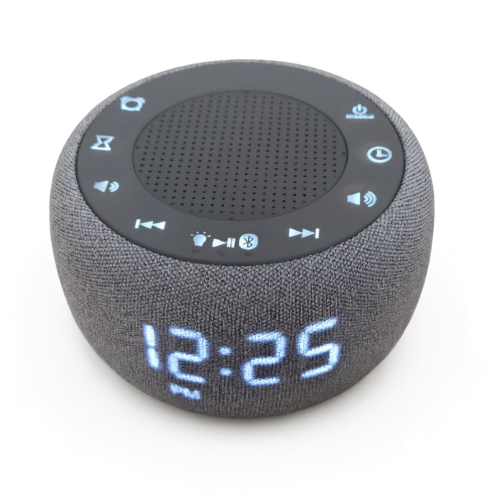
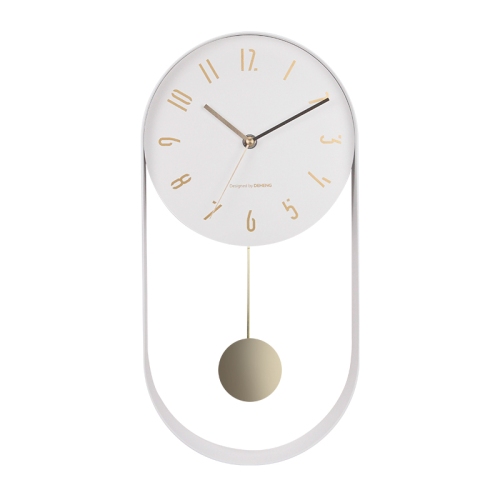
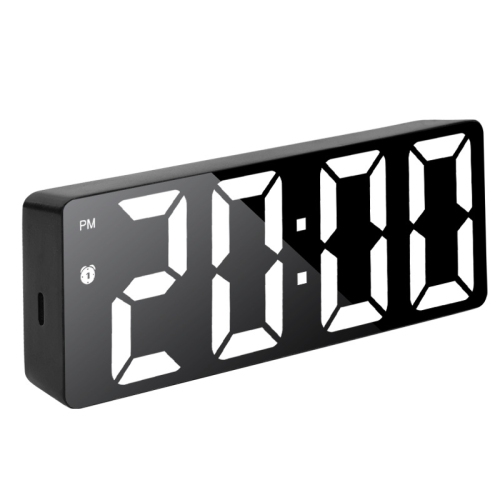
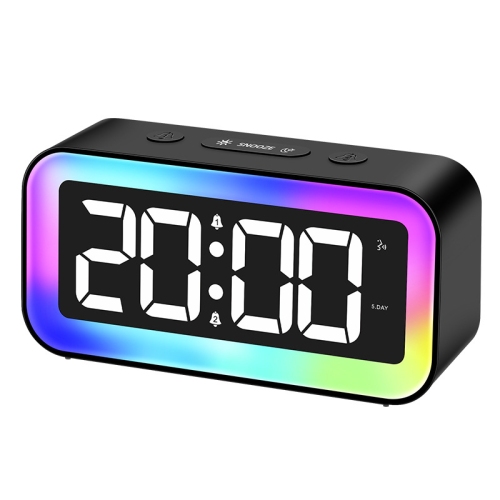
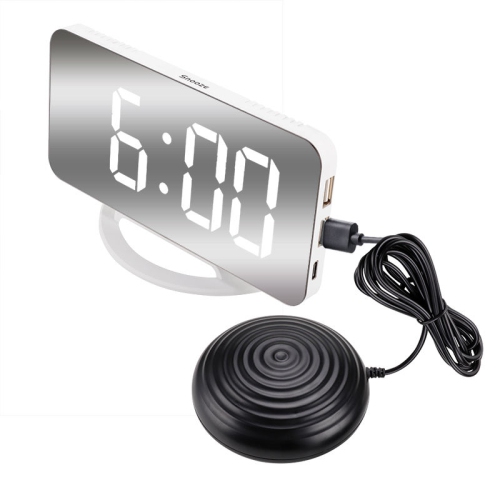
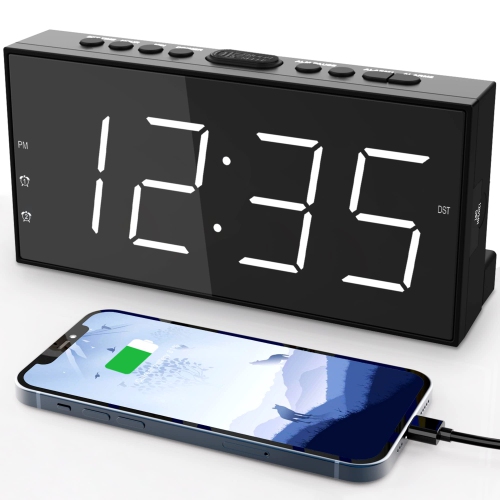
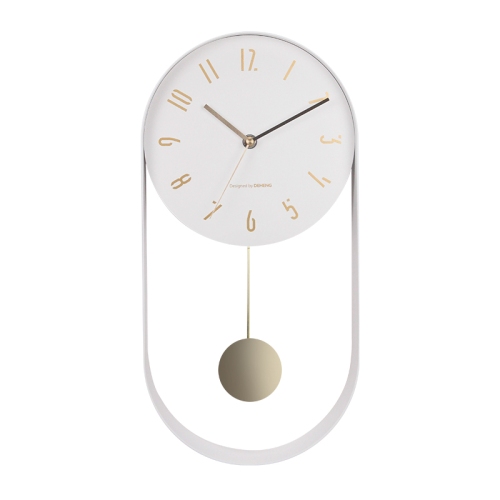
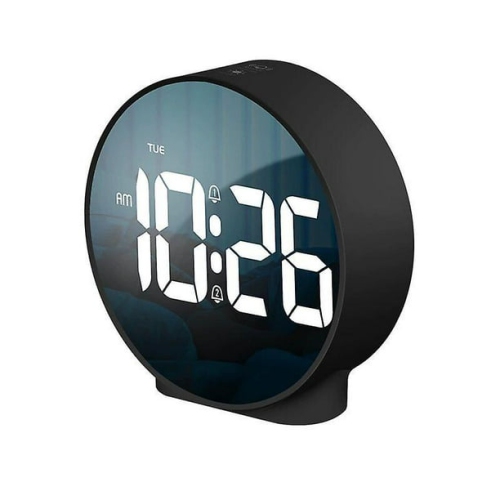
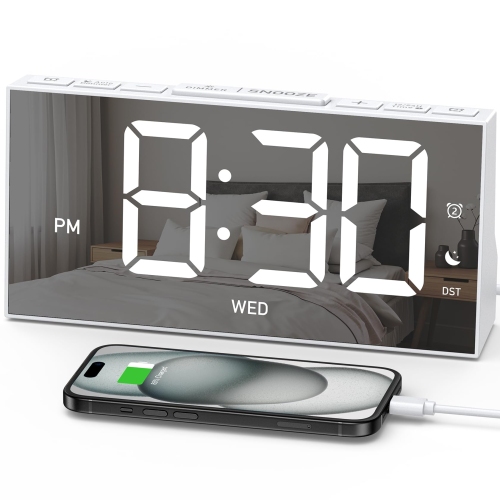
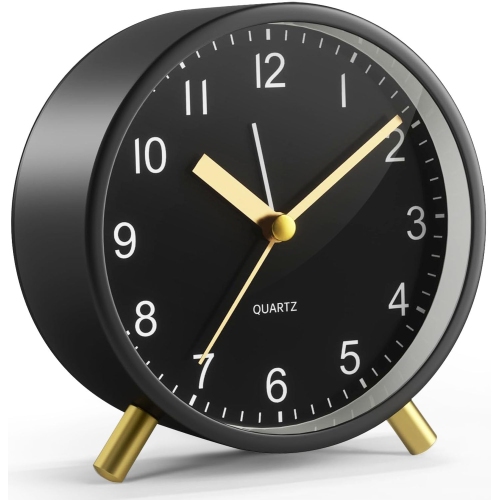
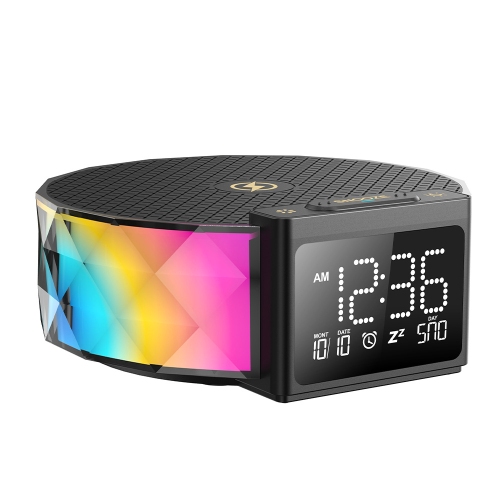
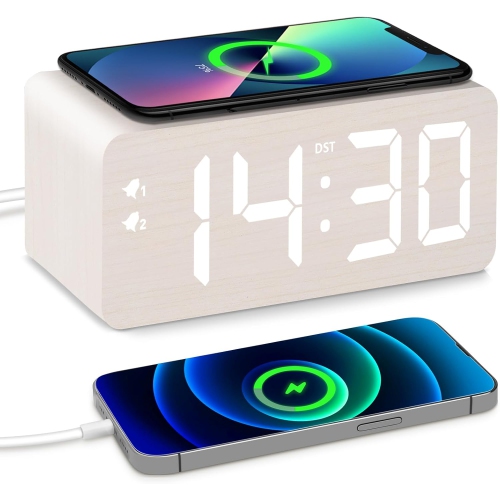
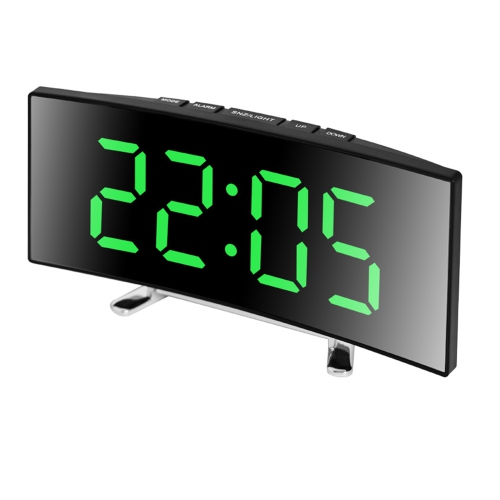
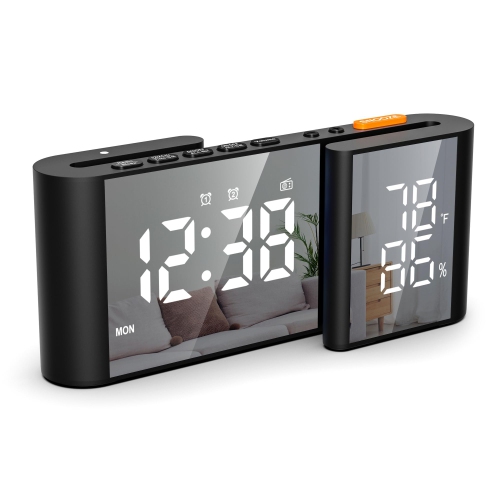
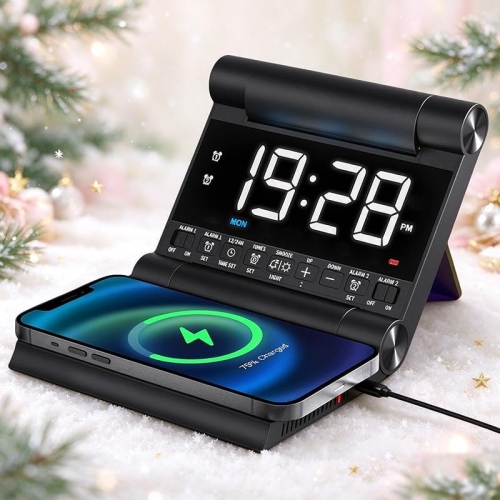
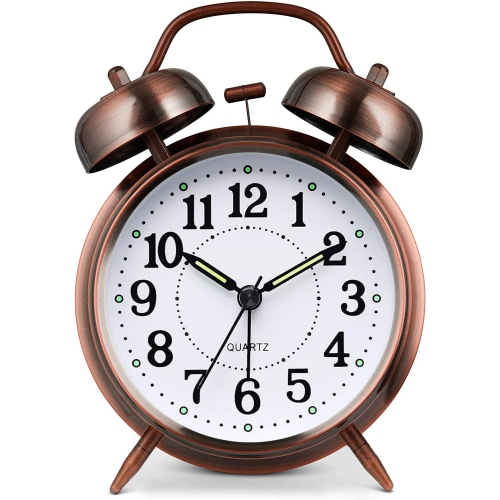
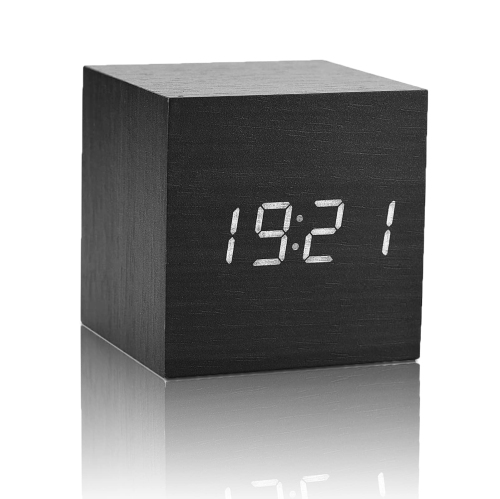
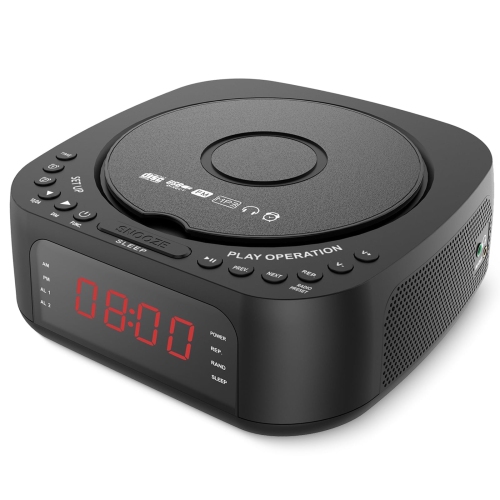
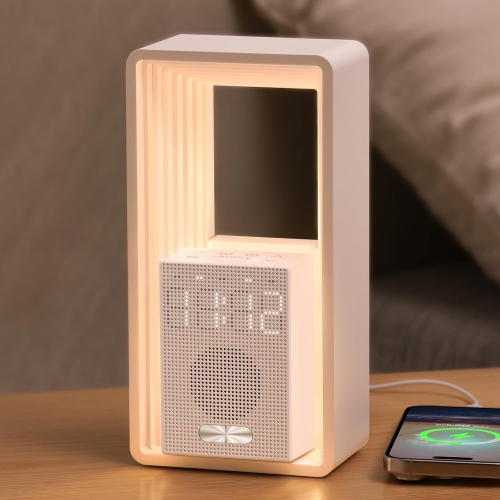
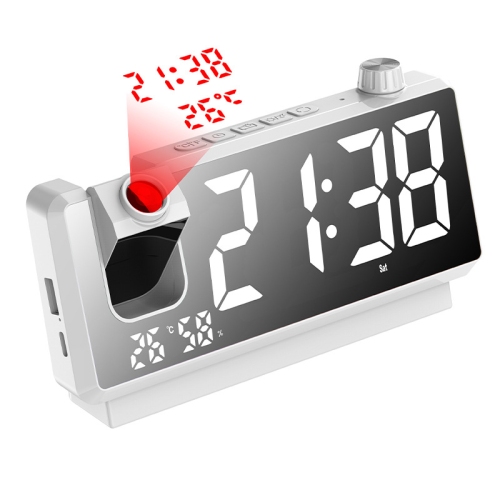
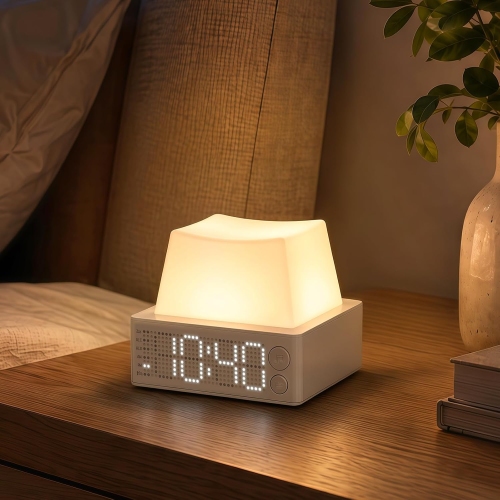
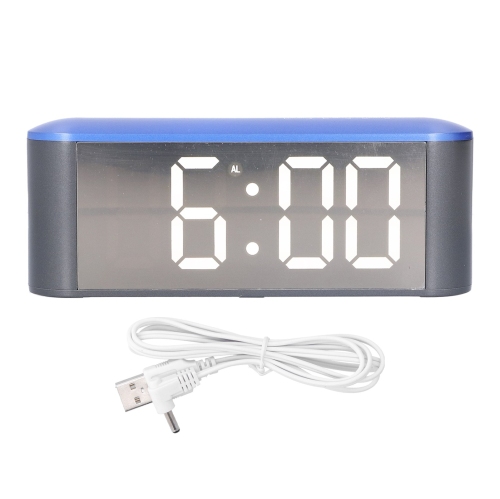
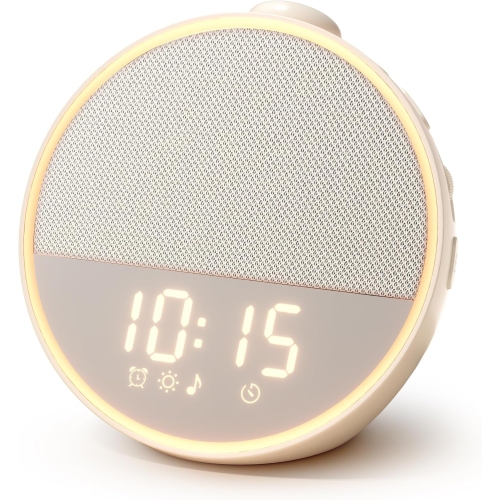
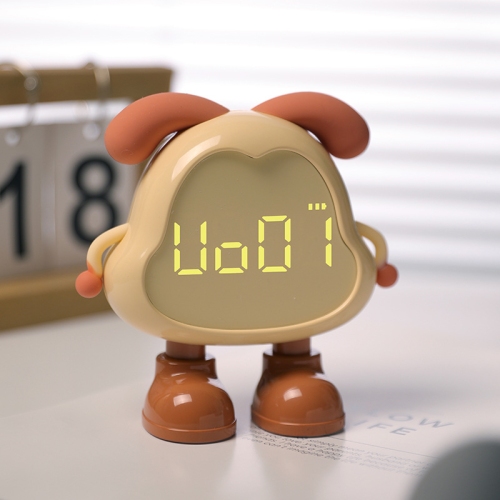
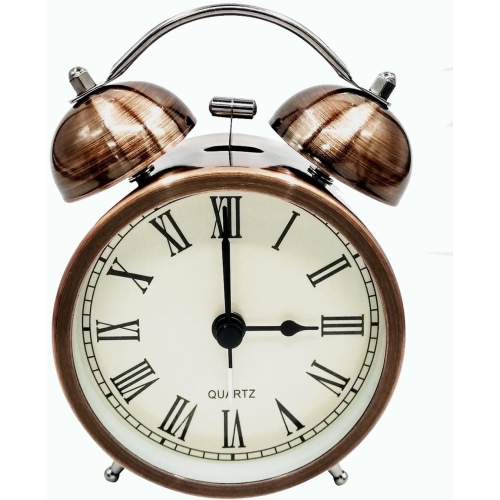
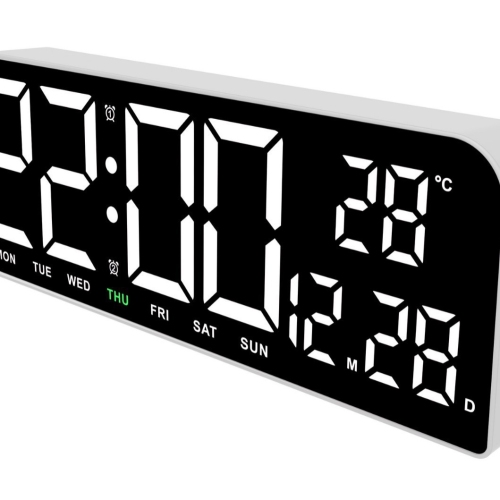
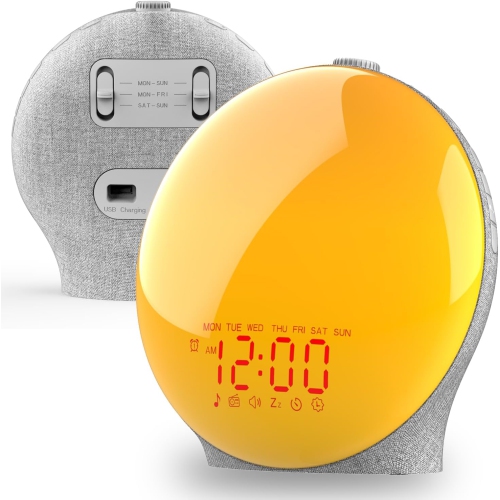
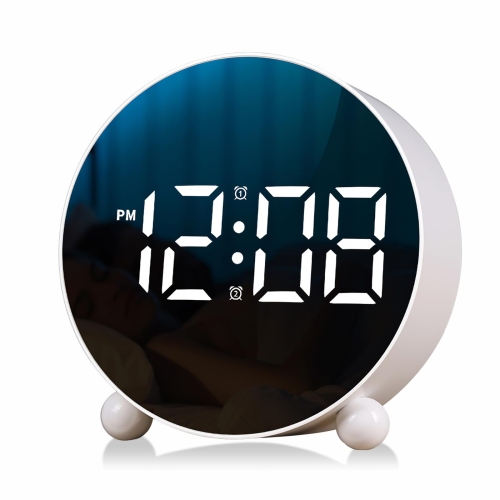
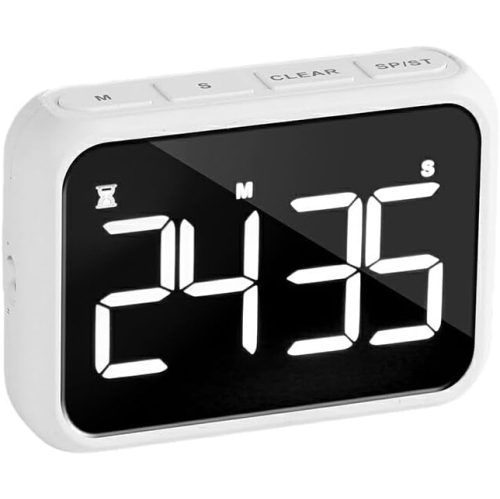
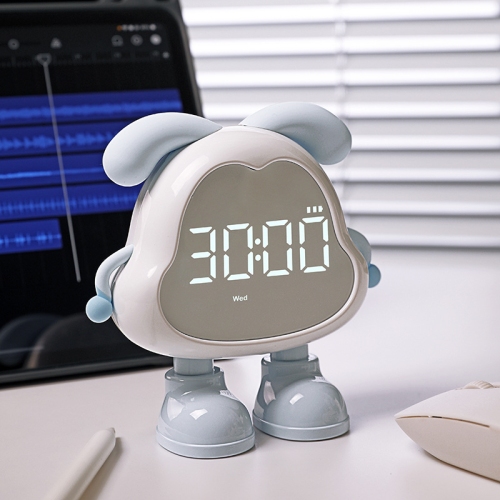
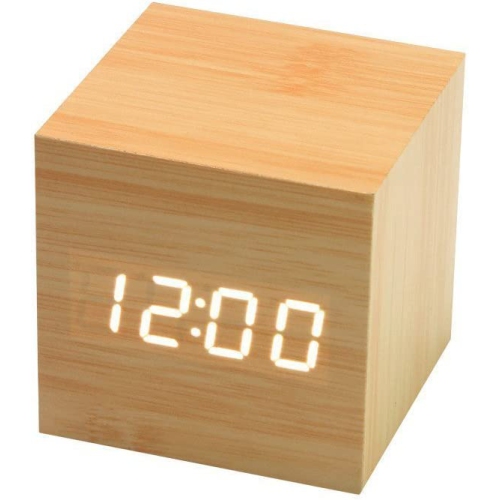
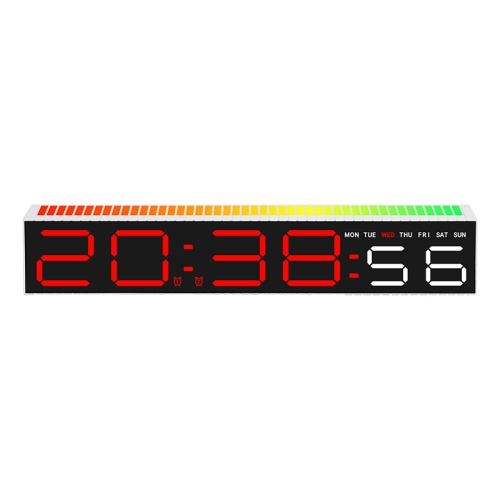
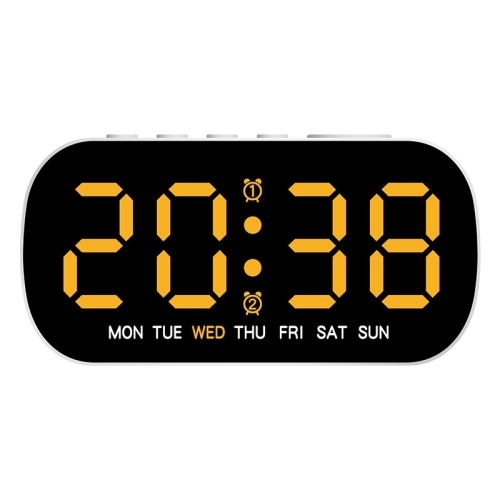
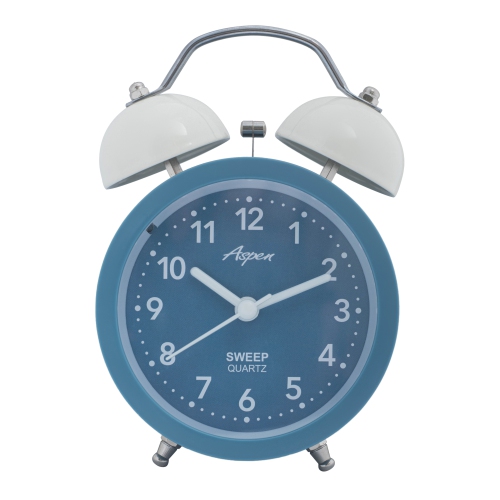
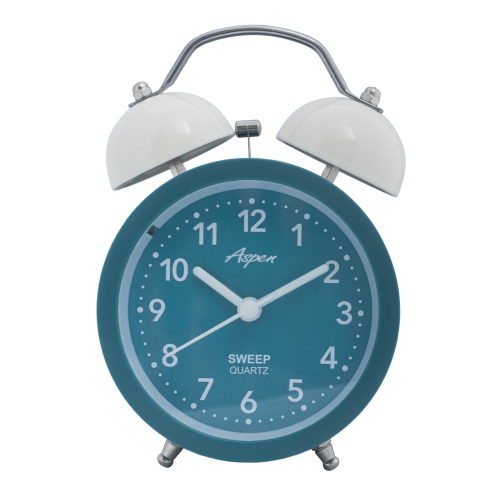
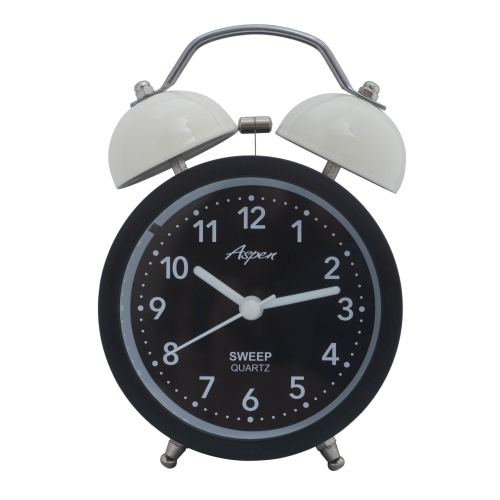
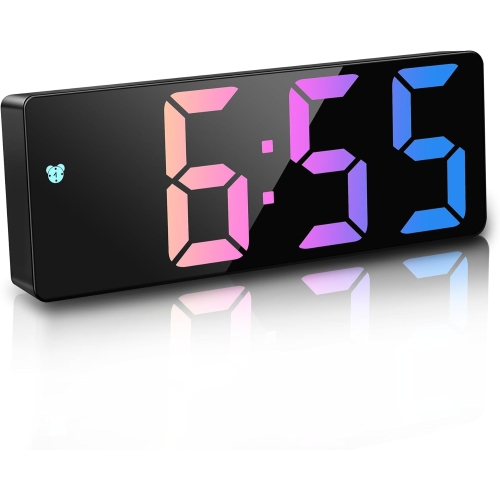
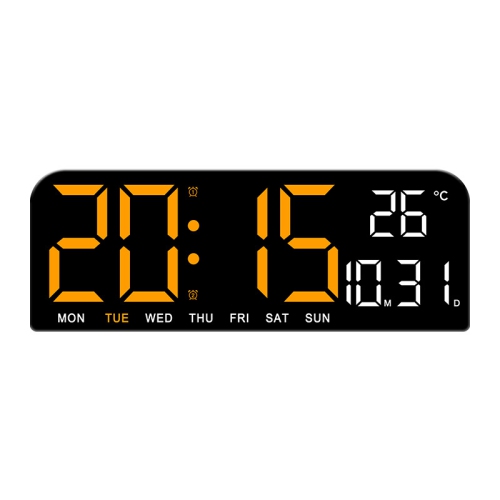
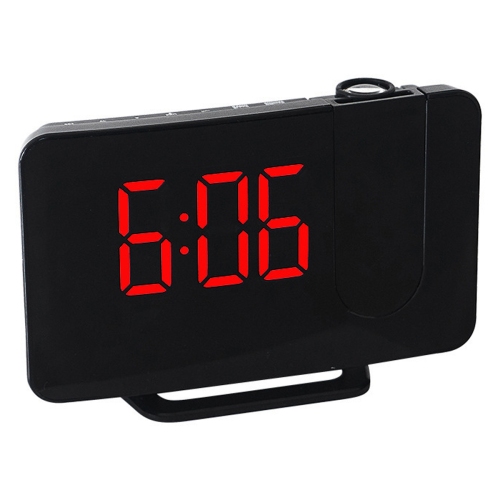
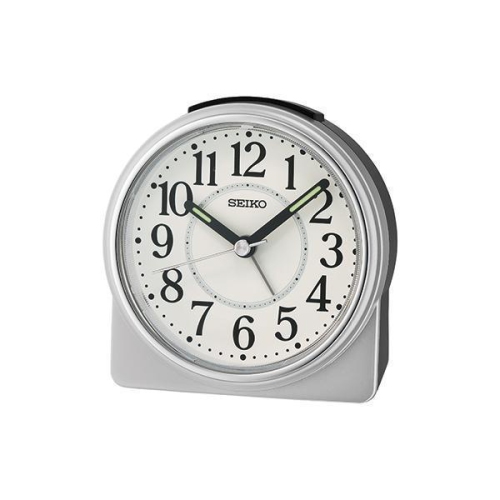
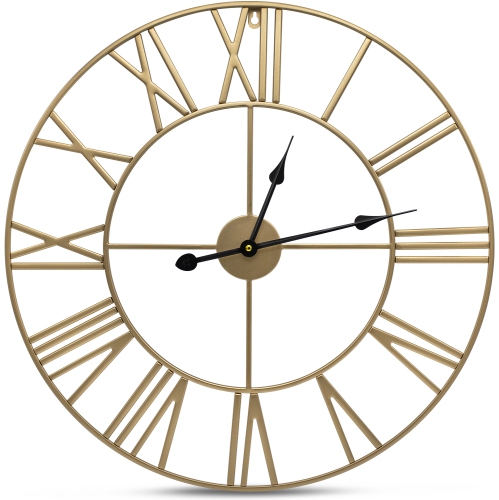
A high-quality alarm clock combines dependable timekeeping, a readable display and controls that are easy to use when the room is dark and morning still feels a little distant. Quality is not simply a matter of having more features: a straightforward bedside clock with a stable base, clearly labelled buttons and adjustable brightness can be a better fit than a larger design with functions that rarely get used. Digital alarm clocks make the time easy to read at a glance, especially when the numbers have strong contrast and remain visible from the pillow rather than only from directly in front. Display size and brightness are separate considerations. Large digits can help with readability, while a dimmer or display-off setting keeps the bedside from feeling brightly lit overnight. Automatic dimming can be convenient, but manual adjustment gives more control over personal preferences. Analogue alarm clocks offer a familiar clock face and physical hands, with some designs using a quiet sweep movement instead of an audible tick. For someone sensitive to small sounds, the movement matters as much as the appearance. Materials and construction also shape everyday use. A sturdy plastic housing can be lightweight and easy to wipe clean, while metal or wood finishes may suit a more substantial bedside arrangement. A finish alone does not establish durability; secure buttons, a well-fitted battery compartment and a base that stays put when the snooze control is pressed are practical signs of thoughtful construction. Fit includes the space around the clock, too. A narrow bedside table may need room for glasses, a book and a glass of water, making a compact footprint more useful than a broad display panel. The position of the controls, the direction of the screen and the route of the power cord all affect how comfortably an alarm clock fits into that small, frequently used space.
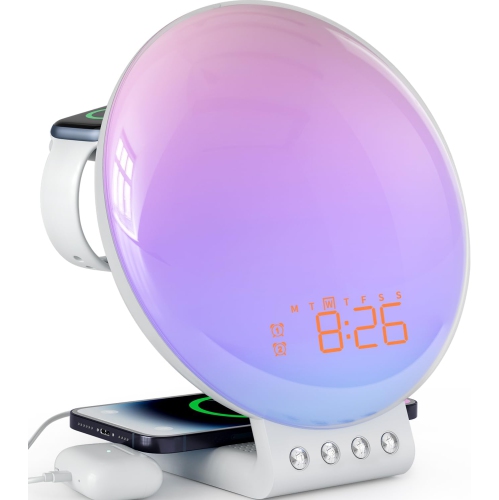
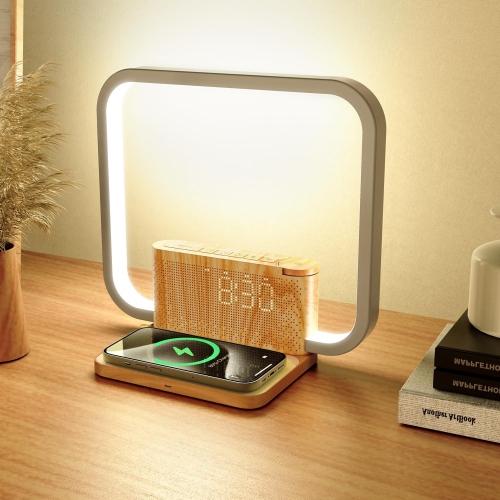
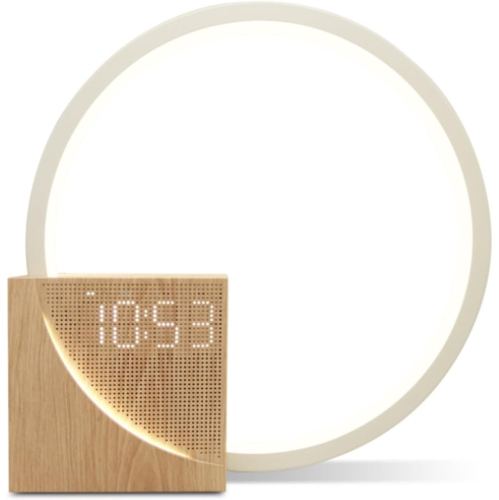
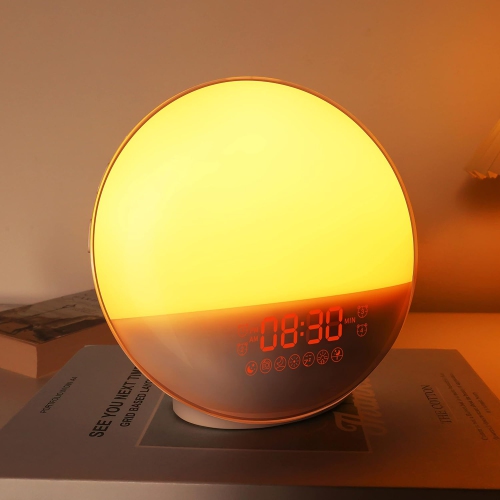
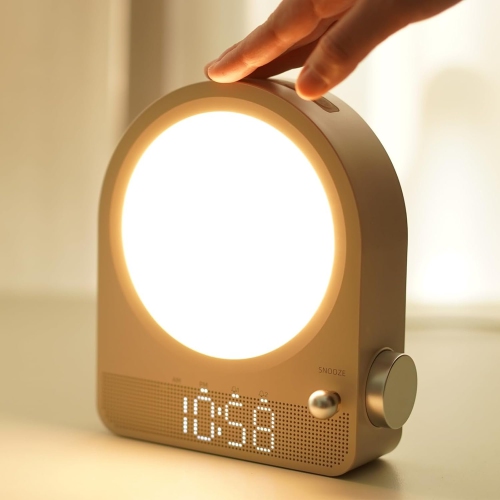
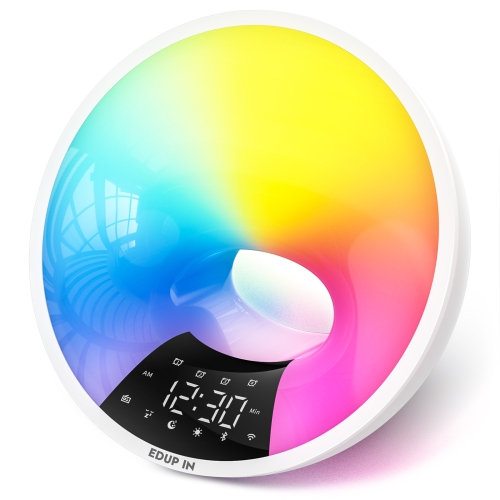
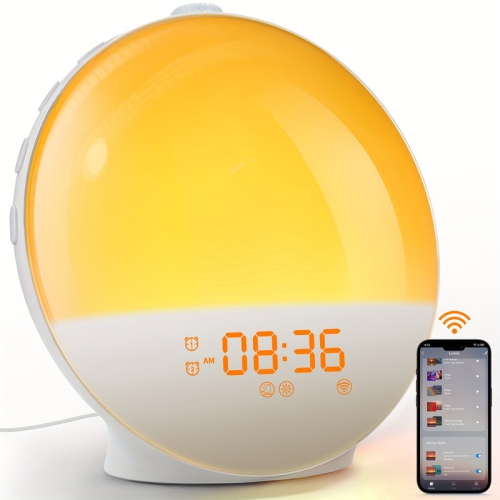
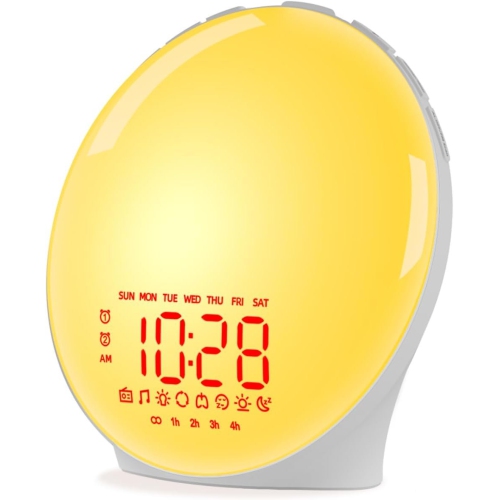
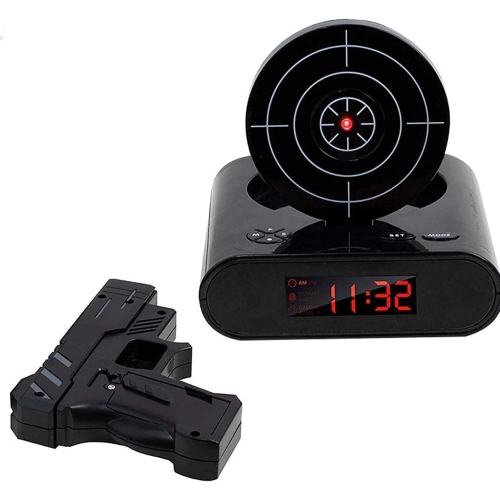
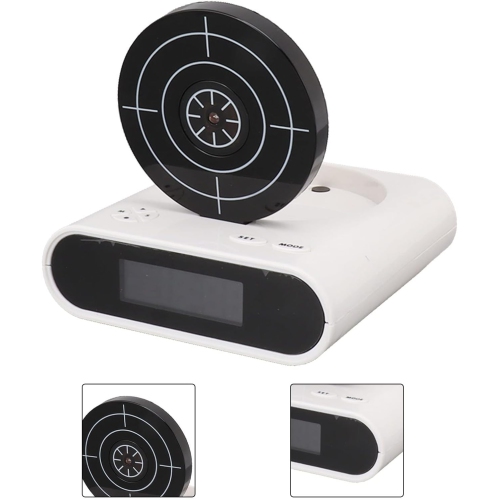
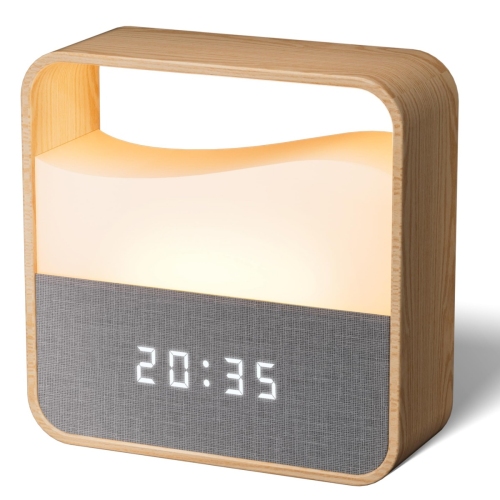
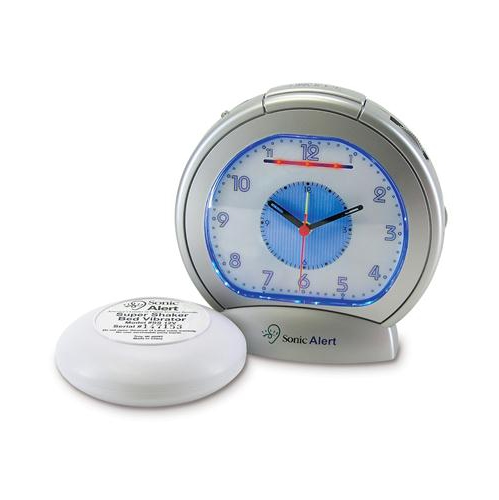
Different waking styles call for different alarm features. A gentle sleeper may prefer a soft tone that gradually increases in volume, while someone who sleeps through quieter sounds may need a more pronounced alert with adjustable loudness. Maximum volume is only part of the picture: the tone, its pattern and the placement of the clock can influence how noticeable it feels. An ascending alarm starts more quietly before becoming louder, offering a less abrupt beginning without relying on a single fixed sound level. Sunrise alarm clocks take another approach by gradually increasing light before the scheduled wake-up time. They can appeal to people who prefer a visual cue alongside sound, although the brightness range, light placement and timing settings determine how the experience works in a particular bedroom. They do not guarantee an easier wake-up for everyone. Some designs also offer nature sounds, white noise or a light that gradually dims at bedtime, giving the clock a role beyond the morning alarm. For people who are deaf or hard of hearing, purpose-designed clocks may combine flashing light with a vibrating bed shaker; those alert methods deserve attention rather than assuming that a louder speaker will be sufficient. Dual alarms are useful for two people with different schedules or for separate weekday and weekend routines, provided the clock supports the scheduling options needed. Independent controls help prevent one alarm from being changed accidentally while adjusting the other. A clear alarm-status indicator makes it easier to confirm that the next wake-up is set, and a distinct snooze button is easier to find by touch than several identical controls. Snooze duration, alarm duration and the method used to silence the alert also affect daily comfort. Someone who reaches across the bedside table half-awake may appreciate a broad top button, while someone trying to avoid repeated snoozing may prefer a layout that requires a more deliberate action.
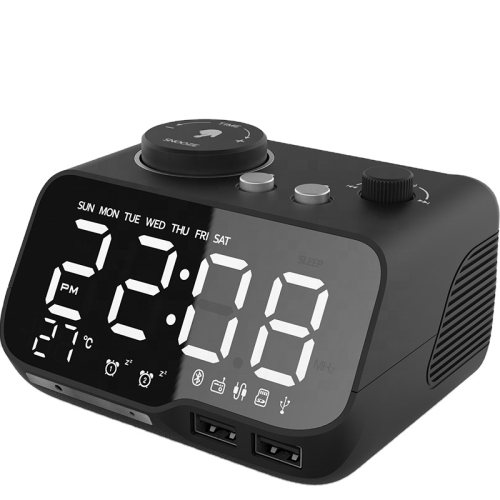
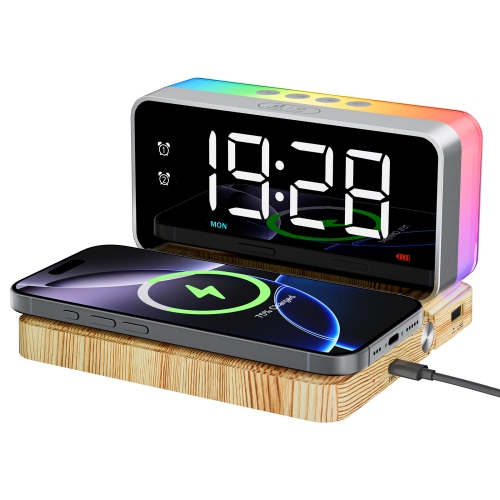
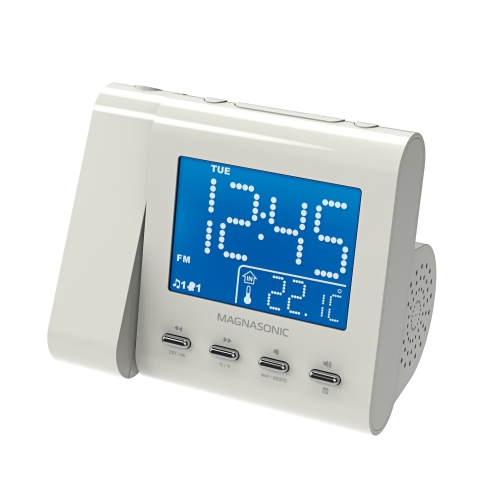
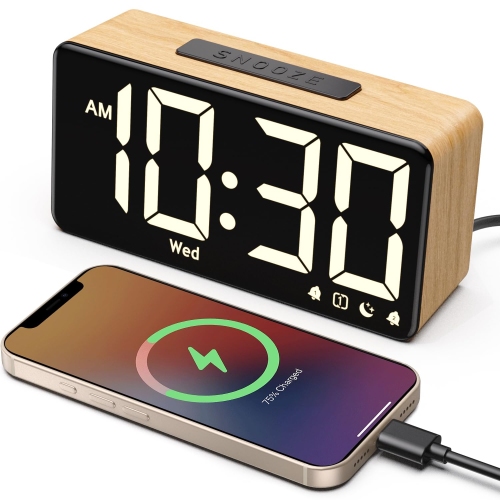
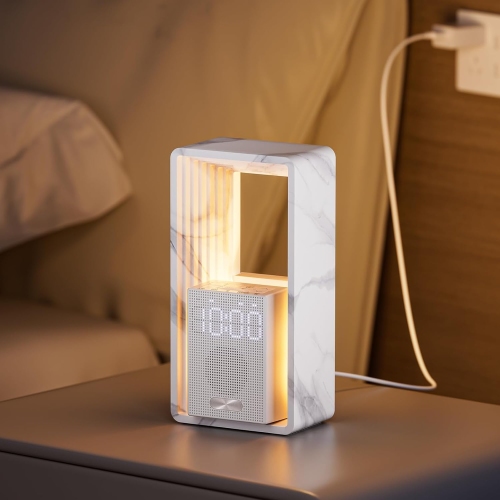
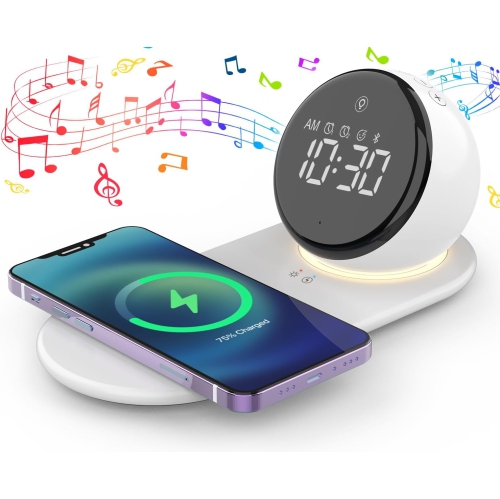
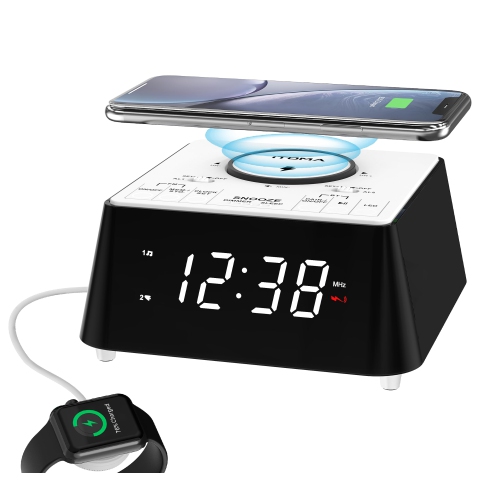
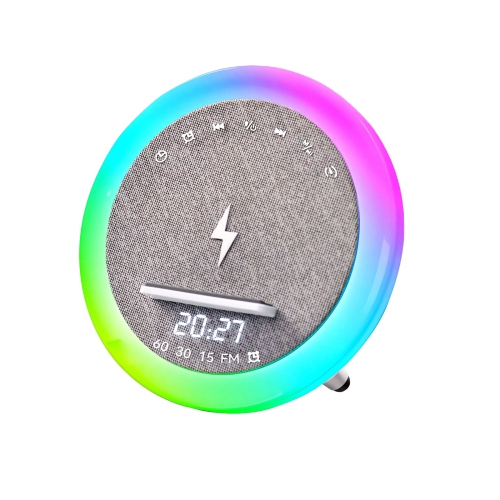
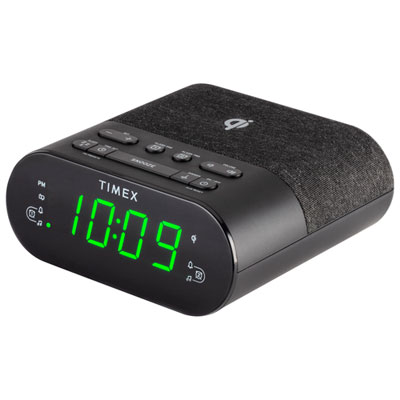
Power and connectivity determine how an alarm clock fits into a longer-term routine. A plug-in clock can support an illuminated display and additional features without frequent battery changes, but battery backup needs a closer look. Some backup systems preserve the time and alarm settings during a power interruption without keeping the display or alarm operating; others support more functions. That distinction matters for anyone relying on the clock for an early shift, an appointment or a school morning. Battery-powered designs can be convenient where a wall outlet is awkwardly placed, and compact travel clocks suit people who want familiar physical controls away from home. Wireless charging pads and USB charging ports can reduce bedside clutter, although compatibility, charging output and the space needed for a phone vary by design. A phone must sit correctly on a wireless charging surface, and a thick case or attached accessory may interfere with the connection. Audio features add another layer of usefulness for listeners who enjoy waking to a broadcast rather than a tone. For a bedside setup centred on radio listening, High End Alarm Clock Radios combine timekeeping with audio features, with speaker clarity, station controls and alarm-source options worth considering alongside display comfort. Bluetooth streaming, where included, serves a different purpose from receiving radio broadcasts and may depend on a paired device. Long-term care is generally straightforward: a soft, dry cloth helps keep the display readable, while liquids should stay away from openings, buttons and charging connections. Following the care directions for the housing finish helps avoid scratches or surface damage, and cords should have enough slack that moving a book does not pull the clock off the table. As a gift, an alarm clock feels most useful when matched to the recipient’s habits: simple controls for someone who dislikes app setup, readable numbers for someone who leaves their glasses aside at night, or separate alarms for a shared bedroom. The best fit makes the time, the next alarm and the essential controls easy to understand without adding unnecessary complexity.
Top selling and popular products
-
 Your price for this item is $89.99
-
 Your price for this item is $77.49
-
 Your price for this item is $73.99
-
 Your price for this item is $40.99
-
 Your price for this item is $40.04
-
 Your price for this item is $159.49
-
 Your price for this item is $46.2
-
 Your price for this item is $82.99
Discover more categories related to High Quality Alarm Clock

Top Collections:
Best Black Friday Deals This Year, Best Black Friday Deals On Electronics, Kindle Devices, Best Black Friday Deals On Apple Products, Best Budget Office Chairs, Best Cameras for Sports Photography, Dyson Airwrap, Canon G7X Cameras, Best Laptops for Writers, Samsung Galaxy Phones
Some products may be subject to Environmental Handling Fees
(EHF) depending on your province.
Learn more about EHFs.