3D Wall Arts
Transform your walls into stunning masterpieces with our collection of 3D wall art. Elevate the ambiance of almost any room and add a touch of sophistication with these captivating pieces. From abstract designs to nature-inspired motifs, 3D wall art offers a wide range of options to suit your personal style and enhance your home decor.
Sort


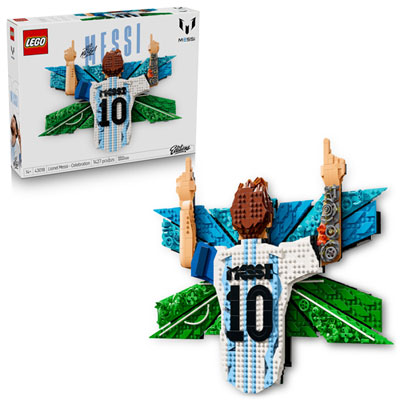
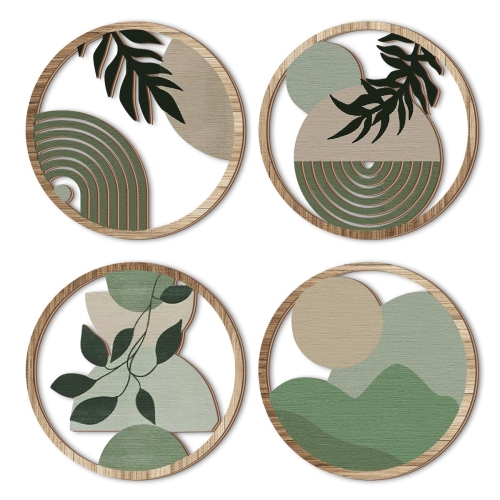
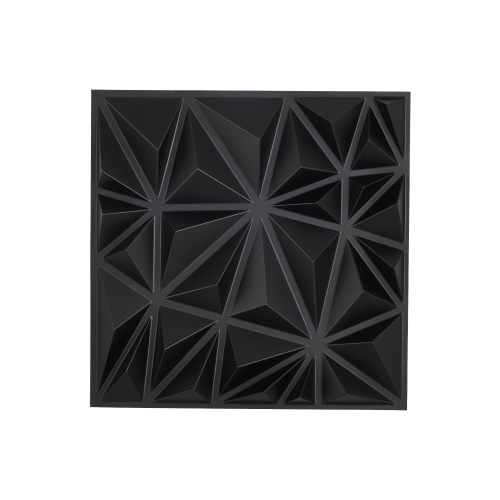
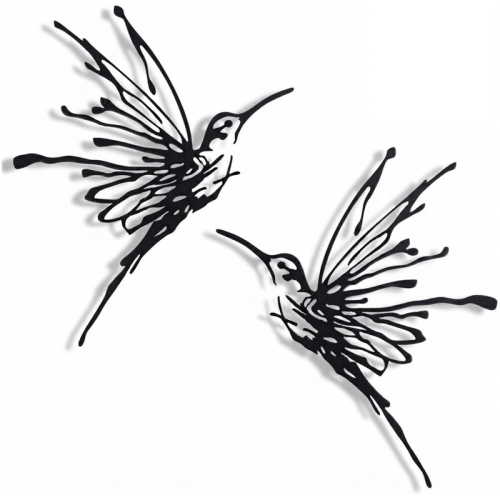
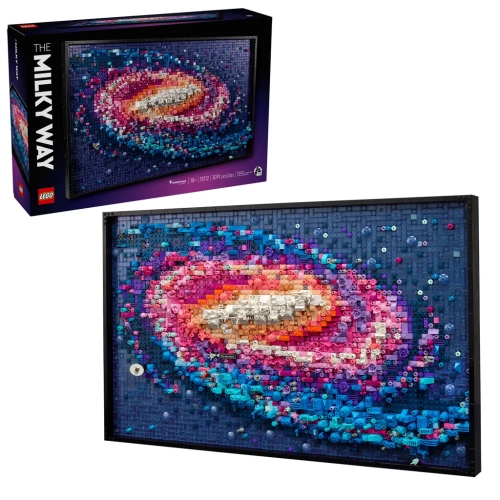
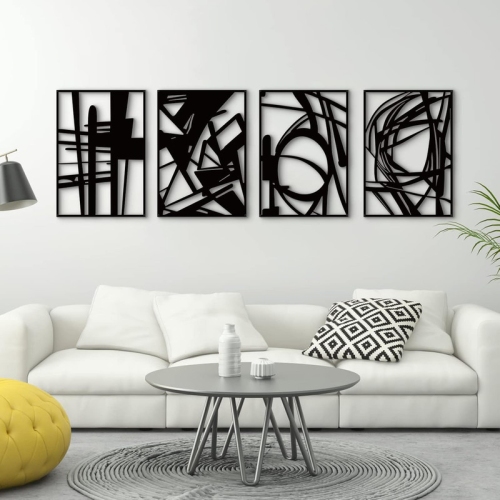
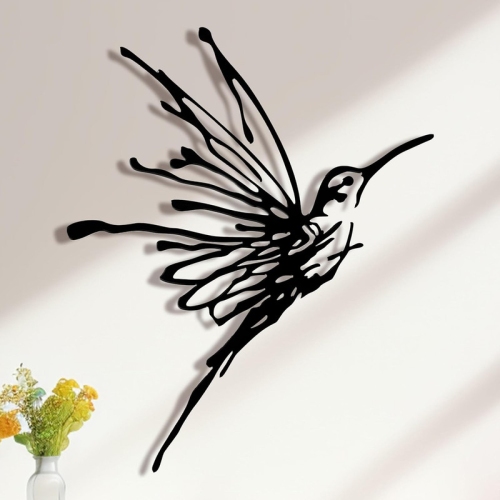

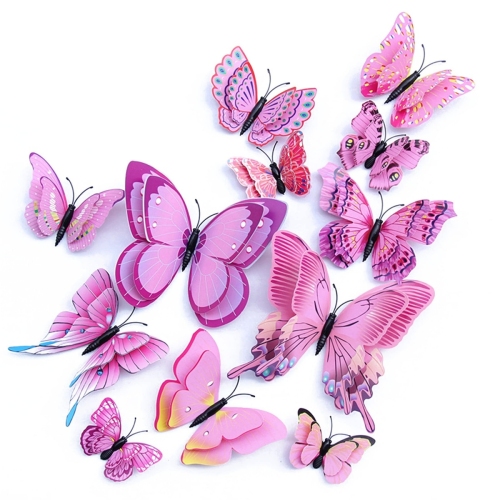


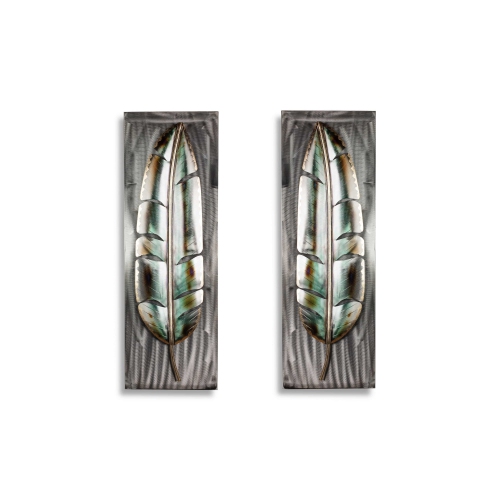
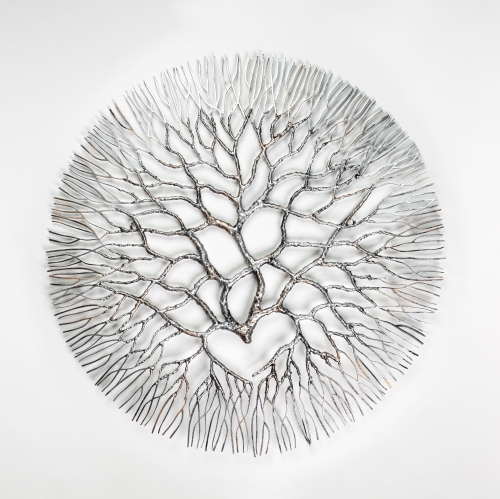
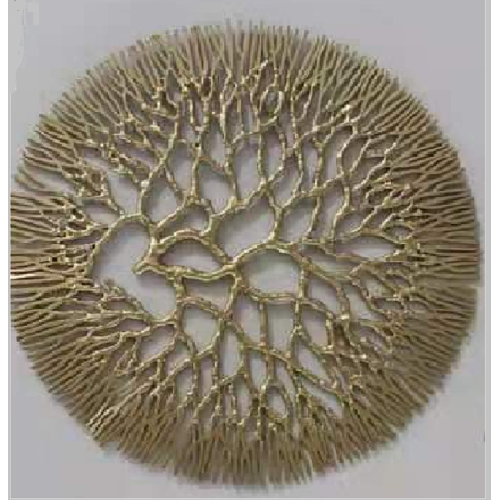
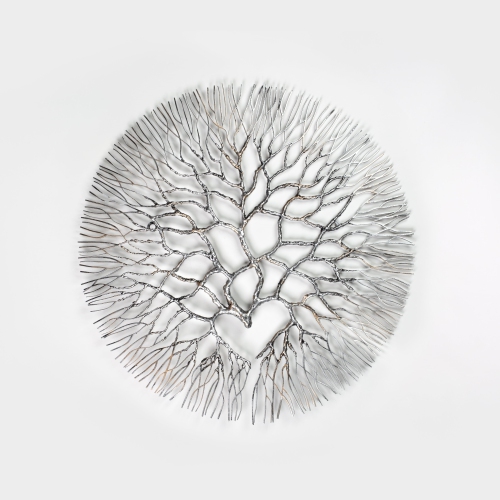



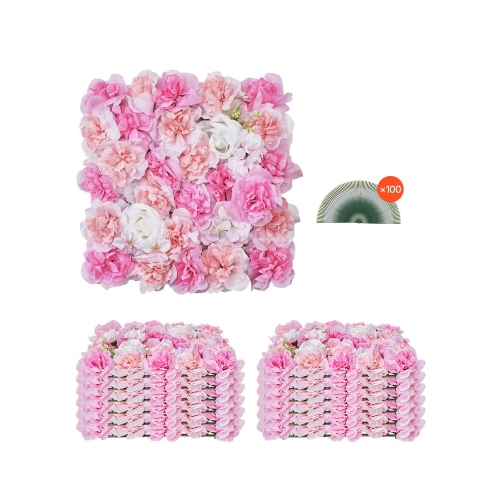
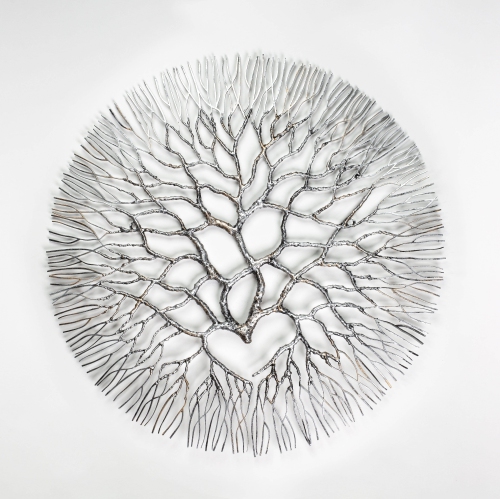
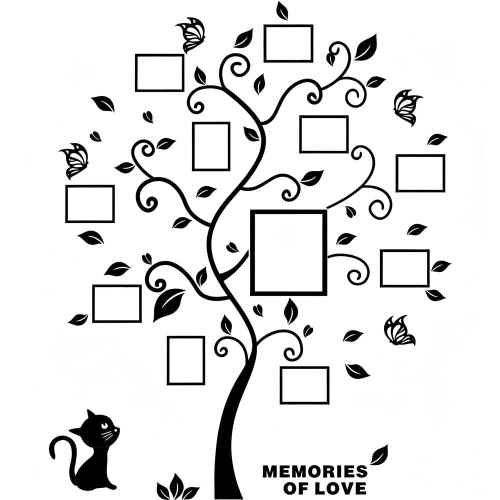

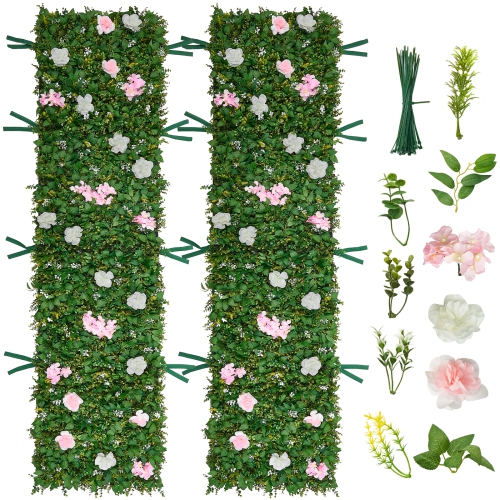
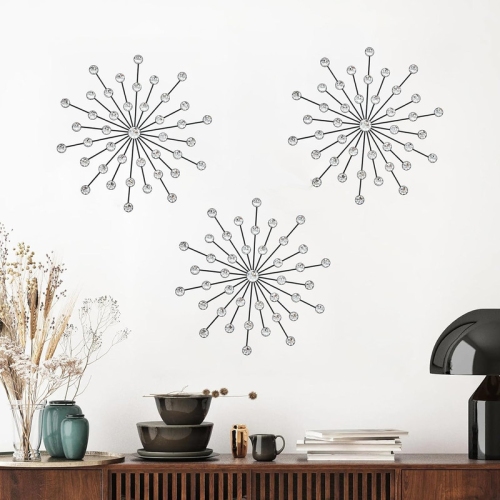
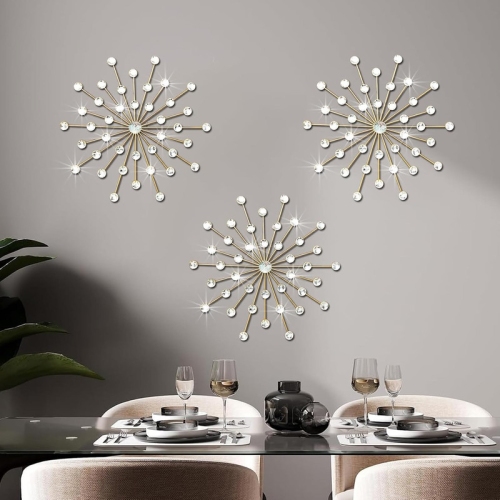
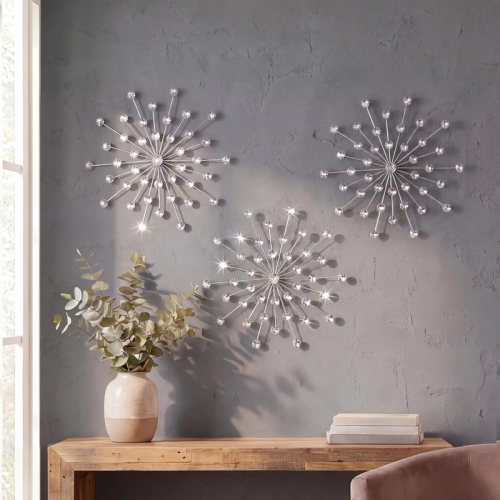
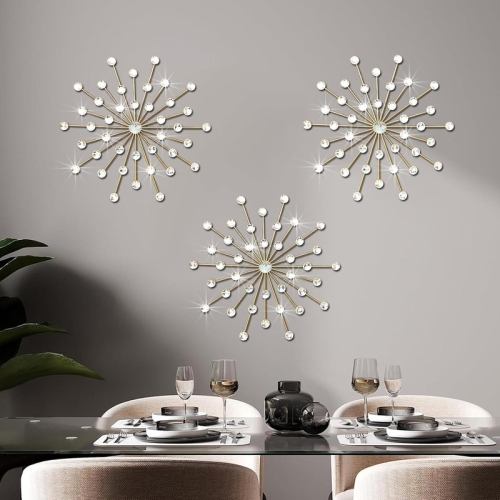
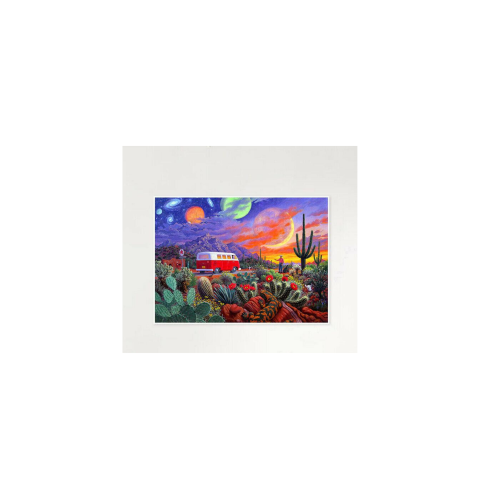
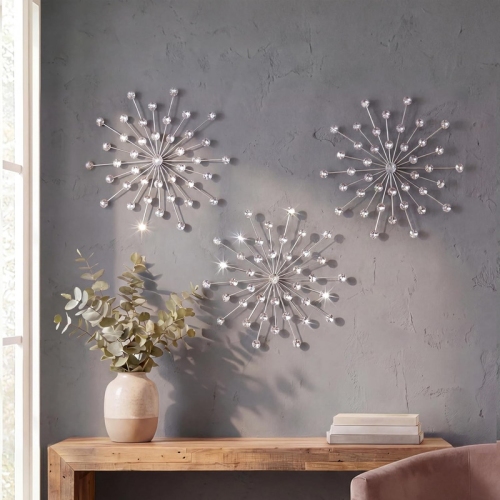
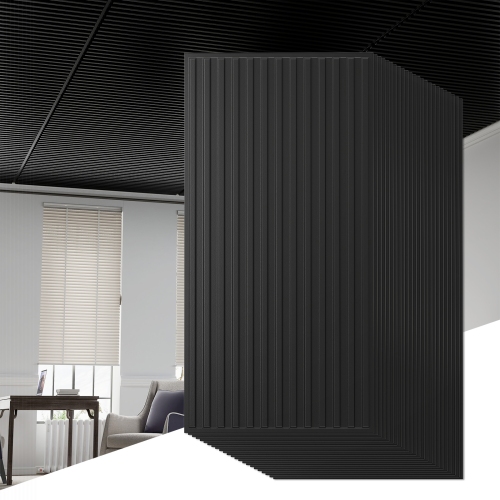
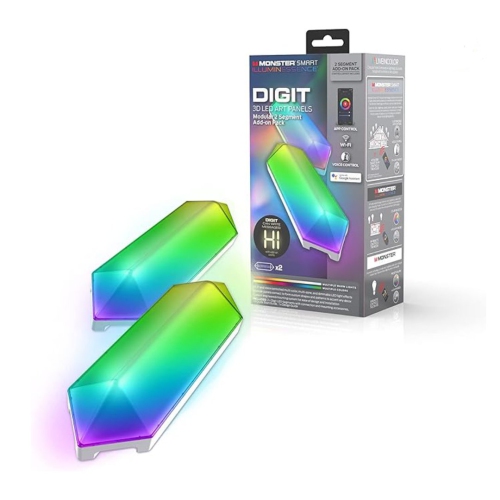


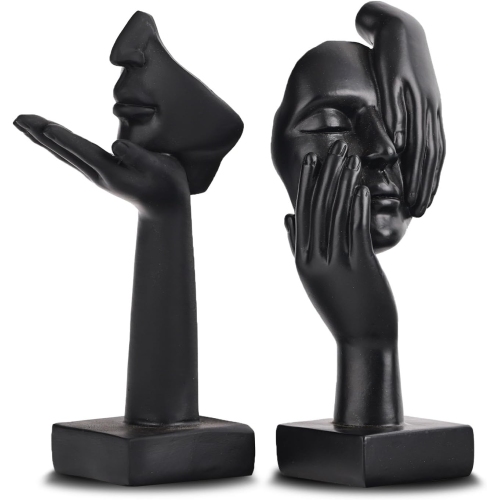

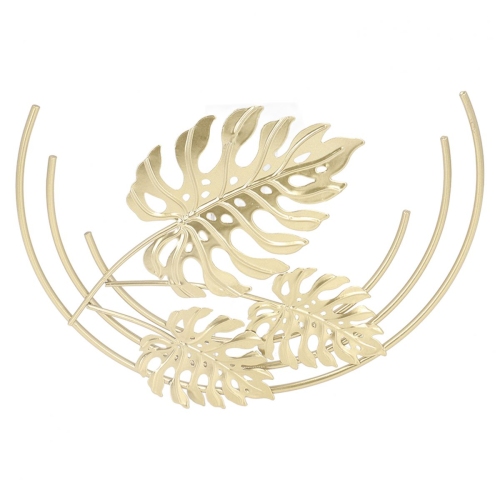
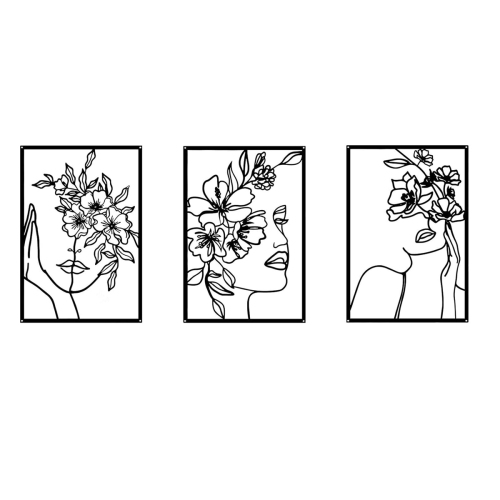
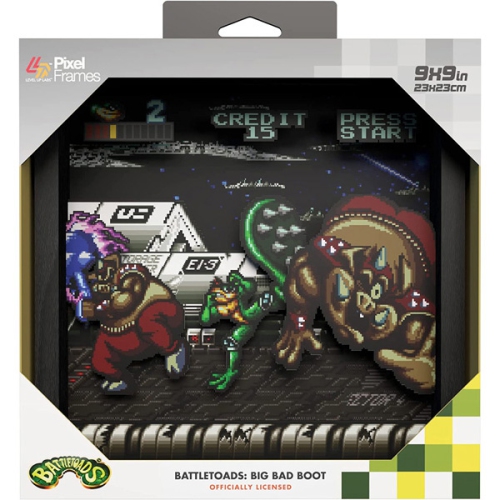
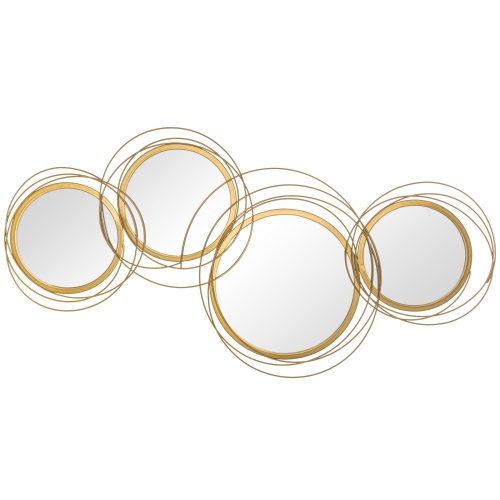
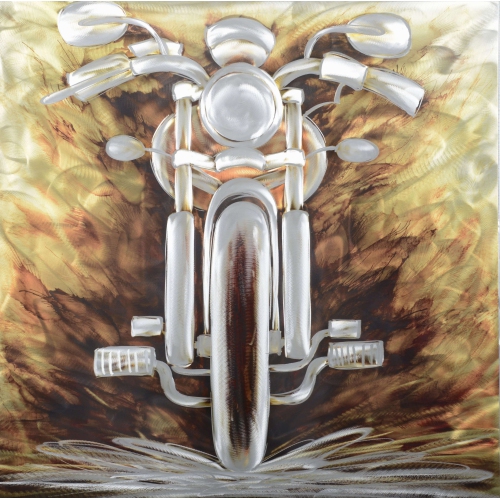
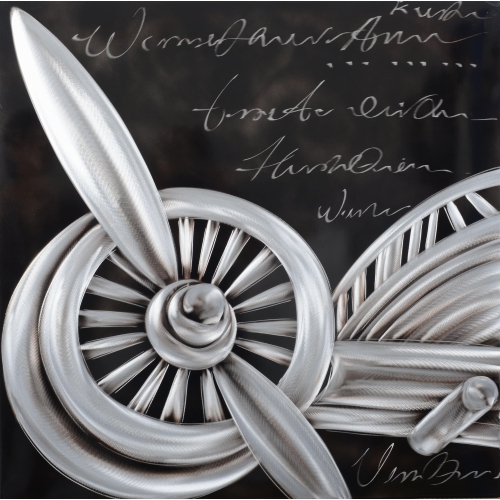
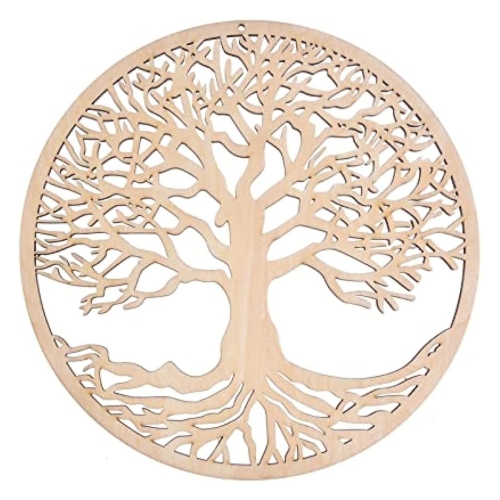
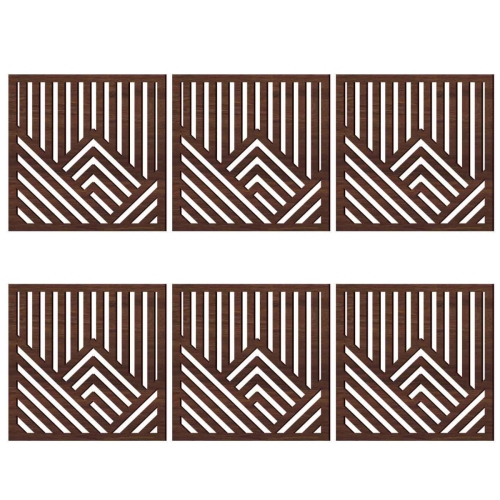
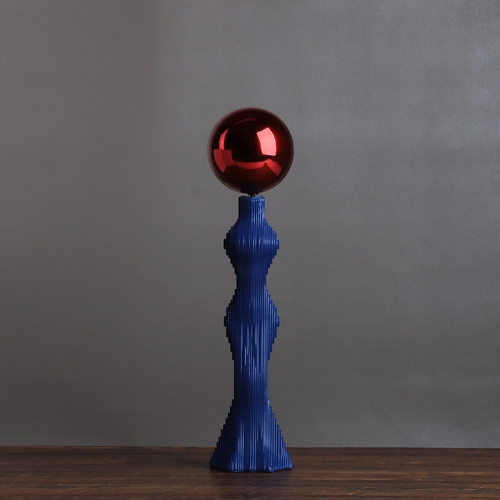
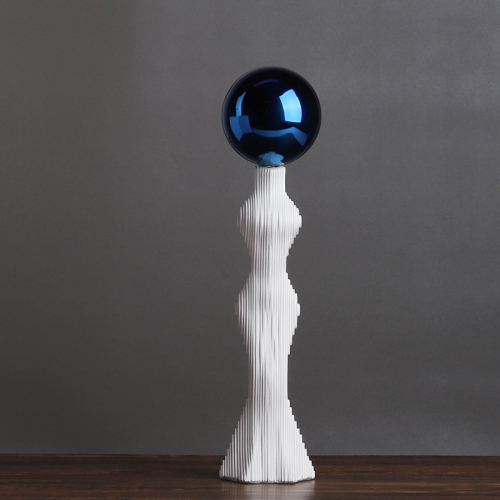
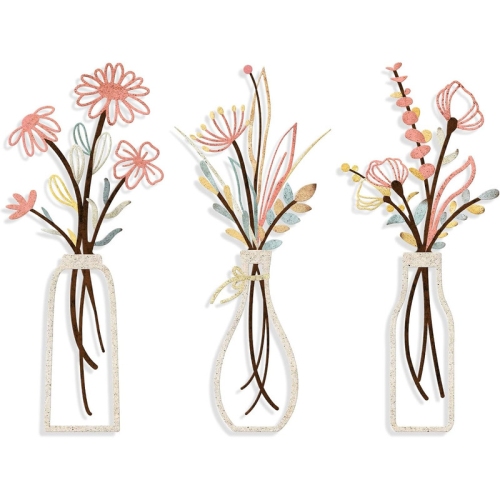
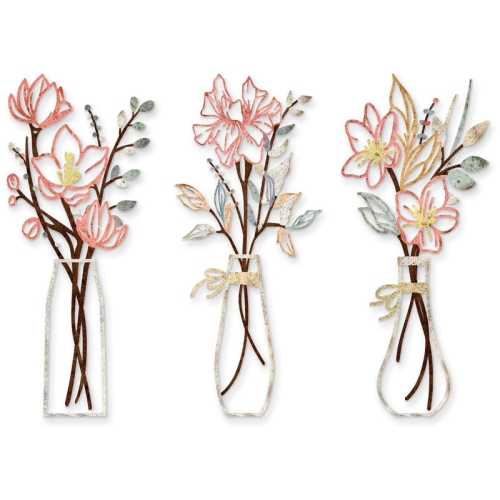
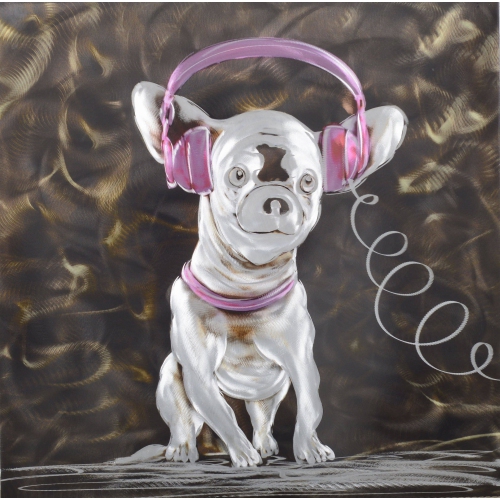

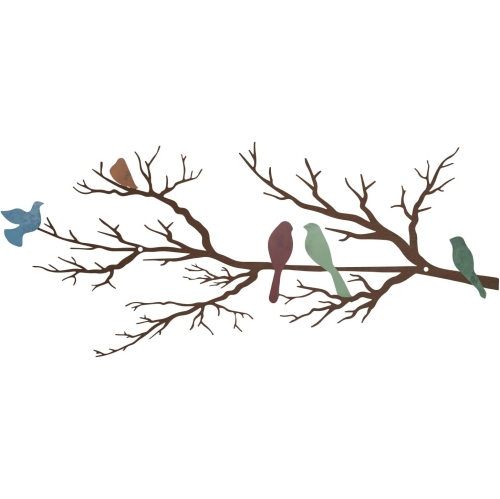

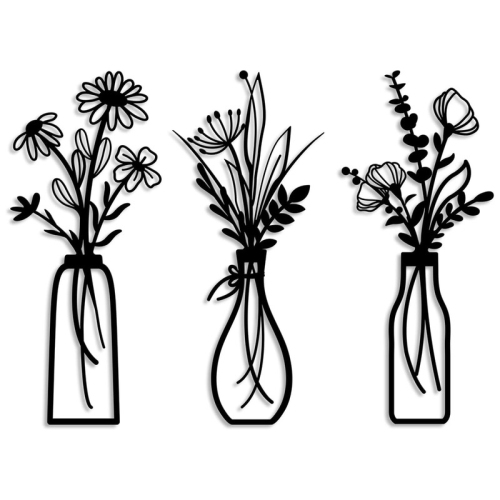


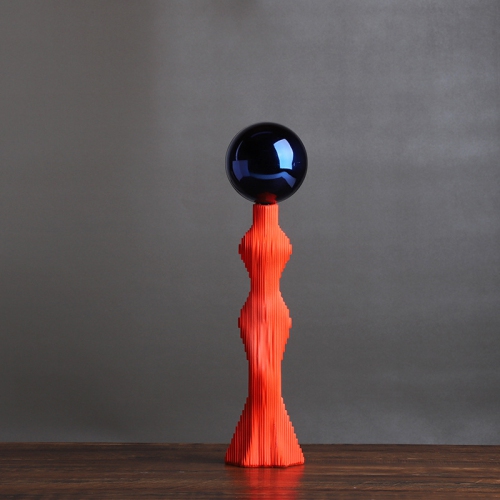
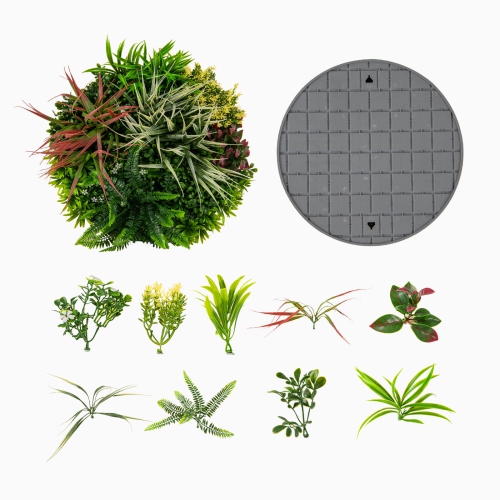
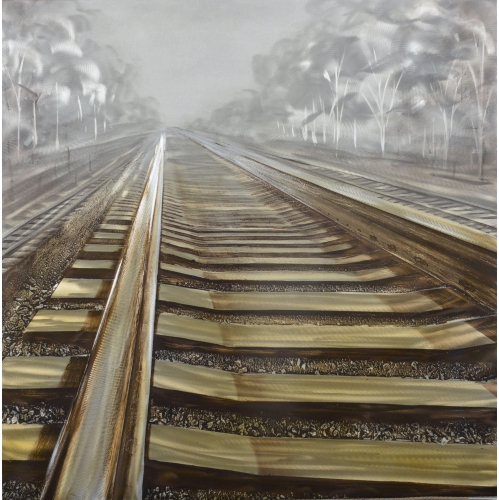
How raised surfaces give walls depth and movement
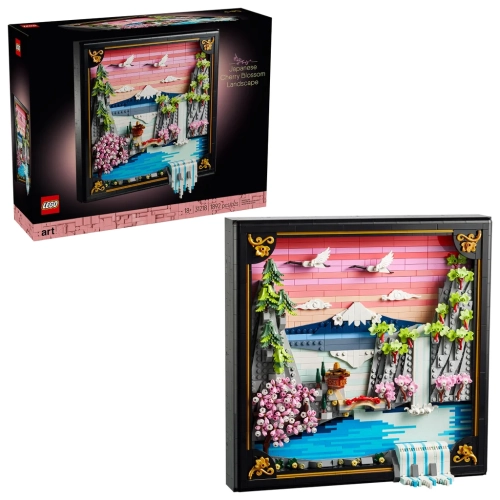
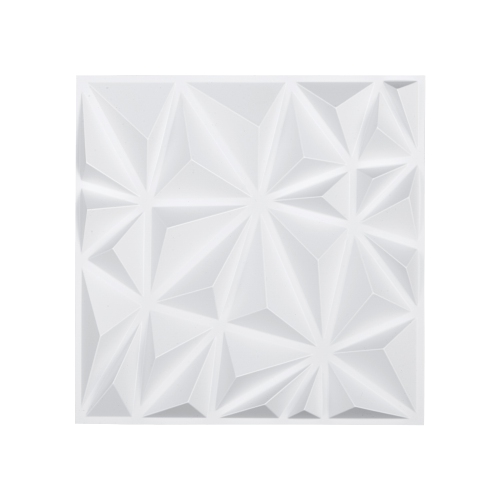
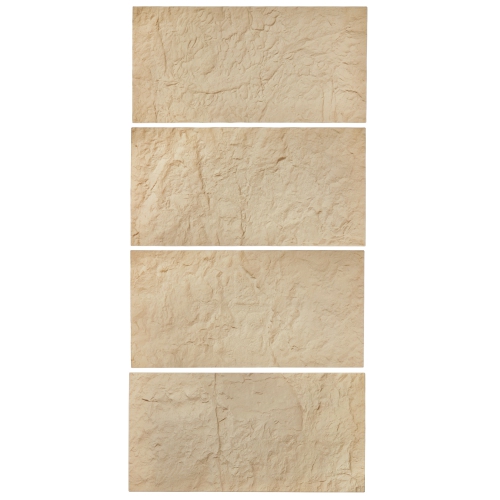
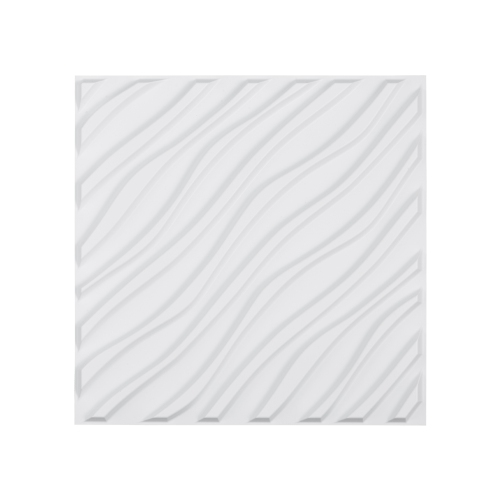
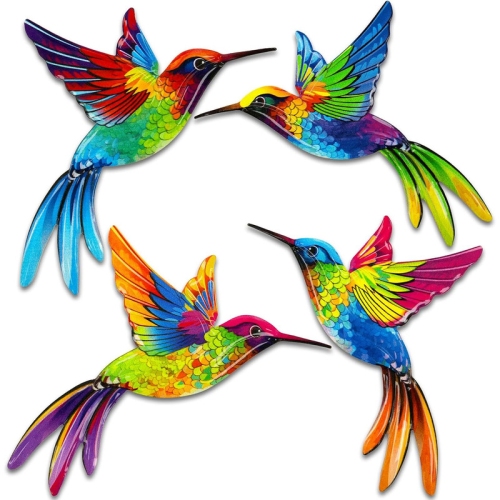
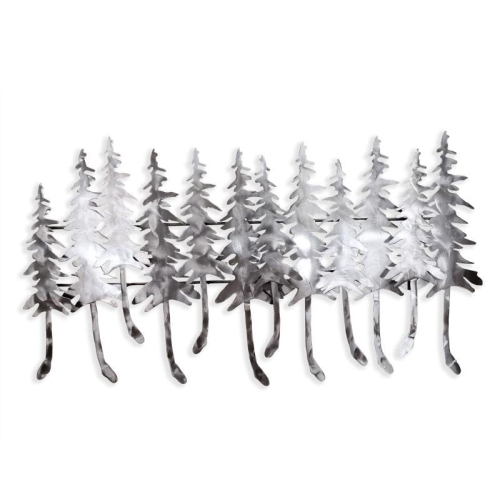
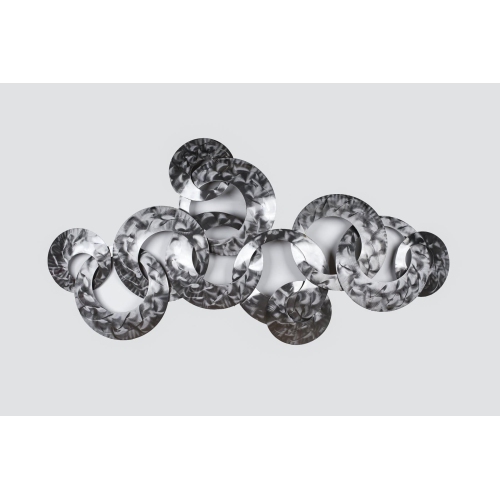
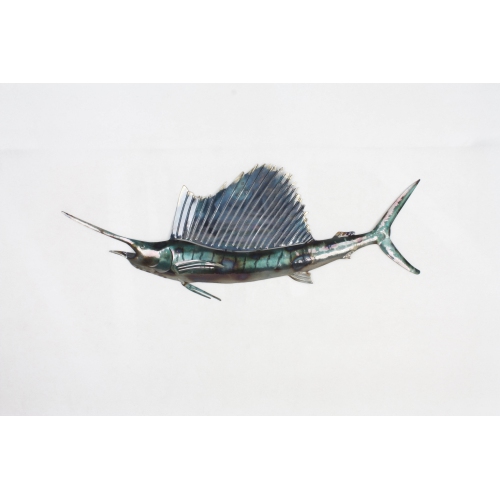
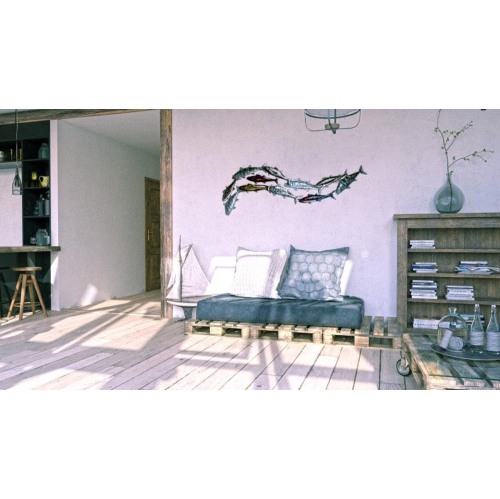
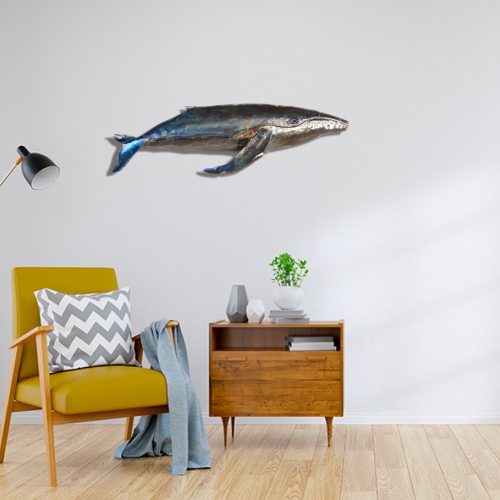
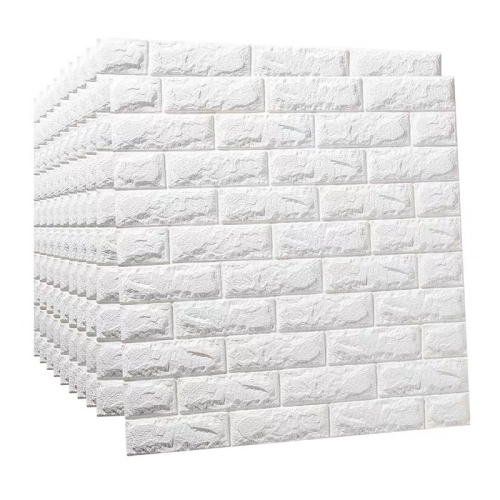
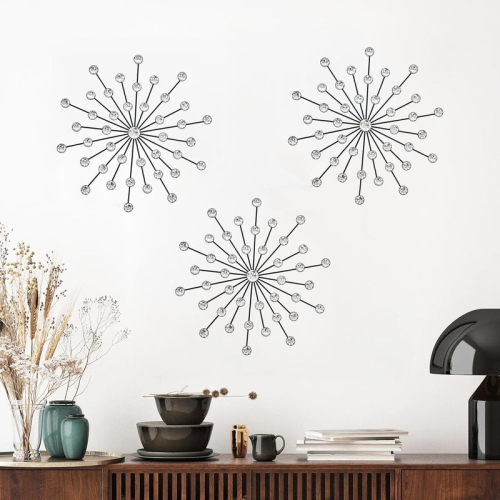
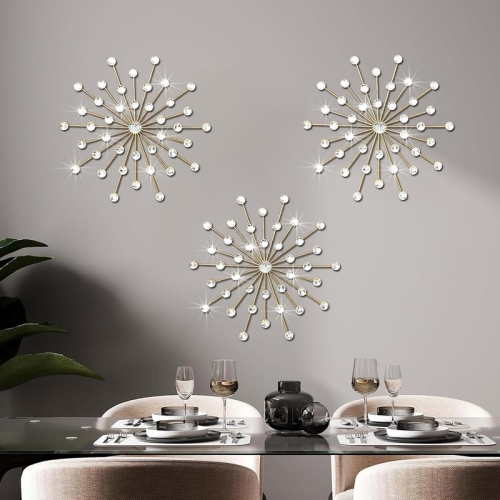
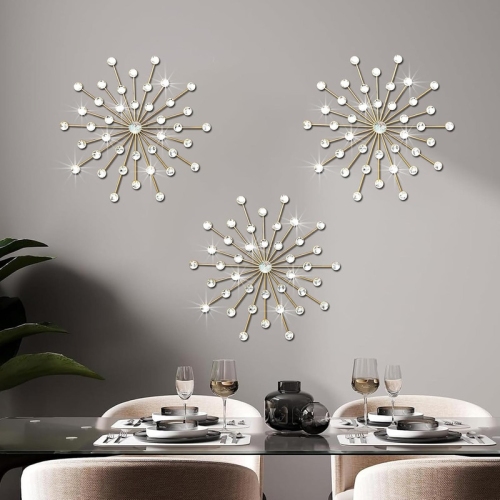
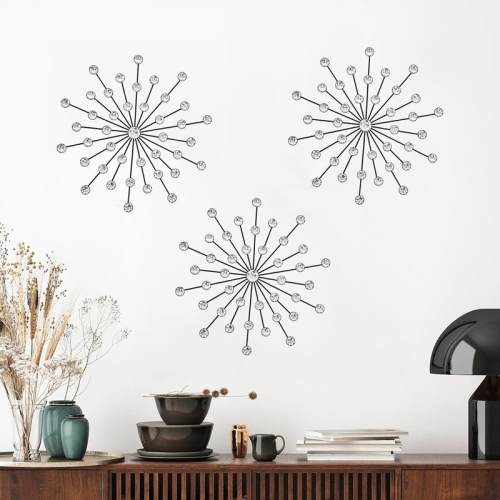
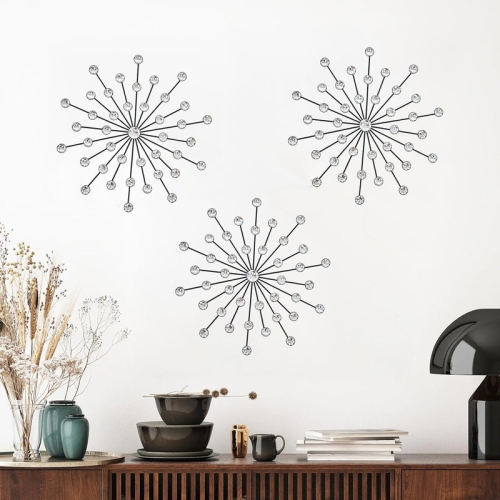
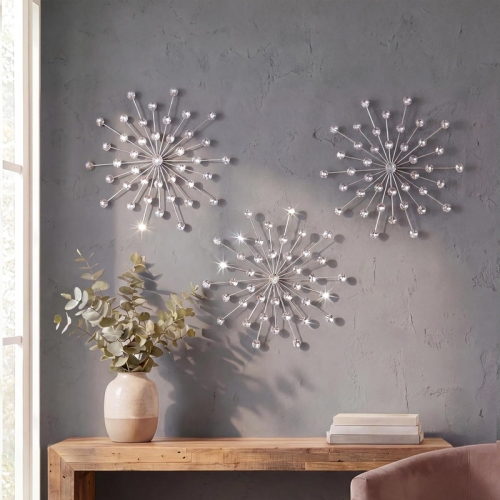
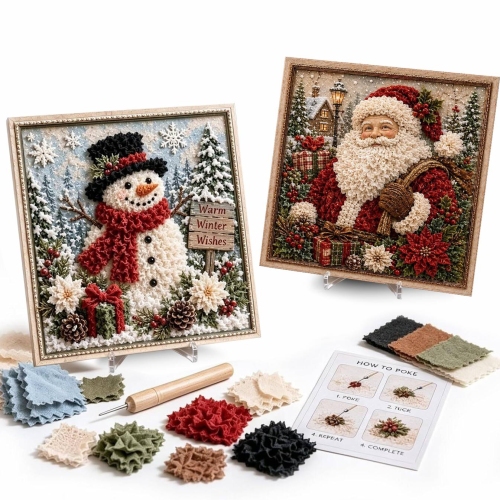
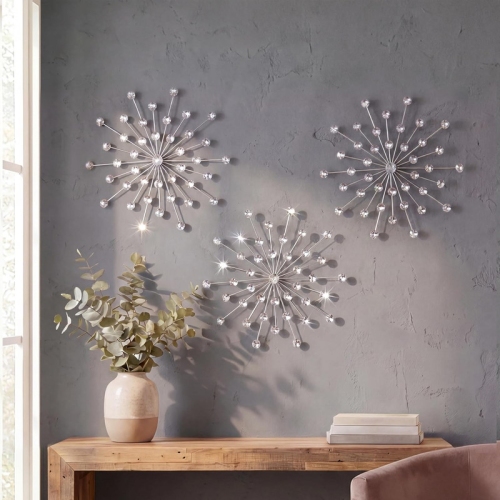
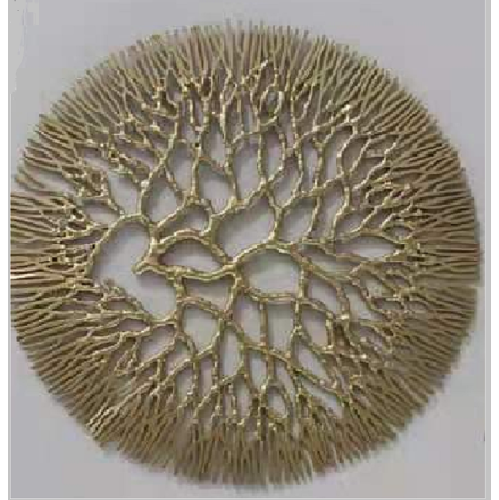
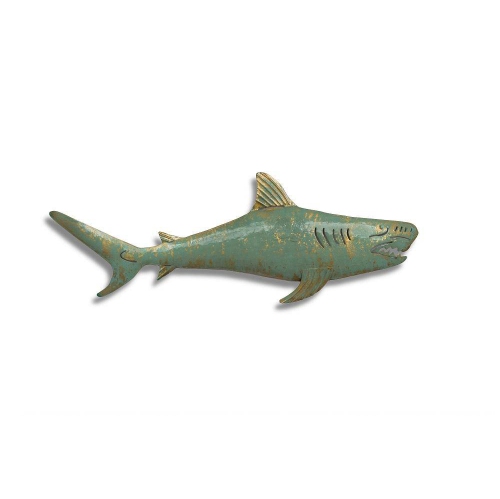
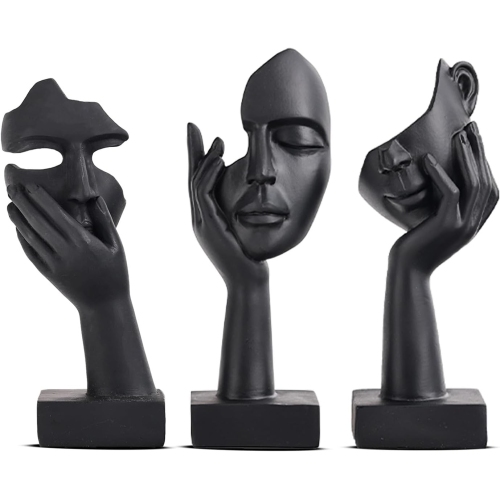
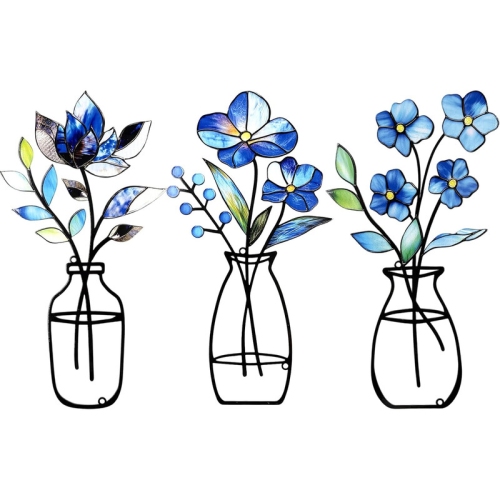
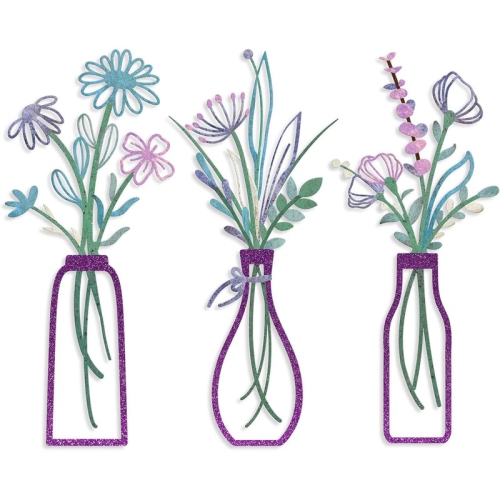
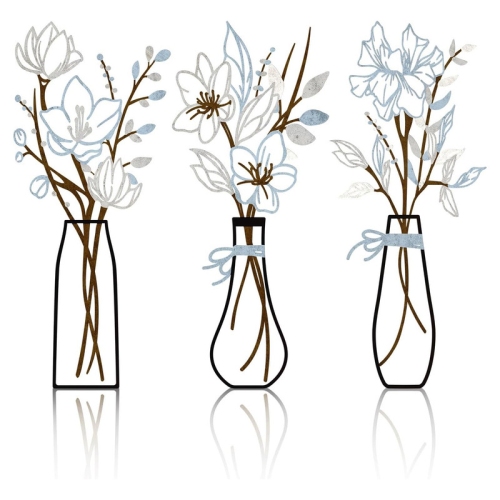
3D wall art brings physical depth to a room through raised surfaces, layered shapes, and sculptural details that extend beyond a flat image. Unlike a printed picture that suggests dimension through perspective, dimensional wall art has actual relief: petals lift away from a backing, metal forms overlap, or carved lines cast narrow shadows across a panel. Common styles include abstract compositions, geometric arrangements, botanical reliefs, and layered landscapes, each offering a different balance of texture and shape. The effect can be subtle, such as a white-on-white design whose details emerge under side lighting, or more pronounced, with dark metal silhouettes standing away from a pale wall. In a living room, a broad composition above a sofa can give an otherwise simple seating area a clear focal point. In a dining room, repeated forms can echo the lines of a table or pendant light without matching them exactly. Smaller dimensional pieces suit reading corners, entryways, and the space above a compact console, where their depth is noticeable at close range. Abstract designs work well when the room already contains patterned upholstery or a statement rug, while botanical shapes can soften the straight edges of shelving and cabinetry. Colour is only part of the visual effect. A monochromatic piece may feel quite expressive when its surface has folds, ridges, or overlapping elements, while a colourful composition can remain restrained if its shapes are simple and evenly spaced. For interiors built around clean lines and uncluttered surfaces, Modern Wall Arts offers a related style direction. Dimensional artwork does not need to dominate the room to make an impression; a shallow relief beside a doorway can add interest each time someone passes. Its appeal lies in that changing viewpoint, with details becoming more visible from one angle and quieter from another, giving a familiar wall a sense of movement without any moving parts.
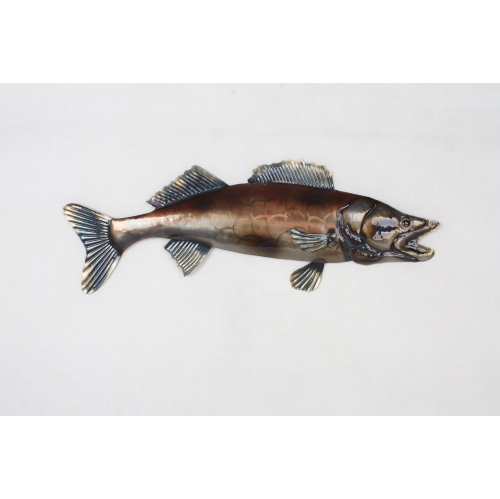
Material and construction shape both the appearance of 3D wall art and how comfortably it fits into everyday life. Wood can bring visible grain, carved texture, and a warm finish, while layered wood compositions create depth through the spacing and alignment of individual sections. Natural variations in grain and stain can make the surface less uniform than a printed finish. Metal allows for slender outlines, folded planes, and open designs that leave portions of the wall visible between shapes. Its finish may be matte, brushed, or reflective, with each treatment responding differently to nearby lamps and windows. Resin and plaster can support detailed relief work and substantial-looking forms, although weight and resistance to chipping depend on the particular construction. Acrylic offers crisp edges and can introduce transparent or translucent layers; it also benefits from careful handling to avoid scratches. Paper and textile elements bring softer textures, often within a frame or shadow box that separates delicate details from direct contact. A glazed frame can reduce dust exposure, but reflections may affect how clearly the raised elements are seen. For durability, the attachment of each layer matters as much as the main material: slender projections, fine stems, and loosely supported edges are more vulnerable to accidental knocks than compact, firmly secured forms. Care is usually most straightforward when it follows the maker’s directions for the finish and any mixed materials. A soft brush may be suitable for dusting textured recesses, while a clean microfibre cloth can help with accessible smooth surfaces when permitted. Spraying cleaner directly onto artwork can leave moisture between layers or damage coatings, so cleaning methods should suit the whole construction rather than just its most visible surface. Bathrooms, kitchens, and covered outdoor areas require particular attention to the stated intended use. A painted or sealed surface alone does not establish that a piece can tolerate splashes, steam, or outdoor exposure, and artwork intended for dry indoor rooms is best kept away from those conditions.
Size, projection, and placement determine whether dimensional artwork feels balanced or intrusive. Width and height describe its footprint on the wall, but depth is equally important beside a doorway, behind a chair, or along a narrow hall. A piece that looks modest straight on may project far enough to catch a shoulder bag or interfere with a door opening. Above a sofa or sideboard, artwork generally feels more connected to the furniture when it occupies a considered portion of the space rather than nearly touching either end; the right relationship depends on the room and the visual weight of the design. Open metalwork can appear lighter than a solid panel of the same dimensions, while a deep frame adds presence even around a small composition. Multi-part arrangements introduce another measurement: the spacing between sections, which contributes to the total width and should remain consistent where the design calls for it. Secure installation depends on the artwork’s weight, its mounting points, and the wall construction, with suitable hardware and anchors chosen accordingly. Adhesive mounting is not automatically appropriate for raised or heavy artwork, even when the surface area seems small. In homes with children or pets, secure attachments and placement away from easy reach are especially relevant for pieces with sharp edges, detachable details, or fragile projections. Lighting also affects the finished look. A lamp positioned to one side can reveal ridges and overlapping layers, while strong light directly in front may make the same piece appear flatter. Reflective materials deserve a glance from the main seating position to check for distracting glare. For home offices, calm shapes and restrained colours can add texture behind a desk without making the background feel crowded. As a housewarming or wedding gift, dimensional wall art is most personal when its subject, scale, and finish reflect the recipient’s taste and the space they have to display it. A lasting fit comes from the relationship between the artwork and daily life: enough detail to enjoy up close, a pleasing shape from across the room, and materials that suit the setting.
Top selling and popular products
-
 Your price for this item is $399
-
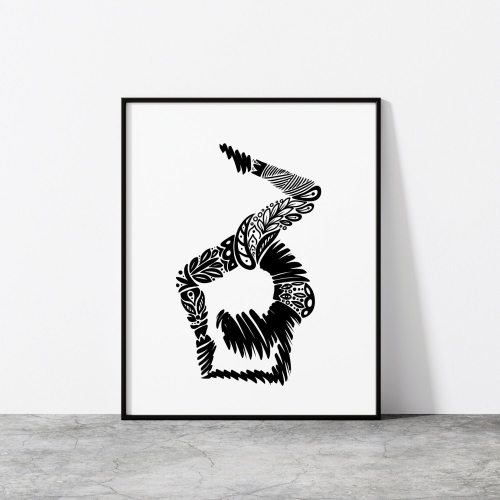 Your price for this item is $37.5
-
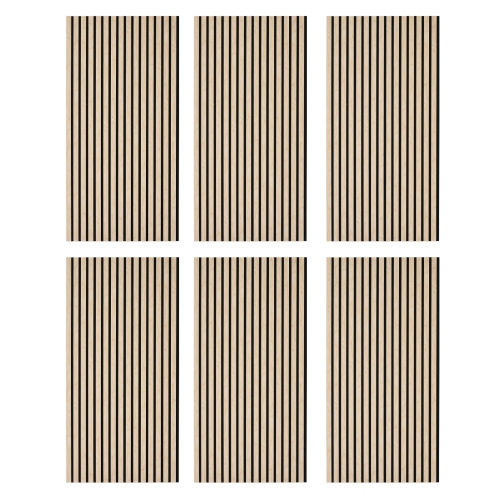 Your price for this item is $135.9
-
 Your price for this item is $49
-
 Your price for this item is $39.99
-
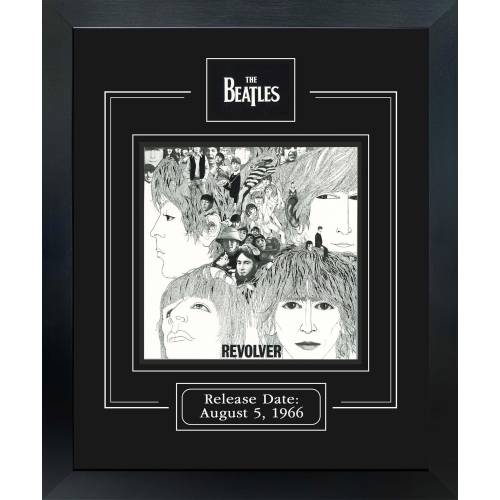 Your price for this item is $49.99
-
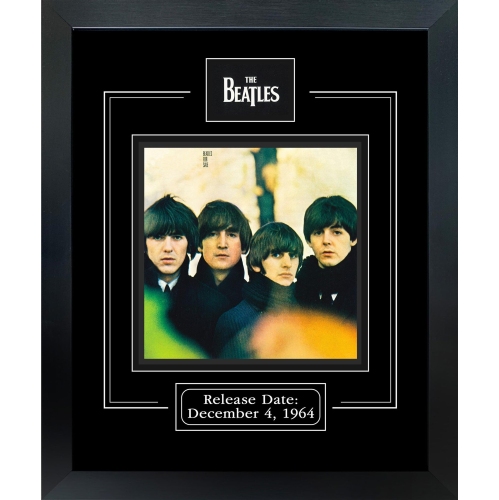 Your price for this item is $49.99
-
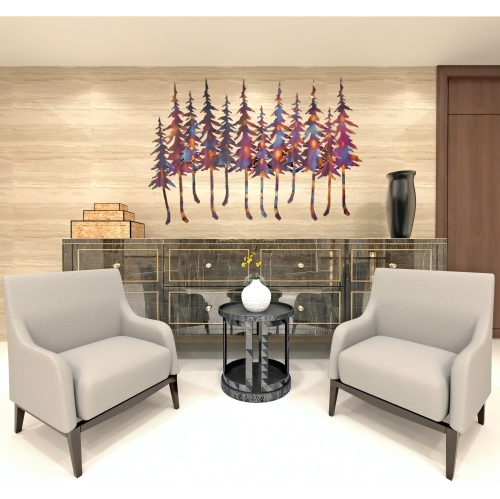 Your price for this item is $432.5
Discover more categories related to 3D Wall Arts
Top Collections:
Best Black Friday Deals This Year, Best Black Friday Deals On Electronics, Kindle Devices, Pokemon Centers, Best Black Friday Deals On Apple Products, Best Cameras for Sports Photography, Dyson Airwrap, Pokémon 30th Celebration Cards, Apple iPhone 17 Pro, Canon G7X Cameras
Some products may be subject to Environmental Handling Fees
(EHF) depending on your province.
Learn more about EHFs.