3D Wall Panels
Enhance the aesthetic appeal of your living space with our selection of 3D wall panels. These innovative and stylish panels are designed to add depth and texture to any room, creating a modern and sophisticated look. Whether you want to create a focal point in your living room, bedroom, or office, these decorative panels are sure to make a statement. With a variety of designs and finishes to choose from, you can easily customize your space to suit your personal style. Upgrade your home decor effortlessly with our collection of 3D wall panels.
Sort
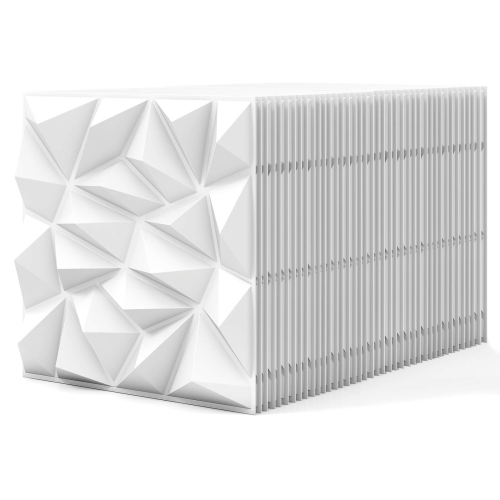
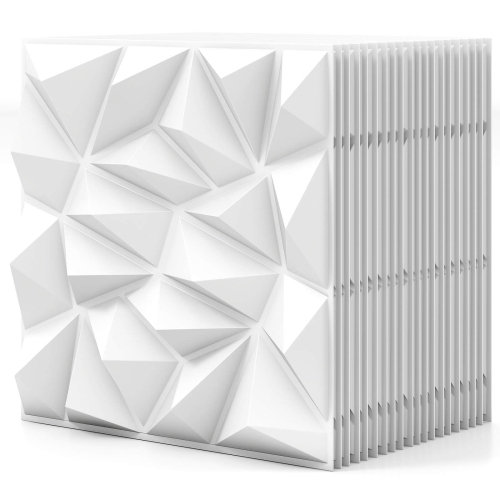
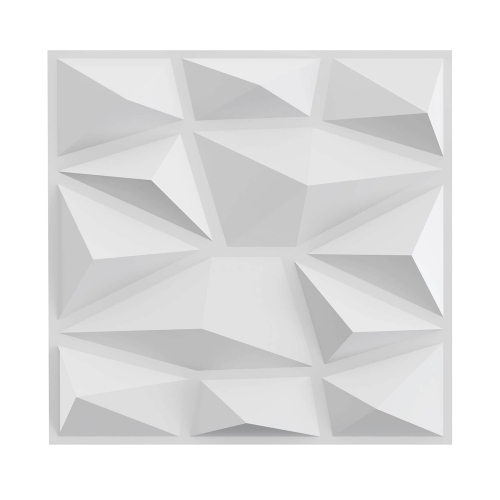
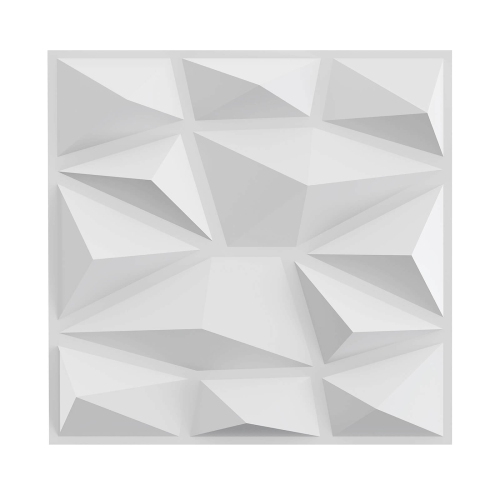
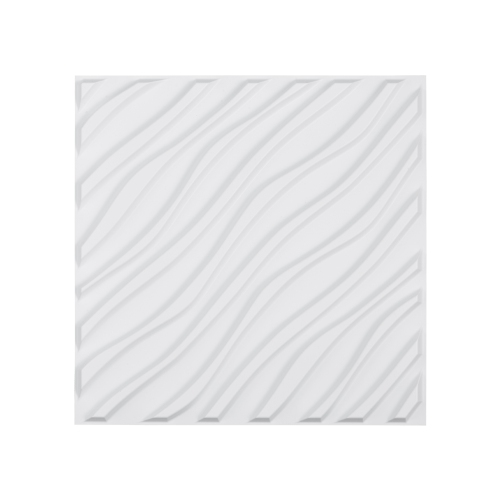
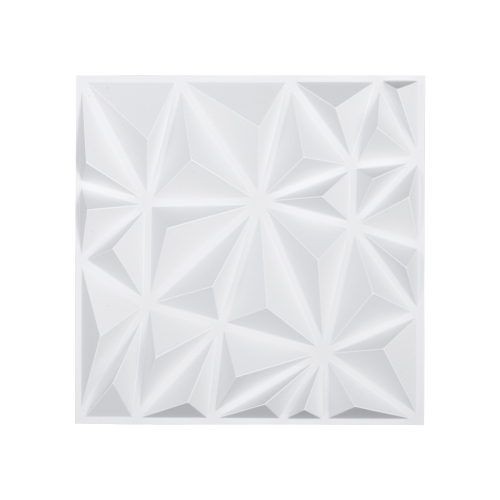

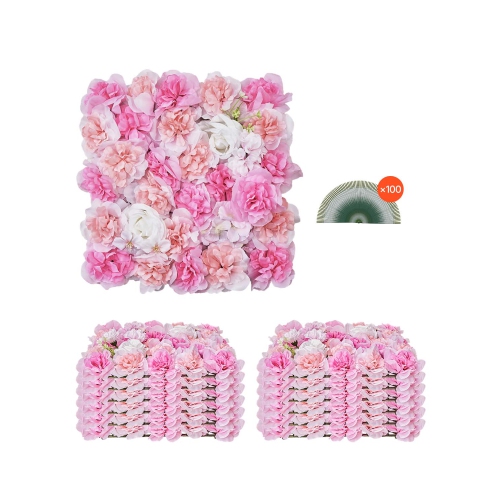
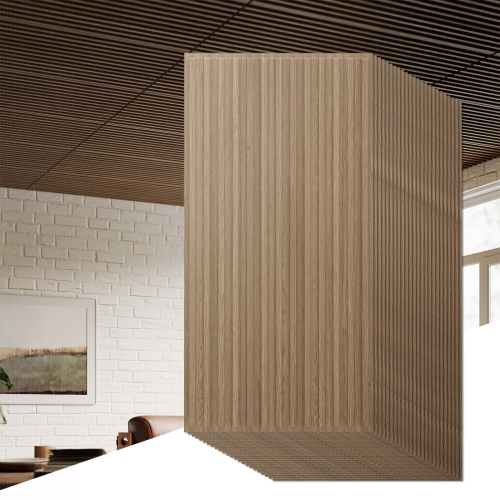
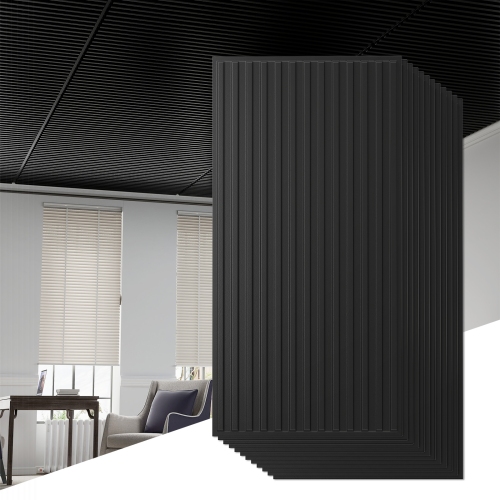
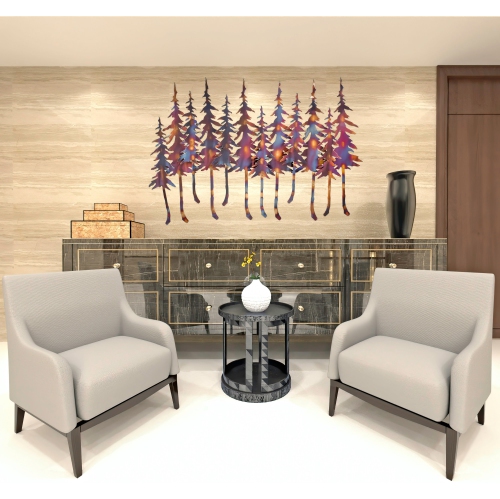

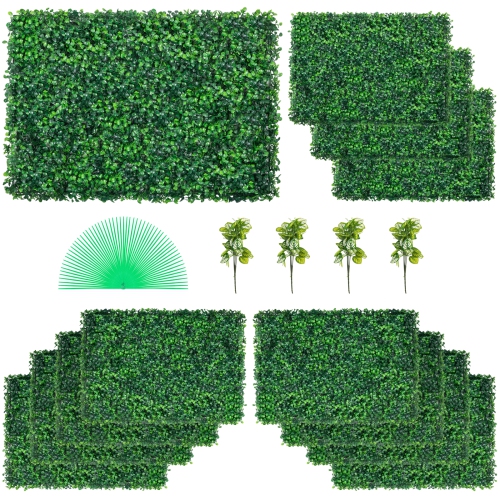

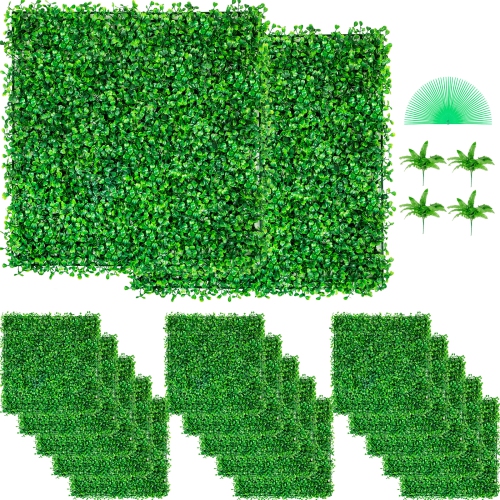
Architectural depth starts with texture, lighting, and thoughtful planning
3D wall panels add dimension, texture, and visual interest to rooms that feel flat or unfinished. Unlike paint or traditional wallpaper, they create a tactile surface that catches light and shadow throughout the day, giving a feature wall a more architectural appearance without requiring a full renovation. Raised geometric patterns, waves, brick-inspired textures, slatted designs, and other sculpted finishes can help define a living room, bedroom, dining area, home office, entryway, or media space. A wall with subtle relief can make a neutral room feel more considered, while a bold pattern can become the main focal point behind a sofa, bed, television, desk, or dining table. The right choice depends on the atmosphere you want to create. Softer curves and understated textures can bring a calm, polished look to a bedroom or reading corner, while sharper lines and repeating geometric shapes may suit a contemporary office, entertainment room, or creative studio. For additional inspiration, explore the broader selection of Decorative Wall Panels, including styles that can be used to coordinate accent walls with other surfaces and furnishings throughout the home. When comparing 3D wall panels, consider the size and shape of the wall, the amount of natural and artificial light in the room, and the scale of nearby furniture. A large, open wall can carry a more pronounced pattern, but a smaller area may look best with a fine texture that does not overpower the space. It is also worth viewing samples or product images from several angles, since a panel’s appearance can change noticeably as light moves across its raised surface.
Before buying, pay close attention to the panel material, dimensions, finish, and installation requirements. Some panels are designed to be cut and fitted around outlets, switches, corners, shelving, and trim, so measuring carefully is essential. Record the wall’s width and height, then account for windows, doors, vents, and other interruptions. It is wise to purchase enough panels to complete the wall in one coordinated installation, with a small allowance for trimming or mistakes. Matching the direction of a repeating pattern is particularly important; a few misplaced pieces can interrupt the flow of an otherwise seamless design. Check whether the panels are intended for indoor use and whether the surface needs to be smooth, clean, dry, and properly prepared before installation. Adhesive, mounting hardware, finishing strips, or other accessories may be required depending on the panel design and wall surface. Renters and anyone decorating a temporary space should review the installation method closely, as some options may be more suitable for removable or less permanent applications than others. Homeowners planning a lasting feature wall may prefer a sturdier system that can be secured confidently and finished around the edges for a built-in appearance. Think about maintenance as well. Deep grooves and pronounced textures can collect dust more readily than flatter surfaces, so a soft brush or dry cloth may be useful for regular cleaning. In rooms such as kitchens, bathrooms, laundry areas, or entryways, consider moisture, splashes, humidity, and everyday wear before selecting a panel. Even in a dry room, a durable finish can make a difference when the wall is near busy walkways, children’s play areas, or furniture that may shift against it.
3D wall panels are useful for more than simply covering a blank wall. They can create a backdrop for video calls, add depth behind a headboard, frame a television or sound system, or give a home office a more finished setting for meetings and focused work. In an entryway, a textured panel can make a narrow space feel deliberately designed, especially when paired with a mirror, console table, hooks, or warm lighting. In a dining room, a repeating pattern can provide an elegant background for artwork and gatherings, while a den or basement lounge can benefit from a darker, more dramatic surface that adds character without filling the room with extra furniture. They can also be helpful for dividing visual zones in an open-concept home: use a panelled section to distinguish a work area from a living area or to give a dining space its own identity. Colour and lighting deserve equal attention. Pale panels may reflect daylight and help a compact room feel open, while deeper tones can create a cosy, enveloping effect during the cooler months. Directional lighting, wall sconces, lamps, and ceiling fixtures can emphasize the raised design by casting gentle shadows across the surface. If the room already contains patterned rugs, curtains, artwork, or upholstery, a simpler panel may provide balance; if the furniture is streamlined and neutral, a more expressive texture can add personality. These panels can be a thoughtful choice for someone moving into a new home, setting up a first apartment, refreshing a home office, or creating a more welcoming guest room, although installation tools and wall measurements should be considered before giving them as a present. With careful planning, accurate measuring, and a style that works with the existing room, 3D wall panels can turn an ordinary surface into a distinctive design feature that feels personal, practical, and complete.
Before buying, pay close attention to the panel material, dimensions, finish, and installation requirements. Some panels are designed to be cut and fitted around outlets, switches, corners, shelving, and trim, so measuring carefully is essential. Record the wall’s width and height, then account for windows, doors, vents, and other interruptions. It is wise to purchase enough panels to complete the wall in one coordinated installation, with a small allowance for trimming or mistakes. Matching the direction of a repeating pattern is particularly important; a few misplaced pieces can interrupt the flow of an otherwise seamless design. Check whether the panels are intended for indoor use and whether the surface needs to be smooth, clean, dry, and properly prepared before installation. Adhesive, mounting hardware, finishing strips, or other accessories may be required depending on the panel design and wall surface. Renters and anyone decorating a temporary space should review the installation method closely, as some options may be more suitable for removable or less permanent applications than others. Homeowners planning a lasting feature wall may prefer a sturdier system that can be secured confidently and finished around the edges for a built-in appearance. Think about maintenance as well. Deep grooves and pronounced textures can collect dust more readily than flatter surfaces, so a soft brush or dry cloth may be useful for regular cleaning. In rooms such as kitchens, bathrooms, laundry areas, or entryways, consider moisture, splashes, humidity, and everyday wear before selecting a panel. Even in a dry room, a durable finish can make a difference when the wall is near busy walkways, children’s play areas, or furniture that may shift against it.
3D wall panels are useful for more than simply covering a blank wall. They can create a backdrop for video calls, add depth behind a headboard, frame a television or sound system, or give a home office a more finished setting for meetings and focused work. In an entryway, a textured panel can make a narrow space feel deliberately designed, especially when paired with a mirror, console table, hooks, or warm lighting. In a dining room, a repeating pattern can provide an elegant background for artwork and gatherings, while a den or basement lounge can benefit from a darker, more dramatic surface that adds character without filling the room with extra furniture. They can also be helpful for dividing visual zones in an open-concept home: use a panelled section to distinguish a work area from a living area or to give a dining space its own identity. Colour and lighting deserve equal attention. Pale panels may reflect daylight and help a compact room feel open, while deeper tones can create a cosy, enveloping effect during the cooler months. Directional lighting, wall sconces, lamps, and ceiling fixtures can emphasize the raised design by casting gentle shadows across the surface. If the room already contains patterned rugs, curtains, artwork, or upholstery, a simpler panel may provide balance; if the furniture is streamlined and neutral, a more expressive texture can add personality. These panels can be a thoughtful choice for someone moving into a new home, setting up a first apartment, refreshing a home office, or creating a more welcoming guest room, although installation tools and wall measurements should be considered before giving them as a present. With careful planning, accurate measuring, and a style that works with the existing room, 3D wall panels can turn an ordinary surface into a distinctive design feature that feels personal, practical, and complete.
Top selling and popular products
-
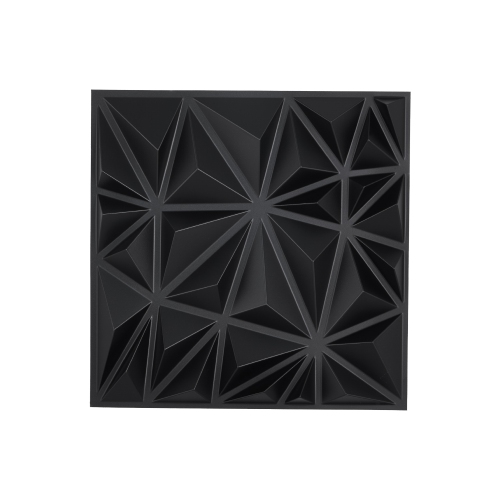 Your price for this item is $29.95
 -
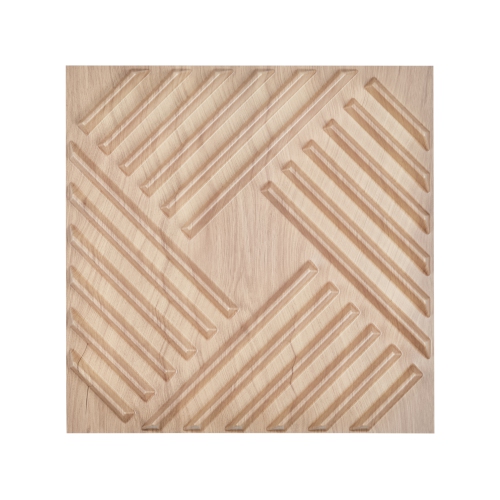 Your price for this item is $49.89
 -
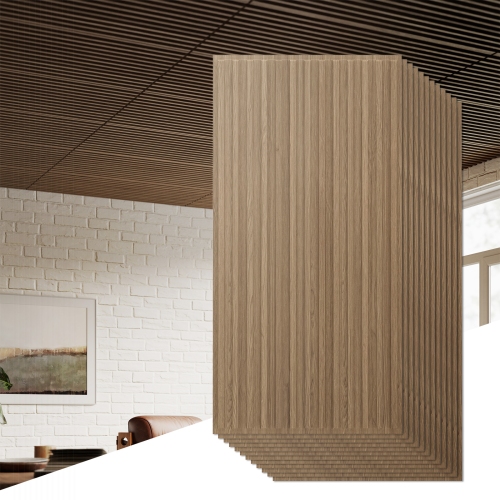 Your price for this item is $159.99
 -
 Your price for this item is $32.61
 -
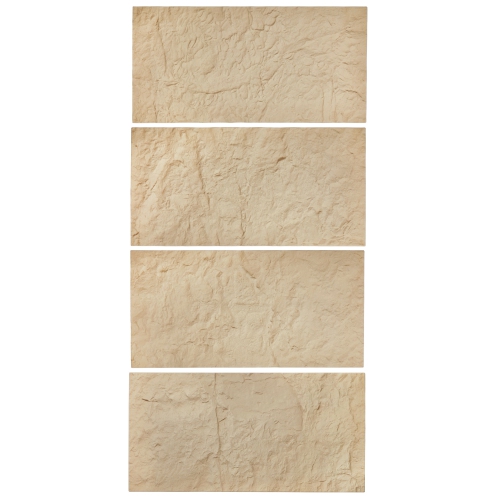 Your price for this item is $184.9
 -
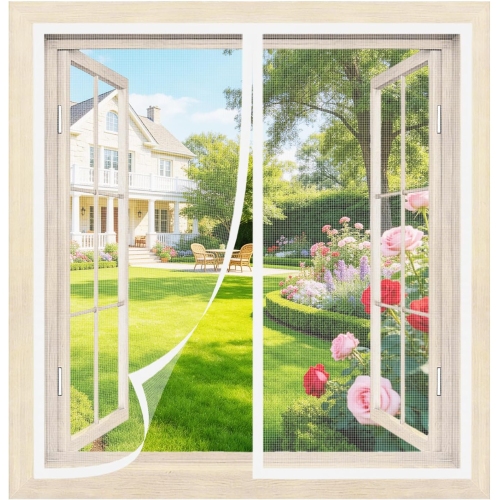 Your price for this item is $37.91
 -
 Your price for this item is $28.85
 -
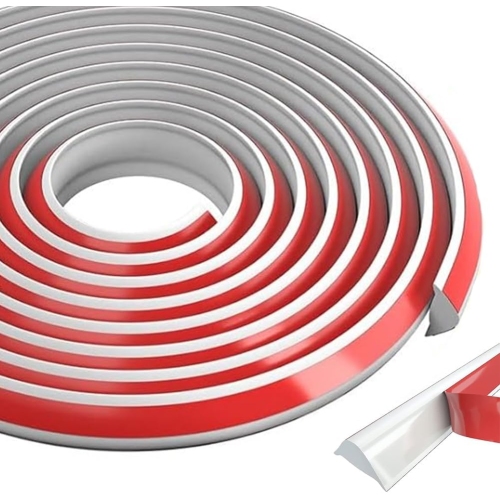 Your price for this item is $22.67
Discover more categories related to 3D Wall Panels
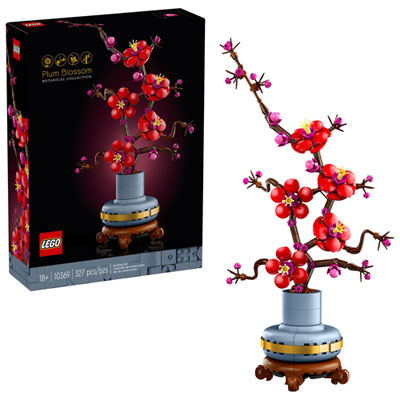
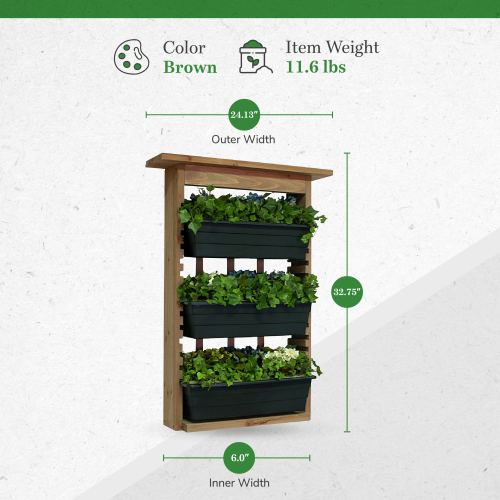

Top Collections:
Pokemon Centers, Kindle Devices, Best Budget Office Chairs, Apple iPhones 16, Canon G7X Cameras, iPhone 15 Apple, Alarm Clock, Refurbished Apple Laptops, Flip Phones, Best Laptops for Writers
Some products may be subject to Environmental Handling Fees
(EHF) depending on your province.
Learn more about EHFs.