Square Wall Panels
Create a modern and stylish look in any room with our selection of square wall panels. These decorative panels are perfect for adding texture and visual interest to your walls, whether you're looking to create a focal point in your living room or enhance the ambiance of your bedroom. With a variety of designs and finishes to choose from, you can easily customize your space to reflect your personal style. Upgrade your home decor effortlessly with our range of square wall panels that are both easy to install and sure to make a statement in any room.
Sort
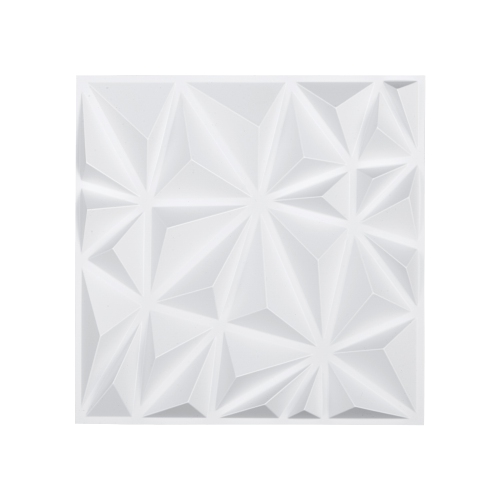

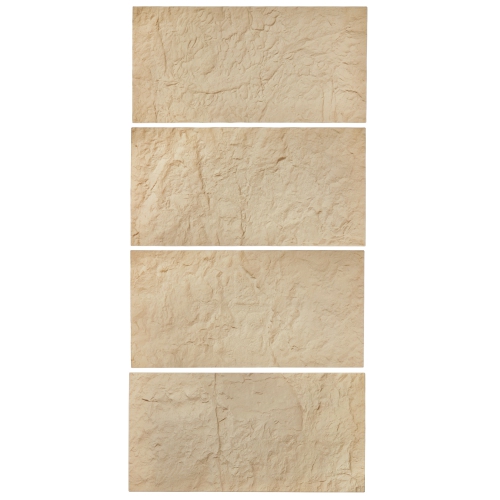
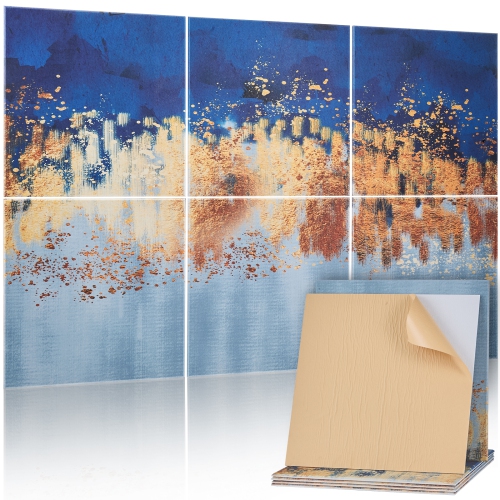
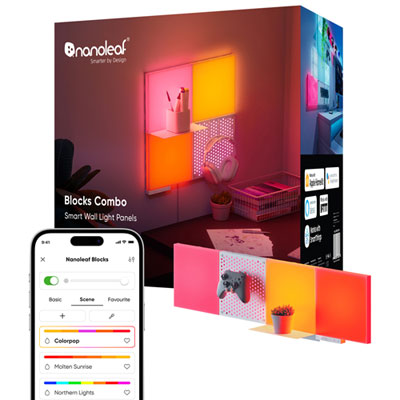
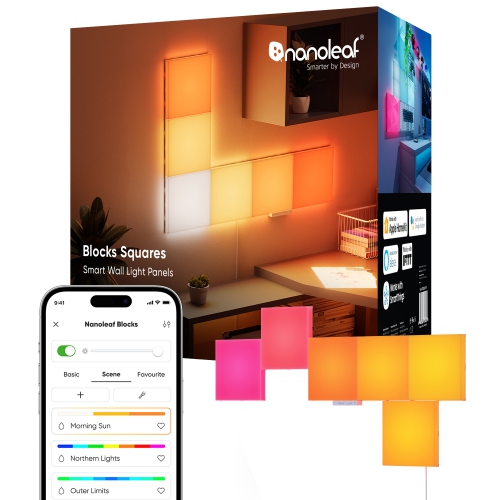
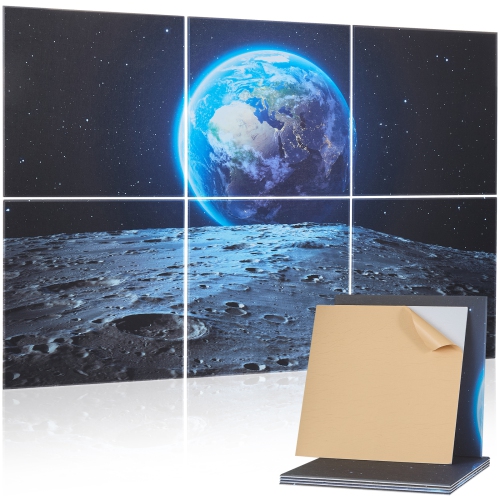
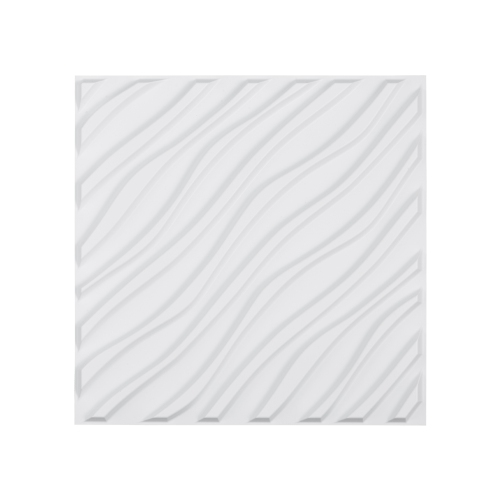
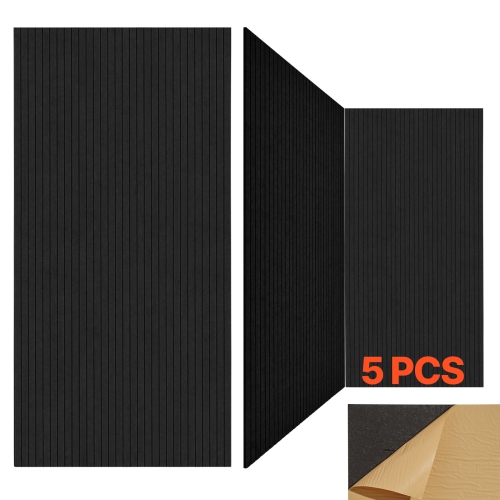
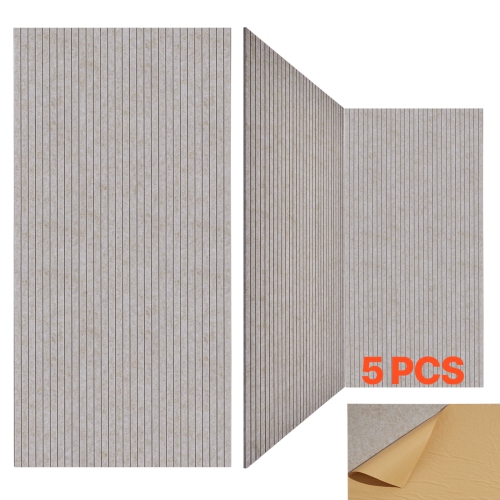
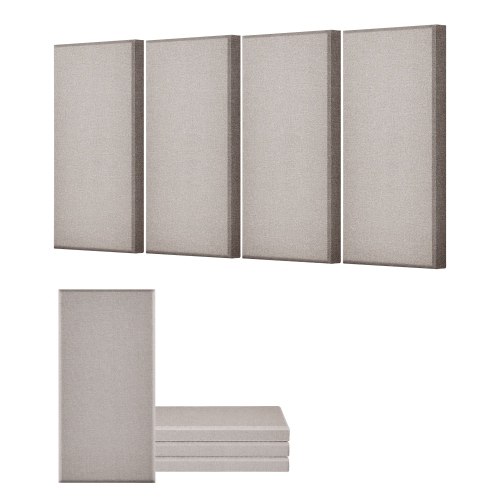
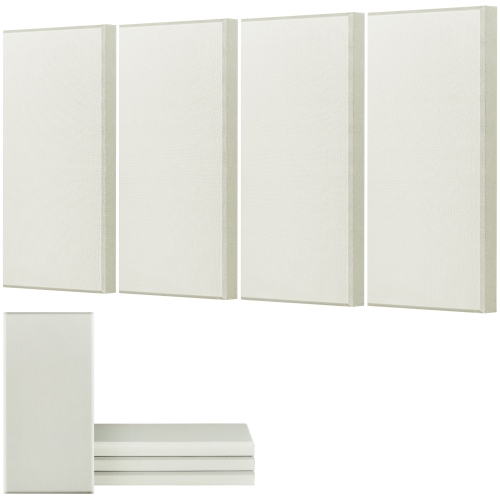
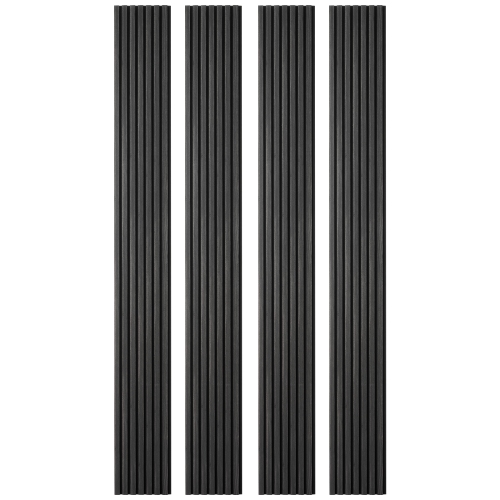
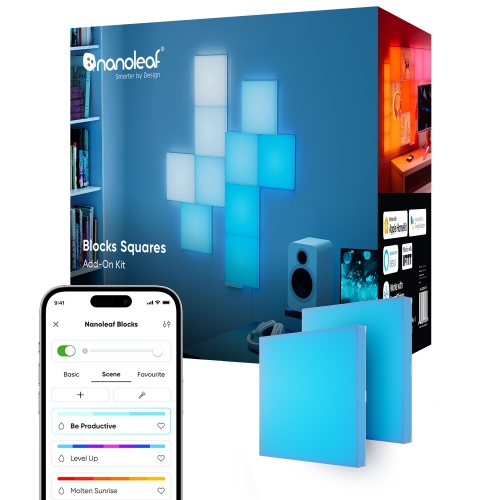
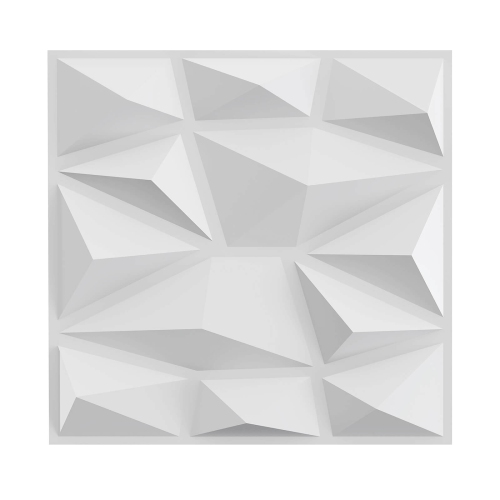
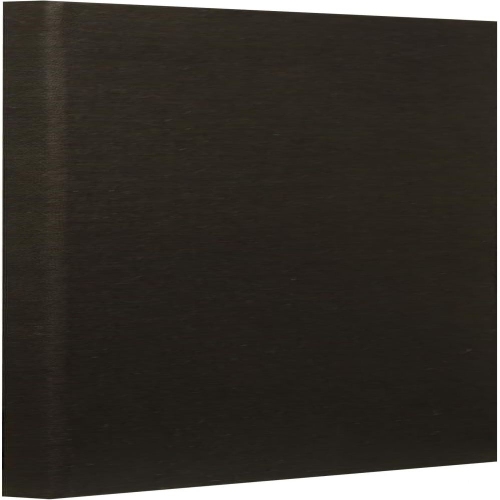
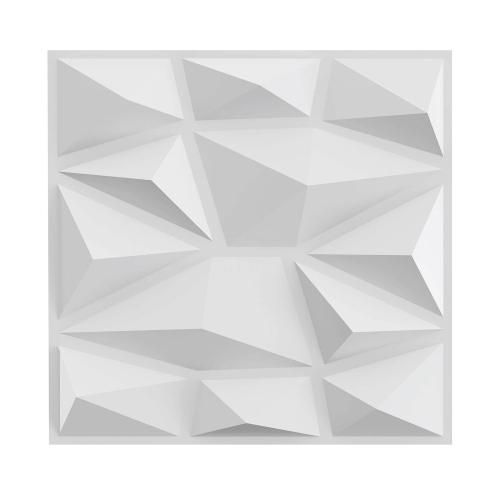
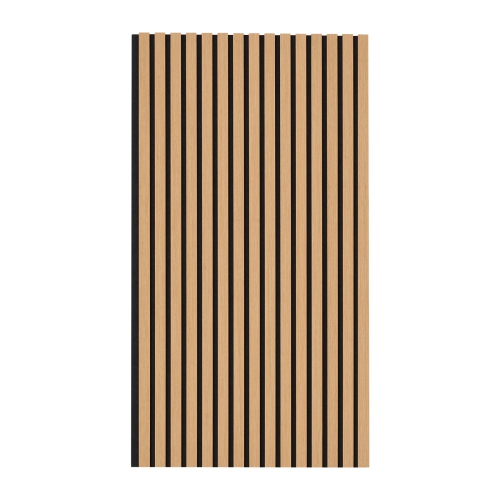
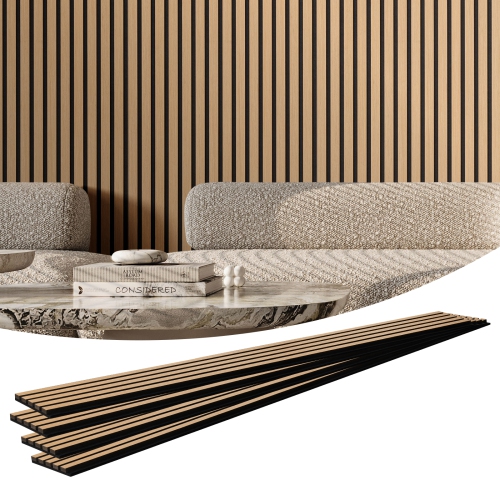
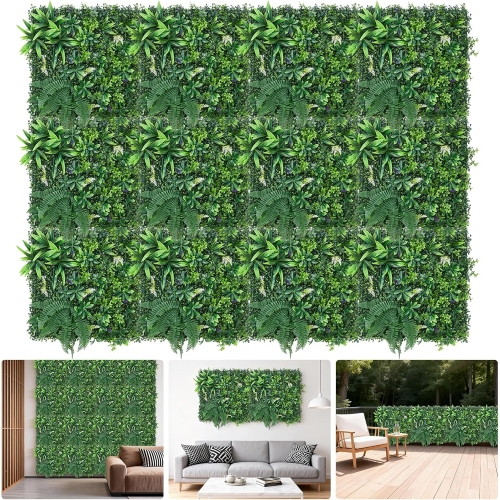


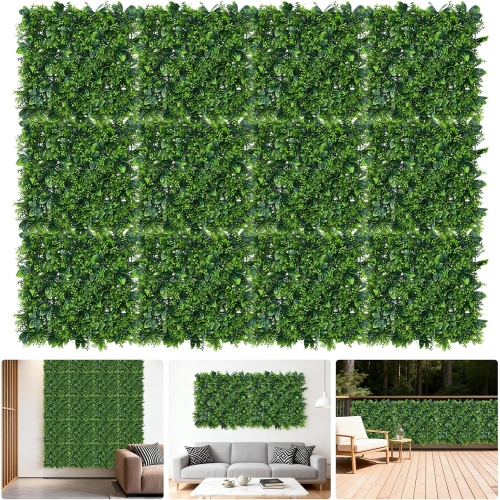
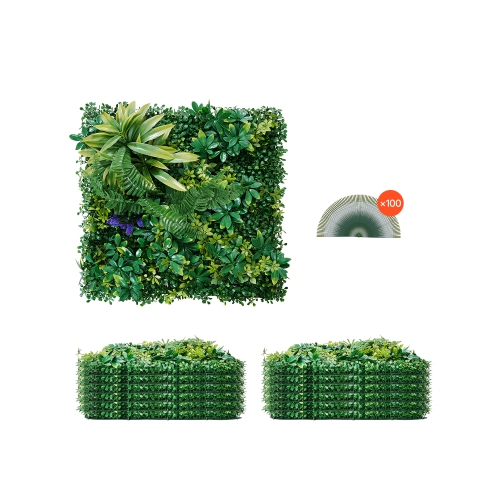
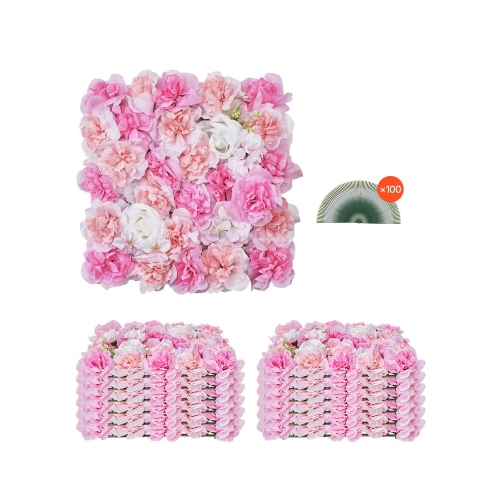
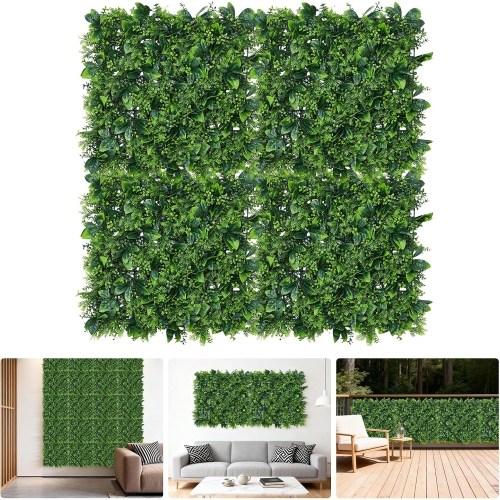
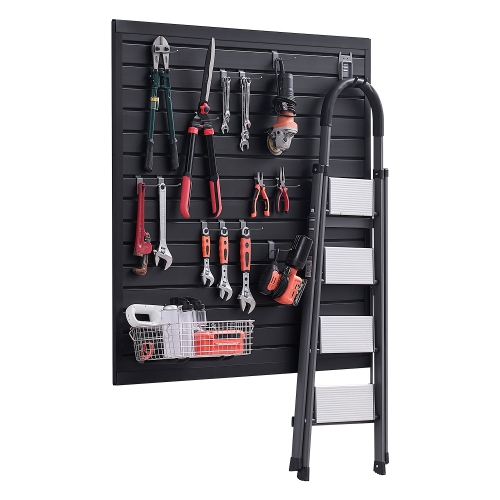

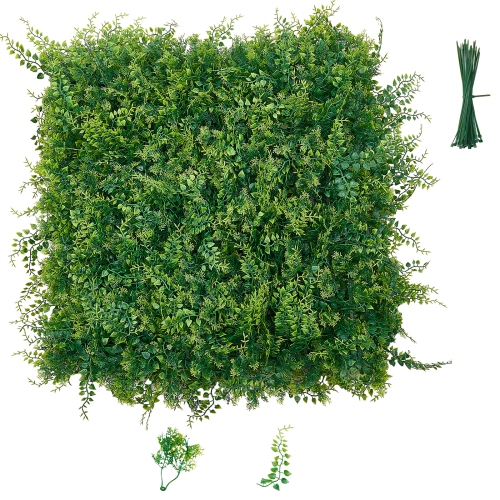
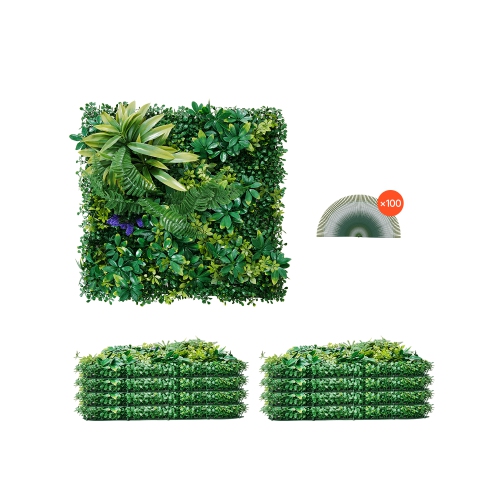
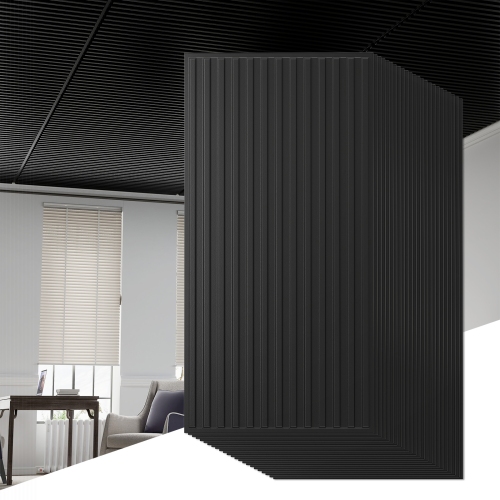

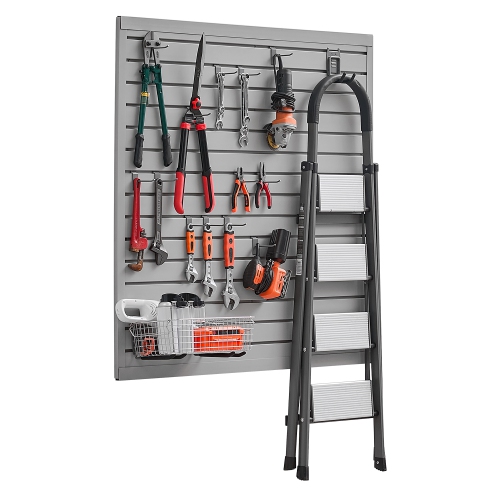
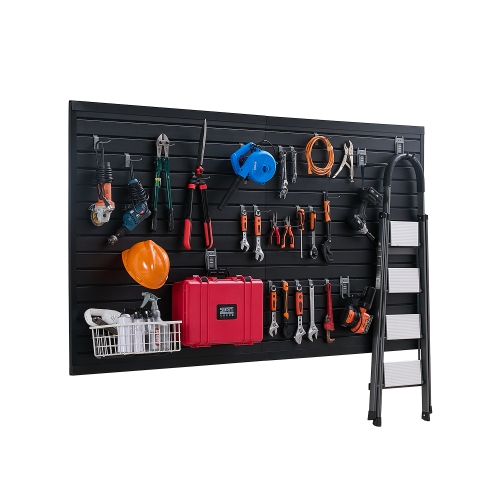
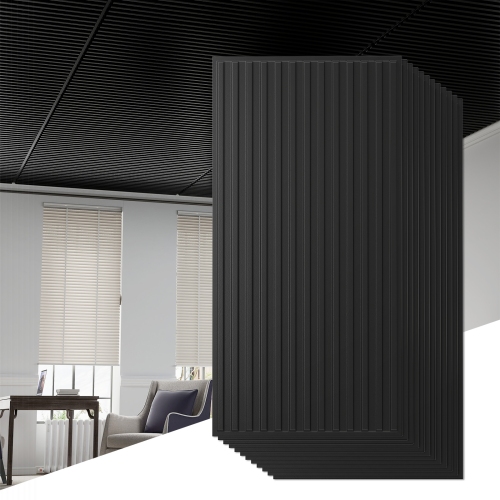
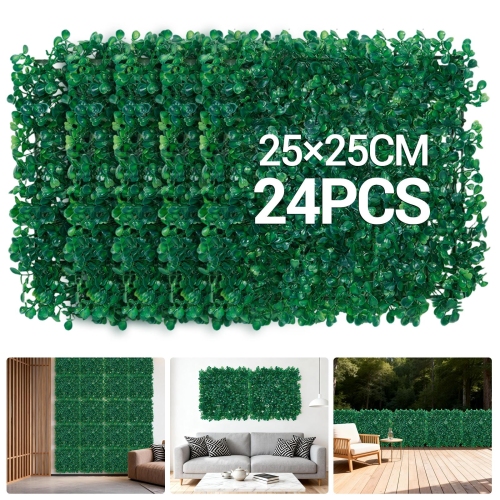
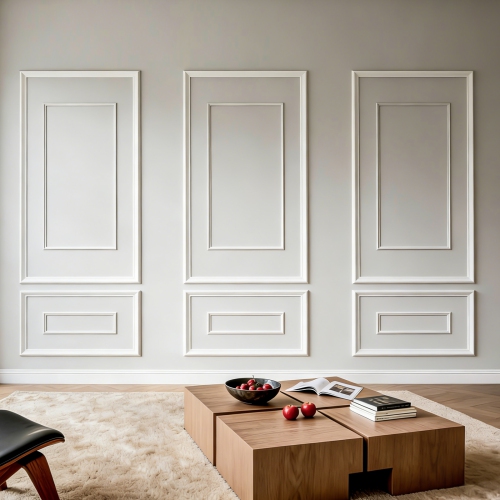
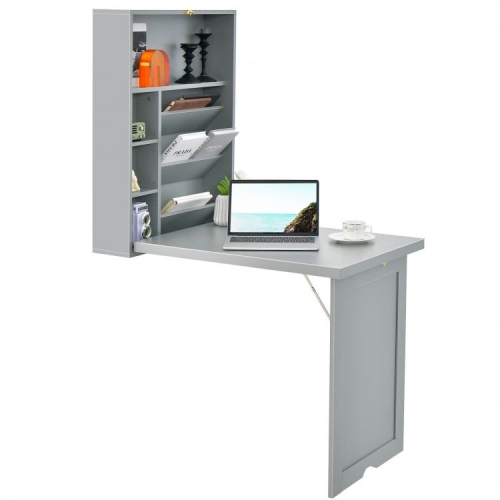
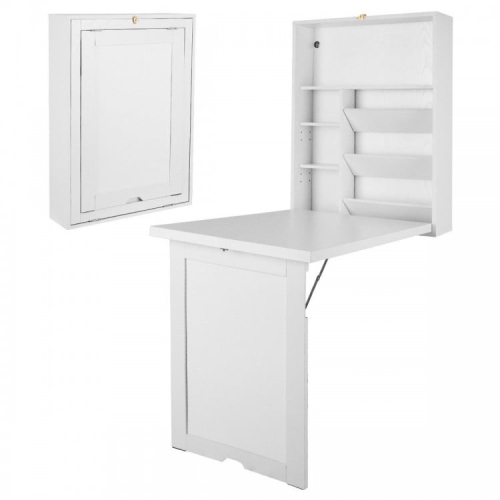
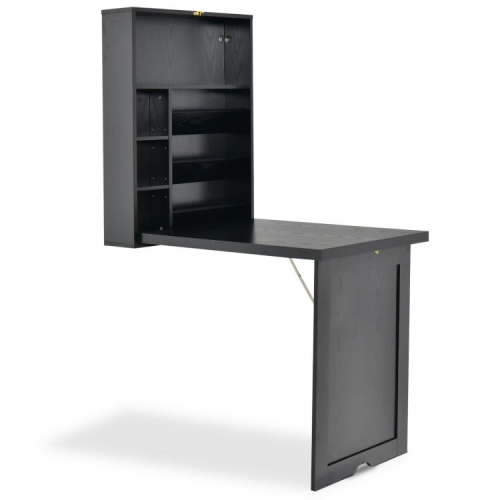
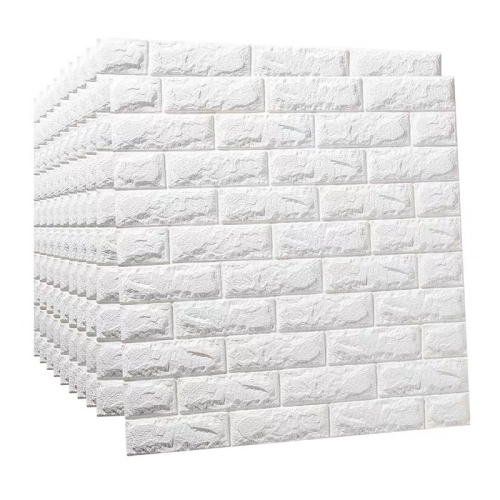
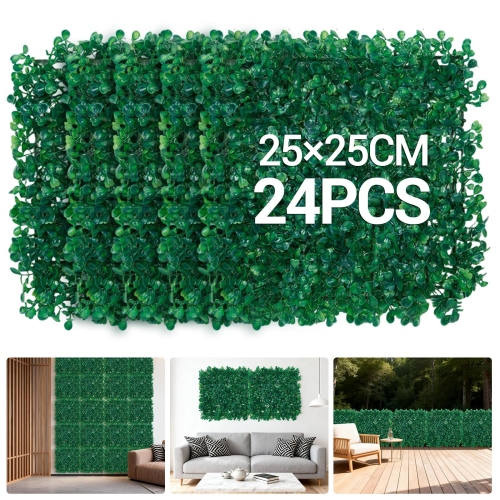
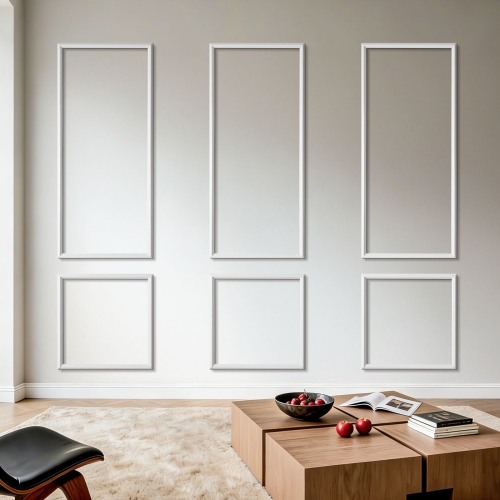
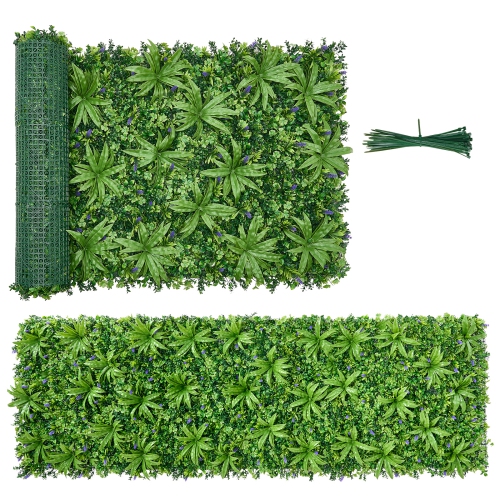
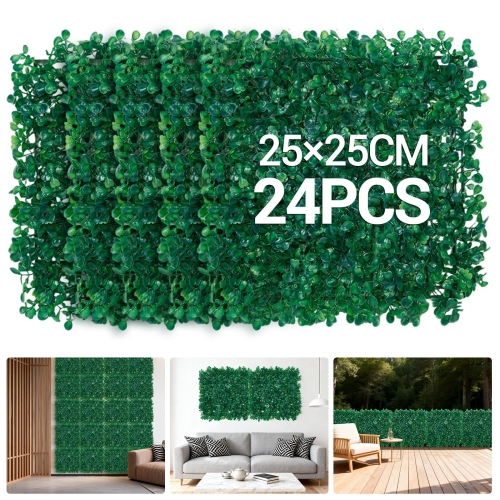
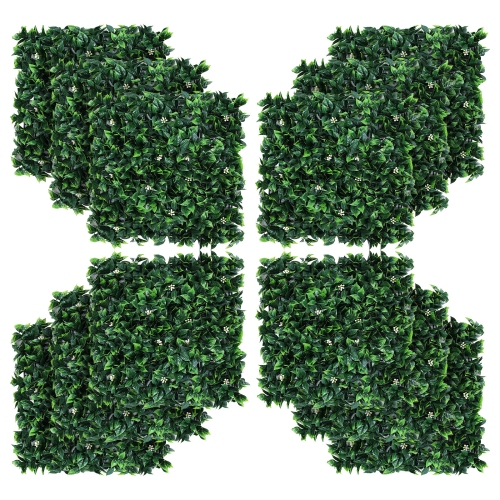
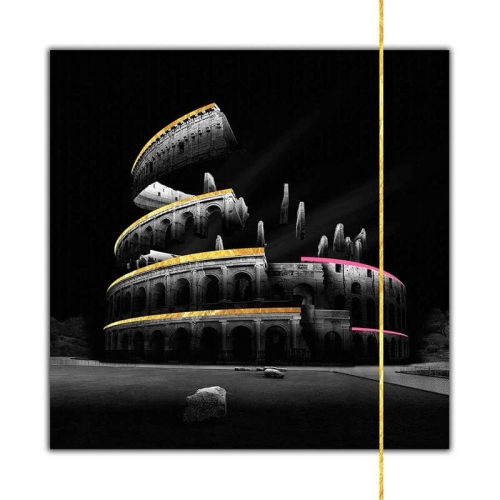
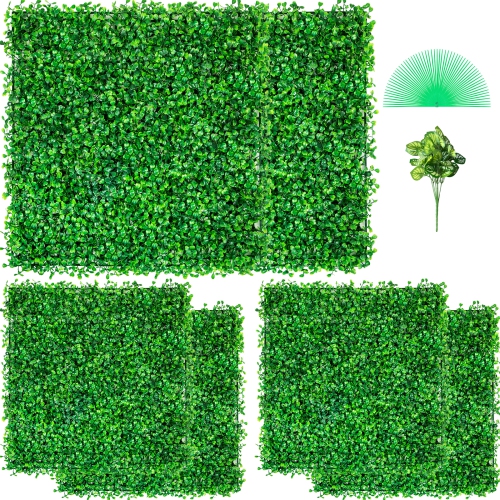

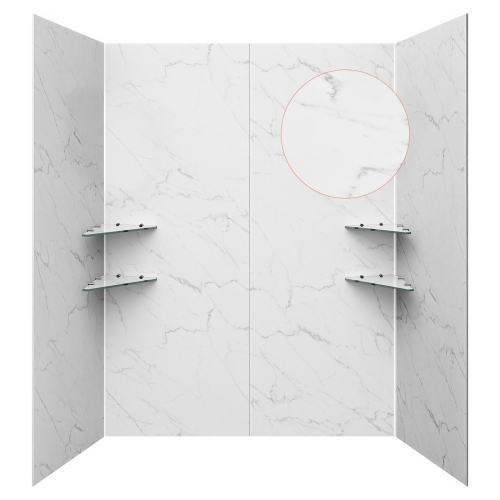
How texture and pattern give plain walls depth
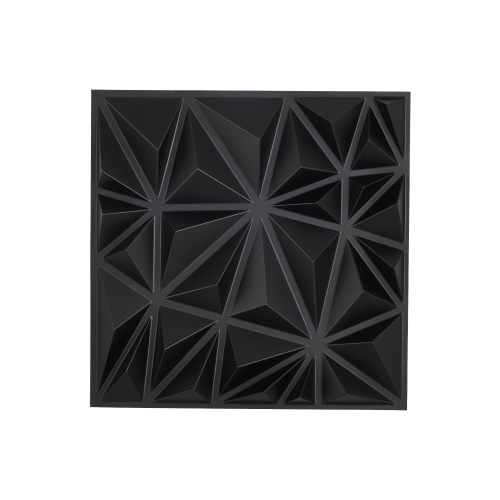
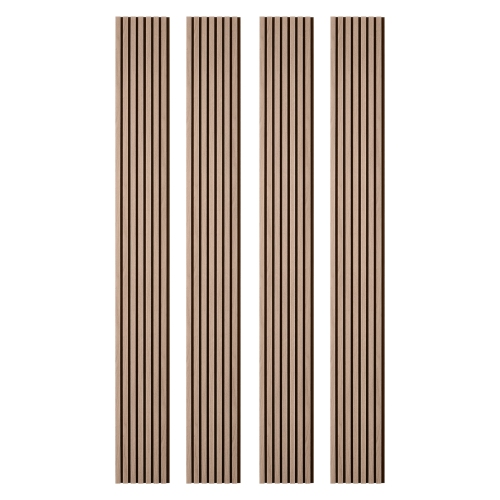
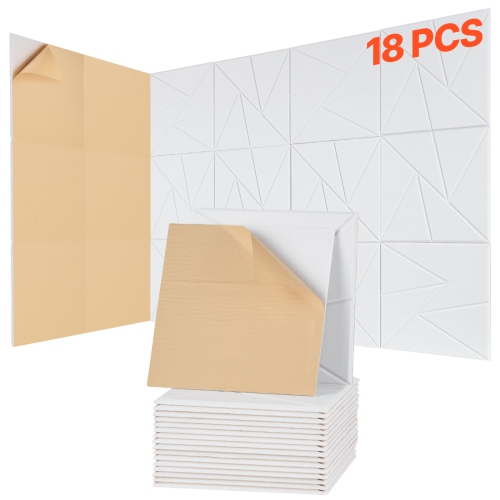
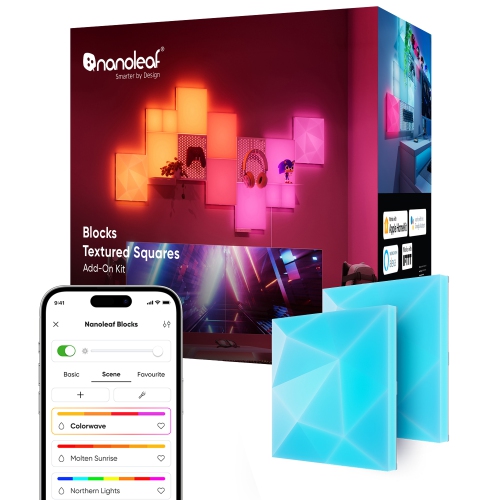
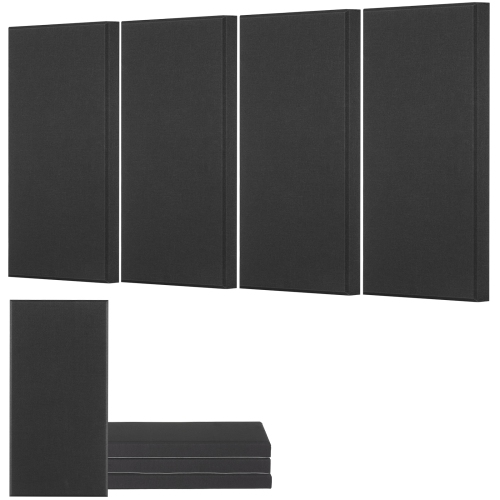
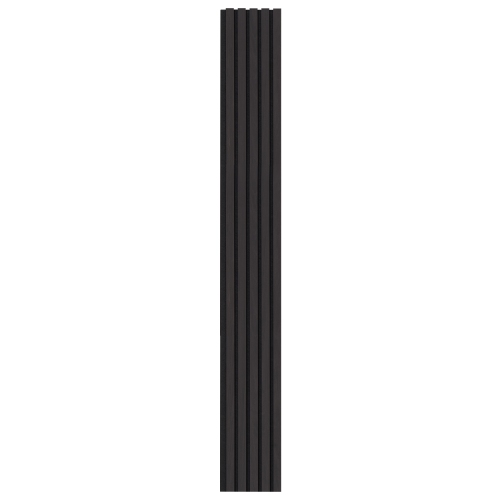
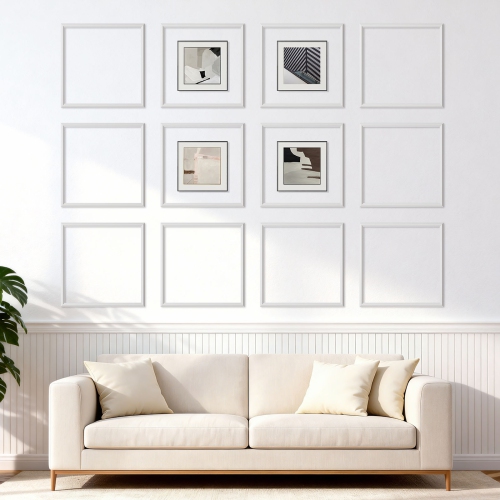
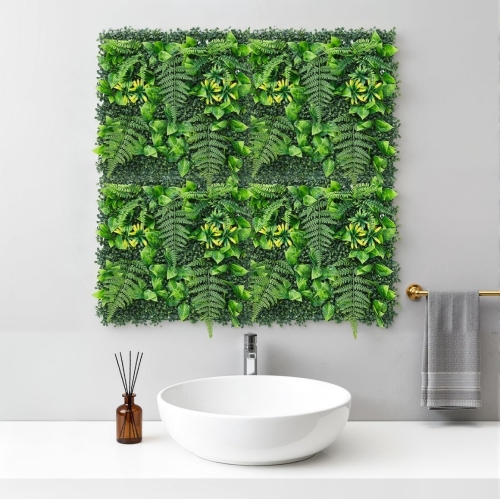
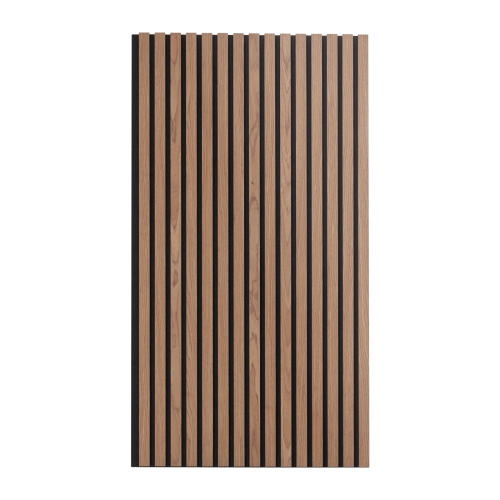
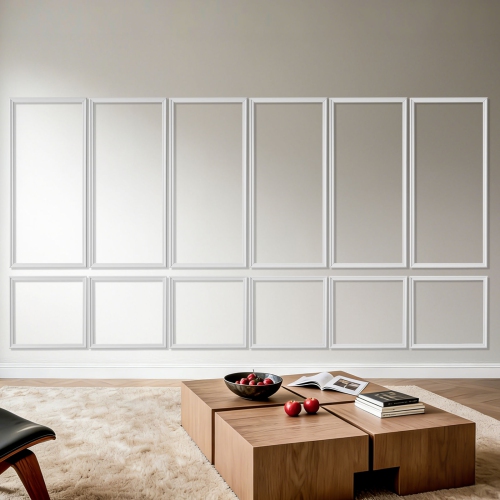
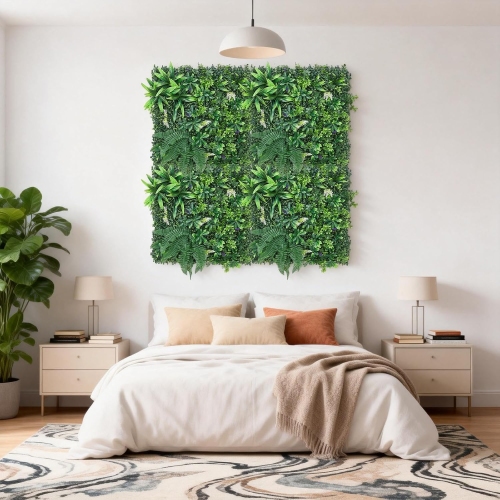
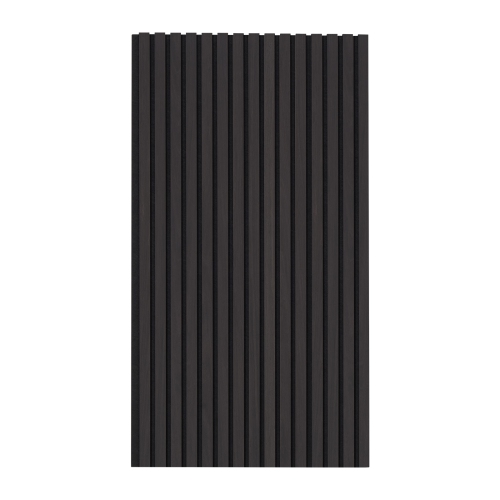
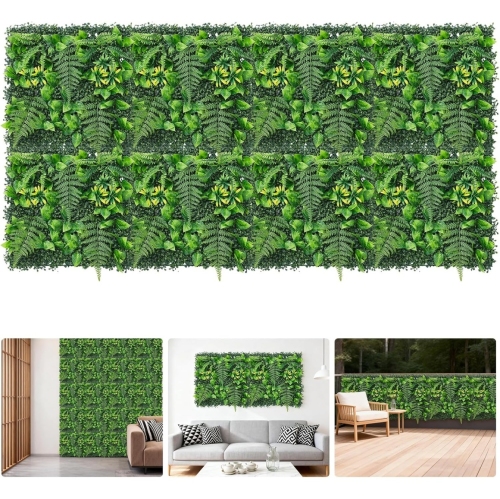
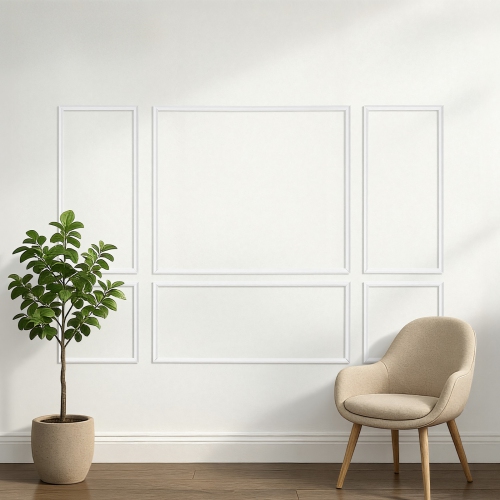
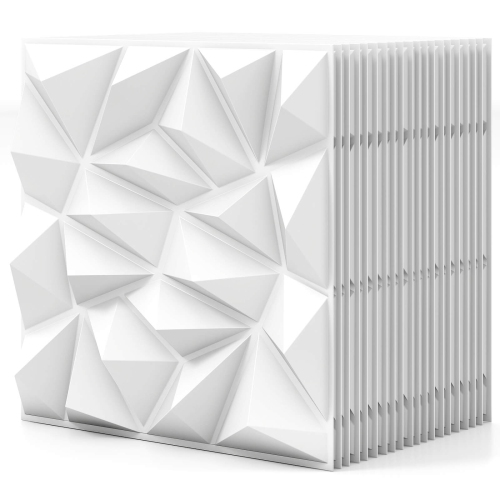
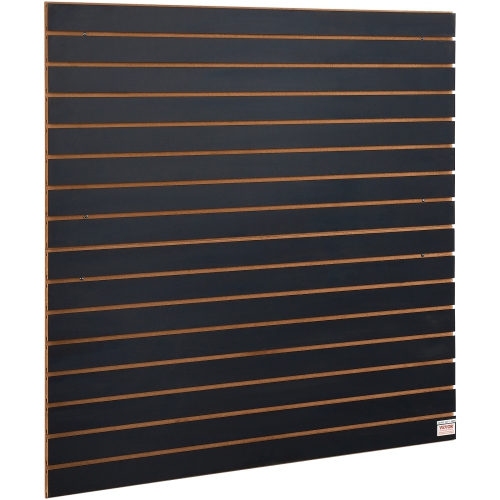
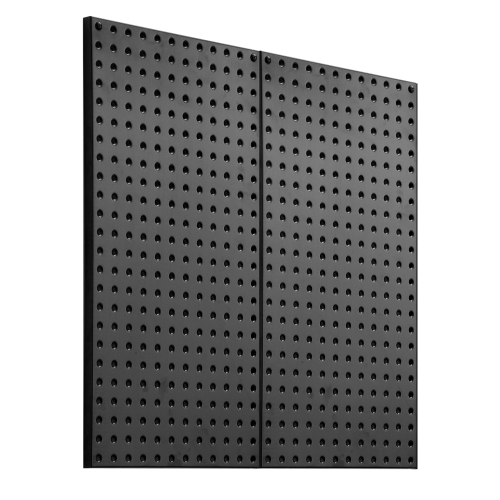
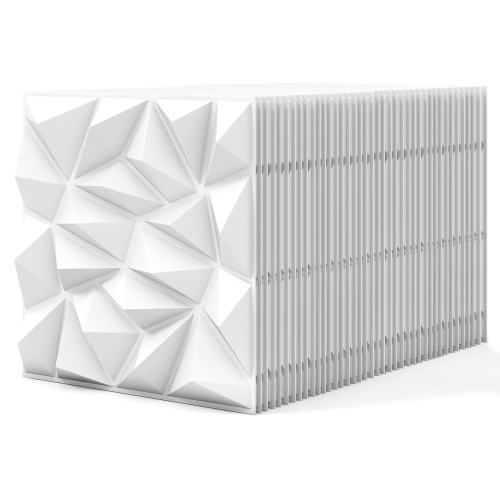
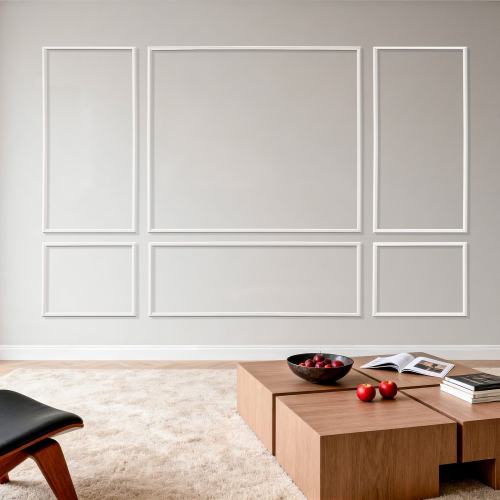
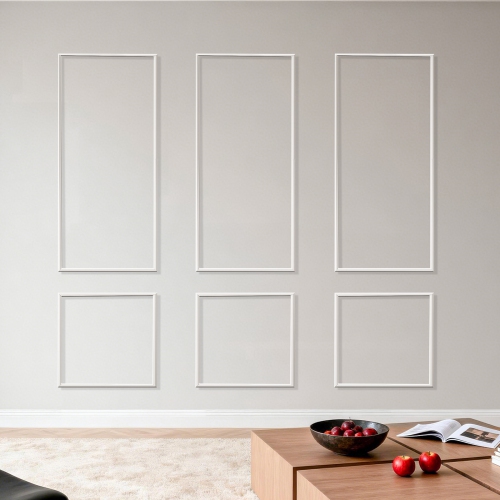
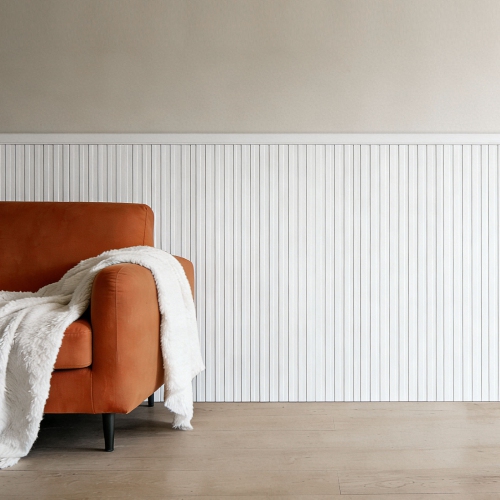
Square wall panels are interior wall coverings with a square shape or square-patterned design, used to add texture, depth, and definition to a room. They can form an accent wall, cover a larger surface, or create wainscoting along the lower portion of a wall. The category includes flat decorative tiles, raised three-dimensional panels, framed designs, and acoustic panels made to absorb sound. Each creates a different effect: a smooth grid feels orderly and understated, while sculpted surfaces cast shadows that make a plain wall more expressive. Behind a sofa, square panels can give a seating area a clear focal point without taking up floor space. In a bedroom, a panelled wall can frame the bed and provide a backdrop for bedside lighting. Home offices, entryways, and dining areas also suit this treatment, particularly where a large stretch of painted drywall feels unfinished. The size of each square changes the overall impression. Larger squares create fewer visual breaks, while smaller squares produce a more detailed, tile-like rhythm. Closely fitted edges can make a surface appear continuous; intentional gaps or framed borders emphasize the individual shapes. Colour and finish matter just as much as pattern. White and soft neutral finishes keep the relief subtle, while wood tones introduce grain and warmth. For a darker focal point, Black Wall Panels can create a strong backdrop for pale upholstery, warm wood furniture, or metallic accents. Lighting affects the result, too. Light falling across a textured surface reveals its contours more clearly than light directed straight at it. In a narrow hallway or behind furniture, panel depth deserves attention because pronounced relief extends farther into the room than a flat wall covering. A shallow profile may be a better fit where people regularly brush past the wall or where doors open close to its surface. Repeating the same square pattern across a defined section can also give an open-plan room a sense of separation without adding a partition.
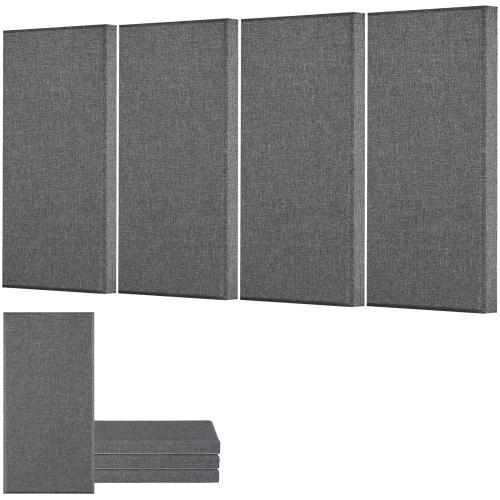
Material determines how square wall panels look, feel, and stand up to everyday use. PVC panels are generally lightweight and have surfaces that are easy to wipe clean, making them useful where occasional marks or splashes are a concern. Moisture resistance varies by construction, however, and a water-resistant panel does not automatically make its joints, adhesive, or underlying wall waterproof. Suitability for bathrooms or other damp spaces depends on the complete installation and the manufacturer's stated use. Medium-density fibreboard, commonly called MDF, provides a smooth surface for painted finishes and crisp framed details. It works well for classic square patterns and wainscoting, although standard MDF can swell when exposed to moisture. Paint-ready versions may need priming, and cut edges can require additional preparation to achieve an even finish. Wood panels bring natural grain and variation, with differences in tone that make the finished wall less uniform than a printed or painted surface. Their care requirements depend on the wood, finish, and construction. Felt, fabric-covered, and foam acoustic panels have a softer appearance and serve a different purpose from hard decorative cladding. Their sound-absorbing performance depends on factors such as material, thickness, mounting, and the amount of wall covered. A textured hard panel should not be assumed to provide the same acoustic benefit simply because it has a raised pattern. For busy households, durability also involves the details: exposed corners, delicate surface coatings, and deep grooves may show wear or collect dust differently from smooth, sealed faces. Routine care is usually simplest when it matches the finish. A soft cloth or suitable vacuum attachment can remove dust from textured surfaces, while washable faces may tolerate a lightly damp cloth if the care instructions permit it. Abrasive cleaners and excessive moisture can damage some coatings. Around desks, dining chairs, and other contact points, a finish suited to frequent handling is more practical than one chosen for appearance alone. Near cooking appliances, fireplaces, or other heat sources, the panel's stated heat limits and required clearances are particularly important.
Fit and installation influence the finished appearance as much as the panel design itself. The listed dimensions may describe an individual square, a larger sheet containing several squares, or the coverage supplied in a pack, so these distinctions matter when assessing a wall. Actual coverage can also be affected by overlaps, spacing, edge profiles, and the direction of a repeating pattern. A balanced arrangement often leaves similar-sized cuts at opposite ends rather than a narrow strip beside one corner. Windows, door casings, baseboards, and electrical outlets interrupt the grid, and thicker panels may need compatible trim or properly fitted electrical box extensions. Existing wall conditions matter as well: lightweight adhesive-mounted panels typically need a clean, sound surface, while heavier designs may require mechanical fasteners or another specified support system. Wall coverings are not a remedy for dampness, loose plaster, or underlying damage. Adhesive-backed designs can simplify fitting, but they are not necessarily removable without affecting paint or drywall, an important consideration in rented spaces. Where a television, shelf, or other heavy object shares the wall, its mounting needs suitable structural support rather than relying on the decorative panels. In home offices, gaming rooms, and media spaces, square acoustic panels can help soften reflected sound and reduce an overly echoing quality. This is different from soundproofing, which involves limiting sound transmission between spaces; decorative or sound-absorbing panels alone should not be expected to block conversations or music from reaching another room. Placement and coverage affect the audible result, just as spacing and alignment affect the visual one. For a household combining work, entertainment, and everyday living in the same room, the most useful choice balances the desired appearance with appropriate care, secure fitting, and the intended function. A well-matched panel treatment can make a blank wall feel deliberate without competing with the furniture, lighting, and artwork already in the space.
Top selling and popular products
-
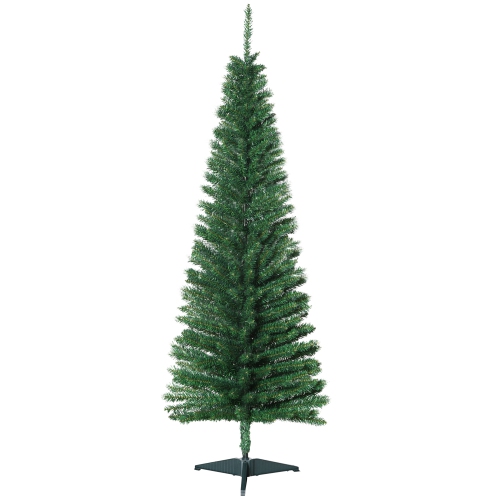 Your price for this item is $49.99
-
 Your price for this item is $51.99
-
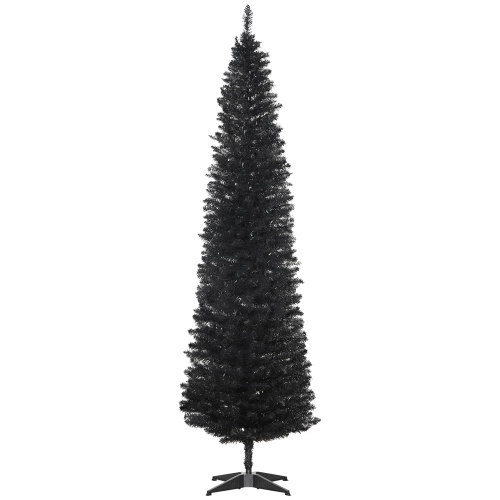 Your price for this item is $69.99
-
 Your price for this item is $48
-
 Your price for this item is $49.99
-
 Your price for this item is $125.99
-
 Your price for this item is $167.99
-
 Your price for this item is $107.99
Discover more categories related to Square Wall Panels

Top Collections:
Best Black Friday Deals This Year, Best Black Friday Deals On Electronics, Kindle Devices, Dyson Airwrap, Best Cameras for Sports Photography, Best Black Friday Deals On Apple Products, PS5 Pro Consoles, Portable Snow Blowers, Canon G7X Cameras, Pokémon 30th Celebration Cards
Some products may be subject to Environmental Handling Fees
(EHF) depending on your province.
Learn more about EHFs.