4 Drawer Lateral File
Organize your office space with these versatile and functional 4-drawer lateral file cabinets. Whether you're a small business owner or simply looking to declutter your home office, these storage solutions offer ample space to keep your important documents and files neatly arranged. Check out these great options for you.
Sort
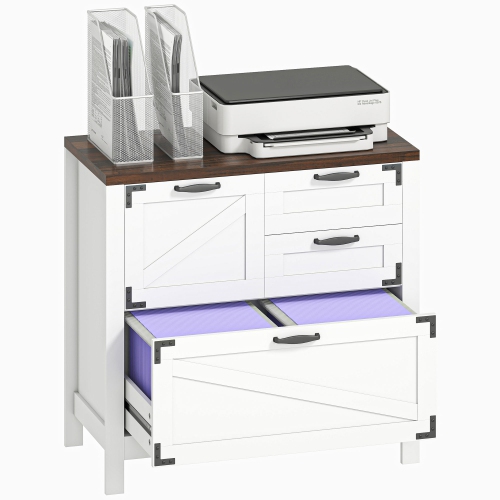
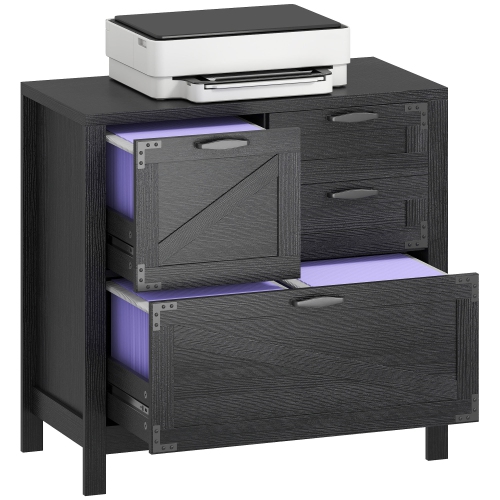

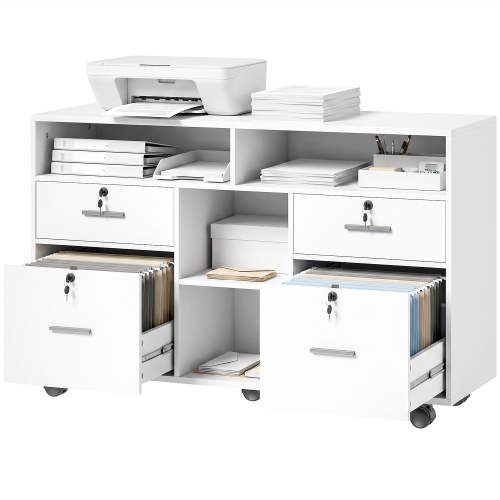
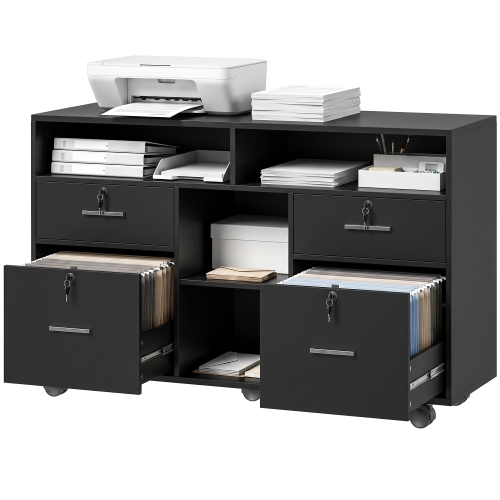
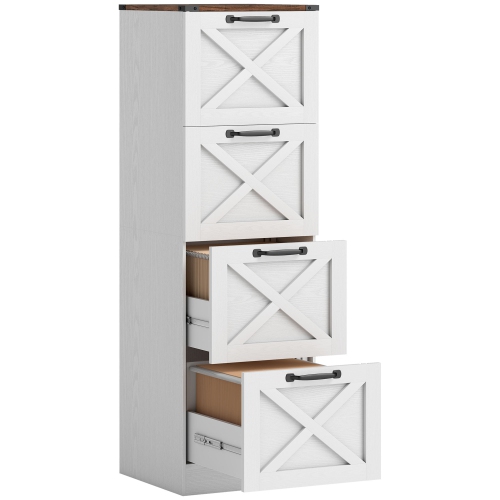
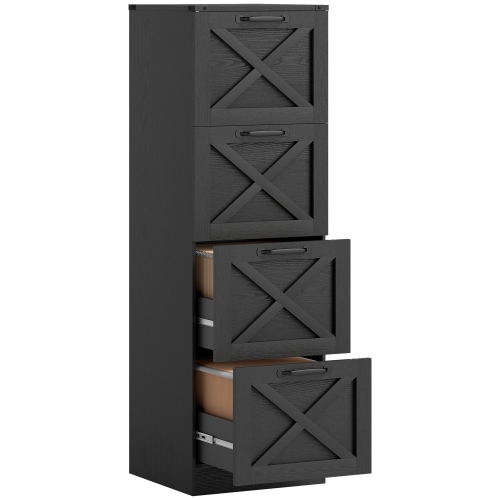
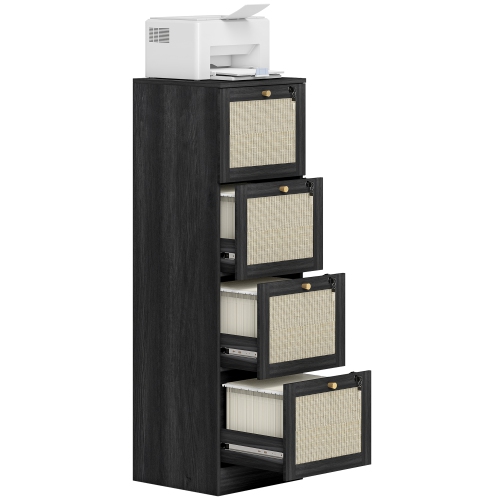
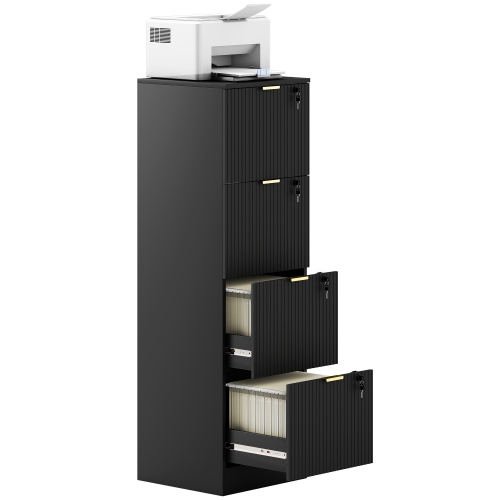
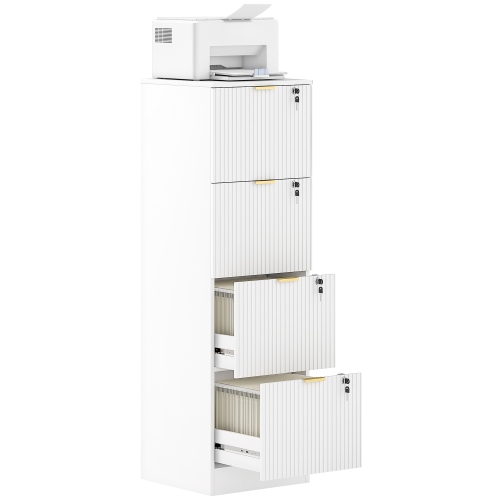
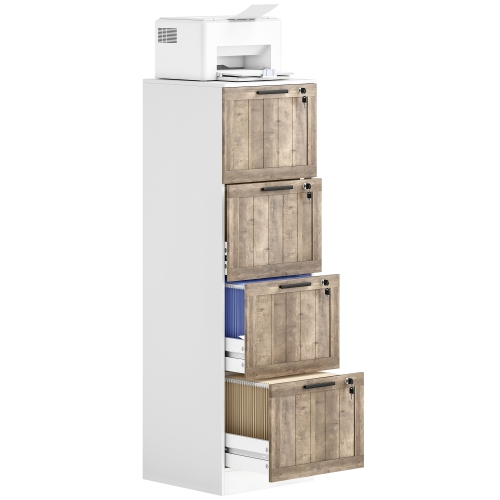


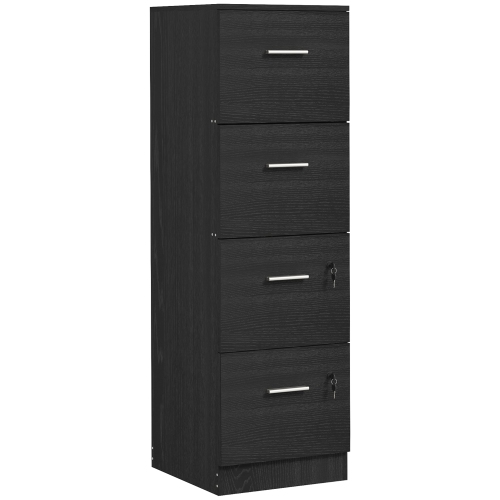
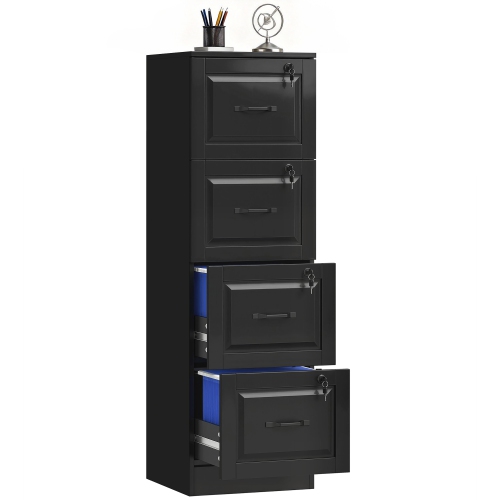
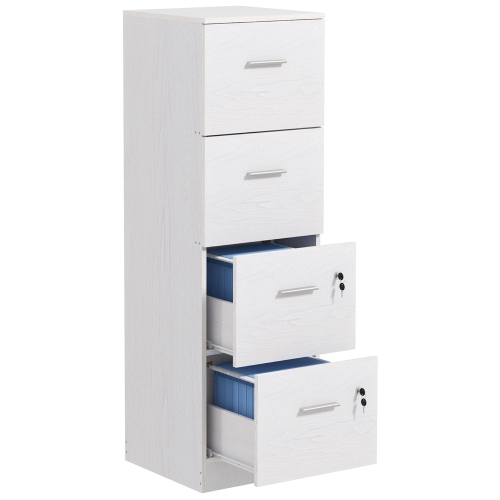

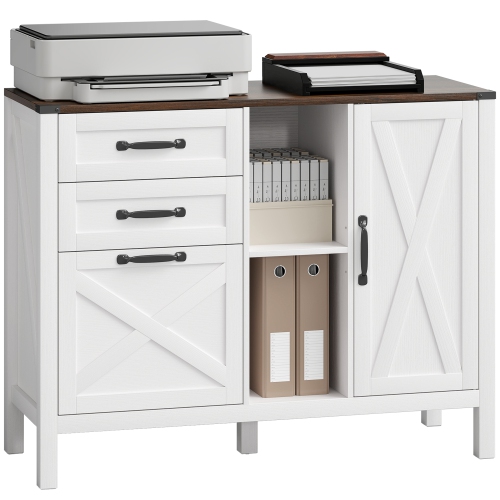
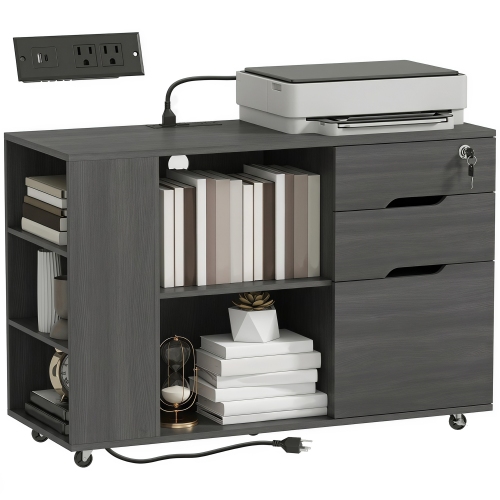
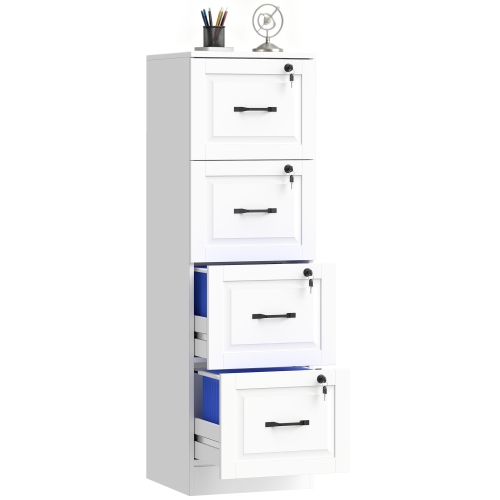
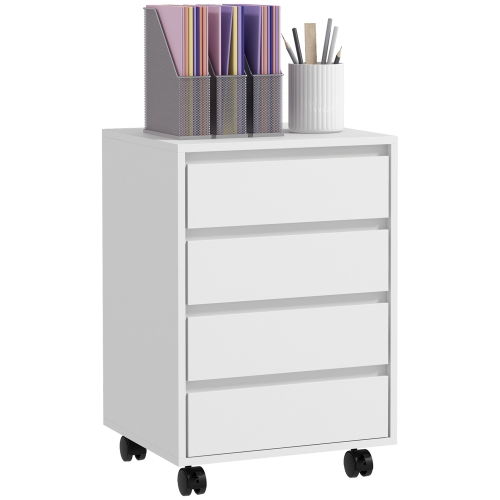
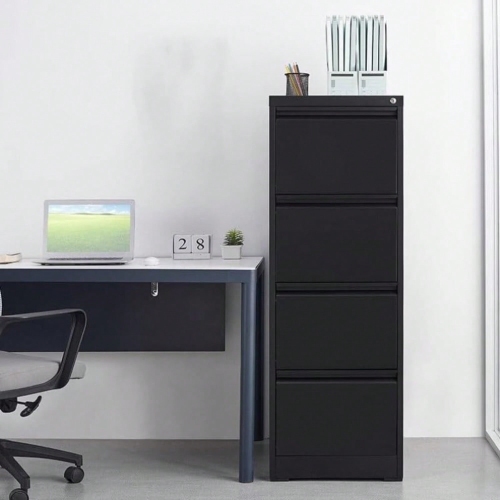
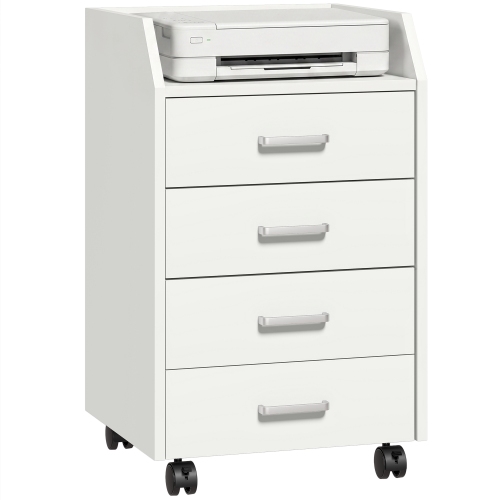
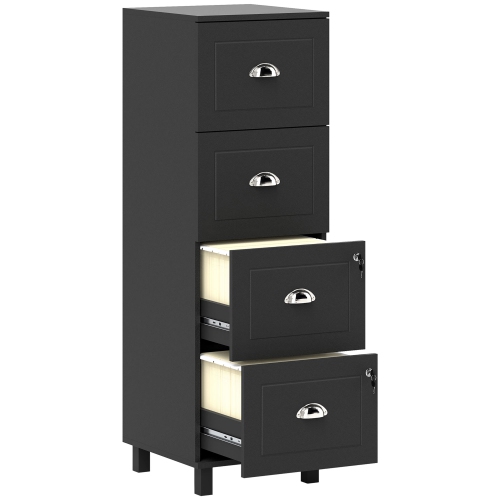
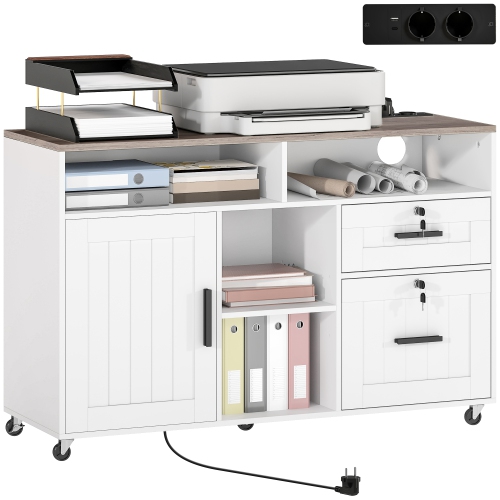
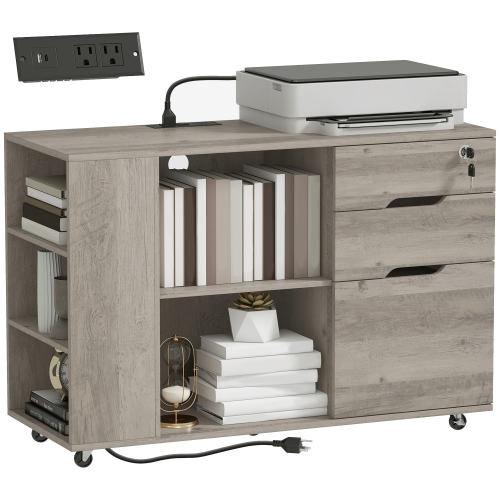
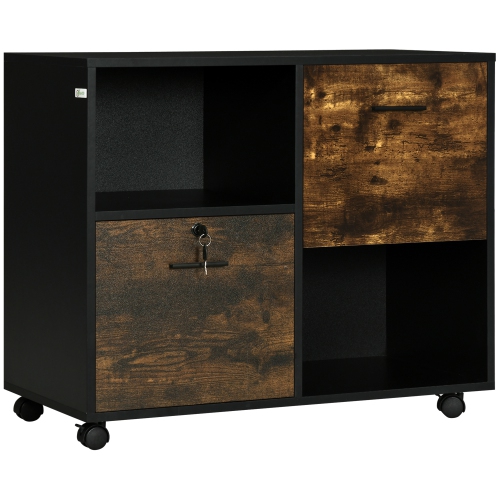
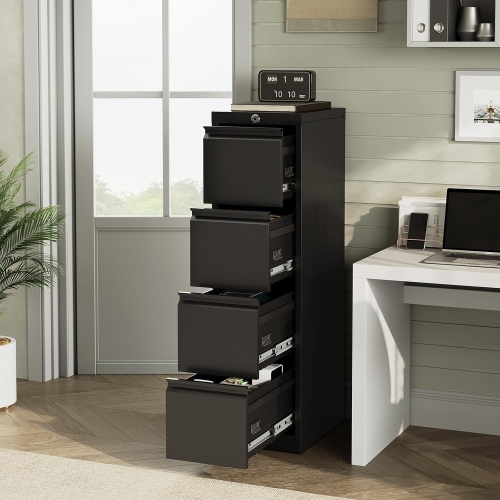
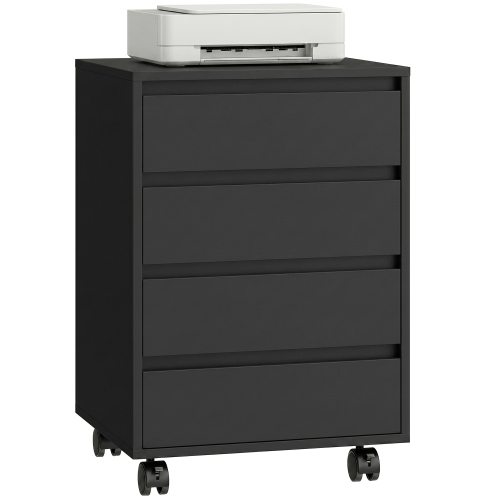
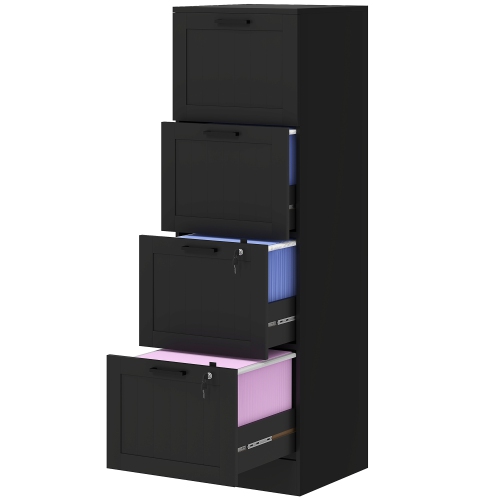
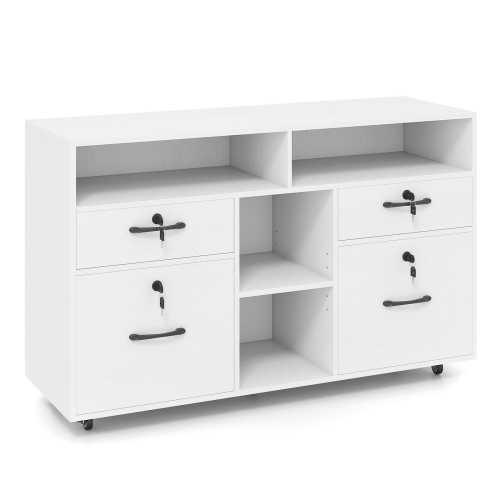
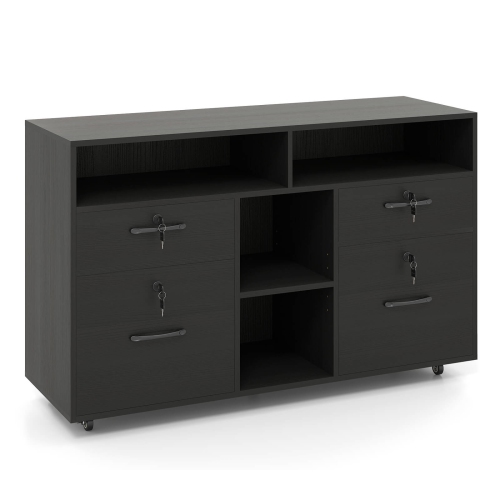

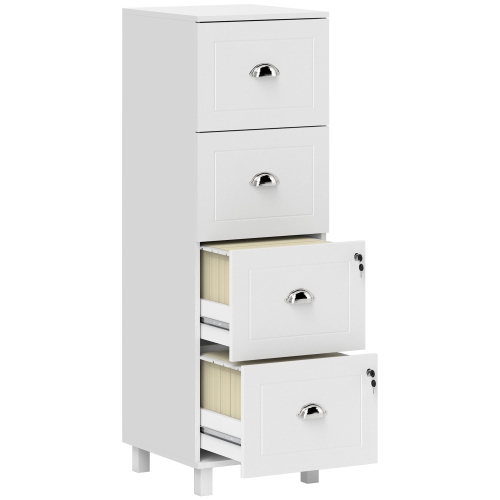
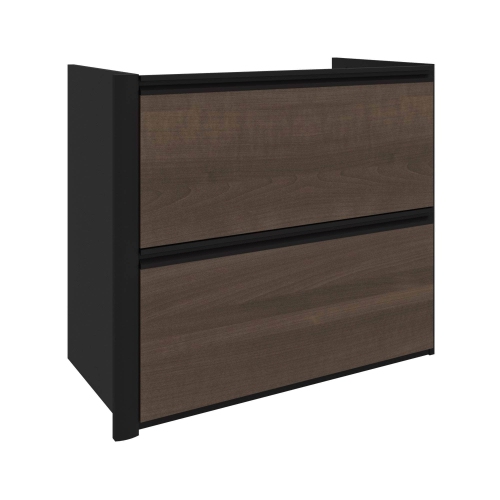
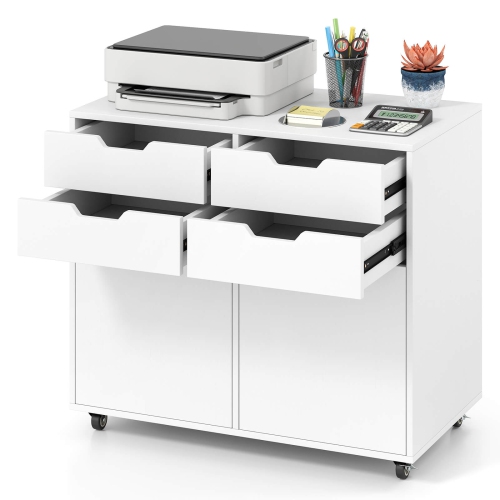
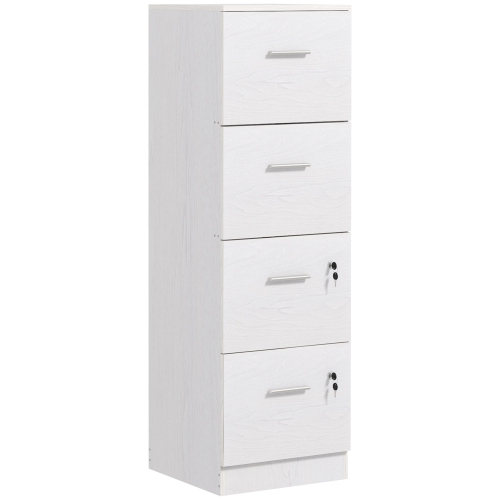
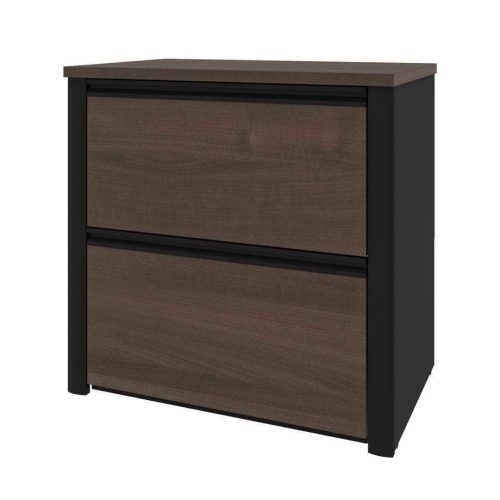
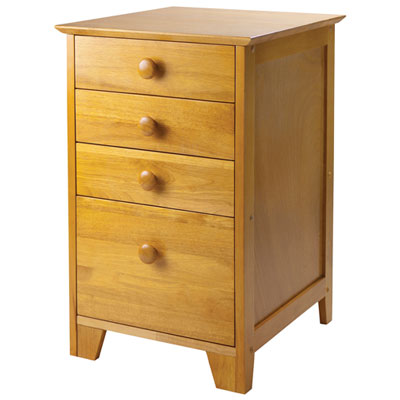
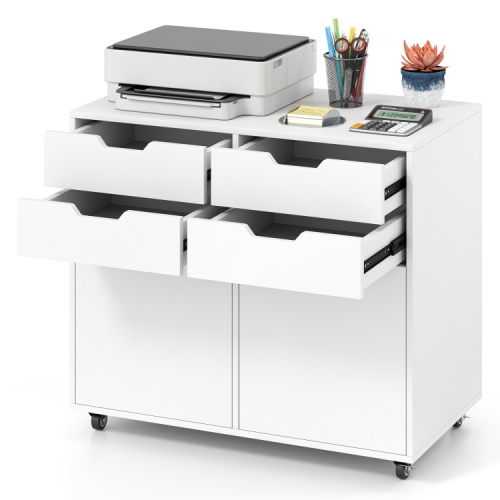
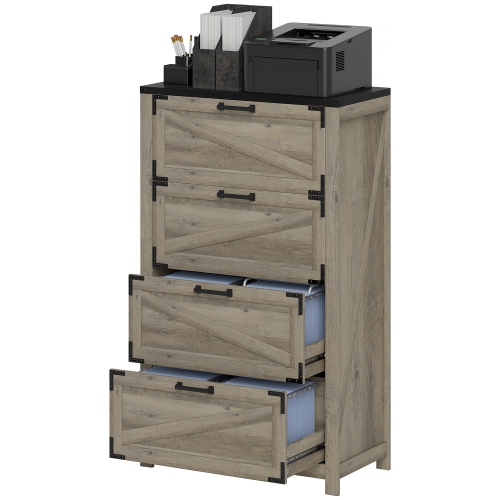
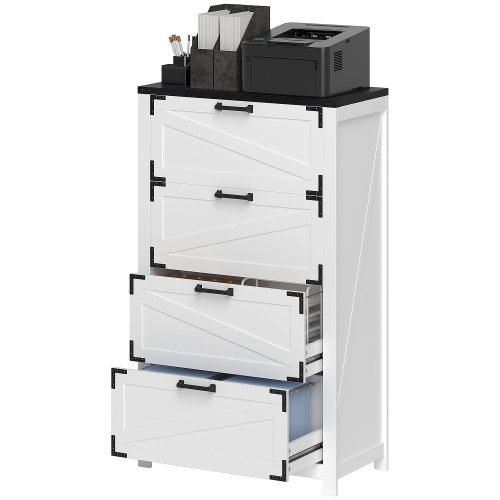
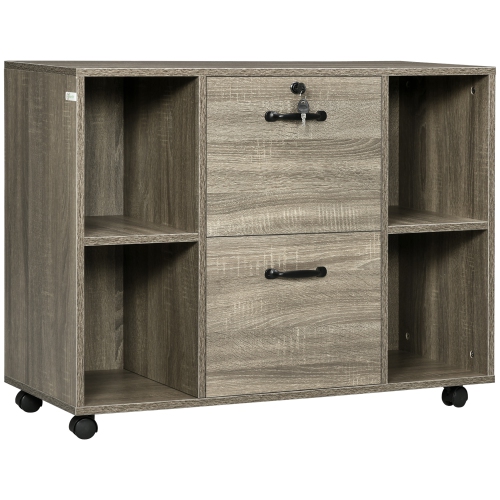
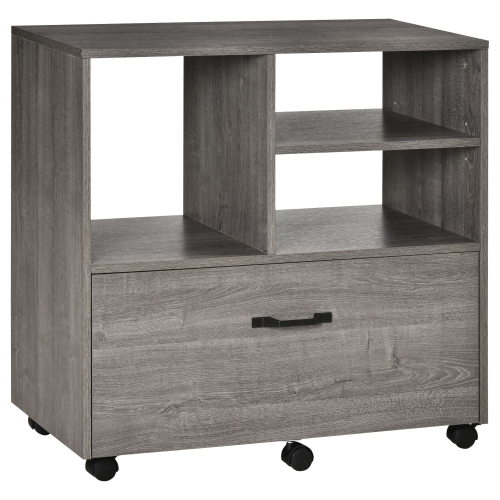
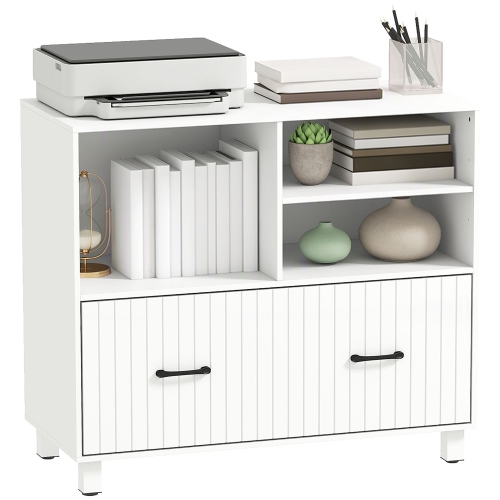
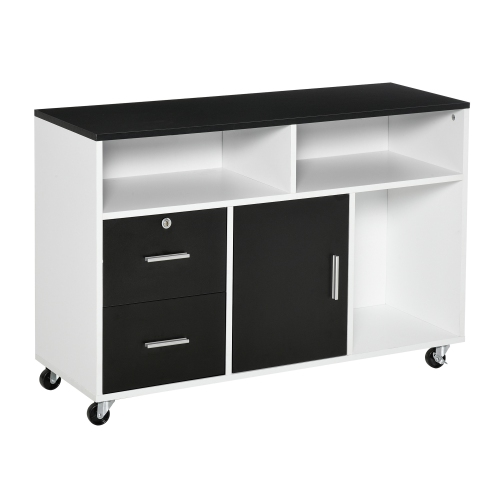
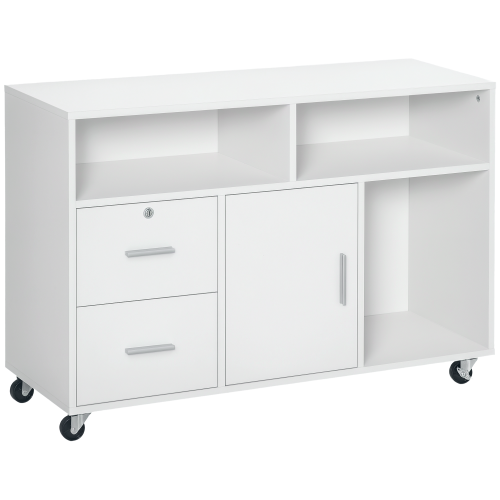
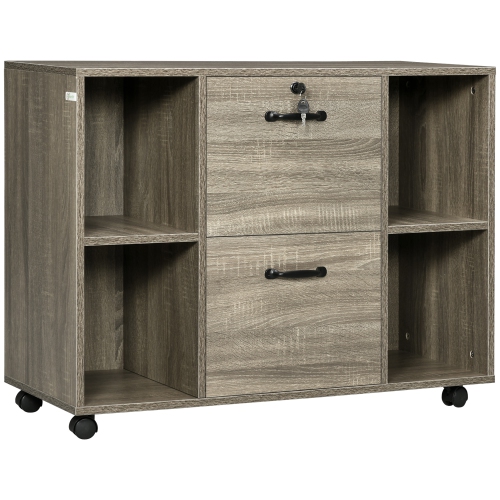
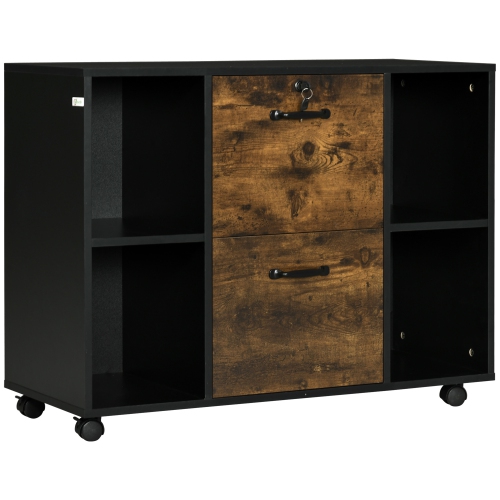
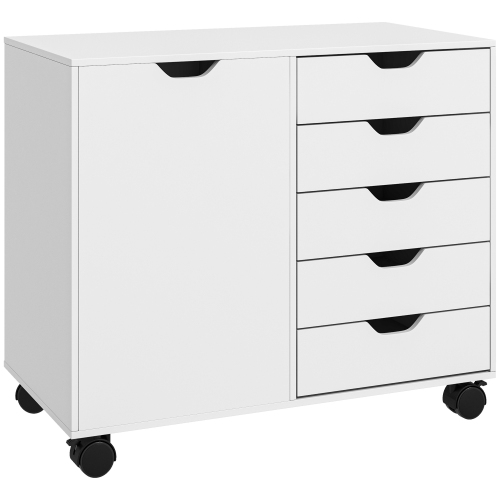
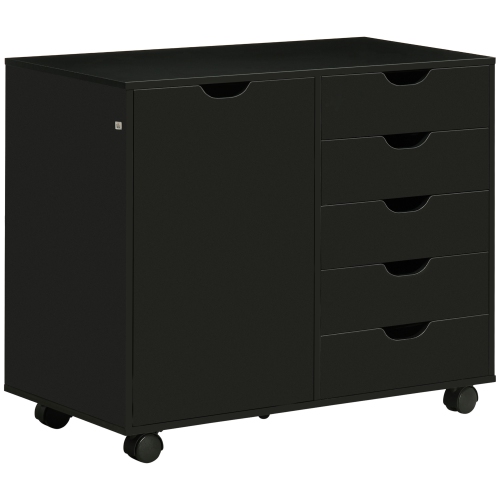
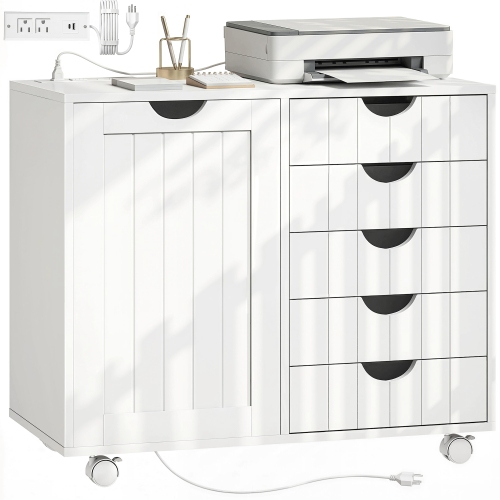
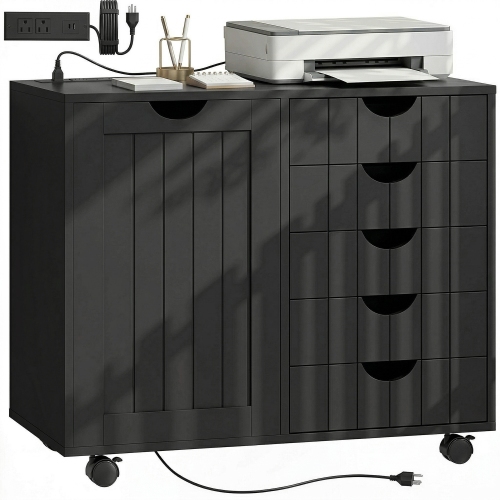
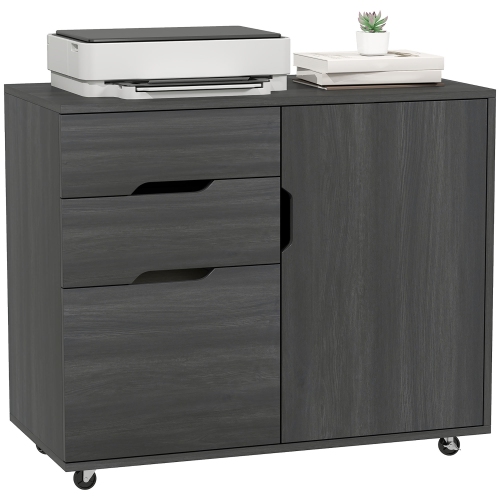

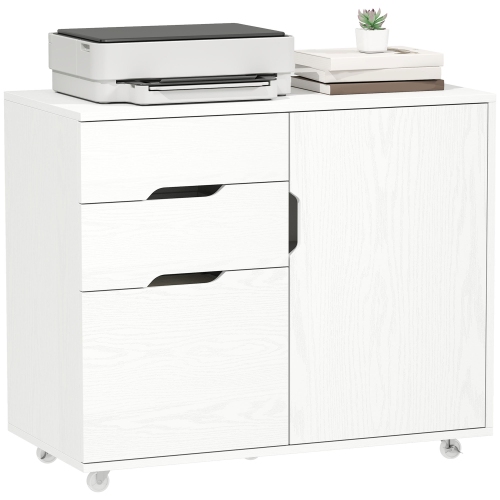
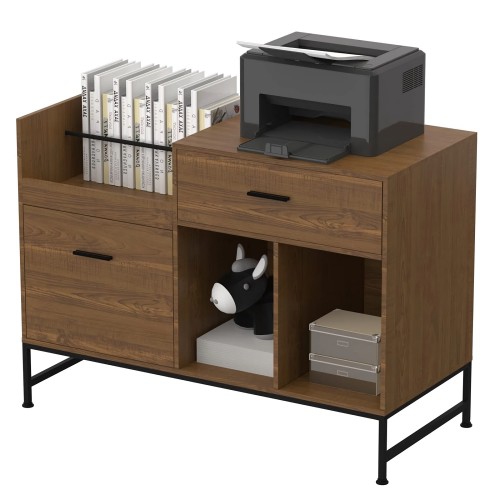
Wide drawers for organized files and easier access
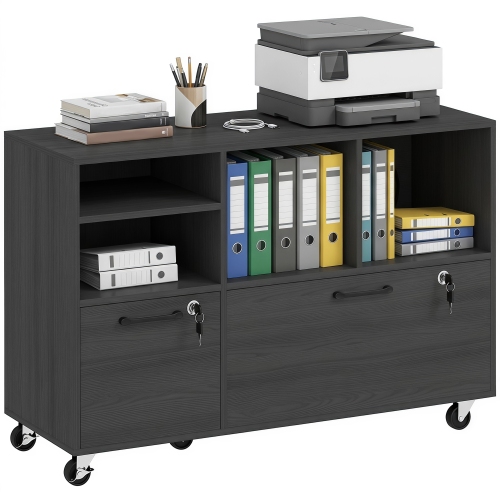
Four-drawer lateral file cabinets bring substantial paper storage into a single piece of office furniture, with wide drawers that keep hanging folders accessible across the cabinet rather than along a narrow, deep channel. Their horizontal layout suits workspaces where several categories of paperwork need a permanent home: client records in a small business, invoices and receipts in a bookkeeping office, or household documents beside a home workstation. Four separate drawers make it possible to divide files by department, project, year, or purpose without spreading paperwork across several smaller cabinets. Compared with a vertical file cabinet, a lateral cabinet typically has a wider footprint and a shallower body, although dimensions vary. That shape can work well against a long wall or alongside a desk, provided there is enough space for the drawers to open fully and for someone to stand comfortably in front. The cabinet’s height also affects how easily the upper drawer can be reached and how it fits beneath shelving or beside other furniture. External dimensions tell only part of the story; usable drawer width, depth, and height determine how much paperwork fits inside. Letter-size documents measure 8.5 by 11 inches, while legal-size documents measure 8.5 by 14 inches, and the hanging-file supports must accommodate the folders being used. Some cabinets support letter, legal, and A4 formats through adjustable rails or different filing orientations, while others have a more limited configuration. Side-to-side filing can make folder tabs easy to scan across a wide drawer; front-to-back arrangements may use separate rows, depending on the interior fittings. A cabinet used for contracts and oversized forms therefore has different requirements from one holding everyday correspondence. Hanging folders, label tabs, and divider arrangements also occupy space, so practical capacity depends on the complete filing setup rather than the cabinet’s overall size alone.
Materials and drawer construction make a noticeable difference when a four-drawer lateral file cabinet is used throughout the working day. Steel cabinets are common in business offices because their rigid bodies and practical finishes suit frequent handling. A powder-coated surface can help resist everyday scuffs, though it is not scratch-proof, and exposed edges or damaged finishes still need appropriate care. Wood and engineered-wood constructions offer a furniture-like appearance that can sit comfortably beside a home office desk or bookcase. Their durability depends on the panel construction, joints, surface finish, and hardware rather than appearance alone. A woodgrain finish may soften the look of a workspace, while a plain metal finish can blend with other office storage. Inside the cabinet, drawer slides influence both access and effort. Full-extension slides, where included, bring the rear of the drawer farther into view, reducing the need to reach past folders at the front. Ball-bearing mechanisms can provide smooth movement, but the stated drawer load limit remains important because paper becomes surprisingly heavy in quantity. A drawer filled with several years of invoices places much greater demands on its slides than one holding a few active project folders. Handles should offer a comfortable grip without projecting awkwardly into a walkway, and label holders can make shared filing easier to navigate. Locking arrangements vary: one central lock may secure all drawers, while other designs use separate locks or different mechanisms. A lock adds a useful access barrier for personnel files or private household paperwork, but it does not by itself establish fire protection or a particular level of security. Those capabilities require explicit ratings or specifications. Stability features deserve equal attention. Some cabinets include an interlock that limits opening to one drawer at a time, along with adjustable levelling feet. These features are distinct from anchoring requirements; correct installation, an appropriate floor surface, and loading heavier contents into lower drawers remain essential to safe use.
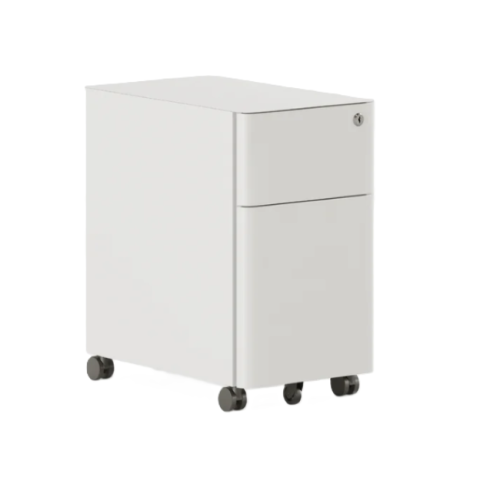
The best fit for a workspace is a cabinet that supports the filing habits of the people using it, not simply the largest unit that fits against the wall. In a shared office, clear drawer divisions can keep accounting documents separate from customer files, with frequently used folders in the most comfortably reached positions. At home, a four-drawer layout can give tax documents, insurance paperwork, property records, and instruction manuals their own places without turning the desk into a storage surface. Consistent labels and enough room to move folders aside make retrieval easier; tightly packed drawers can snag tabs, crease papers, and make refiling frustrating. For spaces with a smaller collection of documents or a need for lower storage beside a desk, Two Drawer Lateral File Cabinets provide a related format to consider. A four-drawer cabinet is generally better suited to a larger filing collection, though its extra height and loaded weight affect placement and handling. Doorway width, stair access, delivery pathways, and any assembly requirements matter before the cabinet reaches its final position. The floor must be suitable for the cabinet and its contents, and manufacturer instructions establish whether wall anchoring or other installation measures are needed. Once in place, regular care is straightforward but material-specific. A soft cloth and a cleaner approved for the finish help remove dust and fingerprints without damaging the surface; moisture should not be left sitting on wood-based panels or around metal joints. Drawer tracks benefit from being kept clear of loose paper, fallen labels, and small office supplies, while lubrication should follow the manufacturer’s directions rather than a general household routine. Periodic checks of handles, fasteners, locks, and drawer movement can reveal problems before they interfere with daily use. With suitable dimensions, compatible file supports, and dependable construction, a four-drawer lateral file cabinet gives paperwork an orderly home while keeping the working area clear for the tasks that need desk space.
Top selling and popular products
-
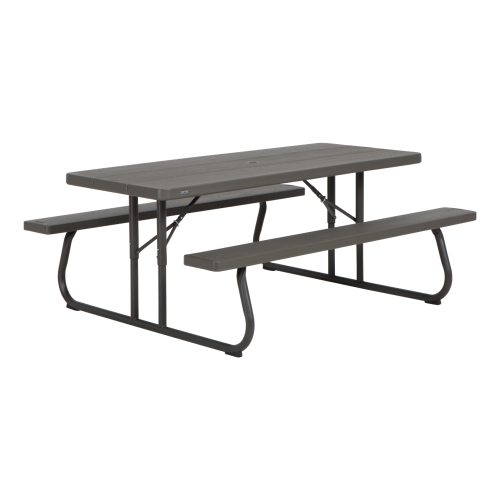 Your price for this item is $369.99
-
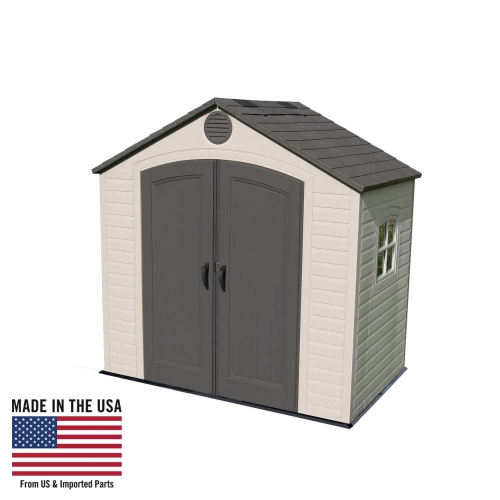 Your price for this item is $2249
-
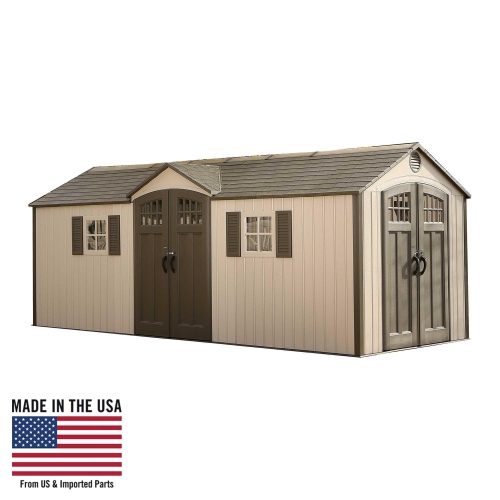 Your price for this item is $5999.99
-
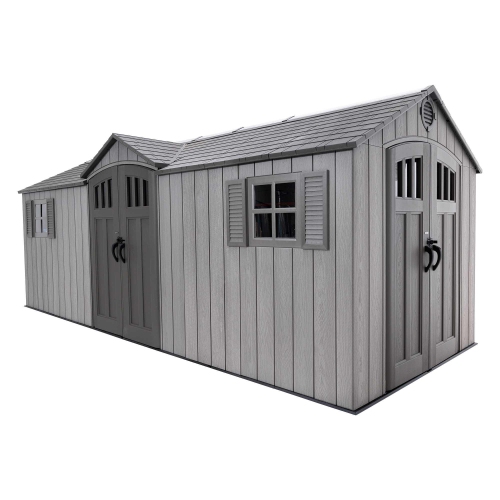 Your price for this item is $5999.99
-
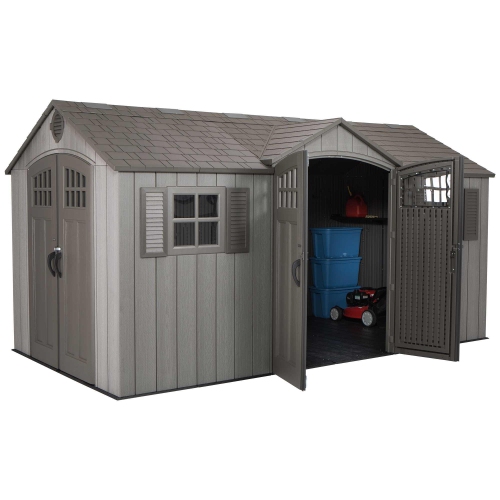 Your price for this item is $4499.99
-
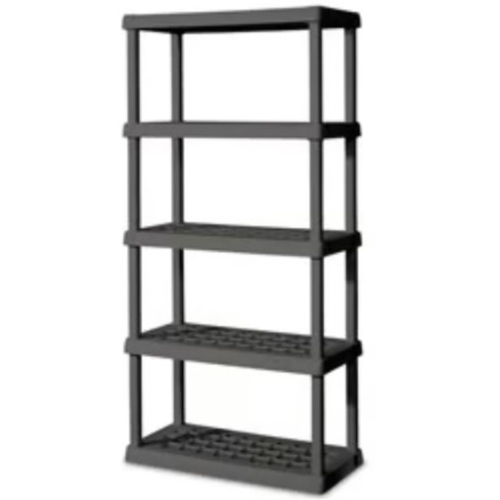 Your price for this item is $629.99
-
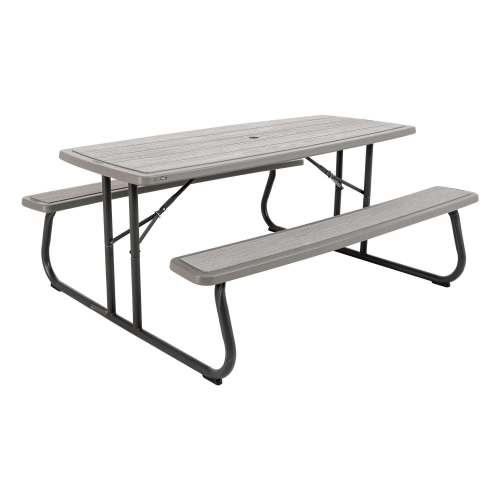 Your price for this item is $369.99
-
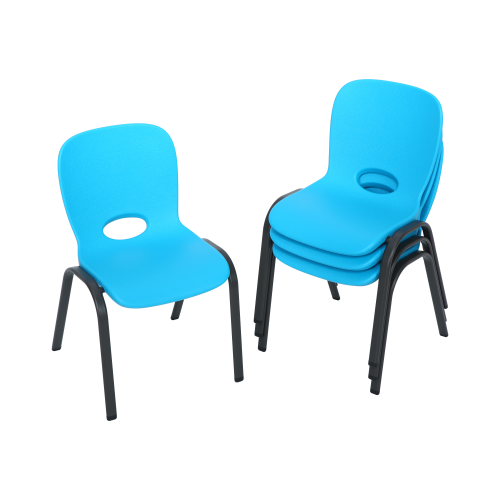 Your price for this item is $119.99
Discover more categories related to 4 Drawer Lateral File
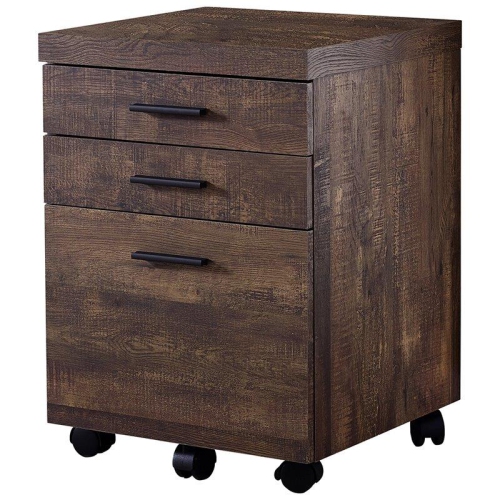
Top Collections:
Best Black Friday Deals This Year, Best Black Friday Deals On Electronics, Kindle Devices, Dyson Airwrap, Best Cameras for Sports Photography, Best Budget Office Chairs, Canon G7X Cameras, PS5 Pro Consoles, Best Black Friday Deals On Apple Products, XBOX One S Consoles
Some products may be subject to Environmental Handling Fees
(EHF) depending on your province.
Learn more about EHFs.