42 Inches Round Dining Tables
Looking to add a touch of elegance and functionality to your dining space? 42-inch round dining tables are a perfect choice. These stylish and versatile tables are perfect for both small and medium-sized rooms, offering ample seating while creating a warm and inviting atmosphere for family gatherings or intimate dinner parties. Here are some great options available.
Sort
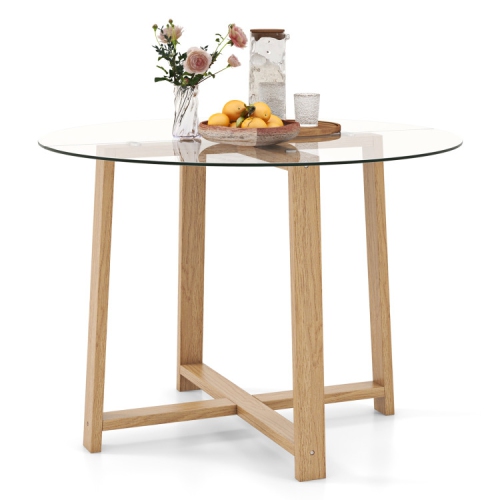
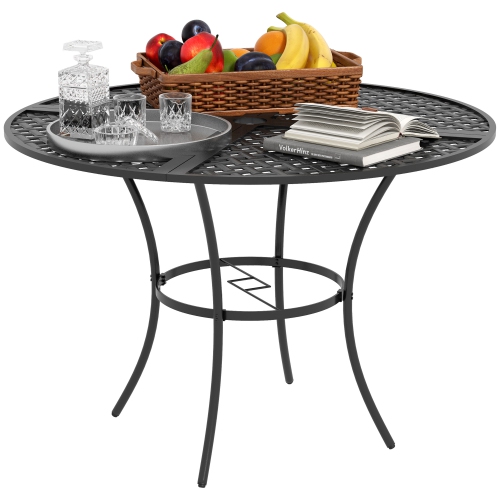
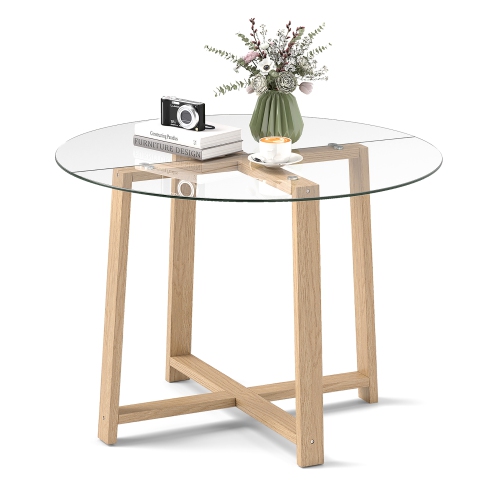
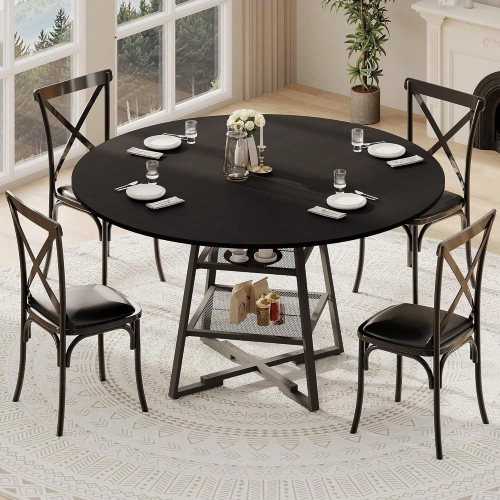





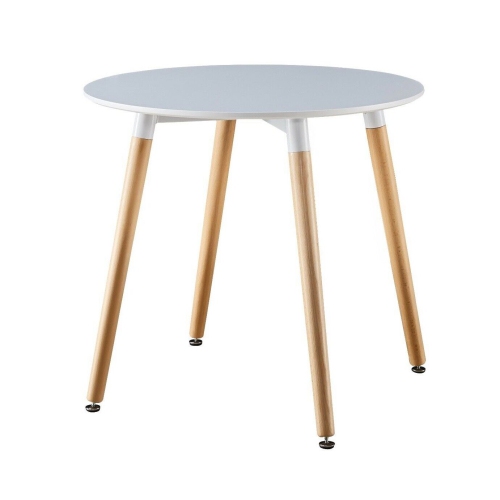

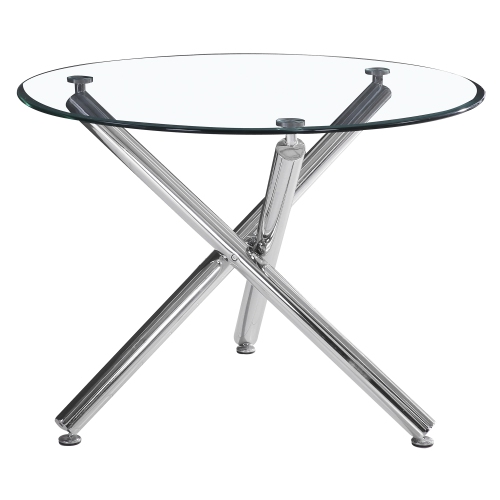

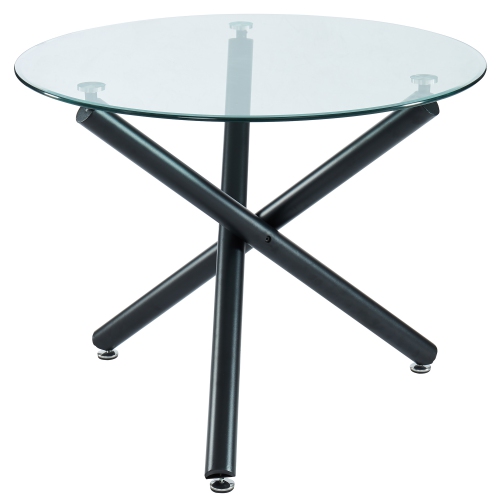


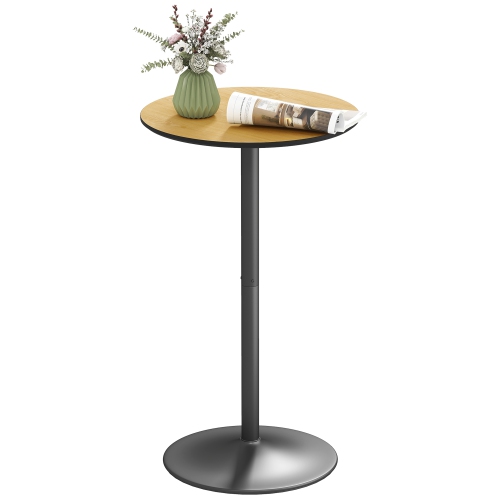


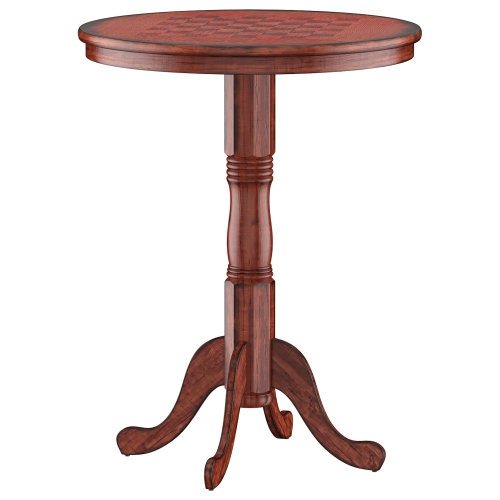


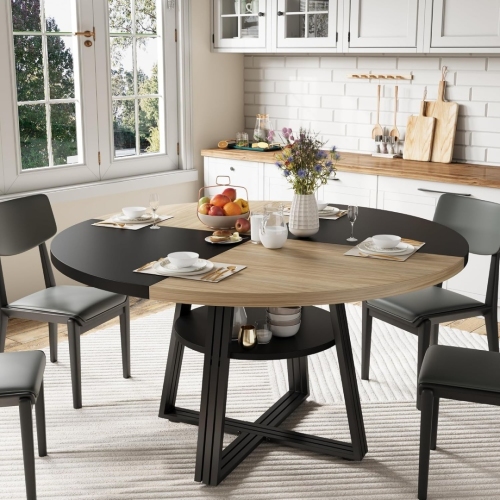
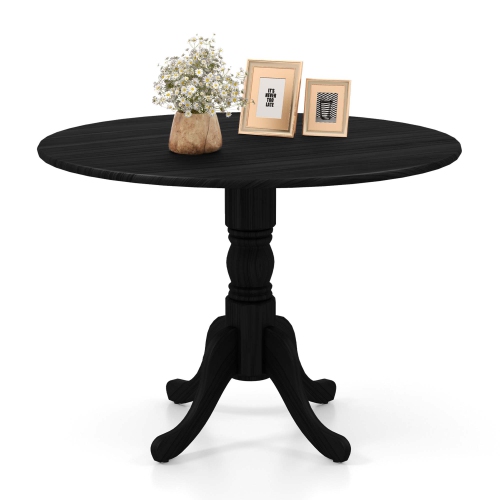
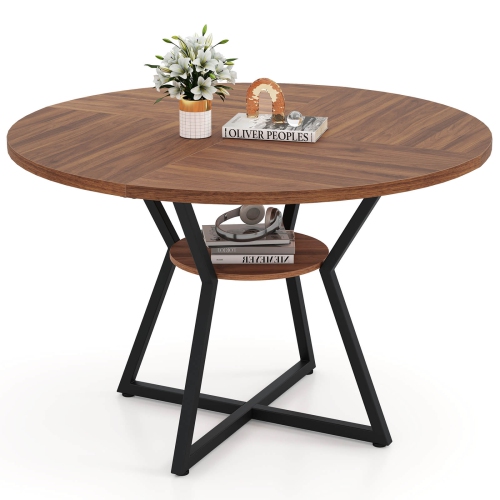
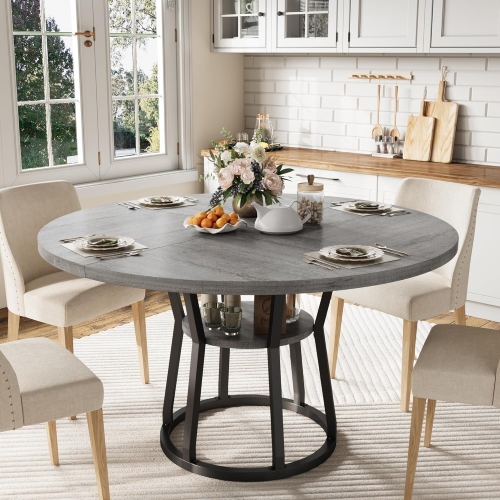
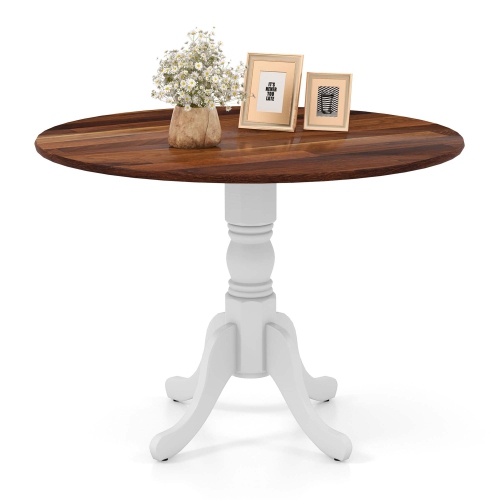
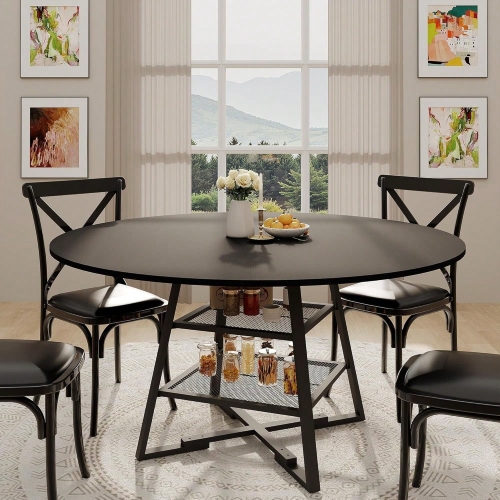
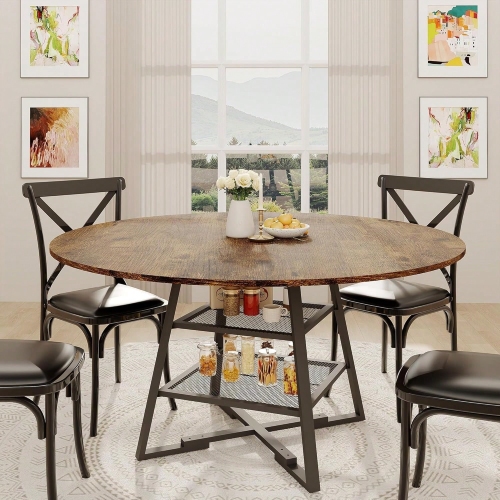

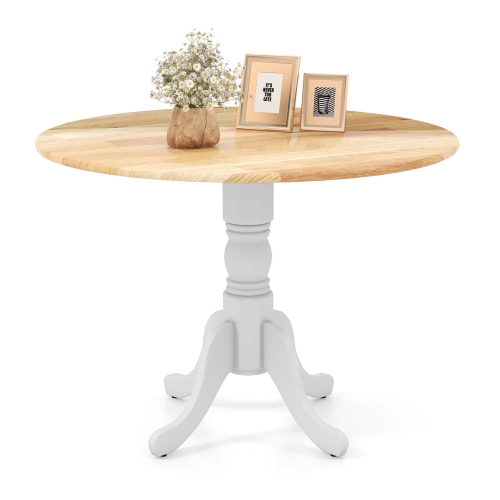
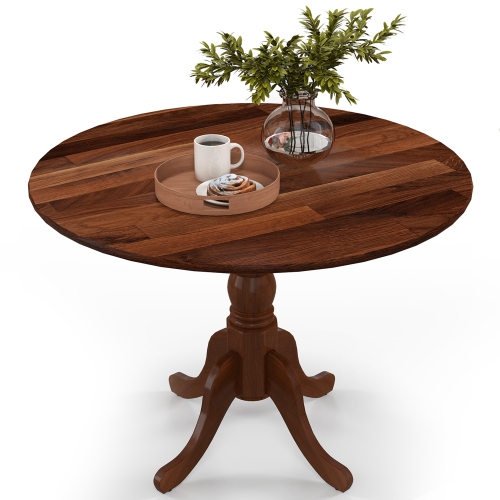


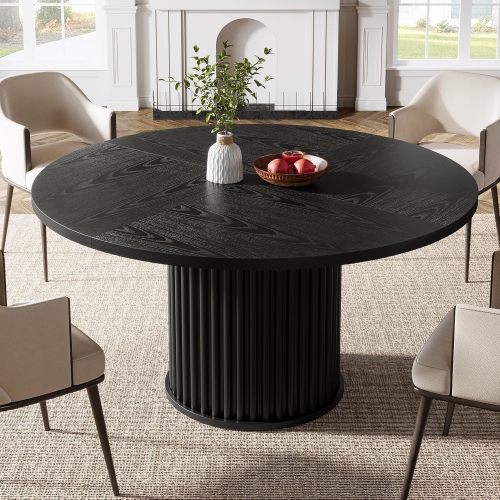

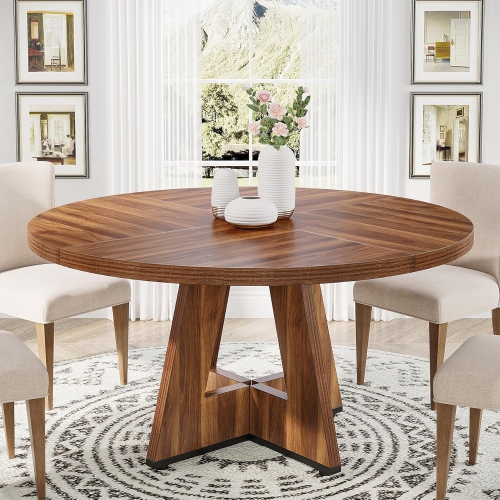

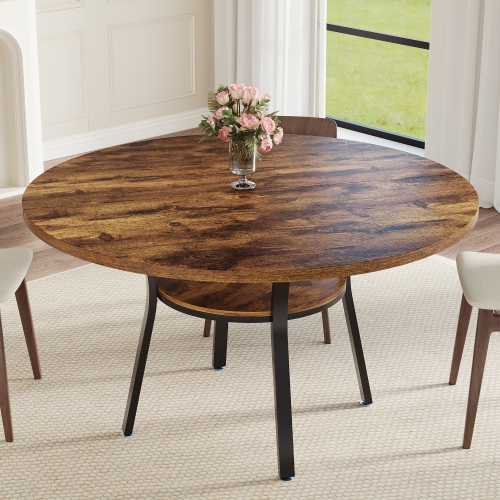
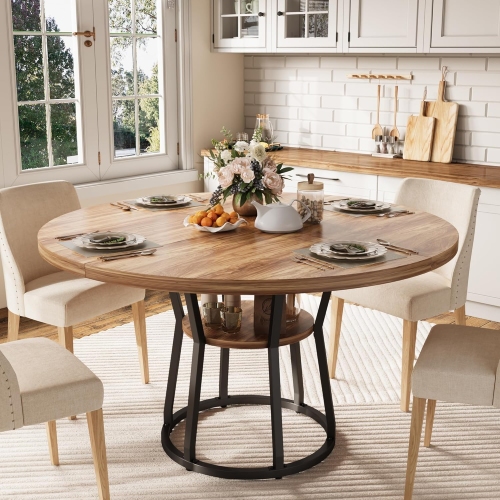
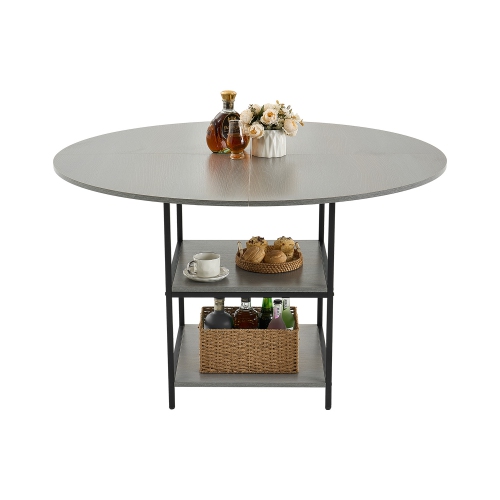
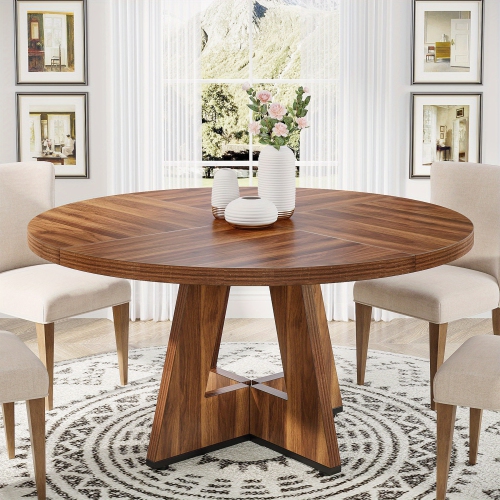
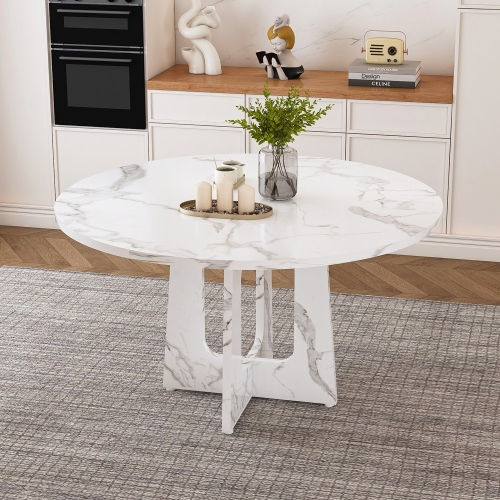

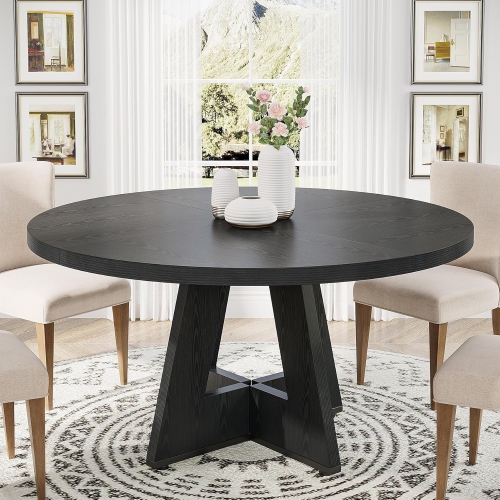
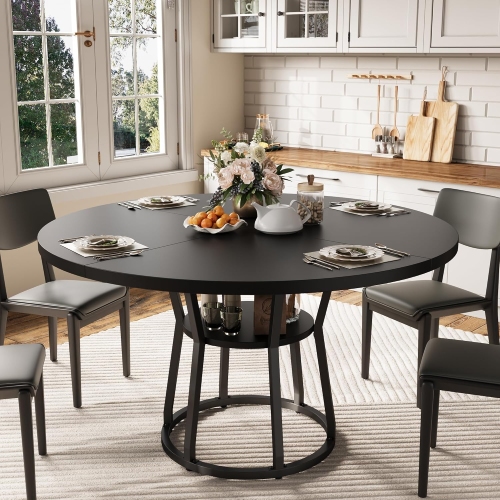


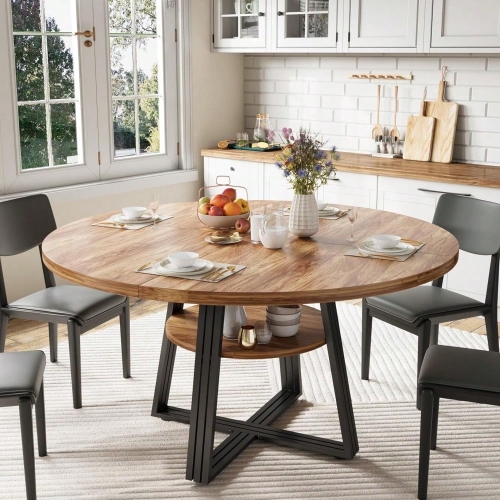
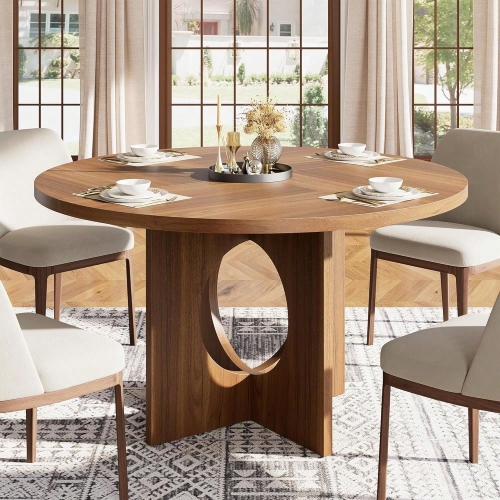
Room for four starts with the right fit
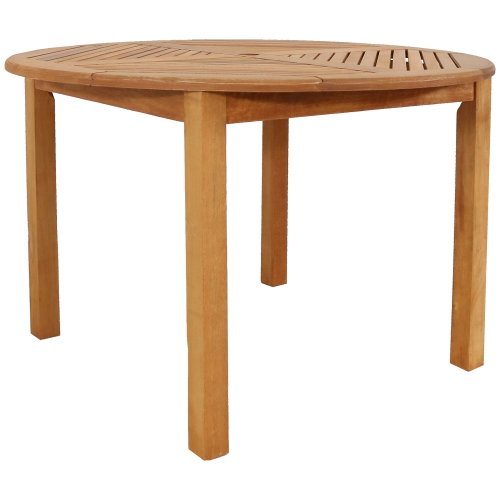
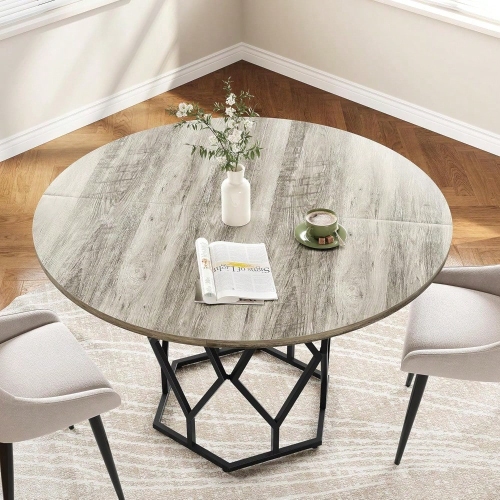
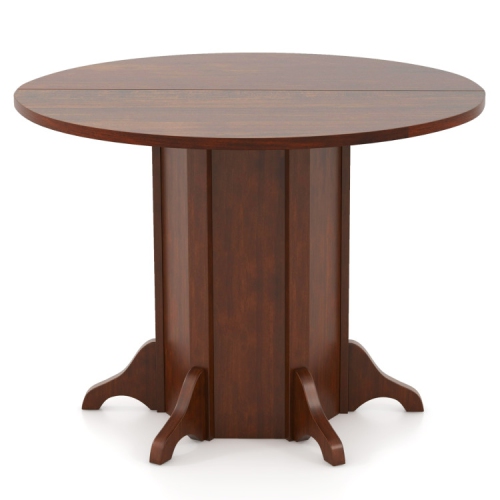
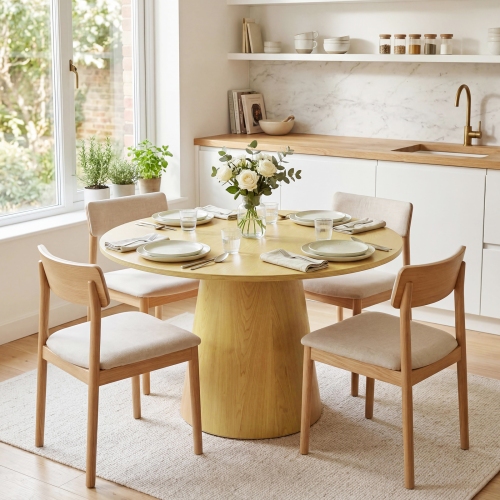
A 42-inch round dining table typically seats three to four people, making it a practical size for everyday meals in a condo, apartment, breakfast nook, or smaller dining room. Its circular top measures 42 inches across, offering space for place settings while keeping conversation easy from every seat. Four adults can generally sit comfortably when the chairs, table base, and place settings are proportionate to the tabletop. About 24 inches of table edge per person is a useful starting point, although wide chairs, generous armrests, and bulky bases can reduce usable seating space. A fifth seat may work for an occasional casual meal with slim chairs, but it should not be treated as the standard capacity. For room fit, allowing 36 inches between the tabletop edge and a wall or other obstruction gives people space to pull out their chairs. On that basis, a clear area of approximately 9.5 by 9.5 feet accommodates a 42-inch round table with clearance on every side. That measurement is a starting point rather than a guarantee: a sideboard, doorway, or route through the room may call for additional space. Where people regularly walk behind occupied chairs, allowing around 42 to 48 inches from the table edge to the nearest obstruction can make movement easier. Measuring from nearby furniture rather than simply from wall to wall gives a more realistic picture of how the dining area will function. A circle marked on the floor with removable tape can help show whether the table leaves enough room beside a kitchen island or near a sliding door. The rounded edge also removes projecting corners from a compact layout, though chairs still need their own clearance. For a couple sharing meals, a small household gathering for dinner, or someone who wants a dedicated eating area separate from the sofa, this size offers a useful balance between a compact footprint and everyday dining space.
Materials and construction shape both the appearance and the daily feel of 42-inch round dining tables. Solid wood brings distinctive grain and variation, with the possibility of refinishing some surfaces later, depending on the finish and construction. Wood veneer provides a real wood surface over a supporting core, but its thinner outer layer requires care because deep sanding can damage it. Engineered wood with a laminate or other protective surface can offer a consistent look and straightforward cleaning; the quality of the edges and joints matters, particularly where spills might reach the core. Glass creates a more open sightline through a small room, although fingerprints and crumbs tend to show readily. For a glass tabletop, the product specifications should identify the glass type and any handling requirements. Stone and stone-look tops can bring a substantial appearance, but weight, porosity, and maintenance needs differ considerably between materials. Natural stone may require sealing, while other surfaces have their own limits around heat, impact, and cleaning products. Beneath the top, the base affects comfort as much as style. A central pedestal can make chair placement more flexible by removing legs from the perimeter, but a wide foot may still compete with shoes and chair legs. An X-shaped base can have a similar trade-off, so its crosspieces deserve attention rather than an assumption that every open-looking base provides generous knee room. Four-legged tables can offer a familiar, balanced layout when the chairs fit neatly between the legs. Table height, apron depth, and chair seat height should be considered together; roughly 10 to 12 inches between the seat and the underside of the tabletop is a common starting point, with any apron reducing usable thigh clearance. Armchairs also need enough space to slide underneath. Colour and finish can then tie the table into its surroundings: a lighter wood tone may complement pale cabinetry, a dark finish can anchor an open dining area, and a painted base can pick up a colour already used in nearby furniture.
Day-to-day durability depends on how well the table suits the household and how it is cared for. A dining surface used for breakfast, homework, and an evening board game faces different demands from one reserved mainly for sit-down meals. For a busy shared space, a stable base, securely fitted hardware, and a finish suited to frequent wiping are worth close attention. Rounded edges can feel comfortable against forearms during longer meals or activities, while deeply textured surfaces may take more effort to clear of crumbs. A 42-inch top usually works well with four individual place settings and a modest centrepiece, but large serving platters can quickly occupy the middle. Serving food from a nearby counter or sideboard leaves more elbow room without changing the seating arrangement. Placemats, coasters, and trivets help protect the surface, although their backing should be compatible with the finish. Spills are best wiped up promptly with a soft cloth, and cleaning should follow the manufacturer's directions rather than a single routine for every material. Abrasive pads, excessive moisture, and unsuitable cleaners can harm finishes or seams. Tables that arrive ready to assemble benefit from careful levelling and tightening according to the supplied directions; persistent wobbling should be addressed rather than hidden beneath everyday use. Delivery and setup deserve a little thought as well, especially in an apartment with narrow doorways, stairs, or a lift. Packaged dimensions, tabletop weight, and whether the base detaches can all affect the route into the room. In a square nook, a round table often allows seating to be distributed evenly, while a longer, narrower eating area may suit a different shape. Comparing the layout with 48-inch rectangular dining tables can help clarify how chair placement and walking routes would change. The most comfortable arrangement leaves room not just for the tabletop, but for the ordinary movements around it: setting down dinner, sliding back a chair, and passing through without asking everyone to move.
Top selling and popular products
-
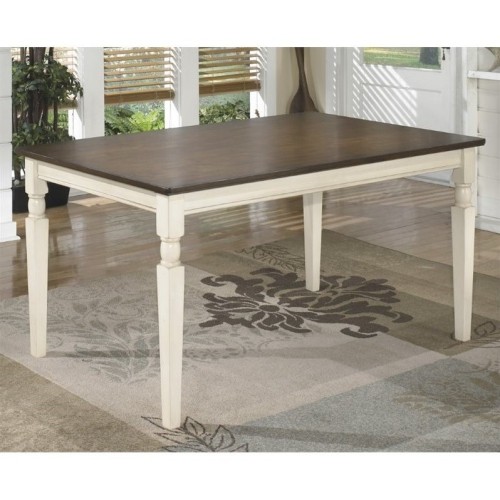 Your price for this item is $399
-
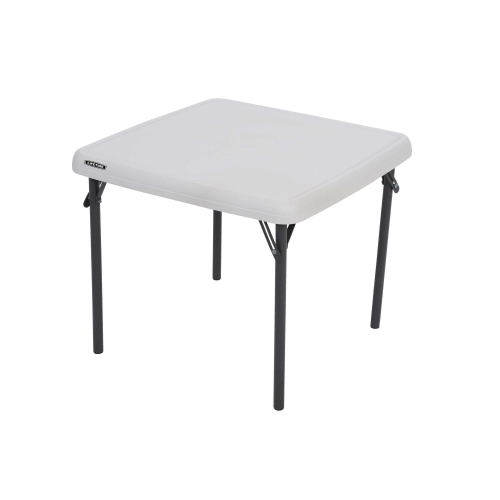 Your price for this item is $71.99
-
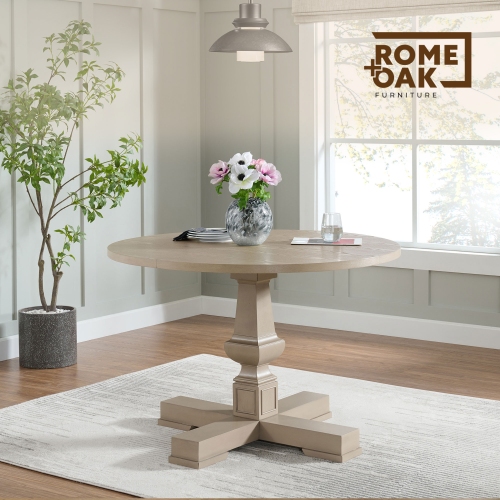 Your price for this item is $763.99
-
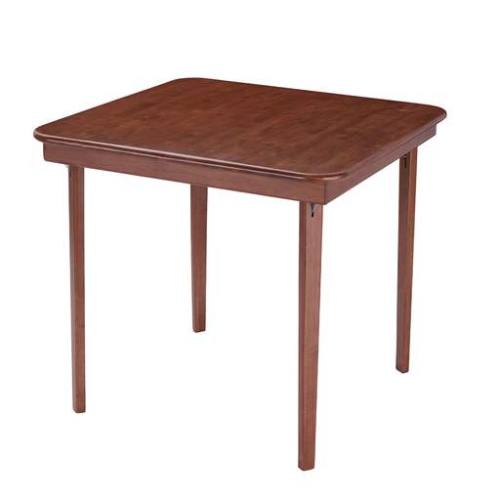 Your price for this item is $323.99
-
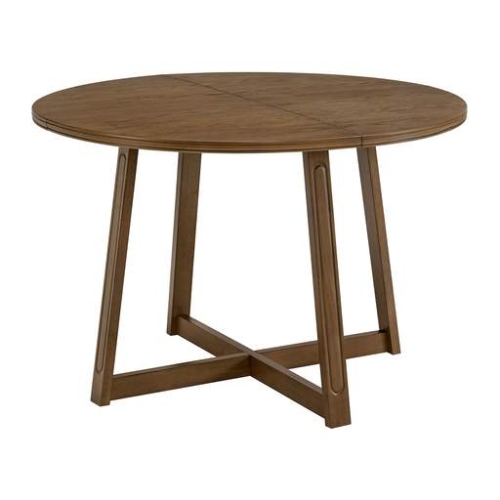 Your price for this item is $627.99
-
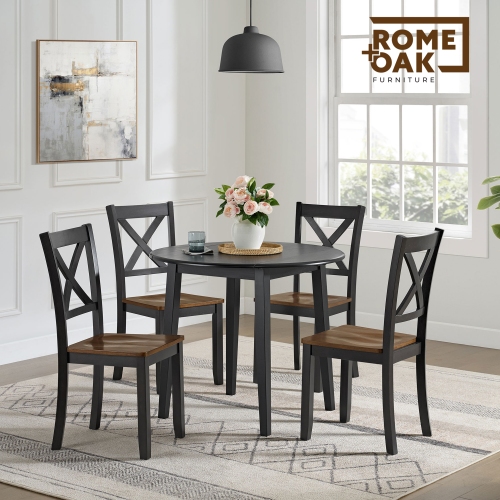 Your price for this item is $304.99
-
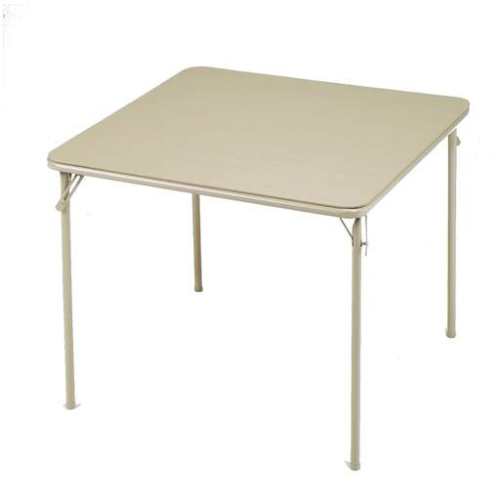 Your price for this item is $190.99
-
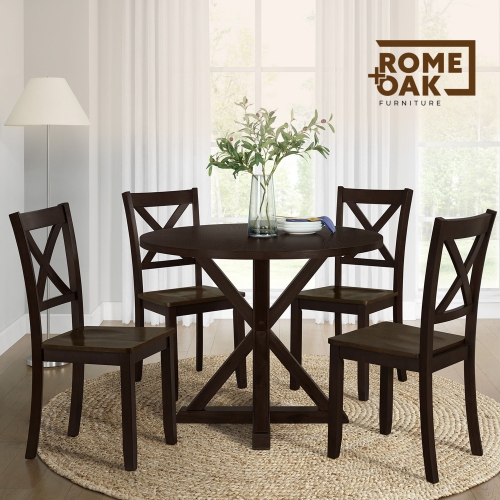 Your price for this item is $651.99
Discover more categories related to 42 Inches Round Dining Tables
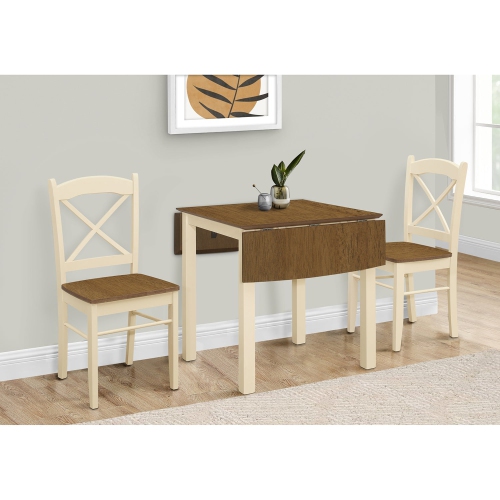

Top Collections:
Pokemon Centers, Best Cameras for Sports Photography, Kindle Devices, Samsung Galaxy Phones, Canon G7X Cameras, Pokémon 30th Celebration Cards, Refurbished Apple Laptops, iPhone 15 Apple, Laptops for Students, Budget Smartphones
Some products may be subject to Environmental Handling Fees
(EHF) depending on your province.
Learn more about EHFs.