48 Inch Rectangular Dining Tables
Upgrade your dining space with our collection of 48-inch rectangular dining tables. Whether you're hosting a dinner party or enjoying a cozy family meal, these tables offer the perfect blend of style and functionality. Explore our selection today and find the perfect dining table to elevate your home decor.
Sort
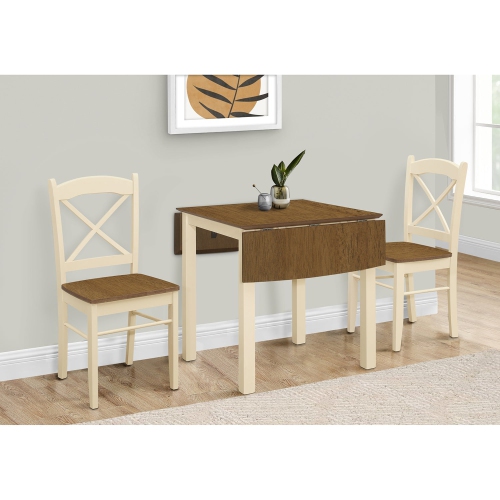


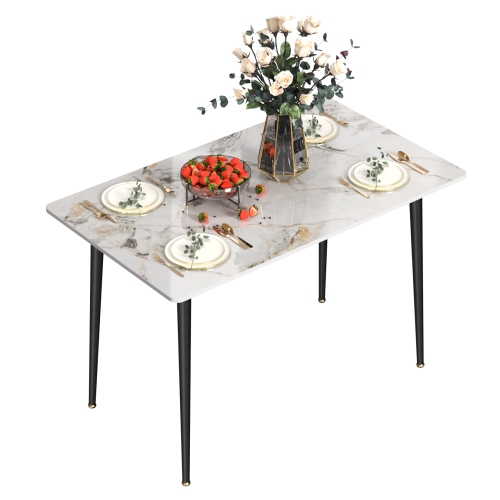

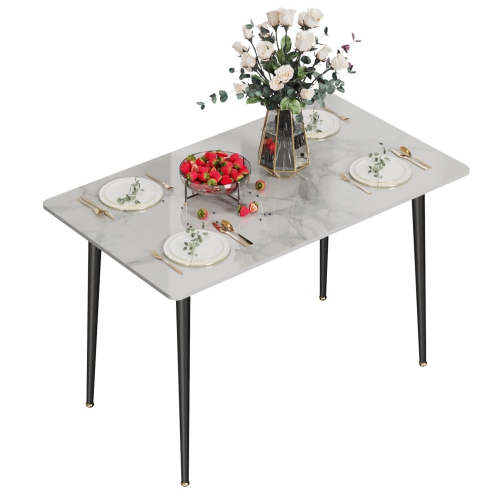

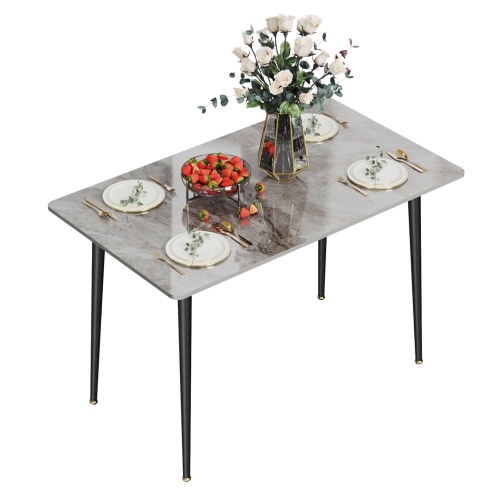


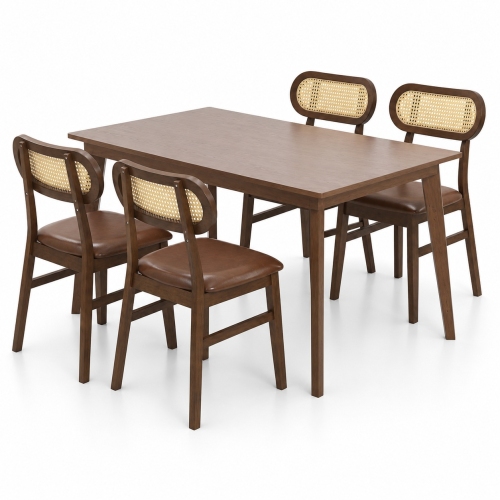


Comfortable seating for four without crowding your dining space
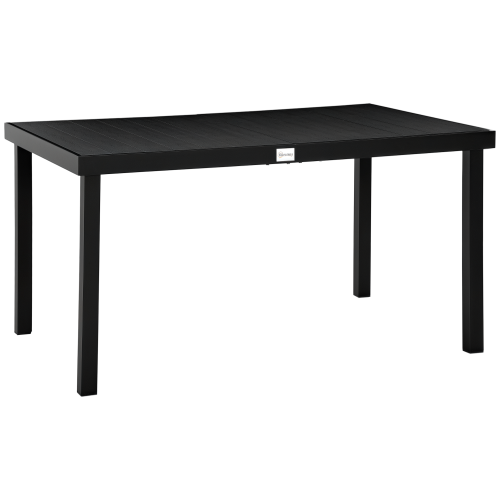
A 48-inch rectangular dining table typically seats four people and suits smaller kitchens, breakfast nooks, apartments, and compact dining rooms. Its straight sides make it easy to arrange seating along the edges, while the modest length leaves more room for movement than a larger dining table. The 48-inch measurement generally refers to the tabletop’s length, not its width or height, so the complete dimensions matter when considering how it will fit. A narrower top can work well for everyday meals in a tight space, while a wider surface provides more room between opposing place settings for serving bowls, water glasses, and a small centrepiece. Four-person seating also depends on the chairs and the position of the table legs. Two chairs along each long side can be a practical arrangement, provided the space between the legs accommodates them; seating at the ends requires enough knee room and a base that does not obstruct feet. Allowing roughly 24 inches of tabletop edge per diner is a useful starting point, though broad chairs and generous place settings may need more. In the room itself, approximately 36 inches between the table edge and a wall or nearby furniture gives chairs space to pull out, while a busy walkway behind occupied chairs benefits from additional clearance. Measuring with chairs in their dining position reveals more than measuring an empty tabletop alone. A breakfast nook might comfortably hold the table but become awkward if a pulled-out chair blocks a kitchen drawer or doorway. In an open-plan apartment, placing the long side parallel to the kitchen can create a defined eating area without dividing the room. Within the broader category of Rectangular Dining Tables, this compact length offers a useful balance between everyday seating and a footprint that leaves space for the rest of the room.
Materials influence both the appearance of a dining table and how it handles daily use. Solid wood brings visible grain and natural variation, with oak often showing a pronounced pattern and rubberwood tending towards a more understated look. Its surface can develop small marks over time, and whether those marks can be repaired depends on the wood, construction, and finish. A wood veneer provides a real wood surface over a supporting core, offering a similar visual character, but its thin top layer requires care because deep sanding can expose the material beneath. Engineered wood with a laminate or other protective surface can be practical for meals, homework, and craft activities, although resistance to scratches, moisture, and heat varies by finish. Glass creates a lighter visual impression in a small room and makes spills easy to spot, but fingerprints are more noticeable, and the edges need protection from hard impacts. Metal legs can give a table a slim profile, while their stability depends on the frame design, connections, and balance of the assembled base. Everyday care is usually straightforward: remove crumbs with a soft cloth, wipe spills promptly, and dry the surface rather than letting moisture sit around seams or edges. Coasters, placemats, and suitable trivets help protect against condensation, cutlery marks, and hot dishes. A protective finish should not be assumed to make a tabletop heatproof or waterproof, and cleaners should suit the material rather than simply promise a strong shine. For a table that doubles as a work surface, a desk mat can reduce wear from a laptop, mouse, or notebook without covering the entire top. Rounded or softened corners may be more comfortable in a narrow passage, although they do not replace clear walking space. A level base, secure joints, and a well-supported top contribute to durability just as much as the surface material, particularly when the table is used several times each day.
The right combination of tabletop, base, and chairs makes a compact dining area feel considered rather than crowded. Light wood tones and pale finishes can blend into a room with soft colours, while darker wood or black metal creates a stronger outline against lighter walls. Matching every finish is not essential; repeating one tone in the chairs, flooring, or nearby shelving can bring the space together. Slender legs keep more of the floor visible, but an apron beneath the tabletop or a substantial crossbar can affect how closely chairs tuck in. Dining tables are commonly around 28 to 30 inches high, and many dining chairs have seats around 17 to 19 inches high, but actual compatibility depends on the clearance beneath the table. Roughly 10 to 12 inches between the seat and tabletop is a useful reference, with enough additional space for thighs below any apron. Armrests need separate attention because they may hit the underside even when the seat height feels comfortable. A bench can create a simple arrangement along one side, though its length must fit between the table legs if it is meant to slide underneath. For couples, small households, or people furnishing a first apartment, a 48-inch table can serve as a daily place for breakfast, shared dinners, paperwork, and a board game without requiring a separate room for each activity. Households with children may value an easy-clean surface and comfortable edges, while someone who works at the table may place more importance on legroom and a supportive chair. An extendable design can accommodate occasional larger gatherings, but its closed length, extended dimensions, leaf storage, and supporting mechanism all affect its suitability. A dining table can also be a thoughtful housewarming gift when the recipient’s room measurements and style preferences are known. Before bringing one into a home, checking doorway clearance, assembly requirements, and the space needed for chairs helps ensure that a compact table remains comfortable in everyday use.
Top selling and popular products
-
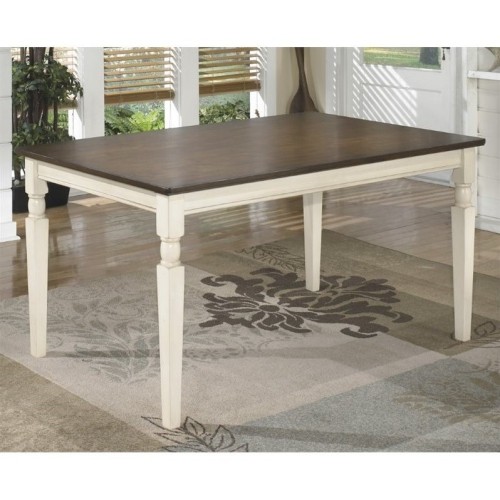 Your price for this item is $399
-
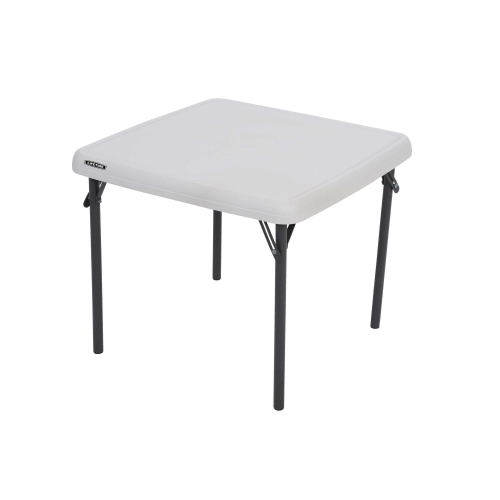 Your price for this item is $71.99
-
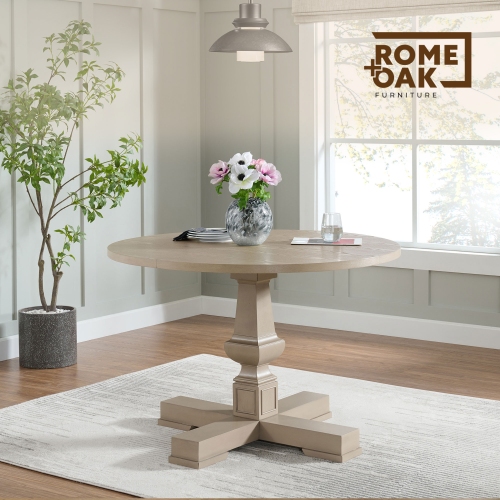 Your price for this item is $763.99
-
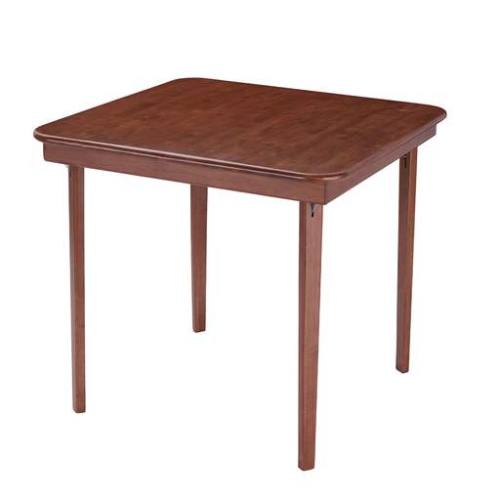 Your price for this item is $323.99
-
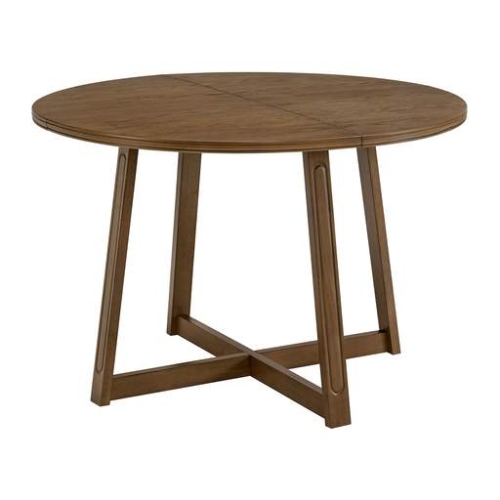 Your price for this item is $627.99
-
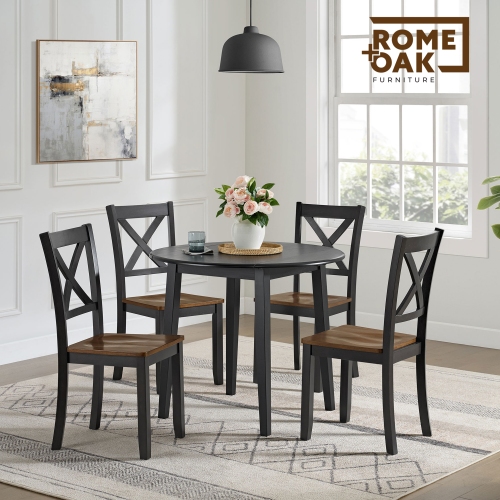 Your price for this item is $304.99
-
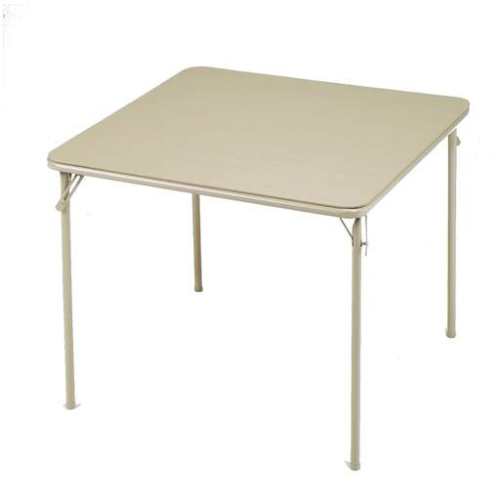 Your price for this item is $190.99
-
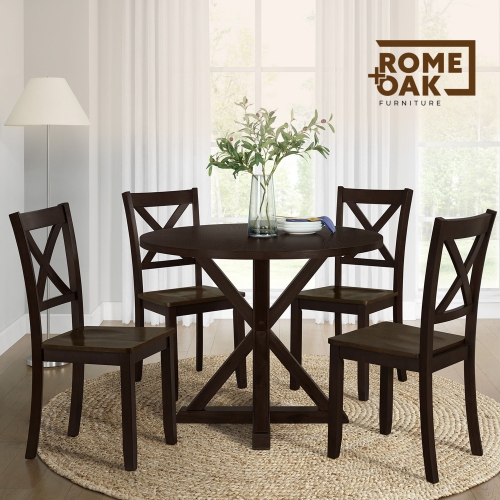 Your price for this item is $651.99
Discover more categories related to 48 Inch Rectangular Dining Tables
Top Collections:
Pokemon Centers, Best Cameras for Sports Photography, Kindle Devices, Samsung Galaxy Phones, Canon G7X Cameras, Pokémon 30th Celebration Cards, Refurbished Apple Laptops, iPhone 15 Apple, Laptops for Students, Budget Smartphones
Some products may be subject to Environmental Handling Fees
(EHF) depending on your province.
Learn more about EHFs.