5 Tier Plant Stands
Enhance the beauty of your indoor or outdoor space with our collection of 5-tier plant stands. Whether you have a green thumb or just love the refreshing appeal of plants, these versatile stands are perfect for displaying your favorite potted plants, flowers, herbs, and more. With their sturdy construction and stylish designs, our 5-tier plant stands provide a practical and attractive solution for organizing your plants in any room or garden. Explore our wide range of options and find the perfect stand to elevate your botanical display to new heights.
Sort
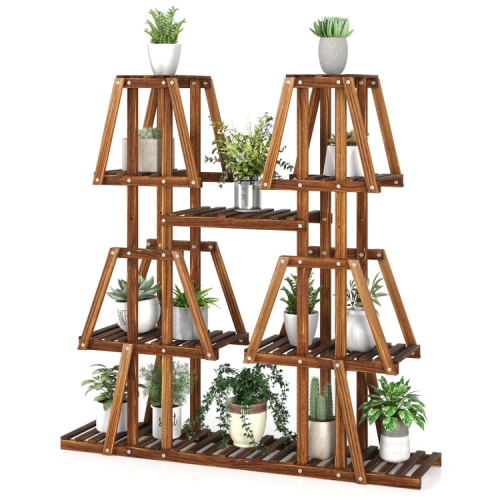
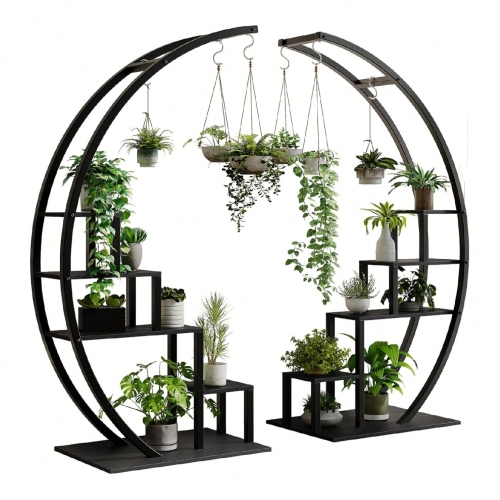
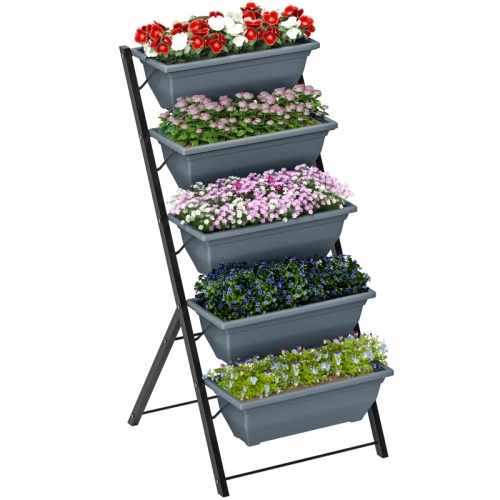
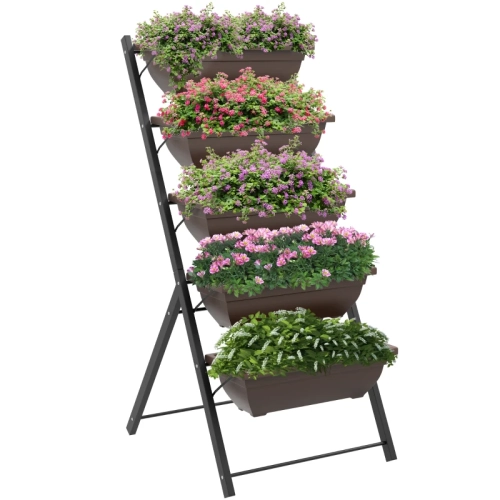
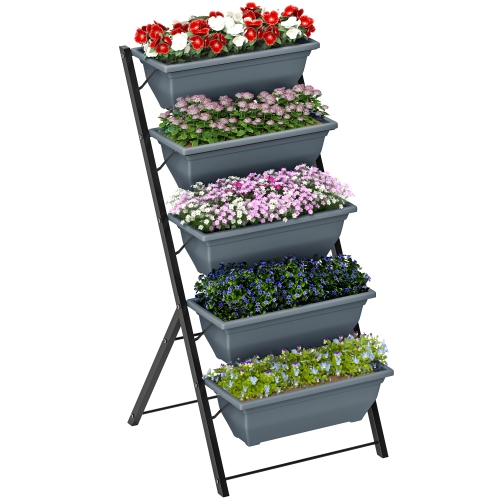
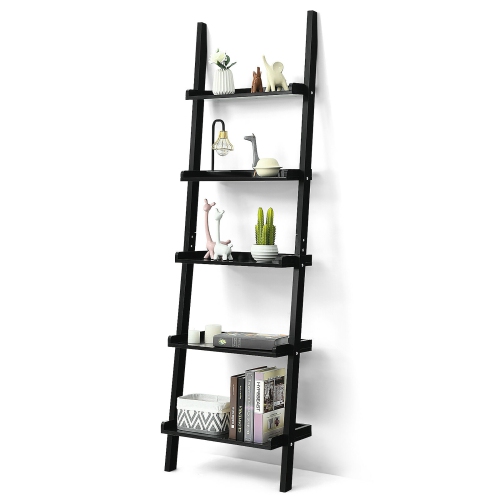
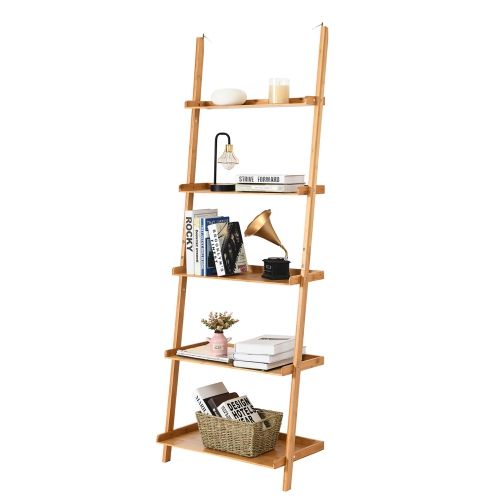
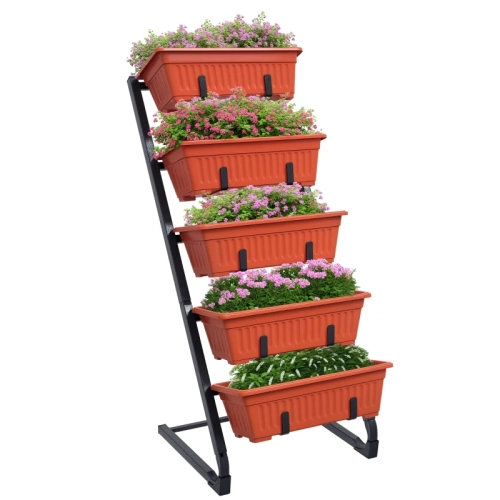
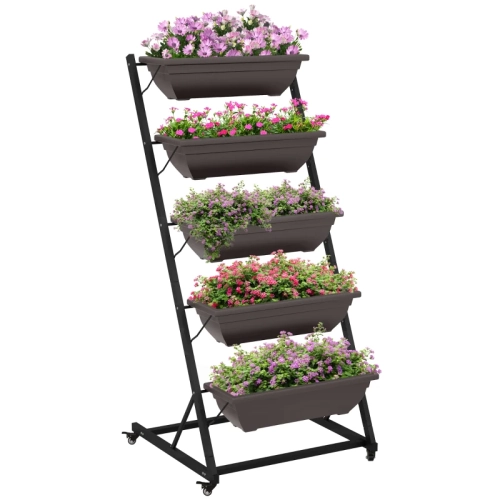
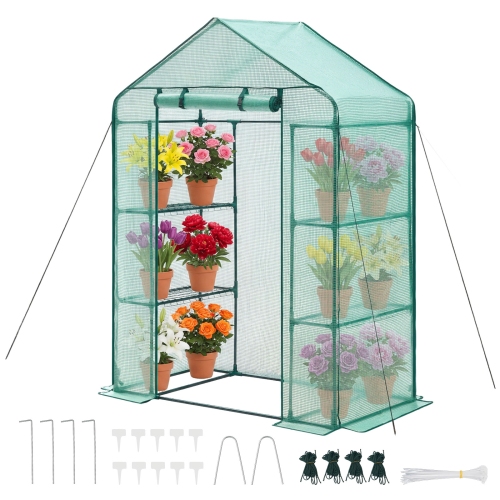
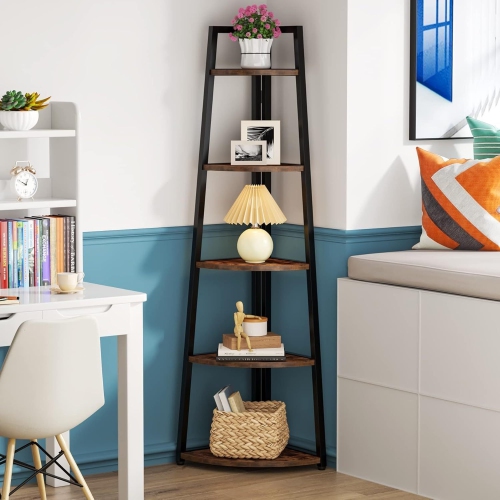
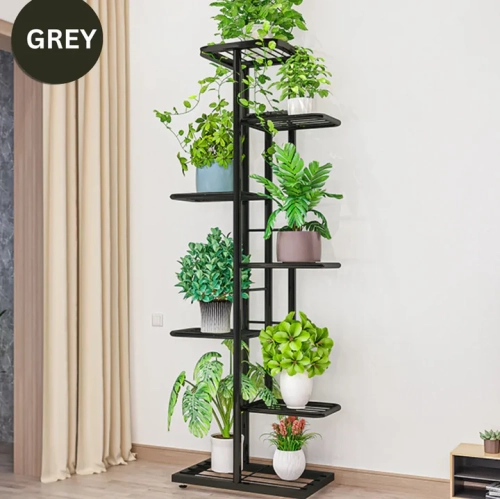
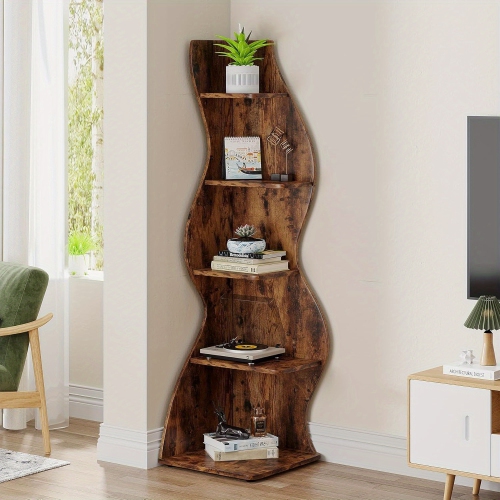
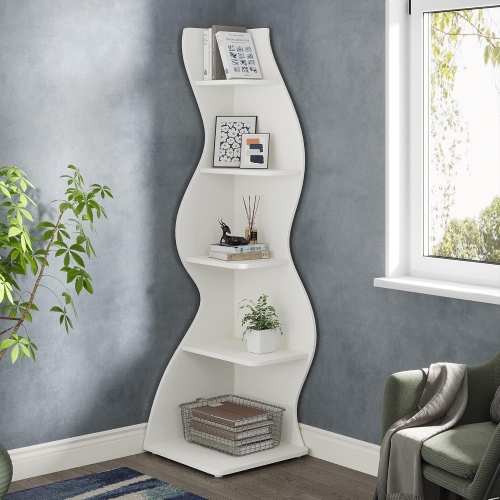
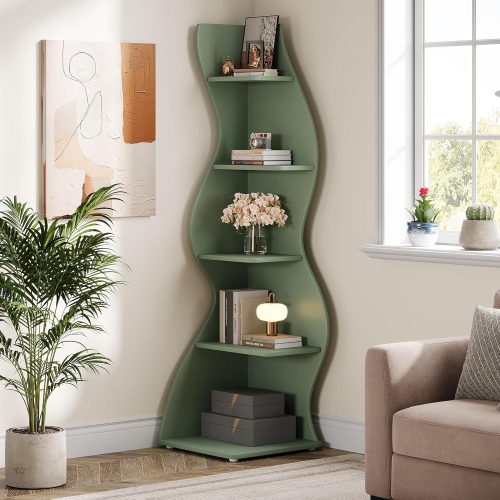
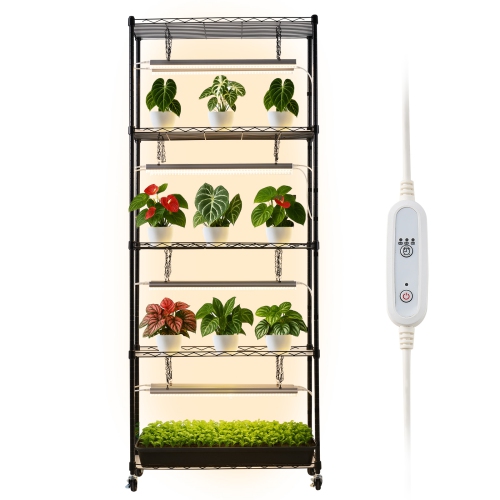
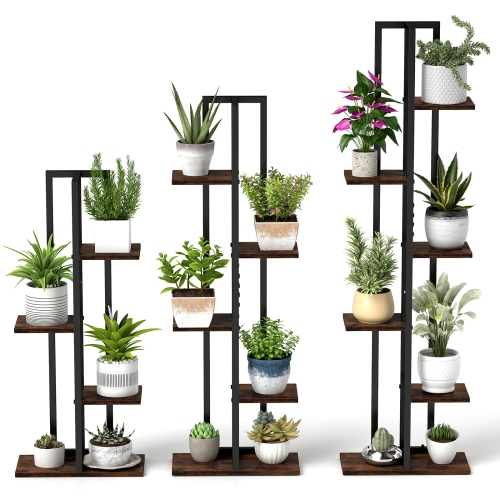
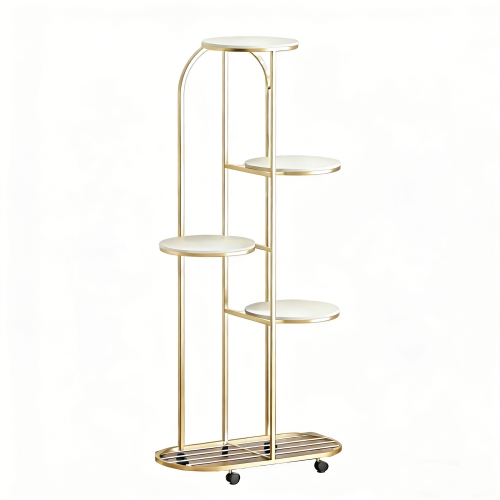
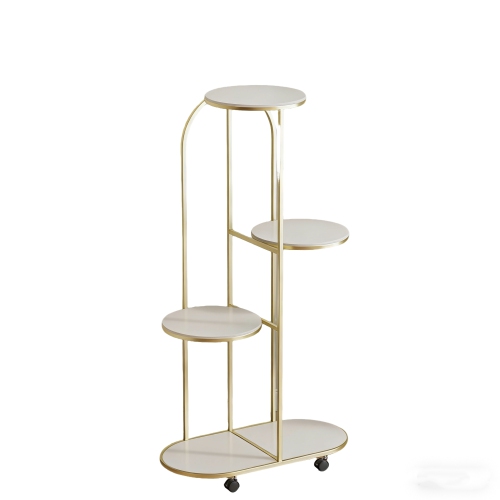
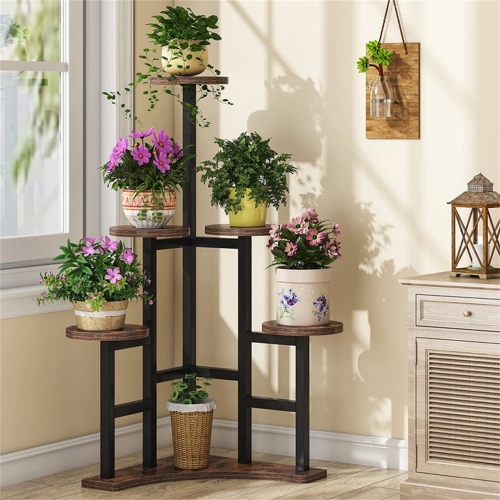
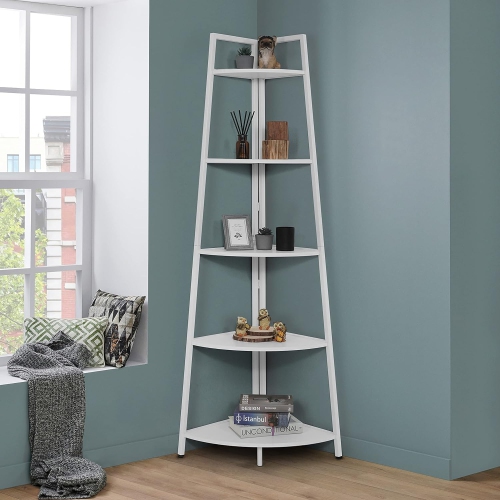
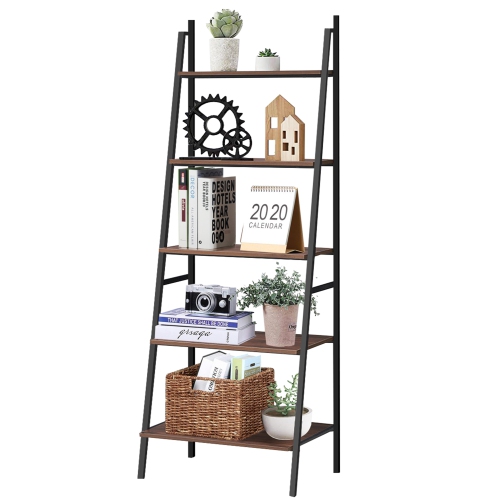
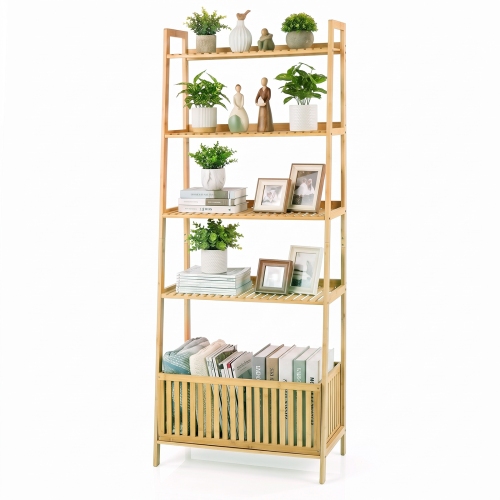
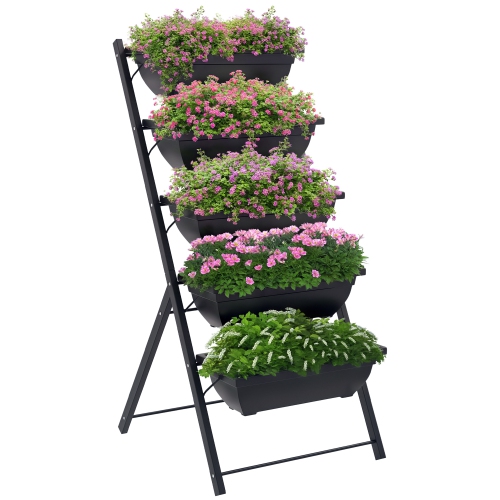
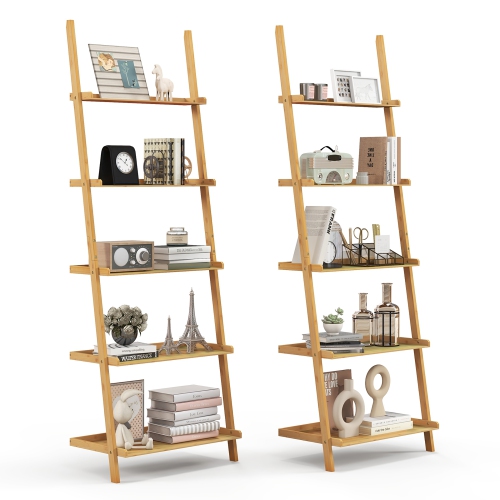
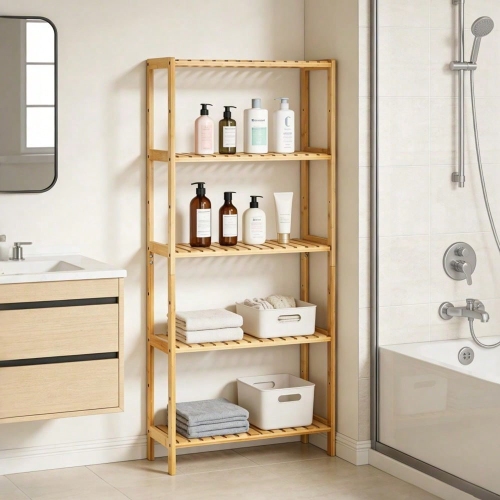
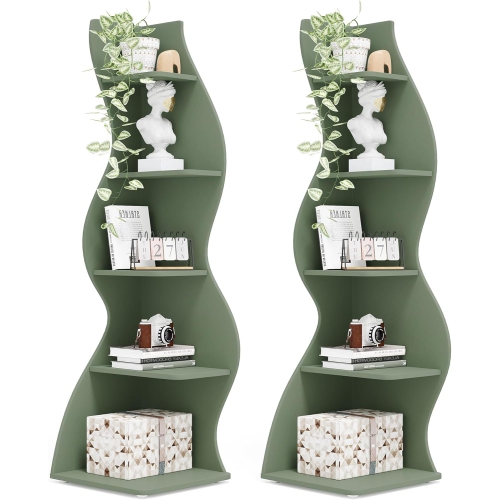
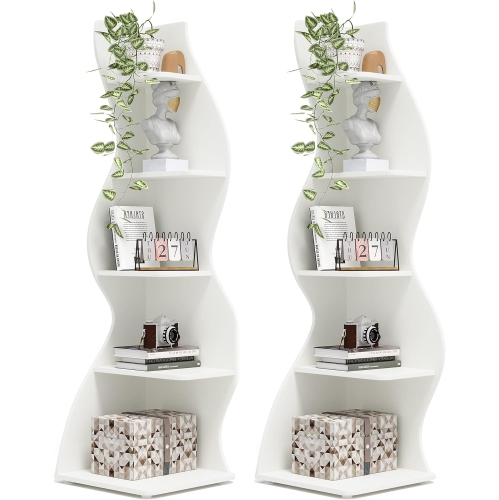
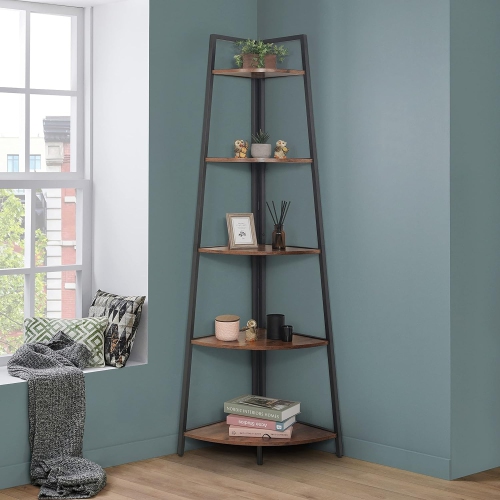
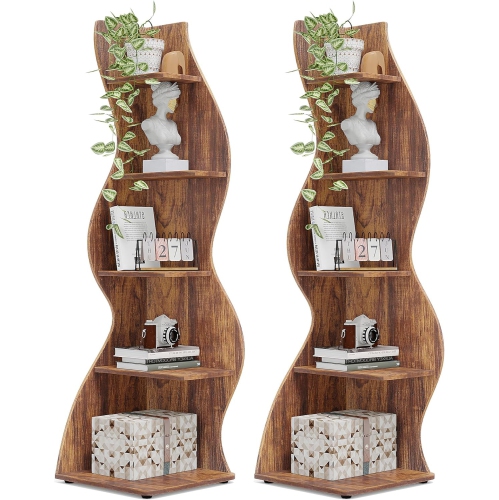
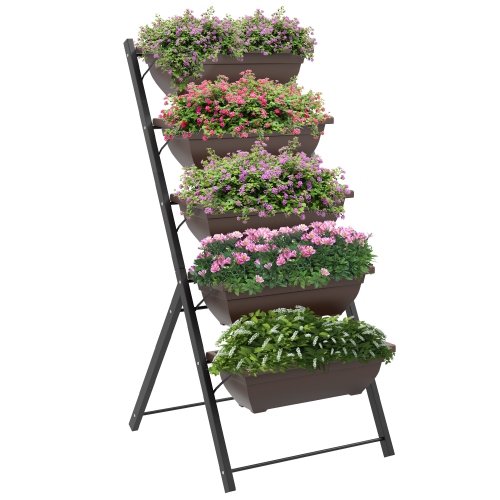
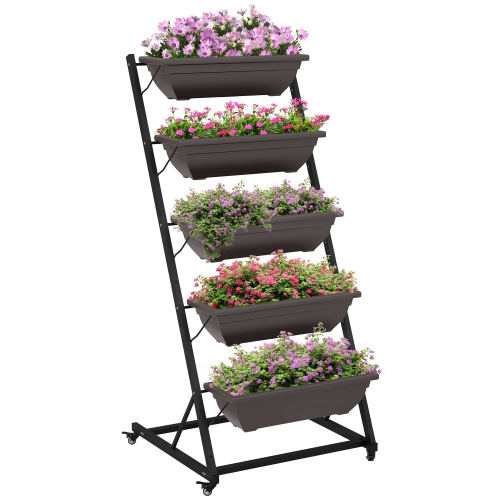
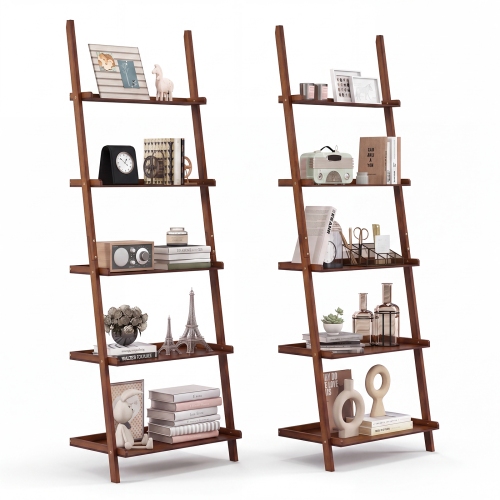
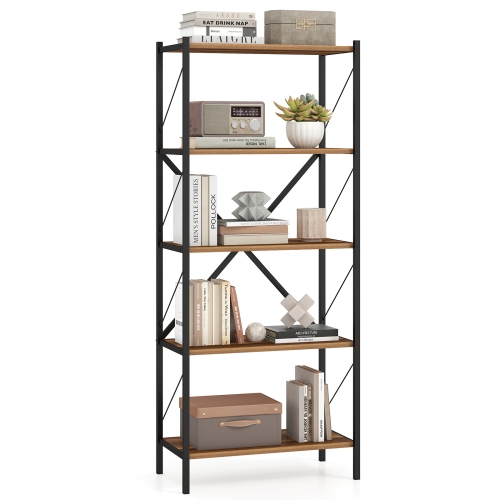
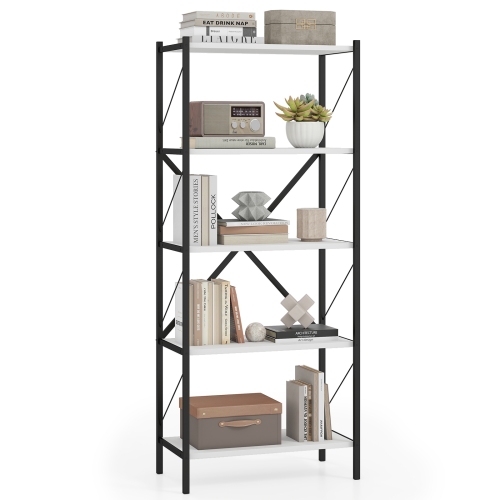
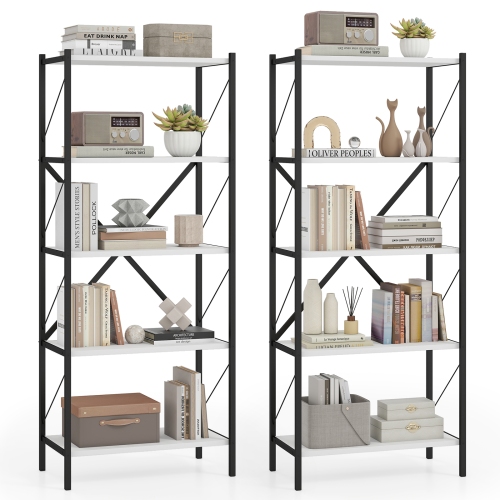
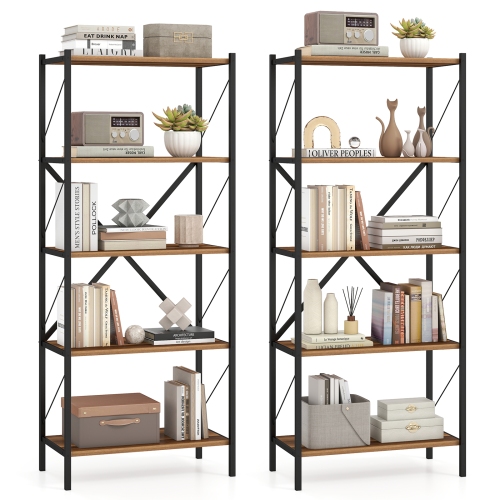
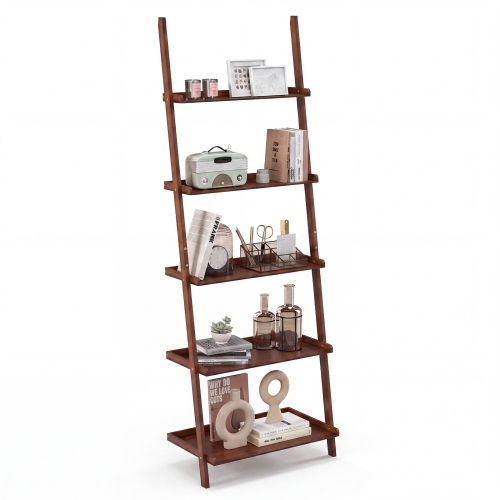
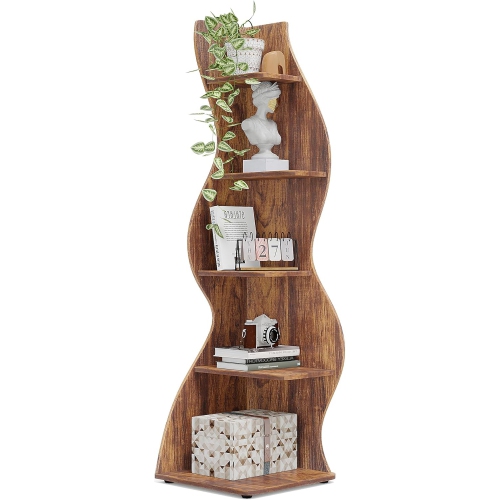
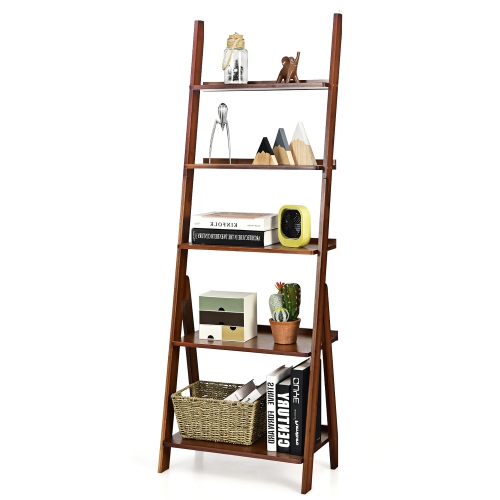



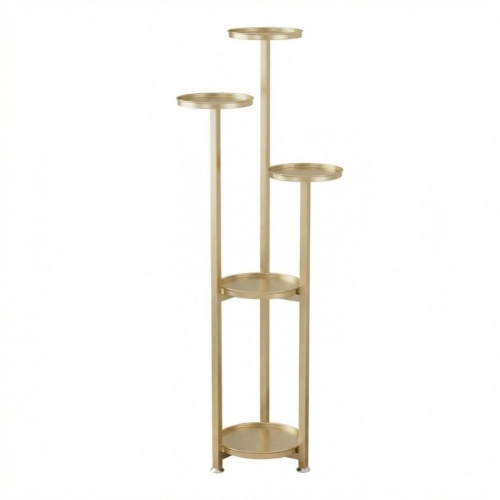
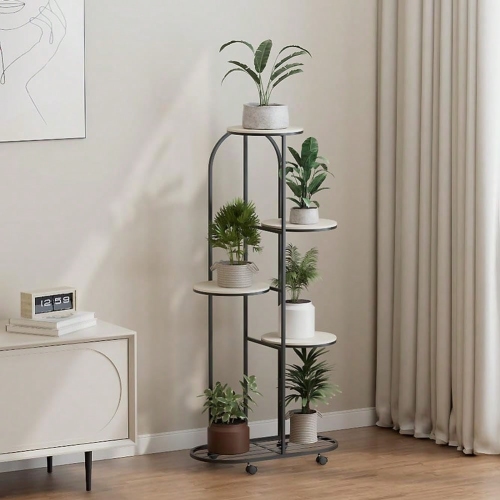
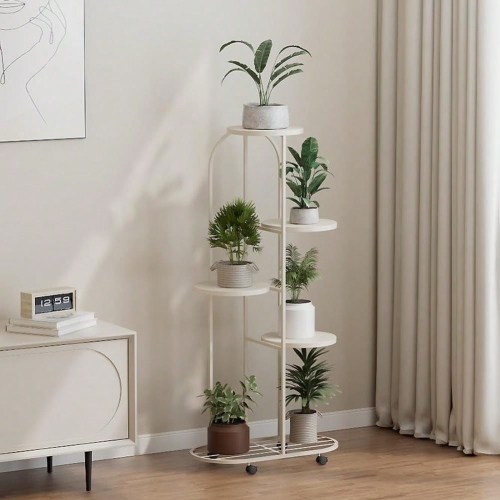
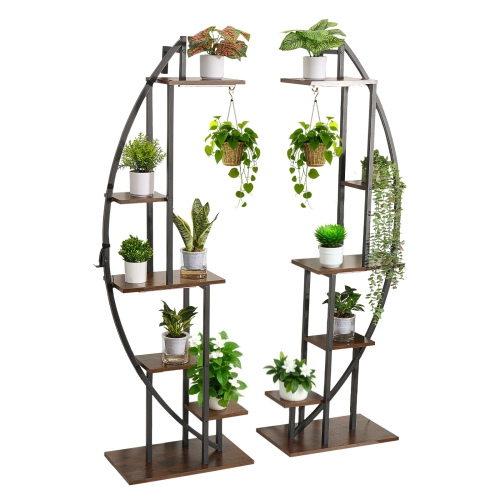
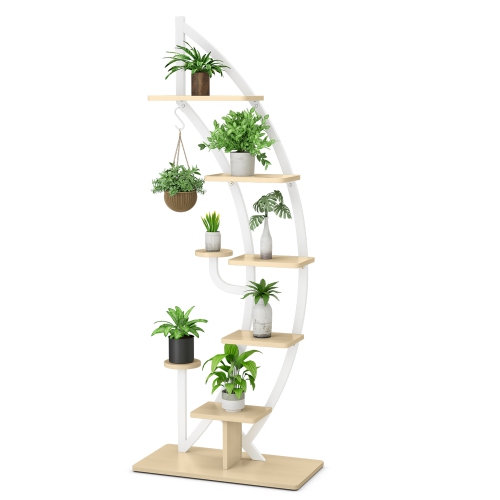
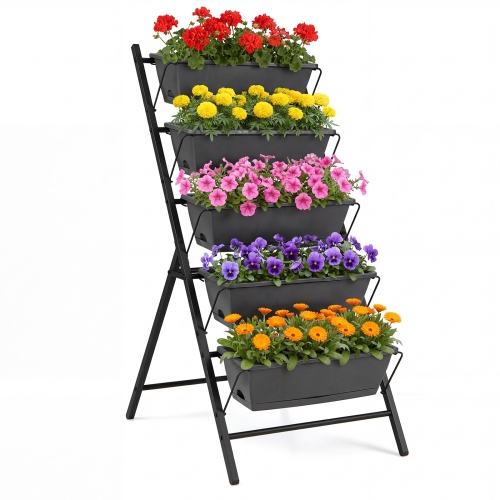
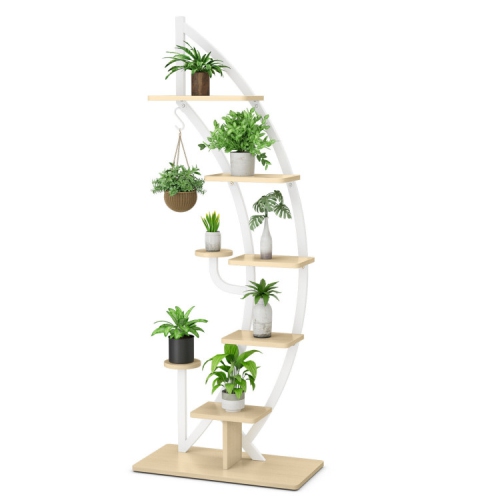
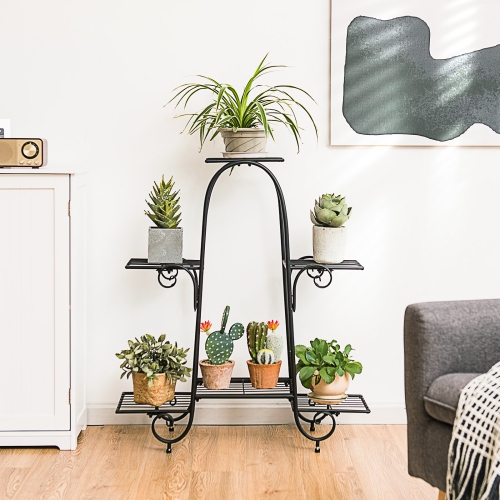
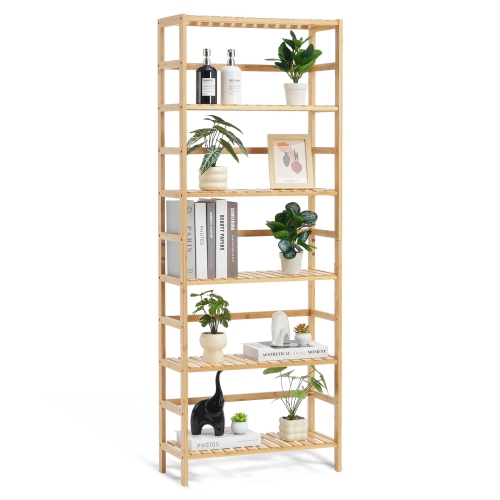
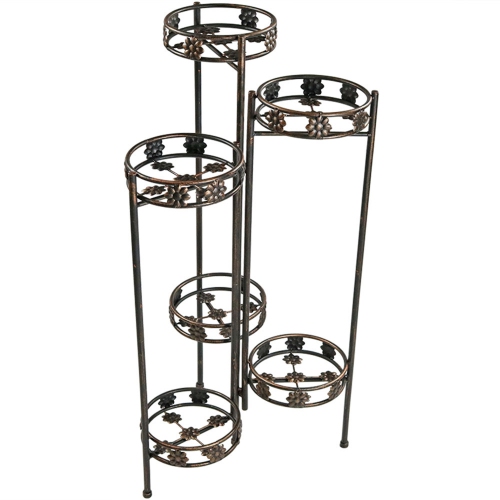
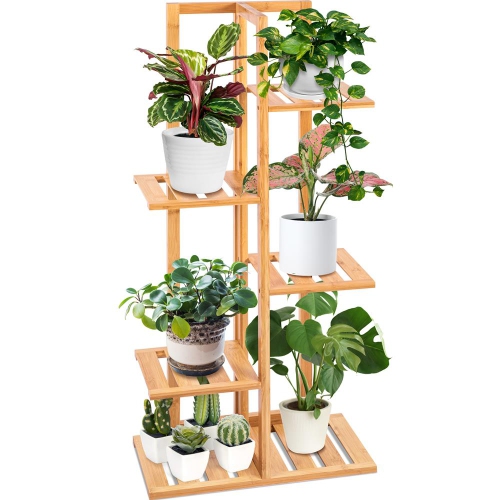
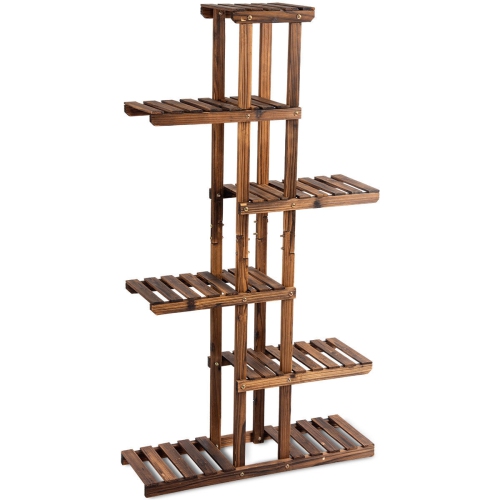
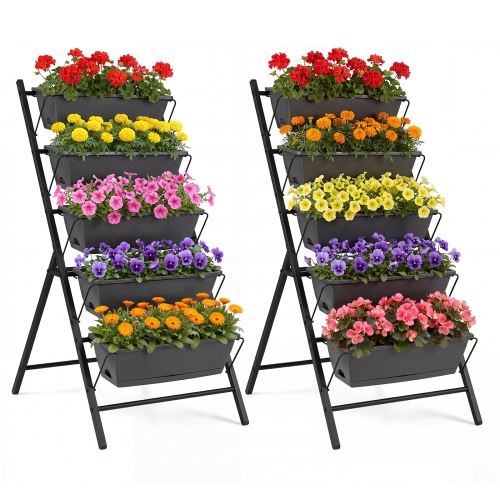
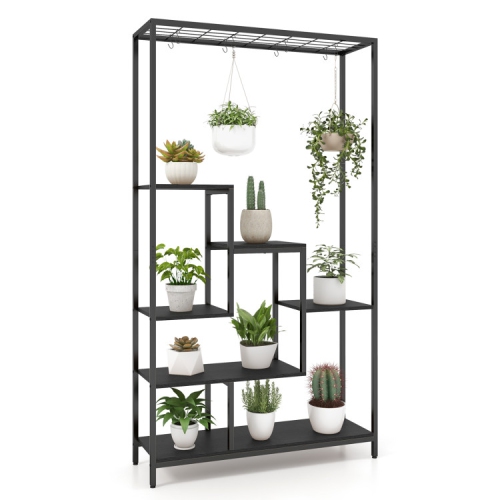
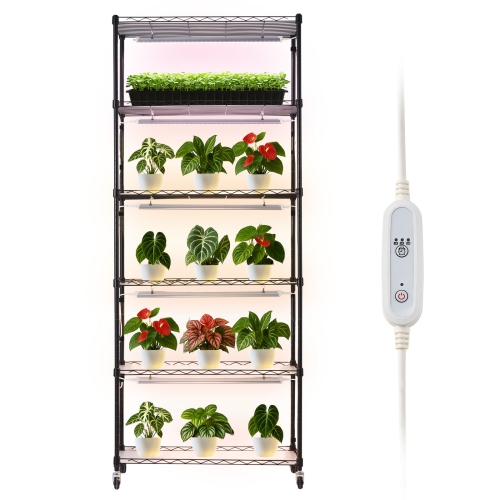
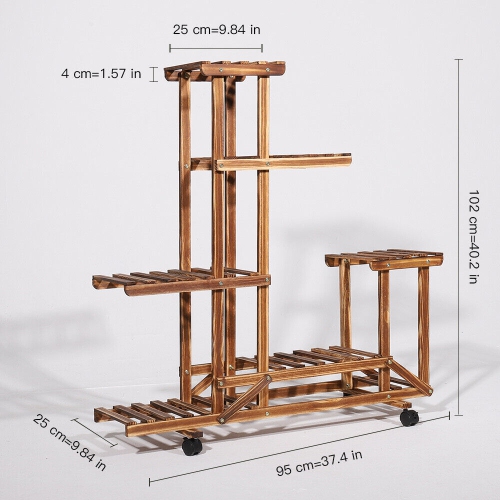
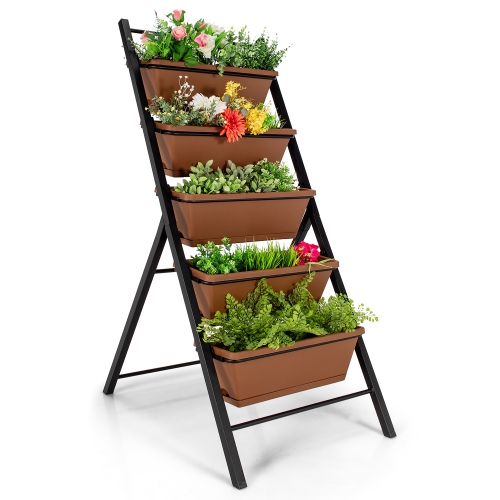
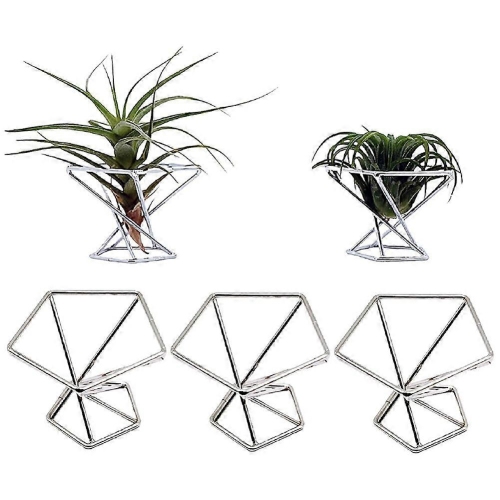
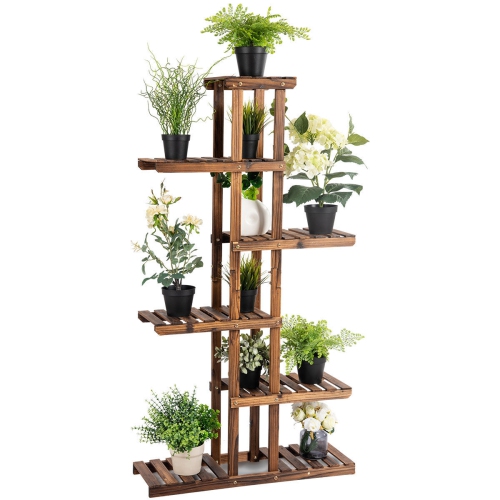
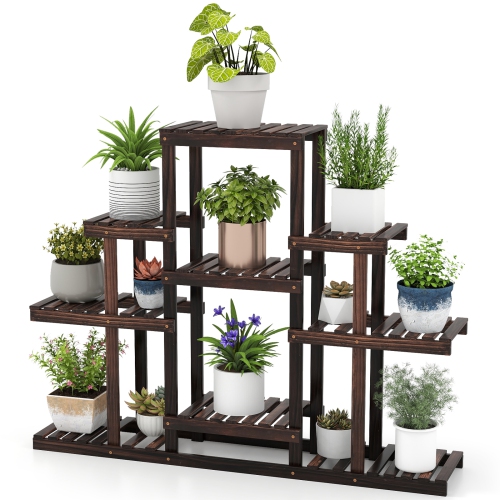

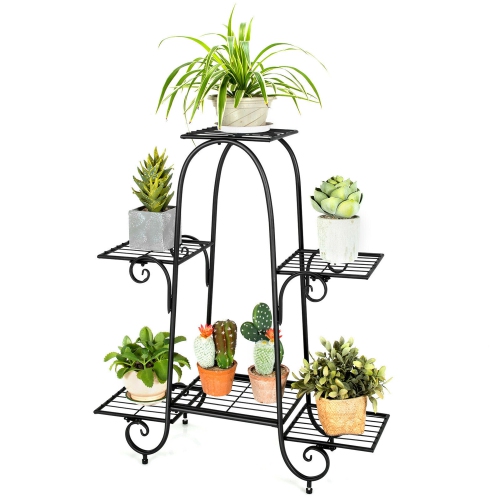
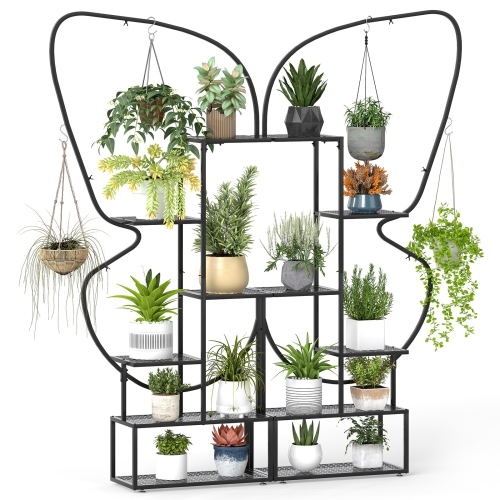
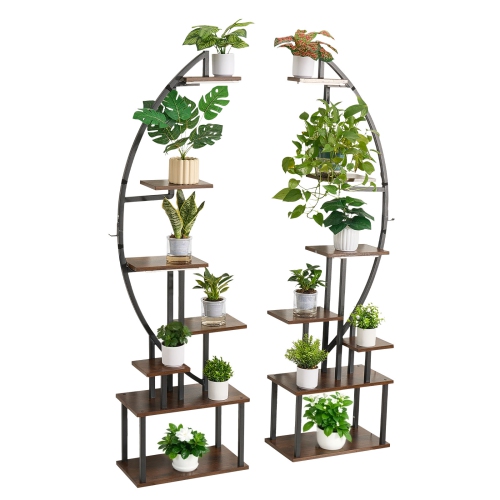
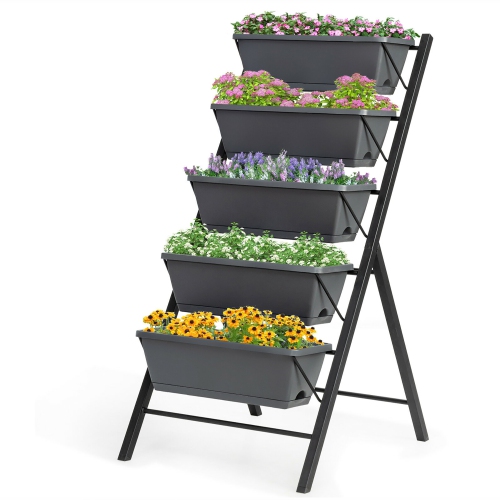
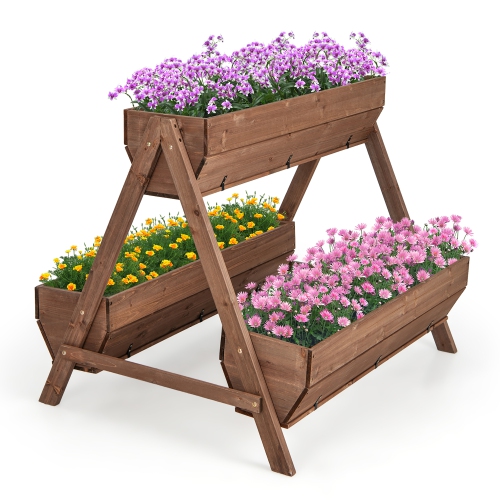
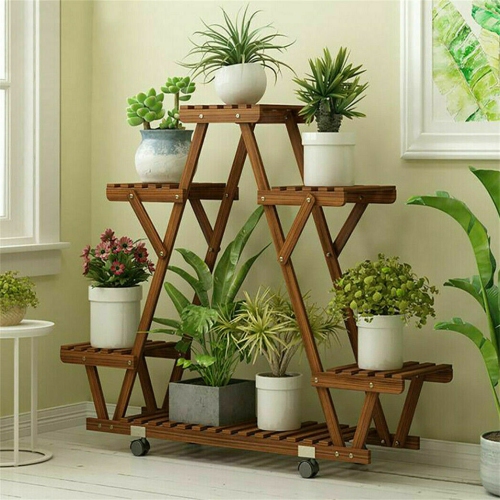
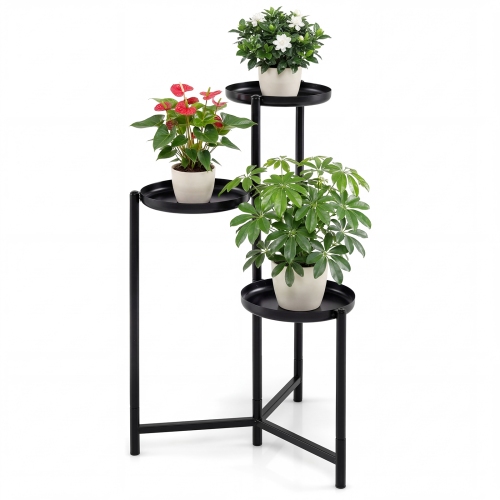
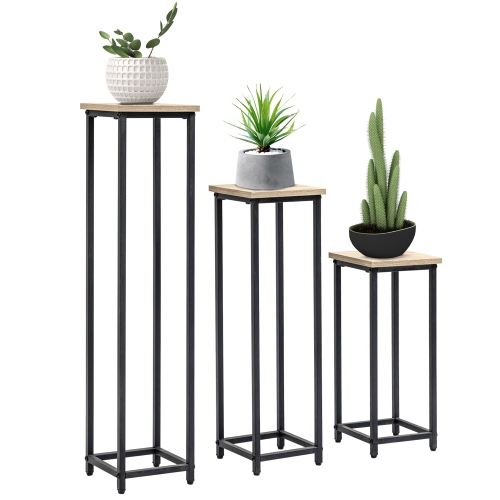
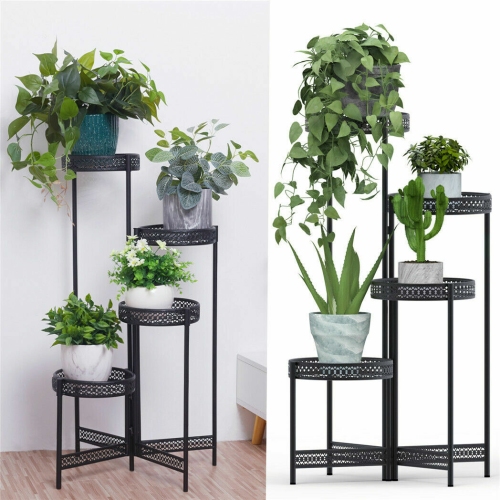
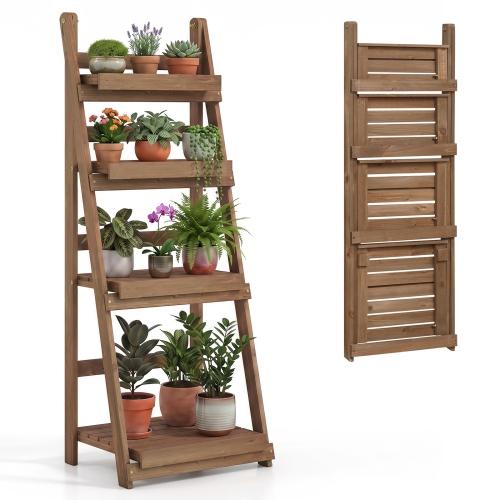

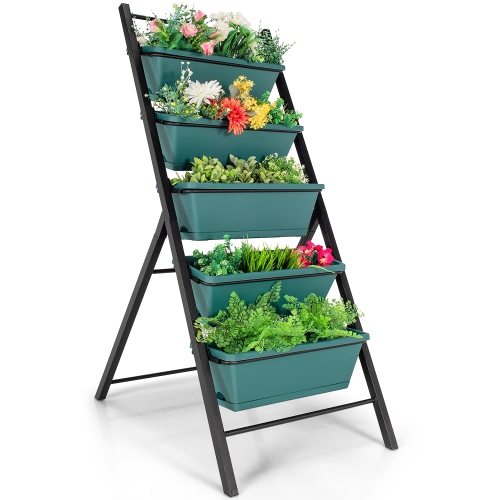
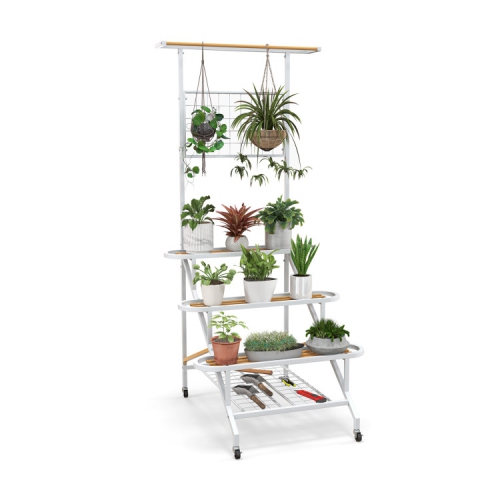
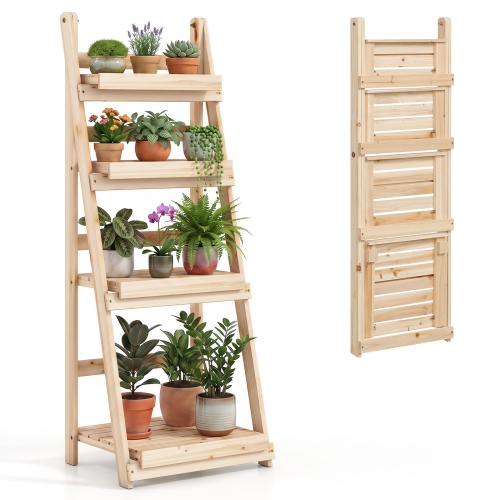
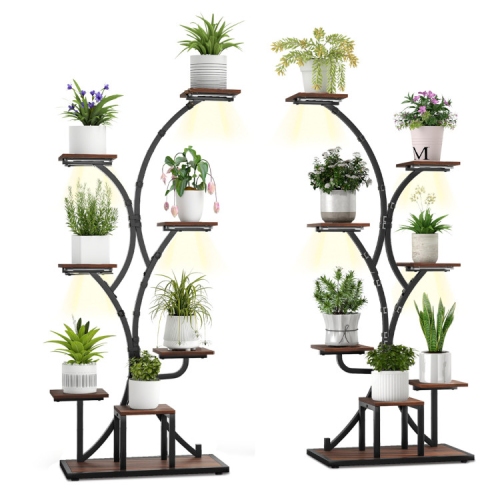
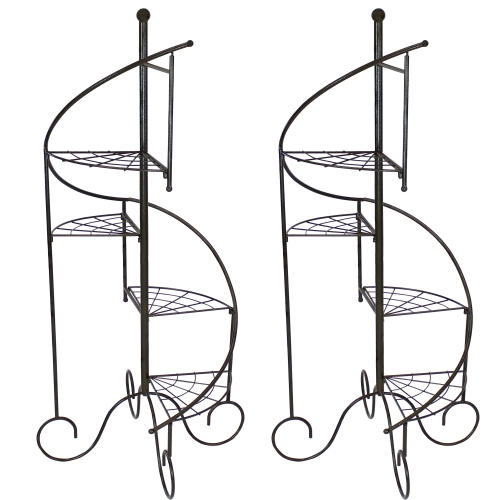
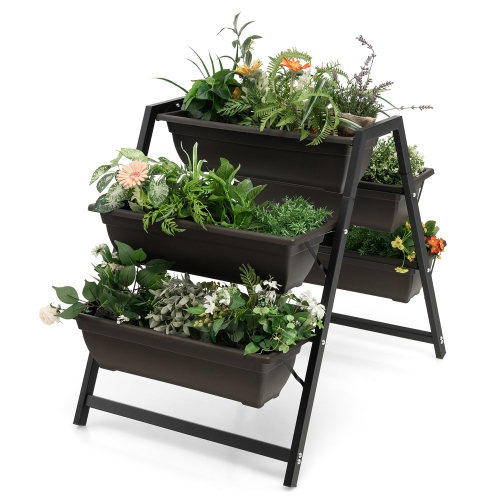
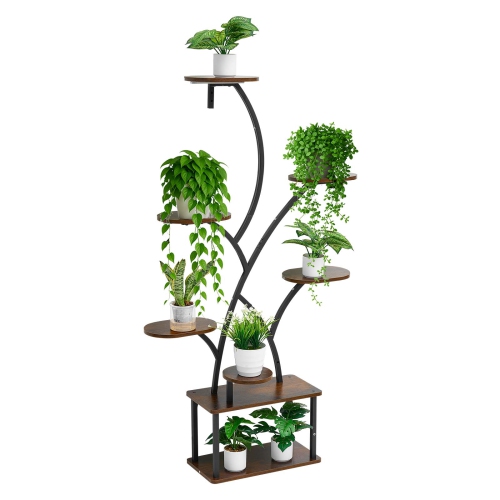
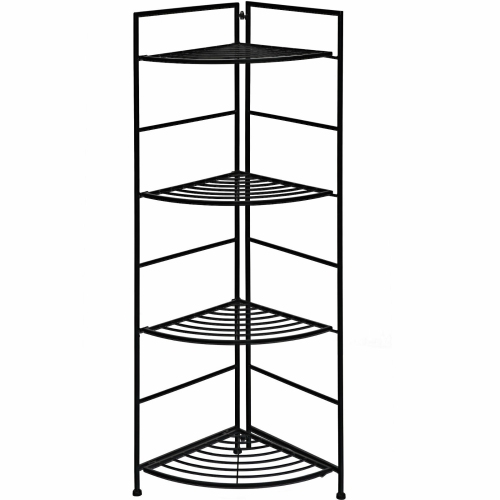
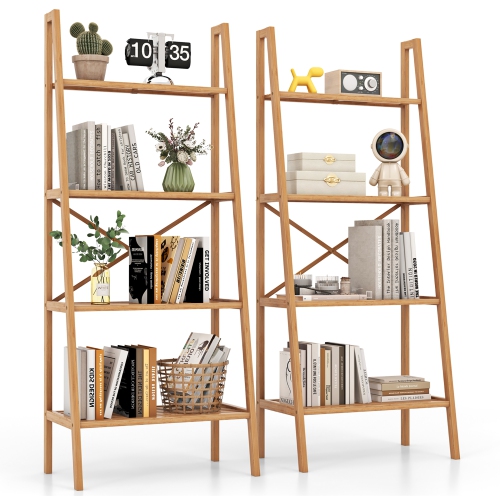
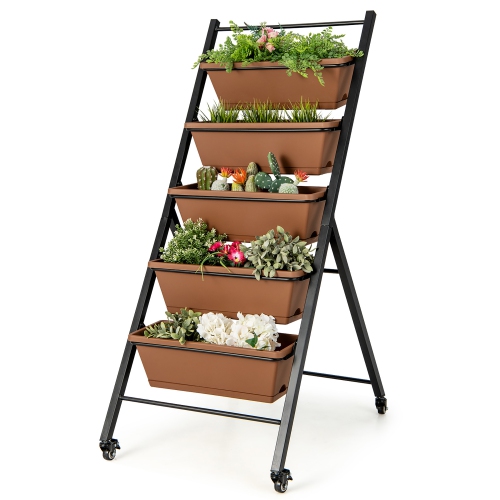
Layered displays that make the most of vertical space
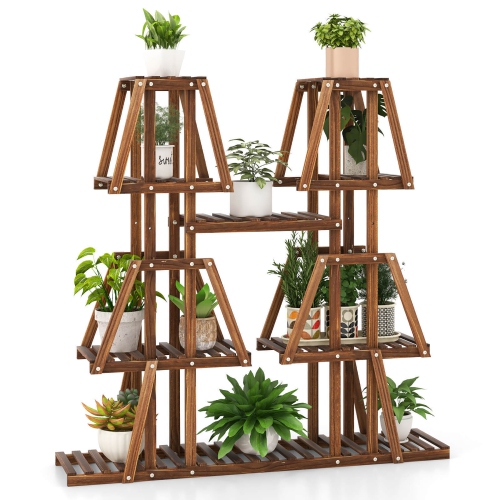
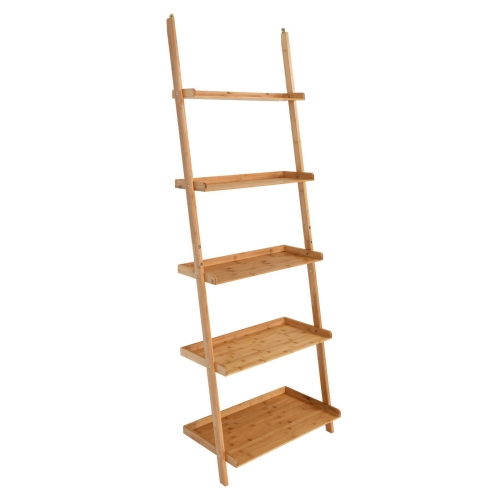
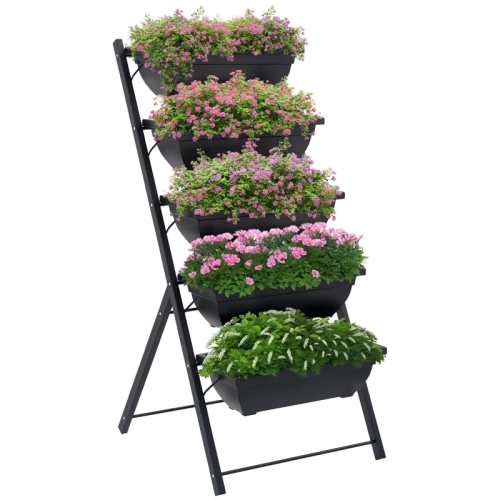
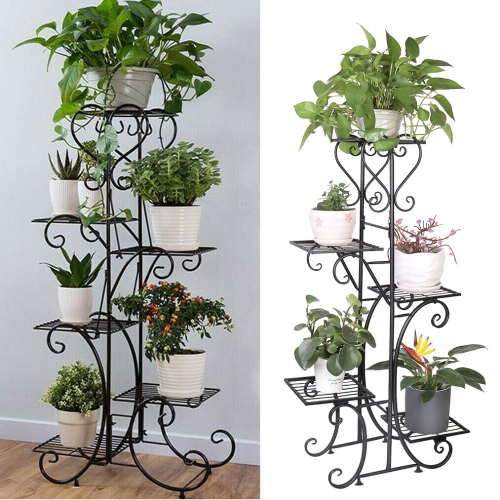
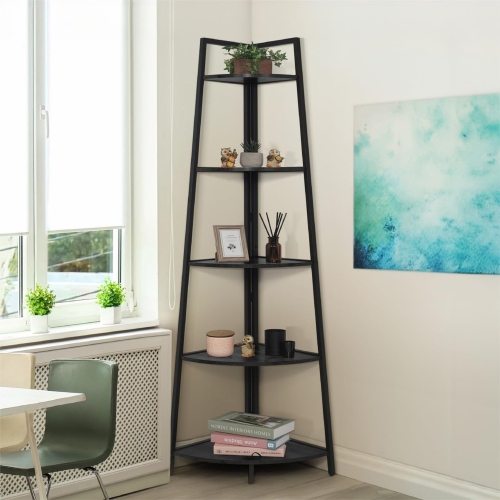
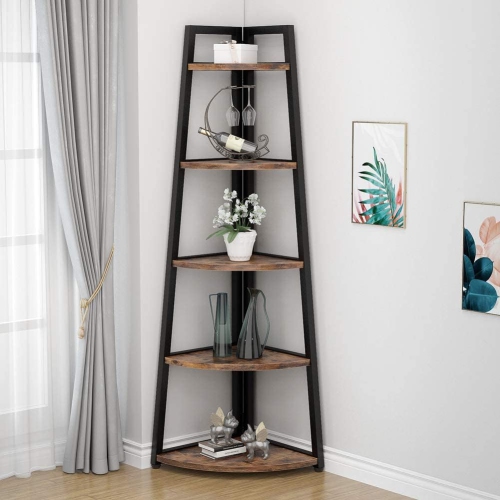
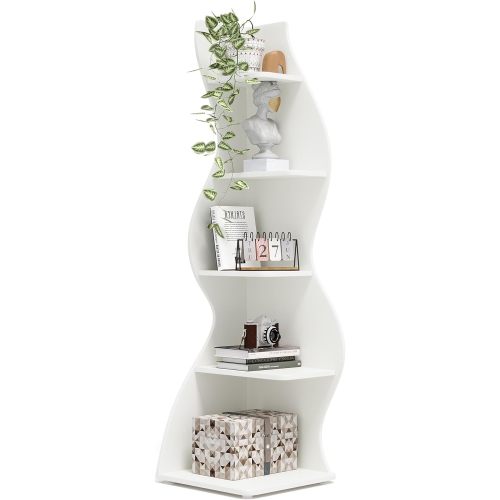
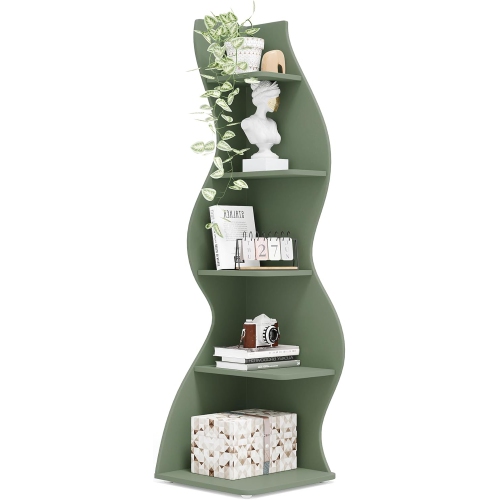
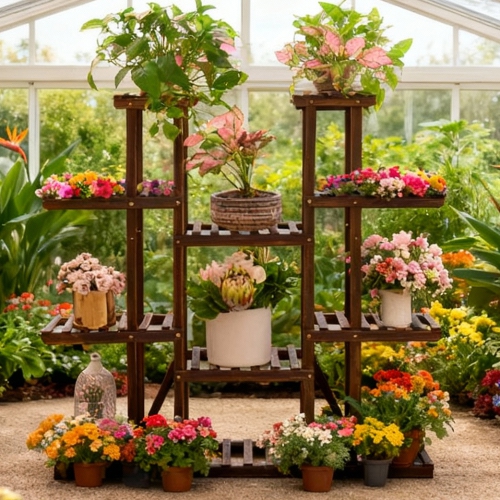
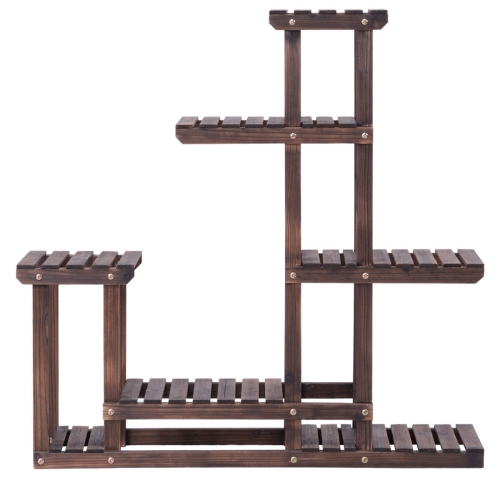
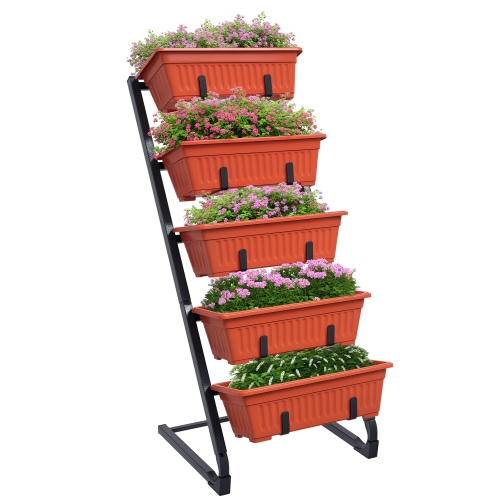
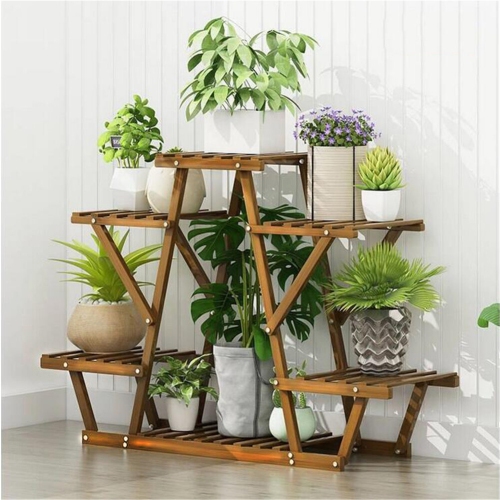
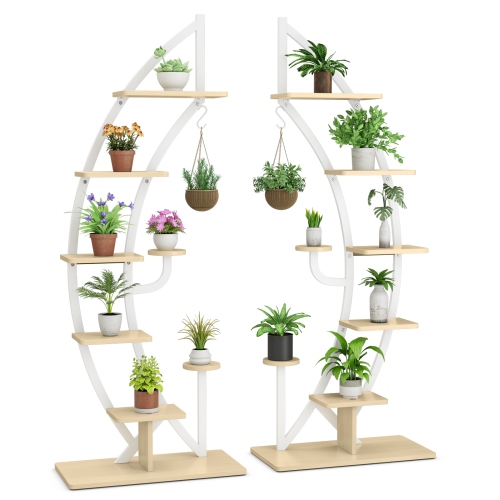
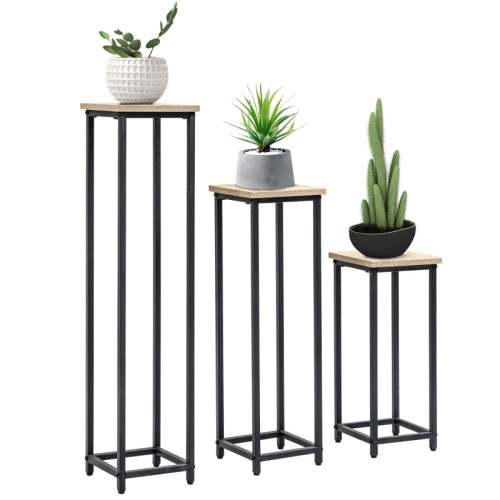
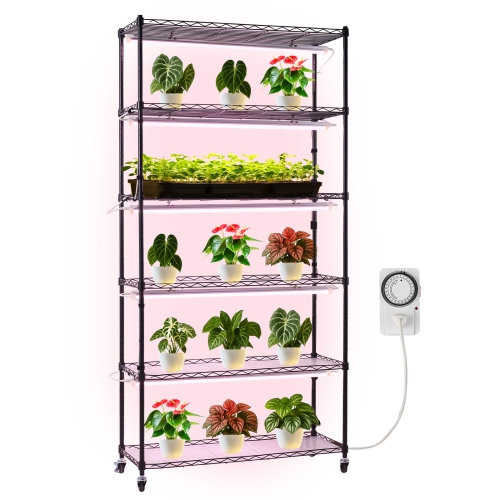
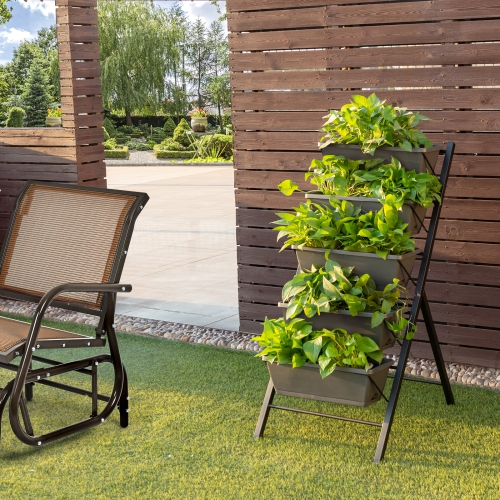
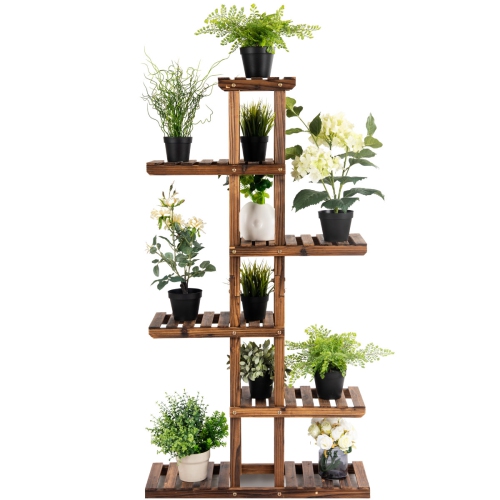
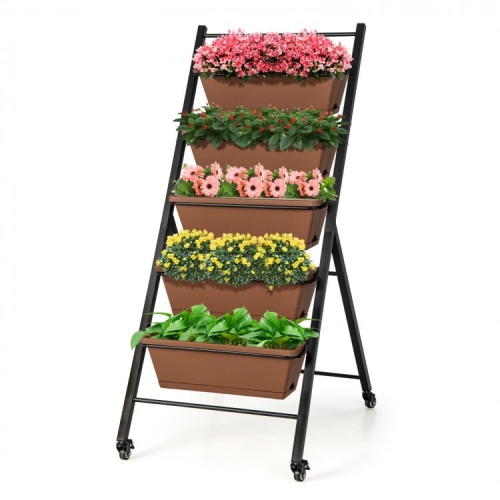
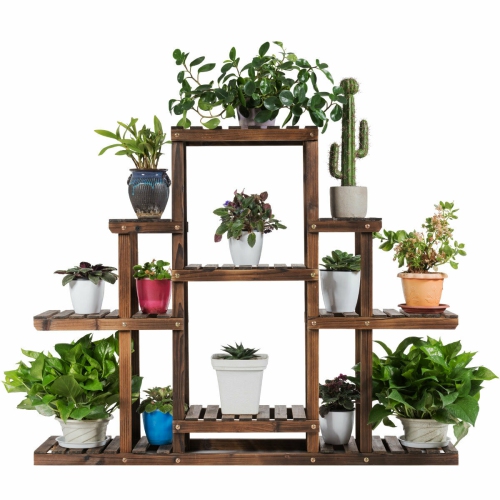
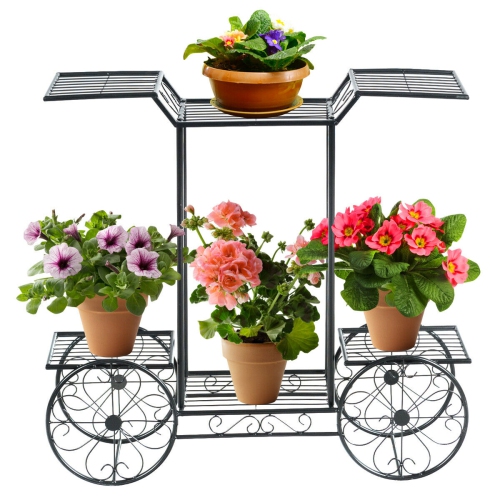
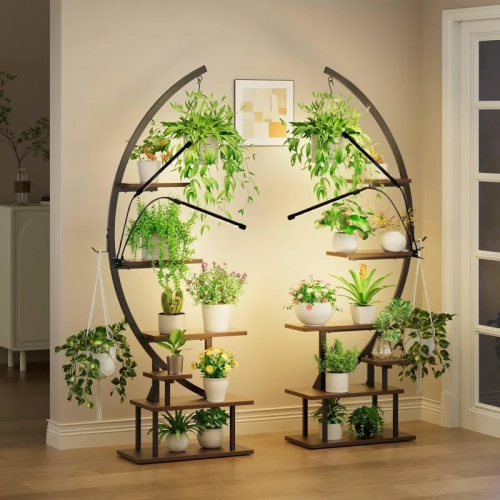
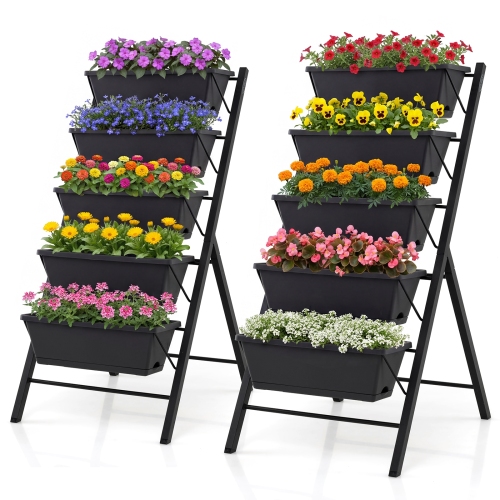
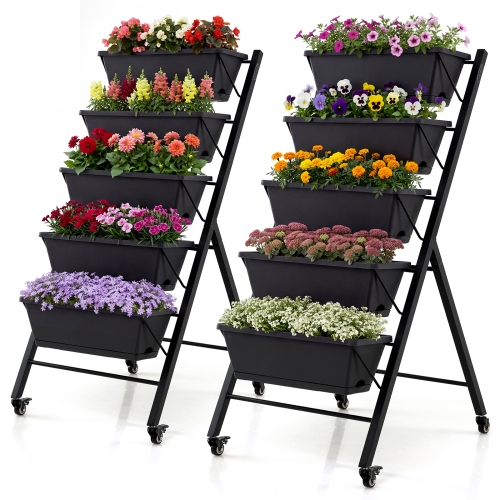
Five-tier plant stands are a practical way to display a collection of greenery while making better use of vertical space. Instead of spreading pots across a windowsill, side table, or floor, a five-level design creates a compact arrangement that brings plants to different heights and helps each one contribute to the overall look of a room. The shelves may be arranged in a ladder, high-low, trapezoid, corner, or tower-style layout, giving you options for narrow walls, unused corners, balconies, entryways, sunrooms, and covered patios. A taller stand can turn a plain wall into a layered indoor garden, while a corner model can make use of a space that might otherwise remain empty. For more ways to organize a collection, browse Tiered Plant Stands. Five tiers are especially useful for people who enjoy grouping plants by size, colour, or care routine. Smaller pots can sit on the upper shelves, medium planters can fill the middle levels, and broader or heavier containers can be positioned closer to the base for added stability. The staggered arrangement also helps prevent one large leaf canopy from hiding every plant behind it, allowing trailing vines, upright stems, succulents, herbs, and flowering plants to create a more varied display. A stand can be used to keep a favourite collection together or to give a few individual plants room to stand out. It can also be a thoughtful gift for someone moving into a new home, furnishing a balcony, building an indoor garden, or looking for a decorative way to bring more greenery into a living space.
Material and construction have a noticeable effect on how a five-tier plant stand looks and where it can be used. Wood and carbonized pine designs often bring a warm, relaxed appearance that suits bedrooms, living rooms, kitchens, and enclosed porches. Their ladder or high-low profiles can feel like a small piece of furniture, particularly when paired with ceramic planters, woven baskets, or terracotta pots. Metal stands, including heavy-duty iron or steel-frame styles, tend to offer a more streamlined appearance and may be well suited to modern interiors, utility rooms, balconies, and covered outdoor areas. Mixed wood-and-metal designs combine the visual warmth of shelves with the clean lines of a frame, while tower styles may include hooks for hanging planters, baskets, or trailing plants. When choosing a stand, check whether the finish and materials are intended for indoor use only or are suitable for outdoor placement. Water, humidity, direct sunlight, and changing temperatures can affect some surfaces, so an indoor-only stand is best kept away from exposed rain and snow. Even a stand described as suitable for outdoor use should be placed on a stable, reasonably level surface and protected from harsh conditions whenever possible. Look closely at the shelf dimensions as well as the total height: a narrow tier may be ideal for several small pots but may not accommodate a wide planter, while generous shelves can hold larger containers without crowding. Some five-tier designs are made for many smaller pots and may hold up to around 10 plants, depending on the arrangement and the combined weight. Others are built with stronger frames and may support approximately 10 kilograms or 22 pounds per shelf, with certain heavy-duty options rated for more. These ratings can vary by design, so review the stated capacity for each level rather than relying only on the overall appearance. Remember that the weight of damp soil, water, and a ceramic or stone pot can be considerably greater than the weight of the plant itself.
Before bringing a five-tier stand home, measure the intended location from floor to ceiling and from the wall or corner outward. A tall display may look compact from the front but require extra depth at the base, especially when the frame slopes outward like a ladder. Leave enough space to walk past it, open nearby doors, rotate pots, and water the plants without knocking into the shelves. Leveling feet, a wide base, or a design that can be secured against a wall may provide additional confidence in busy households, homes with pets, or areas where the stand could be bumped. Place heavier pots on lower tiers whenever possible, and distribute the weight instead of concentrating several full containers on one side. Sunlight is another important consideration. A high-low layout can help plants receive more light than a single flat row, but windows can create strong differences in brightness from one shelf to another. Plants that prefer bright indirect light may be comfortable near a window, while delicate leaves may need to sit farther from intense afternoon sun. During the cooler months, a stand can keep plants gathered away from cold drafts, radiators, and frequently opened exterior doors; as the weather warms, the same arrangement can move to a balcony, porch, or covered outdoor area if the materials and plants allow it. Five-tier plant stands also make everyday care feel more organised: keep a small watering can nearby, use trays beneath pots to catch drips, and leave a little room between foliage for pruning and checking leaves. With thoughtful placement and realistic attention to weight, dimensions, and light, a five-tier plant stand can turn a narrow footprint into a comfortable, layered display that suits both experienced plant owners and anyone starting with a few favourite pots.
Material and construction have a noticeable effect on how a five-tier plant stand looks and where it can be used. Wood and carbonized pine designs often bring a warm, relaxed appearance that suits bedrooms, living rooms, kitchens, and enclosed porches. Their ladder or high-low profiles can feel like a small piece of furniture, particularly when paired with ceramic planters, woven baskets, or terracotta pots. Metal stands, including heavy-duty iron or steel-frame styles, tend to offer a more streamlined appearance and may be well suited to modern interiors, utility rooms, balconies, and covered outdoor areas. Mixed wood-and-metal designs combine the visual warmth of shelves with the clean lines of a frame, while tower styles may include hooks for hanging planters, baskets, or trailing plants. When choosing a stand, check whether the finish and materials are intended for indoor use only or are suitable for outdoor placement. Water, humidity, direct sunlight, and changing temperatures can affect some surfaces, so an indoor-only stand is best kept away from exposed rain and snow. Even a stand described as suitable for outdoor use should be placed on a stable, reasonably level surface and protected from harsh conditions whenever possible. Look closely at the shelf dimensions as well as the total height: a narrow tier may be ideal for several small pots but may not accommodate a wide planter, while generous shelves can hold larger containers without crowding. Some five-tier designs are made for many smaller pots and may hold up to around 10 plants, depending on the arrangement and the combined weight. Others are built with stronger frames and may support approximately 10 kilograms or 22 pounds per shelf, with certain heavy-duty options rated for more. These ratings can vary by design, so review the stated capacity for each level rather than relying only on the overall appearance. Remember that the weight of damp soil, water, and a ceramic or stone pot can be considerably greater than the weight of the plant itself.
Before bringing a five-tier stand home, measure the intended location from floor to ceiling and from the wall or corner outward. A tall display may look compact from the front but require extra depth at the base, especially when the frame slopes outward like a ladder. Leave enough space to walk past it, open nearby doors, rotate pots, and water the plants without knocking into the shelves. Leveling feet, a wide base, or a design that can be secured against a wall may provide additional confidence in busy households, homes with pets, or areas where the stand could be bumped. Place heavier pots on lower tiers whenever possible, and distribute the weight instead of concentrating several full containers on one side. Sunlight is another important consideration. A high-low layout can help plants receive more light than a single flat row, but windows can create strong differences in brightness from one shelf to another. Plants that prefer bright indirect light may be comfortable near a window, while delicate leaves may need to sit farther from intense afternoon sun. During the cooler months, a stand can keep plants gathered away from cold drafts, radiators, and frequently opened exterior doors; as the weather warms, the same arrangement can move to a balcony, porch, or covered outdoor area if the materials and plants allow it. Five-tier plant stands also make everyday care feel more organised: keep a small watering can nearby, use trays beneath pots to catch drips, and leave a little room between foliage for pruning and checking leaves. With thoughtful placement and realistic attention to weight, dimensions, and light, a five-tier plant stand can turn a narrow footprint into a comfortable, layered display that suits both experienced plant owners and anyone starting with a few favourite pots.
Top selling and popular products
-
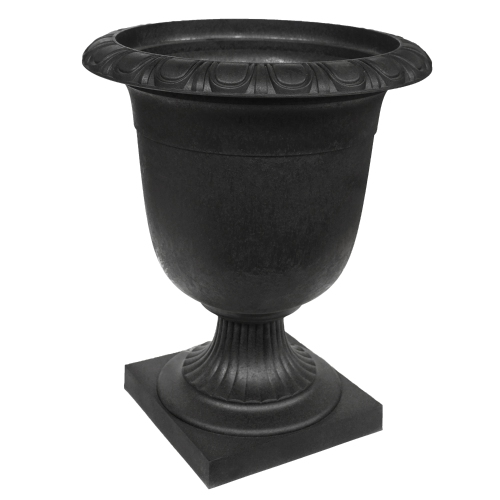 Your price for this item is $57.99
 -
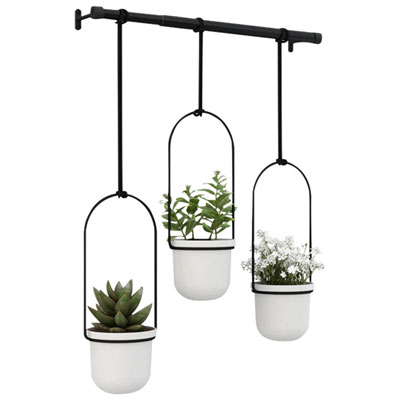 Your price for this item is $54.98
 -
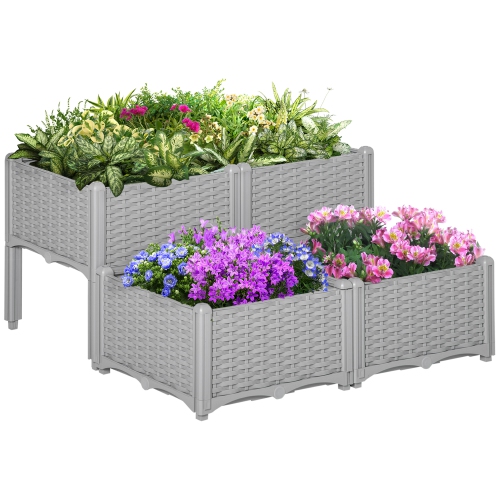 Your price for this item is $94.99
 -
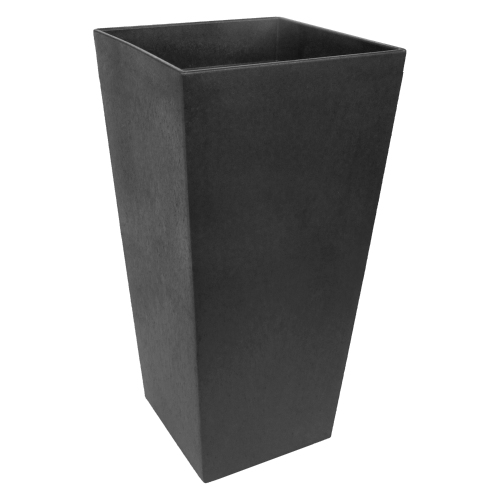 Your price for this item is $79.99
 -
 Your price for this item is $105.99
 -
 Your price for this item is $142.99
 -
 Your price for this item is $117.75
 -
 Your price for this item is $117.75
Discover more categories related to 5 Tier Plant Stands
Top Collections:
Pokemon Centers, Best Cameras for Sports Photography, Kindle Devices, Samsung Galaxy Phones, Canon G7X Cameras, Pokémon 30th Celebration Cards, Refurbished Apple Laptops, iPhone 15 Apple, Laptops for Students, Budget Smartphones
Some products may be subject to Environmental Handling Fees
(EHF) depending on your province.
Learn more about EHFs.